
Missing teeth can significantly affect your confidence, speech, and ability to enjoy your favorite foods. Fortunately, modern dentistry offers advanced solutions that go far beyond traditional removable dentures. One of the most reliable and patient-friendly options today is denture snap ons. These innovative restorations combine the affordability of dentures with the stability of dental implants, creating a secure and comfortable experience for patients who want a better quality of life.
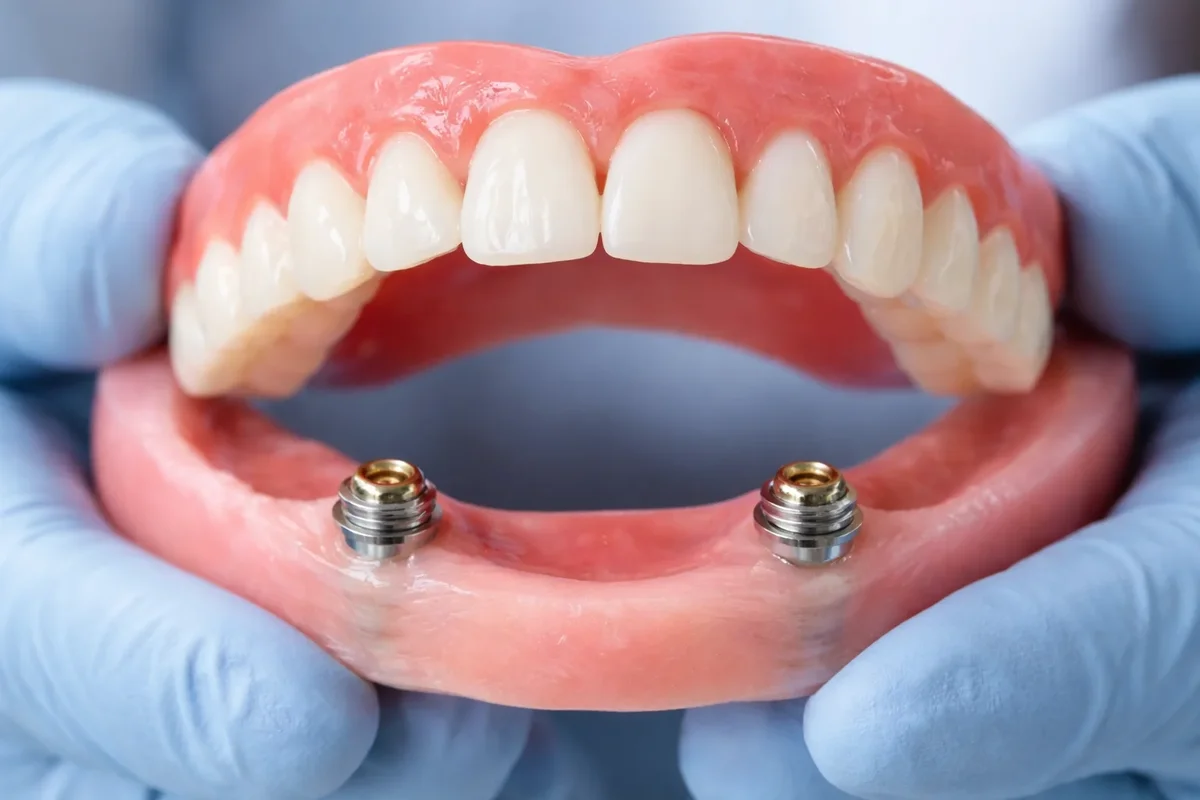
Denture snap ons, also known as implant-supported overdentures or snap-in dentures, are removable dentures that securely attach to dental implants placed in the jawbone. Instead of relying solely on suction or adhesive, denture snap ons “snap” into place using special attachments connected to implants. This snapping mechanism prevents slipping, reduces gum irritation, and significantly improves chewing efficiency. 😊
The core concept behind denture snap ons is stability. Traditional dentures often shift while eating or speaking, causing embarrassment and discomfort. Because denture snap ons anchor to titanium implants that integrate with the jawbone, they provide a firm foundation. This means patients can eat a wider range of foods, speak more clearly, and smile with greater confidence.
Another important advantage of denture snap ons is bone preservation. When natural teeth are lost, the jawbone gradually shrinks due to lack of stimulation. Dental implants used in denture snap ons help stimulate the bone, similar to natural tooth roots. This stimulation slows down bone loss and helps maintain facial structure over time. As a result, patients often retain a more youthful appearance compared to those wearing conventional dentures alone.
The design of denture snap ons typically involves two to four implants placed strategically in the jaw. After healing, special connectors called abutments are attached to these implants. The denture base is then fitted with corresponding attachments that allow it to securely snap into place. The result is a removable yet highly stable solution. Unlike fully fixed implant bridges, denture snap ons can still be removed for cleaning, making oral hygiene easier to maintain.
Many patients choose denture snap ons because they offer a balanced solution between affordability and performance. While full fixed implant restorations can be more expensive, denture snap ons require fewer implants and therefore often cost less. At the same time, they provide significantly better retention than traditional dentures, eliminating the daily frustration of slipping or messy adhesives.
From a functional perspective, denture snap ons can dramatically improve chewing strength. Studies show that implant-supported dentures restore much more biting force compared to conventional dentures. This means patients can comfortably enjoy foods like meat, fresh vegetables, and nuts without worrying about movement. Improved chewing also supports better digestion and overall health.
Comfort is another major factor. Because denture snap ons rely on implants rather than full gum coverage for stability, they often feel less bulky in the mouth. The secure fit reduces sore spots and pressure points that are common with traditional dentures. Patients frequently report that denture snap ons feel more natural and provide greater confidence in social situations.
In terms of long-term durability, denture snap ons are built to withstand daily function. The implant posts are made from biocompatible titanium, which integrates with the jawbone in a process called osseointegration. With proper care and regular dental checkups, denture snap ons can last many years. The attachment components may need periodic replacement, but the implants themselves are designed for longevity.
It is important to understand that denture snap ons are not a one-size-fits-all solution. Patients must have sufficient bone density to support implants, although bone grafting can sometimes address deficiencies. A thorough consultation, including digital imaging and clinical evaluation, is essential before proceeding with denture snap ons.
For individuals seeking a secure, comfortable, and modern alternative to traditional dentures, denture snap ons offer a transformative option. They bridge the gap between removable and fixed solutions, delivering improved function, enhanced aesthetics, and greater peace of mind. By combining implant technology with removable prosthetics, denture snap ons represent one of the most practical and life-changing advancements in restorative dentistry today.
What Are Denture Snap Ons and How Do They Work?
Denture snap ons are a modern dental solution designed to provide greater stability, comfort, and confidence compared to traditional removable dentures. Unlike conventional dentures that rest directly on the gums and rely on suction or adhesive, denture snap ons are supported by dental implants placed in the jawbone. This unique attachment system allows the denture to securely “snap” into place, significantly reducing movement while speaking or eating. 😊
For patients who struggle with loose or uncomfortable dentures, understanding how denture snap ons function can help clarify why they are considered such a transformative treatment option. These implant-supported overdentures combine the affordability and removability of traditional dentures with the enhanced retention of dental implants.
The Basic Structure of Denture Snap Ons
To fully understand denture snap ons, it is important to look at their core components. Typically, the system includes:
- Dental implants (usually 2–4 per arch)
- Abutments or attachment connectors
- A custom-designed denture base with internal snap mechanisms
The dental implants used in denture snap ons are small titanium posts surgically inserted into the jawbone. Over time, these implants fuse with the bone in a natural process called osseointegration. This creates a stable and durable foundation for the denture.
Once healing is complete, attachment connectors are placed on the implants. The denture is then fabricated with corresponding components that allow it to snap securely onto these connectors. When properly fitted, denture snap ons remain firmly in place during daily activities while still being removable for cleaning.
How the Snapping Mechanism Works
The defining feature of denture snap ons is the attachment system. Several types of attachment mechanisms can be used, including:
1. Ball Attachments
Ball attachments involve a small metal ball on the implant that fits into a socket inside the denture. When pressed into place, denture snap ons securely snap over the ball anchors.
2. Locator Attachments
Locator systems are among the most common options for denture snap ons. They provide strong retention while allowing a slight degree of flexibility to reduce stress on the implants.
3. Bar Attachments
In some cases, implants are connected with a thin metal bar, and the denture clips onto this bar. This design can offer additional stability for denture snap ons, especially in patients with higher functional demands.
Regardless of the attachment type, the goal of denture snap ons is consistent: to eliminate slipping and improve overall comfort.
The Role of Dental Implants in Stability
The reason denture snap ons perform so well lies in the dental implants themselves. Traditional dentures sit on soft tissue, which naturally shifts and compresses during chewing. In contrast, denture snap ons anchor directly into the jawbone via implants, providing a firm base similar to natural tooth roots.
This added support allows patients to bite with greater force and eat a wider variety of foods. Many individuals report that denture snap ons restore much of their natural chewing ability, improving both nutrition and confidence.
Daily Use and Functionality
Using denture snap ons is simple and user-friendly. The denture is aligned over the implant attachments and gently pressed into place until it clicks securely. To remove it, the patient applies slight upward pressure. This ease of use makes denture snap ons an excellent option for individuals who want improved stability without committing to a fully fixed bridge.
Because denture snap ons are removable, cleaning is straightforward. Patients can take them out daily to brush the denture and clean around the implant attachments. Maintaining proper hygiene helps ensure the long-term success of denture snap ons.
Upper vs. Lower Denture Snap Ons
Denture snap ons can be placed in both the upper and lower jaws. However, they are especially beneficial for the lower jaw, where traditional dentures often feel unstable due to limited surface area and tongue movement. Lower denture snap ons dramatically improve retention and reduce irritation.
Upper denture snap ons can also provide excellent support and may eliminate the need for a full palate plate, making the denture feel less bulky and more natural.
Why Patients Choose Denture Snap Ons
Patients often choose denture snap ons because they offer a middle ground between removable dentures and permanently fixed implant restorations. They are typically more affordable than full fixed implant bridges, yet far more stable than traditional dentures.
In addition to improved function, denture snap ons help preserve jawbone structure. The implants stimulate the bone and reduce shrinkage, which is a common issue after tooth loss. This bone preservation supports long-term facial aesthetics and oral health.
Overall, denture snap ons work by combining implant technology with removable prosthetics to deliver stability, comfort, and confidence. Their secure snapping mechanism, enhanced chewing efficiency, and ease of maintenance make denture snap ons one of the most practical and life-enhancing solutions in modern restorative dentistry.
Who Is a Good Candidate for Denture Snap Ons?
Not every tooth replacement solution fits every patient, which is why understanding candidacy is essential before choosing denture snap ons. These implant-supported overdentures offer outstanding stability and comfort, but proper evaluation ensures long-term success. If you are considering denture snap ons, knowing whether you meet the clinical and functional requirements will help you make an informed and confident decision. 😊
In general, good candidates for denture snap ons are individuals who are missing most or all of their teeth in one or both arches and want improved stability compared to traditional dentures. However, several additional factors determine whether denture snap ons are the right option.
Patients Struggling with Loose or Unstable Dentures
One of the most common reasons patients seek denture snap ons is dissatisfaction with conventional removable dentures. If your current denture slips while eating, shifts during conversations, or requires constant adhesive use, denture snap ons may provide the stability you need.
Because denture snap ons attach securely to dental implants, they significantly reduce unwanted movement. This makes them ideal for individuals who feel embarrassed or frustrated by unstable dentures.
Individuals with Adequate Jawbone Density
Successful placement of denture snap ons depends on the presence of sufficient jawbone to support dental implants. Since implants anchor directly into the bone, density and volume are critical for stability and long-term integration.
Bone Evaluation Process
Before recommending denture snap ons, your dentist will typically perform digital X-rays or 3D imaging. These scans assess whether the jawbone can support implants safely and predictably.
Bone Grafting as an Option
If bone loss has already occurred, bone grafting procedures may help rebuild the foundation needed for denture snap ons. Many patients who initially believe they are not candidates can still qualify after preparatory treatment.
Patients Seeking a Balance Between Fixed and Removable Solutions
Some patients want implant stability but prefer a removable option for easier cleaning. Denture snap ons provide this middle-ground solution. Unlike fully fixed implant bridges, denture snap ons can be removed daily while still offering secure retention during use.
This makes denture snap ons particularly suitable for older adults or individuals who prefer simplified hygiene routines without sacrificing stability.
Non-Smokers or Light Smokers
Smoking can negatively impact implant healing and long-term success. Ideal candidates for denture snap ons are non-smokers or individuals willing to reduce or quit smoking during the healing phase. Since implants are essential for denture snap ons, proper healing is critical to ensure durability.
Patients in Good General Health
Overall health plays an important role in determining candidacy for denture snap ons. Conditions such as uncontrolled diabetes, severe osteoporosis, or immune disorders may affect healing after implant placement.
That said, many individuals with managed medical conditions can safely receive denture snap ons after medical clearance. A comprehensive health evaluation ensures that denture snap ons are placed under optimal conditions.
People Looking to Preserve Jawbone Structure
Bone loss naturally occurs after tooth loss. One of the major advantages of denture snap ons is their ability to help preserve bone through implant stimulation. Patients who want to maintain facial structure and avoid the “sunken” appearance associated with long-term denture wear often choose denture snap ons.
Because the implants used in denture snap ons function like natural tooth roots, they encourage ongoing bone maintenance. This makes them an excellent choice for long-term oral health planning.
Those Who Want Improved Chewing Power
Traditional dentures can limit dietary choices. If you avoid certain foods due to instability or discomfort, denture snap ons may significantly improve your chewing ability. Many patients report increased bite force and greater confidence when eating after receiving denture snap ons.
Improved chewing function not only enhances comfort but also supports better digestion and nutrition. For many individuals, denture snap ons restore a sense of normalcy in daily life.
Psychological Readiness and Realistic Expectations
Another important factor is patient expectations. While denture snap ons dramatically improve stability, they are still removable prosthetics. Patients who understand the benefits and limitations of denture snap ons tend to experience the highest satisfaction rates.
A detailed consultation helps clarify what denture snap ons can achieve. Clear communication ensures that patients are both physically and emotionally prepared for treatment.
When Denture Snap Ons May Not Be Ideal
Although denture snap ons benefit many individuals, they may not be suitable for everyone. Severe systemic health conditions, extremely advanced bone loss without grafting options, or unwillingness to maintain proper hygiene can reduce candidacy.
However, advancements in implant dentistry have expanded eligibility, and many patients who once believed they were not candidates can now successfully receive denture snap ons.
In summary, a good candidate for denture snap ons is someone missing multiple teeth who desires improved stability, has sufficient bone or is willing to undergo preparatory treatment, maintains good overall health, and understands the benefits of implant-supported dentures. With proper evaluation and personalized planning, denture snap ons can provide life-changing improvements in comfort, function, and confidence.