
Dentures & dental implants are among the most effective and widely used solutions for replacing missing teeth in modern dentistry. Whether tooth loss occurs due to aging, gum disease, trauma, or decay, these treatments play a crucial role in restoring not only oral function but also facial aesthetics and self-confidence 😊. Understanding how dentures & dental implants work, who they are for, and why they matter is essential for anyone researching long-term tooth replacement options.
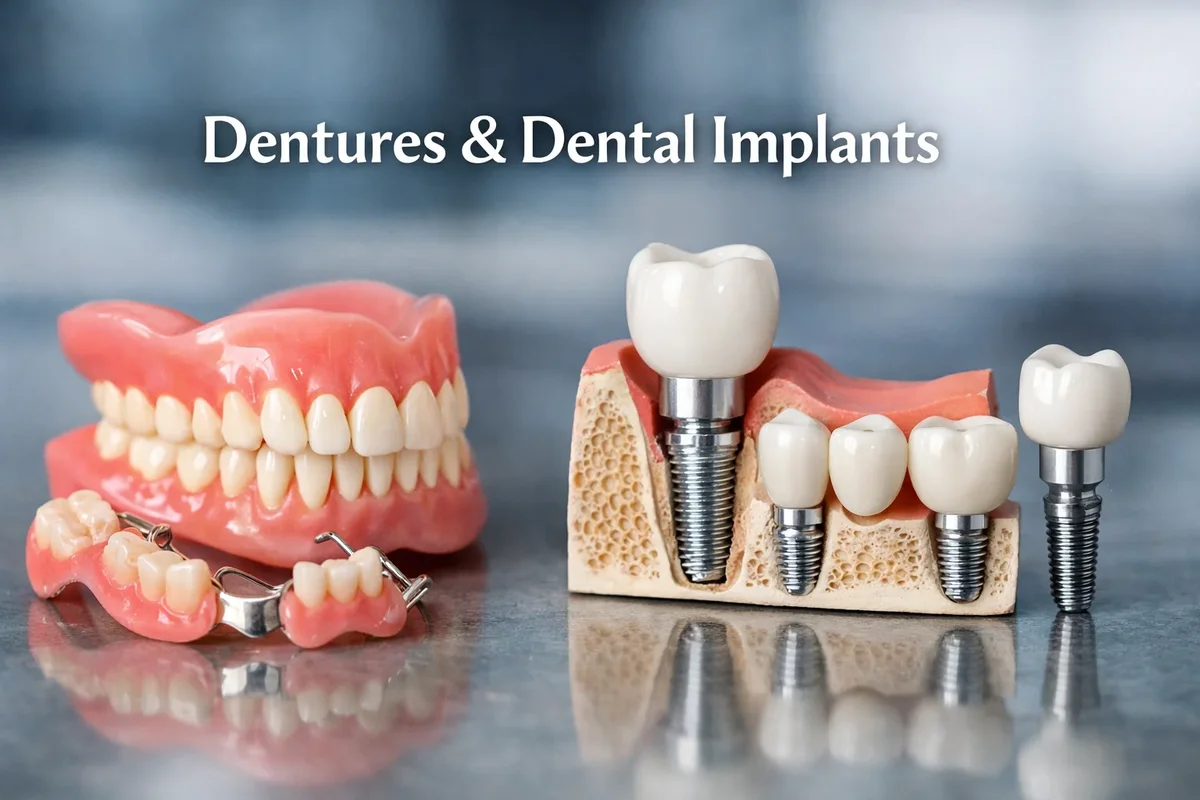
At their core, dentures & dental implants address the same problem—missing teeth—but in very different ways. Dentures are removable prosthetic devices designed to replace multiple or all missing teeth, resting on the gums and sometimes supported by remaining natural teeth. Dental implants, on the other hand, are fixed solutions where a titanium post is surgically placed into the jawbone to act as an artificial tooth root, supporting a crown, bridge, or full-arch restoration. Together, dentures & dental implants offer flexible solutions for nearly every clinical situation.
One of the main reasons dentures & dental implants are so important is their impact on overall health. Missing teeth do not only affect appearance; they can lead to bone loss in the jaw, shifting of remaining teeth, difficulty chewing, digestive problems, and even speech issues. By replacing missing teeth with dentures & dental implants, patients can maintain proper bite alignment, preserve jawbone structure, and continue to eat a balanced, nutritious diet without discomfort.
Another critical aspect of dentures & dental implants is their role in facial support. Teeth help maintain the natural shape of the face. When teeth are lost and not replaced, facial muscles can sag, leading to a prematurely aged appearance. Well-designed dentures & dental implants support the lips and cheeks, helping patients look younger and healthier while restoring a natural smile 😁.
Functionality is a major driver behind the popularity of dentures & dental implants. Many people struggle with chewing efficiency after tooth loss, which limits food choices and negatively affects quality of life. Dental implants, in particular, closely mimic natural teeth by transferring chewing forces directly to the jawbone. Dentures, especially modern precision-fit options, also significantly improve chewing ability compared to having no teeth at all. In both cases, dentures & dental implants allow patients to speak more clearly and eat more comfortably.
Psychological well-being should not be underestimated when discussing dentures & dental implants. Tooth loss often leads to embarrassment, social withdrawal, and reduced self-esteem. Restoring the smile with dentures & dental implants helps patients feel confident again in both professional and social settings. Smiling, laughing, and speaking without fear of visible gaps or instability can dramatically improve mental and emotional health 🌱.
From a clinical perspective, dentures & dental implants are backed by decades of scientific research and continuous technological advancement. Organizations such as the
American Dental Association
recognize both treatment options as safe, effective, and evidence-based when properly planned and executed. Today’s materials and digital planning techniques allow for highly personalized dentures & dental implants that fit comfortably and look remarkably natural.
It is also important to understand that dentures & dental implants are not mutually exclusive. Many modern treatment plans combine both approaches, such as implant-supported dentures. These hybrid solutions provide the stability of implants with the coverage of dentures, offering an excellent balance between comfort, function, and affordability. This flexibility makes dentures & dental implants adaptable to different budgets, anatomical conditions, and patient expectations.
Choosing the right solution among dentures & dental implants requires professional evaluation, careful planning, and clear communication with an experienced dental team. Factors such as bone density, oral hygiene habits, general health, and lifestyle all play a role in determining the most suitable option. If you are considering dentures & dental implants and want personalized guidance, you can reach out through the
Redent Klinik Contact Page
to receive expert consultation tailored to your needs.
In summary, dentures & dental implants are not just cosmetic treatments—they are comprehensive medical solutions that restore function, protect oral health, and enhance quality of life. By understanding their purpose and benefits, patients can make informed decisions that support long-term oral and overall well-being. This foundational knowledge sets the stage for exploring differences, candidacy, types, costs, and treatment processes in greater depth in the sections that follow.
What Are Dentures & Dental Implants and How Do They Work?
Dentures & dental implants are two cornerstone solutions in restorative dentistry, designed to replace missing teeth and restore normal oral function. Although they serve the same overall purpose, they differ significantly in structure, application, and biological interaction with the mouth. Understanding how dentures & dental implants work in detail helps patients make informed, confident decisions about their oral health 🦷.
Understanding Dentures: Removable Tooth Replacement
Dentures are custom-made prosthetic devices created to replace multiple missing teeth or an entire dental arch. Traditional dentures sit directly on the gums and are shaped to match the contours of the mouth. Dentures & dental implants often appear together in treatment planning discussions because dentures are usually the first option considered when extensive tooth loss has occurred.
Dentures work by distributing chewing forces across the gums and underlying bone. Modern dentures are made from advanced acrylics and composite materials that closely mimic the appearance of natural teeth. Partial dentures attach to remaining natural teeth using discreet clasps, while full dentures rely on suction, muscle control, and precise fit to stay in place. While dentures & dental implants differ mechanically, both aim to restore chewing, speech, and smile aesthetics.
One limitation of traditional dentures is that they do not stimulate the jawbone. Over time, bone resorption can occur, causing dentures to feel loose. This is one reason many patients later transition from conventional dentures to implant-supported solutions within the broader category of dentures & dental implants.
Understanding Dental Implants: Fixed and Bone-Supported
Dental implants are considered the most advanced solution within dentures & dental implants due to their ability to replace both the tooth and its root. A dental implant consists of a biocompatible titanium post surgically placed into the jawbone. This post integrates with the bone through a process called osseointegration, forming a strong and stable foundation.
Once integration is complete, a connector called an abutment is attached, followed by a crown, bridge, or full-arch prosthesis. Unlike dentures, dental implants are fixed in place and function almost identically to natural teeth. Among dentures & dental implants, implants are unique in that they actively preserve bone density by transmitting chewing forces into the jaw.
Because of this biological interaction, dental implants are often recommended for patients seeking maximum stability, comfort, and longevity. However, they require sufficient bone volume and good general health, which is why dentures & dental implants must always be evaluated on a case-by-case basis.
How Dentures & Dental Implants Restore Function
One of the primary goals of dentures & dental implants is restoring oral function. Missing teeth reduce bite force and chewing efficiency, which can limit food choices and affect digestion. Dentures improve function by replacing teeth, while dental implants restore function by recreating the natural tooth-root system.
Speech clarity is another important factor. Missing teeth can cause slurring or whistling sounds. Properly designed dentures & dental implants support the tongue and lips, allowing for clearer pronunciation and more natural speech patterns.
How Dentures & Dental Implants Support Facial Structure
Teeth play a crucial role in supporting facial muscles. When teeth are lost, the face may appear sunken or collapsed. Dentures & dental implants help maintain facial height and structure, preventing premature aging. Dental implants are particularly effective because they preserve the jawbone, while dentures provide external soft-tissue support.
This facial support contributes significantly to patient confidence and overall appearance 😊. Many patients report looking healthier and younger after completing treatment with dentures & dental implants.
Combination Solutions: Implant-Supported Dentures
A growing trend within dentures & dental implants is the use of implant-supported dentures. These solutions combine the affordability and coverage of dentures with the stability of implants. A few strategically placed implants anchor the denture, preventing movement and improving comfort.
Implant-supported dentures reduce common complaints associated with traditional dentures, such as slipping, sore spots, and difficulty eating. They also slow down bone loss, offering a balanced solution for patients who may not be candidates for full implant restorations.
Safety, Predictability, and Clinical Reliability
Dentures & dental implants are both clinically proven and widely accepted in modern dentistry. According to the
American Dental Association, both options are safe and effective when planned and performed by qualified professionals. Advances in digital imaging, guided surgery, and material science have significantly improved outcomes for dentures & dental implants.
Ultimately, dentures & dental implants work by restoring what tooth loss takes away: function, stability, health, and confidence. Understanding these mechanisms provides a strong foundation for evaluating differences, candidacy, and long-term expectations, which will be explored in the next sections.
Key Differences Between Dentures & Dental Implants
Understanding the key differences between dentures & dental implants is one of the most important steps for anyone considering tooth replacement. Although both options are designed to restore missing teeth, they differ greatly in terms of stability, comfort, longevity, biological impact, and daily experience. A clear comparison of dentures & dental implants allows patients to align their expectations with the most suitable treatment option 🦷.
Structural Differences Between Dentures & Dental Implants
The most fundamental difference between dentures & dental implants lies in how they are supported. Dentures are prosthetic teeth that rest on the gums and, in some cases, attach to remaining natural teeth. They rely on suction, muscle control, and precise fit for stability. Dental implants, by contrast, are anchored directly into the jawbone through titanium posts that act as artificial tooth roots.
Because dental implants integrate with bone, they become part of the oral structure. Dentures remain removable and external. This structural distinction affects nearly every other aspect of dentures & dental implants, from chewing efficiency to long-term oral health outcomes.
Stability and Comfort Comparison
Stability is one of the most noticeable differences patients experience between dentures & dental implants. Traditional dentures may shift during eating or speaking, particularly lower dentures. Even well-fitted dentures can feel less secure over time as the jawbone changes shape.
Dental implants provide exceptional stability because they are fixed in place. This allows patients to chew confidently without fear of movement. For many individuals, the comfort difference alone is a decisive factor when choosing between dentures & dental implants 😊.
Impact on Daily Activities
Dentures may require dietary adjustments, especially avoiding very hard or sticky foods. Dental implants, however, function similarly to natural teeth, allowing patients to eat a wide variety of foods. This difference significantly affects quality of life and long-term satisfaction with dentures & dental implants.
Bone Health and Facial Preservation
Jawbone preservation is a critical distinction between dentures & dental implants. When teeth are lost, the jawbone no longer receives stimulation and begins to shrink. Dentures sit on top of the gums and do not prevent this process.
Dental implants actively stimulate the jawbone during chewing, helping maintain bone density. Over time, this supports facial structure and prevents the sunken appearance often associated with long-term denture use. This biological advantage makes dental implants a preferred option within dentures & dental implants for patients concerned about facial aging.
Longevity and Durability
Another major difference between dentures & dental implants is lifespan. Dentures typically need replacement or relining over time due to bone changes and material wear. While modern dentures are durable, they generally last several years before adjustments are required.
Dental implants are designed as long-term solutions. With proper care, implant posts can last decades or even a lifetime. The crowns attached to implants may need replacement after many years, but the foundation remains stable. This durability often makes dental implants a long-term investment within dentures & dental implants.
Maintenance and Oral Hygiene
Maintenance routines also differ significantly between dentures & dental implants. Dentures must be removed daily for cleaning and soaked overnight. Improper cleaning can lead to infections, odor, and discomfort.
Dental implants are maintained much like natural teeth, with brushing, flossing, and regular dental checkups. This familiar routine appeals to many patients who prefer a low-maintenance lifestyle when choosing between dentures & dental implants.
Risk of Complications
Both dentures & dental implants are safe when properly planned, but they carry different risks. Dentures may cause sore spots or irritation if poorly fitted. Dental implants require surgery and healing time, and success depends on bone quality and oral hygiene. A professional evaluation is essential to minimize risks and choose the most appropriate option.
Aesthetic Differences
Modern dentistry has greatly improved the appearance of dentures & dental implants. However, dental implants often provide the most natural look because they emerge from the gums like real teeth. Dentures can look very realistic as well, but may not replicate the same level of natural translucency and gum interaction.
Ultimately, the choice between dentures & dental implants depends on medical suitability, personal preferences, lifestyle, and long-term goals. By understanding these key differences, patients are better equipped to move forward confidently toward a solution that restores both oral health and quality of life 🌱.
Who Is the Best Candidate for Dentures & Dental Implants?
Determining who is the best candidate for dentures & dental implants is a critical step in achieving successful, long-lasting tooth replacement results. While dentures & dental implants are both highly effective solutions, they are not universally suitable for every individual in the same way. Factors such as oral health, bone structure, lifestyle, and overall medical condition all play a decisive role in selecting the right treatment 🦷.
General Health Considerations for Dentures & Dental Implants
Overall health is one of the first factors evaluated when considering dentures & dental implants. Dentures are generally suitable for a wide range of patients, including elderly individuals and those with chronic health conditions. Because dentures do not require surgery, they are often recommended for patients who may not be ideal surgical candidates.
Dental implants, however, require a minor surgical procedure and a healing phase. Patients considering dental implants should be in good general health, with controlled medical conditions such as diabetes or cardiovascular disease. Smoking, uncontrolled systemic illnesses, or compromised immune systems may affect implant success. This is why a thorough medical evaluation is essential before proceeding with dentures & dental implants.
Oral Health Requirements
Healthy gums are essential for both dentures & dental implants. Active gum disease must be treated before any tooth replacement procedure begins. Dentures rest on the gums, so inflamed or infected tissue can lead to discomfort and poor fit.
For dental implants, gum health is even more critical. The surrounding soft tissue must be free of infection to support long-term implant stability. Patients with good oral hygiene habits tend to have higher success rates with dentures & dental implants and experience fewer complications over time.
Bone Density and Jaw Structure
Jawbone quality is one of the most important factors distinguishing candidates for dentures & dental implants. Dentures do not require a specific amount of bone because they sit on the gum surface. This makes dentures an accessible option for patients who have experienced significant bone loss.
Dental implants, on the other hand, require sufficient bone density to anchor the implant securely. Patients with inadequate bone may still qualify for dental implants through procedures such as bone grafting. Advances in modern dentistry have expanded eligibility, allowing more patients to benefit from dentures & dental implants than ever before.
Age and Lifestyle Factors
Age alone does not determine suitability for dentures & dental implants. While dentures are often associated with older adults, younger patients who have lost teeth due to trauma or disease may also benefit. Dental implants are suitable for adults whose jawbone development is complete, regardless of age.
Lifestyle considerations also matter. Patients seeking a low-maintenance, removable solution may prefer dentures. Those looking for a fixed, natural-feeling option that integrates into daily life often lean toward dental implants. Understanding personal priorities helps align expectations with the realities of dentures & dental implants 😊.
Number of Missing Teeth
The extent of tooth loss significantly influences candidacy for dentures & dental implants. Dentures are ideal for patients missing many or all teeth, offering full-arch restoration in a single appliance. Partial dentures are suitable when some natural teeth remain.
Dental implants can replace a single missing tooth, multiple teeth, or even an entire arch. Full-mouth restorations using implants are increasingly common, especially for patients seeking maximum stability. In many cases, treatment plans combine dentures & dental implants to achieve optimal results.
Psychological and Functional Expectations
Patient expectations play a vital role in determining the best option among dentures & dental implants. Some individuals prioritize affordability and simplicity, making dentures an appropriate choice. Others value permanence, chewing strength, and a natural feel, which often leads them toward dental implants.
It is essential that patients understand the limitations and advantages of each option. Clear communication between patient and clinician ensures satisfaction and long-term success with dentures & dental implants 🌱.
Professional Evaluation Is Essential
Ultimately, the best candidates for dentures & dental implants are those who undergo a comprehensive dental evaluation. Digital imaging, clinical exams, and health assessments allow dental professionals to recommend the most suitable treatment. According to the
American Dental Association, individualized treatment planning is key to achieving predictable and safe outcomes.
In conclusion, there is no single “perfect” candidate for dentures & dental implants. Each patient’s needs, anatomy, and goals are unique. With proper evaluation and expert guidance, nearly anyone missing teeth can benefit from dentures & dental implants that restore function, confidence, and long-term oral health.
Types of Dentures & Dental Implants Explained
When exploring dentures & dental implants, one of the most important steps is understanding the different types available. Tooth loss varies greatly from person to person, and modern dentistry offers a wide range of solutions to match different anatomical conditions, functional needs, and expectations. Knowing the types of dentures & dental implants helps patients choose a treatment that feels comfortable, looks natural, and lasts long-term 🦷.
Types of Dentures
Dentures are broadly categorized based on how many teeth they replace and how they are supported. Within dentures & dental implants, dentures remain a highly versatile option, especially for patients with extensive tooth loss.
Full Dentures
Full dentures are designed for patients who have lost all teeth in the upper jaw, lower jaw, or both. These dentures rest directly on the gums and are custom-shaped to fit the oral anatomy. Among dentures & dental implants, full dentures are often chosen for their ability to restore an entire smile in a relatively short timeframe.
Modern full dentures are far more advanced than older versions. They use lightweight, durable materials and are carefully contoured to improve comfort, stability, and appearance. However, because they do not anchor to bone, full dentures may require periodic adjustments as the jawbone naturally changes over time.
Partial Dentures
Partial dentures are used when some natural teeth remain. They fill gaps created by missing teeth and help prevent remaining teeth from shifting. Partial dentures typically attach to natural teeth using discreet metal or precision clasps.
Within the spectrum of dentures & dental implants, partial dentures offer a conservative and cost-effective solution. They are especially suitable for patients who are not ready or not eligible for surgical procedures.
Immediate Dentures
Immediate dentures are placed immediately after tooth extraction. This allows patients to avoid being without teeth during the healing phase. While convenient, immediate dentures often require adjustments as swelling subsides and tissues heal.
Immediate dentures are frequently used as a transitional solution within dentures & dental implants, especially for patients planning to move toward implant-supported restorations later.
Types of Dental Implants
Dental implants represent the fixed, bone-supported side of dentures & dental implants. They vary based on the number of teeth replaced and the restoration they support.
Single-Tooth Dental Implants
A single-tooth implant replaces one missing tooth using a titanium implant and a custom crown. This option preserves adjacent healthy teeth, unlike traditional bridges. Among dentures & dental implants, single implants are often considered the most natural-feeling solution for isolated tooth loss.
Implant-Supported Bridges
When multiple adjacent teeth are missing, implant-supported bridges offer a stable alternative to removable partial dentures. Two or more implants support a fixed bridge, restoring function and aesthetics without relying on natural teeth.
This approach within dentures & dental implants reduces bone loss and provides greater chewing efficiency compared to removable options.
Full-Arch Dental Implants
Full-arch implant solutions replace an entire set of teeth using a limited number of implants to support a fixed or removable prosthesis. These treatments are commonly known as implant-supported full dentures.
They combine the coverage of dentures with the stability of implants, making them one of the most popular hybrid solutions within dentures & dental implants 😊.
Implant-Supported Dentures: A Hybrid Solution
Implant-supported dentures bridge the gap between traditional dentures and fixed implants. A small number of implants anchor the denture, preventing slipping and significantly improving comfort.
This option is ideal for patients who want improved stability but may not be candidates for full implant restorations. Implant-supported dentures are one of the most flexible and patient-friendly options within dentures & dental implants.
Choosing the Right Type
Selecting the right type among dentures & dental implants depends on several factors, including bone density, oral health, lifestyle, budget, and personal expectations. A comprehensive dental evaluation is essential to determine the most appropriate solution.
According to the
American Dental Association, individualized treatment planning ensures safety, comfort, and long-term success. Many patients also benefit from combining different types of dentures & dental implants to achieve optimal function and aesthetics 🌱.
In summary, the wide range of dentures & dental implants available today means that nearly every patient can find a solution tailored to their needs. Understanding these options empowers patients to make informed decisions and move forward confidently toward restoring their smile and oral health.
Benefits of Choosing Dentures & Dental Implants for Long-Term Oral Health
Choosing dentures & dental implants is not only about replacing missing teeth—it is about restoring long-term oral health, comfort, and confidence. Tooth loss affects far more than appearance; it can compromise chewing efficiency, speech, jawbone integrity, and even overall well-being. Dentures & dental implants provide clinically proven benefits that address these issues comprehensively and sustainably 🦷.
Restoring Chewing Function and Nutritional Health
One of the most immediate benefits of dentures & dental implants is the restoration of proper chewing function. Missing teeth reduce bite force and limit food choices, often leading patients to avoid nutritious foods like fruits, vegetables, and proteins. Dentures help reintroduce basic chewing ability, while dental implants restore near-natural bite strength.
Dental implants, in particular, transmit chewing forces directly to the jawbone, closely mimicking natural teeth. This allows patients to enjoy a balanced diet without discomfort. Within dentures & dental implants, improved chewing function directly supports better digestion and overall systemic health.
Preserving Jawbone and Facial Structure
Jawbone preservation is one of the most significant long-term advantages of dentures & dental implants. After tooth loss, the jawbone begins to shrink due to lack of stimulation. Traditional dentures sit on the gums and do not prevent this process.
Dental implants actively stimulate the jawbone during chewing, helping maintain bone density and facial structure. This prevents the sunken facial appearance often associated with long-term tooth loss. Even implant-supported dentures offer partial bone preservation, making dentures & dental implants essential tools in maintaining facial harmony 😊.
Preventing Premature Facial Aging
Teeth play a critical role in supporting facial muscles. Dentures & dental implants help maintain proper facial height and lip support, reducing wrinkles and sagging. Patients often report looking younger and healthier after completing treatment.
Improved Speech and Communication
Missing teeth can affect pronunciation and speech clarity. Dentures & dental implants provide the necessary support for the tongue and lips, improving articulation. Dental implants offer the most natural speech results due to their fixed position, while well-fitted dentures also significantly enhance speech compared to having no teeth.
Clear communication improves social interactions and self-confidence, reinforcing the psychological benefits of dentures & dental implants.
Enhanced Comfort and Daily Confidence
Comfort is a major factor when evaluating dentures & dental implants. Poorly fitting dentures can cause sore spots and instability. Modern dentures are far more comfortable than older designs, and implant-supported options greatly reduce movement.
Dental implants offer unmatched comfort because they are fixed and feel like natural teeth. This stability allows patients to speak, laugh, and eat without worry. The confidence gained from reliable dentures & dental implants positively impacts daily life 🌱.
Psychological and Emotional Well-Being
Tooth loss often leads to embarrassment and reduced self-esteem. Restoring a complete smile with dentures & dental implants helps patients regain confidence and social comfort. Smiling freely without fear of gaps or movement can dramatically improve quality of life.
Long-Term Durability and Reliability
Dentures & dental implants are designed with longevity in mind. While dentures may require periodic adjustments or replacement, they remain a reliable solution for many patients. Dental implants, when properly cared for, can last decades.
According to the
American Dental Association, dental implants have high long-term success rates and are considered one of the most predictable treatments in dentistry. This reliability makes dentures & dental implants a sound investment in long-term oral health.
Supporting Overall Oral Health
Replacing missing teeth with dentures & dental implants helps maintain proper bite alignment and prevents remaining teeth from shifting. This reduces the risk of jaw pain, uneven wear, and additional tooth loss.
By restoring function and stability, dentures & dental implants protect the entire oral system, not just the visible smile. They play a crucial role in maintaining long-term dental health and preventing future complications.
In conclusion, the benefits of dentures & dental implants extend far beyond aesthetics. From improved nutrition and bone preservation to enhanced confidence and comfort, these solutions provide comprehensive, lasting advantages. Choosing the right option among dentures & dental implants supports not only a healthy smile, but a healthier life overall.
The Treatment Process for Dentures & Dental Implants Step by Step
Understanding the treatment process for dentures & dental implants helps patients feel confident, prepared, and informed before starting their tooth replacement journey. While the exact steps may vary depending on individual needs, oral health status, and the chosen solution, most treatments follow a structured and predictable pathway. Dentures & dental implants are planned carefully to ensure safety, comfort, and long-term success 🦷.
Initial Consultation and Comprehensive Evaluation
The first step in the dentures & dental implants process is a detailed consultation. During this visit, the dentist evaluates the patient’s oral health, medical history, and expectations. Digital X-rays, 3D scans, and clinical examinations are used to assess bone density, gum health, and bite alignment.
This evaluation phase is critical because dentures & dental implants require personalized planning. Dentures rely on gum anatomy and remaining teeth, while dental implants depend heavily on bone quality and volume. A customized treatment plan ensures predictable outcomes and minimizes risks.
Treatment Planning and Patient Education
After the evaluation, the dentist explains available options, timelines, and expected outcomes. Patients learn whether dentures, dental implants, or a combination of both is most suitable. Clear communication at this stage ensures that expectations align with the realities of dentures & dental implants.
Preparation Phase
Before moving forward, preparatory treatments may be necessary. This can include tooth extractions, treatment of gum disease, or bone grafting. Dentures & dental implants both require a healthy oral environment to succeed.
For patients receiving dentures, impressions of the mouth are taken to design a custom prosthesis. For dental implants, additional imaging and surgical guides may be created to ensure precise implant placement. This preparation phase lays the foundation for successful dentures & dental implants.
Surgical Phase for Dental Implants
If dental implants are part of the plan, the next step involves implant placement surgery. A titanium post is surgically inserted into the jawbone under local anesthesia. The procedure is typically well-tolerated and performed with advanced techniques to minimize discomfort.
After placement, a healing period follows, during which the implant integrates with the bone through osseointegration. This phase can take several weeks to a few months. While dentures do not require surgery, dental implants are a critical component of many modern dentures & dental implants solutions.
Temporary Solutions During Healing
During healing, patients are not left without teeth. Temporary dentures or provisional restorations are often provided. These temporary solutions allow patients to maintain appearance and function while waiting for final dentures & dental implants.
Fabrication of Dentures or Final Restorations
Once healing is complete, final impressions are taken. For dentures, this involves crafting a prosthesis that fits comfortably and looks natural. For dental implants, abutments are attached, and custom crowns or bridges are fabricated.
Modern technology ensures that dentures & dental implants are precisely matched to the patient’s bite, facial structure, and smile aesthetics. This step is essential for comfort, function, and long-term satisfaction 😊.
Final Placement and Adjustments
The final stage involves placing the completed dentures or implant-supported restorations. The dentist checks fit, bite alignment, and aesthetics. Minor adjustments are made to ensure optimal comfort and function.
Patients receive detailed instructions on care, hygiene, and follow-up visits. Proper maintenance is essential to protect the longevity of dentures & dental implants.
Follow-Up and Long-Term Care
Regular follow-up appointments are crucial. Dentures may require periodic relining as the jaw changes, while dental implants need routine monitoring to ensure gum and bone health. According to the
American Dental Association, ongoing dental care is key to maintaining successful outcomes.
In summary, the treatment process for dentures & dental implants is systematic, personalized, and patient-focused. From initial consultation to long-term maintenance, each step is designed to restore function, comfort, and confidence. Understanding this process empowers patients to approach dentures & dental implants with clarity and realistic expectations, making the journey toward a healthy smile smoother and more reassuring 🌱.
Cost, Longevity, and Maintenance of Dentures & Dental Implants
When considering dentures & dental implants, patients naturally want clear information about cost, durability, and long-term maintenance. These factors strongly influence decision-making and overall satisfaction. While dentures & dental implants differ in upfront investment, they also vary in lifespan, ongoing care requirements, and long-term value. Understanding these elements together provides a realistic picture of what to expect 🦷.
Cost Factors Affecting Dentures & Dental Implants
The cost of dentures & dental implants depends on several variables, including the type of restoration, materials used, clinical complexity, and geographic location. Dentures generally have a lower initial cost because they do not require surgery or advanced imaging.
Dental implants typically involve higher upfront costs due to surgical placement, implant materials, and customized restorations. However, many patients view dental implants as a long-term investment rather than a short-term expense. Within dentures & dental implants, it is important to evaluate cost over time rather than focusing only on the initial price.
Average Cost Ranges (Approximate)
While exact costs vary, general global ranges help patients set expectations:
- Traditional full dentures: lower initial cost, depending on materials and customization
- Partial dentures: moderate cost based on number of teeth replaced
- Single dental implant with crown: higher initial cost due to surgery and materials
- Implant-supported dentures: mid-to-high range, combining implants and dentures
These estimates highlight why many patients compare dentures & dental implants not only by price, but by value, comfort, and longevity.
Longevity: How Long Do Dentures & Dental Implants Last?
Longevity is one of the most significant differences between dentures & dental implants. Dentures are durable but not permanent. Over time, changes in the jawbone and gum tissue can affect fit, requiring relining or replacement.
Dental implants are designed as long-term solutions. The titanium implant post integrates with the bone and can last decades with proper care. The visible crown may need replacement after many years due to normal wear, but the implant foundation remains stable. This durability often makes dental implants the longest-lasting option among dentures & dental implants 😊.
Impact of Bone Changes on Longevity
Bone loss affects the lifespan of dentures more significantly than dental implants. As the jawbone shrinks, dentures may become loose and uncomfortable. Dental implants help preserve bone, indirectly extending the lifespan of the overall restoration.
Daily and Long-Term Maintenance Requirements
Maintenance routines differ notably between dentures & dental implants. Dentures must be removed daily for cleaning and soaked overnight. Proper hygiene prevents plaque buildup, staining, and oral infections.
Dental implants are cared for similarly to natural teeth. Regular brushing, flossing, and dental checkups are essential. Although implants do not decay, the surrounding gum tissue must remain healthy to prevent complications. This familiar routine is often a deciding factor for patients choosing between dentures & dental implants.
Professional Maintenance and Follow-Up
Both dentures & dental implants require professional follow-up. Dentures may need periodic adjustments to maintain comfort. Dental implants require monitoring to ensure bone and gum health remain stable.
According to the
American Dental Association, consistent dental visits play a key role in maximizing the lifespan and success of dentures & dental implants.
Long-Term Value and Cost Efficiency
While dentures may appear more affordable initially, long-term costs such as relining, repairs, and replacements should be considered. Dental implants, despite higher upfront costs, often prove more cost-effective over time due to their longevity and minimal need for replacement.
Within dentures & dental implants, implant-supported solutions frequently offer the best balance between cost and long-term value. They reduce many issues associated with traditional dentures while avoiding the need for full implant restorations.
Choosing Based on Budget and Expectations
The right choice among dentures & dental implants depends on individual priorities. Patients seeking a removable, lower-cost solution may prefer dentures. Those prioritizing permanence, stability, and long-term value often choose dental implants.
A personalized consultation helps align budget, oral health needs, and expectations. With proper planning and care, both dentures & dental implants can provide reliable, long-lasting solutions that support oral health and quality of life 🌱.
Common Myths and Facts About Dentures & Dental Implants
There are many misconceptions surrounding dentures & dental implants, and these myths often prevent people from seeking timely and effective treatment. Misinformation can lead to unnecessary fear, unrealistic expectations, or poor decision-making. By clearly separating myths from facts, patients can better understand dentures & dental implants and feel confident about choosing the right solution for their oral health 🦷.
Myth: Dentures & Dental Implants Are Only for Older People
One of the most common myths is that dentures & dental implants are exclusively for elderly individuals. In reality, tooth loss can affect people of all ages due to trauma, genetic conditions, gum disease, or severe decay.
Dentures are suitable for adults of any age who have lost multiple teeth, while dental implants are ideal for adults whose jawbone development is complete. Many younger patients choose dental implants because of their durability and natural feel. Age alone does not determine suitability for dentures & dental implants.
Myth: Dentures Always Look Fake
This belief stems from outdated experiences with older denture designs. Modern dentures & dental implants are created using advanced materials and digital design techniques that closely replicate natural teeth and gums.
High-quality dentures are customized to match facial features, skin tone, and smile shape. Dental implants, in particular, are virtually indistinguishable from natural teeth. When professionally designed, dentures & dental implants can look extremely natural 😊.
Fact: Aesthetics Depend on Planning and Craftsmanship
The appearance of dentures & dental implants depends heavily on the skill of the dental team and the quality of materials used. Personalized planning ensures realistic results that enhance, rather than detract from, facial aesthetics.
Myth: Dental Implants Are Painful and Dangerous
Many people fear that dental implants involve severe pain or high risk. In fact, implant placement is a routine procedure performed under local anesthesia. Most patients report less discomfort than expected, often comparable to a simple tooth extraction.
Dental implants have been used successfully for decades and are considered safe and predictable. According to the
American Dental Association, dental implants have high success rates when properly planned and maintained. This makes dentures & dental implants among the most reliable tooth replacement options available.
Myth: Dentures & Dental Implants Require Too Much Maintenance
Another common misconception is that dentures & dental implants are difficult to maintain. While dentures do require daily cleaning and removal at night, the process is straightforward and becomes routine.
Dental implants are cared for just like natural teeth, with brushing, flossing, and regular dental checkups. Proper maintenance is essential, but it is not complicated or time-consuming. In reality, dentures & dental implants often simplify oral care by restoring normal function.
Fact: Good Hygiene Extends Longevity
Consistent oral hygiene and professional checkups significantly extend the lifespan of dentures & dental implants. Patients who follow care instructions experience fewer complications and greater long-term satisfaction.
Myth: Dentures & Dental Implants Are Only Cosmetic
While improving appearance is a major benefit, dentures & dental implants are far more than cosmetic solutions. Tooth loss affects chewing, speech, jaw alignment, and bone health.
Dental implants help preserve jawbone density, while dentures restore bite function and facial support. These functional benefits make dentures & dental implants essential for maintaining overall oral health, not just a better smile 🌱.
Myth: You Must Choose Either Dentures or Dental Implants
Many people believe they must choose one option exclusively. In reality, modern dentistry often combines dentures & dental implants into hybrid solutions, such as implant-supported dentures.
These combinations offer improved stability and comfort while remaining more accessible than full implant restorations. This flexibility allows treatment to be tailored precisely to patient needs and expectations.
Fact: Professional Evaluation Determines the Best Option
The most important truth about dentures & dental implants is that there is no one-size-fits-all solution. Each patient’s oral health, anatomy, lifestyle, and goals are unique.
A comprehensive dental evaluation is the only way to determine the most appropriate approach. With expert guidance, patients can confidently choose dentures & dental implants that provide lasting comfort, function, and peace of mind.
In conclusion, separating myths from facts empowers patients to make informed decisions about dentures & dental implants. Accurate knowledge reduces fear, sets realistic expectations, and opens the door to effective, life-changing dental solutions that support long-term oral health and overall well-being.
How to Choose the Right Clinic for Dentures & Dental Implants
Choosing the right clinic for dentures & dental implants is one of the most important decisions in the entire tooth replacement journey. Even the most advanced treatment options can fall short if planning, experience, and follow-up care are inadequate. Dentures & dental implants require precision, customization, and long-term support, making clinic selection a critical factor in achieving safe, comfortable, and lasting results 🦷.
Experience and Clinical Expertise Matter
Dentures & dental implants are not routine, one-size-fits-all treatments. They require a deep understanding of oral anatomy, bite mechanics, bone biology, and aesthetics. When evaluating a clinic, it is essential to consider the experience of the dental team specifically with dentures & dental implants.
Clinics with extensive experience are better equipped to manage complex cases, anticipate potential complications, and tailor solutions to individual needs. This expertise directly influences comfort, function, and long-term success. Patients should feel confident that their provider has a proven track record with both dentures & dental implants.
Specialized Training and Continuing Education
Dentistry evolves rapidly, especially in the field of dentures & dental implants. Clinics that invest in continuous training, advanced certifications, and up-to-date techniques are more likely to deliver predictable and modern results. Ongoing education ensures that the clinic follows current best practices and evidence-based protocols.
Technology and Diagnostic Capabilities
Modern technology plays a major role in successful dentures & dental implants treatment. Clinics equipped with digital X-rays, 3D imaging, and computer-guided planning tools can diagnose more accurately and plan treatments with greater precision.
Advanced diagnostics improve implant placement accuracy, denture fit, and overall outcomes. These technologies reduce risks, shorten treatment time, and enhance comfort. When choosing a clinic for dentures & dental implants, technology should be viewed as a sign of quality and commitment to excellence 😊.
Personalized Treatment Planning
No two patients are alike, and the same applies to dentures & dental implants. A reputable clinic will never rush into treatment without a comprehensive evaluation. Personalized planning considers bone density, gum health, facial structure, lifestyle, and patient expectations.
Clinics that prioritize individualized treatment plans are more likely to deliver results that feel natural and function properly. This personalized approach is especially important when combining dentures & dental implants into hybrid solutions.
Clear Communication and Transparency
Clear communication is a key indicator of a trustworthy clinic. Patients should receive detailed explanations about procedures, timelines, alternatives, and long-term care. Transparency builds trust and ensures that patients fully understand their dentures & dental implants journey.
Hygiene Standards and Patient Safety
Strict hygiene protocols are non-negotiable when it comes to dentures & dental implants. Surgical procedures, implant placement, and prosthetic fittings must be performed in a clean, controlled environment to minimize infection risk.
A professional clinic follows internationally recognized sterilization and safety standards. Patients should feel confident that their health and safety are treated as top priorities throughout the dentures & dental implants process.
Aftercare, Follow-Up, and Long-Term Support
Dentures & dental implants require ongoing care to ensure long-term success. A reliable clinic provides structured follow-up visits, maintenance guidance, and easy access to support if issues arise.
According to the
American Dental Association, long-term monitoring and professional maintenance are essential for preserving implant health and denture comfort. Clinics that emphasize aftercare demonstrate a commitment beyond the initial procedure 🌱.
Patient Reviews and Realistic Expectations
Patient feedback can offer valuable insight into a clinic’s approach to dentures & dental implants. Consistent positive reviews about comfort, communication, and outcomes indicate reliability. However, it is equally important that clinics set realistic expectations rather than promising “perfect” results.
Honest clinics explain both the benefits and limitations of dentures & dental implants, ensuring that patients make informed decisions.
Accessibility and Consultation Availability
Accessibility is often overlooked but plays a major role in patient experience. A clinic that offers easy communication, timely appointments, and thorough consultations helps patients feel supported throughout their dentures & dental implants journey.
If you are seeking professional guidance or a personalized evaluation, you can reach out through the
Redent Klinik Contact Page
to begin your consultation process with a patient-focused dental team.
In conclusion, choosing the right clinic for dentures & dental implants requires careful consideration of expertise, technology, communication, and long-term support. When these elements come together, patients are far more likely to experience successful outcomes that restore function, confidence, and quality of life for years to come.