
Many people searching for dentures medicare coverage want a simple answer before they begin comparing treatment options or requesting cost estimates. The short answer is that Original Medicare (Part A and Part B) generally does not cover routine dentures or the routine dental services required to make, fit, repair, or replace them. However, there are important exceptions involving certain medically necessary hospital treatments, and some Medicare Advantage (Part C) plans may include dental benefits that help pay for dentures. Because every plan is different, understanding your own benefits before starting treatment can help you avoid unexpected expenses and make better financial decisions.
For many adults, dentures medicare coverage is not simply about insurance—it is about deciding whether treatment is affordable, whether it should happen now or later, and which replacement option offers the best long-term value. Dentures can restore chewing ability, improve speech, support facial appearance, and increase confidence after tooth loss. Even if your Medicare plan does not fully pay for dentures, learning what is and is not covered allows you to explore additional insurance benefits, financing options, or alternative treatment plans before committing to care.
When researching dentures medicare coverage, it is important to separate Original Medicare from Medicare Advantage. Original Medicare primarily focuses on medically necessary healthcare rather than routine dental treatment. This means services such as routine oral examinations, denture impressions, denture fabrication, adjustments, relining, and replacements are typically excluded from standard coverage. Medicare Advantage plans, offered by private insurance companies approved by Medicare, may include preventive dental care and allowances for dentures. However, annual benefit limits, waiting periods, provider networks, deductibles, copayments, and eligibility requirements can vary significantly between plans.
Understanding these differences matters because many people mistakenly assume that enrolling in Medicare automatically includes complete dental benefits. In reality, your out-of-pocket costs may depend on several factors, including the specific insurance plan you have, your oral health needs, whether extractions are required before denture fabrication, whether immediate or conventional dentures are recommended, and whether additional procedures become necessary during treatment planning. Rather than focusing only on whether dentures medicare coverage exists, it is often more useful to evaluate the total treatment pathway and expected expenses before making a decision.
Another consideration is your overall oral health. Dentures are not identical for every patient. Some individuals are suitable candidates for complete dentures, while others may benefit more from partial dentures or implant-supported alternatives. The right solution depends on remaining teeth, jawbone condition, bite relationship, lifestyle, medical history, and personal expectations. Insurance coverage alone should never determine which treatment option is chosen. A lower initial cost may not always represent the best long-term outcome if comfort, stability, maintenance, or durability differ between available solutions.
Because dentures medicare coverage rules can be confusing, reviewing your plan documents before scheduling treatment is a practical first step. Ask whether dentures are covered, whether there is an annual maximum benefit, whether preauthorization is required, whether only certain dental providers participate in the network, and whether replacement dentures are covered after a specific number of years. Having these answers before beginning treatment helps reduce uncertainty and supports better financial planning.
If you are considering treatment outside your local area, obtaining a detailed clinical evaluation first remains important. Some patients compare treatment options internationally based on cost, treatment experience, or scheduling flexibility. Clinics such as Redent Klinik can provide individualized assessments and discuss possible treatment approaches after examining your oral condition. Every recommendation should be based on a comprehensive examination rather than assumptions made from insurance coverage alone. If you would like to discuss your specific situation, you can request further information through the Redent Klinik Contact Page.
Reliable information is also essential when researching dentures medicare coverage. Since insurance policies and dental recommendations may change over time, consulting trusted professional organizations can help you better understand oral health and treatment choices. The American Dental Association provides educational resources about dental care, oral health, and patient decision-making that complement discussions with your dental professional.
Although online research is useful, it cannot replace an individual clinical examination. A dentist evaluates factors that insurance documents cannot explain, including gum health, remaining teeth, jawbone support, bite function, signs of infection, and whether additional treatment may improve the long-term success of your dentures. If you have pain, loose teeth, difficulty chewing, broken dentures, persistent mouth sores, or rapidly changing oral health, arranging a professional dental consultation sooner rather than later is advisable. Early evaluation often expands your treatment options and helps you plan realistically without delaying necessary care.
As a practical next step, gather your Medicare or Medicare Advantage policy information, make a list of your current dental concerns, request a comprehensive dental examination, and ask your dentist to explain which parts of your proposed treatment may or may not qualify under your specific dentures medicare coverage. Comparing your benefits alongside personalized clinical recommendations will help you make a confident, informed decision based on your health needs rather than assumptions about insurance alone.
Does Dentures Medicare Coverage Pay for Dentures? The Quick Answer
The question most people ask first is straightforward: Does dentures medicare coverage actually pay for dentures? The practical answer is that Original Medicare (Part A and Part B) generally does not cover routine dentures or the routine dental services needed to create, fit, adjust, repair, or replace them. However, this does not automatically mean every Medicare beneficiary must pay the entire cost without assistance. Some Medicare Advantage (Part C) plans include dental benefits that may contribute toward dentures, while certain medically necessary hospital-based dental procedures may qualify under specific circumstances. Understanding which type of Medicare you have is the first and most important step before making treatment decisions.
Many people researching dentures medicare coverage become confused because they see different answers online. The reason is simple: Medicare is not a single dental insurance program. Original Medicare and Medicare Advantage plans follow different rules, and private insurance companies offering Medicare Advantage plans may provide varying levels of dental benefits. Instead of assuming dentures are either fully covered or never covered, it is more helpful to review your own policy carefully before scheduling treatment.
What Original Medicare Usually Covers
Original Medicare focuses primarily on medically necessary healthcare rather than routine dental treatment. In most situations, dentures medicare coverage under Part A and Part B does not include services such as:
- Complete dentures
- Partial dentures
- Denture impressions
- Denture fittings and adjustments
- Denture repairs
- Routine tooth extractions performed solely to prepare for dentures
- Routine dental examinations related to denture treatment
This often surprises patients because tooth replacement plays an important role in eating, speaking, and maintaining quality of life. Nevertheless, Medicare’s original design was not intended to function as comprehensive dental insurance.
When Medicare May Help
Although routine dentures medicare coverage is generally limited, Medicare may pay for certain hospital-related services if dental treatment becomes medically necessary as part of another covered medical procedure. These situations are relatively uncommon and depend on the individual’s medical condition, physician recommendations, and Medicare eligibility requirements.
For example, hospital care connected to a medically necessary procedure may qualify under Medicare rules even though the dentures themselves remain excluded. Because these cases are highly specific, patients should avoid assuming they automatically apply to their own circumstances.
How Medicare Advantage Can Change the Situation
Many Medicare Advantage plans offer additional dental benefits beyond Original Medicare. Depending on the insurer, dentures medicare coverage through a Medicare Advantage plan may include:
- Annual dental benefit allowances
- Coverage for complete or partial dentures
- Preventive dental examinations
- Diagnostic X-rays
- Certain restorative procedures
- Network discounts for participating dentists
However, every plan has its own rules. One plan may provide generous denture benefits, while another may only contribute a limited annual amount. Waiting periods, annual maximums, deductibles, copayments, provider networks, and prior authorization requirements can all influence your final out-of-pocket costs.
Why Reading the Benefit Summary Matters
Rather than relying on advertisements or general internet advice, carefully review your plan’s Evidence of Coverage or Summary of Benefits. Look specifically for information about:
- Annual dental benefit limits
- Coverage percentages
- Replacement frequency
- Participating providers
- Required referrals or authorizations
- Waiting periods, if applicable
These details often determine whether your expected expenses remain manageable.
Cost Should Not Be the Only Decision Factor
People frequently focus only on whether dentures medicare coverage reduces treatment costs. While financial planning is important, choosing dentures should also involve evaluating comfort, function, appearance, durability, maintenance requirements, and future oral health needs.
For example, someone missing all teeth may benefit from complete dentures, while another patient with healthy remaining teeth could be a better candidate for partial dentures. Others may wish to discuss implant-supported options for improved stability, even if insurance benefits differ. The most affordable treatment initially may not always provide the best long-term value for every patient.
Questions Worth Asking Before Starting Treatment
Before beginning denture treatment, prepare several practical questions:
- Does my specific plan include dentures?
- Is there an annual maximum benefit?
- Will I need preauthorization?
- Can I choose any dentist or only network providers?
- Are replacement dentures covered later?
- Will extractions or additional procedures receive separate coverage?
Having these answers in advance helps prevent misunderstandings and allows you to compare treatment recommendations with realistic financial expectations.
How a Personalized Evaluation Helps
Insurance information alone cannot determine the right treatment. A comprehensive dental examination evaluates your remaining teeth, gum health, bite, jawbone condition, and overall oral function before recommending an appropriate solution. Clinics such as Redent Klinik Contact Page can provide individualized assessments, explain available treatment options, and help patients understand how insurance considerations fit into an overall treatment plan without making unrealistic promises regarding coverage or final costs.
Educational resources from the American Dental Association can also help patients better understand oral health, tooth replacement options, and the importance of maintaining regular dental care throughout the denture process.
Making the Right Decision
The most practical takeaway is that dentures medicare coverage depends less on Medicare in general and more on your specific plan. Original Medicare usually offers very limited assistance for routine dentures, while Medicare Advantage plans may provide varying dental benefits. Instead of delaying treatment because of uncertainty, verify your insurance benefits first, then compare them alongside personalized clinical recommendations.
Before moving forward, check your Medicare or Medicare Advantage benefit documents, confirm whether dentures are included, review any annual limits or network requirements, and schedule a professional dental consultation if you are experiencing tooth loss, difficulty chewing, loose dentures, or need guidance selecting the most appropriate tooth replacement option for your individual situation.
Understanding Dentures Medicare Coverage Costs and What You May Still Pay
One of the biggest misconceptions about dentures medicare coverage is that having Medicare automatically means denture treatment will be inexpensive or fully covered. In reality, the amount you pay depends on several factors, including the type of Medicare plan you have, the treatment recommended by your dentist, whether additional procedures are necessary, and the specific dental provider you choose. Understanding these cost factors before beginning treatment allows you to make informed financial decisions and reduces the likelihood of unexpected expenses during your care.
Although Original Medicare generally does not cover routine dentures, some Medicare Advantage plans may provide dental benefits that help reduce costs. However, these benefits often come with annual limits, provider networks, deductibles, copayments, or coverage percentages. Because every insurance policy differs, researching your own dentures medicare coverage before scheduling treatment is one of the most valuable steps you can take.
Why Denture Costs Can Vary So Much
No two patients require exactly the same treatment. The total cost associated with dentures is influenced by much more than the denture itself. A comprehensive treatment plan may include examinations, digital imaging, tooth extractions, gum evaluation, impressions, bite registration, fitting appointments, adjustments, and future maintenance.
Even if two people both need complete dentures, their final treatment plans may differ because of their oral health, bone structure, remaining teeth, healing requirements, or aesthetic goals. This is why discussing costs without first completing a clinical examination rarely provides an accurate picture.
Common Factors That Influence Treatment Costs
- The type of denture recommended
- Complete versus partial dentures
- Conventional or immediate dentures
- Materials selected for fabrication
- Number of appointments required
- Need for tooth extractions
- Additional oral health treatment before denture placement
- Future adjustments or relining
- Replacement frequency over time
Because every treatment plan is personalized, no responsible dental clinic can promise a fixed price before evaluating your oral condition.
How Medicare Advantage May Affect Your Costs
For many beneficiaries, the practical value of dentures medicare coverage depends largely on whether they are enrolled in a Medicare Advantage plan rather than Original Medicare. Some Medicare Advantage policies include annual dental allowances that may partially offset denture expenses. Others may contribute a percentage of treatment costs or provide discounted fees through participating providers.
However, it is equally important to understand the limitations of these benefits. Your plan may include:
- An annual maximum benefit
- Coverage only at network dental offices
- Waiting periods for major restorative treatment
- Copayments or coinsurance responsibilities
- Prior authorization requirements
- Restrictions on replacement dentures
Reviewing these details before committing to treatment helps you estimate your personal financial responsibility more accurately.
Expenses That Insurance May Not Cover
Even when a dental plan contributes toward dentures medicare coverage, patients may still be responsible for services that exceed annual benefit limits or fall outside covered treatment categories. For example, certain upgrades in denture materials, cosmetic preferences, implant-supported options, or additional maintenance appointments may not be fully included within your insurance benefits.
Understanding this distinction prevents unrealistic expectations and encourages better financial planning from the beginning.
Potential Out-of-Pocket Expenses
- Annual deductibles
- Coinsurance percentages
- Copayments
- Premium costs for dental plans
- Services beyond annual maximum benefits
- Optional treatment upgrades
- Future repairs or adjustments not covered by your plan
Rather than focusing only on the initial denture cost, consider the long-term maintenance associated with wearing dentures over many years.
Balancing Cost With Long-Term Value
Choosing denture treatment solely because it appears less expensive can sometimes result in lower satisfaction if the solution does not adequately meet your functional or aesthetic needs. While dentures medicare coverage may influence your budget, treatment decisions should also account for comfort, chewing efficiency, speech, stability, maintenance requirements, and expected longevity.
Some patients benefit from conventional removable dentures, while others may wish to discuss implant-supported alternatives if they seek greater stability. Although implant-supported solutions often involve different financial considerations, they may provide advantages for selected patients depending on their oral health and personal goals. A comprehensive consultation allows these options to be discussed objectively.
Why a Personalized Treatment Plan Matters
General cost estimates found online rarely reflect an individual’s actual clinical needs. During a professional examination, the dentist evaluates remaining teeth, gum health, jawbone condition, bite relationship, oral hygiene, medical history, and any conditions that may influence treatment planning. These findings determine which type of denture is appropriate and whether additional procedures should be considered before fabrication begins.
Clinics such as Redent Klinik Contact Page provide individualized consultations that help patients understand available treatment options alongside realistic financial planning. Instead of focusing exclusively on whether dentures medicare coverage exists, patients benefit from understanding the complete treatment pathway and the factors that influence both immediate and long-term costs.
For broader educational information about oral health and tooth replacement, patients may also consult resources published by the American Dental Association. Combining trusted educational materials with professional clinical advice helps support informed decision-making.
Practical Steps Before You Budget for Treatment
Before requesting quotations or comparing providers, gather your insurance documents and verify exactly what your plan includes. Ask your insurer whether dentures are covered, whether there is an annual spending limit, whether preauthorization is required, and whether your preferred dental clinic participates in the network. Also discuss possible future maintenance costs, since dentures often require adjustments, relining, or replacement over time.
Financial planning is most effective when it considers both immediate treatment expenses and future maintenance rather than focusing only on the initial denture fabrication.
Before making a final decision, check your Medicare or Medicare Advantage benefits, request a comprehensive dental examination, ask for a personalized treatment plan explaining expected procedures and possible out-of-pocket expenses, and seek professional advice whenever you are uncertain about which denture option best fits your oral health, lifestyle, and financial situation.
Who Is Eligible for Dentures Medicare Coverage and When Does It Apply?
Understanding who qualifies for dentures medicare coverage is just as important as knowing what Medicare may or may not pay for. Many people assume that becoming eligible for Medicare automatically means dentures are included as part of their healthcare benefits. In reality, eligibility for Medicare itself is different from eligibility for dental benefits. Whether denture-related expenses receive any financial assistance depends on the type of Medicare coverage you have, the details of your individual plan, and the circumstances surrounding your treatment. Knowing these distinctions can help you avoid unnecessary delays, better estimate your potential costs, and choose the most appropriate treatment path.
Most people become eligible for Medicare because of age, while others qualify because of certain disabilities or medical conditions. However, simply being enrolled in Medicare does not automatically create comprehensive dentures medicare coverage. Original Medicare generally excludes routine denture treatment, while many Medicare Advantage plans offer varying levels of dental benefits. As a result, two people with Medicare may receive very different levels of assistance depending on the specific plan they have selected.
General Medicare Eligibility Does Not Equal Dental Coverage
One of the most common misunderstandings is assuming that Medicare eligibility automatically includes dental care. Original Medicare was designed primarily to cover medically necessary healthcare services rather than routine dental procedures. Consequently, routine denture fabrication, fittings, adjustments, repairs, and replacements are generally not included under standard Part A and Part B benefits.
This means that while millions of Medicare beneficiaries qualify for healthcare coverage, their access to dentures medicare coverage depends on additional insurance benefits rather than Medicare enrollment alone.
People Commonly Eligible for Medicare
- Adults generally eligible based on age requirements.
- Individuals who qualify through certain disabilities.
- People meeting specific Medicare eligibility criteria established under federal rules.
- Beneficiaries enrolled in either Original Medicare or Medicare Advantage plans.
Although these groups may qualify for Medicare itself, their denture benefits can differ significantly depending on the insurance option they choose.
How Medicare Advantage Changes Eligibility for Dental Benefits
For many patients, the most meaningful form of dentures medicare coverage comes through Medicare Advantage plans. These plans are offered by private insurers approved by Medicare and may include additional dental benefits beyond those available under Original Medicare.
Depending on the plan, eligible members may receive benefits for:
- Routine dental examinations.
- Preventive dental care.
- Diagnostic imaging.
- Partial or complete dentures.
- Certain restorative dental procedures.
- Network discounts for participating providers.
However, these benefits vary widely between insurance companies and even between plans offered by the same insurer. Eligibility for one dental benefit should never be assumed simply because another Medicare Advantage plan offers it.
Situations Where Coverage May Be Limited
Even when your insurance includes dentures medicare coverage, limitations frequently apply. Many plans place restrictions on how often dentures can be replaced or repaired. Others may require prior authorization before treatment begins or only reimburse services performed by dentists within their approved provider network.
Additional limitations may include:
- Annual maximum benefit amounts.
- Waiting periods before major dental treatment.
- Coinsurance requirements.
- Copayments for covered procedures.
- Replacement intervals for dentures.
- Coverage only after specific clinical criteria are met.
Understanding these limitations before treatment begins helps you avoid misunderstandings later in the process.
Questions Worth Asking Your Insurance Provider
- Are complete dentures covered?
- Are partial dentures covered?
- What annual dental benefit applies?
- Are there provider network requirements?
- Is preauthorization necessary?
- How often can dentures be replaced?
- Which services remain my financial responsibility?
Preparing these questions before contacting your insurer often provides much clearer answers than simply asking whether dentures are covered.
Medical Necessity Versus Routine Dental Care
Some people researching dentures medicare coverage read about medically necessary dental services and assume these exceptions automatically apply to their situation. In reality, Medicare’s medical necessity rules are highly specific. Certain hospital-based dental procedures connected with covered medical treatment may qualify for Medicare benefits under limited circumstances, but this does not generally extend to routine denture fabrication or standard prosthetic treatment.
Because these situations vary considerably, it is advisable to review your medical history and planned dental treatment with both your healthcare providers and your insurance company before assuming eligibility.
Why Clinical Eligibility Matters Too
Insurance eligibility is only one part of the decision-making process. A dentist must also determine whether dentures are clinically appropriate for your individual oral condition. During an examination, factors such as gum health, remaining teeth, bite alignment, jawbone condition, medical history, and oral hygiene are carefully evaluated before recommending treatment.
For some patients, conventional removable dentures provide an effective solution. Others may benefit from partial dentures or wish to discuss implant-supported alternatives depending on their oral health goals and expectations. Insurance should support treatment planning, but it should not replace individualized clinical judgment.
Clinics such as Redent Klinik Contact Page provide comprehensive evaluations that allow patients to understand both their clinical options and the insurance considerations affecting treatment. This personalized approach helps patients make informed decisions based on their overall oral health rather than insurance benefits alone.
Educational information from the American Dental Association can also help patients understand common tooth replacement options, preventive oral care, and questions to discuss during their dental consultation.
Making an Informed Decision
The most effective way to understand your dentures medicare coverage is to combine three sources of information: your insurance policy, a professional dental examination, and a clear explanation of your recommended treatment plan. Insurance documents explain financial benefits, but only a dentist can determine which type of denture is appropriate for your oral condition. Evaluating both aspects together allows you to compare treatment options with realistic financial expectations instead of relying on general assumptions.
Before proceeding with denture treatment, verify your Medicare or Medicare Advantage benefits, confirm any coverage limitations, ask whether prior authorization or network providers are required, and request a comprehensive dental consultation if you have missing teeth, difficulty chewing, unstable existing dentures, or questions about which tooth replacement option is most appropriate for your individual needs.
How the Denture Treatment Process Works When Using Medicare Benefits
Understanding the treatment process is essential before beginning denture care, especially if you are relying on dentures medicare coverage to help manage your expenses. Many patients focus primarily on whether their insurance will contribute toward treatment, but knowing how the clinical process works can be equally valuable. Denture treatment is not a single appointment—it is a series of carefully planned steps designed to restore comfort, chewing function, speech, and appearance. Whether you have Original Medicare or a Medicare Advantage plan, preparing for each stage of treatment allows you to make informed decisions and avoid unnecessary surprises.
One important point to remember is that insurance approval and clinical suitability are two separate issues. Even if your dentures medicare coverage includes some dental benefits, your dentist must still determine the most appropriate treatment based on your oral health, remaining teeth, jawbone condition, gum health, and personal goals. Beginning treatment with a clear understanding of both the clinical process and your insurance benefits creates a smoother experience from consultation through long-term maintenance.
Step 1: Comprehensive Dental Examination
The first stage of any denture treatment is a detailed clinical evaluation. During this appointment, your dentist examines your teeth, gums, jawbone, bite, and overall oral health. Digital X-rays or other diagnostic images may be recommended when necessary to better understand underlying conditions.
This examination serves several important purposes. It confirms whether dentures are the most appropriate solution, identifies any infections or damaged teeth that require treatment first, and allows the dentist to discuss realistic expectations regarding comfort, appearance, maintenance, and function.
At this stage, patients should also discuss their dentures medicare coverage with both the dental office and their insurance provider. Understanding potential benefits before treatment begins helps reduce financial uncertainty later.
Questions to Discuss During the First Visit
- Am I a candidate for complete or partial dentures?
- Will I need tooth extractions before treatment?
- What appointments should I expect?
- Which services may be covered under my insurance?
- Will additional procedures be recommended?
- What maintenance will dentures require over time?
Step 2: Preparing the Mouth for Dentures
Not every patient is immediately ready for denture fabrication. Some individuals require preliminary treatment before impressions can be taken. This preparation may include treating gum disease, removing severely damaged teeth, managing oral infections, or allowing tissues to heal after extractions.
Because these procedures vary from person to person, they may influence both the treatment timeline and your overall expenses. Depending on your specific dentures medicare coverage, certain preliminary procedures may have different insurance rules than the dentures themselves.
Healing periods also differ between patients. Your dentist will recommend an appropriate schedule based on your individual oral condition rather than following a fixed timeline.
Step 3: Taking Impressions and Planning Your Dentures
Once your mouth is ready, detailed impressions are taken to create dentures that fit your anatomy as accurately as possible. Bite measurements, jaw relationships, tooth positioning, and aesthetic preferences are carefully recorded during this phase.
This planning process is important because properly fitting dentures contribute to improved comfort, chewing ability, speech, and overall satisfaction. Patients should understand that denture fabrication is highly individualized, and several appointments may be necessary before the final prosthesis is completed.
Insurance documentation related to dentures medicare coverage may also need to be finalized during this stage if prior authorization or benefit verification is required by your dental plan.
Why Precision Matters
- Improves denture stability.
- Enhances chewing efficiency.
- Supports clearer speech.
- Promotes a more natural appearance.
- Reduces the likelihood of pressure spots.
- Helps achieve a more comfortable fit.
Step 4: Fitting and Adjusting the Dentures
Receiving the dentures is not the final step of treatment. Most patients require one or more adjustment appointments after delivery. During these visits, the dentist checks how the dentures fit, identifies pressure areas, evaluates bite balance, and makes refinements to improve comfort.
New denture wearers commonly experience a short adaptation period while learning to chew, speak, and wear their dentures comfortably. Minor adjustments are often part of routine care rather than an indication that treatment has failed.
Before treatment begins, ask whether follow-up adjustments are included within your treatment plan and whether your dentures medicare coverage contributes toward these visits. Coverage policies vary among insurance providers.
Step 5: Long-Term Maintenance
Dentures require ongoing care even after they have been successfully fitted. Over time, changes in the gums and jawbone may affect how dentures fit, making periodic evaluations important. Depending on your oral condition, your dentist may recommend relining, repairs, or eventually replacing the dentures.
Good home care also plays an important role. Daily cleaning, proper storage, regular oral examinations, and reporting any discomfort early help maintain both the dentures and the health of your oral tissues.
Patients researching dentures medicare coverage should remember that future maintenance may not always be covered to the same extent as the initial treatment. Understanding your insurance policy before these needs arise can help you plan ahead.
Choosing a Treatment Provider
Selecting an experienced dental team is about more than insurance participation. A comprehensive evaluation, clear communication, personalized treatment planning, and ongoing support all contribute to a successful outcome. Clinics such as Redent Klinik Contact Page provide individualized consultations where patients can discuss available denture options, treatment sequencing, expected maintenance, and financial considerations based on their unique circumstances.
Educational information from the American Dental Association can also help patients understand oral health, denture maintenance, and the importance of regular professional dental care throughout the lifespan of their prosthesis.
Planning Ahead Leads to Better Decisions
Understanding the complete treatment process allows you to look beyond insurance alone. While dentures medicare coverage is an important financial consideration, the quality of the clinical evaluation, careful treatment planning, proper denture fabrication, and regular follow-up care all influence your long-term satisfaction. Taking time to understand each step before treatment begins helps you make decisions based on both oral health and realistic financial expectations.
Before starting denture treatment, confirm your insurance benefits, ask your dentist to explain each stage of the process, verify whether follow-up appointments and adjustments are included, and seek professional advice if you have difficulty chewing, missing teeth, unstable existing dentures, or questions about which treatment approach is most suitable for your long-term oral health.
Common Limitations, Risks, and Misunderstandings About Dentures Medicare Coverage
Many people begin researching dentures medicare coverage expecting a simple yes-or-no answer, but the reality is much more complex. One of the biggest reasons patients experience frustration is that they misunderstand what Medicare covers, what it excludes, and how dental insurance differs from medical insurance. These misunderstandings can lead to delayed treatment, unexpected expenses, or choosing an option based solely on insurance instead of clinical suitability. By understanding the most common limitations and risks before starting treatment, you can make more confident decisions that balance your oral health needs with your financial planning.
It is also important to remember that insurance benefits are only one part of the overall treatment process. While dentures medicare coverage may influence your budget, it should not be the only factor guiding your choice of treatment. Comfort, chewing ability, speech, long-term maintenance, and overall oral health are equally important considerations that deserve careful discussion during a professional dental consultation.
Misunderstanding 1: Medicare Automatically Covers Dentures
Perhaps the most common misconception is that enrolling in Medicare automatically includes denture benefits. In most cases, Original Medicare (Part A and Part B) does not cover routine dentures or the routine dental procedures associated with making and fitting them. Some Medicare Advantage plans may include dental benefits, but these benefits differ considerably from one policy to another.
This is why it is essential to verify your individual dentures medicare coverage rather than relying on general information found online or advice from friends and family whose insurance plans may be completely different from yours.
What to Verify Before Assuming Coverage
- Whether your plan includes dental benefits.
- If dentures are specifically listed as covered services.
- Annual benefit limits.
- Provider network requirements.
- Replacement frequency restrictions.
- Prior authorization requirements.
Misunderstanding 2: Insurance Determines the Best Treatment
Another common mistake is allowing insurance coverage to determine which denture option to choose. While dentures medicare coverage can reduce financial costs for some patients, it cannot determine which treatment is clinically appropriate.
For example, one patient may benefit from a removable complete denture, while another may achieve better function with a partial denture or an implant-supported restoration. These decisions depend on factors such as remaining teeth, jawbone condition, gum health, medical history, oral hygiene, and long-term expectations—not simply on insurance reimbursement.
A treatment that appears less expensive initially may not always provide the best value if comfort, chewing efficiency, or stability become ongoing concerns.
Limitation: Annual Benefit Maximums
Even when a Medicare Advantage plan offers dentures medicare coverage, many plans include annual benefit limits. Once those limits are reached, additional treatment costs usually become the patient’s responsibility.
This means patients should understand not only whether dentures are covered but also how much assistance the plan provides each year. Comprehensive treatment sometimes involves multiple appointments or additional procedures that extend beyond annual dental allowances.
Questions About Benefit Limits
- Is there an annual maximum?
- Does the limit apply to all dental treatment combined?
- Will multiple procedures exceed my allowance?
- Can treatment be phased over multiple benefit years if appropriate?
These questions can help patients create more realistic financial plans before treatment begins.
Risk: Delaying Necessary Dental Care
Some individuals postpone treatment because they believe better insurance coverage may become available later. Unfortunately, delaying necessary dental care can sometimes allow oral health problems to progress. Remaining teeth may deteriorate further, gum disease may worsen, or chewing difficulties may become more significant over time.
Although dentures medicare coverage is an important financial consideration, delaying an examination solely because of insurance uncertainty may reduce future treatment options. A professional evaluation provides valuable information even if treatment is scheduled for a later date.
Limitation: Provider Networks
Many Medicare Advantage dental plans require patients to receive care from participating providers. Choosing a dentist outside the approved network may reduce benefits or eliminate coverage entirely.
Before scheduling treatment, verify whether your preferred dental office participates in your insurance network. This simple step can prevent misunderstandings regarding expected reimbursement.
Misunderstanding 3: Dentures Never Require Future Care
Receiving dentures is not the end of treatment. Many patients mistakenly believe dentures will fit perfectly forever without adjustments. In reality, changes in the gums and jawbone naturally occur over time, making periodic evaluations important.
Future maintenance may include:
- Routine examinations.
- Professional adjustments.
- Relining procedures.
- Repairs.
- Replacement after years of use when clinically appropriate.
Depending on your insurance plan, future maintenance may not receive the same level of dentures medicare coverage as other dental services. Reviewing your policy now can help you prepare for future oral health needs.
The Importance of Individual Assessment
Every patient has different oral health needs. Two individuals with similar insurance plans may receive different treatment recommendations because their clinical conditions differ. A dentist evaluates gum health, bite function, bone support, existing restorations, remaining teeth, oral hygiene, and overall health before recommending the most appropriate solution.
Clinics such as Redent Klinik Contact Page emphasize individualized treatment planning rather than recommending the same option for every patient. During a consultation, patients can discuss their oral health goals, insurance considerations, and available treatment alternatives while receiving recommendations tailored to their unique circumstances.
For additional educational information about oral health and prosthetic treatment, patients may also consult the American Dental Association, which offers resources that support informed conversations with dental professionals.
Making Better Decisions With Accurate Information
The most effective approach to dentures medicare coverage is to combine insurance knowledge with personalized clinical advice. Insurance documents explain what financial benefits may be available, while a comprehensive dental examination determines which treatment is most appropriate for your oral health. Looking at both together helps you avoid common misunderstandings and supports decisions based on long-term function rather than short-term assumptions.
Before beginning treatment, carefully review your Medicare or Medicare Advantage benefits, confirm any annual limits, provider network requirements, and replacement rules, and request professional dental advice if you have missing teeth, uncomfortable existing dentures, ongoing chewing difficulties, or questions about which treatment option best matches your oral health and financial circumstances.
Alternatives to Dentures Medicare Coverage: Medicare Advantage, Dental Plans, and Other Options
If you discover that your current dentures medicare coverage provides little or no financial assistance, it does not necessarily mean you have run out of options. Many patients assume their only choice is to pay the full cost themselves or postpone treatment indefinitely. In reality, there are several alternatives that may help reduce expenses, improve access to care, or provide more flexibility when planning tooth replacement. The best option depends on your oral health, insurance situation, financial priorities, and long-term treatment goals rather than on a single insurance policy.
Before selecting an alternative, it is important to understand exactly what your current dentures medicare coverage includes. Some people already have dental benefits through a Medicare Advantage plan but are unaware of annual allowances or provider network requirements. Others may qualify for additional dental coverage through supplemental insurance or employer retirement benefits. A careful review of your available resources often reveals opportunities that might otherwise be overlooked.
Medicare Advantage Plans
For many beneficiaries, Medicare Advantage represents the most common alternative when Original Medicare does not provide routine denture benefits. These plans are offered by private insurance companies approved by Medicare and frequently include dental benefits in addition to standard medical coverage.
Depending on the specific policy, dentures medicare coverage through Medicare Advantage may include partial assistance for complete dentures, partial dentures, preventive dental care, diagnostic examinations, or restorative treatment. However, every plan is different, making it essential to compare benefits carefully before enrollment.
Features to Compare Between Plans
- Annual dental benefit maximums.
- Coverage percentages for dentures.
- Deductibles and copayments.
- Waiting periods for major treatment.
- Provider network availability.
- Replacement limitations.
- Prior authorization requirements.
Comparing these details allows you to evaluate the overall value of each plan rather than focusing only on monthly premiums.
Standalone Dental Insurance Plans
Some individuals purchase separate dental insurance policies to supplement their existing Medicare benefits. These plans may provide assistance with dentures, depending on the insurer and policy terms. However, standalone dental insurance should be evaluated carefully because coverage limitations, annual maximums, waiting periods, and exclusions differ significantly between providers.
When reviewing these policies, compare them with your current dentures medicare coverage to avoid paying for duplicate benefits that offer little additional value.
Dental Discount Programs
Dental discount plans are different from traditional insurance. Instead of reimbursing treatment costs, these programs typically provide reduced fees through participating dental providers. Patients pay discounted rates directly to the dentist rather than submitting insurance claims.
Although discount plans are not technically part of dentures medicare coverage, they may help lower treatment expenses for some individuals, particularly when traditional insurance provides limited benefits.
Before enrolling, review the participating provider list, annual membership fees, and the specific discounts offered for denture treatment.
Phased Treatment Planning
Another practical strategy is discussing phased treatment with your dentist. Rather than completing every recommended procedure immediately, treatment may sometimes be scheduled over multiple appointments or benefit periods when clinically appropriate.
For example, preliminary care could be completed first, followed by denture fabrication at a later stage if your oral condition allows. This approach may help patients make better use of annual insurance allowances while spreading costs over time.
Whether this strategy is appropriate depends on your oral health, treatment goals, and the limitations of your dentures medicare coverage. It should always be discussed with your dentist rather than planned independently.
Potential Advantages of Phased Treatment
- Improved financial planning.
- More effective use of annual insurance benefits.
- Time to evaluate different treatment options.
- Opportunity for oral tissues to heal when necessary.
- Greater flexibility in scheduling appointments.
Considering Implant-Supported Alternatives
While conventional removable dentures remain an excellent option for many patients, some individuals may also wish to discuss implant-supported restorations. These solutions can provide increased stability and improved chewing efficiency for selected candidates.
Implant-supported treatment often involves different financial considerations than conventional dentures and may not receive the same level of dentures medicare coverage. Nevertheless, discussing all available options during your consultation allows you to compare advantages, maintenance requirements, treatment timelines, and long-term expectations before making a decision.
Your dentist can explain whether implant-supported treatment is appropriate based on your jawbone condition, overall oral health, and medical history.
Seeking Treatment Outside Your Local Area
Some patients compare treatment options in different cities or countries after evaluating quality, scheduling, and overall value. While financial considerations often play a role, treatment decisions should never be based solely on cost. Experience, clinical evaluation, communication, follow-up care, and individualized treatment planning remain equally important.
Clinics such as Redent Klinik Contact Page provide comprehensive consultations where patients can discuss removable dentures, implant-supported alternatives, treatment sequencing, and financial planning in relation to their individual oral health needs. A personalized assessment allows patients to understand which option best aligns with both their clinical situation and available insurance benefits.
Educational guidance from the American Dental Association can also help patients better understand tooth replacement options, oral health maintenance, and questions to ask during their consultation.
Comparing Options Before Making a Decision
Choosing an alternative to limited dentures medicare coverage requires balancing several factors simultaneously. Insurance benefits are important, but so are long-term comfort, chewing ability, appearance, maintenance needs, and future oral health. A lower immediate expense does not always represent the best long-term value if additional treatment becomes necessary later.
Rather than selecting an option based solely on advertisements or online estimates, compare insurance benefits, clinical recommendations, treatment timelines, maintenance requirements, and your personal priorities. This broader approach often leads to more satisfying long-term outcomes.
Before deciding on an alternative, review your current Medicare or Medicare Advantage benefits, compare available dental insurance or discount plans, ask your dentist whether phased treatment or implant-supported options are appropriate, and request professional advice whenever you are uncertain which solution best matches your oral health, budget, and long-term expectations.
How to Plan, Budget, and Finance Denture Treatment When Coverage Is Limited
Learning that your dentures medicare coverage may only provide limited financial assistance can feel discouraging at first. However, limited insurance benefits do not necessarily prevent you from receiving appropriate treatment. Careful financial planning, realistic budgeting, and understanding the complete treatment process often make denture care more manageable than many patients initially expect. Rather than focusing solely on what Medicare does not cover, it is helpful to build a financial plan that considers insurance benefits, expected treatment stages, future maintenance, and your personal priorities.
One of the most common mistakes patients make is concentrating only on the initial denture cost. In reality, denture treatment is an ongoing investment in oral function and quality of life. Proper planning should include not only fabrication of the dentures but also examinations, possible preliminary treatment, follow-up adjustments, maintenance appointments, and eventual replacement when clinically appropriate. Understanding how your dentures medicare coverage fits into this larger picture helps you make better long-term decisions.
Begin With a Personalized Treatment Plan
Before creating a budget, you need a clear understanding of your clinical needs. A comprehensive dental examination allows your dentist to determine whether you need complete dentures, partial dentures, or whether another tooth replacement option may better suit your oral health.
During this consultation, your dentist can also identify whether additional procedures—such as tooth extractions or treatment for gum disease—should be completed before denture fabrication begins. Since these services may affect both your timeline and your financial planning, they should be discussed before estimating costs.
Review your dentures medicare coverage alongside the treatment plan so you know which portions of care may qualify for insurance benefits and which expenses may remain your responsibility.
Information to Request During Your Consultation
- A written treatment plan.
- An explanation of recommended procedures.
- The estimated treatment sequence.
- Expected follow-up appointments.
- Possible future maintenance needs.
- Insurance benefit verification if available.
Having this information early allows you to make informed financial decisions rather than reacting to costs as treatment progresses.
Create a Realistic Budget
Once your treatment plan has been prepared, the next step is building a practical budget. Instead of estimating only the cost of the dentures themselves, include every anticipated stage of treatment.
A comprehensive budget may include:
- Initial consultation.
- Diagnostic imaging if recommended.
- Preparatory dental treatment.
- Denture fabrication.
- Adjustment appointments.
- Future relining or repairs.
- Replacement after years of use when clinically indicated.
Even if your dentures medicare coverage contributes toward certain services, understanding your potential out-of-pocket responsibility helps reduce financial stress later.
Review Your Insurance Benefits Carefully
Many patients discover that their insurance includes more conditions than they initially realized. Before assuming a service is covered—or not covered—review your Medicare Advantage policy or supplemental dental benefits carefully.
Questions worth asking include:
- What annual dental benefit is available?
- Does the benefit apply specifically to dentures?
- Are network providers required?
- Is prior authorization necessary?
- How often are replacement dentures eligible?
- Are follow-up adjustments included?
Understanding your dentures medicare coverage in detail helps you avoid unexpected expenses and allows your dental office to coordinate treatment more effectively.
Ask About Flexible Payment Options
If insurance does not fully cover treatment, many dental practices offer payment arrangements that may help patients spread expenses over time. Availability differs from one provider to another, so it is appropriate to ask about financing options during your consultation.
Possible options may include:
- Installment payment arrangements.
- Third-party healthcare financing.
- Phased treatment planning.
- Use of health savings resources where applicable.
These options vary depending on the dental provider, financial institution, and your individual circumstances. They should be discussed directly with the clinic before treatment begins.
Why Planning Ahead Is Helpful
Financial planning becomes much easier when completed before treatment starts. Waiting until procedures are already underway may limit your available choices or create unnecessary pressure when making important healthcare decisions.
Think Beyond the Lowest Price
While it is natural to compare prices, selecting treatment based solely on the lowest quoted cost is not always the most beneficial long-term decision. Quality of materials, precision of fabrication, clinical experience, follow-up care, communication, and ongoing support all contribute to the success of denture treatment.
When evaluating providers, compare the complete value of treatment rather than focusing exclusively on the financial contribution offered through dentures medicare coverage. Long-term comfort and function often depend on careful planning and regular professional follow-up.
Planning for Future Maintenance
Even after successful denture placement, ongoing maintenance remains an important consideration. Normal changes in the gums and jawbone may eventually require adjustments, relining, repairs, or replacement. These future services may not always receive the same level of insurance assistance.
Including future maintenance in your financial planning creates more realistic expectations and helps avoid surprises years after your initial treatment.
Ask your dentist how often routine evaluations are recommended and discuss how future maintenance may relate to your dentures medicare coverage.
Working With an Experienced Dental Team
A knowledgeable dental team can help you understand both the clinical and financial aspects of treatment. During a consultation at Redent Klinik Contact Page, patients can discuss denture options, treatment sequencing, expected maintenance, and practical financial considerations based on their individual oral health needs. Personalized planning allows patients to compare available solutions without relying solely on general insurance information.
Patients may also benefit from reviewing educational resources provided by the American Dental Association, which explain oral health, tooth replacement options, and the importance of ongoing professional care.
Building a Long-Term Financial Strategy
The most effective approach to managing limited dentures medicare coverage is to think beyond immediate treatment costs. A carefully prepared budget, detailed insurance review, realistic expectations, and a personalized treatment plan provide a stronger foundation for making informed decisions. Financial planning should support your oral health goals rather than determine them entirely.
Patients who understand both the clinical and financial aspects of denture treatment are often better prepared to compare options, ask meaningful questions, and choose a treatment plan that balances function, comfort, maintenance, and affordability.
Before committing to treatment, review your Medicare or Medicare Advantage benefits carefully, request a written treatment plan with expected stages of care, discuss available payment options with your dental provider, and seek professional advice if you are unsure how your insurance benefits align with your long-term oral health needs and financial circumstances.
Frequently Asked Questions About Dentures Medicare Coverage
Many patients researching dentures medicare coverage have similar concerns before deciding whether to begin treatment. While every insurance plan is unique, understanding the most common questions can help you interpret your benefits more confidently and prepare for conversations with your dentist and insurance provider. Rather than relying on assumptions or general information found online, it is always advisable to compare these answers with the details of your own Medicare or Medicare Advantage policy. The following frequently asked questions are designed to help you make informed decisions about both your insurance benefits and your oral health.
Does Original Medicare Usually Cover Dentures?
In most situations, Original Medicare (Part A and Part B) does not provide routine dentures medicare coverage for complete dentures, partial dentures, denture impressions, fittings, adjustments, repairs, or replacements. Medicare primarily focuses on medically necessary healthcare rather than routine dental treatment.
There are limited circumstances in which hospital-based dental services connected to covered medical treatment may qualify under Medicare rules, but these exceptions generally do not include routine denture fabrication.
Can Medicare Advantage Cover Dentures?
Yes, many Medicare Advantage plans include dental benefits that may contribute toward denture treatment. However, every plan differs. Some policies provide annual dental allowances, while others cover only certain procedures or require patients to use participating providers.
Before assuming your dentures medicare coverage includes dentures, review your Summary of Benefits or Evidence of Coverage and confirm the details directly with your insurance provider.
Important Questions to Ask Your Insurance Company
- Are complete dentures covered?
- Are partial dentures covered?
- What annual maximum applies?
- Is preauthorization required?
- Which dental providers participate in the network?
- How often can dentures be replaced?
Will Medicare Pay for Tooth Extractions Before Dentures?
The answer depends on the circumstances and your specific insurance plan. Routine dental extractions performed solely to prepare for dentures are generally not covered by Original Medicare. However, Medicare Advantage plans may include benefits for certain dental procedures depending on the policy.
Because insurance rules differ, patients should verify their individual dentures medicare coverage before scheduling treatment.
How Often Can Dentures Be Replaced?
Replacement rules vary considerably between insurance plans. Some Medicare Advantage policies specify replacement intervals, while others evaluate requests based on medical necessity or plan limitations.
Even if your insurance includes dentures medicare coverage, replacement may not automatically be approved simply because your dentures have reached a certain age. Clinical evaluation, plan rules, and benefit limits may all influence eligibility.
Will My Dentist Handle Insurance Paperwork?
Many dental offices assist patients with benefit verification or insurance documentation when possible. However, patients remain responsible for understanding their individual insurance policies and confirming covered services.
Providing your insurance information before your consultation often allows the dental office to review available benefits and discuss potential financial considerations before treatment begins.
Can I Choose Any Dentist?
This depends on your insurance plan. Original Medicare generally does not create provider network issues for routine denture treatment because dentures themselves are usually not covered. However, Medicare Advantage plans frequently use provider networks.
If your dentures medicare coverage comes through a Medicare Advantage plan, confirm whether your preferred dentist participates in the network before scheduling appointments.
Why Network Verification Matters
- May reduce unexpected expenses.
- Helps maximize available insurance benefits.
- Avoids unnecessary claim denials.
- Supports more accurate financial planning.
Should I Delay Treatment Until I Have Better Insurance?
Delaying treatment solely because of insurance uncertainty is not always the best decision. Missing teeth can affect chewing, nutrition, speech, facial support, and overall oral health. Remaining teeth may also experience additional stress depending on your individual situation.
Instead of postponing care indefinitely, arrange a professional examination so your dentist can evaluate your oral health and discuss available treatment options. Understanding your clinical needs early provides more flexibility when planning future care.
What If I Am Interested in Implant-Supported Dentures?
Implant-supported dentures may offer increased stability for certain patients, but they involve different clinical and financial considerations than conventional removable dentures. Insurance benefits for implant-supported treatment often differ from standard dentures medicare coverage, particularly under Medicare Advantage plans.
Your dentist can explain whether implant-supported treatment is clinically appropriate based on your jawbone condition, medical history, and long-term treatment goals.
How Can I Compare Different Treatment Options?
The most effective comparison considers more than insurance alone. Evaluate:
- Comfort and chewing ability.
- Expected maintenance requirements.
- Long-term durability.
- Clinical suitability.
- Insurance benefits.
- Overall treatment timeline.
- Future oral health considerations.
Insurance contributes to the decision, but it should not replace professional clinical recommendations.
Where Can I Receive Personalized Guidance?
Every patient has unique oral health needs, making individualized consultations particularly valuable. Clinics such as Redent Klinik Contact Page provide comprehensive evaluations where patients can discuss denture options, treatment sequencing, insurance considerations, and long-term maintenance based on their personal clinical situation.
For additional educational information about oral health and tooth replacement, patients may also consult resources available through the American Dental Association. These materials can help you prepare informed questions before meeting with your dental professional.
What Is the Most Important Thing to Remember?
The key point about dentures medicare coverage is that coverage varies significantly depending on whether you have Original Medicare or a Medicare Advantage plan. Rather than assuming dentures are either fully covered or never covered, carefully review your insurance documents, verify your benefits, and combine that information with a professional dental evaluation.
Making treatment decisions based on both accurate insurance information and personalized clinical advice helps you choose an option that supports your oral health, financial planning, and long-term quality of life.
Before moving forward, check your Medicare or Medicare Advantage policy for denture benefits, verify annual limits, provider network requirements, and replacement rules, and request professional dental advice if you have missing teeth, poorly fitting dentures, difficulty chewing, or questions about which tooth replacement solution best fits your individual needs.
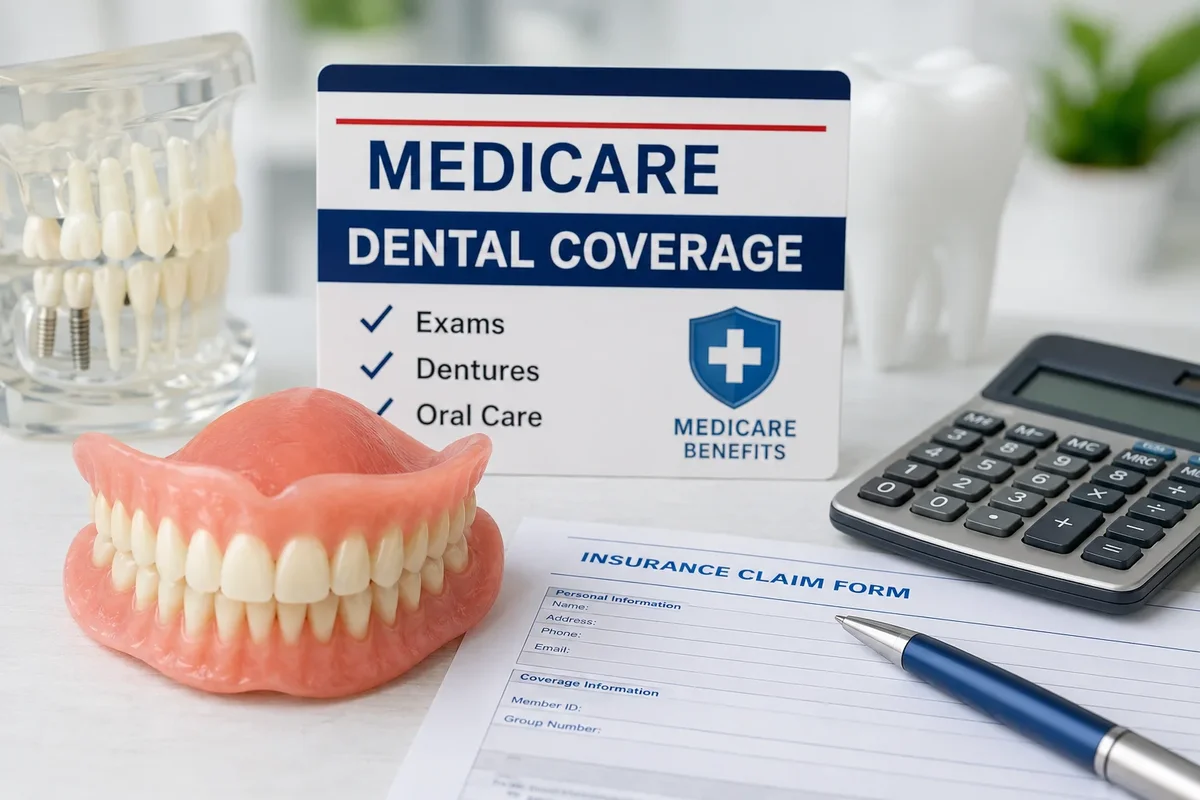
Your Next Step: How to Choose the Right Denture Treatment and Coverage Option
After learning about dentures medicare coverage, many people reach the same conclusion: understanding insurance is only part of making a good decision. The next step is determining which treatment best matches your oral health needs, lifestyle, financial situation, and long-term expectations. Choosing dentures should never be based solely on whether a particular service is covered by insurance. Instead, the most successful outcomes usually result from combining accurate insurance information with a thorough dental examination and a personalized treatment plan.
Whether you are missing several teeth or all of your teeth, taking a structured approach to treatment planning helps reduce uncertainty. Instead of asking only, “Does my insurance pay for dentures?” ask a broader question: “Which treatment provides the best balance between function, comfort, long-term maintenance, and my available dentures medicare coverage?” This perspective encourages informed decision-making rather than focusing only on immediate costs.
Step 1: Understand Your Current Oral Health
The first priority is understanding your actual dental condition. Missing teeth can affect much more than appearance. They may influence chewing efficiency, speech, bite stability, facial support, nutrition, and the health of remaining teeth.
During a comprehensive examination, your dentist evaluates:
- The condition of your gums.
- Remaining natural teeth.
- Jawbone support.
- Bite relationship.
- Signs of infection or inflammation.
- General oral health.
Only after this assessment can an appropriate treatment recommendation be made. Insurance alone cannot determine whether complete dentures, partial dentures, or another restorative option is most appropriate.
Why Clinical Evaluation Comes First
Even the most generous dentures medicare coverage cannot replace a professional diagnosis. Two patients with similar insurance benefits may require completely different treatment plans because their oral conditions are different. A personalized examination ensures recommendations are based on clinical findings rather than assumptions.
Step 2: Review Your Insurance Benefits Carefully
Once you understand your treatment needs, compare them with your insurance benefits. Many patients are surprised to discover that their Medicare Advantage plan offers some level of dental assistance, while others learn that Original Medicare provides limited routine denture benefits.
Review your policy carefully and ask your insurance provider the following questions:
- Does my plan include denture benefits?
- What annual dental maximum applies?
- Are there deductibles or copayments?
- Must I use network providers?
- Is prior authorization required?
- How often are replacement dentures eligible?
Understanding these details helps you use your dentures medicare coverage as effectively as possible while avoiding unnecessary financial surprises.
Step 3: Compare All Suitable Treatment Options
A comprehensive consultation should include discussion of every clinically appropriate treatment option rather than presenting only one solution. Depending on your oral health, these may include:
- Complete removable dentures.
- Partial removable dentures.
- Immediate dentures.
- Conventional dentures.
- Implant-supported dentures for suitable candidates.
Each option offers different advantages regarding stability, maintenance, treatment timeline, cost, and long-term function. While dentures medicare coverage may influence affordability, it should not be the only deciding factor.
Questions to Ask During Your Consultation
- Why is this treatment recommended for me?
- What alternatives are available?
- How many appointments will I need?
- What maintenance should I expect?
- What follow-up care is recommended?
- How will my insurance affect the overall treatment plan?
Step 4: Think Beyond Immediate Costs
Financial planning should include more than the initial fabrication of dentures. Long-term success often depends on regular professional evaluations, adjustments, relining when appropriate, and eventual replacement after years of use.
When evaluating your dentures medicare coverage, consider not only current insurance benefits but also future maintenance requirements. A treatment option with a lower initial cost may require additional maintenance over time, while another solution may better match your long-term goals despite different financial considerations.
Your dentist can help explain these long-term expectations so you can compare options realistically.
Step 5: Choose a Provider Who Prioritizes Personalized Care
Insurance participation is important, but it should not be the only criterion when selecting a dental provider. Experience, communication, comprehensive treatment planning, patient education, and long-term follow-up all contribute to successful denture treatment.
Clinics such as Redent Klinik Contact Page emphasize individualized evaluations that allow patients to discuss denture options, implant-supported alternatives where appropriate, treatment sequencing, insurance considerations, and realistic expectations before making any decisions. This patient-centered approach supports informed choices rather than one-size-fits-all recommendations.
Continue Learning From Trusted Sources
While your dentist remains the best source of personalized clinical advice, reliable educational resources can help you prepare meaningful questions before your consultation. The American Dental Association offers evidence-based information about oral health, dentures, preventive care, and restorative treatment that complements professional dental guidance.
Combining trusted educational resources with individualized clinical recommendations creates a stronger foundation for making healthcare decisions confidently.
Making a Decision With Confidence
The purpose of understanding dentures medicare coverage is not simply to determine whether insurance contributes financially. It is to help you make informed decisions that support your oral health over the long term. By reviewing your insurance benefits, obtaining a comprehensive examination, comparing treatment alternatives, and planning for future maintenance, you place yourself in the best position to choose a solution that aligns with both your clinical needs and your financial circumstances.
Remember that every patient’s situation is unique. Age, oral health, remaining teeth, jawbone condition, medical history, personal expectations, and insurance benefits all influence the most appropriate treatment plan. Taking time to evaluate each of these factors carefully often leads to greater confidence and satisfaction with your final decision.
As your next step, review your Medicare or Medicare Advantage policy, verify exactly what your dentures medicare coverage includes, prepare a list of questions for your dentist, and schedule a comprehensive dental consultation if you have missing teeth, difficulty chewing, uncomfortable existing dentures, or would like personalized guidance on choosing the most appropriate tooth replacement option for your long-term oral health and quality of life.
Disclosure: this page may contain affiliate links. We may earn a commission if you use them, at no extra cost to you.