
A design dentist is a dental professional who combines science, artistry, and advanced technology to create balanced, natural-looking smiles tailored to each patient. Unlike traditional dentistry that focuses mainly on treating decay or disease, a design dentist emphasizes aesthetics, facial harmony, and personalized smile planning while still protecting oral health. If you are searching for ways to enhance your smile safely and predictably, understanding what a design dentist does can completely transform how you approach dental care. 😊
The concept of a design dentist revolves around “smile architecture.” Just as an architect carefully plans a building before construction, a design dentist evaluates facial proportions, lip line, gum symmetry, tooth color, tooth shape, and bite alignment before recommending any treatment. This structured planning ensures that cosmetic improvements look natural and function properly. A poorly planned cosmetic procedure can create long-term problems, but a skilled design dentist prioritizes both beauty and stability.
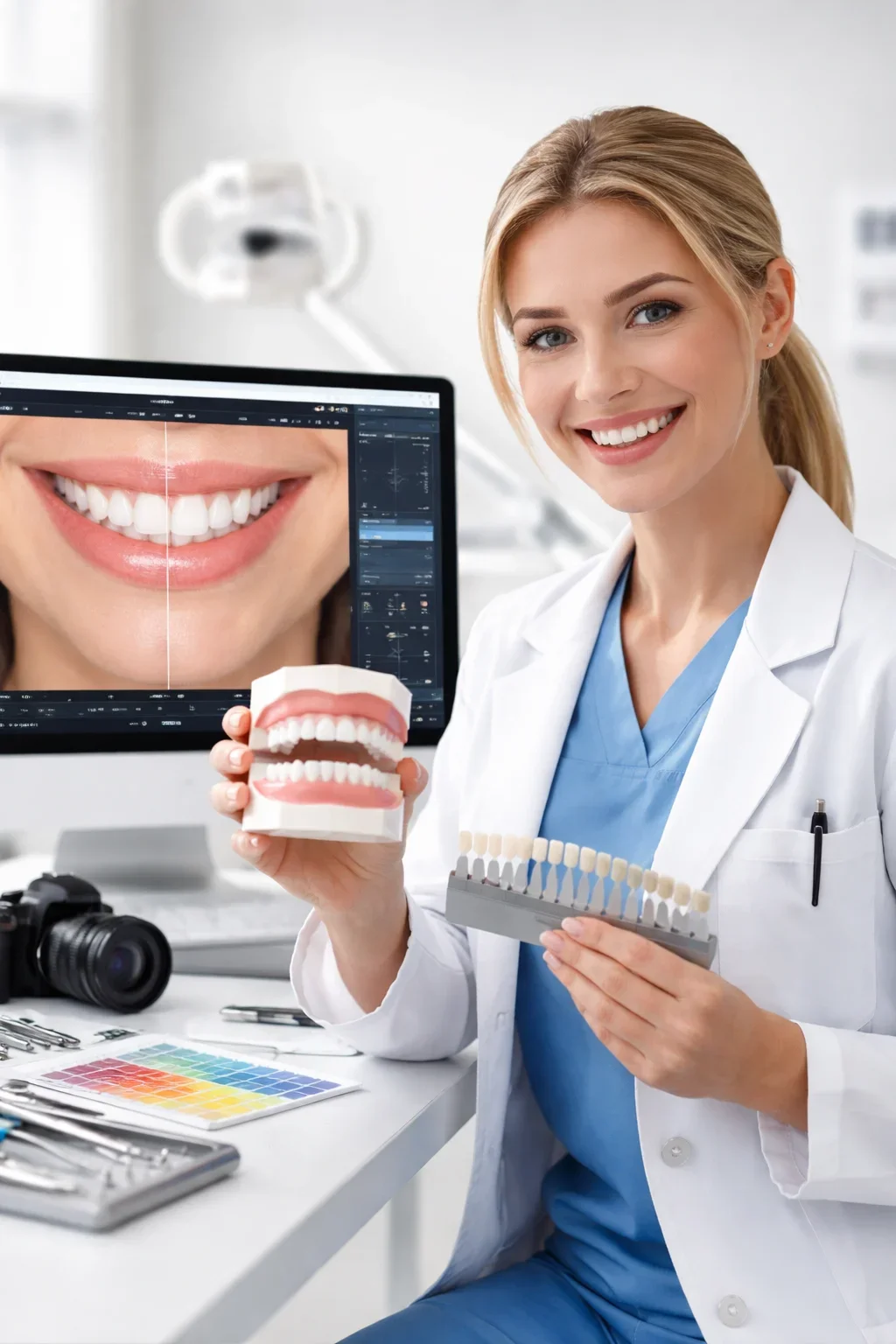
One of the key reasons patients choose a design dentist is predictability. Through digital imaging and smile simulations, patients can often preview their future smile before treatment begins. This reduces anxiety and builds confidence in the final result. Modern smile design techniques may include digital scanning, 3D modeling, and mock-ups that allow precise visualization. This technology-driven approach separates a design dentist from general cosmetic dentistry that may rely solely on manual estimations.
Function is equally important. A professional design dentist ensures that improvements to tooth size, alignment, or shape do not negatively affect chewing efficiency or jaw balance. Bite harmony plays a crucial role in preventing long-term issues such as jaw discomfort, uneven wear, or fractures. For this reason, many patients discover that visiting a design dentist not only improves appearance but also enhances comfort and oral performance.
Another major advantage of choosing a design dentist is comprehensive treatment planning. Rather than performing isolated procedures, the design dentist looks at the complete oral picture. For example, teeth whitening alone may brighten your smile, but if gum levels are uneven or teeth are misaligned, whitening will not create a truly balanced look. A design dentist may recommend orthodontics, veneers, contouring, or bonding in a strategic sequence to achieve optimal harmony.
Trust and education are central elements of this approach. Reputable design dentist professionals follow evidence-based standards and ethical guidelines supported by organizations such as the
American Dental Association. This ensures that cosmetic improvements do not compromise oral health. Patients are encouraged to ask questions, review treatment simulations, and fully understand the benefits and limitations of each procedure.
Many patients begin their journey with a consultation. During this appointment, the design dentist evaluates:
- Facial symmetry and proportions
- Smile line and lip dynamics
- Tooth color, translucency, and shape
- Gum health and contour
- Bite alignment and jaw function
This analysis helps the design dentist develop a customized smile blueprint. The treatment plan may range from minor cosmetic adjustments to a full smile makeover, depending on the patient’s goals and clinical needs.
Importantly, a design dentist also considers psychological factors. Studies consistently show that improved smile aesthetics increase self-confidence and social comfort. Patients frequently report feeling more confident in professional settings and social interactions after undergoing smile design treatments. A well-designed smile can positively influence first impressions and overall self-esteem.
Safety remains a top priority. A professional design dentist carefully evaluates gum health, bone support, and structural integrity before recommending veneers, crowns, or implants. Treatments are performed conservatively whenever possible to preserve natural tooth structure. In cases where restorative procedures are necessary, precision planning ensures durability and long-term success.
If you are considering transforming your smile, it is essential to consult a qualified design dentist who uses modern digital planning and comprehensive evaluation techniques. At Redent Klinik, patient-centered smile planning ensures both aesthetic excellence and functional stability. You can easily schedule your consultation through the
Redent Klinik Contact Page to explore personalized smile design options.
In summary, a design dentist is not simply a cosmetic provider but a specialist in smile engineering. By integrating digital technology, artistic principles, functional assessment, and patient collaboration, the design dentist creates smiles that look natural, feel comfortable, and last for years. Whether you want subtle improvements or a complete transformation, working with a qualified design dentist ensures that your smile enhancement journey is safe, predictable, and tailored uniquely to you. ✨
What Is a Design Dentist and Why It Matters for Your Smile
A design dentist is more than just a cosmetic dental provider. This type of professional approaches dentistry with a blend of clinical precision, artistic vision, and advanced digital planning. When patients search for a design dentist, they are typically looking for someone who can transform their smile while maintaining natural function and long-term oral health. Unlike routine dental treatments that focus only on treating cavities or gum issues, a design dentist evaluates the entire facial structure, smile line, and bite harmony before recommending any aesthetic changes. 😊
The concept behind a design dentist is rooted in comprehensive smile planning. Rather than performing isolated cosmetic procedures, the design dentist creates a personalized treatment roadmap that aligns with the patient’s facial proportions, lip movement, and personality. This ensures that the final result looks authentic, balanced, and age-appropriate.
The Core Philosophy of a Design Dentist
The philosophy of a design dentist centers around harmony. Teeth do not exist in isolation; they interact with gums, lips, cheeks, and jaw structure. A well-trained design dentist understands that improving tooth color alone is not enough if alignment, symmetry, or gum contours are not addressed. This holistic perspective is what distinguishes a design dentist from standard cosmetic providers.
A design dentist carefully studies:
- Facial symmetry and proportions
- Smile width and curvature
- Tooth size-to-face ratio
- Gum display when smiling
- Bite stability and jaw movement
By evaluating these factors, the design dentist ensures that aesthetic improvements enhance both beauty and function.
How a Design Dentist Differs from a General Dentist
While a general dentist focuses on preventive and restorative care, a design dentist incorporates advanced aesthetic analysis into every recommendation. For example, if a patient requests veneers, a design dentist will not simply place them. Instead, they will analyze bite forces, enamel thickness, and long-term durability before proceeding.
Advanced Diagnostic Tools
Modern design dentist practices use digital smile design software, 3D intraoral scanners, and high-resolution photography to create accurate simulations. These tools allow the design dentist to show patients a preview of their new smile before treatment begins. This predictive approach increases patient confidence and minimizes unexpected results.
Customized Treatment Sequencing
A skilled design dentist sequences procedures strategically. Orthodontics may be recommended before veneers, or gum contouring may be performed prior to whitening. This step-by-step planning ensures optimal aesthetic balance and structural integrity.
Why Choosing a Design Dentist Matters
Selecting a design dentist can significantly influence the longevity and natural appearance of your smile makeover. Poorly planned cosmetic work can lead to bite misalignment, gum irritation, or premature wear. A design dentist minimizes these risks by focusing on structural balance and biological compatibility.
Additionally, a design dentist follows evidence-based guidelines supported by organizations like the
American Dental Association. This ensures that cosmetic procedures are performed safely and ethically.
The Emotional and Psychological Impact
A confident smile can dramatically improve social interactions and professional opportunities. Patients who visit a design dentist often report increased self-esteem and greater willingness to smile openly. Because the design dentist carefully tailors each smile to complement the individual’s facial features, results tend to look natural rather than artificial.
Long-Term Oral Health Benefits
Beyond aesthetics, a design dentist prioritizes oral health stability. Proper bite alignment reduces strain on jaw joints and prevents uneven tooth wear. Well-contoured restorations allow easier cleaning, lowering the risk of gum disease. In this way, a design dentist enhances both beauty and health simultaneously.
If you are considering smile enhancement, consulting a qualified design dentist ensures that your treatment is planned with precision and care. At Redent Klinik, comprehensive evaluations help determine the safest and most effective approach for each patient. You can begin your journey by visiting the
Redent Klinik Contact Page to schedule a consultation.
In conclusion, a design dentist represents the evolution of modern dentistry. By combining artistic insight, digital technology, and clinical expertise, the design dentist delivers smiles that are aesthetically pleasing, functionally stable, and uniquely personalized. Choosing the right design dentist is not only about improving appearance—it is about investing in long-term oral health, comfort, and confidence. ✨
Smile Design Process: Step-by-Step Treatment Planning
The smile transformation journey with a design dentist begins long before any cosmetic procedure is performed. Unlike traditional approaches that may focus on a single treatment, a design dentist follows a structured, step-by-step smile planning protocol. This systematic method ensures precision, predictability, and long-term stability. Every stage is carefully mapped out to protect oral health while delivering aesthetic excellence. 😊
The smile design process is essentially the blueprint behind your future smile. A design dentist evaluates not only your teeth but also your facial structure, gum balance, jaw alignment, and personal expectations. This comprehensive planning stage minimizes risks and ensures that each procedure contributes to a harmonious final result.
Step 1: Comprehensive Consultation and Smile Analysis
The first stage with a design dentist is an in-depth consultation. During this appointment, the dentist gathers detailed information about your dental history, aesthetic goals, and functional concerns. Advanced imaging tools are often used to capture high-resolution photos and digital scans.
Facial and Smile Assessment
A professional design dentist studies facial symmetry, lip movement, and smile dynamics. The way your lips frame your teeth while speaking or smiling plays a critical role in smile design. This evaluation ensures that any cosmetic enhancement looks natural in motion—not just in static photographs.
Bite and Functional Evaluation
The design dentist carefully analyzes your bite alignment. Malocclusion or uneven pressure distribution can compromise cosmetic results. By identifying these issues early, the design dentist prevents long-term complications such as jaw discomfort or premature restoration failure.
Step 2: Digital Smile Simulation and Planning
Modern technology allows a design dentist to create a digital preview of your new smile. Using specialized software, the dentist adjusts tooth size, shape, and position virtually. This gives patients the opportunity to visualize potential outcomes before committing to treatment.
This stage enhances communication between the patient and the design dentist. Adjustments can be made digitally, ensuring expectations align perfectly with achievable results. It also allows for more conservative treatment decisions when possible.
Step 3: Personalized Treatment Roadmap
Once the analysis and simulations are complete, the design dentist develops a customized treatment roadmap. This plan may include:
- Teeth whitening
- Orthodontic alignment
- Porcelain veneers
- Dental bonding
- Gum contouring
- Dental implants
Rather than performing procedures randomly, the design dentist sequences treatments strategically. For example, orthodontics may be completed before veneers to preserve natural tooth structure. This level of planning is what distinguishes a design dentist from basic cosmetic services.
Step 4: Mock-Ups and Temporary Prototypes
Some design dentist practices offer physical mock-ups or temporary restorations. These allow patients to “test drive” their new smile before final restorations are placed. This step increases patient confidence and ensures comfort with the shape and appearance of the proposed design.
Step 5: Execution with Precision
When treatment begins, the design dentist follows the established blueprint with meticulous accuracy. Digital guides, precision measurements, and laboratory collaboration ensure that veneers, crowns, or restorations match the approved design.
At this stage, adherence to clinical guidelines supported by the
American Dental Association ensures safety and durability. A professional design dentist prioritizes minimally invasive techniques to preserve natural tooth structure whenever possible.
Step 6: Final Adjustments and Long-Term Planning
After completing the aesthetic procedures, the design dentist performs detailed bite checks and aesthetic refinements. Minor adjustments may be made to ensure optimal comfort and balance. The design dentist also provides maintenance instructions to protect the investment.
Patients are encouraged to attend regular follow-up visits to monitor stability and oral health. If you are considering beginning this structured process, you can schedule an evaluation through the
Redent Klinik Contact Page to explore personalized planning options.
Why This Structured Process Matters
The step-by-step system followed by a design dentist reduces uncertainty and increases long-term satisfaction. Each phase builds upon the previous one, ensuring that aesthetic changes are not only beautiful but also functionally sound.
By combining digital technology, functional assessment, and artistic planning, a design dentist transforms smiles with precision and predictability. This method protects oral health while delivering a natural, confident appearance. When performed correctly, smile design becomes a carefully engineered transformation—not a quick cosmetic fix. ✨
Digital Smile Design Technology in Modern Dentistry
Technology has completely transformed how a design dentist plans and delivers smile makeovers. In the past, cosmetic dentistry relied heavily on manual impressions, visual estimations, and artistic interpretation. Today, a modern design dentist uses advanced digital tools to create highly precise, predictable, and customized results. Digital Smile Design (DSD) is one of the most powerful innovations in aesthetic dentistry, allowing patients to visualize outcomes before treatment even begins. 😊
A design dentist integrates digital diagnostics, imaging software, and 3D modeling into the treatment planning process. This technology-driven approach reduces guesswork and increases communication between patient and dentist. The goal is not only to enhance aesthetics but also to ensure functional harmony and long-term oral health stability.
What Is Digital Smile Design (DSD)?
Digital Smile Design is a planning protocol that allows a design dentist to analyze facial features, tooth proportions, and smile symmetry using digital photographs and scanning technology. Specialized software helps the design dentist simulate changes in tooth size, shape, alignment, and color.
Facial Analysis Integration
A professional design dentist evaluates facial midlines, eye alignment, lip curvature, and smile arc. These factors are digitally mapped to ensure that the final restorations complement the entire face—not just the teeth. This facially driven approach is what separates a design dentist from conventional cosmetic dentistry.
3D Intraoral Scanning
Instead of messy traditional impressions, a design dentist uses 3D intraoral scanners to capture detailed digital impressions. These scans provide exceptional accuracy and are immediately viewable on-screen. The design dentist can rotate, zoom, and evaluate the digital model in real time, improving precision during treatment planning.
Benefits of Digital Technology in Smile Planning
When a design dentist uses digital smile technology, patients gain several advantages:
- Clear visualization of expected results
- Improved treatment predictability
- Enhanced communication and collaboration
- Reduced chair time
- More conservative tooth preparation
Because a design dentist can preview the final outcome digitally, adjustments can be made before any irreversible procedures occur. This minimizes risk and maximizes satisfaction.
CAD/CAM and Precision Restorations
Computer-Aided Design and Computer-Aided Manufacturing (CAD/CAM) systems allow a design dentist to fabricate restorations with exceptional accuracy. Veneers, crowns, and bridges can be designed digitally and milled with micron-level precision. This ensures better marginal fit, durability, and aesthetics.
A skilled design dentist collaborates closely with high-quality dental laboratories to match tooth shade, translucency, and texture. The result is restorations that blend seamlessly with natural teeth.
Digital Mock-Ups and Smile Previews
One of the most exciting aspects of working with a design dentist is the ability to preview your new smile. Using digital simulations, the design dentist can project potential changes directly onto patient photographs. This gives patients confidence and clarity before committing to treatment.
In many cases, the design dentist can also create temporary mock-ups based on the digital plan. Patients can experience the proposed shape and size adjustments in their mouth before final restorations are placed.
Technology and Safety Standards
A responsible design dentist combines digital innovation with evidence-based protocols. Professional guidelines supported by the
American Dental Association ensure that technological advancements are used safely and ethically. Digital tools enhance accuracy but do not replace clinical judgment. The expertise of the design dentist remains the most important factor in achieving successful outcomes.
Long-Term Stability Through Digital Planning
Digital planning improves bite alignment and load distribution. A design dentist can evaluate occlusal forces digitally to prevent uneven pressure that might damage restorations. This proactive planning increases the lifespan of veneers, crowns, and implants.
Additionally, digital records allow the design dentist to monitor changes over time. If future adjustments are needed, previous scans can be compared for accurate analysis.
Why Digital Smile Design Matters for Patients
Choosing a design dentist who uses advanced digital technology means choosing predictability, transparency, and precision. Patients are not left guessing about the outcome. Instead, they actively participate in the design process.
If you are considering digital smile planning, scheduling a consultation is the first step. You can explore personalized treatment options through the
Redent Klinik Contact Page to begin your journey with a qualified design dentist.
In conclusion, digital smile design technology represents the future of aesthetic dentistry. By combining advanced imaging, 3D modeling, and precision manufacturing, a design dentist delivers natural-looking, durable, and functionally stable results. The integration of digital innovation with artistic expertise allows the design dentist to create smiles that are not only beautiful but also structurally sound and long-lasting. ✨
Cosmetic Procedures Offered by a Design Dentist
A design dentist provides a comprehensive range of cosmetic and restorative treatments aimed at improving both aesthetics and function. Unlike basic cosmetic services that may focus on a single issue, a design dentist evaluates the entire smile structure before recommending procedures. This ensures that every treatment contributes to a harmonious, natural-looking result. Patients who choose a design dentist benefit from personalized care plans that are tailored to facial features, bite alignment, and long-term oral health goals. 😊
Because smile design is a strategic process, the treatments offered by a design dentist are carefully selected and sequenced. Each procedure plays a role in enhancing tooth shape, color, alignment, and gum balance while preserving healthy tooth structure.
Porcelain Veneers
Porcelain veneers are one of the most popular treatments provided by a design dentist. These thin ceramic shells are bonded to the front surface of teeth to correct discoloration, minor misalignment, chips, or uneven spacing. A design dentist customizes veneers based on digital smile planning to ensure the shape and shade complement the patient’s facial proportions.
Advantages of Veneers
- Natural translucency and aesthetics
- Stain resistance
- Long-lasting durability (10–15 years on average)
- Minimal tooth preparation when properly planned
A professional design dentist ensures veneers are not overused and recommends orthodontic alignment first if necessary to preserve enamel.
Teeth Whitening
Professional whitening is often incorporated into a treatment plan created by a design dentist. Unlike over-the-counter products, in-office whitening systems provide controlled, safe, and effective results. A design dentist evaluates enamel health and gum condition before recommending whitening to prevent sensitivity or uneven results.
Orthodontic Alignment
In many cases, a design dentist may suggest clear aligners or short-term orthodontics before cosmetic restorations. Proper alignment reduces the need for aggressive tooth reshaping and enhances long-term stability. Aligning teeth first allows the design dentist to create more conservative and natural-looking restorations.
Dental Bonding
Dental bonding is a minimally invasive procedure frequently used by a design dentist to correct small chips, minor gaps, or irregular edges. Composite resin is carefully sculpted and polished to blend seamlessly with natural enamel. While bonding may not last as long as porcelain veneers, it is a cost-effective and conservative option for selected cases.
Gum Contouring
A balanced smile involves not only teeth but also gums. A design dentist may perform laser gum contouring to correct excessive gum display or uneven gum lines. By reshaping the gum tissue precisely, the design dentist enhances tooth proportions and improves overall smile symmetry.
Dental Crowns and Restorations
When teeth are structurally compromised, a design dentist may recommend ceramic crowns. Modern crowns are crafted using CAD/CAM technology to ensure accurate fit and natural aesthetics. Unlike traditional metal-based restorations, all-ceramic crowns offer superior translucency and blend harmoniously with adjacent teeth.
Dental Implants
For missing teeth, a design dentist integrates dental implants into the smile design plan. Implant-supported crowns restore both appearance and chewing function. Careful digital planning ensures implants are positioned for optimal aesthetics and bite balance.
Cost Considerations
The cost of procedures performed by a design dentist varies depending on complexity and location. Approximate average price ranges in the United States include:
- Porcelain Veneers: $900 – $2,500 per tooth
- Professional Teeth Whitening: $300 – $800
- Clear Aligners: $3,000 – $7,000
- Dental Bonding: $250 – $600 per tooth
- All-Ceramic Crowns: $1,000 – $3,000 per tooth
- Dental Implants (single tooth): $3,000 – $6,000
A reputable design dentist discusses costs transparently and provides detailed treatment estimates. Following standards supported by the
American Dental Association ensures procedures are performed ethically and safely.
Why Comprehensive Treatment Matters
Choosing a design dentist means choosing a coordinated approach. Instead of isolated procedures, treatments are integrated into a complete smile transformation plan. This reduces complications and ensures longevity.
If you are considering cosmetic improvements, consulting a qualified design dentist is the safest way to achieve predictable results. You can schedule a personalized evaluation through the
Redent Klinik Contact Page to explore suitable options.
In summary, a design dentist offers a wide range of aesthetic and restorative procedures designed to enhance both beauty and functionality. Through strategic planning, modern technology, and artistic precision, the design dentist delivers balanced, natural, and long-lasting smile transformations. ✨
How a Design Dentist Improves Function and Oral Health
While many people associate a design dentist primarily with aesthetics, the true value of this approach lies in the balance between beauty and function. A skilled design dentist does not simply create attractive smiles; they engineer smiles that function properly, support long-term oral health, and protect the integrity of the jaw and surrounding structures. When aesthetics are performed without functional planning, patients may experience bite issues, jaw discomfort, or premature wear. A professional design dentist prevents these complications by integrating biomechanics into every treatment plan. 😊
Function is the foundation of successful smile design. A design dentist carefully evaluates occlusion (bite alignment), jaw movement, muscle balance, and tooth wear patterns before recommending veneers, crowns, or aligners. This ensures that cosmetic improvements enhance—not compromise—oral stability.
Understanding Bite Alignment (Occlusion)
Occlusion refers to how the upper and lower teeth come together. A design dentist analyzes bite contact points to ensure even pressure distribution. If bite forces are uneven, certain teeth may absorb excessive stress, leading to fractures or enamel erosion.
Why Bite Harmony Matters
- Prevents premature tooth wear
- Reduces risk of cracked restorations
- Minimizes jaw joint strain
- Improves chewing efficiency
By correcting occlusal imbalances, a design dentist protects both natural teeth and cosmetic restorations.
Temporomandibular Joint (TMJ) Considerations
The temporomandibular joints connect the jawbone to the skull. If the bite is misaligned, these joints may experience strain. A design dentist evaluates jaw movement patterns before altering tooth shape or position. This prevents discomfort, headaches, or clicking sounds associated with TMJ disorders.
When necessary, the design dentist may recommend orthodontics or bite adjustment therapy before cosmetic treatment. This proactive approach ensures long-term comfort and stability.
Protecting Gum Health During Smile Design
A design dentist understands that healthy gums are essential for aesthetic success. Gum inflammation or periodontal disease can compromise cosmetic results. Before beginning treatment, the design dentist ensures that gum tissues are stable and free of infection.
Gum Contour and Biological Width
In smile design, gum reshaping may be performed to create symmetry. However, a design dentist carefully respects biological width—the natural protective space between bone and gum tissue. Violating this area can cause chronic inflammation. Precision planning prevents such complications.
Conservative Treatment Philosophy
Another way a design dentist improves oral health is through conservative techniques. Rather than aggressively removing enamel, the design dentist aims to preserve as much natural tooth structure as possible. Digital planning often reduces the need for excessive reshaping.
Minimally invasive dentistry enhances longevity and reduces sensitivity. A responsible design dentist evaluates alternative treatments such as orthodontic alignment before recommending veneers.
Improving Chewing Efficiency
When teeth are properly aligned and proportioned, chewing becomes more efficient. A design dentist ensures that restorations support balanced contact during mastication. This reduces muscle fatigue and enhances digestion by improving initial food breakdown.
Long-Term Maintenance and Monitoring
A professional design dentist provides long-term follow-up care. Routine check-ups help detect minor adjustments before they develop into major problems. Digital records allow the design dentist to compare previous scans and monitor structural stability over time.
All treatments are performed in accordance with clinical standards supported by the
American Dental Association, ensuring patient safety and ethical care.
Preventing Future Dental Problems
By correcting misalignment and uneven wear early, a design dentist reduces the likelihood of future restorative work. Balanced occlusion decreases stress fractures and protects enamel integrity. This proactive planning saves patients time, discomfort, and long-term expenses.
When to Consult a Design Dentist
If you experience uneven tooth wear, jaw discomfort, or bite imbalance alongside aesthetic concerns, consulting a design dentist is highly beneficial. Functional and cosmetic issues often overlap, and addressing them together leads to superior outcomes.
You can schedule a comprehensive evaluation through the
Redent Klinik Contact Page to explore personalized solutions.
In summary, a design dentist improves more than appearance. By integrating biomechanics, gum health management, conservative techniques, and digital precision, the design dentist creates smiles that are both beautiful and biologically sound. This balanced approach ensures durability, comfort, and long-term oral wellness. ✨
Cost of Smile Makeovers: What to Expect Financially
When considering treatment with a design dentist, one of the most common and understandable questions is about cost. A smile makeover is a personalized process, and because every patient’s dental structure, goals, and treatment needs are different, the financial investment can vary significantly. A professional design dentist does not provide a one-size-fits-all price; instead, they develop a customized treatment plan and provide transparent cost breakdowns based on the procedures required. 💬
Understanding what influences the cost of treatment with a design dentist helps patients make informed decisions. The overall investment depends on the number of procedures involved, the materials used, the technology applied, and the complexity of the case. A design dentist focuses on long-term value, not just short-term cosmetic improvement.
Factors That Influence the Cost
Several key variables determine the financial scope of treatment with a design dentist:
- Number of teeth involved in the makeover
- Type of materials selected (porcelain, composite, ceramic)
- Need for orthodontic alignment before cosmetic work
- Requirement for implants or restorative procedures
- Digital technology and laboratory customization
- Geographic location of the clinic
A skilled design dentist explains these factors clearly during consultation, ensuring there are no hidden surprises.
Average Smile Makeover Price Ranges
While exact costs vary, the following ranges reflect typical smile design investments in the United States when working with a qualified design dentist:
- Professional Teeth Whitening: $300 – $800
- Porcelain Veneers: $900 – $2,500 per tooth
- Clear Aligners: $3,000 – $7,000
- Dental Bonding: $250 – $600 per tooth
- All-Ceramic Crowns: $1,000 – $3,000 per tooth
- Single Dental Implant: $3,000 – $6,000
- Full Smile Makeover (multiple treatments combined): $8,000 – $30,000+
A comprehensive treatment performed by a design dentist may involve a combination of these procedures. The final cost reflects both artistic precision and functional planning.
Why Expertise Impacts Pricing
Choosing a design dentist often means investing in advanced digital technology, high-quality materials, and experienced laboratory collaboration. While lower-cost alternatives may exist, improperly planned cosmetic dentistry can lead to complications that require expensive corrective work later.
Digital Planning and Technology Costs
A modern design dentist frequently uses 3D scanners, digital smile design software, and CAD/CAM fabrication systems. These tools enhance precision but also increase operational expenses. However, they significantly reduce errors and improve long-term success rates.
Material Quality and Longevity
Premium ceramics and high-strength porcelain materials offer superior aesthetics and durability. A professional design dentist selects materials based on translucency, strength, and compatibility with natural enamel. Higher-quality materials may have a greater initial cost but often last longer, reducing replacement expenses.
Insurance and Financing Options
Most cosmetic procedures performed by a design dentist are considered elective and may not be fully covered by dental insurance. However, if restorative elements such as crowns or implants are medically necessary, partial coverage may apply.
Many design dentist clinics offer flexible financing plans to make smile design accessible. Payment plans allow patients to distribute costs over several months, making treatment more manageable.
Long-Term Value vs. Short-Term Cost
When evaluating treatment with a design dentist, it is important to consider long-term value rather than just the initial price. Properly designed smiles last many years and contribute to improved confidence, oral function, and professional image. In contrast, poorly executed cosmetic work may require frequent repairs.
According to standards supported by the
American Dental Association, high-quality dentistry prioritizes durability and patient safety. A reputable design dentist follows evidence-based protocols to ensure that financial investment results in stable, predictable outcomes.
Transparent Consultation Process
A trustworthy design dentist provides detailed cost estimates after a comprehensive evaluation. Treatment phases are explained clearly, and patients receive written plans outlining procedure sequencing and pricing.
If you would like a personalized financial assessment for your smile transformation, you can schedule a consultation through the
Redent Klinik Contact Page. A professional design dentist will evaluate your goals and provide a tailored cost plan.
Is a Design Dentist Worth the Investment?
For many patients, the answer is yes. The combination of aesthetic precision, functional stability, and long-term durability makes treatment with a design dentist a strategic investment in both appearance and health. When carefully planned, smile design enhances not only how you look—but also how you feel and function every day. ✨
In summary, the cost of treatment with a design dentist varies depending on complexity, materials, and technology. However, when performed by a skilled professional, the financial investment delivers lasting aesthetic and functional benefits that extend far beyond cosmetic improvement alone.
Choosing the Right Design Dentist for Your Needs
Selecting the right design dentist is one of the most important decisions you will make when considering a smile transformation. Because smile design blends aesthetics, function, and long-term oral health, the experience and philosophy of the design dentist directly influence your results. Not all cosmetic dentists approach treatment with the same level of planning, digital precision, or functional analysis. For this reason, patients should evaluate qualifications, technology, and communication style carefully before committing to treatment. 😊
A professional design dentist understands that each smile is unique. The goal is not to create identical “perfect” smiles, but to design results that harmonize with facial features, personality, and oral health conditions. This individualized approach requires skill, advanced tools, and a deep understanding of both art and dentistry.
Check Qualifications and Experience
The first step in choosing a design dentist is reviewing education and professional background. Look for advanced training in cosmetic and restorative dentistry. Continuing education courses in digital smile design, occlusion, and aesthetic principles indicate commitment to excellence.
Professional Memberships
Membership in reputable organizations, including alignment with guidelines supported by the
American Dental Association, reflects adherence to high clinical standards. A responsible design dentist follows evidence-based protocols to ensure patient safety and predictable outcomes.
Portfolio of Work
A qualified design dentist should be able to provide before-and-after cases demonstrating successful smile transformations. Reviewing real cases helps you understand the design dentist’s aesthetic style and level of precision.
Evaluate Technology and Tools
Modern smile design relies heavily on digital tools. A design dentist who uses 3D intraoral scanners, digital smile simulation software, and CAD/CAM systems is better equipped to deliver accurate and predictable results.
Digital previews allow patients to visualize potential changes before treatment begins. This collaborative planning process is a hallmark of a skilled design dentist and reduces uncertainty.
Assess Communication and Transparency
Trust and open communication are essential when choosing a design dentist. During consultation, the dentist should take time to understand your goals, explain treatment options, and outline potential risks. A reputable design dentist provides detailed cost breakdowns and treatment timelines without pressure.
Comprehensive Consultation Process
A structured evaluation typically includes digital scans, facial analysis, bite assessment, and discussion of aesthetic preferences. A thorough consultation indicates that the design dentist values planning over shortcuts.
Consider Functional Expertise
Aesthetic improvements must support bite stability and jaw health. A skilled design dentist evaluates occlusion, TMJ function, and long-term durability before recommending veneers or crowns. Functional planning protects your investment and prevents future complications.
Understand the Treatment Philosophy
Some cosmetic providers prioritize rapid results, while a design dentist emphasizes conservative, biologically respectful techniques. Preserving natural enamel and gum health is a key principle of modern smile design.
Ask whether orthodontics might be recommended before veneers or whether minimally invasive bonding could achieve your goals. A responsible design dentist explores conservative options whenever possible.
Review Patient Testimonials
Patient reviews provide valuable insight into the experience of working with a design dentist. Look for feedback regarding comfort, communication, and long-term satisfaction. Positive testimonials often highlight the dentist’s ability to create natural, balanced smiles rather than artificial-looking results.
Location and Accessibility
Choosing a conveniently located design dentist simplifies follow-up visits and maintenance appointments. Smile design is not a single appointment procedure; it often involves multiple phases and post-treatment evaluations.
If you are exploring smile transformation options, scheduling a consultation is the best starting point. You can begin by visiting the
Redent Klinik Contact Page to connect with a qualified design dentist and discuss personalized treatment plans.
Questions to Ask During Consultation
- How do you approach smile planning and digital simulation?
- What materials do you recommend and why?
- How long will the restorations last?
- What maintenance will be required?
- How do you ensure functional bite stability?
Asking these questions helps you determine whether the design dentist prioritizes both aesthetics and long-term oral health.
In conclusion, choosing the right design dentist requires careful evaluation of expertise, technology, communication, and philosophy. A qualified design dentist combines artistic vision with clinical precision to create results that are natural, durable, and functionally sound. Taking time to select the right professional ensures that your smile transformation is not only beautiful but also safe and long-lasting. ✨
Before and After Results: What Real Patients Experience
One of the most powerful aspects of working with a design dentist is seeing the dramatic transformation between before and after results. While photographs can showcase aesthetic improvements, the true impact of a design dentist goes far beyond surface-level beauty. Patients often report improved confidence, better oral function, and enhanced overall well-being after completing their smile transformation journey. 😊
A professional design dentist carefully documents the starting condition of each patient’s smile. This includes digital scans, high-resolution photographs, bite analysis, and facial proportion assessments. These records allow both the dentist and patient to clearly visualize progress and understand the precision behind each change.
Common Before Conditions Treated by a Design Dentist
Patients typically seek a design dentist for concerns such as:
- Discolored or stained teeth
- Chipped or worn enamel
- Uneven spacing or mild misalignment
- Excessive gum display
- Asymmetrical tooth shapes
- Missing teeth affecting smile balance
Rather than applying a one-size-fits-all solution, a design dentist analyzes each issue within the context of the entire smile. This comprehensive planning ensures that improvements look natural and proportionate.
The Transformation Process in Action
When reviewing before and after cases from a design dentist, several key improvements are typically observed:
Improved Tooth Proportion
A skilled design dentist adjusts the width-to-length ratio of teeth to achieve ideal proportions. This subtle correction can dramatically enhance smile harmony without making teeth appear artificial.
Balanced Gum Contours
If gum levels were uneven in the “before” stage, a design dentist may perform precise contouring to create symmetry. The result is a cleaner, more balanced smile line.
Color Enhancement
Teeth that once appeared dull or stained often look brighter and more youthful after treatment by a design dentist. Professional whitening or custom veneers provide consistent shade improvement while preserving natural translucency.
Functional Improvements Beyond Aesthetics
Before and after transformations with a design dentist are not limited to cosmetic improvements. Bite alignment may be corrected, reducing uneven wear and jaw strain. Patients frequently report greater chewing comfort and reduced muscle tension after treatment.
A design dentist evaluates occlusion carefully before finalizing restorations. This ensures that improvements support long-term stability and durability. According to standards supported by the
American Dental Association, functional harmony is essential for maintaining oral health alongside cosmetic results.
Psychological and Social Impact
Many patients describe significant emotional changes after working with a design dentist. Increased confidence in professional meetings, social interactions, and photographs is commonly reported. Because a design dentist tailors each smile to the individual’s facial features, the results feel authentic rather than exaggerated.
Realistic Expectations and Honest Communication
A responsible design dentist sets realistic expectations during the consultation phase. Digital simulations help patients understand achievable outcomes. While transformations can be dramatic, the goal of a design dentist is natural enhancement rather than artificial perfection.
Longevity of Results
High-quality materials and careful planning contribute to long-lasting results. A design dentist typically designs veneers and crowns to last 10–15 years or longer with proper care. Regular follow-up appointments help maintain stability.
Documenting Progress with Digital Records
Modern technology allows a design dentist to store digital scans and photographs for long-term comparison. These records help track changes in bite alignment and restoration stability over time. Digital documentation also demonstrates the meticulous planning behind each transformation.
Starting Your Own Transformation
If you are inspired by before and after cases and want to explore your own smile transformation, consulting a qualified design dentist is the first step. A personalized evaluation helps determine the safest and most effective approach for your needs.
You can begin your journey by scheduling a consultation through the
Redent Klinik Contact Page. A professional design dentist will assess your goals and create a customized smile blueprint.
In summary, before and after results from a design dentist highlight more than cosmetic enhancement. They reflect careful planning, functional balance, and artistic precision. The transformation process not only improves how teeth look but also how they perform and how patients feel. When guided by a skilled design dentist, smile design becomes a life-enhancing experience built on science, artistry, and long-term care. ✨
Maintaining Your Results After Visiting a Design Dentist
Completing a smile transformation with a design dentist is an exciting milestone, but maintaining those results is equally important. A beautifully designed smile can last many years—sometimes decades—when supported by proper oral hygiene, routine dental care, and mindful daily habits. A professional design dentist does not simply deliver aesthetic improvements; they also provide detailed aftercare guidance to protect your investment and preserve both function and appearance. ✨
The longevity of your results depends on multiple factors, including the type of procedures performed, the materials used, and your commitment to maintenance. Whether your treatment with a design dentist involved veneers, crowns, aligners, implants, or whitening, a structured aftercare plan ensures your smile remains healthy and radiant.
Daily Oral Hygiene Routine
A strong foundation for maintaining results after visiting a design dentist begins with consistent daily care. Even the most advanced cosmetic restorations require proper cleaning to prevent gum inflammation and decay around treated teeth.
Brushing and Flossing Techniques
- Brush at least twice daily using a soft-bristle toothbrush.
- Use non-abrasive toothpaste to protect ceramic or composite restorations.
- Floss daily to remove plaque from between teeth and along the gumline.
- Consider using an interdental brush or water flosser for enhanced cleaning.
A design dentist often demonstrates specific brushing techniques tailored to your restorations. Gentle but thorough cleaning preserves both natural enamel and cosmetic materials.
Regular Professional Check-Ups
Routine visits to your design dentist are essential for long-term success. Follow-up appointments allow the dentist to monitor restoration integrity, bite alignment, and gum health. Early detection of minor adjustments can prevent major repairs later.
Professional cleanings also remove plaque and tartar buildup that daily brushing cannot eliminate. According to guidelines supported by the
American Dental Association, biannual dental visits help maintain optimal oral health.
Protecting Your Restorations
After treatment with a design dentist, protecting your smile from excessive stress is crucial. Habits such as teeth grinding (bruxism) or nail biting can damage veneers and crowns.
Night Guards for Bruxism
If you grind your teeth at night, your design dentist may recommend a custom night guard. This appliance protects restorations from unnecessary pressure and extends their lifespan.
Avoiding Harmful Habits
- Avoid chewing ice or hard objects.
- Limit biting into extremely hard foods.
- Do not use teeth to open packaging.
These precautions help preserve the structural integrity of your smile designed by a professional design dentist.
Managing Stain and Discoloration
Although materials used by a design dentist are stain-resistant, natural teeth surrounding restorations may still discolor over time. Reducing consumption of staining beverages such as coffee, tea, and red wine can help maintain brightness.
Your design dentist may also recommend occasional professional whitening touch-ups to maintain uniform color balance.
Diet and Lifestyle Considerations
A balanced diet supports gum health and tooth strength. A design dentist may advise limiting sugary snacks and acidic drinks that can weaken enamel or irritate gum tissue. Hydration and proper nutrition play an important role in sustaining your smile.
Monitoring Bite Stability
Changes in bite alignment can occur gradually over time. Regular evaluations with your design dentist ensure that restorations continue to function harmoniously. Minor adjustments, if needed, can prevent uneven wear or discomfort.
Longevity Expectations
The lifespan of restorations placed by a design dentist varies depending on material and care. On average:
- Porcelain veneers: 10–15 years or more
- Ceramic crowns: 10–20 years
- Dental implants: 20+ years with proper maintenance
- Composite bonding: 5–10 years
Consistent maintenance significantly increases these timelines.
When to Contact Your Design Dentist
If you experience discomfort, sensitivity, looseness, or visible damage, contact your design dentist promptly. Early intervention prevents further complications and protects your smile investment.
You can easily schedule follow-up care or consultations through the
Redent Klinik Contact Page. Ongoing communication with your design dentist ensures your smile remains stable and beautiful.
Long-Term Confidence and Oral Wellness
Maintaining results after visiting a design dentist is not complicated—but it requires consistency. With proper hygiene, regular check-ups, and mindful habits, your smile can remain vibrant and functional for many years.
In conclusion, a design dentist provides more than aesthetic transformation. They create smiles built for durability and health. By following personalized aftercare recommendations and maintaining strong oral hygiene practices, you protect both your confidence and your long-term oral wellness. A well-maintained smile designed by a skilled design dentist becomes a lasting reflection of both artistry and science. 😊