
✨ Design dentistry has become one of the most advanced approaches in modern dental care because it combines aesthetics, oral health, comfort, and digital technology into one personalized treatment experience. Today, many patients want more than basic dental treatments. They want a smile that looks natural, feels comfortable, and improves their confidence in everyday life. This is exactly where design dentistry makes a major difference.
Design dentistry focuses on creating a customized smile plan based on the patient’s facial structure, dental health, gum appearance, bite alignment, and personal expectations. Unlike traditional cosmetic procedures that may only target one issue, design dentistry evaluates the entire smile as a complete system. Dentists carefully analyze tooth proportions, smile symmetry, lip movement, gum balance, and jaw harmony before beginning treatment.
Many people choose design dentistry because it provides both functional and aesthetic improvements at the same time. A beautiful smile is important, but long-term oral health is equally critical. In modern design dentistry, treatments are planned to improve chewing efficiency, reduce unnecessary tooth wear, support gum health, and create natural-looking results that match the patient’s facial features.
🦷 One of the most important advantages of design dentistry is personalization. Every patient has different goals and oral conditions. Some patients want whiter teeth, while others need orthodontic correction, dental veneers, implants, or gum contouring. During a design dentistry consultation, digital imaging systems and smile analysis software are often used to preview potential results before treatment begins.
The rise of digital smile makeover systems has transformed the field of design dentistry. Dentists can now use advanced scanning devices, intraoral cameras, and 3D modeling tools to create highly accurate treatment plans. These digital systems improve communication between the patient and the dentist because patients can visualize their future smile before committing to treatment.
Some of the most common procedures included in design dentistry are:
- Porcelain veneers
- Teeth whitening
- Dental crowns
- Smile makeovers
- Orthodontic aligners
- Dental implants
- Gum reshaping
- Composite bonding
- Full mouth rehabilitation
Each procedure within design dentistry is selected according to the patient’s individual needs. For example, someone with chipped or uneven teeth may benefit from veneers, while patients with missing teeth may require implants as part of their design dentistry treatment plan.
😁 Confidence is another major reason why patients invest in design dentistry. A healthy and attractive smile often improves social interactions, professional appearance, and self-esteem. Many individuals report feeling more comfortable speaking, smiling, and taking photos after completing a design dentistry procedure.
Modern aesthetic dentistry also prioritizes minimally invasive techniques. In many design dentistry treatments, dentists preserve as much natural tooth structure as possible. This conservative approach supports long-term oral health while still achieving dramatic cosmetic improvements.
Another reason why design dentistry continues to grow globally is international dental tourism. Countries such as Turkey have become leading destinations for high-quality design dentistry procedures because they offer advanced clinics, experienced dentists, and competitive treatment pricing.
💰 The cost of design dentistry varies depending on the complexity of the treatment plan. Simple procedures like whitening may cost a few hundred dollars, while full smile rehabilitation with implants and veneers may cost several thousand dollars. Below is a general price overview often seen in international clinics:
| Treatment | Estimated Price Range |
|---|---|
| Teeth Whitening | $200 – $600 |
| Porcelain Veneers | $250 – $800 per tooth |
| Dental Crowns | $300 – $900 per tooth |
| Dental Implants | $600 – $2500 per implant |
| Clear Aligners | $1500 – $5000 |
| Full Smile Makeover | $3000 – $20000+ |
Patients considering design dentistry should always choose clinics with experienced cosmetic dentists, strong patient reviews, and advanced digital technologies. Proper consultation and transparent treatment planning are essential for achieving safe and successful results.
📋 During your first appointment, dentists usually evaluate:
- Overall oral health
- Tooth alignment
- Gum condition
- Jaw structure
- Facial symmetry
- Smile line
- Bite function
- Aesthetic goals
These detailed evaluations help create a fully customized design dentistry strategy. The combination of cosmetic dentistry and restorative dentistry allows dentists to improve not only appearance but also long-term dental stability.
According to the American Dental Association, maintaining healthy gums and teeth is essential for both oral and overall health. This is why professional planning in design dentistry is extremely important. Treatments should always balance aesthetics with proper dental function.
If you are interested in learning more about personalized smile solutions, you can contact experienced dental professionals directly through the Redent Klinik Contact Page.
🌟 Ultimately, design dentistry represents the future of modern dental care. It combines science, digital technology, artistry, and patient-centered treatment planning into one comprehensive approach. Whether you need minor cosmetic improvements or a complete smile transformation, design dentistry can help create a healthier, more balanced, and more confident smile that looks natural for many years.
What Is Design Dentistry and Why Is It So Popular?
✨ Design dentistry has become one of the fastest-growing areas in modern dental care because patients today want more than just healthy teeth. They also want confidence, natural aesthetics, improved comfort, and a smile that fits their facial appearance perfectly. Modern design dentistry combines advanced cosmetic techniques, restorative treatments, digital technology, and personalized smile planning to achieve these goals.
Unlike traditional dentistry, which often focuses mainly on treating dental problems individually, design dentistry approaches the smile as a complete system. Dentists carefully analyze the relationship between teeth, gums, lips, facial structure, and bite function before recommending treatment. This comprehensive planning process is one of the main reasons why design dentistry has become so popular worldwide.
The Core Philosophy Behind Design Dentistry
The philosophy of design dentistry is based on balancing beauty with long-term oral health. A smile should not only look attractive but should also function correctly. Patients who choose design dentistry often experience improvements in both appearance and dental performance.
For example, poorly aligned teeth may cause uneven pressure during chewing, jaw discomfort, and tooth wear over time. Through carefully planned design dentistry procedures, dentists can improve alignment, restore damaged teeth, and create better bite harmony while also enhancing the visual appearance of the smile.
🦷 Modern design dentistry focuses heavily on customized care. Every patient has unique facial proportions, skin tone, lip shape, and smile expectations. Dentists use these factors to create individualized treatment plans rather than applying a one-size-fits-all approach.
Why Patients Are Choosing Design Dentistry More Than Ever
There are several important reasons why design dentistry continues to gain popularity internationally. One of the biggest reasons is the growing awareness of smile aesthetics in daily life and social media culture. People now understand how much a healthy smile can influence confidence, communication, and personal image.
Improved Self-Confidence
😁 Many patients who undergo design dentistry treatments report feeling more comfortable in social and professional environments. Smiling confidently during conversations, interviews, photos, and presentations can positively affect personal and professional relationships.
Patients with stained, broken, crooked, or missing teeth often avoid smiling before treatment. After successful design dentistry procedures, they frequently experience a major improvement in self-esteem.
Advanced Digital Technology
One major factor driving the success of design dentistry is digital innovation. Modern clinics use advanced imaging systems, 3D intraoral scanners, digital smile design software, and CAD/CAM technologies to create highly precise treatment plans.
These technologies allow patients to preview potential smile outcomes before beginning treatment. This digital planning process improves communication between dentists and patients while reducing uncertainty during treatment.
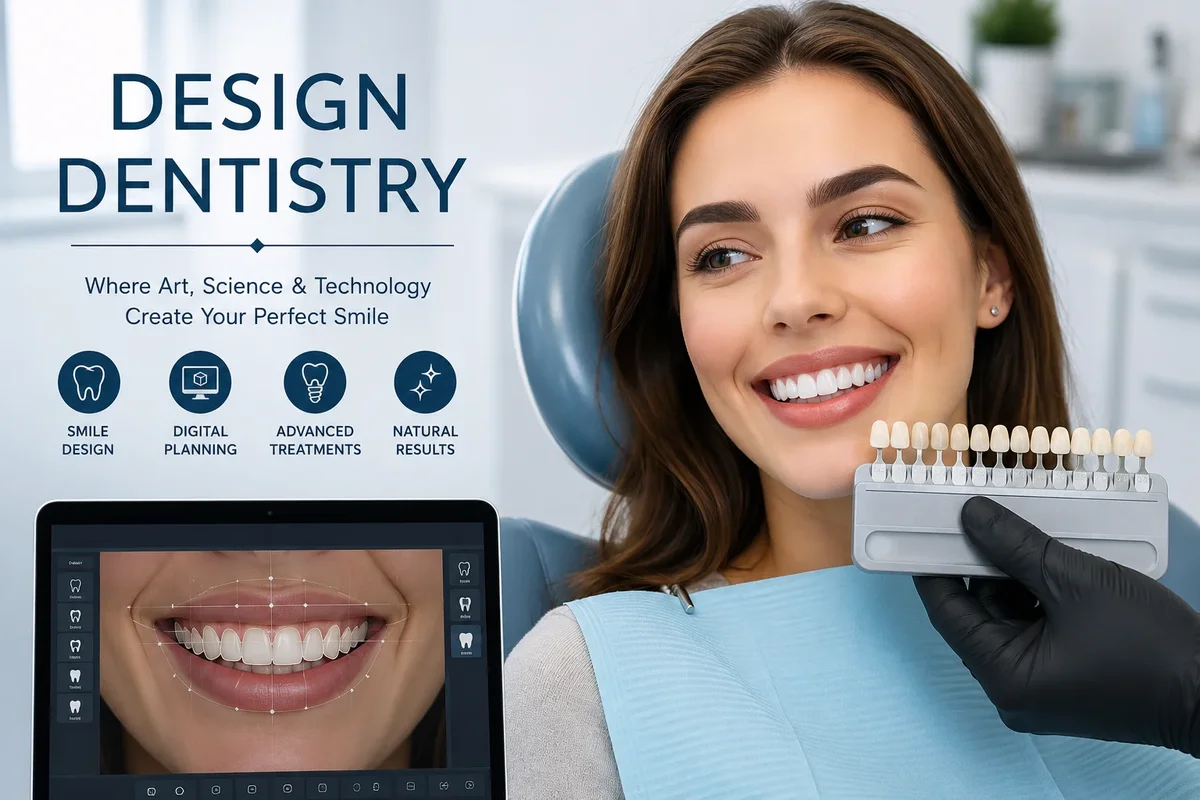
📱 In many modern design dentistry clinics, digital smile simulations are shown directly on a screen, helping patients understand how veneers, implants, crowns, or orthodontic adjustments may improve their appearance.
Common Procedures Used in Design Dentistry
Design dentistry often combines several cosmetic and restorative procedures into one personalized treatment plan. Depending on the patient’s oral condition and goals, dentists may recommend:
- Porcelain veneers
- Teeth whitening
- Dental crowns
- Composite bonding
- Clear aligners
- Dental implants
- Gum contouring
- Smile makeovers
- Full mouth rehabilitation
Each treatment in design dentistry serves a specific purpose. Veneers improve shape and color, implants replace missing teeth, orthodontics improve alignment, and whitening treatments enhance brightness. Together, these procedures create balanced and natural-looking smiles.
Minimally Invasive Dentistry
Another reason why design dentistry is popular is the increased use of minimally invasive techniques. Dentists aim to preserve as much natural tooth structure as possible while still achieving excellent cosmetic outcomes.
For example, modern veneers used in design dentistry are often ultra-thin and require minimal enamel removal. This conservative approach supports long-term oral health while still providing dramatic visual improvements.
How Design Dentistry Supports Oral Health
Although many people think design dentistry is purely cosmetic, it also provides important functional benefits. Properly aligned and restored teeth are easier to clean and maintain, reducing the risk of plaque accumulation and gum disease.
Patients with worn or damaged teeth may also experience improved chewing efficiency and reduced jaw stress after completing design dentistry procedures.
🌟 Some additional oral health benefits of design dentistry include:
- Improved bite balance
- Reduced tooth wear
- Better speech clarity
- Healthier gum appearance
- Enhanced oral hygiene access
- Reduced jaw discomfort
The Growing Popularity of Design Dentistry in Turkey
Turkey has become one of the leading destinations for design dentistry because the country offers advanced clinics, internationally experienced dentists, and highly competitive prices compared to many Western countries.
Patients traveling for design dentistry treatments often receive comprehensive smile makeover packages that include consultation, digital planning, veneers, implants, and aftercare support.
💰 Below is a general overview of average international treatment prices associated with design dentistry:
| Procedure | Estimated International Price |
|---|---|
| Porcelain Veneers | $250 – $800 per tooth |
| Dental Crowns | $300 – $900 per tooth |
| Teeth Whitening | $200 – $600 |
| Dental Implants | $600 – $2500 per implant |
| Smile Makeover | $3000 – $20000+ |
Choosing the Right Clinic for Design Dentistry
Choosing an experienced clinic is extremely important when planning design dentistry treatment. Patients should evaluate:
- Dentist experience and credentials
- Before-and-after patient results
- Digital technology availability
- Hygiene standards
- Patient reviews
- Transparent treatment planning
- Aftercare support
According to the American Dental Association, proper diagnosis and treatment planning are essential for maintaining long-term oral health. This principle is especially important in design dentistry, where aesthetics and functionality must work together.
If you would like to receive professional guidance about personalized smile makeover options, you can contact experienced specialists through the Redent Klinik Contact Page.
📋 Ultimately, the popularity of design dentistry continues to grow because it offers a complete approach to smile transformation. Patients are no longer looking for temporary cosmetic fixes alone. They want healthy, natural-looking, and long-lasting results that improve both confidence and oral health. Through digital technology, personalized care, and advanced treatment planning, design dentistry has become one of the most trusted solutions in modern cosmetic dentistry.
How Design Dentistry Improves Smile Aesthetics Naturally
✨ One of the biggest reasons patients choose design dentistry is the ability to achieve natural-looking smile improvements without creating an artificial appearance. Modern design dentistry focuses on enhancing the beauty of the smile while preserving harmony with the patient’s facial features, gum structure, and overall dental health. Instead of creating identical smiles for every patient, design dentistry uses personalized planning to ensure that every smile looks unique, balanced, and realistic.
In the past, cosmetic dental treatments sometimes resulted in overly white, bulky, or unnatural teeth that did not fit the patient’s face. Today, advanced design dentistry techniques prioritize subtle refinements and facial harmony. Dentists carefully study tooth proportions, smile width, lip movement, skin tone, and even personality traits before designing the final result.
The Importance of Natural Smile Design
The goal of design dentistry is not simply to create white teeth. Instead, the objective is to design a smile that complements the patient naturally. This includes balancing:
- Tooth shape
- Tooth color
- Gum symmetry
- Smile line
- Facial proportions
- Lip support
- Bite alignment
🦷 In professional design dentistry, dentists avoid making teeth excessively large or unnaturally bright unless specifically requested by the patient. Most patients today prefer elegant and realistic smile transformations that look healthy rather than artificial.
Modern aesthetic dentistry uses digital analysis and artistic planning together. This combination allows dentists to improve the smile while maintaining natural facial expression and comfort.
How Tooth Shape Affects Facial Appearance
Tooth shape plays a major role in design dentistry. Different tooth forms create different visual impressions. For example:
- Rounded teeth often create a softer and younger appearance
- Square-shaped teeth may create a stronger and more masculine look
- Longer teeth can improve smile visibility
- Balanced proportions create facial harmony
During design dentistry treatment planning, dentists analyze facial symmetry and smile dynamics before selecting veneer or crown shapes. This detailed approach helps ensure the final result fits naturally with the patient’s overall appearance.
Customized Smile Design
😁 Every smile in design dentistry should be personalized. Two patients with similar dental issues may still require completely different treatment approaches because their facial structure and smile goals are unique.
Some patients want a Hollywood-style bright smile, while others prefer conservative and subtle improvements. Through customized planning, design dentistry allows patients to participate actively in the smile creation process.
The Role of Gum Symmetry in Design Dentistry
Healthy gums are essential in successful design dentistry. Even perfectly shaped teeth may appear unattractive if gum levels are uneven or excessive gum tissue is visible while smiling.
Many modern design dentistry procedures include gum contouring to improve smile balance. Laser gum reshaping is commonly used to create a more symmetrical and proportional gum line.
🌟 Benefits of gum contouring in design dentistry include:
- Improved tooth visibility
- More symmetrical smile appearance
- Reduced gummy smile appearance
- Enhanced veneer or crown aesthetics
- Better smile proportions
By balancing both teeth and gums, design dentistry creates smiles that appear healthier and more natural.
Digital Technology and Smile Visualization
Modern digital systems have transformed the accuracy of design dentistry. Dentists can now use 3D scanners, intraoral cameras, and digital smile design software to preview treatment outcomes before beginning procedures.
📱 Patients often appreciate this feature because they can visualize potential smile improvements in advance. This improves communication and reduces uncertainty during treatment planning.
Digital imaging in design dentistry also allows dentists to:
- Measure facial proportions precisely
- Evaluate smile symmetry
- Create mock-up smile simulations
- Improve veneer and crown precision
- Enhance treatment predictability
The integration of digital technology is one of the reasons why modern design dentistry produces more consistent and realistic results than older cosmetic techniques.
Natural Tooth Color Selection
Color selection is another important factor in design dentistry. Extremely white teeth may look unnatural depending on the patient’s age, skin tone, and facial characteristics.
Professional cosmetic dentists usually select shades that appear bright but realistic. Layered porcelain materials used in modern design dentistry mimic the translucency and texture of natural enamel.
These advanced materials reflect light naturally and create highly aesthetic results that are difficult to distinguish from real teeth.
Psychological Benefits of Smile Aesthetics
😊 Improving smile aesthetics through design dentistry often has a major emotional impact on patients. People who previously hid their smile due to discoloration, spacing, or damaged teeth frequently experience increased confidence after treatment.
Patients commonly report:
- Improved self-esteem
- Greater confidence during conversations
- Comfort while smiling in photos
- Enhanced professional appearance
- Reduced social anxiety
These emotional benefits are one reason why design dentistry continues to grow globally.
Long-Term Aesthetic Stability
High-quality design dentistry treatments are designed to provide long-lasting results when properly maintained. Patients who practice good oral hygiene and attend regular dental checkups can maintain their smile aesthetics for many years.
💡 Dentists often recommend:
- Daily brushing and flossing
- Professional cleanings
- Night guards for teeth grinding
- Avoiding excessive staining foods
- Routine dental evaluations
These preventive habits help preserve the longevity of design dentistry restorations such as veneers, crowns, and implants.
International Growth of Design Dentistry
The popularity of design dentistry has expanded rapidly in countries specializing in cosmetic dental tourism. Turkey, in particular, has become a major destination for patients seeking affordable and advanced smile makeover treatments.
💰 Average treatment costs in design dentistry may vary depending on the complexity of treatment:
| Treatment | Average Price Range |
|---|---|
| Porcelain Veneers | $250 – $800 per tooth |
| Composite Bonding | $150 – $500 per tooth |
| Laser Gum Contouring | $300 – $1500 |
| Teeth Whitening | $200 – $600 |
| Smile Makeover | $3000 – $20000+ |
According to the American Dental Association, maintaining oral health while improving aesthetics is essential in modern cosmetic dentistry. This balanced approach is a central principle of design dentistry.
If you are considering personalized smile improvements and would like professional consultation about veneers, implants, or smile makeovers, you can contact specialists through the Redent Klinik Contact Page.
🌟 Ultimately, design dentistry improves smile aesthetics naturally by combining digital precision, artistic planning, personalized treatment, and advanced materials. Rather than creating artificial smiles, modern design dentistry focuses on enhancing the patient’s natural beauty while preserving long-term oral health and facial harmony. This patient-centered approach explains why design dentistry has become one of the most trusted and requested solutions in cosmetic dentistry today.
The Most Common Treatments Used in Design Dentistry
🦷 Modern design dentistry combines multiple cosmetic and restorative procedures to create healthy, balanced, and aesthetically pleasing smiles. One of the reasons design dentistry has become so popular is its flexibility. Every patient has different dental concerns, facial characteristics, and smile goals, so treatments are fully customized according to individual needs.
Some patients may only need whitening and bonding, while others require veneers, implants, orthodontics, or full mouth rehabilitation. The strength of design dentistry lies in combining these treatments strategically to improve both appearance and function at the same time.
Unlike traditional cosmetic procedures that focus on isolated issues, design dentistry uses comprehensive smile planning. Dentists evaluate the entire mouth, facial symmetry, gum condition, bite alignment, and oral health before selecting the appropriate treatment combination.
Porcelain Veneers in Design Dentistry
Porcelain veneers are among the most requested treatments in design dentistry. Veneers are thin ceramic shells placed on the front surface of teeth to improve color, shape, size, and symmetry.
✨ Veneers are commonly recommended for patients with:
- Stained teeth
- Chipped enamel
- Small gaps
- Uneven teeth
- Worn teeth
- Mild alignment problems
Modern veneers used in design dentistry are highly aesthetic and designed to mimic natural enamel translucency. Advanced ceramic materials allow dentists to create realistic smiles that blend naturally with facial features.
Benefits of Porcelain Veneers
- Natural appearance
- Long-lasting durability
- Stain resistance
- Fast smile transformation
- Minimal maintenance
😁 Veneers remain one of the most effective solutions in design dentistry for creating dramatic smile improvements in a relatively short time.
Teeth Whitening Procedures
Professional whitening is another common treatment used in design dentistry. Bright teeth are strongly associated with youth, health, and confidence. Many patients begin their smile makeover journey with whitening procedures.
Unlike over-the-counter whitening kits, professional whitening systems used in design dentistry provide faster, safer, and more predictable results.
💡 Dentists may recommend:
- In-office laser whitening
- Custom whitening trays
- Combination whitening systems
Professional whitening can significantly improve smile brightness while minimizing tooth sensitivity when performed correctly.
Dental Crowns for Functional Restoration
Dental crowns are frequently included in design dentistry treatment plans when teeth are heavily damaged, weakened, or structurally compromised.
Crowns fully cover the tooth and restore:
- Strength
- Shape
- Function
- Aesthetics
Modern ceramic crowns used in design dentistry are designed to look highly natural while also providing long-term durability.
When Crowns Are Recommended
Patients may require crowns in design dentistry if they have:
- Large fillings
- Broken teeth
- Severe discoloration
- Root canal-treated teeth
- Excessive tooth wear
Advanced digital scanning systems now allow many clinics to create highly precise crowns with excellent aesthetic integration.
Dental Implants in Design Dentistry
🌟 Dental implants play a major role in modern design dentistry because they replace missing teeth while preserving jawbone health and smile balance.
Implants are titanium posts surgically placed into the jawbone to support crowns, bridges, or dentures. In high-level design dentistry, implants are carefully positioned to optimize both appearance and functionality.
Missing teeth can negatively affect:
- Facial structure
- Chewing efficiency
- Speech clarity
- Smile symmetry
- Jawbone stability
Dental implants help restore these functions while also improving aesthetics naturally.
Advantages of Dental Implants
- Long-term durability
- Natural appearance
- Bone preservation
- Improved chewing function
- Enhanced smile stability
Implants are often considered one of the most transformative treatments in design dentistry.
Orthodontic Treatments and Clear Aligners
Orthodontics are frequently integrated into design dentistry to improve alignment and bite balance. Crooked or crowded teeth can negatively affect both appearance and oral health.
Clear aligners have become especially popular because they allow discreet orthodontic correction without traditional metal braces.
📱 In many design dentistry clinics, digital orthodontic simulations show patients how their teeth will gradually move during treatment.
Orthodontic correction may improve:
- Smile symmetry
- Tooth spacing
- Bite function
- Jaw balance
- Oral hygiene access
Composite Bonding Procedures
Composite bonding is a minimally invasive treatment commonly used in design dentistry to repair small imperfections quickly and conservatively.
Bonding material is carefully shaped and polished directly on the tooth surface to improve:
- Small chips
- Minor gaps
- Uneven edges
- Surface discoloration
One advantage of bonding in design dentistry is that it usually requires little or no enamel removal.
Laser Gum Contouring
Healthy gums are essential for successful design dentistry. Laser gum contouring helps create balanced gum symmetry and improve smile proportions.
Patients with excessive gum display or uneven gum levels often benefit from this treatment.
😊 Benefits of laser contouring in design dentistry include:
- Improved smile balance
- Reduced gummy smile appearance
- Faster healing
- Minimal discomfort
- Enhanced veneer aesthetics
Full Mouth Rehabilitation
Some patients require comprehensive treatment plans involving multiple procedures. Full mouth rehabilitation in design dentistry may combine implants, crowns, veneers, orthodontics, and gum treatments to rebuild the entire smile.
These advanced cases are carefully planned using digital technology and interdisciplinary cooperation between cosmetic dentists, implant specialists, and orthodontists.
💰 Below is a general price overview for common treatments used in design dentistry:
| Treatment | Estimated Price Range |
|---|---|
| Porcelain Veneers | $250 – $800 per tooth |
| Dental Crowns | $300 – $900 per tooth |
| Dental Implants | $600 – $2500 per implant |
| Teeth Whitening | $200 – $600 |
| Clear Aligners | $1500 – $5000 |
| Composite Bonding | $150 – $500 per tooth |
The Importance of Professional Planning
According to the American Dental Association, successful dental treatment should prioritize both oral health and long-term functionality. This principle is central to professional design dentistry.
Patients considering smile improvements should choose clinics with advanced digital systems, experienced cosmetic dentists, and transparent treatment planning.
If you would like to explore personalized smile makeover options, veneers, implants, or complete rehabilitation plans, you can contact specialists through the Redent Klinik Contact Page.
🌟 Ultimately, the most common procedures used in design dentistry work together to create balanced, healthy, and aesthetically pleasing smiles. By combining cosmetic dentistry, restorative dentistry, and advanced digital planning, modern design dentistry offers patients highly personalized treatment solutions that improve confidence, functionality, and long-term oral health simultaneously.
Digital Smile Design Technology in Modern Design Dentistry
💻 Technology has completely transformed modern design dentistry. In the past, smile planning relied mainly on physical impressions, manual measurements, and dentist estimation. Today, advanced digital systems allow dentists to analyze facial structures, tooth alignment, gum symmetry, and smile proportions with incredible precision. This technological evolution has made design dentistry more predictable, personalized, and effective than ever before.
Digital smile design technology is now considered one of the most important components of professional design dentistry. By using high-resolution imaging, 3D scanning, computer simulations, and CAD/CAM systems, dentists can create highly customized treatment plans that improve both aesthetics and functionality.
✨ One of the biggest advantages of digital systems in design dentistry is visualization. Patients no longer need to imagine how their future smile may look. Instead, they can often preview realistic digital simulations before treatment even begins.
What Is Digital Smile Design?
Digital Smile Design, often called DSD, is a modern planning system used in design dentistry to create customized smile transformations using advanced software and digital analysis.
During this process, dentists collect detailed information about:
- Tooth proportions
- Facial symmetry
- Smile line
- Lip movement
- Gum visibility
- Jaw alignment
- Speech patterns
- Bite balance
📸 High-quality photographs, videos, and intraoral scans are combined to create a digital model of the patient’s smile. This allows dentists to design highly personalized treatment plans within the framework of modern design dentistry.
How Digital Technology Improves Accuracy
One of the main reasons digital systems are so valuable in design dentistry is precision. Traditional impressions sometimes caused distortions or inaccuracies, but modern intraoral scanners capture highly detailed digital images of the teeth and gums.
These scans help dentists create:
- More accurate veneers
- Better-fitting crowns
- Precise aligners
- Custom implant restorations
- Improved smile symmetry
🦷 In advanced design dentistry, even tiny adjustments in tooth shape or positioning can significantly influence the final smile appearance. Digital systems allow dentists to control these details much more effectively.
3D Intraoral Scanning
Traditional dental impressions often caused discomfort for patients. Modern design dentistry now uses digital intraoral scanners to create fast and comfortable 3D images of the mouth.
Benefits of intraoral scanning include:
- Greater patient comfort
- Improved precision
- Faster treatment planning
- Reduced human error
- Enhanced communication with laboratories
Digital scanning has become a standard feature in high-quality design dentistry clinics around the world.
Smile Simulation and Patient Communication
😁 One of the most exciting aspects of digital technology in design dentistry is smile simulation. Specialized software allows dentists to show patients a realistic preview of their potential smile transformation.
This process improves communication because patients can discuss:
- Tooth color preferences
- Smile width
- Tooth shape
- Gum balance
- Facial harmony
Patients become more involved in treatment planning, which often leads to higher satisfaction after completing design dentistry procedures.
Reducing Anxiety Through Visualization
Many patients feel nervous before cosmetic procedures because they are unsure about the final results. Digital smile previews used in design dentistry help reduce this anxiety significantly.
📱 When patients can visualize realistic outcomes before treatment, they often feel more comfortable and confident moving forward with their smile makeover plan.
CAD/CAM Technology in Design Dentistry
CAD/CAM technology stands for Computer-Aided Design and Computer-Aided Manufacturing. This system plays a major role in modern design dentistry.
Using CAD/CAM systems, dentists can digitally design restorations such as:
- Crowns
- Veneers
- Bridges
- Implant restorations
- Inlays and onlays
After designing the restoration digitally, milling machines create the restoration with exceptional precision.
🌟 Advantages of CAD/CAM in design dentistry include:
- Faster treatment times
- Improved restoration fit
- Better aesthetic integration
- Reduced laboratory delays
- More predictable results
Artificial Intelligence and Future Innovation
Artificial intelligence is beginning to influence the future of design dentistry. AI systems can assist dentists by analyzing smile proportions, identifying treatment options, and improving diagnostic accuracy.
Although human expertise remains essential, AI-supported planning tools may further enhance:
- Treatment predictability
- Digital smile analysis
- Orthodontic planning
- Implant positioning
- Facial symmetry evaluation
🚀 As technology continues evolving, design dentistry will likely become even more personalized and efficient.
Digital Orthodontics in Design Dentistry
Orthodontics have also been transformed by digital systems within design dentistry. Clear aligner therapy now uses advanced digital planning software to simulate tooth movement step by step.
Patients can often see:
- How teeth will move over time
- Expected treatment duration
- Projected final alignment
- Bite improvements
This predictive technology improves transparency and treatment planning accuracy in design dentistry.
Improved Treatment Efficiency
Digital workflows have made design dentistry more efficient for both patients and dental professionals.
💡 Technology helps reduce:
- Appointment times
- Manual errors
- Temporary restorations
- Laboratory delays
- Adjustment appointments
Many modern clinics can now complete certain restorations much faster than traditional methods allowed.
Costs of Digital Smile Design Treatments
The use of advanced technology may slightly increase the initial cost of design dentistry, but many patients consider the additional precision and predictability worthwhile.
💰 Average treatment costs involving digital systems in design dentistry may include:
| Treatment | Estimated Price Range |
|---|---|
| Digital Smile Design Consultation | $200 – $1000 |
| Porcelain Veneers | $250 – $800 per tooth |
| CAD/CAM Crowns | $300 – $1000 per tooth |
| Clear Aligners | $1500 – $5000 |
| Full Digital Smile Makeover | $3000 – $20000+ |
The Importance of Professional Expertise
Although technology is extremely valuable, successful design dentistry still depends heavily on the skill and artistic judgment of the dentist. Digital systems support precision, but experienced cosmetic dentists remain essential for achieving balanced and natural-looking results.
According to the American Dental Association, combining advanced technology with proper clinical evaluation is critical for long-term treatment success.
If you are interested in digital smile makeover solutions, veneers, implants, or advanced smile planning, you can contact experienced specialists through the Redent Klinik Contact Page.
🌟 Ultimately, digital technology has revolutionized modern design dentistry. Through 3D scanning, digital smile simulations, CAD/CAM restorations, and advanced treatment planning systems, patients can now achieve more predictable, natural-looking, and highly personalized smile transformations than ever before. As technology continues to evolve, the future of design dentistry will become even more precise, efficient, and patient-focused.
Benefits of Choosing Design Dentistry for Long-Term Oral Health
🌟 Many people initially explore design dentistry because they want a more attractive smile, but the long-term oral health benefits are equally important. Modern design dentistry is not limited to cosmetic improvements alone. It combines restorative care, preventive dentistry, digital planning, and functional correction to improve both appearance and long-term dental stability.
One of the biggest misconceptions about design dentistry is that it only focuses on aesthetics. In reality, properly planned treatments often help improve bite function, gum health, tooth durability, oral hygiene, and jaw balance. This comprehensive approach explains why design dentistry has become one of the most trusted fields in modern dental care.
Improved Bite Function and Chewing Efficiency
🦷 Proper bite alignment is essential for long-term oral health. Crooked teeth, missing teeth, or uneven restorations may create excessive pressure on certain areas of the mouth. Over time, this imbalance can lead to tooth wear, jaw pain, cracked teeth, and chewing difficulties.
One of the major goals of design dentistry is to improve occlusion, which refers to how the upper and lower teeth come together during chewing and speaking.
Through customized treatment planning, design dentistry may help:
- Distribute bite pressure evenly
- Reduce tooth grinding damage
- Improve chewing comfort
- Decrease jaw tension
- Enhance overall oral stability
😁 Patients often notice that their smile not only looks better after design dentistry procedures but also feels more comfortable during daily activities like eating and speaking.
Healthier Gums Through Better Alignment
Healthy gums are critical for maintaining long-term dental health. Crowded or poorly aligned teeth can create areas that are difficult to clean properly, increasing the risk of plaque buildup and gum disease.
Modern design dentistry frequently includes orthodontic correction, contouring, or restorative adjustments that make oral hygiene easier and more effective.
How Design Dentistry Supports Gum Health
✨ Properly aligned and restored teeth help patients:
- Brush more effectively
- Floss more easily
- Reduce plaque accumulation
- Lower inflammation risk
- Maintain healthier gum tissue
When gum tissue remains healthy, the overall success and longevity of design dentistry restorations improve significantly.
Prevention of Excessive Tooth Wear
Many patients suffer from uneven tooth wear caused by bite imbalance, grinding, or poorly positioned teeth. Without proper treatment, excessive enamel wear may eventually expose dentin and increase tooth sensitivity.
In advanced design dentistry, dentists evaluate bite mechanics carefully to reduce harmful stress on the teeth. Restorative procedures such as veneers, crowns, aligners, or full-mouth rehabilitation may help protect teeth from further structural damage.
💡 Long-term benefits of properly planned design dentistry include:
- Reduced enamel erosion
- Lower fracture risk
- Improved jaw stability
- Protection against grinding damage
- Better long-term tooth preservation
Improved Speech and Pronunciation
Speech patterns are closely connected to tooth positioning and jaw alignment. Missing teeth, spacing issues, or bite problems can affect pronunciation and speech clarity.
Modern design dentistry often improves speech by restoring proper tooth structure and alignment. Patients who previously struggled with certain sounds may experience clearer pronunciation after treatment.
📢 This improvement is especially important for professionals who frequently communicate in public, participate in meetings, or work in customer-facing roles.
Psychological and Emotional Benefits
😊 Emotional health and oral health are closely connected. Many individuals with damaged, stained, or missing teeth feel uncomfortable smiling or speaking confidently.
One of the most valuable benefits of design dentistry is the psychological transformation patients often experience after treatment.
Confidence and Social Interaction
Patients frequently report improvements in:
- Self-confidence
- Social comfort
- Professional image
- Public speaking confidence
- Photo confidence
These emotional benefits can positively influence many aspects of life, which explains why design dentistry is considered an investment in both appearance and overall well-being.
Long-Term Stability Through Modern Materials
Modern materials used in design dentistry are far more advanced than older cosmetic systems. High-quality ceramics, zirconia restorations, and digital manufacturing techniques allow dentists to create restorations that are durable, biocompatible, and highly aesthetic.
🌟 Today’s restorations are designed to:
- Resist staining
- Handle chewing pressure
- Maintain natural appearance
- Support gum health
- Last many years with proper care
When combined with proper oral hygiene and regular dental checkups, modern design dentistry treatments can remain successful for a long time.
Preventive Dentistry and Early Intervention
Another important advantage of design dentistry is the emphasis on preventive care. During comprehensive evaluations, dentists may identify problems early before they become more serious.
Digital imaging and smile analysis used in design dentistry often help detect:
- Early enamel wear
- Bite imbalance
- Small fractures
- Gum recession
- Alignment issues
Early diagnosis allows for more conservative and effective treatment planning.
Reduced Risk of Future Complications
🛡️ Untreated dental problems can eventually lead to larger complications, including severe tooth damage, gum disease, jaw discomfort, and tooth loss.
Comprehensive design dentistry treatment plans aim to improve long-term stability by correcting problems before they worsen.
Examples include:
- Replacing missing teeth with implants
- Correcting bite imbalance
- Strengthening weakened teeth
- Improving gum symmetry
- Protecting teeth from excessive wear
These preventive strategies help reduce the likelihood of expensive future dental treatments.
Cost Considerations and Long-Term Value
Although some design dentistry procedures may involve significant initial costs, many patients consider the long-term value worthwhile because comprehensive treatment often reduces future restorative needs.
💰 General treatment price estimates associated with design dentistry include:
| Treatment | Estimated Price Range |
|---|---|
| Porcelain Veneers | $250 – $800 per tooth |
| Dental Implants | $600 – $2500 per implant |
| Clear Aligners | $1500 – $5000 |
| Full Mouth Rehabilitation | $5000 – $25000+ |
| Professional Whitening | $200 – $600 |
Proper planning and quality materials often improve the longevity and overall value of design dentistry treatments.
The Importance of Choosing Experienced Professionals
According to the American Dental Association, successful dental care should prioritize both function and long-term oral health. This principle is central to modern design dentistry.
Patients should choose clinics that offer:
- Digital smile planning
- Experienced cosmetic dentists
- Advanced restorative technology
- Transparent consultation processes
- Comprehensive aftercare support
If you are considering smile improvement options that also support long-term oral health, you can contact experienced professionals through the Redent Klinik Contact Page.
🌟 Ultimately, the benefits of design dentistry extend far beyond cosmetic appearance. Through personalized treatment planning, advanced technology, and comprehensive restorative care, modern design dentistry helps patients achieve healthier gums, stronger teeth, improved bite function, enhanced confidence, and long-term oral stability. This combination of beauty and functionality is what makes design dentistry one of the most valuable investments in modern dental care today.
How to Choose the Right Clinic for Design Dentistry
🦷 Choosing the right clinic is one of the most important decisions in the entire design dentistry process. Even the most advanced materials and technologies cannot guarantee excellent results without experienced professionals and proper treatment planning. Because design dentistry combines cosmetic artistry, restorative expertise, digital technology, and oral health evaluation, patients should carefully research clinics before beginning treatment.
Today, many dental clinics advertise cosmetic smile makeovers and aesthetic treatments, but not every clinic offers the same level of expertise, technology, or patient care. Successful design dentistry requires careful diagnosis, personalized planning, and long-term functional considerations—not just cosmetic improvements alone.
✨ Patients who invest time in selecting a qualified clinic for design dentistry are more likely to achieve natural-looking, durable, and healthy results.
Look for Experienced Cosmetic Dentists
The experience of the dentist is one of the most critical factors in successful design dentistry. Cosmetic smile design requires both technical skill and artistic understanding.
Patients should look for dentists who have experience in:
- Cosmetic dentistry
- Restorative dentistry
- Digital smile design
- Implant dentistry
- Veneer placement
- Full smile rehabilitation
😁 A highly experienced dentist understands how to create smiles that look attractive while also maintaining long-term oral function.
Review Before-and-After Cases
One of the best ways to evaluate a clinic specializing in design dentistry is by reviewing real patient results.
Before-and-after photos help patients evaluate:
- Smile naturalness
- Tooth proportions
- Gum symmetry
- Facial harmony
- Overall aesthetic quality
High-quality design dentistry should never produce artificial or identical-looking smiles for every patient. Instead, results should appear balanced and personalized.
Technology Used in Modern Design Dentistry
Advanced technology plays a major role in professional design dentistry. Clinics using modern digital systems often provide more accurate diagnoses and predictable treatment outcomes.
💻 Important technologies to look for include:
- 3D intraoral scanners
- Digital smile design software
- CAD/CAM systems
- Digital X-rays
- CBCT imaging
- Laser dentistry systems
These technologies improve planning accuracy and patient comfort throughout the design dentistry process.
Digital Smile Simulation
One valuable feature offered by advanced design dentistry clinics is smile simulation technology.
📱 Digital simulations allow patients to preview possible smile outcomes before treatment begins. This improves communication between the dentist and patient while helping establish realistic expectations.
Clinics that invest in advanced digital systems often demonstrate stronger commitment to precision and patient satisfaction.
Comprehensive Consultation Process
A quality design dentistry clinic should always provide a detailed consultation before recommending treatment.
During the consultation, dentists should evaluate:
- Oral health condition
- Gum health
- Bite function
- Facial symmetry
- Smile line
- Jaw alignment
- Patient goals
📝 Comprehensive consultation is essential because successful design dentistry requires much more than simply improving tooth appearance.
Patients should avoid clinics that immediately recommend aggressive cosmetic procedures without performing proper examinations.
Transparent Treatment Planning
Transparency is another important factor when selecting a clinic for design dentistry. Patients should receive clear explanations regarding:
- Treatment stages
- Expected results
- Potential limitations
- Recovery process
- Costs
- Maintenance requirements
✨ Ethical design dentistry clinics focus on honest communication and realistic expectations rather than making exaggerated promises.
Understanding Long-Term Maintenance
Patients should understand that some design dentistry restorations require maintenance over time.
For example:
- Whitening may require touch-ups
- Bonding may need polishing
- Night guards may be necessary for grinders
- Routine dental cleanings remain essential
A trustworthy clinic explains these long-term considerations clearly before treatment begins.
Importance of Hygiene and Safety Standards
🛡️ Hygiene and sterilization standards are critical in every field of dentistry, including design dentistry. Clinics should follow strict infection control protocols and maintain clean, modern treatment environments.
Patients should pay attention to:
- Clinic cleanliness
- Equipment sterilization
- Protective protocols
- Professional staff behavior
- Patient safety measures
Internationally accredited clinics specializing in design dentistry often maintain higher safety and quality standards.
Patient Reviews and Testimonials
🌟 Online reviews can provide valuable insight into the patient experience at a design dentistry clinic.
Patients should look for feedback regarding:
- Communication quality
- Treatment comfort
- Smile results
- Aftercare support
- Clinic professionalism
- Long-term satisfaction
While reviews should not be the only factor considered, consistent positive feedback often reflects reliable service quality.
International Dental Tourism and Design Dentistry
Many patients now travel internationally for design dentistry treatments. Countries like Turkey have become major destinations because they combine advanced dental technology with more affordable pricing.
✈️ International patients often choose clinics that offer:
- Airport transfers
- Multilingual coordinators
- Digital treatment planning
- Smile makeover packages
- Post-treatment support
However, even in dental tourism, careful research remains essential before selecting a design dentistry provider.
Understanding Treatment Costs
Cost is naturally an important factor when choosing a clinic for design dentistry, but patients should avoid selecting clinics based solely on the lowest price.
Extremely low prices may indicate:
- Lower-quality materials
- Limited experience
- Insufficient planning
- Reduced aftercare
- Outdated technology
💰 General treatment prices in design dentistry may include:
| Treatment | Estimated Price Range |
|---|---|
| Porcelain Veneers | $250 – $800 per tooth |
| Dental Implants | $600 – $2500 per implant |
| Smile Makeover | $3000 – $20000+ |
| Clear Aligners | $1500 – $5000 |
| Digital Smile Design Consultation | $200 – $1000 |
High-quality design dentistry should be viewed as a long-term investment in oral health, function, and confidence.
The Role of Professional Standards
According to the American Dental Association, successful dental treatment should prioritize patient safety, long-term function, and evidence-based care. These standards are especially important in modern design dentistry.
Patients interested in personalized smile makeovers, veneers, implants, or full rehabilitation can contact experienced professionals through the Redent Klinik Contact Page.
🌟 Ultimately, choosing the right clinic for design dentistry requires careful research, realistic expectations, and attention to professional quality. The best clinics combine experienced cosmetic dentists, advanced digital technology, transparent treatment planning, strong hygiene standards, and personalized patient care. By selecting the right professionals, patients can achieve healthy, natural-looking, and long-lasting smile transformations through modern design dentistry.
Design Dentistry Costs and Treatment Planning Explained
💰 One of the most common questions patients ask before starting design dentistry treatment is how much the process will cost. Because modern design dentistry combines multiple cosmetic, restorative, and digital procedures into personalized treatment plans, prices can vary significantly from one patient to another. The final cost depends on several important factors, including oral health condition, treatment complexity, materials used, clinic location, and the dentist’s experience.
Unlike simple dental procedures, design dentistry focuses on comprehensive smile transformation. This means that treatment planning is highly individualized. Some patients may only need whitening and bonding, while others may require implants, orthodontics, veneers, or full-mouth rehabilitation.
✨ Understanding how treatment planning works in design dentistry helps patients make informed decisions and set realistic expectations regarding both costs and results.
Why Design Dentistry Costs Vary
There is no universal price for design dentistry because every patient has different goals and oral conditions. During the consultation process, dentists evaluate the patient’s oral health, smile aesthetics, bite function, gum condition, and facial structure before creating a customized plan.
Several factors influence the total cost of design dentistry, including:
- Number of treated teeth
- Complexity of the smile makeover
- Need for implants or orthodontics
- Type of restorative materials used
- Digital technology involved
- Clinic reputation and experience
- Geographic location
🦷 Patients requiring full-mouth rehabilitation naturally face higher costs than individuals seeking minor cosmetic improvements.
The Initial Consultation Process
The consultation stage is one of the most important parts of professional design dentistry. Before discussing costs, dentists must fully understand the patient’s needs and oral condition.
During the consultation, clinics may perform:
- Digital smile analysis
- 3D intraoral scanning
- Photographic documentation
- X-rays or CBCT imaging
- Bite analysis
- Gum evaluation
- Smile simulations
📱 Advanced digital systems used in design dentistry help create highly accurate and personalized treatment plans. These technologies improve predictability and allow patients to visualize potential results before beginning treatment.
Smile Design Simulations
One of the most valuable features in modern design dentistry is digital smile simulation. Patients can preview how veneers, crowns, implants, or orthodontic corrections may improve their smile.
This process improves communication and helps patients understand:
- Treatment goals
- Expected outcomes
- Estimated timelines
- Financial planning
😁 Smile simulations often increase patient confidence before committing to major design dentistry procedures.
Costs of Common Design Dentistry Treatments
Because design dentistry involves multiple treatment possibilities, costs vary depending on the chosen procedures. Below are common treatment categories and their estimated international price ranges.
Porcelain Veneers
Porcelain veneers are among the most popular procedures in design dentistry. These thin ceramic shells improve tooth color, shape, and symmetry.
Estimated price:
- $250 – $800 per tooth internationally
- $800 – $2500 per tooth in some Western countries
Dental Implants
Dental implants are often used in design dentistry to replace missing teeth while maintaining jawbone stability and facial support.
Estimated price:
- $600 – $2500 per implant internationally
- Additional costs for bone grafting or sinus lifting if required
Teeth Whitening
Professional whitening treatments help brighten the smile and are commonly included in design dentistry plans.
Estimated price:
- $200 – $600 depending on the whitening system
Clear Aligners
Orthodontic correction is frequently integrated into design dentistry for alignment improvement.
Estimated price:
- $1500 – $5000 depending on treatment duration
Full Smile Makeovers
🌟 Comprehensive smile makeover plans in design dentistry may combine veneers, implants, crowns, whitening, and gum contouring.
Estimated price:
- $3000 – $20000+ depending on complexity
How Material Quality Affects Cost
The quality of materials used in design dentistry significantly affects pricing. High-end ceramic systems, zirconia restorations, and premium implant brands generally cost more but often provide:
- Better durability
- Improved aesthetics
- Longer lifespan
- Enhanced gum compatibility
- More natural translucency
✨ Patients should understand that extremely low-cost design dentistry may sometimes involve lower-quality materials or less experienced providers.
Why Digital Technology Increases Value
Modern digital systems improve treatment precision in design dentistry, but they may also slightly increase treatment costs.
Digital technologies used in advanced design dentistry include:
- 3D intraoral scanners
- CAD/CAM systems
- Digital smile design software
- CBCT imaging
- Laser dentistry tools
💻 These technologies improve accuracy, reduce treatment errors, and often create more predictable long-term results.
International Dental Tourism and Cost Advantages
Many patients travel internationally for design dentistry because treatment costs can vary greatly between countries.
Turkey has become one of the most popular destinations for design dentistry because clinics often provide:
- Advanced digital technology
- Experienced cosmetic dentists
- Multilingual patient coordinators
- Comprehensive treatment packages
- Competitive pricing
✈️ International patients frequently combine dental treatment with tourism while still paying significantly lower prices than in many Western countries.
Long-Term Value of Design Dentistry
Although design dentistry may involve significant upfront investment, many patients view it as a long-term improvement in oral health, appearance, and confidence.
Properly planned and maintained treatments may help reduce future dental complications by improving:
- Bite balance
- Tooth protection
- Gum health
- Jaw stability
- Chewing function
🛡️ High-quality design dentistry should not only improve aesthetics but also support long-term oral function and stability.
Financing and Payment Planning
Many clinics offering design dentistry provide financing options or staged treatment plans to make comprehensive care more manageable financially.
Patients may choose:
- Phased treatment scheduling
- Monthly payment plans
- Combination treatment packages
- Priority-based treatment sequencing
Transparent financial planning is an important part of ethical design dentistry.
Choosing Value Over Low Price
🌟 Patients should avoid selecting design dentistry clinics based solely on the cheapest available prices. Poorly planned cosmetic work may eventually require expensive corrections.
Important factors to evaluate include:
- Dentist experience
- Digital technology
- Material quality
- Before-and-after results
- Patient reviews
- Aftercare support
According to the American Dental Association, successful dental treatment should prioritize long-term oral health, safety, and proper diagnosis. These principles are central to high-quality design dentistry.
If you are interested in personalized smile planning, veneers, implants, or complete smile makeover consultation, you can contact experienced professionals through the Redent Klinik Contact Page.
✨ Ultimately, design dentistry treatment planning is a highly personalized process that balances aesthetics, functionality, oral health, and long-term stability. While treatment costs may vary depending on complexity and technology, high-quality design dentistry provides long-lasting value by improving confidence, smile appearance, and overall dental health through carefully customized care.
Recovery, Aftercare, and Maintenance After Design Dentistry
🌟 Recovery and long-term maintenance are essential parts of successful design dentistry. While many patients focus mainly on the cosmetic transformation itself, the aftercare process is equally important for protecting results and maintaining oral health over time. Modern design dentistry treatments are designed to provide long-lasting improvements, but proper recovery habits and daily care routines play a major role in treatment success.
The recovery process after design dentistry depends on the type of procedures performed. Some treatments, such as professional whitening or composite bonding, may require very little downtime. More advanced procedures like dental implants, full-mouth rehabilitation, or gum contouring may involve longer healing periods and additional aftercare instructions.
🦷 Understanding recovery expectations before beginning design dentistry helps patients prepare physically, emotionally, and financially for the healing process.
Immediate Recovery After Design Dentistry Procedures
Recovery experiences vary depending on the complexity of the design dentistry treatment plan. Many patients experience mild sensitivity or temporary discomfort during the first few days after treatment.
Common temporary symptoms may include:
- Tooth sensitivity
- Mild gum irritation
- Temporary speech adjustment
- Minor jaw soreness
- Pressure sensations after orthodontics
😁 Most of these symptoms improve naturally as the mouth adapts to the new restorations or bite adjustments created during design dentistry.
Recovery After Veneers and Crowns
Patients receiving veneers or crowns through design dentistry often adjust quickly to their new smile. Mild sensitivity to temperature changes may occur temporarily.
During the first days after treatment, dentists may recommend:
- Avoiding extremely hard foods
- Limiting staining beverages
- Using desensitizing toothpaste
- Practicing gentle brushing techniques
✨ Most patients become fully comfortable with veneers and crowns within a short period after completing design dentistry treatment.
Dental Implant Healing Process
Dental implants are among the most advanced procedures in design dentistry. Because implants involve surgical placement into the jawbone, healing requires more time and careful monitoring.
After implant surgery, patients may experience:
- Swelling
- Mild bruising
- Temporary discomfort
- Pressure sensitivity
🛡️ Dentists usually provide detailed aftercare instructions to protect the implant during the healing phase.
Osseointegration and Long-Term Stability
One of the most important stages in implant-based design dentistry is osseointegration. This process occurs when the implant gradually fuses with the jawbone.
Osseointegration may take several months, depending on:
- Bone quality
- Patient health
- Smoking habits
- Oral hygiene practices
Successful healing is essential for long-term implant stability in design dentistry.
Aftercare Following Gum Contouring
Laser gum contouring is commonly used in design dentistry to improve gum symmetry and smile proportions.
Recovery after gum contouring is usually relatively fast, but patients should still follow proper care instructions.
🌿 Dentists may recommend:
- Soft foods temporarily
- Avoiding spicy foods
- Gentle brushing near treated areas
- Using antimicrobial rinses
- Avoiding smoking during healing
Proper healing helps maintain the aesthetic results achieved through design dentistry.
Long-Term Oral Hygiene After Design Dentistry
Maintaining excellent oral hygiene is critical after completing design dentistry. Even high-quality restorations require proper daily care to remain healthy and aesthetically pleasing.
✨ Patients should consistently follow:
- Twice-daily brushing
- Daily flossing
- Professional dental cleanings
- Regular dental checkups
- Use of non-abrasive toothpaste
Good hygiene habits help protect both natural teeth and restorations created during design dentistry.
Protecting Porcelain Veneers and Crowns
Although modern materials used in design dentistry are durable, patients should still avoid habits that may damage restorations.
Patients are generally advised to avoid:
- Chewing ice
- Opening packages with teeth
- Biting very hard objects
- Excessive nail biting
These precautions help extend the lifespan of veneers, crowns, and other restorations used in design dentistry.
The Importance of Night Guards
😴 Some patients unconsciously grind or clench their teeth during sleep. This condition, known as bruxism, may damage restorations over time.
Many dentists recommend custom night guards after design dentistry procedures, especially for patients with grinding habits.
Night guards help:
- Protect veneers and crowns
- Reduce jaw tension
- Prevent excessive tooth wear
- Improve restoration longevity
Protective appliances are an important part of long-term maintenance in design dentistry.
Managing Tooth Sensitivity
Some patients experience temporary sensitivity after certain design dentistry treatments, particularly whitening procedures or veneer preparation.
💡 Dentists may recommend:
- Desensitizing toothpaste
- Avoiding very hot or cold foods
- Fluoride treatments
- Gentle oral hygiene products
In most cases, sensitivity gradually decreases as the teeth adapt following design dentistry treatment.
Regular Dental Checkups and Maintenance Visits
Routine maintenance visits are essential after completing design dentistry. During these appointments, dentists evaluate:
- Restoration condition
- Gum health
- Bite balance
- Oral hygiene quality
- Signs of wear or damage
📅 Early detection of minor issues helps prevent larger complications and supports long-term treatment success.
Diet and Lifestyle Considerations
Healthy lifestyle habits can significantly influence the longevity of design dentistry results.
Patients are often encouraged to:
- Reduce smoking
- Limit excessive sugar intake
- Avoid highly staining beverages
- Stay hydrated
- Maintain balanced nutrition
These habits support both oral health and the durability of cosmetic restorations.
Expected Lifespan of Design Dentistry Restorations
🌟 High-quality restorations used in design dentistry may last many years when properly maintained.
Approximate lifespans may include:
| Restoration | Average Lifespan |
|---|---|
| Porcelain Veneers | 10 – 15+ years |
| Dental Crowns | 10 – 20 years |
| Dental Implants | 20+ years or longer |
| Composite Bonding | 5 – 10 years |
| Professional Whitening | 6 months – 3 years |
Longevity depends heavily on oral hygiene, lifestyle habits, and regular maintenance after design dentistry.
Professional Guidance and Patient Education
According to the American Dental Association, ongoing preventive care and patient education are essential for maintaining oral health after cosmetic and restorative procedures.
Patients interested in smile makeover aftercare, veneers, implants, or long-term oral maintenance can contact experienced professionals through the Redent Klinik Contact Page.
✨ Ultimately, successful recovery and maintenance after design dentistry depend on a combination of professional care, good oral hygiene, healthy habits, and regular dental monitoring. While modern design dentistry provides impressive aesthetic and functional improvements, long-term success requires consistent aftercare and patient commitment. With proper maintenance, patients can enjoy healthy, beautiful, and confident smiles for many years after treatment.
Why International Patients Prefer Design Dentistry in Turkey
🌍 In recent years, Turkey has become one of the world’s leading destinations for design dentistry. Thousands of international patients travel to Turkish dental clinics every year seeking advanced smile makeover treatments, modern digital technology, and more affordable prices compared to many Western countries. The rapid growth of dental tourism has positioned Turkey as a global center for high-quality design dentistry.
Patients from Europe, the Middle East, North America, and other regions often choose Turkey because clinics combine cosmetic expertise, advanced technology, experienced dentists, and personalized treatment planning in one comprehensive experience.
✨ Modern design dentistry in Turkey focuses not only on aesthetics but also on functionality, oral health, and long-term treatment stability. This balanced approach has significantly increased international patient trust.
Affordable Prices Compared to Western Countries
One of the biggest reasons patients travel for design dentistry in Turkey is the significant price difference compared to countries such as the United States, the United Kingdom, Canada, or many European nations.
High operational costs and insurance systems often make cosmetic dental procedures extremely expensive in Western countries. Turkish clinics can frequently offer the same advanced design dentistry treatments at much lower prices while maintaining high-quality standards.
💰 Below is a general comparison of treatment costs:
| Treatment | Average Price in Turkey | Average Price in Western Countries |
|---|---|---|
| Porcelain Veneers | $250 – $800 per tooth | $800 – $2500 per tooth |
| Dental Implants | $600 – $2500 | $3000 – $6000 |
| Smile Makeover | $3000 – $15000 | $15000 – $50000+ |
| Clear Aligners | $1500 – $5000 | $4000 – $8000 |
🦷 These cost advantages make design dentistry more accessible for international patients who may not be able to afford treatment in their home countries.
Advanced Technology in Turkish Clinics
Another reason why Turkey has become so popular for design dentistry is the rapid adoption of advanced dental technology.
Many modern Turkish clinics use:
- 3D intraoral scanners
- Digital smile design software
- CAD/CAM systems
- CBCT imaging
- Laser dentistry technology
- Digital orthodontic planning
💻 These technologies improve treatment precision, patient comfort, and smile predictability throughout the design dentistry process.
Digital Smile Simulations
International patients especially appreciate digital smile simulations used in design dentistry. Before treatment begins, many clinics provide visual previews of potential smile transformations.
This technology helps patients:
- Understand treatment goals
- Visualize final results
- Communicate aesthetic preferences
- Reduce uncertainty before treatment
😁 Digital planning systems have become one of the strongest advantages of modern design dentistry in Turkey.
Highly Experienced Cosmetic Dentists
Turkey’s dental tourism industry has encouraged many dentists to specialize heavily in cosmetic and restorative procedures. As a result, numerous clinics now focus specifically on design dentistry, veneers, implants, and smile makeovers.
Many Turkish dentists gain extensive experience because they treat large numbers of international patients every year.
🌟 Experienced dentists in design dentistry understand the importance of:
- Natural smile aesthetics
- Facial harmony
- Bite function
- Long-term oral health
- Personalized treatment planning
This combination of artistic and technical expertise contributes significantly to Turkey’s international reputation.
Comprehensive Smile Makeover Packages
International patients often prefer Turkish clinics because many providers offer all-inclusive design dentistry packages designed specifically for dental tourists.
✈️ These packages may include:
- Airport transfers
- Hotel accommodation
- Consultation services
- Digital smile planning
- Treatment coordination
- Translation assistance
- Aftercare support
This streamlined process makes international design dentistry treatment more convenient and less stressful for patients traveling abroad.
Shorter Waiting Times
In some countries, patients may wait months for advanced cosmetic dental treatment. In Turkey, many clinics offering design dentistry can schedule consultations and procedures much faster.
📅 Faster access to treatment is particularly attractive for patients who:
- Need urgent smile rehabilitation
- Have limited vacation time
- Want rapid cosmetic improvement
- Are preparing for major life events
Efficient scheduling systems are another reason why Turkey continues attracting patients seeking design dentistry.
The Importance of Natural-Looking Results
Modern Turkish clinics increasingly focus on natural aesthetics in design dentistry. While some earlier cosmetic trends favored extremely white and uniform smiles, today’s patients often prefer more realistic and balanced results.
✨ High-quality design dentistry now emphasizes:
- Natural tooth translucency
- Facial harmony
- Proper gum balance
- Personalized smile proportions
- Long-term comfort
Advanced ceramic materials and digital planning systems help dentists achieve more refined and realistic outcomes.
Combining Dental Care With Tourism
🌴 Many international patients enjoy combining design dentistry treatment with tourism experiences in Turkey.
Popular destinations such as Istanbul, Antalya, and Izmir offer:
- Luxury hotels
- Historic attractions
- Mediterranean beaches
- Shopping districts
- Rich cultural experiences
This combination of healthcare and tourism creates a more positive overall treatment experience for many patients pursuing design dentistry.
Patient Communication and International Support
Communication is extremely important in cosmetic dentistry. Many clinics specializing in design dentistry now employ multilingual coordinators to support international patients.
📱 Patients often receive assistance with:
- Treatment explanations
- Travel planning
- Appointment scheduling
- Hotel arrangements
- Post-treatment instructions
Strong communication systems help build trust and improve patient satisfaction during the design dentistry journey.
Choosing the Right Clinic in Turkey
Although Turkey offers many advantages for design dentistry, patients should still carefully research clinics before making decisions.
Important factors to evaluate include:
- Dentist qualifications
- Before-and-after results
- Digital technology availability
- Patient reviews
- Hygiene standards
- Treatment transparency
- Aftercare support
🛡️ Patients should avoid selecting clinics based solely on extremely low prices. High-quality design dentistry requires expertise, proper materials, and individualized treatment planning.
International Standards and Oral Health
According to the American Dental Association, successful cosmetic dentistry should prioritize oral health, functionality, and long-term stability alongside aesthetics.
Patients interested in advanced smile makeover solutions, veneers, implants, and personalized treatment planning can contact experienced professionals through the Redent Klinik Contact Page.
🌟 Ultimately, international patients prefer design dentistry in Turkey because the country combines advanced technology, experienced cosmetic dentists, affordable pricing, personalized treatment planning, and comprehensive patient support. As dental tourism continues growing globally, Turkey remains one of the most trusted destinations for patients seeking high-quality design dentistry treatments that improve confidence, oral health, and smile aesthetics simultaneously.