
When people start researching orthodontic treatments, one of the most common questions they ask is about the different types of braces available today. Braces are no longer limited to the classic metal wires of the past — modern dentistry offers a range of solutions designed for comfort, aesthetics, and efficiency. 😁 Whether you are a teenager hoping for a confident smile or an adult looking for a discreet correction, understanding these options helps you make the right choice for your dental health and lifestyle.
At their core, braces are orthodontic devices used to align and straighten teeth. They correct crowding, gaps, overbites, underbites, and other dental irregularities by applying gentle, consistent pressure over time. This gradual force moves the teeth into their proper positions, ensuring not only aesthetic improvement but also better oral function. Thanks to technological advances, patients can now choose from many different types of braces—each with its own unique materials, mechanisms, and visual appeal.
How Braces Work: The Science Behind the Smile
Braces rely on the principle of controlled pressure and bone remodeling. When steady force is applied to teeth, the bone around the tooth root adapts to allow gradual movement. The bracket (the small square attached to each tooth) and the archwire (the metal wire that connects them) work together to direct this force. Over time, your teeth shift into alignment while the bone tissue rebuilds to stabilize their new positions. 🦷
In traditional orthodontics, adjustments are made every few weeks to maintain the right level of tension. However, modern options such as self-ligating braces and clear aligners reduce the need for frequent visits. This makes the different types of braces not only more comfortable but also more efficient than ever before.
Why So Many Options Exist Today
Every smile is unique, and so are people’s lifestyles and priorities. Some patients prefer invisible solutions for aesthetic reasons, while others prioritize speed or affordability. That’s why orthodontists offer a variety of systems, from metal and ceramic braces to lingual and clear aligner technologies. For example, teenagers often benefit from traditional metal braces due to their durability, while adults might choose ceramic or Invisalign aligners to maintain a natural appearance during treatment.
The diversity in different types of braces ensures that every patient can find the perfect balance between effectiveness, comfort, and discretion. Whether you’re a student, a working professional, or someone returning to orthodontic care later in life, there’s a tailored option for you.
Benefits of Modern Braces
Modern orthodontics goes far beyond cosmetic appeal. Braces correct misalignments that can lead to jaw discomfort, gum disease, and difficulty cleaning teeth properly. Straight teeth are easier to brush and floss, reducing the risk of plaque buildup and cavities. Moreover, properly aligned teeth improve speech, chewing, and even facial balance. A confident, healthy smile contributes to self-esteem and social comfort, making the investment in braces one of the most rewarding dental decisions you can make. 🌟
With the different types of braces available today, patients also enjoy shorter treatment times, lighter forces, and smoother adjustments compared to earlier generations of orthodontic devices. Some systems even use advanced materials that respond to body heat, allowing them to adapt gently to your mouth and minimize discomfort.
What to Expect During the Treatment Process
Your orthodontic journey typically begins with a consultation and 3D imaging scan. The orthodontist evaluates your bite, crowding, and alignment issues to recommend the most suitable type of braces. Once you select from the different types of braces, brackets or aligners are fitted, and adjustments begin. Regular check-ups follow to monitor progress and make necessary modifications.
The length of treatment varies depending on the severity of misalignment and the system chosen. On average, traditional metal braces take 18–24 months, while clear aligners or self-ligating options may shorten that period. Following the active treatment phase, patients usually wear retainers to maintain their new smile. It’s a long-term investment, but the final results — a perfectly aligned, radiant smile — are well worth the effort!
Maintenance and Oral Care Tips
Keeping braces clean is crucial for avoiding tooth decay and gum problems. Regular brushing, flossing, and using interdental brushes can help maintain oral hygiene throughout the process. Your orthodontist may also recommend fluoride mouthwash or water flossers for extra care. 🍃 For those using clear aligners, maintaining cleanliness is easier, but it’s equally important to remove them before eating or drinking anything other than water.
Visiting your dentist for professional cleanings every few months is also recommended. In addition, following your orthodontist’s dietary guidelines (such as avoiding sticky or hard foods) helps prevent damage to brackets and wires.
When to Visit a Specialist
If you notice uneven teeth, frequent biting of the inner cheeks, speech difficulties, or jaw discomfort, it might be time to consult an orthodontist. Early diagnosis and treatment can prevent more serious dental problems later. Children can start orthodontic evaluations as early as age 7, while adults can begin treatment at any time. Orthodontics is truly age-inclusive — it’s never too late to enhance your smile. 😃
Learn More and Get Professional Advice
For those considering braces, booking a consultation with a professional clinic is the first step. At Redent Klinik Contact Page, you can connect directly with dental experts who specialize in personalized orthodontic care. They can help you compare the different types of braces and determine which one best fits your dental goals and budget.
For further reading on orthodontic best practices and professional guidelines, you can visit the official American Dental Association website, which offers trustworthy insights into dental health and treatment standards worldwide.
In conclusion, exploring the different types of braces is an exciting step toward achieving your ideal smile. With so many options available — from traditional metal to invisible aligners — there’s a perfect fit for everyone. Understanding how each type works empowers you to make informed choices that lead to lasting oral health and confidence. 🌈
What Are Braces and How Do They Work?
Before choosing among the different types of braces, it’s important to understand what braces actually are and how they work to create a beautiful, well-aligned smile. Braces are orthodontic devices that apply continuous, gentle pressure to move teeth into the correct position. This pressure gradually reshapes the bone structure surrounding the teeth, aligning them for optimal function and aesthetics. 🦷 Modern orthodontics combines precision engineering with medical science to make the process safer, faster, and more comfortable than ever before.
The Basic Components of Braces
To appreciate how braces work, it helps to understand their essential components. Every type of braces—whether traditional metal or advanced clear aligners—has the same goal but uses different mechanisms to achieve it. The main parts include:
- Brackets: Small attachments bonded to each tooth’s surface. They hold the archwire in place and help guide teeth movement.
- Archwire: A thin wire running through the brackets that exerts controlled force on the teeth.
- Elastic bands (ligatures): These tiny rubber bands secure the archwire to the brackets, allowing fine adjustments during treatment.
- Spacers and separators: Used before fitting braces to create room between teeth if necessary.
- Retainers: After braces are removed, retainers help maintain the newly achieved alignment.
Together, these elements work in harmony to reposition your teeth over time. Even though there are different types of braces, the core principle—gradual tooth movement using pressure—remains the same.
The Orthodontic Science Behind Tooth Movement
When braces apply pressure to a tooth, the bone on one side of the root breaks down while new bone forms on the other. This process is known as bone remodeling. It’s a biological response that allows the tooth to shift position within the jawbone without causing long-term damage. Over weeks and months, your orthodontist carefully adjusts the force applied, ensuring steady progress and minimizing discomfort.
This fascinating mechanism is what makes all different types of braces effective—from traditional metal braces to modern systems like Invisalign. The pressure must be precise and consistent, which is why orthodontic check-ups are crucial throughout treatment.
Evolution of Braces Through the Years
Braces have come a long way since their invention in the 18th century. The earliest versions were made from gold, brass, or ivory and required constant manual tightening. By the 1970s, stainless steel braces became the norm, improving both durability and affordability. Today, we have clear ceramic braces, self-ligating systems, and invisible aligners—all designed for greater comfort and aesthetics.
As technology evolved, digital orthodontics emerged. 3D imaging, computer-aided design, and laser scanning now allow orthodontists to map every tooth movement before the treatment even begins. This precision ensures that every patient gets a fully customized plan, making the different types of braces more effective and predictable than ever before. 🔬
What Happens During Your First Orthodontic Visit?
Your orthodontic journey starts with a comprehensive evaluation. The specialist examines your teeth, jaw alignment, and bite pattern. X-rays and 3D models are taken to create a customized plan. You’ll also discuss your goals, lifestyle, and which of the different types of braces might best fit your needs—whether you want a subtle, aesthetic option or a faster, more durable treatment.
After selecting the right braces, the orthodontist applies the brackets and connects them with archwires. Depending on your chosen system, you might also receive clear aligners instead of fixed braces. From this point forward, gradual adjustments occur every few weeks to keep your teeth moving in the correct direction.
Adjustment and Progress Monitoring
Throughout treatment, your orthodontist performs regular check-ups to ensure steady progress. These visits typically involve tightening the wires or replacing elastic bands. For self-ligating or clear aligner systems, digital scans may replace physical adjustments. Each session is essential for refining alignment and maintaining pressure in the right areas.
The Duration of Orthodontic Treatment
One of the most common questions patients ask is: “How long will it take?” The answer depends on several factors, including your age, the complexity of your dental issues, and the type of braces you choose. On average, traditional braces take between 18 and 24 months, while clear aligners or self-ligating braces may reduce treatment time to 12–18 months.
Regardless of the system, patience is key. The slow, controlled movement ensures healthy, stable results that last a lifetime. After all, the beauty of the different types of braces lies not only in their effectiveness but also in their ability to preserve your dental health throughout the process.
Potential Discomfort and How to Manage It
It’s normal to experience mild discomfort during the first few days after braces are placed or adjusted. This soreness occurs because your teeth and surrounding tissues are adapting to the new pressure. You can manage it with orthodontic wax, soft foods, and over-the-counter pain relievers if needed. Cold water rinses and a soft-bristle toothbrush also help ease sensitivity. Remember, this temporary discomfort means your treatment is working! 💪
Long-Term Results: Beyond a Straight Smile
The benefits of braces go far beyond appearance. Proper alignment improves speech clarity, chewing efficiency, and even breathing in some cases. It also reduces strain on the jaw joint (TMJ) and helps prevent premature tooth wear. Correctly aligned teeth make oral hygiene easier, lowering your risk of decay and gum disease. So when you explore the different types of braces, remember that each contributes not only to aesthetics but also to lifelong oral health and comfort.
Maintaining Results After Braces
Once the braces come off, your orthodontist will fit you with a retainer. This device prevents your teeth from shifting back to their previous positions. Wearing retainers as prescribed—usually every night—is essential to maintaining your results. You’ve invested months or even years into treatment, so protecting your new smile is worth the effort! 🌟
Professional Guidance and Resources
If you’re unsure which braces option suits you best, consult an orthodontist at Redent Klinik Contact Page for expert advice. They’ll guide you through the different types of braces and help design a personalized plan tailored to your needs. For additional resources and professional dental care guidelines, visit the American Dental Association, which provides detailed insights into orthodontic safety, procedures, and innovations.
Understanding how braces work empowers you to make an informed decision and take control of your dental health journey. No matter which of the different types of braces you choose, modern orthodontics ensures that your path to a perfect smile is more comfortable, effective, and rewarding than ever before. 😃
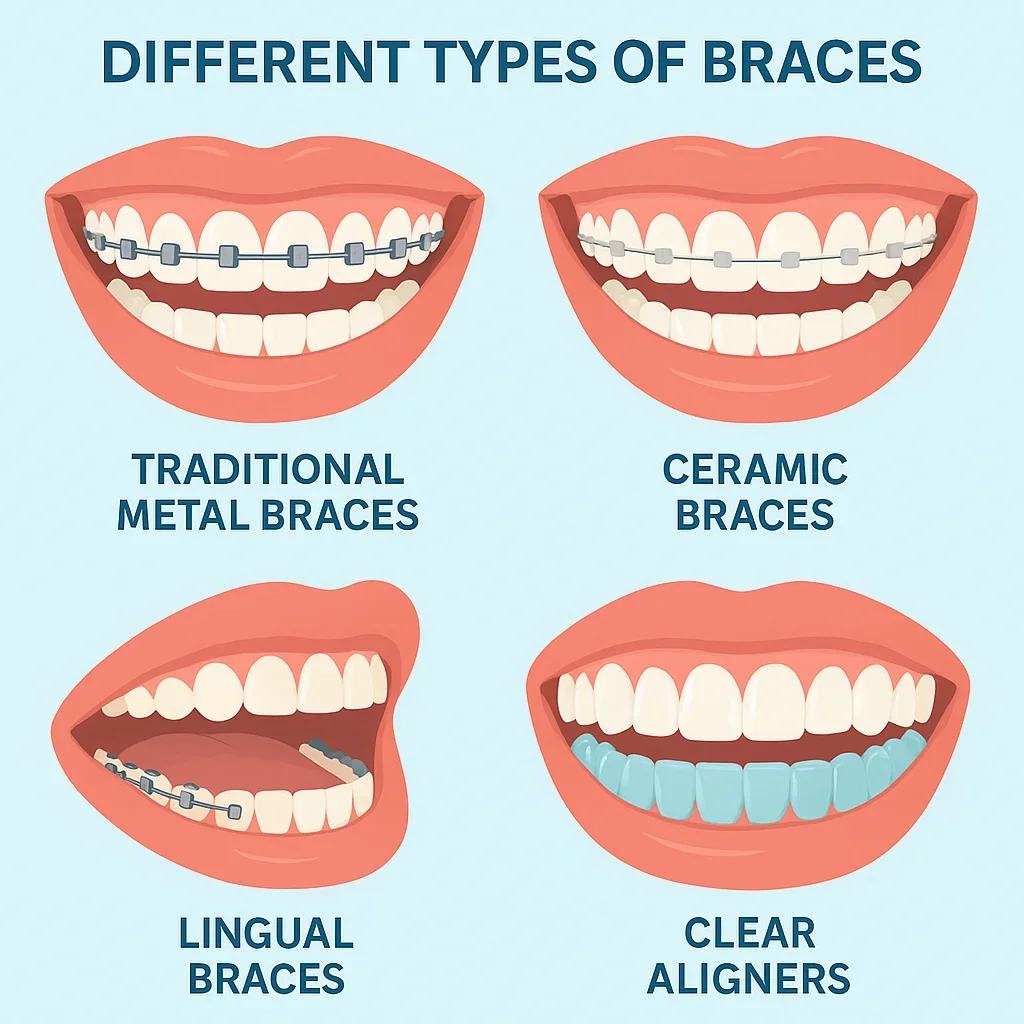
Traditional Metal Braces: The Classic Choice
Among all the different types of braces, traditional metal braces remain the most well-known and widely used option. 🦷 They have been trusted by orthodontists for decades because of their durability, effectiveness, and ability to correct even the most complex dental issues. Though modern innovations have introduced many new alternatives, metal braces continue to be the gold standard for comprehensive orthodontic treatment, offering proven results and long-term stability.
What Are Traditional Metal Braces?
Traditional braces consist of high-grade stainless steel brackets attached to each tooth and connected by an archwire. Small elastic bands, also called ligatures, hold the wire in place. The orthodontist periodically adjusts the tension in these wires to gradually move teeth into alignment. This steady pressure helps reposition teeth over time, creating a healthier bite and a straighter smile.
Unlike the early designs from decades ago, today’s metal braces are lighter, smaller, and more comfortable. Their brackets have been refined with smoother edges and advanced bonding agents that reduce irritation. Patients can even customize their braces with colored bands, making them more fun—especially for younger patients. 🎨
How Traditional Metal Braces Work
The process begins with bonding stainless steel brackets to the front of each tooth using dental adhesive. Then, a thin archwire is threaded through the brackets. As the orthodontist tightens or adjusts this wire at follow-up visits, it applies gentle force to the teeth. This consistent pressure gradually shifts teeth into their ideal positions. The underlying bone adapts during this process, ensuring stable and lasting results.
This mechanical principle is shared among the different types of braces, but metal braces remain particularly effective for severe misalignments, such as overcrowding, crossbites, and deep overbites. Because they can handle stronger tension and more intricate adjustments, orthodontists often recommend them for complex cases that other systems might struggle with.
Advantages of Traditional Metal Braces
Metal braces have stood the test of time because they deliver reliable results across a broad spectrum of dental problems. Here are some key benefits that make them one of the most popular choices among the different types of braces:
- Proven effectiveness: Capable of correcting even the most challenging cases of misalignment.
- Durability: Made of stainless steel, they are resistant to breakage or staining.
- Cost efficiency: Typically the most affordable type of braces compared to ceramic or invisible aligners.
- Customizable style: Patients can choose different colored elastics for a personalized appearance.
- Faster treatment for severe cases: Since they can apply stronger pressure, they often shorten treatment time in complex corrections.
For these reasons, traditional braces are still widely recommended, especially for teenagers or individuals who need extensive orthodontic work.
Disadvantages to Consider
Despite their benefits, metal braces also come with a few drawbacks. They are more visible compared to other different types of braces, which may be a concern for adults seeking discreet treatment. Some patients also experience mild irritation inside the cheeks or lips, especially in the early stages. However, orthodontic wax and soft foods help alleviate these issues. Additionally, maintaining good oral hygiene can be more challenging since food particles can get trapped around brackets and wires.
To prevent plaque buildup, brushing after every meal, flossing carefully, and using special interdental brushes are highly recommended. Regular dental cleanings are also crucial throughout treatment to ensure optimal oral health.
Materials and Technology in Modern Metal Braces
Today’s metal braces are not the bulky devices they once were. Advances in orthodontic materials have revolutionized their design. Modern stainless steel alloys are lighter, more corrosion-resistant, and biocompatible, reducing allergic reactions. Some systems use heat-activated archwires made from nickel-titanium (NiTi), which respond to body temperature and apply gentle, consistent pressure for faster and more comfortable tooth movement.
In digital orthodontics, 3D scanning and AI-based treatment planning now allow orthodontists to map every stage of tooth movement before the braces are even applied. This level of precision ensures that even traditional braces are more efficient than ever before, reinforcing their role among the most trusted different types of braces.
Customization and Aesthetics
While traditional braces are often considered the most noticeable, manufacturers now produce low-profile and mini brackets that are less visible. Patients can even choose colored or clear ligatures for a more aesthetic look. This customization allows children and teens to express their personalities while adults can select subtle tones that blend with their teeth. 😄
Who Are Metal Braces Best For?
Traditional metal braces are ideal for patients who require precise control over tooth movement. They are particularly recommended for:
- Teenagers with developing teeth and jaw structures
- Adults seeking affordable, comprehensive correction
- Patients with severe overcrowding, rotated teeth, or bite irregularities
- Individuals who are not good candidates for clear aligners
Even though there are different types of braces tailored for various needs, metal braces consistently deliver the most predictable outcomes for complex orthodontic cases.
Care and Maintenance Tips
Maintaining proper hygiene while wearing braces is essential. Use fluoride toothpaste and brush gently around each bracket to prevent demineralization. Floss daily using threaders or water flossers, and avoid sticky or hard foods such as caramel, nuts, and popcorn that can damage the braces. Your orthodontist may also recommend fluoride rinses to protect enamel during treatment.
Following these steps not only ensures oral health but also shortens treatment time. Patients who maintain good hygiene and attend regular check-ups often finish their orthodontic journey sooner and with better results. 🌟
Estimated Cost of Traditional Metal Braces
Prices vary based on location and case complexity, but here’s a general estimate for comparison purposes:
Average cost: $3,000 – $7,000 (USD)
Treatment duration: 18 – 24 months
Follow-up visits: Every 4–6 weeks
These figures may differ depending on your dental insurance and the expertise of your orthodontist. Consulting a certified clinic like Redent Klinik Contact Page is the best way to receive a personalized cost estimate and determine the most suitable treatment among the different types of braces.
Conclusion: The Reliable Foundation of Orthodontics
Even in a world filled with modern orthodontic innovations, traditional metal braces remain a cornerstone of effective dental correction. Their strength, affordability, and precision make them an enduring favorite among both patients and professionals. When it comes to achieving consistent, long-term results, few options compare. They may be the most classic among the different types of braces, but their reliability and proven success continue to make them one of the best orthodontic solutions available today. 🏆
For further education and trusted professional information about orthodontics and dental health, visit the American Dental Association, which provides authoritative guidelines and research on various orthodontic techniques.
Ceramic Braces: Aesthetic and Discreet Option
When exploring the different types of braces, one of the most appealing modern alternatives to traditional metal braces is ceramic braces. These braces offer the same reliable performance but with a more aesthetic and subtle appearance, making them a favorite among adults and image-conscious teens. 😁 Designed to blend naturally with the color of your teeth, ceramic braces correct misalignments without drawing attention, providing both functionality and visual elegance.
What Are Ceramic Braces?
Ceramic braces use tooth-colored or clear brackets made from high-quality composite materials instead of metal. They work the same way as traditional braces by using an archwire and brackets to apply controlled pressure on the teeth, slowly guiding them into alignment. However, their translucent appearance makes them much less noticeable. Many orthodontists also use frosted or clear wires to make the entire setup nearly invisible from a distance.
This makes ceramic braces one of the most discreet options among the different types of braces. Patients can confidently smile and speak without feeling self-conscious about their orthodontic treatment, especially in professional or social settings.
How Ceramic Braces Work
Like metal braces, ceramic braces rely on a precise application of continuous pressure to move teeth. Each bracket is bonded to the front of the teeth using a strong adhesive. The archwire is threaded through these brackets, and gentle adjustments are made at regular intervals. Over time, the orthodontist modifies the wire tension to control the direction and amount of tooth movement.
While the core mechanics are the same as in other different types of braces, ceramic braces use slightly different materials that affect friction and flexibility. Some systems incorporate hybrid technology—using metal wires combined with ceramic brackets—to maximize efficiency while maintaining aesthetics.
Advantages of Ceramic Braces
One of the main reasons people choose ceramic braces is their near-invisibility. However, they also come with a range of other benefits that make them an excellent orthodontic solution:
- Discreet appearance: Their clear or tooth-colored brackets blend naturally with your teeth, making them ideal for adults and professionals.
- Effective results: They deliver the same alignment precision as metal braces, correcting mild to severe cases efficiently.
- Comfortable material: Ceramic surfaces are smoother, reducing irritation to the lips and inner cheeks.
- Stain-resistant coatings: High-quality ceramics are designed to resist discoloration from foods and drinks.
- Enhanced confidence: Because they’re less noticeable, patients often feel more comfortable during treatment.
These benefits make ceramic braces one of the most popular choices among adults seeking a subtle yet effective way to align their teeth. 🌟
Disadvantages of Ceramic Braces
While ceramic braces have many strengths, they also have some limitations compared to other different types of braces. The main drawbacks include:
- Fragility: Ceramic brackets are more brittle than metal and can crack if excessive force is applied.
- Cost: They are usually more expensive than traditional braces due to the specialized materials used.
- Friction: Ceramic materials can sometimes create more resistance between the wire and bracket, potentially lengthening treatment time.
- Maintenance: Even though modern ceramics resist staining, clear elastic ties around the brackets may discolor over time due to coffee, tea, or certain foods.
These factors should be weighed carefully when comparing the different types of braces to ensure you choose the system best suited to your lifestyle and dental needs.
Material Composition and Technology
The development of ceramic braces marked a breakthrough in orthodontic materials science. The brackets are typically made from polycrystalline or monocrystalline alumina—materials that are strong, smooth, and biocompatible. Monocrystalline alumina, in particular, gives the brackets a translucent, glass-like appearance that enhances aesthetics without sacrificing durability.
Heat-Activated and Self-Ligating Options
Some modern systems incorporate self-ligating ceramic brackets, which use built-in clips instead of rubber bands to hold the archwire. This reduces friction, accelerates movement, and minimizes staining around elastic ties. In addition, heat-activated wires made from nickel-titanium alloys respond to body temperature, applying gentler and more consistent pressure. This makes ceramic braces one of the most technologically advanced options among the different types of braces available today.
Ideal Candidates for Ceramic Braces
Ceramic braces are perfect for patients who value aesthetics and are willing to invest in a more discreet option. They are especially suitable for:
- Adults and working professionals who prefer a less visible treatment
- Teenagers seeking a stylish yet effective alternative to metal braces
- Patients with moderate misalignment or bite issues
- Those not eligible for removable aligners like Invisalign
Although ceramic braces can handle most cases, patients with severe bite problems or high-pressure chewing habits might be better suited to stronger systems, such as stainless steel or titanium braces.
Maintenance and Care Tips
To keep ceramic braces clean and effective, regular maintenance is essential. Here are some practical tips for preserving your orthodontic investment:
- Brush thoroughly after every meal using a soft-bristle toothbrush and fluoride toothpaste.
- Floss daily with orthodontic floss threaders or water flossers to remove debris between wires.
- Avoid dark-colored foods and drinks—like coffee, red wine, and soy sauce—that may stain the elastic ties.
- Visit your orthodontist every 4–6 weeks for adjustments and professional cleaning.
Following these habits helps maintain the natural appearance of your ceramic braces and keeps your smile bright throughout your treatment journey. ✨
Cost and Duration
The cost of ceramic braces varies depending on the country, clinic, and complexity of treatment, but here is a general estimate:
Average cost: $4,000 – $8,000 (USD)
Treatment duration: 18 – 30 months
Maintenance visits: Every 4–6 weeks
Because ceramic braces are slightly more delicate, your orthodontist may recommend longer intervals between adjustments to protect the brackets. Nonetheless, they remain one of the most sought-after aesthetic solutions among the different types of braces.
Professional Consultation
If you’re considering ceramic braces or comparing your options, visiting a professional clinic is essential. You can get expert advice and personalized treatment plans by booking a consultation through the Redent Klinik Contact Page. Their orthodontic specialists can assess your dental condition, explain the different types of braces, and recommend the most effective solution for your smile goals.
For additional trustworthy information on dental materials and orthodontic practices, refer to the American Dental Association, which provides detailed insights into safe and effective orthodontic care.
In conclusion, ceramic braces beautifully combine function and aesthetics, making them one of the most elegant choices among the different types of braces. They offer reliable results while maintaining your natural look—perfect for anyone seeking a balance between beauty, comfort, and orthodontic precision. 🌸
Lingual Braces: Hidden Behind Your Teeth
When considering the different types of braces available today, lingual braces stand out as one of the most discreet and technically advanced options. Unlike traditional or ceramic braces that are bonded to the front of the teeth, lingual braces are attached to the back (the tongue-facing side), making them virtually invisible from the outside. 😄 This innovation allows patients to enjoy the effectiveness of fixed braces without compromising aesthetics — a perfect blend of confidence and precision.
What Are Lingual Braces?
Lingual braces work on the same principle as other different types of braces: they apply gentle, continuous pressure to move teeth into the correct position. The key difference lies in placement. The brackets and archwires are positioned on the inner surfaces of your teeth, completely hidden from view. This means you can smile, talk, and interact without anyone noticing your orthodontic treatment.
Each lingual brace system is custom-made for the individual. Using digital scans or 3D impressions, orthodontists design brackets and wires that fit the unique contours of your teeth. This high level of customization ensures comfort, precision, and efficient tooth movement while maintaining invisibility. 🌟
How Lingual Braces Work
Though lingual braces are hidden, their functionality mirrors that of conventional braces. Once the orthodontist bonds the brackets behind each tooth, a customized archwire is inserted to exert controlled force. Over time, this pressure guides your teeth into their proper alignment. Because of the intricate positioning, every adjustment must be extremely precise, often assisted by computer-aided design (CAD) technology.
What makes this system unique among the different types of braces is that the orthodontist must be specially trained to apply and adjust them. Working on the inside surfaces of teeth requires advanced skill and specialized tools to ensure comfort and accuracy.
Advantages of Lingual Braces
Lingual braces offer a combination of invisibility, effectiveness, and full control over tooth movement. Here are their most notable advantages:
- Completely invisible: Positioned behind the teeth, they’re undetectable during normal speech or smiling.
- High customization: Each bracket is tailored to the patient’s dental anatomy for maximum comfort and precision.
- Effective for complex cases: They can handle severe misalignments, rotations, and bite corrections just like traditional braces.
- No visible discoloration: Since the brackets are hidden, staining and plaque buildup are less noticeable.
- Improved confidence: Ideal for professionals, public speakers, and adults who prefer a discreet orthodontic option.
Because of these benefits, lingual braces are often considered the premium choice among the different types of braces available for patients who prioritize both effectiveness and aesthetics. 💎
Challenges and Considerations
Despite their many advantages, lingual braces also come with certain challenges that patients should be aware of before committing to treatment:
- Initial discomfort: Since the brackets face the tongue, you may experience mild irritation or speech difficulties at first. These symptoms typically fade within a few weeks.
- Maintenance difficulty: Cleaning can be slightly more challenging due to the inward position of the braces.
- Cost: Because of their customization and complexity, lingual braces are generally more expensive than other different types of braces.
- Adjustment time: Appointments may take longer, as the orthodontist needs to work in a less accessible area.
These factors don’t necessarily outweigh the benefits, but they do highlight the importance of professional guidance when choosing the right type of braces for your needs.
Design and Technology Behind Lingual Braces
Lingual braces are a marvel of digital orthodontic engineering. They begin with a digital scan of your teeth, which is then used to design a customized set of brackets and wires. Each bracket is shaped to fit the back surface of a specific tooth. The wires are robotically bent using 3D data to deliver the most accurate movement possible. This process ensures that the pressure distribution is ideal for tooth alignment, minimizing discomfort and treatment duration.
Popular Brands and Systems
Several reputable brands specialize in lingual orthodontics, including:
- Incognito™ (3M): Fully customized lingual braces made from gold alloy for comfort and precision.
- WIN™ System: Designed in Germany, known for thin brackets that improve tongue comfort.
- STb™ Light Lingual System: A compact option designed to minimize speech interference.
Each system varies slightly in design and comfort level, but all maintain the same goal: delivering exceptional alignment results without visible appliances.
Ideal Candidates for Lingual Braces
Lingual braces are particularly suitable for adults and older teenagers who want to maintain a natural appearance during treatment. They are excellent for:
- Professionals who frequently interact with clients or the public
- Performers, models, or speakers who prioritize a camera-ready smile
- Patients allergic to certain metals used in visible braces
- Individuals seeking a comprehensive but hidden orthodontic system
However, patients with very small teeth or extreme bite problems may find other different types of braces more suitable. Consulting with an experienced orthodontist is crucial for making the right decision.
Maintenance and Care
Maintaining good oral hygiene with lingual braces requires patience and proper technique. Because the brackets are on the inner surfaces, food particles can be harder to detect. Here are some essential tips for care:
- Brush carefully using a small-headed toothbrush or electric brush after every meal.
- Floss daily using specialized floss threaders or water flossers to remove trapped debris.
- Rinse with antibacterial mouthwash to keep the tongue and inner gums healthy.
- Attend all scheduled check-ups for cleaning and adjustments.
With consistent hygiene habits, your lingual braces will remain clean and effective throughout your treatment period. 🪥
Cost and Treatment Duration
Lingual braces are among the more expensive different types of braces because of their high customization and precision manufacturing. Here’s a general cost overview:
Average cost: $8,000 – $12,000 (USD)
Treatment duration: 18 – 30 months
Adjustment frequency: Every 6–8 weeks
Although they are pricier, their aesthetic appeal and comprehensive results often make them worth the investment, especially for adults who want invisible yet reliable treatment.
Consulting an Expert Orthodontist
Not every orthodontist specializes in lingual braces, so it’s important to seek care from a clinic experienced in this advanced system. You can schedule an appointment at Redent Klinik Contact Page to consult with specialists who can assess your smile, discuss the different types of braces, and help you decide whether lingual braces are the right fit for your dental goals.
For professional standards, research, and orthodontic guidance, visit the American Dental Association. Their resources provide valuable insight into safety, materials, and procedural excellence in orthodontics.
In summary, lingual braces combine the effectiveness of traditional orthodontics with the invisibility of modern design. They are one of the most sophisticated and discreet options among the different types of braces, offering a perfect balance of performance, aesthetics, and comfort for those who wish to improve their smiles without anyone knowing. 🌈
Invisalign and Clear Aligners: Modern Transparent Solutions
Among the different types of braces available today, Invisalign and other clear aligner systems represent a revolutionary leap forward in orthodontic treatment. These transparent aligners are designed for patients who want a discreet, comfortable, and removable alternative to traditional braces. Using cutting-edge 3D scanning and digital modeling, Invisalign aligners gradually shift teeth into their ideal positions—without wires, brackets, or visible hardware. 🌟
Clear aligners have transformed orthodontics by combining aesthetic appeal with technological precision. Whether for teenagers or adults, they offer an efficient and lifestyle-friendly way to achieve a perfectly aligned smile while maintaining everyday confidence.
What Are Invisalign and Clear Aligners?
Invisalign is a brand of clear aligners made from medical-grade, BPA-free thermoplastic material. These aligners are custom-designed for each patient using digital 3D imaging. The treatment involves a series of removable trays that fit snugly over the teeth. Each set of aligners applies gentle pressure, moving the teeth slightly closer to their desired position before being replaced by the next set.
Unlike traditional braces, Invisalign and similar systems (such as ClearCorrect and Spark) are completely removable, allowing patients to eat, brush, and floss normally. This flexibility makes them one of the most convenient and hygienic choices among the different types of braces in modern dentistry. 😁
How Clear Aligners Work
The process begins with a digital scan of your mouth using advanced intraoral scanners. From there, specialized software creates a step-by-step simulation of your treatment plan, showing exactly how your teeth will move throughout each stage. Once approved, a series of custom aligners is fabricated.
Each aligner is worn for about 20–22 hours per day and replaced every 1–2 weeks. The gradual, controlled pressure applied by the aligners shifts your teeth precisely as planned. Unlike fixed braces, there are no adjustments or tightening sessions—just a smooth transition from one aligner to the next. Over time, this technology produces the same or even better results than conventional braces for many cases.
Advantages of Invisalign and Clear Aligners
Invisalign aligners are designed to fit seamlessly into modern lifestyles. Here are some of their most notable benefits compared to other different types of braces:
- Virtually invisible: Clear aligners are transparent, making them almost undetectable while speaking or smiling.
- Comfortable fit: No metal brackets or wires mean less irritation to the gums and inner cheeks.
- Removable convenience: You can take them out to eat, brush, and floss, ensuring easier oral hygiene.
- Fewer dental visits: Digital planning reduces the need for frequent in-office adjustments.
- Predictable outcomes: 3D treatment simulations show progress and final results before treatment begins.
- No food restrictions: Since they’re removable, you can enjoy your favorite foods freely. 🍎
These benefits make Invisalign one of the most preferred orthodontic systems for adults seeking a professional appearance throughout treatment.
Disadvantages and Limitations
While Invisalign and clear aligners offer many conveniences, they are not suitable for everyone. Some limitations include:
- Discipline required: Because they are removable, patients must wear them consistently (20–22 hours daily) for effective results.
- Cost: They tend to be more expensive than some other different types of braces due to advanced technology and customization.
- Complex cases: Severe misalignments or jaw corrections may still require traditional braces.
- Risk of misplacement: Aligners can be lost or damaged if not handled carefully.
For most mild to moderate orthodontic cases, however, clear aligners provide outstanding results when patients follow the recommended wear schedule. 👍
Technology Behind Clear Aligners
Invisalign uses proprietary SmartTrack™ material that provides consistent, gentle force to move teeth more predictably than older plastic materials. The system also uses attachments—tiny, tooth-colored shapes bonded to specific teeth—to give the aligners better grip and precision in movement.
3D Treatment Simulation and Monitoring
One of the most remarkable aspects of Invisalign technology is its integration with AI-based monitoring tools. With Invisalign Virtual Care, orthodontists can track your progress remotely through photo submissions, reducing the frequency of in-office visits. This innovation places clear aligners at the forefront of digital dentistry and makes them one of the most advanced options among the different types of braces.
Ideal Candidates for Invisalign
Invisalign is suitable for a wide range of orthodontic cases, including:
- Crooked or crowded teeth
- Gaps or spacing issues
- Overbites, underbites, and crossbites
- Relapse after previous orthodontic treatment
However, for complex jaw discrepancies or severe rotations, traditional or self-ligating braces may still be recommended. A professional consultation can determine the most effective system for your specific case.
Maintenance and Hygiene
Because aligners are removable, maintaining oral hygiene is simple and straightforward. Here are some best practices for keeping your aligners clean and clear:
- Rinse aligners with lukewarm water before and after use.
- Brush them gently using a soft toothbrush—avoid toothpaste, which can scratch the surface.
- Store aligners in their protective case when not in use to prevent loss or contamination.
- Continue brushing and flossing your teeth normally to prevent plaque buildup.
Good hygiene ensures your aligners remain transparent and odor-free while protecting your teeth from decay. 🪥
Cost and Treatment Duration
As with other different types of braces, the cost and duration of Invisalign treatment depend on the complexity of your case. Here’s a general breakdown:
Average cost: $3,500 – $8,000 (USD)
Treatment duration: 6 – 24 months
Aligner changes: Every 1–2 weeks
Follow-ups: Every 6–8 weeks
Although Invisalign can be slightly costlier than traditional braces, many patients find the investment worthwhile for the convenience, aesthetics, and comfort it provides.
Invisalign vs. Traditional Braces
When comparing Invisalign to other different types of braces, several distinctions stand out:
| Feature | Invisalign | Traditional Braces |
|---|---|---|
| Visibility | Clear and virtually invisible | Visible metal brackets and wires |
| Comfort | Smooth, no irritation | Possible cheek and gum irritation |
| Hygiene | Easy to clean (removable) | Requires special brushing tools |
| Dietary restrictions | None | Avoid hard or sticky foods |
| Treatment precision | Digitally mapped and monitored | Manual adjustments by orthodontist |
Professional Consultation and Follow-up
To determine whether Invisalign or another clear aligner system is right for you, it’s best to consult with a certified orthodontist. Visit the Redent Klinik Contact Page to schedule a personalized consultation. Their experts can evaluate your dental condition and explain how the different types of braces compare in effectiveness, aesthetics, and cost for your situation.
For more detailed information about orthodontic materials, standards, and innovations, refer to the American Dental Association. This trusted source provides in-depth guidance on safe and effective orthodontic practices worldwide.
In summary, Invisalign and clear aligners embody the future of orthodontics—offering a nearly invisible, comfortable, and convenient solution for achieving a beautiful smile. As one of the most advanced different types of braces, they allow patients to transform their teeth without interrupting their daily lives or confidence. ✨
Self-Ligating Braces: Faster and More Comfortable Treatment
Within the many different types of braces available today, self-ligating braces are increasingly popular due to their efficiency, comfort, and innovative design. Unlike traditional braces that use elastic bands to hold the wire in place, self-ligating braces utilize a specialized clip mechanism that automatically adjusts the wire as teeth move. This advanced system reduces friction, shortens treatment time, and minimizes the need for frequent orthodontic visits. 🦷
Self-ligating braces represent a fusion of classic orthodontic principles with modern technology, offering patients a smoother, more efficient path toward perfectly aligned teeth.
What Are Self-Ligating Braces?
Self-ligating braces are similar in appearance to traditional metal or ceramic braces but differ in how they secure the archwire. Instead of using elastic ties (ligatures) to hold the wire to the bracket, self-ligating systems have built-in clips or sliding doors that keep the wire in place. This allows the wire to move more freely, reducing pressure on the teeth and eliminating the need for frequent tightening.
Because of this design innovation, they are considered one of the most comfortable options among the different types of braces. They are available in both metal and clear ceramic versions, giving patients a choice between visibility and aesthetics. 🌟
How Self-Ligating Braces Work
At the heart of self-ligating braces lies a mechanical clip system that replaces the elastic ties found in traditional braces. The archwire runs through each bracket and gently slides as teeth move. The system self-adjusts with minimal friction, allowing for faster and smoother tooth movement. The orthodontist periodically replaces or adjusts the archwire to maintain consistent pressure and progress.
Because of reduced friction, self-ligating braces often require fewer adjustments and shorter treatment times compared to conventional systems. Many patients report feeling less discomfort since the clips apply steady, gentle force rather than frequent high-tension tightening sessions typical of older braces.
Types of Self-Ligating Brackets
There are two main types of self-ligating brackets, each offering distinct advantages:
- Passive self-ligating braces: Use a sliding mechanism that allows the archwire to move freely within the bracket. These braces minimize friction and allow for natural tooth movement early in treatment.
- Active self-ligating braces: Apply light pressure through a spring-loaded clip that actively guides the teeth into position, providing more control during the finishing stages of treatment.
Orthodontists often combine both types to create a customized treatment plan, ensuring precision and efficiency throughout every phase. This flexibility makes them one of the most versatile systems among the different types of braces.
Advantages of Self-Ligating Braces
The rise in popularity of self-ligating braces is largely due to their wide range of benefits. Patients often experience:
- Shorter treatment duration: Studies suggest that treatment can be completed up to 20–30% faster than with traditional braces.
- Fewer dental visits: Since the system adjusts automatically, patients typically need fewer appointments for wire changes.
- Less discomfort: Reduced friction and pressure make the experience gentler on teeth and gums.
- Improved oral hygiene: Without elastic ties, fewer food particles get trapped, reducing the risk of plaque and bacteria buildup.
- Better aesthetics: Available in ceramic or clear versions for patients seeking a more discreet option.
These benefits make self-ligating braces one of the most convenient and patient-friendly choices among the different types of braces in modern orthodontics. 😁
Potential Disadvantages
While self-ligating braces are advanced, they do come with a few considerations:
- Cost: They tend to be more expensive than traditional metal braces due to advanced design and materials.
- Limited availability: Not all orthodontists specialize in this system, requiring you to seek experienced practitioners.
- Maintenance: Although easier to clean than traditional braces, they still require consistent oral hygiene to prevent plaque accumulation around brackets.
Despite these factors, the comfort and efficiency they offer often outweigh the drawbacks, especially for patients seeking a smoother treatment journey.
Technology Behind Self-Ligating Systems
Self-ligating braces use advanced engineering principles to minimize mechanical resistance. Many modern systems incorporate heat-activated nickel-titanium archwires that respond to body temperature, providing gentle, consistent force. This means less discomfort and faster adaptation for the patient. 💡
Popular Self-Ligating Systems
Several reputable brands dominate this category, including:
- Damon System: One of the first and most popular self-ligating braces known for reducing treatment time and minimizing tooth extraction.
- In-Ovation: Offers both active and passive systems, customizable for different patient needs.
- SmartClip (3M): A clip-based system that allows easy wire placement and removal.
- Empower: Known for combining metal and ceramic options to balance aesthetics and strength.
Each system is slightly different but shares the same goal: to create a faster, more comfortable, and more hygienic orthodontic experience compared to other different types of braces.
Ideal Candidates for Self-Ligating Braces
Self-ligating braces are suitable for most patients who would qualify for traditional braces. They are especially ideal for:
- Teenagers and adults seeking shorter treatment times
- Patients with mild to moderate crowding or misalignment
- Individuals who prefer fewer orthodontic appointments
- Those looking for a cleaner, low-maintenance system
However, for extremely complex cases involving major bite corrections or jaw repositioning, orthodontists may still recommend traditional or hybrid systems to achieve optimal control.
Maintenance and Oral Hygiene
Maintaining clean teeth during orthodontic treatment is essential. Fortunately, self-ligating braces make this process simpler. Without elastic ligatures trapping food and plaque, brushing and flossing are easier. Patients should:
- Brush after every meal using a soft toothbrush and fluoride toothpaste.
- Use interdental brushes to clean between brackets.
- Rinse daily with an antibacterial mouthwash to prevent gingivitis.
- Attend professional dental cleanings regularly.
Following these steps helps ensure a smooth treatment journey and reduces the risk of white spot lesions or enamel damage. 🪥
Cost and Duration
The cost of self-ligating braces depends on materials and case complexity, but on average:
Average cost: $4,500 – $8,500 (USD)
Treatment duration: 12 – 24 months
Appointment frequency: Every 8–10 weeks
Although they can be slightly more expensive, many patients find that fewer visits and shorter treatment times make them a cost-effective solution in the long run.
Consultation and Professional Advice
Choosing the right orthodontic system depends on your dental goals and lifestyle. To find out whether self-ligating braces are suitable for you, book a consultation through the Redent Klinik Contact Page. The clinic’s specialists will explain how self-ligating systems compare to other different types of braces and create a tailored plan for your smile transformation.
For additional information on orthodontic research, safety, and professional standards, visit the American Dental Association. This resource offers detailed insights into the latest innovations in orthodontic care and best practices for dental health.
In conclusion, self-ligating braces combine advanced technology with patient comfort, representing one of the most efficient and modern systems among the different types of braces. They offer faster results, fewer visits, and an overall smoother orthodontic experience—making them a top choice for those seeking a healthy, radiant smile with minimal hassle. 😃
Damon Braces vs Traditional Braces: Key Differences
When exploring the different types of braces available today, a frequent comparison arises between Damon braces and traditional braces. Both systems aim to correct misalignment and improve dental function, but they differ significantly in design, comfort, and efficiency. The Damon system represents one of the most advanced self-ligating technologies in orthodontics—offering faster, gentler, and more aesthetic results than conventional options. 😁
In this detailed section, we’ll analyze how Damon braces work, how they compare to traditional braces, and which patients benefit most from each system. Understanding these distinctions helps you make an informed choice about your orthodontic journey.
What Are Damon Braces?
Damon braces are a type of self-ligating braces developed to minimize friction and reduce treatment time. Unlike traditional braces that use elastic or metal ties to hold the wire in place, Damon braces feature a sliding door mechanism that allows the wire to move freely. This design ensures continuous, gentle pressure and promotes natural tooth movement without the need for frequent tightening appointments.
The Damon system is available in both metal and clear ceramic versions, making it suitable for patients who value aesthetics as well as efficiency. As one of the most popular choices among the different types of braces, Damon braces combine the precision of fixed appliances with the comfort of modern technology.
How Damon Braces Work
At the core of the Damon system is its passive self-ligating bracket. This bracket uses a small sliding door to secure the archwire, eliminating the need for elastic ties. As a result, less friction occurs, allowing teeth to move more freely and naturally along the wire.
Over time, this smooth motion not only speeds up alignment but also requires fewer adjustments. In addition, Damon braces utilize shape-memory archwires made from advanced metal alloys that respond to body temperature, maintaining consistent pressure and reducing the number of in-office visits.
Stages of Damon Treatment
The Damon system follows a series of stages designed to align the teeth efficiently:
- Alignment and Leveling: The light archwire gently straightens the teeth while maintaining comfort.
- Bite Correction: As the treatment progresses, the system adjusts the bite and jaw relationship naturally.
- Detailing and Finishing: Final adjustments refine the tooth positions for a harmonious and balanced smile.
This streamlined approach contributes to shorter treatment times compared to older orthodontic methods, setting Damon braces apart from other different types of braces.
Advantages of Damon Braces
Damon braces offer numerous advantages that make them a top contender among modern orthodontic solutions:
- Faster treatment time: On average, treatment can be 4–6 months shorter than traditional braces.
- Less discomfort: The passive self-ligating design applies gentler pressure, reducing soreness.
- Improved oral hygiene: Without elastic ties, there are fewer places for plaque to accumulate.
- Fewer adjustments: Fewer appointments are needed since the system self-adjusts during tooth movement.
- Aesthetic options: The Damon Clear version provides a discreet, transparent appearance. 🌟
These features make Damon braces one of the most advanced and comfortable systems among the different types of braces available today.
Disadvantages of Damon Braces
While the Damon system has many benefits, it’s important to recognize its limitations:
- Cost: Damon braces are typically more expensive than standard braces due to their advanced technology.
- Availability: Only certified orthodontists can apply Damon braces, limiting access in some regions.
- Maintenance: As with other braces, good oral hygiene is essential to prevent staining and plaque buildup.
Despite these drawbacks, most patients find the comfort, speed, and aesthetic benefits well worth the investment.
Traditional Braces Overview
Traditional braces, often made of stainless steel, have been used for decades and remain a reliable solution for complex orthodontic cases. They use elastic bands (ligatures) to hold the archwire in place, allowing orthodontists to control the movement of each tooth precisely. While effective, they can sometimes cause discomfort due to increased friction and pressure during adjustments.
However, traditional braces continue to be one of the most affordable and customizable options among the different types of braces. They are particularly effective in severe cases that require significant bite correction or complex rotations.
Damon Braces vs Traditional Braces: Comparison Table
To better understand how these two systems differ, the following table highlights their key distinctions:
| Feature | Damon Braces | Traditional Braces |
|---|---|---|
| Bracket Type | Self-ligating with sliding doors | Elastic or metal ties |
| Comfort Level | Gentle pressure, less friction | Higher pressure during adjustments |
| Oral Hygiene | Easier to clean, fewer bacteria traps | More areas for plaque buildup |
| Adjustments | Less frequent visits | More frequent tightening appointments |
| Treatment Duration | 12–24 months (typically shorter) | 18–30 months (varies by case) |
| Aesthetic Options | Available in clear ceramic | Mostly metal, with colored bands |
| Cost Range | $5,000 – $9,000 | $3,000 – $7,000 |
Ideal Candidates
Damon braces are suitable for most orthodontic patients but are especially beneficial for adults or teens seeking faster, more comfortable results. They are also ideal for individuals with moderate to severe crowding who prefer fewer office visits. Traditional braces, on the other hand, remain highly effective for complex corrections, such as jaw realignment or significant bite discrepancies.
Maintenance and Care
Proper hygiene is critical with both systems, but Damon braces make the process easier. Without elastic ties to trap food, brushing and flossing take less time. Patients should still:
- Brush thoroughly after every meal using fluoride toothpaste.
- Floss daily with orthodontic floss threaders or water flossers.
- Rinse with antibacterial mouthwash to prevent plaque formation.
- Attend regular check-ups for monitoring and adjustments.
Consistent care ensures both Damon and traditional braces deliver optimal results and maintain long-term oral health. 🪥
Professional Consultation and Recommendations
Choosing between Damon and traditional braces depends on your priorities—whether it’s treatment time, comfort, aesthetics, or budget. Schedule a consultation through the Redent Klinik Contact Page to receive expert guidance on which option among the different types of braces best suits your smile goals.
For additional research and professional standards, refer to the American Dental Association. They offer extensive information about orthodontic advancements, materials, and treatment safety.
In summary, Damon braces represent a new era in orthodontics—offering faster results, enhanced comfort, and better oral hygiene compared to traditional systems. While both remain effective different types of braces, the Damon system provides a more modern, efficient, and patient-friendly solution for achieving a straight, confident smile. 🌈
Pediatric Braces: Early Orthodontic Treatments for Kids
When exploring the different types of braces, it’s essential to understand how orthodontic treatment for children differs from that for adults. Pediatric braces—also known as early orthodontic or interceptive treatment—focus on correcting dental problems at a young age, often before all permanent teeth have erupted. The goal is to guide jaw growth, create space for incoming teeth, and prevent more serious orthodontic issues later in life. 🧒🦷
By addressing misalignment early, orthodontists can minimize the need for extractions, shorten future treatment time, and help children develop a confident smile. This section explores every aspect of pediatric braces, from types and timing to maintenance and benefits.
What Are Pediatric Braces?
Pediatric braces are specialized orthodontic systems designed for children typically between the ages of 6 and 12. They can include a wide range of appliances, from traditional braces to removable expanders and aligners. The choice depends on the child’s dental development and the nature of the alignment issues.
Unlike adult orthodontics, pediatric treatments often take a preventive approach, aiming to guide jaw growth rather than just reposition teeth. This proactive strategy distinguishes them from other different types of braces, as the focus is on long-term stability and balanced facial development rather than immediate cosmetic correction.
When Should Children Get Braces?
The ideal time for a child’s first orthodontic evaluation is around age 7, according to the American Dental Association. At this stage, permanent teeth begin to replace baby teeth, allowing orthodontists to spot early signs of crowding, crossbites, or jaw irregularities. Early intervention, known as Phase 1 treatment, can make future correction simpler and more effective.
Two-Phase Orthodontic Treatment
Orthodontic care for children often takes place in two stages:
- Phase 1 (Interceptive Treatment): Begins around ages 6–9 when a mix of baby and permanent teeth are present. It focuses on guiding jaw growth, expanding the arch, and addressing early bite issues.
- Phase 2 (Comprehensive Treatment): Starts when all permanent teeth have erupted (usually ages 11–13) and involves placing full braces or aligners to fine-tune alignment and bite.
This structured approach ensures that the foundation is properly set, making Phase 2 shorter, easier, and more effective. 🌟
Types of Pediatric Braces
Children’s orthodontic treatment includes several different types of braces depending on the diagnosis and age. Common options include:
- Traditional Metal Braces: Durable and effective, these remain the most popular option for kids. Modern designs are smaller, more comfortable, and can even include colorful elastic bands, making them fun and customizable.
- Ceramic Braces: These tooth-colored alternatives are less visible but slightly more fragile, suitable for older children or teens who prioritize aesthetics.
- Self-Ligating Braces: Systems like Damon braces eliminate the need for rubber bands, reducing friction and speeding up treatment.
- Palatal Expanders: Used in early stages to widen the upper jaw, creating space for permanent teeth and improving bite alignment.
- Partial Braces: Sometimes only a few teeth need correction, so partial braces are applied to specific areas to improve spacing and alignment.
- Clear Aligners (Teen Systems): For responsible older kids or teenagers, clear aligners such as Invisalign Teen offer a removable, invisible option for minor to moderate corrections.
Each of these systems has a specific role, but all share the goal of ensuring healthy, aligned teeth and proper bite development as part of the wider family of different types of braces.
Benefits of Early Orthodontic Treatment
Starting orthodontic care early can have lifelong benefits. Key advantages include:
- Guides jaw growth: Helps shape the facial structure for balanced aesthetics.
- Prevents severe crowding: Creates room for permanent teeth to erupt correctly.
- Reduces trauma risk: Corrects protruding front teeth that are prone to injury.
- Improves speech and bite function: Aligns the jaws for clear articulation and efficient chewing.
- Boosts self-esteem: A confident smile early in life encourages positive social development. 😄
By tackling issues proactively, pediatric braces can prevent the need for complex or invasive procedures later on, setting a healthy foundation for adulthood.
Challenges and Considerations
Despite their advantages, early orthodontic treatments also require cooperation and commitment from both children and parents. Some challenges include:
- Consistency: Kids must follow instructions for wearing and cleaning appliances.
- Dietary restrictions: Sticky or hard foods should be avoided to protect brackets and wires.
- Oral hygiene: Extra care must be taken to brush and floss around braces or expanders.
- Emotional readiness: Younger children may take time to adjust to new sensations in the mouth.
Fortunately, modern orthodontic technology has made treatments far more comfortable and child-friendly than before, allowing kids to adapt quickly.
Maintenance and Hygiene
Good oral hygiene is crucial for children wearing braces. Parents should supervise brushing until the child can manage independently. Here are essential tips for care:
- Brush after every meal using a soft-bristled toothbrush and fluoride toothpaste.
- Use floss threaders or orthodontic floss to clean around wires and brackets.
- Rinse with an alcohol-free mouthwash to strengthen enamel and fight bacteria.
- Schedule regular cleanings and check-ups to monitor progress.
Maintaining proper hygiene ensures that treatment progresses smoothly and prevents cavities or gum problems during orthodontic care. 🪥
Cost and Duration of Pediatric Braces
The cost of pediatric braces varies depending on the type of appliance, treatment complexity, and geographic location. On average:
Metal braces: $3,000 – $6,000
Ceramic braces: $4,000 – $7,000
Clear aligners (Invisalign Teen): $3,500 – $8,000
Treatment duration: 12 – 30 months
Many clinics, including Redent Klinik Contact Page, offer flexible payment options for families. Early evaluation can often reduce future costs by preventing more severe problems.
Psychological and Developmental Benefits
Correcting alignment issues early does more than improve appearance—it enhances confidence and emotional well-being. Children with aligned teeth are more likely to smile, engage socially, and maintain lifelong oral hygiene habits. This emotional benefit, combined with physical alignment, makes pediatric orthodontics a worthwhile investment among the different types of braces.
Choosing the Right Specialist
For the best results, parents should consult a board-certified orthodontist experienced in pediatric treatments. Early diagnosis ensures personalized plans tailored to each child’s needs and growth stage. You can learn more about trusted orthodontic standards and pediatric care guidelines at the American Dental Association.
In summary, pediatric braces are an essential part of early dental care, helping children achieve healthy alignment and proper jaw development before problems worsen. As one of the most proactive different types of braces, early orthodontic intervention ensures not only a beautiful smile but also long-term dental health and confidence that lasts a lifetime. 🌈
Adult Orthodontics: Braces Options for Grown-Ups
Orthodontic treatment isn’t just for children and teens anymore. Modern dental technology has made it easier than ever for adults to achieve the straight, confident smile they’ve always wanted. When it comes to the different types of braces available for adults, there are more options, greater comfort, and faster results than ever before. From invisible aligners to discreet ceramic systems, adult orthodontics focuses on aligning teeth efficiently while fitting seamlessly into professional and social lifestyles. 😁
This section explores the most effective adult braces systems, their advantages, treatment timelines, and the factors that make them uniquely suited for mature patients.
Why More Adults Are Choosing Orthodontic Treatment
In the past, braces were primarily associated with children. However, statistics from the American Dental Association show a steady increase in adult orthodontic patients, thanks to advancements that make treatment more comfortable and discreet. Adults pursue braces not only for aesthetic reasons but also for oral health benefits such as improved bite function, easier cleaning, and prevention of future dental issues.
Unlike earlier generations, today’s adults have access to multiple different types of braces that cater to their lifestyle, appearance preferences, and professional needs.
Common Orthodontic Problems in Adults
Adults seek orthodontic care for several reasons, including:
- Crooked or crowded teeth
- Overbites, underbites, or crossbites
- Jaw pain or temporomandibular joint (TMJ) disorders
- Spacing or gaps between teeth
- Relapse after childhood orthodontic treatment
Addressing these problems improves both oral function and aesthetics. With proper care and advanced systems, adult orthodontics can deliver life-changing results without compromising appearance during treatment. 🌟
The Best Braces Options for Adults
There are several different types of braces suitable for adult patients, each with unique advantages:
1. Ceramic Braces
Ceramic braces use tooth-colored brackets that blend naturally with enamel. They provide the same effectiveness as traditional metal braces but are far less noticeable. They are ideal for adults who want reliable results without the metallic look of traditional systems.
2. Lingual Braces
Lingual braces are attached to the inner surfaces of the teeth, making them completely invisible from the outside. While they may cause initial discomfort on the tongue, they’re an excellent choice for professionals who need an entirely hidden solution. Lingual systems are among the most discreet different types of braces available for adults.
3. Invisalign and Clear Aligners
Clear aligners, such as Invisalign, are transparent, removable trays custom-made to fit the patient’s teeth. They provide a highly aesthetic, comfortable experience and are especially favored among adults who value convenience and flexibility. Patients can remove them while eating, brushing, or during special occasions, allowing for uninterrupted daily routines.
4. Self-Ligating Braces (Damon System)
Self-ligating braces use a clip mechanism instead of rubber bands, reducing friction and treatment time. They come in both metal and ceramic forms, offering faster, more comfortable movement. This advanced system has become increasingly popular among adults due to fewer adjustment visits and improved comfort.
5. Traditional Metal Braces
Although less aesthetic, traditional metal braces remain one of the most powerful different types of braces for correcting complex alignment or bite issues. They provide precise control over tooth movement and are often more affordable. Modern versions are smaller, sleeker, and more comfortable than those used in the past.
Benefits of Orthodontic Treatment in Adults
Beyond achieving a beautiful smile, adult orthodontics offers numerous health benefits:
- Improved oral hygiene: Properly aligned teeth are easier to clean, reducing the risk of cavities and gum disease.
- Better bite function: Correcting misalignment relieves jaw strain and helps prevent TMJ issues.
- Enhanced confidence: A straight smile can boost self-esteem and improve social and professional interactions.
- Reduced wear: Proper alignment distributes bite pressure evenly, protecting teeth from uneven wear and damage.
- Long-term dental health: Prevents tooth loss, shifting, and other complications that arise from untreated misalignments.
These functional and aesthetic benefits make orthodontic treatment one of the most rewarding dental investments adults can make. 🌈
Challenges of Adult Orthodontics
While orthodontic treatment in adults is highly effective, it also presents unique challenges compared to younger patients:
- Slower bone movement: Mature bone density means teeth move more gradually than in children.
- Existing dental work: Crowns, implants, or bridges may require special planning.
- Gum health considerations: Periodontal issues must be managed before starting treatment.
- Time commitment: Treatment duration can range from 12 to 30 months depending on complexity.
Despite these factors, with proper care and an experienced orthodontist, adults can achieve excellent outcomes using modern systems designed specifically for their needs.
Maintenance and Care for Adult Braces
Maintaining proper hygiene and diet during orthodontic treatment is vital for success. Here are best practices to follow:
- Brush after every meal using a soft toothbrush and fluoride toothpaste.
- Use an interdental brush or water flosser to clean between wires and brackets.
- Rinse daily with antibacterial mouthwash to prevent gum inflammation.
- Avoid hard or sticky foods that could damage brackets or wires.
- Visit your orthodontist regularly for adjustments and progress evaluations.
Adults generally adapt quickly to these habits, leading to efficient treatment progress and excellent long-term oral health. 🪥
Treatment Duration and Cost
The cost and length of adult orthodontic treatment depend on the chosen system and case complexity. Here’s a general overview:
Metal braces: $3,000 – $7,000
Ceramic braces: $4,000 – $8,000
Lingual braces: $8,000 – $12,000
Invisalign or clear aligners: $3,500 – $8,500
Treatment duration: 12 – 30 months
Adult patients often find that the investment pays off in both appearance and health. Many clinics, such as Redent Klinik Contact Page, offer personalized plans and flexible payment options to make treatment accessible.
Choosing the Right Option
Choosing between the different types of braces depends on lifestyle, severity of alignment issues, and aesthetic preferences. For example, professionals who frequently engage in public speaking may prefer Invisalign or lingual braces, while those seeking faster, more controlled correction might opt for the Damon system.
Orthodontists perform comprehensive evaluations—using X-rays, 3D scans, and bite analysis—to recommend the most suitable treatment for each patient’s goals.
Post-Treatment Care and Retainers
After braces are removed, retainers are essential to maintain results. Adults must wear retainers as directed to prevent teeth from shifting back to their original positions. Retainer types include:
- Fixed retainers: Thin wire bonded behind the teeth for continuous support.
- Removable retainers: Custom-fit plastic aligners worn at night to preserve alignment.
Wearing retainers consistently ensures that the time and effort invested in orthodontic care provide lasting results.
Final Thoughts
Adult orthodontics has evolved into a sophisticated, flexible field that prioritizes comfort, discretion, and long-term health. With so many different types of braces available—each offering unique benefits—there’s never been a better time for adults to invest in a straighter, healthier smile. Whether you choose ceramic braces, Invisalign, or self-ligating systems, modern orthodontic care ensures that age is no barrier to achieving perfect alignment and renewed confidence. 🌟