
In recent years, direct aligners have transformed the way people achieve straighter, more confident smiles 😁. Gone are the days when traditional metal braces were the only solution. Today, with the rise of clear orthodontic technologies, patients can correct their teeth alignment with a nearly invisible and comfortable method. Direct aligners use advanced 3D imaging, digital planning, and custom-fitted trays to move teeth into their ideal positions gradually. This innovative solution combines convenience, aesthetics, and efficiency—all key factors that make it one of the most popular orthodontic treatments worldwide.
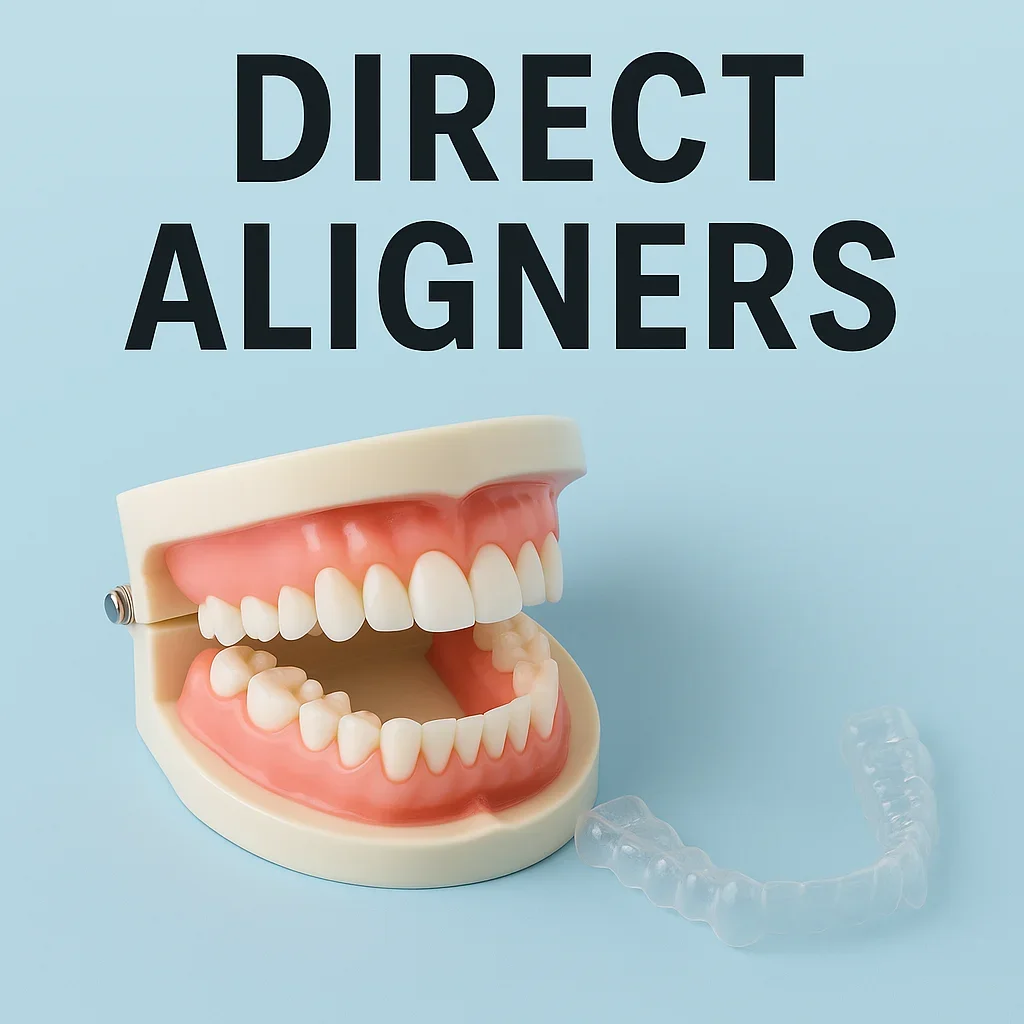
The term direct aligners refers to clear plastic trays designed to gently shift your teeth over time. These aligners are fabricated based on a precise digital scan of your mouth, ensuring a perfect fit. Each set of aligners is worn for approximately one to two weeks before moving to the next stage. As the patient progresses through the series, their teeth gradually align into the desired position. Unlike traditional braces, which use brackets and wires, direct aligners are removable and nearly invisible, offering both aesthetic appeal and convenience.
One of the greatest advantages of direct aligners is their ability to combine technology with personalization. Each aligner is digitally mapped and designed through AI-supported modeling systems that predict and simulate tooth movements. This allows both patients and orthodontists to visualize the treatment outcome before even beginning the process. The precision of this technology ensures that every stage of the treatment is efficient and predictable. As a result, users often experience shorter treatment times compared to traditional orthodontic solutions.
In addition to aesthetics, direct aligners offer significant health benefits. Straight teeth are easier to clean, which reduces the risk of cavities, gum disease, and plaque buildup. With traditional braces, food particles often get trapped around brackets, making oral hygiene challenging. In contrast, direct aligners can be removed before eating or brushing, allowing patients to maintain excellent dental hygiene throughout the treatment. This convenience makes them an excellent choice for both teens and adults seeking healthier smiles without the discomfort or restrictions of braces.
Comfort is another defining feature of direct aligners. The smooth plastic design eliminates the irritation that often occurs with metal components. Since there are no sharp edges or wires, patients typically report minimal discomfort or mouth sores. Moreover, the gradual shifting process ensures that each adjustment feels gentle rather than abrupt. This makes direct aligners especially suitable for individuals with sensitive gums or those who prefer a less invasive orthodontic experience.
However, the success of direct aligners depends on consistency and compliance. To achieve optimal results, users must wear the aligners for 20–22 hours a day. They should only be removed for meals, drinks (other than water), and oral hygiene routines. Skipping days or wearing the aligners inconsistently can delay progress. This makes patient discipline an essential factor for successful outcomes. Nevertheless, many find it easier to stay consistent due to the aligners’ comfort and convenience.
While the idea of “mail-order” or “at-home” aligner kits might seem appealing, dental professionals recommend choosing a supervised treatment from a certified orthodontic clinic. Professional guidance ensures that the teeth move safely and effectively without compromising bite alignment or jaw health. At Redent Klinik Contact Page, patients receive expert evaluation and personalized care tailored to their dental needs. Choosing a professional clinic also provides access to periodic check-ups, which are crucial for tracking progress and ensuring the treatment stays on course.
Additionally, direct aligners represent a more eco-conscious alternative to traditional braces. Most modern manufacturers use recyclable and BPA-free materials, aligning with today’s growing sustainability trends 🌿. Their minimal packaging and digital workflow also reduce material waste and carbon footprint. This environmentally friendly aspect has contributed to the growing popularity of direct aligners among eco-aware patients worldwide.
Globally, the demand for direct aligners continues to increase, particularly among adults who desire discreet orthodontic correction. Market studies indicate that clear aligners now account for a significant portion of all orthodontic treatments. According to the American Dental Association, technological advancements in digital dentistry have made aligner systems more precise and effective than ever before. The continuous innovation in aligner materials and scanning technologies ensures that treatments are becoming faster, safer, and more accessible to a broader population.
In conclusion, direct aligners have revolutionized the orthodontic landscape by merging aesthetics, functionality, and technology into a seamless treatment experience. They not only provide a discreet path to straighter teeth but also promote long-term oral health and confidence. Whether you’re a young professional, a student, or someone seeking to improve their smile later in life, direct aligners offer a modern, convenient, and effective way to achieve the smile you’ve always dreamed of 🌟.
How Direct Aligners Work to Straighten Your Teeth
The science behind direct aligners is a fascinating combination of biomechanics, digital dentistry, and precision engineering 🧠. Unlike traditional braces that rely on metal brackets and wires, direct aligners work by applying gentle, consistent pressure across specific teeth to gradually move them into optimal alignment. Each aligner tray is uniquely crafted based on a patient’s dental anatomy, ensuring that every movement is calculated with millimeter-level accuracy. This precision allows orthodontic professionals to design a full treatment plan that is not only effective but also predictable from start to finish.
1. The Digital Scanning and Planning Phase
The first step in any direct aligner treatment begins with an advanced digital scan of your mouth. Instead of uncomfortable molds filled with putty, modern dental clinics use 3D intraoral scanners to create a detailed digital model of your teeth. This model provides a clear and accurate visualization of your current dental alignment. Using specialized orthodontic software, your dentist or orthodontist can then simulate each stage of tooth movement, projecting how your smile will look after every adjustment. This step ensures that the direct aligners are perfectly tailored to your mouth structure.
Once the digital model is complete, the treatment plan is created. The software divides your full orthodontic journey into a series of small, controlled movements. Each aligner corresponds to one stage of this process. When you progress from one tray to the next, your teeth shift slightly closer to the target position. The design process often incorporates artificial intelligence to predict how teeth will move, which allows for exceptional precision and shorter treatment times compared to traditional braces.
2. The Fabrication of Custom Aligners
After the planning phase, the next step is to manufacture the actual direct aligners. Each set is custom-fabricated from high-quality, medical-grade thermoplastic material. This material is strong enough to exert the necessary force on your teeth while remaining flexible and comfortable to wear. The clear plastic trays are produced using computer-aided design and 3D printing technology, ensuring that every aligner is a perfect fit. They are smooth to the touch, free from sharp edges, and nearly invisible—making them a favorite among adults and image-conscious teens.
During fabrication, the aligners undergo rigorous quality checks to verify precision and safety. Since the material is BPA-free and hypoallergenic, it’s suitable for long-term wear without health concerns. Each tray is then labeled sequentially to guide patients through their treatment phases. Typically, a patient receives a series of aligners that cover the full duration of the plan, which can range from 6 months to 18 months depending on the complexity of the case.
3. The Active Alignment Phase
The real transformation begins once you start wearing your direct aligners. Most orthodontic professionals recommend wearing them for 20 to 22 hours per day, removing them only for meals and oral hygiene. As each aligner applies gentle pressure, your teeth begin to move into their new positions. Every one to two weeks, you replace the current aligner with the next one in the sequence. Each tray continues the movement process until your teeth reach the final alignment planned by your orthodontist.
Monitoring and Adjustments
Although direct aligners are designed for minimal in-office visits, regular check-ups are essential to monitor progress. These appointments allow the dentist to verify that your teeth are moving as expected and make any necessary adjustments to the treatment plan. Some modern systems also use remote monitoring apps, where patients can upload photos or scans for professional review, making the process even more convenient. This hybrid model of digital oversight ensures that the results are both safe and effective.
4. Biomechanics Behind the Movement
What makes direct aligners scientifically effective is the controlled application of orthodontic force. Each tray delivers a specific amount of pressure on selected teeth through surface contact. The direction, duration, and magnitude of this force determine the speed and precision of tooth movement. Because aligners distribute the force evenly, they reduce discomfort and inflammation often associated with braces. This method promotes gradual remodeling of the bone around teeth, allowing them to stabilize in their new positions safely and naturally 🦷.
It’s important to note that the movements achieved by direct aligners depend on consistent wear. Teeth only shift when the correct level of pressure is maintained, which is why wearing them as instructed is crucial for success. Skipping days or frequently removing them can disrupt the sequence, leading to slower results or misalignment.
5. The Final Retention Phase
Once your teeth have reached their ideal positions, the treatment doesn’t end there. To prevent them from shifting back, patients are typically provided with retainers—often made of the same clear material as direct aligners. These retainers maintain the new alignment by stabilizing the surrounding bone and gum tissues. Regular retainer use ensures that your investment in a beautiful smile lasts for years to come.
6. Why Direct Aligners Are So Effective
There are several reasons why direct aligners deliver outstanding results. First, their design allows for precision-controlled movements that minimize errors. Second, since they are removable, patients can maintain proper oral hygiene throughout the treatment. Third, the absence of metal components means less irritation, making the process far more comfortable. Finally, digital progress tracking allows orthodontists to ensure optimal results at every stage. The combination of these factors has positioned direct aligners as one of the most advanced orthodontic solutions available today.
According to the American Dental Association, advancements in digital orthodontics and aligner materials have made this method both efficient and reliable. Clinics like Redent Klinik Contact Page offer personalized treatment plans and professional guidance, ensuring patients receive safe, predictable outcomes tailored to their dental profiles.
In conclusion, direct aligners work by combining digital precision, biomechanical expertise, and patient compliance into one streamlined process. From 3D scanning to final retention, every stage is optimized for comfort, accuracy, and long-term success. As one of the most innovative orthodontic technologies available, direct aligners continue to redefine how people achieve perfect, healthy smiles in the modern world 🌟.
Benefits of Choosing Direct Aligners Over Traditional Braces
Choosing direct aligners over traditional braces has become a popular decision for patients seeking a comfortable, discreet, and technologically advanced way to achieve a straighter smile 😁. Unlike metal braces that rely on visible brackets and wires, direct aligners offer a clear, removable alternative that fits seamlessly into daily life. The benefits extend beyond just aesthetics—they include improvements in oral hygiene, comfort, flexibility, and overall treatment experience. Below, we’ll explore in depth why so many people are making the switch from conventional orthodontics to this modern, patient-friendly solution.
1. Aesthetic Advantages: Confidence Without Metal
One of the most obvious benefits of direct aligners is their near invisibility. These clear trays allow patients to straighten their teeth discreetly, avoiding the self-consciousness that often comes with metal braces. Whether you’re attending professional meetings, social gatherings, or simply going about your day, direct aligners remain virtually unnoticeable. This aesthetic advantage is a game changer, particularly for adults who may feel uncomfortable with traditional braces. The ability to maintain a natural-looking smile throughout treatment helps boost confidence and encourages consistency in wearing the aligners.
Professional and Social Comfort
In professional environments, appearance often matters. Traditional braces can sometimes make adults feel less confident in the workplace or during client interactions. With direct aligners, individuals can communicate, smile, and present themselves with ease. There’s no need to worry about food getting stuck in brackets or about making a “metal-mouth” impression. This invisible technology empowers users to go through orthodontic treatment without the stigma historically associated with braces.
2. Superior Comfort and Convenience
Traditional braces can cause discomfort from metal wires poking the cheeks or gums. In contrast, direct aligners are designed with smooth, medical-grade plastic that fits snugly against the teeth. This eliminates the risk of cuts, sores, and abrasions. Additionally, since aligners are custom-made through 3D digital scans, they fit precisely, reducing irritation and discomfort. Patients also enjoy the convenience of removable trays, allowing them to eat, drink, brush, and floss without restriction. With direct aligners, there’s no need to avoid sticky or hard foods—something brace-wearers often struggle with 🍎.
Minimal Lifestyle Disruption
Because direct aligners can be easily removed, they adapt perfectly to any lifestyle. You can take them out for special occasions, meals, or sports activities. This flexibility ensures that the treatment never feels restrictive or burdensome. Many patients find that this level of control increases their compliance, as they’re more motivated to wear something that doesn’t interfere with their daily routines. It’s orthodontic care designed for the modern world—efficient, comfortable, and patient-focused.
3. Better Oral Hygiene and Dental Health
Maintaining oral hygiene with metal braces can be challenging. Food particles often get trapped around brackets, leading to plaque buildup and gum irritation. With direct aligners, you can remove the trays before brushing or flossing, making it easier to keep your mouth clean and healthy. This dramatically lowers the risk of cavities, gingivitis, and bad breath. The ability to maintain proper oral hygiene is not just convenient—it also supports long-term dental health. Clean aligners and teeth reduce the chances of enamel staining, ensuring a brighter and healthier smile after treatment.
No Dietary Restrictions
One major frustration for patients with braces is dietary limitation. Sticky candies, popcorn, nuts, and crunchy foods are typically off-limits. However, with direct aligners, you can continue enjoying your favorite meals without concern. Just remove your aligners before eating, clean your teeth afterward, and place them back in. This freedom makes the treatment feel less like a restriction and more like a lifestyle upgrade.
4. Fewer Dental Visits and Predictable Results
Another great advantage of direct aligners is reduced dental visits. Traditional braces require regular tightening appointments every few weeks, which can be time-consuming. In contrast, aligner patients usually need fewer check-ins, as progress can often be monitored digitally or with less frequent visits. This not only saves time but also makes the process more convenient for busy professionals or travelers. Additionally, because aligners are designed through advanced digital simulations, patients and orthodontists can visualize the expected results before treatment even begins, ensuring predictability and transparency from day one.
Technology-Driven Accuracy
The precision of direct aligners lies in their 3D treatment planning. Every movement is calculated digitally, reducing the margin of error common with manual wire adjustments. This means faster, more efficient progress and fewer unexpected complications. The integration of artificial intelligence and digital scanning tools makes this method far more advanced than traditional systems.
5. Comfort, Safety, and Biocompatibility
Direct aligners are made from high-grade, BPA-free, and hypoallergenic materials that are safe for long-term use. Unlike braces, they don’t contain metal components that can trigger allergies or cause discomfort. The smooth finish prevents gum irritation, and since the trays are custom-fit, the pressure applied is evenly distributed. Patients experience less soreness compared to tightening appointments with braces. The consistent and gentle force applied by aligners encourages healthy bone remodeling and tooth movement without unnecessary pain or inflammation.
6. Enhanced Psychological Well-Being
Orthodontic treatment isn’t just about aesthetics—it’s about how you feel throughout the journey. Patients who use direct aligners often report higher satisfaction and better self-esteem during treatment. The invisible and comfortable nature of the aligners allows individuals to feel confident every step of the way. This psychological comfort plays a key role in maintaining treatment consistency and long-term happiness with results 🌟.
7. Professional Support and Long-Term Results
When you choose direct aligners through a certified clinic such as Redent Klinik Contact Page, you receive expert supervision throughout your treatment. Dental professionals ensure that tooth movement occurs safely, maintaining proper bite alignment and jaw function. Moreover, clinics often provide retainers after treatment to preserve results and prevent relapse. According to the American Dental Association, ongoing professional guidance is vital for the success and stability of orthodontic results.
In summary, direct aligners outperform traditional braces in nearly every category—comfort, aesthetics, hygiene, and convenience. They combine advanced technology with patient-centered design, offering a modern approach to orthodontic correction. Whether for teenagers seeking confidence or adults prioritizing discretion, direct aligners represent the gold standard of clear, effective, and intelligent orthodontic treatment 💎.
Are Direct Aligners Suitable for Everyone?
While direct aligners have become one of the most popular orthodontic treatments worldwide 🌍, they may not be the perfect solution for every dental case. Understanding who can benefit most from aligner therapy—and when traditional orthodontic methods may be more appropriate—is essential for achieving safe and effective results. In this section, we’ll explore the ideal candidates for direct aligners, discuss their limitations, and explain the importance of professional evaluation before beginning treatment.
1. Who Is an Ideal Candidate for Direct Aligners?
Generally, direct aligners are most suitable for individuals with mild to moderate orthodontic issues. These include minor crowding, small gaps between teeth, and slight bite irregularities. Patients who have already completed orthodontic treatment in the past but experienced relapse are also excellent candidates. Because direct aligners work through gradual, controlled movement, they are particularly effective for cases where only limited repositioning is required. Adults and teenagers who value aesthetics, comfort, and flexibility often prefer aligners over traditional braces.
The best candidates share certain key characteristics: they maintain good oral hygiene, have healthy gums and bone structure, and are committed to wearing their aligners as instructed. Since compliance plays a major role in success, self-discipline is essential. The aligners must be worn for at least 20–22 hours a day, and skipping days can delay or reverse progress. Therefore, motivated and responsible patients are the ones who benefit most from this modern treatment.
Examples of Treatable Conditions
- Mild to moderate crowding
- Small gaps or spacing between teeth
- Minor overbite or underbite corrections
- Slight open bite or crossbite issues
- Rotations or tilting of front teeth
For these types of cases, direct aligners provide quick, effective, and aesthetic outcomes without the inconvenience of metal brackets or wires. The treatment can often be completed within 6–12 months depending on the individual’s dental alignment and consistency of use.
2. When Direct Aligners May Not Be Suitable
Despite their many advantages, direct aligners are not ideal for every situation. Some complex orthodontic cases—such as severe bite discrepancies, significant tooth rotations, or jaw misalignments—require more intensive intervention than aligners can provide. For instance, if a patient’s teeth need to be moved vertically (intrusion or extrusion), metal braces or other orthodontic appliances may be necessary to achieve sufficient control over tooth movement. Patients with impacted teeth, missing teeth, or large skeletal discrepancies are often advised to pursue traditional orthodontic care.
Another factor to consider is dental health. Individuals with untreated cavities, gum disease, or bone loss must first address these conditions before starting treatment with direct aligners. Aligners work best in a healthy oral environment where the gums and supporting structures are stable. Otherwise, tooth movement could exacerbate existing issues and lead to complications such as gum recession or tooth mobility.
Unsuitable Conditions for Direct Aligners
- Severe overbite or underbite requiring skeletal correction
- Extensive crowding exceeding 6 mm of misalignment
- Teeth that need significant rotation or extrusion
- Patients with active periodontal disease
- Young children whose teeth and jaws are still developing
3. The Importance of Professional Evaluation
Before beginning treatment with direct aligners, a thorough professional assessment is crucial. Many people are tempted by mail-order or online aligner kits that promise fast results, but without proper dental supervision, these can lead to serious complications. Only a certified orthodontist or dentist can evaluate bone structure, tooth stability, and gum health to determine whether direct aligners are a safe and effective choice.
During the evaluation, digital scans and X-rays are taken to map out the current state of your teeth and jaw. These diagnostic tools allow your orthodontist to identify any hidden issues—such as root resorption or bone loss—that could affect treatment outcomes. A customized plan is then developed based on your dental anatomy, bite dynamics, and aesthetic goals. This personalized approach ensures safety, comfort, and predictability throughout the process.
4. Direct Aligners for Teenagers vs. Adults
Although direct aligners are popular among adults, they can also be suitable for teenagers—especially those with all permanent teeth. For younger patients, orthodontists often include compliance indicators (tiny blue dots) that fade with wear, helping monitor usage time. However, since teenagers may remove the aligners more frequently or forget to wear them, parental supervision is essential for ensuring consistent use. Adults, on the other hand, tend to follow treatment instructions more diligently and are often motivated by professional or aesthetic reasons to maintain adherence.
Psychological and Lifestyle Benefits
For both teens and adults, direct aligners offer significant psychological benefits. They boost confidence by providing a discreet and modern alternative to braces. Many patients appreciate the flexibility of being able to remove the trays during social events or photos. This convenience allows them to maintain a normal lifestyle while achieving beautiful, healthy smiles 🦷.
5. The Role of Technology in Determining Suitability
Modern clinics use artificial intelligence and 3D imaging to determine if a patient is a suitable candidate for direct aligners. AI-driven diagnostics evaluate tooth movement potential, root alignment, and bone density. This technology enhances precision and minimizes risk by identifying whether aligners alone can achieve the desired results or if a hybrid treatment (aligners plus attachments or elastics) is necessary. Such precision ensures that each patient receives the most appropriate treatment plan for their condition.
According to the American Dental Association, professional oversight remains essential even when digital tools are involved. Dental expertise ensures that tooth movement occurs within safe biological limits. Clinics like Redent Klinik Contact Page emphasize comprehensive diagnostic evaluations to guarantee that direct aligners are used effectively and safely.
6. Alternative Treatments for Non-Candidates
For patients who are not suitable for direct aligners, there are several alternatives available. Traditional braces remain the most effective option for complex movements, while lingual braces provide a hidden, behind-the-teeth solution for those concerned about aesthetics. In some cases, a combination of aligners and fixed appliances may be recommended to handle specific tooth movements that require greater control. Orthodontists can also use clear ceramic braces as a more aesthetic option for those who can’t use aligners but still want discreet treatment.
7. Conclusion: The Right Choice Begins with the Right Evaluation
In summary, direct aligners are a revolutionary orthodontic solution—but like any medical treatment, they must be used appropriately. They work best for mild to moderate misalignments and for patients who can commit to consistent wear. However, complex dental or skeletal problems require professional evaluation and potentially alternative methods. By consulting an experienced clinic, patients can ensure that their treatment is not only effective but also safe and tailored to their needs. Whether you’re a teenager seeking confidence or an adult looking for convenience, direct aligners offer a personalized path toward a straighter, healthier smile 🌟.
The Step-by-Step Process of Getting Direct Aligners
Beginning your journey with direct aligners is an exciting step toward achieving a confident, straighter smile 😁. While the concept may seem simple—clear trays that move your teeth—the process behind creating and using them is both scientific and meticulously planned. Every stage, from the initial consultation to the final retention phase, is carefully managed by dental professionals to ensure your treatment is safe, effective, and comfortable. Below, we’ll walk through the entire process in detail so you know exactly what to expect when getting direct aligners.
1. Initial Consultation and Dental Evaluation
The first stage of getting direct aligners begins with an in-depth dental consultation. During this appointment, your orthodontist or dentist evaluates your teeth, gums, and jaw structure to determine whether aligner treatment is suitable for you. They will review your dental history, take photos, and examine any existing oral issues such as cavities, gum inflammation, or bite irregularities. This comprehensive evaluation ensures that you are a good candidate for aligners and helps prevent complications later in the process.
Digital Imaging and Diagnostics
Modern clinics use 3D scanners instead of messy molds to capture a precise digital impression of your mouth. This scan produces a highly detailed image of your teeth and bite alignment from every angle. It replaces traditional impression trays and allows for a more comfortable and accurate assessment. The resulting 3D model becomes the foundation for your entire direct aligner treatment plan.
2. Treatment Planning and Simulation
Once your digital scan is complete, your dentist or orthodontist uses specialized software to plan each step of your treatment. The system maps how your teeth will move over time, dividing the total correction into a series of micro-adjustments. Each movement is represented by a separate set of direct aligners. Through 3D visualization tools, you can even preview your expected results before the first aligner is made—an inspiring look into your future smile 🌟.
Artificial intelligence plays a major role in this stage. Using advanced algorithms, the software calculates optimal force distribution for each tooth, ensuring safe and efficient movement. This digital precision eliminates guesswork and enhances predictability compared to traditional braces. Once the plan is finalized, it’s sent to the laboratory for aligner fabrication.
3. Fabrication of Custom Aligners
The next phase involves creating your custom-made direct aligners. Each set is produced using high-quality, medical-grade thermoplastic that is durable, flexible, and completely transparent. 3D printing technology ensures each aligner fits perfectly over your teeth. The aligners are then polished, sterilized, and packaged in sequential order. You’ll receive multiple sets at once, each labeled with the corresponding wear period—typically 1–2 weeks per aligner.
Safety and Quality Control
Before being shipped, every batch of direct aligners undergoes strict quality control checks to verify precision and material integrity. The plastic used is BPA-free and biocompatible, meaning it’s safe for prolonged contact with oral tissues. These measures guarantee comfort, transparency, and consistent performance throughout your treatment.
4. Fitting and Instructions
When your direct aligners are ready, you’ll visit your dentist for a fitting session. The first set is carefully placed on your teeth to confirm a perfect fit. Your provider will review proper insertion and removal techniques and give you detailed care instructions. You’ll also learn how to clean your aligners and store them properly when not in use. Maintaining hygiene is essential—clean aligners prevent bacterial buildup and ensure clarity.
Patients are usually advised to wear their aligners for 20–22 hours a day, removing them only during meals, brushing, and flossing. Consistency is the key to success. Some clinics may also attach small, tooth-colored “buttons” called attachments to help with more complex movements. These attachments provide additional grip points, allowing the direct aligners to guide teeth more effectively.
5. Active Treatment and Progress Monitoring
Once you start wearing your direct aligners, the real transformation begins. Each tray gently shifts your teeth closer to their ideal positions. After 1–2 weeks, you’ll switch to the next aligner in your series, continuing this process until treatment completion. Most patients notice visible changes within the first few months. The comfort and invisibility of the aligners make it easy to stay consistent, even for busy professionals and students.
Regular Check-Ups
Although direct aligners are designed to minimize in-office visits, regular check-ups are still necessary. These appointments allow your dentist to verify that the teeth are tracking according to plan and to make any adjustments if needed. Some clinics offer remote monitoring systems where patients upload photos or scans for professional review, saving time while maintaining accuracy. This blend of digital convenience and expert oversight ensures reliable progress tracking.
6. Completion and Retention Phase
Once your teeth have reached their desired alignment, your dentist will confirm the results with a final digital scan. This step ensures that the outcome matches the planned alignment and that all bite functions are balanced. After that, the retention phase begins. You’ll receive a custom retainer—often similar in appearance to direct aligners—to maintain your new smile. Retainers prevent your teeth from shifting back into their original positions, protecting your investment for the long term.
Long-Term Maintenance
Wearing your retainer as directed is essential for preserving results. Typically, patients wear them full-time for the first few months and then only at night. Regular dental visits and proper oral hygiene will keep your smile stable, clean, and healthy for years to come. Clinics like Redent Klinik Contact Page offer professional follow-up programs to ensure patients maintain their ideal alignment and confidence.
7. The Role of Professional Expertise
Every stage of the direct aligners process requires professional supervision to ensure safety and effectiveness. Self-administered or mail-order kits often skip crucial diagnostic steps such as X-rays, gum health checks, and bite assessments. This can lead to incomplete correction, jaw strain, or even tooth loss. According to the American Dental Association, orthodontic treatments should always be guided by licensed dental professionals. At professional clinics, the use of precise imaging and ongoing evaluations ensures that your smile transformation happens safely and predictably.
8. Advantages of a Guided Treatment Journey
Working with professionals offers numerous advantages: personalized care, real-time adjustments, and long-term monitoring. Additionally, clinics can customize your treatment speed, ensuring optimal comfort and alignment stability. Patients also gain access to whitening services and post-treatment refinements for enhanced aesthetics. The collaboration between technology and expert supervision is what makes direct aligners a superior choice compared to unsupervised alternatives.
9. Conclusion: From Consultation to Confidence
The process of getting direct aligners is an elegant blend of science, technology, and personalized dental care. From the initial 3D scan to your final retainer, every stage is designed with precision and patient comfort in mind. Unlike traditional braces, this modern approach gives you the flexibility to live freely while achieving lasting results. With proper supervision and commitment, your journey ends with not just straighter teeth—but renewed confidence, better oral health, and a brighter future 🌟.
How Long Does Direct Aligner Treatment Take?
One of the most common questions patients ask before starting orthodontic treatment is, “How long will it take?” The answer depends on several factors, including the complexity of the case, patient compliance, and treatment planning. With direct aligners, most people can achieve significant improvements in their smile in less time compared to traditional braces ⏱️. Thanks to modern technology and digital precision, direct aligners can effectively reposition teeth in a predictable and efficient manner. In this section, we’ll explore the key factors influencing treatment duration and what you can expect at each stage of your aligner journey.
1. Average Treatment Duration
For most patients, the typical direct aligner treatment lasts between 6 to 18 months. Mild misalignments can often be corrected in as little as six months, while more complex cases may require over a year. The exact duration is determined after a digital assessment and 3D treatment simulation performed by your orthodontist. This simulation outlines every movement your teeth will make and provides a detailed timeline for completion. Because every smile is unique, the number of aligners and treatment length are customized to fit your specific dental structure and goals.
Why Treatment Time Varies
Several factors influence how long your direct aligners treatment takes. The most significant include the severity of misalignment, the number of teeth involved, the biological response of your bone structure, and your adherence to wearing the aligners as prescribed. Patients who follow instructions closely and wear their aligners 20–22 hours per day typically see faster and more consistent results. On the other hand, removing them too frequently or skipping days can prolong the overall timeline.
2. The Stages of Treatment Duration
The timeline for direct aligners can be divided into several phases: consultation, active alignment, and retention. Each plays a crucial role in achieving a stable, long-term outcome. Below is a detailed breakdown of what happens during each stage:
Stage 1: Consultation and Treatment Planning (1–2 Weeks)
This phase includes your initial visit, digital scanning, X-rays, and 3D modeling. During this time, your orthodontist will design your treatment plan and simulate how your teeth will move with each aligner set. Once approved, your custom direct aligners are manufactured using precision 3D printing technology. The planning stage is vital because it determines the pace and predictability of your results.
Stage 2: Active Alignment Phase (6–18 Months)
This is when your direct aligners actively move your teeth. Each set of aligners is worn for about one to two weeks before switching to the next in the series. The teeth shift slightly with each new aligner until they reach their final positions. Regular check-ups or remote monitoring ensure that everything stays on track. On average, patients may go through 20–40 sets of aligners during this phase, depending on the complexity of their case.
Stage 3: Retention and Stabilization (Permanent)
Once the alignment phase is complete, you’ll transition to a retention period to maintain your new smile. Retainers—often made from the same clear material as direct aligners—are worn nightly to prevent teeth from shifting back. This phase is ongoing, as maintaining alignment requires consistent care. Some patients may eventually reduce wear time to just a few nights a week, but retention remains a lifelong commitment for optimal results.
3. Factors Affecting Treatment Time
Case Complexity
Minor spacing or crowding can be corrected relatively quickly, while cases involving bite correction, tooth rotation, or large gaps will require more time. The movement of molars and vertical adjustments (intrusion/extrusion) also tend to take longer since these teeth are anchored deeper in the bone structure. Complex cases may require attachments—tiny, tooth-colored anchors—to help direct aligners grip and move specific teeth more effectively.
Patient Compliance
Compliance is the single most important factor affecting duration. The success of direct aligners relies on consistent wear. Each tray is designed to apply gentle, continuous pressure over time. When aligners are removed too often, this pressure is interrupted, delaying progress. Patients who commit to wearing their aligners as instructed almost always complete treatment faster and with better outcomes.
Age and Biological Factors
Teeth tend to move faster in younger patients because their bone structures are more responsive. However, adults can achieve equally excellent results with proper planning and compliance. Biological differences, such as bone density and cellular regeneration speed, can influence how quickly teeth respond to the applied forces from direct aligners.
4. Shortening the Treatment Period
Modern orthodontics offers various ways to accelerate direct aligner treatment safely. For example, orthodontists may use vibration-based devices or photobiomodulation tools to stimulate bone remodeling and tooth movement. These optional technologies can reduce treatment time by up to 30%. Additionally, frequent communication with your dental provider, regular progress checks, and adherence to care instructions will help prevent unnecessary delays.
Smart Tracking and Remote Monitoring
Some advanced clinics use smartphone apps that track your aligner fit through AI-assisted imaging. This innovation allows orthodontists to detect misfits early and make timely adjustments. Clinics like Redent Klinik Contact Page utilize digital progress monitoring to ensure patients stay on schedule. This continuous communication reduces errors and enhances overall treatment efficiency.
5. Comparing Treatment Time: Direct Aligners vs. Braces
On average, direct aligners take 30–50% less time than traditional braces for comparable cases. While braces typically require 18–36 months, aligners can achieve similar results within 6–18 months. This efficiency comes from the ability to plan every tooth movement digitally in advance, reducing the need for manual adjustments. Furthermore, because aligners are changed frequently, they apply constant and optimized force, maintaining momentum throughout the treatment.
Predictable and Measurable Results
Every phase of direct aligners treatment is digitally mapped and measurable. Your orthodontist can track progress with 3D scans, ensuring your teeth follow the planned path. If minor corrections are needed, refinements can be easily made by creating additional aligners. This adaptability makes treatment timelines more predictable and reduces the risk of overcorrection or relapse.
6. The Importance of Retention for Long-Term Results
After completing treatment, many patients underestimate the importance of the retention phase. Without retainers, teeth naturally tend to drift back toward their original positions—a process called relapse. Wearing retainers is critical to preserving the alignment achieved through direct aligners. Over time, as your bone and gum tissues stabilize, you may only need to wear them at night. Consistency during this phase ensures your investment in a beautiful smile lasts a lifetime 🌙.
7. Professional Guidance and Long-Term Support
Ongoing support from a professional clinic is essential for successful treatment. According to the American Dental Association, supervised orthodontic care ensures proper progress tracking and long-term stability. Clinics like Redent Klinik Contact Page offer comprehensive follow-up care, including retainers, whitening, and minor refinements, so patients continue enjoying their new smiles long after treatment ends.
8. Conclusion: Patience and Precision Lead to Perfect Smiles
While the duration of direct aligners treatment varies for each individual, the process is remarkably efficient compared to traditional orthodontics. Most patients experience significant changes within months and complete treatment in under two years. The secret lies in digital planning, patient consistency, and professional monitoring. By staying disciplined and following expert guidance, you can enjoy a faster, safer, and more predictable journey toward a stunning, confident smile ✨.
Comparing Direct Aligners vs Invisalign: Key Differences
When it comes to clear orthodontic treatments, two names often dominate the conversation: direct aligners and Invisalign. Although they may appear similar at first glance, there are distinct differences between them in terms of technology, cost, supervision, and clinical approach. Understanding these differences helps patients make informed decisions about which option best fits their lifestyle and dental needs. Both solutions offer modern, discreet alternatives to braces, but the level of customization, monitoring, and professional oversight can vary significantly 🦷.
1. Overview of Both Systems
Direct aligners are clear, removable trays designed to straighten teeth gradually, often through a streamlined or partially remote process. They are commonly marketed as “at-home” aligner systems or dentist-supervised versions that require fewer in-person visits. On the other hand, Invisalign, developed by Align Technology, is a premium orthodontic system exclusively administered by licensed dental professionals. It combines 3D digital scanning, patented SmartTrack material, and precision attachments to correct a wide range of orthodontic issues.
While both methods use clear trays to move teeth, Invisalign tends to handle more complex cases, whereas direct aligners are ideal for mild to moderate misalignments. However, newer versions of direct aligners have begun integrating AI-driven planning and remote tracking, narrowing the gap in effectiveness.
2. Treatment Supervision and Professional Involvement
One of the most critical differences lies in the level of professional supervision. Direct aligners may or may not include ongoing dentist oversight, depending on the provider. Some systems offer completely remote treatment plans, where patients send digital scans or photos online. While this convenience appeals to many, it may not be ideal for every case—especially those involving bite adjustments or complex movements.
In contrast, Invisalign treatment is fully supervised by certified orthodontists or dentists who monitor progress in person. This direct interaction allows for precise adjustments, ensuring the teeth move safely and predictably. According to the American Dental Association, supervised orthodontic care significantly reduces the risk of complications like gum recession, root resorption, or bite misalignment. Therefore, while direct aligners can be effective for simpler cases, in-person care remains the gold standard for complex orthodontic correction.
Professional Monitoring Advantage
In-person Invisalign providers can perform refinements during treatment, address discomfort immediately, and use attachments or elastics to achieve better precision. This clinical advantage explains why many patients with severe crowding or jaw issues opt for Invisalign despite the higher cost. However, dentist-supervised direct aligners offered by reputable clinics—like Redent Klinik Contact Page—bridge this gap by combining convenience with expert oversight.
3. Material and Design Technology
Invisalign’s proprietary SmartTrack material is engineered to deliver consistent force and improved control over tooth movement. It’s thinner, more elastic, and designed for comfort and durability. Direct aligners typically use generic thermoplastic materials that vary between manufacturers. While these materials are still medical-grade and BPA-free, they might not provide the same elasticity or precision fit as SmartTrack.
However, modern direct aligners have evolved significantly. Many now incorporate multi-layer polymer technology that mimics the performance of Invisalign’s material. In addition, 3D printing and advanced computer modeling ensure that each tray applies uniform pressure across the teeth for optimal movement. For most mild and moderate cases, the difference in material quality is hardly noticeable to patients.
Comfort and Durability
Both Invisalign and direct aligners are designed for comfort, but patients sometimes report that Invisalign trays feel slightly smoother along the edges due to advanced trimming techniques. In terms of durability, both systems perform well if maintained properly—aligners should be cleaned daily and kept in protective cases when not worn. Misuse, exposure to heat, or improper cleaning can deform the trays and affect fit, regardless of the brand.
4. Cost and Accessibility
Perhaps the most decisive factor for many patients is cost. Invisalign treatments generally range from $3,000 to $8,000, depending on case complexity and provider location. In contrast, direct aligners tend to be more affordable, typically ranging from $1,200 to $3,000 for mild to moderate cases. This significant price difference stems from the level of professional involvement, proprietary materials, and technology used. While Invisalign includes frequent clinic visits and professional adjustments, direct aligners cut costs by minimizing in-person appointments and utilizing remote monitoring systems.
Affordability Without Compromising Quality
Patients seeking affordable, reliable treatment can achieve excellent results through trusted dental clinics offering direct aligners. Unlike online-only kits, these professionally managed systems provide safety, customization, and predictable outcomes at a fraction of the cost. In countries like Turkey, where advanced dental technology is widely available, the cost advantage of direct aligners is even more pronounced.
5. Treatment Duration and Predictability
When comparing timelines, direct aligners and Invisalign are relatively similar for simple cases. Most treatments take between 6 and 18 months. However, Invisalign can handle more complex bite and alignment issues, sometimes extending to 24 months or more. Because Invisalign uses proprietary algorithms and extensive clinical data, it can achieve more precise outcomes for difficult cases. Meanwhile, direct aligners are best suited for mild to moderate crowding, spacing, and relapse corrections from previous orthodontic treatments.
Tracking and Refinement
Invisalign patients often undergo in-person refinements, where new aligners are created to perfect final alignment. Some direct aligners systems now offer similar refinement phases through digital rescan options, ensuring that even minor adjustments are corrected. Clinics that incorporate 3D monitoring, like Redent Klinik Contact Page, provide hybrid solutions—combining digital follow-ups with optional in-clinic visits for precision-based refinements.
6. Range of Treatable Cases
Invisalign’s technology and in-person guidance allow it to treat a broader spectrum of orthodontic problems, including severe crowding, crossbites, open bites, and overbites. Meanwhile, direct aligners excel at addressing less severe cosmetic corrections—like closing small gaps, straightening front teeth, and improving smile symmetry. However, as 3D imaging and AI planning improve, direct aligners are increasingly capable of handling more complex cases with professional supervision.
7. Aesthetic Results and Patient Satisfaction
Both direct aligners and Invisalign produce nearly invisible results, which is why they remain highly popular among adults. Studies show that patient satisfaction levels are similar for both systems when treatments are properly planned and supervised. Since both offer removable, transparent trays, the aesthetic benefit is virtually identical. The real difference lies in clinical precision and management.
8. Making the Right Choice
Choosing between Invisalign and direct aligners depends on three main factors: case complexity, budget, and personal preference for clinic involvement. Patients who prioritize close orthodontic supervision and are dealing with complex dental movements may benefit more from Invisalign. Those with mild to moderate corrections seeking affordability and flexibility often find direct aligners to be the smarter choice. The key is professional evaluation—never begin aligner therapy without consulting a qualified dentist or orthodontist first.
9. Conclusion: Two Paths, One Goal
Ultimately, both Invisalign and direct aligners share the same purpose—to deliver straighter teeth and healthier smiles without the inconvenience of metal braces. The main differences lie in cost, material, and clinical supervision. By working with a professional clinic that provides careful assessment and customized planning, you can enjoy the benefits of clear aligners confidently. Whether you choose Invisalign or direct aligners, your commitment to consistent wear and follow-up care will determine your success—and your stunning new smile will be worth every step of the journey 🌟.
Tips for Maintaining Your Direct Aligners and Oral Hygiene
Maintaining your direct aligners properly is essential for both the success of your orthodontic treatment and the health of your teeth and gums 🦷. While these transparent trays are convenient and comfortable, they require regular cleaning and careful handling to prevent staining, odor, and bacterial buildup. Proper maintenance not only keeps your aligners invisible but also ensures that your smile transformation stays hygienic and effective throughout the treatment period. In this detailed guide, you’ll learn how to care for your aligners step by step, along with expert tips for keeping your oral hygiene at its best during treatment.
1. Daily Cleaning Routine for Direct Aligners
The golden rule of aligner care is consistency. Cleaning your direct aligners at least twice a day—preferably after every meal—helps eliminate food particles and bacteria that can accumulate on the trays. Rinsing them with lukewarm water immediately after removal prevents saliva and plaque from hardening, which can cause discoloration and odor over time. It’s crucial to avoid using hot water, as excessive heat may warp the thermoplastic material and compromise the fit of the aligners.
Step-by-Step Cleaning Process
- Rinse your direct aligners with lukewarm water to remove saliva and loose debris.
- Use a soft toothbrush or dedicated aligner brush with a clear, fragrance-free soap to gently scrub the trays.
- Rinse thoroughly and let the aligners air dry before reinserting them into your mouth.
- Never use toothpaste for cleaning—its abrasive texture can scratch the aligners and make them appear cloudy.
For deep cleaning, consider soaking your aligners once daily in a specialized aligner cleaner or a mild solution of white vinegar and water (in a 1:1 ratio). This removes odor-causing bacteria and mineral deposits, keeping your direct aligners crystal clear and fresh.
2. Proper Storage and Handling
When you’re not wearing your direct aligners, store them safely in their designated case. Leaving them exposed on a table, napkin, or in a pocket can lead to contamination or accidental damage. Many patients lose or deform their aligners simply because they forget to use their protective cases. Keeping your trays in a clean, ventilated container prevents bacterial growth and protects them from pets or accidental loss 🐾.
Hygiene Tip
Always rinse your aligners before placing them back in your mouth, especially if they’ve been outside the case for more than a few minutes. This quick step helps prevent oral bacteria from transferring onto your teeth and gums.
3. Brushing and Flossing: Your Smile’s Best Defense
Good oral hygiene is the foundation of successful direct aligner treatment. Because aligners fit snugly over your teeth, any food particles or plaque left behind can quickly lead to tooth decay or gum inflammation. To prevent this, brush your teeth thoroughly after every meal before reinserting the trays. Flossing once a day is equally important—it removes trapped food that brushing might miss. Using fluoride toothpaste strengthens enamel and offers added protection against cavities during treatment.
Pro Hygiene Tip
Consider using an electric toothbrush for more effective cleaning, especially around hard-to-reach areas. Mouthwash with antibacterial properties can also help keep your breath fresh and your mouth germ-free during direct aligner therapy.
4. Avoiding Stains and Odors
Although direct aligners are designed to be clear and virtually invisible, they can become stained if not maintained properly. Beverages like coffee, tea, wine, or fruit juices can cause discoloration if consumed while wearing the aligners. Similarly, smoking can lead to yellowing and bad odor. To maintain transparency, always remove your aligners before consuming any colored or sugary drink. Afterward, brush your teeth or rinse your mouth with water before putting them back in.
What to Avoid
- Drinking hot or colored beverages with aligners in.
- Using colored soaps or harsh chemicals to clean aligners.
- Eating while wearing your direct aligners.
- Skipping cleaning sessions or leaving trays in unclean conditions.
These precautions ensure your aligners remain invisible and comfortable, keeping your smile fresh and stain-free throughout the treatment.
5. Regular Dental Check-Ups
Even though direct aligners require fewer in-person visits compared to braces, routine dental check-ups are still essential. Professional cleanings remove plaque and tartar that can build up over time, especially in areas covered by aligners. Your dentist will also monitor gum health, tooth stability, and the fit of your trays. Clinics such as Redent Klinik Contact Page emphasize the importance of follow-up appointments to ensure that treatment stays on schedule and oral health remains optimal.
Professional Cleanings
Every 6 months, schedule a professional dental cleaning to prevent potential gum inflammation and enamel buildup. This routine maintenance complements your at-home care and keeps your direct aligners journey smooth and hygienic.
6. Nighttime Care and Aligner Longevity
Before bed, make sure your direct aligners are thoroughly cleaned. Bacteria multiply faster while you sleep, making nighttime hygiene even more important. Avoid falling asleep without cleaning both your teeth and trays. If possible, brush and rinse them once more before inserting them for overnight wear. Proper nighttime maintenance extends the lifespan of each aligner and ensures that your treatment progresses according to plan.
7. Maintaining Fresh Breath During Treatment
Because direct aligners cover your teeth for most of the day, maintaining fresh breath can be a challenge. To combat odor, drink plenty of water throughout the day—it helps wash away bacteria and food particles. Avoid sugary and acidic drinks that can cause bacterial growth under the trays. Sugar-free mints or mouth sprays can help freshen breath temporarily, but keeping your aligners and teeth clean remains the most effective strategy.
8. Common Mistakes to Avoid
Patients sometimes underestimate the importance of consistent aligner care. Forgetting to clean them regularly, leaving them in hot environments, or skipping brushing sessions can delay treatment and cause dental issues. One common mistake is using colored or abrasive cleaning agents that cloud the aligners. Another is neglecting to store them properly. By avoiding these pitfalls, your direct aligners will stay clear, hygienic, and perfectly fitted throughout the treatment.
9. Conclusion: Clean Aligners, Confident Smile
Proper care and hygiene practices make a world of difference in your direct aligners experience. Clean aligners not only maintain transparency and comfort but also support healthy gums, fresh breath, and cavity-free teeth. By brushing and flossing regularly, cleaning your trays properly, and attending professional check-ups, you ensure that your treatment stays on track and your smile looks its best. Following these practical steps allows your aligners to remain as invisible and effective as the day you received them—helping you achieve that perfect, confident smile that lasts a lifetime 🌟.
Potential Risks and Side Effects of Direct Aligners
Although direct aligners have revolutionized orthodontic care with their comfort, discretion, and efficiency, it’s important to recognize that no treatment is completely free from potential risks or side effects. Understanding these concerns helps patients make informed decisions, manage expectations, and minimize discomfort during their journey toward a perfect smile 🦷. Most of these risks are minor and temporary, but professional supervision and proper aligner care can make a significant difference in treatment safety and success.
1. Common Short-Term Discomforts
When starting direct aligners treatment, patients often experience mild discomfort as their teeth begin to shift. This sensation usually lasts only a few days after switching to a new set of aligners. The pressure is a sign that the aligners are effectively guiding your teeth into their new positions. Over-the-counter pain relief or cold water rinses can help ease soreness. Unlike metal braces, aligners do not cause abrasions or cuts, but the initial tightness can still be noticeable.
Pressure and Tightness
The gentle but continuous pressure applied by direct aligners is necessary for tooth movement. Patients typically describe it as a feeling of “tightness” rather than pain. This mild tension is temporary and usually subsides within 48 hours. Regular wear allows your teeth and gums to adapt, reducing discomfort with each stage of treatment.
2. Speech Changes and Adaptation
Some patients report slight speech changes during the first few days of wearing direct aligners. This occurs because the trays slightly alter tongue placement and airflow in the mouth. Lisping or minor pronunciation difficulties may appear, but the tongue quickly adjusts to the new contours of the aligners. Reading aloud or practicing speech exercises can help speed up adaptation. Most people return to normal speech patterns within a week.
Why Speech Adjustments Happen
The mouth needs time to get accustomed to the added layer covering the teeth. Because direct aligners are thin and smooth, the tongue soon learns to move naturally again. Unlike bulky braces, aligners don’t cause long-term speech problems—just a brief adaptation period.
3. Gum and Soft Tissue Irritation
Although direct aligners are designed for comfort, minor gum irritation can occur if the tray edges are rough or extend too close to the gumline. These issues can often be corrected by your orthodontist, who can trim or smooth the edges for a better fit. Maintaining good oral hygiene also prevents bacteria buildup that might irritate gums. Using a soft-bristled toothbrush and rinsing with an antiseptic mouthwash can relieve tenderness.
Preventing Gum Irritation
To minimize gum inflammation, ensure your direct aligners are always clean and properly fitted. If discomfort persists, consult your dental provider—especially clinics such as Redent Klinik Contact Page, which provide professional adjustments and continuous monitoring to maintain comfort throughout treatment.
4. Dry Mouth or Increased Salivation
At the beginning of treatment, some patients may experience either dryness or excess saliva production. The presence of direct aligners can temporarily trigger these responses as the body adapts to a new oral environment. Staying hydrated, sipping water frequently, and avoiding caffeine can help alleviate dryness. For excessive salivation, the condition typically resolves as your body becomes accustomed to the trays.
5. Oral Hygiene Challenges and Cavities
Since direct aligners cover your teeth most of the day, maintaining proper hygiene is critical. If food debris or plaque remains trapped beneath the trays, it can lead to cavities, gum inflammation, or bad breath. To prevent these issues, brush and floss thoroughly before reinserting your aligners. Failing to do so can create a moist, oxygen-free environment where bacteria thrive, potentially damaging enamel over time.
Best Practices for Preventing Decay
Follow these steps for optimal hygiene during direct aligners treatment:
- Brush your teeth after every meal before wearing your aligners again.
- Rinse aligners with lukewarm water frequently to remove bacteria.
- Use an antibacterial mouth rinse once a day.
- Never eat or drink anything except water while wearing your trays.
Maintaining this routine ensures a clean, odor-free experience and prevents decay during treatment.
6. Tooth Mobility and Sensitivity
Because direct aligners gradually move teeth, it’s normal for teeth to feel slightly loose or sensitive during treatment. This happens as bone tissues remodel around shifting teeth—a natural biological process. Sensitivity to temperature changes or chewing pressure is common in the early stages but should subside as your teeth stabilize. Using toothpaste for sensitive teeth and avoiding hard foods can help manage this symptom.
Bone and Ligament Adaptation
The human body responds dynamically to orthodontic forces. As direct aligners apply pressure, periodontal ligaments stretch and remodel. This temporary looseness is not harmful; rather, it’s a sign that your treatment is progressing properly. Once teeth reach their final position and retainers are worn consistently, stability returns.
7. Risk of Relapse Without Retainers
After completing direct aligners treatment, failing to wear retainers as prescribed can cause relapse—where teeth gradually shift back to their original positions. This is one of the most common post-treatment risks. To prevent this, retainers (usually made from the same clear material) must be worn nightly. Over time, as bone and gums adapt, the frequency of use can be reduced, but lifelong maintenance remains crucial for preserving your new smile.
Importance of Post-Treatment Monitoring
According to the American Dental Association, post-orthodontic supervision is essential to prevent relapse and ensure the long-term stability of your results. Clinics like Redent Klinik Contact Page provide tailored retention programs to help patients maintain perfect alignment for years after completing their direct aligners treatment.
8. Rare Complications and How to Address Them
While rare, some patients may experience allergic reactions to aligner materials or attachments. Most direct aligners are made from BPA-free, hypoallergenic thermoplastics, but it’s still possible for individuals with sensitive tissues to develop mild irritation. If symptoms like persistent swelling, burning, or sores occur, discontinue use and contact your dentist immediately. Adjustments, replacement trays, or alternative materials can resolve the issue safely.
Ensuring Safety Through Professional Oversight
Self-managed aligner systems without dental supervision carry greater risk of misalignment, jaw strain, and gum problems. Professional monitoring ensures safe tooth movement and minimizes complications. Always choose a reputable provider to oversee your treatment and make necessary corrections along the way.
9. Psychological and Emotional Considerations
Embarking on orthodontic treatment with direct aligners can also affect patients emotionally. Some people may feel impatient or self-conscious during early phases. However, visible progress often boosts confidence and motivation. Support from your dental care team and understanding realistic timelines can help maintain a positive mindset. The end result—a healthy, beautiful smile—makes the temporary inconveniences worthwhile 😊.
10. Conclusion: Safe, Effective, and Worthwhile
While every medical treatment carries potential side effects, direct aligners remain one of the safest and most comfortable orthodontic solutions available today. Most issues, such as minor soreness or gum irritation, are temporary and manageable with proper care. The key to minimizing risks lies in professional supervision, good oral hygiene, and consistent aligner wear. By following your dentist’s instructions and maintaining routine check-ups, you can achieve a flawless, confident smile safely and efficiently—proving that the benefits of direct aligners far outweigh the risks ✨.
Cost, Value, and Long-Term Investment of Direct Aligners
When considering direct aligners, many patients want to understand the cost, overall value, and long-term benefits of the treatment. While the initial expense can vary, the real measure of value lies in how the treatment transforms your oral health, confidence, and lifestyle 🌟. Compared to traditional braces or other orthodontic systems, direct aligners offer not just aesthetic appeal but also practical, financial, and health-related advantages over time. In this section, we’ll explore in depth how pricing works, what influences cost, and why investing in direct aligners is ultimately an investment in your lifelong smile.
1. Average Cost Range for Direct Aligners
The price of direct aligners depends on factors such as the complexity of your case, your location, and whether your treatment is dentist-supervised or primarily remote. On average, treatment costs between $1,200 and $4,000. Mild to moderate cases tend to fall on the lower end of that range, while complex alignments or bite corrections may require additional trays and longer treatment, slightly increasing the cost.
Price Comparison With Traditional Options
Traditional metal braces typically cost between $3,000 and $7,000, while ceramic or lingual braces can exceed $8,000. In contrast, direct aligners provide a more affordable solution with fewer maintenance visits and shorter treatment times. Patients often find that the reduced clinic visits, absence of emergency repairs, and improved comfort lead to cost savings beyond the treatment itself.
2. Factors Affecting the Cost of Treatment
Several elements influence the total cost of direct aligners treatment. Understanding these helps patients make better financial decisions and evaluate the true value they’re receiving.
- Case Complexity: Simple alignment issues like minor crowding or spacing usually require fewer aligner sets and thus lower costs. More complex bite corrections increase treatment length and aligner count.
- Professional Supervision: Dentist-supervised aligners may cost slightly more but ensure safer and more predictable results than fully remote services.
- Technology and Materials: Clinics using AI-driven 3D scanning and advanced thermoplastic materials often charge more for precision and comfort.
- Location and Clinic Reputation: Premium clinics in major cities may have higher prices but also offer advanced diagnostics, monitoring, and personalized care.
3. Financing and Payment Options
Many clinics, including Redent Klinik Contact Page, offer flexible payment plans to make direct aligners more accessible. Patients can often spread costs over several months without interest or choose dental insurance plans that cover part of the expense. Some insurers recognize direct aligners as orthodontic treatment and provide partial reimbursement. Discussing these details with your provider helps create a customized plan suited to your budget.
Tax and Savings Accounts
In certain regions, patients can use Health Savings Accounts (HSAs) or Flexible Spending Accounts (FSAs) to pay for direct aligners. This option allows them to save money by using pre-tax income for dental care, making the treatment even more cost-effective.
4. The True Value: Beyond Aesthetics
The benefits of direct aligners extend far beyond cosmetic improvements. A well-aligned smile enhances oral function, reduces the risk of dental problems, and boosts self-confidence. Straight teeth are easier to clean, decreasing the likelihood of cavities, gum disease, and enamel erosion. Over time, these health benefits translate into fewer dental expenses, making direct aligners a smart long-term investment in both appearance and health.
Psychological and Professional Impact
Patients often underestimate how much an improved smile can affect personal and professional life. Confidence during social interactions, presentations, or job interviews often increases after treatment. Many patients report greater self-esteem and a more positive outlook—an invaluable return on their investment 💼.
5. Comparing Direct Aligners to Invisalign and Other Systems
While Invisalign and other high-end orthodontic systems are excellent, direct aligners offer similar results at a lower cost. The key difference lies in branding, proprietary materials, and frequency of professional checkups. For mild to moderate cases, the outcomes are virtually identical when the treatment is professionally managed. The affordability of direct aligners makes them an ideal choice for those who want premium results without the premium price tag.
Performance and Efficiency
Modern direct aligners use AI-driven precision to create a fully customized treatment plan, ensuring high accuracy and predictable results. Their shorter treatment durations and lower overhead costs mean patients receive comparable performance with less financial strain.
6. Maintenance and Post-Treatment Costs
After completing treatment, patients need retainers to maintain alignment. Retainers typically cost between $100 and $300 and should be replaced periodically. Maintaining results with proper hygiene and periodic checkups adds minimal ongoing expense. Compared to braces—which may require repairs, adjustments, and additional follow-ups—direct aligners require less maintenance overall, reducing long-term costs.
Durability of Results
When used correctly, direct aligners provide results that last a lifetime. The small investment in retainers ensures that teeth remain perfectly aligned for years to come, making the overall value of the treatment even greater.
7. Indirect Financial Benefits
Healthier teeth and improved oral hygiene mean fewer dental procedures down the line. Misaligned teeth can lead to uneven wear, jaw tension, and even headaches—all of which may require costly treatments later. By addressing these issues early with direct aligners, patients save both money and discomfort in the long term. Furthermore, the confidence gained often translates into better self-presentation and even professional advancement, making this a true personal investment.
8. Global Affordability: Why Turkey Leads in Value
Turkey has become one of the world’s leading destinations for affordable, high-quality dental care, including direct aligners. Clinics like Redent Klinik Contact Page offer world-class technology and expert supervision at competitive prices. The combination of skilled orthodontists, lower operational costs, and international service standards makes Turkey an excellent choice for patients seeking both quality and savings. Patients can receive professional care, travel support, and long-term monitoring at a fraction of Western European or U.S. prices.
Quality Assurance and Professional Oversight
Top clinics follow global standards recommended by the American Dental Association, ensuring the same level of safety and effectiveness while maintaining affordability. This allows patients to receive premium treatment without compromising quality or precision.
9. Long-Term Return on Investment
Although the upfront cost of direct aligners may seem significant, the long-term benefits far outweigh the price. The treatment improves oral health, prevents costly dental issues, and enhances quality of life for years to come. When viewed as a lifelong investment rather than a temporary expense, the value becomes clear—both financially and personally. Patients not only gain straighter teeth but also greater confidence, better function, and long-term oral wellness.
10. Conclusion: A Priceless Smile for Life
Investing in direct aligners means investing in yourself. The balance of affordability, convenience, and long-term health benefits makes them one of the best choices for modern orthodontic care. When managed by professionals, direct aligners deliver lasting value that extends far beyond aesthetics—helping you smile, speak, and live with renewed confidence for decades to come 💎. With proper care and expert support, your smile becomes not just an outcome, but a lifelong asset worth every cent.