
Direct to consumer aligners have rapidly transformed the way people approach orthodontic treatment, offering a convenient, modern, and often more affordable solution for achieving a straighter smile 😊. Unlike traditional braces or even clinic-based clear aligner systems, direct to consumer aligners are designed to be accessed without frequent in-office dental visits. Instead, patients typically begin their journey from home, using impression kits or digital scans to start their treatment process. This innovation has made direct to consumer aligners especially appealing for busy adults and teens who want flexibility without compromising results.
At their core, direct to consumer aligners are a series of custom-made, transparent trays that gradually shift teeth into alignment over time. These trays are created based on a personalized treatment plan developed using advanced 3D imaging technology. Each set of direct to consumer aligners is worn for a specific period—usually one to two weeks—before progressing to the next set. As the sequence continues, the teeth gradually move closer to their ideal position. This step-by-step approach is what makes direct to consumer aligners both effective and predictable when used appropriately.
One of the main reasons why direct to consumer aligners have gained popularity is the convenience they offer. Patients can often avoid multiple clinic visits, which is a major advantage compared to traditional orthodontic treatments. After receiving the aligners, individuals simply follow the prescribed schedule, wearing the trays for 20–22 hours per day. Remote monitoring systems, such as mobile apps or online check-ins, allow dental professionals to track progress and provide guidance when necessary. This hybrid approach blends digital technology with professional oversight, making direct to consumer aligners a unique solution in modern dentistry.
Another important aspect of direct to consumer aligners is their aesthetic appeal. Because the trays are clear and nearly invisible, they are a discreet alternative to metal braces. This is particularly beneficial for adults who may feel self-conscious about wearing traditional orthodontic appliances. With direct to consumer aligners, patients can smile confidently throughout their treatment journey without drawing attention to their teeth correction process 😁.
However, understanding how direct to consumer aligners work also involves recognizing their limitations. While they are highly effective for mild to moderate alignment issues such as spacing, crowding, and minor bite corrections, they may not be suitable for more complex orthodontic cases. Severe misalignments or jaw-related problems often require in-person evaluation and advanced treatments. That’s why it is essential to carefully assess your dental condition before choosing direct to consumer aligners as your primary solution.
The treatment journey typically begins with an evaluation, either through an at-home impression kit or a visit to a scanning center. Once the impressions are submitted, a digital model of the patient’s teeth is created. This model is used to design a customized treatment plan that outlines each stage of tooth movement. Patients can often preview their expected results before committing to the process, which adds an extra layer of confidence and transparency to the experience.
From a clinical perspective, organizations like the American Dental Association emphasize the importance of professional supervision in any orthodontic treatment. Even though direct to consumer aligners are marketed as accessible and user-friendly, consulting with a qualified dentist remains a crucial step. This ensures that the treatment is safe, appropriate, and tailored to individual needs.
For patients considering treatment abroad or looking for expert guidance, reaching out to a professional clinic can provide valuable insights. You can easily get personalized advice by visiting the Redent Klinik Contact Page, where experienced dental professionals can evaluate whether direct to consumer aligners are the right choice for your specific case.
In summary, direct to consumer aligners represent a significant advancement in orthodontic care, combining technology, convenience, and affordability into one streamlined solution. They empower patients to take control of their dental health while offering a more flexible alternative to traditional methods. By understanding how direct to consumer aligners work, their benefits, and their limitations, individuals can make informed decisions and achieve the confident smile they desire 🦷✨.
What Are Direct to Consumer Aligners and How Do They Work?
Direct to consumer aligners are a modern orthodontic solution designed to straighten teeth without requiring frequent in-office dental visits. These systems allow patients to begin and complete much of their treatment from home, making direct to consumer aligners one of the most convenient options available today 😊. By combining digital technology, customized treatment planning, and remote dental supervision, direct to consumer aligners have become increasingly popular among individuals seeking a discreet and flexible way to improve their smile.
Understanding the Basics of Direct to Consumer Aligners
At a fundamental level, direct to consumer aligners are clear, removable plastic trays that gradually move teeth into their desired positions. Each set of aligners is custom-made based on a digital scan or physical impression of the patient’s teeth. Unlike traditional braces, which use wires and brackets, direct to consumer aligners apply gentle and controlled pressure to guide teeth into alignment over time.
The process begins with either an at-home impression kit or a visit to a scanning center. Once the impressions are taken, they are sent to a laboratory where advanced 3D imaging software creates a detailed model of the patient’s teeth. This model is then used to design a series of aligners, each representing a small step in the overall treatment plan. Direct to consumer aligners are typically worn for 20–22 hours per day, ensuring consistent pressure is applied for optimal results.
How Tooth Movement Happens
Tooth movement with direct to consumer aligners relies on biological processes within the jawbone. When gentle pressure is applied, the bone around the tooth gradually reshapes, allowing the tooth to shift position. Each new set of direct to consumer aligners continues this process, ensuring steady and predictable progress. Over time, the teeth move closer to their ideal alignment, resulting in a straighter smile 🦷.
The Step-by-Step Workflow of Direct to Consumer Aligners
The journey with direct to consumer aligners typically follows a structured and easy-to-understand process. First, patients submit their dental impressions or scans. Next, a customized treatment plan is created and often shared with the patient for approval. This transparency is one of the advantages of direct to consumer aligners, as patients can preview their expected results before starting.
Once approved, the full set of aligners is manufactured and shipped directly to the patient’s home. Patients then begin wearing their first set of direct to consumer aligners, switching to a new set every one to two weeks. Throughout the process, progress is monitored remotely through photos or digital check-ins. This remote supervision ensures that direct to consumer aligners are working as intended while minimizing the need for clinic visits.
Remote Monitoring and Professional Oversight
Even though direct to consumer aligners are designed for home use, professional oversight remains an important part of the process. Licensed dentists or orthodontists review patient data and track progress at various stages. According to the American Dental Association, maintaining professional supervision helps ensure safe and effective treatment outcomes. This blend of convenience and expert guidance is what makes direct to consumer aligners a hybrid solution in modern dentistry.
Key Features That Make Direct to Consumer Aligners Unique
Several features distinguish direct to consumer aligners from other orthodontic treatments. First, they are virtually invisible, making them a discreet option for adults and teenagers alike. Second, they are removable, allowing patients to eat, drink, and maintain oral hygiene without restrictions. This flexibility is a major reason why many patients prefer direct to consumer aligners over traditional braces.
Another important feature is affordability. In many cases, direct to consumer aligners are more cost-effective than in-office treatments, as they eliminate many overhead costs associated with clinic visits. However, it is essential to balance cost savings with proper evaluation, ensuring that direct to consumer aligners are suitable for your specific dental needs.
Comfort and Daily Use Experience
Comfort is another significant advantage of direct to consumer aligners. The trays are made from smooth plastic, reducing the risk of irritation commonly associated with metal braces. While some mild pressure or discomfort may occur when switching to a new set of aligners, this is typically temporary and indicates that the treatment is progressing as planned.
Who Benefits Most from Direct to Consumer Aligners?
Direct to consumer aligners are best suited for individuals with mild to moderate alignment issues, such as minor crowding, gaps, or slight bite irregularities. They are particularly appealing to adults who want a more flexible and less noticeable treatment option. However, patients with complex orthodontic problems may require in-person care and advanced procedures.
If you are unsure whether direct to consumer aligners are the right choice, consulting a professional clinic is always recommended. You can easily get expert advice and personalized evaluation through the Redent Klinik Contact Page, where specialists can guide you toward the most suitable treatment plan.
In conclusion, direct to consumer aligners represent a revolutionary approach to teeth straightening, combining convenience, technology, and effectiveness into one streamlined solution. By understanding how direct to consumer aligners work and what to expect during treatment, patients can confidently take the first step toward achieving a healthier, more attractive smile 😁.
Benefits of Choosing Direct to Consumer Aligners for Teeth Straightening
Direct to consumer aligners have become an increasingly popular orthodontic solution due to their convenience, affordability, and discreet design 😊. Many patients today prefer direct to consumer aligners over traditional braces because they offer a modern, flexible approach to achieving a straighter smile. Understanding the advantages of direct to consumer aligners can help you decide whether this treatment aligns with your dental goals and lifestyle.
Convenience and Flexibility in Daily Life
One of the most significant benefits of direct to consumer aligners is the convenience they provide. Unlike traditional orthodontic treatments that require frequent in-office visits, direct to consumer aligners allow patients to manage most of their treatment from home. This is particularly beneficial for individuals with busy schedules or limited access to dental clinics.
With direct to consumer aligners, the process typically begins with an at-home impression kit or a digital scan. Once the aligners are delivered, patients simply follow the prescribed schedule, changing trays every one to two weeks. Remote monitoring systems allow dental professionals to track progress without requiring constant appointments, making direct to consumer aligners a time-saving solution ⏳.
Perfect for Busy Professionals
For working adults, direct to consumer aligners eliminate the need to take time off for regular orthodontic visits. This flexibility makes them an ideal option for professionals who want effective treatment without disrupting their daily routines.
Discreet and Aesthetic Appearance
Another major advantage of direct to consumer aligners is their nearly invisible design. Made from clear, medical-grade plastic, these aligners are much less noticeable than metal braces. This discreet appearance allows patients to maintain confidence in social and professional settings while undergoing treatment 😁.
Many individuals choose direct to consumer aligners specifically because they do not want the visible appearance of brackets and wires. Whether attending meetings, social events, or taking photos, patients can continue their daily lives without feeling self-conscious about their orthodontic treatment.
Confidence During Treatment
The subtle design of direct to consumer aligners helps patients feel more comfortable smiling throughout their treatment journey. This psychological benefit is often just as important as the physical results.
Removability for Better Oral Hygiene
Unlike traditional braces, direct to consumer aligners are completely removable. This feature allows patients to maintain their regular oral hygiene routine without difficulty. Brushing and flossing are much easier when there are no brackets or wires in the way, reducing the risk of plaque buildup and gum issues.
Patients can remove their direct to consumer aligners while eating, which means there are no dietary restrictions. You can continue enjoying your favorite foods without worrying about damaging orthodontic appliances. This level of flexibility is one of the reasons why direct to consumer aligners are so appealing to many users.
Improved Dental Health Habits
Because direct to consumer aligners require regular cleaning and maintenance, many patients develop better oral hygiene habits during treatment. This can lead to long-term improvements in overall dental health 🦷.
Cost-Effectiveness Compared to Traditional Options
Affordability is another key factor driving the popularity of direct to consumer aligners. In many cases, these systems are more cost-effective than traditional braces or in-office clear aligner treatments. By reducing the need for frequent dental visits, direct to consumer aligners lower overall treatment costs.
While prices can vary depending on the provider and complexity of the case, direct to consumer aligners are often marketed as a budget-friendly alternative. However, it is important to balance cost with quality and professional oversight to ensure safe and effective results.
Transparent Pricing Models
Many providers of direct to consumer aligners offer clear pricing structures, allowing patients to understand the full cost of treatment upfront. This transparency helps patients plan their finances more effectively.
Technology-Driven Treatment Planning
Direct to consumer aligners utilize advanced digital technology to create personalized treatment plans. Patients often receive a 3D preview of their expected results before starting treatment, which adds confidence and clarity to the process. This level of customization ensures that direct to consumer aligners are tailored to each individual’s dental structure.
According to the American Dental Association, digital tools and professional oversight play a crucial role in ensuring successful orthodontic outcomes. Even with remote treatment models, maintaining a connection with dental professionals is essential.
Accessibility for a Wider Audience
Direct to consumer aligners have made orthodontic care more accessible to a broader range of people. Individuals who previously avoided treatment due to cost, time constraints, or fear of traditional braces can now consider direct to consumer aligners as a viable option.
If you are considering starting your journey with direct to consumer aligners, it is always wise to seek professional advice. You can contact experienced dental specialists through the Redent Klinik Contact Page to determine whether this treatment is suitable for your specific needs.
In conclusion, direct to consumer aligners offer numerous benefits, including convenience, affordability, aesthetic appeal, and improved oral hygiene. By combining modern technology with patient-centered design, direct to consumer aligners provide a practical and effective solution for achieving a healthier, more confident smile ✨.
Are Direct to Consumer Aligners Safe? What Dentists Say
Direct to consumer aligners have gained widespread attention for their convenience and affordability, but one of the most common questions patients ask is whether direct to consumer aligners are truly safe. Safety is a critical factor in any dental treatment, and understanding how direct to consumer aligners are evaluated by dental professionals can help you make an informed decision 😊. While direct to consumer aligners can be effective for certain cases, their safety largely depends on proper case selection, patient compliance, and the level of professional oversight involved.
How Safety Is Evaluated in Direct to Consumer Aligners
When assessing the safety of direct to consumer aligners, dentists consider several factors, including the patient’s oral health, the complexity of the alignment issue, and the treatment plan itself. Unlike traditional orthodontic treatments that involve in-person examinations, direct to consumer aligners often rely on remote assessments. This means that initial impressions or scans are used to create a treatment plan without a physical dental exam in some cases.
According to the American Dental Association, a comprehensive dental evaluation—including X-rays and periodontal assessment—is essential before starting any orthodontic treatment. This ensures that underlying issues such as gum disease, cavities, or bone loss are identified and addressed. Without this step, direct to consumer aligners may pose risks if used on patients with undiagnosed conditions.
Importance of Initial Dental Screening
An initial screening is crucial because direct to consumer aligners are not suitable for everyone. Patients with healthy gums and mild to moderate alignment issues are generally better candidates. Skipping a thorough evaluation may lead to complications, making professional guidance highly recommended 🦷.
Professional Oversight and Remote Monitoring
One of the defining features of direct to consumer aligners is remote monitoring. Licensed dentists or orthodontists typically review patient cases and track progress through digital tools such as photos and online check-ins. This remote supervision is designed to ensure that direct to consumer aligners are working as intended.
However, the level of oversight can vary between providers. Some systems offer regular virtual consultations, while others rely on minimal interaction. Dentists emphasize that consistent monitoring is key to maintaining safety during treatment. Without adequate supervision, issues such as improper tooth movement or bite changes may go unnoticed.
Balancing Convenience and Safety
While direct to consumer aligners provide unmatched convenience, patients must remain proactive in reporting any discomfort or irregularities. If something feels wrong, seeking immediate professional advice is essential to prevent complications.
Common Risks Associated with Direct to Consumer Aligners
Although many patients successfully use direct to consumer aligners, there are potential risks that should not be overlooked. These include gum irritation, tooth sensitivity, and in some cases, unintended tooth movement. Improper use of direct to consumer aligners—such as not wearing them for the recommended duration—can also affect treatment outcomes.
Another concern is the possibility of bite misalignment. If teeth move incorrectly, it can lead to issues with chewing or jaw discomfort. This is why dentists often stress the importance of careful monitoring and adherence to the treatment plan when using direct to consumer aligners.
Recognizing Warning Signs
Patients should watch for signs such as persistent pain, bleeding gums, or changes in bite alignment. These symptoms may indicate that the direct to consumer aligners are not functioning properly and require professional evaluation.
Who Should Avoid Direct to Consumer Aligners?
Direct to consumer aligners are not recommended for individuals with complex orthodontic issues, such as severe crowding, significant bite problems, or jaw misalignment. Patients with untreated dental conditions, including cavities or gum disease, should also avoid starting treatment with direct to consumer aligners until these issues are resolved.
In such cases, traditional orthodontic care or in-office aligner systems may be more appropriate. Dentists can provide a comprehensive evaluation and recommend the best course of action based on the patient’s specific needs.
How to Use Direct to Consumer Aligners Safely
To maximize the safety of direct to consumer aligners, patients should follow several best practices. First, always consult a dental professional before starting treatment, even if the system allows at-home initiation. Second, wear the aligners for the recommended 20–22 hours per day to ensure proper tooth movement. Third, maintain excellent oral hygiene to prevent complications during treatment.
Additionally, regular check-ins—whether virtual or in-person—can help identify potential issues early. If you are considering direct to consumer aligners, reaching out to a trusted clinic can provide valuable guidance. You can connect with dental experts through the Redent Klinik Contact Page to ensure your treatment plan is safe and effective.
Patient Responsibility in Treatment Success
Unlike traditional braces, direct to consumer aligners require a high level of patient responsibility. Consistent use, proper cleaning, and timely communication with dental professionals are essential for achieving safe and successful results.
Final Thoughts on Safety
In conclusion, direct to consumer aligners can be a safe and effective option for many patients when used correctly and under appropriate supervision. However, they are not a one-size-fits-all solution. Understanding the limitations and risks associated with direct to consumer aligners is crucial for making an informed decision. By combining professional guidance with responsible use, patients can enjoy the benefits of direct to consumer aligners while minimizing potential risks ✨.
Step-by-Step Process of Getting Direct to Consumer Aligners
The journey of achieving a straighter smile with direct to consumer aligners is designed to be simple, efficient, and highly accessible 😊. Unlike traditional orthodontic treatments, direct to consumer aligners streamline the process by allowing patients to complete most steps from home. However, understanding each stage in detail is essential to ensure the best possible results. In this section, we will walk through the complete step-by-step process of getting direct to consumer aligners, from the initial evaluation to the final results.
Initial Assessment and Eligibility Check
The first step in obtaining direct to consumer aligners is determining whether you are a suitable candidate. Most providers offer an online assessment where you answer questions about your dental history and upload photos of your teeth. This helps professionals evaluate whether direct to consumer aligners are appropriate for your case.
While this step is convenient, it is always recommended to consult a dentist for a comprehensive evaluation. According to the American Dental Association, a proper dental examination—including X-rays—can identify underlying issues that may affect treatment success.
Why Professional Evaluation Matters
Even though direct to consumer aligners simplify access to orthodontic care, skipping a professional check-up may lead to complications. A dentist can confirm whether your teeth and gums are healthy enough for treatment 🦷.
Taking Impressions or Digital Scans
Once eligibility is confirmed, the next step involves creating a precise model of your teeth. With direct to consumer aligners, this is typically done using an at-home impression kit or by visiting a scanning center. The impression kit includes trays and putty that you use to capture the shape of your teeth.
Accuracy is crucial at this stage because the entire treatment plan for direct to consumer aligners depends on these impressions. Some providers also offer 3D scanning technology, which provides even more precise results and reduces the risk of errors.
Tips for Accurate Impressions
Follow all instructions carefully when using an impression kit. Poor impressions can lead to ill-fitting direct to consumer aligners, which may affect treatment effectiveness and comfort.
Customized Treatment Plan Creation
After your impressions or scans are submitted, dental professionals and technicians use advanced software to create a personalized treatment plan. This plan outlines how your teeth will move over time using direct to consumer aligners.
One of the unique advantages of direct to consumer aligners is the ability to preview your results before starting treatment. Many providers offer a digital simulation that shows the expected transformation of your smile. This transparency allows patients to make informed decisions before committing.
Digital Smile Preview
The preview gives you a clear idea of what to expect, helping you feel confident about your decision to proceed with direct to consumer aligners 😁.
Manufacturing and Delivery of Aligners
Once the treatment plan is approved, your custom direct to consumer aligners are manufactured using high-quality, medical-grade plastic. Each aligner is designed to apply specific pressure to certain teeth, guiding them into the correct position over time.
The full set of aligners is usually shipped directly to your home, which is one of the key conveniences of direct to consumer aligners. This eliminates the need for frequent clinic visits and allows you to begin treatment immediately upon receiving your package.
What’s Included in the Package?
Your aligner package typically includes multiple sets of trays, instructions, and sometimes accessories such as chewies or whitening kits. These tools help optimize the performance of your direct to consumer aligners.
Wearing and Changing Aligners
The success of direct to consumer aligners depends heavily on consistent use. Patients are generally instructed to wear their aligners for 20–22 hours per day, removing them only for eating, drinking, and oral hygiene.
Every one to two weeks, you switch to a new set of direct to consumer aligners. Each new set continues the gradual movement of your teeth, bringing you closer to your desired smile. Some mild discomfort is normal when changing aligners, as it indicates that the teeth are shifting.
Staying Consistent with Treatment
Consistency is key when using direct to consumer aligners. Skipping wear time or delaying aligner changes can extend treatment duration and affect results ⏳.
Remote Monitoring and Progress Tracking
During treatment, your progress is monitored remotely through photos, apps, or online check-ins. This is a defining feature of direct to consumer aligners, allowing dental professionals to track your progress without requiring frequent office visits.
However, if any issues arise—such as pain, poor fit, or unexpected tooth movement—it is important to seek professional advice immediately. Continuous communication ensures that direct to consumer aligners remain effective and safe throughout the process.
When to Seek Help
If you notice unusual discomfort or changes in your bite, do not hesitate to contact your provider or visit a dental clinic. Early intervention can prevent complications.
Completion and Retention Phase
After completing all sets of direct to consumer aligners, your teeth should be in their desired positions. However, the process does not end here. Retainers are typically required to maintain the results and prevent teeth from shifting back.
Wearing retainers as instructed is essential for long-term success. Many patients underestimate this step, but it is just as important as the treatment itself.
Maintaining Your New Smile
To preserve the results achieved with direct to consumer aligners, follow your retainer schedule and maintain good oral hygiene habits. Regular dental check-ups also help ensure that your smile remains healthy and aligned ✨.
In conclusion, the process of getting direct to consumer aligners is straightforward yet highly structured. From initial assessment to final retention, each step plays a crucial role in achieving successful results. If you are considering starting your journey, you can consult experienced professionals through the Redent Klinik Contact Page to receive personalized guidance and ensure that direct to consumer aligners are the right choice for your needs.
Cost Comparison: Direct to Consumer Aligners vs Traditional Braces
One of the most important factors patients consider when choosing an orthodontic treatment is cost 💰. Direct to consumer aligners have become widely known for their affordability compared to traditional braces, but understanding the full financial picture is essential before making a decision. In this section, we will explore the cost differences, what influences pricing, and whether direct to consumer aligners truly provide better value.
Average Cost of Direct to Consumer Aligners
Direct to consumer aligners are generally more affordable than traditional orthodontic options because they reduce the need for frequent in-office visits. On average, the cost of direct to consumer aligners ranges between $1,500 and $3,500, depending on the provider and the complexity of the case.
This pricing typically includes the full set of aligners, a customized treatment plan, and remote monitoring. Some companies also offer flexible payment plans, allowing patients to pay monthly instead of upfront. This makes direct to consumer aligners accessible to a wider audience who may not be able to afford traditional braces.
What’s Included in the Price?
Most direct to consumer aligners packages include impression kits or scans, aligner trays, and customer support. However, additional services such as retainers or refinements may cost extra, so it is important to read the terms carefully before committing.
Cost of Traditional Braces
Traditional braces, whether metal or ceramic, are usually more expensive due to the level of in-person care and customization involved. The average cost of braces typically ranges between $3,000 and $7,500, depending on the treatment duration and complexity.
This higher price reflects regular orthodontic visits, adjustments, and continuous monitoring by a dental professional. While traditional braces are often more effective for complex cases, they come with a higher financial commitment compared to direct to consumer aligners.
Why Are Braces More Expensive?
The cost of traditional braces includes the orthodontist’s time, clinic overhead, and advanced equipment. This hands-on approach ensures precise control over tooth movement, which is why braces are recommended for more severe alignment issues 🦷.
Comparing Value: Are Direct to Consumer Aligners Worth It?
When comparing value, it is not just about the initial cost. Direct to consumer aligners offer significant savings, but they are best suited for mild to moderate cases. For patients with simple alignment issues, direct to consumer aligners can deliver excellent results at a fraction of the cost.
However, for complex dental problems, traditional braces may provide better long-term value despite the higher price. Choosing the wrong treatment can lead to additional costs for corrections later, so proper evaluation is crucial.
Balancing Cost and Effectiveness
While direct to consumer aligners are attractive due to their lower price, effectiveness should always be the top priority. A cheaper option is not always better if it does not address your specific dental needs.
Hidden Costs to Consider
Both direct to consumer aligners and traditional braces may involve additional costs that are not always included in the initial price. For example, retainers are usually required after treatment to maintain results. With direct to consumer aligners, replacement trays or refinements may also add to the total cost.
Traditional braces may include costs for emergency visits, broken brackets, or extended treatment time. Understanding these potential expenses helps you make a more informed decision.
Insurance and Payment Options
Some dental insurance plans may partially cover orthodontic treatments, including direct to consumer aligners. Many providers also offer financing options, making it easier to manage payments over time.
Time Investment vs Financial Cost
Another factor to consider is the value of your time. Direct to consumer aligners save time by reducing the need for clinic visits, which can be a significant advantage for busy individuals. Traditional braces, on the other hand, require regular appointments for adjustments and monitoring.
This time-saving aspect adds indirect value to direct to consumer aligners, especially for professionals or individuals with tight schedules ⏳.
Professional Guidance and Long-Term Investment
According to the American Dental Association, professional supervision is essential for achieving safe and effective orthodontic results. While direct to consumer aligners provide convenience and affordability, consulting a dental professional ensures that your treatment is appropriate for your condition.
If you are unsure which option is best for you, seeking expert advice can help you avoid unnecessary costs. You can easily connect with dental professionals through the Redent Klinik Contact Page to receive personalized recommendations.
Making the Right Financial Decision
Choosing between direct to consumer aligners and traditional braces is ultimately a balance between cost, convenience, and effectiveness. Evaluating your dental needs and financial situation will help you make the best choice.
In conclusion, direct to consumer aligners offer a cost-effective and convenient alternative to traditional braces, especially for mild to moderate cases. However, understanding all associated costs and limitations is crucial for making an informed decision. By carefully comparing your options, you can invest in a treatment that delivers both value and long-term satisfaction ✨.
Who Is a Good Candidate for Direct to Consumer Aligners?
Choosing the right orthodontic treatment begins with understanding whether you are a suitable candidate. Direct to consumer aligners are not a one-size-fits-all solution, and their effectiveness depends on the type and severity of dental issues you have 😊. While direct to consumer aligners offer convenience and affordability, they are best suited for specific cases. In this section, we will explore who can benefit the most from direct to consumer aligners and who may need alternative treatments.
Ideal Candidates for Direct to Consumer Aligners
Direct to consumer aligners are generally recommended for individuals with mild to moderate alignment problems. These include minor crowding, small gaps between teeth, and slight bite irregularities. Patients who have previously undergone orthodontic treatment and experienced minor shifting of their teeth may also benefit from direct to consumer aligners.
Adults and older teenagers are often the best candidates for direct to consumer aligners because their dental structures are fully developed. Additionally, individuals who are committed to wearing aligners consistently—typically 20–22 hours per day—are more likely to achieve successful results. Compliance is a key factor in ensuring that direct to consumer aligners work effectively.
Common Issues Treated
Direct to consumer aligners can address problems such as spacing, mild crowding, and minor alignment corrections. These conditions respond well to gradual tooth movement, which is the primary function of direct to consumer aligners 🦷.
Patients Who May Not Be Suitable Candidates
While direct to consumer aligners are highly effective for certain cases, they are not suitable for everyone. Patients with complex orthodontic issues, such as severe crowding, significant bite misalignment, or jaw-related problems, may require more advanced treatments. In such cases, traditional braces or in-office aligner systems are often more appropriate.
Additionally, individuals with untreated dental conditions—such as cavities, gum disease, or bone loss—should not begin treatment with direct to consumer aligners until these issues are resolved. Ignoring underlying problems can lead to complications during treatment.
Why Complex Cases Need Professional Care
Severe orthodontic issues often require hands-on adjustments and close monitoring by a specialist. Direct to consumer aligners, which rely on remote supervision, may not provide the level of control needed for these cases.
Importance of Oral Health Before Treatment
Good oral health is a fundamental requirement for using direct to consumer aligners safely and effectively. Healthy gums and teeth provide a stable foundation for tooth movement. Before starting treatment, it is essential to address any existing dental problems.
According to the American Dental Association, a comprehensive dental evaluation is crucial before beginning orthodontic treatment. This includes checking for gum disease, cavities, and other oral health issues that could impact the success of direct to consumer aligners.
Pre-Treatment Checklist
Before starting direct to consumer aligners, ensure that you have no active dental issues, maintain good oral hygiene, and have consulted a dental professional for guidance.
Lifestyle Factors That Influence Suitability
Your daily habits and lifestyle also play a significant role in determining whether direct to consumer aligners are right for you. Because these aligners are removable, they require discipline and consistency. Patients must be willing to wear them for the recommended duration each day and follow the treatment plan closely.
Individuals who frequently forget to wear their aligners or remove them for extended periods may not achieve the desired results. In such cases, fixed orthodontic options might be more effective.
Commitment to Treatment
Success with direct to consumer aligners depends heavily on patient responsibility. Consistent use and proper care are essential for achieving optimal results ⏳.
Age Considerations
Direct to consumer aligners are typically designed for adults and older teens. Younger patients, especially children, may require more comprehensive orthodontic care that involves monitoring jaw development and tooth eruption. In these cases, traditional orthodontic treatments are usually recommended.
Adults, on the other hand, often prefer direct to consumer aligners because of their discreet appearance and convenience. This makes them a popular choice for individuals seeking a subtle and flexible treatment option.
When to Seek Professional Advice
Even if you believe you are a good candidate for direct to consumer aligners, consulting a dental professional is always a wise decision. A dentist can evaluate your specific condition and recommend the most suitable treatment option.
If you are considering starting treatment, you can connect with experienced professionals through the Redent Klinik Contact Page. This ensures that your choice of direct to consumer aligners is based on a thorough and accurate assessment.
Personalized Treatment Planning
Every smile is unique, and personalized guidance can help you achieve the best possible outcome. Professional evaluation ensures that direct to consumer aligners are used safely and effectively.
In conclusion, direct to consumer aligners are an excellent option for individuals with mild to moderate alignment issues who are committed to following their treatment plan. However, they are not suitable for everyone. By understanding your dental needs and consulting with a professional, you can determine whether direct to consumer aligners are the right choice for achieving a healthier, more confident smile ✨.
Potential Risks and Limitations of Direct to Consumer Aligners
While direct to consumer aligners offer a convenient and modern approach to teeth straightening, it is equally important to understand their potential risks and limitations ⚠️. Many patients are drawn to direct to consumer aligners because of their affordability and ease of use, but like any dental treatment, they are not without drawbacks. Being aware of these limitations helps you make an informed decision and avoid unexpected complications during your orthodontic journey.
Limited Effectiveness for Complex Cases
One of the most significant limitations of direct to consumer aligners is that they are generally designed for mild to moderate alignment issues. While they can effectively correct minor crowding, spacing, and slight bite problems, they may not be suitable for more complex orthodontic conditions.
Severe misalignment, significant bite discrepancies, or jaw-related issues often require hands-on treatment and precise adjustments that direct to consumer aligners cannot provide. In such cases, traditional braces or in-office aligner systems are usually more effective.
Why Complexity Matters
Complex cases require continuous monitoring and adjustments that are difficult to achieve through remote systems. This is why direct to consumer aligners are not recommended for advanced orthodontic problems 🦷.
Risk of Improper Tooth Movement
Direct to consumer aligners rely on pre-planned digital models to guide tooth movement. However, without regular in-person supervision, there is a risk that teeth may not move as expected. This can lead to uneven alignment or unintended changes in the bite.
If the aligners do not fit properly or if the treatment plan is not accurate, direct to consumer aligners may cause more harm than good. Patients might experience shifting that does not align with the original plan, requiring corrective treatment later.
Signs of Incorrect Movement
Symptoms such as persistent discomfort, difficulty biting, or visible misalignment during treatment may indicate that direct to consumer aligners are not working correctly.
Lack of Comprehensive Diagnostic Tools
Traditional orthodontic treatments typically involve X-rays, 3D imaging, and thorough clinical examinations. In contrast, many direct to consumer aligners systems rely solely on impressions or scans without these additional diagnostic tools.
According to the American Dental Association, comprehensive diagnostics are essential for identifying underlying issues such as bone loss, impacted teeth, or root positioning. Without these evaluations, direct to consumer aligners may overlook critical factors that affect treatment success.
Hidden Dental Issues
Undiagnosed problems like gum disease or cavities can worsen during treatment with direct to consumer aligners if not addressed beforehand.
Dependence on Patient Compliance
Unlike fixed braces, direct to consumer aligners are removable, which means their effectiveness depends heavily on patient discipline. Patients must wear their aligners for 20–22 hours per day to achieve the desired results.
Failure to follow these guidelines can delay treatment or lead to unsatisfactory outcomes. This level of responsibility may not be suitable for everyone, especially those who struggle with maintaining consistent routines.
Consistency Is Key
Skipping wear time or not switching aligners as instructed can significantly impact the effectiveness of direct to consumer aligners ⏳.
Potential Gum and Tooth Sensitivity
Some patients using direct to consumer aligners may experience gum irritation or tooth sensitivity, especially when switching to a new set of trays. While mild discomfort is normal, excessive pain or prolonged sensitivity may indicate an issue.
Improperly fitted aligners can also cause pressure points on the gums, leading to irritation or inflammation. Monitoring these symptoms is important to ensure that direct to consumer aligners remain safe to use.
Managing Discomfort
Using aligners as directed and maintaining good oral hygiene can help minimize discomfort. If pain persists, it is important to consult a dental professional.
Limited Emergency Support
Another limitation of direct to consumer aligners is the lack of immediate access to in-person care. In traditional orthodontic treatments, patients can visit their dentist or orthodontist if an issue arises. With direct to consumer aligners, support is often limited to online communication or customer service channels.
This can delay the resolution of urgent problems, potentially affecting treatment progress. Having access to a trusted dental clinic can help bridge this gap.
When to Seek Immediate Help
If you experience severe pain, bleeding gums, or sudden changes in your bite, it is crucial to seek professional care immediately rather than relying solely on remote support.
Long-Term Stability Concerns
Maintaining results after treatment is a critical aspect of orthodontic care. With direct to consumer aligners, patients must wear retainers consistently to prevent teeth from shifting back to their original positions.
Failure to follow retention guidelines can lead to relapse, requiring additional treatment. This highlights the importance of long-term commitment even after completing the aligner process.
Retention Is Essential
Retainers play a crucial role in preserving the results achieved with direct to consumer aligners. Neglecting this step can undo months of progress.
Making an Informed Decision
Understanding the risks and limitations of direct to consumer aligners does not mean they are ineffective—it simply emphasizes the importance of proper case selection and responsible use. For many patients, direct to consumer aligners provide excellent results when used correctly and under appropriate guidance.
If you are considering this treatment, consulting with a dental professional can help you avoid potential pitfalls. You can reach out to experienced specialists through the Redent Klinik Contact Page to ensure that direct to consumer aligners are the right choice for your needs.
In conclusion, direct to consumer aligners offer numerous benefits but also come with certain risks and limitations. By understanding these factors and taking a proactive approach to your dental care, you can achieve a safe and successful outcome while minimizing potential complications ✨.
How to Maintain Oral Health While Using Direct to Consumer Aligners
Maintaining excellent oral hygiene is essential when undergoing orthodontic treatment, especially with direct to consumer aligners. While direct to consumer aligners are removable and generally easier to manage than traditional braces, they still require consistent care to ensure both effective treatment and overall dental health 😊. Neglecting oral hygiene during the use of direct to consumer aligners can lead to issues such as cavities, gum disease, and bad breath. In this section, we will explore the best practices for keeping your teeth and gums healthy throughout your treatment journey.
Daily Cleaning Routine for Teeth and Aligners
A proper daily cleaning routine is the foundation of maintaining oral health with direct to consumer aligners. Since these aligners are worn for 20–22 hours per day, bacteria and food particles can easily become trapped between the aligners and your teeth if proper hygiene is not maintained.
It is recommended to brush your teeth at least twice a day and ideally after every meal before reinserting your direct to consumer aligners. Flossing once daily is equally important, as it helps remove plaque and debris from areas that a toothbrush cannot reach.
Cleaning the Aligners Properly
In addition to brushing your teeth, your direct to consumer aligners must also be cleaned regularly. Rinse them with lukewarm water and gently brush them using a soft toothbrush. Avoid using hot water, as it can warp the plastic material. Keeping your direct to consumer aligners clean prevents odor and bacterial buildup 🦷.
Importance of Removing Aligners While Eating
One of the advantages of direct to consumer aligners is that they are removable, allowing you to eat without restrictions. However, it is crucial to always remove your direct to consumer aligners before eating or drinking anything other than water.
Eating with aligners in place can damage them and trap food particles, increasing the risk of tooth decay and staining. After eating, rinse your mouth and brush your teeth before putting your direct to consumer aligners back in.
Avoiding Stains and Damage
Foods and beverages such as coffee, tea, and colored drinks can stain your direct to consumer aligners if they are not removed. This can make the aligners more visible and less hygienic.
Preventing Bad Breath During Treatment
Bad breath is a common concern for patients using direct to consumer aligners. This issue often arises when bacteria accumulate on the aligners or teeth. Maintaining a consistent cleaning routine significantly reduces this risk.
Using an antibacterial mouthwash can also help keep your breath fresh and reduce bacterial growth. However, it is important to choose alcohol-free mouthwash to avoid drying out your mouth.
Hydration Matters
Drinking plenty of water throughout the day helps wash away bacteria and keeps your mouth hydrated, which is essential for maintaining oral health while using direct to consumer aligners 💧.
Regular Dental Check-Ups
Even though direct to consumer aligners minimize the need for frequent orthodontic visits, regular dental check-ups are still essential. Visiting your dentist ensures that your teeth and gums remain healthy throughout the treatment process.
According to the American Dental Association, routine dental examinations play a crucial role in preventing oral health issues. Your dentist can identify early signs of problems and provide guidance on maintaining hygiene while using direct to consumer aligners.
Monitoring Progress Professionally
Professional check-ups complement the remote monitoring provided by direct to consumer aligners systems, ensuring that your treatment remains on track.
Handling and Storing Aligners Safely
Proper handling and storage of direct to consumer aligners are essential to maintain their effectiveness and hygiene. When not in use, aligners should be stored in a clean, ventilated case to prevent contamination.
Avoid placing your direct to consumer aligners on surfaces where they can collect bacteria or become damaged. Keeping them in a protective case also reduces the risk of losing them.
Travel Tips for Aligners
If you are traveling, always carry your aligner case and cleaning supplies. This ensures that you can maintain your routine no matter where you are ✈️.
Dietary Habits That Support Oral Health
Your diet plays an important role in maintaining oral health while using direct to consumer aligners. Consuming a balanced diet rich in vitamins and minerals supports healthy teeth and gums.
Limiting sugary and acidic foods can reduce the risk of cavities and enamel erosion. Since direct to consumer aligners are worn for extended periods, minimizing exposure to harmful substances is particularly important.
Healthy Choices for Strong Teeth
Foods such as dairy products, leafy greens, and crunchy vegetables can help strengthen teeth and promote overall oral health.
When to Seek Professional Advice
If you experience persistent discomfort, gum irritation, or signs of infection while using direct to consumer aligners, it is important to seek professional advice promptly. Early intervention can prevent minor issues from becoming serious problems.
You can easily connect with dental professionals through the Redent Klinik Contact Page to receive expert guidance and ensure your treatment remains safe and effective.
Listening to Your Body
Pay attention to any unusual symptoms and do not ignore warning signs. Proper care and timely consultation are key to maintaining oral health during treatment.
In conclusion, maintaining oral health while using direct to consumer aligners requires consistency, discipline, and proper hygiene practices. By following these guidelines, you can ensure that your treatment is both effective and safe, leading to a healthier and more confident smile ✨.
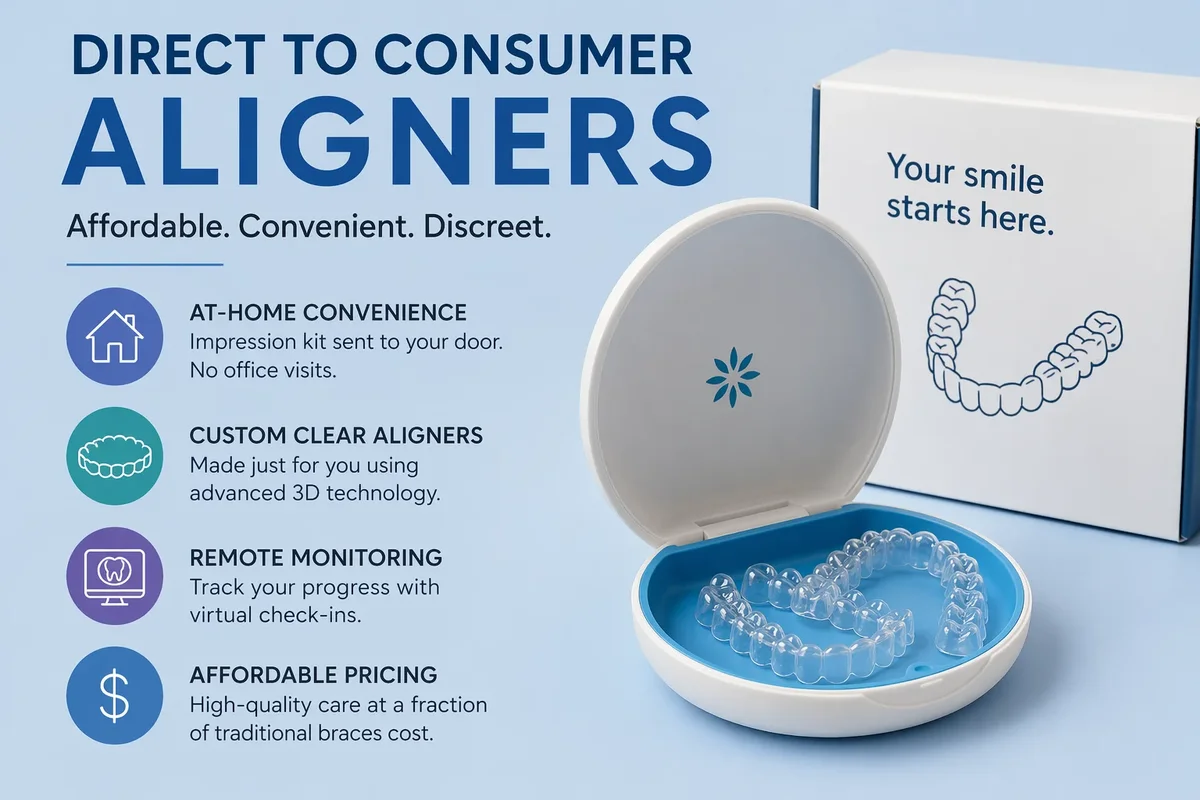
Direct to Consumer Aligners vs Invisalign: Key Differences Explained
When considering modern orthodontic solutions, many patients compare direct to consumer aligners with Invisalign to determine which option best fits their needs. Both systems use clear aligner technology to straighten teeth, but they differ significantly in terms of supervision, customization, cost, and overall treatment experience 😊. Understanding these differences is essential before committing to a treatment plan, especially when choosing between direct to consumer aligners and a dentist-guided system like Invisalign.
Overview of Direct to Consumer Aligners and Invisalign
Direct to consumer aligners are designed to provide a convenient, at-home orthodontic solution. Patients typically begin with an impression kit or digital scan and receive their aligners by mail. Treatment is monitored remotely, making direct to consumer aligners a highly flexible option.
In contrast, Invisalign treatment is managed by a licensed dentist or orthodontist. It involves in-person consultations, digital scans, and periodic adjustments. While Invisalign also uses clear aligners, it offers a higher level of customization and professional oversight compared to direct to consumer aligners.
Key Structural Difference
The main distinction lies in supervision: direct to consumer aligners rely on remote monitoring, whereas Invisalign involves regular in-office care 🦷.
Level of Professional Supervision
One of the most critical differences between direct to consumer aligners and Invisalign is the level of professional involvement. With direct to consumer aligners, dental professionals typically review cases remotely and monitor progress through digital check-ins.
Invisalign, on the other hand, includes regular visits to a dental clinic where adjustments can be made as needed. According to the American Dental Association, in-person supervision plays a vital role in ensuring safe and effective orthodontic treatment.
Impact on Treatment Outcomes
While direct to consumer aligners are suitable for simpler cases, Invisalign’s hands-on approach allows for more precise control, especially in complex situations.
Customization and Treatment Capabilities
Direct to consumer aligners are generally limited to treating mild to moderate alignment issues, such as small gaps or minor crowding. Their treatment plans are based on initial impressions and may not adapt dynamically to changes during the process.
Invisalign offers advanced customization, including attachments and interproximal reduction (IPR), which allow for more complex tooth movements. This makes Invisalign a better choice for patients with significant orthodontic challenges.
Advanced Features in Invisalign
Attachments used in Invisalign treatment provide additional grip and control, enabling more precise tooth movement than what direct to consumer aligners can typically achieve.
Cost Comparison
Cost is often a deciding factor when choosing between direct to consumer aligners and Invisalign. Direct to consumer aligners are generally more affordable, with prices ranging from $1,500 to $3,500. This lower cost is due to reduced clinical involvement and fewer in-office visits.
Invisalign treatment typically costs between $3,000 and $7,500, reflecting the higher level of customization and professional care involved. While direct to consumer aligners offer budget-friendly options, Invisalign may provide better value for complex cases.
Balancing Cost and Quality
Choosing between direct to consumer aligners and Invisalign should not be based solely on price. Effectiveness and safety should always be the primary considerations 💡.
Convenience and Lifestyle Factors
Direct to consumer aligners are designed for maximum convenience. Patients can complete most of the process from home, making them ideal for busy individuals or those with limited access to dental clinics.
Invisalign requires regular visits to a dental office, which may be less convenient but ensures continuous professional oversight. This trade-off between convenience and supervision is a key factor when choosing between direct to consumer aligners and Invisalign.
Flexibility vs Supervision
Direct to consumer aligners prioritize flexibility, while Invisalign emphasizes clinical precision and monitoring.
Safety and Risk Considerations
Safety is another important factor to consider. Direct to consumer aligners rely heavily on patient compliance and remote monitoring, which may increase the risk of undetected issues. Invisalign’s in-person supervision allows dentists to identify and address problems early.
Patients using direct to consumer aligners must be proactive in reporting any discomfort or irregularities. If you experience any issues, seeking professional advice is essential to avoid complications.
Reducing Risks
Combining direct to consumer aligners with occasional dental check-ups can help improve safety and treatment outcomes.
Which Option Is Right for You?
The choice between direct to consumer aligners and Invisalign ultimately depends on your specific dental needs, budget, and lifestyle. If you have mild alignment issues and value convenience, direct to consumer aligners may be a suitable option. However, for more complex cases or if you prefer hands-on care, Invisalign is often the better choice.
Before making a decision, consulting with a dental professional is highly recommended. You can reach out to experts through the Redent Klinik Contact Page to receive personalized advice and determine the best treatment for your situation.
Personalized Decision-Making
Every patient’s dental structure is unique, and choosing the right treatment requires careful evaluation and professional guidance.
In conclusion, both direct to consumer aligners and Invisalign offer effective solutions for teeth straightening, but they cater to different needs. By understanding the key differences, you can make an informed choice that aligns with your goals, ensuring a safe and successful orthodontic experience ✨.