
If you are searching for ways to improve your smile without overwhelming your budget, the concept of
discount braces has likely caught your attention. Today, millions of patients explore
cost-effective orthodontic options, not because they want lower quality, but because they want the best
possible care at a price that aligns with their financial comfort. In this comprehensive guide, we will
break down how discount braces truly work, why clinics are able to offer them at reduced
rates, and how patients can benefit from smart planning and modern orthodontic advancements.
Modern dentistry has reached a stage where affordability no longer means compromising on safety or
effectiveness. Many dental clinics use technology-driven workflows, bulk purchasing of materials, or
specialized treatment plans that reduce operational costs — allowing them to provide discount
braces without affecting quality. This is especially valuable for families, students, or adults
who may have postponed orthodontic treatment due to cost concerns. By understanding the structure of
affordable orthodontic programs, patients can make smarter, more confident decisions about their oral
health.
It is important to recognize that orthodontic treatment is not solely about aesthetics. Correcting misaligned
teeth helps improve bite function, reduces the risk of enamel wear, lowers TMJ strain, and makes oral hygiene
far easier. For these reasons, choosing discount braces can still lead to long-term health
benefits. Many patients are surprised to learn that a more aligned bite may even reduce chronic headaches or
speech difficulties. Orthodontists emphasize that cost-effective treatment plans remain evidence-based and
follow the same diagnostic procedures as traditional orthodontic care.
Among the most common questions patients ask is whether discount braces are truly comparable
to conventional braces. The answer depends on the clinic’s policies and the patient’s unique case. For mild to
moderate crowding, spacing, or bite corrections, clinics often design streamlined treatment plans that reduce
chair time — one of the main drivers of overall orthodontic pricing. More efficient workflows, fewer
unnecessary appointments, and digital monitoring systems allow some clinics to maintain lower fees. It is not
uncommon for orthodontic teams to use advanced 3D imaging or AI-assisted treatment modeling to minimize
manual labor while maximizing accuracy.
In fact, technology is one of the biggest contributors to affordability today. Digital scans, remote progress
tracking, and customized wires help reduce the need for repeated manual adjustments. These advancements create
a predictable treatment timeline, allowing clinics to confidently offer discount braces
programs that are both safe and precise. Some programs may also include flexible financing, seasonal
promotions, or bundled services to help patients manage their budget more effectively.
When considering discount braces, patients should look beyond price alone. Reputable
orthodontic providers will always begin with a full evaluation: X-rays, intraoral scans, clinical photographs,
and bite analysis. These diagnostic steps ensure that the chosen treatment aligns with the patient’s long-term
oral health goals. Patients also benefit from comparing treatment reviews, clinical certifications, and
educational resources from trusted authorities such as the
American Dental Association.
It is equally valuable to understand the difference between low-quality braces and legitimate
discount braces programs. True discount programs are structured around cost efficiencies,
not cheaper materials. Clinics remain fully committed to using medical-grade components, regulated
manufacturing standards, and safe orthodontic protocols. Patients should always avoid unregulated mail-order
aligners or informal “do-it-yourself” solutions, which may cause irreversible bite damage or tooth mobility.
Instead, choosing a certified clinic ensures safety while still benefiting from affordability.
Patients interested in starting treatment are encouraged to connect with a clinic and schedule an assessment.
For those considering a reputable, patient-focused center, the
Redent Klinik Contact Page
offers a simple way to begin the evaluation process. The clinic team reviews medical history, dental concerns,
cosmetic goals, and budget expectations to personalize each treatment plan. Whether a patient needs minor
alignment or comprehensive orthodontic correction, the availability of discount braces makes
quality care accessible to a wider audience.
Finally, keep in mind that orthodontic treatment is an investment not only in appearance but also in
long-term health and confidence. With the rise of affordability programs and cost-effective alternatives such
as “reduced-fee orthodontics” and “budget-friendly braces,” patients now have more options than ever. The key
is choosing a clinic that balances cost efficiency with professional expertise, ensuring that your smile
transformation is safe, predictable, and truly life-enhancing.
What Are Discount Braces and How Do They Work?
Understanding the concept of discount braces begins with recognizing that modern orthodontics
has dramatically evolved. Today’s clinics utilize advanced digital planning, efficient workflows, and cost-saving
material management that allow them to offer high-quality braces at significantly reduced prices. Contrary to the
misconception that “discount” implies lower quality, the truth is that discount braces refer to
orthodontic treatments optimized for affordability without compromising medical standards, safety, or durability.
Orthodontists streamline their processes, reduce unnecessary overhead, and increase treatment accessibility so more
patients can achieve a healthier smile.
In most cases, discount braces follow the very same orthodontic principles as conventional braces.
The tooth movement relies on biomechanical forces, carefully applied through brackets, wires, or clear aligners.
The key difference lies not in the technology but in the operational model: clinics that offer discount
braces design treatment systems that save chair time, optimize appointments, and reduce lab costs.
Digitization also plays a crucial role, influencing how braces are designed, monitored, and adjusted throughout
the treatment process.
Digital Planning and Customization for Discount Braces
One of the primary reasons discount braces have become so popular is the widespread use of digital
orthodontic technology. Clinics now rely on 3D imaging, intraoral scanners, and AI-assisted treatment planning
software. These systems create precise simulations of tooth movement, helping orthodontists predict treatment
duration and map out each adjustment before any physical work begins. This optimization dramatically reduces the
number of in-office visits required, which directly contributes to lower overall costs.
Digital planning also ensures a level of customization that would have been extremely expensive a decade ago.
Instead of generating multiple trial-and-error adjustments, orthodontists can calculate forces, bracket placement,
and wire sequences with high precision. This increased accuracy makes discount braces just as
reliable as traditional orthodontic care while maintaining affordability. Patients also benefit from faster
treatment times, often noticing improvements within the first few months due to optimized movement patterns.
Types of Braces Used in Discount Programs
There is a common assumption that discount braces must involve inferior materials, but this is
not the case. Clinics typically use the same medical-grade stainless steel brackets, ceramic brackets, or
clear aligner materials seen in standard orthodontic practices. What reduces the cost is efficiency, not
quality. Streamlined appointments, simplified maintenance protocols, and pre-programmed wire systems make braces
more affordable without sacrificing functionality.
Metal Braces
Traditional stainless steel braces remain one of the most reliable components of discount braces
programs. Their durability and predictable performance make them perfect for cost-saving orthodontic plans. Metal
braces are especially effective for moderate to severe alignment problems, ensuring patients receive comprehensive
care under an affordable plan.
Ceramic Braces
Ceramic options can also be included in some discount braces packages. These braces match the
color of natural teeth, making them more aesthetic than metal. While slightly more delicate, modern ceramic
materials are strong and produce excellent alignment results. Not all clinics include ceramic braces in their
discount offerings, but many provide them as an upgraded option within the same affordable structure.
Clear Aligners
Digitally designed clear aligners may be offered at reduced cost depending on the clinic’s workflow. The efficiency
of producing and planning clear aligners in-house significantly lowers expenses, allowing orthodontists to include
them in discount braces programs. For mild to moderate cases, aligners can produce quick,
comfortable, and discreet results.
How Clinics Provide Discount Braces Without Lowering Quality
Orthodontic clinics offering discount braces generally operate with high patient volume and
optimized processes. Instead of relying on prolonged in-office visits, they use predictable treatment systems that
minimize manual labor. For example, pre-formed archwires reduce the time spent on adjustments, while digital
monitoring tools allow patients to check in remotely. These efficiencies make it possible to lower treatment
costs without sacrificing precision or safety.
Another key factor is material sourcing. Clinics often purchase braces materials in bulk or form partnerships with
manufacturers, allowing them to access high-quality components at discounted rates. These savings are passed
directly to patients through discount braces programs. Additionally, many clinics eliminate
non-essential administrative expenses, improve scheduling efficiency, and adopt paperless systems—all of which
reduce overhead costs.
Are Discount Braces Suitable for Every Patient?
Suitability depends on the complexity of the patient’s orthodontic case. Mild to moderate misalignments, crowding,
spacing, and bite issues typically respond very well to discount braces. Severe skeletal
discrepancies may still require specialized orthodontic or surgical intervention. During an initial consultation,
Orthodontists evaluate X-rays, 3D scans, and clinical photographs before determining the best treatment path.
Patients should also consider lifestyle factors such as appointment availability, treatment expectations, and
desired speed of results. Many clinics offering discount braces provide educational resources and
affordable evaluation packages to make the decision process easier. For support or to schedule an assessment,
patients may visit the Redent Klinik Contact Page.
Overall, discount braces combine affordability, modern orthodontic innovation, and accessibility,
making them one of the most patient-friendly options available today. By choosing a reputable clinic, reviewing
treatment expectations, and learning how these programs operate, individuals can begin their orthodontic journey
with confidence, clarity, and long-term dental health in mind.
Types of Orthodontic Treatments Eligible for Discount Braces Programs
When patients explore orthodontic care with affordability in mind, one of the most frequent questions is:
“Which treatments qualify for discount braces programs?” Fortunately, modern orthodontics
offers a wide range of options suitable for cost-saving plans, enabling patients to choose a method aligned with
their dental needs, comfort preferences, and cosmetic expectations. Clinics offering discount braces
typically include metal braces, ceramic braces, lingual braces (in some cases), and clear aligners, each supported
by standardized workflows that reduce costs while maintaining quality. Understanding each treatment type helps
patients make informed decisions and ensures that affordability never compromises long-term results.
It is essential to recognize that discount braces do not represent a separate category of low-quality
orthodontics. Instead, they are genuine orthodontic solutions positioned within clinic-managed, efficiency-driven
programs. These programs optimize material sourcing, reduce unnecessary appointments, and leverage digital
planning to cut costs. All eligible treatment types follow the same medical standards, include proper diagnostics,
and undergo continuous clinical oversight. As a result, patients enjoy the same level of safety, precision, and
predictability found in traditional orthodontic care.
Metal Braces: The Foundation of Discount Braces Programs
Metal braces remain the most widely included option in discount braces structures. Their durability,
predictability, and cost-efficiency make them ideal for affordable orthodontic treatment. Stainless steel brackets
and heat-activated archwires provide consistent pressure that gradually moves teeth into optimal alignment.
Patients with moderate to severe misalignment often benefit significantly from metal braces due to their strength
and adaptability. Because metal braces require predictable adjustments and use standardized materials, clinics can
minimize overhead and pass those savings directly to the patient. These savings form the backbone of most
discount braces systems, allowing patients to receive full orthodontic correction without
overextending their budget.
Advantages of Metal Braces in Affordable Plans
Metal braces offer several benefits for patients seeking discount braces:
- High reliability for complex alignment issues
- Lower cost compared to ceramic or lingual alternatives
- Shorter chair time due to predictable adjustment intervals
- Wide compatibility with digital treatment planning
These characteristics ensure that affordability does not interfere with treatment outcomes. Many orthodontists
prefer metal braces for discount-based programs because they offer maximum efficiency with minimal material cost.
Ceramic Braces: Aesthetic Options Within Discount Braces Programs
Ceramic braces appeal to patients who desire a more aesthetic orthodontic solution while still benefiting from
discount braces. These tooth-colored brackets blend naturally with enamel and provide a discreet
appearance without altering the mechanics of orthodontic force application.
While ceramic brackets are traditionally more expensive than metal ones, many clinics include them in their
discount offerings at a slightly reduced rate, especially when patients prioritize aesthetics during treatment.
Advances in ceramic manufacturing have strengthened these brackets and made them less prone to staining, allowing
them to perform reliably throughout the orthodontic journey.
Why Ceramic Braces May Still Qualify for Discounts
Clinics offering discount braces often negotiate bulk pricing with manufacturers, enabling them to
reduce costs for ceramic options as well. Additionally, digital treatment planning minimizes appointment time,
making ceramic braces more affordable within structured orthodontic programs.
Clear Aligners in Discount Braces Programs
Clear aligners—often associated with premium pricing—are increasingly found within discount braces
packages due to improvements in manufacturing technology. Many clinics now produce aligners in-house or partner
with cost-effective dental laboratories, allowing them to reduce production expenses.
Clear aligners are suitable for mild to moderate alignment cases and work by gradually repositioning teeth through
a series of removable trays. Patients who prefer a nearly invisible treatment method often choose aligners as part
of a discount braces program when available.
Typical Inclusions for Discounted Aligner Programs
- Initial digital scans and orthodontic evaluation
- A full set of aligner trays designed through 3D modeling
- Periodic virtual or in-office monitoring
- Retention phase planning
Some clinics may limit aligner discounts to simpler cases, ensuring efficiency and affordability without reducing
clinical oversight.
Lingual Braces: Sometimes Included, Always Case-Dependent
Lingual braces—brackets placed behind the teeth—are more complex to install and adjust, but certain clinics
offer partial discounts based on patient case type and treatment goals. While they are not the most common option
within discount braces programs, technological improvements and digital bracket placement guides
have made them more accessible than in previous years. Patients who prioritize complete invisibility may find
that some clinics offer seasonal or promotional discounts for lingual braces, especially as part of comprehensive
treatment plans.
How to Determine Which Treatment Type Fits Your Needs
Each type of orthodontic appliance serves a unique purpose, and determining whether metal, ceramic, lingual, or
clear aligners are best depends on bite complexity, lifestyle, budget, and cosmetic expectations. The first step
is always a professional evaluation. During your consultation, the orthodontist will assess your dental structure,
review X-rays, analyze 3D scans, and explain which appliances qualify under the clinic’s
discount braces offerings.
Patients interested in receiving a personalized recommendation can visit the
Redent Klinik Contact Page, where an orthodontic specialist
will provide clarity on treatment options and create a customized plan that balances affordability with excellence.
By understanding which orthodontic treatments fall under discount braces programs, patients can
confidently select the approach that aligns with their health goals, cosmetic preferences, and financial
expectations. Whether opting for traditional metal braces or modern aligners, the key is choosing a treatment
structure that provides long-term oral health benefits while maintaining cost efficiency.
Cost-Saving Benefits of Choosing Discount Braces
One of the biggest reasons patients explore discount braces programs is the opportunity to receive
professional orthodontic care at a price that is attainable and predictable. Modern clinics have refined their
workflow systems, material sourcing strategies, and digital planning processes, allowing them to deliver top-tier
orthodontic results without the financial strain typically associated with traditional braces. As more people
recognize the long-term value of aligning their teeth, discount braces have emerged as a practical,
evidence-based way to make orthodontic treatment widely accessible. Beyond the initial cost savings, these programs
offer several additional benefits that positively impact oral health, treatment timelines, and overall patient
experience.
Affordability in orthodontics does not mean lowering quality. Instead, the savings come from operational efficiency.
With the introduction of digital scanners, AI-assisted treatment planning, and predictable wire systems, orthodontic
teams spend less time on manual tasks and can manage a higher patient volume. These efficiencies streamline the entire
treatment process and make discount braces a smart choice for individuals and families seeking
high-quality care. The cost-saving benefits extend far beyond the financial aspects and influence every step of the
patient’s journey toward a healthier smile.
Reduced Upfront Costs With High Clinical Standards
One of the primary advantages of discount braces is the significantly reduced upfront investment
required to begin treatment. Many clinics lower the barriers to entry by offering free or low-cost consultations,
discounted diagnostic packages, and simplified payment structures. These steps make orthodontic treatment
significantly more accessible, particularly for students, young adults, and families managing multiple dental
expenses.
Despite the reduced cost, clinical standards remain strict. Reputable clinics follow guidelines established by
recognized authorities such as the American Dental Association,
ensuring that patients receive safe and effective orthodontic care. The materials used in discount braces
programs — whether metal, ceramic, or clear aligners — pass rigorous quality tests and meet international medical
standards. Patients benefit from professional oversight at each stage of treatment without paying premium fees.
Why Clinics Can Offer Lower Prices Without Sacrificing Quality
The reduced cost associated with discount braces comes from efficient clinic management, not inferior
products. Clinics achieve savings through:
- Bulk purchasing of orthodontic materials
- Digital planning that reduces chair time
- Streamlined appointment structures
- Optimized workflows that minimize labor costs
- Higher patient volume supported by organized systems
These improvements reduce operational expenses, enabling clinics to offer discount braces without
compromising treatment accuracy or long-term results.
Flexible Payment Plans for Greater Accessibility
Beyond lowering overall treatment fees, many clinics enhance the appeal of discount braces by offering
flexible payment options. Monthly installments, zero-interest financing, seasonal promotions, and family packages
make orthodontic treatment easier to manage financially. In some cases, patients can start treatment with a minimal
initial payment, giving them the ability to improve their smile while staying within their budget.
These payment structures provide consistent cost predictability. Instead of facing unexpected charges, patients know
exactly what to expect throughout their discount braces journey. Predictability is beneficial for
families planning long-term dental care and for individuals balancing orthodontics with other financial obligations.
Shorter Treatment Times Through Digital Efficiency
Digital advancements contribute significantly to the cost-saving nature of discount braces. Intraoral
scanners, 3D imaging, and AI-driven treatment plans create more accurate projections of tooth movement. This precision
reduces the total number of adjustment sessions, saving both time and money for patients.
Shorter treatment times also mean fewer absences from work or school, less travel, and fewer disruptions to everyday
life. As orthodontists map out each treatment phase digitally, they eliminate unnecessary visits and ensure that each
appointment delivers maximum value. For clinics, this efficiency lowers overhead; for patients, it translates into
significant savings without compromising results.
Remote Monitoring Further Reduces Costs
Some clinics integrate remote monitoring into their discount braces programs. Patients upload progress
photos or use dedicated apps to allow orthodontists to track alignment changes digitally. This reduces the need for
frequent in-person visits, saving patients transportation costs, time, and scheduling stress.
Remote monitoring is particularly helpful for clear aligner users but can also assist patients with traditional braces
through periodic progress checks. These systems enhance convenience while maintaining accuracy throughout treatment.
Long-Term Savings Through Improved Oral Health
Investing in discount braces offers long-term financial benefits that go far beyond the initial
treatment. Proper alignment improves oral hygiene by reducing overlapping areas where plaque and tartar accumulate.
This decreases the risk of cavities, gum disease, enamel wear, and costly restorative treatments later in life. When
teeth fit together properly, chewing efficiency improves, jaw strain decreases, and inflammation-related discomfort
may diminish over time.
Furthermore, patients who complete orthodontic treatment often enjoy fewer dental emergencies. Misaligned teeth can chip
more easily, create bite imbalances, or cause premature wear. By correcting alignment through discount braces,
patients protect themselves from future dental expenses that may be far more costly than the orthodontic treatment
itself.
Accessible Care Through Reputable Dental Clinics
One of the strongest advantages of pursuing discount braces is the ability to receive professional care
from reputable clinics that prioritize patient needs. Many of these clinics operate with a patient-first philosophy,
ensuring that affordability never overshadows clinical excellence.
Patients seeking guidance or personalized treatment plans can visit the
Redent Klinik Contact Page to begin their journey. The clinic
provides comprehensive evaluations, transparent pricing, and recommendations tailored to individual orthodontic needs.
Ultimately, discount braces offer a combination of affordability, efficiency, clinical accuracy, and
long-term oral health protection. By choosing a clinic that blends innovation with cost awareness, patients can achieve
a confident, functional smile without the financial burden typically associated with orthodontic treatment.
Who Qualifies for Discount Braces? Eligibility and Assessment
One of the most important questions patients ask before beginning orthodontic treatment is whether they qualify for
discount braces. Because affordability programs vary by clinic, eligibility depends on several
clinical, financial, and logistical factors. Fortunately, most patients with mild to moderate alignment issues qualify,
and even individuals with more complex orthodontic needs may be eligible depending on the structure of the program.
Understanding how eligibility is determined empowers patients to take control of their oral health and begin treatment
with confidence. This section breaks down the core criteria clinics use to evaluate whether someone is a suitable
candidate for discount braces, ensuring transparency and clarity throughout the decision-making
process.
Eligibility is typically established during a comprehensive orthodontic assessment that includes diagnostic imaging,
bite analysis, and aesthetic evaluation. Clinics offering discount braces aim to balance affordability
with safe, predictable results, so they must ensure a patient’s orthodontic goals align with treatment protocols. These
programs are structured to serve a wide range of individuals — students, families, adults seeking cosmetic improvements,
and patients needing functional bite correction — while maintaining high clinical standards.
Clinical Factors That Determine Eligibility
The first step in determining whether a patient qualifies for discount braces is understanding their
current dental and orthodontic condition. Orthodontists evaluate tooth positioning, bite relationship, jaw alignment,
and the overall health of gums and bone structures.
Most mild and moderate alignment issues qualify for discount braces, including:
- Crowded teeth
- Gaps and spacing
- Mild overbites or underbites
- Crossbites affecting one or two teeth
- Rotations and misalignment
Severe skeletal discrepancies, however, may require advanced orthodontic treatment or combined orthodontic-surgical
intervention. Although some clinics still include these cases under their discount braces programs,
eligibility may depend on whether the case can be managed efficiently.
Diagnostics Used to Assess Suitability
To ensure safe and accurate treatment, clinics typically perform the following diagnostics before confirming eligibility:
- Panoramic X-rays to evaluate roots and jaw structure
- Cephalometric imaging to examine bite positioning
- 3D digital scans for precise alignment measurement
- Intraoral photographs for treatment planning
These diagnostics allow orthodontists to determine whether the patient can successfully undergo treatment with
discount braces while maintaining predictable results.
Age Requirements and Suitability for Children, Teens, and Adults
Orthodontic care is no longer limited by age. Many clinics extend discount braces programs to children,
teenagers, and adults. Each age group presents unique clinical considerations that influence eligibility.
Children
Children aged 7 and older may qualify for early orthodontic intervention. Phase 1 treatment often involves guiding jaw
development and preventing more severe issues later in life. If early intervention aligns with a clinic’s affordability
model, children can begin discount braces or pre-orthodontic care at a reduced cost.
Teenagers
Teens represent the largest group of candidates for discount braces. Since their jaws and teeth are
still developing, treatment is typically more efficient and responsive. Teens commonly qualify for both metal and
ceramic braces, depending on clinical needs and aesthetic preferences.
Adults
Adult orthodontics has grown rapidly in recent years, and many adults qualify for discount braces
programs. As long as gum tissues and bone structures are healthy, adults can successfully undergo alignment correction.
Their cases may require additional periodontal evaluation, but the affordability of treatment remains accessible.
Financial Eligibility and Affordability Considerations
While discount braces programs are designed to reduce costs, clinics often evaluate financial
eligibility to ensure patients benefit from the intended affordability model. This assessment does not involve complex
financial checks but simply ensures that the patient is seeking a cost-effective orthodontic option rather than premium
or elective upgrades.
Some clinics offer tiered pricing or flexible payment plans that make discount braces accessible regardless
of income level. Families with multiple children, students, and adults with budget limitations frequently qualify due to
the program’s goal of expanding access to orthodontic care.
Patient Commitment and Treatment Compliance
Another important factor in determining eligibility for discount braces is the patient’s willingness to
follow the prescribed treatment plan. Orthodontic success relies heavily on compliance, especially in cases involving
removable appliances such as clear aligners.
Clinics assess whether patients can:
- Attend scheduled appointments or virtual check-ins
- Maintain proper oral hygiene
- Follow dietary guidelines that protect brackets and wires
- Wear elastics or aligners consistently
Patients who demonstrate strong commitment are excellent candidates for discount braces because their
predictable compliance aligns with the clinic’s efficient treatment framework.
The Role of Initial Consultation in Determining Eligibility
The initial consultation is the foundation of the eligibility process for discount braces. During this
appointment, orthodontists review diagnostics, discuss goals, and analyze dental health history. They then match the
patient’s needs with the most suitable orthodontic appliance within the discount program.
Patients seeking a thorough evaluation can visit the
Redent Klinik Contact Page to schedule an appointment. The clinic
team provides personalized assessments and transparent information about treatment options and eligibility.
Overall, the majority of patients qualify for discount braces due to modern orthodontic efficiency,
flexible treatment models, and inclusive assessment strategies. With proper diagnostics, commitment, and professional
guidance, individuals across all age groups can begin their orthodontic journey confidently and affordably.
Comparing Traditional Braces vs. Discount Braces Options
Understanding the difference between traditional orthodontic treatment models and modern
discount braces programs is essential for patients who want high-quality results at a
manageable cost. While both treatment types rely on the same foundational orthodontic principles—controlled
tooth movement, biomechanical force application, and carefully monitored adjustments—their structure,
pricing framework, and operational methods differ substantially. By comparing these two approaches, patients
gain clarity on how discount braces can offer equally effective outcomes without compromising
safety, precision, or long-term oral health.
Traditional braces have existed for decades and remain one of the most reliable orthodontic treatments.
However, the conventional model often carries higher costs due to frequent in-office visits, manual
adjustment processes, and less streamlined clinical workflows. In contrast, discount braces
leverage advancements in digital imaging, AI-driven planning, efficient scheduling, and bulk material
procurement to bring down the total price. Importantly, the reduced cost does not reflect a reduction in
quality. Instead, it reflects restructuring and modernization of the orthodontic care system.
How Treatment Mechanics Compare in Both Models
The mechanics behind traditional braces and discount braces are remarkably similar, with
both relying on brackets, archwires, and orthodontic elastics to reposition teeth. What differs is the
organization behind the clinical process. Traditional methods often use more manual adjustments, while
discount programs integrate pre-programmed wires, digital bracket placement guides, and precision-based
simulation tools.
These enhancements reduce chair time, increase predictability, and lower resource consumption—factors that
substantially decrease overall costs. For patients, this means enjoying the benefits of sophisticated
orthodontic systems at a fraction of the price typically associated with traditional braces.
Biomechanics and Force Application
Orthodontists in both treatment models apply similar biomechanical principles. Light, continuous forces
move teeth efficiently and safely. The difference lies in how these forces are planned. Discount-based clinics
often rely on digital modeling to predict tooth movement, enhancing accuracy and reducing the need for
corrective adjustments. This contributes to the cost-effectiveness of discount braces while
maintaining excellent treatment outcomes.
Differences in Appointment Frequency and Monitoring
Another major distinction between traditional orthodontics and discount braces programs is the
frequency of office visits. Conventional braces typically require monthly or bi-monthly adjustments performed
manually by the orthodontist. While clinically effective, these visits contribute to higher overhead expenses,
leading to higher treatment costs for the patient.
Discount-based systems use streamlined adjustment intervals along with digital tools to eliminate unnecessary
appointments. Remote monitoring—such as photo check-ins or app-based tracking—allows orthodontists to oversee
progress more efficiently. This reduces costs for both the clinic and the patient, making
discount braces an attractive alternative without sacrificing clinical oversight.
The Convenience of Virtual Check-Ins
Virtual monitoring is especially beneficial for busy individuals, parents managing multiple schedules, and
patients who live far from the clinic. Remote systems allow orthodontists to evaluate tooth shifts precisely
and intervene only when needed. This convenience, paired with time and cost savings, highlights why many
people prefer discount braces to traditional orthodontic care.
Material Quality and Treatment Reliability
One of the most common misconceptions is that discount braces rely on inferior materials. In
reality, reputable clinics follow strict guidelines to ensure that all braces components—whether metal,
ceramic, or aligner-based—meet medical-grade safety and durability standards.
Traditional braces and discount-based braces use the same categories of high-quality orthodontic materials:
- Stainless steel brackets
- Ceramic tooth-colored brackets
- Nickel-titanium and stainless-steel wires
- Custom clear aligner trays
The quality is identical. The difference lies in how efficiently a clinic sources, organizes, and delivers
treatment. Bulk purchasing agreements, digital manufacturing, and optimized workflows all contribute to the
reduced cost of discount braces.
Treatment Duration: Faster, Equal, or Longer?
In many cases, discount braces offer similar or even shorter treatment durations compared to
traditional braces. Because digital planning reduces unnecessary trial-and-error adjustments, tooth movement
is often more predictable. Orthodontists can design highly accurate sequences, minimizing delays and
increasing the overall efficiency of the process.
Traditional braces, although effective, may rely on more manual adjustments and prolonged follow-up intervals
that can extend the total treatment time. Patients with complex cases may still benefit from traditional
methods, but for mild to moderate misalignment, discount braces often perform equally well or
better.
Case Predictability Through Technology
Digital orthodontic systems allow clinicians to calculate ideal bracket placement, monitor force distribution,
and adjust treatment plans instantaneously. This gives discount braces a precision advantage
that can shorten treatment duration significantly.
Cost Comparison and Long-Term Value
Cost is the most obvious difference between traditional orthodontic treatment and discount braces.
Traditional braces typically involve higher overhead due to longer visits, manual workflows, and less
centralized systems. Discount-based braces programs prioritize efficiency, resulting in savings that are passed
directly to patients.
In the long term, both treatment types provide similar health and aesthetic benefits. Aligning the bite reduces
the risk of gum disease, tooth wear, enamel fractures, and jaw discomfort. Whether a patient chooses traditional
or discount braces, the overall value of orthodontic care remains high.
Access to Reputable Clinics Offering Both Options
Patients who want clarity on which system best suits their needs can schedule a consultation with an
experienced orthodontic team. Clinics like Redent Klinik offer modern, patient-focused treatment plans that
balance affordability with precision. Patients can easily reach out through the
Redent Klinik Contact Page to request a personalized
assessment.
In conclusion, discount braces provide a smart, innovative alternative to traditional braces,
allowing patients to receive exceptional orthodontic results at a significantly lower cost. Thanks to digital
planning, efficient workflows, and high-quality materials, these programs deliver safe, effective, and
economical solutions suitable for a wide variety of orthodontic cases.
How to Find Reliable Clinics Offering Discount Braces
Choosing the right orthodontic clinic is one of the most important decisions a patient will make when
considering discount braces. While affordability is a central factor, reliability,
professional oversight, clinical experience, and adherence to modern orthodontic standards are equally essential.
The rise in affordable dental care options means more clinics now offer structured programs designed to reduce
treatment expenses without compromising quality. However, not every clinic operates under the same standards,
making careful research crucial. In this comprehensive guide, you will learn exactly how to identify a reputable,
well-equipped, patient-centered clinic that can safely and effectively deliver discount braces.
From evaluating credentials to understanding technology integration, several key components distinguish a
professional orthodontic provider from low-quality alternatives. Patients often assume that lower prices indicate
lower standards, but this is not true for well-established clinics that rely on efficient workflows, digital
systems, and bulk material sourcing to reduce costs. When done correctly, discount braces programs
offer the same safety, materials, and reliability as traditional orthodontics. The following sections outline the
most important considerations for making an informed choice.
Verify Professional Credentials and Orthodontic Specialization
The first—and most crucial—step in finding reliable clinics offering discount braces is ensuring
that the orthodontist is fully trained, certified, and licensed. Orthodontics is a specialized branch of dentistry
that requires additional years of education and clinical training beyond general dentistry.
A reputable orthodontic clinic will clearly display its certifications, academic background, and institutional
affiliations. Professional associations such as the
American Dental Association provide valuable reassurance that
the clinic follows strict standards in patient care and treatment planning.
Checklist for Evaluating Qualifications
- Orthodontic residency completion
- Licensure and board certification
- Verified clinical experience
- Patient testimonials and case studies
- Association with recognized dental organizations
Clinics that offer discount braces should still meet the highest possible professional standards.
Avoid any provider who cannot demonstrate proper qualifications.
Examine the Clinic’s Technology and Treatment Infrastructure
Reliable clinics offering discount braces typically invest in high-quality digital tools and
modern orthodontic technology. These systems help reduce treatment time, improve accuracy, and lower operational
expenses—savings that clinics pass directly to patients.
Technologies commonly used in reputable orthodontic centers include:
- 3D intraoral scanners
- CBCT imaging for detailed diagnostic planning
- AI-driven alignment simulations
- Precision bracket placement software
- Digital treatment tracking and remote monitoring apps
A clinic that integrates these technological tools is more likely to provide predictable and high-quality results,
even when offering discount braces. Efficient digital workflows eliminate unnecessary steps and
reduce manual adjustments, ensuring an affordable yet precise treatment experience.
Compare Treatment Plans, Pricing Transparency, and Payment Flexibility
A trustworthy clinic will offer a clear, structured approach to discount braces pricing. This
includes transparent fees, well-defined treatment phases, and no hidden costs. Patients should always be provided
with a detailed quotation outlining diagnostics, appliances, follow-up visits, retainers, and post-treatment
support.
Payment options may vary, but reliable clinics often include:
- Monthly installment plans
- No-interest financing
- Family or group discounts
- Pay-in-full incentives
Transparent pricing structures help patients accurately evaluate the long-term value of discount braces
compared to traditional treatment options.
Warning Signs of Poor Pricing Practices
- Unexplained fees or unclear cost breakdowns
- Pressure to upgrade unnecessarily
- “Too good to be true” deals with no diagnostic exam
Reliable orthodontic care should always begin with a detailed examination, not a promotional sales pitch.
Research Patient Reviews and Real-Life Case Outcomes
Patient testimonials and before-and-after results provide valuable insight into a clinic’s reliability and success
rate. Clinics offering discount braces should still maintain consistent documentation of
treatment outcomes and satisfied patients.
When reviewing testimonials, look for:
- Long-term satisfaction with results
- Positive feedback regarding clinic communication
- Evidence of follow-through and post-treatment care
- Professional handling of complex cases
A reputable clinic will demonstrate predictable, repeatable orthodontic outcomes over time.
Evaluate In-Person Consultations and Professional Communication
The consultation process plays a major role in determining whether the clinic is reliable and patient-focused.
During the initial evaluation, the orthodontist should take time to understand your goals, review your diagnostic
images, and explain how discount braces can meet your needs.
A high-quality clinic will not rush the process. Instead, they will provide:
- A thorough diagnostic exam
- Clear explanations of treatment options
- Customized orthodontic recommendations
- Transparent discussion of costs and timelines
Patients who feel comfortable asking questions and discussing concerns are more likely to enjoy a smooth treatment
experience.
Choosing a Clinic You Can Trust
Reliable orthodontic care depends on professionalism, transparency, and a commitment to patient well-being.
Discount braces programs succeed when clinics integrate modern digital technology, efficient
workflows, and experienced orthodontists who prioritize safety and accuracy. Patients seeking an orthodontic
provider can reach out to Redent Klinik for a personalized evaluation. More information is available at the
Redent Klinik Contact Page.
By taking the time to evaluate credentials, treatment plans, patient experiences, and technological capabilities,
patients can confidently choose a clinic that delivers exceptional orthodontic results. With the right provider,
discount braces become an accessible, reliable, and highly effective path to a healthier, more
beautiful smile.
Step-by-Step Treatment Timeline for Patients Choosing Discount Braces
Beginning orthodontic treatment is an exciting and transformative journey, especially for patients who select
discount braces as an affordable yet high-quality option. While many individuals understand the
benefits of braces—improved oral function, enhanced aesthetics, and long-term dental health—they may not fully
grasp the comprehensive treatment timeline involved. This section provides a detailed, chronological breakdown
of every stage patients experience when undergoing discount braces, from the initial consultation
to post-treatment retention. A transparent and predictable timeline allows patients to feel confident, prepared,
and informed throughout the entire process.
Although treatment durations vary based on the complexity of each case, the overall process remains consistent
across modern orthodontic clinics. Thanks to digital planning, efficient workflows, and refined adjustment protocols,
discount braces follow the same evidence-based orthodontic standards as traditional braces. By
understanding each stage before beginning treatment, patients can set realistic expectations while benefiting
from the cost savings offered by streamlined orthodontic programs.
Stage 1: Initial Consultation and Diagnostic Evaluation
The treatment timeline for discount braces begins with a comprehensive orthodontic consultation.
During this appointment, the orthodontist examines the patient’s teeth, bite, and jaw alignment to determine the
most suitable treatment plan.
Essential Diagnostic Tools Used
- Panoramic and cephalometric X-rays
- 3D digital scans or impressions
- Intraoral and extraoral photographs
- Bite registration analysis
These diagnostic materials allow orthodontists to assess tooth position, facial symmetry, root structure, and
jaw relationship accurately. Digital scans also speed up the planning process—a key factor that helps clinics
offer discount braces without compromising precision.
At the end of this stage, patients receive a detailed treatment plan outlining the type of braces recommended,
the estimated duration, expected results, and full cost breakdown. For additional support or to schedule an
evaluation, patients may use the
Redent Klinik Contact Page.
Stage 2: Treatment Planning and Appliance Fabrication
After diagnostics, the orthodontist digitally designs a customized treatment plan. This phase plays a crucial role
in the success of discount braces, as efficient planning reduces manual labor and chair time.
Clinics using advanced software can simulate tooth movement, forecast treatment length, and design precise bracket
placement maps for maximum efficiency.
Digital Planning Advantages
- Accurate prediction of tooth movement
- Reduced need for manual adjustments
- Streamlined progression through each wire stage
- Greater consistency in clinical outcomes
If clear aligners are chosen within a discount braces program, the digital models are sent
directly to a fabrication lab or printed in-house using 3D orthodontic technology. Metal and ceramic braces
follow a similarly precise preparation process based on the digital alignment plan.
Stage 3: Braces Placement Appointment
Once the appliances are prepared, the patient returns for the braces placement appointment. This visit usually
takes between 45 and 90 minutes, depending on whether the patient receives metal, ceramic, or aligner-based
discount braces.
What Happens During Placement
- Teeth are cleaned thoroughly to ensure proper bonding
- Brackets are placed according to the digital positioning map
- Archwires are inserted and secured with elastics or clips
- Patients receive oral care instructions and dietary guidelines
Modern bonding techniques minimize discomfort and maximize bracket stability. Patients may feel mild pressure
as the initial wire begins applying orthodontic force—this is a completely normal part of the process.
Stage 4: Regular Adjustments and Progress Tracking
Once treatment begins, patients visit the clinic periodically for adjustments and monitoring. Traditional braces
require more frequent manual adjustments, whereas discount braces programs typically incorporate
digital tools to reduce unnecessary appointments. Remote progress monitoring may also be available in some clinics.
Typical Adjustment Intervals
- Every 6–10 weeks for standard adjustments
- More frequent visits during the early alignment phase
- Digital check-ins between appointments for aligner users
These follow-up appointments allow orthodontists to ensure that tooth movement remains on track. Adjustments
focus on refining wire strength, modifying elastic configuration, and correcting minor bite discrepancies.
The efficiency of these visits is one of the key reasons discount braces programs can deliver
affordable treatment without reducing quality.
Stage 5: Bite Correction and Finishing Stages
As teeth begin to align properly, the treatment shifts toward fine-tuning bite relationship and ensuring
stable long-term results. This phase may involve the use of elastics, power chains, or custom wire bends to
refine tooth positioning.
The finishing stage of discount braces focuses on the small, precise adjustments that ensure
optimal aesthetics, function, and durability. Close monitoring continues during this period to ensure teeth settle
correctly into their final positions.
Stage 6: Debonding and Final Evaluation
Once alignment goals are achieved, the patient returns for the removal of their discount braces.
This procedure is quick and painless. After bracket removal, the orthodontist polishes the teeth and evaluates
the final treatment result.
Digital scans or impressions are taken to create customized retainers. Retainers are essential for preserving
the results achieved through orthodontic treatment. The clinic provides detailed instructions on how and when to
wear the retainers to maintain tooth stability.
Stage 7: Retention Phase and Long-Term Maintenance
The retention phase is critical to long-term success. After completing discount braces treatment,
patients must wear their retainers consistently to prevent teeth from shifting back to their original alignment.
Retention Guidelines Include:
- Wearing retainers full-time at first, then gradually reducing hours
- Regular cleaning and maintenance of retainers
- Annual check-ups to monitor stability
- Replacement of worn retainers as needed
Patients who follow retention instructions carefully enjoy stable, long-lasting results that reflect the full
benefits of their orthodontic investment.
By understanding the complete timeline of discount braces—from diagnostics to retention—patients
gain confidence in the process and appreciate the structured sequence that leads to a healthy, beautifully aligned
smile. Each step is designed to maximize efficiency while preserving the highest standards of orthodontic care.
Longest-Lasting Results: Maintenance Tips After Discount Braces
Completing orthodontic treatment is an exciting milestone, but keeping your newly aligned smile stable requires
consistent, long-term care. Whether you selected discount braces or traditional orthodontics, the
post-treatment phase is just as important as the active alignment period. Teeth have a natural tendency to shift
back toward their original positions due to ligament memory, daily chewing forces, and natural biological processes.
Understanding how to maintain these results ensures that the time, effort, and investment put into your
discount braces treatment continues to pay off for many years.
This comprehensive guide explains everything you need to know about preserving alignment, caring for retainers,
maintaining excellent oral hygiene, and preventing relapse. By following evidence-based maintenance recommendations
provided by experienced orthodontists, patients enjoy stronger bite function, improved confidence, and long-lasting
results. The following sections outline essential post-treatment routines that apply to children, teens, and adults
alike.
The Importance of Retention After Discount Braces
Retention is the foundation of successful long-term orthodontic results. After discount braces are
removed, teeth remain susceptible to movement for months — and sometimes years — while supporting tissues stabilize.
To prevent shifting, orthodontists prescribe customized retainers that hold teeth in their corrected positions.
Retention is not optional; it is a critical continuation of orthodontic treatment. Most orthodontists follow a
structured retention protocol that gradually reduces retainer wear over time. Compliance during this phase directly
impacts how well your smile remains aligned.
Types of Retainers Used After Discount Braces
- Hawley Retainers: Durable acrylic-and-wire appliances ideal for long-term use.
- Clear Retainers: Nearly invisible and comfortable, made from molded thermoplastic.
- Fixed Retainers: Bonded wires placed behind front teeth to prevent shifting.
Each retainer type provides reliable stability. The best option depends on the patient’s treatment goals, oral habits,
and bite characteristics. Many clinics offering discount braces include retainers in their treatment
packages, ensuring continuity of care at an affordable price.
Daily Oral Hygiene Routine for Long-Term Stability
Good oral hygiene is essential for keeping your results intact after discount braces. Clean, healthy
teeth are more resistant to bacterial buildup, gum recession, wear, and inflammation — all of which can contribute to
unwanted movement. A proper routine significantly reduces the likelihood of complications.
Core Elements of a Strong Oral Hygiene Routine
- Brush teeth twice daily with fluoride toothpaste
- Use interdental brushes or floss to clean between teeth
- Rinse with an antibacterial mouthwash to reduce plaque
- Schedule dental cleanings at least twice per year
Patients transitioning from discount braces should pay close attention to areas previously covered by
brackets, as enamel may need remineralization. Orthodontists frequently recommend desensitizing toothpaste and fluoride
treatments during the initial post-braces months.
Protecting Your Smile From Everyday Wear
Even after completing discount braces, daily behaviors can affect tooth alignment. Chewing pressure,
teeth grinding, and improper oral habits gradually influence tooth position. Fortunately, most of these issues can be
managed with proper awareness and preventative strategies.
Common Habits That Can Cause Shifting
- Nail biting
- Chewing ice or non-food objects
- Grinding or clenching the teeth (bruxism)
- Using teeth to open packages
Patients who grind their teeth may benefit from a nightguard, which reduces bite force and protects enamel surfaces.
Orthodontists can evaluate whether a custom-fitted nightguard is needed during follow-up visits.
Scheduling Follow-Up Appointments and Monitoring Stability
After treatment with discount braces, periodic check-ups allow orthodontists to examine bite
stability, retainer condition, and gum health. These appointments help detect early signs of relapse.
Recommended Follow-Up Timeline
- 1–2 months after braces removal
- 6 months post-removal
- Annual visits thereafter
During these appointments, orthodontists evaluate tooth movement patterns and adjust the retention plan if needed.
Digital scans and photographs can track even subtle changes.
Maintaining Retainers Long-Term
Retainers play an essential role in maintaining the alignment achieved with discount braces.
Patients must learn how to care for them properly to avoid warping, breakage, and bacterial contamination.
Retainer Care Instructions
- Clean removable retainers with mild soap and warm (not hot) water
- Avoid exposing retainers to heat, which can cause distortion
- Store retainers in a protective case when not in use
- Replace retainers as advised when wear becomes visible
Neglecting retainer hygiene may lead to oral infections or unpleasant odors. Proper cleaning ensures long-term
comfort and effectiveness.
Nutrition and Lifestyle Tips to Protect Alignment
Diet plays a significant role in maintaining oral health after discount braces. Patients should avoid
foods that increase the risk of enamel erosion or gum irritation.
- Limit sugary beverages and acidic foods
- Eat calcium-rich foods to strengthen enamel
- Stay hydrated to maintain saliva production
- Avoid sticky or overly crunchy foods that stress teeth
A nutrient-balanced diet promotes gum strength, bone stability, and overall dental health, reducing the likelihood of
post-treatment shifting.
When to Contact an Orthodontist
Even with excellent retention and maintenance, some patients may experience minor shifting after
discount braces. Contact a clinic if you notice:
- Retainers no longer fitting properly
- Sudden tooth movement or visible spacing
- Persistent jaw discomfort
- Retainer breakage
Early intervention prevents small issues from becoming major concerns. For professional support and personalized
guidance, patients can reach out to Redent Klinik through the
Redent Klinik Contact Page.
By consistently following proper maintenance practices, patients preserve the full benefits of their
discount braces treatment. Retainer use, oral hygiene, lifestyle awareness, and regular
professional monitoring collectively ensure a healthy, long-lasting, and beautifully aligned smile.
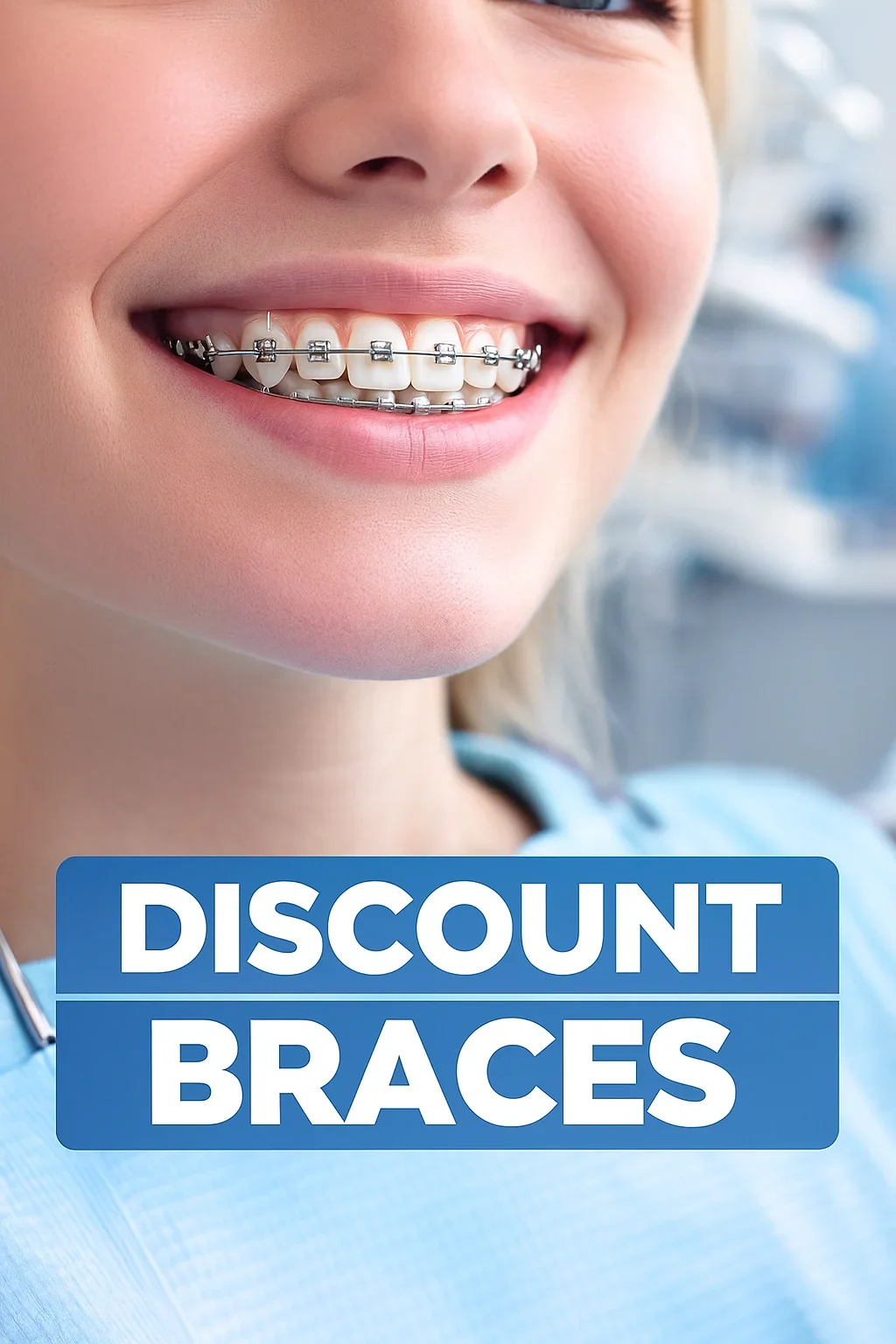
Are Discount Braces Safe? Expert Insights and Research Findings
As more patients seek affordable orthodontic solutions, many wonder whether discount braces are
truly safe and effective. With the rise of cost-efficient dental programs, digital technologies, and streamlined
treatment systems, it is natural for individuals to question how lower pricing affects the quality of orthodontic
care. Fortunately, extensive research and clinical evidence confirm that discount braces can be just
as safe—and sometimes even more efficient—than conventional treatment models when provided by qualified orthodontic
professionals. Safety is not determined by the price of treatment but by the standards, training, materials, and
technologies used by the clinic.
In this comprehensive section, we examine expert insights, academic findings, technological advancements, and
clinical safeguards that explain why discount braces are a reliable choice for millions of patients
worldwide. We will also highlight warning signs that differentiate reputable clinics from unsafe, low-quality
providers to ensure patients make informed decisions about their oral health.
Clinical Standards for Safe Orthodontic Treatment
All orthodontic treatments—including discount braces—must follow strict clinical guidelines designed
to protect patient safety, preserve oral health, and achieve predictable alignment results. Reputable clinics,
regardless of pricing structure, adhere to established protocols created by respected dental institutions, including
the American Dental Association. These standards regulate
everything from diagnostic procedures to sterilization routines and orthodontic appliance quality.
Essential Safety Requirements
- Comprehensive diagnostic evaluation before treatment begins
- Use of medically approved, high-quality orthodontic materials
- Digital treatment planning for accurate alignment predictions
- Regular in-office or remote progress monitoring
- Strict adherence to infection control protocols
When clinics follow these essential guidelines, discount braces remain just as safe as traditional
orthodontic systems, offering patients the benefit of affordability without compromising clinical standards.
Technological Advancements That Improve Safety
Digital dentistry has revolutionized orthodontic care, making it safer, faster, and more precise. Clinics offering
discount braces frequently adopt these technologies because digital workflows reduce errors, save
time, and minimize unnecessary adjustments—key factors that allow them to lower treatment costs without reducing
quality.
Key Technologies Enhancing Treatment Safety
- 3D Imaging and Scanning: provides highly accurate anatomical data.
- AI-Assisted Treatment Planning: predicts tooth movement with exceptional precision.
- Advanced Archwire Systems: deliver consistent force levels for controlled movement.
- Digital Bracket Placement Software: ensures accurate bracket alignment.
- Remote Monitoring Tools: reduce risks by enabling early detection of issues.
These advancements contribute to the overall safety and reliability of discount braces by ensuring
that every stage of treatment—from initial planning to final retention—is supported by objective, data-driven
processes.
Expert Opinions From Orthodontic Professionals
Orthodontists globally support the effectiveness and safety of discount braces, emphasizing that cost
reductions are typically achieved through operational efficiencies, not through inferior materials or compromised
clinical care. Many clinics use the same FAA-approved alloys, ceramic compounds, and aligner materials found in
premium orthodontic systems.
Experts consistently highlight that treatment success depends primarily on:
- The orthodontist’s skill and diagnostic capability
- The accuracy of digital planning
- Patient compliance with instructions
- Regular monitoring and follow-up appointments
When these essential elements are present, discount braces deliver safe, predictable results
comparable to traditional orthodontics.
Common Myths About Discount Braces and the Real Facts
There are several misconceptions surrounding the affordability of discount braces. These myths often
discourage patients from seeking treatment, despite the overwhelming evidence supporting the safety of reputable
discount programs.
Myth 1: Discount Braces Use Lower-Quality Materials
Fact: Reputable clinics use medical-grade materials that meet the same regulatory standards as traditional orthodontic
systems. Cost savings come from optimized workflows, not cheaper products.
Myth 2: Discount Braces Are Less Effective
Fact: Numerous studies show that tooth movement efficiency remains consistent when treatment plans are digitally
optimized. In some cases, discount braces can even shorten treatment time.
Myth 3: Lower Cost Means Higher Risk
Fact: Safety risks increase only when treatments are performed by unqualified providers, not because braces are
discounted. Choosing a licensed orthodontic clinic eliminates these concerns entirely.
Identifying Unsafe or Unreliable Providers
Not all clinics offering discount braces are equal. Patients must be cautious and avoid unlicensed,
non-clinical, or DIY orthodontic products. Unsafe providers cut corners by skipping diagnostic imaging, offering
one-size-fits-all treatment plans, or using non-regulated materials that may harm teeth and gums.
Warning Signs to Watch For
- No in-person or virtual diagnostic exam
- Lack of professional orthodontic credentials
- No clear explanation of treatment steps
- Unusually low prices paired with unrealistic promises
- No monitoring throughout the treatment process
Patients should avoid systems that rely solely on mailed impressions, unverified aligners, or providers who lack
formal training. These options pose serious risks such as root resorption, gum damage, or misalignment relapse.
Ensuring Safe Treatment Through Reputable Clinics
For peace of mind, patients should choose clinics that offer comprehensive evaluations, transparent pricing, digital
planning, and professional oversight. Reputable clinics offering discount braces provide the same
level of care as premium providers but operate using cost-efficient systems that reduce overhead.
Patients seeking a trustworthy provider can contact Redent Klinik for a professional consultation using the
Redent Klinik Contact Page. Their team uses advanced
diagnostic tools and adheres to strict clinical safety standards to ensure excellent outcomes.
In conclusion, discount braces are safe, evidence-based, and clinically reliable when delivered
by qualified orthodontists. With advances in digital dentistry, operational efficiency, and streamlined workflows,
patients can enjoy high-quality orthodontic results at a reduced cost—all without compromising safety, comfort,
or long-term oral health.