
For individuals struggling with missing teeth, finding a long-lasting and natural-looking solution is often a top priority. Dental implants have become one of the most trusted treatments in modern dentistry because they closely replicate the appearance, function, and stability of natural teeth. However, many patients hesitate because of the cost. This is where discounted dental implants attract significant attention. Discounted dental implants provide an opportunity for patients to restore their smiles while managing treatment expenses more effectively.
Understanding discounted dental implants begins with understanding what a dental implant actually is. A dental implant is a small titanium or zirconia post that is surgically inserted into the jawbone. Once integrated with the bone through a process called osseointegration, the implant serves as an artificial tooth root. A custom-made dental crown, bridge, or denture is then attached to create a complete restoration. Because discounted dental implants perform similarly to standard implant treatments, patients can often achieve excellent outcomes while benefiting from reduced costs.
One common misconception is that discounted dental implants automatically mean lower quality. In reality, many reputable clinics offer discounted dental implants during seasonal promotions, special campaigns, treatment packages, or because they operate in regions with lower overhead expenses. Patients should focus on evaluating the qualifications of the dental team, the implant system used, and the clinic’s reputation rather than judging treatment solely by price.
The popularity of discounted dental implants continues to grow because implants offer several advantages over alternative tooth replacement methods. Unlike removable dentures, implants remain fixed in the mouth and do not shift while eating or speaking. Unlike traditional bridges, discounted dental implants do not require adjacent healthy teeth to be altered. This preserves natural tooth structure and contributes to better long-term oral health.
Another major benefit of discounted dental implants is jawbone preservation. When a tooth is lost, the underlying jawbone gradually begins to shrink due to the absence of stimulation. Over time, this bone loss can affect facial appearance and oral function. Discounted dental implants help stimulate the jawbone similarly to natural tooth roots, reducing bone deterioration and supporting facial structure. This makes discounted dental implants both a restorative and preventive treatment option.
Patients frequently ask what is included when clinics advertise discounted dental implants. The answer varies depending on the provider. Some clinics include the consultation, panoramic X-rays, 3D scans, implant placement surgery, temporary restorations, and final crowns. Others may only advertise the implant fixture itself. Before choosing discounted dental implants, patients should request a detailed written treatment plan that outlines every included service and any additional fees.
Advances in digital dentistry have helped make discounted dental implants more accessible than ever before. Technologies such as cone-beam computed tomography (CBCT), digital impressions, guided surgery, and computer-assisted treatment planning improve precision while reducing treatment time. These efficiencies allow many providers to offer discounted dental implants without sacrificing clinical quality.
Patients considering discounted dental implants should also understand the factors that influence pricing. These factors include the number of implants required, the condition of the jawbone, the need for bone grafting, the type of restoration selected, and the implant brand used. Premium implant systems often have decades of research supporting their performance, while other reliable systems may offer similar functionality at a lower cost. Reputable providers of discounted dental implants are transparent about the materials they use and the expected outcomes.
General pricing estimates for implant treatment can vary significantly depending on the country and clinic. Typical ranges may include:
- Single implant placement: $1,500–$3,500
- Single implant with crown: $3,000–$6,000
- Multiple implants: $6,000–$20,000+
- Full-arch implant restoration: $10,000–$40,000+
These figures are approximate and may change based on individual treatment needs. Patients often explore discounted dental implants because they want the long-term benefits of implants while reducing financial strain.
When evaluating providers of discounted dental implants, it is wise to review before-and-after photographs, patient testimonials, treatment guarantees, and professional credentials. Clinics that openly discuss treatment limitations, expected healing times, and potential risks generally demonstrate a commitment to patient education and ethical care.
In addition to financial savings, discounted dental implants can provide substantial improvements in confidence and quality of life. Many people with missing teeth avoid smiling, speaking in public, or eating certain foods. Implant-supported restorations can restore normal chewing function and create a natural appearance that helps patients feel comfortable in social and professional situations.
Patients seeking further information about treatment options can contact a qualified dental team through the Redent Klinik Contact Page. Educational information regarding oral health and implant dentistry can also be found through the American Dental Association.
Ultimately, discounted dental implants can be an excellent solution for patients who want durable, attractive, and functional tooth replacement at a more affordable cost. By carefully researching providers, understanding treatment details, and prioritizing quality alongside affordability, patients can benefit from discounted dental implants that support oral health for many years. With proper planning, maintenance, and professional care, discounted dental implants can deliver outstanding long-term value and help restore both smiles and confidence.
Benefits of Choosing Discounted Dental Implants for Missing Teeth
For many patients dealing with tooth loss, finding a reliable and affordable replacement option is a priority. While traditional dentures and bridges remain common solutions, dental implants continue to be recognized as the most advanced method for replacing missing teeth. However, the cost of treatment often causes hesitation. This is why many individuals actively search for discounted dental implants. These treatment options allow patients to enjoy the benefits of modern implant dentistry while reducing overall expenses.
The growing popularity of discounted dental implants is not simply about saving money. It is also about gaining access to a long-term solution that improves oral health, appearance, comfort, and confidence. Understanding the advantages of discounted dental implants can help patients make informed decisions regarding their dental care.
Natural Appearance and Improved Confidence
One of the most important benefits of discounted dental implants is their natural appearance. Unlike removable dentures, implants are designed to look, feel, and function like natural teeth. The crown attached to the implant is custom-made to match the shape, color, and size of surrounding teeth, creating a seamless result.
Many people who suffer from missing teeth become self-conscious when smiling, speaking, or interacting socially. Discounted dental implants can restore confidence by providing a complete and attractive smile. Patients often report significant improvements in self-esteem after completing implant treatment because they no longer feel embarrassed about gaps in their teeth.
Psychological Benefits of a Complete Smile
Research consistently shows that smiling plays a major role in social interactions. Individuals who choose discounted dental implants frequently experience improved confidence at work, in relationships, and during everyday activities. Feeling comfortable with your smile can positively impact overall quality of life.
Superior Stability and Comfort
Unlike traditional dentures that may shift or move during meals and conversations, discounted dental implants are securely anchored into the jawbone. This stability allows patients to eat, laugh, and speak without worrying about their restoration becoming loose.
The secure fit provided by discounted dental implants eliminates many of the inconveniences associated with removable prosthetics. There is no need for denture adhesives, and patients can enjoy greater comfort throughout the day.
Enhanced Chewing Efficiency
Because implants function like natural tooth roots, discounted dental implants provide significantly greater chewing power than removable dentures. Patients can comfortably enjoy a wider variety of foods, including fruits, vegetables, meats, and nuts. This improved chewing ability can contribute to better nutrition and overall health.
Preservation of Jawbone Structure
One of the most unique advantages of discounted dental implants is their ability to preserve bone tissue. When a tooth is lost, the jawbone in that area gradually begins to shrink because it no longer receives stimulation from the tooth root.
Discounted dental implants mimic natural tooth roots by transmitting chewing forces directly into the jawbone. This stimulation helps maintain bone density and reduces the risk of facial collapse that can occur after prolonged tooth loss.
Patients who delay tooth replacement often experience progressive bone loss. Choosing discounted dental implants can help protect the underlying bone and support long-term oral health.
Long-Term Durability and Reliability
Another significant benefit of discounted dental implants is their durability. With proper care and maintenance, dental implants can last for decades. While crowns may eventually require replacement due to normal wear, the implant itself often remains stable for many years.
This longevity makes discounted dental implants an excellent investment. Although the initial cost may be higher than some alternatives, the long-term value can be superior because fewer replacements and adjustments are typically needed.
Reduced Maintenance Costs Over Time
Traditional dentures often require relining, repairs, and eventual replacement. Dental bridges may need replacement after several years. In contrast, discounted dental implants generally require only routine oral hygiene and regular dental checkups. This can reduce long-term maintenance expenses.
Protection of Adjacent Teeth
Traditional dental bridges often require healthy neighboring teeth to be reshaped in order to support the restoration. This process removes healthy tooth structure that cannot be restored later.
Discounted dental implants eliminate this concern because they function independently. Adjacent teeth remain untouched, preserving their natural strength and integrity. This conservative approach is one reason many dentists recommend implants whenever appropriate.
Support for Overall Oral Health
Maintaining proper oral health becomes easier with discounted dental implants. Because implants occupy the space left by missing teeth, they help prevent neighboring teeth from shifting out of position. Proper alignment contributes to improved bite function and easier cleaning.
Patients with missing teeth often experience changes in their bite over time. By choosing discounted dental implants, individuals can help maintain proper spacing and reduce the likelihood of future dental complications.
Affordable Access to Advanced Dentistry
The greatest advantage for many patients is that discounted dental implants make advanced dental treatment more accessible. Clinics may offer promotional pricing, package deals, seasonal discounts, or comprehensive treatment plans that reduce overall costs without compromising clinical standards.
Patients seeking affordable solutions should carefully review what is included in the quoted price. Reputable providers of discounted dental implants typically offer transparent treatment plans and explain all associated costs before treatment begins.
Questions to Ask Before Choosing Treatment
- What services are included in the implant package?
- Which implant brand will be used?
- Are imaging and consultations included?
- Will temporary restorations be provided?
- What warranties or guarantees are available?
- What maintenance is required after treatment?
Why Many Patients Choose Discounted Dental Implants
Ultimately, discounted dental implants combine affordability with the proven benefits of implant dentistry. Patients can enjoy improved aesthetics, enhanced chewing ability, greater comfort, preserved jawbone health, and long-lasting results. When treatment is performed by experienced professionals using high-quality materials, discounted dental implants can provide outstanding value and significantly improve quality of life.
For individuals seeking a permanent solution for missing teeth without exceeding their budget, discounted dental implants remain one of the most attractive options available in modern dentistry. Their ability to restore both function and confidence makes them an investment that can deliver benefits for many years to come. 😊
Who Is a Good Candidate for Discounted Dental Implants?
One of the most common questions patients ask before beginning treatment is whether they are suitable candidates for dental implants. While dental implants have become one of the most successful and predictable procedures in modern dentistry, not everyone qualifies immediately. Fortunately, many people who are interested in discounted dental implants can become eligible after proper evaluation and, in some cases, preliminary treatment.
Understanding who makes a good candidate for discounted dental implants is important because implant success depends on several factors, including oral health, bone quality, medical history, lifestyle habits, and commitment to long-term maintenance. A thorough consultation allows dental professionals to determine whether discounted dental implants are the most appropriate solution for replacing missing teeth.
Adults with One or More Missing Teeth
The ideal candidate for discounted dental implants is generally an adult who has lost one tooth, several teeth, or even all teeth in an arch. Dental implants are highly versatile and can be used to support individual crowns, implant-supported bridges, or full-mouth restorations.
Patients often seek discounted dental implants after losing teeth due to decay, trauma, gum disease, congenital conditions, or failed dental treatments. Because implants closely mimic natural teeth, they provide excellent functionality and aesthetics for a wide range of tooth replacement needs.
Single Tooth Replacement Candidates
Individuals missing only one tooth are often excellent candidates for discounted dental implants. A single implant can replace the missing tooth without affecting neighboring healthy teeth. This makes implants one of the most conservative and durable treatment options available.
Patients with Healthy Gums
Healthy gum tissue is one of the most important requirements for successful discounted dental implants. The gums play a crucial role in supporting the implant and protecting the surrounding bone from infection.
Patients with active periodontal disease may need gum treatment before receiving discounted dental implants. Addressing inflammation and infection first helps create a healthier foundation for implant placement and improves long-term success rates.
Even patients with a history of gum disease may still qualify for discounted dental implants if their condition has been successfully treated and stabilized.
Individuals with Adequate Jawbone Density
A sufficient amount of jawbone is necessary to support discounted dental implants. Because implants are surgically placed into the jawbone, adequate bone volume and density help ensure proper stability and successful integration.
When teeth have been missing for many years, bone loss may occur. Fortunately, insufficient bone does not automatically disqualify someone from receiving discounted dental implants. Modern dentistry offers several bone augmentation procedures that can help rebuild lost bone before implant placement.
Bone Grafting and Implant Eligibility
Many patients assume they cannot receive discounted dental implants because of bone loss. However, bone grafting procedures can often restore enough bone volume to support implants successfully. Depending on the severity of the deficiency, treatment may involve minor grafting or more advanced reconstruction techniques.
People in Good General Health
Overall health plays a significant role in determining candidacy for discounted dental implants. Most healthy adults can safely undergo implant surgery. However, certain medical conditions require additional evaluation and planning.
Conditions that may influence implant treatment include uncontrolled diabetes, severe autoimmune disorders, advanced osteoporosis, active cancer treatment, or certain medications that affect bone healing. These conditions do not necessarily prevent patients from receiving discounted dental implants, but they may require coordination between healthcare providers.
Patients should always provide complete medical histories so dental professionals can assess whether discounted dental implants are appropriate for their situation.
Non-Smokers and Tobacco Users
Smoking is one of the most significant risk factors associated with implant complications. Tobacco use can reduce blood flow, delay healing, and increase the likelihood of implant failure.
While smokers can still receive discounted dental implants, they may face higher risks compared to non-smokers. Many dentists strongly encourage patients to quit smoking before and after implant surgery to improve treatment outcomes.
How Smoking Affects Implant Success
Research consistently demonstrates that smoking can negatively affect osseointegration, the process by which implants bond with the jawbone. Patients investing in discounted dental implants can significantly improve their chances of long-term success by reducing or eliminating tobacco use.
Patients Seeking Long-Term Solutions
People looking for a durable, long-lasting tooth replacement option are often excellent candidates for discounted dental implants. Unlike removable dentures, implants are designed to function as a permanent part of the mouth.
Patients who value stability, comfort, and long-term oral health frequently choose discounted dental implants because they provide a predictable solution that can last for decades with proper care.
Individuals Committed to Oral Hygiene
Successful implant treatment requires a commitment to good oral hygiene. Candidates for discounted dental implants should be willing to brush, floss, attend routine dental visits, and follow professional maintenance recommendations.
Although implants cannot develop cavities, the surrounding tissues remain vulnerable to inflammation and infection if oral hygiene is neglected. Proper care helps protect both the implant and surrounding bone structure.
Essential Maintenance Habits
- Brush at least twice daily.
- Use floss or interdental cleaning devices regularly.
- Attend professional dental cleanings.
- Schedule routine implant evaluations.
- Address any signs of gum inflammation promptly.
Older Adults Can Also Be Excellent Candidates
Age alone is rarely a barrier to receiving discounted dental implants. Many seniors successfully undergo implant treatment and experience dramatic improvements in chewing ability, speech, and overall quality of life.
As long as a patient has sufficient bone support and acceptable overall health, discounted dental implants can often be successfully placed regardless of age. In fact, many older adults choose implants specifically because they are tired of dealing with unstable dentures.
Final Assessment and Personalized Treatment Planning
Ultimately, the best way to determine eligibility for discounted dental implants is through a comprehensive dental evaluation. During the consultation, clinicians assess oral health, review medical history, evaluate bone quality using digital imaging, and discuss treatment goals.
Most adults missing one or more teeth can qualify for discounted dental implants either immediately or after completing preparatory procedures such as gum therapy or bone grafting. Thanks to advancements in modern implant dentistry, more patients than ever before can benefit from the stability, appearance, and long-term value that discounted dental implants provide. For individuals seeking a permanent solution to tooth loss, determining candidacy is the first important step toward restoring a healthy, functional, and confident smile.
Understanding the Cost Breakdown of Discounted Dental Implants
One of the primary reasons patients search for discounted dental implants is the desire to achieve a healthy, attractive smile without facing overwhelming treatment expenses. While dental implants are widely regarded as the most effective long-term solution for missing teeth, many people are surprised when they first learn about the costs involved. Understanding exactly what contributes to the price of discounted dental implants can help patients make informed decisions and avoid unexpected expenses during treatment.
Contrary to popular belief, the cost of discounted dental implants is not determined by a single procedure. Implant treatment consists of multiple clinical steps, diagnostic procedures, materials, laboratory work, and professional expertise. Each component contributes to the overall investment required to restore missing teeth successfully.
Initial Consultation and Diagnostic Evaluation
The first stage of treatment typically involves a comprehensive consultation. Before recommending discounted dental implants, the dental team must thoroughly assess the patient’s oral health, medical history, and treatment goals.
This phase often includes:
- Comprehensive oral examination
- Digital photographs
- Panoramic X-rays
- 3D CBCT scans
- Bite analysis
- Treatment planning consultation
Many clinics offering discounted dental implants include some or all of these services within promotional packages. However, other providers may charge separately for diagnostic imaging and consultations.
Why 3D Imaging Matters
Modern implant dentistry relies heavily on advanced imaging technologies. CBCT scans provide detailed three-dimensional views of bone structure, nerve locations, and sinus anatomy. These scans improve the safety and precision of discounted dental implants by helping clinicians plan implant placement accurately.
The Implant Fixture Cost
The implant fixture itself represents one of the most important components of discounted dental implants. This titanium or zirconia post serves as the artificial tooth root and becomes permanently integrated into the jawbone.
The cost of implant fixtures varies significantly depending on the manufacturer, design, and research supporting the product. Premium implant brands often invest heavily in clinical studies and long-term performance testing. While some discounted dental implants use internationally recognized implant systems, others may utilize more affordable yet reliable alternatives.
Patients should ask which implant brand is being used and whether the system has documented clinical success rates.
Surgical Placement Procedure
The surgical phase is another major factor influencing the price of discounted dental implants. Implant placement requires specialized training, surgical expertise, sterile equipment, and advanced technology.
Several variables affect surgical costs, including:
- Number of implants required
- Complexity of the case
- Location of missing teeth
- Bone quality and quantity
- Need for guided surgery
Simple implant cases generally involve lower costs than complex full-mouth restorations. However, many clinics providing discounted dental implants reduce expenses by streamlining workflows and utilizing digital planning systems.
Single Implant vs Multiple Implants
A single implant procedure is naturally less expensive than replacing multiple missing teeth. However, patients needing extensive restoration may still benefit from discounted dental implants through package pricing and comprehensive treatment plans that reduce the average cost per implant.
Bone Grafting and Additional Procedures
Not every patient has sufficient bone volume to support immediate implant placement. When bone loss has occurred, additional procedures may be necessary before discounted dental implants can be placed successfully.
Common preparatory treatments include:
- Bone grafting
- Sinus lift procedures
- Socket preservation
- Soft tissue grafting
These procedures increase treatment costs because they involve additional materials, surgical time, and healing periods. Patients interested in discounted dental implants should ask whether grafting costs are included in the advertised price.
Abutments and Connecting Components
Once the implant has integrated with the jawbone, an abutment is attached to connect the implant to the final restoration. Although often overlooked, abutments represent another important cost component of discounted dental implants.
Depending on the case, abutments may be standard or custom-made. Custom abutments often provide superior aesthetics and fit, particularly in highly visible areas of the mouth.
Customized Solutions for Better Results
Many providers of discounted dental implants offer customized restorative components designed specifically for the patient’s anatomy. These personalized solutions can improve both appearance and long-term performance.
Dental Crown or Final Restoration Costs
The visible portion of the implant restoration is the crown, bridge, or denture attached to the implant. The quality of these restorations plays a significant role in both aesthetics and functionality.
Materials commonly used include:
- Porcelain crowns
- Zirconia crowns
- Porcelain-fused-to-metal crowns
- Full-arch zirconia restorations
Higher-quality materials may increase the overall cost of discounted dental implants, but they often provide better durability and appearance over time.
Laboratory and Manufacturing Expenses
Many patients are unaware that dental laboratories contribute significantly to the cost of discounted dental implants. Skilled dental technicians fabricate crowns, bridges, and implant-supported prosthetics using advanced digital equipment and precise craftsmanship.
The quality of laboratory work directly affects the final fit, comfort, and appearance of the restoration. Clinics that provide discounted dental implants may partner with high-volume laboratories to reduce manufacturing costs while maintaining quality standards.
Typical Price Ranges for Implant Treatment
Although exact costs vary by country and provider, general estimates often include:
| Treatment Type | Estimated Cost Range |
|---|---|
| Single Implant Fixture | $1,500 – $3,500 |
| Implant with Crown | $3,000 – $6,000 |
| Implant-Supported Bridge | $5,000 – $15,000 |
| Full-Arch Restoration | $10,000 – $40,000+ |
These figures are estimates and may vary based on individual treatment requirements. Patients exploring discounted dental implants should always request personalized quotations.
How Clinics Offer Discounted Dental Implants
Many patients wonder how providers can offer discounted dental implants while maintaining high standards of care. Several factors may contribute to lower pricing:
- Seasonal promotions
- Package treatment plans
- Lower operating costs
- High patient volume
- Digital workflow efficiencies
- In-house laboratory services
These efficiencies often allow clinics to reduce expenses without compromising treatment quality.
Evaluating True Value
When comparing providers, patients should focus on value rather than price alone. The cheapest option is not always the best option. High-quality discounted dental implants should include experienced clinicians, reliable implant systems, comprehensive diagnostics, and transparent treatment planning.
Understanding the Full Investment
Ultimately, understanding the cost breakdown of discounted dental implants allows patients to evaluate treatment offers more accurately. By knowing what is included—and what may involve additional fees—patients can avoid misunderstandings and make confident decisions. While the initial investment may appear substantial, discounted dental implants often provide exceptional long-term value through improved oral health, enhanced function, preserved bone structure, and lasting smile aesthetics. For many individuals, this combination of affordability and durability makes discounted dental implants one of the smartest investments in modern dental care.
How to Find Safe and Reliable Discounted Dental Implants
As the popularity of dental implant treatment continues to grow, more patients are searching for affordable ways to restore their smiles. While finding lower-cost treatment can be beneficial, it is important to understand that not all offers are equal. Patients interested in discounted dental implants should focus not only on affordability but also on safety, quality, long-term success, and professional expertise. A low price alone should never be the primary factor when choosing a provider.
Fortunately, it is entirely possible to find discounted dental implants that combine excellent clinical standards with competitive pricing. The key is knowing what to evaluate before committing to treatment. By carefully researching providers and understanding the factors that contribute to successful implant outcomes, patients can confidently choose discounted dental implants that provide lasting value.
Research the Clinic’s Reputation
The first step when evaluating discounted dental implants is researching the clinic itself. A reputable provider should have a strong history of successful implant cases, positive patient experiences, and transparent communication.
Before scheduling treatment, consider reviewing:
- Online patient reviews
- Verified testimonials
- Before-and-after treatment photos
- Independent review platforms
- Professional accreditations
- Years of clinical experience
Reliable providers of discounted dental implants are generally proud to showcase their results and openly discuss their treatment philosophy.
Look Beyond Star Ratings
While online ratings can be useful, patients should also read detailed reviews that discuss treatment quality, communication, aftercare, and overall patient satisfaction. Consistent positive feedback often indicates that a clinic offering discounted dental implants maintains high standards despite competitive pricing.
Verify Dentist Qualifications and Experience
The success of discounted dental implants depends heavily on the skill and experience of the dental professional performing the procedure. Implant placement requires specialized training, surgical precision, and extensive knowledge of oral anatomy.
Patients should ask about:
- Professional qualifications
- Advanced implant training
- Years of implant experience
- Number of implant procedures completed
- Continuing education programs
Experienced clinicians are often better equipped to manage complex cases and minimize complications during treatment with discounted dental implants.
Understand What Is Included in the Price
One of the most important aspects of evaluating discounted dental implants is understanding exactly what the advertised price includes. Some promotions may only cover the implant fixture itself, while others include comprehensive treatment packages.
Patients should request a detailed written estimate outlining:
- Consultation fees
- Diagnostic imaging
- Implant surgery
- Abutment costs
- Final crown or restoration
- Follow-up appointments
- Temporary restorations
Transparent pricing is often a strong indicator that a provider offering discounted dental implants values honesty and patient trust.
Beware of Hidden Fees
Some extremely low-cost advertisements may exclude important treatment components. Patients considering discounted dental implants should always clarify whether additional costs may arise later during treatment.
Evaluate the Implant Brands Used
The quality of implant materials plays a major role in the long-term success of discounted dental implants. Reputable providers typically use implant systems supported by scientific research and clinical documentation.
Patients should ask:
- Which implant brand will be used?
- How long has the system been available?
- Are there published success rates?
- Is the implant internationally recognized?
High-quality discounted dental implants often utilize trusted implant systems that balance reliability and affordability.
Assess Technology and Diagnostic Capabilities
Modern implant dentistry relies heavily on advanced technology. Clinics providing discounted dental implants should have access to diagnostic tools that improve treatment planning and surgical precision.
Key technologies may include:
- 3D CBCT scanning
- Digital impressions
- Guided implant surgery
- Computer-assisted treatment planning
- Digital smile design
These technologies help clinicians place discounted dental implants more accurately while reducing risks and improving patient comfort.
The Value of Digital Planning
Advanced planning software allows dentists to evaluate bone structure, avoid critical anatomical structures, and optimize implant positioning. This contributes to safer and more predictable outcomes for patients receiving discounted dental implants.
Review Before-and-After Cases
Visual evidence can provide valuable insight into the quality of treatment offered by a clinic. Patients interested in discounted dental implants should request examples of previous implant cases similar to their own situation.
Well-documented before-and-after cases demonstrate the provider’s ability to achieve natural-looking and functional results. Consistent outcomes often indicate strong clinical expertise and attention to detail.
Understand the Aftercare Process
Successful treatment does not end when the implant is placed. Reliable providers of discounted dental implants offer comprehensive aftercare and ongoing support.
Patients should ask about:
- Follow-up appointments
- Healing assessments
- Emergency support availability
- Maintenance recommendations
- Long-term monitoring
Proper aftercare contributes significantly to the long-term success of discounted dental implants.
Warranty and Guarantee Policies
Some clinics offering discounted dental implants provide warranties on implant components or restorative work. While warranties should not be the sole deciding factor, they can provide additional confidence regarding treatment quality.
Compare Multiple Treatment Plans
Patients should avoid making decisions based solely on the first consultation. Comparing several providers can help identify the best balance between quality and affordability.
When evaluating discounted dental implants, compare:
- Total treatment cost
- Included services
- Implant brands
- Dentist qualifications
- Technology used
- Patient reviews
This approach allows patients to make objective decisions rather than focusing exclusively on price.
Red Flags to Watch For
While many providers offer legitimate discounted dental implants, patients should remain cautious when encountering unusually low prices or unrealistic promises.
Warning Signs May Include:
- Extremely low prices without explanation
- Lack of transparent pricing
- No diagnostic imaging
- Limited information about implant brands
- Few or no patient reviews
- Pressure to make immediate decisions
- Unclear treatment plans
If any of these warning signs are present, patients should seek additional opinions before proceeding with discounted dental implants.
Balancing Affordability and Quality
The best discounted dental implants are not necessarily the cheapest. Instead, they provide the greatest overall value by combining professional expertise, high-quality materials, advanced technology, and transparent pricing. Patients should focus on finding providers who prioritize patient safety while offering reasonable treatment costs.
Ultimately, safe and reliable discounted dental implants can provide life-changing benefits, including improved oral function, restored confidence, preserved jawbone health, and long-term durability. By carefully evaluating providers, verifying credentials, understanding treatment details, and prioritizing quality over price alone, patients can confidently invest in discounted dental implants that deliver outstanding results for many years to come.
Comparing Discounted Dental Implants with Dentures and Bridges
When replacing missing teeth, patients are often faced with several treatment options. The most common choices include dental implants, traditional bridges, and removable dentures. Each solution offers unique advantages and disadvantages regarding cost, durability, appearance, maintenance, and long-term oral health. Because affordability is an important consideration for many individuals, interest in discounted dental implants continues to increase. However, understanding how discounted dental implants compare with dentures and bridges is essential before making a treatment decision.
Although dentures and bridges have successfully restored smiles for decades, dental implants are often considered the most advanced tooth replacement option available today. Even when searching for discounted dental implants, patients frequently discover that implants provide superior long-term value despite higher initial costs.
Overview of the Three Main Tooth Replacement Options
Before comparing specific benefits, it is important to understand how each treatment works.
- Discounted Dental Implants: Artificial tooth roots surgically placed into the jawbone and restored with crowns, bridges, or dentures.
- Dental Bridges: Fixed restorations supported by neighboring natural teeth.
- Removable Dentures: Prosthetic appliances that replace missing teeth and can be removed for cleaning.
While all three options can improve appearance and chewing function, discounted dental implants offer several unique advantages that distinguish them from traditional alternatives.
Appearance and Aesthetics
One of the most noticeable differences between these treatments is appearance. Modern discounted dental implants are designed to closely mimic natural teeth in shape, color, and function. Because implants emerge from the gums like natural teeth, they often provide the most realistic result.
Dental bridges can also deliver excellent aesthetics, particularly when high-quality materials are used. However, bridges may not always replicate the natural emergence profile achieved by discounted dental implants.
Removable dentures have improved significantly over the years, but some patients still experience concerns regarding bulkiness, visible clasps, or artificial appearance.
Most Natural-Looking Solution
For patients prioritizing aesthetics, discounted dental implants are generally considered the closest alternative to natural teeth. Their ability to integrate with the jawbone creates a highly realistic appearance and smile profile.
Comfort and Stability
Comfort is another major consideration when comparing tooth replacement options. Because discounted dental implants are anchored directly into the jawbone, they provide exceptional stability during daily activities.
Patients with implants can eat, laugh, and speak confidently without worrying about movement or slipping. In contrast, removable dentures may shift during chewing or conversation, particularly if bone loss occurs over time.
Dental bridges offer fixed stability similar to discounted dental implants, but they rely on neighboring teeth for support rather than independent anchorage.
Freedom from Denture Adhesives
Many denture wearers depend on adhesives to improve retention. One significant advantage of discounted dental implants is that no adhesives are required because the implants are permanently secured within the jawbone.
Impact on Adjacent Teeth
A key difference between bridges and discounted dental implants involves the treatment of neighboring teeth.
Traditional bridges require healthy adjacent teeth to be reshaped in order to support the restoration. This process removes natural tooth structure permanently.
In contrast, discounted dental implants function independently and do not require modification of surrounding teeth. Preserving healthy tooth structure is one reason many dentists prefer implants whenever possible.
Jawbone Preservation
Perhaps the most important biological advantage of discounted dental implants is their ability to preserve jawbone health.
When teeth are lost, the jawbone gradually shrinks because it no longer receives stimulation from natural tooth roots. Neither traditional bridges nor removable dentures prevent this process completely.
Because discounted dental implants function like artificial roots, they transmit chewing forces directly into the bone. This stimulation helps maintain bone density and facial structure.
Preventing Facial Collapse
Long-term denture wearers often experience facial changes due to bone loss. By preserving bone volume, discounted dental implants can help maintain a more youthful facial appearance over time.
Chewing Performance and Function
The ability to eat comfortably is a major factor in patient satisfaction. Studies consistently show that discounted dental implants provide superior chewing efficiency compared to removable dentures.
Patients with implants can typically enjoy a wider variety of foods, including:
- Fresh fruits
- Raw vegetables
- Steak and meats
- Nuts and seeds
- Crunchy foods
While bridges also offer strong chewing performance, discounted dental implants provide additional benefits by distributing forces directly into the jawbone.
Longevity and Durability
Another important comparison involves expected lifespan.
| Treatment Option | Average Longevity |
|---|---|
| Discounted Dental Implants | 20+ years or longer |
| Dental Bridges | 10–15 years |
| Removable Dentures | 5–10 years |
With proper care, discounted dental implants often provide the longest-lasting solution. While crowns may require replacement after many years, the implant itself frequently remains functional for decades.
Long-Term Investment Value
Although the upfront cost of discounted dental implants may exceed that of dentures or bridges, fewer replacements and repairs can make implants more economical over the long term.
Maintenance Requirements
All dental restorations require maintenance, but the daily routines differ.
Discounted dental implants are maintained similarly to natural teeth through brushing, flossing, and routine dental visits. Patients do not need to remove them for cleaning.
Bridges require special flossing techniques to clean underneath the restoration. Dentures must be removed regularly for cleaning and overnight soaking.
Many patients appreciate the simplicity and convenience associated with caring for discounted dental implants.
Cost Comparison
Cost remains one of the biggest factors influencing treatment decisions.
- Removable dentures generally have the lowest initial cost.
- Dental bridges typically fall into the mid-range.
- Discounted dental implants often involve the highest initial investment.
However, evaluating treatment solely by initial cost can be misleading. Replacement costs, maintenance expenses, and long-term durability should also be considered when comparing options.
Balancing Cost and Value
Many patients discover that discounted dental implants provide excellent value because they combine durability, comfort, aesthetics, and bone preservation in a single treatment solution.
Which Option Is Right for You?
The ideal treatment depends on several factors, including oral health, budget, bone availability, treatment goals, and personal preferences. While dentures and bridges remain valuable options in specific situations, discounted dental implants offer the most comprehensive combination of aesthetics, stability, function, and long-term oral health benefits.
For patients seeking a permanent solution that closely replicates natural teeth, discounted dental implants are often considered the preferred choice. Their ability to preserve bone structure, protect neighboring teeth, improve chewing efficiency, and deliver exceptional longevity makes them one of the most effective tooth replacement treatments available. When evaluating long-term outcomes rather than initial expenses alone, many patients conclude that discounted dental implants represent the smartest investment in restoring a healthy, confident smile.
Common Procedures Included with Discounted Dental Implants
Many patients searching for discounted dental implants focus primarily on price, but understanding exactly what is included in the treatment process is equally important. Dental implant therapy is not a single procedure. Instead, it consists of several carefully planned stages that work together to create a stable, functional, and natural-looking tooth replacement. Depending on the patient’s oral health, some treatments may be completed quickly, while others require additional preparatory procedures before discounted dental implants can be successfully placed.
Knowing what is commonly included in discounted dental implants helps patients compare treatment plans accurately and avoid misunderstandings regarding costs. While every case is unique, most implant treatments follow a similar sequence of clinical steps designed to maximize long-term success.
Initial Consultation and Treatment Planning
The journey toward receiving discounted dental implants typically begins with a comprehensive consultation. During this appointment, the dental team evaluates the patient’s oral condition, medical history, treatment goals, and overall suitability for implant therapy.
Common elements of the consultation include:
- Review of medical and dental history
- Clinical oral examination
- Discussion of treatment objectives
- Evaluation of missing teeth
- Assessment of gum health
- Review of possible treatment options
Many clinics offering discounted dental implants include the consultation as part of their promotional package, while others may charge separately.
Why Proper Planning Matters
Accurate planning significantly contributes to the success of discounted dental implants. Careful assessment allows the dental team to identify potential complications and develop a customized treatment strategy before surgery begins.
Diagnostic Imaging and Digital Scans
Modern implant dentistry relies heavily on advanced imaging technologies. Before placing discounted dental implants, clinicians must evaluate bone quality, bone quantity, nerve locations, and surrounding anatomical structures.
Common diagnostic procedures include:
- Panoramic X-rays
- CBCT (Cone Beam Computed Tomography) scans
- Digital intraoral scans
- Photographic documentation
- Bite analysis
These tools help ensure that discounted dental implants are placed in the optimal position for both function and aesthetics.
The Importance of 3D Imaging
Three-dimensional imaging allows clinicians to visualize bone structures with remarkable accuracy. This technology improves surgical precision and reduces risks associated with implant placement.
Tooth Extraction When Necessary
In some cases, patients seeking discounted dental implants still have damaged or failing teeth that must be removed before treatment can proceed. Tooth extraction may be necessary when a tooth is severely decayed, fractured, infected, or no longer restorable.
Depending on the clinical situation, the implant may be placed immediately after extraction or after a healing period. The treatment plan will determine which approach offers the best long-term outcome.
Bone Grafting Procedures
Not all patients have sufficient bone volume to support discounted dental implants immediately. Bone loss frequently occurs after tooth extraction, prolonged tooth absence, trauma, or periodontal disease.
Bone grafting is one of the most common supplementary procedures associated with discounted dental implants. The purpose of grafting is to rebuild areas of deficient bone and create a stronger foundation for implant placement.
Types of Bone Grafting
- Socket preservation grafts
- Ridge augmentation procedures
- Guided bone regeneration
- Autogenous bone grafts
- Synthetic graft materials
While not every patient requires grafting, it is often a valuable procedure that increases eligibility for discounted dental implants.
Sinus Lift Procedures
For implants placed in the upper back jaw, inadequate bone height may require a sinus lift procedure. This treatment creates additional vertical bone volume beneath the sinus cavity.
Many patients interested in discounted dental implants are surprised to learn that sinus lifts are common and highly predictable procedures. When performed appropriately, they can significantly improve implant success in challenging cases.
Surgical Placement of the Implant
The actual placement of discounted dental implants is often the most anticipated stage of treatment. During this procedure, the implant fixture is carefully inserted into the jawbone under local anesthesia or sedation, depending on the patient’s needs.
Modern implant surgery is generally less invasive than many patients expect. Thanks to advanced technology and improved techniques, discomfort is typically manageable and recovery times are often shorter than anticipated.
Guided Implant Surgery
Many clinics offering discounted dental implants utilize guided surgical technology. This approach uses computer-generated surgical guides to enhance placement accuracy and improve predictability.
Healing and Osseointegration
Following surgery, a healing period is required. During this stage, the implant gradually integrates with the surrounding jawbone through a process called osseointegration.
This biological process is essential for the long-term stability of discounted dental implants. Depending on individual healing factors and bone quality, osseointegration typically requires several weeks to several months.
During this time, patients may receive temporary restorations that allow them to maintain appearance and function while healing progresses.
Abutment Placement
Once the implant has successfully integrated, an abutment is attached to the implant fixture. The abutment serves as the connector between the implant and the final restoration.
Although relatively small, this component plays a critical role in the success of discounted dental implants. Custom abutments may be used to improve aesthetics and optimize fit.
Fabrication of the Final Restoration
After healing is complete, impressions or digital scans are used to create the permanent restoration. Depending on the patient’s needs, this may include:
- Single crowns
- Implant-supported bridges
- Full-arch restorations
- Implant-retained dentures
The final restoration is carefully designed to match surrounding teeth and provide a natural appearance. High-quality restorations significantly enhance the overall success of discounted dental implants.
Materials Commonly Used
- Zirconia crowns
- Porcelain crowns
- Porcelain-fused-to-metal restorations
- Full-arch zirconia prosthetics
Follow-Up Visits and Maintenance
Even after treatment is completed, regular maintenance remains important. Successful discounted dental implants require ongoing monitoring to ensure long-term health and stability.
Follow-up appointments often include:
- Professional cleanings
- Implant evaluations
- Bite assessments
- Radiographic monitoring
- Oral hygiene reinforcement
Routine maintenance helps protect the investment patients make in discounted dental implants and contributes to long-term success.
Understanding What Is Included in Discounted Dental Implants
Patients should always request a detailed breakdown of services before beginning treatment. Some providers include consultations, imaging, surgery, temporary restorations, and final crowns within their discounted dental implants packages. Others may list these services separately.
Ultimately, understanding the common procedures included in discounted dental implants allows patients to compare treatment plans accurately and make informed decisions. From consultation and diagnostic imaging to surgery, healing, restoration, and maintenance, every stage contributes to the long-term success of treatment. By selecting qualified professionals and fully understanding the treatment process, patients can maximize the benefits of discounted dental implants and enjoy a healthy, functional, and confident smile for many years.
Questions to Ask Before Choosing Discounted Dental Implants
Choosing the right provider for discounted dental implants is one of the most important decisions a patient can make during the tooth replacement process. While affordable treatment is attractive, patients should never focus on price alone. The quality of care, materials used, professional expertise, treatment planning, and long-term support can have a major impact on the success of discounted dental implants.
Many patients compare prices from several clinics but fail to ask the detailed questions necessary to fully understand what they are purchasing. Since implant treatment is a long-term investment in oral health, it is essential to gather as much information as possible before proceeding. Asking the right questions helps patients evaluate providers objectively and identify high-quality discounted dental implants that offer genuine value.
Why Asking Questions Matters
Every patient has unique needs, oral health conditions, and treatment goals. The answers provided during consultations can reveal important information about the clinic’s transparency, professionalism, and commitment to patient care.
Patients considering discounted dental implants should remember that a trustworthy provider welcomes questions and explains treatment details clearly. Open communication builds confidence and reduces uncertainty throughout the treatment process.
Benefits of Being Well-Informed
- Better understanding of treatment options
- Improved financial planning
- More realistic expectations
- Reduced risk of unexpected costs
- Greater confidence in decision-making
- Higher overall satisfaction with treatment
These benefits can significantly improve the experience of receiving discounted dental implants.
Questions About Qualifications and Experience
The first area patients should investigate involves the experience and credentials of the dental team performing the procedure.
Important Questions to Ask
- How many implant procedures have you completed?
- What specialized implant training have you received?
- How long have you been placing implants?
- Do you regularly attend continuing education courses?
- Can you show examples of previous implant cases?
Because the success of discounted dental implants depends heavily on clinical expertise, selecting an experienced provider is often more important than choosing the lowest price.
Questions About the Implant System
Not all implant systems are identical. Different manufacturers offer implants with varying designs, research backgrounds, and long-term performance records.
Patients should ask detailed questions regarding the implant system being used for discounted dental implants.
Questions About Implant Brands
- Which implant brand will be used?
- Is the implant system internationally recognized?
- How long has the system been available?
- Are there published clinical studies supporting its success?
- What are the long-term success rates?
Reliable providers of discounted dental implants should be able to discuss the strengths and clinical history of the implant systems they use.
Questions About Diagnostics and Technology
Advanced diagnostic technology contributes significantly to the safety and predictability of discounted dental implants. Understanding how treatment planning is performed can help patients assess the clinic’s capabilities.
Technology-Related Questions
- Will a CBCT scan be performed?
- Do you use digital treatment planning software?
- Is guided implant surgery available?
- Will digital impressions be used?
- How do you evaluate bone quality before surgery?
Clinics utilizing modern technology often achieve more accurate placement of discounted dental implants, reducing risks and improving outcomes.
Questions About Treatment Costs
One of the most critical areas of discussion involves understanding the full cost of treatment. Many advertisements promoting discounted dental implants highlight attractive prices but may not include all necessary services.
Financial Questions to Ask
- What exactly is included in the quoted price?
- Are consultations included?
- Does the price include imaging and scans?
- Are temporary restorations included?
- What additional costs might arise?
- Do you offer financing options?
Obtaining a written treatment estimate allows patients to compare different providers offering discounted dental implants more accurately.
Questions About Bone Grafting and Additional Procedures
Some patients require supplementary procedures before implant placement. Understanding whether these treatments are necessary is an important part of treatment planning.
Relevant Questions Include
- Do I have sufficient bone for implants?
- Will bone grafting be required?
- Do I need a sinus lift procedure?
- How long will healing take?
- Are these procedures included in the treatment estimate?
Patients should understand how additional procedures may affect both the timeline and overall cost of discounted dental implants.
Questions About Recovery and Healing
Knowing what to expect after surgery can reduce anxiety and help patients prepare properly for recovery.
Questions About Healing
- How much discomfort should I expect?
- How long will recovery take?
- When can I return to work?
- Will temporary teeth be provided?
- How long does osseointegration usually require?
Providers offering discounted dental implants should clearly explain the healing process and provide detailed post-operative instructions.
Questions About Long-Term Success
Dental implants are intended to provide many years of function. Patients should understand how the clinic supports long-term treatment success.
Long-Term Care Questions
- What maintenance is required?
- How often should I attend follow-up visits?
- What are the long-term success rates?
- What factors could increase the risk of failure?
- How can I maximize implant longevity?
Successful discounted dental implants require ongoing care and professional monitoring to maintain optimal performance.
Questions About Warranties and Guarantees
Some providers offer warranties on implant components or restorative work. While guarantees should not be the sole basis for choosing a provider, they may provide additional reassurance.
Warranty Questions
- Do you offer any treatment warranty?
- What does the warranty cover?
- How long is the warranty valid?
- Are there maintenance requirements to keep the warranty active?
Patients considering discounted dental implants should fully understand any warranty terms before proceeding.
Questions About Before-and-After Results
Reviewing previous patient cases helps establish realistic expectations and demonstrates the provider’s experience.
Useful Questions Include
- Can I see similar cases you have completed?
- Do you have patient testimonials?
- How were challenging cases managed?
- What results can I reasonably expect?
Experienced providers of discounted dental implants are often happy to share examples of successful outcomes.
Making an Informed Decision
Ultimately, choosing the right provider for discounted dental implants involves much more than comparing prices. Patients should carefully evaluate qualifications, technology, treatment planning, implant systems, transparency, and long-term support. Asking detailed questions provides valuable insight into how a clinic operates and whether it prioritizes patient care.
The best discounted dental implants combine affordability with clinical excellence. By taking the time to gather information and understand every aspect of treatment, patients can make confident decisions that support both their oral health and financial goals. Thorough preparation helps ensure that discounted dental implants deliver the stability, appearance, comfort, and long-term success that make implant dentistry one of the most effective solutions for missing teeth today.
Long-Term Value and Success Rates of Discounted Dental Implants
When patients consider replacing missing teeth, cost is often one of the first factors they evaluate. However, focusing solely on the initial price can sometimes overlook a much more important consideration: long-term value. While many individuals search for discounted dental implants because they want affordable treatment, the true benefit of dental implants becomes apparent when examining their durability, functionality, maintenance requirements, and long-term success rates.
Modern implant dentistry has earned a strong reputation for reliability. Numerous clinical studies have demonstrated that discounted dental implants, when placed by qualified professionals and maintained properly, can provide decades of successful function. This longevity often makes implants one of the most cost-effective tooth replacement options available despite a higher initial investment compared to some alternatives.
Understanding Long-Term Value
Long-term value refers to the overall benefits patients receive throughout the lifespan of their treatment. While dentures and bridges may initially appear less expensive, they often require periodic adjustments, repairs, relining, or replacement. In contrast, discounted dental implants are designed to function as a permanent tooth replacement solution.
When evaluating value, patients should consider:
- Expected lifespan of the restoration
- Maintenance costs over time
- Replacement frequency
- Preservation of oral health
- Comfort and convenience
- Quality of life improvements
These factors help explain why many dental professionals consider discounted dental implants a strong long-term investment.
Looking Beyond Initial Treatment Costs
Patients often compare only upfront expenses. However, long-term financial planning frequently reveals that discounted dental implants can provide greater overall value due to their exceptional durability and lower replacement requirements.
Clinical Success Rates of Dental Implants
One of the strongest arguments in favor of discounted dental implants is their impressive success rate. Dental implants have been extensively studied for decades and consistently demonstrate excellent long-term outcomes.
Most modern studies report implant success rates ranging from approximately 90% to 98% over extended periods when appropriate case selection, surgical techniques, and maintenance protocols are followed.
The predictability of discounted dental implants makes them one of the most successful procedures in restorative dentistry.
What Success Actually Means
Successful discounted dental implants typically demonstrate:
- Stable integration with the jawbone
- Healthy surrounding gum tissue
- Absence of infection
- Functional chewing ability
- Acceptable aesthetics
- Patient satisfaction
These outcomes contribute significantly to the long-term reputation of implant treatment.
Factors That Influence Success Rates
Although discounted dental implants generally achieve excellent results, success depends on several important factors.
Patient-Related Factors
- Overall health status
- Bone quality and density
- Smoking habits
- Oral hygiene practices
- Commitment to maintenance visits
Patients who actively participate in maintaining their oral health often experience the highest long-term success rates with discounted dental implants.
Provider-Related Factors
- Clinical experience
- Surgical skill
- Treatment planning quality
- Diagnostic accuracy
- Appropriate implant selection
The expertise of the dental team remains one of the most important contributors to successful discounted dental implants.
Durability Compared with Alternative Treatments
Many patients compare discounted dental implants with bridges and dentures before making a decision. While all treatment options have value, implants often outperform alternatives regarding longevity.
| Treatment Type | Average Lifespan |
|---|---|
| Discounted Dental Implants | 20+ Years, Often Longer |
| Dental Bridges | 10–15 Years |
| Removable Dentures | 5–10 Years |
These averages can vary depending on maintenance and individual circumstances, but they illustrate why many patients view discounted dental implants as a worthwhile long-term solution.
Preservation of Jawbone Health
A major contributor to the long-term value of discounted dental implants is their ability to preserve jawbone structure. After tooth loss, the jawbone naturally begins to shrink due to the absence of stimulation from tooth roots.
Unlike dentures and bridges, discounted dental implants transfer chewing forces directly into the bone. This stimulation helps maintain bone density and reduces the risk of progressive bone loss.
Protecting Facial Appearance
Bone preservation plays an important role in maintaining facial contours. Patients who receive discounted dental implants often experience better long-term facial support compared to those relying solely on removable dentures.
Quality of Life Benefits
The value of discounted dental implants extends beyond clinical measurements. Many patients report substantial improvements in daily life after treatment.
Common benefits include:
- Improved chewing ability
- Greater speech clarity
- Enhanced confidence
- Better social interactions
- Increased comfort
- Reduced dietary restrictions
These quality-of-life improvements often make discounted dental implants one of the most satisfying dental treatments available.
Maintaining Long-Term Success
Although implants are highly durable, they are not maintenance-free. Patients must actively protect their investment by following recommended care guidelines.
Essential Maintenance Practices
- Brush twice daily
- Floss regularly
- Attend routine dental examinations
- Schedule professional cleanings
- Avoid smoking when possible
- Address gum inflammation promptly
Consistent maintenance significantly increases the likelihood that discounted dental implants will remain functional for many years.
Potential Complications and How to Avoid Them
Like any medical or dental procedure, discounted dental implants carry potential risks. Fortunately, complications are relatively uncommon when treatment is properly planned and executed.
Potential issues may include:
- Peri-implantitis
- Implant loosening
- Mechanical component wear
- Bone loss around implants
- Crown damage
Regular monitoring allows dental professionals to identify and address these concerns early, helping maintain the long-term success of discounted dental implants.
The Importance of Early Intervention
Small issues are often easier and less expensive to correct when detected early. Routine evaluations are an important part of preserving the value of discounted dental implants.
Why Discounted Dental Implants Remain a Smart Investment
When viewed through a long-term perspective, discounted dental implants offer a compelling combination of durability, functionality, aesthetics, and oral health benefits. Their high success rates, ability to preserve jawbone structure, and potential to last for decades make them one of the most effective tooth replacement solutions available.
Although the initial treatment cost may exceed that of some alternatives, the extended lifespan and reduced need for replacement often result in superior overall value. For patients seeking reliable, natural-looking, and long-lasting tooth replacement, discounted dental implants represent a practical investment in both oral health and quality of life. With proper treatment planning, skilled professional care, and ongoing maintenance, discounted dental implants can continue delivering excellent function and confidence for many years, making them one of the most rewarding advances in modern dentistry.
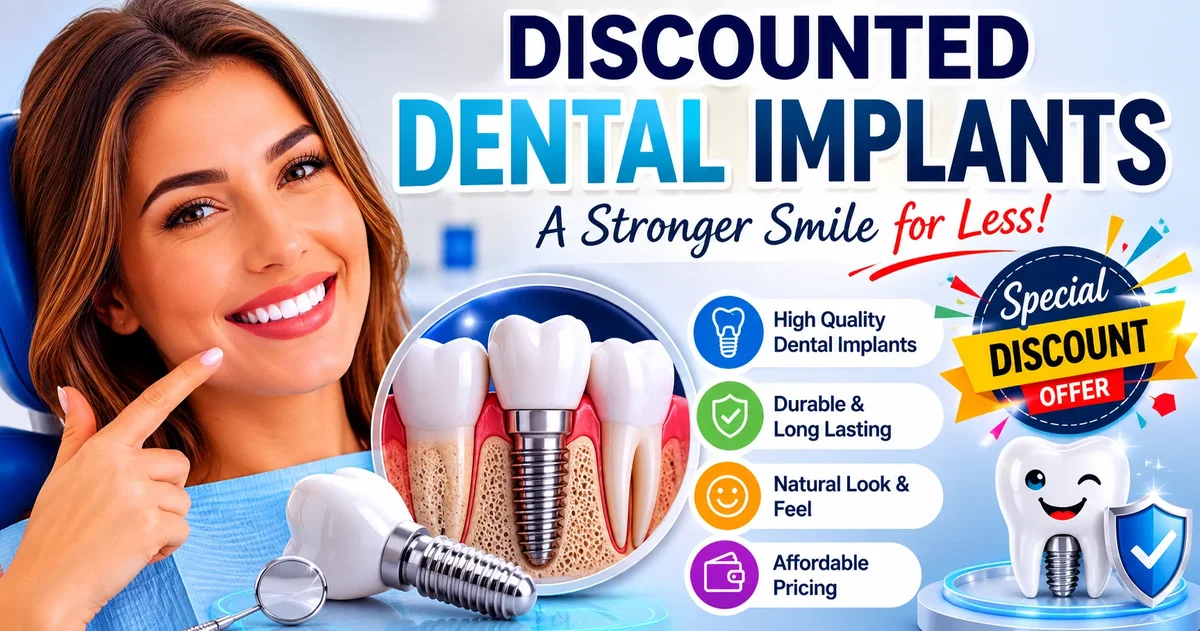
Final Thoughts: Are Discounted Dental Implants Worth It?
After exploring the benefits, costs, procedures, candidacy requirements, and long-term outcomes associated with implant treatment, one important question remains: Are discounted dental implants truly worth it? For many patients, the answer is yes. However, the value of discounted dental implants depends on several factors, including treatment quality, provider experience, oral health conditions, and individual expectations.
Dental implants have transformed modern restorative dentistry by offering a solution that closely replicates the appearance, function, and stability of natural teeth. While affordability is often a key concern, patients should evaluate discounted dental implants based on overall value rather than initial price alone. A lower-cost treatment that delivers reliable long-term results may ultimately provide greater benefits than a cheaper alternative that requires frequent repairs or replacement.
Why Discounted Dental Implants Continue to Grow in Popularity
The demand for discounted dental implants has increased significantly over the past decade. Several factors contribute to this trend, including improvements in implant technology, greater public awareness, expanded treatment availability, and increasing competition among dental providers.
Many clinics now offer discounted dental implants through:
- Seasonal promotions
- Package treatment plans
- Full-mouth restoration programs
- Digital workflow efficiencies
- In-house laboratory services
- International dental tourism opportunities
These developments have made implant treatment more accessible to patients who may previously have considered it financially unattainable.
Affordability Without Sacrificing Quality
One of the most encouraging aspects of modern implant dentistry is that discounted dental implants do not necessarily indicate inferior care. Many highly respected clinics can offer competitive pricing while maintaining excellent clinical standards through operational efficiency and advanced technology.
The Importance of Evaluating Value Rather Than Price
When considering discounted dental implants, patients should avoid focusing exclusively on the advertised price. The lowest quote is not always the best option. Instead, treatment decisions should be based on the complete value package being offered.
Important considerations include:
- Dentist qualifications
- Implant brand reputation
- Diagnostic technology used
- Treatment planning quality
- Laboratory standards
- Aftercare support
- Long-term success rates
Patients who carefully evaluate these factors are more likely to receive successful discounted dental implants that deliver excellent long-term outcomes.
Financial Benefits of Long-Term Durability
Although some tooth replacement options may have lower initial costs, their long-term expenses often accumulate over time. Dentures may require relining, repairs, adhesives, and replacement. Bridges may eventually need replacement due to wear or supporting tooth complications.
In contrast, discounted dental implants frequently provide decades of reliable function when properly maintained. This durability can significantly reduce future treatment expenses.
Cost Versus Lifetime Value
Patients should think of discounted dental implants as a long-term investment rather than a short-term purchase. The ability to avoid repeated replacement costs contributes substantially to their overall value.
Health Benefits Beyond Tooth Replacement
The value of discounted dental implants extends beyond restoring missing teeth. Implant treatment provides several important oral health advantages that alternative solutions may not offer.
These benefits include:
- Preservation of jawbone density
- Protection against facial collapse
- Maintenance of proper bite alignment
- Prevention of adjacent tooth shifting
- Improved chewing function
- Enhanced speech clarity
Because discounted dental implants support both function and oral health, many dental professionals consider them the most comprehensive tooth replacement solution available.
Emotional and Psychological Advantages
Tooth loss often affects much more than oral function. Many patients experience reduced self-confidence, social anxiety, and embarrassment regarding their appearance.
Discounted dental implants can significantly improve self-esteem by restoring a complete and natural-looking smile. Patients frequently report increased confidence in professional environments, social situations, and personal relationships after treatment.
The Confidence Factor
Unlike removable dentures that may shift or move unexpectedly, discounted dental implants remain securely fixed in place. This stability allows patients to speak, laugh, and eat comfortably without concern.
Who Benefits Most from Discounted Dental Implants?
Although many individuals can benefit from implant treatment, some groups find particular value in discounted dental implants.
These may include:
- Patients missing one or more teeth
- Long-term denture wearers
- Individuals seeking permanent solutions
- Patients prioritizing aesthetics
- People concerned about bone loss
- Adults seeking long-term value
For these patients, discounted dental implants often provide a combination of functionality, appearance, and durability that alternative treatments cannot fully match.
Common Misconceptions About Discounted Dental Implants
Several myths continue to discourage some patients from exploring implant treatment.
Myth: Discounted Means Low Quality
Many reputable clinics offer discounted dental implants without reducing treatment standards. Lower pricing may result from operational efficiencies, promotional campaigns, or regional cost differences rather than compromised quality.
Myth: Implants Require Excessive Maintenance
Maintaining discounted dental implants is generally similar to caring for natural teeth. Regular brushing, flossing, and professional checkups are usually sufficient to support long-term success.
Myth: Older Adults Cannot Receive Implants
Age alone rarely prevents patients from receiving discounted dental implants. Many seniors successfully undergo implant treatment and enjoy substantial improvements in comfort and quality of life.
Making the Right Decision
Before selecting a provider, patients should conduct thorough research, review credentials, understand treatment plans, and ask detailed questions regarding costs and expectations. A well-informed decision increases the likelihood of achieving excellent results with discounted dental implants.
Consulting with experienced implant professionals and obtaining comprehensive evaluations can help determine whether discounted dental implants represent the best solution for a specific situation.
Conclusion
Ultimately, discounted dental implants are often worth the investment because they combine affordability with many of the advantages that have made dental implants the preferred tooth replacement option worldwide. They provide exceptional durability, preserve jawbone health, support natural appearance, improve chewing function, and enhance overall quality of life.
When selected carefully and performed by qualified professionals, discounted dental implants can deliver outstanding long-term value that extends far beyond their initial cost. Patients who prioritize quality, transparency, and proper treatment planning frequently discover that discounted dental implants offer one of the most rewarding investments they can make in their oral health. For individuals seeking a lasting solution to tooth loss, discounted dental implants remain a practical, effective, and highly satisfying choice that can provide benefits for decades to come. 😊
Disclosure: this page may contain affiliate links. We may earn a commission if you use them, at no extra cost to you.