
Clear aligners have rapidly become one of the most popular orthodontic treatments in modern dentistry. Many people who want straighter teeth but prefer to avoid traditional metal braces often ask the same important question: does aligners really work? Understanding the answer requires exploring how aligners function, who they work best for, and what scientific evidence says about their effectiveness. When patients consider orthodontic treatment today, aligners are often among the first options recommended by dentists and orthodontists.
The short answer to the question does aligners really work is yes—clear aligners can be extremely effective when used correctly and under proper dental supervision. However, their success depends on several factors, including the complexity of the dental issue, patient compliance, and treatment planning by a qualified professional. Aligners are designed using advanced digital technology that gradually moves teeth into the desired position through a series of customized trays.
Before deciding on treatment, many patients research online and ask their dentists, does aligners really work for crooked teeth, gaps, or bite problems? The answer depends largely on the specific orthodontic issue involved. For mild to moderate alignment problems, clear aligners have shown impressive success rates and patient satisfaction levels. Dentists often recommend them for patients who want a discreet and comfortable alternative to traditional braces.
To understand whether does aligners really work is the right question for your situation, it helps to first understand how the treatment works. Clear aligners are transparent, removable plastic trays created from medical-grade materials. Each aligner is slightly different and applies gentle pressure to move the teeth gradually. Over time, this controlled pressure shifts teeth into a more aligned position. The treatment typically involves wearing aligners for 20–22 hours per day and replacing them with a new set every one to two weeks.
Many patients wonder: if aligners are removable and nearly invisible, does aligners really work as effectively as braces? Research and clinical experience suggest that for suitable cases, aligners can produce results comparable to braces. Orthodontists use digital scans and 3D treatment planning software to map out every step of tooth movement. This technology helps ensure predictable results and allows patients to see a simulation of their future smile before treatment even begins.
Another important factor when discussing does aligners really work is patient compliance. Unlike braces, which remain fixed to the teeth, aligners can be removed during meals and oral hygiene routines. While this provides convenience, it also means the patient must be disciplined enough to wear them consistently. If aligners are not worn for the recommended amount of time, tooth movement may slow or stop altogether.
According to the American Dental Association, orthodontic treatments such as clear aligners have significantly advanced due to digital imaging, material science, and treatment planning technology. These advancements help ensure that patients receive highly customized care tailored to their unique dental anatomy.
Patients visiting a professional clinic often receive a comprehensive consultation to determine whether aligners are appropriate. During this consultation, dentists examine bite alignment, spacing, crowding, and jaw structure. If you are considering treatment and still asking yourself does aligners really work, scheduling an evaluation can provide a personalized answer. You can reach out directly through the Redent Klinik Contact Page to receive professional guidance tailored to your dental needs.
Another common concern related to the question does aligners really work involves comfort and lifestyle. Many patients prefer aligners because they are smooth, removable, and less noticeable than metal brackets. They allow individuals to maintain their normal diet and brush their teeth more easily. These advantages have contributed to the growing popularity of aligner therapy worldwide.
Still, it is important to understand that clear aligners are not a universal solution for every orthodontic issue. Severe bite misalignment, significant jaw discrepancies, or complex tooth rotations may require traditional braces or additional orthodontic techniques. Therefore, when someone asks does aligners really work, the most accurate answer is that they work very well for the right candidates.
Modern aligner systems also incorporate small attachments bonded to teeth to improve movement precision. These tiny tooth-colored attachments help aligners apply more controlled force. With these innovations, dentists can treat more complex cases than ever before, further supporting the growing evidence that clear aligners can be highly effective.
Ultimately, the question does aligners really work reflects a broader curiosity about modern orthodontic solutions. With the combination of digital treatment planning, advanced materials, and professional supervision, aligners have transformed the orthodontic landscape. Patients who follow treatment instructions carefully and maintain regular dental checkups often achieve excellent results.
In the following sections of this guide, we will explore the science behind aligners, examine clinical studies, discuss treatment timelines, and explain the factors that determine success. By understanding these aspects, you will gain a clear answer to the question many patients ask today: does aligners really work and is it the right choice for achieving a healthier, more confident smile? 😊
How Clear Aligners Work to Straighten Teeth
To truly answer the question does aligners really work, it is essential to understand how clear aligner technology actually moves teeth. Modern orthodontics has evolved significantly in the past two decades, and aligner systems represent one of the most innovative advancements in dental treatment. These nearly invisible trays are custom-designed using digital scans and sophisticated treatment planning software to gradually reposition teeth over time.
When patients ask their dentist does aligners really work, the explanation often begins with the biological process of tooth movement. Teeth are not permanently fixed in bone. Instead, they are held in place by a structure called the periodontal ligament. When gentle pressure is applied to a tooth over time, the surrounding bone tissue remodels, allowing the tooth to shift gradually into a new position. Clear aligners take advantage of this natural biological process by applying controlled pressure through a series of custom trays.
The Digital Planning Behind Aligners
A major reason why people ask does aligners really work is because the trays appear simple and removable. However, behind this simplicity lies complex digital orthodontic planning. The treatment process typically begins with a 3D scan of the patient’s mouth. Using specialized software, dentists create a virtual model of the teeth and map out the entire treatment plan step by step.
Each aligner in the series is designed to move teeth slightly from their previous position. When patients wear these trays consistently, usually for about 20–22 hours per day, the teeth gradually follow the planned movement. The sequence of aligners acts like a roadmap for the smile transformation. Because of this advanced planning, the answer to the question does aligners really work is often strongly supported by predictable digital treatment outcomes.
Step-by-Step Tooth Movement with Aligners
Understanding the step-by-step process also helps clarify why does aligners really work is a common question among new patients. Each aligner tray is slightly different from the previous one. When a new aligner is inserted, it applies a small amount of pressure on specific teeth. Over several days, this pressure causes the teeth to move into the position intended by the treatment plan.
After about one to two weeks, the patient switches to the next aligner in the series. This new tray continues the process of gradual movement. Over months of consistent wear, teeth shift into their desired alignment. Because the changes occur gradually, many patients find aligners more comfortable than traditional braces.
When patients follow the prescribed schedule and wear aligners correctly, orthodontists often confirm that does aligners really work is not just a marketing claim—it is a clinically proven method of orthodontic correction.
Attachments and Precision Control
Another important factor influencing whether does aligners really work effectively is the use of small attachments. These tooth-colored bumps are temporarily bonded to certain teeth during treatment. Their purpose is to give the aligners additional grip so they can apply more precise forces to move teeth in complex directions.
Attachments help aligners handle movements such as rotations, vertical shifts, or root adjustments. Without these attachments, some types of tooth movements would be difficult to achieve with clear trays alone. As a result, modern aligner therapy can now treat a wider range of orthodontic problems than earlier systems could.
Consistency Is the Key to Success
One of the biggest determinants of success when considering does aligners really work is patient compliance. Unlike traditional braces, aligners can be removed for eating, brushing, and flossing. While this flexibility is convenient, it also means the patient must be disciplined enough to wear the aligners consistently.
Dentists typically recommend wearing aligners at least 20 hours per day. Removing them for extended periods can slow the treatment progress and may even cause teeth to shift back toward their original positions. Therefore, when patients strictly follow their dentist’s instructions, the answer to does aligners really work becomes much clearer: yes, they can work extremely well.
Advantages of Controlled Tooth Movement
Another reason many dental professionals confidently answer yes to does aligners really work is the level of control provided by digital treatment planning. Each aligner is carefully engineered to move specific teeth by a fraction of a millimeter. This precise control reduces the risk of excessive force, which can sometimes occur with traditional braces.
Additionally, aligners are made from smooth plastic material, reducing irritation to the cheeks and gums. Patients often report improved comfort compared to metal braces, which can have brackets and wires that cause discomfort or sores inside the mouth.
The removable nature of aligners also makes oral hygiene easier. Patients can brush and floss normally without navigating around brackets or wires. Maintaining good oral hygiene during orthodontic treatment helps prevent cavities and gum disease, which is another reason many dentists recommend aligners.
Technology Behind Modern Clear Aligners
Today’s aligner systems are supported by advanced manufacturing technologies such as 3D printing and computer-aided design. These innovations allow dental laboratories to create highly precise trays tailored to each patient’s dental anatomy. The increasing sophistication of these technologies is one reason why the question does aligners really work has gained so much attention in recent years.
Because aligners are produced based on highly detailed digital models, treatment outcomes are often predictable. Patients can even view a digital preview of their final smile before treatment begins. This transparency helps patients feel more confident about their decision to pursue aligner therapy.
Ultimately, understanding how aligners function provides a clearer answer to the central question many people ask: does aligners really work. Through controlled pressure, digital planning, and consistent wear, clear aligners can effectively guide teeth into healthier, more aesthetically pleasing positions. For many patients seeking a discreet orthodontic solution, aligners offer a scientifically supported path toward achieving a straighter smile. 😊
Does Aligners Really Work for Mild, Moderate, and Severe Cases?
One of the most common questions patients ask before starting orthodontic treatment is does aligners really work for different levels of dental misalignment. While clear aligners have become extremely popular, many people still wonder whether they are effective for all types of orthodontic problems. The truth is that aligners can successfully treat a wide range of dental issues, but their effectiveness often depends on the complexity of the case.
Orthodontists generally categorize dental alignment problems into three levels: mild, moderate, and severe. Each level involves different types of tooth movement and bite correction. Understanding how aligners perform in each category helps answer the question does aligners really work in real-world orthodontic treatment. In many cases, clear aligners can deliver outstanding results when properly prescribed and monitored by a dental professional.
Mild Alignment Problems: Where Aligners Work Extremely Well
When patients ask does aligners really work, dentists often explain that mild cases are where aligners shine the most. Mild orthodontic problems include small gaps between teeth, slight crowding, or minor rotations. These issues require relatively small adjustments in tooth position, making them ideal for aligner therapy.
Because aligners apply gentle and controlled pressure, they can gradually move teeth into the correct position over time. Patients with mild misalignment often complete treatment in as little as six to twelve months. In these cases, the answer to does aligners really work is overwhelmingly positive. Many orthodontists report success rates comparable to traditional braces for minor corrections.
Additionally, mild cases benefit from the convenience and aesthetic advantages of aligners. Patients appreciate that the trays are transparent and removable, allowing them to maintain their daily routines with minimal disruption. For individuals with mild crowding or spacing, aligners often provide a simple and comfortable solution.
Moderate Orthodontic Issues: Aligners Still Highly Effective
Many patients who ask does aligners really work are dealing with moderate orthodontic issues. These may include noticeable crowding, moderate gaps, mild bite problems, or overlapping teeth. In the past, traditional braces were often the preferred treatment for these conditions. However, advances in aligner technology have significantly expanded the range of cases that can be treated successfully.
Modern aligner systems use digital treatment planning, attachments, and specialized aligner shapes to control complex tooth movements. With these innovations, dentists can guide teeth through multiple stages of movement while maintaining precision and comfort.
For example, moderate crowding often requires teeth to shift sideways, rotate slightly, or move forward or backward. Each aligner in the treatment series gradually performs part of this movement. Over time, the combined effect of these small adjustments results in properly aligned teeth.
Because of these technological improvements, orthodontists increasingly answer the question does aligners really work with confidence when treating moderate cases. While treatment may take longer than mild cases—often between 12 and 18 months—the results can be highly successful when patients follow instructions carefully.
Attachments Improve Movement Precision
Another reason aligners are effective for moderate cases is the use of orthodontic attachments. These small, tooth-colored bumps are placed on specific teeth to give aligners additional grip. Attachments allow aligners to perform more advanced movements such as rotations or vertical adjustments.
When patients learn about attachments, they often feel reassured that does aligners really work is not just a theoretical concept but a carefully engineered treatment system. These attachments help aligners exert precise force on targeted teeth, making moderate corrections possible without metal braces.
Severe Orthodontic Cases: When Aligners May Need Additional Support
For patients with severe orthodontic issues, the question does aligners really work becomes more complex. Severe cases may involve major crowding, large bite discrepancies, jaw alignment problems, or significant tooth rotations. These conditions sometimes require more powerful orthodontic forces than aligners alone can provide.
However, this does not necessarily mean aligners cannot be used at all. In many situations, orthodontists combine aligner therapy with additional techniques such as attachments, elastics, or limited use of braces. These hybrid approaches allow dentists to achieve complex corrections while still offering many of the benefits of aligner treatment.
For example, patients with deep bites or crossbites may require elastic bands that connect upper and lower aligners. These elastics apply additional pressure to correct bite relationships. When used together with aligners, they can significantly improve treatment outcomes.
Professional Evaluation Is Essential
Because severe cases require careful planning, it is essential for patients to undergo a professional orthodontic evaluation. During this consultation, the dentist examines tooth position, jaw alignment, and overall oral health. Digital scans and X-rays are often used to determine the best treatment approach.
If you are still wondering does aligners really work for your specific situation, a professional consultation is the most reliable way to find out. Each patient’s dental structure is unique, and personalized treatment planning plays a major role in orthodontic success.
Factors That Influence Success Across All Cases
Regardless of whether the orthodontic issue is mild, moderate, or severe, several factors influence the success of aligner therapy. One of the most important is patient compliance. Aligners must be worn consistently for the recommended 20–22 hours per day in order to produce the planned tooth movement.
Another factor is treatment planning accuracy. Digital scanning and 3D modeling allow orthodontists to simulate the entire treatment process before it begins. This predictive planning helps ensure that each aligner stage moves teeth safely and effectively.
Oral hygiene also plays a role. Patients must maintain good dental care habits to prevent cavities or gum disease during treatment. Clean teeth and healthy gums support proper tooth movement and improve overall treatment outcomes.
When these factors are carefully managed, the answer to does aligners really work becomes increasingly clear. Clear aligners can successfully treat a wide spectrum of orthodontic problems, especially when supervised by experienced dental professionals.
Ultimately, the effectiveness of aligner treatment depends on the specific case and the commitment of the patient. Mild cases often achieve rapid and dramatic improvements, moderate cases benefit from modern orthodontic technology, and severe cases may require additional techniques. Regardless of the situation, clear aligners have transformed orthodontics and continue to provide millions of patients with healthier, straighter smiles. 😊
Scientific Evidence: Does Aligners Really Work According to Studies?
When patients consider orthodontic treatment, one of the most important questions they ask is does aligners really work according to scientific research. Marketing claims alone are not enough for many people who want reliable evidence before starting treatment. Fortunately, numerous clinical studies, orthodontic reviews, and dental association reports have evaluated the effectiveness of clear aligner therapy over the past two decades.
Modern orthodontics relies heavily on evidence-based dentistry, meaning treatments are evaluated using controlled studies and clinical outcomes. Research published by orthodontic journals and institutions shows that clear aligners can successfully correct many orthodontic problems when treatment is properly planned and patients follow instructions carefully. This scientific support helps dentists confidently answer the question does aligners really work for many types of dental alignment issues.
Clinical Studies on Clear Aligner Effectiveness
Several peer-reviewed studies have investigated the performance of clear aligner systems compared to traditional braces. These studies analyze treatment outcomes such as tooth movement accuracy, bite correction, patient comfort, and overall treatment duration.
One frequently cited orthodontic review found that aligners are highly effective for correcting mild to moderate crowding and spacing issues. The researchers observed that the planned tooth movements were successfully achieved in a high percentage of patients when aligners were worn as directed. Findings like these provide strong support for the claim that does aligners really work is not merely a promotional question but one backed by clinical evidence.
In addition, patient satisfaction levels were significantly high in many studies. Participants reported greater comfort, fewer oral irritations, and improved confidence due to the nearly invisible appearance of aligners. These benefits have contributed to the rapid growth of aligner therapy worldwide.
What Orthodontic Research Says About Tooth Movement
To better understand does aligners really work, researchers often examine how accurately aligners move teeth compared to the planned digital treatment model. In orthodontic studies, accuracy rates typically range between 70% and 90% for many types of movements when aligners are used correctly.
Certain movements, such as tipping teeth forward or backward, are generally very predictable with aligners. Rotations and vertical tooth movements may be slightly more challenging, which is why orthodontists sometimes use attachments or auxiliary techniques to improve precision.
Despite these complexities, the majority of modern orthodontic research confirms that aligners can achieve reliable results in many clinical situations. When patients ask their orthodontist does aligners really work, the answer is often supported by years of documented research and successful clinical outcomes.
Role of Digital Technology in Treatment Success
Another reason why studies increasingly confirm does aligners really work is the advancement of digital orthodontic technology. Modern aligner therapy relies heavily on digital scanning, artificial intelligence, and 3D simulation to plan tooth movements with remarkable accuracy.
Before treatment begins, dentists create a virtual model of the patient’s teeth and simulate every stage of movement. This allows orthodontists to predict how teeth will shift over time and make adjustments to the treatment plan before the first aligner is even produced.
Because the entire treatment sequence is digitally mapped out, aligner therapy often achieves predictable outcomes when patients follow the prescribed wearing schedule. This technology-driven approach is one of the key reasons why the question does aligners really work now receives strong support from the orthodontic community.
Professional Organizations and Dental Guidelines
Professional dental organizations also contribute to answering the question does aligners really work. Institutions such as the American Dental Association recognize clear aligner therapy as a legitimate orthodontic treatment when supervised by licensed dental professionals.
These organizations emphasize that orthodontic treatments should always be performed under professional supervision to ensure patient safety and treatment effectiveness. With proper diagnosis and monitoring, aligners can provide excellent results for many orthodontic cases.
Dental associations also highlight the importance of personalized treatment planning. Not every orthodontic problem can be solved with aligners alone, which is why professional evaluation is essential before beginning treatment.
Patient Compliance in Scientific Studies
A recurring theme in research examining does aligners really work is patient compliance. Because aligners are removable, their success heavily depends on how consistently patients wear them.
Most orthodontic studies recommend wearing aligners for at least 20 to 22 hours per day. Patients who follow this guideline typically experience predictable tooth movement and successful treatment outcomes. On the other hand, individuals who frequently remove their aligners may experience slower progress or incomplete results.
This finding reinforces the idea that aligners are highly effective tools when used correctly. The treatment system itself is scientifically sound, but patient cooperation plays a significant role in achieving the desired outcome.
Comparing Aligners and Traditional Braces in Research
Many studies also compare aligners to conventional braces to determine whether does aligners really work as well as traditional orthodontic methods. In mild and moderate cases, research often shows comparable results between the two treatments.
However, braces may still be more effective for extremely complex orthodontic problems involving major bite corrections or jaw misalignment. For these cases, orthodontists sometimes recommend braces or a combination of braces and aligners.
Even so, the increasing capabilities of aligner systems continue to expand the range of treatable conditions. Improvements in aligner materials, digital modeling, and treatment planning are allowing orthodontists to manage more complex cases than ever before.
Why Research Continues to Support Aligner Therapy
As orthodontic technology continues to evolve, researchers continue studying aligner performance to answer the question does aligners really work with greater clarity. Long-term data shows that patients who complete aligner therapy and wear retainers as recommended maintain stable results.
Orthodontists also report that aligners can significantly improve oral health by correcting crowding and bite problems. Straighter teeth are easier to clean, which can reduce the risk of gum disease and tooth decay over time.
These health benefits further strengthen the scientific case for aligner therapy. The combination of clinical research, technological innovation, and positive patient outcomes continues to demonstrate that clear aligners are an effective orthodontic solution.
Ultimately, scientific evidence strongly supports the conclusion that does aligners really work is not simply a marketing claim but a medically validated treatment approach. When used under professional supervision and worn consistently, aligners can successfully straighten teeth, improve bite alignment, and help patients achieve healthier and more confident smiles. 😊
Benefits of Clear Aligners Compared to Traditional Braces
When people begin exploring orthodontic treatment options, one of the first questions they ask is does aligners really work as well as traditional braces. While braces have been used for decades and are highly effective, clear aligners have transformed modern orthodontics by offering a more comfortable and discreet alternative. Today, millions of patients choose aligners not only because they work, but also because they provide several advantages that make the treatment process easier to manage.
Understanding these benefits helps patients better answer the question does aligners really work in practical, everyday situations. Clear aligners combine orthodontic science with digital technology to create a treatment system that is both effective and lifestyle-friendly. Compared to braces, aligners provide advantages in aesthetics, comfort, oral hygiene, and daily convenience.
Nearly Invisible Appearance
One of the biggest reasons patients wonder does aligners really work is because the trays are almost invisible. Unlike traditional braces that use metal brackets and wires, aligners are made from transparent medical-grade plastic. When worn, they are extremely difficult to notice, which makes them especially appealing for adults and teenagers who want a more discreet orthodontic treatment.
This invisible appearance allows patients to feel more confident in professional and social situations. For many individuals who previously avoided braces because of their appearance, aligners offer a solution that fits comfortably into their lifestyle. As a result, patients who once hesitated about orthodontic treatment now feel more comfortable pursuing care after learning that does aligners really work can also mean maintaining a natural smile throughout the treatment process.
Improved Comfort During Treatment
Comfort is another important advantage when evaluating does aligners really work compared to traditional braces. Braces rely on metal brackets and wires that can sometimes cause irritation to the lips, cheeks, and gums. Patients may experience discomfort after wire adjustments or when brackets rub against the inside of the mouth.
Clear aligners, on the other hand, are made from smooth plastic material designed to fit snugly over the teeth. Because they do not include sharp edges or wires, many patients experience less irritation and fewer mouth sores during treatment. While aligners still apply gentle pressure to move teeth, the overall experience is often more comfortable than traditional orthodontic appliances.
This improved comfort helps reinforce the answer to the question does aligners really work, because patients are more likely to wear their aligners consistently when they feel comfortable. Consistent wear is one of the key factors that determines treatment success.
Gradual and Controlled Pressure
Another factor that improves comfort is the gradual nature of aligner treatment. Each aligner applies a small amount of pressure designed to move teeth slightly into their new position. After about one or two weeks, patients switch to the next aligner in the sequence.
Because these movements are planned digitally and applied gradually, patients often experience less sudden discomfort compared to traditional braces adjustments. This controlled movement process contributes to why many dentists confidently answer does aligners really work when discussing modern orthodontic treatment.
Removable Design for Greater Convenience
One of the most significant lifestyle advantages when considering does aligners really work is their removable design. Unlike braces, which remain attached to the teeth throughout treatment, aligners can be removed during meals, brushing, and flossing.
This flexibility allows patients to continue enjoying their favorite foods without worrying about damaging brackets or wires. Sticky, crunchy, or hard foods that are often restricted with braces can usually be eaten normally when using aligners, as long as the trays are removed during meals.
The removable design also makes oral hygiene significantly easier. Patients can brush and floss their teeth normally, reducing the risk of plaque buildup, gum irritation, and cavities. This improved oral hygiene contributes to healthier teeth during orthodontic treatment.
Easier Oral Hygiene and Dental Care
Maintaining proper oral hygiene is essential for successful orthodontic treatment. Traditional braces can make brushing and flossing more challenging because food particles often become trapped around brackets and wires. Special tools such as floss threaders or interdental brushes are sometimes required.
With aligners, oral hygiene remains straightforward. Patients simply remove the aligners, brush and floss their teeth normally, and then reinsert the trays. This ease of care further supports the positive answer to does aligners really work, because healthy gums and clean teeth create the best environment for orthodontic movement.
Reduced Risk of Enamel Stains
Another benefit of easier hygiene is the reduced risk of enamel staining. When braces are worn for long periods, plaque accumulation around brackets can sometimes leave visible white marks on teeth after the braces are removed. Because aligners allow patients to clean their teeth thoroughly, this risk is often lower.
For many patients, this advantage provides additional reassurance when asking does aligners really work not only for straightening teeth but also for protecting long-term dental health.
Digital Treatment Planning and Predictable Results
One of the most impressive features of aligner therapy is the digital planning process used before treatment begins. Orthodontists create a 3D digital model of the patient’s teeth and simulate the entire treatment process step by step. This simulation allows both the dentist and patient to preview the expected final result.
This technology is another reason many professionals confidently answer the question does aligners really work. Because each stage of tooth movement is planned in advance, aligners can produce predictable and measurable progress throughout treatment.
Patients also appreciate seeing their projected smile transformation before treatment even begins. This visualization increases motivation and encourages consistent aligner use.
Shorter and More Efficient Dental Visits
Compared to braces, aligner treatment often requires fewer in-office adjustments. Traditional braces typically require frequent visits to tighten wires and adjust brackets. These adjustments can sometimes cause temporary discomfort and require longer appointment times.
Aligner treatment appointments are usually shorter and more straightforward. Dentists primarily monitor progress and provide new aligner sets as treatment continues. This efficiency saves time for both patients and dental professionals.
For busy adults and working professionals, this convenience adds another positive dimension to the question does aligners really work. Aligners allow orthodontic treatment to fit more easily into modern lifestyles without frequent disruptions.
A Modern Orthodontic Solution
Overall, the advantages of aligners explain why they have become one of the fastest-growing orthodontic treatments in the world. Their combination of comfort, aesthetics, convenience, and digital precision provides a compelling alternative to traditional braces.
When patients evaluate the full range of benefits, the question does aligners really work becomes easier to answer. Clear aligners not only straighten teeth effectively but also improve the overall orthodontic experience for many patients.
With proper professional supervision and consistent wear, aligners can deliver excellent results while offering a treatment process that is more comfortable, discreet, and convenient than many traditional orthodontic options. These advantages continue to drive the growing popularity of aligner therapy among patients seeking healthier, straighter smiles. 😊
Limitations and Situations Where Aligners May Not Work Well
While many dentists confidently answer the question does aligners really work with a positive response, it is also important to understand the limitations of clear aligner therapy. Like any medical or dental treatment, aligners are not a universal solution for every orthodontic problem. Understanding where aligners perform best—and where they may struggle—helps patients make informed decisions about their treatment options.
Orthodontists often explain that the effectiveness of aligners depends on several factors, including the complexity of the dental issue, the patient’s commitment to wearing the aligners properly, and the accuracy of the treatment plan. When patients ask does aligners really work, the honest answer includes both the advantages and the limitations of this orthodontic technology.
Severe Tooth Crowding
One situation where patients frequently ask does aligners really work is when they have severe tooth crowding. Crowding occurs when there is insufficient space in the jaw for all teeth to fit properly. In mild or moderate crowding cases, aligners can gradually reposition teeth and create better spacing.
However, in severe crowding situations, teeth may require more complex movements or even tooth extractions before alignment can begin. Traditional braces sometimes provide stronger mechanical control for these significant movements. In such cases, orthodontists may recommend braces or a combination treatment approach.
Even so, advances in aligner technology continue to expand their capabilities. With attachments, interproximal reduction (slight reshaping of teeth), and careful treatment planning, aligners can now handle more challenging crowding cases than they could in the past.
Limited Space in the Jaw
When the jaw structure does not provide enough room for proper tooth alignment, orthodontists must first create space before moving teeth into their final position. This may involve reshaping enamel, expanding the dental arch, or in rare cases extracting teeth.
In these situations, patients often ask again does aligners really work if space must be created first. The answer is that aligners can still be effective as part of a broader treatment plan, but they may require additional orthodontic techniques to achieve optimal results.
Complex Bite Problems
Another limitation arises with complex bite issues. Bite alignment refers to how the upper and lower teeth fit together when the mouth closes. Common bite problems include overbite, underbite, crossbite, and open bite. While aligners can treat many mild or moderate bite problems, severe cases may require stronger orthodontic forces or jaw correction procedures.
Patients who research orthodontic treatments often wonder does aligners really work for correcting bite problems. In many cases, aligners can successfully improve mild bite discrepancies by gradually repositioning teeth and guiding the bite into a healthier alignment.
However, severe skeletal bite problems involving jaw position may require additional orthodontic appliances or even orthognathic surgery. In these cases, aligners alone may not provide the full correction needed for optimal oral function.
Large Tooth Rotations
Rotated teeth present another scenario where patients question does aligners really work. Tooth rotation occurs when a tooth turns out of its normal alignment, often due to crowding or developmental factors.
Small rotations are usually corrected easily with aligners. However, teeth that are severely rotated may require stronger mechanical forces to reposition them correctly. Orthodontists often use attachments or special aligner features to increase rotational control.
Even with these tools, extremely rotated teeth may respond more predictably to braces. In these cases, dentists carefully evaluate whether aligners alone can achieve the desired outcome.
Role of Orthodontic Attachments
Attachments play an important role in improving aligner effectiveness for difficult tooth movements. These small tooth-colored bumps provide additional grip so aligners can apply targeted pressure to specific teeth.
When patients learn about attachments, they often feel more confident about the answer to does aligners really work. Attachments allow aligners to perform more advanced movements, including rotations, vertical adjustments, and root movements.
Patient Compliance Challenges
One of the most common reasons aligner treatment may not succeed is inconsistent wear. Unlike traditional braces, which remain attached to the teeth, aligners are removable. While this provides convenience, it also places responsibility on the patient to follow treatment guidelines carefully.
Patients who ask does aligners really work should understand that success depends heavily on wearing aligners for the recommended 20–22 hours per day. Removing aligners too frequently or forgetting to wear them can slow or disrupt tooth movement.
Orthodontists often emphasize that aligners are highly effective tools, but they require patient cooperation. When worn consistently, aligners can produce excellent results. Without proper compliance, however, treatment progress may stall or become unpredictable.
Oral Health Conditions That Affect Treatment
Another factor influencing whether does aligners really work is the patient’s overall oral health. Conditions such as untreated cavities, gum disease, or significant bone loss can affect the ability of teeth to move safely during orthodontic treatment.
Before starting aligner therapy, dentists typically perform a comprehensive oral examination. Any existing dental issues must be treated first to ensure a healthy environment for tooth movement.
Healthy gums and strong bone support are essential for successful orthodontic treatment. Patients who maintain good oral hygiene and attend regular dental checkups are more likely to achieve positive results with aligners.
Why Professional Supervision Matters
Another critical factor in determining does aligners really work is professional supervision. Orthodontic treatment should always be guided by a licensed dentist or orthodontist who can monitor progress and make necessary adjustments.
Some direct-to-consumer aligner services offer treatment without in-person supervision. While these options may seem convenient, many dental professionals caution that unsupervised orthodontic treatment can carry risks.
A trained dentist evaluates jaw structure, bite alignment, and tooth movement patterns before recommending aligners. This professional evaluation ensures that aligners are appropriate for the patient’s specific needs and increases the likelihood of successful treatment.
Understanding the Realistic Expectations of Aligners
Ultimately, the question does aligners really work should be viewed through a realistic lens. Clear aligners are highly effective for many orthodontic problems, especially mild and moderate alignment issues. However, they are not always the best option for every dental condition.
The best way to determine whether aligners will work for your case is to consult with a qualified dental professional. Through digital scans, clinical evaluation, and personalized treatment planning, dentists can determine whether aligners are suitable for achieving your smile goals.
When used for appropriate cases and worn consistently, aligners can deliver remarkable improvements in both dental health and smile aesthetics. By understanding their limitations and strengths, patients can approach orthodontic treatment with confidence and realistic expectations. 😊
How Long It Takes: Timeline for Aligners to Work
One of the most common concerns patients have before starting orthodontic treatment is time. People often ask their dentist does aligners really work and, just as importantly, how long the treatment will take. The timeline for clear aligner therapy varies depending on the complexity of the dental issue, patient compliance, and the treatment plan created by the dentist or orthodontist. While every case is unique, most aligner treatments fall within a predictable time range.
Clear aligners move teeth gradually through a series of custom-designed trays. Each aligner shifts the teeth slightly from their current position toward the final alignment planned by the orthodontist. When patients ask does aligners really work, dentists often explain that the gradual and controlled movement of teeth is what makes the treatment both effective and comfortable. This process simply requires time and consistency.
Average Treatment Time for Clear Aligners
For most patients, the average aligner treatment lasts between 6 and 18 months. However, the exact duration depends on the severity of the orthodontic problem being treated. Mild cases can sometimes be completed more quickly, while more complex corrections may require additional time.
Many patients who ask does aligners really work are relieved to learn that treatment can sometimes be faster than traditional braces. Because aligners are designed using advanced digital treatment planning, orthodontists can map out efficient tooth movements from the beginning of treatment.
Below is a general estimate of treatment timelines based on case complexity:
- Mild crowding or spacing: 4–8 months
- Moderate misalignment: 9–14 months
- More complex orthodontic cases: 15–24 months
These timelines help patients understand that when asking does aligners really work, the answer is not only yes—but it can also work efficiently with proper treatment planning.
The Step-by-Step Process of Aligner Treatment
To understand the treatment timeline more clearly, it helps to break down the stages involved in aligner therapy. Each stage contributes to the gradual movement of teeth toward their final position.
Step 1: Consultation and Digital Scan
The first step is a consultation with a dentist or orthodontist. During this visit, the dentist evaluates the patient’s teeth, bite alignment, and overall oral health. Digital scans or impressions of the teeth are taken to create a 3D model of the patient’s mouth.
Patients often ask during this consultation does aligners really work for their specific case. Using digital imaging software, dentists can simulate the entire treatment process and show patients a preview of how their teeth will move over time.
Step 2: Custom Aligner Production
Once the treatment plan is approved, a series of custom aligners is manufactured. Each aligner represents a small step toward the final alignment. Patients typically receive several sets of aligners at a time and change them every 1–2 weeks.
The precision of these aligners is another reason dentists confidently answer does aligners really work. Each tray is designed to apply specific forces to targeted teeth.
Step 3: Gradual Tooth Movement
As patients wear each aligner in the series, their teeth slowly shift into new positions. The aligners apply gentle pressure that stimulates bone remodeling, allowing the teeth to move safely within the jaw.
This gradual movement explains why treatment takes several months. Teeth must move slowly to protect the surrounding bone and gum tissue. When patients consistently wear their aligners, the answer to does aligners really work becomes visible as their smile gradually improves.
Why Consistency Affects Treatment Speed
One of the most important factors influencing treatment duration is how consistently the aligners are worn. Dentists recommend wearing aligners for 20 to 22 hours per day. Removing them frequently or forgetting to wear them can delay progress.
Patients who follow instructions closely often experience faster and more predictable results. When individuals wear aligners exactly as prescribed, orthodontists find that does aligners really work becomes a straightforward question with clear results.
On the other hand, inconsistent wear may cause teeth to fall behind the planned movement schedule. In these cases, patients may need to repeat aligner stages or extend their treatment time.
Factors That Influence Treatment Duration
Several factors determine how long aligner treatment will take. These include:
- Severity of misalignment
- Patient age and bone density
- Consistency in wearing aligners
- Use of attachments or elastics
- Individual biological response to tooth movement
Each patient’s body responds slightly differently to orthodontic forces. Some individuals experience faster tooth movement, while others may require additional time. This variation is normal and does not mean that does aligners really work is in question—it simply reflects natural biological differences.
The Role of Orthodontic Attachments
Attachments are small tooth-colored bumps placed on certain teeth to help aligners grip more effectively. These attachments allow aligners to apply more complex forces, which can improve treatment efficiency.
Patients sometimes worry when they hear about attachments, but they actually improve treatment accuracy. Their use helps orthodontists achieve the precise movements required for successful aligner therapy, reinforcing that does aligners really work depends on careful planning and advanced orthodontic techniques.
Monitoring Progress During Treatment
Throughout treatment, patients typically visit their dentist every 6–10 weeks for progress checks. During these appointments, the dentist ensures that the teeth are moving according to the treatment plan. Adjustments can be made if necessary.
These checkups also provide reassurance to patients who ask does aligners really work because they can see the progress of their treatment over time. Gradual improvements in alignment often become visible within the first few months.
Retention After Treatment
Once aligner treatment is complete, patients must wear retainers to maintain their new smile. Teeth naturally tend to shift back toward their original positions, so retainers are essential for preserving the results.
Retention is an important part of orthodontic care. Even after treatment ends, maintaining results helps ensure that the effort invested in aligner therapy continues to pay off. Patients who follow retainer instructions maintain the results that answered the question does aligners really work during treatment.
Ultimately, the timeline for aligner therapy depends on several individual factors, but most patients see meaningful improvements within months. With consistent wear, proper dental supervision, and a carefully designed treatment plan, clear aligners can transform a smile effectively and predictably. For many patients, the visible progress throughout treatment confirms that does aligners really work is not just a theoretical question but a real and achievable orthodontic solution. 😊
Cost of Aligners and What Affects the Price
One of the most practical questions patients ask after learning about clear aligners is not only does aligners really work, but also how much the treatment costs. Orthodontic treatment is an investment in both dental health and appearance, so understanding the financial aspect is an important part of the decision-making process. The cost of clear aligners can vary depending on several factors including treatment complexity, geographic location, the dental clinic providing care, and the specific aligner system used.
While researching orthodontic treatment options, patients often compare aligners to traditional braces. During this comparison, many people revisit the question does aligners really work and whether the benefits justify the price. In many cases, aligner therapy offers not only effective tooth alignment but also convenience, comfort, and aesthetic advantages that make it a valuable option for many patients.
Average Cost of Clear Aligner Treatment
The total price of aligner treatment varies widely around the world, but typical price ranges can help patients understand what to expect. Below are general estimates based on common orthodontic pricing in many dental clinics.
Typical Clear Aligner Price Ranges
- Mild alignment cases: $2,000 – $3,500
- Moderate orthodontic treatment: $3,500 – $5,500
- Complex cases requiring longer treatment: $5,500 – $8,000+
These costs usually include the initial consultation, digital scans, the full set of aligners, and follow-up visits throughout treatment. When patients evaluate these prices, they often reconsider the question does aligners really work and whether the treatment provides enough value for the investment. Because aligners combine advanced technology with effective orthodontic outcomes, many patients find that the benefits outweigh the cost.
Factors That Influence the Cost of Aligners
Several important factors influence the total cost of clear aligner therapy. Understanding these variables helps patients see why treatment prices may differ from one case to another.
1. Complexity of the Dental Case
The complexity of tooth misalignment is one of the biggest factors affecting price. Mild spacing or minor crowding can often be corrected quickly using fewer aligners, which reduces overall treatment cost. In contrast, more complex cases require additional aligner sets, longer treatment times, and more detailed orthodontic planning.
Patients who ask does aligners really work for complex cases should understand that while aligners can treat many orthodontic problems, more complicated corrections naturally require more resources and therefore higher costs.
2. Length of Treatment
The duration of aligner therapy directly impacts the overall price. Short treatments lasting six months typically require fewer aligners, while longer treatments extending beyond a year involve more trays and additional monitoring appointments.
Because each aligner is custom-designed using digital technology, manufacturing additional aligners increases the cost of treatment. Despite this, many patients still choose aligners after confirming that does aligners really work effectively for their dental goals.
3. Technology and Digital Planning
Modern aligner systems rely heavily on digital imaging and computer-assisted treatment planning. High-resolution 3D scanners create precise digital models of the patient’s teeth, which are then used to design the entire treatment sequence.
This advanced technology contributes to treatment accuracy but also affects the overall price. However, many patients appreciate the ability to preview their expected smile before treatment begins. This technological advantage often reinforces patient confidence when asking does aligners really work in real-world orthodontic treatment.
Insurance and Payment Options
Another important consideration when evaluating orthodontic treatment is insurance coverage. Many dental insurance plans now include partial coverage for orthodontic care, including clear aligners. The amount covered varies depending on the insurance provider and policy details.
Typical orthodontic insurance coverage may contribute between $1,000 and $3,000 toward treatment costs. Patients should consult their insurance provider or dental clinic to determine the exact benefits available.
Patients who are unsure about their coverage sometimes revisit the question does aligners really work before committing financially. Speaking directly with a dental clinic can help clarify both treatment effectiveness and payment options.
Flexible Payment Plans
Many dental clinics offer monthly payment plans to make aligner treatment more affordable. Instead of paying the full cost upfront, patients can spread payments over several months or even the duration of the treatment.
These payment plans make orthodontic care more accessible and help patients feel comfortable pursuing treatment once they understand that does aligners really work is supported by clinical success and patient satisfaction.
Comparing Aligners to Traditional Braces Costs
Another financial consideration is how aligner costs compare to traditional braces. In many cases, the price difference between braces and aligners is smaller than patients expect.
- Traditional metal braces: $3,000 – $7,000
- Ceramic braces: $4,000 – $8,000
- Clear aligners: $3,500 – $8,000
Because aligners offer additional comfort, aesthetic advantages, and convenience, many patients feel the investment is worthwhile. When individuals compare treatment options carefully, the question does aligners really work becomes only one part of a broader decision that includes lifestyle preferences and treatment goals.
Long-Term Value of Aligner Treatment
While orthodontic treatment requires an upfront financial commitment, it can provide long-term benefits for both oral health and self-confidence. Straighter teeth are easier to clean, reducing the risk of gum disease and tooth decay. Proper bite alignment can also improve chewing efficiency and reduce strain on the jaw.
These long-term advantages often motivate patients to pursue treatment after researching whether does aligners really work. A healthier, more balanced smile can positively affect both dental health and personal confidence for years to come.
Many patients also report psychological benefits after completing orthodontic treatment. A confident smile can improve self-esteem, social interactions, and professional confidence. These quality-of-life improvements add further value to aligner therapy.
Why Professional Consultation Matters
Because treatment cost varies depending on individual needs, the best way to determine the exact price is through a professional dental consultation. During this visit, the dentist will evaluate the patient’s teeth, bite alignment, and treatment goals.
Digital scans and diagnostic imaging allow dentists to create a personalized treatment plan and provide an accurate cost estimate. Patients who schedule a consultation often receive a clearer understanding of both treatment effectiveness and financial options.
Ultimately, the cost of aligner therapy reflects the advanced technology, customized treatment planning, and professional supervision required to achieve successful orthodontic outcomes. When patients fully understand the treatment process, many conclude that the answer to does aligners really work is yes—and that the investment in a healthier smile is well worth it. 😊
Tips to Make Aligners Work Faster and More Effectively
Many patients begin orthodontic treatment with excitement but also curiosity. After asking does aligners really work, the next logical question becomes how to achieve the best possible results in the shortest time. Clear aligners are designed with advanced orthodontic technology that gradually moves teeth into proper alignment. However, the speed and effectiveness of treatment often depend heavily on patient habits and adherence to professional instructions.
While the aligner system itself is highly effective, success is a partnership between the dentist and the patient. When patients follow recommended guidelines carefully, they usually discover that the answer to does aligners really work becomes very clear as their smile improves week by week. Small daily habits can significantly influence treatment outcomes, making the difference between average progress and optimal results.
Wear Aligners for the Recommended 20–22 Hours Per Day
The most important factor affecting aligner effectiveness is wearing them consistently. Orthodontists recommend that patients wear aligners for at least 20 to 22 hours per day. This means aligners should only be removed for eating, drinking anything other than water, brushing, and flossing.
Patients who frequently remove their aligners may notice slower progress. Tooth movement occurs when consistent pressure is applied over time. If aligners are removed too often, that pressure disappears and the teeth may stop moving according to the treatment plan. Therefore, when patients follow the wear schedule properly, the answer to does aligners really work becomes obvious through steady improvement in tooth alignment.
Why Consistency Matters for Tooth Movement
Orthodontic tooth movement is a biological process. When pressure is applied to a tooth, the surrounding bone tissue gradually reshapes to allow the tooth to shift position. This process takes time and requires continuous gentle pressure. Removing aligners for long periods interrupts this process, slowing treatment progress.
Patients who maintain consistent wear often experience smoother transitions between aligner sets. As a result, dentists frequently emphasize that the success of aligner therapy—and the answer to does aligners really work—depends greatly on patient discipline.
Switch Aligners According to Schedule
Each aligner in a treatment series is designed to move teeth slightly closer to the final position. Most patients switch to a new aligner every 7 to 14 days, depending on the treatment plan created by their dentist or orthodontist.
Following this schedule is crucial for maintaining steady progress. If patients change aligners too early, the teeth may not have completed the intended movement. If they delay switching aligners, treatment may take longer than necessary. Maintaining the recommended schedule helps ensure that the entire treatment plan functions as designed.
Patients who follow this schedule carefully often see predictable improvements, reinforcing the positive answer to the question does aligners really work.
Maintain Excellent Oral Hygiene
Good oral hygiene is essential during orthodontic treatment. Aligners cover the teeth for most of the day, so keeping the teeth clean prevents plaque buildup and protects overall dental health. Brushing and flossing after every meal is strongly recommended before reinserting aligners.
Poor oral hygiene can lead to cavities, gum irritation, or bad breath during treatment. Maintaining clean teeth ensures that the aligners fit properly and that tooth movement continues smoothly. Patients who maintain strong oral hygiene habits often find that does aligners really work becomes evident as both dental health and alignment improve simultaneously.
Cleaning Aligners Properly
In addition to brushing teeth, aligners themselves should also be cleaned regularly. Patients should rinse aligners with lukewarm water and gently brush them with a soft toothbrush. Specialized aligner cleaning solutions may also be recommended by dentists.
Clean aligners remain transparent and comfortable to wear, while dirty aligners may accumulate bacteria or develop unpleasant odors. Proper cleaning supports the overall effectiveness of treatment and helps maintain patient comfort.
Attend Regular Dental Checkups
Even though aligners reduce the need for frequent orthodontic adjustments compared to traditional braces, regular dental checkups remain important. Dentists typically schedule progress appointments every 6 to 10 weeks to monitor tooth movement.
During these visits, the dentist ensures that the teeth are moving according to the treatment plan. If adjustments are needed, the dentist can modify the aligner sequence or add attachments to improve movement precision. These monitoring visits help confirm that does aligners really work continues to be supported by measurable treatment progress.
Use Orthodontic Attachments When Recommended
In some cases, dentists place small tooth-colored attachments on certain teeth. These attachments help aligners grip the teeth more effectively and allow more complex movements such as rotations or vertical shifts.
Patients sometimes worry when they first hear about attachments, but they are an important part of modern aligner therapy. Attachments improve the ability of aligners to apply targeted forces, making treatment more efficient. Their use often helps ensure that the answer to does aligners really work remains positive even for more complicated orthodontic cases.
Avoid Habits That Slow Treatment
Certain habits can interfere with aligner effectiveness. These include frequently removing aligners, chewing on hard objects, or failing to wear retainers or elastics if prescribed by the dentist. Patients should follow all treatment instructions carefully to avoid unnecessary delays.
Another habit that may slow treatment is drinking sugary beverages while wearing aligners. Because aligners trap liquid against the teeth, sugary drinks may increase the risk of cavities. Dentists recommend removing aligners before consuming beverages other than water.
By avoiding these habits, patients help ensure that their treatment progresses smoothly and that does aligners really work is confirmed by visible improvements in their smile.
Stay Motivated Throughout the Treatment
Orthodontic treatment is a gradual process, and maintaining motivation is important. Many patients begin to see noticeable changes in their smile within the first few months. These improvements often encourage patients to remain consistent with their aligner routine.
Some aligner systems provide digital progress tracking tools that allow patients to visualize their smile transformation over time. Seeing these improvements reinforces confidence in the treatment process and helps patients stay committed.
Ultimately, aligner therapy works best when patients actively participate in their treatment. By wearing aligners consistently, maintaining good oral hygiene, attending regular dental visits, and following professional instructions, patients maximize the effectiveness of their orthodontic care.
For individuals who follow these guidelines carefully, the answer to does aligners really work becomes evident through steady progress and a gradually improving smile. With dedication and proper dental supervision, clear aligners can deliver remarkable orthodontic results while offering a comfortable and convenient treatment experience. 😊
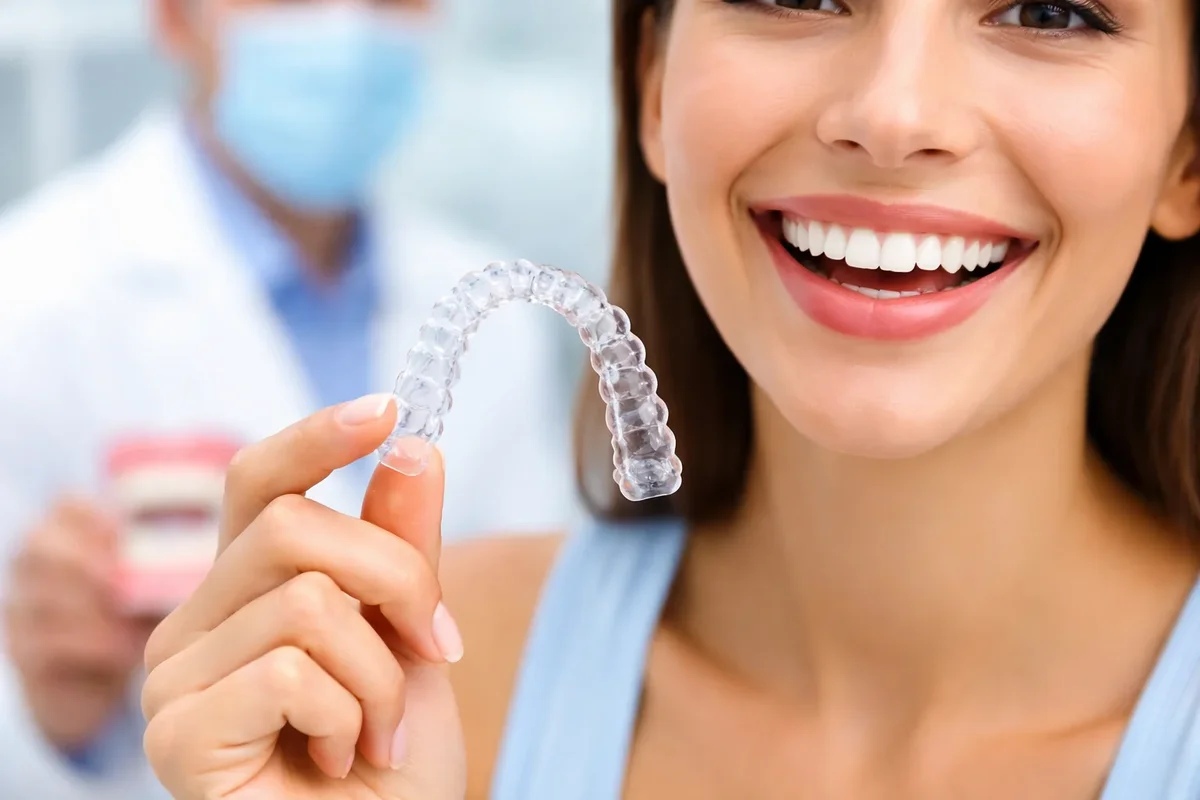
Who Is the Best Candidate for Clear Aligners?
After learning about the process, benefits, and timeline of treatment, many patients still ask one final and important question: does aligners really work for everyone? The reality is that clear aligners are extremely effective for many people, but the best results occur when the treatment is used for the right type of orthodontic case. Determining whether someone is a good candidate for aligners requires a professional dental evaluation, careful diagnosis, and personalized treatment planning.
Clear aligners are designed to correct a variety of alignment issues while offering a comfortable and discreet alternative to traditional braces. However, the success of aligner therapy depends on several factors including the type of dental problem, the patient’s commitment to treatment, and overall oral health. When these factors align properly, dentists confidently answer the question does aligners really work with strong clinical evidence and successful patient outcomes.
Adults Seeking a Discreet Orthodontic Solution
One of the most common groups who benefit from aligner treatment is adults who want to improve their smile without the appearance of traditional braces. Many adults avoided orthodontic treatment during childhood or adolescence and now want a discreet way to straighten their teeth.
For these patients, aligners provide a nearly invisible solution that fits comfortably into professional and social environments. Adults often appreciate the ability to remove aligners during meals or important events while still maintaining consistent treatment progress. When adults ask does aligners really work, dentists frequently explain that aligners are specifically designed to provide effective results while minimizing visual impact.
Additionally, adults are often highly motivated to follow treatment instructions carefully. This commitment to wearing aligners consistently improves treatment success and helps ensure predictable outcomes.
Patients with Mild to Moderate Alignment Problems
Clear aligners are particularly effective for individuals with mild to moderate orthodontic concerns. These conditions may include:
- Minor crowding of teeth
- Small gaps between teeth
- Mild bite irregularities
- Slightly rotated teeth
In these cases, aligners can gradually reposition teeth into proper alignment through controlled pressure and sequential tray changes. Patients who fall into this category often experience excellent results, reinforcing the positive answer to the question does aligners really work.
Because aligners rely on gradual tooth movement, they are especially effective when the required adjustments are relatively small. Mild and moderate corrections typically respond well to the digital treatment planning and precision engineering used in modern aligner systems.
Patients with Minor Relapse After Previous Orthodontic Treatment
Another group of ideal candidates includes patients who previously wore braces but experienced slight shifting of their teeth over time. This situation is known as orthodontic relapse and is relatively common when retainers are not worn consistently after treatment.
For these patients, aligners can be an excellent solution for correcting small alignment changes without requiring a full course of braces again. Dentists frequently recommend aligners for relapse cases because the corrections needed are often mild and predictable.
Patients in this situation often find that the answer to does aligners really work becomes obvious once treatment begins and their smile gradually returns to its previous alignment.
Patients Committed to Wearing Aligners Consistently
One of the most important characteristics of a successful aligner candidate is commitment. Because aligners are removable, patients must be disciplined about wearing them for the recommended 20 to 22 hours per day.
Patients who frequently remove their aligners or forget to wear them may experience slower progress or incomplete treatment results. Therefore, dentists often evaluate whether a patient is likely to follow treatment guidelines before recommending aligner therapy.
Individuals who understand the importance of compliance and consistently follow instructions often achieve excellent outcomes. In these situations, the question does aligners really work becomes less of a concern and more of a confirmation as treatment progresses.
Patients with Good Oral Health
Another important requirement for aligner treatment is overall oral health. Before starting orthodontic therapy, patients should have healthy teeth and gums. Conditions such as untreated cavities, gum disease, or severe plaque buildup should be addressed before aligners are prescribed.
Healthy gums and bone structure provide the support necessary for safe tooth movement. When the mouth is free from infection or inflammation, teeth can shift more predictably during treatment.
Patients who maintain strong oral hygiene habits throughout treatment often achieve better results. Regular brushing, flossing, and dental checkups support the effectiveness of aligner therapy and help reinforce the answer to does aligners really work.
Importance of Professional Evaluation
Even if someone appears to be a good candidate based on general information, a professional dental evaluation is always necessary before starting treatment. Dentists use digital scans, X-rays, and bite analysis to determine whether aligners are appropriate for each patient’s specific dental structure.
During this evaluation, the dentist assesses factors such as tooth position, jaw alignment, bone density, and overall oral health. These diagnostic tools allow dentists to create a personalized treatment plan tailored to the patient’s needs.
For individuals still wondering does aligners really work, this consultation provides the most accurate answer based on clinical evidence rather than general assumptions.
Teenagers and Responsible Younger Patients
Clear aligners are also suitable for many teenagers, especially those who are responsible enough to follow treatment instructions carefully. Teen aligner systems often include compliance indicators that help dentists monitor whether the aligners are being worn consistently.
Teenagers who are motivated to improve their smile and maintain their oral health can achieve excellent results with aligner therapy. Because aligners are removable and comfortable, many teens find them easier to manage than traditional braces.
Parents often ask dentists does aligners really work for their children. In many cases, the answer is yes, provided that the teenager is responsible enough to wear the aligners as directed.
When Aligners May Not Be the Best Option
Although aligners work well for many patients, they may not be ideal for everyone. Individuals with severe bite misalignment, significant jaw discrepancies, or extremely crowded teeth may require alternative orthodontic treatments such as braces or surgical correction.
However, even in these cases, aligners may still play a role in part of the treatment process. Orthodontists sometimes combine aligner therapy with other techniques to achieve optimal results.
Ultimately, the effectiveness of aligners depends on selecting the right candidates and designing a well-structured treatment plan. When used appropriately and under professional supervision, aligners can produce remarkable orthodontic improvements.
For patients who meet the ideal criteria—mild to moderate alignment issues, good oral health, and strong commitment to treatment—the answer to does aligners really work is clear. Clear aligners offer an advanced, comfortable, and highly effective path toward achieving a healthier, straighter, and more confident smile. 😊