
If you are considering clear aligners to straighten your teeth, one of the first questions that probably comes to mind is: does dental cover Invisalign? The answer is sometimes yes, sometimes no, and often somewhere in between. Many dental insurance plans offer orthodontic benefits that may help pay for a portion of Invisalign treatment, but coverage levels vary significantly depending on the insurance provider, the specific policy, the patient’s age, and the reason treatment is being recommended.
For most patients, understanding whether does dental cover Invisalign is not simply about reducing costs. It is also about determining whether treatment is realistic within their budget and whether Invisalign is the most suitable solution for their dental needs. Because insurance plans can differ greatly, two people with different policies may receive completely different coverage decisions even if they have similar orthodontic concerns.
Invisalign is generally categorized as an orthodontic treatment rather than a routine dental procedure. This distinction is important because many insurance plans separate orthodontic benefits from standard dental benefits. A policy that covers preventive care, fillings, crowns, or root canal treatment may not automatically cover Invisalign. Therefore, when asking does dental cover Invisalign, the most important detail to review is whether your policy includes orthodontic coverage.
Some plans provide a percentage contribution toward orthodontic treatment. Others offer a fixed lifetime orthodontic benefit that can be used toward Invisalign or traditional braces. Certain policies only cover orthodontics for children and teenagers, while others extend benefits to adults. Because of these differences, it is impossible to know exactly how much support may be available without reviewing the individual policy details.
Another important consideration is the purpose of treatment. While Invisalign is often associated with improving smile appearance, orthodontic treatment can also address functional concerns. Crowded teeth, spacing issues, bite irregularities, and alignment problems may affect oral hygiene, chewing efficiency, and long-term dental health. In some situations, these functional factors may influence how insurance providers evaluate treatment. However, they do not guarantee approval or coverage.
When patients search for does dental cover Invisalign, they are often worried about affordability. This concern is understandable because orthodontic treatment represents a significant investment in oral health. The final cost of Invisalign depends on several factors, including treatment complexity, the number of aligners required, treatment duration, provider experience, and geographic location. A simple case may require fewer aligners than a complex case involving significant tooth movement. Because every patient is different, exact costs can only be estimated after a professional examination and treatment planning process.
If your insurance does not provide coverage, that does not necessarily mean Invisalign is out of reach. Many dental clinics offer payment arrangements or financing options that may help spread costs over time. For some patients, alternative orthodontic treatments may also be worth considering depending on treatment goals and budget limitations. Understanding all available options is often more helpful than focusing exclusively on insurance coverage.
For patients who are unsure whether does dental cover Invisalign, a consultation can provide valuable clarity. During an evaluation, a dentist or orthodontic provider can assess tooth alignment, determine whether Invisalign is suitable, estimate treatment complexity, and help explain how insurance benefits may apply. This process allows patients to make decisions based on accurate information rather than assumptions found online.
At Redent Klinik, many patients seek advice regarding clear aligner treatment and insurance-related questions before committing to orthodontic care. A professional assessment helps determine whether Invisalign is appropriate for the individual’s needs and what factors may influence treatment planning. Patients who would like personalized guidance can visit the Redent Klinik Contact Page to request additional information or arrange a consultation.
It is also beneficial to review educational resources from trusted organizations such as the American Dental Association. Reliable information from professional dental organizations can help patients better understand orthodontic treatment and the importance of individualized treatment planning.
So, does dental cover Invisalign? For some patients, insurance may provide meaningful financial assistance. For others, coverage may be limited or unavailable. The only reliable way to know how your policy applies is to review your benefits and discuss your situation with a qualified dental professional.
Practical next step: Review your insurance documents for orthodontic benefits, make a list of any questions about coverage, and schedule a professional consultation if you are considering treatment. A personalized evaluation can help you understand suitability, expected treatment requirements, possible insurance contributions, and alternative options before making a final decision.
Does Dental Cover Invisalign Cost and What Affects the Final Price?
For many patients, the question is not only does dental cover Invisalign, but also how much they may ultimately need to pay themselves. Understanding the relationship between insurance benefits and treatment costs is one of the most important steps when deciding whether Invisalign is the right option. While some dental plans contribute toward orthodontic treatment, coverage rarely pays the entire cost. As a result, patients should evaluate both insurance benefits and potential out-of-pocket expenses before beginning treatment.
If you are researching does dental cover Invisalign, it is helpful to understand that Invisalign pricing is not fixed. The final cost depends on several clinical and administrative factors. Two patients receiving Invisalign treatment may receive very different treatment plans and cost estimates because their dental conditions, treatment goals, and insurance benefits are different.
Why Invisalign Costs Vary Between Patients
One of the biggest misconceptions surrounding orthodontic treatment is that there is a single standard price. In reality, Invisalign treatment is customized for each patient. The complexity of tooth movement required plays a major role in determining treatment costs.
Factors that commonly influence pricing include:
- The severity of crowding or spacing issues
- The complexity of bite correction
- The number of aligners required
- The expected treatment duration
- The need for additional procedures
- The provider’s experience and qualifications
- The geographic location of the clinic
Because of these variables, asking does dental cover Invisalign should always be accompanied by a professional evaluation. Insurance coverage alone does not determine affordability if treatment requirements are more extensive than initially expected.
How Insurance Benefits May Affect Your Costs
When patients ask does dental cover Invisalign, they are usually hoping that insurance will significantly reduce treatment expenses. In some situations, insurance may contribute a percentage of treatment costs. Other plans provide a lifetime orthodontic maximum, meaning the insurance company pays up to a specific limit during the patient’s lifetime.
For example, a plan might cover orthodontic treatment up to a predetermined maximum amount. Once that maximum is reached, any remaining expenses become the patient’s responsibility. Some policies may apply deductibles, waiting periods, or age restrictions before benefits become available.
This is why reviewing policy details is critical. Simply knowing that orthodontics is covered does not automatically reveal how much financial support may actually be available.
Questions to Ask Your Insurance Provider
If you want a clearer answer to does dental cover Invisalign, consider asking the following questions:
- Does my plan include orthodontic benefits?
- Are Invisalign aligners covered similarly to traditional braces?
- Is there a lifetime orthodontic maximum?
- Are there waiting periods before benefits begin?
- Does coverage differ for adults and children?
- Are there network provider requirements?
Having answers to these questions can prevent surprises later in the treatment process.
Should Cost Be the Only Decision Factor?
Although affordability is important, choosing treatment solely based on price may not always lead to the best outcome. Some patients focus entirely on the question does dental cover Invisalign without considering whether Invisalign is actually the most suitable treatment for their dental condition.
Invisalign offers several potential advantages, including improved aesthetics, removable aligners, and easier oral hygiene compared to certain traditional orthodontic options. However, not every orthodontic case is identical. Certain bite problems or complex tooth movements may require alternative treatment approaches.
A treatment option that appears less expensive initially may not necessarily provide the most efficient or predictable result for a particular patient. This is why clinical suitability should always be evaluated alongside financial considerations.
Comparing Invisalign to Other Orthodontic Options
Patients asking does dental cover Invisalign are often comparing Invisalign with traditional braces or other aligner systems. Depending on the insurance policy, coverage may be similar across multiple orthodontic treatment types. In some cases, insurance covers orthodontic treatment generally rather than a specific appliance.
When comparing options, consider factors such as:
- Appearance during treatment
- Comfort and convenience
- Treatment duration
- Oral hygiene requirements
- Expected compliance needs
- Total projected costs
Understanding these factors can help you evaluate overall value rather than focusing exclusively on insurance coverage.
How a Consultation Helps You Make a Better Decision
Many patients spend weeks researching does dental cover Invisalign online but still lack a clear understanding of their personal situation. A consultation provides information that internet research cannot offer. During an evaluation, the provider can assess your alignment concerns, estimate treatment complexity, explain potential treatment pathways, and help determine whether Invisalign is appropriate for your goals.
At Redent Klinik, patients frequently seek guidance regarding treatment suitability and potential insurance-related questions before starting orthodontic care. A professional consultation allows patients to receive individualized information based on their actual dental condition rather than generalized estimates.
Because treatment planning is highly personalized, no article can accurately predict final treatment costs or insurance contributions for every reader. Individual assessments remain essential.
Making the Right Financial Decision
If you are wondering does dental cover Invisalign, the most practical approach is to evaluate both your insurance benefits and your clinical needs at the same time. Insurance coverage can certainly influence affordability, but treatment suitability, expected outcomes, and long-term oral health should also be considered.
Before moving forward, review your orthodontic benefits, ask your insurer about Invisalign-specific coverage, and request professional advice if you are uncertain about treatment suitability, expected costs, or alternative orthodontic options.
Does Dental Cover Invisalign for Adults and Children Differently?
When patients ask does dental cover Invisalign, one of the most important factors affecting the answer is age. Many dental insurance providers apply different orthodontic coverage rules to children, teenagers, and adults. This means a child in the same family may receive insurance benefits for Invisalign while an adult family member may receive reduced coverage or no orthodontic coverage at all.
Understanding these differences is essential before beginning treatment. While many people focus only on whether does dental cover Invisalign, the more useful question is often whether your age category qualifies for orthodontic benefits under your specific insurance policy. Reviewing this detail early can help you avoid unexpected costs and choose the most appropriate treatment plan.
Why Insurance Companies Often Favor Younger Patients
Many dental insurance plans were originally designed around the idea that orthodontic treatment is most commonly performed during childhood or adolescence. During these years, teeth and jaw structures are still developing, making orthodontic correction more predictable in many situations.
Because of this historical approach, some insurers provide orthodontic benefits primarily for dependents under a certain age. In these plans, the answer to does dental cover Invisalign may be more favorable for children than for adults.
Common age-related restrictions may include:
- Coverage available only for patients under a specified age.
- Higher benefit levels for children and teenagers.
- Limited or excluded adult orthodontic benefits.
- Different reimbursement percentages based on age.
- Lifetime orthodontic maximums that apply regardless of age.
These limitations vary significantly among insurance providers, which is why policy verification remains essential.
Does Invisalign Coverage Work Differently for Children?
For younger patients, the answer to does dental cover Invisalign may depend on whether the insurer considers Invisalign equivalent to traditional braces. Some insurance companies categorize Invisalign under general orthodontic treatment, while others may apply separate conditions.
Parents often assume that if braces are covered, Invisalign will automatically receive the same benefits. In reality, this is not always the case. Certain plans specifically mention clear aligners, while others provide orthodontic benefits without distinguishing between treatment methods.
Children may be candidates for Invisalign in certain situations, but suitability depends on factors such as maturity, compliance, oral hygiene habits, and the complexity of the orthodontic issue being treated. Since aligners are removable, successful treatment often depends on wearing them consistently according to professional instructions.
Questions Parents Should Ask Before Starting Treatment
- Does my child’s plan include orthodontic benefits?
- Does the policy specifically cover Invisalign?
- Are there age-related restrictions?
- Is prior authorization required?
- What portion of treatment expenses may be covered?
- Are there preferred orthodontic providers?
Answering these questions can provide a clearer understanding of potential costs before treatment begins.
Adult Invisalign Coverage: What You Need to Know
Adults increasingly seek orthodontic treatment because they want straighter teeth without the appearance of traditional braces. As a result, questions about does dental cover Invisalign among adult patients have become increasingly common.
Unfortunately, adult orthodontic coverage is often less generous than pediatric coverage. Some plans exclude adult orthodontics entirely, while others provide limited benefits. However, this does not mean adult patients should automatically assume they have no coverage.
Many employer-sponsored plans and premium dental insurance packages include orthodontic benefits for adults. The only reliable way to determine eligibility is to review the specific policy details or request a benefits verification from the dental office.
Even if coverage is limited, many adults find Invisalign appealing because of its discreet appearance, removability, and compatibility with professional lifestyles. For individuals who frequently interact with clients, colleagues, or the public, these practical advantages may influence treatment decisions as much as insurance coverage.
Should Age Determine Whether You Pursue Treatment?
While age can affect the answer to does dental cover Invisalign, it should not be the only factor influencing your decision. Orthodontic treatment can offer benefits at many stages of life. Properly aligned teeth may contribute to easier cleaning, improved oral hygiene, and better overall dental function.
Some adults postpone treatment because they believe they are “too old” for orthodontics. In reality, many adults successfully complete Invisalign treatment every year. The more important consideration is whether the treatment is clinically appropriate for your individual dental condition.
Similarly, parents should not choose treatment solely based on insurance benefits. A treatment option that receives coverage may not always be the best solution for the child’s specific orthodontic needs. Clinical suitability should remain a priority alongside financial considerations.
How a Professional Assessment Helps
Because insurance rules and orthodontic needs vary so widely, a professional evaluation is often the most efficient way to determine both eligibility and suitability. During a consultation, the provider can assess tooth alignment, discuss treatment objectives, estimate complexity, and explain potential insurance considerations.
At Redent Klinik, both adult and younger patients often seek personalized guidance before making orthodontic treatment decisions. Understanding treatment goals, expected timelines, and possible insurance implications helps patients make informed choices rather than relying on assumptions.
When researching does dental cover Invisalign, remember that age is only one piece of the puzzle. Insurance benefits, treatment complexity, compliance requirements, and overall oral health all contribute to determining the best course of action.
What Should You Do Next?
If you are trying to determine whether does dental cover Invisalign for yourself or your child, review your policy’s orthodontic section carefully. Pay particular attention to age restrictions, lifetime maximums, waiting periods, and coverage percentages. If any part of the policy is unclear, request clarification from your insurance provider or seek professional advice from a qualified dental team.
Before committing to treatment, schedule a consultation if you are unsure whether Invisalign is suitable for your age group, your orthodontic needs, or your insurance benefits. Personalized guidance can help you understand both treatment options and financial considerations more clearly.
Does Dental Cover Invisalign Through Employer-Sponsored Plans?
Many people first investigate orthodontic treatment after receiving dental benefits through their workplace. Because employer-sponsored insurance is one of the most common forms of dental coverage, it is natural to ask does dental cover Invisalign when reviewing employee benefits. The answer often depends on the specific plan selected by the employer, the insurance provider, and the orthodontic options included in the policy.
Employer-sponsored dental plans can sometimes offer more comprehensive benefits than individually purchased dental policies. However, this does not automatically mean Invisalign treatment is covered. Some plans include orthodontic benefits for both children and adults, while others limit orthodontic coverage to dependents or exclude it entirely. Understanding how your workplace benefits are structured can help you make a more informed decision before beginning treatment.
How Employer Dental Plans Typically Handle Orthodontics
When evaluating does dental cover Invisalign, it is important to understand that many insurance companies separate routine dental care from orthodontic treatment. Preventive services such as cleanings, examinations, and X-rays are often included in standard dental benefits. Orthodontics, however, may require an upgraded plan or additional coverage option.
Employers often choose from multiple insurance packages when creating employee benefit programs. As a result, two individuals insured by the same company may receive different orthodontic benefits depending on the plan tier selected during enrollment.
Common orthodontic benefit structures include:
- No orthodontic coverage.
- Coverage for dependent children only.
- Coverage for both adults and dependents.
- A percentage contribution toward treatment costs.
- A lifetime orthodontic maximum benefit.
This is one reason why the question does dental cover Invisalign cannot be answered accurately without reviewing the actual policy details.
Why Two Employees May Have Different Coverage
One common source of confusion occurs when coworkers compare benefits. One employee may report that Invisalign treatment received insurance assistance, while another discovers that similar treatment receives little or no support.
The reason is that workplace plans often contain multiple coverage levels. Some employees choose basic dental coverage during enrollment, while others select premium options that include orthodontic benefits. In these situations, the answer to does dental cover Invisalign may vary even among employees working for the same organization.
Additional differences can arise because of:
- Family versus individual coverage selections.
- Policy updates from year to year.
- Waiting periods.
- Age-related restrictions.
- Network provider requirements.
Because coverage details can change over time, it is always advisable to verify benefits before starting treatment rather than relying on past experiences or information from colleagues.
Questions to Ask Human Resources or Your Insurance Provider
If you are trying to determine whether does dental cover Invisalign through your employer-sponsored plan, consider asking the following questions:
- Does my dental plan include orthodontic benefits?
- Are adult orthodontic treatments covered?
- Is Invisalign treated the same as traditional braces?
- Is there a waiting period before benefits become available?
- Does the plan include a lifetime orthodontic maximum?
- Are there preferred providers or network restrictions?
Obtaining clear answers to these questions can prevent misunderstandings and improve financial planning.
What Happens If Your Employer Plan Covers Only Part of the Cost?
Many patients discover that the answer to does dental cover Invisalign is technically yes, but only partially. This is a common situation. Insurance may contribute toward treatment expenses, but patients are still responsible for a portion of the overall cost.
Partial coverage can still be valuable because it may reduce out-of-pocket expenses significantly. However, patients should carefully review how much assistance is actually available. Understanding deductibles, reimbursement percentages, annual limitations, and lifetime orthodontic maximums helps create realistic expectations before treatment begins.
It is also important to remember that insurance approval does not determine whether Invisalign is the most suitable treatment option. Clinical needs should remain the primary consideration.
Should You Delay Treatment Until Open Enrollment?
Some patients researching does dental cover Invisalign discover that their current plan lacks orthodontic benefits. This often leads to another question: should treatment be postponed until a future enrollment period?
The answer depends on individual circumstances. If enrollment opportunities allow access to improved orthodontic benefits in the near future, delaying treatment may be worth considering. However, waiting is not always the best option. Certain orthodontic issues can become more complicated over time, potentially affecting treatment complexity and duration.
A professional consultation can help determine whether immediate treatment is advisable or whether waiting for updated benefits is a reasonable strategy.
Evaluating Invisalign Beyond Insurance Coverage
While many people focus heavily on does dental cover Invisalign, insurance coverage should not be the only factor influencing treatment decisions. Invisalign offers benefits that some patients find valuable regardless of insurance support.
Potential advantages may include:
- More discreet appearance compared to traditional braces.
- Removable aligners for eating and oral hygiene.
- Fewer dietary restrictions.
- Convenience for professional and social situations.
- Customized treatment planning.
For some individuals, these benefits justify pursuing treatment even when insurance assistance is limited. For others, alternative orthodontic options may provide a better balance between treatment goals and budget considerations.
Making a Well-Informed Decision
Employer-sponsored dental plans can be an excellent resource for reducing orthodontic treatment costs, but coverage details vary considerably. The most reliable approach is to verify benefits directly with your insurer and combine that information with a professional orthodontic assessment.
At Redent Klinik, patients frequently seek guidance regarding both treatment suitability and financial planning before beginning Invisalign therapy. Understanding the clinical and financial aspects together allows for more confident decision-making.
If you are asking does dental cover Invisalign through your workplace benefits, take time to review your policy documents carefully rather than assuming coverage exists or does not exist.
Before starting treatment, check your orthodontic benefits, confirm any waiting periods or age restrictions, and request professional advice if you are uncertain whether Invisalign is appropriate for your dental needs or financial situation.
Does Dental Cover Invisalign and What Is the Approval Process?
Many patients assume that once they discover the answer to does dental cover Invisalign, treatment can begin immediately. In reality, insurance approval often involves several steps that occur before benefits are applied. Understanding this process can help you avoid delays, reduce confusion, and make more informed decisions about your orthodontic treatment.
If you are asking does dental cover Invisalign, it is important to remember that insurance coverage and insurance approval are not always the same thing. A plan may include orthodontic benefits, but specific requirements must still be met before those benefits can be used. The approval process varies among insurance providers, making it essential to verify details before starting treatment.
Why Insurance Approval Matters
Insurance approval helps determine whether your plan will contribute toward treatment costs and under what conditions. Even when orthodontic benefits exist, insurers may require documentation, treatment plans, or eligibility verification before authorizing payment.
This is why the question does dental cover Invisalign should be followed by another important question: what steps are required to receive those benefits? Understanding the process early can prevent unexpected financial surprises after treatment has already begun.
Common approval requirements may include:
- Verification of active insurance coverage.
- Confirmation that orthodontic benefits exist.
- Review of age-related eligibility requirements.
- Assessment of waiting periods.
- Submission of treatment documentation.
- Review of lifetime orthodontic maximums.
- Confirmation that the provider meets plan requirements.
Not every insurer requires all of these steps, but many plans include at least some form of verification process.
The Typical Invisalign Insurance Approval Process
Patients researching does dental cover Invisalign often feel overwhelmed by insurance terminology. Fortunately, the approval process can usually be broken into manageable stages.
Step 1: Initial Consultation
The process generally begins with a professional evaluation. During this appointment, the dentist or orthodontic provider assesses tooth alignment, bite relationships, oral health status, and overall treatment goals. This examination helps determine whether Invisalign is likely to be an appropriate option.
At this stage, the provider is evaluating clinical suitability rather than insurance eligibility.
Step 2: Treatment Planning
If Invisalign appears suitable, detailed treatment planning follows. Digital scans, photographs, and diagnostic records may be collected. These records help create a customized treatment plan that outlines expected tooth movements and treatment objectives.
The information gathered during this phase may also be used when insurance verification is performed.
Step 3: Insurance Verification
This is often the stage where patients receive a clearer answer to does dental cover Invisalign. The insurance provider may review policy details to determine available benefits, limitations, waiting periods, and financial contribution levels.
Some insurers provide immediate benefit verification, while others require additional review before confirming coverage details.
Step 4: Benefit Explanation
Once verification is complete, patients typically receive an explanation of expected insurance benefits and estimated personal financial responsibility. This information allows patients to compare treatment options and evaluate affordability before making a commitment.
Because insurance decisions vary, benefit estimates should be viewed as guidance rather than guarantees.
Common Reasons for Delays or Complications
Even when the answer to does dental cover Invisalign appears positive, delays can still occur. Understanding potential obstacles can help patients prepare more effectively.
Common reasons for complications include:
- Missing documentation.
- Incomplete insurance records.
- Waiting period restrictions.
- Policy exclusions.
- Changes in employment or insurance status.
- Network provider limitations.
- Unclear orthodontic benefit language.
While these situations can be frustrating, most can be resolved through communication between the patient, provider, and insurance company.
Should You Wait for Insurance Approval Before Making a Decision?
Many individuals researching does dental cover Invisalign hesitate to schedule a consultation until they know exactly what insurance will pay. However, this approach may actually slow the decision-making process.
A consultation provides information that insurance companies cannot provide, including treatment suitability, complexity estimates, alternative treatment options, and projected timelines. Insurance benefits are only one piece of the overall treatment decision.
In many situations, receiving a professional assessment first can make insurance verification more accurate because treatment recommendations have already been documented.
What If Insurance Approval Is Limited or Denied?
Patients sometimes assume that a limited insurance benefit means treatment is no longer worth considering. However, a restricted answer to does dental cover Invisalign does not automatically mean Invisalign is inappropriate.
If insurance contributions are smaller than expected, patients may still choose treatment based on other factors, such as convenience, aesthetics, oral health goals, or lifestyle preferences. In some cases, alternative orthodontic options may also be explored.
The best choice depends on balancing clinical needs, financial considerations, and personal priorities rather than focusing solely on insurance approval.
How Professional Guidance Can Help
Insurance policies are often written using technical language that can be difficult to interpret. Patients frequently misunderstand orthodontic benefits because they focus only on whether coverage exists rather than how coverage is applied.
At Redent Klinik, patients commonly seek clarification regarding treatment suitability, insurance verification, and financial planning before beginning Invisalign therapy. Personalized guidance helps patients understand both the clinical and administrative aspects of treatment.
When evaluating does dental cover Invisalign, having professional support can simplify a process that might otherwise feel confusing.
What Should You Check Before Moving Forward?
If you are preparing for Invisalign treatment, verify whether your policy includes orthodontic benefits, review any waiting periods, confirm age-related eligibility requirements, and ask whether Invisalign is treated similarly to traditional braces under your plan. Understanding these details before treatment begins can help prevent misunderstandings later.
Request professional advice if you are unsure about treatment suitability, insurance eligibility, benefit limitations, or approval requirements. A consultation and insurance review together usually provide the clearest picture of your available options.
Does Dental Cover Invisalign If You Have Complex Orthodontic Problems?
Many people searching for orthodontic treatment assume that insurance coverage depends only on the type of treatment being selected. However, patients with more advanced alignment concerns often wonder whether does dental cover Invisalign differently when the case is more complex. The answer depends on several factors, including the insurance policy, the nature of the orthodontic issue, and the treatment recommendations made by the dental professional.
If you have significant crowding, bite problems, tooth rotations, spacing issues, or other orthodontic concerns, understanding how complexity affects both treatment suitability and insurance coverage is important. While many insurance plans focus primarily on orthodontic benefits rather than case difficulty, the complexity of treatment may still influence overall costs, treatment duration, and the type of orthodontic solution that is recommended.
What Is Considered a Complex Orthodontic Case?
Not all orthodontic issues require the same level of treatment. Some patients need only minor alignment corrections, while others require comprehensive orthodontic intervention involving multiple types of tooth movement.
Examples of potentially complex orthodontic concerns include:
- Severe crowding of the teeth.
- Large gaps between teeth.
- Significant overbite or underbite conditions.
- Crossbite issues.
- Open bite concerns.
- Multiple rotated teeth.
- Previous orthodontic relapse.
- Combination bite and alignment problems.
When patients ask does dental cover Invisalign, they sometimes worry that complexity automatically prevents coverage. In most situations, insurance eligibility is determined by policy benefits rather than treatment difficulty alone. However, treatment complexity may affect the overall treatment plan and associated expenses.
Can Invisalign Treat Complex Cases?
One common misconception is that Invisalign can only address minor cosmetic concerns. Modern aligner systems have advanced significantly, and many complex orthodontic problems can now be treated using Invisalign technology. However, suitability depends on the individual patient’s condition.
When evaluating does dental cover Invisalign, patients should avoid assuming that Invisalign is automatically appropriate simply because insurance may contribute toward treatment. Clinical suitability must always be assessed first.
In some cases, Invisalign may effectively address:
- Moderate to severe crowding.
- Certain bite corrections.
- Spacing issues.
- Orthodontic relapse after previous treatment.
- Combination alignment problems.
However, certain situations may require alternative approaches or additional procedures to achieve desired outcomes. A comprehensive examination remains essential.
Why Professional Assessment Matters More in Complex Cases
The more complicated the orthodontic issue, the more important individualized treatment planning becomes. Online information can provide general guidance, but it cannot determine whether Invisalign is the most effective option for a specific patient.
A dentist or orthodontic provider can evaluate factors such as:
- Jaw relationships.
- Tooth positioning.
- Bone support.
- Oral health status.
- Expected treatment difficulty.
- Patient compliance requirements.
This evaluation helps determine whether Invisalign, traditional braces, or another orthodontic approach may be the most appropriate solution.
How Complexity Can Affect Treatment Costs
Patients researching does dental cover Invisalign often focus exclusively on insurance benefits. While insurance may contribute toward treatment expenses, case complexity frequently influences total treatment costs.
More extensive orthodontic correction may involve:
- Additional aligners.
- Longer treatment duration.
- More follow-up appointments.
- Additional refinements.
- Supplementary orthodontic procedures.
Because of these factors, two patients with identical insurance plans may receive different cost estimates based on treatment complexity. Insurance benefits may remain similar while total treatment requirements differ substantially.
For this reason, understanding both insurance coverage and treatment needs is essential when evaluating overall affordability.
Does Insurance Treat Complex Cases Differently?
When asking does dental cover Invisalign, many patients assume that severe orthodontic issues automatically qualify for greater insurance support. In reality, most dental insurance plans do not increase benefits simply because treatment is more complex.
Instead, coverage is usually determined by factors such as:
- Whether orthodontic benefits exist.
- Age-related eligibility rules.
- Coverage percentages.
- Lifetime orthodontic maximums.
- Policy exclusions.
- Provider network requirements.
Although treatment complexity may influence clinical recommendations, it does not necessarily increase the amount paid by the insurance company.
When Alternative Treatments May Be Worth Considering
Even if the answer to does dental cover Invisalign is positive, Invisalign may not always be the ideal treatment option for every complex orthodontic case. Some patients may benefit from alternative approaches depending on their goals and dental condition.
Potential alternatives could include:
- Traditional metal braces.
- Ceramic braces.
- Combination orthodontic approaches.
- Specialized orthodontic appliances.
- Phased treatment strategies.
The most appropriate solution depends on balancing treatment effectiveness, appearance preferences, expected treatment duration, and financial considerations.
Balancing Aesthetics and Treatment Efficiency
Many adults researching does dental cover Invisalign prefer aligners because they are less noticeable than traditional braces. While appearance is an important consideration, treatment efficiency should also be evaluated.
In certain complex situations, one treatment option may offer advantages over another. Choosing solely based on aesthetics or insurance coverage can sometimes lead to unrealistic expectations. A thorough discussion with a qualified provider helps ensure that treatment decisions are based on both clinical and personal factors.
Making the Right Decision for Your Situation
If you have significant orthodontic concerns, the question does dental cover Invisalign should be viewed as only one part of the decision-making process. Insurance coverage is important, but treatment suitability, complexity, expected outcomes, and long-term oral health should also influence your choice.
At Redent Klinik, patients with both simple and complex orthodontic concerns often seek individualized assessments before committing to treatment. Understanding the specific nature of the orthodontic problem helps create a treatment plan that aligns with both clinical needs and financial considerations.
Before beginning treatment, review your orthodontic benefits and schedule a professional evaluation if you have significant crowding, bite problems, previous orthodontic relapse, or other complex concerns. Personalized advice can help determine whether Invisalign is suitable and how your insurance benefits may apply.
Does Dental Cover Invisalign Alternatives Such as Braces or Other Aligners?
Many patients begin their research by asking does dental cover Invisalign, but the conversation should not stop there. An equally important question is whether insurance coverage applies to alternative orthodontic treatments such as traditional braces, ceramic braces, or other clear aligner systems. Understanding how coverage works across different treatment options can help you make a better financial and clinical decision rather than focusing on a single orthodontic solution.
While Invisalign has become one of the most recognized clear aligner brands, it is not the only method available for correcting alignment issues. Depending on your dental condition, treatment goals, lifestyle preferences, and insurance benefits, another option may provide a more suitable balance between effectiveness, appearance, and affordability.
When evaluating does dental cover Invisalign, it is therefore useful to compare Invisalign with other orthodontic treatments that may receive similar insurance benefits.
How Insurance Usually Views Orthodontic Treatment
Many insurance companies do not specifically focus on the brand name of the treatment. Instead, they categorize treatment under broader orthodontic benefits. In some plans, the answer to does dental cover Invisalign may be similar to the answer for traditional braces because the policy covers orthodontics generally rather than a particular appliance.
However, every policy is different. Certain plans may:
- Cover all orthodontic treatment types equally.
- Provide different reimbursement levels for specific treatments.
- Limit coverage to approved treatment methods.
- Apply orthodontic lifetime maximums regardless of treatment type.
- Require treatment to be performed by participating providers.
For this reason, patients should always verify how their specific policy handles different orthodontic options before making a decision.
Traditional Metal Braces vs Invisalign
When patients ask does dental cover Invisalign, they are often comparing Invisalign to traditional metal braces. Both treatments aim to improve tooth alignment and bite relationships, but they differ significantly in appearance, maintenance requirements, and patient experience.
Potential Advantages of Traditional Braces
- Suitable for many simple and complex orthodontic cases.
- Do not rely on patient compliance for daily wear.
- Can provide continuous tooth movement.
- Often familiar to insurance providers and patients.
Potential Advantages of Invisalign
- Nearly invisible appearance.
- Removable for eating and oral hygiene.
- No dietary restrictions related to brackets and wires.
- Often preferred by adults and professionals.
The most appropriate option depends on the individual’s clinical needs and lifestyle priorities rather than insurance coverage alone.
Ceramic Braces as an Alternative
Another option worth considering is ceramic braces. These braces function similarly to traditional metal braces but use tooth-colored or clear materials that are less noticeable.
Patients researching does dental cover Invisalign may find ceramic braces appealing because they offer a compromise between aesthetics and fixed orthodontic treatment. Depending on the insurance policy, coverage may be similar to traditional braces, although certain plans treat cosmetic upgrades differently.
If appearance is important but removable aligners are not ideal for your situation, ceramic braces may be worth discussing during a professional consultation.
Other Clear Aligner Systems
The popularity of Invisalign has led to the development of numerous other aligner brands. Some patients investigating does dental cover Invisalign also consider alternative aligner systems because of differences in pricing, availability, or provider recommendations.
Alternative aligner systems may offer benefits such as:
- Different treatment protocols.
- Potentially lower costs in some situations.
- Availability through specific providers.
- Customized treatment approaches.
However, patients should avoid choosing an aligner system solely because it appears less expensive. The effectiveness of treatment depends on proper diagnosis, treatment planning, and clinical supervision.
Should Insurance Coverage Determine Your Treatment Choice?
This is one of the most important questions for patients researching does dental cover Invisalign. While insurance coverage can influence affordability, it should not be the sole factor used to select a treatment method.
For example, one treatment option may receive slightly better insurance support but may not align with the patient’s lifestyle, appearance preferences, or clinical needs. Conversely, another treatment may require a larger personal investment but offer practical benefits that are highly valuable to the individual.
Factors that deserve consideration include:
- Treatment effectiveness.
- Case complexity.
- Aesthetic preferences.
- Daily maintenance requirements.
- Oral hygiene considerations.
- Treatment duration.
- Insurance contributions.
- Personal budget.
A balanced evaluation usually leads to better long-term satisfaction than focusing on a single factor.
Potential Risks of Choosing Based Solely on Cost
Patients who focus only on the question does dental cover Invisalign sometimes overlook important clinical considerations. Selecting a treatment solely because insurance contributes more heavily toward it can result in unmet expectations if the option is not well suited to the individual’s needs.
Similarly, choosing the least expensive treatment without understanding its advantages and limitations may lead to disappointment later in the process. Orthodontic treatment is a significant investment of both time and resources, making informed decision-making especially important.
A professional evaluation helps identify which options are realistic and appropriate before financial considerations are weighed.
How Professional Guidance Helps Compare Options
Because every orthodontic case is unique, comparing treatment alternatives often requires professional expertise. During a consultation, the provider can explain the advantages and limitations of Invisalign, traditional braces, ceramic braces, and other aligner systems based on your specific dental condition.
At Redent Klinik, patients frequently seek advice not only about whether does dental cover Invisalign, but also about which orthodontic treatment provides the best balance of aesthetics, convenience, effectiveness, and affordability. Personalized treatment planning helps ensure decisions are based on clinical realities rather than assumptions.
What Should You Do Before Choosing a Treatment?
If you are comparing Invisalign with other orthodontic options, review your insurance benefits carefully and ask whether orthodontic coverage applies equally across different treatment types. Understanding your benefits is important, but treatment suitability should remain the primary consideration.
Before making a final decision, request professional advice if you are uncertain which orthodontic treatment best matches your dental condition, lifestyle preferences, budget, or insurance benefits. A comprehensive consultation can help clarify both clinical and financial factors before treatment begins.
Does Dental Cover Invisalign Financing and Payment Options?
For many patients, the biggest concern is not simply does dental cover Invisalign, but whether treatment can realistically fit within their budget. Even when insurance provides some level of support, there is often a remaining balance that patients must manage themselves. Understanding financing and payment options can help you make a more informed decision and avoid delaying treatment based solely on uncertainty about costs.
If you have been researching does dental cover Invisalign, you may already know that coverage varies significantly between insurance plans. Some policies contribute toward treatment expenses, while others provide little or no orthodontic assistance. Regardless of the level of insurance support available, understanding how treatment can be financed is an important part of the decision-making process.
Why Financing Matters Even When Insurance Helps
A common misconception is that if the answer to does dental cover Invisalign is yes, there will be little or no personal financial responsibility. In reality, many insurance plans cover only a portion of treatment expenses. Deductibles, coverage limits, lifetime orthodontic maximums, and exclusions may still leave patients responsible for a significant portion of the total cost.
This is why financing options can be valuable even for individuals who have orthodontic benefits. Rather than focusing exclusively on how much insurance contributes, patients should consider the overall affordability of treatment over time.
Financial planning can help patients evaluate:
- Monthly affordability.
- Expected out-of-pocket expenses.
- Treatment timing.
- Alternative payment methods.
- Insurance coordination opportunities.
A realistic financial strategy often makes treatment easier to manage than patients initially expect.
Common Payment Options for Invisalign Treatment
Patients asking does dental cover Invisalign are frequently surprised to learn that multiple payment structures may be available. Dental practices often provide several ways to manage treatment expenses depending on the patient’s circumstances.
Full Payment at the Beginning of Treatment
Some patients prefer paying for treatment upfront. This approach simplifies financial management because future monthly payments are not required. However, not every patient wishes to make a large one-time payment, particularly if insurance only covers part of the treatment.
Monthly Payment Arrangements
Many clinics offer structured payment plans that allow patients to distribute treatment costs over time. Monthly payments may make orthodontic treatment more accessible by reducing the immediate financial burden.
When evaluating does dental cover Invisalign, patients should ask whether available payment arrangements can be coordinated with expected insurance benefits.
Third-Party Financing Solutions
In some regions, external financing providers work with dental practices to offer installment-based payment options. These programs vary in structure and eligibility requirements. Patients should carefully review all financing terms before making commitments.
Understanding repayment obligations is just as important as understanding treatment costs.
Should You Delay Treatment to Save Money?
Patients researching does dental cover Invisalign sometimes postpone treatment because they want to accumulate savings before beginning orthodontic care. While financial preparation can be beneficial, delaying treatment is not always the best decision.
Orthodontic concerns do not necessarily improve over time. In certain situations, alignment issues may become more complicated, potentially affecting treatment requirements in the future. However, every situation is unique, and immediate treatment is not always necessary.
The decision to proceed now or later should be based on:
- Clinical urgency.
- Oral health status.
- Insurance benefit timing.
- Personal financial readiness.
- Professional recommendations.
A consultation can help determine whether postponing treatment is likely to affect long-term outcomes.
Using Insurance Benefits Strategically
When asking does dental cover Invisalign, many patients focus only on whether benefits exist. A more useful approach is understanding how to maximize available benefits effectively.
Important considerations include:
- Whether benefits reset annually.
- The presence of lifetime orthodontic maximums.
- Eligibility waiting periods.
- Coverage percentages.
- Provider network requirements.
Carefully reviewing these details may help patients coordinate treatment timing more efficiently. However, decisions should always be guided by professional advice rather than insurance considerations alone.
Potential Risks of Choosing Based Solely on Cost
Although affordability is important, selecting treatment based only on financial factors can create challenges. Patients focused entirely on does dental cover Invisalign may overlook important clinical considerations.
For example, a treatment option that appears less expensive initially may not necessarily be the most suitable for a specific orthodontic condition. Similarly, delaying treatment solely for financial reasons could lead to prolonged concerns that affect oral health, confidence, or function.
Balancing financial planning with clinical suitability generally leads to more satisfying long-term outcomes.
Comparing Invisalign Costs With Long-Term Value
When evaluating does dental cover Invisalign, it is useful to think beyond immediate expenses. Orthodontic treatment represents an investment in oral health, function, and aesthetics. While financial considerations matter, patients should also evaluate the practical benefits that treatment may provide.
Potential advantages often discussed include:
- Improved tooth alignment.
- Easier oral hygiene in some situations.
- Enhanced smile aesthetics.
- Greater comfort compared with certain alternatives.
- Convenience associated with removable aligners.
The importance of these benefits varies from patient to patient. What matters most is determining whether the treatment aligns with your personal goals and dental needs.
How Professional Guidance Supports Financial Decisions
Financial planning for orthodontic treatment can be complicated because insurance coverage, treatment complexity, and payment options all interact. Patients often receive the most useful information when financial discussions occur alongside clinical evaluations.
At Redent Klinik, patients frequently seek guidance regarding treatment suitability, expected timelines, insurance benefits, and payment considerations before beginning Invisalign treatment. Reviewing all of these factors together allows for more informed decision-making.
If you are researching does dental cover Invisalign, remember that insurance is only one component of affordability. Payment options, treatment priorities, and personal financial circumstances are equally important considerations.
What Should You Check Before Making a Financial Commitment?
Before beginning treatment, verify your orthodontic insurance benefits, review any available payment arrangements, understand your expected financial responsibility, and compare treatment options based on both clinical and financial factors.
Request professional advice if you are uncertain about treatment affordability, financing options, insurance limitations, or the most appropriate timing for treatment. A personalized consultation can help you create a realistic plan that fits both your oral health needs and your budget.
Does Dental Cover Invisalign Frequently Asked Questions
Patients researching orthodontic treatment often discover that the question does dental cover Invisalign leads to many additional questions. Insurance coverage can be confusing because every policy has different rules, limitations, and eligibility requirements. Understanding the most common concerns can help you make more informed decisions and avoid misunderstandings before treatment begins.
This section answers frequently asked questions related to does dental cover Invisalign, while also providing practical guidance about what information patients should verify before moving forward with treatment.
Does Dental Cover Invisalign the Same Way It Covers Braces?
One of the most common questions patients ask is whether Invisalign receives the same insurance benefits as traditional braces. The answer depends entirely on the policy.
Some insurance plans classify orthodontic treatment as a single category. In these situations, the answer to does dental cover Invisalign may be very similar to the answer for traditional braces. Other policies contain separate conditions for clear aligners or specify exactly which treatment options are eligible.
Because policies vary significantly, patients should always verify how orthodontic benefits apply to Invisalign specifically rather than assuming the same rules apply to all orthodontic treatments.
Does Dental Cover Invisalign for Adults?
Adult coverage is another frequent concern. Many adults delayed orthodontic treatment during childhood and are now considering Invisalign because of its discreet appearance.
When asking does dental cover Invisalign, adults should pay close attention to age-related restrictions. Some plans provide orthodontic benefits only for dependent children, while others include adult coverage. Premium employer-sponsored plans may offer broader orthodontic benefits than basic dental policies.
The only reliable way to determine eligibility is to review the specific plan documents or request benefits verification.
Does Dental Cover Invisalign for Teenagers?
Teenagers often qualify for orthodontic benefits more frequently than adults. However, coverage levels still vary considerably among plans.
Parents researching does dental cover Invisalign for a teenager should review:
- Age-related eligibility rules.
- Lifetime orthodontic maximums.
- Coverage percentages.
- Waiting period requirements.
- Provider network limitations.
Even when benefits are available, treatment suitability must still be determined through a professional orthodontic evaluation.
Does Dental Cover Invisalign If the Treatment Is Medically Necessary?
Some patients believe insurance automatically provides coverage when orthodontic treatment addresses functional concerns rather than cosmetic goals. Unfortunately, insurance decisions are rarely that simple.
When evaluating does dental cover Invisalign, insurers generally review policy terms rather than making decisions solely based on treatment necessity. Functional concerns such as crowding, bite issues, or alignment problems may support treatment recommendations, but they do not automatically guarantee coverage.
Insurance eligibility remains dependent on the specific policy provisions.
Can a Dentist Help Verify Insurance Benefits?
Yes. Many dental offices assist patients by reviewing insurance information and helping estimate available benefits. While benefit estimates can be useful, patients should remember that final coverage decisions remain subject to insurance provider policies.
If you are uncertain about does dental cover Invisalign, professional assistance can help clarify policy details that may otherwise be difficult to interpret.
Does Dental Cover Invisalign If You Previously Had Braces?
Patients who completed orthodontic treatment years ago sometimes experience orthodontic relapse and consider Invisalign to restore alignment.
In these situations, the answer to does dental cover Invisalign depends on whether orthodontic benefits remain available. Some policies include lifetime maximums that may already have been used during previous treatment. Others may exclude repeat orthodontic treatment entirely.
Reviewing prior insurance usage and current benefit limitations is important before assuming coverage will be available.
Does Dental Cover Invisalign Through Family Plans?
Family dental plans may include orthodontic benefits for multiple household members, but coverage levels can vary among family members based on age and eligibility requirements.
Parents researching does dental cover Invisalign should verify whether benefits apply equally to spouses, dependent children, and adult family members. Family plans often contain separate rules for each category of insured individual.
Understanding these distinctions can help families budget more effectively when multiple members may require orthodontic treatment.
What If Insurance Does Not Cover Invisalign?
Many patients become discouraged when they learn that their plan offers limited orthodontic benefits. However, a negative answer to does dental cover Invisalign does not necessarily mean treatment should be abandoned.
Alternative approaches may include:
- Exploring payment plans.
- Considering financing arrangements.
- Reviewing alternative orthodontic treatments.
- Evaluating future insurance enrollment options.
- Prioritizing treatment timing based on financial readiness.
Insurance coverage is only one factor in the overall treatment decision.
How Can You Get the Most Accurate Answer?
Online information can provide general guidance, but it cannot replace individualized benefit verification. The most accurate answer to does dental cover Invisalign comes from reviewing your specific policy and discussing treatment recommendations with a qualified dental professional.
At Redent Klinik, patients often seek personalized guidance regarding orthodontic treatment options, insurance considerations, and expected treatment planning before making a commitment. Individual consultations help transform general information into practical recommendations tailored to the patient’s needs.
Frequently Overlooked Questions
Many patients focus exclusively on whether coverage exists but forget to ask additional questions that may be equally important.
Before beginning treatment, consider asking:
- Is there a waiting period?
- Are annual or lifetime maximums involved?
- Does coverage differ by age?
- Are there network restrictions?
- Will refinements be covered if needed?
- Does coverage change if employment changes?
These questions often have a major impact on overall treatment planning.
When Should You Request Professional Advice?
If you are still unsure about does dental cover Invisalign, the best next step is to combine insurance verification with a professional orthodontic consultation. This approach helps ensure that both financial and clinical considerations are evaluated together.
Before starting treatment, review your policy carefully, verify orthodontic benefits directly with your insurer, and request professional advice if you have questions about eligibility, treatment suitability, coverage limitations, or alternative orthodontic options.
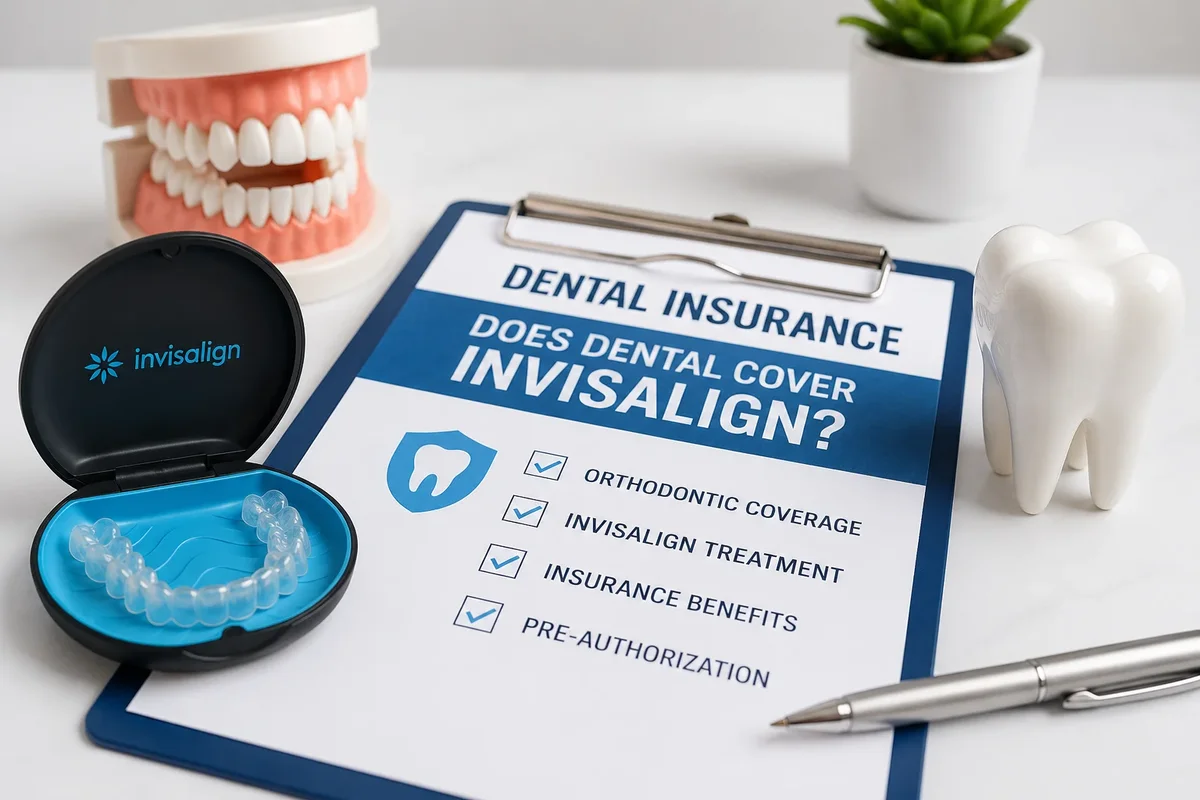
Does Dental Cover Invisalign and What Should You Do Next?
After researching insurance benefits, treatment options, costs, approval requirements, and orthodontic alternatives, many patients arrive at the same final question: what should happen next? While understanding does dental cover Invisalign is an important part of the decision-making process, it should not be the only factor determining whether treatment moves forward. The most effective decisions combine financial information with a professional evaluation of your oral health needs.
If you have spent time investigating does dental cover Invisalign, you have probably discovered that there is no universal answer. Coverage depends on the specific insurance policy, age-related eligibility requirements, orthodontic benefits, provider requirements, and treatment circumstances. Because every patient is different, the next step should focus on gathering information that applies specifically to your situation rather than relying on general assumptions.
Step 1: Review Your Insurance Benefits Carefully
Before scheduling treatment, take time to understand exactly what your insurance policy includes. Many patients believe they know their coverage details only to discover important limitations later.
When reviewing your plan, look for:
- Orthodontic benefit availability.
- Coverage percentages.
- Lifetime orthodontic maximums.
- Waiting period requirements.
- Age restrictions.
- Network provider requirements.
- Treatment exclusions.
The answer to does dental cover Invisalign often becomes much clearer once these details are reviewed. Even if orthodontic benefits exist, understanding how they are applied is equally important.
Step 2: Determine Whether Invisalign Is Right for You
Insurance coverage alone should never determine treatment selection. Even when the answer to does dental cover Invisalign is favorable, Invisalign may not automatically be the best option for every patient.
Clinical suitability depends on several factors, including:
- The complexity of tooth alignment issues.
- Bite relationships.
- Oral health status.
- Patient compliance.
- Lifestyle preferences.
- Treatment objectives.
Some patients are excellent candidates for Invisalign, while others may benefit from traditional braces or alternative orthodontic approaches. A professional evaluation helps determine which treatment option best aligns with individual needs.
Questions to Ask Yourself
Before choosing a treatment path, consider the following:
- How important is treatment appearance?
- Can I consistently wear aligners as instructed?
- Am I prepared for the treatment timeline?
- What level of insurance support is available?
- What are my long-term oral health goals?
These questions often provide valuable insight into whether Invisalign is the right choice regardless of insurance coverage.
Step 3: Compare Financial and Clinical Priorities
Many people researching does dental cover Invisalign focus heavily on finances, which is understandable. Orthodontic treatment represents a meaningful investment. However, financial considerations should be balanced with expected treatment outcomes.
When comparing options, think about:
- Total expected costs.
- Insurance contributions.
- Available payment arrangements.
- Treatment effectiveness.
- Comfort and convenience.
- Long-term satisfaction.
The least expensive option is not always the most appropriate option, just as the most advanced option is not automatically the best choice for every patient.
Step 4: Schedule a Professional Consultation
One of the most productive next steps after researching does dental cover Invisalign is scheduling a professional consultation. A consultation transforms general information into personalized recommendations.
During the evaluation, a provider can:
- Assess alignment concerns.
- Evaluate bite relationships.
- Determine treatment suitability.
- Estimate treatment complexity.
- Discuss alternative options.
- Review potential insurance considerations.
This information allows patients to make decisions based on their actual dental condition rather than generic online advice.
Common Mistakes Patients Should Avoid
When researching does dental cover Invisalign, patients sometimes make decisions before obtaining sufficient information. Avoiding a few common mistakes can lead to a better treatment experience.
Mistake 1: Assuming Insurance Will Pay Everything
Even when orthodontic benefits are available, patients are often responsible for part of the treatment cost. Understanding potential out-of-pocket expenses helps prevent financial surprises.
Mistake 2: Choosing a Treatment Solely Based on Cost
Cost matters, but treatment effectiveness and suitability are equally important. Selecting a treatment only because it appears less expensive may not always lead to the most satisfying result.
Mistake 3: Delaying Evaluation Indefinitely
Some individuals spend months researching does dental cover Invisalign without ever obtaining a professional assessment. While research is valuable, only a clinical evaluation can determine actual treatment needs.
How Redent Klinik Can Help
At Redent Klinik, patients frequently seek guidance regarding orthodontic treatment options, Invisalign suitability, insurance-related questions, and financial planning. Because every case is unique, personalized consultations play an important role in helping patients understand available options.
Patients who would like individualized guidance can use the Redent Klinik Contact Page to request further information or arrange an evaluation.
In addition, educational resources from the American Dental Association can help patients better understand orthodontic care and the importance of professional treatment planning.
Final Thoughts
Ultimately, the question does dental cover Invisalign is only one part of a much larger decision. Insurance benefits can influence affordability, but treatment suitability, oral health goals, lifestyle preferences, and long-term outcomes are equally important.
Some patients discover that insurance provides meaningful assistance. Others find that alternative payment options make treatment achievable even when coverage is limited. The best approach is to gather accurate information, evaluate all available options, and make a decision based on both clinical and financial realities.
Before moving forward, review your insurance benefits, compare treatment options carefully, and request professional advice if you are uncertain about coverage, treatment suitability, expected costs, or alternative orthodontic solutions. A personalized consultation remains the most reliable way to determine the best path for your specific situation.