
Dental implants have become one of the most reliable and long-lasting solutions for replacing missing teeth. Because of their durability and natural appearance, many patients want to know whether their dental insurance will help pay for them. One of the most common questions patients ask today is: does liberty dental cover implants? Understanding the answer requires looking closely at how dental insurance works, what Liberty Dental plans typically include, and what factors influence coverage decisions.
Dental implants are designed to replace the root of a missing tooth using a titanium post that is surgically placed into the jawbone. Once healed, a crown is attached on top to restore the tooth’s function and appearance. The process offers excellent stability and can last decades when properly maintained. However, implants are considered a major dental procedure, and this is why many patients researching insurance policies frequently ask: does liberty dental cover implants or are implants excluded from typical benefits?
Liberty Dental is a dental insurance provider that offers coverage through employer plans, Medicaid programs, and individual policies. Coverage levels vary widely depending on the type of plan a patient has. Because of this variability, the question does liberty dental cover implants cannot always be answered with a simple yes or no. Some Liberty Dental plans may include partial coverage for implant procedures, while others may only cover alternative treatments such as dentures or bridges.
Most dental insurance providers categorize procedures into three levels: preventive, basic, and major treatments. Preventive care usually includes services like exams, cleanings, and X-rays. Basic procedures often include fillings and simple extractions. Dental implants fall into the major treatment category, which means insurance companies often apply stricter rules regarding coverage. This is another reason patients frequently research whether does liberty dental cover implants applies to their particular insurance plan.
In many cases, Liberty Dental plans may not fully cover the entire implant procedure but might cover certain components of treatment. For example, some policies may cover the dental crown that attaches to the implant while excluding the surgical placement of the implant post. When patients ask does liberty dental cover implants, the real answer often depends on which parts of the treatment are eligible for reimbursement.
Another factor affecting coverage is medical necessity. Some insurance providers may approve implants if tooth loss was caused by trauma, disease, or specific medical conditions. However, if implants are considered elective or cosmetic, the plan may provide little or no reimbursement. Because of this complexity, many patients still search online to clarify does liberty dental cover implants before starting treatment.
Patients should also understand that insurance policies often include waiting periods for major procedures. A waiting period means that even if your Liberty Dental plan includes implant benefits, you may need to be enrolled for several months before coverage becomes active. Therefore, when evaluating the question does liberty dental cover implants, it is important to check your policy details, waiting periods, annual limits, and eligibility conditions.
Annual maximum limits are another crucial factor. Dental insurance plans typically set a yearly maximum amount they will pay toward treatments. In many cases, this limit ranges between $1,000 and $2,000 per year. Since dental implants can cost significantly more than this amount, insurance may only cover a portion of the total expense. This is why patients comparing insurance plans often ask does liberty dental cover implants and whether the coverage is meaningful enough to reduce treatment costs.
For patients who discover their insurance does not fully cover implants, there are still several options available. Many dental clinics offer financing plans, payment options, or alternative treatments. Some patients also explore treatment abroad where high-quality implant procedures may be more affordable. If you would like to learn about professional implant consultations and treatment planning, you can contact a specialized clinic through the Redent Klinik Contact Page.
It is also helpful to review educational resources provided by reputable dental organizations. The American Dental Association provides valuable information about dental implants, oral health treatments, and insurance considerations. By understanding how dental implants work and what insurance policies typically include, patients can make more informed decisions about their dental care.
Ultimately, answering the question does liberty dental cover implants depends on several key factors: the type of plan you have, the medical necessity of treatment, waiting periods, annual maximum limits, and which components of the implant procedure are eligible for reimbursement. Some Liberty Dental policies may provide partial coverage, while others may require patients to pay most of the cost out of pocket.
Because dental implants are one of the most advanced tooth replacement solutions available today, many patients believe the long-term benefits outweigh the initial investment. Even if insurance coverage is limited, implants often provide superior comfort, chewing ability, and long-term oral health compared to other tooth replacement options. Therefore, understanding the real answer to does liberty dental cover implants is the first step in planning a successful and financially manageable treatment journey.
In the following sections, we will explore Liberty Dental plans in greater detail, examine typical coverage rules, review implant costs, and explain how patients can verify their benefits before treatment. This information will help you fully understand does liberty dental cover implants and what steps you can take to make dental implant treatment more accessible.
Understanding Liberty Dental Insurance and Implant Coverage
Dental insurance can sometimes feel complicated, especially when it comes to advanced treatments like implants. One of the most frequently searched questions among patients considering tooth replacement is does liberty dental cover implants. To answer this properly, it is essential to understand how Liberty Dental insurance plans work, how coverage is structured, and what factors influence whether implant procedures are included in a patient’s benefits.
Liberty Dental is a well-known dental benefits administrator that works with employer plans, government programs, and individual dental insurance policies. Because Liberty Dental operates across many plan types, coverage can vary widely. This means that when people ask does liberty dental cover implants, the answer depends heavily on the specific plan, coverage category, and medical necessity requirements associated with that policy.
How Dental Insurance Coverage Is Structured
Most dental insurance providers structure coverage into three major categories: preventive, basic, and major services. Understanding these categories helps clarify why patients frequently ask does liberty dental cover implants before scheduling treatment.
Preventive Services
Preventive services are designed to maintain oral health and prevent disease. These procedures are typically covered at the highest percentage, often between 80% and 100%. Examples include:
- Routine dental exams
- Professional teeth cleaning
- Dental X-rays
- Fluoride treatments
Preventive treatments are rarely questioned by insurance companies because they reduce the likelihood of more expensive treatments later. However, these services are unrelated to the question does liberty dental cover implants, since implants are classified under a different category.
Basic Dental Procedures
Basic procedures typically involve treatments necessary to repair minor dental damage or infection. Coverage for these procedures usually ranges between 70% and 80%. Common examples include:
- Dental fillings
- Simple extractions
- Periodontal treatment
- Basic restorative work
Although these treatments are essential for oral health, they still do not address the primary question patients ask: does liberty dental cover implants. Implants fall into the most complex treatment category.
Major Dental Procedures
Major dental procedures involve advanced restorative treatments that replace missing teeth or rebuild damaged structures. These procedures often include:
- Dental crowns
- Dental bridges
- Dentures
- Dental implants
Because these treatments are more complex and expensive, insurance companies usually cover them at lower percentages, typically between 30% and 50%. This is the category where the question does liberty dental cover implants becomes most relevant.
Why Implant Coverage Is Often Limited
Dental implants involve surgical placement of a titanium post into the jawbone, followed by healing and restoration with a crown. This multi-stage process requires specialized equipment, surgical expertise, and laboratory work. As a result, implants are significantly more expensive than many other dental treatments.
Due to these higher costs, insurance companies may limit implant coverage or classify the procedure as elective. That is why patients continue to ask does liberty dental cover implants before making treatment decisions.
Some Liberty Dental plans may cover only specific components of implant treatment. For example, the surgical implant placement may not be covered, while the final crown restoration could receive partial coverage. In other cases, the insurance provider may offer coverage only if the implant is considered medically necessary.
Medical Necessity and Implant Eligibility
Medical necessity is a major factor when determining whether insurance will help pay for implants. When evaluating whether does liberty dental cover implants applies to a particular patient, insurance providers often review the reason for tooth loss.
Situations where implants may be more likely to receive coverage include:
- Tooth loss caused by severe trauma or accident
- Congenital conditions affecting tooth development
- Medical conditions that prevent traditional dentures or bridges
- Jawbone preservation needs following extractions
Even in these cases, approval is not guaranteed. Insurance companies may request documentation from the dentist explaining why implants are the most appropriate treatment option.
Annual Maximum Limits and Implant Costs
Another critical factor affecting the answer to does liberty dental cover implants is the annual maximum benefit included in the policy. Most dental insurance plans set a yearly limit on how much they will pay toward dental treatments.
Typical annual maximums range between:
- $1,000 per year
- $1,500 per year
- $2,000 per year
Dental implant procedures can often exceed these limits, meaning insurance may only cover a small portion of the total cost. Even if the answer to does liberty dental cover implants is technically yes for your plan, the reimbursement may still be limited due to these caps.
Why Patients Research Implant Coverage Carefully
Because implants are considered one of the most advanced tooth replacement options, patients want to know exactly what their insurance will pay for. The question does liberty dental cover implants is therefore one of the most common searches among individuals exploring implant treatment.
Dental implants provide numerous long-term benefits, including improved chewing ability, natural appearance, and preservation of jawbone health. However, the financial aspect of treatment often leads patients to investigate their insurance benefits thoroughly before committing to the procedure.
Patients who want personalized guidance about implant treatment options can also consult professional dental clinics directly. If you want to discuss implant treatment planning or explore possible alternatives, you can contact specialists through the Redent Klinik Contact Page.
For trusted educational resources about implant procedures and oral health standards, patients may also refer to the American Dental Association, which provides reliable information about dental treatments and insurance considerations.
Ultimately, understanding the structure of dental insurance plans is the first step toward answering the important question: does liberty dental cover implants. In the next section, we will explore specific Liberty Dental plans and examine whether implants are included under standard coverage policies.
Does Liberty Dental Cover Implants Under Standard Plans?
When patients begin researching tooth replacement options, one of the first questions they ask is does liberty dental cover implants. Dental implants are considered one of the most effective and long-lasting solutions for replacing missing teeth, but they can also be one of the most expensive dental procedures. Because of this, understanding how standard Liberty Dental plans handle implant coverage is essential for patients who want to plan their treatment financially and medically.
Liberty Dental is not a single insurance plan but rather a network and benefits administrator that offers many types of dental coverage programs. These programs can include employer-sponsored insurance, individual dental plans, Medicaid dental benefits, and government-sponsored coverage options. As a result, when someone asks does liberty dental cover implants, the answer varies depending on the specific plan structure and policy terms.
Typical Structure of Liberty Dental Standard Plans
Most Liberty Dental policies follow a tiered benefit structure that determines how much the insurance company contributes toward each type of dental treatment. Understanding these tiers helps clarify why the question does liberty dental cover implants often has a conditional answer rather than a simple yes or no.
Preventive Care Coverage
Preventive care is usually the most widely covered category in dental insurance plans. Liberty Dental standard policies often provide coverage for services such as:
- Routine dental examinations
- Professional teeth cleanings
- Dental X-rays
- Preventive fluoride treatments
These services are typically covered at a high percentage—often between 80% and 100%. However, preventive care does not directly address the main question many patients have: does liberty dental cover implants, because implants are classified as major restorative procedures rather than preventive treatments.
Basic Restorative Treatments
Basic procedures usually receive moderate coverage and may include treatments that repair damaged teeth or treat early-stage oral disease. Liberty Dental standard plans may cover these services at around 60% to 80%. Common examples include:
- Dental fillings
- Simple tooth extractions
- Minor periodontal treatment
- Basic restorative procedures
While these treatments help restore dental health, they are not the primary focus for patients asking does liberty dental cover implants. Implants typically fall into a more advanced category.
Major Procedures and Implant Coverage
Dental implants are classified as major dental procedures. These treatments involve surgical intervention, advanced restorative techniques, and multiple stages of treatment. Because of this complexity, insurance providers often apply additional limitations when determining whether does liberty dental cover implants applies to a particular policy.
Major dental procedures in standard plans may include:
- Dental crowns
- Dental bridges
- Full or partial dentures
- Dental implant restorations
Coverage for major procedures often ranges from 30% to 50%, depending on the plan. However, some Liberty Dental plans may exclude implant surgery entirely while covering alternative treatments such as bridges or dentures.
Why Some Standard Plans Do Not Cover Implants
There are several reasons why some policies may limit implant coverage. When evaluating whether does liberty dental cover implants applies to a standard plan, insurance providers often consider cost, medical necessity, and alternative treatment options.
Dental implants involve surgical placement of a titanium post into the jawbone followed by crown restoration. This procedure requires specialized training, equipment, and laboratory work, which significantly increases the total treatment cost. Because insurance companies aim to control healthcare expenses, they may restrict implant benefits in standard coverage plans.
Another reason coverage may be limited is that alternative treatments—such as dental bridges or dentures—can restore function at a lower cost. If these alternatives are considered sufficient for a patient’s needs, the insurer may deny implant coverage even when patients ask does liberty dental cover implants.
Partial Implant Coverage in Some Policies
Although some standard plans exclude implants entirely, others may offer partial benefits. In these situations, the answer to does liberty dental cover implants may technically be yes, but only for specific components of treatment.
For example, a Liberty Dental plan might cover:
- The implant-supported crown
- Diagnostic imaging for implant planning
- Post-surgical restoration procedures
However, the surgical placement of the implant post itself may still be excluded from reimbursement. This partial coverage can still help reduce treatment costs but may not cover the entire procedure.
Annual Maximums and Waiting Periods
Another important factor when evaluating does liberty dental cover implants under standard plans is the annual maximum benefit. Most dental insurance policies set a yearly cap on how much they will pay for dental treatments.
Typical annual maximums range between:
- $1,000 per year
- $1,500 per year
- $2,000 per year
Since dental implants can cost significantly more than these limits, insurance coverage may only reduce a portion of the total expense. Even if the answer to does liberty dental cover implants is yes for your policy, the annual limit may still leave some costs to be paid out of pocket.
Realistic Cost Expectations
The total cost of a dental implant can vary depending on the clinic, location, and complexity of treatment. Below is a typical price breakdown for implant procedures in many countries:
- Implant placement surgery: $1,000 – $3,000
- Abutment and connector: $300 – $500
- Implant crown: $1,000 – $2,000
Because the total cost can range from $3,000 to $5,000 per tooth, it is understandable why patients research does liberty dental cover implants before starting treatment.
How to Confirm Your Implant Coverage
If you are unsure whether your plan includes implant benefits, the best approach is to review your policy documents or speak directly with your dental provider. Dental offices often help patients verify insurance coverage and determine whether does liberty dental cover implants applies to their specific plan.
Patients considering implant treatment may also benefit from consulting experienced implant specialists who can evaluate their oral health and discuss treatment options. If you would like to explore professional implant consultations, you can reach a qualified dental team through the Redent Klinik Contact Page.
For additional information about dental implants and recommended oral health practices, patients can also visit the American Dental Association, which provides reliable guidance about dental treatments and patient care.
Ultimately, the answer to does liberty dental cover implants under standard plans depends on several factors including the type of policy, coverage limitations, annual maximums, and medical necessity requirements. By reviewing these details carefully, patients can better understand their insurance benefits and make informed decisions about dental implant treatment.
Eligibility Requirements for Dental Implant Coverage
Many patients researching tooth replacement options eventually ask the important question: does liberty dental cover implants? While coverage can vary depending on the plan, eligibility requirements often determine whether insurance will contribute to implant treatment costs. Understanding these requirements helps patients evaluate their benefits, prepare documentation, and determine whether implant therapy qualifies for reimbursement under their policy.
Dental implants are considered advanced restorative procedures, which means insurance providers apply stricter rules compared with preventive or basic dental services. Because of this, patients frequently ask does liberty dental cover implants and whether they meet the criteria for coverage. Liberty Dental plans may approve implant-related services in certain cases, but eligibility depends on several clinical, administrative, and financial factors.
Medical Necessity and Clinical Justification
One of the most important requirements affecting whether does liberty dental cover implants applies to a patient is medical necessity. Insurance companies often require clear clinical evidence showing that implants are the most appropriate treatment option.
Situations That May Qualify as Medical Necessity
Implants may be considered medically necessary if tooth loss affects a patient’s ability to chew, speak, or maintain oral health. In such cases, the question does liberty dental cover implants may receive a positive answer if proper documentation is provided.
- Tooth loss caused by trauma or accident
- Severe decay leading to unavoidable extraction
- Bone deterioration affecting oral function
- Congenital conditions that prevent natural tooth development
Insurance companies typically require dentists to submit diagnostic records such as X-rays, treatment plans, and clinical notes to confirm that implants are necessary rather than elective.
Cases Considered Cosmetic or Elective
In some situations, implants may be considered cosmetic rather than medically required. If a patient can restore function using a bridge or denture, the insurance provider may deny implant coverage. This is why many patients researching treatment options still ask does liberty dental cover implants before committing to a surgical procedure.
Pre-Authorization and Treatment Approval
Another major eligibility requirement involves pre-authorization. Many Liberty Dental plans require dentists to submit a detailed treatment proposal before starting implant therapy. This process allows the insurance provider to review the case and determine whether coverage applies.
During pre-authorization, the insurer evaluates several factors to answer the question does liberty dental cover implants for a specific patient:
- Clinical diagnosis and dental history
- Alternative treatment options
- Expected treatment outcomes
- Estimated procedure costs
If the insurance company approves the treatment plan, the patient will receive an explanation of benefits showing what portion of the procedure may be covered.
Waiting Periods for Major Dental Procedures
Waiting periods are another important factor that affects implant eligibility. Many dental insurance plans include waiting periods for major procedures such as implants, crowns, and bridges. Patients who recently enrolled in a policy may discover that the answer to does liberty dental cover implants depends on how long they have been insured.
Typical Waiting Periods
Waiting periods for implant coverage may range from six months to twelve months depending on the plan. This means patients must maintain active insurance coverage for a certain amount of time before they become eligible for reimbursement.
If treatment begins before the waiting period ends, the insurance provider may deny the claim. Therefore, patients investigating does liberty dental cover implants should carefully review their policy start date and eligibility timeline.
Annual Maximum Benefit Limits
Even when a patient qualifies for implant coverage, annual benefit limits still play an important role. Dental insurance plans usually include a yearly maximum amount that the insurer will pay for dental treatments.
Typical Annual Maximums
Most dental insurance plans have annual maximums between:
- $1,000
- $1,500
- $2,000
Since implant treatment can exceed these limits, insurance may cover only part of the procedure. This is another reason why many individuals researching dental care ask does liberty dental cover implants before scheduling treatment.
Oral Health Requirements for Implant Candidates
Eligibility for implants is not determined solely by insurance rules. Dentists must also evaluate whether a patient is a suitable candidate for implant surgery. Good oral health increases the likelihood that insurance providers will approve treatment.
Factors Dentists Evaluate
- Sufficient jawbone density
- Healthy gum tissue
- No active periodontal disease
- Overall good medical health
If additional procedures such as bone grafting or gum treatment are needed before implant placement, insurance coverage may change. Patients considering these procedures often ask does liberty dental cover implants along with preparatory treatments.
Documentation and Insurance Claims
To improve the chances of receiving coverage, dentists must submit detailed documentation during the insurance claim process. Proper documentation helps insurers evaluate whether does liberty dental cover implants applies to the patient’s specific treatment plan.
Typical documents requested by insurance providers include:
- Diagnostic dental X-rays
- Periodontal charting
- Photographs of the affected area
- A written treatment plan
These records help insurance reviewers determine whether implant therapy is justified and eligible for reimbursement.
Estimated Costs and Insurance Contributions
Understanding potential costs is important when exploring the question does liberty dental cover implants. Implant treatment usually involves several components, each with its own cost structure.
Typical implant procedure costs may include:
- Implant surgery: $1,500 – $3,000
- Abutment connector: $300 – $500
- Dental crown restoration: $1,000 – $2,000
Even if insurance contributes to some components, patients may still need to cover part of the total cost themselves.
Where to Get Professional Guidance
Because insurance rules and treatment plans vary, patients should consult experienced dental professionals when evaluating implant coverage. Specialists can review insurance benefits, explain treatment options, and help determine whether does liberty dental cover implants applies to their situation.
If you want personalized guidance about implant procedures or treatment planning, you can contact experienced dental professionals through the Redent Klinik Contact Page. Professional consultation helps patients understand both clinical and financial aspects of implant therapy.
For additional educational resources about dental treatments, oral health standards, and patient care guidelines, individuals may also consult the American Dental Association. This organization provides trusted information about dental procedures and insurance considerations.
Ultimately, eligibility requirements determine whether the answer to does liberty dental cover implants is yes or no for each patient. By understanding medical necessity, waiting periods, documentation requirements, and annual benefit limits, patients can better navigate their insurance policies and make informed decisions about dental implant treatment.
How Much Do Dental Implants Cost With Liberty Dental?
For many patients considering tooth replacement, one of the most important questions is not only does liberty dental cover implants, but also how much the procedure will cost after insurance benefits are applied. Dental implants are widely regarded as the most durable and natural-looking solution for missing teeth. However, because they involve surgical placement, laboratory fabrication, and multiple treatment stages, implant procedures can be significantly more expensive than other dental restorations.
This is why patients frequently research does liberty dental cover implants before committing to treatment. Even partial insurance coverage can help reduce the financial burden associated with implant therapy. To fully understand implant costs with Liberty Dental insurance, it is essential to examine several factors, including procedure components, insurance contributions, annual limits, and possible out-of-pocket expenses.
Typical Cost Breakdown of Dental Implant Treatment
A dental implant procedure usually consists of several different stages. Each stage has its own associated cost, which means the total treatment price is typically calculated by combining multiple services. When evaluating does liberty dental cover implants, patients should understand how these individual components contribute to the overall cost.
Implant Consultation and Diagnostic Imaging
The first stage of treatment involves a comprehensive dental evaluation. Dentists must assess bone structure, oral health, and the feasibility of implant placement. Diagnostic tools such as digital X-rays or 3D cone beam scans are often required.
Typical costs for this stage include:
- Dental consultation: $100 – $300
- Digital X-rays: $50 – $200
- 3D CT scan for implant planning: $250 – $500
Some Liberty Dental plans may cover diagnostic imaging if it is considered medically necessary. Therefore, patients asking does liberty dental cover implants may discover that initial diagnostic steps receive partial coverage.
Implant Surgical Placement
The surgical stage involves placing a titanium implant post into the jawbone. This post acts as an artificial tooth root that eventually supports the crown restoration. The surgery is performed under local anesthesia and may require several months of healing before the next step begins.
Average implant placement costs typically range between:
- $1,500 – $3,000 per implant
Unfortunately, the surgical stage is the component most commonly excluded from insurance coverage. This is why patients researching treatment options repeatedly ask does liberty dental cover implants before scheduling surgery.
Abutment Placement
After the implant integrates with the jawbone, an abutment is attached to connect the implant to the dental crown. This component helps support the final restoration and ensures proper alignment with surrounding teeth.
The average cost for an abutment typically ranges from:
- $300 – $500
Some Liberty Dental plans may contribute to abutment placement if it is categorized as part of a crown restoration rather than implant surgery.
Implant Crown Restoration
The final stage of treatment involves attaching a custom-made dental crown to the implant. The crown is designed to match the shape, color, and size of natural teeth, restoring both function and aesthetics.
Typical costs for implant crowns include:
- $1,000 – $2,000 per crown
In some insurance plans, this crown restoration may receive partial reimbursement. This is one of the reasons why patients investigating does liberty dental cover implants sometimes receive partial financial assistance for the restorative portion of the procedure.
Total Cost of Dental Implant Treatment
When combining all treatment stages, the total cost of a single dental implant often ranges between:
- $3,000 – $5,500 per tooth
Complex cases involving bone grafting, sinus lifts, or multiple implants can increase the total cost significantly. Because of these higher expenses, patients frequently search online to understand does liberty dental cover implants and how insurance benefits might reduce the overall treatment cost.
How Liberty Dental Insurance May Reduce Implant Costs
If a Liberty Dental plan includes coverage for implant-related services, patients may receive reimbursement for specific components of treatment. For example, some policies may cover:
- Diagnostic imaging used for treatment planning
- Dental crowns placed on implants
- Follow-up restorative procedures
However, coverage percentages often vary. Major procedures are typically covered at approximately 30% to 50%, depending on the insurance plan. Even when the answer to does liberty dental cover implants is yes, insurance may still cover only part of the total cost.
Annual Maximum Limits and Implant Coverage
Another important factor affecting implant costs is the annual maximum benefit included in most dental insurance policies. Liberty Dental plans often have yearly limits that determine how much the insurance provider will pay toward dental treatments.
Common annual maximum limits include:
- $1,000 per year
- $1,500 per year
- $2,000 per year
If implant treatment exceeds this limit, patients must cover the remaining balance themselves. This financial structure is another reason why people frequently ask does liberty dental cover implants before beginning treatment.
Cost-Saving Strategies for Implant Patients
Patients who discover that insurance coverage is limited still have several options to manage implant costs. Many dental clinics offer flexible payment plans, financing programs, or phased treatment schedules that allow patients to spread payments over time.
Another option is to explore treatment at specialized international clinics where high-quality dental implant procedures may be more affordable. Patients seeking expert consultation can reach experienced implant professionals through the Redent Klinik Contact Page.
For patients who want to learn more about dental implant procedures, oral health recommendations, and treatment standards, the American Dental Association provides reliable information and educational resources.
Why Understanding Implant Costs Is Important
Dental implants offer exceptional durability, comfort, and natural appearance compared with other tooth replacement methods. They also help preserve jawbone health and maintain facial structure over time. Despite the higher initial cost, many patients consider implants a long-term investment in their oral health.
This is why the question does liberty dental cover implants remains so important. By understanding treatment costs, insurance benefits, and available payment options, patients can make informed decisions about whether implant therapy fits their health needs and financial situation.
In the next section, we will explore the situations where Liberty Dental may approve implant coverage and how patients can increase their chances of receiving insurance benefits for this advanced restorative treatment.
Situations Where Liberty Dental May Approve Implant Coverage
One of the most important questions patients ask when planning tooth replacement is does liberty dental cover implants. While many dental insurance plans limit implant coverage, there are situations where Liberty Dental may approve partial or full reimbursement for implant-related procedures. Understanding these situations can help patients and dentists determine whether a claim has a higher chance of being accepted.
Insurance companies typically evaluate implant claims based on medical necessity, documentation, and treatment alternatives. Therefore, the answer to does liberty dental cover implants often depends on the specific circumstances surrounding the patient’s oral health condition. In certain cases, implants may be considered the most appropriate treatment option, which can increase the likelihood of insurance approval.
Implant Coverage After Dental Trauma
One of the most common situations where implant coverage may be approved is when tooth loss occurs due to trauma or accident. When a patient loses a tooth because of injury, the replacement is often considered medically necessary rather than cosmetic.
Examples of Trauma-Related Tooth Loss
- Sports injuries affecting the front teeth
- Vehicle accidents causing dental fractures
- Workplace injuries resulting in tooth loss
- Falls or physical trauma damaging natural teeth
In these circumstances, insurers may evaluate whether implant treatment is the best restorative solution. When patients ask does liberty dental cover implants in trauma cases, the answer may sometimes be yes—especially if alternative treatments cannot restore full function or stability.
Severe Tooth Decay or Infection
Another situation where implant treatment may receive approval is when severe dental disease requires tooth extraction. Advanced decay, root infections, or structural damage can make saving the tooth impossible.
Conditions That May Lead to Implant Eligibility
- Extensive tooth decay beyond repair
- Repeated root canal failures
- Advanced periodontal disease causing tooth loss
- Structural fractures affecting the tooth root
If the dentist determines that removing the tooth is necessary for oral health, implant placement may become the recommended replacement solution. In such cases, insurance providers reviewing whether does liberty dental cover implants may approve some portion of the restorative treatment.
Congenital or Developmental Dental Conditions
Some patients are born with missing teeth or developmental conditions that prevent normal tooth formation. These cases are often classified as congenital dental anomalies.
Examples of Congenital Conditions
- Hypodontia (missing one or several teeth)
- Anodontia (complete absence of teeth)
- Developmental abnormalities affecting tooth structure
For these patients, implants may be the only long-term solution for restoring oral function and appearance. When dentists submit treatment plans for these cases, the question does liberty dental cover implants may receive a more favorable review because the condition is medical rather than cosmetic.
When Alternative Treatments Are Not Suitable
Insurance companies often evaluate whether a more affordable treatment option could replace the missing tooth. Common alternatives include dental bridges or removable dentures. However, there are situations where these alternatives may not be suitable.
Reasons Alternative Treatments May Fail
- Insufficient support teeth for dental bridges
- Jawbone deterioration affecting denture stability
- Severe gag reflex preventing denture use
- Allergies to denture materials
When dentists demonstrate that traditional restorations are not viable, implants may be considered the most effective option. This can influence how insurers answer the question does liberty dental cover implants for a specific patient.
Implant-Supported Restorations
Even when implant surgery itself is not fully covered, some Liberty Dental plans may contribute to the restorative components attached to implants. For example, implant-supported crowns or bridges may receive partial reimbursement.
Examples of Covered Implant Components
- Implant-supported dental crowns
- Implant-supported bridges
- Diagnostic imaging for implant planning
- Follow-up restorative adjustments
In these cases, the answer to does liberty dental cover implants may technically be yes, but only for specific parts of the treatment process.
Documentation That Improves Approval Chances
Insurance providers rely heavily on documentation when reviewing implant claims. Dentists must provide detailed evidence showing why implant treatment is necessary.
Documents Commonly Required
- Dental X-rays or 3D imaging scans
- Clinical photographs of the affected area
- Comprehensive treatment plan
- Medical history and diagnosis
Proper documentation increases the likelihood that insurers will approve a claim when patients ask does liberty dental cover implants. Without clear justification, implant procedures may be denied as elective treatments.
Understanding Insurance Limitations
Even when coverage is approved, dental insurance often includes restrictions that limit reimbursement. These limitations can include waiting periods, annual maximum benefit caps, or partial coverage percentages.
For example, many dental plans provide annual maximum benefits ranging between $1,000 and $2,000. Since implant procedures may cost $3,000 to $5,000 or more, insurance may only cover a portion of the total expense. This is another reason why patients researching treatment options continue asking does liberty dental cover implants before scheduling surgery.
Consulting Professionals Before Implant Treatment
Because insurance policies vary widely, it is always advisable to consult a qualified dental professional before making treatment decisions. Dentists can review insurance policies, prepare documentation, and help patients determine whether their case qualifies for coverage.
If you would like to explore implant treatment options or receive personalized guidance about your dental health, you can contact experienced specialists through the Redent Klinik Contact Page. A professional consultation can help clarify treatment options and financial considerations.
Patients can also learn more about implant procedures, oral health recommendations, and dental treatment guidelines by visiting the American Dental Association, which provides reliable information for both patients and dental professionals.
Ultimately, the question does liberty dental cover implants depends on individual circumstances. Factors such as trauma, severe dental disease, congenital conditions, and the failure of alternative treatments can all influence whether insurance providers approve implant-related benefits. Understanding these situations helps patients navigate their insurance coverage more effectively and plan their dental care with confidence.
Alternatives If Liberty Dental Does Not Cover Implants
For many patients researching tooth replacement options, the first concern is financial coverage. Naturally, one of the most common questions asked online is does liberty dental cover implants. However, even after reviewing insurance policies, some patients discover that implant procedures are only partially covered or not covered at all. In these situations, understanding alternative solutions becomes essential for restoring oral health and maintaining daily comfort.
Dental implants are considered one of the most advanced and long-lasting treatments for missing teeth, but they are also one of the most expensive restorative procedures. Because of this, many insurance providers limit implant coverage or apply strict eligibility rules. When patients learn that the answer to does liberty dental cover implants may not fully support their treatment costs, they often begin exploring other restorative options that can still improve function, appearance, and oral health.
Dental Bridges as a Tooth Replacement Option
A dental bridge is one of the most common alternatives when insurance coverage is limited. A bridge replaces a missing tooth by attaching a prosthetic tooth to the adjacent natural teeth using crowns. This method restores chewing ability and improves the appearance of the smile.
Advantages of Dental Bridges
- Lower cost compared with dental implants
- Shorter treatment timeline
- Often covered by dental insurance plans
- Improves chewing function and aesthetics
Many insurance providers, including some Liberty Dental plans, provide better reimbursement for bridges than implants. Therefore, when patients discover that does liberty dental cover implants results in limited coverage, dentists may recommend a bridge as a more affordable alternative.
Estimated Cost of Dental Bridges
The cost of a dental bridge varies depending on materials and the number of teeth involved. Typical price ranges include:
- $1,500 – $3,500 for a traditional bridge
- $3,000 – $5,000 for a multi-unit bridge
Because bridges often fall under major restorative procedures that insurance partially covers, they may provide a more financially accessible option for patients who are unsure whether does liberty dental cover implants applies to their plan.
Removable Partial Dentures
Another alternative treatment involves removable partial dentures. These appliances replace missing teeth using an artificial tooth structure attached to a gum-colored base. Partial dentures can restore multiple missing teeth and are removable for cleaning.
Benefits of Partial Dentures
- Significantly lower cost compared with implants
- Non-surgical treatment option
- Often covered by dental insurance
- Can replace several missing teeth simultaneously
Patients who ask does liberty dental cover implants sometimes choose dentures when implant coverage is limited. Dentures can restore chewing ability and improve appearance without requiring surgical procedures.
Typical Cost of Partial Dentures
- $800 – $2,000 depending on materials and customization
Insurance providers frequently cover a portion of denture treatment, making them one of the most accessible alternatives when implant benefits are restricted.
Full Dentures for Complete Tooth Replacement
Patients who have lost all teeth in the upper or lower jaw may consider full dentures as a replacement solution. Full dentures rest on the gums and are custom-designed to restore the appearance and functionality of a complete set of teeth.
Advantages of Full Dentures
- Affordable compared with full-mouth implant reconstruction
- Non-invasive treatment option
- Covered by many insurance policies
- Improves facial structure and chewing ability
Many patients who research does liberty dental cover implants eventually consider dentures as a temporary or long-term alternative if implants are financially out of reach.
Implant-Supported Dentures
In some cases, dentists may recommend implant-supported dentures as a compromise between traditional dentures and full implant reconstruction. This treatment uses a small number of implants to stabilize a removable denture.
Benefits of Implant-Supported Dentures
- Improved stability compared with traditional dentures
- Reduced movement during chewing
- Better comfort and confidence when speaking
Even when insurance limitations make patients question does liberty dental cover implants, implant-supported dentures may still be an option because they require fewer implants than full implant restoration.
Financing and Payment Plans for Implant Treatment
Patients who prefer implants despite limited insurance coverage may still have access to financing solutions. Many dental clinics offer payment plans that allow patients to spread the cost of treatment over several months or years.
Financing options may include:
- Monthly installment plans
- Healthcare financing programs
- Dental savings memberships
- Flexible spending accounts (FSA) or health savings accounts (HSA)
These solutions help patients pursue implant treatment even if the answer to does liberty dental cover implants is not fully favorable.
Considering Dental Treatment Abroad
Some patients explore international dental clinics where high-quality implant treatments may be available at significantly lower prices. Clinics specializing in dental tourism often offer modern facilities, experienced specialists, and comprehensive treatment packages.
If you want to learn more about professional implant consultations and treatment planning, you can contact experienced dental professionals through the Redent Klinik Contact Page. Consulting a specialist can help you evaluate whether implants or alternative treatments best suit your needs.
Learning From Trusted Dental Organizations
Patients researching treatment options should always rely on accurate and trustworthy information sources. The American Dental Association provides educational resources about tooth replacement procedures, oral health care, and restorative dentistry.
Understanding the advantages and limitations of each treatment option can help patients make informed decisions when they discover that the answer to does liberty dental cover implants may vary depending on their insurance plan.
Choosing the Best Tooth Replacement Option
Ultimately, selecting the right treatment depends on several factors including oral health condition, budget, long-term goals, and insurance benefits. Dental implants offer unmatched durability and bone preservation, but alternatives such as bridges or dentures may still provide effective functional restoration.
Patients asking does liberty dental cover implants should carefully review their insurance policies, consult qualified dental professionals, and compare all available treatment options. By doing so, they can find a solution that balances both oral health needs and financial considerations.
In the next section, we will explore how patients can verify their Liberty Dental benefits and confirm whether implant treatment may be eligible for insurance reimbursement.
How to Check Your Liberty Dental Implant Benefits
Before beginning dental implant treatment, it is essential to verify what your insurance plan actually covers. Many patients begin their research with a simple question: does liberty dental cover implants? However, the answer is rarely universal because Liberty Dental administers many different insurance plans with varying rules, coverage levels, and benefit limitations. For this reason, the most reliable way to determine your eligibility is to carefully review your specific policy and verify your benefits before starting treatment.
Understanding the details behind does liberty dental cover implants can help patients avoid unexpected expenses and make informed decisions about their oral health. Checking implant benefits typically involves reviewing policy documents, contacting the insurance provider, and working with your dentist to submit a treatment estimate for approval.
Review Your Dental Insurance Policy
The first step in determining whether does liberty dental cover implants applies to your situation is to review your dental insurance policy documents. Most Liberty Dental members receive a summary of benefits outlining which procedures are covered and the percentage of reimbursement.
Key Sections to Look For
- Major restorative procedure coverage
- Implant exclusions or limitations
- Annual maximum benefit limits
- Waiting periods for major treatments
- Coverage percentages for crowns or prosthetics
Some policies explicitly list implants under excluded services, while others may cover certain implant-related procedures such as crowns placed on implants. Therefore, carefully reading the policy helps clarify whether does liberty dental cover implants is applicable to your plan.
Contact Liberty Dental Customer Support
If policy documents are unclear, contacting Liberty Dental directly is often the best way to confirm coverage. Customer support representatives can review your policy details and explain exactly what your plan includes.
Questions You Should Ask
- Does my plan include dental implant coverage?
- What percentage of implant procedures is covered?
- Are there waiting periods for implant treatment?
- What is my annual maximum benefit?
- Are diagnostic scans or implant crowns covered?
By asking these questions, patients can receive a clear answer to does liberty dental cover implants for their specific policy.
Ask Your Dentist to Submit a Pre-Treatment Estimate
Another reliable method to confirm implant coverage is submitting a pre-treatment estimate through your dental provider. Dentists frequently help patients verify insurance benefits before performing major procedures.
When a dentist submits a pre-treatment estimate, the insurance company reviews the proposed procedure and provides an explanation of benefits outlining what portion of treatment may be covered. This step is particularly important for patients trying to determine does liberty dental cover implants before committing to surgery.
Information Included in a Pre-Treatment Estimate
- Detailed diagnosis and dental examination results
- X-rays or 3D imaging scans
- A full implant treatment plan
- Estimated costs for each treatment stage
Once the insurer reviews the submission, they provide written confirmation regarding reimbursement eligibility.
Understand Annual Maximum Benefits
Even if the answer to does liberty dental cover implants is yes for your plan, the insurance may still limit how much it will pay per year. Dental insurance policies typically include annual maximum benefit limits.
Typical Annual Maximums
- $1,000 per year
- $1,500 per year
- $2,000 per year
Since dental implant treatment often costs between $3,000 and $5,000 per tooth, insurance coverage may only pay part of the procedure. Understanding these limits is essential when evaluating whether does liberty dental cover implants provides meaningful financial assistance.
Check for Waiting Periods
Many dental insurance plans require patients to wait a certain period before they can receive coverage for major procedures like implants. This waiting period is designed to prevent individuals from purchasing insurance solely to pay for expensive treatments.
Common Waiting Period Lengths
- 6 months for basic procedures
- 12 months for major restorative procedures
- Longer waiting periods for implants in some policies
If you recently enrolled in a Liberty Dental plan, you should confirm whether the waiting period affects implant eligibility. This factor can influence whether does liberty dental cover implants applies immediately or after a specified timeframe.
Work With Your Dentist’s Insurance Coordinator
Dental offices often have insurance coordinators who specialize in verifying patient benefits. These professionals communicate directly with insurance companies and help patients understand their financial responsibilities.
When patients ask does liberty dental cover implants, insurance coordinators can review the policy, submit claims, and estimate how much insurance may contribute toward treatment.
Services Insurance Coordinators Provide
- Insurance verification
- Benefit breakdown explanations
- Claim submission and documentation
- Estimated out-of-pocket costs
This support helps patients avoid unexpected bills and understand the true cost of treatment.
Consult a Dental Implant Specialist
Implant specialists often work closely with insurance companies and understand how to structure treatment plans that maximize potential coverage. Even when insurance benefits are limited, specialists can recommend alternative treatment strategies or staged procedures to reduce financial burden.
If you want professional guidance about implant treatment or wish to verify coverage before proceeding, you can consult experienced specialists through the Redent Klinik Contact Page. A personalized consultation can help you evaluate treatment options and clarify whether does liberty dental cover implants applies to your specific case.
Use Trusted Dental Information Resources
Patients researching dental insurance coverage should always rely on credible information sources. The American Dental Association provides reliable educational materials about dental procedures, insurance considerations, and oral health care.
These resources can help patients better understand implant treatments and why coverage policies vary between insurance providers.
Why Verifying Coverage Is Essential
Dental implants are a significant investment in long-term oral health. They provide superior durability, preserve jawbone structure, and restore chewing function more effectively than many alternatives. However, because implant treatment can be expensive, verifying insurance benefits is essential before starting the procedure.
By carefully reviewing policy documents, contacting Liberty Dental support, submitting pre-treatment estimates, and consulting dental professionals, patients can receive a clear answer to the question does liberty dental cover implants. Taking these steps helps ensure that treatment decisions are both medically appropriate and financially manageable.
In the next section, we will compare Liberty Dental with other dental insurance providers to help patients understand how implant coverage differs across insurance plans.
Comparing Liberty Dental With Other Dental Insurance Plans
When patients research dental implant coverage, they often compare multiple insurance providers before choosing a policy. One of the most common questions asked is does liberty dental cover implants, but it is equally important to understand how Liberty Dental compares with other dental insurance companies. Implant coverage can vary widely between providers, and knowing these differences helps patients choose the best plan for their long-term oral health needs.
Dental implants are widely considered the gold standard for replacing missing teeth. They restore chewing ability, maintain jawbone structure, and provide a natural-looking smile. However, because implants are categorized as major restorative procedures, many insurance providers limit coverage or impose strict eligibility requirements. This is why patients frequently search for answers to does liberty dental cover implants and how that coverage compares with other dental insurance policies.
Overview of Liberty Dental Insurance
Liberty Dental operates primarily as a dental benefits administrator. It partners with employers, government programs, and managed care organizations to provide dental coverage to millions of members. Because of this structure, Liberty Dental plans can vary significantly depending on the program.
Typical Features of Liberty Dental Plans
- Coverage for preventive and basic dental care
- Access to a network of participating dentists
- Major procedure benefits depending on plan level
- Annual maximum benefit limits
When patients ask does liberty dental cover implants, the answer usually depends on the specific policy offered through an employer, government program, or individual plan.
Implant Coverage in Liberty Dental Plans
In many Liberty Dental policies, implants fall under the category of major dental procedures. This means that coverage, if available, may be limited or partial. Some plans may cover only implant-supported crowns or diagnostic procedures, while the surgical implant placement may not be reimbursed.
Because policies vary so widely, patients continue to ask does liberty dental cover implants before scheduling treatment. In some cases, coverage may be approved when implants are considered medically necessary, such as after trauma or severe dental disease.
Comparison With Major Dental Insurance Providers
To better understand implant coverage options, it is helpful to compare Liberty Dental with several well-known insurance providers. Each company uses different policies when determining whether implants are covered.
Delta Dental
Delta Dental is one of the largest dental insurance providers in the United States. Many Delta Dental plans provide partial implant coverage, although reimbursement levels vary.
- Coverage may include implant crowns
- Surgical implant placement sometimes covered
- Annual maximum limits apply
Patients comparing policies often ask whether does liberty dental cover implants provides similar benefits to Delta Dental. In some cases, Delta Dental plans may offer slightly broader implant coverage depending on the policy tier.
Cigna Dental
Cigna offers dental insurance plans that may include implant coverage as part of major restorative treatments. However, coverage percentages and waiting periods may apply.
- Implant crowns may receive partial coverage
- Major procedures often covered at 40–50%
- Annual benefit limits apply
Patients researching insurance options sometimes compare Cigna with Liberty Dental while evaluating the question does liberty dental cover implants and whether another provider offers better reimbursement.
Aetna Dental
Aetna dental insurance also provides plans that may include implant coverage depending on the policy level. Some plans treat implants similarly to crowns or bridges.
- Partial coverage for implant restorations
- Coverage may require medical justification
- Waiting periods for major procedures
Again, when comparing these policies, patients frequently ask whether does liberty dental cover implants offers similar or more limited benefits.
Common Limitations Across Dental Insurance Plans
Regardless of the insurance provider, most dental plans share several common limitations regarding implant coverage. These limitations help insurance companies control treatment costs.
Annual Maximum Benefit Limits
Most dental insurance plans include annual maximum benefits that limit the amount paid each year. Typical limits include:
- $1,000 annual maximum
- $1,500 annual maximum
- $2,000 annual maximum
Since dental implant procedures may cost $3,000–$5,000 or more per tooth, insurance often covers only a portion of the total cost. This is another reason why patients frequently ask does liberty dental cover implants before starting treatment.
Waiting Periods for Major Procedures
Many dental plans require waiting periods before covering major restorative treatments such as implants. These waiting periods may last:
- 6 months
- 12 months
- Up to 24 months in some policies
Waiting periods are designed to prevent individuals from enrolling in insurance solely for expensive procedures.
Why Dental Implant Coverage Is Often Limited
Dental implants involve surgical procedures, specialized materials, and multiple stages of treatment. Because of these factors, implant therapy is significantly more expensive than many other dental treatments.
Insurance providers often encourage less expensive alternatives such as dental bridges or dentures when possible. This policy approach is one reason the question does liberty dental cover implants appears so frequently among patients researching dental insurance benefits.
How Patients Can Choose the Right Dental Insurance Plan
When selecting dental insurance, patients should consider several factors beyond implant coverage alone. Important considerations include preventive care coverage, network size, annual benefit limits, and flexibility in choosing dental providers.
Key Factors to Evaluate
- Coverage percentages for major procedures
- Waiting periods for implant treatment
- Annual benefit limits
- Access to experienced dentists
Patients interested in dental implants should carefully review policy details before purchasing insurance. This helps clarify whether does liberty dental cover implants aligns with their long-term dental treatment goals.
Consulting Dental Professionals for Insurance Guidance
Understanding dental insurance coverage can be complex. Consulting a qualified dental professional is often the best way to evaluate treatment options and insurance benefits.
If you are considering dental implants and would like expert guidance, you can contact experienced specialists through the Redent Klinik Contact Page. Professional consultation helps patients understand treatment plans, insurance options, and expected costs.
For additional trusted information about dental treatments and oral health care standards, patients can visit the American Dental Association. This organization provides reliable educational resources about dental procedures and patient care.
Understanding the Bigger Picture
Dental implants offer exceptional durability, stability, and long-term oral health benefits. However, insurance coverage varies significantly between providers. While some plans provide partial reimbursement, others may exclude implants entirely.
This is why understanding the differences between providers is important when evaluating the question does liberty dental cover implants. By comparing insurance policies carefully and consulting experienced dental professionals, patients can make well-informed decisions about both their insurance coverage and their dental treatment options.
In the next section, we will explore whether dental implants are still worth considering even when insurance coverage is limited or unavailable.
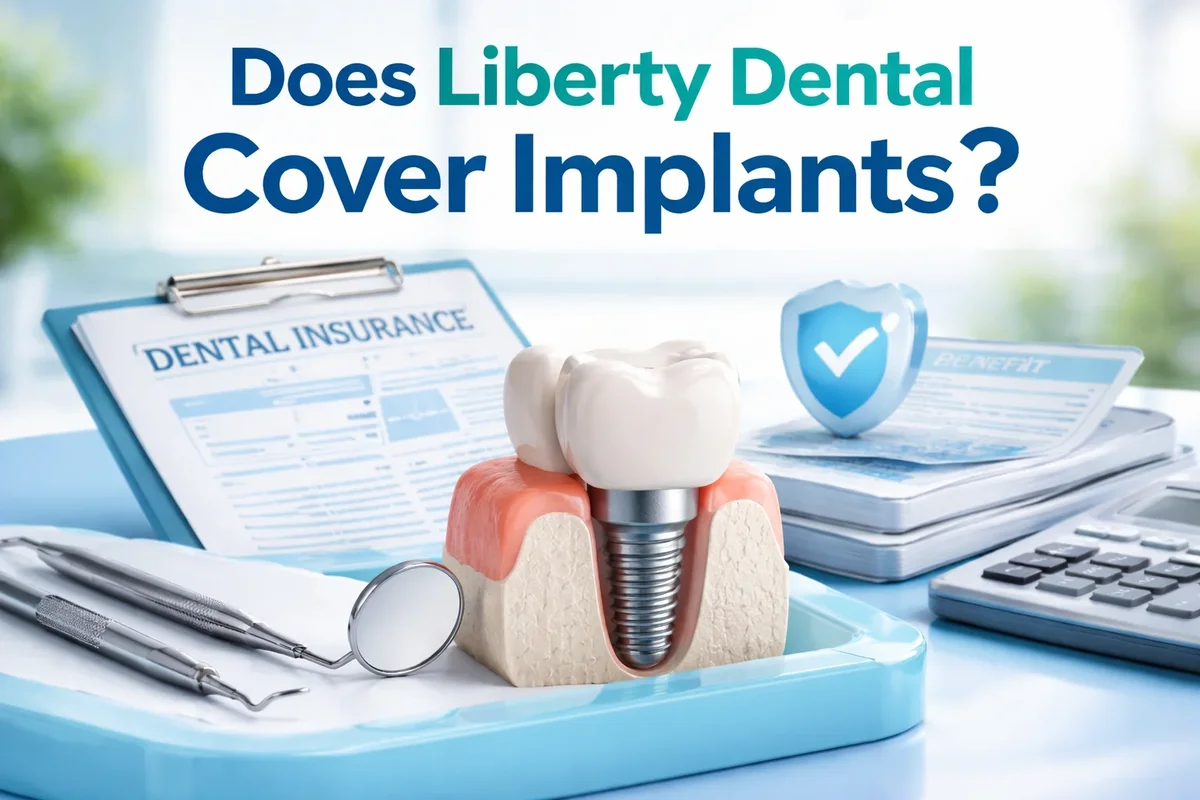
Is Getting Dental Implants Without Insurance Still Worth It?
Many patients begin their research with the question does liberty dental cover implants, hoping that their insurance will help reduce the cost of treatment. However, after reviewing their policy details, some people discover that implant coverage is limited or unavailable. This often leads to the next important question: is getting dental implants still worth it without insurance coverage?
Dental implants are widely recognized as the most advanced and durable solution for replacing missing teeth. Unlike dentures or bridges, implants replace the tooth root as well as the visible crown, providing a stable and long-lasting restoration. Even when the answer to does liberty dental cover implants is unfavorable for a particular policy, many patients still choose implants because of their long-term health and lifestyle benefits.
Long-Term Durability and Reliability
One of the strongest reasons implants remain popular—even when insurance coverage is limited—is their exceptional durability. Traditional restorations such as bridges or dentures may require replacement every 5–10 years. Dental implants, however, can last 20 years or longer when properly maintained.
Why Implants Last Longer
- Titanium implant posts integrate with the jawbone
- Implants function like natural tooth roots
- They resist decay and structural breakdown
- Proper oral hygiene supports long-term stability
Because of these advantages, many patients researching does liberty dental cover implants ultimately decide that implants are still a worthwhile investment in their oral health.
Jawbone Preservation and Oral Health
Another major advantage of dental implants is their ability to preserve the jawbone. When a tooth is lost, the surrounding bone gradually deteriorates due to lack of stimulation. Traditional dentures or bridges do not prevent this process.
How Implants Protect the Jawbone
- Implant posts stimulate natural bone growth
- Bone density is preserved over time
- Facial structure remains more stable
- Future tooth loss risk may decrease
This biological benefit is one of the reasons dentists frequently recommend implants even when insurance coverage is uncertain. Patients who initially ask does liberty dental cover implants may later prioritize these health benefits when choosing treatment.
Improved Comfort and Function
Dental implants offer superior comfort compared with removable restorations. Because implants are anchored directly in the jawbone, they function much like natural teeth.
Advantages in Daily Life
- Stronger chewing ability
- Clearer speech compared with dentures
- No slipping or movement during eating
- Natural appearance and smile confidence
Patients who research does liberty dental cover implants often discover that implants provide the closest experience to natural teeth among all replacement options.
Financial Considerations Without Insurance
Although implants provide significant long-term benefits, the cost can be a major concern when insurance does not cover the procedure. Understanding the full financial picture helps patients decide whether the treatment is worthwhile.
Typical Dental Implant Cost Range
- Implant surgery: $1,500 – $3,000
- Abutment connector: $300 – $500
- Implant crown: $1,000 – $2,000
The total cost of a single implant often ranges from $3,000 to $5,500 per tooth. This is why many patients begin by asking does liberty dental cover implants in the first place.
Financing Options for Implant Treatment
Even when insurance coverage is limited, patients still have several ways to make implant treatment more affordable. Many dental clinics offer financing options designed specifically for advanced restorative procedures.
Common Financing Solutions
- Monthly installment payment plans
- Healthcare credit programs
- Dental membership discount plans
- Flexible Spending Accounts (FSA)
- Health Savings Accounts (HSA)
These options allow patients to spread the cost of treatment over time. For individuals who discover that does liberty dental cover implants results in limited reimbursement, financing can make implant treatment more accessible.
Considering International Dental Treatment
Another option some patients explore is dental treatment abroad. Dental tourism allows patients to receive high-quality implant care at significantly lower costs in specialized clinics.
Countries known for advanced dental care often provide implant procedures at prices considerably lower than those found in the United States or Western Europe. Patients researching does liberty dental cover implants sometimes consider international clinics when insurance coverage is insufficient.
If you are interested in exploring implant consultation or treatment options with experienced specialists, you can contact professionals through the Redent Klinik Contact Page. A consultation can help you evaluate treatment plans, costs, and alternatives.
Professional Guidance and Trusted Information
Before making any major dental decision, it is important to consult qualified professionals and review trusted medical information. Dental implants are surgical procedures that require proper planning and clinical evaluation.
Patients can learn more about dental implant procedures and oral health recommendations through the American Dental Association, which provides reliable educational resources about restorative dental treatments.
When Implants May Still Be the Best Choice
Even when insurance coverage is limited or unavailable, dental implants often provide the best long-term value for patients who want a permanent tooth replacement solution. While the initial investment may be higher than other options, implants typically require fewer replacements or adjustments over time.
This long-term perspective is why many patients who begin by asking does liberty dental cover implants ultimately choose implants anyway after understanding their durability, health benefits, and quality-of-life improvements.
Ultimately, the decision depends on personal priorities, oral health conditions, and financial considerations. By consulting experienced dentists, reviewing insurance coverage carefully, and exploring financing options, patients can determine whether implant treatment is the right choice—even when the answer to does liberty dental cover implants is limited or uncertain.