
If you are researching dental implant treatment and already have dental insurance, one of the very first questions you are likely asking is: does MetLife dental cover implants? This is a critical and completely valid concern. Dental implants are widely recognized as the most durable and natural-looking solution for missing teeth, but they also represent one of the most significant financial investments in modern dentistry 🦷. Understanding how MetLife dental insurance approaches implant coverage can help you make informed decisions and avoid unexpected out-of-pocket costs.
To answer the question does MetLife dental cover implants, it’s important to understand that the answer is not a simple yes or no. MetLife offers a variety of dental plans, and implant coverage depends heavily on the specific plan type, benefit level, and policy details. Some plans may provide partial coverage for implants, while others may exclude them entirely or classify them differently depending on medical necessity.
In general, dental implants are considered a “major” dental service. Major services typically receive lower coverage percentages compared to preventive or basic care. When patients ask does MetLife dental cover implants, what they are really asking is whether their specific plan includes implants under major restorative procedures—and if so, to what extent. This distinction is crucial because even when implants are technically covered, coverage often applies only after deductibles, waiting periods, and annual maximums are met.
Another essential factor affecting whether does MetLife dental cover implants applies to your situation is how the implant is categorized. Some MetLife dental plans may cover certain components of implant treatment—such as the crown placed on top of the implant—but not the implant fixture itself. In other words, the surgical placement of the titanium post may be excluded, while the restoration phase receives partial benefits. This fragmented approach often surprises patients who assume implant coverage is all-inclusive.
It is also important to note that MetLife, like many insurers, may distinguish between implants deemed medically necessary and those considered elective or cosmetic. If tooth loss results from trauma, congenital conditions, or certain medical issues, coverage eligibility may improve. This classification directly impacts how the question does MetLife dental cover implants is answered for each individual case. Documentation from your dentist plays a key role in this determination.
From a patient perspective, understanding does MetLife dental cover implants is not just about insurance language—it’s about planning your oral health journey responsibly. Dental implants help preserve jawbone structure, prevent shifting of surrounding teeth, and restore proper chewing function. These long-term health benefits are widely supported by professional organizations such as the American Dental Association, which recognizes implants as a reliable standard of care for tooth replacement.
However, even when partial coverage exists, many patients discover that insurance alone does not fully address the total cost of implant treatment. This leads patients back to the same question repeatedly: does MetLife dental cover implants in a way that makes them truly affordable? The honest answer is that MetLife coverage often reduces costs but rarely eliminates them entirely. As a result, understanding your plan details early allows you to explore supplemental options, payment plans, or alternative treatment locations.
For patients seeking expert guidance, consulting with a qualified dental clinic can clarify insurance-related uncertainties. At Redent Klinik, experienced dental professionals routinely help patients understand insurance limitations and explore cost-effective implant solutions. If you need personalized assistance, you can reach out through the Redent Klinik Contact Page for a professional evaluation and clear treatment planning.
In summary, when asking does MetLife dental cover implants, the most accurate answer is: sometimes, partially, and conditionally. Coverage varies by plan, implant components may be treated differently, and significant out-of-pocket costs are common. By understanding these nuances early, you can approach dental implant treatment with realistic expectations, financial clarity, and confidence 😊.
Understanding Dental Implants and Why Coverage Matters
Before fully answering the question does MetLife dental cover implants, it is essential to understand what dental implants are and why insurance coverage plays such a critical role in treatment decisions. Dental implants are not just cosmetic upgrades; they are a medically recognized, long-term solution for missing teeth that directly impacts oral health, bone structure, and overall quality of life 🦷.
What Exactly Are Dental Implants?
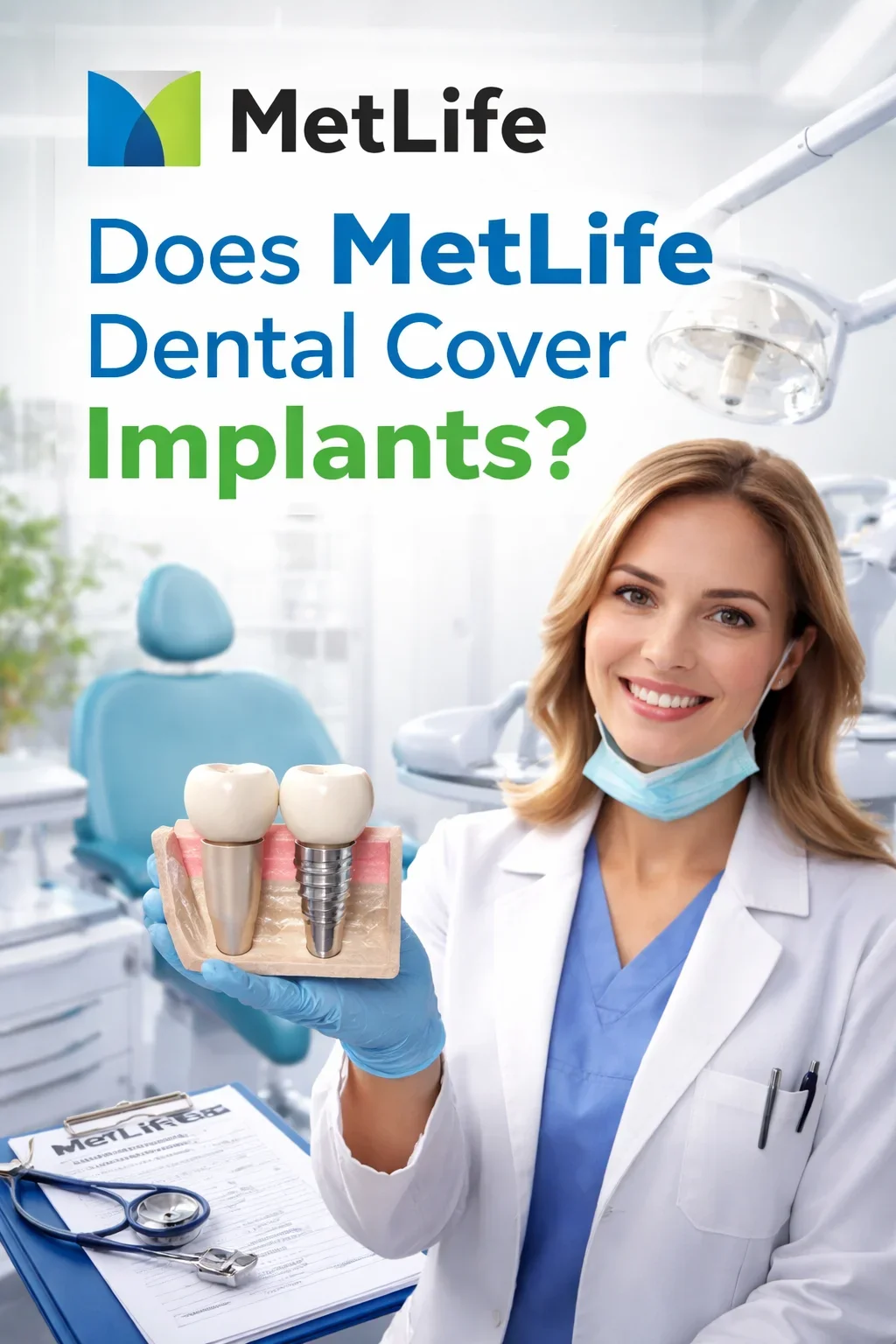
A dental implant is a multi-part tooth replacement system designed to mimic the structure of a natural tooth. It typically consists of three main components: the titanium implant post (surgically placed into the jawbone), the abutment (which connects the post to the crown), and the dental crown (the visible, tooth-like portion). When patients ask does MetLife dental cover implants, it is important to recognize that insurance companies may treat each of these components differently from a coverage standpoint.
The implant post itself is surgically integrated into the jawbone through a process called osseointegration. This process allows the implant to function like a natural tooth root, stimulating the bone and preventing bone loss. This medical benefit is one reason many dental professionals argue that implants should not be considered purely cosmetic—even though insurers may still classify them that way.
Why Dental Implants Are Considered the Gold Standard
Dental implants offer several advantages over traditional tooth replacement options such as bridges or removable dentures. They provide superior stability, prevent adjacent teeth from shifting, and help maintain facial structure over time. From a functional and medical perspective, implants often outperform alternatives. This leads many patients to reasonably ask does MetLife dental cover implants, given their long-term health value.
Unlike bridges, implants do not require grinding down neighboring healthy teeth. Unlike dentures, they do not slip, cause sore spots, or limit chewing ability. These benefits make implants highly desirable—but also more expensive upfront, which is exactly why insurance coverage becomes such a deciding factor.
Long-Term Health Benefits vs Short-Term Costs
One of the biggest misconceptions patients have when asking does MetLife dental cover implants is focusing only on the initial cost. While implants do have a higher upfront expense, they often last decades—sometimes a lifetime—with proper care. In contrast, bridges and dentures typically need replacement every 5–10 years. Over time, implants can actually be more cost-effective, even if insurance coverage is limited.
This long-term perspective is crucial when evaluating insurance policies. Some plans may favor cheaper short-term solutions, even if they result in higher lifetime dental costs for the patient. Understanding this helps explain why the answer to does MetLife dental cover implants is often conservative from an insurer’s point of view.
Why Insurance Coverage for Implants Is So Important
The financial barrier is the primary reason implant coverage matters so much. Implant treatment often involves multiple visits, advanced imaging, surgical expertise, and high-quality materials. Without insurance assistance, costs can quickly become overwhelming for many patients. This financial reality drives the ongoing search query does MetLife dental cover implants among insured individuals.
Insurance coverage can significantly reduce financial stress, even if it only covers part of the procedure. For example, coverage for the crown or abutment alone can still lower total expenses. That said, patients must understand exactly which portions of implant treatment their plan addresses—if any.
How Insurers View Implants Differently Than Dentists
Dental professionals widely recognize implants as a medically sound treatment supported by clinical evidence and organizations such as the American Dental Association. However, insurance companies often lag behind clinical standards. This gap explains why the question does MetLife dental cover implants exists in the first place.
From an insurance perspective, implants are frequently categorized as elective, premium, or non-essential—especially when alternative treatments like dentures exist. This classification allows insurers to limit coverage, impose waiting periods, or exclude implants entirely. Understanding this mindset helps patients interpret their policy documents more realistically.
Medical Necessity Can Change Coverage Outcomes
In certain situations, dental implants may be deemed medically necessary—for example, when tooth loss affects nutrition, speech, or jawbone integrity. In these cases, the answer to does MetLife dental cover implants may be more favorable. Proper documentation from a dental professional is often required to support such claims.
Ultimately, understanding dental implants at a foundational level allows patients to better navigate insurance policies, ask informed questions, and set realistic expectations. Once you fully understand what implants involve and why they matter, the complexities behind does MetLife dental cover implants become much clearer 😊.
How MetLife Dental Insurance Plans Are Structured
To accurately answer the question does MetLife dental cover implants, it is absolutely essential to understand how MetLife structures its dental insurance plans. Many misunderstandings about implant coverage stem from not knowing how dental plans are categorized, how benefits are layered, and how limitations are applied. MetLife does not offer one single universal dental policy—instead, it provides multiple plan types, each with different rules that directly affect implant eligibility 🧾.
The Three Core Categories of Dental Services
Most MetLife dental insurance plans are organized into three main service tiers: preventive, basic, and major. This structure is critical when evaluating does MetLife dental cover implants, because implants fall into the most restrictive and least generously covered tier.
Preventive Services
Preventive services typically include routine cleanings, exams, X-rays, and basic diagnostic procedures. These services are usually covered at 100% and often have no waiting period. However, preventive care has no direct impact on the question does MetLife dental cover implants, as implants are not included in this category.
Basic Services
Basic services may include fillings, simple extractions, and periodontal treatment. Coverage for these services often ranges from 60% to 80% after deductibles. While basic services support oral health, they still do not answer does MetLife dental cover implants, because implants are rarely categorized as basic care.
Major Services
Dental implants, when covered at all, are classified as major services. This category also includes crowns, bridges, dentures, and complex surgical procedures. Major services typically receive the lowest coverage percentages—often around 40% to 50%—and are subject to waiting periods and annual maximums. This is where the real complexity behind does MetLife dental cover implants begins.
Common Types of MetLife Dental Plans
MetLife offers several plan formats, and each one influences the answer to does MetLife dental cover implants differently. Understanding your plan type is just as important as reading your benefits summary.
PPO (Preferred Provider Organization) Plans
PPO plans are the most flexible and commonly chosen MetLife dental plans. They allow patients to visit both in-network and out-of-network providers, though staying in-network reduces costs. Some PPO plans include partial implant coverage under major services, which makes them the most favorable option when asking does MetLife dental cover implants. However, coverage is rarely comprehensive.
DHMO (Dental Health Maintenance Organization) Plans
DHMO plans typically have lower monthly premiums but far more restrictions. Patients must choose a primary dentist and receive referrals for specialists. In most cases, DHMO plans do not cover implants at all. For patients enrolled in these plans, the answer to does MetLife dental cover implants is often no.
Indemnity Plans
Indemnity plans reimburse a fixed amount for specific procedures, regardless of the provider. While these plans offer flexibility, reimbursement amounts for implants are often low or nonexistent. Once again, this structure limits how favorably one can answer does MetLife dental cover implants.
Annual Maximums and Their Impact
Another key structural element is the annual maximum benefit. Most MetLife dental plans cap annual payouts between $1,000 and $2,000. Because implant treatment can involve multiple procedures over several months, this cap significantly affects whether does MetLife dental cover implants results in meaningful financial support.
Even if implants are partially covered, patients often reach their annual maximum quickly, leaving the majority of implant-related costs unpaid. This limitation is one of the most common frustrations reported by insured patients.
Why Plan Design Often Limits Implant Coverage
Insurance companies design dental plans to manage risk and control costs. Implants are high-cost procedures with long-term benefits, which makes them less attractive from an insurer’s short-term financial perspective. This explains why the question does MetLife dental cover implants does not have a universal or generous answer.
Despite strong clinical support from organizations such as the American Dental Association, insurers often prioritize lower-cost alternatives like dentures. This disconnect between clinical best practices and insurance structures is at the heart of implant coverage confusion.
In conclusion, understanding how MetLife dental insurance plans are structured is essential to interpreting does MetLife dental cover implants correctly. Coverage depends not just on the procedure, but on plan type, service category, annual limits, and insurer priorities. Armed with this knowledge, patients are far better prepared to evaluate their options realistically and strategically 😊.
Does MetLife Dental Cover Implants Under PPO Plans?
When most patients ask does MetLife dental cover implants, they are usually enrolled in—or considering—a MetLife PPO (Preferred Provider Organization) dental plan. PPO plans are the most flexible and widely offered MetLife dental policies, especially through employers. However, flexibility does not automatically mean comprehensive implant coverage, and this is where many misunderstandings arise.
To clearly understand does MetLife dental cover implants under PPO plans, you must examine how PPO benefits are written, what procedures are eligible, and which parts of implant treatment may be included or excluded. While PPO plans offer the best chance of implant-related benefits, coverage is often partial, conditional, and capped.
Why PPO Plans Are More Favorable for Implant Coverage
Among MetLife’s plan options, PPO plans provide the broadest access to services and providers. This makes them the most relevant when evaluating does MetLife dental cover implants. PPO plans allow patients to visit in-network dentists for lower negotiated fees or out-of-network providers at higher out-of-pocket costs.
Some MetLife PPO plans do include dental implants under the “major services” category. However, inclusion does not mean full reimbursement. Coverage percentages are typically low, and strict limitations apply.
Typical Coverage Percentages for Implants
When implants are covered under a MetLife PPO plan, reimbursement is commonly around 40% to 50% of the allowed amount, after deductibles are met. This is a crucial detail when asking does MetLife dental cover implants, because the “allowed amount” set by MetLife is often significantly lower than the actual cost charged by dental providers.
As a result, even with coverage, patients may still pay a substantial portion out of pocket. This is why many people feel confused or disappointed after assuming the answer to does MetLife dental cover implants would translate into minimal personal expense.
Which Implant Components Are Covered?
One of the most important clarifications when discussing does MetLife dental cover implants under PPO plans is that coverage is often component-based, not procedure-based. This means different parts of implant treatment are evaluated separately.
Implant Post (Surgical Placement)
The titanium implant post—the part surgically inserted into the jawbone—is the most expensive component and the most commonly excluded. Many MetLife PPO plans do not cover the implant post at all. This exclusion alone dramatically affects the real-world answer to does MetLife dental cover implants.
Abutment and Crown
In contrast, the abutment and crown placed on top of the implant are more frequently covered under major restorative services. In many cases, MetLife will reimburse a portion of the crown cost, even if the implant post itself is excluded. This partial approach is technically a “yes” to does MetLife dental cover implants, but only in a limited sense.
Network Dentists vs Out-of-Network Dentists
Your choice of dentist also influences how does MetLife dental cover implants applies to your situation. In-network dentists have pre-negotiated fees with MetLife, which lowers the total treatment cost. Out-of-network providers may charge more, and MetLife will only reimburse up to its allowed amount.
This difference can result in significant cost gaps, especially for implant procedures. Even when coverage exists, going out of network can make the financial benefit minimal.
Annual Maximums and Multi-Stage Implant Treatment
Dental implants are not a single-visit procedure. They often span several months and involve diagnostics, surgery, healing, and restoration. This staged process interacts poorly with annual benefit maximums. When asking does MetLife dental cover implants, patients often overlook this critical limitation.
If your plan has a $1,500 annual maximum, that limit may be reached after covering only one portion of the implant process—leaving the rest fully unpaid. This is one of the most common reasons patients feel that implant coverage under PPO plans is inadequate.
Preauthorization and Documentation Requirements
Many MetLife PPO plans require preauthorization before implant-related services are performed. Without approval, coverage may be denied—even if the procedure is technically eligible. Proper documentation from your dentist is essential when pursuing the question does MetLife dental cover implants.
X-rays, treatment plans, and justification of medical necessity can all influence whether claims are accepted or rejected.
Realistic Expectations for PPO Implant Coverage
So, does MetLife dental cover implants under PPO plans? The most accurate answer is: sometimes, partially, and with limits. PPO plans offer the best opportunity for implant-related benefits, but they rarely cover the full procedure and almost never eliminate significant out-of-pocket costs.
Understanding these realities allows patients to plan strategically, explore supplemental options, or consider alternative treatment settings. With the right expectations, PPO coverage can still be a helpful—but not complete—part of your dental implant journey 😊.
Waiting Periods and Annual Maximums for Implant Coverage
Even if your plan suggests some level of implant eligibility, two hidden limitations often determine the real answer to does MetLife dental cover implants: waiting periods and annual maximums. These structural rules are not always obvious when enrolling in a dental plan, yet they can significantly delay treatment or reduce benefits to a level that feels negligible. Understanding these limits in detail is essential for setting realistic expectations and planning implant treatment wisely ⏳.
What Is a Waiting Period in MetLife Dental Plans?
A waiting period is the amount of time you must be enrolled in a dental plan before certain services become eligible for coverage. When evaluating does MetLife dental cover implants, waiting periods are especially important because implants fall under major services, which almost always have the longest delays.
Typical Waiting Periods for Major Services
For many MetLife dental plans, waiting periods for major procedures range from 6 to 12 months. This means that even if your plan technically includes implant coverage, MetLife will not pay anything until this time has passed. Patients often assume that coverage begins immediately, only to discover that the answer to does MetLife dental cover implants is “not yet.”
Some employer-sponsored plans waive waiting periods entirely, but this is not guaranteed. Individual and family plans almost always enforce them. Always check your plan’s effective date before scheduling implant treatment.
Why Waiting Periods Exist
Insurance companies use waiting periods to prevent people from enrolling only when they anticipate expensive procedures. Because implants are high-cost treatments, insurers apply strict delays. This practice directly influences how generously one can answer does MetLife dental cover implants.
From a patient’s perspective, this can be frustrating—especially if tooth loss is already affecting chewing, confidence, or oral health. However, from the insurer’s standpoint, waiting periods help control long-term costs.
Understanding Annual Maximums
The second major limitation affecting does MetLife dental cover implants is the annual maximum. This is the total dollar amount MetLife will pay for all covered dental services within a calendar year.
Common Annual Maximum Ranges
Most MetLife dental plans have annual maximums between $1,000 and $2,000. While this may be sufficient for routine care, it is often inadequate for implant treatment. Dental implants involve multiple steps—consultations, imaging, surgery, and restoration—all of which count toward this cap.
As a result, even if implants are partially covered, patients frequently reach their annual maximum after just one phase of treatment. This reality significantly limits the practical value of coverage and shapes the real-world answer to does MetLife dental cover implants.
Multi-Year Implant Treatment and Benefit Caps
Implant treatment often spans more than one calendar year. Some patients attempt to “split” procedures across years to maximize insurance benefits. While this strategy can help, it requires careful planning and does not change the fundamental limits behind does MetLife dental cover implants.
For example, diagnostic work may be completed in one year, while the crown placement occurs the next. Even then, annual maximums still apply each year, and coverage percentages remain low.
How Deductibles Interact with Maximums
Another overlooked detail is the deductible—the amount you must pay before insurance coverage begins. Deductibles are usually modest, but they further reduce the net benefit when asking does MetLife dental cover implants. Deductibles must be met each year before MetLife contributes toward implant-related costs.
Individual vs Family Deductibles
Family plans may have both individual and collective deductibles. This can slightly improve coverage efficiency for households undergoing multiple treatments, but it does not eliminate the underlying caps that restrict implant benefits.
Why These Limits Matter So Much for Implants
Dental implants are fundamentally different from routine dental procedures. Their cost, complexity, and long-term value clash with insurance models designed around short-term, lower-cost care. This mismatch explains why the question does MetLife dental cover implants continues to cause confusion and frustration.
Professional organizations such as the American Dental Association recognize implants as a reliable, evidence-based solution for missing teeth. However, insurance benefit structures have not fully evolved to reflect this standard.
Planning Ahead to Minimize Financial Surprises
Understanding waiting periods and annual maximums empowers patients to plan proactively. By reviewing plan documents, confirming eligibility dates, and coordinating with dental providers, you can avoid unexpected denials and better interpret does MetLife dental cover implants for your specific situation.
In summary, waiting periods delay access to benefits, and annual maximums sharply limit how much MetLife will pay. Together, these factors mean that while some coverage may exist, implant patients should always prepare for significant out-of-pocket costs. Knowing these details upfront turns a confusing question into a manageable, informed decision 😊.
Medical Necessity vs Cosmetic Classification for Implants
One of the most misunderstood—and most decisive—factors behind the question does MetLife dental cover implants is how dental implants are classified by insurance providers. While dentists and patients often view implants as a medically beneficial solution, insurance companies frequently categorize them differently. Whether an implant is considered medically necessary or cosmetic can dramatically change coverage outcomes, reimbursement amounts, and claim approvals ⚖️.
How Insurance Companies Define “Medical Necessity”
Insurance providers, including MetLife, typically reserve the term “medical necessity” for treatments required to diagnose, prevent, or treat disease or dysfunction. When evaluating does MetLife dental cover implants, this definition becomes critical. If an implant is deemed medically necessary, coverage eligibility may improve—though it is still not guaranteed.
Medical necessity is often supported by documentation showing that tooth loss is causing functional impairment, such as difficulty chewing, speech problems, jawbone deterioration, or nutritional issues. Simply wanting a stable or aesthetic replacement is rarely sufficient from an insurance perspective.
Common Scenarios Where Implants May Be Considered Necessary
In limited cases, MetLife may view implants more favorably when tooth loss results from trauma (such as an accident), congenital absence of teeth, or medical conditions like oral cancer. In these situations, the question does MetLife dental cover implants may shift toward a more positive answer—especially if alternative treatments are unsuitable.
However, even in medically justified cases, coverage is often partial and subject to the same waiting periods and annual maximums discussed earlier.
Why Implants Are Often Classified as Cosmetic
Despite strong clinical evidence supporting implants, many insurers classify them as cosmetic or elective. This classification heavily influences how one answers does MetLife dental cover implants. The reasoning is that alternative tooth replacement options—such as removable dentures or bridges—exist at lower cost.
From an insurer’s viewpoint, if a cheaper alternative can restore basic function, implants are considered an upgrade rather than a necessity. This logic persists even though dentists widely agree that implants offer superior long-term outcomes.
The Gap Between Clinical Standards and Insurance Models
Organizations like the American Dental Association recognize dental implants as a reliable and effective treatment for missing teeth. However, insurance benefit models often lag behind evolving clinical standards. This disconnect is a key reason why the question does MetLife dental cover implants remains so complex and inconsistent.
The Role of Documentation and Dentist Advocacy
When implants are borderline between cosmetic and necessary, documentation can make a difference. Detailed treatment plans, diagnostic images, and written justifications from a dentist may help support claims. For patients asking does MetLife dental cover implants, working with a provider experienced in insurance submissions can improve approval chances.
However, even the strongest documentation does not guarantee coverage. Insurance decisions ultimately rest on policy language, not clinical opinion.
Dental vs Medical Insurance: An Important Distinction
Another layer of confusion surrounding does MetLife dental cover implants comes from the separation between dental and medical insurance. In rare cases, implant-related procedures may fall under medical insurance—for example, when tooth loss is tied to reconstructive surgery after trauma or disease.
These situations are uncommon and require coordination between dental and medical providers. For most routine implant cases, coverage decisions remain strictly within the dental insurance framework.
What This Means for Patients Planning Implants
Understanding the medical-versus-cosmetic classification helps patients interpret policy language more realistically. If implants are labeled cosmetic, coverage is unlikely. If they are medically justified, partial benefits may be available—but limits still apply. This nuance is central to answering does MetLife dental cover implants accurately.
Patients should not assume that clinical necessity alone ensures coverage. Instead, they should prepare for mixed outcomes and explore complementary solutions such as payment plans, alternative treatment locations, or staged procedures.
Making Informed Decisions Despite Classification Limits
Ultimately, the classification debate underscores a larger truth: insurance coverage should be viewed as a supplement, not a solution. While understanding does MetLife dental cover implants is important, it should not be the sole factor guiding treatment decisions.
By recognizing how insurers categorize implants—and why—patients can approach treatment with clarity, fewer surprises, and a stronger sense of control. Knowledge transforms a frustrating insurance question into a manageable planning process 😊.
Out-of-Pocket Costs If MetLife Does Not Fully Cover Implants
For many patients, the most practical follow-up to the question does MetLife dental cover implants is understanding what happens when coverage is limited or denied. Even when MetLife provides partial benefits, implant treatment often comes with significant out-of-pocket costs. Knowing where these costs come from—and how large they can be—helps patients plan realistically and avoid financial stress 💳.
Why Out-of-Pocket Costs Are Common with Implants
The reason out-of-pocket expenses are so common is simple: dental implants are complex, multi-step treatments that exceed the scope of most dental insurance benefits. When patients ask does MetLife dental cover implants, they often expect a clear yes or no. In reality, the answer is usually “partially,” which automatically means the patient pays the rest.
MetLife coverage, when available, typically applies only to certain components (often the crown) and only up to annual maximums. Everything beyond that—implant post, surgical fees, imaging, bone grafting—often becomes the patient’s responsibility.
Typical Cost Components Patients Pay For
Understanding the breakdown of implant-related expenses clarifies why the question does MetLife dental cover implants rarely results in full financial relief.
Implant Post and Surgical Placement
The titanium implant post and its surgical placement are the most expensive parts of the procedure and the least likely to be covered. If MetLife excludes this portion, patients can expect a large out-of-pocket expense even before restoration begins.
Diagnostic and Imaging Costs
Advanced imaging such as 3D CBCT scans is often required for precise implant placement. These diagnostic services may not be fully covered and frequently count toward annual maximums. This further limits how favorably one can answer does MetLife dental cover implants.
Bone Grafting and Preparatory Procedures
If jawbone loss is present, bone grafting may be necessary before implant placement. These preparatory procedures are commonly excluded from coverage and represent another significant out-of-pocket cost.
How Annual Maximums Increase Personal Expenses
Even when MetLife pays something, annual maximums often cap benefits long before implant treatment is complete. For example, if your plan has a $1,500 maximum and covers 50% of a crown, you may still pay thousands out of pocket. This limitation is one of the main reasons patients feel misled after researching does MetLife dental cover implants.
Once the annual maximum is reached, all additional costs are paid entirely by the patient until the benefit resets the following year.
Realistic Cost Ranges Without Full Coverage
When MetLife does not fully cover implants, patients often want concrete numbers. While costs vary by location and complexity, single dental implant treatments can range widely when paid out of pocket. Insurance contributions, when present, usually reduce only a small portion of the total expense.
This financial reality explains why so many insured patients continue to ask does MetLife dental cover implants—even after reviewing their benefits—because the practical affordability remains challenging.
Emotional and Financial Impact on Patients
Out-of-pocket costs do not just affect budgets; they affect treatment decisions. Some patients delay care, choose less durable alternatives, or live with missing teeth due to cost concerns. This emotional burden is often overlooked when discussing does MetLife dental cover implants.
However, delaying implant treatment can lead to further bone loss, shifting teeth, and additional expenses later. Understanding costs early allows patients to weigh short-term savings against long-term oral health.
Why Knowing Your Costs in Advance Matters
Transparent cost planning empowers patients. By requesting detailed treatment estimates and insurance breakdowns, patients can clearly see how MetLife benefits apply—and where they stop. This proactive approach leads to a more accurate understanding of does MetLife dental cover implants in real-world terms.
Many clinics, including international dental providers, also assist patients in navigating insurance limitations and exploring cost-effective alternatives. When insurance alone is insufficient, informed planning becomes the most powerful tool.
Turning Limited Coverage into a Manageable Plan
In summary, if MetLife does not fully cover implants, out-of-pocket costs are not a failure—they are a known part of modern dental care. While the answer to does MetLife dental cover implants may be only partially reassuring, understanding the full financial picture allows patients to move forward with confidence and control 😊.
Alternative Ways to Reduce Implant Costs with or Without MetLife
After carefully reviewing coverage details, many patients arrive at the same conclusion: even if the answer to does MetLife dental cover implants is “partially,” significant costs often remain. The good news is that there are multiple proven strategies to reduce implant expenses—whether you have MetLife dental insurance or not. Understanding these alternatives empowers patients to move forward with treatment confidently and affordably 💡.
Maximizing Your Existing MetLife Benefits
The first cost-reduction strategy starts with fully optimizing whatever benefits you already have. When patients ask does MetLife dental cover implants, they often overlook opportunities to stretch limited coverage.
Use Coverage for What Is Included
Even if MetLife does not cover the implant post, many plans cover related services such as exams, X-rays, extractions, and crowns. Applying benefits strategically to these components can meaningfully reduce the total bill. This approach turns a limited “yes” to does MetLife dental cover implants into tangible savings.
Split Treatment Across Benefit Years
Because implants are multi-stage procedures, some patients schedule treatment across two calendar years to access two annual maximums. While this does not change coverage rules, it can reduce out-of-pocket costs when asking does MetLife dental cover implants in practical terms.
Dental Payment Plans and Financing Options
When insurance falls short, many dental clinics offer structured payment plans or third-party financing. These options allow patients to spread costs over time rather than paying upfront. For patients frustrated by the limitations behind does MetLife dental cover implants, financing can make implants far more accessible.
Flexible monthly payments often enable patients to choose the best long-term treatment instead of settling for less durable alternatives.
Health Savings Accounts (HSA) and Flexible Spending Accounts (FSA)
HSAs and FSAs are powerful tools for reducing the effective cost of implants. Funds from these accounts can be used for eligible dental procedures, including implants, and are typically tax-advantaged. Even when the answer to does MetLife dental cover implants is limited, HSAs and FSAs can significantly offset expenses.
Why Tax Advantages Matter
Using pre-tax dollars effectively lowers the real cost of treatment. Over the course of an implant procedure, these savings can be substantial.
Choosing High-Value Treatment Locations
Another increasingly popular option is seeking treatment in regions where dental implant costs are lower but quality remains high. Many patients explore international dental clinics that adhere to international standards and use the same implant systems found in the U.S.
For patients who find that does MetLife dental cover implants does not provide sufficient financial relief, high-quality clinics abroad can offer significant savings without compromising care.
Clinics like Redent Klinik frequently assist international patients by providing transparent treatment plans, helping interpret insurance limitations, and offering predictable pricing. If you want to explore this option further, the Redent Klinik Contact Page is a helpful starting point.
Alternative Implant Techniques That Reduce Costs
Modern dentistry offers innovative implant techniques that may reduce overall costs. Options such as mini dental implants or implant-supported bridges can sometimes lower expenses while still delivering excellent results.
These alternatives may not change the formal answer to does MetLife dental cover implants, but they can reduce total treatment costs enough to make insurance limitations less impactful.
Why Choosing the Right Dentist Matters
An experienced dentist can help patients navigate insurance restrictions, recommend cost-effective solutions, and avoid unnecessary procedures. Provider expertise plays a major role in how manageable implant costs become—especially when insurance coverage is limited.
Dentists who understand insurance documentation and treatment staging can help patients extract maximum value from their benefits, even when the answer to does MetLife dental cover implants is not ideal.
Balancing Cost, Quality, and Long-Term Value
Ultimately, reducing implant costs is about balance. The cheapest option is not always the best, and the most expensive option is not always necessary. Understanding all available strategies allows patients to align treatment choices with both budget and long-term oral health goals.
While insurance limitations may initially feel discouraging, they do not have to dictate your outcome. By combining smart planning, alternative solutions, and professional guidance, patients can overcome the constraints behind does MetLife dental cover implants and achieve lasting, confident smiles 😊.
Frequently Asked Questions About MetLife Dental Implant Coverage
After exploring plan structures, limitations, and alternatives, many readers still want clear, direct answers. This section addresses the most common and important questions patients ask when researching does MetLife dental cover implants. These FAQs are based on real-world patient concerns and aim to clarify confusion, set realistic expectations, and help you make informed decisions with confidence 🤔.
Does MetLife Dental Cover Implants at All?
The short answer is: sometimes. Whether does MetLife dental cover implants results in a yes depends entirely on your specific plan. Some MetLife PPO plans offer partial coverage under major services, while many DHMO plans exclude implants entirely. Even when coverage exists, it is usually limited to certain components, such as the crown.
This is why patients with MetLife insurance can have very different experiences—even when they believe they have similar plans.
Which Parts of Implant Treatment Are Most Likely to Be Covered?
When asking does MetLife dental cover implants, it’s crucial to understand that coverage is often component-based. The implant post (surgical portion) is the least likely to be covered. The abutment and crown, however, are more frequently eligible for partial reimbursement under major restorative services.
This means MetLife may help reduce some costs, but rarely the most expensive ones.
Are Dental Implants Ever Fully Covered by MetLife?
Full coverage for implants is extremely rare. Even in the most favorable scenarios, annual maximums, deductibles, and coverage percentages apply. Therefore, while does MetLife dental cover implants can sometimes be answered with “yes,” it almost never means 100% coverage.
Patients should always plan for out-of-pocket expenses, even with insurance.
Do Waiting Periods Apply to Implant Coverage?
Yes. Most MetLife dental plans impose waiting periods for major services, including implants. These waiting periods often range from 6 to 12 months. Until this period has passed, the answer to does MetLife dental cover implants is effectively no, regardless of plan design.
Some employer-sponsored plans may waive waiting periods, but this is not guaranteed.
Does Medical Necessity Improve Implant Coverage?
In certain cases, yes—but with limitations. If an implant is deemed medically necessary due to trauma, congenital conditions, or medical treatment, MetLife may be more likely to approve partial benefits. However, medical necessity does not override annual maximums or exclusions. Therefore, even in these cases, does MetLife dental cover implants often results in partial rather than full support.
Is Documentation Important?
Absolutely. Detailed treatment plans, X-rays, and written justifications from your dentist are often required. While documentation improves approval chances, it does not guarantee coverage.
Can MetLife Dental Coverage Be Used with Treatment Abroad?
In most cases, MetLife dental insurance is designed for use within the United States. Coverage for treatment abroad is uncommon and often excluded. Patients exploring international treatment typically do so because the answer to does MetLife dental cover implants does not sufficiently reduce domestic costs.
Even without insurance reimbursement, many patients find international treatment more affordable overall.
Should Insurance Coverage Decide Whether I Get Implants?
This is one of the most important questions of all. Insurance should inform your decision—but not dictate it. While understanding does MetLife dental cover implants is important, long-term oral health, comfort, and durability should also be major considerations.
Dental implants are a long-term investment. Choosing or avoiding them solely based on insurance limitations may lead to higher costs or complications later.
What Is the Best First Step If I Have MetLife Dental Insurance?
The best first step is to request a detailed pre-treatment estimate. This document outlines what MetLife is expected to cover and what you will need to pay. It turns the abstract question does MetLife dental cover implants into a clear, personalized answer.
Consulting with an experienced dental provider who understands insurance processes can also make a significant difference.
Final Takeaway for Patients
So, does MetLife dental cover implants? The most accurate and honest answer is: sometimes, partially, and with limits. Coverage varies widely by plan, and out-of-pocket costs are common. However, with the right information, planning, and professional guidance, implants can still be a realistic and worthwhile option.
By understanding the nuances behind does MetLife dental cover implants, patients gain clarity, reduce surprises, and take control of their dental health journey with confidence 😊.
Final Considerations Before Choosing Implant Treatment with MetLife
After reviewing coverage rules, plan structures, exclusions, and alternatives, it becomes clear that the question does MetLife dental cover implants cannot be answered responsibly without considering the bigger picture. Insurance details matter, but they are only one part of a much larger decision involving long-term oral health, financial planning, and quality of life. This final section brings everything together so you can move forward with clarity and confidence 🧠.
Why the “Yes or No” Question Is Often Misleading
Many patients approach implant research hoping for a simple answer to does MetLife dental cover implants. Unfortunately, insurance does not work in absolutes. Coverage depends on plan type, service classification, waiting periods, annual maximums, and even how a dentist codes the procedure.
This is why two people with MetLife dental insurance can have completely different coverage outcomes. One may receive partial reimbursement for a crown, while another receives no implant-related benefits at all. Understanding this variability helps prevent frustration and unrealistic expectations.
Insurance Should Support — Not Dictate — Treatment Decisions
One of the most important takeaways when asking does MetLife dental cover implants is recognizing the proper role of insurance. Dental insurance is designed to reduce costs, not to determine what treatment you should or should not receive.
Choosing a long-term solution like dental implants purely based on short-term insurance benefits can lead to compromises that affect comfort, function, and future expenses. In many cases, less durable treatments end up costing more over time due to replacements, repairs, or complications.
Think in Terms of Lifetime Value
Dental implants are designed to last decades when properly maintained. From a lifetime value perspective, they often outperform bridges or dentures—even if insurance contributes less upfront. This long-term view reframes the question does MetLife dental cover implants into something more meaningful: “What solution best protects my oral health over time?”
The Importance of a Professional Implant Consultation
No online article can replace a personalized evaluation. A comprehensive implant consultation allows a dentist to assess bone health, bite alignment, medical history, and treatment options. It also enables the clinic to provide a precise insurance breakdown so you can see exactly how does MetLife dental cover implants applies to your case.
Pre-treatment estimates and written treatment plans turn insurance uncertainty into clear numbers and timelines.
Coordinating Insurance Knowledge with Smart Planning
Patients who achieve the best outcomes are those who combine insurance awareness with proactive planning. This includes:
- Confirming waiting periods and remaining annual maximums
- Timing treatment phases strategically
- Using insurance for covered components first
- Exploring complementary cost-saving options if needed
With this approach, even a limited answer to does MetLife dental cover implants can still be part of a successful treatment strategy.
When to Look Beyond Insurance Alone
There are situations where insurance limitations make domestic implant treatment financially challenging. In these cases, patients often explore alternative care models, including high-quality clinics that offer transparent pricing and comprehensive implant packages.
When insurance does not sufficiently reduce costs, the smartest move is not to abandon treatment—but to explore options that align quality care with financial reality.
Empowered Patients Make Better Decisions
The ultimate goal of understanding does MetLife dental cover implants is empowerment. When you fully understand what your insurance does—and does not—cover, you are no longer making decisions in the dark. You can ask better questions, evaluate options objectively, and choose a path that serves both your health and your budget.
Knowledge removes fear, reduces surprises, and restores a sense of control.
Final Summary
So, does MetLife dental cover implants? The most accurate final answer is this: MetLife may provide limited, partial support depending on your plan, but dental implants almost always involve out-of-pocket costs. Insurance can help—but it is rarely the deciding factor.
By understanding coverage rules, planning strategically, and prioritizing long-term oral health, you can confidently move forward with implant treatment—regardless of insurance limitations. Informed decisions lead to better outcomes, better smiles, and lasting peace of mind 😊.