
If you are a veteran considering clear aligners to improve your smile, one of the first questions you will likely ask is: does the VA cover Invisalign? Orthodontic treatment can significantly improve both oral health and confidence, but it can also be expensive. Understanding how the Department of Veterans Affairs (VA) handles dental benefits is essential before starting treatment.
The short answer to the question does the VA cover Invisalign is: in most cases, no — at least not routinely. The VA provides dental care benefits only to veterans who meet specific eligibility categories. Unlike general medical care, dental coverage through the VA is not automatically available to every enrolled veteran. This is where confusion often begins.
To fully understand whether does the VA cover Invisalign applies to your situation, you first need to understand how VA dental benefits are structured. The VA divides dental eligibility into several “classes.” These classes are based on factors such as service-connected disabilities, former prisoner-of-war status, 100% disability ratings, or participation in specific rehabilitation programs.
In most cases, orthodontic treatments like Invisalign are considered elective or cosmetic. Because of that, when veterans ask, does the VA cover Invisalign, the answer depends heavily on whether the treatment is deemed medically necessary. The VA generally focuses on essential dental services such as extractions, fillings, infection control, and procedures directly related to service-connected conditions.
However, there are exceptions. If severe misalignment is causing functional issues — such as difficulty chewing, jaw pain, or temporomandibular joint (TMJ) disorders — a case could potentially be reviewed differently. In such circumstances, when asking does the VA cover Invisalign, the real question becomes whether the orthodontic correction is medically required rather than cosmetic.
It is also important to note that traditional braces and Invisalign are evaluated similarly. The VA does not typically prioritize aesthetic improvements. So when researching does the VA cover Invisalign, you should approach it from a medical-necessity standpoint rather than a cosmetic one.
According to guidelines referenced by the American Dental Association, orthodontic treatment can sometimes be part of comprehensive oral rehabilitation. Still, in federal systems like the VA, budget allocation plays a major role in determining what treatments are routinely covered.
Another factor affecting whether does the VA cover Invisalign applies to you is whether you qualify for comprehensive dental benefits or only limited emergency care. Some veterans qualify only for treatment related to service-connected dental conditions. Others, such as those rated 100% disabled due to service-connected conditions, may receive broader dental coverage.
So, when veterans type into search engines, does the VA cover Invisalign, they are often hoping for a simple yes or no. In reality, the answer depends on:
- Your VA dental classification
- Whether the condition is service-connected
- Whether the orthodontic issue is medically necessary
- Approval from VA dental providers
If your misalignment affects speech, chewing efficiency, or causes chronic jaw discomfort, it is worth requesting a formal evaluation. In rare cases, severe functional impairments could shift the outcome of does the VA cover Invisalign in your favor.
For veterans who do not qualify under standard VA dental classes, there are alternative pathways. Some veterans explore VA Dental Insurance Program (VADIP) plans, which are separate from standard VA health benefits. Others consider private dental clinics that offer flexible payment plans. If you are exploring treatment abroad or at a specialized clinic, you can reach out directly via the Redent Klinik Contact Page to receive a personalized consultation.
Ultimately, the question does the VA cover Invisalign reflects a broader concern: access to high-quality orthodontic care for veterans. Invisalign offers advantages such as discreet appearance, removable trays, and improved comfort compared to traditional braces 😊. But because it is typically classified as elective orthodontics, VA coverage is limited unless there is a strong medical justification.
Before making a decision, veterans should schedule a VA dental evaluation, confirm their eligibility class, and request written clarification about orthodontic coverage. Only after reviewing your individual case can you determine whether does the VA cover Invisalign truly applies to you.
In the next sections, we will examine VA dental eligibility categories, medical necessity criteria, alternative treatment options, and cost considerations in much greater detail so you can make an informed and confident decision.
Understanding VA Dental Benefits for Veterans
To properly answer the question does the va cover invisalign, it is essential to first understand how VA dental benefits are structured. Unlike standard medical benefits offered through the Department of Veterans Affairs, dental care is not automatically included for all enrolled veterans. Dental coverage is granted only under specific eligibility classifications, which are divided into categories known as “Classes.”
Many veterans assume that once they are enrolled in VA healthcare, all dental treatments are included. However, when asking does the va cover invisalign, the answer depends entirely on which dental class you fall into and whether your orthodontic needs meet strict criteria.
VA Dental Eligibility Classes Explained
The VA organizes dental benefits into multiple classes. Each class determines what type of treatment a veteran can receive. Understanding these categories is the first step in evaluating whether does the va cover invisalign might apply in your situation.
Class I: Service-Connected Dental Disability
Veterans with a service-connected compensable dental disability are eligible for comprehensive dental care. This means they can receive any necessary dental treatment related to their condition. If severe malocclusion (bite misalignment) is directly linked to a service-related injury, then the discussion around does the va cover invisalign becomes more relevant. In such rare cases, orthodontic treatment may be considered part of medically necessary rehabilitation.
Class II: Non-Compensable Service-Connected Dental Conditions
Veterans with non-compensable service-connected dental conditions may qualify for one-time corrective treatment if they apply within a specific timeframe after discharge. In this class, coverage is limited. So when evaluating does the va cover invisalign, most veterans in this category will find that orthodontics is typically excluded unless clearly required for functional restoration.
Class III: Dental Conditions Aggravating a Service-Connected Disability
If a dental condition is aggravating a service-connected medical disability, treatment may be authorized. For example, if severe bite issues are worsening a jaw disorder tied to military service, the question does the va cover invisalign may be reviewed differently. Documentation from both medical and dental professionals is critical in these cases.
Class IV: Veterans Rated 100% Disabled
Veterans who are rated 100% disabled due to service-connected conditions are eligible for comprehensive dental care. In this category, the answer to does the va cover invisalign is more nuanced. While comprehensive care is allowed, orthodontic procedures are still evaluated based on medical necessity rather than cosmetic preference.
What Treatments Are Typically Covered?
The VA prioritizes treatments that address pain, infection, and functional impairment. Covered services generally include:
- Dental exams and cleanings
- Fillings and crowns
- Root canal therapy
- Extractions
- Dentures and prosthetics
- Treatment of oral infections
Orthodontic treatment, including clear aligner systems, is not routinely listed among standard covered services. Therefore, when veterans search does the va cover invisalign, they often discover that cosmetic alignment alone is not enough to qualify.
Medical Necessity vs. Cosmetic Treatment
The central factor in determining whether does the va cover invisalign applies is medical necessity. The VA distinguishes between cosmetic improvement and functional rehabilitation. Invisalign is frequently chosen because it is discreet and aesthetically pleasing 😁. However, aesthetic improvement alone does not meet VA criteria.
If misalignment causes difficulty chewing, chronic jaw pain, speech impairment, or contributes to temporomandibular joint dysfunction (TMJ), then orthodontic treatment could potentially be justified. Even in those cases, the VA may evaluate whether traditional braces would suffice rather than Invisalign specifically.
How Budget Allocation Affects Coverage
The VA operates within federal funding limits. Dental resources are primarily directed toward essential and urgent care. Because of this, when asking does the va cover invisalign, veterans must understand that elective orthodontic treatment is generally considered lower priority compared to restorative or emergency procedures.
According to guidance aligned with standards from the American Dental Association, orthodontics plays an important role in comprehensive oral health. However, in federally funded systems, approval depends on documented functional need rather than preference.
Community Care and External Providers
In certain cases, veterans may be referred to community dental providers if VA facilities cannot provide required services. Even then, the same eligibility rules apply. So the question does the va cover invisalign remains tied to whether orthodontic treatment is officially authorized under your eligibility class.
If you are unsure about your dental eligibility or want a professional orthodontic evaluation, you may also consult a private provider for an independent assessment. For personalized guidance or to explore treatment alternatives, you can visit the Redent Klinik Contact Page.
Key Takeaways for Veterans
When reviewing VA dental policies, remember:
- Not all veterans automatically qualify for dental care.
- Orthodontics is rarely covered unless medically necessary.
- Eligibility class determines scope of treatment.
- Documentation and professional evaluation are crucial.
Ultimately, understanding eligibility classifications is the foundation for answering does the va cover invisalign. Before assuming coverage or denial, schedule a VA dental consultation and request a formal benefits review. Only a case-specific evaluation can provide a definitive answer.
When Does the VA Cover Invisalign for Orthodontic Treatment?
Many veterans continue researching after learning about eligibility classes because they still want a clearer answer to the central question: does the va cover invisalign under any circumstances? While orthodontic care is not routinely approved, there are specific medical situations where coverage may be considered. Understanding these exceptions is essential before assuming that Invisalign is automatically excluded.
To accurately determine when does the va cover invisalign might apply, you must focus on the concept of medical necessity rather than cosmetic improvement. The VA evaluates orthodontic treatment based on functional impairment, not aesthetics. This distinction is critical.
Medical Necessity: The Core Requirement
The most important factor in deciding whether does the va cover invisalign is medical necessity. The VA defines medically necessary dental treatment as care required to restore or maintain oral function, relieve pain, or address a condition directly related to military service.
Functional Impairment Cases
If severe misalignment affects your ability to chew properly, causes speech difficulties, or contributes to chronic jaw pain, orthodontic correction may be reviewed as medically necessary. In such cases, the discussion shifts from “cosmetic straightening” to “functional rehabilitation.” This is where the question does the va cover invisalign becomes more nuanced.
For example, a veteran with extreme bite misalignment causing temporomandibular joint dysfunction (TMJ) may receive further evaluation. If clinical documentation confirms that orthodontic correction is essential to reduce pain or prevent worsening damage, treatment may be authorized.
Service-Connected Trauma
Another scenario involves service-related dental trauma. If a veteran experienced jaw injury, facial fractures, or dental displacement during active duty, and orthodontic treatment is required as part of reconstructive care, the likelihood that does the va cover invisalign could result in a positive answer increases.
However, even in trauma cases, the VA may approve traditional braces instead of Invisalign if they determine that a more cost-effective option provides the same functional result.
Invisalign vs. Traditional Braces in VA Evaluations
When veterans ask does the va cover invisalign, they often specifically prefer clear aligners due to comfort and appearance 😊. Invisalign is removable, nearly invisible, and typically more comfortable than metal braces. However, from the VA’s perspective, the treatment method itself is secondary to medical necessity.
If orthodontic correction is approved, the VA dental provider will decide which method is appropriate. That means even if orthodontic treatment is authorized, it does not automatically guarantee Invisalign approval. The provider must justify why Invisalign is the best clinical solution compared to traditional braces.
Cases Where Coverage Is Unlikely
In many situations, when veterans search does the va cover invisalign, they are seeking cosmetic improvements such as:
- Minor crowding
- Small gaps between teeth
- Desire for a more attractive smile
- Teeth straightening without functional impairment
In these cases, approval is highly unlikely. Cosmetic orthodontics is not typically covered under VA dental benefits unless it is directly tied to a functional or service-connected issue.
The Role of Comprehensive Dental Eligibility
Veterans rated 100% service-connected disabled or classified under comprehensive dental eligibility categories have broader access to dental services. Even then, when evaluating does the va cover invisalign, orthodontics must still meet medical necessity standards.
Comprehensive eligibility increases the possibility of orthodontic review, but it does not remove the requirement for documented functional impairment.
Documentation and Clinical Evaluation
If you believe your case qualifies, you must go through a VA dental evaluation. The provider will assess:
- Severity of malocclusion
- Impact on jaw function
- Pain levels and TMJ involvement
- Connection to service-related injury
- Overall oral health status
Without thorough documentation, the question does the va cover invisalign will almost always result in denial. Clinical evidence is essential.
Community Care Referrals
In certain approved cases, veterans may be referred to community providers through the VA Community Care program. Even in these cases, authorization must first be granted by the VA. So again, whether does the va cover invisalign applies depends on prior approval rather than personal preference.
Standards used in evaluation often align with principles supported by organizations like the American Dental Association, emphasizing functional restoration over cosmetic change.
Key Takeaways
To summarize when does the va cover invisalign may apply:
- There must be documented medical necessity.
- The condition may need to be service-connected.
- Functional impairment must be clearly demonstrated.
- The VA provider determines treatment type.
- Cosmetic concerns alone do not qualify.
Veterans considering orthodontic treatment should first schedule a VA dental consultation to assess eligibility. If you want an independent orthodontic evaluation to better understand your options, you may contact a specialized clinic through the Redent Klinik Contact Page.
Ultimately, the answer to does the va cover invisalign depends entirely on your individual medical circumstances, documentation, and eligibility classification. Careful evaluation and professional guidance are the keys to determining your next steps.
Eligibility Requirements for VA Dental Coverage
Before you can fully answer the question does the va cover invisalign, you must first determine whether you even qualify for VA dental benefits. Dental coverage through the Department of Veterans Affairs is not automatic for every enrolled veteran. Instead, eligibility depends on strict classifications, service history, disability ratings, and specific medical circumstances.
Many veterans search online asking does the va cover invisalign without realizing that eligibility is the first and most important step. If you do not meet VA dental eligibility requirements, orthodontic coverage—especially for treatments like Invisalign—will not be considered at all.
Who Qualifies for VA Dental Benefits?
VA dental eligibility is divided into different benefit classes. Each class determines the type and scope of treatment available. Understanding these classes is essential when evaluating whether does the va cover invisalign could apply to your situation.
Veterans with Service-Connected Dental Disabilities (Class I)
If you have a compensable service-connected dental condition, you are eligible for comprehensive dental care. This is one of the strongest eligibility categories. In this situation, the question does the va cover invisalign may be evaluated more carefully, especially if orthodontic correction is necessary to restore function.
However, even with full dental eligibility, orthodontics must still meet medical necessity standards. Cosmetic alignment alone does not automatically qualify.
Veterans with 100% Disability Rating (Class IV)
Veterans who are rated 100% disabled due to service-connected conditions are eligible for comprehensive dental care. This broad eligibility increases the likelihood that medically necessary orthodontics could be considered. When asking does the va cover invisalign, this category offers one of the strongest possibilities for review.
Still, comprehensive eligibility does not guarantee Invisalign specifically. The VA provider will determine whether orthodontic treatment is essential and which method is most appropriate.
Former Prisoners of War (Class II(b) and II(c))
Former POWs are eligible for comprehensive dental care. In such cases, if severe bite misalignment affects daily functioning, the review of does the va cover invisalign may move beyond cosmetic evaluation and into functional necessity.
Veterans in Vocational Rehabilitation Programs (Class V)
Veterans participating in VA vocational rehabilitation programs may receive dental care necessary to support their rehabilitation goals. If dental alignment directly affects employability or speech clarity, the question does the va cover invisalign may be reviewed under functional considerations.
Limited or One-Time Dental Eligibility
Some veterans qualify only for limited dental care. For example, veterans with non-compensable service-connected dental conditions may receive one-time corrective treatment if they apply within a certain timeframe after discharge.
In these limited eligibility categories, the answer to does the va cover invisalign is typically no, unless orthodontic correction is essential to address a documented service-related issue.
How Service Connection Impacts Orthodontic Approval
Service connection is one of the most important factors influencing whether does the va cover invisalign might result in approval. If a jaw injury, facial trauma, or dental displacement occurred during military service, orthodontic treatment may be considered part of reconstructive rehabilitation.
For example, a veteran with documented jaw fracture from active duty may require orthodontic correction to restore proper bite alignment. In such cases, Invisalign could potentially be reviewed as part of a broader treatment plan.
Medical Necessity Documentation
Even if you meet eligibility requirements, documentation is critical. When evaluating does the va cover invisalign, VA dental providers assess:
- Severity of malocclusion
- Impact on chewing and speech
- Chronic pain or TMJ disorders
- Connection to service-related trauma
- Overall oral health condition
Without strong clinical documentation, orthodontic approval is unlikely.
Income-Based and Insurance Considerations
Some veterans do not qualify for direct VA dental benefits but may enroll in the VA Dental Insurance Program (VADIP). This program allows veterans to purchase private dental insurance at negotiated rates.
Although VADIP is separate from standard VA benefits, veterans still researching does the va cover invisalign should consider this alternative. Depending on the plan selected, orthodontic coverage may be partially included.
Standards for evaluating orthodontic necessity often align with guidelines supported by the American Dental Association, emphasizing functional improvement over aesthetic preference.
Why Eligibility Review Comes First
It is important to understand that the question does the va cover invisalign cannot be answered without first confirming your dental eligibility classification. Many denials occur simply because veterans assume eligibility rather than verifying it.
If you are unsure of your status, schedule a VA dental appointment and request a formal benefits review. Bring documentation of any service-related injuries and current dental evaluations.
Seeking Independent Evaluation
If you do not qualify under VA dental benefits but still require orthodontic treatment, you may consider private consultation. For a personalized assessment and detailed treatment planning, you can contact a professional team through the Redent Klinik Contact Page.
Ultimately, determining whether does the va cover invisalign applies to you begins with eligibility. Without proper classification, orthodontic coverage cannot proceed. By understanding your benefit class, documenting medical necessity, and seeking professional guidance, you can make an informed decision about your orthodontic options 😊.
Is Invisalign Considered Medically Necessary by the VA?
One of the most critical factors in answering the question does the va cover invisalign is whether Invisalign can be classified as medically necessary. The VA does not evaluate orthodontic treatment based on appearance or personal preference. Instead, decisions are based on clinical necessity, documented impairment, and service-related connection. This means that when veterans ask does the va cover invisalign, the real issue is not the brand of aligners—but the medical justification behind the treatment.
Invisalign is widely known for its discreet appearance and removable trays 😊. While these features make it attractive for adults, they are not considered medical reasons for coverage. The VA must determine whether the orthodontic correction itself is essential for restoring or preserving oral function.
What Does “Medically Necessary” Mean in VA Terms?
In VA healthcare policy, medically necessary treatment refers to procedures required to diagnose, treat, or prevent a condition that negatively impacts health or daily function. When evaluating does the va cover invisalign, the VA will ask whether the misalignment causes measurable functional problems.
Functional Impairment Criteria
The VA may consider orthodontic treatment medically necessary if the patient experiences:
- Severe difficulty chewing or biting
- Chronic jaw pain linked to malocclusion
- Speech impairment caused by alignment issues
- Temporomandibular joint (TMJ) disorders worsened by bite problems
- Ongoing oral trauma from improper bite contact
If one or more of these conditions are documented, the discussion around does the va cover invisalign becomes more clinically focused. However, even in these cases, approval is not automatic.
Does the VA Approve Invisalign Specifically?
Even if orthodontic treatment is deemed medically necessary, the next step in evaluating does the va cover invisalign involves determining whether Invisalign is the most appropriate method. The VA prioritizes cost-effective treatment options. If traditional braces can achieve the same functional outcome at a lower cost, they may be preferred.
This means that even when the answer to “is orthodontic care necessary?” is yes, the answer to does the va cover invisalign might still be no if the provider determines that metal braces are equally effective.
Medical Necessity vs. Cosmetic Preference
Many veterans are drawn to Invisalign because it is nearly invisible and more comfortable than traditional braces. However, cosmetic improvement does not qualify as medical necessity under VA standards. When asking does the va cover invisalign, it is important to separate aesthetic goals from health-related needs.
For example, mild crowding or small gaps between teeth rarely meet medical necessity criteria. In such cases, orthodontic treatment is classified as elective. The VA’s primary mission is to address conditions that directly impact health, not cosmetic appearance.
Service-Connected Trauma and Orthodontic Justification
If misalignment stems from documented service-related trauma—such as jaw fractures, facial injuries, or dental displacement during active duty—the likelihood that does the va cover invisalign may result in a favorable review increases.
In reconstructive cases, orthodontic treatment may be required to restore normal bite alignment following surgical repair. However, even then, the VA provider determines whether Invisalign or another orthodontic system is clinically appropriate.
Supporting Clinical Documentation
To strengthen the case for medical necessity, veterans should provide:
- Dental X-rays and diagnostic scans
- Orthodontic evaluation reports
- Documentation linking condition to service
- Records of chronic pain or dysfunction
- Statements from dental specialists
Without thorough documentation, the question does the va cover invisalign will likely result in denial.
Professional Guidelines and Evaluation Standards
Clinical standards for determining orthodontic necessity often align with principles supported by the American Dental Association. These guidelines emphasize functional correction, prevention of further damage, and improvement of oral health outcomes.
The VA uses similar logic when evaluating whether orthodontic intervention is justified. The focus remains on restoring health rather than enhancing appearance.
Independent Consultation as a First Step
If you are unsure whether your case qualifies as medically necessary, it may be helpful to obtain an independent orthodontic evaluation. A specialist can assess whether your condition meets clinical thresholds that might influence the decision regarding does the va cover invisalign.
For a detailed orthodontic assessment and personalized guidance, you can consult professionals through the Redent Klinik Contact Page. An independent evaluation can clarify your options before approaching the VA for authorization.
Key Takeaways
To summarize, when asking does the va cover invisalign, consider the following:
- Medical necessity is required for orthodontic approval.
- Cosmetic reasons alone do not qualify.
- Service-connected trauma increases the likelihood of review.
- The VA determines the orthodontic method used.
- Strong documentation is essential.
Ultimately, Invisalign may be considered under VA coverage only if it is part of a medically necessary treatment plan aimed at restoring functional oral health. Without documented impairment or service connection, the answer to does the va cover invisalign will typically remain no. Careful evaluation and professional documentation are the keys to determining eligibility.
Alternative Orthodontic Options Covered by the VA
For veterans who discover that the answer to does the va cover invisalign is often limited or conditional, the next logical step is exploring alternative orthodontic options that may be more likely to receive approval. While Invisalign is popular for its discreet design and convenience, the VA’s focus remains on medically necessary and cost-effective treatment solutions.
If you have been researching does the va cover invisalign, it is important to understand that even when orthodontic care is approved, the specific system used may differ. The VA evaluates treatment plans based on functionality, durability, and clinical efficiency rather than brand preference.
Traditional Metal Braces
Traditional braces are the most commonly recognized orthodontic system and are often considered the standard treatment for correcting severe malocclusion. When reviewing cases related to does the va cover invisalign, VA dental providers may determine that metal braces provide the same functional outcome at a lower cost.
Why Metal Braces May Be Preferred
- Highly effective for complex bite correction
- Fixed appliance (does not rely on patient compliance)
- Generally more affordable than Invisalign
- Widely available within VA-affiliated facilities
If orthodontic treatment is approved for medical necessity, traditional braces are often the first-line option. This means that while does the va cover invisalign may not result in approval, orthodontic care itself could still be authorized using a different method.
Limited Orthodontic Treatment for Functional Correction
In some cases, full orthodontic treatment is not required. The VA may authorize limited orthodontic intervention focused only on correcting a specific functional problem. For example, minor bite adjustment to relieve jaw strain may not require comprehensive alignment.
When evaluating does the va cover invisalign, veterans should understand that the VA may approve targeted correction rather than full cosmetic straightening.
Orthognathic Surgery Combined with Braces
In severe cases involving jaw misalignment or structural abnormalities linked to service-related trauma, orthognathic (jaw) surgery may be necessary. In these situations, orthodontics is used as part of a broader reconstructive plan.
If surgical intervention is required, the question does the va cover invisalign becomes secondary to whether orthodontic treatment supports surgical rehabilitation. However, even in these advanced cases, traditional braces are usually preferred over clear aligners due to precision control.
VA Community Care Referrals
If a VA facility cannot provide necessary orthodontic services, veterans may be referred through the VA Community Care program. This program allows treatment by approved private providers when certain criteria are met.
Even under Community Care, however, approval still depends on medical necessity. So when asking does the va cover invisalign, remember that authorization must come first, regardless of where treatment occurs.
VA Dental Insurance Program (VADIP)
If you do not qualify for direct VA orthodontic coverage, the VA Dental Insurance Program (VADIP) may offer an alternative. VADIP allows eligible veterans to purchase private dental insurance at negotiated rates.
Some VADIP plans may partially cover orthodontic treatment, including clear aligners. Therefore, veterans researching does the va cover invisalign should also evaluate whether insurance plans through VADIP could offset some costs.
Clinical guidelines for orthodontic necessity often align with standards promoted by the American Dental Association, which emphasize restoring oral function and preventing long-term damage.
Cost Comparison of Alternatives
Understanding cost differences can help clarify why the VA may prefer traditional braces over Invisalign when reviewing does the va cover invisalign.
Estimated Average Costs (Without VA Coverage)
- Traditional metal braces: $3,000 – $7,000
- Ceramic braces: $4,000 – $8,000
- Invisalign: $4,000 – $8,500
Because Invisalign is often priced at the higher end of the orthodontic spectrum, VA providers may determine that braces provide equal therapeutic benefit at lower expense.
Why Exploring Alternatives Matters
Veterans should not assume that if does the va cover invisalign results in a negative answer, all orthodontic care is unavailable. Instead, the focus should shift to understanding which medically necessary orthodontic options may be approved.
For those seeking a private evaluation to compare Invisalign with other orthodontic systems, you can request a consultation through the Redent Klinik Contact Page. An independent assessment can clarify whether Invisalign offers clinical advantages in your specific case.
Key Takeaways
- The VA prioritizes medically necessary and cost-effective treatments.
- Traditional braces are more likely to be approved than Invisalign.
- Community Care referrals require prior authorization.
- VADIP may offer partial orthodontic insurance coverage.
- Medical necessity remains the deciding factor.
Ultimately, while the answer to does the va cover invisalign is often limited, alternative orthodontic solutions may still be available under VA benefits. Veterans should work closely with VA dental providers to explore all clinically appropriate options that restore function and protect long-term oral health 😊.
How Much Does Invisalign Cost Without VA Coverage?
For many veterans, discovering that the answer to does the va cover invisalign is often limited leads to an important follow-up question: how much will Invisalign cost if you must pay out of pocket? Understanding the financial aspect is essential before committing to orthodontic treatment. Invisalign is widely regarded as a premium orthodontic system, and pricing reflects its advanced technology, custom manufacturing process, and treatment monitoring.
If your research into does the va cover invisalign suggests that you may not qualify for coverage, having a realistic understanding of costs allows you to plan responsibly and explore alternative payment solutions.
Average Invisalign Cost in the United States
Invisalign pricing varies depending on the complexity of your case, geographic location, and provider experience. On average, patients in the United States can expect the following price ranges:
Estimated National Cost Range
- Mild cases: $3,000 – $5,000
- Moderate cases: $4,000 – $7,000
- Complex cases: $6,000 – $8,500+
These figures typically include digital scans, custom aligners, treatment planning, progress checkups, and retainers. Because Invisalign involves a series of customized aligner trays manufactured using advanced 3D imaging technology, it often costs slightly more than traditional braces.
When evaluating does the va cover invisalign, understanding these numbers highlights why cost considerations play a role in VA approval decisions. The VA prioritizes essential and cost-effective treatments.
What Factors Influence Invisalign Pricing?
The total cost of Invisalign depends on several variables:
Case Complexity
Minor spacing issues require fewer aligner trays, resulting in lower costs. Severe bite problems, crowding, or jaw misalignment require longer treatment duration and more aligners.
Treatment Duration
Most Invisalign treatments last between 12 and 24 months. Longer treatment typically increases overall cost.
Provider Experience
Highly experienced orthodontists may charge higher fees due to expertise and advanced case management.
These variables matter when veterans evaluate options after learning that does the va cover invisalign may not apply to their situation.
Comparing Invisalign to Traditional Braces
Cost comparison helps clarify why the VA may prefer traditional braces if orthodontic care is deemed medically necessary.
Average Cost Comparison
- Traditional metal braces: $3,000 – $7,000
- Ceramic braces: $4,000 – $8,000
- Invisalign: $4,000 – $8,500+
While the price ranges overlap, Invisalign is often positioned at the higher end. This difference is one reason the outcome of does the va cover invisalign may favor alternative orthodontic systems when cost efficiency is considered.
Insurance and Payment Plan Options
If VA coverage is unavailable, veterans still have several financial pathways to make treatment manageable.
Private Dental Insurance
Some dental insurance plans cover a portion of orthodontic treatment, typically up to a lifetime maximum of $1,000–$2,500. Veterans who do not receive direct VA orthodontic coverage may explore the VA Dental Insurance Program (VADIP) for potential assistance.
Flexible Payment Plans
Many dental clinics offer monthly installment plans, sometimes with low or zero interest. Instead of paying $6,000 upfront, patients may pay $150–$300 per month.
Health Savings Accounts (HSA) and Flexible Spending Accounts (FSA)
Invisalign qualifies as an eligible medical expense under many HSA and FSA plans, allowing tax-advantaged payments.
If the conclusion to does the va cover invisalign is negative, combining insurance benefits with payment plans can significantly reduce financial burden.
Is Invisalign Worth the Investment?
Invisalign offers several advantages:
- Nearly invisible appearance 😊
- Removable trays for eating and brushing
- Improved comfort compared to metal brackets
- Digital treatment planning and monitoring
For many adults, especially working professionals or veterans returning to civilian careers, discreet orthodontics can boost confidence and improve oral health simultaneously.
However, before proceeding, it is still wise to confirm definitively whether does the va cover invisalign applies in your specific case by consulting a VA dental provider.
Seeking a Professional Cost Evaluation
Because treatment pricing varies by location and case complexity, obtaining a personalized consultation is essential. Clinics often provide free or low-cost orthodontic assessments, including digital scans and treatment simulations.
If you would like a detailed cost breakdown tailored to your dental condition, you can request an appointment through the Redent Klinik Contact Page. A professional evaluation helps you compare options confidently.
Orthodontic standards referenced by the American Dental Association emphasize long-term oral health benefits, including improved bite function and reduced wear on teeth.
Key Financial Takeaways
- Invisalign typically costs between $4,000 and $8,500.
- Traditional braces may be slightly more affordable.
- Insurance and installment plans can reduce upfront costs.
- Medical necessity affects VA approval decisions.
Ultimately, if the answer to does the va cover invisalign is no in your case, financial planning becomes the next step. By understanding pricing, exploring insurance options, and seeking professional consultation, you can move forward with clarity and confidence.
Can Veterans Get Invisalign Through VA Community Care?
After learning that the direct answer to does the va cover invisalign is often limited, many veterans begin exploring alternative pathways such as the VA Community Care program. Community Care allows eligible veterans to receive medical or dental services from approved private providers when certain conditions are met. However, it is important to understand that Community Care does not automatically change the answer to does the va cover invisalign. Authorization rules still apply.
The key difference is not in coverage rules, but in where the treatment is delivered. Community Care is an access pathway—not a separate insurance system.
What Is VA Community Care?
The VA Community Care program allows veterans to receive treatment outside of VA facilities under specific circumstances. These include:
- When the VA cannot provide the required service
- When wait times exceed VA access standards
- When a veteran lives far from a VA facility
- When specialized care is unavailable within the VA network
Veterans researching does the va cover invisalign sometimes assume that Community Care automatically expands orthodontic eligibility. However, treatment must first be approved by the VA before referral.
Step 1: Medical Necessity Approval
The first and most important requirement remains medical necessity. Before asking whether does the va cover invisalign through Community Care, the VA must determine that orthodontic treatment itself is medically required.
Documentation Requirements
- Formal VA dental examination
- X-rays and diagnostic records
- Evidence of functional impairment
- Proof of service connection (if applicable)
If orthodontic treatment is not approved internally, Community Care will not authorize Invisalign simply based on preference.
Step 2: Referral to Community Provider
If the VA confirms that orthodontic treatment is medically necessary but cannot provide the service within its own facility, a referral may be issued to a community-based provider.
At this stage, the discussion of does the va cover invisalign depends on whether the VA authorizes a specific type of orthodontic treatment or leaves the method to the specialist’s discretion.
Does Authorization Specify Invisalign?
In most cases, the VA authorizes orthodontic treatment broadly, not Invisalign specifically. The community provider must justify why Invisalign is the most appropriate clinical option. If traditional braces can achieve the same outcome, they may be recommended instead.
Limitations of Community Care for Orthodontics
Community Care does not override cost-effectiveness guidelines. When reviewing does the va cover invisalign, the VA continues to evaluate:
- Cost comparison between aligners and braces
- Clinical effectiveness
- Length of treatment
- Patient compliance considerations
If Invisalign is considered equally effective but more expensive, authorization may favor traditional orthodontic systems.
When Community Care May Increase Possibility
There are rare cases where Community Care may increase the likelihood of Invisalign approval:
Complex Reconstructive Cases
Veterans who experienced severe facial trauma during service may require multidisciplinary rehabilitation. If Invisalign offers better compatibility with surgical planning or prosthetic restoration, the provider may justify its use.
Medical Contraindications to Braces
In certain medical scenarios—such as metal allergies or periodontal conditions requiring removable appliances—Invisalign may be clinically preferred.
In these situations, the outcome of does the va cover invisalign may shift if strong clinical reasoning supports clear aligner therapy.
Financial Considerations Under Community Care
If Invisalign is authorized under Community Care, the VA typically pays the approved provider directly according to negotiated rates. Veterans are generally not responsible for additional charges unless treatment exceeds authorized limits.
This is why clear and specific authorization is critical when evaluating does the va cover invisalign under Community Care. Any services beyond approved treatment plans may not be reimbursed.
Professional Evaluation Before Requesting Referral
Before requesting Community Care referral, veterans may benefit from an independent orthodontic assessment. A specialist can determine whether Invisalign offers clinical advantages in your case.
If you would like a personalized orthodontic evaluation and treatment explanation, you can schedule a consultation through the Redent Klinik Contact Page. Having a documented specialist opinion may support your request.
Clinical principles referenced by the American Dental Association emphasize treatment planning based on functional need and long-term oral health outcomes.
Key Takeaways About Community Care
- Community Care requires prior VA approval.
- Medical necessity must be established first.
- Authorization determines the treatment type.
- Cost-effectiveness remains a deciding factor.
- Invisalign approval is case-specific.
Ultimately, while Community Care may expand provider access, it does not automatically change the outcome of does the va cover invisalign. Approval depends on eligibility, documentation, and clinical justification. Veterans should work closely with VA dental providers to understand authorization requirements before pursuing orthodontic treatment 😊.
How to Apply for VA Dental Benefits Step by Step
If you are seriously researching does the va cover invisalign, the most important action you can take is to formally apply for VA dental benefits or request a dental eligibility review. Many veterans rely on online information alone, but individual eligibility can only be confirmed through the official VA evaluation process. Understanding the application steps will help you determine whether does the va cover invisalign might apply to your specific situation.
Because dental benefits are not automatically granted to every veteran, following the correct procedure is essential. Below is a detailed, step-by-step guide to help you navigate the process accurately and confidently.
Step 1: Confirm Your VA Healthcare Enrollment
Before asking does the va cover invisalign, you must first be enrolled in VA healthcare. If you are not already enrolled, you can apply online through the VA website, by mail, or in person at a VA facility.
Documents You May Need
- DD214 (Certificate of Release or Discharge from Active Duty)
- Service records
- Disability rating documentation
- Insurance information (if applicable)
Enrollment establishes your eligibility for medical services, which is the foundation for dental benefit evaluation.
Step 2: Request a Dental Eligibility Review
Once enrolled, the next step in determining does the va cover invisalign is requesting a dental eligibility review. Contact your local VA medical center and ask for a dental benefits assessment.
The VA will evaluate your classification (Class I, II, III, IV, etc.) based on service connection, disability rating, and other eligibility factors. This classification determines what level of dental care you may receive.
Step 3: Schedule a VA Dental Examination
If you qualify for dental services, the VA will schedule a dental exam. During this evaluation, the provider will assess:
- Overall oral health status
- Severity of misalignment
- Functional bite issues
- Presence of jaw pain or TMJ disorders
- Service-related dental trauma
This examination is critical when exploring does the va cover invisalign, because medical necessity must be documented before orthodontic treatment is considered.
Be Prepared to Discuss Functional Concerns
If your alignment issues cause chewing difficulty, chronic jaw discomfort, or speech problems, clearly explain these symptoms. The VA focuses on functional impairment rather than cosmetic concerns.
Step 4: Submit Supporting Documentation
If you believe orthodontic treatment is medically necessary, provide supporting documentation such as:
- Orthodontic consultation reports
- Digital scans or X-rays
- Proof of service-related injury
- Records of chronic pain or functional limitation
The stronger your documentation, the clearer the evaluation of does the va cover invisalign will be.
Step 5: Wait for Official Determination
After examination and documentation review, the VA will issue a determination. The decision will specify whether:
- You qualify for dental treatment
- Orthodontic care is medically necessary
- Community Care referral is authorized (if applicable)
- A specific orthodontic method is approved
It is important to understand that even if orthodontic care is approved, the answer to does the va cover invisalign may depend on whether Invisalign is considered clinically justified compared to traditional braces.
Step 6: Explore VA Community Care (If Needed)
If the VA facility cannot provide orthodontic services but approves treatment, you may be referred to a community provider. However, authorization must be issued in writing before scheduling outside care.
Community Care does not automatically change the outcome of does the va cover invisalign; it simply expands access to providers.
Step 7: Consider VA Dental Insurance Program (VADIP)
If you do not qualify for direct orthodontic coverage, you may explore VADIP plans. These are private dental insurance programs negotiated through the VA. Some plans may partially cover orthodontics.
Veterans who receive a negative answer to does the va cover invisalign often explore this alternative to reduce out-of-pocket costs.
Clinical evaluation standards often align with principles supported by the American Dental Association, which emphasize functional correction and long-term oral health stability.
Step 8: Seek Independent Orthodontic Consultation
Even while waiting for VA determination, it can be helpful to receive an independent orthodontic evaluation. A specialist can assess whether Invisalign provides measurable clinical advantages in your case.
If you would like a professional assessment, you can schedule a consultation through the Redent Klinik Contact Page. Independent documentation may strengthen your request if medical necessity is involved.
Key Takeaways
- Enrollment in VA healthcare is required first.
- Dental eligibility classification determines coverage scope.
- Medical necessity must be clearly documented.
- Orthodontic approval does not guarantee Invisalign.
- Written authorization is essential before treatment.
Ultimately, answering does the va cover invisalign requires formal evaluation rather than assumptions. By following each step carefully—enrollment, eligibility review, examination, documentation submission, and authorization—you can obtain a clear, official determination and move forward with confidence 😊.
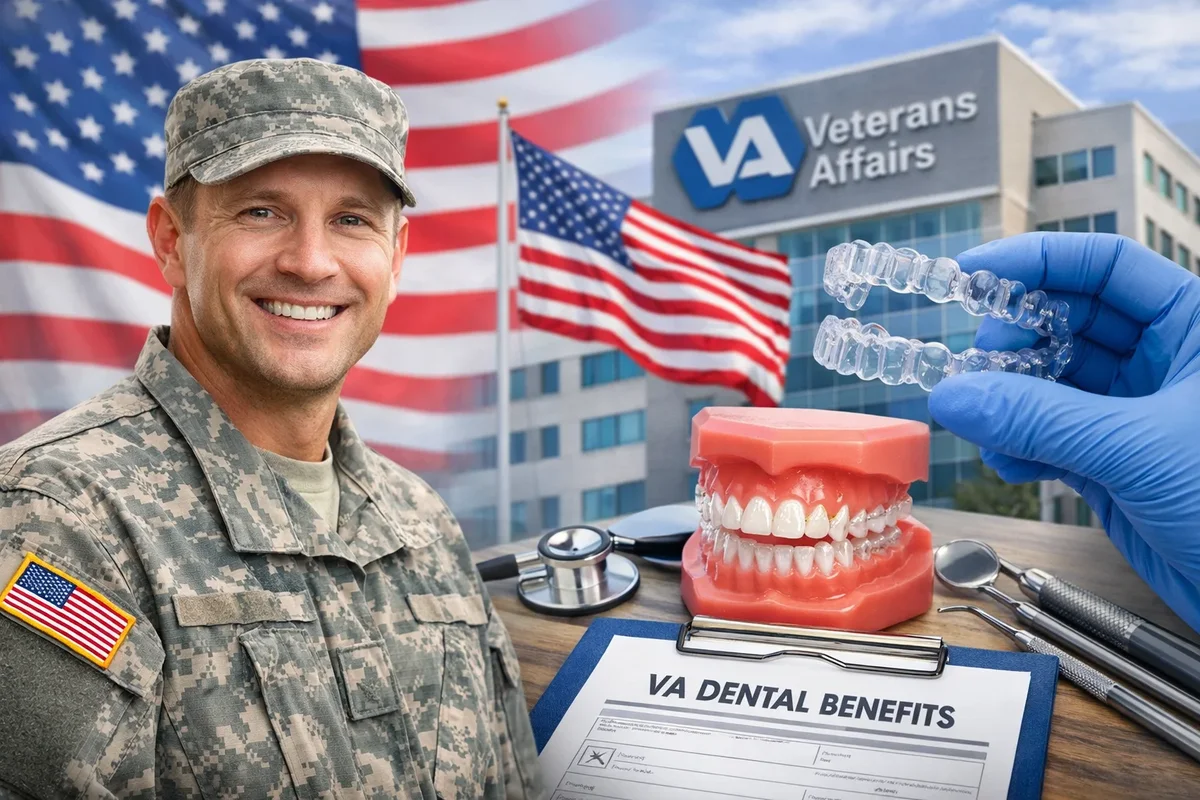
What to Do If the VA Does Not Cover Invisalign
After completing the eligibility review and dental evaluation process, some veterans receive a final determination that does not approve orthodontic treatment. At this point, the question does the va cover invisalign may officially be answered with a no in your specific case. While this outcome can feel disappointing, it does not mean that Invisalign or orthodontic care is completely out of reach.
If you have learned that does the va cover invisalign does not apply to your eligibility classification or medical condition, there are still several practical and financially manageable paths you can explore. Understanding your alternatives will help you move forward with confidence.
Request a Written Explanation and Consider an Appeal
If your request related to does the va cover invisalign was denied, start by requesting a detailed written explanation from the VA. Understanding the reason for denial is critical. Common reasons include:
- Lack of documented medical necessity
- Condition not service-connected
- Orthodontic care classified as cosmetic
- Alternative treatment deemed sufficient
When to Consider an Appeal
If you believe the decision overlooked important medical evidence—such as severe TMJ pain or documented functional impairment—you may file an appeal. Providing additional documentation, specialist evaluations, or updated diagnostic imaging could influence reconsideration of whether does the va cover invisalign should be approved under medical necessity criteria.
Explore VA Dental Insurance Program (VADIP)
For veterans who do not qualify for direct orthodontic coverage, the VA Dental Insurance Program offers negotiated private dental insurance options. While this is separate from standard VA benefits, it can help reduce out-of-pocket costs.
If the answer to does the va cover invisalign is negative under direct VA care, VADIP may partially cover orthodontic treatment depending on the selected plan. Coverage limits and waiting periods vary, so reviewing plan details carefully is essential.
Compare Invisalign With Other Orthodontic Options
If cost is a major factor after learning that does the va cover invisalign does not apply, comparing Invisalign with traditional braces may help you make a financially informed decision.
Cost Comparison Overview
- Traditional braces: $3,000 – $7,000
- Ceramic braces: $4,000 – $8,000
- Invisalign: $4,000 – $8,500+
While Invisalign offers aesthetic and comfort advantages 😊, traditional braces may achieve similar functional results at a slightly lower cost.
Consider Payment Plans and Financing
Many dental clinics offer flexible payment plans. Instead of paying several thousand dollars upfront, you may qualify for structured monthly payments.
Common Financing Options
- Interest-free installment plans (6–24 months)
- Low-interest extended financing (up to 60 months)
- Healthcare credit cards
- HSA or FSA funds
If does the va cover invisalign has been officially denied, spreading payments over time can make treatment more accessible.
Seek a Second Professional Opinion
Sometimes, a second orthodontic evaluation may provide additional clarity. A specialist might identify functional issues that were not emphasized during the initial VA assessment.
If you would like a detailed orthodontic consultation to evaluate your options, you can contact the team through the Redent Klinik Contact Page. Independent documentation may help you better understand your condition and potential treatment strategies.
Orthodontic treatment standards often follow principles supported by the American Dental Association, which emphasize long-term oral health, bite stability, and prevention of future complications.
Evaluate Long-Term Oral Health Benefits
Even if does the va cover invisalign results in a no, consider the long-term advantages of correcting misalignment. Proper bite alignment can:
- Reduce uneven tooth wear
- Lower risk of gum disease
- Minimize jaw strain
- Improve chewing efficiency
- Enhance overall confidence
Orthodontic treatment is not only about aesthetics—it can significantly contribute to overall oral function and health.
Plan Strategically and Avoid Rushed Decisions
If financial limitations are a concern after discovering that does the va cover invisalign does not apply, consider postponing treatment while saving gradually. Orthodontic care is elective in many cases, and planning strategically may reduce financial stress.
Key Takeaways
- A denial does not eliminate all treatment options.
- You may request written clarification or file an appeal.
- VADIP plans may offer partial orthodontic coverage.
- Flexible payment plans can make Invisalign affordable.
- Independent evaluations may provide additional insight.
Ultimately, while the answer to does the va cover invisalign may be no for some veterans, numerous alternatives remain available. By understanding your financial options, exploring insurance pathways, and seeking professional consultation, you can still pursue orthodontic treatment in a way that supports both your oral health and your long-term confidence 😊.