
Understanding the down payment for dental implants is one of the most important steps for patients who want to restore their smile with long-lasting, natural-looking results. Many people feel confused about how much they must pay upfront, why clinics require a partial payment before treatment, and how financing options can make the process easier. In this detailed guide, you will learn exactly how down payments work, why they exist, how clinics calculate them, and what you can do to prepare financially. 😊
A down payment for dental implants is essentially the initial portion of the total treatment cost that patients pay before the surgical or prosthetic stages begin. While some clinics accept very small initial payments, others may require a higher percentage. This variation depends on several factors such as laboratory fees, implant brand selection, the surgeon’s expertise, and the number of implants required. Since dental implants involve multiple clinical steps and customized materials, clinics use the down payment to secure your treatment plan, reserve implant components, and schedule surgical time.
One reason the down payment for dental implants is crucial is that implant dentistry is not a one-day procedure. It involves diagnostics, surgical placement, healing time, and prosthetic fabrication. Because these steps require coordination with dental laboratories and specialized equipment, clinics must plan ahead. Paying part of the fee upfront ensures that everything is ordered, prepared, and personalized for you. This creates a smoother treatment journey and reduces delays.
Patients often wonder whether making a larger or smaller down payment affects the overall treatment. In many cases, the amount of the initial payment does not change the full price of the implant treatment, but it can influence your monthly installments or financing eligibility. A higher down payment for dental implants may reduce overall interest if you use third-party financing. On the other hand, a smaller down payment may allow patients with tighter budgets to begin treatment sooner without waiting months to save.
Today, many clinics collaborate with payment plan providers. These companies allow patients to start treatment with a low down payment for dental implants, sometimes as low as 10–20% of the full price. Patients who qualify can then divide the remaining balance into comfortable monthly payments. This is especially beneficial for individuals who need multiple implants, full-mouth restorations, or advanced surgical procedures such as bone grafting or sinus lifting.
It is also helpful to understand what your down payment covers. In most cases, the initial payment includes diagnostic procedures such as CBCT scans, impressions, treatment planning, and preparation of surgical guides. Because these steps require time and customized work, clinics allocate part of the down payment for dental implants to laboratory costs. Some clinics may also use it to reserve premium implant brands or specialized abutments. Since every patient’s plan is unique, your dental provider will explain which services fall under the upfront payment.
Another important point is financial transparency. Before you make any down payment for dental implants, a reputable clinic should provide a detailed treatment plan, including step-by-step procedures, expected healing time, material options, and total cost. Trustworthy clinics will also offer clear explanations about refund policies, appointment scheduling requirements, and rescheduling rules. This protects both the patient and the clinic from misunderstandings.
Many patients also worry about unexpected fees. Fortunately, most well-established clinics clearly outline everything included in your down payment for dental implants. If your treatment requires additional procedures—such as bone grafting—these should be discussed before you commit financially. This level of transparency helps you feel confident and avoids surprises later.
Patients who travel abroad for implant dentistry should especially understand how down payments work. International clinics may request the down payment for dental implants earlier than local clinics because they must prepare logistics, materials, and a precise travel-friendly schedule. Clear communication is key. Reputable clinics provide support, answer all questions, and offer guidance through email or their contact forms such as the Redent Klinik Contact Page. You may also explore authoritative guidelines from organizations like the American Dental Association.
In summary, a down payment for dental implants is an essential part of your treatment journey, helping ensure that clinical planning, materials, and scheduling run smoothly. When approached with clear information, flexible payment options, and a clinic that values transparency, the process becomes far less stressful. Understanding this key step empowers you to make informed decisions, budget wisely, and move forward confidently toward a healthier, more beautiful smile. 😁
How Down Payments for Dental Implants Really Work
Many patients begin their implant journey with a mixture of excitement and uncertainty, especially when it comes to understanding how a down payment for dental implants works. This financial step is essential because implant dentistry involves customized materials, multiple clinical stages, and advanced surgical planning. In this section, you will learn—clearly and in detail—how clinics calculate down payments, why they are required, and how this initial investment fits into your overall treatment timeline. 😊
Understanding the Purpose of the Down Payment
A down payment for dental implants ensures that both the clinic and the patient are fully committed to the treatment plan. Unlike quick cosmetic procedures, dental implants require precise diagnostics, implant component ordering, laboratory collaboration, and scheduling of surgical time. These stages cannot be initiated without confirming the patient’s intent through an upfront payment.
Implant systems, abutments, and crowns are not generic items—they are customized for each mouth. The moment you approve your plan and make your initial payment, the clinic orders implant components, surgical guides, and lab materials tailored to your case. Because these items are made specifically for you, the down payment for dental implants covers the early material and preparation costs, ensuring your treatment proceeds smoothly and without delay.
What the Down Payment Usually Covers
Although each clinic may structure payments differently, most use the initial payment to cover the preparatory phases of treatment. Below are the core elements typically included:
1. Advanced Diagnostic Imaging
Digital scans such as CBCT (3D imaging) are essential for planning implant positions, bone density measurements, and identifying nerves or sinus cavities. These are highly precise tools, and clinics allocate part of the down payment for dental implants to cover these imaging costs.
2. Customized Treatment Planning
Implant dentistry is not guesswork; it requires computer-guided planning, the creation of digital models, and sometimes mock-up designs. All of this is included in the initial preparation covered by your down payment.
3. Laboratory Coordination and Material Ordering
This includes ordering implant fixtures, abutments, healing caps, surgical guides, and sometimes provisional restorations. Because these materials must match your bone structure, gum line, and final prosthetic shape, clinics secure your components immediately after receiving a down payment for dental implants.
4. Scheduling and Reserving Surgical Time
Implant surgeries require dedicated time blocks, sterilized setups, and surgical instruments prepared specifically for your case. An upfront payment ensures your scheduled operation is locked in.
Why Down Payments Vary Between Clinics
Patients often ask: “Why is the down payment higher in some clinics and lower in others?” Several factors contribute to the variability:
- Implant brand: Premium implant systems require higher early material costs.
- Surgeon experience: Clinics with highly skilled specialists often require higher upfront commitments.
- Number of implants: More implants mean more laboratory coordination and predictable costs.
- Complexity of treatment: Bone grafts, sinus lifts, or immediate-loading procedures may increase the initial payment.
Because of these variables, the down payment for dental implants is not a one-size-fits-all number—each patient’s clinical situation dictates the appropriate amount. Some clinics aim to reduce barriers to care by offering flexible initial payments, while others require more substantial commitments due to special materials or surgical complexity.
How Clinics Determine the Percentage of the Down Payment
Most dental centers require somewhere between 20% and 50% of the total cost as a starting payment. This range allows clinics to cover immediate expenses without overwhelming the patient. The percentage may be smaller when third-party financing is available or larger when the treatment involves same-day implants or specialized prosthetics.
In some cases, clinics offer structured plans that allow patients to start treatment with a lower down payment for dental implants, especially if they are using approved financing partners. Patients who choose extended installment plans may be asked to make a slightly higher initial payment to secure lower-interest monthly payments later.
How Down Payments Fit Into Your Treatment Timeline
Most implant treatments follow a predictable sequence. The moment you provide the initial payment, your timeline begins:
- Diagnostic phase: CBCT scans, impressions, and digital planning.
- Material ordering: Implant components are secured for your case.
- Surgical scheduling: Your surgery date is locked into the clinic’s calendar.
- Surgical placement: The implants are inserted into the jawbone.
- Healing period: Osseointegration takes several months.
- Prosthetic fabrication: Final crowns or bridges are created and installed.
Each step relies on proper preparation, and without a confirmed down payment for dental implants, clinics cannot proceed with personalized planning or material orders.
Financial Security for Both Patient and Clinic
From the patient’s perspective, a down payment provides financial structure and ensures the clinic is investing time, materials, and clinical effort specifically into your case. From the clinic’s perspective, it prevents unnecessary losses due to late cancellations, incomplete treatment commitments, or non-refundable custom components.
Reputable clinics are transparent about these details. Before you make any down payment for dental implants, you should receive a written treatment plan outlining costs, expected outcomes, appointment timelines, and policies. If anything is unclear, patients should feel comfortable asking questions—trusted clinics welcome this.
For additional guidance or to speak with a qualified team, you may reach out through the Redent Klinik Contact Page. For clinical standards and scientific resources, authoritative organizations such as the American Dental Association offer valuable insights.
In summary, understanding how a down payment for dental implants functions gives you the clarity and confidence needed to begin treatment. With transparent planning, clear cost structure, and supportive financing programs, patients can start their implant journey knowing exactly what to expect. 😁
Factors That Influence the Required Down Payment
Understanding why the down payment for dental implants varies from one patient to another is essential for financial planning and treatment expectations. Implant dentistry is a customized medical procedure, and no two cases are exactly the same. Several clinical, material-based, and financial factors directly influence how much a patient is asked to pay upfront. In this section, we break down the most important variables that determine the required amount and help you see where your personal treatment might fall on the spectrum. 😊
The Number of Implants Needed
The more implants required, the more materials, laboratory work, and clinical time are necessary. Therefore, the down payment for dental implants increases proportionally when multiple implants, full-mouth restorations, or All-on-4 treatments are planned.
Single vs. Multiple Implants
A single implant case typically requires a lower initial payment because fewer components are needed. However, full-arch treatments involve multiple implant fixtures, surgical guides, larger laboratory orders, and complex prosthetic fabrication. Clinics must prepare all these items before surgery, which explains the higher upfront cost.
Implant Brand and Material Selection
Not all implant systems are created equal. Some brands offer decades of research, advanced surface technology, and higher integration success rates. Premium implants cost more, and clinics must purchase these components immediately after receiving the down payment for dental implants.
Premium vs. Standard Implant Systems
Premium systems generally include stronger warranties, superior compatibility with restorations, and higher biocompatibility. Their production cost is higher, which influences the initial amount required. Patients choosing mid-tier or standard implant companies may have a lower starting payment.
The Complexity of the Treatment Plan
A straightforward implant placement does not require the same preparation as a complex surgical procedure. Treatment steps such as sinus lifting, bone grafting, ridge expansion, or immediate loading significantly affect the cost structure and directly impact the down payment for dental implants.
Additional Surgical Procedures
If a patient has insufficient bone volume or anatomical limitations, advanced surgical techniques must be integrated into the treatment plan. These require specialized materials, additional surgical appointments, and more detailed laboratory work. The initial payment often covers these added preparation costs.
Laboratory and Digital Planning Requirements
Implant dentistry relies heavily on laboratory support and high-tech digital planning. Items such as surgical guides, temporary prosthetics, and customized abutments must be ordered in advance. Because these items are patient-specific, the down payment for dental implants ensures that the lab begins working on your case immediately.
3D Guides and Digital Imaging
Clinics often use CBCT scans, intraoral scanners, and CAD/CAM design tools to create highly accurate implant plans. These technologies improve precision, reduce surgical risks, and shorten chair time, but they also add to the upfront cost structure. The clinic allocates part of your initial payment to cover these pre-treatment digital processes.
Clinic Reputation, Expertise, and Location
A clinic’s experience level, success rate, and overall reputation can influence financial policies. Highly specialized implant centers, especially those offering advanced protocols, may require a higher down payment for dental implants due to the expertise and preparation involved.
Geographical Influence
Clinics in major cities or prominent medical hubs often have higher operational costs—rent, technology, and experienced staff. These factors naturally affect treatment pricing and the upfront amount required. Meanwhile, clinics located in medical tourism destinations may offer more flexible down payment structures to accommodate international patients.
Type of Prosthetic Restoration Planned
Whether the final restoration is a single crown, multi-unit bridge, or full-arch zirconia prosthesis can significantly influence the upfront payment. High-quality prosthetic designs require specialized materials and detailed lab coordination.
Temporary vs. Final Prosthetics
Some treatments require long-term temporary teeth before the final crown or bridge is placed. These additional laboratory steps are often included in the down payment for dental implants, which explains why some patients’ upfront costs are higher than others.
Financing and Payment Plan Options
Patients using in-house financing or third-party lenders may be eligible for lower initial payments. Conversely, patients choosing interest-free installment plans or extended payment timelines may need to provide a slightly larger down payment for dental implants to secure the agreement.
Credit Approval and Down Payment Flexibility
Some clinics work with financing companies that offer instant approval. If approved, the patient may start treatment with minimal upfront cost. If not approved, the clinic may require a higher portion of the treatment price upfront.
Special Discounts, Promotions, and Insurance Benefits
Occasionally, clinics offer seasonal promotions or discounts that lower the total cost and reduce the required upfront payment. Patients whose insurance covers part of the diagnostics or prosthetics may also experience a smaller down payment for dental implants.
Understanding these factors empowers patients to navigate the financial aspects of implant dentistry with confidence. For personalized guidance, trustworthy clinics encourage patients to reach out through their support pages, such as the Redent Klinik Contact Page. For clinical standards and scientific best practices, the American Dental Association remains an excellent educational resource.
With this clarity, patients can better evaluate treatment proposals, ask informed questions, and plan their budgets effectively. By knowing what influences the down payment for dental implants, you can move forward with confidence and choose the clinic and treatment plan that best fit your needs. 😁
Typical Down Payment Amounts and What Patients Can Expect
When researching dental implant treatment, patients often wonder what a typical down payment for dental implants looks like and how much they should expect to pay before the procedure begins. Although every clinic structures payments differently, there are clear industry trends that help patients estimate their financial commitment. This section provides a comprehensive, accurate, and realistic overview of common down payment ranges, what they include, and how they vary across different treatment plans and locations. 😊
A down payment for dental implants is usually calculated as a percentage of the overall treatment cost. This initial payment secures laboratory materials, implant components, diagnostic images, guided surgery tools, and the patient’s scheduled surgical appointment. Because everything is custom-made, clinics use the initial payment to begin preparing your case in detail. Understanding these cost structures helps patients better anticipate their upfront financial responsibilities.
Typical Down Payment Ranges Across Clinics
Most clinics request a down payment between 20% and 50% of the total treatment price. However, these percentages may shift depending on clinic type, implant brand, and available payment programs.
Standard Implant Cases
For patients receiving a single implant, the down payment for dental implants is usually at the lower end of the range. Single-implant treatments involve fewer components and less laboratory coordination, allowing clinics to reduce the upfront financial requirement. Patients typically pay between 20% and 30% to initiate their case.
Full-Arch and Multi-Implant Treatments
More complex treatments such as All-on-4, All-on-6, or complete mouth restorations require more advanced planning, more implant fixtures, and detailed prosthetic designs. For these cases, the typical down payment for dental implants can be 40% to 50% because clinics must order a large inventory of customized parts and schedule extensive surgical time.
Regional and International Cost Differences
Geographic location plays a major role in determining both treatment price and the upfront payment structure. For example, implant centers in the United States, Canada, the UK, and Western Europe generally have higher operational costs than clinics in countries known for dental tourism such as Turkey, Hungary, Mexico, and Thailand. As a result, the down payment for dental implants tends to be higher in regions with higher living and labor costs.
Urban vs. Suburban Clinics
Urban clinics often require higher down payments to cover advanced technology, premium equipment, and specialized staff. Suburban or regional clinics sometimes offer more flexible structures with smaller initial payments, making implant treatment more accessible for a broader range of patients.
Breaking Down What the Down Payment Covers
Patients frequently ask: “What exactly am I paying for upfront?” Understanding this breakdown helps build trust and transparency. A typical down payment for dental implants covers the following elements:
- Diagnostic imaging (CBCT scans, X-rays, 3D scans)
- Digital planning using CAD/CAM and surgical simulation software
- Implant component ordering (fixtures, abutments, healing caps)
- Laboratory fees for models, guides, and temporary teeth
- Surgical scheduling and clinical preparation time
Because these steps require immediate clinic resources and custom-made parts, the down payment for dental implants is essential before treatment can begin.
How Payment Plans Affect Down Payment Amounts
Today, many clinics offer financing options that directly influence the upfront cost. Patients using in-house or third-party financing can often begin treatment with a significantly smaller initial payment, depending on credit approval and program rules.
Financed Cases With Low Upfront Payments
Some clinics allow patients to start the implant process with only a 10%–20% down payment for dental implants when financing providers agree to cover the remaining balance. These programs make treatment more accessible for individuals who may not be able to afford a large lump sum.
Interest-Free Installment Plans
Patients who choose interest-free plans may need to provide a higher initial payment—often 30–40%—because the clinic assumes more financial risk. These plans work well for patients who prefer predictable monthly payments without added fees.
Price Examples Based on Average Market Research
To provide realistic expectations, here is a generalized price block based on widely available online research in the dental implant industry. Exact prices vary by region and clinic type:
Estimated Treatment Costs (General Market Research)
---------------------------------------------------
Single dental implant:          $3,000 – $5,500
Implant + crown package:        $4,500 – $8,000
Full arch (All-on-4):           $15,000 – $30,000 per arch
Full mouth restoration:         $28,000 – $55,000+
---------------------------------------------------
Typical Down Payment:           20% – 50% of total cost
While these figures are averages, the down payment for dental implants may fall lower or higher depending on personalized needs, implant brand, bone quality, and financing availability.
When Clinics Adjust the Down Payment Amount
Some situations justify a lower or higher initial payment. For instance, clinics may reduce the upfront payment for:
- Patients showing strong commitment and scheduling readiness
- Cases eligible for special promotions or seasonal offers
- Patients with partial insurance coverage for imaging or prosthetics
On the other hand, clinics may require a higher down payment for dental implants when:
- The treatment involves advanced surgeries like sinus lifting
- Premium implant systems are selected
- The patient schedules a large multi-implant or full-arch procedure
Ensuring Transparency Before You Pay
Before making any financial commitment, patients should always receive a detailed, written treatment plan outlining total costs, payment timelines, included services, and refund or rescheduling policies. Reputable clinics encourage questions and provide full clarity before accepting any down payment for dental implants.
For assistance or to receive a personalized treatment quote, you may contact the clinic through the Redent Klinik Contact Page. Patients seeking educational resources may also refer to the American Dental Association for trusted clinical standards.
With these insights, patients can make informed decisions, plan their budget realistically, and move forward confidently toward achieving a healthy, natural-looking smile. 😁
Financing Options to Reduce the Down Payment Burden
For many patients, the most common concern when considering implant treatment is how to manage the initial cost, especially the down payment for dental implants. Fortunately, modern dental financing options have expanded significantly, making implants more accessible than ever before. Understanding these financing methods can dramatically reduce financial stress, minimize upfront payments, and allow patients to begin treatment sooner. In this section, you will find a comprehensive guide to the top financing strategies, how they work, and what patients should know before choosing any long-term payment structure. 😊
How Financing Programs Make Treatment More Affordable
Financing programs exist to help patients distribute the total cost of dental implants across manageable monthly installments instead of paying the entire amount upfront. These plans often allow a much smaller down payment for dental implants, making it possible to start treatment quickly even without large savings.
Most reputable clinics collaborate with third-party financing companies, banks, or online medical credit systems. These platforms assess credit scores, repayment history, and monthly income to determine eligibility and payment terms. The better the patient’s credit, the smaller the required down payment may be.
In-House Payment Plans Offered by Clinics
Some dental centers create their own in-house financing plans, which can be especially flexible for patients with average or limited credit. These plans often allow treatment to begin with a smaller down payment for dental implants because approval is handled internally rather than through a bank.
Benefits of In-House Financing
- Immediate Approval: The clinic determines eligibility without external review.
- Flexible Terms: Monthly installments can be customized based on patient needs.
- No hard credit check: Many clinics do not require a credit inquiry.
- Lower initial investment: Patients may pay significantly less upfront.
This option works especially well for individuals who have unpredictable income or prefer a simpler, personalized arrangement. Clinics offering in-house plans typically request a moderate down payment for dental implants to cover laboratory materials, but the amount is often very manageable.
Third-Party Dental Financing Companies
Third-party lenders are the most widely used method for reducing the upfront payment. Companies specializing in medical and dental financing offer flexible repayment terms ranging from 6 to 72 months or even longer. These programs help patients begin treatment with a relatively small down payment for dental implants, often as low as 10% depending on the lender’s evaluation.
Advantages of Third-Party Financing
- Low monthly payments spread evenly over time.
- Competitive interest rates, especially for patients with good credit.
- Fast approval, often in minutes.
- Zero-interest promotions for qualified patients.
These plans can significantly reduce the financial pressure on patients who need multiple implants or full-arch restorations.
Zero-Interest and Low-Interest Payment Plans
Some programs allow patients to pay zero interest for a specific period—usually 6, 12, or 18 months—if monthly payments are made on time. In these arrangements, the down payment for dental implants may be slightly higher, but patients save a substantial amount by avoiding interest fees.
How Zero-Interest Offers Work
If the entire financed amount is paid before the promotional period ends, no interest is charged at all. However, failure to meet payment deadlines may lead to deferred interest being added to the total cost. Patients should read the plan terms carefully.
Medical Credit Cards and Digital Health-Financing Platforms
Medical credit cards are another popular option, offering dedicated credit lines exclusively for healthcare expenses. These cards often provide introductory periods with zero interest and flexible repayment options.
Benefits of Healthcare Credit Cards
- Convenience and fast approval
- Ability to use for multiple treatments over time
- Opportunities to reduce the down payment for dental implants due to extended credit
Digital financing platforms are also gaining popularity, offering instant eligibility checks, adjustable payment schedules, and transparent repayment summaries.
Bank Loans and Personal Financing Options
Patients who prefer working directly with their bank may choose a personal loan. This option often reduces the down payment for dental implants to a small percentage or even zero in some cases, depending on loan approval and total borrowing amount.
Pros and Cons of Using Bank Loans
Bank loans offer predictable payments and may have lower interest rates than credit cards. However, approval is stricter, and repayment terms may be less flexible than dental-specific financing.
Insurance Reimbursements and Partial Coverage
While most insurance plans do not fully cover implants, some policies cover portions of diagnostic imaging, extractions, or prosthetics. These partial reimbursements effectively reduce the down payment for dental implants by lowering the total treatment cost.
How to Maximize Insurance Benefits
- Request pre-authorization before treatment begins
- Ask about coverage for related procedures
- Use insurance for preparatory treatments when possible
Insurance coordination combined with financing plans can drastically reduce upfront expenses.
Government, Employer, and Special Assistance Programs
Some regions offer medical subsidy programs, employer-provided health credits, or charitable foundations that help cover part of implant expenses. These support systems can reduce the down payment for dental implants or even eliminate it entirely for qualified individuals.
Who Qualifies for Assistance Programs?
Eligibility often depends on income level, medical need, disability status, or employment benefits. Patients should check local healthcare resources or speak with clinic coordinators who can guide them toward available programs.
If you would like to explore financing options or apply for flexible implant payment plans, the team at Redent Klinik is always ready to help. You can reach them via the Redent Klinik Contact Page.
For clinical standards and safety guidelines, consider reviewing resources from the American Dental Association.
By understanding these financing pathways, patients can significantly reduce the financial strain associated with a down payment for dental implants, making it easier to begin treatment sooner and achieve long-lasting oral health results. 😁
Insurance, Discounts, and Special Programs That Lower Upfront Costs
For many patients, understanding how insurance benefits, discounts, and financial assistance programs work can dramatically reduce the overall expense and the required down payment for dental implants. Dental implant treatment is a life-changing investment, but it does not always have to create financial strain. With the right combination of coverage, savings opportunities, and support programs, patients can minimize their initial payment and make the treatment more accessible. This detailed guide explains how different financial mechanisms work together to reduce upfront costs while ensuring you still receive high-quality implant care. 😊
How Insurance Can Affect Your Down Payment
Although dental insurance rarely covers the full cost of implants, many policies now offer partial benefits—especially for diagnostic imaging, extractions, bone grafting, and prosthetic restorations. These covered portions can indirectly lower the down payment for dental implants by reducing the total cost of treatment.
Insurance Coverage for Diagnostics
Many insurance policies cover a percentage of CBCT scans, X-rays, and initial examinations. Since diagnostics are essential early steps, any insurance contribution helps decrease the initial expense. This means your upfront payment may be smaller because the clinic receives partial compensation through insurance rather than solely from the patient.
Coverage for Surgical Preparations
Some insurance plans offer partial reimbursement for necessary preparatory procedures such as tooth extractions or periodontal therapy. If these steps are included in your treatment plan, using insurance benefits reduces both the overall cost and the down payment for dental implants.
Prosthetic Coverage
A growing number of insurance plans provide limited coverage for crowns or dentures, even if they don’t fully insure the implant post itself. These benefits can reduce the cost of final restorations, lowering the amount you need to pay upfront.
Employer-Sponsored Benefits and Health Spending Accounts
Certain employers offer health stipends, wellness benefits, or flexible spending accounts (FSAs) that allow patients to set aside money for medical procedures. These financial tools can be used toward the down payment for dental implants or monthly installments.
Flexible Spending Accounts (FSA)
An FSA lets employees set aside pre-tax dollars for medical expenses. Using pre-tax funds lowers the total cost of treatment and indirectly reduces the upfront burden.
Health Savings Accounts (HSA)
HSAs also allow tax-free savings for healthcare and can be used for implant-related expenses. Many patients use HSA savings as part of their initial payment, lowering out-of-pocket costs.
Seasonal Discounts and Promotional Packages
Dental clinics, especially those performing high volumes of implant treatments, sometimes offer seasonal discounts or package deals. These promotions can significantly lower the down payment for dental implants by reducing the total price or offering reduced rates for diagnostics and temporary restorations.
Common Promotional Savings
- Discounted implant consultation and CBCT scans
- Bundle pricing for multi-implant packages
- Reduced rates on temporary crowns or same-day prosthetics
- Loyalty incentives for returning patients
These offers allow patients to access advanced implant treatments at more affordable rates—especially helpful for full-mouth reconstruction cases.
Medical Tourism Advantages
In countries with lower clinical and operational costs, dental implant treatment can be significantly more affordable. As a result, the required down payment for dental implants in these regions is often much lower, giving patients more flexibility.
Why Medical Tourism Can Lower Upfront Costs
Countries like Turkey, Hungary, Mexico, and Thailand have become popular destinations for implant treatment due to lower material costs, competitive pricing, and high-quality care. Clinics often bundle services—such as imaging, consultations, and transportation—into one package, reducing initial payments.
Government and Community Assistance Programs
Some regions offer public healthcare grants or community support programs that help fund essential dental treatments. These grants rarely cover full dental implant costs, but they may assist with surgical preparations, diagnostics, or prosthetics.
Who Qualifies for Assistance?
Individuals with financial hardships, disabilities, or medical complications may qualify for assistance programs. These benefits may reduce the treatment cost significantly, resulting in a smaller down payment for dental implants and lower monthly payments.
Non-Profit and Charitable Foundations
Several dental-focused charities offer financial help for patients with serious medical needs, traumatic dental injuries, or congenital conditions. While they do not always cover implant care, some foundations contribute to restorative dentistry or related treatments.
Examples of Support Offered
- Assistance with extractions or bone grafts
- Contribution toward prosthetic restorations
- Discounted treatment for individuals with medical necessity
While funding is limited, these programs can reduce the down payment for dental implants for qualifying patients.
How to Combine Multiple Savings Strategies
The most effective way to reduce costs is by combining several strategies at once—insurance benefits, seasonal promotions, and financing programs. When used together, they can dramatically lower the upfront payment and make implant treatment more achievable.
Example of Combined Savings
A patient may use insurance for diagnostic imaging, apply an employer-sponsored HSA for part of the surgical fee, and take advantage of a clinic’s seasonal discount. This combination reduces the required down payment for dental implants while ensuring the patient still receives top-tier treatment.
Patients seeking personalized guidance can reach out directly to clinics offering transparent financial planning, such as through the Redent Klinik Contact Page. For trusted educational resources on dental care standards, the American Dental Association provides highly reliable information.
By understanding and utilizing these financial tools, patients can significantly reduce the cost burden associated with a down payment for dental implants, allowing them to prioritize their oral health without overwhelming financial stress. 😁
How to Budget and Prepare Financially for Dental Implants
Proper financial planning is one of the most important steps in preparing for dental implant treatment. Understanding how to budget effectively not only reduces stress but also helps patients begin their journey sooner with confidence. Since the down payment for dental implants represents the first major investment, creating a structured financial plan can make this life-changing treatment much more manageable. This section provides a comprehensive, step-by-step guide to help you prepare financially, assess your resources, and build a budget that supports both your oral health and long-term stability. 😊
Step 1: Understand the Treatment Plan and Full Cost Breakdown
Before creating a budget, patients must first understand the total cost of their treatment. A down payment for dental implants is based on the full treatment plan, including diagnostics, surgical steps, materials, and final restorations. Requesting a written breakdown from the clinic will give you a clear foundation for your financial planning.
What a Good Cost Breakdown Should Include
- CBCT or X-ray imaging fees
- Surgical implant placement costs
- Bone grafting or sinus lift charges (if needed)
- Implant components such as abutments and screws
- Temporary and final crowns or bridges
- Follow-up visits and maintenance
Once you understand the total investment, you can begin planning how to meet the down payment for dental implants and structure the remaining balance.
Step 2: Calculate Your Available Resources
Patients often underestimate the financial tools they already have. By listing all available resources, you can determine how much of the initial payment can be covered comfortably.
Common Resources to Evaluate
- Monthly savings or emergency funds
- Health Savings Account (HSA) or Flexible Spending Account (FSA) balances
- Employer medical stipends or wellness benefits
- Tax refunds or yearly bonuses
- Insurance reimbursements for preparatory procedures
Once these resources are identified, patients can strategically allocate them toward the down payment for dental implants, reducing or even eliminating the need for financing.
Step 3: Explore Financing Options Early
Financing can significantly reduce the burden of paying for treatment upfront. By applying early, patients can understand their monthly payments, interest rates, and how financing programs affect the initial payment structure.
How Financing Impacts the Budgeting Process
Some financing systems require only a small down payment for dental implants, while others adjust the initial amount based on interest-free or low-interest plans. Approved patients often receive immediate clarity on:
- Monthly installment amounts
- Payoff timelines
- Interest or promotional terms
- Minimum upfront payment requirements
Patients with strong credit profiles typically qualify for lower initial payments and better repayment terms.
Step 4: Build a Realistic Savings Plan
Even if financing will be used, most patients still need to prepare some amount of savings. Setting achievable goals helps ensure the down payment for dental implants does not become a financial burden.
Strategies for Building Savings
- Set a monthly savings target: Divide the expected down payment amount by the number of months before your planned surgery date.
- Use automated transfers: Direct a portion of your income into a designated medical savings account.
- Track your spending: Identify unnecessary expenses and temporarily redirect them toward your implant fund.
- Save windfalls: Tax refunds, bonuses, and seasonal earnings can significantly speed up the process.
Consistent contributions, even small ones, can accumulate quickly and make the down payment for dental implants easier to manage.
Step 5: Evaluate Cost-Saving Opportunities
Patients can reduce their financial responsibility by seeking strategies that lower the overall treatment cost—and consequently reduce the required upfront payment.
Examples of Cost-Saving Options
- Ask about seasonal promotions: Many clinics offer reduced prices during specific periods.
- Choose mid-tier implant systems: These are often more affordable while still providing excellent outcomes.
- Research clinics in competitive regions: Some locations naturally offer lower prices.
- Use insurance for diagnostics: This can reduce the initial expenses significantly.
When combined, these savings lower the total cost, making the down payment for dental implants much more achievable.
Step 6: Establish a Timeline for Your Financial Preparation
A realistic timeline prevents stress and allows you to build your savings gradually. Consider the following when setting your financial calendar:
- Your desired treatment start date
- Expected insurance reimbursements
- Loan or financing approval periods
- Short-term cash flow factors such as seasonal income or bonuses
By planning several months ahead, patients ensure the down payment for dental implants is ready when needed.
Step 7: Maintain Financial Flexibility
It’s important to protect your long-term financial health even while preparing for implant treatment. Maintaining a buffer for emergencies helps ensure the procedure does not interfere with other essential expenses.
What Financial Flexibility Looks Like
- Keeping a small emergency fund separate from your implant budget
- Not relying entirely on credit for your medical expenses
- Choosing a payment plan that allows comfortable monthly payments
This approach ensures that the down payment for dental implants does not compromise your overall stability.
Step 8: Seek Guidance From Professionals
If you feel uncertain about creating a budget, clinics often provide financial coordinators who can guide you through treatment costs, insurance benefits, and payment options.
For personalized support, you may reach out through the Redent Klinik Contact Page. Patients can also consult trusted dental resources such as the American Dental Association for clinical information that may help guide decision-making.
By following these steps, patients can develop a clear budget, ensure they have enough for the down payment for dental implants, and pursue implant treatment with confidence and financial peace of mind. 😁
Comparing Clinics: Why Down Payment Policies Vary Widely
One of the most confusing aspects for patients is understanding why clinics differ so much in their financial policies—especially regarding the down payment for dental implants. Two clinics offering similar procedures may require dramatically different initial payments, and patients often wonder what causes these variations. In reality, multiple clinical, operational, and economic factors influence these differences. This section provides a deep, highly detailed explanation to help you evaluate clinics fairly, identify what really impacts upfront costs, and feel confident choosing the right provider. 😊
Clinic Expertise and Level of Specialization
The specialization level of a clinic plays a major role in determining its financial structure. Clinics that focus heavily on implant dentistry often require more sophisticated equipment, highly experienced surgeons, and advanced laboratory partnerships. These factors directly impact the down payment for dental implants because specialized clinics incur higher preparation and operational costs.
High-Expertise Implant Centers
- Use premium implant brands backed by extensive research
- Employ oral surgeons, prosthodontists, and periodontists
- Provide guided surgery protocols and digital workflow technologies
- Have higher laboratory standards for prosthetic accuracy
Because these centers deliver complex, highly predictable outcomes, their financial structures typically require a more substantial upfront payment to secure advanced resources.
Technology and Diagnostic Capabilities
Another major reason clinics differ in pricing and down payment requirements lies in the technology they use. Clinics equipped with state-of-the-art imaging, digital planning, and CAD/CAM production tools have higher operating costs—and thus a different financial structure.
Technological Tools That Influence Costs
- 3D CBCT diagnostic imaging systems
- Intraoral scanners for digital impressions
- 3D printing for surgical guides
- Digital smile design software
When a clinic invests heavily in modern technology, the down payment for dental implants may reflect these investments. High-tech planning increases accuracy and reduces surgical risks, but it also requires clinics to recover costs earlier in the treatment process.
Differences in Implant Systems and Materials
Implant brands vary significantly in quality, research support, and longevity. Some brands have decades of clinical studies proving their success, while others are more affordable but less established. The implant system a clinic uses directly affects the necessary down payment for dental implants.
Premium vs. Value Implant Brands
- Premium brands: High cost, strong warranties, excellent long-term success rates
- Mid-range brands: Balance of cost-effectiveness and reliability
- Value brands: Lower cost, limited research, often used in budget-focused clinics
Patients receiving premium implants should expect higher initial payments because clinics must purchase these components before surgery is scheduled.
Laboratory Partnerships and Custom Prosthetic Quality
The quality of dental laboratories used by a clinic affects both treatment outcomes and financial policies. Clinics that work with premium prosthetic labs require more expensive materials and more advanced fabrication processes.
How Labs Influence the Down Payment
- High-end labs specialize in zirconia, titanium, and ceramic prosthetics
- Digital milling and handcrafted detail increase cost
- Custom abutments and multi-layered crowns require detailed planning
These custom prosthetics must be ordered early, which explains why the down payment for dental implants is needed to initiate lab work.
Geographical Location and Clinic Economics
Location is one of the biggest variables in determining treatment pricing and payment policies. Economic factors vary dramatically from one region to another, influencing everything from staff wages to material costs.
Location-Based Variations
- High-cost regions: Major cities, high-rent districts, and premium medical hubs
- Affordable regions: Suburban clinics or countries known for dental tourism
- Lower-cost international destinations: Turkey, Mexico, Hungary, Thailand
In lower-cost regions, the down payment for dental implants is often smaller because clinic overhead expenses are reduced, allowing them to pass savings to patients.
Clinic Policies, Refund Terms, and Scheduling Requirements
Each clinic establishes its own internal policies regarding cancellations, rescheduling, and financial commitments. These policies influence the initial payment because clinics must protect themselves against late cancellations and costly material waste.
Common Policy Differences
- Refundable vs. non-refundable deposits
- Appointment reservation fees
- Material-ordering requirements
- Pre-surgical preparation costs
Understanding these policies ensures that patients know exactly what their down payment for dental implants covers.
Financing Partnerships and Payment Flexibility
Some clinics collaborate with major financing companies, offering low or zero-interest plans. These partnerships allow patients to start treatment with a much smaller upfront payment.
How Financing Changes Down Payment Requirements
- Clinics with strong financing relationships can accept lower initial payments
- Interest-free promotions may require slightly higher upfront payments
- Patients with strong credit profiles benefit from better payment terms
Clinics without financing options typically require a higher down payment for dental implants because they must secure costs themselves.
Patient Volume and Clinic Business Model
High-volume implant centers often negotiate better prices for materials and laboratory services. This allows them to offer lower treatment costs and reduced initial payments.
High-Volume vs. Boutique Clinics
- High-volume clinics: Lower prices, smaller down payments, streamlined workflows
- Boutique clinics: More personalized care, premium materials, higher upfront costs
Choosing between these two models depends on the patient’s priorities—budget, experience, customization, or surgeon expertise.
If you want clarity about which clinic model fits your needs, you can contact professionals directly via the
Redent Klinik Contact Page.
For authoritative guidance on implant standards and clinical quality, refer to the
American Dental Association.
By understanding why clinics differ in their policies, patients can confidently evaluate treatment proposals, compare payment structures, and choose the provider offering the best balance of cost, expertise, and transparency. Ultimately, this knowledge ensures that the down payment for dental implants feels fair, predictable, and aligned with the value you receive. 😁
Redent Klinik’s Patient-Friendly Approach to Down Payments
Choosing the right clinic for dental implant treatment goes far beyond surgical expertise—it also includes understanding how patient-centered the clinic is when it comes to financial planning. At Redent Klinik, the goal is to create a transparent, flexible, and supportive financial experience that makes the down payment for dental implants manageable for every patient. This approach allows individuals to begin treatment sooner, reduce financial anxiety, and feel fully supported throughout their implant journey. In this section, you will discover how Redent Klinik structures its payment system, what makes it unique, and why patients often feel more comfortable choosing a clinic that prioritizes financial clarity and accessibility. 😊
Transparent Pricing and Detailed Treatment Plans
One of the core philosophies at Redent Klinik is absolute transparency. Before patients make any financial commitment, the clinic provides a comprehensive, clearly itemized treatment plan. This eliminates confusion and ensures patients know exactly what their down payment for dental implants covers.
What Transparency Looks Like
- A full written breakdown of each procedure and its purpose
- Clear identification of all materials and implant systems used
- Explanation of diagnostic needs, prosthetic stages, and follow-up appointments
- No hidden fees or last-minute additions
By outlining all steps upfront, Redent Klinik enables patients to prepare financially without unexpected surprises.
Flexible Down Payment Options Tailored to Patient Needs
Recognizing that every patient’s financial situation is unique, Redent Klinik offers several flexible options to adjust the initial payment. This approach helps patients who want to begin treatment but may not yet have the full down payment for dental implants readily available.
Multiple Payment Structures Available
- Standard down payment: Covers diagnostics, surgical scheduling, and initial materials.
- Reduced upfront option: Designed for patients using third-party financing or structured installments.
- Split down payment: Allows patients to divide their initial payment into two manageable portions.
- Special assistance options: Provided for medically urgent cases or individuals experiencing financial difficulty.
This level of flexibility ensures that financial concerns do not delay or prevent patients from receiving necessary dental care.
Access to Third-Party Financing and Interest-Free Plans
Redent Klinik collaborates with multiple reputable financing partners to provide patients with accessible monthly payment plans. These programs often help reduce the down payment for dental implants by spreading out remaining treatment costs into comfortable installments.
Benefits of Financing Through Redent Klinik
- Fast approval processes, often within minutes
- Interest-free options for qualified applicants
- Low-interest plans for extended terms
- Ability to begin treatment with minimal upfront cost
Patients who qualify for financing are often able to start implant treatment with a significantly lower initial payment than at traditional clinics.
Fair and Patient-Oriented Policies
Another reason Redent Klinik stands out is its commitment to fairness. Policies regarding scheduling, cancellations, and refunds are designed to protect both the clinic and the patient without imposing unnecessary financial burdens.
Examples of Patient-Oriented Policies
- Reasonable rescheduling rules: Allowing flexibility for travel or emergencies.
- Clear refund guidelines: Based on precise treatment stages and unused materials.
- No-pressure consultations: Patients are never rushed into making decisions.
- Transparent lab fee explanations: Patients understand exactly what their money covers.
These policies help ensure that every down payment for dental implants is handled with respect and clear communication.
High-Quality Materials at Fair Entry Costs
Because Redent Klinik has long-standing partnerships with trusted dental laboratories and implant manufacturers, the clinic can negotiate competitive prices. This directly benefits patients by lowering overall treatment costs and reducing the initial payment required.
Quality Without Excessive Upfront Costs
- Use of premium implant systems
- Access to strong zirconia and ceramic restorations
- Advanced digital workflows at fair pricing
- Lower laboratory surcharges due to long-term partnerships
This combination of high-quality materials and efficient planning results in a more reasonable down payment for dental implants without sacrificing durability or aesthetics.
Dedicated Treatment Coordinators to Guide Your Financial Planning
At Redent Klinik, patients never feel overwhelmed by financial decisions. Each patient is paired with a treatment coordinator who provides personalized guidance, reviews financial options, and helps them choose the most suitable payment plan.
How Treatment Coordinators Support You
- Assisting with insurance paperwork
- Helping compare financing offers
- Explaining every cost in the treatment plan
- Creating a personalized financial roadmap
This support makes the down payment for dental implants far easier to manage and prevents misunderstandings.
Online and Remote Support for International Patients
Given the global demand for dental tourism, Redent Klinik provides online consultations, remote treatment planning, and digital budgeting assistance for international patients. These services allow patients to understand their financial requirements before traveling.
Benefits for International Patients
- Digital consultations to review treatment plans
- Pre-travel cost estimates including the down payment
- Assistance with scheduling and accommodation guidance
- Personalized payment solutions for long-distance cases
This international support system ensures that patients feel secure and informed when preparing their down payment for dental implants.
Patients ready to begin their journey can easily reach the clinic for detailed assistance through the Redent Klinik Contact Page.
Additionally, those seeking trusted educational information can refer to the American Dental Association for authoritative insights on implant standards and safety.
Redent Klinik’s patient-centered, transparent, and flexible financial system ensures that the down payment for dental implants feels fair, manageable, and fully aligned with each individual’s needs—making high-quality implant dentistry accessible to more people than ever before. 😁
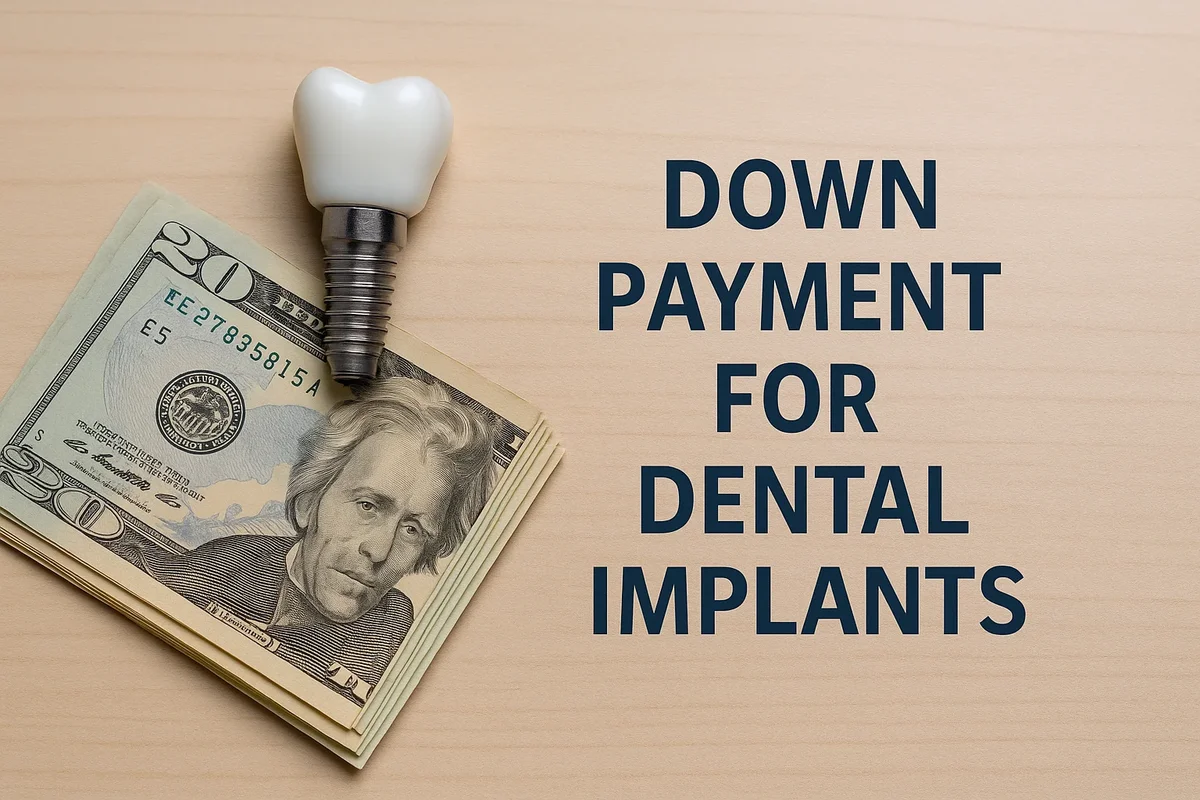
Smart Questions to Ask Before Making a Down Payment
Making a financial commitment toward implant treatment is a major decision, and patients should always feel confident and informed before providing a down payment for dental implants. Asking the right questions helps eliminate misunderstandings, build trust with the clinic, and ensure that the treatment plan truly fits your medical and financial needs. The more informed you are, the easier it becomes to move forward with clarity and peace of mind. In this detailed guide, you’ll find the smartest and most important questions to ask—along with explanations on why each one matters. 😊
Questions About the Treatment Plan and Procedures
Before discussing money, patients should focus on fully understanding the clinical side of treatment. A clear treatment plan is the foundation for determining an accurate down payment for dental implants.
1. What Are All the Steps Involved in My Implant Treatment?
Every implant case is unique. Some require extractions, bone grafting, or sinus lifting, while others follow a straightforward placement and restoration approach. Understanding the complete sequence reveals how much preparation, surgery, and lab work is included in your initial payment.
2. Which Implant System and Materials Will Be Used?
High-quality implant brands often require clinics to secure components early, affecting the down payment for dental implants. Patients should know whether their implants are premium, mid-tier, or economy-level systems.
3. How Long Will the Entire Process Take?
A treatment timeline can span several months. Knowing how long each stage will take helps patients prepare financially and avoid scheduling surprises later.
Questions About Costs and Financial Transparency
Understanding exactly what you’re paying for—and when—is essential. These questions help ensure that your down payment for dental implants is fair and transparent.
4. What Does the Down Payment Specifically Cover?
A reputable clinic should clearly outline whether the initial payment covers diagnostics, surgical guides, implant fixtures, laboratory work, or surgical time.
5. Are There Any Additional Fees Not Included in the Initial Quote?
Unexpected costs can arise if a clinic does not provide a detailed breakdown. Asking this question protects you from hidden charges and clarifies whether follow-up visits, temporary crowns, or imaging fees are included.
6. Can I See a Written, Itemized Treatment Plan?
A written plan allows patients to compare clinics accurately. It also ensures the down payment for dental implants is aligned with the clinic’s services and materials.
Questions About Payment Flexibility and Financing
Many patients rely on financing or structured payment plans to make dental implants more affordable. Asking the right financing questions can significantly reduce your upfront costs.
7. Do You Offer In-House Payment Plans?
In-house plans may allow smaller initial payments because approval is handled directly by the clinic. Patients with lower credit scores often benefit from these flexible arrangements.
8. Which Third-Party Financing Options Are Available?
Many clinics partner with medical credit companies that provide low-interest or interest-free payment programs. These programs can reduce the required down payment for dental implants while offering predictable monthly payments.
9. Are Zero-Interest or Low-Interest Plans Offered?
Promotional financing options often require specific qualifications. Asking about these ensures you don’t miss opportunities to save money.
Questions About Policies, Guarantees, and Refunds
Patients must know how clinics handle scheduling changes, cancellations, and potential complications. This protects your investment and ensures peace of mind.
10. What Is Your Cancellation or Rescheduling Policy?
Some clinics charge fees for missed appointments due to the cost of preparing surgical materials. Understanding these policies helps prevent unexpected financial penalties.
11. Is Any Portion of the Down Payment Refundable?
Since clinics use the down payment for dental implants to order patient-specific materials, refund rules may vary. Patients should confirm whether unused components or unstarted procedures qualify for partial refunds.
12. Do You Provide Guarantees or Long-Term Support for Implants?
Guarantees for implants, crowns, or restorations add value and reduce future financial risk. Patients should ask about maintenance policies, repair fees, and follow-up schedules.
Questions About Experience and Clinical Outcomes
Choosing an experienced implant team enhances success rates and ensures your financial investment is worthwhile.
13. How Many Implant Procedures Do You Perform Annually?
Higher surgical volume generally correlates with better outcomes. Clinics performing many implant cases may also offer more flexible payment structures—and sometimes lower down payment for dental implants due to streamlined workflows.
14. Can I See Before-and-After Photos or Patient Testimonials?
Visual proof helps build trust and sets realistic expectations for your final results.
Final Steps Before Making Your Decision
After gathering all necessary information, patients should take time to review the treatment plan carefully. Family members or trusted advisors can provide additional perspective. Remember, the down payment for dental implants should never feel rushed or unclear—patients deserve complete confidence in their decision.
For personalized guidance, patients can contact Redent Klinik through the
Redent Klinik Contact Page.
For educational credibility and scientific standards, the
American Dental Association
offers valuable resources for implant candidates.
By asking these thoughtful, strategic questions, patients ensure they understand every clinical and financial aspect of treatment. This empowers them to make informed decisions, avoid unexpected costs, and feel fully prepared when making the down payment for dental implants. 😁