
Many people experience occasional dryness in their mouth, especially after waking up or during stressful situations. However, when this condition becomes persistent, it can seriously affect oral health and overall comfort. A dry mouth dentist specializes in identifying the causes of dry mouth, also known as xerostomia, and providing effective solutions to protect teeth, gums, and oral tissues. Visiting a dry mouth dentist early can help prevent serious complications such as cavities, gum disease, bad breath, oral infections, and tooth sensitivity. 😷
A healthy mouth depends on proper saliva production. Saliva plays a vital role in neutralizing acids, washing away bacteria, lubricating oral tissues, and helping with digestion. When saliva production decreases, harmful bacteria can multiply quickly. This is why a dry mouth dentist focuses not only on symptom relief but also on long-term oral protection. Chronic dry mouth can affect speech, chewing, swallowing, and even sleeping quality. Patients who delay treatment may develop enamel erosion and painful mouth sores over time.
One of the most common reasons patients visit a dry mouth dentist is medication-related dry mouth. Hundreds of prescription medications, including antidepressants, antihistamines, blood pressure medications, and allergy treatments, can reduce saliva flow. In addition, conditions such as diabetes, autoimmune diseases, thyroid disorders, dehydration, and sleep apnea may contribute to chronic oral dryness. A skilled dry mouth dentist carefully evaluates these factors before recommending treatment options.
Symptoms of dry mouth can vary from mild discomfort to severe oral health problems. Common signs include:
- Sticky or dry feeling inside the mouth
- Difficulty swallowing or speaking
- Burning sensation on the tongue
- Persistent bad breath 😮
- Cracked lips and mouth sores
- Increased tooth sensitivity
- Frequent cavities
- Dry throat during sleep
If these symptoms continue for several weeks, it is important to consult a dry mouth dentist for a professional oral evaluation. Early diagnosis can reduce the risk of severe dental complications and improve daily comfort significantly.
During an examination, a dry mouth dentist will typically review medical history, current medications, hydration habits, diet, and oral hygiene routines. The dentist may also evaluate saliva gland function and examine signs of enamel wear or gum irritation. In some cases, additional tests may be recommended to identify underlying medical conditions connected to xerostomia.
There are several highly effective treatments available through a dry mouth dentist. Treatment plans are usually customized according to the cause and severity of symptoms. Common recommendations may include:
Saliva-Stimulating Treatments
A dry mouth dentist may recommend sugar-free chewing gum, saliva substitutes, oral moisturizing sprays, or prescription saliva stimulants. These treatments help increase oral lubrication and improve comfort throughout the day.
Fluoride Protection Therapy
Because dry mouth increases cavity risk, many patients receive fluoride treatments from a dry mouth dentist. Professional fluoride applications strengthen enamel and reduce tooth decay risk. Fluoride trays may also be recommended for home use. 🦷
Hydration and Lifestyle Adjustments
Hydration plays a critical role in controlling dry mouth symptoms. A dry mouth dentist often advises patients to increase water intake, avoid excessive caffeine, alcohol, and smoking, and use humidifiers during sleep. Patients are also encouraged to avoid acidic or sugary foods that can worsen enamel erosion.
Nighttime Dry Mouth Solutions
Many patients experience severe oral dryness while sleeping. A dry mouth dentist may evaluate breathing patterns, snoring habits, or sleep apnea symptoms. Mouth breathing during sleep often contributes to nighttime xerostomia. Using oral hydration gels or adjusting sleeping conditions may help reduce discomfort significantly.
Another important aspect of care involves preventive dentistry. Regular cleanings and dental examinations are essential for patients with xerostomia. A dry mouth dentist closely monitors the condition of the gums, enamel, and soft tissues to identify potential issues before they become severe. Preventive care is one of the most effective ways to avoid expensive restorative procedures later.
Patients frequently ask about the cost of treatment from a dry mouth dentist. Prices vary depending on location, examination complexity, and treatment methods. Based on common dental market rates, initial consultations may range between $80 and $250, while fluoride treatments typically cost between $30 and $80 per session. Prescription saliva products and custom preventive trays may involve additional costs. However, early treatment is usually far more affordable than repairing extensive decay caused by chronic dry mouth.
Estimated Dry Mouth Treatment Costs 💰
- Initial consultation: $80–$250
- Professional fluoride treatment: $30–$80
- Saliva substitute products: $10–$40
- Custom fluoride trays: $150–$400
- Comprehensive oral evaluation: $100–$300
Maintaining proper oral hygiene at home is equally important. A dry mouth dentist usually recommends soft-bristled toothbrushes, alcohol-free mouthwash, fluoride toothpaste, and gentle cleaning techniques. Oral care products designed specifically for xerostomia patients can significantly improve comfort and reduce irritation.
Patients searching for advanced dental care and oral health guidance may also benefit from visiting the Redent Klinik Contact Page for additional consultation support and professional treatment planning.
For trusted oral health information and preventive dental recommendations, patients can also review resources provided by the American Dental Association.
Choosing the right dry mouth dentist is essential for long-term oral health. An experienced dental professional understands the connection between saliva production, gum health, tooth protection, and overall comfort. With the correct diagnosis and personalized treatment approach, patients can successfully manage xerostomia symptoms and maintain a healthier smile for years to come. 😊
What Does a Dry Mouth Dentist Do?
A dry mouth dentist is a dental professional who specializes in diagnosing, managing, and treating oral health problems caused by reduced saliva production. While many people think dry mouth is only a minor inconvenience, it can actually become a serious dental issue when left untreated. A dry mouth dentist understands how saliva protects the mouth and why chronic dryness can lead to severe complications such as tooth decay, gum disease, oral infections, bad breath, and discomfort while eating or speaking. 🦷
Saliva is one of the body’s natural defense systems. It helps wash away bacteria, neutralize harmful acids, lubricate oral tissues, and support healthy digestion. Without enough saliva, the mouth becomes vulnerable to bacterial buildup and enamel erosion. This is why visiting a dry mouth dentist is important for patients who experience persistent oral dryness or symptoms of xerostomia.
Why Saliva Is Essential for Oral Health
Many patients underestimate the importance of saliva until problems begin to appear. A dry mouth dentist carefully explains how saliva contributes to maintaining a healthy oral environment. Saliva contains minerals that strengthen enamel and enzymes that assist digestion. It also prevents harmful bacteria from multiplying excessively inside the mouth.
When saliva production decreases, the oral environment changes rapidly. Harmful acids remain on the teeth longer, increasing the risk of cavities and gum inflammation. A dry mouth dentist often sees patients who develop multiple dental issues simply because dry mouth symptoms were ignored for too long.
Functions of Healthy Saliva
- Protects enamel from acid damage
- Helps wash away food particles
- Reduces bacterial growth
- Supports comfortable swallowing and speaking
- Prevents mouth sores and irritation
- Maintains fresh breath 😮
A qualified dry mouth dentist focuses on restoring these protective functions whenever possible.
Common Conditions Treated by a Dry Mouth Dentist
A dry mouth dentist treats a wide range of oral conditions connected to reduced saliva flow. Some patients experience occasional dryness, while others suffer from severe chronic xerostomia that affects daily life. Identifying the underlying cause is one of the most important parts of treatment.
Common causes evaluated by a dry mouth dentist include:
- Medication side effects
- Diabetes
- Autoimmune disorders
- Thyroid conditions
- Stress and anxiety
- Dehydration
- Smoking and alcohol use
- Sleep apnea and mouth breathing
- Cancer treatments such as radiation therapy
Because these causes vary widely, a dry mouth dentist creates individualized treatment plans based on the patient’s overall health and oral condition.
Symptoms a Dry Mouth Dentist Evaluates
Many symptoms of xerostomia develop gradually. Some patients may not realize they have a problem until cavities or gum issues appear. A dry mouth dentist carefully examines both visible symptoms and patient complaints during the evaluation process.
Most Common Dry Mouth Symptoms
- Sticky or dry feeling inside the mouth
- Difficulty chewing or swallowing
- Frequent thirst
- Dry throat during sleep 🌙
- Burning tongue sensation
- Cracked lips
- Mouth ulcers
- Bad breath
- Increased plaque buildup
- Tooth sensitivity
A dry mouth dentist also checks for gum inflammation, enamel wear, fungal infections, and early decay that may be related to poor saliva production.
How a Dry Mouth Dentist Diagnoses Xerostomia
Diagnosis is an important step in creating an effective treatment plan. A dry mouth dentist typically begins by reviewing the patient’s medical history, medications, oral hygiene habits, and hydration levels. The dentist may ask detailed questions about sleep quality, dietary habits, and symptom severity.
During the examination, the dry mouth dentist may evaluate:
- Saliva gland function
- Oral tissue moisture
- Tooth enamel condition
- Signs of bacterial overgrowth
- Gum health
- Tongue texture and appearance
In some cases, additional medical testing may be recommended if an underlying health condition is suspected. A professional dry mouth dentist works closely with physicians when systemic diseases contribute to xerostomia.
Treatments Recommended by a Dry Mouth Dentist
Modern xerostomia treatment involves multiple approaches. A dry mouth dentist customizes care according to the severity of symptoms and the patient’s risk factors. Some patients only need minor lifestyle adjustments, while others require comprehensive preventive dental care.
Saliva Stimulation Techniques
A dry mouth dentist may recommend sugar-free chewing gum, oral moisturizers, hydration therapy, or prescription saliva stimulants. These treatments help improve oral lubrication and comfort.
Fluoride Therapy
Because dry mouth increases cavity risk dramatically, fluoride treatment is one of the most common services provided by a dry mouth dentist. Fluoride strengthens enamel and reduces acid damage.
Preventive Dental Monitoring
Regular dental cleanings and examinations are essential. A dry mouth dentist monitors early signs of tooth decay before serious damage occurs.
Nighttime Protection
Patients with severe nighttime dryness may receive oral hydration gels, custom trays, or recommendations for humidifiers. A dry mouth dentist may also evaluate mouth breathing or sleep apnea symptoms.
Lifestyle Advice from a Dry Mouth Dentist
Daily habits have a major impact on xerostomia symptoms. A dry mouth dentist often provides detailed guidance to help patients manage dry mouth naturally and reduce oral irritation.
- Drink water regularly 💧
- Avoid tobacco products
- Limit alcohol and caffeine intake
- Use alcohol-free mouthwash
- Choose fluoride toothpaste
- Avoid sugary snacks and acidic drinks
- Maintain regular oral hygiene
Patients who consistently follow these recommendations often notice significant improvements in comfort and oral health.
For patients looking for professional dental support and long-term oral care planning, visiting the Redent Klinik Contact Page can provide additional guidance and consultation options.
Trusted oral health education and preventive recommendations are also available through the American Dental Association.
A knowledgeable dry mouth dentist plays a critical role in protecting oral health, identifying hidden causes of xerostomia, and preventing severe complications before they develop. With early diagnosis, preventive care, and personalized treatment, patients can successfully manage dry mouth symptoms and maintain a healthier, more comfortable smile for years. 😊
Common Causes of Chronic Dry Mouth Symptoms
Chronic dry mouth is a condition that affects millions of people worldwide and can significantly impact oral health, comfort, and quality of life. A dry mouth dentist frequently treats patients who experience ongoing oral dryness, difficulty swallowing, bad breath, and increased tooth sensitivity. While occasional dryness may happen after exercise or dehydration, persistent xerostomia usually indicates an underlying issue that requires professional attention. Understanding the most common causes of chronic dry mouth can help patients seek treatment earlier and prevent serious dental complications. 🦷
A dry mouth dentist carefully investigates the root causes of reduced saliva production because effective treatment depends on identifying what is triggering the condition. Saliva is essential for protecting teeth, gums, and soft tissues inside the mouth. Without proper saliva flow, harmful bacteria grow more rapidly, increasing the risk of cavities, gum disease, enamel erosion, fungal infections, and oral discomfort.
Medication Side Effects and Dry Mouth
One of the leading causes of xerostomia evaluated by a dry mouth dentist is medication use. Hundreds of prescription and over-the-counter medications can reduce saliva production as a side effect. In many cases, patients do not immediately realize their medications are contributing to their oral dryness.
Common Medications Linked to Dry Mouth
- Antidepressants
- Blood pressure medications
- Antihistamines
- Pain medications
- Muscle relaxants
- Anxiety medications
- Sleep aids 😴
- Diuretics
A dry mouth dentist often reviews the patient’s medication history carefully during the consultation. Patients taking multiple medications may experience severe dry mouth symptoms because the effects can accumulate over time. Sometimes physicians and dental professionals work together to adjust medications or recommend saliva-supporting solutions.
Dehydration and Inadequate Water Intake
Dehydration is another major factor frequently discussed with a dry mouth dentist. When the body lacks sufficient fluids, saliva production naturally decreases. Chronic dehydration may result from poor water intake, excessive caffeine consumption, alcohol use, intense exercise, or medical conditions causing fluid loss.
Many patients unknowingly worsen their symptoms by drinking large amounts of coffee, energy drinks, or sugary beverages instead of water. A dry mouth dentist usually encourages patients to maintain steady hydration throughout the day to improve oral moisture levels.
Signs of Dehydration-Related Dry Mouth
- Sticky saliva
- Dry lips
- Dark-colored urine
- Frequent thirst 💧
- Headaches
- Fatigue
- Dry throat during sleep
Proper hydration can often improve mild xerostomia symptoms significantly, although severe cases may still require professional treatment from a dry mouth dentist.
Medical Conditions That Cause Xerostomia
Many systemic diseases directly affect saliva gland function. A skilled dry mouth dentist understands the connection between oral symptoms and overall health conditions. Chronic illnesses may reduce saliva flow either through gland damage, immune system dysfunction, or medication side effects.
Health Conditions Commonly Associated with Dry Mouth
- Diabetes
- Sjogren’s syndrome
- Thyroid disorders
- Autoimmune diseases
- Parkinson’s disease
- Alzheimer’s disease
- Stroke complications
- Chronic anxiety and stress
A dry mouth dentist may identify early oral signs that suggest an underlying medical issue. In some situations, xerostomia becomes one of the first noticeable symptoms of a larger health condition. Early diagnosis can help patients receive appropriate medical treatment faster.
Mouth Breathing and Sleep Problems
Many patients who visit a dry mouth dentist report waking up with an extremely dry mouth and throat. Mouth breathing during sleep is a very common cause of nighttime xerostomia. Conditions such as nasal congestion, allergies, snoring, or sleep apnea often force patients to breathe through their mouth while sleeping.
Continuous airflow dries the oral tissues and reduces saliva protection overnight. Over time, this can lead to significant enamel wear and gum irritation. A dry mouth dentist may recommend evaluating sleep quality, breathing habits, or sleep apnea symptoms as part of the treatment process.
Symptoms of Sleep-Related Dry Mouth
- Dry mouth every morning 🌙
- Sore throat after waking up
- Snoring
- Bad breath
- Interrupted sleep
- Morning headaches
Treating sleep-related issues can dramatically improve oral moisture levels and reduce long-term dental damage.
Smoking, Alcohol, and Lifestyle Habits
A dry mouth dentist also evaluates lifestyle habits that may contribute to xerostomia. Smoking irritates oral tissues and reduces saliva flow over time. Alcohol consumption can dry out the mouth quickly, especially when consumed frequently or excessively.
In addition, some recreational substances and vaping products may worsen oral dryness considerably. Patients who smoke or consume alcohol regularly often experience more severe symptoms and increased dental complications.
Lifestyle Factors That Worsen Dry Mouth
- Smoking cigarettes 🚬
- Alcohol use
- High caffeine intake
- Poor oral hygiene
- Sugary diets
- Stress-related habits
A dry mouth dentist usually recommends reducing these habits whenever possible to improve saliva production and protect oral tissues.
Cancer Treatments and Saliva Gland Damage
Patients undergoing cancer treatment may experience severe xerostomia, especially after radiation therapy involving the head or neck region. A dry mouth dentist often works closely with oncology teams to help manage these symptoms.
Radiation can permanently damage saliva glands, leading to long-term dryness and increased cavity risk. Chemotherapy may also temporarily reduce saliva flow. Patients receiving cancer treatment require specialized preventive care from a dry mouth dentist to minimize complications.
Why Early Diagnosis Matters
Ignoring chronic xerostomia can lead to severe oral health problems over time. A dry mouth dentist focuses on identifying symptoms early before irreversible enamel damage or advanced gum disease develops. Early treatment often includes preventive fluoride therapy, oral hydration products, saliva substitutes, and lifestyle modifications.
Patients looking for professional consultation and preventive oral care can visit the Redent Klinik Contact Page for additional support and personalized treatment planning.
For trusted oral health education and preventive dentistry resources, patients may also review information from the American Dental Association.
A knowledgeable dry mouth dentist understands that xerostomia is more than just a minor inconvenience. Identifying the true cause of chronic dry mouth is essential for protecting teeth, improving comfort, and maintaining long-term oral health. With proper diagnosis and professional care, patients can successfully manage symptoms and reduce the risk of serious dental complications. 😊
How Dry Mouth Affects Teeth and Gums
Dry mouth may seem like a small inconvenience at first, but over time it can create serious oral health problems that affect teeth, gums, and the entire mouth. A dry mouth dentist regularly treats patients who experience tooth decay, gum irritation, oral infections, and enamel erosion caused by chronic xerostomia. Saliva is one of the mouth’s most important natural defense systems, and when saliva production decreases, harmful bacteria can grow rapidly and damage oral tissues. Understanding how dry mouth affects teeth and gums is essential for preventing long-term dental complications. 🦷
A dry mouth dentist focuses on identifying the early signs of oral damage before severe problems develop. Patients with xerostomia often notice symptoms such as sticky saliva, increased thirst, bad breath, or discomfort while eating. However, the deeper effects of dry mouth may remain hidden until cavities or gum disease appear. This is why professional evaluation and preventive care from a dry mouth dentist are extremely important.
The Protective Role of Saliva
Saliva does much more than simply keep the mouth moist. A dry mouth dentist explains that saliva constantly protects oral tissues from bacterial attacks and acid damage. Healthy saliva contains minerals and enzymes that help maintain balance inside the mouth.
Important Functions of Saliva
- Neutralizes harmful acids
- Strengthens tooth enamel
- Washes away bacteria and food particles
- Lubricates soft tissues
- Supports comfortable chewing and swallowing
- Helps prevent infections 😷
- Maintains healthy oral pH balance
When saliva flow decreases, the mouth loses much of this natural protection. A dry mouth dentist often sees patients whose dental problems progressed quickly because saliva production was too low to defend the teeth and gums properly.
How Dry Mouth Causes Tooth Decay
One of the most serious concerns treated by a dry mouth dentist is rapid tooth decay. Saliva normally removes food debris and neutralizes acids produced by bacteria. Without enough saliva, bacteria remain on tooth surfaces longer and produce acids that weaken enamel.
Patients with xerostomia often develop cavities near the gumline, between teeth, or in areas that were previously healthy. A dry mouth dentist may notice unusually fast cavity progression in patients with severe oral dryness.
Why Cavities Develop Faster with Dry Mouth
- Reduced acid neutralization
- Increased bacterial growth
- Lower enamel remineralization
- Sticky saliva that traps food particles
- Difficulty maintaining oral cleanliness
Because cavity risk becomes significantly higher, a dry mouth dentist usually recommends more frequent dental examinations and preventive fluoride treatments.
Enamel Erosion and Tooth Sensitivity
Another common issue treated by a dry mouth dentist is enamel erosion. Saliva normally protects enamel from acidic foods and beverages. Without proper saliva flow, acids remain on the teeth for longer periods and slowly wear away the enamel surface.
As enamel becomes thinner, patients often experience increased tooth sensitivity. Cold drinks, hot foods, sweets, or even cold air may trigger discomfort. A dry mouth dentist carefully monitors enamel condition to prevent permanent structural damage.
Signs of Enamel Damage
- Sharp sensitivity to temperature 🌡️
- Yellowing teeth due to thinning enamel
- Rough tooth surfaces
- Increased cavity formation
- Small cracks or chips
Preventive care from a dry mouth dentist can help slow enamel erosion and reduce long-term sensitivity problems.
Gum Disease and Oral Inflammation
A dry mouth dentist also treats many patients with gum inflammation related to xerostomia. Healthy saliva helps control bacterial populations around the gumline. When saliva levels decrease, bacteria accumulate more easily and irritate the gums.
Early gum disease may begin with redness, swelling, bleeding, or tenderness. If left untreated, inflammation can progress into periodontitis, a serious condition that damages supporting bone and tissues around the teeth.
Symptoms of Gum Problems Related to Dry Mouth
- Bleeding gums
- Swollen gum tissues
- Persistent bad breath 😮
- Receding gums
- Loose teeth in advanced cases
A dry mouth dentist often recommends professional cleanings and customized oral hygiene routines to reduce bacterial buildup and protect gum health.
Bad Breath and Bacterial Overgrowth
Many patients seek help from a dry mouth dentist because of persistent bad breath. Saliva naturally cleanses the mouth and reduces odor-causing bacteria. In dry oral environments, bacteria multiply rapidly and release unpleasant-smelling compounds.
Chronic bad breath caused by xerostomia can affect self-confidence and social comfort. A dry mouth dentist may recommend hydration strategies, oral moisturizers, tongue cleaning, and antibacterial treatments to control odor-causing bacteria.
Oral Infections and Mouth Sores
Without enough saliva, oral tissues become more vulnerable to irritation and infection. A dry mouth dentist frequently sees patients who develop fungal infections, mouth ulcers, or painful cracks around the lips due to chronic dryness.
One of the most common infections associated with xerostomia is oral thrush, a fungal infection caused by Candida overgrowth. Saliva normally helps regulate fungal balance inside the mouth. When saliva production decreases, fungal organisms can spread more easily.
Common Oral Tissue Problems
- Burning mouth sensation 🔥
- Cracked lips
- Tongue irritation
- Oral thrush
- Mouth ulcers
- Sore throat during sleep
A dry mouth dentist provides targeted treatment plans to reduce irritation and improve oral comfort.
Long-Term Effects of Untreated Dry Mouth
Without proper treatment, xerostomia can lead to extensive dental damage over time. A dry mouth dentist aims to prevent severe complications through early intervention and preventive care.
Long-term untreated dry mouth may result in:
- Multiple tooth extractions
- Advanced gum disease
- Severe enamel erosion
- Difficulty eating and speaking
- Chronic oral discomfort
- Expensive restorative dental procedures 💰
Patients who receive regular care from a dry mouth dentist usually experience fewer complications and better long-term oral health outcomes.
How a Dry Mouth Dentist Protects Oral Health
A dry mouth dentist develops customized treatment plans based on the patient’s symptoms, medical history, and oral condition. Treatment may include fluoride therapy, saliva substitutes, hydration guidance, dietary recommendations, and preventive dental monitoring.
Patients seeking professional consultation and preventive oral care support can visit the Redent Klinik Contact Page for additional information and personalized treatment planning.
Trusted oral health education and preventive care resources are also available through the American Dental Association.
A knowledgeable dry mouth dentist understands how critical saliva is for protecting teeth and gums. Early diagnosis, proper treatment, and consistent preventive care can help patients manage xerostomia effectively and maintain a healthier, more comfortable smile for years to come. 😊
Signs You Should Visit a Dry Mouth Dentist Immediately
Many people ignore the early signs of dry mouth because they assume the condition is temporary or harmless. However, persistent xerostomia can quickly lead to serious oral health complications if left untreated. A dry mouth dentist regularly treats patients who waited too long before seeking professional care and later developed advanced tooth decay, gum disease, severe enamel erosion, and painful oral infections. Recognizing the warning signs early is one of the best ways to protect your teeth, gums, and overall oral health. 🦷
A dry mouth dentist understands that xerostomia is not simply about feeling thirsty. Chronic dryness changes the entire oral environment and weakens the mouth’s natural defense system. Saliva plays a critical role in neutralizing acids, controlling bacteria, and protecting soft tissues. When saliva production decreases significantly, oral health can deteriorate much faster than many patients realize.
Persistent Dryness That Does Not Improve
One of the clearest signs that you should visit a dry mouth dentist is continuous oral dryness lasting several weeks or longer. Occasional dryness after exercise or dehydration is normal, but chronic symptoms may indicate a more serious issue.
If your mouth constantly feels sticky, rough, or uncomfortable despite drinking water regularly, a dry mouth dentist should evaluate the situation professionally. Persistent xerostomia often signals underlying health conditions, medication side effects, or saliva gland dysfunction.
Symptoms That Should Not Be Ignored
- Constant dry feeling inside the mouth
- Frequent thirst 💧
- Dry throat during sleep
- Sticky saliva
- Difficulty speaking for long periods
- Dry lips and cracked mouth corners
A dry mouth dentist can identify whether the problem is mild, moderate, or severe and recommend appropriate treatment before complications develop.
Frequent Cavities or Sudden Tooth Decay
One major warning sign evaluated by a dry mouth dentist is an increase in cavities over a short period of time. Saliva normally helps protect enamel and remove bacteria from tooth surfaces. Without enough saliva, acid-producing bacteria remain active inside the mouth and attack the teeth continuously.
Patients with xerostomia often develop cavities near the gumline or between the teeth. A dry mouth dentist may notice multiple areas of decay during routine examinations, even in patients who previously had excellent oral health.
Signs of Dry Mouth-Related Tooth Damage
- Sudden increase in cavities
- Dark spots on teeth
- Tooth sensitivity 🌡️
- Pain while eating sweets
- Rough enamel texture
- Chipped or weakened teeth
Visiting a dry mouth dentist early can help prevent extensive restorative procedures such as crowns, root canals, or tooth extractions later.
Persistent Bad Breath
Bad breath is another common reason patients seek help from a dry mouth dentist. Chronic xerostomia creates the perfect environment for bacteria to multiply rapidly. These bacteria release sulfur compounds that produce unpleasant oral odors.
Even with regular brushing and mouthwash use, bad breath may continue if saliva levels remain low. A dry mouth dentist focuses on treating the root cause rather than only masking symptoms temporarily.
When Bad Breath Signals Dry Mouth Problems
- Persistent odor despite brushing 😮
- Morning breath that remains all day
- Metallic or bitter taste
- Dry tongue coating
- Sticky feeling inside the mouth
Professional treatment from a dry mouth dentist can significantly improve oral freshness and bacterial balance.
Difficulty Eating, Swallowing, or Speaking
Saliva is essential for comfortable chewing, swallowing, and speaking. A dry mouth dentist often treats patients who experience discomfort during meals or difficulty speaking because of oral dryness.
Food may stick to oral tissues more easily when saliva production decreases. Some patients also experience burning sensations or throat irritation while swallowing. These symptoms can affect nutrition, hydration, and overall quality of life.
Functional Problems Caused by Xerostomia
- Difficulty swallowing dry foods
- Burning tongue sensation 🔥
- Trouble speaking clearly
- Frequent throat irritation
- Discomfort while chewing
A dry mouth dentist may recommend saliva substitutes, oral hydration products, or customized treatment strategies to improve daily comfort.
Bleeding or Inflamed Gums
Gum inflammation is another important warning sign that should not be ignored. A dry mouth dentist understands that reduced saliva flow allows bacteria to accumulate more easily along the gumline.
Without saliva’s protective effects, gum tissues become more vulnerable to irritation and infection. Patients may notice bleeding while brushing, swollen gums, tenderness, or gum recession.
Common Gum Disease Symptoms
- Bleeding during brushing
- Red or swollen gums
- Gum tenderness
- Persistent bad taste
- Loose teeth in severe cases
A dry mouth dentist provides preventive cleanings and customized oral hygiene recommendations to reduce bacterial buildup and protect gum health.
Mouth Sores, Fungal Infections, and Burning Sensations
Oral tissues become more fragile when saliva production decreases. A dry mouth dentist frequently treats patients with mouth ulcers, fungal infections, cracked lips, or burning mouth syndrome caused by chronic xerostomia.
One common issue is oral thrush, a fungal infection caused by Candida overgrowth. Saliva normally helps control fungal balance inside the mouth. Without enough saliva, infections may develop more easily.
Signs of Oral Tissue Problems
- White patches inside the mouth
- Painful mouth sores 😷
- Cracked tongue surface
- Burning sensations
- Dry, irritated oral tissues
A dry mouth dentist can diagnose these conditions early and provide targeted treatment before symptoms worsen.
Nighttime Dry Mouth and Sleep Disruption
Many patients experience severe oral dryness during sleep. A dry mouth dentist often evaluates patients who wake up repeatedly because their mouth feels extremely dry.
Nighttime xerostomia may result from mouth breathing, snoring, sleep apnea, dehydration, or medication use. Over time, nighttime dryness can accelerate enamel erosion and increase cavity risk.
Sleep-Related Dry Mouth Symptoms
- Waking up thirsty 🌙
- Dry throat every morning
- Snoring
- Interrupted sleep
- Morning headaches
A dry mouth dentist may recommend oral hydration gels, humidifiers, or additional sleep evaluations to reduce nighttime symptoms.
Why Early Treatment Is Important
Early intervention can prevent serious oral damage and improve long-term comfort. A dry mouth dentist develops personalized treatment plans based on the patient’s symptoms, risk factors, and medical history.
Treatment options may include fluoride therapy, saliva substitutes, hydration recommendations, preventive cleanings, oral moisturizers, and dietary guidance. Patients who seek professional care early often avoid more expensive and invasive procedures later.
Patients looking for professional xerostomia treatment and preventive oral care can visit the Redent Klinik Contact Page for consultation and personalized treatment planning.
Trusted oral health recommendations and preventive dentistry information are also available through the American Dental Association.
A knowledgeable dry mouth dentist understands that persistent oral dryness should never be ignored. Recognizing warning signs early and seeking professional treatment can help patients protect their teeth, gums, and overall oral health for many years to come. 😊
Best Treatments Recommended by a Dry Mouth Dentist
Finding the right treatment for chronic dry mouth is extremely important for protecting oral health and improving daily comfort. A dry mouth dentist understands that xerostomia can affect every part of the mouth, including the teeth, gums, tongue, and soft tissues. Because dry mouth often has multiple causes, treatment plans are usually personalized according to the patient’s symptoms, medical history, lifestyle, and oral condition. The best treatments recommended by a dry mouth dentist focus not only on symptom relief but also on preventing long-term dental complications such as cavities, gum disease, enamel erosion, and oral infections. 🦷
Many patients believe simply drinking more water will solve their symptoms, but chronic xerostomia often requires more advanced care. A dry mouth dentist carefully evaluates the severity of saliva reduction and identifies the factors contributing to the problem before recommending treatment options.
Saliva Stimulation Treatments
One of the most common strategies used by a dry mouth dentist involves stimulating natural saliva production. Saliva plays a vital role in protecting oral tissues and maintaining a healthy bacterial balance inside the mouth. Increasing saliva flow can significantly improve comfort and reduce oral damage.
Sugar-Free Chewing Gum and Lozenges
A dry mouth dentist often recommends sugar-free chewing gum or specially designed lozenges containing xylitol. Chewing stimulates the salivary glands naturally and may help reduce dryness throughout the day.
- Improves oral lubrication
- Helps neutralize acids
- Reduces bacterial buildup
- Supports fresher breath 😮
- May lower cavity risk
Xylitol products are especially popular because they may also help reduce harmful oral bacteria.
Prescription Saliva Stimulants
In more severe cases, a dry mouth dentist may recommend prescription medications that stimulate saliva gland activity. These medications are usually prescribed when xerostomia results from medical conditions or certain medications.
Prescription saliva stimulants are often used under close supervision because not all patients are suitable candidates. A dry mouth dentist carefully reviews medical history before recommending these treatments.
Fluoride Therapy for Tooth Protection
Because xerostomia dramatically increases cavity risk, fluoride treatment is one of the most important preventive services provided by a dry mouth dentist. Saliva normally helps repair early enamel damage, but patients with dry mouth lose much of this natural protection.
Professional Fluoride Applications
A dry mouth dentist may apply concentrated fluoride varnishes or gels during routine visits. These treatments strengthen enamel and reduce acid damage caused by bacteria.
- Strengthens weak enamel
- Helps prevent cavities
- Reduces sensitivity 🌡️
- Protects vulnerable tooth surfaces
Professional fluoride applications are especially important for patients experiencing severe xerostomia or rapid tooth decay.
Custom Fluoride Trays
Some patients receive custom-made fluoride trays from a dry mouth dentist. These trays allow patients to apply fluoride gel at home regularly, providing additional protection against enamel erosion and cavity formation.
Oral Moisturizers and Saliva Substitutes
Many xerostomia patients benefit from saliva replacement products recommended by a dry mouth dentist. These products do not cure dry mouth permanently, but they help improve comfort and reduce tissue irritation.
Types of Oral Moisturizing Products
- Saliva substitute sprays
- Hydrating oral gels
- Moisturizing mouth rinses
- Artificial saliva products 💧
- Dry mouth lozenges
A dry mouth dentist usually recommends alcohol-free products because alcohol can worsen oral dryness and irritate sensitive tissues.
Lifestyle and Hydration Recommendations
Daily habits play a major role in managing xerostomia symptoms. A dry mouth dentist often provides detailed lifestyle guidance to help patients improve saliva flow naturally and reduce oral irritation.
Hydration Strategies
Drinking water consistently throughout the day is one of the simplest ways to reduce dry mouth discomfort. A dry mouth dentist may encourage patients to sip water frequently instead of drinking large amounts all at once.
- Carry water throughout the day 💦
- Avoid sugary drinks
- Limit caffeine intake
- Reduce alcohol consumption
- Use humidifiers during sleep
These adjustments may significantly improve mild xerostomia symptoms.
Dietary Changes
A dry mouth dentist may also recommend avoiding spicy, acidic, or salty foods that can irritate already sensitive oral tissues. Crunchy vegetables, water-rich fruits, and sugar-free snacks are often better choices for patients with chronic dryness.
Nighttime Dry Mouth Treatments
Many patients experience severe symptoms while sleeping. A dry mouth dentist frequently treats individuals who wake up with extremely dry mouths, sore throats, or burning sensations.
Nighttime Protection Solutions
- Oral hydration gels 🌙
- Humidifiers in the bedroom
- Hydrating mouth sprays before sleep
- Breathing evaluations for sleep apnea
- Mouth breathing correction
If sleep apnea or chronic mouth breathing contributes to xerostomia, a dry mouth dentist may recommend further sleep evaluations or collaborate with medical professionals.
Treatment for Oral Infections and Irritation
Patients with severe xerostomia often develop fungal infections, mouth sores, or tissue irritation. A dry mouth dentist carefully monitors oral tissues for signs of infection and inflammation.
Common Oral Complications Treated
- Oral thrush
- Burning mouth syndrome 🔥
- Mouth ulcers
- Cracked lips
- Tongue irritation
Treatment may include antifungal medications, soothing oral rinses, hydration therapies, and specialized oral care products recommended by a dry mouth dentist.
Preventive Dental Monitoring
Regular dental visits are extremely important for patients with xerostomia. A dry mouth dentist monitors the condition of the enamel, gums, and soft tissues closely to identify early problems before they become severe.
Preventive dental care often includes:
- Professional cleanings
- Fluoride applications
- Oral cancer screenings
- Enamel evaluations
- Gum disease monitoring 🦷
Patients who maintain regular appointments with a dry mouth dentist usually experience fewer long-term complications.
Estimated Treatment Costs
Treatment costs vary depending on symptom severity and the type of care required. A dry mouth dentist may recommend simple over-the-counter solutions or more advanced preventive therapies.
Average Dry Mouth Treatment Costs 💰
- Initial consultation: $80–$250
- Professional fluoride treatment: $30–$80
- Custom fluoride trays: $150–$400
- Saliva substitute products: $10–$50
- Comprehensive oral evaluation: $100–$300
Early treatment from a dry mouth dentist is often far less expensive than restoring severe dental damage caused by untreated xerostomia.
Patients seeking personalized xerostomia treatment and preventive oral care can visit the Redent Klinik Contact Page for additional guidance and consultation support.
Trusted preventive dentistry information and oral health resources are also available through the American Dental Association.
A professional dry mouth dentist understands that successful xerostomia treatment requires a combination of prevention, hydration, oral protection, and long-term monitoring. With proper care and customized treatment plans, patients can reduce discomfort, protect their teeth and gums, and maintain healthier oral function for years to come. 😊
Foods and Drinks That Help Reduce Dry Mouth
Diet plays a major role in managing xerostomia symptoms and protecting oral health. A dry mouth dentist often explains that the foods and beverages patients consume every day can either improve saliva production or worsen oral dryness significantly. Choosing the right nutrition plan can help reduce discomfort, protect tooth enamel, improve gum health, and minimize the risk of cavities. While professional treatment remains important, proper dietary habits recommended by a dry mouth dentist can greatly improve long-term oral comfort and hydration. 🥤
Saliva is essential for neutralizing acids, washing away bacteria, lubricating oral tissues, and supporting digestion. When saliva production decreases, the mouth becomes more vulnerable to bacterial growth, enamel erosion, and oral irritation. A dry mouth dentist usually recommends foods and drinks that naturally stimulate saliva flow and help maintain oral moisture throughout the day.
Why Diet Matters for Xerostomia
Many patients underestimate how strongly nutrition affects saliva production. A dry mouth dentist understands that some foods naturally encourage saliva flow, while others dry out the oral tissues or increase bacterial activity.
Dry mouth patients often experience increased tooth sensitivity, gum irritation, and bad breath because their oral environment lacks sufficient moisture. Carefully selected foods can help reduce these symptoms while protecting oral tissues.
Benefits of a Dry Mouth-Friendly Diet
- Improves oral hydration 💧
- Stimulates saliva production
- Reduces cavity risk
- Supports gum health
- Protects tooth enamel
- Improves comfort while eating
A dry mouth dentist usually recommends combining dietary improvements with proper oral hygiene and preventive dental care.
Best Water-Rich Foods for Dry Mouth
Foods with high water content can help keep the mouth moist and reduce discomfort caused by xerostomia. A dry mouth dentist frequently encourages patients to include fresh fruits and vegetables in their daily meals.
Top Hydrating Foods
- Cucumber 🥒
- Watermelon 🍉
- Celery
- Strawberries 🍓
- Lettuce
- Apples 🍎
- Pears
- Oranges 🍊
These foods naturally contain large amounts of water and may help stimulate saliva production while eating. A dry mouth dentist often recommends chewing crunchy fruits and vegetables because chewing activity itself can activate saliva glands.
Best Drinks Recommended by a Dry Mouth Dentist
Hydration is one of the most important aspects of xerostomia management. A dry mouth dentist usually advises patients to drink water consistently throughout the day rather than waiting until they feel thirsty.
Recommended Hydrating Beverages
- Plain water 💦
- Herbal teas without caffeine
- Milk in moderation
- Coconut water
- Sugar-free electrolyte drinks
- Infused water with cucumber or lemon
Small, frequent sips are often more effective than consuming large amounts of water at once. A dry mouth dentist may also suggest keeping a water bottle nearby during work, travel, or sleep.
Foods That Naturally Stimulate Saliva Production
Some foods can naturally encourage saliva gland activity and improve oral moisture levels. A dry mouth dentist often recommends mildly acidic foods in moderation because they may help stimulate saliva flow.
Natural Saliva-Stimulating Foods
- Sugar-free chewing gum
- Lemon-infused water 🍋
- Sugar-free citrus candies
- Crunchy vegetables
- Fiber-rich fruits
However, a dry mouth dentist also warns patients to avoid excessive acidic intake because acids may damage enamel if saliva levels remain too low.
Protein and Soft Foods for Comfortable Eating
Many xerostomia patients experience discomfort while chewing dry foods. A dry mouth dentist may recommend softer meals with adequate moisture to make eating easier and reduce irritation.
Easy-to-Eat Moist Foods
- Soups 🍲
- Yogurt
- Smoothies
- Oatmeal
- Soft-cooked vegetables
- Fish and tender chicken
- Scrambled eggs
Adding sauces, broths, or healthy oils may also help improve swallowing comfort for patients experiencing severe oral dryness. A dry mouth dentist often encourages patients to avoid overly dry foods unless they are consumed with enough liquid.
Foods and Drinks to Avoid
Certain foods and beverages can worsen xerostomia symptoms and increase the risk of dental damage. A dry mouth dentist carefully explains which products should be limited or avoided completely.
Common Dry Mouth Triggers
- Coffee ☕
- Alcohol 🍷
- Energy drinks
- Sugary sodas
- Spicy foods 🌶️
- Salty snacks
- Highly acidic beverages
- Sticky candies
These products may irritate oral tissues, reduce moisture levels, or increase acid exposure. A dry mouth dentist usually recommends replacing sugary or acidic drinks with water or sugar-free alternatives.
The Importance of Sugar Control
Patients with xerostomia face a much higher risk of cavities because bacteria remain active longer inside the mouth. A dry mouth dentist often advises reducing sugar intake to protect enamel and gum health.
Why Sugar Is Dangerous for Dry Mouth Patients
- Feeds harmful oral bacteria
- Increases acid production
- Accelerates enamel erosion
- Raises cavity risk 🦷
- Worsens plaque buildup
Choosing sugar-free products whenever possible is one of the simplest ways to reduce oral health complications associated with xerostomia.
Nighttime Nutrition Tips from a Dry Mouth Dentist
Nighttime dry mouth can become especially uncomfortable. A dry mouth dentist often recommends avoiding alcohol, caffeine, and salty foods before bedtime because they may worsen overnight dryness.
Helpful Evening Habits
- Drink water before sleep 🌙
- Use oral moisturizing gel
- Avoid sugary nighttime snacks
- Use a humidifier
- Limit caffeine after evening hours
These simple habits may significantly improve sleep comfort and reduce morning dryness symptoms.
Estimated Costs of Recommended Products
A dry mouth dentist may also recommend specialized products designed to improve oral hydration and protect enamel.
Average Dry Mouth Product Costs 💰
- Oral moisturizing sprays: $10–$25
- Saliva substitute gels: $8–$20
- Sugar-free xylitol gum: $5–$15
- Humidifiers for nighttime use: $30–$120
- Fluoride toothpaste for dry mouth: $8–$20
Many of these products can provide significant relief when combined with professional care from a dry mouth dentist.
Patients seeking professional xerostomia evaluation and personalized oral care guidance can visit the Redent Klinik Contact Page for additional consultation support.
Trusted oral health resources and preventive dental recommendations are also available through the American Dental Association.
A knowledgeable dry mouth dentist understands that proper nutrition and hydration are essential parts of xerostomia management. Choosing the right foods and drinks can help patients improve oral comfort, protect their teeth and gums, and reduce the long-term complications associated with chronic dry mouth. 😊
Dry Mouth Dentist Tips for Better Nighttime Comfort
Nighttime dry mouth can become one of the most frustrating symptoms of xerostomia. Many patients wake up several times during the night with a sticky mouth, sore throat, bad breath, or intense thirst. A dry mouth dentist understands that oral dryness often becomes worse during sleep because saliva production naturally decreases at night. When combined with mouth breathing, snoring, medications, or dehydration, nighttime xerostomia can seriously affect oral health and sleep quality. Proper nighttime care strategies recommended by a dry mouth dentist can help patients sleep more comfortably while protecting their teeth and gums from long-term damage. 🌙
Saliva plays a critical protective role while sleeping. It helps neutralize acids, wash away bacteria, lubricate oral tissues, and maintain a healthy balance inside the mouth. Without sufficient saliva, bacteria multiply rapidly overnight, increasing the risk of cavities, gum inflammation, bad breath, enamel erosion, and oral infections. A dry mouth dentist focuses on both symptom relief and preventive protection when helping patients manage nighttime xerostomia.
Why Dry Mouth Becomes Worse at Night
Many patients notice that their symptoms are much more severe after sleeping. A dry mouth dentist explains that saliva production naturally slows down during nighttime hours. If additional factors such as mouth breathing or dehydration are present, oral dryness can become significantly worse.
Common Reasons for Nighttime Xerostomia
- Mouth breathing 😴
- Snoring
- Sleep apnea
- Medication side effects
- Dehydration
- Alcohol consumption before bed
- Caffeine intake late in the day
- Dry bedroom air
A dry mouth dentist carefully evaluates these contributing factors to create personalized nighttime treatment strategies.
Hydration Tips Before Sleeping
Proper hydration is one of the simplest and most effective ways to improve nighttime comfort. A dry mouth dentist usually encourages patients to maintain consistent water intake throughout the day instead of drinking excessive amounts right before bed.
Helpful Hydration Strategies
- Drink water regularly during the day 💧
- Take small sips before bedtime
- Keep water near the bed
- Avoid excessive salty foods at night
- Reduce sugary evening snacks
While hydration alone may not completely eliminate xerostomia, a dry mouth dentist often finds that proper fluid intake greatly improves nighttime oral comfort.
Using Oral Moisturizing Products Overnight
Many xerostomia patients benefit from specialized nighttime hydration products recommended by a dry mouth dentist. These products help lubricate oral tissues for several hours and reduce irritation while sleeping.
Common Nighttime Oral Moisturizers
- Dry mouth gels
- Saliva substitute sprays
- Moisturizing mouth rinses
- Hydrating lozenges
- Artificial saliva products 🦷
A dry mouth dentist generally recommends alcohol-free products because alcohol can worsen dryness and irritate oral tissues further.
Humidifiers and Bedroom Air Quality
Dry indoor air can significantly worsen xerostomia symptoms overnight. A dry mouth dentist often recommends using a humidifier in the bedroom to increase moisture levels while sleeping.
Humidifiers add moisture to the air, which may help reduce oral dryness, throat irritation, and nasal congestion. Patients who live in dry climates or use indoor heating systems frequently notice improvement after adding a humidifier to their nighttime routine.
Benefits of Bedroom Humidifiers
- Improves oral moisture 🌙
- Reduces throat dryness
- Supports easier breathing
- May reduce snoring symptoms
- Increases sleep comfort
A dry mouth dentist may recommend cool-mist humidifiers because they are generally comfortable for overnight use.
Managing Mouth Breathing During Sleep
Mouth breathing is one of the leading causes of severe nighttime dry mouth. A dry mouth dentist frequently evaluates patients who wake up with extreme dryness caused by breathing through the mouth instead of the nose.
When the mouth remains open during sleep, continuous airflow rapidly dries the oral tissues and decreases saliva protection. Over time, this can accelerate enamel erosion and increase cavity risk.
Signs of Mouth Breathing
- Dry mouth every morning 😮
- Sore throat after waking
- Snoring
- Bad breath
- Interrupted sleep
- Morning headaches
A dry mouth dentist may suggest nasal evaluations, allergy management, or sleep studies if mouth breathing or sleep apnea is suspected.
Nighttime Oral Hygiene Recommendations
Proper oral hygiene before bed is extremely important for xerostomia patients. Since saliva production decreases overnight, bacteria remain active longer inside the mouth. A dry mouth dentist often recommends strengthening oral hygiene routines to reduce cavity and gum disease risk.
Recommended Bedtime Oral Care Routine
- Brush with fluoride toothpaste 🪥
- Use alcohol-free mouthwash
- Clean the tongue gently
- Floss carefully before bed
- Apply oral moisturizing gel if needed
A dry mouth dentist may also recommend prescription fluoride products for patients with severe xerostomia and high cavity risk.
Foods and Drinks to Avoid Before Bed
Certain nighttime habits can worsen oral dryness significantly. A dry mouth dentist often advises patients to avoid products that reduce saliva flow or irritate oral tissues before sleeping.
Products That May Worsen Nighttime Dry Mouth
- Alcohol 🍷
- Caffeinated beverages ☕
- Spicy foods 🌶️
- Sugary snacks
- Salty foods
- Smoking 🚬
Limiting these products before bedtime can help improve sleep comfort and reduce morning dryness symptoms.
Protecting Teeth from Nighttime Damage
During sleep, dry mouth patients face increased acid exposure and bacterial activity. A dry mouth dentist often recommends additional preventive care to protect enamel and reduce cavity formation.
Protective Treatments for Xerostomia Patients
- Professional fluoride treatments
- Custom fluoride trays
- Regular dental cleanings
- Enamel-strengthening toothpaste
- Preventive oral examinations 🦷
These preventive strategies help minimize long-term dental damage associated with chronic xerostomia.
Estimated Costs of Nighttime Dry Mouth Solutions
A dry mouth dentist may recommend several home-care products and preventive treatments to improve nighttime comfort and oral protection.
Average Costs for Nighttime Dry Mouth Products 💰
- Oral moisturizing gels: $8–$20
- Humidifiers: $30–$120
- Fluoride toothpaste: $8–$20
- Saliva substitute sprays: $10–$25
- Custom fluoride trays: $150–$400
Early preventive care from a dry mouth dentist is often much less expensive than treating advanced cavities or gum disease caused by untreated xerostomia.
Patients seeking personalized nighttime xerostomia treatment and preventive oral care guidance can visit the Redent Klinik Contact Page for consultation and professional support.
Trusted oral health education and preventive dentistry information are also available through the American Dental Association.
A knowledgeable dry mouth dentist understands that nighttime xerostomia affects far more than sleep comfort alone. With proper hydration, preventive care, oral moisturizers, and customized treatment strategies, patients can improve sleep quality, reduce oral irritation, and protect their teeth and gums from long-term damage. 😊
Cost of Dry Mouth Dental Treatments and Consultations
Understanding the cost of xerostomia care is an important part of planning long-term oral health treatment. A dry mouth dentist provides specialized evaluations, preventive care, and customized treatment plans designed to reduce oral dryness and protect teeth and gums from serious complications. While treatment costs can vary depending on the severity of symptoms and the type of care required, early intervention is often much more affordable than treating advanced dental damage caused by chronic dry mouth. Patients who delay visiting a dry mouth dentist may eventually require expensive restorative procedures such as crowns, root canals, periodontal treatment, or tooth replacement. 💰
A dry mouth dentist focuses not only on symptom management but also on preventing long-term complications. Saliva plays a major role in protecting enamel, controlling bacteria, and maintaining healthy oral tissues. When saliva production decreases, the risk of cavities, gum disease, enamel erosion, and oral infections rises dramatically. Preventive treatment is usually the most cost-effective approach.
Initial Consultation Costs
The first step in xerostomia treatment is usually a professional evaluation by a dry mouth dentist. During this appointment, the dentist reviews symptoms, medical history, medications, oral hygiene habits, and saliva production levels.
What Is Included in an Initial Consultation?
- Comprehensive oral examination 🦷
- Review of dry mouth symptoms
- Medical history evaluation
- Medication assessment
- Enamel and gum inspection
- Personalized treatment recommendations
The cost of an initial consultation with a dry mouth dentist typically ranges between $80 and $250, depending on location, clinic experience, and examination complexity.
Some clinics may include digital imaging or additional diagnostic tests during the first appointment, which can affect pricing slightly.
Professional Fluoride Treatment Costs
Fluoride therapy is one of the most common preventive services recommended by a dry mouth dentist. Because xerostomia patients face a significantly higher cavity risk, fluoride treatments help strengthen enamel and reduce acid damage.
Benefits of Fluoride Therapy
- Strengthens weak enamel
- Reduces cavity formation
- Helps lower sensitivity 🌡️
- Protects vulnerable tooth surfaces
- Supports long-term enamel health
Professional fluoride applications generally cost between $30 and $80 per session. Patients with severe xerostomia may require multiple applications annually depending on their cavity risk.
Custom Fluoride Tray Pricing
Some xerostomia patients benefit from custom fluoride trays created by a dry mouth dentist. These trays allow patients to apply fluoride gel at home regularly for additional enamel protection.
Why Custom Trays Are Recommended
- Provides long-lasting fluoride exposure
- Improves protection for high-risk patients
- Helps reduce enamel erosion
- May prevent future restorative costs
The average cost for custom fluoride trays from a dry mouth dentist ranges from $150 to $400, depending on the materials used and the complexity of the case.
Costs of Saliva Substitute Products
Many xerostomia patients use oral moisturizing products to improve daily comfort. A dry mouth dentist often recommends saliva substitutes, hydrating sprays, oral gels, and specialized mouth rinses.
Common Dry Mouth Products and Prices
- Saliva substitute sprays: $10–$25 💧
- Dry mouth gels: $8–$20
- Moisturizing mouthwash: $7–$18
- Xylitol lozenges: $5–$15
- Sugar-free chewing gum: $4–$12
While these products may not permanently cure xerostomia, a dry mouth dentist often finds them very effective for reducing discomfort and improving oral moisture levels.
Routine Cleaning and Preventive Care Costs
Patients with chronic xerostomia usually require more frequent preventive dental visits. A dry mouth dentist carefully monitors oral tissues, gum health, plaque accumulation, and enamel condition during regular appointments.
Preventive Services Commonly Recommended
- Professional cleanings 🪥
- Gum evaluations
- Enamel monitoring
- Oral cancer screenings
- Preventive cavity assessments
Routine cleanings generally cost between $75 and $200, depending on the clinic and treatment needs. Preventive care often reduces the likelihood of expensive restorative procedures later.
Costs of Treating Complications from Untreated Dry Mouth
Ignoring xerostomia can eventually result in major dental expenses. A dry mouth dentist often treats patients who delayed care until severe damage had already occurred.
Common Expensive Complications
- Dental fillings
- Crowns 👑
- Root canal therapy
- Periodontal treatment
- Tooth extractions
- Dental implants
Restorative treatment costs can become very high:
- Dental fillings: $100–$400
- Dental crowns: $800–$2,000
- Root canals: $700–$1,800
- Dental implants: $3,000–$6,000 per tooth
This is why preventive care from a dry mouth dentist is usually far more affordable in the long term.
Insurance Coverage for Xerostomia Treatment
Insurance coverage varies depending on the country, clinic, and specific treatment type. A dry mouth dentist may provide documentation showing that xerostomia treatment is medically necessary in some cases.
Treatments Sometimes Covered by Insurance
- Dental examinations
- Fluoride treatments
- Periodontal care
- Restorative procedures
- Diagnostic imaging 📋
However, some oral moisturizing products and cosmetic-related procedures may not be covered fully.
Factors That Affect Dry Mouth Treatment Costs
The total cost of care from a dry mouth dentist depends on several important factors.
Main Pricing Factors
- Severity of xerostomia
- Existing dental damage
- Frequency of dental visits
- Location of the clinic
- Need for restorative treatment
- Medical conditions affecting saliva production
A dry mouth dentist usually creates individualized treatment plans based on both oral health needs and budget considerations.
Long-Term Value of Preventive Care
Investing in preventive treatment early can significantly reduce future dental expenses. A dry mouth dentist focuses on preserving enamel, reducing bacterial growth, and preventing severe complications before they develop.
Long-term preventive care may include:
- Regular fluoride therapy
- Hydration counseling 💦
- Customized oral hygiene plans
- Nighttime protection strategies
- Routine professional monitoring
Patients who maintain regular visits with a dry mouth dentist often experience better oral health outcomes and lower long-term treatment costs.
Patients interested in professional xerostomia treatment and preventive dental care can visit the Redent Klinik Contact Page for consultation support and personalized treatment planning.
Trusted oral health resources and preventive dentistry information are also available through the American Dental Association.
A knowledgeable dry mouth dentist understands that xerostomia treatment is both a health investment and a preventive strategy. Early diagnosis, consistent care, and customized treatment plans can help patients reduce discomfort, avoid major restorative costs, and maintain healthier teeth and gums for many years. 😊
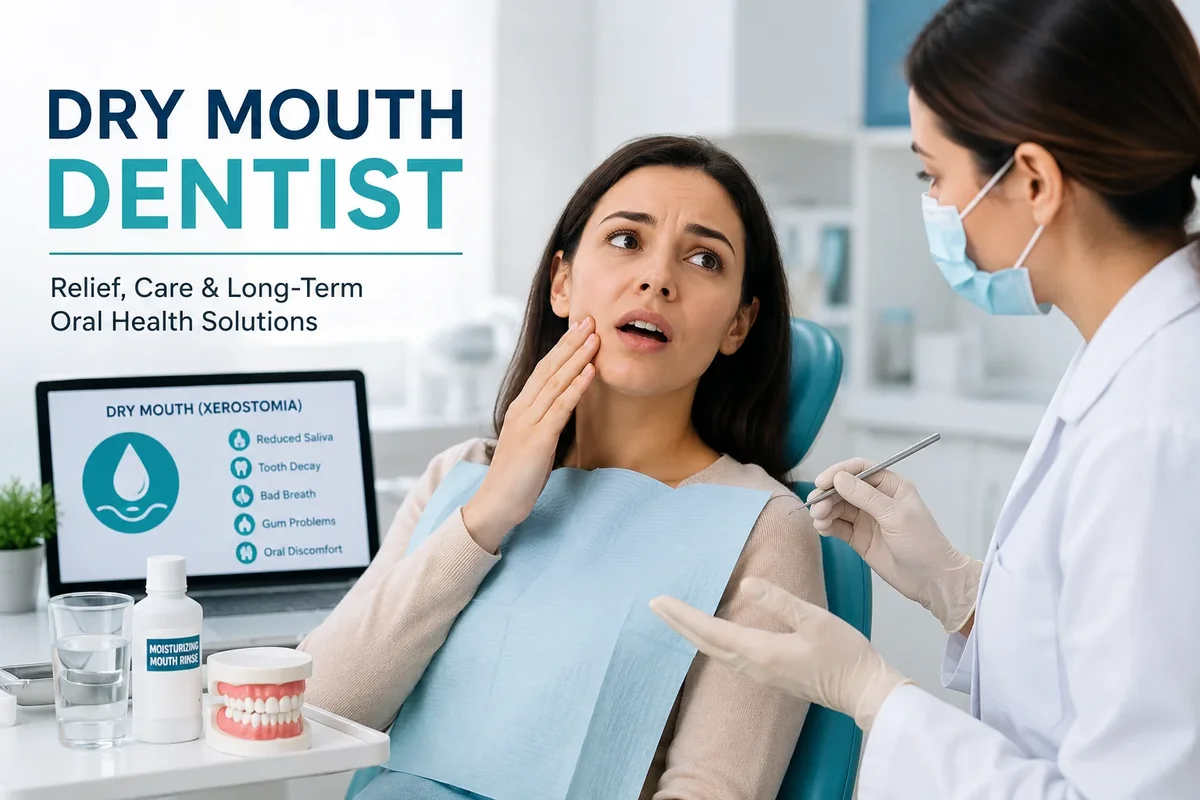
How to Prevent Dry Mouth and Protect Your Smile Long-Term
Preventing chronic dry mouth is one of the most effective ways to maintain healthy teeth, gums, and oral tissues over the long term. A dry mouth dentist understands that xerostomia can lead to serious complications if preventive care is ignored. Saliva is essential for protecting enamel, neutralizing harmful acids, controlling bacteria, and lubricating the mouth. When saliva production decreases, patients become more vulnerable to cavities, gum disease, bad breath, oral infections, and enamel erosion. Fortunately, with proper daily habits and professional guidance from a dry mouth dentist, many xerostomia-related problems can be reduced or prevented entirely. 🦷
Long-term oral protection requires a combination of hydration, preventive dental care, oral hygiene, dietary management, and healthy lifestyle habits. A dry mouth dentist focuses not only on treating symptoms but also on helping patients build routines that support healthy saliva production and minimize oral damage over time.
Why Prevention Is So Important
Many patients wait until severe symptoms appear before seeking professional help. However, a dry mouth dentist often sees that the most successful outcomes happen when xerostomia is managed early.
Without proper prevention, dry mouth can slowly damage the teeth and gums. Since saliva plays such a critical protective role, reduced saliva flow allows bacteria and acids to remain active for much longer inside the mouth.
Long-Term Risks of Untreated Xerostomia
- Frequent cavities
- Enamel erosion
- Gum disease 😷
- Bad breath
- Oral infections
- Tooth sensitivity
- Difficulty eating and speaking
A dry mouth dentist helps patients reduce these risks through preventive treatment and personalized oral care plans.
Maintaining Proper Hydration
Hydration is one of the most important factors in preventing dry mouth. A dry mouth dentist usually recommends drinking water regularly throughout the day to support healthy saliva flow.
Best Hydration Habits
- Carry a water bottle daily 💧
- Take small sips frequently
- Avoid excessive sugary drinks
- Limit alcohol intake
- Reduce caffeine consumption ☕
Consistent hydration helps lubricate oral tissues and improve comfort. A dry mouth dentist may also recommend avoiding dehydration caused by intense exercise, hot weather, or poor fluid intake.
Using the Right Oral Hygiene Products
Patients with xerostomia require gentle but effective oral hygiene routines. A dry mouth dentist often recommends products specifically designed for dry mouth patients because some traditional products may worsen oral dryness.
Recommended Oral Hygiene Products
- Alcohol-free mouthwash
- Fluoride toothpaste 🪥
- Soft-bristled toothbrushes
- Saliva substitute sprays
- Oral moisturizing gels
- Fluoride rinses
Alcohol-based mouthwash should generally be avoided because it can dry oral tissues further. A dry mouth dentist may also recommend prescription fluoride products for patients with severe cavity risk.
Protecting Teeth with Fluoride
Fluoride plays a major role in long-term enamel protection. Since xerostomia patients lose much of saliva’s natural remineralization ability, a dry mouth dentist often recommends regular fluoride therapy.
Benefits of Fluoride Protection
- Strengthens enamel
- Reduces cavity formation
- Helps prevent sensitivity 🌡️
- Supports tooth remineralization
- Protects weakened tooth surfaces
Professional fluoride treatments from a dry mouth dentist can significantly reduce long-term dental complications.
Improving Diet to Support Saliva Production
Nutrition strongly influences oral moisture levels and bacterial balance. A dry mouth dentist often recommends foods that naturally stimulate saliva production while avoiding products that increase dryness or acid exposure.
Foods That Help Reduce Dry Mouth
- Water-rich fruits 🍉
- Crunchy vegetables 🥒
- Sugar-free chewing gum
- Fiber-rich foods
- Soups and soft meals
A dry mouth dentist may also advise patients to avoid highly acidic, salty, or sugary foods that can worsen xerostomia symptoms and increase cavity risk.
Avoiding Harmful Lifestyle Habits
Certain habits significantly worsen dry mouth symptoms and accelerate oral damage. A dry mouth dentist frequently educates patients about how smoking, alcohol, and poor dietary choices affect saliva production.
Habits That Worsen Xerostomia
- Smoking 🚬
- Alcohol consumption 🍷
- Excessive caffeine intake
- Sugary snacking
- Poor oral hygiene
- Ignoring hydration needs
Reducing or eliminating these habits may improve oral moisture levels and reduce the severity of xerostomia symptoms over time.
Managing Nighttime Dry Mouth
Many patients experience severe symptoms overnight. A dry mouth dentist often helps patients improve nighttime comfort and reduce oral dryness while sleeping.
Nighttime Prevention Tips
- Use a humidifier 🌙
- Apply oral moisturizing gel before bed
- Drink water before sleeping
- Avoid alcohol at night
- Evaluate mouth breathing or snoring
If mouth breathing or sleep apnea contributes to xerostomia, a dry mouth dentist may recommend additional evaluations or treatment options.
The Importance of Regular Dental Visits
Routine professional monitoring is one of the most important preventive strategies for xerostomia patients. A dry mouth dentist carefully checks the teeth, gums, and soft tissues for early signs of damage.
Benefits of Preventive Dental Visits
- Early cavity detection 🦷
- Professional cleanings
- Gum disease monitoring
- Fluoride applications
- Enamel evaluations
- Oral cancer screenings
Patients who maintain regular visits with a dry mouth dentist often avoid major restorative procedures later.
Managing Medical Conditions and Medications
Many xerostomia cases are linked to medications or systemic health conditions. A dry mouth dentist may work together with physicians to identify treatment adjustments when possible.
Conditions Often Associated with Dry Mouth
- Diabetes
- Autoimmune disorders
- Thyroid disease
- Sleep apnea 😴
- Anxiety and stress
Managing these conditions properly may significantly improve saliva production and reduce oral complications.
Estimated Costs of Preventive Xerostomia Care
Preventive treatment is usually far more affordable than repairing severe dental damage later. A dry mouth dentist often recommends consistent preventive care to reduce long-term expenses.
Average Preventive Care Costs 💰
- Routine dental cleaning: $75–$200
- Professional fluoride treatment: $30–$80
- Dry mouth oral care products: $10–$50
- Custom fluoride trays: $150–$400
- Initial xerostomia consultation: $80–$250
Preventive treatment from a dry mouth dentist can help patients avoid expensive restorative procedures such as crowns, root canals, or implants.
Patients interested in long-term xerostomia prevention and personalized oral care support can visit the Redent Klinik Contact Page for consultation and treatment planning.
Trusted preventive dentistry information and oral health recommendations are also available through the American Dental Association.
A professional dry mouth dentist understands that long-term oral health depends on prevention, consistency, and early intervention. With proper hydration, fluoride protection, healthy habits, and regular dental care, patients can reduce xerostomia symptoms, protect their smile, and maintain healthier teeth and gums for many years. 😊
Disclosure: this page may contain affiliate links. We may earn a commission if you use them, at no extra cost to you.