
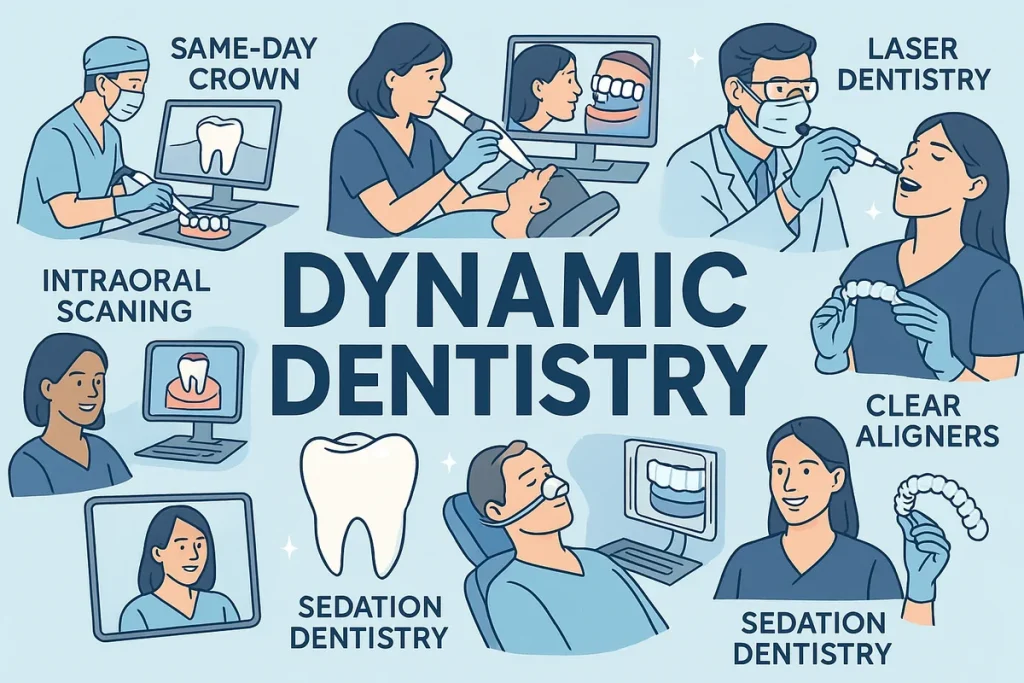
Dynamic dentistry is transforming the way patients and professionals think about oral healthcare. Unlike traditional dentistry, which often focuses on reactive treatments such as fillings or extractions after problems arise, dynamic dentistry embraces a proactive, technology-driven, and patient-centered philosophy. The concept integrates cutting-edge tools, preventive care, and personalized treatment strategies designed to improve not only oral health but also overall well-being. In this comprehensive guide, we will explore what dynamic dentistry is, why it matters, and how it is shaping the future of modern smiles. 🦷✨
At its core, dynamic dentistry is about movement, adaptation, and evolution in the dental field. Just as the word “dynamic” implies change and responsiveness, this approach adapts to the specific needs of each patient while utilizing the latest advancements in technology. Dentists practicing dynamic dentistry focus on providing care that is flexible, efficient, and precise, ensuring that patients achieve the healthiest smile possible with minimal discomfort. This philosophy is increasingly important as patients demand higher quality, convenience, and long-term results from their dental care providers.
One of the most significant aspects of dynamic dentistry is its reliance on advanced diagnostic tools. For instance, 3D imaging, digital X-rays, and intraoral scanners allow dentists to detect oral health issues at their earliest stages. This means conditions such as gum disease, cavities, or misalignment can be addressed before they become more serious problems. Early detection is not only more effective but also cost-efficient for patients, making dental care more accessible and sustainable in the long run.
Another defining feature of dynamic dentistry is the integration of minimally invasive treatments. Instead of relying on procedures that require extensive drilling or surgery, modern dentists use laser dentistry, air abrasion, and guided implant placement to provide care with less pain, shorter recovery times, and reduced anxiety. These methods embody the patient-first mindset that sets dynamic dentistry apart. Patients often report a more comfortable experience, which encourages them to maintain regular check-ups and preventive care—an essential component of long-term oral health.
Dynamic dentistry also emphasizes preventive strategies. Regular cleanings, fluoride treatments, sealants, and patient education all play a role in ensuring that dental issues are stopped before they start. Education is especially crucial: when patients understand the importance of diet, brushing techniques, and lifestyle choices, they are better equipped to protect their smiles. By combining technology with preventive care, dynamic dentistry creates a holistic approach that addresses both the causes and the symptoms of dental conditions.
Furthermore, cosmetic enhancements are a natural part of dynamic dentistry. Patients today not only want healthy teeth but also beautiful smiles that boost confidence in social and professional settings. Teeth whitening, veneers, and digitally designed orthodontics such as clear aligners are commonly used treatments. These procedures are safer and more effective than ever, largely due to technological advancements. For example, CAD/CAM (computer-aided design and manufacturing) systems can create perfectly fitted crowns or veneers in a single visit, aligning with the dynamic dentistry focus on speed and precision.
Equally important is the role of patient comfort. In the past, dental visits were often associated with fear and discomfort. Dynamic dentistry has changed that narrative by introducing innovations like sedation dentistry, ergonomic dental chairs, and even virtual reality distractions to help patients relax. The goal is to transform the dental clinic into a place where patients feel safe, understood, and cared for. A positive patient experience encourages regular visits, which translates into healthier outcomes over time.
From a global perspective, dynamic dentistry also supports sustainable practices. Digital records reduce paper use, while advanced imaging eliminates the need for harmful chemicals used in traditional X-rays. Eco-friendly practices are increasingly relevant as healthcare industries move toward greener operations. For patients who value sustainability, choosing a clinic that adopts dynamic dentistry practices is a way to support both their health and the environment.
Patients seeking dynamic dentistry services should also consider the importance of credentials and professional standards. Trustworthy dental clinics often align with international organizations like the American Dental Association, which sets rigorous guidelines for ethical and effective dental care. On a local level, individuals can reach out to trusted providers through resources like the Redent Klinik Contact Page to schedule consultations and learn more about treatment options.
In summary, dynamic dentistry is more than just a buzzword—it is a transformative movement within the dental profession. It combines innovation, prevention, and patient-centered care to create a truly modern approach to oral health. By emphasizing technology, minimally invasive treatments, preventive strategies, cosmetic enhancements, patient comfort, and sustainability, dynamic dentistry addresses every facet of dental care. For patients, this means healthier smiles, greater confidence, and a better overall healthcare experience. As the field continues to evolve, dynamic dentistry will remain at the forefront, shaping the way we care for our teeth in the 21st century and beyond.
What Is Dynamic Dentistry and Why It Matters
Dynamic dentistry is more than a new dental trend; it represents a complete evolution in how oral healthcare is delivered. In the past, dentistry focused largely on treating problems once they appeared—such as filling cavities or extracting damaged teeth. However, dynamic dentistry redefines this traditional approach by integrating preventive strategies, digital tools, and patient-centered philosophies. This modern branch of dental science emphasizes efficiency, accuracy, comfort, and long-term results, making it highly relevant for today’s patients. 🦷💡
Defining Dynamic Dentistry
At its core, dynamic dentistry means embracing innovation while ensuring patient well-being. It involves using advanced diagnostic systems, minimally invasive treatments, and a holistic care model that combines oral and systemic health. The word “dynamic” implies adaptability, and in this context, dentists tailor treatments to suit each patient’s needs. This could mean using 3D imaging for precise diagnoses, clear aligners for aesthetic orthodontics, or laser technology for faster healing. Each of these components demonstrates how dynamic dentistry adapts to modern expectations of healthcare quality and speed.
Key Characteristics of Dynamic Dentistry
There are several defining features that set dynamic dentistry apart from conventional dental care:
- Technology-driven solutions: Digital impressions, CAD/CAM restorations, and computer-guided surgeries enhance accuracy and efficiency.
- Patient-centered care: Treatments are designed to minimize discomfort, reduce recovery times, and align with patients’ lifestyle needs.
- Preventive focus: Instead of waiting for decay or gum disease to worsen, dynamic dentistry emphasizes early detection and proactive care.
- Cosmetic integration: Patients not only maintain oral health but also achieve confidence-boosting smiles through whitening, veneers, and orthodontic solutions.
Why Dynamic Dentistry Matters Today
The significance of dynamic dentistry lies in its ability to bridge the gap between patient demands and clinical outcomes. Patients today expect shorter treatment times, painless procedures, and aesthetically pleasing results. Traditional dentistry often fell short in meeting these expectations. In contrast, dynamic dentistry aligns with the digital age, providing real-time imaging, same-day restorations, and comfortable solutions that build trust between dentist and patient. This not only improves health outcomes but also enhances overall patient satisfaction.
Impact on Oral Health Outcomes
Dynamic dentistry has a direct impact on the quality of oral health. By leveraging digital diagnostics, dentists can identify small cavities, early gum disease, or structural misalignments before they become severe. This proactive stance saves patients from expensive and painful treatments later on. For example, identifying early gum inflammation allows for non-surgical interventions, preventing the need for complex periodontal surgery. This forward-thinking approach is a cornerstone of dynamic dentistry.
Contribution to Overall Health
It is widely known that oral health and systemic health are interconnected. Conditions like diabetes, heart disease, and respiratory issues have links to oral infections. By adopting dynamic dentistry principles, dentists can detect signs of systemic conditions earlier and refer patients for appropriate medical evaluations. This interdisciplinary outlook ensures that dental care contributes positively to a patient’s overall health and longevity. 🌍💙
Economic and Practical Benefits
From a financial perspective, dynamic dentistry is highly valuable. While some advanced treatments may appear costly upfront, they often save money in the long term. Preventive care reduces the likelihood of major procedures, while precise technology-driven methods minimize the chances of treatment failures or complications. Patients also appreciate the practicality of same-day restorations and minimally invasive techniques that allow them to return to work or daily life quickly.
Dynamic Dentistry and Patient Experience
Dynamic dentistry places patient comfort and trust at the center of care. Innovations like sedation dentistry, ergonomic dental chairs, and noise-free drilling technology reduce dental anxiety. Some clinics even integrate entertainment systems or virtual reality to improve the treatment experience. These innovations redefine what it means to visit the dentist, changing the perception from fear to reassurance.
Professional Standards and Global Recognition
For dynamic dentistry to be effective, it must also adhere to international standards. Reputable clinics often align with organizations such as the American Dental Association, ensuring ethical practices and high-quality care. Patients seeking reliable providers can begin their journey with trusted clinics through resources like the Redent Klinik Contact Page, which connects them to professionals offering advanced treatments in line with dynamic dentistry principles.
Why Patients Should Care About Dynamic Dentistry
In conclusion, dynamic dentistry matters because it makes dental care more effective, comfortable, and accessible than ever before. It recognizes the growing demands of patients who want quick, pain-free, and aesthetic results while ensuring long-term oral health. With a balance of prevention, technology, and patient experience, dynamic dentistry is setting new standards that will continue to shape the dental profession for decades. Whether you are seeking preventive care, cosmetic improvements, or advanced treatments, understanding dynamic dentistry equips you to make informed choices for a healthier, more confident smile. 😁
How Dynamic Dentistry Improves Oral Health Outcomes
Dynamic dentistry represents a new era in oral healthcare, one that significantly enhances patient outcomes by blending preventive care, cutting-edge technology, and personalized treatment approaches. Unlike traditional models that often focus on treating disease after it develops, dynamic dentistry prioritizes early detection, proactive management, and minimally invasive treatments. The result is healthier teeth, stronger gums, and improved overall well-being. In this section, we will explore the many ways dynamic dentistry positively impacts oral health, why it matters, and how patients can benefit from these modern advancements. 🦷🌟
Early Detection Through Advanced Diagnostics
One of the most powerful aspects of dynamic dentistry is its ability to identify oral health issues before they become severe. Advanced diagnostic tools such as digital X-rays, cone beam CT scans, and intraoral cameras allow dentists to detect early signs of decay, gum disease, and structural misalignment. This early intervention prevents small issues from escalating into costly, painful conditions. For example, identifying a tiny cavity with 3D imaging enables a dentist to address it with a minimally invasive filling rather than waiting until a root canal is needed.
Benefits of Early Detection
- Reduces the need for complex surgical treatments.
- Saves patients money by addressing conditions at an early stage.
- Improves long-term oral health outcomes and tooth preservation.
- Decreases dental anxiety by avoiding painful, advanced procedures.
Preventive Care as a Foundation
Preventive care is at the heart of dynamic dentistry. Dentists emphasize regular check-ups, professional cleanings, fluoride applications, and sealants to protect against cavities and gum disease. Patient education also plays a crucial role: teaching proper brushing and flossing techniques, encouraging healthy diets, and stressing the impact of habits like smoking or high sugar consumption. By focusing on prevention, dynamic dentistry not only reduces oral disease but also empowers patients to take charge of their health.
Long-Term Impact of Preventive Strategies
Preventive measures ensure that patients experience fewer emergencies, lower treatment costs, and improved quality of life. For example, applying sealants to children’s molars can prevent cavities during critical developmental years, while adult patients who follow preventive plans experience fewer tooth extractions or prosthetic needs later in life. This is a clear testament to how dynamic dentistry directly influences oral health outcomes.
Minimally Invasive and Patient-Friendly Treatments
Traditional dentistry often involved invasive drilling or surgical procedures. In contrast, dynamic dentistry embraces minimally invasive methods such as laser dentistry, air abrasion, and guided implant placement. These techniques reduce trauma to surrounding tissues, minimize bleeding, and shorten recovery times. Patients benefit from less discomfort and faster healing, which encourages them to maintain regular dental care routines instead of avoiding the dentist out of fear. 💙
Examples of Minimally Invasive Approaches
- Laser dentistry: Used for gum contouring, cavity removal, and periodontal treatments with reduced pain.
- Air abrasion: A gentle method for cleaning out cavities without drills.
- Computer-guided implants: Ensures precise placement of dental implants with less trauma.
Dynamic Dentistry and Periodontal Health
Gum health is vital to overall oral health outcomes, and dynamic dentistry offers innovative solutions for periodontal care. Advanced scaling and root planing techniques, along with laser-assisted therapies, help manage gum disease more effectively. By catching gingivitis early and applying dynamic approaches, dentists prevent progression to periodontitis, which can lead to tooth loss. Healthy gums are the foundation of a strong, functional smile, and dynamic dentistry ensures they remain resilient.
Cosmetic Benefits Tied to Health
While aesthetics may seem unrelated to health, cosmetic improvements offered through dynamic dentistry often promote better oral hygiene. Patients with aligned teeth, for example, find it easier to brush and floss effectively, reducing the risk of plaque buildup. Whitening treatments may motivate patients to maintain good oral habits to preserve their new look. In this way, cosmetic and functional outcomes work hand in hand to improve overall oral health.
Dynamic Dentistry and Overall Well-Being
Another way dynamic dentistry enhances oral health outcomes is by acknowledging the mouth-body connection. Poor oral health has been linked to systemic issues like cardiovascular disease, diabetes, and respiratory infections. By emphasizing preventive and minimally invasive approaches, dynamic dentistry reduces the risk of chronic inflammation and infections that could otherwise compromise a patient’s overall health. This holistic perspective makes dynamic dentistry a vital part of modern healthcare systems. 🌍
Patient Empowerment and Education
Empowering patients through education is one of the most effective tools in dynamic dentistry. When patients understand how their daily choices—such as diet, oral hygiene routines, and lifestyle habits—affect their oral health, they are more likely to adopt sustainable practices. Many clinics also use digital tools like apps and virtual consultations to keep patients engaged in their care plans. This active participation improves compliance and leads to better long-term oral health outcomes.
Accessing Professional Care
Patients seeking improved oral health through dynamic dentistry should select clinics that follow global best practices. Clinics associated with organizations such as the American Dental Association uphold high standards of care. Those interested in learning more or scheduling an appointment can also use trusted local resources such as the Redent Klinik Contact Page, which connects them with specialists trained in dynamic dentistry methods.
In conclusion, dynamic dentistry dramatically improves oral health outcomes by combining early detection, preventive care, minimally invasive treatments, cosmetic integration, and holistic perspectives. Patients benefit not only from healthier teeth and gums but also from better systemic health and confidence in their smiles. With its focus on innovation and patient-centered care, dynamic dentistry is redefining the future of dental treatment and setting a new gold standard for oral healthcare around the world.
Dynamic Dentistry vs. Traditional Dental Approaches
Dynamic dentistry has emerged as a modern approach that redefines the way dental professionals care for patients. To truly understand its value, it is essential to compare it directly with traditional dentistry. While conventional methods have played a significant role in protecting oral health for centuries, they often relied on reactive treatments rather than proactive solutions. In contrast, dynamic dentistry focuses on early detection, prevention, advanced technology, and patient comfort, leading to superior outcomes in both health and aesthetics. This comparison highlights how dentistry has shifted from static, procedure-based care to flexible, patient-centered solutions. 🦷✨
Foundational Differences Between the Two Models
Traditional dentistry was largely designed to treat oral problems after they occurred. Common examples include filling cavities, extracting teeth, or treating gum disease at advanced stages. While effective, these treatments often involved discomfort, long recovery times, and significant expenses. Dynamic dentistry, on the other hand, emphasizes continuous monitoring, digital diagnostics, and preventive strategies to ensure that conditions are addressed before they escalate.
Reactive vs. Proactive Care
- Traditional Dentistry: Typically reactive, focusing on managing existing issues.
- Dynamic Dentistry: Proactive, identifying early signs of disease and intervening early to prevent complications.
Technology and Innovation
One of the clearest distinctions between dynamic dentistry and traditional dentistry is the use of technology. Conventional methods often relied on visual inspections, manual impressions, and analog X-rays. These methods provided limited precision, sometimes leading to overlooked problems. In contrast, dynamic dentistry uses digital X-rays, intraoral scanners, 3D imaging, and CAD/CAM systems. These tools enable dentists to detect hidden decay, design same-day crowns, and place implants with unprecedented accuracy.
Examples of Modern Tools in Dynamic Dentistry
- Digital imaging: Reveals issues invisible to the naked eye, ensuring early detection.
- CAD/CAM technology: Creates custom crowns or veneers within a single appointment.
- Laser dentistry: Provides pain-free treatments for cavities and gum contouring.
Patient Comfort and Experience
Historically, dental visits were often associated with fear, discomfort, and lengthy procedures. Traditional dentistry sometimes involved noisy drills, messy impressions, and long waiting times for restorations. Dynamic dentistry shifts this narrative by focusing on comfort, efficiency, and convenience. Noise-free equipment, ergonomic chairs, sedation options, and even entertainment solutions like virtual reality help patients feel at ease. This transformation in patient experience not only reduces anxiety but also encourages individuals to maintain regular dental care visits.
Minimally Invasive vs. Conventional Treatments
Traditional dental treatments were often invasive, requiring significant drilling or surgical interventions. These methods sometimes caused unnecessary damage to healthy tissues. Dynamic dentistry favors minimally invasive techniques such as air abrasion, guided implant placement, and laser-assisted periodontal care. These methods reduce trauma, speed up healing, and preserve more of the natural tooth structure. Patients leave the clinic with less discomfort and shorter recovery times, making dental care far more appealing.
Advantages of Minimally Invasive Methods
- Less post-treatment pain and swelling.
- Faster return to normal activities.
- Improved long-term outcomes through tissue preservation.
Cost and Value Considerations
At first glance, traditional dentistry might seem more affordable because it relies on basic tools and treatments. However, reactive approaches often result in costly procedures over time, such as root canals, extractions, or dentures. Dynamic dentistry, while sometimes involving higher upfront costs for advanced tools or preventive treatments, saves patients money in the long run. By addressing problems early and maintaining oral health through preventive strategies, patients avoid expensive restorative procedures and preserve their natural teeth longer.
Cosmetic and Functional Results
Traditional dentistry often focused primarily on function—restoring a tooth to its basic state. Aesthetics were sometimes secondary. In contrast, dynamic dentistry merges function with cosmetic enhancements. Treatments such as clear aligners, veneers, and whitening are not only safe and effective but also promote better oral hygiene and confidence. Patients enjoy smiles that are both healthy and attractive, reflecting the comprehensive scope of modern dental care. 😁
Integration With Overall Health
Traditional dentistry tended to treat the mouth in isolation, addressing only local issues. Dynamic dentistry recognizes the close relationship between oral health and systemic health. By detecting early warning signs of conditions like diabetes or cardiovascular disease, dentists practicing dynamic dentistry contribute to broader medical well-being. This holistic approach ensures that oral care is not just about teeth and gums but about supporting overall health and longevity.
Global Standards and Patient Trust
Today’s patients demand higher standards of care. Dynamic dentistry aligns with global organizations like the American Dental Association, ensuring treatments meet rigorous ethical and clinical guidelines. Clinics such as Redent Klinik Contact Page provide access to dynamic dentistry services that are both technologically advanced and patient-focused. This trust factor is critical in helping patients feel confident about their care decisions.
In conclusion, dynamic dentistry and traditional dentistry share the same ultimate goal—healthy teeth and gums—but they approach this mission differently. While traditional methods laid the foundation, dynamic dentistry has elevated the standard by introducing proactive, minimally invasive, and technology-driven solutions. Patients benefit from earlier interventions, more comfortable treatments, superior aesthetics, and long-term cost savings. As the dental field continues to evolve, dynamic dentistry represents the future, offering a level of care that is flexible, comprehensive, and truly aligned with the needs of modern patients.
The Role of Preventive Care in Dynamic Dentistry
Dynamic dentistry is more than a high-tech solution for dental issues; it is also built on a foundation of preventive care. Prevention has always been a vital element of oral health, but with dynamic dentistry, it takes on a new dimension by integrating technology, patient education, and personalized treatment plans. Instead of waiting for cavities, gum disease, or tooth loss to occur, preventive care ensures that patients avoid serious conditions altogether. This proactive approach saves money, reduces pain, and improves overall health outcomes. 🦷💡
Understanding Preventive Dentistry Within a Dynamic Framework
Preventive dentistry has traditionally involved regular check-ups, professional cleanings, and simple advice on brushing and flossing. While these practices are still essential, dynamic dentistry enhances them with advanced diagnostics, real-time monitoring, and data-driven treatment plans. Dentists practicing dynamic dentistry not only clean teeth but also analyze bite alignment, monitor early gum inflammation, and use digital imaging to track subtle changes in oral health. These insights create a comprehensive picture that guides tailored preventive strategies for every patient.
Why Prevention Is Superior to Treatment
- Cost-effectiveness: Preventing disease reduces the need for expensive restorations or surgeries later on.
- Comfort: Avoiding invasive procedures means less anxiety and pain for patients.
- Long-term preservation: Preventive care helps patients keep their natural teeth for life.
- Improved quality of life: A healthy mouth supports nutrition, speech, and confidence.
Technological Advancements in Preventive Care
One of the hallmarks of dynamic dentistry is the integration of advanced tools into preventive practices. Digital X-rays, for example, expose patients to less radiation while providing clearer images. Intraoral cameras allow dentists to project detailed images of teeth and gums onto a screen, giving patients a better understanding of their condition. Additionally, saliva testing and bacterial analysis help detect risk factors for cavities or periodontal disease before symptoms appear. This level of insight transforms prevention from guesswork into precise science.
Examples of Preventive Technologies
- Intraoral cameras: Allow for magnified views of potential problem areas.
- Digital caries detectors: Identify decay at the microscopic level before cavities form.
- 3D imaging: Tracks bone density and alignment for early orthodontic or implant planning.
Preventive Care and Gum Health
Gum disease is one of the leading causes of tooth loss, but it is also one of the most preventable. Dynamic dentistry incorporates advanced periodontal assessments and laser-assisted therapies to stop gum disease in its earliest stages. Patients benefit from early interventions such as scaling and root planing guided by digital diagnostics. These methods prevent gingivitis from progressing to periodontitis, protecting not only oral health but also systemic health, as gum disease has been linked to conditions like diabetes and heart disease.
Children and Preventive Dynamic Dentistry
Pediatric patients gain immense benefits from preventive care in dynamic dentistry. Early sealants, fluoride treatments, and orthodontic evaluations help ensure proper dental development. By identifying issues such as malocclusion or enamel weakness at an early age, dentists can intervene with less invasive and more affordable treatments. Educating children and parents about proper oral hygiene practices also establishes lifelong habits that reduce the risk of future dental problems. 🌟
Patient Education and Lifestyle Guidance
Dynamic dentistry emphasizes that preventive care is not only about in-clinic treatments but also about lifestyle. Dentists provide guidance on diet, stress management, and habits that influence oral health. For example, reducing sugar intake lowers cavity risk, while quitting smoking prevents gum disease. Many clinics use digital apps or patient portals to provide reminders and track daily habits, ensuring consistent engagement with preventive care. This educational approach empowers patients to take active control of their oral health outcomes.
Examples of Lifestyle Recommendations
- Adopting a balanced diet rich in calcium and vitamin D.
- Practicing daily flossing and proper brushing techniques.
- Wearing mouthguards during sports to prevent dental injuries.
- Scheduling regular dental check-ups at least twice a year.
The Holistic Benefits of Preventive Dynamic Dentistry
Preventive strategies in dynamic dentistry extend beyond oral health. Research has shown that maintaining oral hygiene lowers risks of systemic diseases such as cardiovascular conditions and respiratory infections. Preventive care also contributes to better digestion and nutrition, as patients with healthy teeth can chew effectively. The ripple effect of preventive care under the dynamic dentistry model supports not only smiles but also long-term wellness and vitality.
Finding Preventive Care Services
Patients who want to access high-quality preventive care through dynamic dentistry should seek out reputable providers. Organizations such as the American Dental Association provide resources for finding certified professionals. Locally, individuals can reach out to trusted providers like Redent Klinik Contact Page to book appointments for preventive evaluations and treatments.
In conclusion, preventive care is at the heart of dynamic dentistry, ensuring that patients maintain long-lasting oral health while avoiding costly, painful treatments. By combining advanced technology, patient education, and personalized strategies, dynamic dentistry empowers individuals to take charge of their oral health in a way that traditional models never fully achieved. From children to seniors, every patient can benefit from this proactive, comprehensive approach that prioritizes health, comfort, and confidence for years to come. 😁
Cosmetic Enhancements with Dynamic Dentistry Techniques
Dynamic dentistry is not only about preventing oral health issues and providing functional treatments—it is also about helping patients achieve the confident, radiant smiles they desire. Modern dental care recognizes that aesthetics play a vital role in self-esteem, professional success, and social interactions. By integrating advanced technologies and patient-centered methods, dynamic dentistry ensures that cosmetic enhancements are safer, faster, and more natural-looking than ever before. 😁✨
The Growing Demand for Cosmetic Dentistry
In today’s society, appearance matters more than ever, and a bright smile often creates lasting first impressions. Traditional dentistry primarily focused on health and function, but dynamic dentistry embraces both aesthetics and wellness. Patients increasingly seek treatments such as whitening, veneers, and orthodontic solutions not just to look better but also to feel more confident. This demand has driven innovation, making cosmetic procedures more accessible and effective for patients of all ages.
Teeth Whitening and Dynamic Dentistry
One of the most popular cosmetic enhancements is professional teeth whitening. Dynamic dentistry takes this treatment beyond traditional bleaching methods. Modern whitening systems use LED light activation, laser-assisted whitening, and customized trays designed with digital precision. These approaches reduce sensitivity, provide longer-lasting results, and can often be completed in a single session. Patients enjoy dramatic improvements in brightness while maintaining safety and comfort.
Advantages of Modern Whitening Systems
- Faster results—many treatments are completed in less than one hour.
- Customized to individual tooth shade and sensitivity levels.
- Less enamel damage compared to older whitening methods.
- Longer-lasting brightness when combined with preventive strategies.
Veneers and Smile Design
Dynamic dentistry embraces digital smile design, a process where dentists use 3D imaging and software to plan a patient’s smile before treatment begins. Veneers—thin shells placed on the front of teeth—can address discoloration, chips, gaps, and minor misalignments. Unlike traditional methods, modern veneers are designed using CAD/CAM systems, which ensure perfect fit, symmetry, and natural aesthetics. Patients can preview their smile digitally before committing to treatment, which enhances trust and satisfaction.
Benefits of Veneers in Dynamic Dentistry
- Natural appearance thanks to advanced materials like porcelain or zirconia.
- Durability—veneers can last 10–15 years with proper care.
- Minimal tooth reduction required, preserving natural enamel.
- Immediate improvement in smile confidence.
Orthodontics and Dynamic Dentistry
Orthodontic treatment has also been revolutionized by dynamic dentistry. Traditional braces, while effective, often caused discomfort and aesthetic concerns. Today, clear aligner systems such as Invisalign offer nearly invisible correction with digital precision. 3D scanning ensures that aligners are customized for each stage of tooth movement, providing faster and more predictable results. Dynamic dentistry also employs accelerated orthodontic technologies that shorten treatment times, giving patients straight smiles sooner.
Why Clear Aligners Are Popular
- Removable design allows easy cleaning and eating.
- Virtually invisible, making them socially and professionally discreet.
- Digital treatment planning ensures predictable outcomes.
- Fewer clinic visits compared to traditional braces.
Cosmetic Bonding and Minimally Invasive Solutions
Cosmetic bonding is another area where dynamic dentistry shines. Using tooth-colored composite resins, dentists can repair chips, close gaps, or reshape teeth in a single visit. Unlike crowns or extensive restorations, bonding preserves most of the natural tooth structure, making it a minimally invasive option. With digital color matching and precision placement, results are seamless and natural-looking.
Integration of Function and Aesthetics
Dynamic dentistry emphasizes that cosmetic enhancements are not purely superficial—they also improve function. For example, orthodontic treatments not only align teeth for appearance but also correct bite issues that reduce the risk of TMJ problems or uneven wear. Similarly, veneers can protect weakened enamel while improving aesthetics. This combination of beauty and functionality makes cosmetic enhancements under dynamic dentistry highly valuable to patients seeking long-term benefits.
Psychological and Social Benefits
Cosmetic treatments in dynamic dentistry also provide significant emotional advantages. Patients with whiter, straighter smiles often report increased confidence, reduced social anxiety, and greater professional opportunities. A healthy smile can encourage better oral hygiene habits, as patients are motivated to maintain their investment. 🌟
Accessing Cosmetic Dynamic Dentistry Services
Patients considering cosmetic enhancements should choose clinics that follow international standards, such as those set by the American Dental Association. Reliable providers like Redent Klinik Contact Page also offer modern cosmetic services that align with dynamic dentistry principles. With expert guidance and state-of-the-art technology, patients can achieve smiles that are both healthy and beautiful.
In conclusion, cosmetic enhancements are an integral part of dynamic dentistry, offering patients advanced solutions that improve both aesthetics and function. From whitening and veneers to orthodontics and bonding, these treatments are safer, faster, and more precise than ever before. By combining technology, artistry, and patient-centered care, dynamic dentistry ensures that every smile is as healthy as it is radiant, empowering individuals to live with confidence and joy.
Patient Experience: Comfort and Convenience in Dynamic Dentistry
Dynamic dentistry has revolutionized the way patients perceive dental visits by making them more comfortable, convenient, and personalized than ever before. In the past, dental appointments were often associated with anxiety, long waiting times, and painful procedures. Modern dynamic dentistry has transformed this experience with advanced technologies, patient-focused environments, and innovative care models. Today’s patients benefit not only from superior clinical outcomes but also from stress-free, efficient visits that respect their time and comfort. 🦷💙
Redefining Patient Comfort
Traditional dentistry often required patients to endure uncomfortable chairs, noisy drills, and long sessions in the dental chair. In contrast, dynamic dentistry prioritizes patient comfort through ergonomic designs, sedation options, and minimally invasive treatments. Advanced tools such as laser dentistry, digital impressions, and air abrasion eliminate many of the discomforts historically associated with dental care. Patients now experience less pain, shorter procedures, and faster recoveries—making regular dental visits something to look forward to rather than fear.
Comfort-Oriented Innovations
- Noise-free equipment: Quiet drills and ultrasonic scalers reduce sensory stress.
- Laser technology: Minimizes the need for anesthesia and speeds up healing.
- Sedation dentistry: Options like nitrous oxide or oral sedatives ease anxiety.
- Virtual reality (VR): Some clinics use VR to distract and relax patients during treatment.
Convenience and Time Efficiency
One of the major advantages of dynamic dentistry is its focus on efficiency. Busy patients no longer have to wait weeks for crowns or restorations. With CAD/CAM systems, custom crowns and veneers can be designed and placed in a single visit. Digital scheduling, online consultations, and automated reminders also improve convenience for patients with demanding lifestyles. By reducing the number of appointments needed, dynamic dentistry respects patients’ time while delivering superior results.
Examples of Time-Saving Solutions
- Same-day crowns and veneers: No need for temporary restorations or multiple visits.
- Digital impressions: Eliminates the discomfort of messy impression materials.
- Remote consultations: Patients can discuss treatment options virtually.
- Streamlined appointments: Advanced planning ensures minimal time in the chair.
Personalized Patient Care
Dynamic dentistry emphasizes personalization. Every patient’s oral health needs, aesthetic goals, and comfort levels are different, and treatments are customized accordingly. Using digital smile design, dentists can show patients a preview of their results, allowing them to be active participants in their care. Patients feel more valued when their input is considered, which builds trust and satisfaction.
Reducing Dental Anxiety
Fear of the dentist is a common barrier that prevents many people from seeking necessary care. Dynamic dentistry addresses this issue head-on with strategies designed to ease anxiety. Clinics often create relaxing environments with calming colors, aromatherapy, and soothing music. Sedation options provide additional reassurance, and dentists trained in patient communication ensure a supportive, compassionate approach. By reducing fear, dynamic dentistry encourages patients to maintain regular check-ups, improving long-term oral health outcomes. 🌟
Integration of Technology for Better Experiences
Technology plays a central role in improving patient experience. Digital records streamline communication, intraoral cameras provide transparency by showing patients exactly what the dentist sees, and laser treatments reduce healing times. These tools not only enhance clinical outcomes but also make patients feel more informed and in control of their care.
Accessibility and Inclusivity
Dynamic dentistry also emphasizes accessibility. From wheelchair-friendly facilities to translation services for international patients, clinics are becoming more inclusive. Patients from all walks of life can benefit from high-quality care without feeling excluded. This inclusivity reflects the evolving patient-centered philosophy that defines dynamic dentistry today.
Economic Value of Comfort and Convenience
Some may assume that comfort and convenience come at a high cost, but dynamic dentistry often provides long-term savings. By minimizing complications, reducing the number of visits, and preventing dental emergencies, patients save both time and money. In addition, stress-free dental visits increase compliance, which helps patients avoid expensive restorative treatments later.
Building Trust Through Transparency
Transparency is key to enhancing patient experience. Dentists practicing dynamic dentistry often use chairside monitors to show patients their X-rays and 3D scans, explaining conditions and treatments in detail. This open communication builds trust, making patients more comfortable with their decisions. When patients understand their care, they are more likely to commit to treatment and preventive strategies.
Accessing Patient-Centered Clinics
For patients seeking a better dental experience, it is important to choose clinics that adhere to high international standards, such as those outlined by the American Dental Association. Reliable local options include the Redent Klinik Contact Page, which connects patients with professionals skilled in dynamic dentistry and dedicated to patient-centered care.
In conclusion, the patient experience in dynamic dentistry is defined by comfort, convenience, personalization, and trust. With innovations that reduce pain, minimize anxiety, and streamline care, patients can now enjoy visits that are efficient and even pleasant. This transformation not only improves oral health outcomes but also reshapes how people think about dentistry itself. Dynamic dentistry is setting a new gold standard where patients’ needs are at the heart of every treatment decision. 🦷💙
Costs and Value of Dynamic Dentistry Treatments
Dynamic dentistry is widely celebrated for its advanced technology, patient-centered care, and preventive approach, but many patients naturally ask: “How much does it cost?” and “Is it worth the investment?” The reality is that dynamic dentistry can sometimes involve higher upfront costs compared to traditional approaches. However, when considering long-term value, comfort, efficiency, and improved health outcomes, the investment proves worthwhile. In this section, we will explore the financial aspects of dynamic dentistry, outline the value it delivers, and show why it is considered cost-effective in the long run. 💰🦷
Understanding the Pricing Structure
The cost of dynamic dentistry treatments varies depending on the type of procedure, the technology involved, and the region where care is provided. For example, digital crowns made with CAD/CAM systems may be more expensive than traditional crowns, but they require fewer visits and offer longer-lasting results. Similarly, laser-assisted periodontal treatments cost more than conventional scaling but involve faster healing and less discomfort. Patients should understand that pricing reflects not only materials but also the advanced expertise and equipment used.
Estimated Price Ranges for Common Treatments*
- Teeth Whitening: $300 – $800 (professional in-office, using advanced LED or laser systems).
- Dental Veneers: $900 – $2,500 per tooth (digitally designed, high-quality porcelain or zirconia).
- Clear Aligners: $3,000 – $7,000 (full treatment, with digital scanning and custom trays).
- Dental Implants (guided placement): $3,500 – $6,000 per implant (including 3D planning and surgery).
- Laser Gum Treatment: $800 – $2,500 (depending on severity of periodontal disease).
*Note: Prices are based on U.S. averages and may vary by location, provider, and complexity of treatment.
Why Dynamic Dentistry Can Cost More Upfront
Several factors contribute to the higher initial costs of dynamic dentistry compared to traditional approaches:
- Advanced Technology: Investment in CAD/CAM systems, lasers, and 3D imaging equipment raises clinical costs.
- Personalized Care: Treatments are tailored for each patient, requiring more time and precision in planning.
- Highly Trained Professionals: Dentists practicing dynamic dentistry often undergo specialized training and certifications.
While these factors increase costs initially, they also translate into fewer complications, shorter recovery times, and long-lasting results—delivering exceptional value to patients.
Long-Term Value and Savings
Although dynamic dentistry may seem more expensive at first, its preventive and minimally invasive focus saves money in the long term. For example, detecting and treating cavities early with laser technology prevents the need for root canals or extractions later. Similarly, guided implant placement reduces the risk of implant failure, avoiding costly corrective procedures. Patients also benefit from fewer clinic visits, less time off work, and reduced emergency care expenses.
Examples of Long-Term Savings
- A $500 early cavity treatment prevents a $2,000 root canal and crown later.
- Investing in preventive gum care ($800) avoids advanced periodontal surgery ($5,000+).
- Same-day crowns ($1,200) eliminate the need for multiple appointments, saving time and travel costs.
Balancing Aesthetics and Function
Dynamic dentistry is unique because it combines cosmetic and functional improvements. For instance, veneers not only enhance appearance but also protect weakened enamel. Orthodontic aligners improve both smile aesthetics and bite function, reducing risks of jaw strain and uneven tooth wear. When aesthetics and function align, patients receive a dual benefit that increases the overall value of treatment.
Insurance and Financing Options
One challenge patients may face is limited insurance coverage for certain dynamic dentistry procedures, especially those considered cosmetic. However, many clinics provide financing plans, monthly payment options, or partnerships with third-party healthcare lenders to make treatments more affordable. Some preventive and restorative procedures, such as gum disease treatment or crowns, may still be partially covered under standard dental insurance policies.
Psychological and Social Value
Beyond financial considerations, dynamic dentistry provides psychological and social benefits that are difficult to measure in monetary terms. Patients who invest in their smiles often experience higher self-confidence, stronger social connections, and better career opportunities. These intangible benefits add to the overall value of treatment, making dynamic dentistry a worthwhile investment in quality of life. 🌟
Evaluating Value Through Trusted Clinics
Patients seeking the best balance between cost and quality should look for providers aligned with international standards, such as the American Dental Association. For those who want to explore treatment options locally, the Redent Klinik Contact Page provides access to clinics that offer affordable, high-quality dynamic dentistry services. Transparent pricing, professional credentials, and personalized consultations help patients make informed decisions about their care.
In conclusion, while the costs of dynamic dentistry may initially appear higher than traditional dentistry, the long-term benefits far outweigh the expense. Patients gain improved oral health, enhanced aesthetics, reduced treatment complications, and a more comfortable experience overall. With preventive strategies, advanced technologies, and financing options available, dynamic dentistry proves to be a smart investment in both health and confidence. 💎
Future Trends and Innovations in Dynamic Dentistry
Dynamic dentistry is not just about today’s advanced practices; it is about shaping the future of oral healthcare. As technology evolves, so too will the way dentists diagnose, prevent, and treat conditions. Patients can expect smarter tools, more personalized treatment options, and even more comfortable dental experiences in the years ahead. In this section, we will explore the upcoming trends and innovations that are set to revolutionize dynamic dentistry and ensure its place at the forefront of modern healthcare. 🦷🚀
Artificial Intelligence (AI) in Diagnostics
One of the most exciting developments in dynamic dentistry is the integration of artificial intelligence. AI-powered diagnostic systems are already being used to analyze digital X-rays, detect cavities, and identify early signs of gum disease with remarkable accuracy. In the future, AI will not only assist dentists in making diagnoses but also help predict patient risks based on historical data and lifestyle patterns. This will allow for fully customized preventive plans and treatment options that go beyond traditional methods.
Applications of AI in Dentistry
- Automated cavity detection from radiographs with higher accuracy than the human eye.
- Predictive analytics to identify patients at risk of gum disease or tooth decay.
- Personalized treatment planning based on AI-assisted analysis of patient data.
- Chatbots and virtual assistants to answer common patient questions in real time.
3D Printing in Dental Care
Another breakthrough in dynamic dentistry is the adoption of 3D printing. This technology allows dentists to create crowns, bridges, dentures, surgical guides, and even orthodontic aligners on-site. The precision of 3D printing ensures a perfect fit, reduces waiting times, and lowers costs by eliminating the need for third-party labs. Patients benefit from same-day solutions that once required weeks to complete, enhancing both convenience and outcomes.
Benefits of 3D Printing
- Faster turnaround time for prosthetics and appliances.
- Greater customization for each patient’s anatomy.
- Reduced material waste, contributing to eco-friendly practices.
- Enhanced durability and comfort of dental restorations.
Tele-Dentistry and Remote Care
Dynamic dentistry is also embracing the concept of tele-dentistry, allowing patients to consult with dentists virtually. This innovation is particularly valuable for patients in remote areas or those with limited mobility. Through secure video platforms, dentists can provide consultations, monitor progress, and give personalized guidance without requiring in-person visits. While complex procedures will always require clinical settings, tele-dentistry expands access and encourages patients to seek help sooner.
Laser and Regenerative Dentistry
Lasers are already common in dynamic dentistry, but their applications are expected to grow even further. Future innovations include laser-assisted tissue regeneration, where lasers stimulate healing and encourage the body to rebuild bone or gum tissue naturally. Combined with biomaterials and stem cell therapies, this approach has the potential to reduce the need for invasive surgeries and transform periodontal treatment outcomes.
Smart Devices and Digital Monitoring
The rise of smart devices in healthcare is making its way into dentistry. Wearable sensors and AI-integrated toothbrushes can monitor brushing habits, detect early plaque buildup, and send data directly to dental professionals. This integration of home monitoring with professional care creates a seamless loop where patients receive real-time feedback and dentists have better insights into their daily oral health practices.
Examples of Smart Dental Technology
- Bluetooth-enabled toothbrushes that track brushing time and technique.
- Sensors that detect acidity in the mouth, predicting risk of decay.
- Apps that connect patients with clinics for remote monitoring and education.
Sustainability in Future Dentistry
As global awareness of environmental issues grows, dynamic dentistry is embracing sustainability. Future dental practices are expected to focus on eco-friendly materials, digital record systems to reduce paper, and energy-efficient equipment. 3D printing with biodegradable materials and reusable dental products will also play an important role. Patients who value sustainability will increasingly seek out clinics committed to green practices.
Enhanced Patient Experience with VR and AR
Virtual reality (VR) and augmented reality (AR) are also poised to redefine the patient experience in dynamic dentistry. VR can help reduce anxiety by immersing patients in calming environments during procedures, while AR can guide dentists during surgeries or complex treatments. These tools improve precision, safety, and comfort, ensuring better outcomes for patients.
Global Standards and Accessibility
The future of dynamic dentistry will also involve greater alignment with global standards. Organizations like the American Dental Association will continue to set benchmarks for ethical and clinical practices, ensuring quality across borders. Patients seeking reliable care can also access trusted clinics such as those listed on the Redent Klinik Contact Page, which connect them with professionals skilled in the latest dynamic dentistry innovations.
In conclusion, the future of dynamic dentistry promises a world of possibilities—from AI-driven diagnostics and 3D-printed restorations to regenerative treatments and tele-dentistry. Patients can expect greater personalization, faster results, eco-friendly practices, and enhanced comfort in the years ahead. As technology continues to evolve, dynamic dentistry will remain at the cutting edge of oral healthcare, ensuring that smiles are not only healthier but also brighter and more sustainable for generations to come. 🌍😁
Choosing the Right Clinic for Dynamic Dentistry Services
As dynamic dentistry becomes increasingly popular, patients often ask: “How do I find the right clinic?” Selecting the correct dental provider is essential for receiving high-quality, patient-centered care that leverages the latest technologies and preventive strategies. With so many clinics claiming to offer advanced services, it can be difficult to separate true innovators from traditional practices with limited upgrades. In this section, we will explore the key factors patients should consider when choosing a dynamic dentistry clinic, from technology and expertise to patient comfort and transparency. 🦷✅
Evaluating Technology and Equipment
One of the hallmarks of dynamic dentistry is its reliance on advanced technology. When evaluating a clinic, patients should ask about the tools used for diagnosis and treatment. Clinics that use 3D imaging, intraoral scanners, CAD/CAM systems, and laser dentistry are more likely to provide accurate diagnoses, minimally invasive procedures, and same-day solutions. A practice equipped with modern tools demonstrates its commitment to innovation and improved patient outcomes.
Key Technologies to Look For
- Digital X-rays: Lower radiation exposure with clearer images.
- Intraoral cameras: Provide detailed visuals for patient education.
- CAD/CAM systems: Enable same-day crowns, veneers, and restorations.
- Laser dentistry: Minimizes discomfort and speeds up healing.
Professional Expertise and Credentials
Dynamic dentistry requires specialized training and continuous education. Patients should seek clinics where dentists and hygienists participate in professional development and hold certifications from respected organizations. International bodies such as the American Dental Association set high standards of care that dynamic dentistry clinics strive to meet. Board certifications, postgraduate training, and participation in global conferences are all signs of a committed dental professional.
Patient-Centered Care Philosophy
Technology alone is not enough—true dynamic dentistry also emphasizes patient comfort and personalized care. The right clinic should prioritize the individual’s needs, offering sedation options for anxious patients, ergonomic treatment rooms, and clear communication throughout the process. A good sign is when dentists involve patients in planning through digital smile design or treatment previews. This collaborative approach ensures both satisfaction and trust.
Signs of Patient-Centered Care
- Customized treatment plans tailored to lifestyle and health needs.
- Clear explanations supported by digital images and models.
- Attention to comfort with modern chairs, calming environments, and anxiety management tools.
Transparency in Pricing and Treatment Plans
One of the challenges patients face is unexpected costs. Clinics practicing dynamic dentistry should provide transparent estimates, detailed treatment plans, and financing options when necessary. Patients should feel confident knowing what they are paying for and the value it provides. Transparency builds trust and ensures that financial concerns do not become a barrier to accessing high-quality care.
Reviews, Testimonials, and Reputation
Another important factor is the clinic’s reputation. Online reviews, patient testimonials, and word-of-mouth recommendations reveal much about the quality of care. Clinics that consistently receive praise for professionalism, advanced treatments, and patient satisfaction are more likely to provide genuine dynamic dentistry services. Prospective patients should look for specific mentions of comfort, convenience, and innovative technology in reviews.
Accessibility and Location
Convenience plays a role in maintaining oral health. A clinic should be accessible via public transport or have adequate parking facilities. Additionally, many modern clinics offer flexible hours, weekend appointments, and tele-dentistry consultations for greater convenience. Patients should evaluate accessibility to ensure they can maintain regular visits without difficulty.
Holistic and Preventive Focus
A true dynamic dentistry clinic looks beyond immediate treatments and focuses on long-term oral health. Preventive strategies such as patient education, nutritional counseling, and regular monitoring are emphasized. Patients should seek clinics that balance functional, aesthetic, and preventive care for comprehensive oral health management.
Local and International Resources
For patients seeking dynamic dentistry in their region, reliable resources can help guide the search. The Redent Klinik Contact Page is a trusted local option offering advanced treatments aligned with the principles of dynamic dentistry. Internationally, patients can consult organizations like the American Dental Association for guidance on best practices and recognized providers.
Making an Informed Decision
Ultimately, choosing the right clinic comes down to careful research and consideration. Patients should visit multiple clinics if possible, ask detailed questions, and evaluate whether the practice prioritizes technology, transparency, and comfort. A clinic that excels in all three areas is most likely to provide a true dynamic dentistry experience, ensuring both functional and aesthetic results with long-term value.
In conclusion, selecting the right clinic for dynamic dentistry services is a crucial step toward achieving optimal oral health and a confident smile. By focusing on technology, expertise, patient-centered care, transparency, and reputation, patients can make informed choices that guarantee high-quality outcomes. With resources like international standards and trusted local providers, accessing top-tier dynamic dentistry has never been easier. 🌟
Disclosure: this page may contain affiliate links. We may earn a commission if you use them, at no extra cost to you.