
Emergencies in the dental office are rare, but when they occur, they demand immediate, confident, and well-coordinated action. A dental clinic is primarily associated with routine procedures such as cleanings, fillings, and cosmetic treatments, yet it is also a healthcare environment where patients may experience sudden medical or dental crises. Understanding emergencies in the dental office is essential not only for dentists but also for dental assistants, hygienists, and administrative staff who may be the first to notice that something is wrong 😷.
At its core, the concept of emergencies in the dental office includes any unexpected medical or dental condition that threatens a patient’s health, comfort, or life and requires prompt intervention. These situations may arise from stress, anxiety, underlying systemic diseases, allergic reactions, or complications related to dental procedures. Even seemingly healthy patients can experience emergencies in the dental office due to fear, pain, or undiagnosed medical conditions.
Preparedness is the most critical factor in managing emergencies in the dental office effectively. Dental professionals must be trained to recognize early warning signs, initiate emergency protocols, and provide immediate care until advanced medical help arrives 🚑. This level of preparedness significantly reduces the risk of severe outcomes and improves patient safety and trust. A well-prepared dental team can transform a potentially life-threatening situation into a controlled and manageable event.
One of the reasons emergencies in the dental office are so important to understand is the changing demographic of dental patients. Today, more elderly patients and individuals with chronic illnesses seek dental care regularly. Conditions such as cardiovascular disease, diabetes, respiratory disorders, and neurological conditions increase the likelihood of medical emergencies in the dental office. This makes thorough medical history reviews and continuous monitoring during procedures absolutely essential.
Stress and anxiety play a major role in triggering emergencies in the dental office. Dental fear is common, and for some patients, it can lead to syncope (fainting), hyperventilation, or even cardiac events. Recognizing patient anxiety early and using stress-reduction protocols can help prevent many emergencies in the dental office before they escalate. Simple steps such as clear communication, a calm environment, and adequate pain control make a measurable difference 😊.
Another crucial aspect of emergencies in the dental office is differentiation between medical and dental emergencies. Medical emergencies include conditions like fainting, allergic reactions, asthma attacks, seizures, and cardiac arrest. Dental emergencies, on the other hand, involve acute oral issues such as uncontrolled bleeding, severe infections, or trauma during treatment. Both categories fall under emergencies in the dental office and require different but equally important response strategies.
Patient safety is also closely linked to legal and ethical responsibilities. Dental professionals are expected to meet established standards of care when handling emergencies in the dental office. Failure to recognize or appropriately manage an emergency can have serious legal consequences, in addition to risking patient health. Staying aligned with guidelines and recommendations from authoritative organizations such as the
American Dental Association helps ensure that dental practices maintain high safety standards.
Communication with patients and their families after emergencies in the dental office is another vital component. Clear documentation, transparent explanations, and appropriate referrals build trust and professionalism. In cases where further evaluation or treatment is needed, patients should be guided promptly. If you or your patients ever need professional support or follow-up care, the
Redent Klinik Contact Page can be a reliable point of communication.
Ultimately, emergencies in the dental office are not just about reacting in the moment; they are about prevention, preparation, and continuous improvement. Regular staff training, mock emergency drills, updated emergency kits, and a culture of patient-centered care all contribute to safer outcomes. When a dental team is confident and prepared, emergencies in the dental office become manageable challenges rather than overwhelming crises 💪.
In summary, emergencies in the dental office represent a critical intersection between dentistry and general medicine. By understanding the causes, recognizing early signs, and responding effectively, dental professionals protect lives, reduce complications, and enhance the overall quality of care. Mastery of this topic is not optional—it is a fundamental responsibility for every modern dental practice.
Medical Emergencies in the Dental Office: The Most Common Scenarios
Medical emergencies in the dental office represent some of the most critical and time-sensitive situations a dental team may face. While dentistry is often perceived as low-risk, the reality is that emergencies in the dental office can occur at any time, even during routine procedures. These events are often linked to patient stress, pre-existing medical conditions, or unexpected reactions to medications used during dental treatment 🦷.
Understanding the most common medical emergencies in the dental office allows dental professionals to act quickly, confidently, and effectively. Early recognition is the key factor that separates a controlled situation from a life-threatening crisis. This section explores the scenarios that most frequently lead to emergencies in the dental office and explains how they typically present.
Why Medical Emergencies in the Dental Office Occur
Medical emergencies in the dental office usually occur due to a combination of patient-related and procedure-related factors. Anxiety, fear, pain, and systemic diseases can all trigger physiological responses that escalate rapidly. Many emergencies in the dental office are preventable with proper screening, communication, and monitoring, but they can never be eliminated entirely.
Patients may not always be aware of their full medical history or may underestimate its relevance to dental care. This is why incomplete medical disclosures are a significant contributor to emergencies in the dental office. Conditions such as heart disease, epilepsy, asthma, and diabetes are among the most common underlying causes.
Most Frequently Encountered Medical Emergencies
Among all emergencies in the dental office, certain medical events occur far more often than others. Dental professionals should be especially familiar with these scenarios, as rapid identification can prevent serious complications.
Syncope (Fainting)
Syncope is the single most common medical emergency in the dental office. It often results from anxiety, fear, or sudden changes in posture. Patients may appear pale, sweaty, dizzy, or nauseous before losing consciousness. Although usually benign, syncope is still classified among emergencies in the dental office because improper handling can lead to injury or secondary complications.
Hypoglycemia (Low Blood Sugar)
Hypoglycemia is a frequent concern among diabetic patients and a well-known cause of emergencies in the dental office. Skipped meals, long appointments, or insulin mismanagement can rapidly lead to confusion, sweating, tremors, and loss of consciousness. Prompt administration of glucose can be life-saving in such cases 🍬.
Asthma Attacks
Asthma-related emergencies in the dental office may be triggered by stress, allergens, or dental materials. Wheezing, shortness of breath, and chest tightness are warning signs that require immediate action. Having a bronchodilator readily available is essential for managing these emergencies in the dental office effectively.
Allergic Reactions
Allergic reactions range from mild skin rashes to severe anaphylaxis and are among the most dangerous emergencies in the dental office. Local anesthetics, antibiotics, latex, or antiseptics may all trigger reactions. Swelling of the lips, tongue, or throat, difficulty breathing, and a sudden drop in blood pressure signal a medical emergency requiring immediate intervention.
Cardiovascular Events in the Dental Setting
Cardiovascular-related emergencies in the dental office, although less common, are the most serious. These include angina, myocardial infarction, and cardiac arrest. Patients with known heart conditions are at higher risk, but cardiac emergencies in the dental office can also occur unexpectedly.
Chest pain, radiating discomfort, shortness of breath, and sudden collapse are red flags that demand immediate emergency response. Rapid activation of emergency medical services and early use of emergency equipment can dramatically improve outcomes ❤️.
Seizures and Neurological Emergencies
Seizures are another important category of emergencies in the dental office. They may occur in patients with epilepsy or as a result of hypoglycemia, drug interactions, or stress. During a seizure, patient safety is the primary concern. The dental team must ensure airway protection and prevent injury without restraining the patient.
Post-seizure confusion and fatigue are common, and careful monitoring is required. These neurological emergencies in the dental office highlight the importance of calm, trained, and coordinated team responses.
The Importance of Preparation and Training
The predictable nature of many medical emergencies in the dental office makes preparation not just beneficial, but mandatory. Emergency kits, oxygen supply, automated external defibrillators (AEDs), and staff training are essential components of safe dental practice. Guidelines provided by organizations such as the
American Dental Association emphasize regular emergency drills and continuing education.
When medical emergencies in the dental office are managed effectively, patient outcomes improve, stress levels decrease, and the reputation of the dental practice is strengthened. Patients are far more likely to trust a clinic that demonstrates preparedness and professionalism during critical moments.
In conclusion, medical emergencies in the dental office are an unavoidable reality of modern dental care. By understanding common scenarios, recognizing early symptoms, and responding decisively, dental teams can protect patient lives and ensure a safe clinical environment. Mastery of these situations transforms emergencies in the dental office from moments of panic into examples of clinical excellence 💪.
Dental Emergencies in the Dental Office: Acute Oral Conditions Explained
Dental emergencies in the dental office differ from medical emergencies, yet they are equally important and often just as urgent. While medical emergencies involve systemic conditions, dental emergencies in the dental office focus on sudden, severe oral problems that arise during or immediately after dental treatment. These situations can threaten patient comfort, treatment outcomes, and in some cases, overall health if not managed correctly 🦷.
Understanding dental emergencies in the dental office is essential for every dental professional because these events are closely tied to daily clinical practice. Unlike medical emergencies, which may occur unexpectedly, many dental emergencies in the dental office are procedure-related and therefore partially preventable with proper technique, planning, and patient assessment.
What Defines a Dental Emergency in the Dental Office?
A dental emergency in the dental office is any acute oral condition that requires immediate attention to relieve pain, control bleeding, prevent infection, or avoid permanent damage. These emergencies in the dental office often arise from trauma, surgical complications, infections, or instrument-related incidents.
Dental emergencies in the dental office may not always be life-threatening, but they can escalate quickly if ignored. Severe pain, uncontrolled bleeding, or rapidly spreading infections are clear indicators that immediate intervention is required. Proper recognition and response are key to preventing complications and maintaining patient trust.
Common Types of Dental Emergencies in the Dental Office
Certain dental emergencies in the dental office occur more frequently than others. Familiarity with these scenarios allows the dental team to respond calmly and effectively when they arise.
Uncontrolled Bleeding
Uncontrolled bleeding is one of the most alarming dental emergencies in the dental office. It often occurs after tooth extractions, periodontal surgery, or trauma. Patients with bleeding disorders or those taking anticoagulant medications are at higher risk. Persistent bleeding requires immediate measures such as pressure application, suturing, or hemostatic agents.
Failure to manage bleeding promptly can turn routine procedures into serious emergencies in the dental office. Continuous monitoring and clear post-operative instructions are essential for prevention.
Dental Trauma During Treatment
Dental trauma is another category of emergencies in the dental office that may occur unexpectedly. Fractured teeth, dislodged restorations, or accidental damage to surrounding tissues can happen during procedures. These dental emergencies in the dental office require immediate evaluation to prevent long-term damage and patient dissatisfaction.
Quick stabilization, pain control, and clear communication help minimize the impact of these emergencies in the dental office.
Acute Dental Infections and Abscesses
Acute infections are among the most serious dental emergencies in the dental office. Dental abscesses can cause severe pain, swelling, fever, and even airway compromise if left untreated. Infections may spread rapidly beyond the oral cavity, turning localized dental emergencies in the dental office into systemic threats.
Prompt drainage, antibiotic therapy, and referral when necessary are critical components of managing these emergencies in the dental office. Early recognition saves both time and lives 😷.
Instrument Aspiration or Ingestion
Aspiration or ingestion of dental instruments is a rare but potentially dangerous type of emergencies in the dental office. Small tools, crowns, or fragments may accidentally enter the airway or digestive tract. Aspiration, in particular, is a true medical emergency requiring immediate action.
Use of rubber dams, throat packs, and proper patient positioning significantly reduces the risk of such emergencies in the dental office.
Pain-Related Emergencies in the Dental Office
Severe, uncontrolled pain is one of the most common reasons patients perceive situations as emergencies in the dental office. Inadequate anesthesia, pulpitis flare-ups, or post-operative complications can cause intense discomfort. While not always dangerous, unmanaged pain can escalate anxiety and trigger medical emergencies in the dental office.
Effective pain control, reassurance, and prompt treatment adjustments are essential to resolving these dental emergencies in the dental office quickly and compassionately 😊.
Preventing Dental Emergencies Through Proper Planning
Many dental emergencies in the dental office are preventable through careful treatment planning, thorough medical and dental history reviews, and adherence to clinical protocols. Identifying high-risk patients, using appropriate instruments, and maintaining a clean, organized working field all reduce the likelihood of emergencies in the dental office.
Ongoing education and adherence to professional guidelines, including those supported by the
American Dental Association, play a vital role in prevention. Dental teams that prioritize preparedness and communication experience fewer emergencies in the dental office and manage them more effectively when they do occur.
In summary, dental emergencies in the dental office are an inevitable part of clinical practice, but they do not have to result in poor outcomes. By understanding common acute oral conditions, recognizing warning signs early, and responding decisively, dental professionals can ensure patient safety and maintain high standards of care. Mastery of dental emergencies in the dental office reinforces professionalism, builds patient confidence, and supports long-term success 💪.
Syncope and Fainting Episodes in the Dental Office Environment
Syncope, commonly known as fainting, is the most frequently encountered medical emergency among all emergencies in the dental office. Although often benign, fainting episodes can be alarming for both patients and dental staff. Because syncope can occur suddenly and without warning, dental professionals must be well trained to recognize early signs and respond appropriately to ensure patient safety 🩺.
Among emergencies in the dental office, syncope is particularly associated with fear, anxiety, pain, and emotional stress. Dental visits are a known trigger for vasovagal responses, especially in patients with dental phobia. Understanding why syncope occurs and how it presents is essential for preventing complications and maintaining a calm clinical environment.
What Is Syncope and Why Does It Occur?
Syncope is a temporary loss of consciousness caused by a sudden decrease in blood flow to the brain. In the context of emergencies in the dental office, syncope is most commonly vasovagal in nature. This type of fainting is triggered by emotional stress, fear, pain, or the sight of blood.
When a patient experiences a vasovagal response, their heart rate and blood pressure drop rapidly, leading to dizziness and eventual loss of consciousness. While syncope itself is not usually life-threatening, it is still classified among emergencies in the dental office because of the risk of injury, aspiration, or progression to more serious conditions.
Early Warning Signs of Syncope
Recognizing early symptoms allows dental professionals to intervene before full loss of consciousness occurs. Many emergencies in the dental office can be avoided if these warning signs are addressed promptly.
Common Prodromal Symptoms
Patients often experience warning signs before fainting, including lightheadedness, nausea, sweating, pallor, blurred vision, and ringing in the ears. These symptoms may appear while the patient is seated upright in the dental chair. Dental staff should be trained to recognize these cues as potential emergencies in the dental office.
Immediate action at this stage—such as reclining the chair and reassuring the patient—can prevent progression to full syncope 😊.
Managing Syncope as an Emergency in the Dental Office
When syncope occurs, calm and structured management is essential. Among all emergencies in the dental office, fainting is one of the easiest to manage when proper protocols are followed.
Immediate Response Steps
The first step is to place the patient in a supine position with their legs elevated to improve cerebral blood flow. Tight clothing should be loosened, and the airway should be assessed. Oxygen may be administered if available. Monitoring vital signs is critical during this phase.
If the patient regains consciousness quickly, reassurance and observation are usually sufficient. However, if recovery is delayed, the event should be treated as a more serious emergency in the dental office and medical assistance should be considered.
When Syncope Signals a More Serious Condition
While most fainting episodes are benign, not all syncope-related emergencies in the dental office are harmless. Prolonged unconsciousness, chest pain, irregular heartbeat, or seizures following fainting may indicate underlying cardiac or neurological issues.
In such cases, syncope should not be dismissed as routine. Emergency medical services must be activated, and the dental team should continue monitoring the patient until help arrives 🚑.
Preventing Syncope in the Dental Office
Prevention plays a major role in reducing the frequency of emergencies in the dental office related to syncope. Proper patient assessment, stress reduction techniques, and clear communication can significantly lower risk.
Scheduling shorter appointments, ensuring patients have eaten appropriately, and maintaining a calm environment are simple yet effective strategies. For anxious patients, explaining procedures step by step and using distraction techniques can prevent vasovagal responses.
Training and Preparedness for Dental Teams
Because syncope is the most common of all emergencies in the dental office, regular staff training is essential. Dental teams should rehearse emergency protocols and ensure that all members understand their roles during a fainting episode.
Professional organizations such as the
American Dental Association emphasize ongoing emergency preparedness and patient safety training. Well-trained teams respond faster, reduce patient anxiety, and prevent complications during emergencies in the dental office.
In conclusion, syncope and fainting episodes are a predictable and manageable subset of emergencies in the dental office. With proper awareness, early recognition, and decisive action, dental professionals can handle these situations confidently and safely. Mastery of syncope management not only protects patients but also strengthens the professionalism and reliability of the dental practice 💪.
Allergic Reactions and Anaphylaxis in the Dental Office Setting
Allergic reactions represent some of the most dangerous and rapidly progressing emergencies in the dental office. While mild allergies may cause only minor discomfort, severe reactions such as anaphylaxis can become life-threatening within minutes. For this reason, dental professionals must have a deep understanding of allergic emergencies in the dental office and be prepared to respond without hesitation 🚨.
Among all emergencies in the dental office, anaphylaxis is one of the most feared due to its sudden onset and potential to compromise the airway, breathing, and circulation. Even patients with no known allergy history can experience allergic reactions during dental treatment, making vigilance essential at all times.
What Causes Allergic Emergencies in the Dental Office?
Allergic emergencies in the dental office occur when a patient’s immune system reacts abnormally to a substance encountered during treatment. Common triggers include local anesthetics, antibiotics, latex gloves, dental materials, disinfectants, and even certain foods consumed before the appointment.
Incomplete medical histories significantly increase the risk of allergic emergencies in the dental office. Patients may forget, misunderstand, or underestimate previous allergic reactions, making thorough questioning and documentation critical.
Types of Allergic Reactions Encountered
Allergic emergencies in the dental office range from mild to severe. Recognizing the difference allows dental teams to respond appropriately and prevent escalation.
Mild Allergic Reactions
Mild reactions may include itching, skin rashes, hives, or localized swelling. While these symptoms are not immediately life-threatening, they are still classified among emergencies in the dental office because they can progress unexpectedly.
Monitoring the patient closely and discontinuing exposure to the allergen are essential first steps in managing these emergencies in the dental office.
Moderate Allergic Reactions
Moderate allergic reactions may involve more pronounced swelling, gastrointestinal symptoms, or respiratory discomfort. These emergencies in the dental office require prompt intervention, including antihistamines and close observation.
Failure to act at this stage can allow symptoms to escalate into full anaphylaxis.
Anaphylaxis: A Life-Threatening Emergency
Anaphylaxis is the most severe form of allergic reaction and one of the most critical emergencies in the dental office. It is characterized by rapid onset of airway swelling, difficulty breathing, a sudden drop in blood pressure, and loss of consciousness.
Immediate administration of epinephrine is the single most important step in managing anaphylactic emergencies in the dental office. Delay can result in irreversible organ damage or death 😷.
Recognizing Early Warning Signs
Early recognition of allergic emergencies in the dental office can be lifesaving. Symptoms such as tingling of the lips, facial swelling, hoarseness, difficulty swallowing, or wheezing should never be ignored.
Dental staff must be trained to treat these symptoms as medical emergencies in the dental office and initiate emergency protocols immediately.
Immediate Management of Allergic Emergencies
Managing allergic emergencies in the dental office requires a calm, structured approach. The suspected allergen should be removed immediately, and the patient’s airway, breathing, and circulation must be assessed.
Emergency Response Protocol
For mild reactions, antihistamines and observation may be sufficient. For severe reactions, epinephrine administration, oxygen delivery, and activation of emergency medical services are mandatory steps. Continuous monitoring is critical until advanced care arrives 🚑.
Prevention of Allergic Emergencies in the Dental Office
Preventing allergic emergencies in the dental office begins with comprehensive medical history evaluation. Asking detailed questions about allergies, previous reactions, and medication use significantly reduces risk.
Latex-free environments, proper labeling of materials, and staff awareness also play important roles in prevention. Education and adherence to safety guidelines reduce the frequency and severity of emergencies in the dental office.
The Role of Training and Emergency Preparedness
Because allergic reactions can escalate rapidly, regular emergency training is essential. Dental teams should practice mock scenarios and ensure emergency kits are fully stocked and accessible.
Guidelines from authoritative bodies such as the
American Dental Association stress the importance of preparedness in managing allergic emergencies in the dental office. Well-trained teams save lives and reinforce patient confidence.
In summary, allergic reactions and anaphylaxis are among the most serious emergencies in the dental office. With proper knowledge, early recognition, and decisive action, dental professionals can manage these situations effectively and safely. Mastery of allergic emergency management is a vital component of modern dental practice and patient-centered care 💪.
Cardiac Emergencies in the Dental Office: Recognition and Immediate Action
Cardiac events are among the most severe and potentially fatal emergencies in the dental office. Although they occur less frequently than syncope or allergic reactions, their consequences are far more serious if not managed immediately and correctly. For this reason, every dental professional must be able to recognize early warning signs and act decisively when cardiac emergencies in the dental office arise ❤️.
Many patients visiting dental clinics today have underlying cardiovascular disease, whether diagnosed or undiagnosed. Hypertension, coronary artery disease, arrhythmias, and a history of heart attack significantly increase the risk of emergencies in the dental office. Stress, pain, anxiety, and the use of certain dental anesthetics can all trigger cardiac events in susceptible individuals.
Why Cardiac Emergencies Occur in the Dental Office
Cardiac emergencies in the dental office often result from a combination of emotional stress and physiological strain. Dental fear can activate the sympathetic nervous system, increasing heart rate and blood pressure. In patients with compromised cardiac function, this stress response may precipitate emergencies in the dental office such as angina, myocardial infarction, or cardiac arrest.
Inadequate medical history assessment is another contributing factor. Patients may not disclose heart conditions, medications, or previous cardiac events, making thorough screening essential to reducing emergencies in the dental office.
Common Types of Cardiac Emergencies in the Dental Office
Understanding the spectrum of cardiac emergencies in the dental office allows for faster recognition and more effective intervention. While symptoms may vary, all cardiac-related emergencies in the dental office should be treated as life-threatening until proven otherwise.
Angina Pectoris
Angina is chest pain caused by reduced blood flow to the heart muscle and is a frequent precursor to more serious emergencies in the dental office. Patients may describe pressure, tightness, or burning in the chest, often radiating to the arm, neck, or jaw.
Angina episodes during dental treatment require immediate cessation of the procedure, patient reassurance, administration of prescribed nitroglycerin if available, and close monitoring. Failure to act can escalate angina into a myocardial infarction.
Myocardial Infarction (Heart Attack)
A myocardial infarction is one of the most critical emergencies in the dental office. Symptoms include severe chest pain, shortness of breath, nausea, sweating, and a feeling of impending doom. Unlike angina, heart attack pain does not resolve with rest.
Immediate activation of emergency medical services is mandatory. Dental teams must provide oxygen, position the patient comfortably, and monitor vital signs while awaiting advanced care 🚑.
Cardiac Arrest
Cardiac arrest represents the most extreme of all emergencies in the dental office. It occurs when the heart suddenly stops pumping effectively, leading to loss of consciousness and absence of pulse.
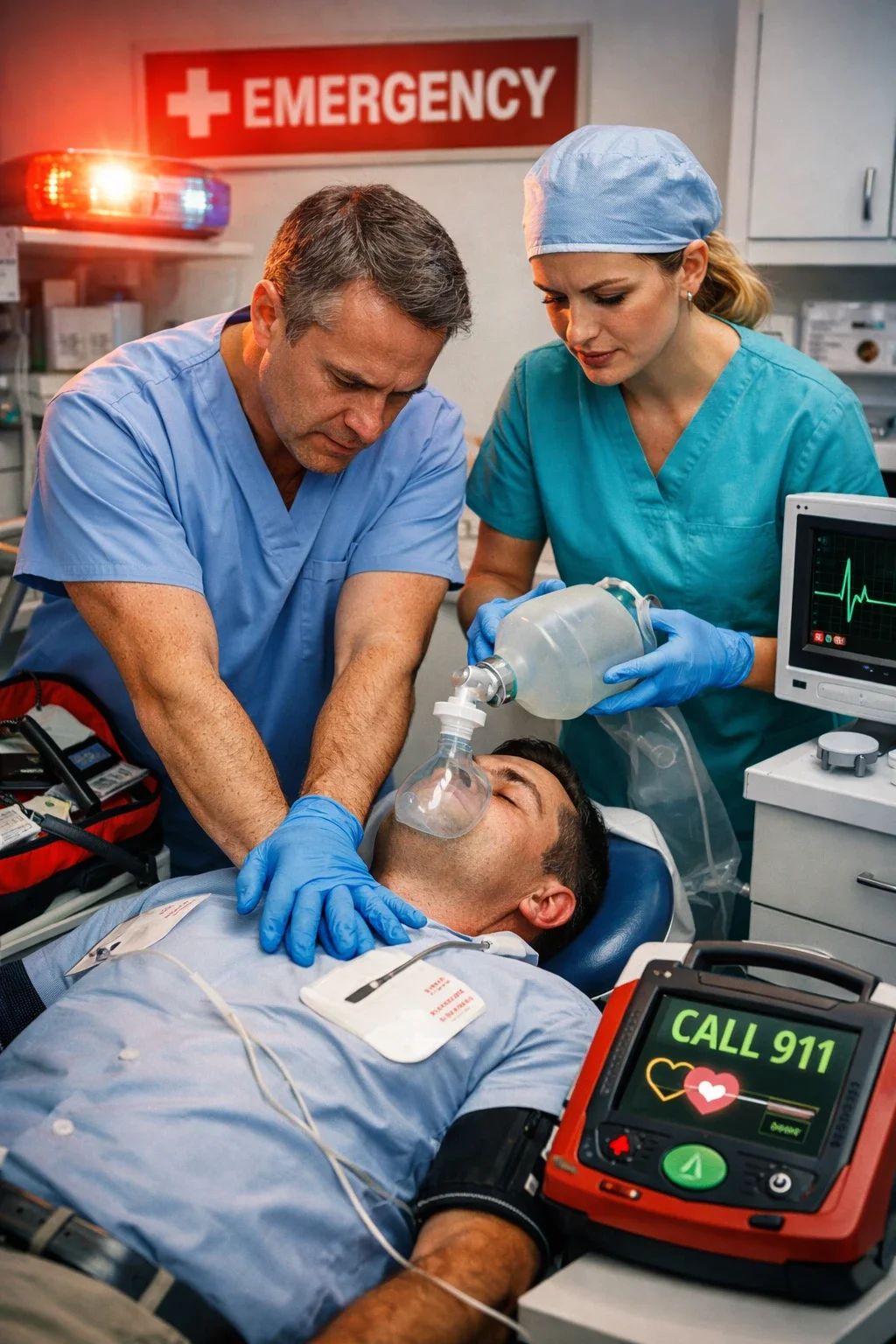
Immediate cardiopulmonary resuscitation (CPR) and use of an automated external defibrillator (AED) are essential. Survival depends on rapid response within the first few minutes, making preparation absolutely critical.
Recognizing Early Warning Signs
Early recognition is the most powerful tool in preventing catastrophic emergencies in the dental office. Warning signs include chest discomfort, shortness of breath, dizziness, irregular heartbeat, and unexplained fatigue.
Dental professionals should treat these symptoms seriously, even if the patient minimizes them. Ignoring early signs is a common cause of poor outcomes in cardiac emergencies in the dental office.
Immediate Management and Emergency Protocols
Managing cardiac emergencies in the dental office requires a calm, systematic approach. The procedure must be stopped immediately, and the patient should be positioned appropriately, usually in a semi-reclined or supine position depending on symptoms.
Essential Response Steps
Oxygen administration, vital sign monitoring, and emergency service activation are foundational steps. If cardiac arrest occurs, CPR should begin immediately, followed by AED use as soon as possible. Every second counts during these emergencies in the dental office.
Prevention of Cardiac Emergencies in the Dental Office
Preventing cardiac emergencies in the dental office begins long before treatment starts. Comprehensive medical histories, medication reviews, and risk assessment are essential. Patients with known heart conditions may require stress reduction protocols, shorter appointments, and medical consultation prior to treatment.
Maintaining a calm environment, effective pain control, and clear communication significantly reduces stress-related emergencies in the dental office 😊.
Training, Equipment, and Team Readiness
Because cardiac emergencies in the dental office are unforgiving, regular training is non-negotiable. Dental teams must maintain current CPR certification, practice emergency drills, and ensure that AEDs and oxygen supplies are readily accessible.
Professional recommendations from the
American Dental Association strongly emphasize preparedness and continuing education. A trained and confident team dramatically improves survival outcomes during emergencies in the dental office.
In conclusion, cardiac emergencies in the dental office demand the highest level of awareness, preparation, and skill. By recognizing early warning signs, responding immediately, and maintaining a culture of safety, dental professionals can save lives and uphold the highest standards of care. Effective management of cardiac emergencies in the dental office transforms fear into confidence and reinforces patient trust 💪.
Managing Pediatric Emergencies in the Dental Office
Pediatric patients present unique challenges, making pediatric-related emergencies in the dental office a critical area of focus for dental professionals. Children are not simply small adults; their physiological responses, emotional reactions, and communication abilities differ significantly. As a result, emergencies in the dental office involving children can escalate quickly if not handled with specialized knowledge and care 🧸.
Fear, limited understanding, and inability to clearly express symptoms contribute to the complexity of pediatric emergencies in the dental office. Even routine dental procedures can become stressful events, increasing the likelihood of both medical and dental emergencies in the dental office when treating young patients.
Why Pediatric Emergencies Are Different
Pediatric emergencies in the dental office differ from adult cases due to anatomical, physiological, and psychological factors. Children have smaller airways, faster heart rates, and less physiological reserve, making them more vulnerable during emergencies in the dental office.
In addition, emotional distress can trigger exaggerated responses such as crying, hyperventilation, or vasovagal syncope. Dental teams must recognize that pediatric emergencies in the dental office often develop faster and require immediate, gentle, and precise intervention.
Common Pediatric Emergencies in the Dental Office
Certain emergencies in the dental office are more prevalent among pediatric patients. Familiarity with these scenarios allows dental professionals to act confidently and reduce risks.
Syncope and Anxiety-Related Episodes
Although less common than in adults, syncope still occurs among pediatric patients and is one of the notable emergencies in the dental office. Fear, prolonged procedures, or dehydration may cause children to faint. Early recognition of anxiety and distress can prevent these emergencies in the dental office.
Airway Obstruction and Aspiration
Airway-related emergencies in the dental office are particularly dangerous in children due to their smaller airways. Aspiration of dental instruments, materials, or debris can rapidly compromise breathing. Proper isolation techniques and vigilant monitoring are essential preventive measures.
Allergic Reactions in Children
Children may experience allergic reactions to local anesthetics, antibiotics, or latex. Pediatric allergic emergencies in the dental office can progress quickly to airway swelling or breathing difficulties. Prompt identification and treatment are crucial to preventing severe outcomes.
Hypoglycemia in Pediatric Patients
Children, especially those with diabetes, are at increased risk of hypoglycemia. Missed meals or long dental appointments can trigger emergencies in the dental office characterized by sweating, confusion, and altered consciousness.
Behavioral Challenges and Emergency Risk
Behavioral management plays a significant role in preventing pediatric emergencies in the dental office. Uncooperative behavior increases the risk of injury, aspiration, and stress-induced medical emergencies in the dental office.
Techniques such as tell-show-do, positive reinforcement, and parental involvement reduce anxiety and minimize emergency risks. Sedation, when used, requires careful monitoring due to its association with respiratory emergencies in the dental office.
Immediate Management of Pediatric Emergencies
When pediatric emergencies in the dental office occur, calm and reassuring behavior from the dental team is essential. Children are highly sensitive to emotional cues, and panic among staff can worsen the situation.
Key Response Principles
The airway must always be assessed first. Proper positioning, oxygen delivery, and monitoring are essential steps. Medication dosages must be weight-based, emphasizing the need for accurate patient records.
If a situation exceeds the dental team’s capacity, emergency medical services should be activated without delay. Timely escalation saves lives during emergencies in the dental office 🚑.
Prevention Strategies for Pediatric Emergencies
Preventing emergencies in the dental office involving children begins with thorough medical history review, including allergies, medications, and previous medical events. Scheduling appointments at optimal times and ensuring children have eaten appropriately help reduce risks.
Clear communication with parents is also critical. Educating caregivers about preparation and post-treatment care reduces the likelihood of emergencies in the dental office after the appointment.
Training and Preparedness for Pediatric Care
Because pediatric emergencies in the dental office require specialized skills, ongoing training is essential. Dental teams should practice pediatric-specific emergency scenarios and ensure equipment sizes are appropriate for children.
Guidance from organizations such as the
American Dental Association supports pediatric emergency preparedness and patient safety. Well-prepared teams respond faster, reduce fear, and improve outcomes.
In conclusion, managing pediatric emergencies in the dental office requires knowledge, empathy, and preparation. By understanding the unique needs of children and implementing preventive strategies, dental professionals can provide safe, effective care. Excellence in handling pediatric emergencies in the dental office builds trust with families and reinforces the clinic’s commitment to patient-centered care 💙.
Emergency Equipment and Drugs Every Dental Office Must Have
Having the correct emergency equipment and medications readily available is a cornerstone of safe dental practice. No matter how skilled the clinician, emergencies in the dental office cannot be managed effectively without the proper tools. Equipment and drugs are not optional accessories; they are essential lifesaving resources that directly influence patient outcomes during critical moments 🧰.
Emergencies in the dental office often evolve rapidly, leaving little time for improvisation. When a patient collapses, experiences an allergic reaction, or develops respiratory distress, immediate access to emergency supplies can mean the difference between recovery and tragedy. This section explains what every dental office must have, why each item matters, and how preparedness supports confident emergency management.
Why Emergency Equipment Is Essential in the Dental Office
Dental clinics are medical environments, and patients frequently present with underlying systemic conditions. Stress, anxiety, and dental procedures themselves can trigger emergencies in the dental office even in patients who appear healthy. Because emergency medical services may take several minutes to arrive, the dental team is responsible for initial stabilization.
Proper emergency equipment allows dental professionals to maintain airway patency, support breathing, stabilize circulation, and administer critical medications. Without these tools, even well-trained teams may be powerless during serious emergencies in the dental office.
Basic Emergency Equipment Every Dental Office Must Have
Certain pieces of equipment are universally recommended for managing emergencies in the dental office. These items should be accessible, functional, and checked regularly.
Oxygen Delivery System
Oxygen is one of the most important tools for managing emergencies in the dental office. It is used in cardiac events, respiratory distress, syncope, allergic reactions, and many other emergencies. A reliable oxygen tank with masks or nasal cannulas must always be available.
Automated External Defibrillator (AED)
An AED is a critical device for managing cardiac emergencies in the dental office. Sudden cardiac arrest requires immediate defibrillation, and early AED use dramatically improves survival rates. Every dental office should have an AED and ensure staff are trained to use it confidently ❤️.
Suction and Airway Management Tools
Airway obstruction is a serious threat during emergencies in the dental office. High-volume suction, oral airways, and basic airway adjuncts help maintain breathing and prevent aspiration. These tools are especially important during seizures, allergic reactions, and pediatric emergencies.
Blood Pressure Monitor and Pulse Oximeter
Monitoring vital signs is essential during emergencies in the dental office. Blood pressure cuffs and pulse oximeters provide real-time information that guides decision-making and helps assess patient stability.
Essential Emergency Drugs in the Dental Office
In addition to equipment, specific medications are required to manage emergencies in the dental office effectively. These drugs should be clearly labeled, stored correctly, and checked regularly for expiration.
Epinephrine
Epinephrine is the first-line treatment for anaphylaxis and one of the most critical drugs for emergencies in the dental office. Rapid administration can reverse airway swelling, support blood pressure, and save lives during severe allergic reactions 🚨.
Antihistamines
Antihistamines are used to manage mild to moderate allergic emergencies in the dental office. While not a substitute for epinephrine in anaphylaxis, they are valuable for controlling symptoms and preventing progression.
Glucose or Glucagon
Hypoglycemia is a common cause of emergencies in the dental office, particularly among diabetic patients. Oral glucose gel or injectable glucagon allows rapid correction of low blood sugar levels.
Nitroglycerin
Nitroglycerin is essential for managing angina-related emergencies in the dental office. It helps dilate coronary vessels and relieve chest pain in patients with known heart disease.
Bronchodilators
Asthma attacks are frequent medical emergencies in the dental office. A fast-acting bronchodilator, such as a metered-dose inhaler, must always be available to relieve bronchospasm and restore breathing.
Storage, Maintenance, and Accessibility
Having emergency supplies is not enough; they must be easy to access and ready for use. Emergencies in the dental office unfold quickly, and delays caused by locked cabinets or disorganized storage can be fatal.
Emergency kits should be standardized, clearly labeled, and known to all staff members. Regular checks ensure that equipment functions properly and medications are within expiration dates.
Training the Dental Team to Use Emergency Equipment
Emergency equipment is only effective if the dental team knows how to use it. Regular training and mock drills ensure that staff can respond confidently during emergencies in the dental office.
Professional guidelines from the
American Dental Association emphasize ongoing emergency preparedness, including equipment familiarity and team coordination. Practices that invest in training experience better outcomes and reduced stress during emergencies in the dental office.
The Role of Preparedness in Patient Trust
Patients may never see emergency equipment, but they benefit from its presence. Knowing that a dental office is prepared for emergencies in the dental office builds trust and confidence, especially for patients with medical conditions.
In conclusion, emergency equipment and drugs are fundamental to safe dental care. By maintaining proper supplies, ensuring accessibility, and training staff regularly, dental professionals can manage emergencies in the dental office effectively and confidently. Preparedness transforms emergencies in the dental office from chaotic events into controlled, professional responses that save lives 💪.
Emergency Protocols and Team Training in the Dental Office
Well-defined emergency protocols and consistent team training are the backbone of effective management of emergencies in the dental office. While equipment and medications are essential, they are only as effective as the people using them. In high-stress situations, confusion and hesitation can worsen outcomes, making structured protocols and rehearsed responses absolutely critical 🧠.
Emergencies in the dental office rarely announce themselves in advance. A patient may appear stable one moment and deteriorate the next. In these situations, a trained and coordinated dental team can respond instinctively, minimizing delays and reducing the risk of serious complications. This section explains how emergency protocols are developed, why training matters, and how teamwork directly impacts patient safety.
Why Emergency Protocols Are Essential
Emergency protocols provide a clear, step-by-step framework for managing emergencies in the dental office. They remove uncertainty by defining roles, responsibilities, and actions before a crisis occurs. When everyone knows what to do, precious seconds are saved during emergencies in the dental office.
Without protocols, even experienced clinicians may hesitate or duplicate efforts, leading to delays in care. Standardized emergency protocols ensure consistency, accuracy, and compliance with professional standards.
Core Elements of an Emergency Protocol
Effective emergency protocols for emergencies in the dental office share several key elements. These components ensure that the response is rapid, organized, and patient-centered.
Clear Role Assignment
Each team member must know their specific role during emergencies in the dental office. One person may be responsible for calling emergency medical services, another for retrieving the emergency kit, and another for monitoring vital signs. Role clarity prevents chaos and improves efficiency.
Airway, Breathing, and Circulation Assessment
All emergencies in the dental office should be approached using the ABC framework: airway, breathing, and circulation. This systematic assessment ensures that life-threatening issues are identified and addressed immediately.
Communication and Documentation
Clear communication is essential during emergencies in the dental office. Team members must relay information accurately and calmly. Documentation of events, interventions, and patient responses is also crucial for continuity of care and legal protection.
The Importance of Regular Team Training
Training transforms written protocols into effective action. Dental teams that practice emergency scenarios regularly are far more capable of managing real emergencies in the dental office. Training builds muscle memory, confidence, and trust among team members.
Regular drills help identify weaknesses in protocols, equipment placement, or communication. Addressing these gaps proactively reduces risk and improves performance during actual emergencies in the dental office 💪.
Types of Emergency Training for Dental Teams
Comprehensive emergency preparedness involves multiple forms of training tailored to the types of emergencies in the dental office.
Basic Life Support (BLS) and CPR Training
All dental professionals should maintain current certification in CPR and basic life support. These skills are fundamental for managing cardiac emergencies in the dental office and sustaining life until advanced care arrives.
Scenario-Based Emergency Drills
Simulated emergencies allow teams to practice real-life responses to emergencies in the dental office. Scenarios may include syncope, anaphylaxis, cardiac arrest, or pediatric emergencies. These drills improve coordination and reduce panic.
Equipment and Medication Familiarization
Knowing how to use emergency equipment quickly is essential. Training sessions should include hands-on practice with oxygen systems, AEDs, and emergency medications to ensure readiness during emergencies in the dental office.
Leadership and Decision-Making During Emergencies
Every emergency response requires clear leadership. During emergencies in the dental office, one individual—usually the dentist—should assume the role of team leader. This person coordinates actions, makes decisions, and ensures protocol adherence.
Strong leadership reduces confusion, maintains focus, and reassures both staff and patients. It is a critical factor in successful emergency management.
Continuous Improvement and Protocol Updates
Emergency preparedness is not a one-time task. Protocols for emergencies in the dental office should be reviewed and updated regularly to reflect new guidelines, equipment changes, or lessons learned from past incidents.
Feedback from team members after drills or real emergencies helps refine protocols and improve outcomes. A culture of continuous improvement strengthens overall patient safety.
Professional Standards and Guidelines
Emergency protocols and training should align with established professional recommendations. Organizations such as the
American Dental Association provide guidance on emergency preparedness, emphasizing the importance of training, documentation, and team coordination.
Adhering to these standards not only improves patient outcomes but also protects dental professionals legally and ethically.
Building Patient Trust Through Preparedness
Patients may never witness emergency drills, but they benefit from the results. A dental office that manages emergencies in the dental office calmly and professionally inspires confidence and trust. This is especially important for patients with medical conditions or dental anxiety.
In conclusion, emergency protocols and team training are essential pillars of safe dental practice. By establishing clear procedures, investing in regular training, and fostering teamwork, dental professionals can manage emergencies in the dental office effectively and confidently. Preparedness turns uncertainty into control and reinforces the highest standards of patient-centered care 🌟.
Legal, Ethical, and Patient Communication Considerations During Emergencies
Beyond clinical skills and equipment, legal and ethical responsibilities play a crucial role in how emergencies in the dental office are managed. Every emergency situation carries not only medical risks but also legal, professional, and ethical implications. How a dental team communicates, documents, and acts during emergencies in the dental office can significantly affect patient outcomes, trust, and long-term professional standing ⚖️.
Emergencies in the dental office place dental professionals under intense pressure. Decisions must be made quickly, often with limited information. In these moments, adherence to ethical principles and legal standards provides a framework that protects both the patient and the dental team.
Legal Responsibilities During Emergencies in the Dental Office
Dentists and dental staff have a legal duty of care toward their patients. This duty does not end when an emergency arises; in fact, it becomes even more critical. Emergencies in the dental office must be managed according to accepted standards of care, which include timely recognition, appropriate intervention, and referral when necessary.
Failure to act, delayed response, or inappropriate management during emergencies in the dental office may be considered negligence. Courts often evaluate whether a reasonably competent dental professional would have acted similarly under the same circumstances. Proper training, preparation, and documentation are essential defenses in such cases.
Informed Consent and Emergency Situations
Under normal circumstances, informed consent is obtained before treatment. However, emergencies in the dental office may limit the ability to obtain formal consent, especially if a patient is unconscious or confused.
Implied Consent in Emergencies
In true emergencies in the dental office, the law generally recognizes implied consent. This means that life-saving or essential interventions may be performed if a reasonable person would consent under the circumstances. Understanding this concept allows dental professionals to act decisively without fear of legal repercussions.
Nevertheless, whenever possible, verbal consent should be obtained and documented, even during emergencies in the dental office.
Ethical Principles Guiding Emergency Care
Ethical decision-making is central to managing emergencies in the dental office. Core ethical principles include beneficence (acting in the patient’s best interest), nonmaleficence (avoiding harm), autonomy, and justice.
During emergencies in the dental office, beneficence and nonmaleficence often take priority. Dental professionals must focus on stabilizing the patient, minimizing harm, and ensuring appropriate follow-up care. Ethical practice requires placing patient welfare above convenience, cost, or fear of liability.
Communication With the Patient During Emergencies
Clear and compassionate communication is vital during emergencies in the dental office. Patients experiencing medical or dental emergencies are often frightened and disoriented. Calm explanations, reassurance, and transparency help reduce anxiety and improve cooperation 😊.
Managing Anxiety and Expectations
Explaining what is happening, what actions are being taken, and why they are necessary fosters trust. Even brief explanations during emergencies in the dental office can make a significant difference in patient perception and satisfaction.
Communicating With Family Members or Caregivers
Family members or caregivers often play a key role during emergencies in the dental office, particularly for pediatric, elderly, or medically compromised patients. Keeping them informed is both an ethical obligation and a practical necessity.
Information should be delivered honestly and sensitively, avoiding medical jargon. Clear communication reduces misunderstandings and potential conflicts following emergencies in the dental office.
Documentation: A Critical Legal Safeguard
Accurate and thorough documentation is one of the most important aspects of managing emergencies in the dental office. Records should include the patient’s symptoms, timeline of events, vital signs, interventions performed, medications administered, and communications with emergency medical services.
Well-documented emergencies in the dental office provide continuity of care and serve as essential legal protection if questions arise later. Documentation should be completed as soon as possible after the event while details are fresh.
Post-Emergency Follow-Up and Referrals
Management of emergencies in the dental office does not end when the immediate crisis resolves. Appropriate referrals, follow-up instructions, and coordination with medical providers are essential components of comprehensive care.
Patients should be advised clearly on next steps and warned about signs that require further medical attention. Providing written instructions reinforces understanding and reduces risk.
Professional Guidelines and Risk Management
Following established professional guidelines strengthens both patient safety and legal protection. Recommendations from organizations such as the
American Dental Association emphasize preparedness, ethical practice, and clear communication during emergencies in the dental office.
Risk management strategies, including regular training, protocol updates, and incident reviews, further reduce the likelihood of adverse outcomes and legal disputes.
Building Long-Term Trust Through Ethical Emergency Care
How a dental office handles emergencies in the dental office often leaves a lasting impression on patients and their families. Ethical, transparent, and compassionate care builds trust, loyalty, and a strong professional reputation.
In conclusion, legal, ethical, and communication considerations are inseparable from clinical management of emergencies in the dental office. By understanding legal duties, applying ethical principles, communicating effectively, and documenting thoroughly, dental professionals can navigate emergencies in the dental office with confidence and integrity. Excellence in these areas protects patients, supports professionals, and upholds the highest standards of modern dental care 🌟.