
Experiencing a damaged or fallen dental crown can be alarming, uncomfortable, and sometimes painful. Emergency crown repair is a dental service designed to address urgent crown-related problems quickly, protecting your tooth from further damage and relieving discomfort. Whether your crown has cracked, loosened, or completely fallen off, understanding what to do next can make a significant difference in both your oral health and treatment outcome.
A dental crown acts like a protective helmet for a weakened or treated tooth. When that protection is suddenly lost, the underlying tooth becomes vulnerable to bacteria, sensitivity, fractures, and infection. This is why emergency crown repair is not just about aesthetics—it is a crucial step in preventing more serious dental complications. Ignoring the issue or delaying care may result in the need for root canal treatment or even tooth extraction.
One of the most common scenarios requiring emergency crown repair is when a crown becomes loose while eating sticky or hard foods. In other cases, trauma from an accident, teeth grinding, or biting down incorrectly can cause a crown to crack or dislodge. Sometimes, decay beneath the crown weakens the bonding structure, leading to sudden failure. Regardless of the cause, prompt action is essential.
When a crown breaks or falls out, patients often experience sharp pain, temperature sensitivity, or discomfort when chewing. Exposed dentin and nerve endings react strongly to hot, cold, or sweet foods. Emergency crown repair aims to quickly stabilize the situation by either re-cementing the crown, repairing it, or placing a temporary solution until a permanent fix is possible.
If your crown comes off, the first step is to stay calm. Rinse your mouth gently with warm water and retrieve the crown if possible. Avoid chewing on the affected side and keep the area clean. While these steps help temporarily, they do not replace professional emergency crown repair. A dentist must evaluate whether the crown can be reused or if a new one is required.
Professional emergency crown repair begins with a thorough examination. Dentists assess the condition of the crown, the remaining tooth structure, and surrounding gum tissue. If the crown is intact and the tooth underneath is healthy, the crown may be cleaned and reattached using dental cement. This is often the fastest and least invasive solution.
However, if the crown is cracked or the tooth underneath has decay or structural damage, emergency crown repair may involve placing a temporary crown. Temporary crowns protect the tooth while a custom permanent crown is fabricated. This approach ensures continued function and comfort while preventing further deterioration.
Many patients worry about the pain associated with emergency crown repair. The good news is that modern dental techniques prioritize patient comfort. Local anesthesia is typically used, and most procedures are completed quickly. Relief from pain and sensitivity is often immediate once the crown is stabilized or replaced 😊.
Timing plays a critical role in emergency crown repair. The sooner you seek treatment, the higher the chance of saving both the crown and the underlying tooth. Delaying care can allow bacteria to enter, leading to infection or tooth fracture. Dental professionals strongly recommend contacting a clinic as soon as possible when crown damage occurs.
If you are unsure where to turn during a dental emergency, reaching out to a qualified clinic is key. You can quickly get professional guidance and appointment support through the Redent Klinik Contact Page. Prompt communication helps ensure your emergency crown repair is handled efficiently and safely.
It is also important to rely on evidence-based dental care. Organizations like the American Dental Association emphasize the importance of immediate treatment for damaged dental restorations to prevent long-term oral health problems. Following professional guidelines ensures that emergency crown repair is both safe and effective.
In summary, emergency crown repair is a vital dental service that protects your tooth, relieves pain, and prevents complications when a crown fails unexpectedly. Knowing how to respond, seeking timely professional care, and understanding the treatment process empowers you to act confidently during a dental emergency. Addressing the problem early not only preserves your smile but also saves time, discomfort, and additional treatment down the road.
What Is Emergency Crown Repair and Why It Matters
Emergency crown repair refers to immediate dental treatment provided when a dental crown becomes damaged, loose, cracked, or completely dislodged. Unlike routine dental visits, this type of care focuses on urgent intervention to protect the exposed tooth, reduce pain, and prevent further complications. Because crowns cover and shield weakened teeth, any sudden failure requires fast and informed action.
When a crown fails, the underlying tooth structure is often fragile. Without quick emergency crown repair, the exposed tooth may suffer from sensitivity, bacterial invasion, or even structural fracture. This is why dentists classify crown damage as a dental emergency rather than a cosmetic inconvenience.
Understanding the Role of a Dental Crown
Dental crowns are custom-made restorations designed to fully encase a tooth. They restore strength, shape, and function after procedures such as root canal treatment, large fillings, or severe wear. A crown allows patients to chew normally and smile confidently while protecting the tooth underneath.
Because crowns are bonded to prepared teeth, their failure often indicates an underlying issue. Emergency crown repair is not only about fixing the visible problem but also diagnosing why the crown failed in the first place. This ensures long-term oral health and prevents repeated emergencies.
Why Emergency Crown Repair Is Time-Sensitive
Time is a critical factor in emergency crown repair. The longer a tooth remains exposed, the higher the risk of decay, infection, and irreversible damage. Even a short delay can allow bacteria to enter microscopic cracks or exposed dentin, leading to inflammation or abscess formation.
Additionally, exposed teeth are more likely to fracture under normal chewing pressure. A small issue that could be resolved with simple emergency crown repair may escalate into a complex and costly procedure if left untreated.
Immediate Risks of Ignoring a Broken Crown
Ignoring the need for emergency crown repair can result in several serious consequences. Increased tooth sensitivity is often the first sign, followed by pain when biting or chewing. Over time, gum irritation and swelling may develop around the exposed area.
In worst-case scenarios, the tooth may crack below the gum line, making it impossible to save. At that point, extraction may be the only option. Prompt emergency crown repair helps patients avoid these outcomes by restoring protection as quickly as possible.
Functional and Aesthetic Importance
While function is the primary concern, aesthetics also matter. A missing or damaged crown—especially on a front tooth—can significantly affect a person’s confidence. Emergency crown repair restores not only oral health but also appearance, allowing patients to speak and smile comfortably again 😊.
Modern dentistry ensures that even temporary solutions look natural. Dentists performing emergency crown repair prioritize both comfort and visual harmony until a permanent restoration is completed.
Who Needs Emergency Crown Repair?
Anyone with an existing dental crown may require emergency crown repair at some point. Patients who grind their teeth, consume hard foods frequently, or have a history of dental trauma are at higher risk. Aging dental cement and underlying decay can also contribute to sudden crown failure.
Even well-maintained crowns are not immune to accidents. That is why understanding the importance of emergency crown repair prepares patients to act quickly and responsibly when an issue arises.
Professional dental organizations, including the American Dental Association, emphasize timely treatment for damaged restorations. Acting fast and seeking qualified care ensures that emergency crown repair remains a simple, effective solution rather than the start of a larger dental problem.
In essence, emergency crown repair matters because it protects your tooth, preserves your oral health, and prevents unnecessary pain and expense. Recognizing its urgency and value empowers patients to make informed decisions during stressful dental situations.
Common Causes of Dental Crown Damage
Understanding why dental crowns fail is a crucial part of preventing future problems and knowing when emergency crown repair may be necessary. Although crowns are designed to be strong and durable, they are not indestructible. Various everyday habits, underlying dental conditions, and unexpected events can compromise their integrity, leading to sudden damage or detachment.
Many patients are surprised when a crown breaks or falls out because they assume it is permanent. In reality, crowns have a lifespan and are influenced by both mechanical stress and oral health factors. Identifying the common causes of crown damage helps patients act quickly and seek emergency crown repair before the situation worsens.
Biting Hard or Sticky Foods
One of the most frequent triggers for emergency crown repair is biting into hard or sticky foods. Items such as hard candies, ice, nuts, or even unpopped popcorn kernels can place excessive force on a crown. Sticky foods like caramel or chewing gum can pull on a crown, especially if the dental cement has weakened over time.
Even a well-fitted crown can loosen or crack under sudden pressure. When this happens, patients often notice immediate discomfort or feel that something is “off” while chewing. Prompt emergency crown repair is essential to prevent the exposed tooth from becoming damaged.
Teeth Grinding and Jaw Clenching
Bruxism, commonly known as teeth grinding or jaw clenching, is another major cause of crown failure. This habit often occurs during sleep and can exert extreme force on dental restorations. Over time, repeated grinding can crack ceramic crowns, loosen cement, or wear down the crown’s surface.
Patients who grind their teeth may require emergency crown repair more frequently if the habit is not managed. Dentists often recommend night guards to protect crowns and natural teeth from excessive stress.
Chronic Stress and Its Dental Impact
Stress plays an indirect but important role in crown damage. High stress levels increase the likelihood of clenching and grinding, which accelerates crown wear. If left unaddressed, this cycle may result in repeated need for emergency crown repair and additional dental procedures.
Underlying Tooth Decay
Many people assume that once a crown is placed, the tooth underneath is fully protected from decay. However, bacteria can still enter if the crown margin becomes compromised. Decay beneath a crown weakens the tooth structure, making the crown unstable.
When decay progresses unnoticed, the crown may suddenly loosen or fall off, creating the need for immediate emergency crown repair. In such cases, dentists must treat the decay before deciding whether the crown can be reattached or needs replacement.
Trauma or Accidental Injury
Physical trauma is a clear and immediate cause of crown damage. Accidents such as falls, sports injuries, or blows to the face can crack or dislodge crowns instantly. Even minor impacts can affect crowns on front teeth, which are more exposed.
After any dental trauma, seeking professional evaluation is essential. Emergency crown repair following an accident helps stabilize the tooth and prevents secondary damage caused by swelling, infection, or bite misalignment.
Aging Dental Cement and Normal Wear
Dental crowns rely on strong bonding materials to stay in place. Over time, dental cement can degrade due to moisture, temperature changes, and normal chewing forces. As cement weakens, crowns become more prone to loosening.
Normal wear and tear is an unavoidable factor, especially for older crowns. Regular dental check-ups can detect early signs of loosening, but sudden failure may still occur, requiring emergency crown repair.
Poor Fit or Bite Issues
A crown that does not fit perfectly or is subjected to uneven bite pressure is more likely to fail. Bite misalignment causes certain areas of the crown to absorb excessive force, increasing the risk of cracking or detachment.
In these situations, emergency crown repair may involve not only fixing the crown but also adjusting the bite to prevent recurring problems.
Why Recognizing the Cause Matters
Identifying the root cause of crown damage allows dentists to provide more effective emergency crown repair and long-term solutions. Addressing habits like grinding, improving oral hygiene, or correcting bite alignment reduces the likelihood of repeat emergencies.
Dental experts, including those guided by the American Dental Association, stress that understanding risk factors is key to maintaining restorations. By knowing what causes crown damage, patients can take preventive steps and respond quickly when emergency crown repair becomes necessary.
In summary, dental crown damage often results from a combination of mechanical stress, oral health issues, and unexpected events. Recognizing these common causes empowers patients to protect their restorations and seek timely emergency crown repair to preserve both comfort and oral health.
Signs You Need Emergency Crown Repair Immediately
Recognizing the warning signs that indicate the need for emergency crown repair can protect your tooth from serious damage and prevent unnecessary pain. Many patients delay treatment because they are unsure whether their situation truly qualifies as an emergency. However, dental crowns rarely fail without consequences, and even subtle symptoms may signal an urgent problem.
A damaged or loose crown exposes the underlying tooth structure, which is often weaker and more sensitive than a natural tooth. When these warning signs appear, prompt emergency crown repair is essential to stabilize the tooth and avoid complications such as infection or fracture.
Sudden Tooth Sensitivity
One of the earliest and most common signs that emergency crown repair is needed is sudden sensitivity to hot, cold, or sweet foods. When a crown loosens or cracks, it no longer seals the tooth properly. This allows temperature changes to reach the dentin and nerve endings beneath.
Sensitivity that appears suddenly—especially around a crowned tooth—should never be ignored. While mild sensitivity can sometimes occur temporarily, persistent or intense discomfort often means the crown’s protective barrier has failed, making emergency crown repair necessary.
Pain When Biting or Chewing
Pain during chewing is another strong indicator that emergency crown repair may be required. A loose or misaligned crown can shift slightly when pressure is applied, irritating the tooth and surrounding tissues.
This type of pain may feel sharp or dull and often worsens over time. Continuing to chew on a compromised crown increases the risk of cracking the underlying tooth. Seeking immediate emergency crown repair helps restore stability and prevents further structural damage.
Sharp Pain vs Dull Pressure
Sharp, sudden pain often indicates exposure of sensitive tooth layers, while dull pressure may suggest inflammation or early infection. Both symptoms warrant professional evaluation and should be addressed through timely emergency crown repair.
A Crown That Feels Loose or Moves
If your crown feels loose or shifts when you touch it with your tongue, this is a clear sign that emergency crown repair is needed. Even slight movement means the dental cement has weakened or the underlying tooth structure has changed.
A loose crown can trap food particles and bacteria, increasing the risk of decay. Acting quickly allows dentists to clean and re-cement the crown before permanent damage occurs. Delaying emergency crown repair often turns a simple fix into a more complex procedure.
A Crown That Has Fallen Out Completely
A fully dislodged crown is an unmistakable dental emergency. When this happens, the tooth is left completely unprotected. Emergency crown repair is critical to prevent sensitivity, infection, and structural weakening.
If the crown falls out, patients should keep it clean and safe, avoid chewing on the affected side, and contact a dental clinic immediately. In many cases, prompt emergency crown repair allows the original crown to be reattached.
Visible Cracks or Chips
Cracks or chips in a crown may not always cause immediate pain, but they should never be ignored. Even minor damage compromises the crown’s integrity and can worsen quickly under chewing forces.
Visible damage is a strong reason to seek emergency crown repair. Early intervention may allow simple repair or reinforcement, while delayed treatment may require full crown replacement.
Swollen or Irritated Gums Around the Crown
Inflammation or swelling around a crowned tooth may indicate that bacteria have entered beneath the crown. This often occurs when the crown margin is no longer sealed properly.
Gum irritation accompanied by discomfort or bleeding is a sign that emergency crown repair should not be postponed. Treating the issue early helps prevent infection and protects the surrounding gum tissue.
Changes in Bite or Jaw Comfort
If your bite suddenly feels uneven or uncomfortable, a damaged crown may be the cause. A shifted crown alters how teeth meet, placing stress on the jaw and neighboring teeth.
Ignoring bite changes can lead to headaches, jaw pain, and further dental problems. Timely emergency crown repair restores proper alignment and prevents secondary complications.
Why Acting Quickly Makes a Difference
The sooner warning signs are addressed, the simpler and more effective emergency crown repair tends to be. Early treatment often means re-cementing the crown rather than replacing it entirely.
Dental authorities such as the American Dental Association emphasize prompt care for damaged restorations to prevent infection and tooth loss. Recognizing these signs empowers patients to seek help before discomfort escalates.
In summary, symptoms like sensitivity, pain, looseness, visible damage, or gum irritation all point toward the need for emergency crown repair. Listening to these signals and acting quickly preserves your tooth, reduces pain, and ensures the best possible outcome for your oral health.
Temporary At-Home Solutions Before Seeing a Dentist
When a dental crown breaks, loosens, or falls out, it does not always happen at a convenient time. While professional care is essential, there are situations where you may need to manage the problem temporarily until you can reach a dentist. Understanding safe, short-term measures can help protect your tooth and reduce discomfort, but it is important to remember that these steps do not replace emergency crown repair.
At-home solutions are designed only to stabilize the situation and prevent further damage. Delaying professional emergency crown repair for too long can lead to pain, infection, or irreversible tooth damage. The goal of temporary care is to buy time safely—not to fix the problem permanently.
What to Do Immediately After a Crown Falls Out
If your crown comes off completely, the first step is to stay calm. Rinse your mouth gently with warm water to remove debris. If possible, locate the crown and rinse it carefully without scrubbing. Keeping the crown clean increases the chance that it can be reused during emergency crown repair.
Avoid chewing on the affected side and try not to expose the tooth to extreme temperatures. The underlying tooth is often sensitive and vulnerable, which is why professional emergency crown repair should be arranged as soon as possible.
Using Temporary Dental Cement
Over-the-counter temporary dental cement is one of the most commonly recommended short-term solutions. These products are available at pharmacies and are designed to hold a crown in place temporarily.
If the crown fits comfortably, you may use temporary cement to gently reseat it. This can help protect the tooth and reduce sensitivity until you receive emergency crown repair. However, it is essential to apply only a small amount and avoid biting down forcefully.
Important Safety Notes About Dental Cement
Temporary cement is not as strong as professional dental adhesive and should never be considered a permanent fix. Using household glues or superglue is unsafe and can damage the tooth and crown, complicating future emergency crown repair.
Managing Pain and Sensitivity at Home
Discomfort is common when a crown fails. To manage pain before emergency crown repair, patients may use over-the-counter pain relievers as directed. Avoid placing aspirin directly on the tooth or gums, as this can cause tissue irritation.
Rinsing gently with warm salt water may help soothe irritated gums and keep the area clean. Desensitizing toothpaste can also provide temporary relief if sensitivity is mild.
Protecting the Exposed Tooth
If the crown cannot be reseated, protecting the exposed tooth becomes the priority. Dental wax, often used for orthodontic discomfort, can be placed over sharp edges to prevent irritation to the tongue and cheeks.
Keeping the area clean and dry reduces bacterial buildup, but it does not eliminate the need for emergency crown repair. These measures simply lower the risk of further harm.
Foods to Avoid Until Emergency Crown Repair
Diet plays an important role while waiting for emergency crown repair. Avoid hard, crunchy, sticky, or chewy foods that could worsen damage. Hot and cold foods may increase sensitivity and should also be limited.
Soft foods such as yogurt, mashed vegetables, or soups at moderate temperatures are safer choices. Chewing on the opposite side of the mouth helps protect the exposed tooth.
What You Should Never Do
There are several actions that can make the situation worse. Never ignore a missing or loose crown, even if pain is minimal. Delaying emergency crown repair increases the risk of decay and infection.
Do not attempt to reshape the tooth or crown at home, and never use permanent adhesives. These mistakes often lead to more complex and costly dental treatment.
Why At-Home Care Is Only Temporary
While these measures can provide short-term relief, they do not address the underlying issue. Only a dentist can properly evaluate the tooth, clean the area, and determine whether the crown can be reattached or replaced.
Professional guidelines, including those supported by the American Dental Association, stress that damaged restorations require timely clinical care. At-home solutions should always be followed by professional emergency crown repair.
When to Contact a Dental Clinic
As soon as you have stabilized the situation, contacting a dental clinic should be your next step. Early communication improves outcomes and reduces discomfort. You can quickly arrange professional help through the Redent Klinik Contact Page.
In summary, temporary at-home solutions can help manage discomfort and protect your tooth for a short period, but they are not substitutes for emergency crown repair. Acting responsibly and seeking professional treatment as soon as possible ensures the best chance of preserving your tooth and restoring full function safely.
How Dentists Perform Professional Emergency Crown Repair
When at-home measures are no longer sufficient, professional care becomes essential. Emergency crown repair performed by a dentist is a structured, clinical process designed to relieve pain, protect the tooth, and restore function as quickly as possible. While the exact steps may vary depending on the condition of the crown and the underlying tooth, the goal is always the same: stabilize the situation and prevent further damage.
Many patients feel anxious about urgent dental visits, but modern emergency crown repair procedures are efficient, controlled, and focused on comfort. Understanding what happens during the appointment helps patients feel prepared and confident when seeking immediate care.
Initial Examination and Diagnosis
The first step in emergency crown repair is a detailed clinical examination. The dentist inspects the crown, the exposed tooth structure, and the surrounding gums. This assessment determines whether the crown is intact, cracked, or unsuitable for reuse.
X-rays are often taken to evaluate the tooth beneath the crown. These images help identify hidden decay, fractures, or infection. Accurate diagnosis is critical, as successful emergency crown repair depends on addressing both visible damage and underlying issues.
Cleaning and Preparing the Tooth
Before any repair is performed, the dentist thoroughly cleans the affected area. Removing bacteria, debris, and old cement is essential to ensure a secure bond. This step also reduces the risk of infection following emergency crown repair.
If decay is present, it must be treated before the crown can be reattached. In some cases, additional tooth structure may need reinforcement to support the restoration properly.
Re-Cementing the Existing Crown
If the crown is undamaged and fits correctly, re-cementation is often the fastest and most conservative option. During this type of emergency crown repair, the dentist applies professional dental cement and carefully positions the crown back onto the tooth.
Once placed, the dentist checks the bite to ensure proper alignment. Excess cement is removed, and the crown is allowed to set. Patients typically experience immediate relief from sensitivity and discomfort after successful re-cementation 😊.
When Re-Cementation Is Not Enough
Re-cementing is not always possible. If the crown is cracked, poorly fitting, or if the tooth structure has changed, alternative approaches to emergency crown repair are required.
Temporary Crown Placement
When a permanent solution cannot be completed immediately, dentists often place a temporary crown. This form of emergency crown repair protects the tooth while a new custom crown is being fabricated.
Temporary crowns restore basic function and appearance, allowing patients to eat and speak comfortably. Although they are not as durable as permanent crowns, they play a crucial role in preventing further damage during the interim period.
Adjusting Bite and Occlusion
Improper bite alignment is a common contributor to crown failure. As part of emergency crown repair, dentists carefully evaluate how the repaired crown contacts opposing teeth.
Minor adjustments ensure even pressure distribution, reducing the risk of future cracks or loosening. This step is especially important for patients who grind their teeth or have complex bite patterns.
Pain Management and Patient Comfort
Comfort is a priority during emergency crown repair. Local anesthesia is typically used to eliminate pain during the procedure. Most patients report minimal discomfort and are able to resume normal activities shortly after treatment.
Post-procedure sensitivity may occur temporarily, but it usually resolves quickly once the tooth is protected again. Dentists provide aftercare instructions to support healing and comfort.
When Full Crown Replacement Is Required
In some cases, the damage is too extensive for simple repair. Severe cracks, repeated failures, or significant decay may necessitate full crown replacement as part of emergency crown repair.
Although this process takes longer, addressing the problem thoroughly ensures long-term stability and oral health. Temporary measures are used to protect the tooth until the permanent crown is ready.
Why Professional Care Makes a Difference
Professional emergency crown repair goes beyond restoring appearance. It safeguards the tooth, prevents infection, and ensures proper function. Attempting to manage crown damage without dental supervision often leads to complications that could have been avoided.
Dental best practices, supported by organizations like the American Dental Association, emphasize timely professional treatment for damaged restorations. Acting quickly improves outcomes and reduces the need for more invasive procedures.
Next Steps After Emergency Crown Repair
After treatment, dentists may recommend follow-up visits, bite guards, or oral hygiene adjustments to protect the repaired crown. Following these recommendations reduces the likelihood of future emergencies.
If you experience crown damage or discomfort, contacting a clinic promptly ensures that emergency crown repair is performed safely and effectively. You can arrange professional assistance through the Redent Klinik Contact Page.
In conclusion, professional emergency crown repair is a precise and patient-centered process that restores protection, comfort, and confidence. By understanding how dentists manage crown emergencies, patients can seek care promptly and make informed decisions that protect their long-term oral health.
Materials Used in Modern Emergency Crown Repair Procedures
One of the key reasons emergency crown repair has become faster, more reliable, and more comfortable for patients is the advancement of dental materials. Modern dentistry offers a wide range of materials specifically designed to restore damaged crowns, protect exposed teeth, and withstand the forces of daily chewing. Understanding these materials helps patients appreciate how dentists choose the most appropriate solution during an emergency crown repair visit.
Each material used in emergency crown repair serves a specific purpose depending on whether the crown is being re-cemented, temporarily replaced, or permanently restored. The choice is influenced by the location of the tooth, bite forces, aesthetic needs, and the condition of the underlying tooth structure.
Dental Cements Used in Emergency Crown Repair
Dental cement plays a central role in emergency crown repair, especially when an existing crown can be reused. Modern cements are significantly stronger and more durable than older formulations, allowing crowns to be securely bonded even under time-sensitive conditions.
Commonly used dental cements include resin-based cements and glass ionomer cements. Resin-based options provide excellent strength and moisture resistance, making them ideal for long-term stability. Glass ionomer cements release fluoride, which helps protect the tooth from decay after emergency crown repair.
Why Professional Cement Matters
Professional dental cement is engineered to bond safely with both the tooth and crown material. This is why dentists strongly discourage household adhesives. Using improper materials can damage the tooth and complicate future emergency crown repair efforts.
Temporary Crown Materials
When a permanent crown cannot be placed immediately, temporary crowns are a vital part of emergency crown repair. These crowns are typically made from acrylic or composite resin materials that are easy to shape and quick to place.
Temporary crown materials are designed to protect the tooth and maintain appearance while a permanent crown is being fabricated. Although not as durable as permanent restorations, they provide essential coverage and comfort during the interim period following emergency crown repair.
Ceramic and Porcelain Materials
Ceramic and porcelain crowns are widely used in modern dentistry due to their natural appearance and biocompatibility. During emergency crown repair, ceramic materials may be evaluated to determine whether a cracked crown can be repaired or must be replaced.
High-quality dental ceramics closely mimic natural tooth enamel in color and translucency. For front teeth especially, these materials ensure that emergency crown repair restores both function and aesthetics seamlessly 😊.
Zirconia Crowns and Their Role in Emergencies
Zirconia is one of the strongest materials used in dental restorations today. In cases where durability is a priority, zirconia crowns are often selected. While zirconia crowns rarely fracture, they may still become loose or require emergency crown repair due to cement failure or trauma.
Zirconia’s strength makes it ideal for molars and patients with heavy bite forces. Dentists carefully assess zirconia crowns during emergency crown repair to ensure proper fit and bite alignment before re-cementation.
Composite Resins for Minor Repairs
In certain situations, composite resin materials can be used to repair small chips or defects in a crown. Composite resins bond well to existing crown surfaces and allow dentists to restore shape and function efficiently.
While not suitable for all cases, composite materials offer a conservative option in emergency crown repair when damage is limited and structural integrity remains intact.
Bonding Agents and Adhesive Systems
Advanced bonding agents are essential to the success of emergency crown repair. These agents create a strong interface between the tooth and restorative materials, improving retention and longevity.
Modern adhesive systems are designed to work in moist oral environments, which is especially important during emergency procedures where ideal conditions may be harder to achieve.
How Dentists Choose the Right Material
Selecting the appropriate material for emergency crown repair is a clinical decision based on multiple factors. Dentists consider tooth location, bite pressure, aesthetic requirements, and whether the solution is temporary or permanent.
For example, a front tooth may prioritize aesthetics, while a molar requires maximum strength. This personalized approach ensures that emergency crown repair delivers both immediate relief and long-term success.
Safety and Evidence-Based Material Use
All materials used in professional emergency crown repair meet strict safety and performance standards. Dental guidelines supported by organizations such as the American Dental Association ensure that materials are biocompatible and clinically tested.
Using proven materials reduces the risk of allergic reactions, failure, or secondary decay. This evidence-based approach is one reason professional emergency crown repair consistently outperforms temporary home solutions.
Long-Term Benefits of Modern Materials
Advances in dental materials mean that today’s emergency crown repair is more reliable than ever. Stronger bonds, improved aesthetics, and better durability all contribute to longer-lasting restorations.
In summary, the materials used in modern emergency crown repair are carefully selected to restore protection, comfort, and confidence. By combining advanced cements, durable crown materials, and proven bonding systems, dentists ensure that emergency treatment is not just fast—but also effective and long-lasting.
Emergency Crown Repair vs Full Crown Replacement
When a dental crown fails, one of the most common questions patients ask is whether emergency crown repair is sufficient or if a full crown replacement is necessary. Understanding the difference between these two approaches helps patients make informed decisions and reduces anxiety during an urgent dental situation. While both options aim to restore protection and function, they differ significantly in scope, time, and long-term impact.
In many cases, emergency crown repair is a conservative and effective solution. However, certain conditions make full crown replacement the safer and more durable option. Dentists evaluate several clinical factors before recommending the best course of action.
When Emergency Crown Repair Is the Right Choice
Emergency crown repair is typically recommended when the existing crown is still structurally sound. If the crown has simply come loose, and the underlying tooth remains healthy, re-cementation is often the fastest and least invasive solution.
Minor chips, cement failure, or temporary dislodgement due to biting force are ideal scenarios for emergency crown repair. In these cases, dentists can clean the crown, address any minor issues, and securely reattach it during the same visit.
Advantages of Emergency Crown Repair
The primary advantage of emergency crown repair is speed. Most repairs can be completed in a single appointment, providing immediate relief from pain and sensitivity. This approach also preserves the original crown, which is beneficial when the crown fits well and matches surrounding teeth aesthetically.
Additionally, emergency repair is generally less invasive because it does not require reshaping the tooth further. By maintaining as much natural tooth structure as possible, emergency crown repair supports long-term oral health.
Situations That Require Full Crown Replacement
Full crown replacement becomes necessary when the existing crown is cracked beyond repair, severely worn, or poorly fitting. In these cases, attempting emergency crown repair would provide only a short-term solution and may fail again quickly.
Another common reason for replacement is decay beneath the crown. If the tooth structure has changed significantly due to decay or fracture, the old crown will no longer fit securely. Full replacement ensures proper sealing and protection.
Structural Integrity and Long-Term Stability
The decision between emergency crown repair and replacement often comes down to structural integrity. A crown that has failed multiple times may indicate deeper issues such as bite misalignment or grinding habits.
Replacing the crown allows dentists to correct these issues during fabrication, improving durability. While repair focuses on immediate stabilization, replacement addresses long-term stability and function.
Time and Treatment Considerations
Emergency crown repair is usually completed during a single visit, making it ideal for urgent situations. Full crown replacement, however, involves multiple steps, including tooth preparation, impressions, and crown fabrication.
During replacement, dentists often place a temporary crown to protect the tooth. This temporary phase ensures comfort and function while the permanent crown is being made.
Aesthetic Factors
Aesthetics play an important role, especially for front teeth. If a crown is visibly damaged or discolored, emergency crown repair may not achieve the desired cosmetic result.
Full replacement allows for color matching and design improvements, resulting in a more natural appearance. Dentists balance aesthetic goals with functional needs when choosing between repair and replacement 😊.
Cost and Value Perspective
From a value standpoint, emergency crown repair is often more economical in the short term because it involves fewer materials and less chair time. However, repeated repairs can eventually exceed the cost of replacement.
Full crown replacement may represent a higher upfront investment but often delivers better longevity. Dentists help patients weigh these factors based on clinical findings and long-term oral health goals.
Professional Guidelines and Best Practices
Dental professionals follow evidence-based guidelines when recommending treatment. Organizations like the American Dental Association emphasize preserving restorations when possible but support replacement when repair would compromise health or function.
This balanced approach ensures that emergency crown repair is used appropriately and that replacement is chosen only when truly necessary.
Making the Right Decision During a Dental Emergency
Ultimately, the choice between emergency crown repair and full crown replacement depends on the condition of the crown and tooth, patient comfort, and long-term prognosis. Dentists explain these factors clearly so patients can make confident decisions even during stressful situations.
In summary, emergency crown repair is often the preferred first-line solution due to its speed and conservativeness, while full crown replacement offers a comprehensive fix when damage is extensive. Understanding the differences ensures that emergency dental care leads to lasting results and continued oral health.
Recovery, Aftercare, and Preventing Future Crown Emergencies
After successful emergency crown repair, proper recovery and aftercare are essential to ensure the restoration lasts and to prevent future dental emergencies. While the immediate problem may be resolved during the dental visit, what patients do afterward plays a major role in long-term success. Understanding recovery expectations and preventive strategies helps protect both the repaired crown and the underlying tooth.
Dentists often emphasize that emergency crown repair is only the first step. Consistent care, mindful habits, and routine dental check-ups significantly reduce the likelihood of recurring issues and additional emergency visits.
What to Expect After Emergency Crown Repair
Most patients experience immediate relief from pain and sensitivity following emergency crown repair. However, mild tenderness around the treated area is normal for a short period. This usually resolves within a few days as the tooth and surrounding tissues adjust.
Temporary sensitivity to temperature or pressure may occur, especially if a temporary crown was placed. Dentists provide specific aftercare instructions to help manage these sensations and support healing.
Post-Procedure Care in the First 24–48 Hours
The first two days after emergency crown repair are critical. Patients are typically advised to avoid hard, sticky, or chewy foods that could dislodge the crown. Chewing on the opposite side of the mouth helps protect the repaired area.
Good oral hygiene is important, but brushing and flossing should be done gently around the crown. Aggressive cleaning can irritate the gums or loosen temporary restorations.
Managing Discomfort Safely
Over-the-counter pain relievers can be used as directed if mild discomfort persists. Rinsing with warm salt water may help soothe the gums. If pain increases instead of improving, contacting the dentist is recommended, as further emergency crown repair evaluation may be needed.
Long-Term Care for Repaired Crowns
Once the crown has stabilized, maintaining it requires consistent oral hygiene. Brushing twice daily with fluoride toothpaste and flossing carefully around the crown margins help prevent decay and gum disease.
Regular dental visits allow early detection of issues such as cement wear or bite imbalance. Addressing these early reduces the likelihood of another emergency crown repair situation.
Dietary Habits That Protect Dental Crowns
Diet plays a significant role in crown longevity. Limiting hard foods like ice and nuts, as well as sticky candies, reduces stress on crowns. Acidic foods and beverages should also be consumed in moderation, as they can weaken dental cement over time.
Choosing tooth-friendly snacks supports the durability of restorations and minimizes the risk of needing future emergency crown repair.
Managing Teeth Grinding and Jaw Stress
Teeth grinding is one of the leading causes of repeated crown failure. Patients who grind or clench their teeth should discuss protective options with their dentist after emergency crown repair.
Custom night guards significantly reduce stress on crowns and natural teeth during sleep. Addressing stress and jaw tension through relaxation techniques may also help prevent damage.
Protective Measures During Sports and Activities
Physical activities and contact sports increase the risk of dental trauma. Wearing a mouthguard during sports protects crowns from impact-related damage.
Patients who have undergone emergency crown repair should be especially mindful during high-risk activities, as recently repaired restorations may be more vulnerable.
When to Schedule Follow-Up Visits
Follow-up appointments are an important part of emergency crown repair recovery. Dentists may schedule a check-up to ensure the crown remains stable and the bite is properly aligned.
If a temporary crown was placed, timely follow-up ensures that the permanent crown is installed without delay, reducing the risk of complications.
Warning Signs After Repair
Patients should monitor for symptoms such as persistent pain, swelling, or renewed sensitivity. These signs may indicate that additional treatment is needed.
Early reporting of concerns allows dentists to intervene quickly, often preventing the need for more extensive emergency crown repair or replacement.
Prevention Through Professional Guidance
Dental professionals follow evidence-based protocols to help patients protect their restorations. Guidelines supported by the American Dental Association emphasize preventive care, routine monitoring, and patient education.
By following professional advice and maintaining healthy habits, patients significantly reduce the likelihood of future emergencies.
Building Confidence After Emergency Crown Repair
Recovering from emergency crown repair often restores not only oral function but also peace of mind. Knowing how to care for your crown empowers you to eat, speak, and smile with confidence again 😊.
In conclusion, recovery and prevention are essential components of successful emergency crown repair. With proper aftercare, mindful habits, and regular dental supervision, patients can protect their crowns long-term and minimize the risk of future dental emergencies.
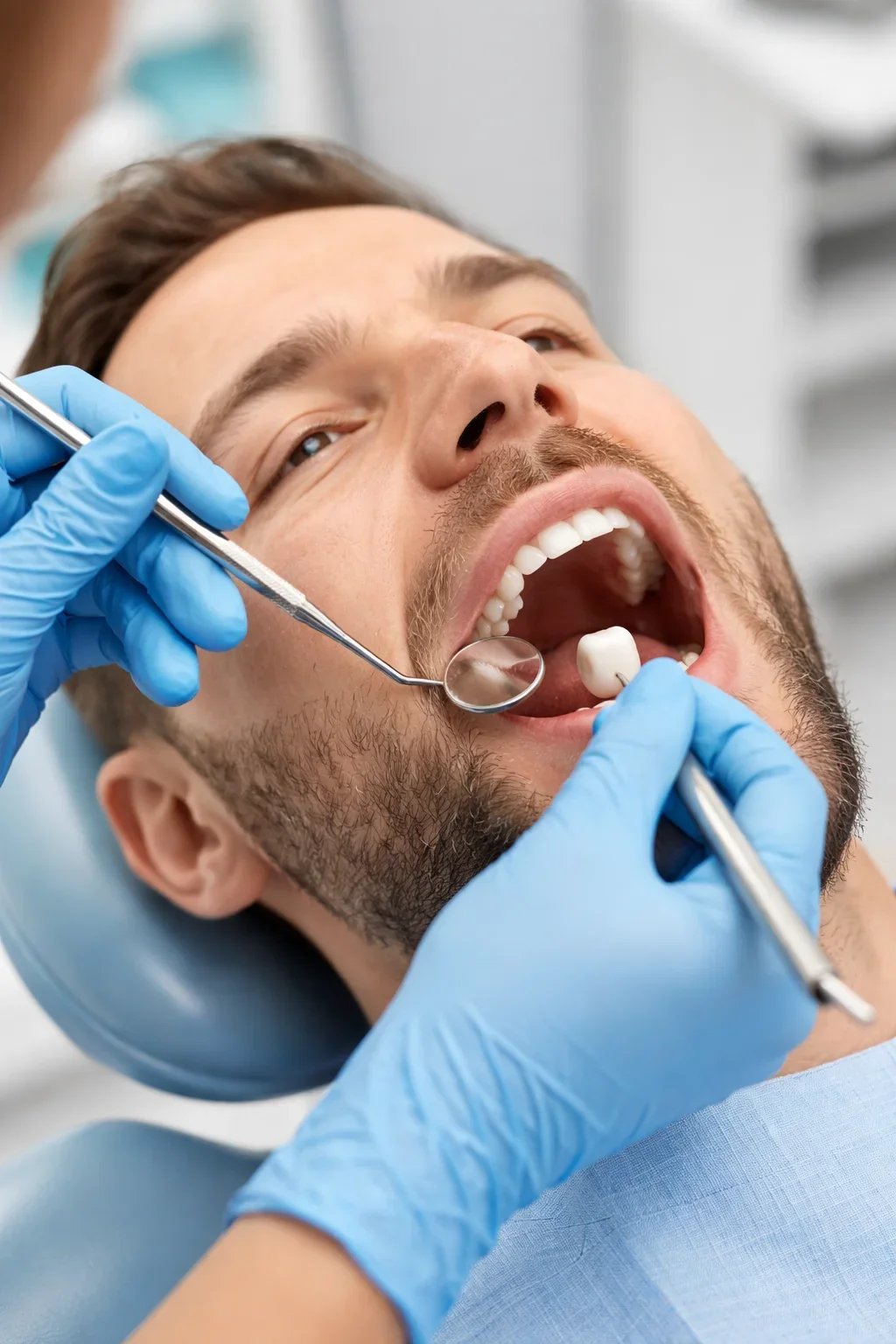
Costs, Timing, and When to Seek Emergency Crown Repair
Understanding the costs, treatment timing, and urgency associated with emergency crown repair helps patients make informed decisions during stressful dental situations. When a crown fails unexpectedly, concerns about expense and scheduling often cause hesitation. However, delaying care can increase both complexity and overall cost, making early action one of the most important factors in successful treatment.
Emergency crown repair is designed to address problems quickly and efficiently. Knowing what to expect financially and how soon treatment should occur reduces uncertainty and helps patients prioritize their oral health.
Typical Costs of Emergency Crown Repair
The cost of emergency crown repair varies depending on the severity of the problem and the type of treatment required. Simple re-cementation of an intact crown is usually the least complex scenario. This involves cleaning the crown and tooth, applying professional dental cement, and restoring proper fit.
More involved cases—such as placing a temporary crown or treating decay beneath the crown—require additional time and materials. While these situations may increase the overall cost, they are still often more economical than delaying treatment and facing tooth fracture or infection.
Why Early Repair Is Often More Affordable
Seeking emergency crown repair promptly can prevent the need for full crown replacement or advanced procedures. Early intervention protects the underlying tooth, reducing the likelihood of root canal treatment or extraction.
From a long-term perspective, timely repair offers better value by preserving existing restorations and minimizing future dental expenses.
Factors That Influence Treatment Cost
Several factors affect the cost of emergency crown repair, including crown material, tooth location, and the condition of the underlying tooth. Crowns made from advanced materials such as zirconia or porcelain may require specialized handling.
Additionally, whether the crown can be reused or must be replaced plays a major role. Reusing an intact crown is typically faster and more cost-efficient than fabricating a new one.
How Quickly Emergency Crown Repair Should Be Done
Timing is critical when it comes to emergency crown repair. Ideally, treatment should occur as soon as possible—preferably within 24 to 48 hours of crown failure. The longer the tooth remains exposed, the higher the risk of sensitivity, decay, and infection.
Even if pain is mild, delaying care allows bacteria to access vulnerable tooth structures. Early emergency crown repair often means simpler treatment and faster recovery.
Situations That Require Immediate Attention
Certain situations call for urgent emergency crown repair. Severe pain, swelling, bleeding, or a completely dislodged crown should be addressed immediately. These signs suggest that the tooth is unprotected and at high risk.
Trauma-related crown damage, especially following accidents or sports injuries, also requires prompt evaluation to rule out deeper structural issues.
When It May Be Safe to Wait Briefly
In limited cases, patients may wait a short time before receiving emergency crown repair, such as when a crown feels slightly loose but remains stable and painless. Even then, waiting should be brief and accompanied by protective measures.
Dentists recommend avoiding chewing on the affected side and scheduling professional care as soon as possible to prevent escalation.
Balancing Cost Concerns with Oral Health
Cost concerns are understandable, but postponing emergency crown repair often leads to higher expenses later. What begins as a simple repair can develop into a more complex problem if bacteria or structural damage progresses.
Dental professionals emphasize that preserving the natural tooth and existing crown whenever possible is both clinically and financially beneficial.
Insurance and Planning Considerations
Many dental plans provide coverage for emergency crown repair, especially when treatment is medically necessary. Understanding your coverage and discussing options with the dental clinic helps reduce financial stress.
Clinics often prioritize emergency cases, ensuring timely care even when schedules are full. Early communication improves both access and outcomes.
Professional Guidance on Urgency
Dental best practices, supported by organizations such as the American Dental Association, stress the importance of addressing damaged restorations promptly. Professional evaluation determines whether immediate emergency crown repair is required or if short-term monitoring is safe.
This evidence-based approach ensures that treatment decisions balance urgency, effectiveness, and patient well-being.
Taking Action at the Right Time
Knowing when to seek emergency crown repair empowers patients to act decisively. Early treatment protects oral health, controls costs, and restores comfort quickly.
In summary, understanding the costs, timing, and urgency of emergency crown repair helps patients respond appropriately when crown damage occurs. Prompt professional care remains the most reliable way to preserve dental health and avoid unnecessary complications.