
When a dental crown suddenly falls off, cracks, or becomes loose, it can cause immediate discomfort, sensitivity, and even panic. This is where emergency crown replacement becomes essential. Acting quickly is not only important for relieving pain but also for preventing further damage to your tooth structure. Many patients underestimate how urgent this situation can be, but delaying emergency crown replacement can lead to infections, nerve exposure, or even complete tooth loss.
Dental crowns are designed to protect weakened or treated teeth, especially after procedures like root canals or large fillings. However, despite their durability, crowns can fail due to various reasons such as trauma, decay underneath the crown, or simple wear over time. When this happens, seeking emergency crown replacement ensures that your oral health remains intact and prevents complications that could require more invasive treatments.
One of the biggest concerns during a crown emergency is pain 😣. When the crown is no longer protecting the tooth, the exposed area can become extremely sensitive to hot, cold, or pressure. This sensitivity is a clear sign that you may need emergency crown replacement as soon as possible. Ignoring this discomfort can worsen the situation and lead to infection or inflammation in the surrounding tissues.
Another critical reason to prioritize emergency crown replacement is to maintain the structural integrity of your tooth. Without the crown, the underlying tooth is vulnerable to fractures. Even normal activities like chewing can cause significant damage. That’s why dentists strongly recommend seeking immediate care if your crown is damaged or missing.
If you are experiencing a dental emergency involving a crown, contacting a professional clinic quickly is key. You can reach out directly through the Redent Klinik Contact Page to get expert guidance and fast treatment options. Acting fast can save your tooth and reduce the need for more complex procedures later on.
According to the American Dental Association, dental emergencies such as crown loss should never be ignored. They emphasize the importance of prompt care to avoid long-term complications. This highlights how vital emergency crown replacement is in maintaining overall oral health.
In many cases, patients wonder whether they can temporarily manage the situation at home. While temporary solutions like dental cement from a pharmacy may help secure the crown briefly, they are not a permanent fix. True emergency crown replacement requires professional evaluation, cleaning of the affected area, and proper reattachment or fabrication of a new crown if necessary.
It is also important to understand that not all crown issues are visible. Sometimes, a crown may feel loose without completely falling off. This is still a situation that requires emergency crown replacement because bacteria can seep underneath, leading to decay. Early intervention can prevent more serious problems like root infections or abscesses.
Modern dentistry has made emergency crown replacement faster and more efficient than ever before 🚀. In many clinics, same-day crowns can be created using digital scanning and CAD/CAM technology. This means you can walk in with a damaged crown and leave with a fully restored tooth in just one visit. This convenience has significantly improved patient outcomes and reduced treatment times.
Ultimately, understanding the importance of emergency crown replacement can make a huge difference in how you respond during a dental emergency. Quick action, proper care, and professional treatment are the keys to preserving your smile. Whether your crown has fallen out, cracked, or feels unstable, never delay seeking help. Your oral health depends on it, and timely emergency crown replacement can save you from pain, complications, and costly procedures in the future.
What Is Emergency Crown Replacement and Why It Matters
Emergency crown replacement refers to the urgent dental procedure required when a dental crown becomes damaged, loose, or completely falls off. This situation can happen unexpectedly and often causes discomfort, sensitivity, and concern for patients. Understanding what emergency crown replacement involves and why it is crucial can help you respond quickly and effectively, minimizing long-term damage to your teeth.
Understanding the Purpose of a Dental Crown
A dental crown is a protective cap placed over a tooth to restore its strength, function, and appearance. It is commonly used after treatments such as root canals, large fillings, or severe tooth decay. When a crown fails, the underlying tooth becomes vulnerable. This is why emergency crown replacement is not just a cosmetic fix but a critical step in preserving oral health.
Without immediate emergency crown replacement, the exposed tooth can suffer from fractures, bacterial invasion, and increased sensitivity. Even everyday actions like eating or drinking can worsen the condition. That’s why dentists always emphasize acting quickly when a crown issue occurs.
Why Emergency Crown Replacement Is Urgent
Many people assume that losing a crown is not a serious issue, but this is a common misconception. Emergency crown replacement is essential because the tooth underneath the crown is often already weakened. Without protection, it can deteriorate rapidly. This can lead to more complex procedures such as root canal retreatment or even tooth extraction.
Another reason emergency crown replacement matters is pain management 😣. Once the crown is gone, the tooth may become extremely sensitive to temperature changes and pressure. This discomfort can escalate quickly, making daily activities difficult.
Risk of Infection Without Immediate Treatment
One of the most serious risks of delaying emergency crown replacement is infection. Bacteria can easily enter the exposed tooth structure, leading to decay or abscess formation. Infections not only affect your oral health but can also impact your overall health if left untreated.
Prompt emergency crown replacement helps seal the tooth again, preventing bacteria from causing further damage. This simple step can save you from more invasive and costly treatments later.
Common Situations That Require Emergency Crown Replacement
There are several scenarios where emergency crown replacement becomes necessary:
- A crown falls out while eating or brushing
- The crown cracks or chips due to trauma
- The crown becomes loose and unstable
- Severe pain or sensitivity develops under the crown
In all these cases, delaying emergency crown replacement can worsen the problem. Immediate attention ensures the tooth remains protected and functional.
Temporary vs Immediate Professional Care
Some patients attempt temporary fixes at home, such as using over-the-counter dental cement. While this may provide short-term relief, it is not a substitute for professional emergency crown replacement. Only a dentist can properly clean, assess, and restore the tooth.
If you experience any crown-related issue, it is best to seek professional help immediately. You can quickly reach out via the Redent Klinik Contact Page to schedule urgent care and receive expert treatment.
Modern Advances in Emergency Crown Replacement
Thanks to modern dental technology, emergency crown replacement is now faster and more efficient than ever 🚀. Many clinics offer same-day crowns using digital scanning and advanced manufacturing systems. This means you no longer have to wait days or weeks for a permanent solution.
These innovations have significantly improved patient comfort and outcomes. In many cases, emergency crown replacement can be completed in a single visit, restoring both function and aesthetics immediately.
Professional Guidelines and Recommendations
Dental professionals worldwide emphasize the importance of timely care. The American Dental Association recommends seeking immediate dental attention for issues like lost or damaged crowns. Their guidance reinforces the importance of emergency crown replacement in preventing complications and maintaining oral health.
Long-Term Benefits of Emergency Crown Replacement
Choosing timely emergency crown replacement offers several long-term benefits:
- Prevents further tooth damage
- Reduces risk of infection
- Maintains proper bite alignment
- Preserves natural tooth structure
- Avoids costly future treatments
Ultimately, emergency crown replacement is about more than just fixing a dental issue—it’s about protecting your overall oral health and ensuring your smile remains strong and healthy 😊.
By understanding what emergency crown replacement is and why it matters, you can take the right steps when an emergency occurs. Quick action, professional care, and awareness are the keys to preventing complications and maintaining long-term dental health.
Signs You Need Emergency Crown Replacement Right Away
Recognizing the early warning signs that you need emergency crown replacement can make a major difference in protecting your tooth and avoiding serious dental complications. Many patients ignore subtle symptoms, assuming they are temporary. However, even minor discomfort can quickly escalate into a painful emergency if left untreated. Understanding these signs helps you act fast and seek professional care before the situation worsens.
Sudden Tooth Sensitivity and Pain
One of the most common indicators that you need emergency crown replacement is sudden sensitivity to hot, cold, or sweet foods. When a crown becomes loose or falls off, the protective barrier over the tooth is lost. This exposes the dentin or even the nerve, leading to sharp pain 😣.
If you experience discomfort while drinking coffee or eating ice cream, it is a strong sign that emergency crown replacement is necessary. Ignoring this symptom can result in inflammation or infection, which may require more invasive treatments like root canal therapy.
Pain When Chewing or Biting
Another critical symptom is pain when chewing. If your bite suddenly feels uncomfortable or uneven, your crown may have shifted or been damaged. This situation often requires immediate emergency crown replacement to restore proper alignment and prevent further stress on the tooth.
A Loose or Wobbly Crown
If your crown feels loose, even slightly, it should not be ignored. A loose crown allows bacteria to enter underneath, increasing the risk of decay. This is one of the clearest signs that you need emergency crown replacement as soon as possible.
Patients sometimes think they can wait until the crown completely falls off, but this is a mistake. Early intervention with emergency crown replacement can save the tooth and prevent additional damage.
Crown Movement While Eating
If you notice your crown moving while eating or brushing, it is a warning sign 🚨. This instability means the cement holding the crown has weakened, and immediate emergency crown replacement is required to secure the tooth again.
Visible Damage or Cracks in the Crown
A cracked or chipped crown is another major reason to seek emergency crown replacement. Even small fractures can compromise the crown’s ability to protect the tooth. Over time, these cracks can expand, exposing the inner tooth structure.
In such cases, delaying emergency crown replacement increases the risk of the crown breaking completely, which may lead to more complex dental procedures.
Sharp Edges or Rough Surfaces
If your crown feels rough or has sharp edges, it may have fractured. This can irritate your tongue or gums and is a clear sign that emergency crown replacement is needed. Prompt treatment ensures comfort and prevents soft tissue injury.
Complete Crown Loss
When a crown falls out completely, it becomes an urgent dental issue. Without the crown, the tooth is exposed and highly vulnerable. This situation always requires emergency crown replacement to protect the tooth and restore its function.
If your crown falls out, try to keep it safe and clean, and contact your dentist immediately. You can use the Redent Klinik Contact Page to quickly schedule an appointment for emergency crown replacement.
What Happens If You Delay Treatment?
Delaying emergency crown replacement after losing a crown can lead to serious consequences, including:
- Tooth fractures
- Severe sensitivity
- Infection or abscess
- Need for root canal treatment
- Possible tooth loss
These risks highlight why immediate emergency crown replacement is essential for preserving your oral health.
Bad Taste or Odor Around the Crown
A persistent bad taste or unpleasant odor in your mouth can indicate bacteria buildup under a damaged crown. This is often a hidden sign that you need emergency crown replacement. Bacterial accumulation can lead to decay and infection if not addressed quickly.
Professional cleaning and proper emergency crown replacement will eliminate the source of the problem and restore oral hygiene.
Swelling or Gum Inflammation
Swollen or inflamed gums around a crown can signal underlying issues such as infection or improper fit. This is another situation where emergency crown replacement becomes necessary. Ignoring gum inflammation can lead to periodontal problems and bone loss.
According to the American Dental Association, symptoms like swelling and pain should never be ignored, as they may indicate serious dental conditions requiring immediate attention.
Changes in Bite or Alignment
If your bite suddenly feels different, it could mean your crown has shifted or worn down. This imbalance can strain other teeth and lead to jaw discomfort. In such cases, emergency crown replacement is essential to restore proper alignment and prevent further complications.
Jaw Pain and Discomfort
Misalignment caused by a damaged crown can lead to jaw pain or even headaches. Addressing the issue with timely emergency crown replacement ensures your bite remains balanced and comfortable.
Why Immediate Action Matters
Every symptom mentioned above points to the same conclusion: delaying treatment is risky. Emergency crown replacement is not just about fixing a crown—it’s about protecting your entire oral system. Quick action can prevent minor issues from turning into major dental problems.
Modern dental techniques allow for fast and effective emergency crown replacement, often completed in a single visit 🚀. This means you can restore your smile quickly and avoid prolonged discomfort.
By recognizing these signs early and seeking professional care, you ensure that your teeth remain healthy, functional, and pain-free. Never ignore the warning signals—timely emergency crown replacement is the key to preserving your dental health and avoiding unnecessary complications.
Top Causes of Dental Crown Failure and Damage
Understanding the root causes behind crown damage is essential to prevent unexpected dental emergencies and the need for emergency crown replacement. While dental crowns are designed to be durable and long-lasting, they are not indestructible. Various factors—ranging from daily habits to underlying dental issues—can weaken or damage a crown over time. Recognizing these causes helps patients take preventive measures and seek timely emergency crown replacement when necessary.
Tooth Decay Under the Crown
One of the most common reasons for crown failure is decay beneath the crown. Even though the crown covers the tooth, bacteria can still enter through small gaps or margins if oral hygiene is not maintained properly. This hidden decay weakens the underlying structure, eventually leading to crown loosening or detachment.
When decay progresses unnoticed, emergency crown replacement becomes unavoidable. In some cases, additional procedures like fillings or root canal treatments may be required before placing a new crown. This is why maintaining good oral hygiene is critical to avoid the need for emergency crown replacement.
Poor Oral Hygiene Habits
Inadequate brushing and flossing can accelerate bacterial buildup around the crown. Over time, this leads to gum disease and decay, both of which can compromise the stability of the crown and require emergency crown replacement.
Physical Trauma or Accidents
Accidents such as falls, sports injuries, or biting down on hard objects can cause immediate damage to a crown. Even a strong crown can crack or break under sudden pressure. These situations often result in urgent emergency crown replacement to restore the tooth’s function and appearance.
Wearing protective gear like mouthguards during sports can significantly reduce the risk of trauma and the need for emergency crown replacement.
Biting Hard Foods or Objects
Chewing ice, hard candies, or even non-food items like pens can put excessive pressure on a crown. This habit is a leading cause of cracks and fractures, often leading to emergency crown replacement. Avoiding these behaviors is key to prolonging the life of your dental restoration.
Normal Wear and Tear Over Time
Like any dental restoration, crowns experience wear and tear over the years. Daily chewing, grinding, and exposure to temperature changes can gradually weaken the material. Eventually, this natural degradation may lead to the need for emergency crown replacement.
Most crowns last between 10 to 15 years, but this lifespan can vary depending on care and usage. Regular dental check-ups can help detect early signs of wear before emergency crown replacement becomes necessary.
Teeth Grinding (Bruxism)
Bruxism, or teeth grinding, is a major contributor to crown damage. Constant pressure from grinding can cause micro-fractures that worsen over time. Patients with bruxism are more likely to require emergency crown replacement if the condition is not managed properly.
Using a night guard can protect both natural teeth and crowns, reducing the likelihood of emergency crown replacement.
Poorly Fitted or Old Crowns
A crown that does not fit properly can create gaps where bacteria can accumulate. This not only increases the risk of decay but also affects the crown’s stability. Poorly fitted crowns often lead to discomfort, loosening, and eventually the need for emergency crown replacement.
Additionally, older crowns may lose their adhesive strength over time. This makes them more prone to falling out, requiring immediate emergency crown replacement.
Improper Dental Work
If a crown is not placed correctly during the initial procedure, it may fail prematurely. This highlights the importance of choosing experienced dental professionals for both initial placement and emergency crown replacement.
For expert care and reliable treatment, you can contact specialists through the Redent Klinik Contact Page and receive professional assistance when dealing with crown issues.
Gum Disease and Bone Loss
Gum disease can weaken the supporting structures around a tooth, making it difficult for a crown to remain stable. As the gums recede and bone loss occurs, the crown may become loose or misaligned, leading to the need for emergency crown replacement.
Early treatment of gum disease is essential to avoid complications that may require emergency crown replacement.
Inflammation and Infection
Inflamed gums around a crown can signal infection. If left untreated, this condition can compromise the entire tooth structure and necessitate emergency crown replacement. Regular dental visits can help identify these issues early.
Adhesive Failure and Cement Breakdown
The cement used to secure a crown can weaken over time due to exposure to saliva, temperature changes, and daily wear. Once the adhesive fails, the crown may become loose or fall off completely, requiring emergency crown replacement.
This type of failure often occurs gradually, giving patients warning signs such as slight movement or sensitivity before complete detachment.
Early Warning Signs of Cement Failure
Symptoms like a wobbly crown or unusual taste can indicate adhesive breakdown. Addressing these signs early can prevent sudden emergencies and reduce the urgency of emergency crown replacement.
Professional Insights and Recommendations
According to the American Dental Association, maintaining proper oral hygiene and attending regular dental check-ups are the best ways to extend the lifespan of dental crowns. They emphasize that timely intervention can often prevent the need for emergency crown replacement.
How to Reduce the Risk of Emergency Crown Replacement
While some causes of crown damage are unavoidable, many can be prevented with proper care. Here are some tips to reduce the likelihood of needing emergency crown replacement:
- Brush and floss daily to prevent decay
- Avoid hard and sticky foods
- Wear a mouthguard during sports
- Use a night guard if you grind your teeth
- Schedule regular dental check-ups
By following these preventive measures, you can significantly reduce the risk of crown damage and the need for emergency crown replacement. However, if a problem does occur, acting quickly ensures the best possible outcome and protects your long-term oral health 😊.
What to Do Immediately After Losing a Dental Crown
Losing a dental crown can be a stressful and uncomfortable experience, especially if it happens suddenly while eating or brushing your teeth. Knowing exactly what to do in this situation can make a significant difference in protecting your tooth and reducing the need for complex treatments. Acting quickly and correctly increases the chances of a successful emergency crown replacement and helps prevent further complications.
Stay Calm and Assess the Situation
The first step after losing a crown is to stay calm 😌. Panic can lead to rushed decisions that may worsen the condition. Carefully check your mouth to confirm whether the crown has completely fallen out or is partially attached. In either case, you will likely need emergency crown replacement, but understanding the situation helps you take the right next steps.
If the crown has come out entirely, locate it immediately. In many cases, the original crown can be reused during emergency crown replacement if it is still intact and undamaged.
Check for Pain or Sensitivity
Pay attention to any pain or sensitivity. If the exposed tooth is highly sensitive to temperature or pressure, this is a clear sign that emergency crown replacement is required urgently. The longer the tooth remains unprotected, the higher the risk of damage.
Retrieve and Safely Store the Crown
If you find the crown, handle it carefully. Rinse it gently with clean water to remove any debris, but avoid using soap or chemicals. Proper handling increases the likelihood that your dentist can reuse it during emergency crown replacement.
Store the crown in a clean container or wrap it in tissue to keep it safe until your dental appointment. Bringing the crown with you can simplify the emergency crown replacement process and may save time.
Do Not Attempt Permanent Fixes at Home
While it may be tempting to glue the crown back yourself, this is not recommended. Household adhesives can damage the tooth and complicate future emergency crown replacement. Always rely on professional dental care for proper treatment.
Protect the Exposed Tooth
Once the crown is lost, the underlying tooth becomes vulnerable. It is essential to protect it until you receive emergency crown replacement. Avoid chewing on the affected side and stay away from hard, sticky, or extremely hot and cold foods.
You can also use temporary dental cement from a pharmacy as a short-term solution. This can help cover the tooth and reduce sensitivity until your emergency crown replacement appointment.
Maintain Oral Hygiene Carefully
Continue brushing and flossing, but be gentle around the exposed tooth. Keeping the area clean reduces the risk of infection and improves the success of emergency crown replacement. Avoid aggressive brushing that could irritate the tooth or gums.
Manage Pain and Discomfort
It is common to experience discomfort after losing a crown. Over-the-counter pain relievers can help manage symptoms until you receive emergency crown replacement. Avoid applying medication directly to the tooth, as this can cause irritation.
If sensitivity is severe, using desensitizing toothpaste or avoiding triggering foods can provide temporary relief. However, these are only short-term solutions, and emergency crown replacement remains necessary.
When Pain Becomes Severe
If you experience intense pain, swelling, or signs of infection such as pus or fever, seek immediate dental care. These symptoms indicate that emergency crown replacement is urgent and cannot be delayed.
Contact a Dentist Immediately
After securing the crown and protecting your tooth, the next step is to contact a dental professional. Prompt scheduling ensures timely emergency crown replacement and reduces the risk of complications.
You can quickly arrange an appointment through the Redent Klinik Contact Page to receive expert care and fast treatment options. Early intervention is key to a successful emergency crown replacement.
Explain Your Symptoms Clearly
When contacting your dentist, describe your symptoms in detail. Mention whether the crown is lost, cracked, or loose, and whether you are experiencing pain. This information helps the dental team prepare for your emergency crown replacement and prioritize your case.
Understand What Happens Next
During your visit, the dentist will evaluate the condition of your tooth and crown. If the crown is intact, it may be cleaned and re-cemented. If it is damaged, a new crown will be created as part of the emergency crown replacement process.
Modern clinics often offer same-day solutions using advanced technology 🚀, allowing for quick and efficient emergency crown replacement without long waiting times.
Professional Recommendations and Guidelines
The American Dental Association emphasizes that lost crowns should be treated as dental emergencies. Their guidelines highlight the importance of seeking immediate care and avoiding delays in emergency crown replacement to prevent further complications.
Common Mistakes to Avoid
After losing a crown, patients often make mistakes that can worsen the situation. Avoid the following to ensure a smooth emergency crown replacement process:
- Ignoring the issue and delaying treatment
- Using inappropriate adhesives
- Chewing on the affected tooth
- Failing to clean and store the crown properly
By avoiding these mistakes, you increase the chances of a successful emergency crown replacement and protect your oral health.
Why Immediate Action Is Critical
Every minute counts when dealing with a lost crown. The exposed tooth is at risk of damage, decay, and infection. Acting quickly ensures that emergency crown replacement is straightforward and effective.
Delaying treatment can lead to more complex procedures, higher costs, and prolonged discomfort. On the other hand, prompt emergency crown replacement restores function, eliminates pain, and preserves your natural tooth structure.
In summary, knowing what to do immediately after losing a dental crown empowers you to handle the situation confidently. Quick thinking, proper care, and timely professional treatment are the keys to a successful emergency crown replacement and long-term dental health 😊.
Emergency Crown Replacement Procedure Step by Step
Understanding how the emergency crown replacement procedure works can significantly reduce anxiety and help you feel more prepared when facing a dental emergency. Many patients fear the unknown, but modern dentistry has made emergency crown replacement a fast, efficient, and relatively comfortable process. Whether your crown has fallen out, cracked, or become loose, knowing each step ensures you understand what to expect from start to finish.
Initial Dental Examination and Assessment
The first step in any emergency crown replacement is a thorough examination by your dentist. During this stage, the dentist evaluates the condition of the exposed tooth, checks for decay, and determines whether the original crown can be reused or if a new one is required.
X-rays may be taken to assess the underlying tooth structure and detect any hidden issues such as infection or fractures. This step is crucial because a successful emergency crown replacement depends on addressing all underlying problems before placing the crown.
Checking Crown Condition
If you brought your original crown, the dentist will inspect it carefully. If it is intact and fits properly, it may be reused during the emergency crown replacement. Otherwise, a new crown will be fabricated.
Cleaning and Preparing the Tooth
Once the assessment is complete, the next step in emergency crown replacement is cleaning the affected area. The dentist removes any debris, bacteria, or old cement from the tooth surface. This ensures a clean foundation for the new or reattached crown.
If there is decay present, it will be removed before proceeding. In some cases, additional treatment such as a filling or core buildup may be necessary to support the crown. Proper preparation is essential for a durable and long-lasting emergency crown replacement.
Tooth Reshaping if Needed
If the tooth has changed shape or been damaged, the dentist may reshape it slightly. This step ensures that the crown fits securely and comfortably during the emergency crown replacement process.
Temporary Crown Placement (If Required)
In situations where a new crown needs to be created, a temporary crown is often placed. This protects the tooth while the permanent crown is being fabricated. Temporary crowns are an important part of emergency crown replacement, as they prevent sensitivity and further damage.
These temporary solutions allow you to eat and speak normally while waiting for the final restoration.
Same-Day Crown Technology
Many modern clinics now offer same-day crowns using CAD/CAM technology 🚀. In these cases, the entire emergency crown replacement can be completed in a single visit, eliminating the need for temporary crowns and multiple appointments.
Digital Impressions and Crown Design
If a new crown is required, digital impressions are taken using advanced scanning technology. This replaces traditional molds and provides highly accurate measurements. The digital model is then used to design a custom crown tailored to your tooth.
This step ensures that the emergency crown replacement fits perfectly, restoring both function and aesthetics.
Material Selection
Depending on your needs, the crown may be made from materials such as porcelain, zirconia, or metal. Each material offers different benefits in terms of durability and appearance, and your dentist will recommend the best option for your emergency crown replacement.
Crown Placement and Cementation
Once the crown is ready, the dentist will carefully place it onto the prepared tooth. Before finalizing, they will check the fit, bite alignment, and overall comfort. Adjustments may be made to ensure the crown feels natural.
After confirming the fit, the crown is permanently cemented in place. This step completes the emergency crown replacement procedure and restores the tooth’s function and appearance.
Bite Adjustment and Final Checks
Your dentist will ask you to bite down to ensure proper alignment. Any minor adjustments are made at this stage to prevent discomfort or uneven pressure. A well-fitted crown is essential for a successful emergency crown replacement.
Post-Procedure Care and Instructions
After the emergency crown replacement, your dentist will provide care instructions to ensure long-term success. These may include avoiding hard foods for a short period, maintaining good oral hygiene, and attending follow-up appointments.
Proper care after emergency crown replacement helps extend the lifespan of the crown and prevents future issues.
Managing Sensitivity After Treatment
Some mild sensitivity is normal after emergency crown replacement. This usually subsides within a few days. Using desensitizing toothpaste and avoiding extreme temperatures can help manage this temporary discomfort.
When to Contact Your Dentist Again
If you experience persistent pain, swelling, or a loose crown after the procedure, contact your dentist immediately. These symptoms may indicate complications that require further attention following emergency crown replacement.
You can easily reach out through the Redent Klinik Contact Page for quick support and professional assistance.
Professional Standards and Safety
The American Dental Association recommends that all dental restorations, including emergency crown replacement, follow strict clinical guidelines to ensure patient safety and long-term success. Choosing a qualified dental professional ensures that the procedure is performed correctly and efficiently.
Why Understanding the Procedure Matters
Knowing the step-by-step process of emergency crown replacement helps reduce fear and allows you to make informed decisions about your dental care. It also highlights the importance of seeking prompt treatment when a crown issue arises.
With modern advancements, emergency crown replacement has become a quick and reliable solution for restoring damaged teeth. By understanding each stage of the procedure, you can approach your dental emergency with confidence and ensure the best possible outcome for your oral health 😊.
How Long Does Emergency Crown Replacement Take?
One of the most common questions patients ask during a dental emergency is how long emergency crown replacement will take. The answer depends on several factors, including the condition of the tooth, whether the original crown can be reused, and the technology available at the dental clinic. Understanding the timeline of emergency crown replacement helps set realistic expectations and reduces anxiety during treatment.
Typical Time Required for Emergency Crown Replacement
In many cases, emergency crown replacement can be completed within a single dental visit. If the crown is intact and the tooth underneath is healthy, the dentist may simply clean the area and reattach the crown. This process usually takes between 30 to 60 minutes.
However, if the crown is damaged or the tooth requires additional treatment, the emergency crown replacement process may take longer. In such cases, multiple steps are required to ensure the best outcome.
Quick Re-Cementation Scenario
If your original crown is reusable, the fastest form of emergency crown replacement is re-cementation. After cleaning the crown and tooth, the dentist applies new adhesive and secures the crown back in place. This is the quickest and most straightforward solution.
Same-Day Emergency Crown Replacement Options
Thanks to advancements in dental technology 🚀, many clinics now offer same-day emergency crown replacement. Using digital scanning and CAD/CAM systems, dentists can design and create a custom crown within hours.
This eliminates the need for temporary crowns and multiple visits, making emergency crown replacement more convenient than ever. Patients can walk into the clinic with a damaged crown and leave with a fully restored tooth on the same day.
Digital Workflow Advantages
Digital impressions are faster and more accurate than traditional molds. This improves the fit and reduces the time required for emergency crown replacement, ensuring a comfortable and precise restoration.
When Emergency Crown Replacement Takes Longer
Not all cases of emergency crown replacement can be completed in a single visit. If the tooth underneath the crown is damaged, decayed, or infected, additional procedures may be required before placing a new crown.
For example, if decay is present, it must be removed before proceeding. In more severe cases, a root canal treatment may be necessary. These steps can extend the timeline of emergency crown replacement to several days or even weeks.
Temporary Crown Phase
When a new crown needs to be fabricated in a dental lab, a temporary crown is placed. This protects the tooth while waiting for the permanent restoration. The full emergency crown replacement process in such cases typically takes 1 to 2 weeks.
Factors That Affect Treatment Duration
Several factors influence how long emergency crown replacement will take:
- Condition of the existing crown
- Health of the underlying tooth
- Availability of same-day technology
- Need for additional treatments (e.g., fillings or root canals)
- Complexity of the case
Each of these factors can either shorten or extend the emergency crown replacement timeline. Your dentist will evaluate your specific situation and provide an accurate estimate.
Complex Cases Require More Time
If the tooth structure is severely compromised, rebuilding it may take additional time. In such cases, emergency crown replacement becomes a multi-step process to ensure long-term success.
Appointment Scheduling and Availability
The speed of emergency crown replacement also depends on how quickly you can secure a dental appointment. Many clinics prioritize emergency cases and offer same-day or next-day appointments.
You can quickly book an appointment through the Redent Klinik Contact Page to ensure fast access to professional care and timely emergency crown replacement.
Emergency vs Routine Scheduling
Unlike routine dental visits, emergency crown replacement is often treated as a priority. This means you can receive faster care compared to standard procedures.
Recovery Time After Emergency Crown Replacement
In addition to the procedure itself, patients often wonder about recovery time. Fortunately, recovery after emergency crown replacement is usually minimal. Most patients can resume normal activities immediately after the procedure.
Some mild sensitivity may occur, but it typically subsides within a few days. Proper care ensures that the results of emergency crown replacement last for many years.
Post-Treatment Adjustments
If you feel discomfort when biting, your dentist may need to make minor adjustments. These follow-up visits are usually quick and ensure that your emergency crown replacement functions perfectly.
Professional Guidelines on Treatment Timing
The American Dental Association emphasizes the importance of timely intervention in dental emergencies. According to their guidelines, prompt emergency crown replacement reduces the risk of complications and improves treatment outcomes.
Why Acting Quickly Saves Time
Ironically, the faster you act, the shorter the overall treatment time. Delaying emergency crown replacement can lead to additional damage, requiring more complex and time-consuming procedures.
For example, a simple re-cementation may turn into a full crown replacement or root canal if treatment is delayed. This significantly increases the total time required for emergency crown replacement.
Final Thoughts on Timing
In summary, emergency crown replacement can take anywhere from a single visit to a couple of weeks, depending on the complexity of the case. Modern dental advancements have made the process faster and more efficient, allowing many patients to receive same-day solutions 😊.
By seeking immediate care and choosing a well-equipped clinic, you can minimize treatment time and restore your smile quickly. Understanding the timeline of emergency crown replacement ensures you are prepared and confident when facing a dental emergency.
Emergency Crown Replacement Cost Breakdown (2026 Guide)
The cost of emergency crown replacement is one of the biggest concerns for patients facing a sudden dental issue. Prices can vary widely depending on several factors such as location, material used, clinic expertise, and the complexity of the case. Understanding the full cost breakdown helps you make informed decisions and avoid unexpected expenses during emergency crown replacement.
Average Cost of Emergency Crown Replacement
In 2026, the average cost of emergency crown replacement typically ranges between $300 and $1,500 per tooth. This variation depends on whether the original crown can be reused or if a completely new crown needs to be fabricated.
Here is a general cost overview:
- Re-cementing existing crown: $100 – $300
- Porcelain crown: $800 – $1,500
- Zirconia crown: $900 – $1,400
- Metal crown: $600 – $1,200
- Temporary crown placement: $150 – $400
These estimates give a general idea, but the final cost of emergency crown replacement depends on your specific situation.
Cost Differences by Region
The price of emergency crown replacement can vary significantly depending on the country and clinic. For example, dental treatments in Turkey are often more affordable compared to the US or UK, while still maintaining high-quality standards.
Factors That Affect Emergency Crown Replacement Cost
Several factors influence the total cost of emergency crown replacement. Understanding these variables helps explain why prices differ from one patient to another.
Type of Crown Material
The material used for your crown plays a major role in pricing. Porcelain and zirconia crowns are more expensive due to their natural appearance and durability. Metal crowns are generally more affordable but less aesthetic. Choosing the right material impacts both cost and longevity of emergency crown replacement.
Condition of the Underlying Tooth
If the tooth beneath the crown is damaged or decayed, additional treatments may be required before completing emergency crown replacement. Procedures such as fillings or root canal therapy can increase the overall cost.
Dental Technology Used
Clinics that offer same-day crowns using CAD/CAM technology may charge more for emergency crown replacement, but they provide faster results and fewer visits. This convenience can be worth the investment for many patients.
Additional Costs to Consider
When planning for emergency crown replacement, it’s important to consider additional expenses that may arise during treatment.
- X-rays and diagnostic imaging: $50 – $200
- Consultation fees: $50 – $150
- Root canal treatment (if needed): $500 – $1,500
- Core buildup: $150 – $400
These costs are not always included in the initial estimate for emergency crown replacement, so it’s essential to discuss them with your dentist beforehand.
Emergency Appointment Fees
Some clinics charge extra for urgent care visits. Emergency appointment fees can range from $50 to $200, depending on the clinic. This additional cost reflects the priority given to emergency crown replacement cases.
Insurance and Coverage Options
Dental insurance may partially cover emergency crown replacement, especially if it is medically necessary rather than cosmetic. Most insurance plans cover 50% to 80% of the cost, depending on the policy.
It is important to check with your provider to understand your coverage limits and out-of-pocket expenses for emergency crown replacement.
Out-of-Pocket Costs
If you do not have insurance, many clinics offer payment plans or financing options. These plans make emergency crown replacement more accessible by spreading the cost over time.
Cost vs Value: Why Quality Matters
While it may be tempting to choose the cheapest option, quality should always be a priority. A poorly done emergency crown replacement can lead to complications, requiring additional treatments and higher costs in the future.
Investing in a high-quality emergency crown replacement ensures durability, comfort, and long-term success. This approach ultimately saves money and protects your oral health.
Affordable Emergency Crown Replacement Solutions
If cost is a concern, there are ways to make emergency crown replacement more affordable:
- Choose clinics with transparent pricing
- Ask about payment plans
- Consider dental tourism options
- Maintain regular check-ups to prevent emergencies
For reliable and cost-effective treatment, you can contact professionals through the Redent Klinik Contact Page and receive personalized guidance for your emergency crown replacement.
Professional Recommendations on Cost Transparency
The American Dental Association recommends discussing all treatment costs upfront. Transparent communication ensures that patients understand the financial aspects of emergency crown replacement and can plan accordingly.
Is Emergency Crown Replacement Worth the Cost?
Absolutely. Delaying emergency crown replacement can lead to more severe dental problems, including infections and tooth loss. These complications often result in higher costs than addressing the issue promptly.
By investing in timely emergency crown replacement, you protect your tooth, reduce pain, and avoid more expensive procedures in the future 😊.
Final Thoughts on Cost Planning
In summary, the cost of emergency crown replacement depends on multiple factors, but understanding the breakdown helps you prepare financially. Whether you need a simple re-cementation or a full crown replacement, acting quickly ensures better outcomes and prevents additional expenses.
By choosing a reputable clinic and prioritizing quality care, you can ensure that your emergency crown replacement is both effective and cost-efficient, giving you peace of mind and a healthy smile.
Temporary vs Permanent Emergency Crown Replacement Options
When facing a dental emergency, one of the most important decisions involves choosing between temporary and permanent solutions. Understanding the difference between these options is essential for making the right choice during emergency crown replacement. Each option has its own advantages, limitations, and ideal use cases. Knowing when to use a temporary fix and when to proceed with a permanent solution ensures both immediate relief and long-term oral health.
What Is a Temporary Emergency Crown Replacement?
A temporary solution in emergency crown replacement is designed to protect the tooth for a short period until a permanent crown can be placed. This option is commonly used when a new crown needs to be fabricated in a dental lab or when immediate same-day solutions are not available.
Temporary crowns are usually made from acrylic or composite materials. While they provide basic protection and restore appearance, they are not as durable as permanent crowns. However, they play a crucial role in stabilizing the tooth during emergency crown replacement.
When Temporary Solutions Are Used
Temporary emergency crown replacement is typically recommended in the following situations:
- When waiting for a custom crown to be manufactured
- After tooth preparation procedures
- When immediate permanent placement is not possible
These temporary options ensure that your tooth remains protected while completing the full emergency crown replacement process.
Advantages of Temporary Emergency Crown Replacement
Temporary solutions offer several benefits during emergency crown replacement. They provide immediate relief from sensitivity and protect the exposed tooth from further damage.
- Quick and easy placement
- Immediate protection for the tooth
- Affordable short-term solution
- Reduces discomfort and sensitivity
These advantages make temporary emergency crown replacement an essential step in many treatment plans.
Limitations of Temporary Crowns
Despite their benefits, temporary crowns have limitations. They are not designed for long-term use and can wear down or become loose over time. This is why they should always be followed by a permanent emergency crown replacement.
Patients should avoid hard or sticky foods while wearing a temporary crown to prevent damage.
What Is Permanent Emergency Crown Replacement?
A permanent solution in emergency crown replacement involves placing a durable, custom-made crown that fully restores the tooth’s function and appearance. These crowns are typically made from high-quality materials such as porcelain, zirconia, or metal.
Permanent emergency crown replacement is designed to last for many years, providing strength, stability, and a natural look.
Materials Used in Permanent Crowns
Different materials are used depending on the patient’s needs:
- Porcelain: Highly aesthetic and natural-looking
- Zirconia: Extremely durable and strong
- Metal: Long-lasting but less aesthetic
Choosing the right material is a key part of successful emergency crown replacement.
Advantages of Permanent Emergency Crown Replacement
Permanent crowns offer long-term benefits that temporary solutions cannot match. They are designed to withstand daily wear and provide reliable protection for the tooth.
- Long-lasting durability
- Natural appearance
- Strong resistance to wear and damage
- Improved bite and function
These features make permanent emergency crown replacement the preferred solution for most patients.
Longevity and Reliability
With proper care, permanent crowns can last 10 to 15 years or more. This makes emergency crown replacement a worthwhile investment in your oral health.
Key Differences Between Temporary and Permanent Options
Understanding the differences between temporary and permanent solutions helps you choose the best approach for your situation during emergency crown replacement.
| Feature | Temporary Crown | Permanent Crown |
|---|---|---|
| Durability | Short-term | Long-term |
| Material | Acrylic/Composite | Porcelain/Zirconia/Metal |
| Cost | Lower | Higher |
| Purpose | Interim protection | Final restoration |
This comparison highlights why temporary solutions are only a step toward completing emergency crown replacement.
Which Option Is Best for You?
The choice between temporary and permanent emergency crown replacement depends on your specific dental condition. Your dentist will evaluate factors such as tooth damage, budget, and urgency to recommend the best solution.
In many cases, a temporary crown is followed by a permanent one. However, with modern technology, some clinics can complete permanent emergency crown replacement in a single visit.
Same-Day Permanent Solutions
Advanced clinics offer same-day crowns using digital technology 🚀. This allows patients to skip temporary crowns and complete the entire emergency crown replacement process in one appointment.
Professional Guidance and Recommendations
Choosing the right option requires professional advice. You can consult experts through the Redent Klinik Contact Page to determine the most suitable approach for your emergency crown replacement.
The American Dental Association also emphasizes the importance of using high-quality materials and proper techniques to ensure successful emergency crown replacement.
Common Mistakes to Avoid
Patients often make mistakes when choosing between temporary and permanent options. Avoid these errors to ensure a successful emergency crown replacement:
- Using temporary crowns for too long
- Ignoring dentist recommendations
- Choosing low-quality materials
- Delaying permanent treatment
These mistakes can lead to complications and additional costs.
Final Thoughts on Choosing the Right Option
Both temporary and permanent solutions play important roles in emergency crown replacement. Temporary crowns provide immediate protection, while permanent crowns offer long-term stability and aesthetics.
By understanding the differences and working with a qualified dental professional, you can ensure that your emergency crown replacement meets both your immediate needs and long-term goals. Making the right choice today will protect your smile for years to come 😊.
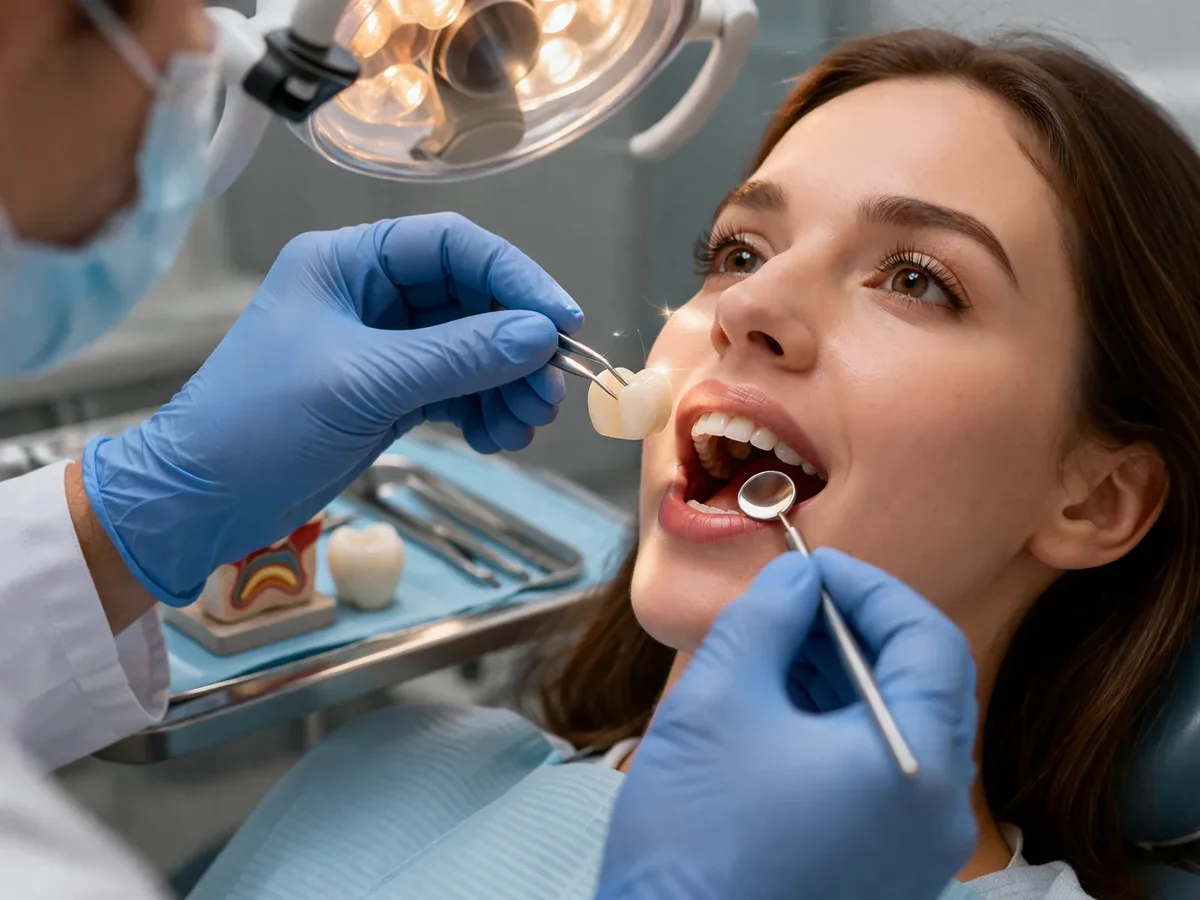
How to Prevent Future Emergency Crown Replacement Issues
While emergency crown replacement is an effective solution for unexpected dental problems, prevention is always the best strategy. Many crown failures can be avoided with proper care, awareness, and regular dental visits. By understanding how to protect your dental crowns, you can significantly reduce the risk of needing emergency crown replacement in the future and maintain long-term oral health.
Maintain Excellent Oral Hygiene
One of the most important ways to avoid emergency crown replacement is by maintaining good oral hygiene. Even though crowns cover and protect teeth, the underlying tooth and surrounding gums are still vulnerable to decay and infection.
Brushing your teeth at least twice a day and flossing daily helps remove plaque and bacteria that can compromise the crown. Using fluoride toothpaste strengthens the tooth structure and reduces the risk of needing emergency crown replacement.
Focus on Gum Health
Healthy gums are essential for keeping your crown stable. Gum disease can weaken the support around the tooth, leading to loosening or failure that requires emergency crown replacement. Regular cleaning and proper care can prevent these issues.
Avoid Harmful Habits
Certain habits can significantly increase the likelihood of crown damage. Avoiding these behaviors is key to preventing emergency crown replacement.
- Do not chew ice or hard candies
- Avoid biting nails or using teeth as tools
- Limit consumption of sticky foods
These habits can cause cracks, fractures, or loosening of the crown, leading to the need for emergency crown replacement.
Be Careful with Hard Foods
Even healthy foods like nuts or hard bread can damage a crown if bitten incorrectly. Being mindful while eating helps reduce stress on your crown and prevents emergency crown replacement.
Use Protective Dental Devices
If you grind your teeth at night (bruxism) or participate in sports, using protective devices can help prevent damage to your crown.
A night guard reduces pressure caused by grinding, while a mouthguard protects against impact injuries. Both are highly effective in reducing the risk of emergency crown replacement.
Custom-Fitted Guards
Custom-made guards provided by your dentist offer better protection than over-the-counter options. Investing in these devices can significantly lower the chances of needing emergency crown replacement.
Schedule Regular Dental Check-Ups
Routine dental visits are essential for early detection of potential issues. Dentists can identify signs of wear, decay, or loosening before they become serious problems requiring emergency crown replacement.
During check-ups, your dentist will examine the crown, clean the surrounding area, and ensure everything is functioning properly. These visits play a crucial role in preventing emergency crown replacement.
Professional Cleaning Benefits
Professional cleanings remove plaque and tartar that regular brushing cannot eliminate. This reduces the risk of decay under the crown and minimizes the need for emergency crown replacement.
Address Dental Issues Early
Ignoring minor dental problems can lead to major complications. If you notice any discomfort, sensitivity, or looseness, seek dental care immediately. Early intervention can prevent the need for emergency crown replacement.
Small issues are often easier and less expensive to fix, while delayed treatment may require more complex procedures.
Watch for Warning Signs
Pay attention to symptoms such as bad taste, gum swelling, or bite changes. These signs may indicate underlying problems that could lead to emergency crown replacement if ignored.
Choose High-Quality Dental Work
The quality of the original crown plays a significant role in its longevity. Choosing experienced professionals and high-quality materials reduces the likelihood of needing emergency crown replacement.
Well-made crowns fit better, last longer, and provide better protection for the tooth.
Work with Trusted Clinics
For reliable care and long-lasting results, you can consult experts through the Redent Klinik Contact Page. Professional guidance ensures that your crown is properly placed and maintained, reducing the risk of emergency crown replacement.
Follow Post-Treatment Instructions
After receiving a crown, your dentist will provide specific care instructions. Following these guidelines is essential for preventing emergency crown replacement.
This may include avoiding certain foods, maintaining hygiene, and attending follow-up appointments.
Adapt Your Diet Temporarily
Immediately after crown placement, it is important to avoid hard or sticky foods. This allows the crown to settle properly and reduces the risk of damage that could lead to emergency crown replacement.
Professional Recommendations and Guidelines
The American Dental Association emphasizes preventive care as the best way to maintain dental restorations. Their guidelines highlight the importance of hygiene, regular check-ups, and proper habits to avoid emergency crown replacement.
Long-Term Benefits of Prevention
Preventing the need for emergency crown replacement offers several long-term advantages:
- Reduced dental expenses
- Less discomfort and fewer emergencies
- Improved oral health and hygiene
- Longer lifespan of dental restorations
By following preventive strategies, you can protect your investment and maintain a healthy smile.
Final Thoughts on Prevention
While emergency crown replacement is sometimes unavoidable, many cases can be prevented with proper care and awareness. Simple habits like brushing, avoiding harmful behaviors, and visiting your dentist regularly can make a significant difference.
Taking proactive steps today ensures that your crown remains strong and functional for years to come. Prevention not only saves time and money but also helps you avoid the discomfort associated with emergency crown replacement. By prioritizing your oral health, you can enjoy a confident and worry-free smile 😊.