
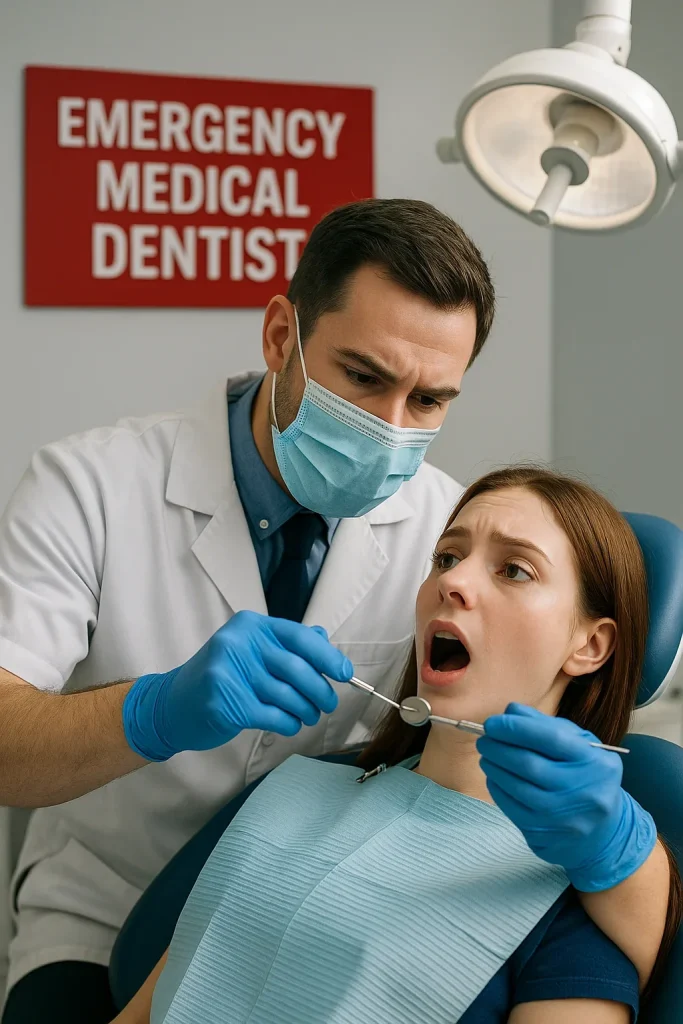
When a sudden toothache, broken tooth, or oral injury strikes, you don’t have time to search and worry — you need an emergency medical dentist who can act fast and relieve your pain right away. 🦷⏱️ Dental emergencies are different from regular check-ups because they involve unexpected, intense discomfort or visible damage that can’t wait for a routine appointment. In these critical moments, knowing where to go and what an emergency-focused dental professional can do for you may be the difference between saving or losing a tooth. That is why keeping contact details for an emergency medical dentist is one of the smartest health decisions you can make.
An experienced emergency medical dentist is trained to quickly diagnose the cause of your pain, stabilize the situation, and start effective treatment during the same visit. Instead of offering only temporary relief, this type of urgent care dentist focuses on both immediate comfort and long-term oral health. That means they not only reduce pain but also address infections, fractures, gum problems, or trauma so the issue doesn’t silently worsen over time.
Many people are unsure whether their situation truly requires an emergency medical dentist, and this uncertainty may cause dangerous delays. If you have severe tooth pain, a cracked or knocked-out tooth, heavy bleeding, facial swelling, or signs of infection such as fever or difficulty swallowing, you should treat the situation as urgent. In these cases, contacting an emergency-oriented dental clinic or urgent dental care specialist can protect not only your teeth but sometimes your overall health as well. Serious infections originating from the mouth can, in rare cases, spread to other areas of the body if left untreated.
One of the main roles of an emergency medical dentist is to carefully control pain while preventing further damage. Depending on your condition, they may perform procedures such as nerve-calming treatments, temporary or permanent fillings, bonding for broken tooth edges, drainage of abscesses, or stabilizing loose teeth using splints. Their goal is to help you leave the clinic more comfortable, safer, and with a clear plan for any additional treatments you may need, such as crowns, root canal therapy, or gum care. By acting quickly, an emergency medical dentist can often save teeth that might otherwise be lost.
Another important aspect of visiting an emergency medical dentist is proper triage and guidance. Not every dental problem requires the hospital emergency room, but some do. A professional who regularly manages urgent dental issues can help you understand whether you need to visit the nearest ER, see an oral surgeon, or receive in-clinic urgent dental care. This prevents you from losing precious time in the wrong place while your pain and anxiety increase.
In modern dental clinics, an emergency medical dentist also relies on advanced diagnostic tools such as digital X-rays, 3D imaging, and detailed clinical examinations to quickly identify hidden fractures, deep decay, or bone involvement. These technologies allow them to create a precise, personalized plan within minutes. This combination of speed and accuracy is what makes emergency dental care so effective, especially when every minute counts after trauma or sudden swelling.
Patients also benefit emotionally from the calm, reassuring approach of an emergency medical dentist. Dental emergencies are often frightening — you may suddenly see blood, feel intense pain, or worry that you have permanently damaged your smile. A compassionate emergency dentist explains the situation in clear language, shows you the problem on a screen when possible, and walks you step by step through the proposed treatment. This transparency reduces fear and helps you stay relaxed enough to receive the care you need. In stressful moments, the confidence of knowing you are with an emergency medical dentist who handles crises daily can be very comforting. 😊
If you are unsure where to go in a dental crisis, it is wise to identify a trusted emergency medical dentist in advance and keep their contact details saved on your phone. You can also use the Redent Klinik Contact Page to quickly reach a professional team and ask whether your symptoms require urgent attention.🌐 Having a clear action plan makes it much easier to respond calmly when you, a family member, or even a child experiences sudden dental pain or injury.
For patients who want to learn more about safe, guideline-based dental care, reputable organizations such as the American Dental Association provide reliable information on good oral hygiene, emergency signs, and long-term smile protection. Using these resources alongside the support of a local emergency medical dentist helps you make informed decisions, avoid risky home remedies, and seek professional help at the right time.
Ultimately, the purpose of an emergency medical dentist is simple yet vital: to protect your teeth, your comfort, and your health when something goes wrong without warning. By understanding what they do, when to call them, and how they can help, you take an important step toward being prepared for any urgent dental situation. Instead of feeling helpless during a crisis, you’ll know that expert care is only a call or a short trip away — and that your smile has a strong chance of full recovery with proper emergency treatment. 😷✨ In every stage of a dental emergency, from the first shock of pain to final recovery, an emergency medical dentist is your most important ally.
What to Do When You Need an Emergency Medical Dentist Right Away
Common Dental Emergencies That Require Rapid Professional Attention
How an Emergency Medical Dentist Manages Severe Tooth Pain
Broken or Knocked-Out Teeth: Critical Steps Before Seeing a Dentist
Broken or Knocked-Out Teeth: Critical Steps Before Seeing a Dentist
Infections, Swelling, and Abscesses: When Urgency Becomes Essential
Infections, Swelling, and Abscesses: When Urgency Becomes Essential
How to Prevent Dental Emergencies: Expert Advice and Daily Habits
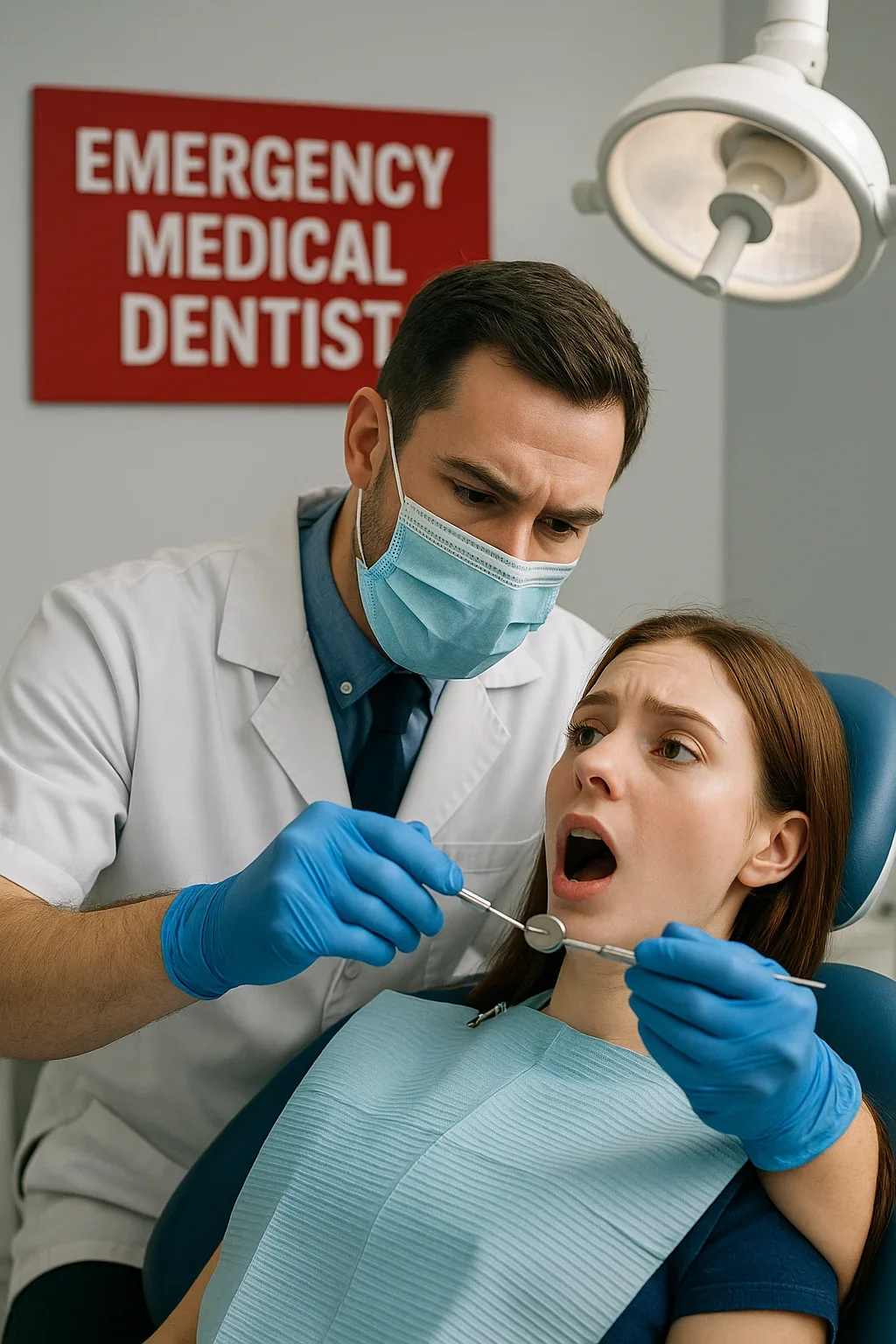
How to Prepare for an Emergency Dental Appointment
Knowing how to prepare for an emergency dental appointment can dramatically improve treatment outcomes, reduce stress, and help your emergency medical dentist act quickly and effectively. When sudden pain, swelling, or trauma occurs, patients often panic — but having a clear plan minimizes complications and ensures that every minute is used efficiently. This comprehensive section explains what to bring, what to avoid, how to manage symptoms beforehand, and what details your emergency medical dentist needs to deliver the best possible care. With proper preparation, even a frightening dental crisis becomes much more manageable.
Gather Essential Information Before Leaving Home
When you contact or visit an emergency medical dentist, the details you provide greatly influence how quickly your condition can be diagnosed and treated. Preparing this information in advance saves valuable time.
Medical and Dental History
- List of medications (prescription and over-the-counter)
- Any allergies, especially to antibiotics or anesthetics
- Past dental treatments such as crowns, implants, or root canals
- Medical conditions like diabetes, hypertension, or heart disease
Having this information ready ensures that your emergency medical dentist can tailor treatment safely and effectively.
Describe the Emergency Clearly
Write down or mentally prepare answers to essential questions:
- When did the pain or injury start?
- Is the pain constant, throbbing, or sharp?
- Did an accident or trauma occur?
- Is swelling increasing or spreading?
- Did a tooth crack, chip, or fall out?
The more detailed your information, the faster your dentist can identify the problem.
Steps to Take Immediately Before Your Appointment
Symptom management is crucial before you arrive at the clinic. These steps minimize discomfort and help stabilize your condition until an emergency medical dentist performs full treatment.
Control Bleeding
If there is bleeding, apply gentle pressure with clean gauze. Avoid constant removal of the gauze as it disrupts clotting.
Reduce Swelling
Apply a cold compress to the affected area in 10–15 minute intervals. Never apply heat — it may worsen the infection.
Manage Severe Pain
Over-the-counter pain relief medications may help temporarily but avoid placing aspirin directly on the tooth, as it can burn gum tissue. Only an emergency medical dentist can provide a long-term solution.
Preserve Dental Fragments
If your tooth is broken, chipped, or knocked out, store the pieces properly:
- Place tooth fragments in milk or saline solution.
- Do not scrub or scrape the root of an avulsed tooth.
- Keep the tooth moist at all times.
These precautions increase the chances that an emergency medical dentist can reattach or restore the tooth.
Avoiding Common Mistakes Before Dental Emergencies
Panic often leads patients to make choices that worsen the problem. Avoiding these mistakes protects the injured area and prevents complications.
Do Not Apply Heat
Heat encourages bacterial growth and may cause infections to spread deeper.
Do Not Use Sharp Objects to Remove Food
Using toothpicks or metal tools can damage gums or fracture weakened enamel.
Do Not Consume Alcohol
Alcohol increases bleeding, worsens dehydration, and interferes with safe anesthesia administration by your emergency medical dentist.
Items to Bring to Your Emergency Appointment
Being prepared helps the dentist begin treatment without delays. Consider bringing:
- Dental insurance information, if available
- Any X-rays or records from previous dental visits
- Medication lists or prescription bottles
- Stored tooth fragments or lost restorations
- A companion if you expect sedation or are in severe pain
These items give your emergency medical dentist a complete picture of your oral health and help ensure treatment accuracy.
How to Communicate Effectively with Your Dentist
Clear communication ensures that the emergency is treated correctly and promptly. Provide details about:
- The exact location of the pain or swelling
- Any triggers that worsen or improve symptoms
- Recent illnesses or injuries
- Whether the pain radiates to the ear, neck, or jaw
These clues help your emergency medical dentist diagnose underlying nerve involvement, abscess formation, or structural damage.
What to Expect During the Appointment
Understanding what happens during an emergency visit can relieve anxiety. Most appointments follow these steps:
1. Rapid Assessment
The dentist evaluates swelling, bleeding, mobility, and visible damage.
2. Diagnostic Imaging
X-rays or CBCT scans identify fractures, infections, and hidden problems.
3. Immediate Pain Relief
The emergency medical dentist may provide local anesthesia or medication to control severe pain.
4. Emergency Treatment
Depending on the situation, treatment may include:
- Abscess drainage
- Temporary or permanent fillings
- Root canal therapy
- Tooth splinting
- Suture placement for soft tissue injuries
Your dentist will then guide you through aftercare, follow-up appointments, and long-term solutions.
Using Trusted Resources for Preparation
For direct communication or appointment requests, you can use the Redent Klinik Contact Page.
The American Dental Association also offers authoritative advice on dental emergencies, patient safety, and preparation guidelines for urgent appointments.
Proper preparation significantly improves treatment success. By following the steps above and acting quickly, you help your emergency medical dentist deliver fast, accurate, and effective care — even in the most stressful situations.