
Emergency orthodontia refers to urgent problems related to braces, retainers, wires, or other orthodontic appliances that require prompt attention to prevent pain, infection, or long-term damage. While orthodontic treatment is usually planned and gradual, unexpected situations can arise at any stage of treatment. Understanding what emergency orthodontia really means—and how to respond calmly and correctly—can make a significant difference in both comfort and treatment success 😊.
Many patients assume that any discomfort with braces is an emergency, but emergency orthodontia is specifically concerned with situations that cause intense pain, bleeding, swelling, or functional problems such as difficulty eating or speaking. For example, a wire that snaps and pierces the cheek, a bracket that becomes completely detached and swallowed, or sudden facial swelling may all qualify as emergency orthodontia situations. These are not just inconveniences; they can pose real health risks if ignored.
One of the most important goals of emergency orthodontia care is to protect the soft tissues of the mouth. Lips, cheeks, tongue, and gums are highly sensitive, and orthodontic appliances can quickly cause cuts or ulcers when something breaks or shifts out of position. Over time, untreated injuries may become infected, which is why emergency orthodontia should never be postponed when symptoms worsen. Acting early often prevents minor issues from becoming major complications.
Another key aspect of emergency orthodontia is pain management. Mild soreness after adjustments is normal, but sharp, persistent, or escalating pain is not. Pain that wakes you up at night or does not respond to over-the-counter pain relief may indicate a serious orthodontic issue. Emergency orthodontia focuses on identifying the cause of this pain—such as excessive wire pressure or appliance failure—and resolving it quickly to restore comfort and oral function 😖.
It is also important to understand that emergency orthodontia does not always mean rushing to the nearest hospital emergency room. In most cases, orthodontic emergencies are best handled by a dental professional who understands orthodontic mechanics. Hospitals are typically not equipped to fix braces or aligners. Instead, patients should contact their orthodontist or a qualified dental clinic as soon as possible. If you are unsure where to turn, you can reach out through the Redent Klinik Contact Page to get guidance on urgent orthodontic concerns.
Emergency orthodontia situations can affect patients of all ages, from teenagers with traditional braces to adults using clear aligners or retainers. Children may be especially vulnerable because they are more active and may accidentally damage their appliances while playing sports or eating hard foods. Adults, on the other hand, may delay seeking care due to busy schedules, which can worsen emergency orthodontia problems. Regardless of age, timely action is essential for protecting oral health.
From a clinical perspective, emergency orthodontia is closely connected to overall dental health standards and safety guidelines. Organizations such as the American Dental Association emphasize the importance of professional evaluation when dental devices cause injury or severe discomfort. Following evidence-based recommendations ensures that emergency orthodontia is handled safely and effectively, without compromising the long-term outcome of orthodontic treatment.
In addition to physical symptoms, emergency orthodontia can also cause emotional stress and anxiety 😟. Sudden pain, bleeding, or appliance failure can be alarming, especially for patients who are new to braces. Knowing that emergency orthodontia is manageable—and that solutions are usually straightforward—can provide reassurance. Most emergencies can be resolved in a single visit, allowing treatment to continue with minimal interruption.
Finally, understanding emergency orthodontia empowers patients to make informed decisions. Recognizing warning signs early, knowing when to seek help, and avoiding risky self-fixes are all part of responsible orthodontic care. While some minor issues can be temporarily managed at home, true emergency orthodontia situations always require professional attention. By staying informed and proactive, patients can protect both their smile and their overall well-being throughout the orthodontic journey 🌟.
What Counts as an Emergency Orthodontia Situation?
Understanding what truly qualifies as emergency orthodontia is essential for anyone wearing braces, retainers, aligners, or other orthodontic appliances. Not every discomfort or inconvenience is an emergency, but certain signs should never be ignored. Emergency orthodontia focuses on situations where there is a real risk to oral health, significant pain, or damage that could disrupt your treatment or cause infection 😬.
Defining Emergency Orthodontia Clearly
Emergency orthodontia refers to urgent orthodontic problems that require prompt professional care to prevent complications. These situations often involve broken or displaced appliances, injuries to the mouth, or sudden symptoms that interfere with normal daily activities such as eating, speaking, or sleeping. Unlike routine orthodontic adjustments, emergency orthodontia cannot wait until the next scheduled appointment.
A helpful way to think about emergency orthodontia is to ask: “Is this causing pain, injury, or risk if left untreated?” If the answer is yes, it likely qualifies as an orthodontic emergency. Issues that progressively worsen over hours or days are especially concerning. Emergency orthodontia is about protecting both the progress of your orthodontic treatment and your overall oral health.
Situations That Commonly Qualify as Emergency Orthodontia
There are several scenarios that are widely recognized as emergency orthodontia situations. These include appliances that are causing physical harm, sudden swelling, or uncontrolled discomfort. A wire that breaks and pierces the cheek or tongue, for example, is a classic emergency orthodontia case because it can lead to bleeding, infection, and severe pain if not addressed quickly.
Another common emergency orthodontia situation occurs when a bracket or band becomes fully detached and moves freely in the mouth. This poses a choking risk and can damage surrounding teeth or soft tissues. Similarly, sudden facial swelling, pus, or signs of infection around orthodontic appliances should be treated as emergency orthodontia, as infections can spread rapidly if ignored 😟.
Pain vs. Discomfort: Knowing the Difference
Many patients struggle to differentiate between normal orthodontic discomfort and emergency orthodontia pain. Mild soreness after an adjustment is expected and usually fades within a few days. However, sharp, stabbing, or throbbing pain that does not improve—or gets worse—is not normal. Emergency orthodontia pain often feels intense, localized, and persistent.
If pain prevents you from eating soft foods, sleeping comfortably, or concentrating during the day, it may indicate an emergency orthodontia issue. Pain accompanied by swelling, fever, or bleeding is especially concerning and should prompt immediate professional evaluation.
What Does NOT Count as Emergency Orthodontia?
It is equally important to understand what does not qualify as emergency orthodontia. Minor irritation, slight wire pressure, or temporary discomfort after tightening usually does not require urgent care. These issues can often be managed with orthodontic wax, saltwater rinses, and over-the-counter pain relief.
However, even non-emergency issues should be monitored closely. What starts as mild discomfort can escalate into an emergency orthodontia situation if the appliance shifts or damages soft tissue. When in doubt, contacting your orthodontic provider for advice is always a wise step.
Professional Standards and Safety Considerations
Clinical guidelines for emergency orthodontia are based on patient safety and evidence-based care. Organizations such as the [American Dental Association](chatgpt://generic-entity?number=0) emphasize that dental and orthodontic injuries should be evaluated by trained professionals rather than handled through improvised home fixes. Attempting to cut wires or reattach brackets yourself can worsen the situation and create new emergency orthodontia risks.
If you are unsure whether your situation qualifies as emergency orthodontia, it is better to err on the side of caution. Many dental clinics offer guidance by phone or online and can help determine the urgency of your case. You can also seek professional direction through the Redent Klinik Contact Page, especially if symptoms escalate or cause concern.
Why Early Recognition of Emergency Orthodontia Matters
Recognizing emergency orthodontia early can prevent serious complications and minimize treatment delays. Prompt care often results in quicker, simpler solutions—such as repositioning a wire or replacing a bracket—rather than more invasive procedures later. Early intervention also reduces pain, anxiety, and the risk of infection 😊.
Ultimately, emergency orthodontia is about awareness and timely action. Knowing what counts as an emergency empowers patients to protect their smiles and maintain steady progress throughout orthodontic treatment. When symptoms feel severe, sudden, or alarming, trusting your instincts and seeking professional help is always the right decision.
Common Emergency Orthodontia Problems and Symptoms
Emergency orthodontia most often arises from unexpected appliance problems or sudden oral symptoms that disrupt daily life. While orthodontic treatment is designed to be safe and controlled, braces and aligners operate in a dynamic environment—your mouth—where chewing, speaking, and accidental impacts can quickly create urgent issues. Recognizing the most common emergency orthodontia problems and their warning signs helps patients act early and avoid complications 😬.
Appliance-Related Emergency Orthodontia Issues
A large portion of emergency orthodontia cases are directly related to orthodontic appliances malfunctioning or shifting out of place. Brackets, bands, wires, springs, and elastics are all small components under constant pressure. When one fails, it can trigger pain, tissue injury, or treatment disruption.
Loose or Detached Brackets
A bracket that becomes loose or completely detached is one of the most frequent emergency orthodontia problems. While a slightly loose bracket that stays attached to the wire may not be immediately dangerous, a fully detached bracket can move freely in the mouth. This creates a choking hazard and may scrape or cut the gums, lips, or tongue. Emergency orthodontia care is recommended if the bracket causes pain, bleeding, or cannot be stabilized safely.
Broken or Protruding Wires
Orthodontic wires are designed to apply continuous force, but they can occasionally break or slide out of position. A protruding wire poking into the cheek or tongue is a classic emergency orthodontia symptom. Patients often report sharp pain, difficulty speaking, or painful sores forming rapidly. If orthodontic wax does not provide relief or the wire continues to cause injury, professional emergency orthodontia intervention is necessary 😖.
Soft Tissue Injuries and Inflammation
Emergency orthodontia is not limited to appliance damage. The soft tissues of the mouth—gums, cheeks, lips, and tongue—are especially vulnerable during orthodontic treatment. When these tissues are injured, symptoms can escalate quickly.
Cuts, Ulcers, and Persistent Bleeding
Minor irritation is common with braces, but deep cuts or ulcers that worsen over time are red flags. Emergency orthodontia should be considered when sores bleed repeatedly, become increasingly painful, or show signs of infection such as redness, warmth, or pus. These symptoms suggest that the appliance is causing ongoing trauma that requires adjustment.
Swelling and Signs of Infection
Facial or gum swelling is one of the most serious emergency orthodontia symptoms. Swelling may indicate infection, allergic reaction, or excessive pressure on the tissues. When swelling is accompanied by fever, bad taste, or throbbing pain, it should never be ignored. Prompt emergency orthodontia care can prevent the spread of infection and protect overall health 😟.
Pain-Based Emergency Orthodontia Symptoms
Pain is often the primary reason patients seek emergency orthodontia care. While some soreness is expected during treatment, certain pain patterns are not normal and should be taken seriously.
Severe or Unrelenting Pain
Emergency orthodontia pain is typically intense, sharp, or persistent. It may not respond to over-the-counter pain medication and can interfere with sleep or eating. This type of pain often signals a mechanical problem, such as excessive wire force or an appliance pressing into sensitive tissue.
Pain with Functional Limitations
If pain makes it difficult to chew, open the mouth fully, or speak clearly, emergency orthodontia evaluation is strongly advised. Functional limitations indicate that the orthodontic appliance is affecting normal jaw or muscle movement, which can lead to further complications if untreated.
Aligner and Retainer Emergencies
Emergency orthodontia is not exclusive to traditional braces. Patients using clear aligners or retainers may also experience urgent issues. Cracked aligners, sharp edges, or sudden misfit can cause gum irritation, pain, or tooth movement problems. Lost or broken retainers, especially immediately after braces removal, may also require emergency orthodontia attention to prevent relapse.
If aligners suddenly feel extremely tight or cause sharp pain, this may indicate improper seating or damage. Continuing to wear a faulty aligner can worsen symptoms and compromise treatment progress, making professional guidance essential.
When Symptoms Escalate Quickly
One defining feature of emergency orthodontia is rapid symptom escalation. What begins as mild discomfort in the morning may become severe pain or swelling by evening. Patients should trust these changes as signals from the body. Early emergency orthodontia care often results in faster relief and simpler fixes 😊.
If you are uncertain whether your symptoms qualify as emergency orthodontia, seeking professional advice is always the safest option. You can reach a qualified dental team through the Redent Klinik Contact Page to receive guidance and determine the urgency of your situation.
In summary, common emergency orthodontia problems include broken appliances, soft tissue injuries, severe pain, swelling, and functional difficulties. Knowing these symptoms empowers patients to respond quickly, reduce discomfort, and protect the success of their orthodontic treatment. Prompt action is the cornerstone of effective emergency orthodontia care 🌟.
Broken Brackets, Loose Wires, and Poking Appliances
One of the most frequent reasons patients seek emergency orthodontia care is mechanical failure of orthodontic appliances. Braces are made of multiple small components working together under constant pressure. When even one element breaks, loosens, or shifts, it can quickly lead to pain, injury, and disruption of treatment progress. Understanding how and why these issues occur helps patients respond calmly and correctly 😊.
Why Appliance Breakage Triggers Emergency Orthodontia
Orthodontic appliances are designed to be durable, but they are not indestructible. Everyday activities such as chewing hard foods, accidental trauma, teeth grinding, or even normal tooth movement can place stress on brackets and wires. When a component fails, it may no longer guide the teeth properly and can start damaging soft tissues. This is where emergency orthodontia becomes essential—not just for comfort, but for safety.
A broken appliance left untreated may cause teeth to shift in unintended directions, prolonging treatment or reversing progress. Emergency orthodontia care focuses on stabilizing the appliance quickly so that orthodontic forces remain controlled and predictable.
Broken or Detached Brackets
How Brackets Break or Come Loose
Brackets are bonded to teeth with strong dental adhesive, but they can still detach. Biting into hard foods like nuts, ice, or candy is a common cause. Accidental impacts during sports or sudden jaw pressure can also dislodge brackets. When a bracket detaches completely, it often slides along the wire or falls out entirely, creating a potential choking hazard.
From an emergency orthodontia perspective, a loose bracket becomes urgent if it causes pain, scratches the mouth, or cannot be stabilized with orthodontic wax. Swallowing or inhaling a loose bracket, while rare, is a serious risk that requires immediate attention.
Symptoms That Require Immediate Care
Signs that a broken bracket qualifies as an emergency orthodontia issue include sharp pain, bleeding gums, swelling, or a bracket rotating and digging into soft tissue. Even if discomfort seems mild at first, irritation can worsen rapidly. Early professional intervention often allows for simple rebonding rather than more complex corrective work.
Loose, Shifted, or Protruding Wires
Orthodontic wires are especially prone to causing emergency orthodontia symptoms. As teeth move, wire ends may extend beyond their original position. Wires can also bend or break due to chewing forces. A wire poking into the cheek or tongue can cause immediate pain and ulceration 😖.
Why Poking Wires Are a True Emergency
A protruding wire continuously injures soft tissue with every movement of the mouth. This repetitive trauma can lead to open sores, infection, and significant discomfort. Emergency orthodontia care is often required when wax no longer provides relief or when the wire causes bleeding or swelling.
Patients should never attempt to cut wires with household tools, as this can damage the appliance or cause accidental injury. According to professional safety guidance from organizations such as the [American Dental Association](chatgpt://generic-entity?number=0), orthodontic appliance adjustments should only be performed by trained dental professionals.
Springs, Elastics, and Other Attachments
In addition to brackets and wires, modern orthodontic treatment may involve springs, hooks, or elastics. These components apply targeted forces but can also shift unexpectedly. A broken spring or displaced elastic hook may dig into the gums or cheeks, creating another common emergency orthodontia scenario.
Patients often describe these issues as sudden and painful, especially when attachments move overnight. If irritation escalates or interferes with eating or speaking, emergency orthodontia evaluation is recommended to prevent tissue damage.
Short-Term Relief vs. Professional Emergency Orthodontia
Severe Pain, Swelling, and Soft Tissue Injuries
Among all emergency orthodontia situations, severe pain, swelling, and injuries to the soft tissues are the most alarming for patients. These symptoms often indicate that something is wrong beyond normal orthodontic discomfort. While mild soreness is expected during treatment, intense or worsening symptoms signal the need for immediate professional evaluation. Emergency orthodontia care in these cases is essential to prevent infection, long-term tissue damage, and unnecessary suffering 😖.
Understanding Severe Pain in Emergency Orthodontia
Pain is subjective, but emergency orthodontia pain has distinct characteristics. It is often sharp, throbbing, or constant, rather than dull or pressure-based. This type of pain may radiate to the jaw, ear, or head and frequently interferes with sleep, eating, or speaking. When pain escalates rapidly or persists despite pain medication, it should never be ignored.
Severe pain in emergency orthodontia cases is commonly caused by excessive force from wires, displaced brackets pressing into the gums, or inflammation around moving teeth. In some cases, pain may indicate nerve irritation or underlying infection. Emergency orthodontia focuses on identifying and eliminating the source of pain as quickly as possible to restore comfort and protect oral health.
Red Flags That Indicate an Orthodontic Emergency
Certain pain-related symptoms strongly suggest an emergency orthodontia situation. These include pain that worsens over time instead of improving, pain accompanied by swelling or fever, and pain that causes difficulty opening the mouth. If pain feels “wrong” or unusually intense, trusting your instincts and seeking care is critical.
Swelling: A Serious Emergency Orthodontia Warning Sign
Swelling is one of the most important indicators that emergency orthodontia care is needed. Swollen gums, cheeks, lips, or jaw may signal infection, allergic reaction, or significant tissue irritation. Unlike temporary puffiness after an adjustment, true emergency orthodontia swelling often feels warm, tender, and firm to the touch 😟.
Swelling that develops suddenly or spreads rapidly should always be treated as urgent. Infections related to orthodontic appliances can progress quickly, especially if bacteria enter through cuts or ulcers caused by broken components. Emergency orthodontia treatment in these cases may involve appliance adjustment, drainage, or referral for additional dental or medical care.
Swelling Combined With Other Symptoms
When swelling occurs alongside fever, bad taste, pus, or severe pain, it significantly increases the urgency of the situation. These combined symptoms suggest infection and should prompt immediate emergency orthodontia evaluation. Delaying care increases the risk of complications that may affect both oral and general health.
Soft Tissue Injuries Caused by Orthodontic Appliances
The mouth’s soft tissues are highly sensitive and can be easily injured by orthodontic appliances. Emergency orthodontia frequently involves treating cuts, ulcers, and abrasions caused by brackets, wires, or hooks rubbing against the cheeks, lips, tongue, or gums. While minor irritation is common, deeper or persistent injuries require attention.
Cuts, Ulcers, and Open Sores
Emergency orthodontia injuries often start as small irritations that worsen with repeated contact. A wire poking the cheek or a rotated bracket can create an open sore that bleeds or becomes increasingly painful. If an ulcer does not begin to heal within a few days or continues to worsen, professional care is necessary to prevent infection.
Open sores can make eating and speaking extremely uncomfortable and may cause patients to avoid proper oral hygiene, further increasing infection risk. Emergency orthodontia treatment aims to eliminate the source of trauma and promote healing as quickly as possible 😊.
When Soft Tissue Injuries Become Dangerous
Not all soft tissue injuries are emergencies, but some escalate rapidly. Emergency orthodontia should be sought when injuries bleed repeatedly, show signs of infection, or cause significant swelling. Injuries that affect the tongue or floor of the mouth are particularly concerning because swelling in these areas can interfere with breathing.
Patients should never attempt to smooth sharp metal or reposition appliances forcefully at home. Improper handling can worsen injuries and introduce bacteria. Professional emergency orthodontia care ensures that appliances are adjusted safely and tissues are protected.
The Importance of Prompt Emergency Orthodontia Care
Delaying treatment for severe pain, swelling, or soft tissue injuries often leads to more complex problems. What begins as a manageable emergency orthodontia issue can evolve into infection, prolonged treatment time, or permanent tissue damage if ignored. Early intervention usually results in faster relief, simpler solutions, and better outcomes 🌟.
If you experience intense pain, noticeable swelling, or ongoing mouth injuries, seeking professional guidance immediately is the safest choice. You can contact an experienced dental team through the Redent Klinik Contact Page to receive timely advice and arrange urgent care. Emergency orthodontia is not just about comfort—it is about protecting your health and the success of your orthodontic treatment.
At-Home First Aid Before Seeing an Orthodontist
In many emergency orthodontia situations, professional care is ultimately required. However, there are often critical moments between the onset of a problem and your orthodontic appointment where proper at-home first aid can significantly reduce pain, prevent further injury, and stop the situation from worsening. Knowing what you can safely do at home—and what you should never attempt—is an essential part of managing emergency orthodontia calmly and responsibly 😊.
The Purpose of At-Home Care in Emergency Orthodontia
At-home first aid does not replace professional emergency orthodontia treatment. Its primary purpose is to stabilize the situation temporarily, reduce discomfort, and protect soft tissues until a dental professional can intervene. Effective short-term management often makes professional treatment easier and less invasive.
Patients who understand basic emergency orthodontia first aid are less likely to panic, attempt risky self-fixes, or delay necessary care. The goal is always safety, comfort, and prevention of complications.
Managing Poking Wires and Sharp Edges
Using Orthodontic Wax Correctly
Orthodontic wax is one of the most valuable tools for at-home emergency orthodontia care. When a wire or bracket edge irritates the cheek, lip, or tongue, a small amount of wax can create a smooth barrier and prevent further injury. The area should be dried gently before applying wax so it adheres properly.
Wax should be replaced as needed, especially after eating. If wax fails to provide relief or keeps falling off due to severe wire protrusion, this is a strong indication that professional emergency orthodontia care is urgently needed 😖.
Temporary Wire Repositioning (With Caution)
In limited situations, a protruding wire can be gently nudged away from soft tissue using a clean cotton swab or the eraser end of a pencil. This should only be attempted if the wire moves easily and without force. Never attempt to bend thick wires aggressively or cut them at home, as this can worsen the emergency orthodontia situation and cause injury.
Relieving Pain and Inflammation
Pain control is a major concern during emergency orthodontia episodes. Over-the-counter pain relievers, taken as directed, can help manage discomfort temporarily. Cold compresses applied to the outside of the cheek may also reduce swelling and numb pain.
Warm saltwater rinses are another effective first-aid measure. They help soothe irritated tissues, reduce inflammation, and keep the mouth clean. This simple step is especially helpful when emergency orthodontia symptoms include ulcers or minor cuts 😊.
Protecting Soft Tissue Injuries
Caring for Cuts and Sores
If emergency orthodontia involves cuts or sores inside the mouth, keeping the area clean is essential. Gentle rinsing after meals removes debris that could irritate the wound. Avoid spicy, acidic, or crunchy foods that may aggravate injuries.
Topical oral gels designed for mouth sores may provide temporary relief, but they should not be used as a substitute for professional care if symptoms persist or worsen.
Preventing Infection
Emergency orthodontia injuries can become infected if oral hygiene is neglected due to pain. Even when brushing feels uncomfortable, gentle cleaning around appliances is crucial. Using a soft-bristled toothbrush and avoiding excessive pressure helps reduce bacterial buildup without causing additional trauma.
What You Should NEVER Do During Emergency Orthodontia
Certain actions can significantly worsen an emergency orthodontia situation and should always be avoided. Never use scissors, nail clippers, or pliers to cut wires or adjust appliances. These tools are not designed for dental use and can cause serious injury.
Do not attempt to glue brackets back onto teeth with household adhesives. These substances are toxic and ineffective in the oral environment. Improvised fixes often complicate professional emergency orthodontia treatment and increase the risk of infection 😟.
Knowing When At-Home Care Is Not Enough
At-home measures are only appropriate for short-term relief. Emergency orthodontia requires professional attention when pain remains severe, swelling increases, bleeding continues, or appliances cannot be stabilized safely. Symptoms that interfere with eating, speaking, or sleeping are clear signs that at-home care has reached its limit.
If you are unsure whether your situation can be managed temporarily or requires immediate intervention, seeking professional advice is always the safest approach. You can reach a qualified dental team through the Redent Klinik Contact Page to receive guidance on your emergency orthodontia symptoms.
The Value of Preparedness
Being prepared reduces stress during emergency orthodontia situations. Keeping orthodontic wax, salt, and pain relievers readily available allows you to respond quickly and effectively. Patients who are informed and prepared often experience less discomfort and better outcomes.
In summary, at-home first aid plays a supportive role in emergency orthodontia management. When used correctly, it minimizes pain and prevents further injury until professional care is available. However, it should never delay necessary treatment. Prompt, informed action is the key to protecting both comfort and long-term orthodontic success 🌟.
When to Seek Immediate Professional Emergency Orthodontia Care
Knowing exactly when to seek professional emergency orthodontia care is one of the most important skills for any orthodontic patient. While some issues can be temporarily managed at home, others require immediate attention from a trained dental professional. Delaying care in true emergency orthodontia situations can lead to infection, prolonged pain, treatment setbacks, and even permanent oral damage 😟.
Clear Signs That Emergency Orthodontia Is Urgently Needed
Certain symptoms should always be treated as red flags. If you experience severe pain that does not improve with basic at-home measures, this is a strong indicator that emergency orthodontia care is necessary. Pain that interferes with eating, sleeping, or normal daily activities is not considered routine orthodontic discomfort.
Swelling is another critical warning sign. Facial swelling, gum swelling, or swelling inside the mouth—especially when accompanied by warmth or tenderness—often signals infection or significant tissue irritation. Emergency orthodontia intervention in these cases is essential to prevent the spread of infection and protect overall health.
Bleeding and Signs of Infection
Persistent bleeding from the gums, cheeks, or tongue should never be ignored. While minor bleeding may occur with irritation, ongoing or heavy bleeding is not normal and qualifies as an emergency orthodontia situation. Signs of infection such as pus, fever, or a foul taste in the mouth further increase urgency.
Appliance Failures That Require Immediate Attention
Not all appliance problems are emergencies, but some mechanical failures require prompt professional emergency orthodontia care. A wire that cannot be covered with wax and continues to injure soft tissue is a clear example. Similarly, a bracket or band that is completely detached and loose in the mouth poses a choking risk and should be addressed as soon as possible.
Functional Impairments
Emergency orthodontia care is also necessary when appliance problems affect basic functions. Difficulty chewing, speaking clearly, or opening the mouth fully indicates that the orthodontic appliance is interfering with normal oral mechanics. These functional limitations often worsen if left untreated.
Situations Where Waiting Is Risky
Some patients hesitate to seek emergency orthodontia care because they hope symptoms will resolve on their own. However, waiting is risky when symptoms escalate quickly. Pain that intensifies over hours, swelling that spreads, or injuries that worsen despite home care all suggest that immediate professional evaluation is needed.
Weekend or after-hours emergencies are especially challenging, but postponing care until the next routine appointment can allow complications to develop. Many clinics offer guidance or emergency services specifically for urgent orthodontic issues.
Emergency Room vs. Orthodontic Clinic
A common question is whether emergency orthodontia should be handled in a hospital emergency room. In most cases, orthodontic emergencies are best managed by dental professionals rather than hospitals. Emergency rooms typically lack the tools and expertise to repair braces or aligners.
However, if emergency orthodontia symptoms include severe facial trauma, difficulty breathing, uncontrolled bleeding, or signs of systemic infection, seeking immediate medical attention is appropriate. Once stabilized, follow-up with an orthodontic provider is essential to address appliance-related issues.
Professional Guidelines and Safety Standards
Dental safety standards emphasize the importance of timely professional care for orthodontic emergencies. The [American Dental Association](chatgpt://generic-entity?number=0) advises patients to seek dental evaluation when appliances cause injury, significant pain, or infection. These guidelines exist to prevent complications that can arise from delayed or improper management.
Attempting to self-manage serious emergency orthodontia problems can lead to unintended damage. Professional evaluation ensures that appliances are adjusted safely and that underlying issues are properly diagnosed.
How Quickly Should You Act?
In true emergency orthodontia situations, same-day or next-day care is often recommended. The sooner the problem is addressed, the easier it is to resolve. Early intervention frequently means less invasive treatment, faster pain relief, and minimal disruption to orthodontic progress 😊.
If you are uncertain about the urgency of your symptoms, contacting a dental clinic for advice is always appropriate. Describing your pain level, swelling, and appliance condition can help professionals determine whether immediate emergency orthodontia care is required.
Taking the First Step Toward Professional Care
When symptoms suggest emergency orthodontia, reaching out promptly is crucial. A qualified dental team can provide instructions, assess urgency, and schedule appropriate care. You can contact experienced professionals through the Redent Klinik Contact Page to receive guidance and arrange urgent evaluation.
In summary, knowing when to seek immediate professional emergency orthodontia care protects both your health and your orthodontic investment. Severe pain, swelling, infection signs, functional impairment, and unsafe appliance failures should never be ignored. Acting quickly ensures safer treatment, faster relief, and a smoother path toward a healthy, confident smile 🌟.
Emergency Orthodontia Treatments and Clinical Solutions
When at-home measures are no longer sufficient, professional emergency orthodontia treatment becomes essential. Clinical solutions are designed to relieve pain quickly, protect oral tissues, and restore the proper function of orthodontic appliances without compromising long-term treatment goals. Understanding what happens during an emergency orthodontia visit can reduce anxiety and help patients seek care promptly 😊.
Initial Assessment in Emergency Orthodontia
Every emergency orthodontia appointment begins with a focused clinical assessment. The orthodontist or dental professional evaluates the patient’s symptoms, examines the appliance, and identifies the root cause of the problem. This step is critical because emergency orthodontia is not only about fixing what is broken—it is about understanding why the issue occurred and preventing recurrence.
During this evaluation, professionals check for soft tissue injuries, signs of infection, abnormal tooth movement, and appliance instability. Pain level, swelling, and functional limitations are carefully assessed to determine the urgency and scope of treatment.
Common Emergency Orthodontia Clinical Interventions
Repositioning or Replacing Wires
One of the most frequent emergency orthodontia treatments involves adjusting orthodontic wires. Protruding or broken wires are carefully trimmed, reshaped, or replaced using specialized tools. This immediately relieves soft tissue irritation and restores controlled tooth movement.
In some cases, lighter or temporary wires may be placed to reduce pressure and allow tissues to heal. Emergency orthodontia prioritizes comfort while maintaining treatment progress whenever possible.
Rebonding or Removing Brackets
Loose or detached brackets are another common focus of emergency orthodontia care. If the bracket can be safely rebonded, the orthodontist cleans the tooth surface and reattaches it using dental-grade adhesive. When rebonding is not advisable—such as in cases of severe irritation—the bracket may be temporarily removed.
Removing a problematic bracket during emergency orthodontia prevents further injury and allows healing before normal treatment resumes. This decision is always made with long-term alignment goals in mind.
Managing Pain and Soft Tissue Damage
Pain relief is a major objective of emergency orthodontia treatment. Clinical solutions often include eliminating the source of irritation, smoothing sharp edges, and prescribing appropriate pain management strategies. In cases of significant inflammation or infection risk, topical or systemic medications may be recommended.
Treatment of Ulcers and Soft Tissue Injuries
Emergency orthodontia care for soft tissue injuries focuses on protection and healing. The orthodontist may apply protective materials, adjust appliances to reduce contact, and provide guidance on oral hygiene and rinses. Severe ulcers or cuts are monitored closely to ensure proper healing and to prevent infection 😖.
Addressing Swelling and Infection Risks
When swelling is present, emergency orthodontia treatment becomes more urgent. Swelling often indicates infection or excessive tissue irritation. Clinical management may include relieving pressure from appliances, draining localized infections, or coordinating care with general dentists or medical professionals if necessary.
Early emergency orthodontia intervention significantly reduces the risk of infections spreading or causing systemic complications. This is why swelling is always treated as a high-priority symptom.
Emergency Orthodontia for Aligners and Retainers
Patients using clear aligners or retainers also benefit from targeted emergency orthodontia solutions. Cracked or ill-fitting aligners may be replaced, adjusted, or temporarily discontinued to prevent gum injury. Lost or broken retainers, especially immediately after braces removal, may require rapid replacement to prevent unwanted tooth movement.
Emergency orthodontia in aligner therapy focuses on maintaining alignment while resolving discomfort quickly and safely.
Follow-Up and Long-Term Adjustments
An important part of emergency orthodontia care is planning for follow-up. Once the immediate issue is resolved, orthodontists often schedule a review to ensure healing and appliance stability. Adjustments to treatment plans may be made to prevent similar emergencies in the future.
This proactive approach ensures that emergency orthodontia does not negatively affect overall treatment timelines or outcomes. In many cases, early intervention actually minimizes delays and protects progress 😊.
Professional Standards and Patient Safety
Emergency orthodontia treatments are guided by established dental safety standards. Professional organizations such as the American Dental Association emphasize evidence-based care and patient safety when managing orthodontic emergencies. These standards help ensure that interventions are both effective and minimally invasive.
Patients should feel reassured that emergency orthodontia care is a routine part of orthodontic practice. Most emergencies are resolved efficiently with straightforward clinical solutions.
Accessing Emergency Orthodontia Care
Knowing where to seek professional help is essential. Dental clinics experienced in orthodontic care can provide timely evaluation and treatment. If you experience worsening symptoms or appliance failure, reaching out promptly is key. You can contact a qualified team through the Redent Klinik Contact Page to receive guidance and arrange urgent care.
In conclusion, emergency orthodontia treatments are designed to relieve pain, protect oral tissues, and maintain treatment progress. From wire adjustments and bracket rebonding to managing swelling and soft tissue injuries, clinical solutions are effective and patient-centered. Prompt professional care ensures faster recovery, fewer complications, and continued confidence in your orthodontic journey 🌟.
Preventing Future Emergency Orthodontia Issues
While emergency orthodontia can happen even with the best care, many urgent situations are preventable. Prevention focuses on awareness, daily habits, and proactive communication with your orthodontic provider. By understanding how emergencies develop and taking consistent precautions, patients can significantly reduce the risk of pain, appliance damage, and unexpected treatment interruptions 😊.
Daily Habits That Reduce Emergency Orthodontia Risk
Everyday routines play a major role in preventing emergency orthodontia. One of the most important habits is mindful eating. Hard, sticky, or chewy foods place excessive stress on brackets and wires, increasing the likelihood of breakage. Avoiding foods such as ice, hard candy, nuts, and chewing gum dramatically lowers the risk of appliance failure.
Good oral hygiene is equally important. Plaque buildup around brackets and wires can irritate gums, weaken bonding materials, and increase inflammation. Brushing gently but thoroughly after meals and using interdental brushes or floss threaders helps maintain healthy tissues and reduces emergency orthodontia complications related to swelling or infection.
Protecting Braces During Physical Activities
Sports and Physical Impact
Physical activity is a common cause of emergency orthodontia incidents, especially among children and teenagers. Accidental blows to the mouth during sports can dislodge brackets, bend wires, or cause soft tissue injuries. Wearing a properly fitted orthodontic mouthguard during contact sports is one of the most effective preventive measures.
Mouthguards act as a cushion, absorbing impact and protecting both teeth and appliances. Patients who consistently use mouthguards experience significantly fewer emergency orthodontia visits related to trauma 😬.
Nighttime Habits and Teeth Grinding
Teeth grinding or clenching, especially at night, places continuous stress on orthodontic appliances. This habit can loosen brackets and distort wires over time. If grinding is suspected, orthodontists may recommend protective appliances to minimize damage and reduce emergency orthodontia risk.
Following Orthodontic Instructions Carefully
Orthodontic treatment plans are designed to balance effectiveness and safety. Skipping appointments, wearing elastics incorrectly, or modifying appliances without guidance can all contribute to emergency orthodontia situations. Following instructions exactly as provided helps ensure controlled tooth movement and appliance stability.
Patients using clear aligners should also follow wear schedules precisely. Forcing aligners to fit or continuing to wear damaged trays can cause gum injury and pain, leading to emergency orthodontia needs.
Early Reporting of Minor Problems
Many emergency orthodontia cases begin as small, manageable issues. A slightly loose bracket, mild irritation, or a wire that feels longer than usual may not seem urgent, but early reporting allows orthodontists to intervene before the problem escalates.
Prompt communication prevents minor adjustments from becoming painful emergencies. Patients who contact their provider early often avoid severe discomfort and more complex repairs 😊.
Regular Check-Ups and Appliance Monitoring
Routine orthodontic appointments are a key preventive strategy against emergency orthodontia. These visits allow professionals to identify early signs of wear, stress, or improper movement. Adjustments made during regular check-ups reduce the likelihood of sudden appliance failures.
Patients should also self-monitor between visits. Noticing changes in how appliances feel, checking for sharp edges, and paying attention to gum health all contribute to early detection.
Education and Preparedness
Being informed reduces anxiety and improves response during unexpected situations. Patients who understand what emergency orthodontia looks like are more likely to act appropriately and avoid harmful self-fixes. Keeping orthodontic wax, a soft toothbrush, and basic oral care supplies readily available supports quick, safe responses.
Education also includes knowing who to contact. Having access to a trusted dental clinic ensures that guidance is available when symptoms arise. If you are ever uncertain, you can seek professional advice through the Redent Klinik Contact Page.
The Long-Term Benefits of Prevention
Preventing emergency orthodontia does more than avoid discomfort—it protects treatment progress. Fewer emergencies mean fewer interruptions, reduced risk of relapse, and a smoother path toward the final result. Prevention also lowers overall stress for patients and families, making the orthodontic journey more positive 🌟.
In conclusion, while emergency orthodontia cannot always be avoided, many urgent situations are preventable through mindful habits, protective measures, early communication, and regular professional care. By taking an active role in prevention, patients safeguard their comfort, oral health, and investment in a healthy, confident smile.
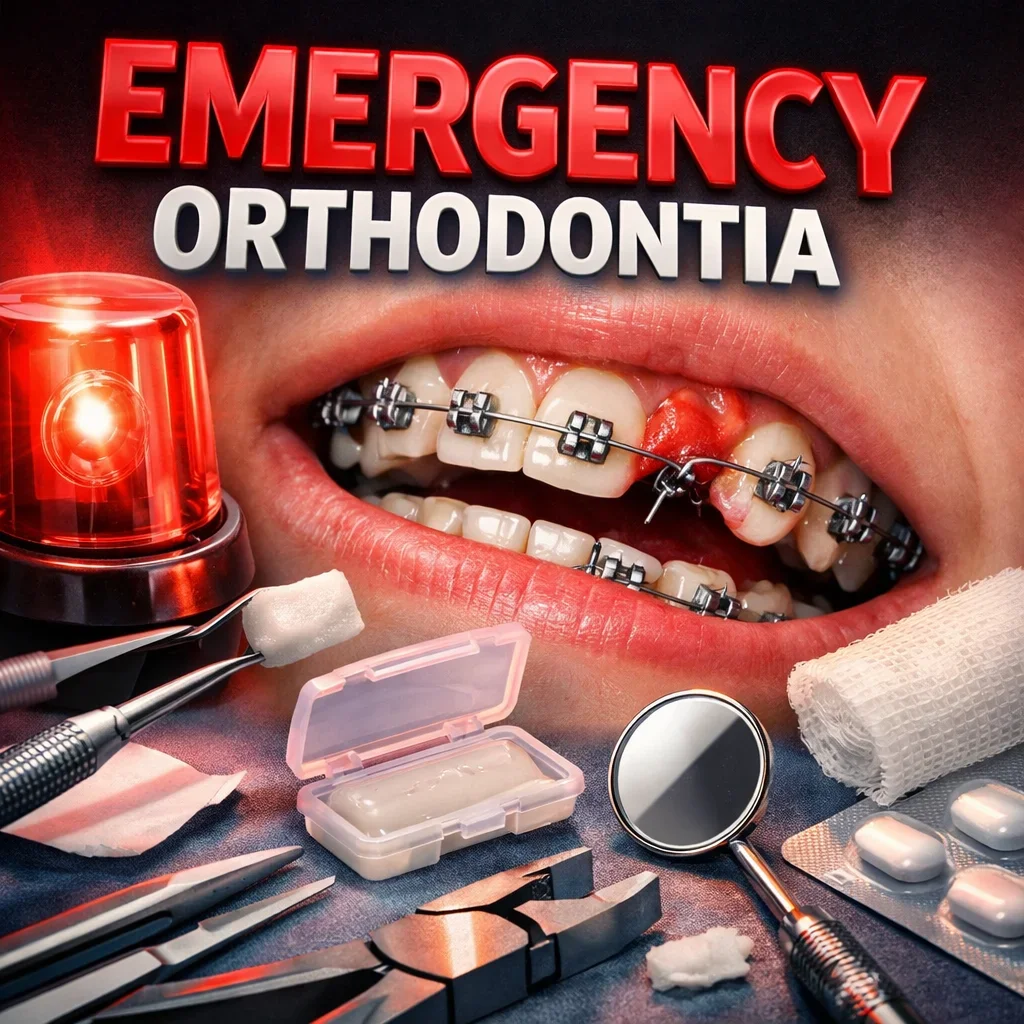
Costs, Insurance, and Accessibility of Emergency Orthodontia
Understanding the financial and practical aspects of emergency orthodontia helps patients act quickly without hesitation. When pain or appliance failure occurs, uncertainty about costs or insurance coverage can delay care and worsen outcomes. This section explains typical expenses, how insurance usually applies, and what accessibility options exist so patients can make informed decisions with confidence 😊.
What Influences the Cost of Emergency Orthodontia?
The cost of emergency orthodontia varies depending on the nature and severity of the problem. Simple interventions—such as trimming a poking wire or rebonding a single bracket—are generally less expensive than complex treatments involving infection management or multiple appliance replacements. The time required, materials used, and whether after-hours care is needed all influence the final cost.
Geographic location and clinic type also play a role. Private orthodontic clinics may have different fee structures compared to university clinics or hospital-based dental departments. Emergency orthodontia provided outside regular office hours may incur additional fees due to staffing and availability.
Typical Price Ranges (Approximate)
While prices can vary widely, many clinics report approximate ranges for common emergency orthodontia services based on publicly available fee schedules and patient reports:
- Wire adjustment or trimming: $50–$150
- Bracket rebonding or replacement: $75–$200 per bracket
- Management of soft tissue injuries: $100–$300
- Emergency visits involving infection or swelling: $150–$400+
These figures are estimates and may differ based on region, clinic expertise, and individual circumstances. Patients are encouraged to ask for clear explanations of costs before treatment whenever possible.
Insurance Coverage for Emergency Orthodontia
Insurance coverage is one of the most common concerns surrounding emergency orthodontia. Dental insurance plans vary significantly, and orthodontic coverage is often limited. Many plans cover emergency orthodontia only when it is deemed medically necessary, such as in cases involving infection, trauma, or significant pain.
Dental Insurance vs. Orthodontic Coverage
Some dental insurance policies treat emergency orthodontia as part of general dental emergency care, while others categorize it under orthodontic treatment with specific limitations. Coverage may apply to the emergency visit itself but not to appliance replacement. Understanding your policy details in advance can prevent surprises.
Patients undergoing orthodontic treatment through a comprehensive plan often have certain emergency orthodontia services included or discounted. It is advisable to contact your insurance provider or orthodontic office to clarify what is covered before an emergency occurs.
Accessibility and Availability of Emergency Orthodontia Care
Accessibility is a critical factor during emergency orthodontia situations. Not all clinics offer same-day or after-hours care, which can be stressful when symptoms are severe. Larger dental centers and clinics with orthodontic specialists are more likely to provide urgent appointments or on-call services.
Patients should know in advance which clinics in their area handle emergency orthodontia and what their procedures are for urgent cases. Having this information ready reduces delays and anxiety when problems arise 😟.
Emergency Orthodontia Outside Regular Hours
Orthodontic emergencies do not always happen during business hours. Some clinics provide evening or weekend emergency services, while others offer phone guidance to manage symptoms temporarily. If emergency orthodontia symptoms include uncontrolled bleeding, severe swelling, or trauma, seeking immediate care is essential—even if it means visiting an emergency dental center.
Balancing Cost Concerns with Health Priorities
While cost considerations are understandable, delaying emergency orthodontia due to financial concerns can lead to more serious and expensive complications. Untreated infections, prolonged appliance damage, or worsening injuries often require more extensive treatment later.
Many clinics offer payment plans or flexible options for emergency orthodontia services. Asking about these options upfront can make urgent care more accessible and reduce stress.
Guidance from Professional Organizations
Professional dental organizations emphasize that urgent orthodontic issues should not be ignored due to cost uncertainty. The American Dental Association highlights the importance of timely dental care to prevent complications and protect overall health. These recommendations reinforce the value of addressing emergency orthodontia promptly.
How to Prepare Financially for Emergency Orthodontia
Preparation reduces both financial and emotional strain. Patients can prepare by reviewing insurance benefits, setting aside a small emergency dental fund, and understanding their orthodontist’s emergency policies. Keeping contact information readily available ensures faster access to care when needed.
If you are unsure where to seek help or how to arrange urgent care, you can contact a qualified dental team through the Redent Klinik Contact Page for guidance on emergency orthodontia services and accessibility.
The Value of Timely Care
Ultimately, emergency orthodontia is an investment in health, comfort, and treatment success. Addressing urgent problems promptly often reduces overall costs by preventing complications and treatment delays. Patients who prioritize timely care experience better outcomes and fewer disruptions to their orthodontic journey 🌟.
In summary, the costs, insurance coverage, and accessibility of emergency orthodontia vary, but understanding these factors empowers patients to act decisively. Clear communication, preparation, and prioritizing health ensure that financial concerns do not stand in the way of safe, effective emergency orthodontia care.