
An emergency orthodontist appointment is not something patients usually plan for, yet when it happens, it immediately becomes the top priority. Orthodontic emergencies can be painful, stressful, and confusing—especially if you are unsure whether your situation truly requires urgent professional care. This guide is designed to fully answer the most common user question: “Do I really need an emergency orthodontist appointment right now?” 😬
Unlike routine orthodontic visits, an emergency orthodontist appointment focuses on addressing sudden problems that may cause significant pain, injury, infection risk, or interruption to your orthodontic treatment. These situations often involve broken braces, protruding wires, severe swelling, trauma to the mouth, or appliances that are causing active harm. While not every discomfort is an emergency, ignoring a true orthodontic emergency can lead to long-term complications.
The primary goal of an emergency orthodontist appointment is to stabilize the issue, relieve pain, and protect your oral health until your treatment can safely continue. Orthodontic appliances apply constant pressure to teeth and jaw structures. When something goes wrong, that pressure can quickly turn into damage if not managed correctly. This is why orthodontic emergencies should never be handled casually or delayed unnecessarily.
Many patients mistakenly assume that any orthodontic discomfort automatically requires an emergency orthodontist appointment. In reality, mild soreness after adjustments, temporary pressure, or small irritations are considered normal. However, sharp pain, bleeding, broken brackets, snapped wires, or swelling are strong indicators that you need an emergency orthodontist appointment as soon as possible. Knowing the difference can save both time and unnecessary stress.
One of the most common reasons people search for an emergency orthodontist appointment is sudden pain that does not improve with basic home care. Pain that disrupts sleep, eating, or speaking is never considered normal during orthodontic treatment. If your braces or aligners are actively causing injury to your gums, cheeks, or tongue, professional intervention is required. Temporary fixes such as orthodontic wax may help for a few hours, but they do not replace a proper emergency orthodontist appointment.
Another key reason for scheduling an emergency orthodontist appointment is trauma. Accidents, falls, sports injuries, or biting into hard foods can instantly damage orthodontic appliances. A broken bracket or wire may seem minor at first, but it can shift teeth incorrectly, delay treatment progress, and cause internal cuts. In these cases, waiting until your next routine visit may do more harm than good.
From a medical perspective, orthodontic emergencies also carry infection risks. Open wounds caused by metal components, swelling around brackets, or pressure-induced gum injuries can become entry points for bacteria. An emergency orthodontist appointment ensures that the area is properly cleaned, adjusted, and protected to reduce the risk of further complications. According to professional guidelines supported by organizations like the American Dental Association, oral injuries involving appliances should always be evaluated promptly.
Timing plays a crucial role in an emergency orthodontist appointment. The earlier the issue is addressed, the simpler and less invasive the solution usually is. Delaying care often turns a manageable problem into a complex one that requires longer treatment or additional procedures. This is especially important for patients wearing braces, expanders, or fixed appliances that continuously apply force.
For patients unsure where to start, contacting a trusted clinic immediately is the safest option. Clinics that handle orthodontic emergencies can assess your symptoms quickly and advise whether you need to come in right away. If you are experiencing pain, swelling, or appliance damage, you can reach out directly through the Redent Klinik Contact Page to get professional guidance without delay.
In summary, an emergency orthodontist appointment exists to protect both your comfort and your long-term orthodontic results. It is not about overreacting—it is about responding appropriately when something goes wrong. Understanding when and why an emergency orthodontist appointment is necessary empowers you to act confidently, reduce pain, and keep your treatment on track. 🦷✨
What Qualifies as an Emergency Orthodontist Appointment?
An emergency orthodontist appointment is defined by urgency, risk, and the potential for harm if treatment is delayed. Not every orthodontic issue is an emergency, but when a problem threatens your oral health, causes significant pain, or disrupts the progress of your treatment, it qualifies for immediate professional attention. Understanding what truly counts as an emergency helps patients act quickly without panic—or delay care when it truly matters.
Orthodontic appliances are designed to apply controlled, continuous force. When that system is compromised, even a small issue can escalate rapidly. An emergency orthodontist appointment exists to intervene at the right moment, preventing complications such as tooth displacement, gum injury, infection, or prolonged treatment time.
Pain as a Key Indicator of an Orthodontic Emergency
Pain is one of the most common triggers for an emergency orthodontist appointment, but not all pain is equal. Mild soreness after an adjustment is expected and usually fades within a few days. However, sharp, stabbing, throbbing, or worsening pain is a red flag. If pain interferes with eating, sleeping, or speaking, it often signals a deeper issue that requires an emergency orthodontist appointment.
Persistent pain may indicate a wire digging into soft tissue, excessive pressure on a tooth, or inflammation around brackets. Left untreated, these problems can cause tissue damage and delay orthodontic progress. When pain feels abnormal or intense, an emergency orthodontist appointment should not be postponed.
Appliance Damage That Requires Immediate Attention
Damage to braces or orthodontic appliances is another clear reason for an emergency orthodontist appointment. Orthodontic systems work as a unit, and when one part breaks, the entire treatment plan can be affected. Common appliance-related emergencies include:
Broken or Detached Brackets
A loose or broken bracket may seem minor, but it can change how force is applied to your teeth. This can lead to unwanted tooth movement or extended treatment time. In many cases, a broken bracket qualifies for an emergency orthodontist appointment, especially if it causes discomfort or sharp edges.
Poking or Snapped Wires
Protruding wires are one of the most uncomfortable orthodontic emergencies. They can cut the cheeks, gums, or tongue, leading to bleeding and infection risk. Temporary solutions like orthodontic wax can help briefly, but a proper emergency orthodontist appointment is needed to safely trim or reposition the wire.
Swelling, Bleeding, and Infection Risks
Swelling is never something to ignore during orthodontic treatment. Swollen gums, lips, or jaw areas may indicate inflammation, trauma, or infection. If swelling is accompanied by pain, warmth, pus, or fever, an emergency orthodontist appointment becomes urgent. Infections around orthodontic appliances can spread quickly and compromise both dental and overall health.
Bleeding that does not stop, especially after appliance breakage or trauma, is another reason to seek an emergency orthodontist appointment. Continuous bleeding suggests tissue injury that requires professional care.
Trauma and Accidents Involving Orthodontic Appliances
Accidents such as falls, sports injuries, or sudden impacts often lead to an emergency orthodontist appointment. Trauma can bend wires, dislodge brackets, or push teeth out of alignment. Even if pain is not immediate, damage may still be present beneath the surface.
After any significant impact to the mouth while wearing braces or other appliances, it is strongly recommended to schedule an emergency orthodontist appointment. Early evaluation prevents hidden damage from becoming a long-term problem.
Situations That Are Usually NOT Orthodontic Emergencies
It is equally important to understand what typically does not require an emergency orthodontist appointment. Mild discomfort after adjustments, small food-related irritations, or minor sensitivity usually resolve with time and basic care. These situations can often wait until your next scheduled visit.
However, if a non-urgent issue worsens or fails to improve, it may eventually turn into a situation that requires an emergency orthodontist appointment. Listening to your body is key.
When in Doubt, Professional Guidance Matters
If you are uncertain whether your situation qualifies for an emergency orthodontist appointment, contacting a professional clinic is always the safest choice. Orthodontic teams can assess symptoms quickly and guide you on the next steps. Prompt communication often prevents unnecessary suffering and complications.
In summary, an emergency orthodontist appointment is defined by risk, pain, and urgency—not inconvenience. Knowing what qualifies empowers patients to act responsibly, protect their treatment progress, and maintain long-term oral health. When true emergencies arise, timely care makes all the difference. 🦷⚠️
How to Know If You Need an Emergency Orthodontist Appointment Today
Deciding whether you need an emergency orthodontist appointment today can feel overwhelming—especially when discomfort escalates quickly. Many patients hesitate, hoping the issue will resolve on its own. However, orthodontic problems often worsen when ignored. This section helps you confidently determine when an emergency orthodontist appointment is necessary right now, not later.
The key is to evaluate three factors: severity, progression, and risk. If your symptoms are severe, getting worse, or pose a risk to your oral health or treatment outcome, you should seek an emergency orthodontist appointment without delay. Waiting can turn a manageable issue into a painful and costly complication.
Assessing Pain: Normal Discomfort vs Emergency Pain
Pain is the most common signal prompting an emergency orthodontist appointment. Normal orthodontic discomfort typically feels like pressure or soreness after an adjustment and fades within 24–72 hours. Emergency-level pain, on the other hand, is sharp, persistent, or worsening.
Signs Pain Requires Immediate Attention
- Pain that prevents eating, sleeping, or speaking
- Sharp pain caused by a wire or bracket cutting soft tissue
- Pain that intensifies instead of improving
- Pain combined with swelling or bleeding
If you recognize any of these signs, an emergency orthodontist appointment is likely needed today. Pain is your body’s warning system—ignoring it can lead to infection or tissue damage.
Visible Damage to Braces or Appliances
Another clear indicator for an emergency orthodontist appointment is visible damage to your orthodontic appliance. Orthodontic systems rely on precision. Even small disruptions can affect tooth movement and treatment timelines.
Appliance Issues That Should Not Wait
- Broken or detached brackets
- Snapped, bent, or protruding wires
- Loose bands or expanders
- Appliances causing open sores or bleeding
If any component is actively injuring your mouth or no longer functioning correctly, an emergency orthodontist appointment should be scheduled immediately. Temporary home fixes are not substitutes for professional care.
Swelling, Infection, and Warning Signs
Swelling is one of the strongest indicators that you need an emergency orthodontist appointment today. Healthy orthodontic treatment should not cause noticeable swelling of the gums, face, or jaw. When swelling appears, it often points to inflammation, trauma, or infection.
Red Flags That Require Same-Day Care
- Swollen gums around brackets or wires
- Facial swelling near the jaw or cheeks
- Pus, unusual discharge, or foul taste
- Fever combined with oral pain
Infections can spread quickly, especially when orthodontic appliances create small wounds. An emergency orthodontist appointment allows the issue to be addressed before it escalates into a serious health concern.
Sudden Trauma or Accidents
Any accident involving the mouth—such as a fall, sports injury, or sudden impact—should prompt serious consideration of an emergency orthodontist appointment. Even if pain seems mild at first, trauma can cause hidden damage to roots, bone, or appliance positioning.
If you experience trauma while wearing braces or aligners, do not wait for symptoms to appear. A prompt emergency orthodontist appointment ensures that any internal damage is identified early, protecting both your teeth and your treatment progress.
When Symptoms Are Getting Worse, Not Better
Progression is a critical factor. If symptoms worsen over hours or days, it is a strong signal that you need an emergency orthodontist appointment. Problems that intensify rarely resolve on their own during active orthodontic treatment.
Examples include increasing pain, expanding swelling, worsening cuts, or appliances that feel more unstable over time. When symptoms trend downward, waiting may be reasonable. When they trend upward, immediate care is the safer choice.
Unsure? Professional Advice Is the Safest Step
If you are still uncertain, reaching out to a professional clinic is always appropriate. Many orthodontic teams can advise whether your situation requires an emergency orthodontist appointment today or can safely wait. Acting early often means simpler, faster solutions.
You can contact a qualified orthodontic team directly through the Redent Klinik Contact Page to describe your symptoms and receive clear guidance without delay.
In summary, you need an emergency orthodontist appointment today if pain is severe, damage is visible, swelling is present, trauma has occurred, or symptoms are worsening. Trusting these signals protects your health, your comfort, and the success of your orthodontic treatment. ⏰🦷
What to Do Before You Reach an Emergency Orthodontist Appointment
When an orthodontic problem strikes suddenly, knowing what to do before you reach an emergency orthodontist appointment can make a major difference in comfort, safety, and outcomes. While temporary steps never replace professional care, the right actions can reduce pain, prevent further injury, and protect your orthodontic treatment until you are seen by a specialist.
This section walks you through practical, safe, and effective steps to take immediately after an orthodontic emergency occurs. These measures are designed to stabilize the situation—not solve it—until your emergency orthodontist appointment begins.
Stay Calm and Assess the Situation
The first and most important step is to stay calm. Panic can lead to rushed decisions that worsen the issue. Take a moment to assess what has happened and identify the source of discomfort or damage. Ask yourself:
- Is there severe pain or bleeding?
- Is a wire, bracket, or appliance broken or poking?
- Is there visible swelling or trauma?
This quick assessment helps you determine urgency and clearly explain the problem when scheduling your emergency orthodontist appointment.
Managing Pain Safely Before Your Visit
Pain control is often the top concern before an emergency orthodontist appointment. While professional treatment is essential, short-term relief can be achieved safely if done correctly.
Safe Pain Relief Options
- Use over-the-counter pain relievers as directed (avoid aspirin for bleeding issues)
- Apply a cold compress to the outside of the cheek for swelling
- Rinse gently with warm salt water to soothe irritated tissues
Avoid placing medications directly on gums or appliances. These steps help manage discomfort but do not eliminate the need for an emergency orthodontist appointment.
Handling Protruding or Broken Wires
Poking wires are one of the most common reasons patients seek an emergency orthodontist appointment. These wires can cut cheeks, lips, and tongues if left unmanaged.
Temporary Wire Protection
- Cover sharp ends with orthodontic wax
- If wax is unavailable, use sugar-free gum as a short-term substitute
- Use the eraser end of a pencil to gently push a wire away from tissue
Never cut wires yourself unless specifically instructed by a professional. Improper cutting can cause further damage and complicate your emergency orthodontist appointment.
What to Do If a Bracket Breaks or Detaches
A broken or loose bracket often feels alarming but can usually be managed briefly before your emergency orthodontist appointment. If the bracket is still attached to the wire, leave it in place and stabilize it with wax to prevent movement.
If the bracket has fully detached, carefully remove it from your mouth to avoid choking and store it in a small container. Bring it with you to your emergency orthodontist appointment so it can be evaluated or reused if possible.
Bleeding, Cuts, and Soft Tissue Injuries
Bleeding caused by orthodontic appliances should never be ignored. Before your emergency orthodontist appointment, gently rinse your mouth with clean water to remove debris. Apply light pressure with sterile gauze if bleeding persists.
For cuts or sores, saltwater rinses help reduce bacteria and soothe tissues. Avoid alcohol-based mouthwashes, which can increase irritation.
Swelling and Infection Precautions
If swelling is present, apply a cold compress externally and avoid heat. Heat can worsen inflammation and increase infection risk. Swelling combined with pain or fever makes an emergency orthodontist appointment especially urgent.
Do not attempt to drain swelling or manipulate tissues. Only a professional can safely address potential infection during your emergency orthodontist appointment.
What NOT to Do Before an Emergency Orthodontist Appointment
Some actions can cause more harm than good. Avoid the following:
- Do not glue brackets back on
- Do not cut wires without guidance
- Do not ignore worsening symptoms
- Do not delay care hoping the issue resolves itself
These mistakes can complicate your emergency orthodontist appointment and extend recovery time.
Contacting the Orthodontic Clinic Quickly
Once temporary steps are taken, contact your orthodontic provider immediately. Clear communication helps clinics prioritize your emergency orthodontist appointment appropriately. Describe symptoms accurately, including pain level, swelling, bleeding, and visible damage.
If you need fast professional guidance, you can reach out directly via the Redent Klinik Contact Page to receive timely instructions before your visit.
In conclusion, what you do before an emergency orthodontist appointment matters. Calm assessment, safe pain management, temporary protection, and quick communication all work together to reduce risk and discomfort. These steps support—not replace—professional care and ensure your emergency orthodontist appointment is as effective as possible. 🦷⛑️
Emergency Orthodontist Appointment for Broken Braces or Wires
A broken brace or wire is one of the most common and disruptive reasons patients need an emergency orthodontist appointment. Orthodontic appliances are carefully engineered systems, and when even one component fails, it can compromise comfort, safety, and treatment progress. While some minor issues can wait briefly, many cases involving broken braces or wires require prompt professional attention.
This section explains exactly when broken braces or wires justify an emergency orthodontist appointment, what risks are involved, and why delaying care can negatively affect both oral health and treatment timelines.
Why Broken Braces Are More Serious Than They Seem
Braces work by applying controlled force over time. When a bracket breaks or a wire shifts, that force becomes uneven or uncontrolled. This imbalance can cause teeth to move incorrectly, slow progress, or even reverse previous corrections. An emergency orthodontist appointment ensures the system is restored before unwanted movement occurs.
Additionally, broken braces often create sharp edges. These can injure soft tissues, leading to cuts, ulcers, and infection risks. What starts as a small mechanical issue can quickly escalate into pain and inflammation if not addressed through an emergency orthodontist appointment.
Types of Brace and Wire Breakage That Require Urgent Care
Detached or Loose Brackets
A bracket that has detached from the tooth but remains on the wire can slide freely and cause discomfort. If the bracket rotates or presses into the gums or cheeks, an emergency orthodontist appointment is strongly recommended. Leaving it loose may delay treatment and increase irritation.
Completely Broken or Lost Brackets
If a bracket falls off entirely, treatment mechanics are interrupted. Teeth may stop moving as planned, and neighboring teeth may shift incorrectly. While not always painful, this situation often warrants an emergency orthodontist appointment to prevent treatment delays.
Poking, Bent, or Snapped Wires
Poking wires are one of the most painful orthodontic issues. They can cut the tongue, cheeks, or lips, making daily activities miserable. If a wire snaps or bends out of place, an emergency orthodontist appointment is usually necessary the same day to trim, replace, or reposition it safely.
Short-Term Risks of Ignoring Broken Braces
Ignoring broken braces or wires can lead to more than discomfort. Short-term risks include:
- Persistent pain and soft tissue injury
- Increased inflammation and swelling
- Open wounds that raise infection risk
- Difficulty eating and speaking
These issues often worsen over time, making an eventual emergency orthodontist appointment more complex than if care were sought early.
Long-Term Treatment Risks Without an Emergency Orthodontist Appointment
Delaying an emergency orthodontist appointment for broken braces can affect your entire treatment plan. Teeth may drift into incorrect positions, requiring additional adjustments or extended treatment time. In some cases, replacement parts must be ordered, further prolonging progress.
Consistent force application is critical in orthodontics. A damaged appliance disrupts that consistency, and only an emergency orthodontist appointment can restore proper mechanics.
Temporary Measures Before Professional Care
While waiting for your emergency orthodontist appointment, temporary measures may help reduce discomfort. Orthodontic wax can cover sharp edges, and gentle repositioning of a wire with a clean pencil eraser may provide brief relief.
However, these are short-term solutions only. Temporary fixes do not correct the underlying mechanical issue and should never replace an emergency orthodontist appointment.
Why Professional Repair Matters
During an emergency orthodontist appointment, the orthodontist evaluates not just the visible damage but also its impact on tooth movement. They may replace brackets, adjust wires, or modify force levels to protect treatment progress.
Professional repair ensures that braces function as intended and that no hidden issues are left unresolved. This expertise is essential for maintaining both comfort and long-term results.
When to Contact Your Orthodontic Clinic Immediately
You should contact your clinic right away if broken braces or wires cause pain, bleeding, swelling, or visible injury. Clinics can often triage cases quickly and determine whether your emergency orthodontist appointment should be scheduled the same day.
If you are unsure where to turn, you can reach professional assistance through the Redent Klinik Contact Page to receive prompt guidance and care.
In summary, broken braces and wires are not just inconvenient—they are a leading cause of emergency orthodontist appointment visits for a reason. Addressing these issues quickly protects your comfort, your health, and the success of your orthodontic journey. 🦷🔧
Severe Orthodontic Pain and Swelling: When Time Matters
Severe pain and swelling are among the clearest signals that an emergency orthodontist appointment should not be delayed. While mild soreness is common during orthodontic treatment, intense pain or visible swelling is not normal and often indicates a problem that requires immediate professional care. Understanding when time truly matters can protect your oral health and prevent complications.
Orthodontic appliances exert controlled pressure on teeth and supporting structures. When that pressure becomes excessive, misdirected, or combined with tissue injury, the body responds with inflammation and pain. In these situations, an emergency orthodontist appointment is essential to stop damage, relieve discomfort, and restore balance to your treatment.
Recognizing Dangerous Levels of Orthodontic Pain
Not all pain requires an emergency orthodontist appointment, but certain pain patterns should never be ignored. Severe orthodontic pain is often described as sharp, throbbing, or radiating and does not improve with standard pain relief methods.
Pain Symptoms That Signal Urgency
- Constant pain that worsens over time
- Pain that spreads to the jaw, ear, or face
- Pain that prevents normal eating or sleeping
- Pain accompanied by swelling or fever
These symptoms strongly suggest that an emergency orthodontist appointment is needed as soon as possible. Waiting can increase inflammation and make treatment more complex.
Why Swelling Is a Serious Warning Sign
Swelling during orthodontic treatment is never considered routine. Swollen gums, cheeks, lips, or jaw areas often indicate inflammation, trauma, or infection. Swelling puts pressure on nerves and blood vessels, intensifying pain and increasing the risk of complications.
An emergency orthodontist appointment allows a professional to determine whether swelling is caused by mechanical irritation, excessive force, or a developing infection. Early intervention is critical to prevent spread and protect surrounding tissues.
Types of Swelling That Require Immediate Care
- Localized gum swelling around brackets or bands
- Facial swelling near the jawline or cheeks
- Swelling with redness, warmth, or pus
- Rapidly increasing swelling over hours
If swelling appears suddenly or worsens quickly, an emergency orthodontist appointment should be treated as urgent.
Infection Risks Linked to Orthodontic Appliances
Orthodontic appliances can create small cuts or pressure points that allow bacteria to enter soft tissues. When infection develops, symptoms often include swelling, pain, bad taste, and sometimes fever. Infections can progress rapidly and should never wait for a routine visit.
An emergency orthodontist appointment enables proper cleaning, adjustment, and, if needed, referral for additional treatment. Addressing infection early reduces the risk of serious complications.
Jaw Pain and Pressure-Related Complications
Severe jaw pain during orthodontic treatment may indicate excessive force, appliance misalignment, or temporomandibular joint irritation. Jaw-related pain that worsens with movement or spreads to the head or neck often requires an emergency orthodontist appointment for evaluation.
Ignoring jaw pain can lead to chronic discomfort and prolonged treatment. Prompt adjustment during an emergency orthodontist appointment helps restore proper force distribution.
Immediate Steps While Waiting for Care
Before your emergency orthodontist appointment, certain steps can help reduce discomfort safely. Applying a cold compress externally can limit swelling, while gentle saltwater rinses may soothe irritated tissues. Over-the-counter pain relievers can be used as directed, but they should not mask symptoms or delay care.
Heat should be avoided, as it can increase inflammation. Never attempt to adjust appliances yourself, as this can worsen pain and complicate your emergency orthodontist appointment.
Why Timing Makes a Difference
The timing of an emergency orthodontist appointment directly affects outcomes. Early treatment often involves simple adjustments, while delayed care may require more extensive intervention. Pain and swelling tend to escalate when left untreated, increasing recovery time and discomfort.
Quick action protects both your comfort and the integrity of your orthodontic treatment plan.
When to Contact Your Orthodontic Provider Immediately
If severe pain or swelling appears suddenly, worsens rapidly, or is accompanied by fever or difficulty opening the mouth, you should contact your orthodontic provider right away. Clear communication helps ensure your emergency orthodontist appointment is prioritized appropriately.
You can seek prompt professional guidance through the Redent Klinik Contact Page if symptoms require urgent evaluation.
In conclusion, severe orthodontic pain and swelling are time-sensitive issues that should never be ignored. An emergency orthodontist appointment exists to address these problems quickly, relieve discomfort, and prevent long-term complications. Acting promptly can make the difference between a simple adjustment and a serious setback. ⏱️🦷
Emergency Orthodontist Appointment vs Regular Dental Emergency
Many patients feel unsure whether their situation requires an emergency orthodontist appointment or a general dental emergency visit. While both involve urgent oral health issues, they are not the same—and choosing the wrong type of care can delay treatment and worsen outcomes. Understanding the difference helps you get the right help at the right time.
A regular dental emergency typically focuses on teeth, gums, or infections unrelated to orthodontic mechanics. An emergency orthodontist appointment, on the other hand, specifically addresses problems caused by braces, wires, aligners, or other orthodontic appliances. These issues require specialized expertise that a general emergency dentist may not be equipped to handle.
What Is Considered a Regular Dental Emergency?
Dental emergencies usually involve the health of the tooth or surrounding tissues rather than orthodontic hardware. These situations are often painful and urgent, but they fall outside the scope of an emergency orthodontist appointment.
Common Dental Emergencies
- Severe toothache caused by decay or infection
- Dental abscess or pus-filled swelling
- Knocked-out or fractured tooth
- Uncontrolled bleeding from gums or soft tissue
These cases are best handled by a general dentist or emergency dental clinic. While an orthodontist may still be involved later, an emergency orthodontist appointment is usually not the first step for these problems.
What Makes an Emergency Orthodontist Appointment Different?
An emergency orthodontist appointment is focused on the mechanics and safety of orthodontic treatment. Orthodontists are trained to manage appliance-related issues without disrupting the overall treatment plan. General dentists may relieve pain but cannot always correct orthodontic force systems.
Issues Best Treated by an Orthodontist
- Broken or detached brackets
- Poking, bent, or snapped wires
- Appliances causing cuts, ulcers, or swelling
- Sudden changes in tooth movement due to appliance failure
In these situations, an emergency orthodontist appointment ensures that both comfort and treatment progress are protected.
Why Choosing the Right Provider Matters
Seeing the wrong provider during an emergency can lead to incomplete care. For example, a general dentist may remove a painful wire but unintentionally disrupt orthodontic mechanics. This can lead to treatment delays or additional corrections later.
An emergency orthodontist appointment addresses the root cause of the problem while preserving the integrity of your orthodontic plan. This specialized approach reduces the risk of long-term complications.
Overlap Situations: When Both May Be Needed
Some emergencies involve both orthodontic and dental concerns. Trauma, for instance, may damage teeth and orthodontic appliances simultaneously. In these cases, coordination between providers is essential.
An emergency orthodontist appointment may be needed to stabilize appliances after initial dental treatment. Clear communication between professionals ensures comprehensive care.
How to Decide Where to Go First
If pain or damage is clearly caused by braces, wires, or aligners, an emergency orthodontist appointment is usually the correct first step. If the issue involves tooth infection, severe decay, or trauma unrelated to appliances, a general dental emergency clinic may be more appropriate.
When unsure, contacting your orthodontic clinic for guidance is often the safest choice. They can advise whether an emergency orthodontist appointment is needed immediately or if referral elsewhere is more appropriate.
Professional Guidelines and Patient Safety
Organizations such as the American Dental Association emphasize the importance of appropriate emergency care pathways. Appliance-related injuries and complications should be evaluated by trained orthodontic professionals whenever possible.
Accessing the Right Care Quickly
Speed matters in emergencies, but accuracy matters just as much. Reaching the correct provider first reduces unnecessary procedures and speeds up recovery. If your concern involves orthodontic hardware, pressure, or appliance-related pain, an emergency orthodontist appointment is usually the most efficient solution.
You can quickly consult an experienced team through the Redent Klinik Contact Page to determine the right next step for your situation.
In summary, while both situations are urgent, a regular dental emergency and an emergency orthodontist appointment serve different purposes. Knowing the difference helps you avoid delays, reduce pain faster, and protect the success of your orthodontic treatment. 🦷⚖️
How Fast Can You Get an Emergency Orthodontist Appointment?
One of the most common and urgent questions patients ask is how quickly they can get an emergency orthodontist appointment. When pain strikes or an orthodontic appliance fails, time becomes a critical factor. The good news is that most orthodontic clinics are well-prepared to handle emergencies and prioritize patients who need immediate care.
The speed at which you can secure an emergency orthodontist appointment depends on several factors, including the severity of your symptoms, the clinic’s availability, and how quickly you make contact. Understanding this process helps set realistic expectations and ensures faster access to care.
Same-Day Emergency Orthodontist Appointments
In many cases, an emergency orthodontist appointment can be scheduled the same day. Clinics typically reserve emergency slots specifically for urgent cases involving pain, injury, or appliance damage. Issues such as poking wires, severe pain, swelling, or broken braces often qualify for same-day care.
Prompt communication is key. The earlier you contact the clinic after noticing a problem, the more likely you are to receive a same-day emergency orthodontist appointment.
Conditions Most Likely to Get Same-Day Priority
- Severe or worsening pain
- Active bleeding or swelling
- Poking or snapped wires causing injury
- Broken appliances disrupting treatment
These conditions are considered time-sensitive and are usually addressed quickly through an emergency orthodontist appointment.
After-Hours and Weekend Availability
Orthodontic emergencies do not always happen during office hours. Many clinics provide after-hours guidance or limited weekend availability for urgent cases. While not all emergencies require immediate in-person treatment, clinics can often advise whether your emergency orthodontist appointment should occur right away or can wait safely.
Some orthodontic practices partner with emergency dental services to ensure patients receive timely care even outside standard hours.
How Clinics Triage Emergency Requests
When you call or message a clinic, staff members typically assess your symptoms to determine urgency. This triage process ensures that patients needing an emergency orthodontist appointment are seen first.
Information That Helps Speed Up Scheduling
- Description of pain level and duration
- Presence of swelling, bleeding, or fever
- Type of appliance involved
- Visible damage to braces or wires
Clear, accurate details help clinics schedule your emergency orthodontist appointment faster and more effectively.
Factors That May Affect Appointment Timing
While most emergencies are addressed quickly, some factors can influence timing. Clinic workload, staffing levels, and the need for specific materials may affect how soon your emergency orthodontist appointment can occur.
However, truly urgent cases are rarely delayed significantly. Orthodontic teams understand the importance of rapid intervention.
What If Immediate Care Is Not Available?
If a same-day emergency orthodontist appointment is not immediately available, clinics often provide interim guidance to manage symptoms safely. This may include temporary measures to reduce pain or prevent further injury until professional care is possible.
Even when a brief wait is unavoidable, early communication ensures your case remains a priority.
The Role of Early Contact
Many patients delay reaching out, hoping symptoms will resolve. Unfortunately, this often reduces appointment availability. Contacting the clinic as soon as an issue arises significantly improves your chances of getting a fast emergency orthodontist appointment.
Clinics appreciate early notice, as it allows them to rearrange schedules and accommodate urgent needs more efficiently.
How to Reach the Right Clinic Quickly
If you experience orthodontic pain, appliance damage, or swelling, contacting a qualified clinic immediately is the best course of action. You can reach a professional team quickly through the Redent Klinik Contact Page to explain your symptoms and receive guidance on scheduling.
Why Speed Matters for Orthodontic Emergencies
Delays in addressing orthodontic emergencies can lead to increased pain, infection risk, and treatment setbacks. A timely emergency orthodontist appointment minimizes these risks and often results in simpler, less invasive solutions.
According to patient care principles supported by organizations such as the American Dental Association, prompt evaluation of appliance-related injuries is essential for patient safety and treatment success.
In summary, an emergency orthodontist appointment is often available the same day when symptoms are urgent and communication is prompt. Acting quickly, providing clear information, and contacting the right clinic can significantly reduce waiting time and discomfort. When emergencies arise, speed and accuracy go hand in hand. ⏱️🦷
Preventing Future Emergency Orthodontist Appointments
While an emergency orthodontist appointment is sometimes unavoidable, many orthodontic emergencies can be prevented with the right habits, awareness, and preventive care. Understanding how emergencies happen—and how to reduce the risks—can save you pain, stress, and unexpected interruptions to your orthodontic treatment.
Prevention is not about eliminating all risk, but about minimizing avoidable problems. By following professional guidance and adopting a few smart daily practices, patients can significantly lower the likelihood of needing an emergency orthodontist appointment in the future.
Daily Habits That Protect Orthodontic Appliances
Most orthodontic emergencies are triggered by everyday actions. Simple habits play a major role in whether braces, wires, and other appliances remain intact or fail prematurely.
Foods to Avoid During Orthodontic Treatment
- Hard foods like ice, nuts, and hard candy
- Sticky foods such as caramel, gum, and toffee
- Crunchy items like popcorn kernels or hard chips
- Biting directly into hard fruits without cutting them
These foods place excessive stress on brackets and wires, increasing the risk of breakage and the need for an emergency orthodontist appointment.
Proper Oral Hygiene Reduces Emergency Risk
Good oral hygiene is essential not only for dental health but also for preventing emergencies. Plaque buildup around brackets and wires can lead to gum inflammation, swelling, and infection—common reasons for an emergency orthodontist appointment.
Brushing carefully after every meal, using interdental brushes, and flossing properly around appliances help keep tissues healthy and resilient. Healthy gums are less likely to swell or become injured by orthodontic hardware.
Using Orthodontic Accessories Correctly
Orthodontic wax, elastics, and retainers are designed to protect both appliances and soft tissues. Using them as instructed reduces friction and irritation that can otherwise lead to pain or injury.
Common Mistakes to Avoid
- Skipping elastics or wearing them inconsistently
- Improperly inserting or removing aligners
- Ignoring minor discomfort until it worsens
These mistakes can increase the chance of appliance failure and an unexpected emergency orthodontist appointment.
Protecting Braces During Sports and Physical Activities
Sports-related trauma is a frequent cause of orthodontic emergencies. Wearing a custom or orthodontic-safe mouthguard during contact sports dramatically reduces the risk of broken braces, injuries, and the need for an emergency orthodontist appointment.
Even non-contact activities can pose risks if falls or impacts occur. Prevention starts with awareness and protective gear.
Attending Regular Orthodontic Checkups
Routine orthodontic visits are a powerful preventive tool. During these appointments, orthodontists identify loose brackets, wire stress points, or early signs of irritation before they become emergencies.
Skipping or delaying regular visits increases the likelihood that small issues will develop into problems requiring an emergency orthodontist appointment.
Listening to Early Warning Signs
Your body often provides early warnings before a full emergency develops. Mild discomfort, irritation, or appliance movement should never be ignored. Addressing concerns early—through advice or minor adjustments—can prevent escalation.
Patients who respond quickly to early signs are far less likely to require an emergency orthodontist appointment later.
Travel and Emergency Preparedness
If you are traveling or relocating temporarily, planning ahead reduces emergency risks. Carry orthodontic wax, keep your orthodontist’s contact information accessible, and know where to seek help if needed.
Prepared patients handle unexpected situations more calmly and effectively, often avoiding unnecessary emergency orthodontist appointment visits.
Professional Guidance and Trusted Resources
Following professional advice is one of the strongest preventive measures. Orthodontists base recommendations on clinical experience and patient safety standards supported by organizations like the American Dental Association.
If you ever have concerns or questions about appliance care, contacting your clinic early can prevent emergencies altogether.
When Prevention Is Not Enough
Even with perfect care, emergencies can still happen. Accidents, unexpected mechanical failures, or sudden biological responses may require an emergency orthodontist appointment. The goal of prevention is not perfection—it is risk reduction.
Knowing that you have taken all reasonable steps provides peace of mind and ensures that, if an emergency orthodontist appointment becomes necessary, it is truly unavoidable.
Staying Connected With Your Orthodontic Team
Open communication is key. Clinics encourage patients to report concerns early, even if they seem minor. Quick advice can often prevent a full emergency.
If you need guidance or want to clarify best practices, you can always reach out through the Redent Klinik Contact Page for professional support.
In conclusion, while an emergency orthodontist appointment cannot always be prevented, most emergencies are avoidable with proper habits, awareness, and regular care. Prevention protects your comfort, your investment, and the success of your orthodontic treatment—long before urgency ever arises. 🦷✅
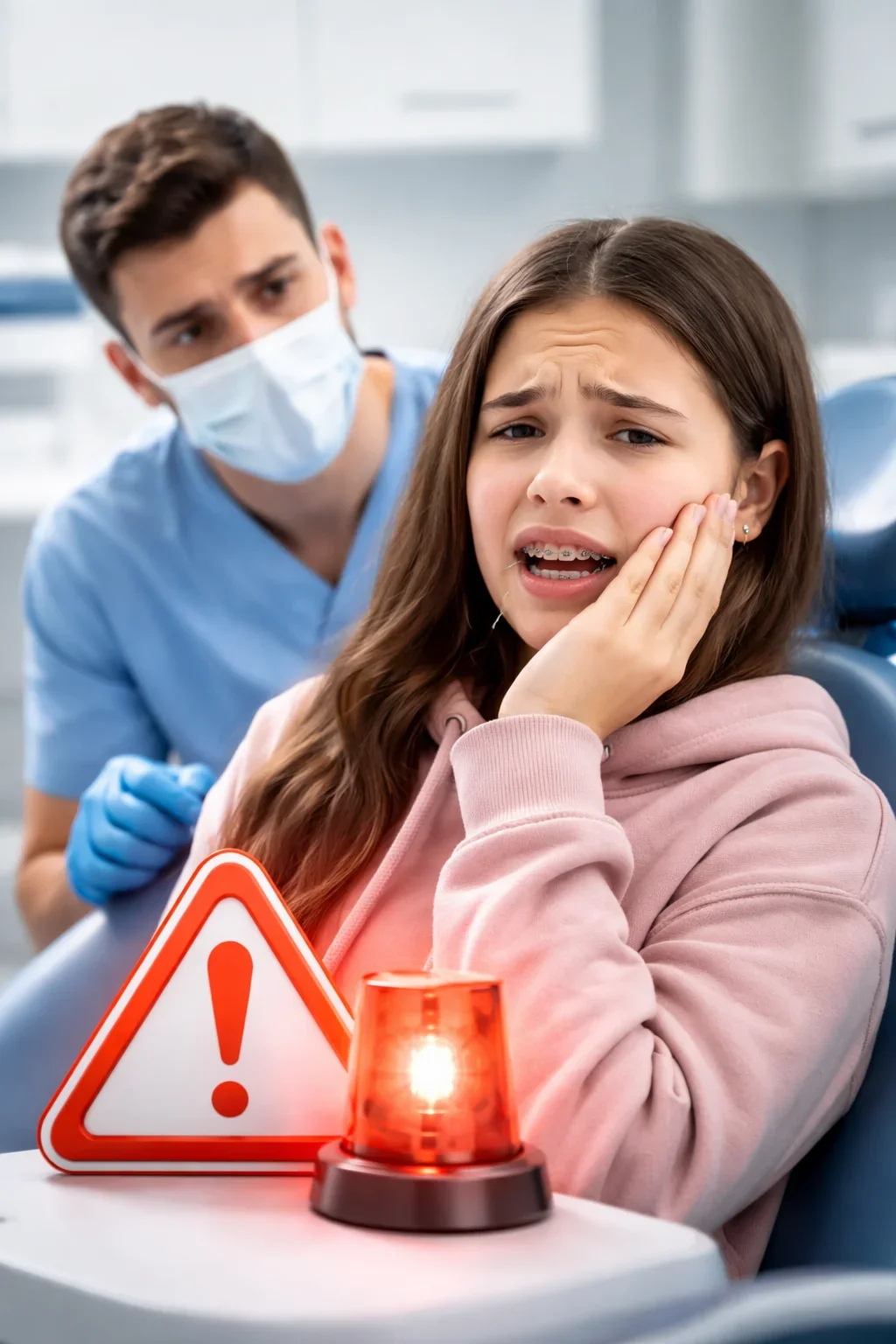
Common Orthodontic Emergencies That Need Immediate Care
An emergency orthodontist appointment is often required when specific, well-known orthodontic problems occur suddenly and cannot be safely managed at home. These emergencies are not rare, and understanding them helps patients react quickly and correctly. Knowing which situations truly require immediate care can prevent pain, protect oral health, and keep orthodontic treatment on track.
Orthodontic emergencies usually involve mechanical failure, tissue injury, or biological responses that worsen rapidly. In these cases, delaying an emergency orthodontist appointment may lead to complications such as infection, prolonged treatment time, or permanent damage to teeth and gums.
Broken or Detached Orthodontic Components
One of the most frequent reasons for an emergency orthodontist appointment is broken orthodontic hardware. Braces and fixed appliances rely on precise alignment and stable attachment. When a component breaks, the system no longer functions as intended.
Examples That Require Immediate Attention
- Brackets detached from the tooth
- Bands that become loose around molars
- Appliances that shift position unexpectedly
These issues can alter tooth movement and cause irritation. In many cases, an emergency orthodontist appointment is needed to prevent treatment setbacks.
Poking, Bent, or Snapped Wires
Poking wires are among the most uncomfortable orthodontic emergencies. A wire that bends or snaps can dig into cheeks, lips, or the tongue, causing cuts and bleeding. While orthodontic wax can help temporarily, it does not resolve the underlying issue.
If a wire causes persistent pain or injury, an emergency orthodontist appointment should be scheduled promptly. Professional adjustment ensures comfort and restores safe force application.
Severe Soft Tissue Injuries
Orthodontic appliances can sometimes injure soft tissues, especially if components break or shift. Cuts, ulcers, or sores that worsen rather than heal are a common reason patients seek an emergency orthodontist appointment.
Warning Signs of Serious Tissue Injury
- Bleeding that does not stop
- Deep or expanding sores
- Increasing redness or swelling
These injuries increase infection risk and should be evaluated during an emergency orthodontist appointment.
Sudden and Severe Orthodontic Pain
While mild discomfort is normal, sudden or severe pain is not. Pain that escalates quickly or does not respond to basic relief measures often indicates excessive pressure, appliance malfunction, or tissue trauma.
In such cases, an emergency orthodontist appointment is necessary to identify the cause and relieve pressure safely.
Swelling Around Gums, Jaw, or Face
Swelling is a serious symptom during orthodontic treatment. It may indicate inflammation, infection, or trauma related to appliances. Swelling that spreads or worsens over hours should never be ignored.
An emergency orthodontist appointment allows early intervention, reducing the risk of infection and preventing further complications.
Orthodontic Emergencies Caused by Accidents
Falls, sports injuries, or sudden impacts to the mouth are common triggers for an emergency orthodontist appointment. Trauma can damage both teeth and orthodontic appliances at the same time.
Even if pain is mild initially, internal damage may still be present. Prompt evaluation during an emergency orthodontist appointment helps detect hidden problems early.
Lost or Damaged Aligners and Retainers
For patients using clear aligners or retainers, loss or damage can also require an emergency orthodontist appointment. Skipping aligner stages or wearing damaged appliances can cause teeth to shift unpredictably.
Quick replacement or adjustment prevents loss of progress and maintains treatment accuracy.
Infection-Related Orthodontic Emergencies
Infections can develop when bacteria enter through cuts caused by appliances. Symptoms may include swelling, pain, bad taste, or fever. These situations require immediate professional evaluation.
An emergency orthodontist appointment ensures that the infection source is addressed and that orthodontic treatment does not worsen the condition.
Why These Emergencies Should Never Be Ignored
Each of these situations shares one key factor: delay increases risk. What begins as discomfort can evolve into infection, treatment regression, or prolonged recovery if an emergency orthodontist appointment is postponed.
Professional organizations such as the American Dental Association emphasize early evaluation of appliance-related injuries to protect patient safety and treatment outcomes.
Taking the Right Action Quickly
If you experience any of these common emergencies, contacting a qualified orthodontic clinic immediately is essential. Clear communication helps ensure your emergency orthodontist appointment is scheduled appropriately.
You can reach a professional team quickly through the Redent Klinik Contact Page to receive guidance and timely care.
In summary, common orthodontic emergencies are well-defined and should never be underestimated. Recognizing these situations and acting quickly with an emergency orthodontist appointment protects your health, your comfort, and the success of your orthodontic treatment. 🚨🦷