
In today’s competitive workforce, employer plans have become one of the most important elements that job seekers consider before accepting an offer. Whether it’s healthcare, retirement savings, or wellness programs, these plans represent more than just an added perk—they are essential tools for financial security, health protection, and long-term stability. For both employees and employers, understanding how employer plans function and what they include is key to making informed decisions. In this detailed guide, we will explore the definition, importance, and wide-reaching benefits of these plans while also addressing their role in building a sustainable workplace culture.
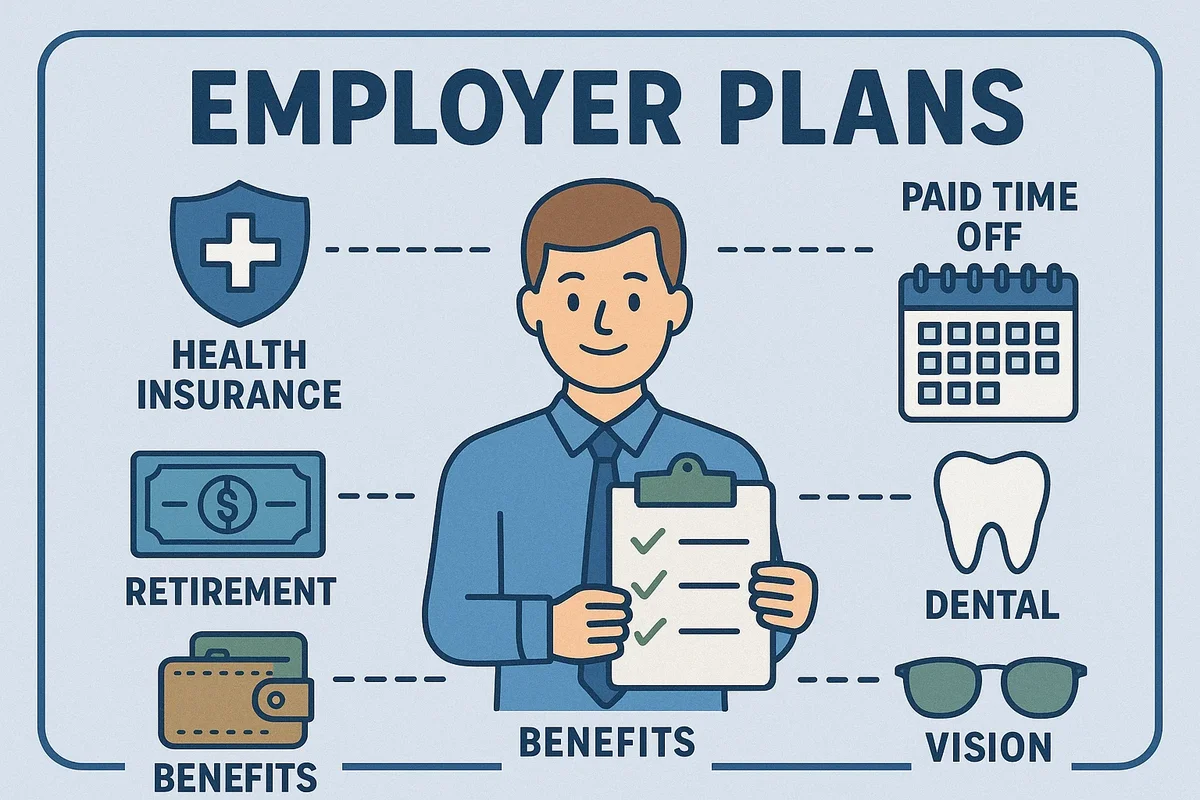
Employer plans are structured benefit packages provided by companies to their employees. They typically include components such as health insurance, dental and vision care, retirement savings accounts, paid time off, and sometimes additional wellness or childcare support. The core idea is to support employees not only in their professional life but also in their personal health and well-being. In turn, employers benefit from higher employee retention, stronger morale, and increased productivity. This two-way value exchange highlights why these plans are not just optional extras but essential building blocks of modern employment contracts.
To put this into context, surveys from global HR associations show that over 70% of employees consider employer plans a deciding factor when evaluating job offers. Furthermore, strong benefits packages can reduce turnover rates significantly, saving businesses the high costs associated with recruitment and training. From the employee perspective, a robust employer plan is often seen as a sign that the company truly cares about its staff, extending support beyond the paycheck. This psychological reassurance plays a major role in long-term job satisfaction and workplace loyalty.
Another crucial aspect of employer plans is healthcare coverage. Rising medical costs have made employer-sponsored health insurance one of the most valuable benefits an employee can receive. Comprehensive plans usually cover hospital visits, preventive care, specialist consultations, prescription medications, and sometimes even mental health therapy. Employers may choose between fully insured plans—where an insurance carrier bears the financial risk—or self-funded plans, where the company itself assumes responsibility for paying employee health claims. Each model has advantages and challenges, but both aim to balance affordability with sufficient care coverage.
Retirement savings are another pillar of employer plans. These often include contributions to 401(k) accounts in the U.S. or pension schemes in other regions. Employer matching contributions can dramatically increase an employee’s ability to retire comfortably. For example, if an employer matches 50% of employee contributions up to 6% of their salary, the savings potential grows significantly over time. This not only benefits employees directly but also strengthens the company’s reputation as a supportive and forward-thinking workplace.
Beyond healthcare and retirement, employer plans are expanding to include wellness programs. These may feature free gym memberships, access to yoga or mindfulness sessions, nutritional counseling, and even employee assistance programs for stress and mental health management. With the rise of remote work, many organizations now provide digital wellness tools to help employees maintain balance in their personal and professional lives. Studies have shown that employees with access to comprehensive wellness initiatives report higher productivity and lower absenteeism, underscoring the value of these expanded benefits.
Another modern development in employer plans involves family support. Parental leave, childcare subsidies, and flexible working arrangements are increasingly recognized as vital components. In regions with rising costs of childcare, these benefits can relieve enormous financial pressure. For companies, providing such support translates to stronger employee loyalty, especially among working parents who value family-oriented policies. This is why many leading corporations are rebranding their benefit packages as “total rewards systems” rather than limiting them to traditional health and retirement plans.
From the financial side, employer plans also play a crucial role in cost-sharing between companies and employees. While employers may cover a substantial portion of premiums, employees typically contribute a part as well, ensuring shared responsibility. Transparent communication about premiums, deductibles, and out-of-pocket expenses is essential to help employees understand the real value of their benefits. Some employers even offer decision-support tools that guide workers toward the best plan for their health needs and budget.
To illustrate how important these plans are globally, professional organizations like the American Dental Association emphasize that dental coverage, often part of employer plans, significantly improves oral health outcomes. In fact, access to preventive dental care through employer-sponsored insurance reduces long-term medical expenses, proving how benefits can impact overall health. Similarly, healthcare clinics highlight the importance of accessible communication channels. For example, if you wish to discuss dental or health-related benefits in more detail, you can easily reach professionals through resources such as the Redent Klinik Contact Page.
Looking ahead, employer plans are expected to evolve as workforce demands change. Flexible benefits, personalized wellness offerings, and digital-first healthcare solutions are becoming increasingly common. As technology advances, employers are likely to integrate telemedicine, AI-driven health assessments, and financial literacy programs into their benefits packages. These innovations will not only make benefits more accessible but also improve their effectiveness, ensuring that employees remain engaged, supported, and healthier in the long run.
In conclusion, employer plans are far more than just workplace perks—they are critical investments in human capital. They serve as a protective shield for employees against rising medical costs, provide a safety net for future retirement, and offer wellness resources that enhance overall quality of life. For employers, these plans drive loyalty, productivity, and long-term organizational growth. By understanding and strategically implementing strong employer plans, companies position themselves as leaders in employee well-being, while workers gain the peace of mind that their current and future needs are cared for. 🌟
What Are Employer Plans and Why Do They Matter?
Employer plans are structured benefit programs provided by companies to support employees’ health, financial security, and overall well-being. These plans can include health insurance, retirement contributions, dental and vision care, mental health programs, paid leave, and even wellness or childcare support. They matter because they serve as a bridge between employers and employees, ensuring that workers feel valued, supported, and protected beyond just their salaries. For companies, offering strong employer plans translates into higher employee retention, better recruitment outcomes, and a stronger workplace culture. For employees, these plans provide stability and long-term assurance in a world where medical costs and financial pressures are steadily rising.
Defining Employer Plans in the Modern Workplace
Traditionally, employer plans were limited to basic health insurance or pension programs. However, the modern workplace has expanded these offerings significantly. Today’s packages may include flexible work arrangements, tuition assistance, wellness incentives, and mental health counseling. The scope of benefits reflects how companies adapt to the changing expectations of employees. Younger generations, for example, often prioritize work-life balance and mental health support, while older employees might focus more on retirement savings and medical coverage. This evolution demonstrates that employer plans are not static—they are dynamic tools aligned with societal and workforce needs.
Core Elements of Employer Plans
- Health Insurance: Covers medical costs such as doctor visits, hospital stays, surgeries, and prescriptions.
- Retirement Savings: Includes pensions, 401(k) accounts, or other employer-matched contributions for long-term financial stability.
- Dental and Vision Benefits: Supports preventive and corrective oral and eye care, reducing out-of-pocket costs.
- Wellness Programs: Encourages healthy living through fitness memberships, stress management, and nutrition guidance.
- Paid Leave: Offers vacation time, sick days, maternity/paternity leave, and holidays.
These elements collectively form the foundation of employer plans, ensuring that employees receive comprehensive coverage and opportunities for personal and professional development.
Why Employer Plans Are Crucial for Employees
For employees, the value of employer plans extends beyond immediate financial savings. They offer peace of mind and stability, especially in unpredictable circumstances such as illness or unexpected expenses. A well-designed plan reduces stress, enhances job satisfaction, and contributes to long-term career loyalty. For example, employees with access to retirement contributions are more confident about their future, while those with comprehensive healthcare avoid the crushing burden of medical debt. In essence, employer plans transform the workplace from a transactional environment into a supportive ecosystem.
Financial Protection and Security
Medical expenses remain one of the leading causes of personal bankruptcy worldwide. With employer plans, employees gain access to preventive care and treatments without bearing the full financial burden. Furthermore, retirement savings through employer contributions enable long-term financial planning. These benefits are not simply perks—they are lifelines that safeguard workers from risks that could otherwise derail their financial stability.
Why Employer Plans Matter to Employers
From the employer’s perspective, offering robust employer plans is both a retention and productivity strategy. High turnover is costly: recruiting, training, and onboarding new staff requires substantial resources. Providing comprehensive plans fosters loyalty, as employees are less likely to leave for competitors. Furthermore, healthier employees are more productive, take fewer sick days, and contribute positively to company culture. Studies consistently show that businesses with strong employer plans outperform those with limited benefits, both in employee satisfaction and overall profitability.
Competitive Advantage in Recruitment
Job seekers now evaluate potential employers based on their benefits packages just as much as salary. Companies that invest in attractive employer plans gain an edge in attracting top talent. In fact, global HR reports indicate that nearly 80% of job seekers rank benefits as a top factor in choosing employment. By offering flexible, inclusive, and supportive plans, businesses establish themselves as employers of choice.
Employer Plans and Society at Large
Beyond individual employees and companies, employer plans also impact society as a whole. When employees have access to healthcare, preventive dental care, and wellness programs, public health outcomes improve. For instance, organizations like the American Dental Association highlight how employer-sponsored dental plans reduce oral health issues, benefiting both workers and healthcare systems. This ripple effect shows that employer plans are not only an HR tool but also a broader societal asset.
Encouraging Preventive Healthcare
Preventive care reduces the need for costly emergency treatments. By making services like check-ups and screenings affordable, employer plans lower healthcare costs for individuals and systems alike. Employees who use preventive benefits are healthier, reducing absenteeism and maintaining higher productivity levels.
The Link Between Employer Plans and Employee Well-Being
Another dimension of why these plans matter lies in well-being. When employees feel supported by their organizations, they report higher engagement and morale. Benefits like mental health counseling, childcare support, and flexible hours directly reduce stress and improve overall quality of life. By addressing holistic needs, employer plans ensure that employees thrive both inside and outside the workplace. 🌿
Creating a Culture of Care
Ultimately, the importance of employer plans lies in creating a culture of care. Employees are more likely to stay loyal to companies that treat them as complete individuals, not just workers. When organizations offer benefits that reflect genuine concern, employees reciprocate with commitment and higher performance. This mutually beneficial cycle strengthens both the workforce and the business foundation.
In summary, employer plans matter because they provide stability, enhance loyalty, improve health outcomes, and give companies a competitive advantage. For employees, they represent financial and personal security. For employers, they are a strategic tool for retention, recruitment, and productivity. And for society, they contribute to healthier, more resilient communities. These interconnected benefits explain why employer plans remain central to modern employment structures and why their role will only grow in the future. 🌟
Types of Employer Plans Explained in Simple Terms
Employer plans are not one-size-fits-all. Companies structure these benefits in different ways to meet the diverse needs of employees, industries, and regions. Understanding the various types of employer plans helps employees make informed choices while allowing employers to design offerings that attract and retain top talent. These plans range from healthcare and retirement savings to wellness and lifestyle benefits. In this section, we will break down the most common types of employer plans in simple terms, ensuring clarity and practical insights for both workers and employers.
Health Insurance Plans
The cornerstone of most employer plans is health insurance. Medical coverage typically includes doctor visits, hospital care, prescription drugs, preventive screenings, and sometimes mental health support. Employers may offer one of several structures:
- Health Maintenance Organization (HMO): Employees must choose providers from a defined network. Costs are usually lower, but flexibility is limited.
- Preferred Provider Organization (PPO): Employees can see both in-network and out-of-network providers, giving more freedom at a slightly higher cost.
- High-Deductible Health Plans (HDHP): These plans have lower monthly premiums but higher out-of-pocket costs, often paired with Health Savings Accounts (HSAs) for tax-free medical savings.
- Point of Service (POS): A hybrid option that combines features of HMO and PPO plans, requiring referrals but offering out-of-network flexibility.
Healthcare-focused employer plans not only protect employees from the high cost of medical treatment but also promote preventive care, which reduces long-term expenses for both workers and employers.
Retirement Savings Plans
Another major component of employer plans is retirement savings. These plans ensure employees can build financial security for life after work. The most common formats include:
- 401(k) Plans (US): Employees contribute a portion of their salary before taxes, and employers may offer matching contributions. This is one of the most popular retirement vehicles in the U.S.
- Pension Plans: Also known as defined benefit plans, these provide a guaranteed monthly income during retirement, based on years of service and salary history.
- 403(b) Plans: Similar to 401(k)s but offered by nonprofit organizations, schools, and some healthcare institutions.
- Global Alternatives: In countries outside the U.S., employer retirement benefits may include government-mandated contributions, superannuation funds (Australia), or occupational pensions (UK and EU).
Retirement-focused employer plans are powerful motivators for long-term employee loyalty, as they directly impact future financial stability.
Dental and Vision Plans
While medical insurance is the priority, many employer plans also provide dental and vision coverage. These benefits are crucial because they address preventive care needs often ignored by standard health policies. Dental plans may cover routine cleanings, X-rays, fillings, and orthodontics, while vision plans help with eye exams, corrective lenses, and sometimes even surgery discounts. Organizations like the American Dental Association stress that preventive dental care saves money in the long term and improves overall health, making these benefits vital additions to modern employer plans.
Wellness and Lifestyle Programs
Modern employer plans go beyond traditional healthcare and retirement. Companies are increasingly investing in wellness initiatives that encourage healthier lifestyles. Examples include:
- Free or subsidized gym memberships 💪
- Mental health counseling and stress management programs 🧘
- Nutrition workshops and healthy meal subsidies 🥗
- On-site fitness classes or virtual wellness apps
These offerings may seem optional, but research shows that wellness benefits significantly reduce absenteeism, improve productivity, and enhance employee morale. For many younger professionals, wellness components are just as valuable as healthcare or retirement contributions.
Paid Time Off (PTO) and Leave Policies
One of the simplest yet most appreciated employer plans is paid time off. PTO includes vacation days, sick leave, holidays, and parental leave. Increasingly, companies are also providing “mental health days” to reduce burnout. For working parents, maternity and paternity leave is especially important. Family-friendly leave policies reflect a company’s commitment to work-life balance and inclusivity.
Flexible Work Arrangements
Under the umbrella of leave and lifestyle benefits, flexible working hours or remote work options are becoming standard parts of employer plans. Employees highly value this flexibility, as it allows them to balance professional and personal responsibilities more effectively. This shift is particularly important in the post-pandemic workplace, where flexibility often determines whether employees stay with a company or seek new opportunities.
Educational Assistance Programs
Some employer plans include tuition reimbursement, scholarships for employees’ children, or professional development allowances. These programs demonstrate long-term investment in employee growth and career advancement. By reducing the financial burden of education, employers empower their workforce to upskill and adapt in a fast-changing job market.
Financial Assistance and Perks
In addition to retirement plans, some employers offer financial benefits such as stock options, profit-sharing, commuter subsidies, or housing allowances. These financial perks broaden the scope of employer plans and directly contribute to employees’ overall financial health. For instance, stock options not only boost employee income but also strengthen their commitment to the company’s success.
Why Multiple Types of Employer Plans Matter
The diversity of employer plans ensures that different employee needs are met. Younger employees might prioritize educational and wellness benefits, while older employees may value healthcare and retirement stability. Employers who tailor their offerings based on workforce demographics enjoy stronger loyalty and higher satisfaction rates. This flexibility also improves recruitment outcomes, as potential candidates see that the company supports all aspects of life, not just work.
Balancing Costs and Value
Employers must balance affordability with value when structuring benefit packages. Overly expensive plans may strain budgets, while inadequate offerings fail to attract or retain employees. The most effective employer plans are those designed through employee feedback, ensuring benefits align with actual needs. Transparent communication about costs and options helps employees understand and appreciate the full value of their package.
In conclusion, the types of employer plans extend far beyond healthcare and retirement. They cover lifestyle, education, financial support, and family needs, creating a holistic approach to employee well-being. By understanding and implementing diverse plan types, companies build stronger, healthier, and more committed workforces while employees gain peace of mind and opportunities for growth. 🌟
Health Insurance Options Under Employer Plans 🏥
Among all workplace benefits, the health insurance options offered through employer plans are often the most valuable to employees. Rising medical expenses, the increasing importance of preventive care, and the need for financial protection during health crises make these plans indispensable. For employers, providing comprehensive health insurance not only enhances recruitment and retention but also ensures a healthier and more productive workforce. In this section, we will explore the various health insurance structures available under employer plans, their advantages and disadvantages, and how they contribute to overall employee well-being.
The Role of Health Insurance in Employer Plans
Health insurance forms the backbone of most employer plans. It provides employees and their families with access to critical healthcare services such as hospital care, primary physician visits, specialist consultations, diagnostic tests, and prescription medications. In some cases, coverage also includes mental health therapy, maternity care, and rehabilitation programs. Without employer-sponsored coverage, many employees would struggle to afford these services on their own. Thus, health insurance represents not only a financial safety net but also a cornerstone of workplace security and loyalty.
Common Types of Health Insurance Plans
Employers typically offer several types of health insurance plans, each catering to different preferences and budgets. These include:
- Health Maintenance Organization (HMO): Employees select healthcare providers from a limited network. Costs are usually lower, but referrals are needed to see specialists.
- Preferred Provider Organization (PPO): Offers greater flexibility, allowing employees to see both in-network and out-of-network providers without referrals, though at a higher premium.
- Exclusive Provider Organization (EPO): Similar to HMOs but without referral requirements. Employees must use in-network providers to be covered.
- High-Deductible Health Plans (HDHP): Lower monthly premiums but higher deductibles, often paired with Health Savings Accounts (HSAs) for tax-free medical expense savings.
- Point of Service (POS): Combines features of HMO and PPO. Employees choose a primary doctor but can also see out-of-network providers at additional cost.
How Employers Decide Which Plans to Offer
Companies select which health insurance options to include in their employer plans based on several factors: workforce demographics, budget, industry standards, and feedback from employees. For instance, younger employees may prefer HDHPs with HSAs for their lower premiums, while families often lean toward PPOs for flexibility in choosing providers. By tailoring options to the unique needs of their workforce, employers strike a balance between affordability and comprehensive coverage.
Cost-Sharing Structures
Health insurance within employer plans usually involves shared costs between employer and employee. Employers typically cover a significant percentage of the premium, while employees contribute the rest through payroll deductions. Additionally, employees may face deductibles, co-pays, and coinsurance. Transparent communication about these terms is vital so that workers understand how much they will actually spend on healthcare. Some companies even provide decision-support tools or workshops to help employees choose the best plan for their situation.
Example of Cost Sharing
For example, an employer may cover 75% of the health insurance premium, while the employee contributes 25%. If the monthly premium is $600, the employer pays $450, and the employee pays $150. Beyond premiums, employees may also need to pay a $30 co-pay for doctor visits or meet a $1,500 deductible before insurance covers major services. This cost-sharing model spreads financial responsibility but still makes healthcare far more affordable than if employees purchased individual insurance.
Preventive and Specialized Care
Modern employer plans increasingly emphasize preventive healthcare. Covered services may include vaccinations, annual physical exams, cancer screenings, and dental check-ups. Preventive care reduces long-term healthcare expenses by catching diseases early and promoting healthier lifestyles. Additionally, many plans now include specialized services such as mental health counseling, fertility treatments, and telemedicine appointments. These expanded offerings reflect the growing demand for holistic health coverage in today’s workforce.
Telemedicine and Digital Health
Since the global shift toward remote work, telemedicine has become an integral part of employer plans. Employees can consult with doctors virtually, saving time and reducing exposure to infectious diseases. Many insurers now include 24/7 digital health services, enabling quick access to professionals for urgent but non-emergency issues. This innovation makes healthcare more accessible and convenient, especially for employees in rural or underserved areas.
The Importance of Dental and Vision Add-Ons
Although often offered separately, dental and vision care are increasingly bundled into employer plans. Dental coverage includes preventive cleanings, X-rays, fillings, and orthodontics, while vision coverage addresses eye exams, corrective lenses, and sometimes laser surgery discounts. The American Dental Association highlights that employer-sponsored dental care improves long-term oral health outcomes and reduces overall medical costs, reinforcing the value of including these add-ons.
Employer Plans vs. Individual Market Insurance
Health insurance within employer plans is usually more cost-effective than buying individual coverage. Employers leverage group rates, which lowers premiums for everyone. Additionally, employer contributions make the employee’s share significantly cheaper than purchasing on the open market. For this reason, most employees prefer employer-based coverage when it’s available, and companies that fail to provide health insurance risk losing talent to competitors that do.
Future Trends in Health Insurance Under Employer Plans
As healthcare evolves, so do employer plans. Future trends include personalized healthcare packages, broader telehealth integration, and AI-driven diagnostic tools. Employers are also increasingly covering alternative therapies such as acupuncture, chiropractic care, and mindfulness training. These trends reflect the growing recognition that health is multidimensional, requiring coverage that goes beyond traditional medical care. 🌟
In summary, health insurance options within employer plans are vital components of employee well-being and business success. They offer affordable access to medical care, reduce financial burdens, promote preventive health, and adapt to modern needs like telemedicine. By providing diverse, well-structured health insurance options, employers build trust, loyalty, and long-term stability for their workforce.
Dental and Vision Coverage in Employer Plans 👓
While health insurance usually takes center stage, employer plans are incomplete without dental and vision coverage. These benefits may seem secondary compared to medical insurance, but they play a critical role in preventive care and long-term well-being. Oral and eye health are deeply connected to overall health, and untreated problems in these areas can lead to serious systemic conditions such as diabetes complications, cardiovascular disease, and reduced quality of life. For employees, dental and vision coverage is not just a perk—it’s a necessity. For employers, offering these benefits is a way to demonstrate care, build loyalty, and reduce absenteeism caused by untreated health issues.
Why Dental Coverage Matters
Dental benefits included in employer plans usually cover routine check-ups, cleanings, X-rays, fillings, and sometimes orthodontics. Preventive dental care is especially valuable because it helps detect and address problems before they become severe. According to the American Dental Association, preventive oral care saves employers and employees significant money by avoiding costly emergency treatments later. Additionally, employees who maintain good oral health are less likely to miss work due to pain, infections, or related medical conditions.
Common Dental Plan Structures
- Dental Health Maintenance Organizations (DHMO): Employees choose from a network of dentists for a low monthly premium, with limited flexibility but predictable costs.
- Preferred Provider Organizations (PPO): Offers more flexibility, allowing employees to choose both in-network and out-of-network dentists, often at a higher cost.
- Discount Dental Plans: Not insurance, but they provide discounted rates on dental procedures when employees use participating dentists.
These different structures enable employers to select plans that balance affordability with comprehensive coverage, ensuring that workers can maintain their oral health without financial strain.
The Importance of Vision Coverage
Vision coverage in employer plans is equally significant. It typically includes routine eye exams, prescription glasses, contact lenses, and sometimes corrective surgeries like LASIK at discounted rates. Regular eye exams do more than check vision—they can detect early signs of chronic diseases such as diabetes, hypertension, and high cholesterol. By providing vision insurance, employers empower employees to catch health issues before they escalate.
Common Vision Plan Features
- Annual or biennial comprehensive eye exams 👁️
- Coverage or discounts for prescription lenses and frames 👓
- Contact lens allowances, often renewed yearly
- Discounts on elective surgeries such as LASIK
These benefits enhance employee quality of life, improve productivity by reducing eyestrain-related issues, and highlight the employer’s commitment to holistic health care.
The Connection Between Oral and Vision Health and Overall Wellness
Both dental and vision care are linked to broader health outcomes. Poor oral health has been associated with cardiovascular problems, while eye exams often detect systemic conditions like diabetes. Including these in employer plans ensures that employees have access to preventive measures that impact not only their immediate well-being but also long-term health. This connection emphasizes why comprehensive coverage is essential.
Employer Benefits of Offering Dental and Vision Coverage
Employers who add dental and vision coverage to their benefits packages experience numerous advantages. These include reduced absenteeism, as employees are less likely to miss work due to oral pain or eye strain. Productivity also increases because employees can perform tasks without distraction from untreated conditions. Additionally, dental and vision benefits improve job satisfaction, helping companies retain talent and remain competitive in the labor market.
Financial Incentives for Employers
Contrary to the belief that adding dental and vision coverage is expensive, many plans are affordable, especially when purchased as part of group packages. The long-term savings from reduced absenteeism and healthier employees often outweigh the upfront costs. Furthermore, offering robust employer plans lowers turnover, saving companies the significant expenses associated with recruiting and training new staff.
Employee Perspective on Dental and Vision Coverage
From the employee’s point of view, dental and vision benefits provide peace of mind. Knowing that their family members can access affordable check-ups and treatments reduces stress and improves overall satisfaction with the workplace. Parents, for example, highly value orthodontic coverage for children, while older employees appreciate discounts on bifocals or progressive lenses. These benefits directly influence how employees perceive their employer’s level of care and commitment.
Future Trends in Dental and Vision Benefits
The future of dental and vision benefits in employer plans is likely to expand with technology. Digital dental consultations, AI-assisted diagnostics, and vision apps that screen for eye diseases are becoming increasingly common. Employers are expected to integrate these digital health tools into their benefit packages to provide convenient, accessible care. Additionally, holistic wellness programs may combine dental, vision, and overall preventive care into one seamless offering, making it easier for employees to manage their health proactively. 🌟
In summary, dental and vision coverage under employer plans is essential for comprehensive employee wellness. These benefits not only prevent costly medical problems but also improve productivity, job satisfaction, and overall health outcomes. For employers, they provide a cost-effective way to enhance loyalty, reduce turnover, and support a thriving workforce. For employees, they ensure long-term health and financial stability, making them indispensable in any well-designed benefits package.
Retirement Savings Benefits Through Employer Plans 💰
One of the most valuable aspects of employer plans is the retirement savings benefits they provide. These benefits give employees a secure path to financial stability after they leave the workforce. In a world where living costs are rising and pensions are less common in some regions, retirement savings offered through employer plans play a crucial role in ensuring that employees can maintain their standard of living in later years. From 401(k) plans in the United States to occupational pensions in Europe, these programs reflect a company’s commitment to its employees’ long-term security. For workers, having retirement support through their employer provides peace of mind; for companies, it enhances loyalty and reduces turnover.
The Importance of Retirement Savings in Employer Plans
Retirement savings are not just a future concern—they have immediate psychological and financial benefits. When employees know their employer contributes to their future, they feel more secure and valued. Employer plans that include retirement contributions also demonstrate that the organization is invested in employees’ lives beyond their current roles. This reassurance reduces stress, allowing workers to focus on their jobs while knowing their future is safeguarded.
Common Types of Retirement Savings Plans
There are several types of retirement savings benefits within employer plans, each with unique structures:
- 401(k) Plans (United States): Employees contribute a percentage of their pre-tax salary, with many employers offering matching contributions. This plan is highly popular due to its tax advantages and long-term growth potential.
- 403(b) Plans: Similar to 401(k) plans but designed for nonprofit organizations, schools, and healthcare institutions.
- Pension Plans: Defined benefit pensions guarantee a fixed monthly income upon retirement, calculated based on years of service and salary. While less common today, they remain valuable in certain industries.
- Occupational Pensions (Europe): Mandatory or voluntary programs where employers contribute to retirement funds alongside employee contributions.
- Superannuation (Australia): Employers are required to contribute a set percentage of employees’ earnings to a retirement savings account, creating consistent long-term growth.
Employer Matching Contributions
One of the most attractive features of retirement savings within employer plans is the matching contribution. For example, if an employer matches 50% of an employee’s contributions up to 6% of their salary, the employee instantly gains an additional 3% contribution toward their retirement savings. Over time, this creates exponential growth in the retirement account, helping employees achieve financial independence faster than they would alone.
Tax Advantages of Retirement Benefits
Another reason retirement savings through employer plans are highly valued is their tax benefits. Contributions are often deducted before taxes, reducing taxable income and providing employees with immediate savings. In some regions, employers may also offer Roth-style options where contributions are taxed upfront but withdrawals in retirement are tax-free. These tax incentives encourage higher participation and greater long-term savings.
Compounding Growth
The earlier employees start saving through employer plans, the more they benefit from compound interest. Even modest contributions can grow into substantial retirement funds over decades. For example, an employee contributing $300 per month with a 7% average annual return could accumulate over $700,000 in 30 years. When combined with employer matches, the potential for wealth building becomes even more powerful.
Global Examples of Retirement Plans
The structure of retirement savings under employer plans varies across the globe. In the United States, the 401(k) is dominant. In the United Kingdom, employers are required to enroll eligible employees into workplace pensions and contribute at least 3% of qualifying earnings. In Australia, the superannuation system mandates employer contributions of around 11% of salaries. These examples illustrate how retirement benefits are universally recognized as essential, regardless of the region or economy.
Why Retirement Benefits Matter to Employers
For employers, offering strong retirement benefits is a strategic tool for attracting and retaining talent. Many job seekers prioritize retirement contributions when evaluating job offers, and existing employees are more likely to remain with a company that invests in their long-term financial security. Additionally, financially stable retirees reduce societal pressure on government systems, indirectly benefiting the broader economy.
Reducing Employee Stress and Turnover
Financial insecurity is one of the leading causes of workplace stress. By offering retirement savings through employer plans, companies alleviate this burden. Employees who feel secure about their financial future are less likely to leave, saving businesses the costs of turnover and training.
Future Trends in Retirement Savings
As workforce demographics shift, retirement savings under employer plans are evolving. Some companies are offering more flexible investment options, financial literacy programs, and digital tools to help employees monitor and manage their savings. Additionally, hybrid models that combine defined contribution and defined benefit features are emerging. Employers are also recognizing the importance of offering phased retirement options, allowing older workers to transition gradually rather than exiting the workforce abruptly.
Employee Perspective on Retirement Benefits
From the employee’s viewpoint, retirement savings are often considered the most critical part of employer plans. While healthcare is vital in the short term, financial stability in later years provides lasting peace of mind. Employees with strong retirement benefits feel more loyal to their employer, knowing that their years of service will translate into security after retirement. This long-term view creates a bond of trust between employer and employee.
In conclusion, retirement savings benefits are a cornerstone of employer plans. They provide financial security, tax advantages, and peace of mind for employees while offering employers a competitive edge in recruitment and retention. By investing in retirement plans, companies show they value not just the present contributions of their workforce but also their future well-being. As workplace benefits evolve, retirement savings will remain one of the most significant and appreciated features of employer-sponsored programs. 💡
Wellness and Mental Health Support in Employer Plans 🧘
In the modern workplace, employer plans have expanded far beyond traditional healthcare and retirement offerings. One of the most transformative shifts has been the inclusion of wellness and mental health support as core benefits. Employers have realized that an employee’s overall well-being—mental, physical, and emotional—directly affects performance, productivity, and job satisfaction. By integrating wellness programs and mental health initiatives into employer plans, companies create healthier, more engaged, and more loyal workforces. In this section, we’ll examine the different forms of wellness and mental health support offered, their importance, and how they benefit both employees and organizations.
The Growing Importance of Mental Health in Employer Plans
Mental health has historically been overlooked in the workplace, but recent years have highlighted its critical role in employee success. Burnout, anxiety, depression, and stress-related conditions have become leading causes of absenteeism and reduced productivity. Employer plans that include counseling services, therapy sessions, and stress management programs address these challenges head-on. By normalizing mental health care as part of benefits packages, employers demonstrate empathy and reduce the stigma often associated with seeking help.
Examples of Mental Health Benefits
- Access to licensed therapists through Employee Assistance Programs (EAPs)
- Coverage for psychiatric consultations and medication management
- Teletherapy sessions for remote and flexible care
- Workshops on stress management, resilience, and mindfulness
- Support groups for grief, addiction recovery, or family counseling
These initiatives not only provide direct assistance to employees in need but also cultivate an organizational culture that prioritizes holistic well-being.
Wellness Programs Beyond Healthcare
Wellness initiatives included in employer plans often go beyond medical care, aiming to improve lifestyle choices and prevent health issues before they arise. From fitness memberships to nutritional counseling, these programs encourage healthy habits that positively impact long-term health outcomes. Employers also recognize that healthy employees are more energetic, focused, and productive, leading to better overall business performance.
Common Wellness Initiatives
- Subsidized gym memberships or on-site fitness centers 🏋️
- Healthy meal plans or cafeteria discounts 🥗
- Wearable fitness device incentives (e.g., step challenges)
- On-site yoga or meditation sessions for stress relief
- Annual wellness checks and health risk assessments
By encouraging participation in wellness programs, employers help employees adopt healthier lifestyles that reduce long-term healthcare costs and improve quality of life.
The Link Between Wellness and Productivity
Studies consistently show that employees who engage in workplace wellness programs are less likely to suffer from chronic illnesses, have lower absenteeism rates, and report higher job satisfaction. Employer plans that integrate wellness options create a win-win scenario: employees benefit from healthier lives, while employers see higher efficiency and reduced costs. For example, stress management programs can reduce burnout, which is one of the top contributors to disengagement at work.
Combining Physical and Mental Health Support
Modern employer plans are increasingly adopting a holistic approach by integrating physical and mental health initiatives. For example, a company may offer both gym memberships and therapy sessions, creating balance between physical activity and emotional care. Employers recognize that without mental well-being, physical health initiatives may fall short, and vice versa. By combining the two, companies foster comprehensive wellness that sustains long-term employee satisfaction and retention.
Telehealth and Digital Wellness
One emerging trend is the rise of telehealth platforms integrated into employer plans. Employees can access mental health counseling, fitness coaching, or nutrition advice online, making these services more accessible. Digital wellness apps that track sleep, exercise, or stress levels are also becoming standard offerings. These tools empower employees to take charge of their health anytime and anywhere, making wellness initiatives more inclusive and effective.
Employer Benefits of Supporting Wellness and Mental Health
Employers that integrate wellness and mental health into their employer plans enjoy several advantages. First, they attract top talent in competitive industries, as job seekers increasingly prioritize benefits that address overall well-being. Second, employees who feel supported are more engaged and loyal, reducing costly turnover. Finally, healthier employees mean lower insurance claims and reduced healthcare costs for companies in the long run.
Case Example
A global company that implemented mindfulness training, subsidized fitness memberships, and teletherapy options reported a 25% decrease in sick days and a significant improvement in employee satisfaction scores. Such results demonstrate how comprehensive wellness initiatives deliver measurable business outcomes.
Employee Perspective on Wellness Programs
From the employee’s perspective, wellness benefits signal that their employer cares about them as people, not just as workers. Knowing that counseling or stress management programs are readily available reduces stigma and makes it easier to seek help. Employees also appreciate wellness programs that are flexible and adaptable to different lifestyles, such as offering digital alternatives for remote workers.
Future of Wellness and Mental Health in Employer Plans
The future of wellness benefits under employer plans is likely to focus on personalization. AI-driven health tools will tailor fitness, nutrition, and mental health recommendations based on individual needs. Employers may also expand family-oriented wellness programs, offering support for childcare, parental mental health, and even financial wellness. These innovations will redefine what it means to create a workplace culture centered on whole-person well-being. 🌟
In summary, wellness and mental health support are no longer optional components—they are integral to effective employer plans. By addressing stress, promoting fitness, and encouraging healthy lifestyles, these programs create happier, healthier, and more engaged employees. For employers, the return comes in the form of reduced healthcare costs, stronger employee loyalty, and a resilient workforce prepared to thrive in a rapidly changing world.
Cost-Sharing and Premium Structures of Employer Plans
One of the defining features of employer plans is how costs are divided between the employer and the employee. This process, known as cost-sharing, determines how much employees pay out-of-pocket for health insurance, retirement contributions, or other benefits. Premium structures—the monthly or annual amounts paid for coverage—are also central to understanding the financial side of these plans. For both employees and employers, knowing how cost-sharing works is essential for budgeting, decision-making, and maximizing the value of benefits. In this section, we will break down how premiums, deductibles, co-pays, and employer contributions work within employer plans, providing clarity for workers and insights for companies designing competitive packages.
Understanding Premiums in Employer Plans
A premium is the fixed amount an employee pays (often monthly) for coverage under employer plans. Typically, the employer covers a significant portion of this premium, reducing the financial burden for employees. For example, if the total monthly premium for a health insurance policy is $600, an employer may cover 70% ($420), while the employee pays the remaining 30% ($180). This shared model makes coverage more affordable than individual plans purchased on the open market.
Single vs. Family Premiums
Premiums under employer plans often differ based on coverage type. A single employee may pay less, while family coverage costs more due to higher anticipated usage. Employers sometimes contribute a greater percentage toward single coverage than family coverage, requiring employees to shoulder more costs if they add dependents. Clear communication about these differences is essential to avoid employee confusion and dissatisfaction.
The Role of Deductibles and Co-Pays
Premiums are just one part of cost-sharing in employer plans. Employees must also consider deductibles (the amount paid before insurance kicks in) and co-pays (fixed costs for services like doctor visits). For instance, an employee might face a $1,500 deductible, meaning they must spend that amount before the insurance provider begins covering expenses. Co-pays, such as $25 for a general practitioner visit, ensure that employees contribute to the cost of care while still making it accessible.
Coinsurance Explained
In addition to co-pays, some employer plans involve coinsurance—a percentage of the cost employees pay after meeting their deductible. For example, if an insurance policy has a 20% coinsurance rate and a hospital visit costs $1,000, the employee pays $200, while the insurer covers $800. Understanding these structures helps employees anticipate their financial responsibilities more accurately.
Employer Contributions to Premiums
One of the most attractive aspects of employer plans is the employer contribution. Employers typically subsidize a significant portion of health insurance premiums and may also contribute to retirement savings accounts. These contributions dramatically reduce costs for employees while showing that the company invests in their well-being. Employer contributions vary by industry, company size, and region, but on average, U.S. employers cover about 70–80% of employee-only health insurance premiums.
Retirement Matching Contributions
Beyond healthcare, many employer plans include matching contributions for retirement savings. For instance, an employer might match 50% of employee contributions up to 6% of salary. This type of cost-sharing encourages employees to save for the future while maximizing their benefits. Over decades, such contributions can amount to hundreds of thousands of dollars in additional retirement security.
Balancing Affordability and Sustainability
Employers face the challenge of balancing affordability for employees with sustainability for the company. Offering generous employer plans can become costly, but cutting benefits too much risks losing top talent. Many companies solve this by offering tiered plans—ranging from lower-cost, high-deductible options to more expensive, comprehensive plans—allowing employees to choose based on their financial and healthcare needs.
Transparency and Communication
Transparency is key when explaining cost-sharing and premium structures. Employers who provide clear breakdowns of premium contributions, deductible levels, and out-of-pocket maximums help employees understand the true value of their benefits. Some companies even offer online calculators to estimate annual healthcare costs, making it easier for employees to choose the plan that fits their lifestyle.
Why Cost-Sharing Benefits Employers
From an employer’s perspective, cost-sharing ensures that employees take some responsibility for their healthcare usage. This discourages unnecessary doctor visits or treatments while still making care accessible. Additionally, structured cost-sharing helps employers manage overall benefit costs without eliminating essential coverage. This balance fosters a sustainable benefits program that benefits both sides.
Employee Perspective on Premiums and Cost-Sharing
From the employee’s point of view, affordability is the most critical factor. Workers value employer plans that minimize out-of-pocket costs while maintaining quality coverage. Premium contributions, co-pays, and coinsurance rates directly influence how employees perceive their employer’s commitment to their well-being. Companies that offer generous contributions and fair cost-sharing models often enjoy higher employee satisfaction and loyalty.
Future Trends in Premiums and Cost-Sharing
Looking forward, employer plans are expected to adopt more flexible and personalized cost-sharing models. Some employers are experimenting with income-based premium contributions, ensuring affordability across all salary ranges. Others are integrating wellness incentives, such as premium discounts for employees who participate in fitness or smoking cessation programs. As healthcare costs continue to rise, innovative cost-sharing strategies will play an essential role in sustaining comprehensive benefits packages. 🌟
In summary, cost-sharing and premium structures are central to the design of employer plans. They determine how expenses are distributed, influence employee satisfaction, and impact company sustainability. By balancing affordability with shared responsibility, employers can provide competitive benefits while maintaining financial stability. For employees, understanding these structures ensures better financial planning and maximizes the value of their benefits package.
Comparing Employer Plans vs. Private Health Insurance
When it comes to choosing health coverage, individuals are often faced with two main options: enrolling in employer plans or purchasing private health insurance directly from the marketplace. Both avenues provide important protections, but they differ significantly in cost, accessibility, coverage, and long-term value. Understanding the differences between these two approaches empowers employees to make informed decisions and helps employers design plans that stand out in a competitive job market. In this section, we will analyze the advantages and disadvantages of employer-sponsored insurance compared to private health coverage, highlighting key considerations for both employees and companies.
Cost Differences Between Employer Plans and Private Insurance
One of the most noticeable differences between employer plans and private insurance is cost. Employer-sponsored coverage typically costs less for employees because companies subsidize a significant portion of the premiums. For example, an employer may pay 70–80% of the monthly premium, leaving the employee responsible for a smaller share. On the other hand, individuals purchasing private insurance must cover 100% of the premium, often resulting in substantially higher monthly expenses. This cost disparity makes employer-sponsored plans more appealing for most workers.
Out-of-Pocket Expenses
Beyond premiums, employees also face cost-sharing elements such as deductibles, co-pays, and coinsurance. These exist in both employer plans and private coverage, but employer-sponsored policies generally offer lower deductibles and better cost-sharing arrangements. Private plans, while sometimes offering greater flexibility, often come with higher out-of-pocket expenses.
Coverage Options and Network Access
Another key distinction lies in coverage breadth and network access. Employer plans usually negotiate group rates with insurers, providing employees access to broad networks of doctors, hospitals, and specialists. In contrast, private health insurance can vary widely in provider networks, sometimes limiting access unless higher premiums are paid. Additionally, employer-sponsored coverage often bundles dental, vision, and wellness programs, whereas private policies may require purchasing separate add-ons.
Flexibility in Choosing Providers
Private health insurance can sometimes offer more flexibility for individuals who want specific providers outside of standard networks. However, this freedom usually comes at a higher cost. Employer plans, while more affordable, may restrict employees to in-network providers, especially in HMO-style arrangements. Employees must weigh the trade-off between affordability and provider choice when deciding which option suits them best.
Administrative Convenience
Enrolling in employer plans is generally more convenient than managing private insurance. Employers handle most of the administrative work, from payroll deductions to enrollment paperwork and insurer communications. With private health insurance, individuals must research policies, handle premium payments independently, and deal directly with insurers. For busy employees, the simplicity of employer-sponsored plans is a significant advantage.
Eligibility and Accessibility
Eligibility for employer plans is tied to employment status. Full-time employees usually qualify, while part-time or contract workers may not. Private health insurance, however, is available to anyone regardless of employment, making it a necessary option for freelancers, self-employed individuals, and those between jobs. This accessibility ensures that no one is left uninsured, but it comes at a higher personal cost compared to employer-based coverage.
Regulatory Protections and Subsidies
Private health insurance markets often include government subsidies or tax credits, depending on income and region. For example, individuals in the U.S. may qualify for subsidies under the Affordable Care Act, making private coverage more affordable. However, these subsidies rarely match the value of employer contributions found in employer plans. Employer-based coverage also benefits from group purchasing power, ensuring more competitive pricing and stable premiums year after year.
Portability of Coverage
One downside of employer plans is that coverage is tied to employment. If an employee changes jobs, retires, or is laid off, they may lose access to their health benefits. Private health insurance, by contrast, is fully portable—remaining with the individual regardless of employment status. To bridge this gap, some employers offer COBRA coverage or retirement health benefits, though these can be expensive without ongoing employer contributions.
Quality of Care and Wellness Benefits
Employer-sponsored insurance often includes wellness programs, preventive screenings, and mental health initiatives as part of a holistic benefits package. These services add value and improve employee well-being. Private insurance may offer similar options, but they typically cost extra. For example, American Dental Association reports show that dental coverage included within employer plans improves long-term oral health outcomes compared to private plans purchased separately. This highlights the broader scope of benefits tied to employer-sponsored insurance.
Employee and Employer Perspectives
From an employee perspective, employer plans are more affordable, convenient, and comprehensive, though they may lack flexibility if tied to specific networks. Private insurance offers portability and choice but at significantly higher costs. From the employer perspective, offering health coverage is a recruitment and retention strategy. Companies that provide robust employer plans are more competitive in attracting skilled talent and demonstrate genuine concern for employee well-being.
Future Trends: Hybrid Models
The future may see hybrid approaches combining the affordability of employer plans with the flexibility of private coverage. Some employers already provide stipends or health reimbursement accounts (HRAs), allowing employees to choose private insurance while still receiving financial support. This approach gives workers autonomy without sacrificing affordability, signaling a possible evolution in workplace benefits. 🌟
In summary, comparing employer plans to private health insurance highlights key trade-offs in cost, convenience, coverage, and flexibility. Employer-sponsored coverage is generally more affordable, comprehensive, and convenient, while private insurance offers portability and personal choice. Employees must weigh these factors against their individual needs, while employers must consider how robust benefits impact recruitment, retention, and long-term workforce satisfaction.
How to Choose the Best Employer Plan for Your Needs
With so many options available, selecting the right coverage from employer plans can feel overwhelming. Each plan type—whether focused on healthcare, retirement, dental, vision, or wellness—comes with unique cost structures, coverage levels, and long-term implications. Employees need to evaluate these options carefully to make choices that align with their health, financial goals, and family needs. In this section, we’ll break down the steps and key considerations for choosing the best employer plan, ensuring that you maximize value and protect both your current and future well-being.
Assess Your Personal and Family Health Needs
The first step in choosing among employer plans is analyzing your health and that of your family members. Employees who visit doctors frequently, take prescription medications, or manage chronic conditions may benefit from plans with higher premiums but lower deductibles. On the other hand, individuals in good health who rarely seek medical care may prefer high-deductible health plans (HDHPs) with lower premiums, especially if paired with a Health Savings Account (HSA).
Key Questions to Ask Yourself
- Do you or your family members require regular doctor visits or ongoing treatments?
- Are you expecting major life changes, such as starting a family, that will increase healthcare use?
- Would preventive dental and vision care save you money in the long run?
Compare Premiums and Out-of-Pocket Costs
It’s essential to compare not only monthly premiums but also other cost-sharing aspects of employer plans, such as deductibles, co-pays, and coinsurance. Sometimes a plan with a lower premium may cost more overall if deductibles and out-of-pocket maximums are high. Conversely, a higher premium plan might provide better financial security by minimizing surprise expenses.
Understanding Total Cost of Care
Employees should look beyond the monthly premium and calculate their potential annual healthcare costs. Tools provided by HR departments, such as cost calculators, can help estimate expenses under different employer plans, taking into account expected doctor visits, prescriptions, and family size.
Review Coverage Networks and Flexibility
The provider network included in employer plans is another critical factor. Choosing a plan with an extensive network ensures access to preferred doctors and hospitals. If you value flexibility, a Preferred Provider Organization (PPO) may be a better option than a Health Maintenance Organization (HMO), which often restricts coverage to in-network providers. Employees who travel frequently may also need national or international network access.
Check Specialist Coverage
Specialty care—such as orthodontics, fertility treatments, or mental health therapy—can vary significantly between employer plans. Before selecting, verify that the services most relevant to your family are included.
Evaluate Retirement and Financial Benefits
Healthcare is only one aspect of employer plans. Retirement savings benefits, like 401(k) matching or pension contributions, play a major role in long-term financial stability. If two plans are otherwise equal in health coverage, the one offering higher retirement contributions may be the smarter choice. Over decades, employer contributions can add hundreds of thousands of dollars to your retirement fund.
Wellness and Additional Perks
Modern employer plans often include perks like gym memberships, wellness coaching, or mental health support. While these may seem secondary, they provide long-term health benefits and can save money on preventive care. Employees should weigh these extras as part of their overall decision-making process.
Wellness Incentives and Discounts
Some employers offer premium discounts or rewards for employees who participate in wellness programs, such as completing annual health screenings or joining fitness challenges. These incentives can lower costs and encourage healthy habits at the same time.
Consider Portability and Future Flexibility
Because employer plans are tied to your job, it’s worth considering what happens if you change employers or retire. Does the company offer COBRA coverage or retiree health benefits? Does the retirement plan allow for easy transfer of funds if you switch jobs? These factors can greatly affect the long-term value of your chosen plan.
Seek Guidance and Resources
Employees shouldn’t hesitate to seek guidance from HR representatives, benefits advisors, or even financial planners when evaluating employer plans. Many companies provide comparison charts, workshops, and online resources to make the decision process easier. External resources such as the American Dental Association can also offer valuable insights when comparing dental or vision benefits.
Employee Perspective: Balancing Value and Affordability
From an employee perspective, the best employer plans balance affordability with comprehensive coverage. Workers often prefer plans where their out-of-pocket costs remain predictable, and additional perks such as retirement contributions and wellness programs add tangible value. Choosing wisely ensures peace of mind both now and in the future.
Employer Perspective: Designing Competitive Plans
For employers, offering flexible and attractive employer plans is a strategic move. By providing tiered options, companies allow employees to select the coverage that best matches their needs. This flexibility enhances job satisfaction, reduces turnover, and positions the company as an employer of choice.
Future Trends in Choosing Employer Plans
As healthcare and workplace dynamics evolve, employees can expect more personalized options when selecting among employer plans. AI-powered tools may provide tailored recommendations based on health data, while financial wellness programs may be integrated into traditional healthcare packages. Flexibility, customization, and digital support are likely to define the future of plan selection. 🌟
In summary, choosing the best option among employer plans requires careful evaluation of health needs, costs, coverage networks, financial benefits, and long-term flexibility. Employees who take a proactive approach ensure they not only meet current needs but also build a strong foundation for future health and financial security. Employers who design thoughtful, transparent options will continue to attract and retain top talent while fostering a loyal, healthy workforce.