
When it comes to protecting your smile, few professionals are as important as an enamel dentist. Tooth enamel is the hardest substance in the human body, yet it is not indestructible. Over time, daily habits, dietary choices, and even genetics can weaken enamel, leading to sensitivity, discoloration, and serious dental issues. This is where an enamel dentist plays a crucial role in preserving and restoring your oral health.
An enamel dentist specializes in diagnosing, protecting, and repairing enamel—the outermost layer of your teeth. This layer acts as a shield against bacteria, acids, and physical damage. Once enamel is lost, it cannot regenerate naturally. That’s why visiting an enamel dentist early can prevent long-term complications and costly treatments.
Many patients underestimate how quickly enamel can deteriorate. Acidic foods, sugary drinks, aggressive brushing, and even stress-related grinding (bruxism) can gradually wear down this protective layer. A qualified enamel dentist not only identifies these risks but also creates a personalized plan to stop further damage and strengthen your teeth.
One of the key roles of an enamel dentist is early detection. Subtle signs like tooth sensitivity, rough edges, or slight discoloration may indicate enamel erosion. With advanced diagnostic tools and clinical expertise, an enamel dentist can detect these issues before they become severe. Early intervention often means simpler, less invasive treatments.
In addition to diagnosis, an enamel dentist provides preventive care. This includes fluoride treatments, dental sealants, and guidance on proper oral hygiene techniques. Fluoride, for example, helps remineralize weakened enamel and increases resistance to acid attacks. Regular visits to an enamel dentist ensure that your teeth receive the protection they need to stay strong over time.
Another important aspect of an enamel dentist’s work is restorative treatment. When enamel damage becomes significant, solutions such as bonding, veneers, or crowns may be necessary. These treatments not only restore the appearance of your teeth but also protect the underlying structure. A skilled enamel dentist carefully selects the most suitable option based on the severity of the damage and your individual needs.
Patients often ask whether enamel loss can be reversed. While lost enamel cannot grow back, an experienced enamel dentist can strengthen the remaining structure and prevent further deterioration. This is why early consultation is essential. The sooner you visit an enamel dentist, the more treatment options you will have available.
Education is also a major part of what an enamel dentist offers. Patients learn how to avoid harmful habits, such as frequent snacking on acidic foods or brushing too hard. A knowledgeable enamel dentist will guide you toward enamel-friendly choices, helping you maintain a healthier smile in the long term.
It’s also worth noting that enamel health is closely linked to overall oral wellness. Weak enamel can increase the risk of cavities, infections, and even tooth loss. By working with an enamel dentist, you are not only protecting your teeth but also improving your general dental health and confidence.
If you are experiencing sensitivity, discoloration, or visible wear on your teeth, it may be time to consult an expert. You can easily reach out through the Redent Klinik Contact Page to schedule an appointment and get professional advice tailored to your needs.
For additional trusted information about dental health and enamel care, you can also visit the American Dental Association, which provides reliable guidelines and recommendations.
In summary, an enamel dentist is your best ally in maintaining strong, healthy teeth. From prevention and diagnosis to advanced treatments, their expertise ensures that your enamel remains resilient against everyday challenges. Investing in regular visits to an enamel dentist is one of the smartest decisions you can make for your smile 😊.
What Does an Enamel Dentist Do for Your Teeth?
An enamel dentist plays a vital role in maintaining the strength, health, and longevity of your teeth. While general dentistry focuses on overall oral care, an enamel dentist specifically concentrates on protecting and restoring tooth enamel—the outer protective layer that shields your teeth from decay, damage, and sensitivity. Understanding what an enamel dentist does can help you take proactive steps toward preserving your smile for years to come.
The Core Responsibilities of an Enamel Dentist
The primary responsibility of an enamel dentist is to evaluate the condition of your enamel and identify early signs of erosion or damage. Enamel wear often happens gradually, making it difficult for patients to notice until symptoms become severe. A skilled enamel dentist uses modern diagnostic tools to detect even minor enamel loss and prevent further deterioration.
In addition to diagnosis, an enamel dentist develops personalized treatment plans. These plans are tailored based on your lifestyle, dietary habits, and oral hygiene routine. For example, if acidic drinks are causing enamel erosion, your enamel dentist will guide you toward safer alternatives and protective habits.
Preventive Care and Protection
Prevention is one of the most important aspects of an enamel dentist‘s work. By strengthening enamel before serious damage occurs, patients can avoid complex and costly procedures. Preventive treatments may include fluoride applications, sealants, and professional cleanings designed to reinforce the enamel layer.
Regular visits to an enamel dentist also help monitor changes over time. This ongoing evaluation ensures that any signs of enamel weakening are addressed quickly and effectively.
How an Enamel Dentist Diagnoses Enamel Damage
Diagnosis is a critical step in enamel care. An experienced enamel dentist looks for subtle indicators such as increased tooth sensitivity, transparency at the edges of teeth, and surface roughness. These symptoms often signal early enamel erosion.
Advanced tools like digital imaging and intraoral cameras allow an enamel dentist to examine your teeth in detail. This level of precision ensures accurate diagnosis and helps determine the most effective treatment approach.
Common Causes Identified by an Enamel Dentist
An enamel dentist frequently identifies several key causes of enamel damage, including:
- Frequent consumption of acidic foods and beverages
- Poor oral hygiene practices
- Teeth grinding (bruxism)
- Gastroesophageal reflux (acid reflux)
- Excessive sugar intake leading to bacterial acid production
By identifying these causes, an enamel dentist can recommend targeted solutions to prevent further harm.
Treatment Options Offered by an Enamel Dentist
When enamel damage has already occurred, an enamel dentist provides a range of treatment options to restore function and aesthetics. The choice of treatment depends on the severity of the damage.
Non-Invasive Treatments
For mild enamel erosion, an enamel dentist may recommend non-invasive treatments such as fluoride therapy or remineralizing agents. These solutions help strengthen the remaining enamel and improve resistance to acid attacks.
Restorative Procedures
In cases of moderate to severe enamel loss, an enamel dentist may suggest restorative treatments such as:
- Dental bonding to cover worn areas
- Porcelain veneers for aesthetic restoration
- Dental crowns to protect severely damaged teeth
Each procedure is carefully selected by the enamel dentist to ensure durability and a natural appearance.
Patient Education and Long-Term Care
Beyond treatment, an enamel dentist focuses heavily on patient education. Understanding how daily habits affect enamel is essential for long-term oral health. Your enamel dentist will guide you on proper brushing techniques, recommend enamel-friendly products, and advise on dietary changes.
For example, using a soft-bristled toothbrush and avoiding aggressive brushing can significantly reduce enamel wear. Similarly, limiting acidic drinks and rinsing your mouth with water afterward can protect your teeth.
When Should You Visit an Enamel Dentist?
You should consider visiting an enamel dentist if you notice symptoms such as tooth sensitivity, discoloration, or visible wear. Early consultation allows the enamel dentist to intervene before the condition worsens.
If you are unsure about your enamel health, you can easily reach out through the Redent Klinik Contact Page to schedule a professional evaluation.
For further trusted information on enamel care and dental health, the American Dental Association provides valuable guidelines and expert recommendations.
Why an Enamel Dentist Is Essential for Your Smile
Ultimately, an enamel dentist is essential for maintaining a healthy, confident smile. By combining preventive care, accurate diagnosis, and advanced treatments, an enamel dentist ensures that your enamel remains strong and resilient. Investing in regular visits to an enamel dentist is not just about protecting your teeth—it’s about preserving your overall oral health and quality of life 😊.
Why Tooth Enamel Matters More Than You Think
Tooth enamel is often overlooked, yet it is one of the most critical components of your oral health. An experienced enamel dentist understands that enamel serves as the first line of defense against damage, decay, and sensitivity. Without strong enamel, your teeth become vulnerable to a wide range of dental issues that can affect both function and appearance. That is why every enamel dentist emphasizes the importance of protecting this essential layer.
Enamel is the outermost surface of your teeth and is composed primarily of minerals, making it the hardest substance in the human body. However, even the strongest material can wear down over time. A skilled enamel dentist knows that daily habits such as consuming acidic foods, drinking sugary beverages, or brushing too aggressively can gradually erode enamel. Once this layer is compromised, the inner dentin becomes exposed, leading to increased sensitivity and a higher risk of cavities.
The Protective Role of Enamel
The primary function of enamel is to shield your teeth from harmful external factors. An enamel dentist often describes enamel as a protective armor that prevents bacteria and acids from penetrating deeper into the tooth structure. Without this protection, even minor exposure to acids can cause significant damage.
In addition to protection, enamel also plays a role in maintaining the structural integrity of your teeth. A knowledgeable enamel dentist will explain that strong enamel allows you to chew and bite effectively without discomfort. When enamel weakens, everyday activities such as eating or drinking can become painful experiences.
How Enamel Supports Overall Oral Health
An enamel dentist recognizes that enamel health is closely linked to overall oral wellness. Healthy enamel reduces the risk of cavities, gum disease, and tooth loss. By preserving enamel, an enamel dentist helps ensure that your entire oral ecosystem remains balanced and functional.
Furthermore, enamel contributes to the aesthetic appearance of your smile. Bright, smooth enamel reflects light, giving your teeth a natural shine. When enamel erodes, teeth may appear dull, yellow, or uneven. This is another reason why consulting an enamel dentist is essential for both health and cosmetic purposes.
What Happens When Enamel Is Lost?
One of the most important facts an enamel dentist will share is that enamel does not regenerate. Unlike other tissues in the body, once enamel is gone, it cannot grow back. This makes prevention and early intervention crucial.
When enamel wears away, several problems can arise. A trusted enamel dentist will often see patients experiencing increased sensitivity to hot, cold, or sweet foods. This occurs because the protective barrier is no longer intact, allowing external stimuli to reach the inner layers of the tooth.
Long-Term Consequences of Enamel Damage
If enamel damage is not addressed, it can lead to more serious complications. An enamel dentist frequently treats patients with advanced decay, fractures, or even tooth loss due to prolonged enamel erosion. These conditions often require more complex and costly treatments.
Additionally, weakened enamel can make teeth more susceptible to staining. A professional enamel dentist will note that once enamel becomes porous, it absorbs pigments from foods and drinks more easily, leading to discoloration over time.
Factors That Affect Enamel Strength
An enamel dentist carefully evaluates various factors that influence enamel health. Diet is one of the most significant contributors. Frequent consumption of acidic beverages such as soda, citrus juices, and energy drinks can accelerate enamel erosion. A qualified enamel dentist will often recommend limiting these items or using a straw to minimize contact with teeth.
Oral hygiene habits also play a critical role. Brushing too hard or using a toothbrush with stiff bristles can damage enamel over time. An experienced enamel dentist advises using gentle techniques and enamel-friendly toothpaste to maintain optimal protection.
The Role of Saliva in Enamel Protection
Saliva is another key factor highlighted by an enamel dentist. It helps neutralize acids and provides essential minerals that support enamel strength. A dry mouth condition can reduce this protective effect, making enamel more vulnerable. Your enamel dentist may suggest ways to stimulate saliva production, such as staying hydrated or using specific oral care products.
How an Enamel Dentist Helps Preserve Enamel
An enamel dentist takes a proactive approach to preserving enamel through preventive care and patient education. Regular check-ups allow the enamel dentist to monitor enamel condition and recommend treatments such as fluoride applications or remineralization therapies.
If you are concerned about your enamel health, you can easily connect with a professional through the Redent Klinik Contact Page for personalized guidance and care.
For additional trusted insights, the American Dental Association offers valuable information on maintaining strong enamel and overall dental health.
In conclusion, enamel is far more important than many people realize. An enamel dentist plays a crucial role in protecting this vital layer and ensuring long-term oral health. By understanding the importance of enamel and following expert advice from an enamel dentist, you can maintain a strong, healthy, and confident smile for years to come 😊.
Common Enamel Problems Treated by an Enamel Dentist
An enamel dentist frequently encounters a wide range of enamel-related issues that can impact both the health and appearance of your teeth. While enamel is incredibly strong, it is not immune to damage. Over time, various factors can weaken this protective layer, leading patients to seek the expertise of an enamel dentist. Understanding these common problems can help you recognize early warning signs and take action before the condition worsens.
Many patients visit an enamel dentist only after symptoms become noticeable. However, enamel damage often begins silently. That’s why regular check-ups with an enamel dentist are essential for early detection and prevention.
Enamel Erosion: The Most Common Issue
One of the most frequent conditions treated by an enamel dentist is enamel erosion. This occurs when acids gradually wear away the enamel surface. Acidic foods, carbonated drinks, and even certain medical conditions like acid reflux can contribute to this process.
An experienced enamel dentist can identify erosion by examining changes in tooth shape, smoothness, and color. As enamel thins, teeth may appear more yellow due to the underlying dentin becoming visible. An enamel dentist will then recommend preventive measures and treatments to slow or stop further erosion.
Signs of Enamel Erosion
- Increased tooth sensitivity to hot or cold
- Rounded or smooth tooth edges
- Discoloration or yellowing
- Shiny or glass-like tooth surfaces
If you notice these signs, consulting an enamel dentist early can prevent more serious complications.
Tooth Sensitivity Caused by Enamel Loss
Tooth sensitivity is another common issue addressed by an enamel dentist. When enamel wears down, the inner dentin becomes exposed, allowing temperature and pressure changes to affect the tooth nerve.
An enamel dentist will assess the severity of sensitivity and determine the underlying cause. In many cases, treatments such as fluoride varnishes, desensitizing agents, or bonding can help protect exposed areas. A skilled enamel dentist ensures that sensitivity is not only reduced but also that the root cause is addressed.
Daily Triggers of Sensitivity
An enamel dentist often identifies common triggers that worsen sensitivity, including:
- Hot beverages like coffee or tea
- Cold foods such as ice cream
- Sweet or acidic snacks
- Brushing with excessive force
By adjusting these habits, patients can significantly reduce discomfort with guidance from an enamel dentist.
Enamel Hypoplasia and Developmental Defects
Some enamel problems are present from childhood. Enamel hypoplasia is a condition where enamel does not form properly, resulting in thin or weak enamel. An enamel dentist is trained to diagnose and manage such developmental issues.
Patients with enamel hypoplasia often experience increased susceptibility to cavities and sensitivity. An enamel dentist may recommend treatments such as sealants, bonding, or crowns to protect the affected teeth.
Causes of Enamel Hypoplasia
An enamel dentist may identify several contributing factors, including:
- Nutritional deficiencies during tooth development
- Genetic conditions
- Illnesses or infections in early childhood
- Exposure to certain medications
Early intervention by an enamel dentist is key to managing this condition effectively.
Enamel Cracks and Chips
Physical damage is another issue commonly treated by an enamel dentist. Cracks and chips can occur due to accidents, biting hard objects, or teeth grinding. Even minor damage can weaken enamel and lead to further complications if left untreated.
An enamel dentist evaluates the extent of the damage and recommends appropriate treatment. Options may include dental bonding for small chips or crowns for more severe fractures. A professional enamel dentist ensures that both function and aesthetics are restored.
Preventing Physical Enamel Damage
To minimize the risk of cracks and chips, an enamel dentist often advises:
- Avoiding chewing on hard objects like ice or pens
- Wearing a mouthguard during sports
- Using a night guard if you grind your teeth
Following these recommendations from an enamel dentist can help preserve enamel integrity.
Staining and Discoloration of Enamel
Although enamel is naturally white, it can become stained over time. An enamel dentist frequently treats discoloration caused by coffee, tea, tobacco, and certain foods. When enamel becomes porous due to erosion, it absorbs pigments more easily.
An enamel dentist may suggest professional whitening treatments or restorative procedures to improve appearance. In cases where staining is severe, veneers may be recommended by the enamel dentist for long-lasting results.
Maintaining Bright Enamel
To keep your smile bright, an enamel dentist will recommend:
- Regular professional cleanings
- Limiting staining foods and beverages
- Maintaining proper oral hygiene
These simple steps, guided by an enamel dentist, can significantly enhance your smile’s appearance.
When to Seek Help from an Enamel Dentist
If you notice any changes in your teeth, such as sensitivity, discoloration, or visible wear, it is important to consult an enamel dentist promptly. Early treatment can prevent minor issues from developing into major problems.
You can easily book a consultation through the Redent Klinik Contact Page to receive expert care tailored to your needs.
For additional reliable information, the American Dental Association provides valuable resources on enamel health and dental care.
In conclusion, an enamel dentist is essential for diagnosing and treating a wide range of enamel problems. From erosion and sensitivity to cracks and discoloration, their expertise ensures that your teeth remain strong, healthy, and visually appealing. Regular visits to an enamel dentist can make a significant difference in preserving your smile and preventing future complications 😊.
How an Enamel Dentist Repairs Damaged Tooth Enamel
When tooth enamel becomes damaged, it requires professional attention to prevent further deterioration and restore both function and appearance. An experienced enamel dentist uses a combination of preventive, minimally invasive, and advanced restorative techniques to repair enamel damage effectively. Since enamel cannot regenerate naturally, the role of an enamel dentist is essential in protecting what remains and rebuilding what has been lost.
Many patients assume that enamel damage is irreversible and untreatable. While it is true that enamel does not grow back, a skilled enamel dentist can restore the strength and integrity of your teeth using modern dental technologies. The treatment approach depends on the severity of the damage, underlying causes, and the patient’s overall oral health.
Initial Assessment by an Enamel Dentist
The first step in repairing enamel damage is a comprehensive evaluation by an enamel dentist. During this process, the dentist examines your teeth for signs of erosion, cracks, sensitivity, and discoloration. Digital imaging tools and clinical expertise allow the enamel dentist to determine the exact extent of enamel loss.
Based on the findings, the enamel dentist develops a customized treatment plan. This plan not only addresses the visible damage but also targets the root causes to prevent recurrence. Whether the issue is dietary habits, acid exposure, or mechanical wear, an enamel dentist ensures a comprehensive approach.
Identifying the Cause of Damage
Before starting treatment, an enamel dentist identifies the underlying cause of enamel deterioration. Common causes include:
- Frequent consumption of acidic foods and beverages
- Teeth grinding (bruxism)
- Improper brushing techniques
- Medical conditions such as acid reflux
Addressing these factors is critical, and a knowledgeable enamel dentist provides guidance to minimize further damage.
Remineralization Techniques
In the early stages of enamel damage, an enamel dentist may recommend remineralization treatments. These treatments help strengthen weakened enamel by replenishing essential minerals such as calcium and phosphate.
Fluoride therapy is one of the most common solutions offered by an enamel dentist. Fluoride enhances the enamel’s resistance to acid attacks and promotes remineralization. Specialized toothpaste and mouth rinses may also be recommended by the enamel dentist for at-home care.
Benefits of Early Intervention
When enamel damage is detected early, an enamel dentist can often prevent the need for invasive procedures. Early intervention helps preserve natural tooth structure and reduces treatment costs in the long run.
Dental Bonding for Mild to Moderate Damage
For cases where enamel has been partially lost, an enamel dentist may use dental bonding. This procedure involves applying a tooth-colored resin to the affected areas, restoring both appearance and function.
The bonding material is carefully shaped and polished by the enamel dentist to match the natural tooth. This technique is quick, minimally invasive, and highly effective for repairing chips, cracks, and worn enamel surfaces.
Advantages of Bonding
- Immediate improvement in tooth appearance
- Non-invasive procedure
- Cost-effective compared to other treatments
An experienced enamel dentist ensures that the results are both durable and aesthetically pleasing.
Porcelain Veneers for Advanced Enamel Loss
When enamel damage is more extensive, an enamel dentist may recommend porcelain veneers. These thin shells are custom-made to cover the front surface of the teeth, providing a natural and long-lasting solution.
Veneers not only improve the appearance of damaged teeth but also offer protection against further wear. A skilled enamel dentist carefully prepares the tooth and bonds the veneer to achieve optimal results.
When Veneers Are Recommended
An enamel dentist may suggest veneers in cases of:
- Severe discoloration
- Extensive enamel erosion
- Multiple chipped or worn teeth
This treatment is ideal for patients seeking both functional restoration and cosmetic enhancement.
Dental Crowns for Severe Damage
In situations where enamel loss is significant and the tooth structure is compromised, an enamel dentist may recommend dental crowns. Crowns completely cover the tooth, providing maximum protection and restoring strength.
A professional enamel dentist ensures that the crown fits perfectly and blends seamlessly with surrounding teeth. This solution is often used when other treatments are insufficient to protect the tooth.
Long-Term Benefits of Crowns
- Enhanced durability and strength
- Protection against further damage
- Improved function and appearance
With proper care, crowns placed by an enamel dentist can last for many years.
Ongoing Care After Treatment
After repairing enamel damage, maintaining results is essential. An enamel dentist provides detailed aftercare instructions to ensure long-term success. This includes proper oral hygiene practices, dietary recommendations, and regular check-ups.
Patients are encouraged to visit their enamel dentist regularly for monitoring and preventive care. Consistent follow-up helps detect any new issues early and maintain optimal enamel health.
If you are experiencing enamel damage or want to explore treatment options, you can schedule a consultation through the Redent Klinik Contact Page for expert guidance.
For additional trusted information about enamel care and dental treatments, visit the American Dental Association, which provides evidence-based recommendations.
In conclusion, an enamel dentist offers a wide range of solutions to repair damaged enamel and protect your teeth. From early-stage remineralization to advanced restorative procedures, their expertise ensures that your smile remains strong, healthy, and beautiful. Taking action early and following professional advice from an enamel dentist can make a lasting difference in your oral health 😊.
Top Signs You Need to Visit an Enamel Dentist
Recognizing the early warning signs of enamel damage can save you from serious dental problems in the future. An experienced enamel dentist often emphasizes that many enamel-related issues begin silently and progress gradually. By the time noticeable symptoms appear, the damage may already be significant. That is why understanding when to consult an enamel dentist is crucial for maintaining long-term oral health.
Many people delay visiting an enamel dentist because they assume minor discomfort will resolve on its own. However, enamel does not heal naturally. Once it begins to wear down, professional intervention from an enamel dentist is essential to prevent further deterioration and protect the underlying tooth structure.
Persistent Tooth Sensitivity
One of the most common signs that you need to see an enamel dentist is increased tooth sensitivity. If you feel discomfort when consuming hot, cold, or sweet foods, it may indicate that your enamel has weakened. A qualified enamel dentist can determine whether the sensitivity is due to enamel erosion or another underlying issue.
Sensitivity occurs when the protective enamel layer thins, exposing the dentin underneath. An enamel dentist will evaluate the severity of this exposure and recommend treatments such as fluoride applications or protective coatings to reduce discomfort.
When Sensitivity Becomes a Concern
- Pain when drinking cold beverages
- Discomfort while eating sweet foods
- Sharp sensations during brushing
If these symptoms persist, it is important to consult an enamel dentist promptly.
Visible Discoloration or Yellowing
Another clear indicator that you should visit an enamel dentist is a change in tooth color. Healthy enamel is naturally white and slightly translucent. When it wears down, the yellowish dentin beneath becomes more visible.
An experienced enamel dentist can assess whether discoloration is caused by enamel erosion or external staining. Depending on the diagnosis, the enamel dentist may recommend whitening treatments, bonding, or veneers to restore your smile.
Why Color Changes Matter
Color changes are not just cosmetic concerns. An enamel dentist understands that discoloration often signals structural changes in the enamel. Addressing the issue early can prevent further damage and maintain the integrity of your teeth.
Rough or Uneven Tooth Surfaces
If your teeth feel rough, jagged, or uneven when you run your tongue over them, it may be time to see an enamel dentist. Smooth enamel surfaces are a sign of healthy teeth, while roughness can indicate erosion or minor fractures.
An enamel dentist will carefully examine these irregularities and determine whether they require treatment. In many cases, early intervention by an enamel dentist can prevent the need for more extensive procedures.
Common Causes of Surface Changes
- Acidic food and drink consumption
- Teeth grinding (bruxism)
- Improper brushing techniques
By identifying these causes, an enamel dentist can help you adjust your habits and protect your enamel.
Frequent Cavities or Tooth Decay
Frequent cavities are a strong sign that your enamel may be compromised. An enamel dentist often sees patients with recurring decay due to weakened enamel that cannot effectively protect against bacteria.
If you find yourself needing multiple fillings, it is important to consult an enamel dentist. They will assess your enamel condition and recommend preventive strategies to reduce future decay.
The Link Between Enamel and Cavities
An enamel dentist explains that strong enamel acts as a barrier against bacteria. When this barrier is weakened, bacteria can penetrate more easily, leading to cavities and other dental issues.
Increased Tooth Transparency
Another subtle but important sign that requires attention from an enamel dentist is increased transparency at the edges of your teeth. This often indicates thinning enamel, especially in the front teeth.
An enamel dentist can evaluate the extent of the thinning and recommend appropriate treatments to restore strength and appearance.
Why Transparency Should Not Be Ignored
Transparent edges may seem harmless, but an enamel dentist recognizes them as an early warning sign of enamel loss. Addressing this issue early can prevent more serious complications.
Chips, Cracks, or Structural Damage
If you notice chips or cracks in your teeth, it is essential to visit an enamel dentist. Even minor damage can weaken the enamel and lead to further deterioration if left untreated.
An enamel dentist will assess the damage and recommend treatments such as bonding or crowns to restore the tooth’s structure and protect it from further harm.
Preventing Further Damage
To reduce the risk of chips and cracks, an enamel dentist may advise:
- Avoiding hard foods and objects
- Using a mouthguard during sports
- Wearing a night guard for grinding
Following these recommendations from an enamel dentist can help maintain strong enamel.
When to Take Action
Delaying treatment can lead to more complex dental issues. If you notice any of the signs mentioned above, it is important to consult an enamel dentist as soon as possible. Early diagnosis and intervention can save time, money, and discomfort.
You can easily schedule an appointment through the Redent Klinik Contact Page to receive professional care tailored to your needs.
For additional trusted guidance, the American Dental Association provides valuable information on recognizing and preventing enamel damage.
In conclusion, understanding the signs that indicate you need an enamel dentist is essential for protecting your oral health. From sensitivity and discoloration to structural damage, these warning signs should never be ignored. By seeking help from an enamel dentist at the right time, you can preserve your enamel, prevent complications, and maintain a healthy, confident smile 😊.
Professional Treatments to Strengthen Enamel
Strengthening tooth enamel is one of the most important goals in modern dentistry, and an experienced enamel dentist offers a variety of professional treatments designed to protect and reinforce this critical layer. Since enamel cannot regenerate once it is lost, every enamel dentist focuses on strengthening existing enamel and preventing further damage through advanced clinical solutions.
Patients often ask whether enamel can be rebuilt. While it cannot regrow naturally, a skilled enamel dentist can significantly improve enamel strength and resilience using targeted treatments. These procedures are tailored to the severity of enamel wear, individual risk factors, and long-term oral health goals.
Fluoride Treatments for Enamel Reinforcement
One of the most common and effective treatments provided by an enamel dentist is professional fluoride application. Fluoride plays a crucial role in remineralizing weakened enamel and making it more resistant to acid attacks.
During a fluoride treatment, the enamel dentist applies a concentrated fluoride gel, foam, or varnish directly to the teeth. This process strengthens the enamel surface and helps reverse early signs of demineralization.
Benefits of Fluoride Therapy
- Enhances enamel resistance to acids
- Reduces the risk of cavities
- Helps repair early-stage enamel damage
An experienced enamel dentist may recommend regular fluoride treatments, especially for patients at high risk of enamel erosion.
Remineralization Treatments
Another essential service offered by an enamel dentist is remineralization therapy. This treatment involves replenishing lost minerals such as calcium and phosphate in the enamel.
Specialized products, including calcium-rich pastes and professional-grade solutions, are used by the enamel dentist to restore mineral balance. These treatments are particularly effective in the early stages of enamel weakening.
Who Needs Remineralization?
An enamel dentist typically recommends remineralization for patients who:
- Consume acidic or sugary diets
- Experience mild tooth sensitivity
- Show early signs of enamel erosion
With proper care guided by an enamel dentist, remineralization can significantly improve enamel strength.
Dental Sealants for Extra Protection
Dental sealants are another preventive treatment frequently used by an enamel dentist. These thin protective coatings are applied to the chewing surfaces of teeth to prevent bacteria and acids from causing damage.
An enamel dentist often recommends sealants for patients with deep grooves in their teeth or those prone to cavities. The procedure is quick, painless, and highly effective in preserving enamel.
Advantages of Sealants
- Provides a physical barrier against decay
- Reduces enamel wear in vulnerable areas
- Offers long-lasting protection
Sealants applied by an enamel dentist can last for several years with proper care.
Desensitizing Treatments
When enamel erosion leads to sensitivity, an enamel dentist may recommend desensitizing treatments. These treatments help block nerve signals and reduce discomfort caused by exposed dentin.
Special coatings or varnishes are applied by the enamel dentist to protect sensitive areas. Over time, these treatments help patients regain comfort while eating and drinking.
Managing Sensitivity Effectively
An enamel dentist will also advise on using desensitizing toothpaste and adjusting daily habits to minimize discomfort.
Bonding for Enamel Restoration
For patients with moderate enamel damage, an enamel dentist may use dental bonding. This procedure involves applying a tooth-colored resin to restore worn or damaged enamel areas.
The resin is carefully shaped and polished by the enamel dentist to match the natural tooth. This not only improves appearance but also provides additional protection against further wear.
Why Bonding Is Effective
- Quick and minimally invasive
- Improves both function and aesthetics
- Protects exposed tooth surfaces
A skilled enamel dentist ensures that bonding results look natural and last for years.
Custom Night Guards for Enamel Protection
Teeth grinding (bruxism) is a major cause of enamel wear. An enamel dentist often recommends custom night guards to protect teeth during sleep.
These guards are designed specifically for your bite and help prevent further enamel damage caused by grinding or clenching. An enamel dentist ensures a comfortable fit and maximum protection.
Who Should Use Night Guards?
An enamel dentist may suggest night guards if you:
- Wake up with jaw pain
- Notice flattened or worn teeth
- Have been diagnosed with bruxism
Using a night guard can significantly reduce enamel wear over time.
Cost of Professional Enamel Treatments
The cost of treatments provided by an enamel dentist varies depending on the procedure and severity of the condition. Below is a general overview:
- Fluoride treatment: $30 – $100 per session
- Dental bonding: $150 – $400 per tooth
- Sealants: $40 – $100 per tooth
- Night guard: $200 – $600
An enamel dentist will provide a personalized treatment plan and cost estimate based on your specific needs.
Maintaining Results After Treatment
After receiving professional care, maintaining results is essential. An enamel dentist will guide you on proper oral hygiene, diet, and lifestyle changes to protect your enamel.
Regular check-ups with your enamel dentist ensure that your enamel remains strong and any new issues are addressed early.
If you are ready to strengthen your enamel and protect your smile, you can schedule an appointment through the Redent Klinik Contact Page.
For additional trusted dental care recommendations, visit the American Dental Association, a leading authority in oral health.
In conclusion, professional treatments provided by an enamel dentist are essential for maintaining strong and healthy teeth. From fluoride therapy to advanced restorative procedures, these solutions help protect enamel and prevent long-term damage. By following the guidance of an enamel dentist, you can ensure a healthier, more resilient smile for years to come 😊.
Daily Habits Recommended by an Enamel Dentist
Maintaining strong and healthy tooth enamel is not only about professional treatments—it also depends heavily on your daily habits. A qualified enamel dentist will always emphasize that what you do every day has a direct impact on the condition of your enamel. From the way you brush your teeth to the foods you consume, every small decision contributes to either protecting or damaging your enamel. That is why following the guidance of an experienced enamel dentist is essential for long-term oral health.
Many patients unknowingly develop habits that gradually weaken enamel. An enamel dentist helps identify these behaviors and replaces them with healthier alternatives. By making simple but effective changes, you can significantly reduce the risk of enamel erosion and maintain a strong, confident smile.
Proper Brushing Techniques
One of the most fundamental habits recommended by an enamel dentist is correct brushing technique. While brushing is essential for removing plaque and bacteria, doing it incorrectly can actually harm your enamel.
An enamel dentist advises using a soft-bristled toothbrush and gentle, circular motions. Brushing too hard or using a stiff brush can wear down enamel over time. Additionally, brushing immediately after consuming acidic foods can increase the risk of erosion, as enamel is temporarily softened.
Best Practices for Brushing
- Brush twice daily with a soft-bristled toothbrush
- Use fluoride toothpaste recommended by your enamel dentist
- Wait at least 30 minutes after acidic meals before brushing
Following these tips from an enamel dentist can help preserve enamel and prevent unnecessary damage.
Smart Dietary Choices
Your diet plays a major role in enamel health. An enamel dentist often highlights the importance of limiting acidic and sugary foods, as they are the primary causes of enamel erosion.
Frequent consumption of soda, citrus fruits, and processed snacks can weaken enamel over time. A knowledgeable enamel dentist will recommend balancing your diet with enamel-friendly foods such as dairy products, leafy greens, and nuts.
Foods That Support Enamel Health
- Milk, cheese, and yogurt (rich in calcium)
- Leafy greens like spinach and kale
- Almonds and other nuts
- Water, especially fluoridated water
By following dietary advice from an enamel dentist, you can strengthen your teeth naturally.
Limiting Acid Exposure
Acid is one of the biggest threats to enamel. An enamel dentist strongly advises reducing the frequency of acidic food and drink consumption. Even healthy options like fruit juices can contribute to enamel erosion when consumed excessively.
If you do consume acidic beverages, an enamel dentist recommends using a straw to minimize contact with your teeth. Rinsing your mouth with water afterward can also help neutralize acids.
Daily Tips to Reduce Acid Damage
- Drink acidic beverages quickly instead of sipping over time
- Rinse your mouth with water after meals
- Avoid brushing immediately after acidic intake
These small changes, recommended by an enamel dentist, can make a big difference in protecting your enamel.
Staying Hydrated and Supporting Saliva Production
Saliva plays a crucial role in protecting enamel by neutralizing acids and providing essential minerals. An enamel dentist often emphasizes the importance of staying hydrated to maintain healthy saliva flow.
Dry mouth conditions can increase the risk of enamel damage. An enamel dentist may recommend drinking plenty of water throughout the day and chewing sugar-free gum to stimulate saliva production.
Why Saliva Matters
An enamel dentist explains that saliva acts as a natural defense system. Without it, acids remain on the teeth longer, increasing the risk of erosion and decay.
Avoiding Harmful Habits
Certain everyday habits can significantly damage enamel. An enamel dentist frequently warns against actions such as chewing ice, biting nails, or using teeth as tools.
Teeth grinding is another major concern. An enamel dentist may recommend a custom night guard to protect enamel from excessive wear caused by grinding during sleep.
Habits to Eliminate
- Chewing hard objects like ice or pens
- Opening packages with your teeth
- Grinding or clenching teeth
By eliminating these habits with guidance from an enamel dentist, you can significantly reduce enamel damage.
Using the Right Oral Care Products
An enamel dentist will often recommend specific oral care products designed to protect and strengthen enamel. Not all toothpaste and mouthwash products are suitable for enamel care.
Look for products that contain fluoride and are labeled as enamel-protecting. Your enamel dentist may also suggest desensitizing toothpaste if you experience sensitivity.
Choosing the Best Products
An enamel dentist typically advises avoiding highly abrasive toothpaste, as it can contribute to enamel wear. Instead, choose gentle formulations that support remineralization.
Regular Dental Check-Ups
Even with the best daily habits, regular visits to an enamel dentist are essential. Professional evaluations help detect early signs of enamel damage and ensure timely intervention.
An enamel dentist will monitor your enamel condition, provide preventive treatments, and adjust your care routine as needed. Consistent check-ups are key to maintaining strong enamel over time.
If you want to improve your daily routine and protect your enamel, you can easily schedule a consultation through the Redent Klinik Contact Page.
For additional trusted oral health guidance, visit the American Dental Association, which offers expert recommendations.
Building Long-Term Enamel Protection
Ultimately, the habits you practice every day determine the health of your enamel. An enamel dentist provides the knowledge and tools you need to make informed decisions about your oral care.
By following the daily habits recommended by an enamel dentist, you can prevent enamel erosion, reduce sensitivity, and maintain a strong, healthy smile. Consistency is key—small daily improvements can lead to lasting results 😊.
Foods That Protect and Destroy Tooth Enamel
Your diet has a powerful impact on the strength and durability of your tooth enamel. An experienced enamel dentist will often say that what you eat daily can either protect your teeth or slowly destroy them. While professional care is essential, your food choices play a major role in maintaining enamel health. That’s why every enamel dentist emphasizes the importance of understanding which foods support enamel and which ones cause harm.
Many patients are surprised to learn that even some “healthy” foods can damage enamel when consumed excessively. A knowledgeable enamel dentist provides clear guidance on how to balance your diet to minimize risk while still enjoying a variety of foods.
Foods That Strengthen Tooth Enamel
Certain foods help reinforce enamel by providing essential minerals such as calcium and phosphate. An enamel dentist recommends incorporating these foods into your daily routine to support natural enamel strength.
Dairy Products and Calcium-Rich Foods
Milk, cheese, and yogurt are among the best foods for enamel health. An enamel dentist often highlights dairy products because they are rich in calcium and help neutralize acids in the mouth.
- Cheese helps increase saliva production
- Milk provides essential minerals for enamel repair
- Yogurt supports oral health with probiotics
Including these foods regularly can significantly improve enamel resilience, as advised by an enamel dentist.
Leafy Greens and Nutrient-Dense Vegetables
Leafy greens such as spinach and kale are packed with vitamins and minerals. An enamel dentist recommends these vegetables because they strengthen teeth and support overall oral health.
These foods are also low in acidity, making them ideal for maintaining enamel integrity. A balanced diet guided by an enamel dentist always includes nutrient-dense vegetables.
Nuts and Enamel-Friendly Snacks
Nuts like almonds are another excellent choice recommended by an enamel dentist. They provide calcium and healthy fats without exposing teeth to harmful acids or sugars.
Snacking wisely is an important habit encouraged by an enamel dentist, as frequent unhealthy snacking can accelerate enamel wear.
Foods and Drinks That Damage Enamel
While some foods protect enamel, others can quickly weaken it. An enamel dentist warns that frequent exposure to acidic and sugary items is one of the leading causes of enamel erosion.
Acidic Beverages
Soft drinks, energy drinks, and citrus juices are highly acidic and can erode enamel over time. An enamel dentist often sees patients with enamel damage caused by frequent consumption of these beverages.
- Soda contains both acid and sugar
- Energy drinks have high acidity levels
- Citrus juices can weaken enamel when consumed excessively
An enamel dentist recommends limiting these drinks or consuming them with a straw to reduce contact with teeth.
Sugary Foods and Snacks
Sugar is another major threat to enamel. Bacteria in the mouth feed on sugar and produce acids that attack the enamel surface. An enamel dentist frequently advises reducing sugar intake to prevent decay and erosion.
Candy, pastries, and processed snacks are particularly harmful. An enamel dentist suggests replacing these with healthier alternatives whenever possible.
Sticky and Processed Foods
Sticky foods such as caramel and dried fruits can cling to teeth and prolong acid exposure. An enamel dentist explains that these foods are especially damaging because they remain on the enamel surface for extended periods.
Processed foods often contain hidden sugars and acids, making them another concern highlighted by an enamel dentist.
Balancing Your Diet for Enamel Protection
A balanced diet is key to maintaining strong enamel. An enamel dentist recommends combining protective foods with mindful consumption of potentially harmful ones. Moderation is essential.
For example, if you consume acidic foods, pairing them with calcium-rich items can help neutralize their effects. An enamel dentist may also suggest rinsing your mouth with water after meals to reduce acid exposure.
Smart Eating Habits
- Avoid frequent snacking on sugary foods
- Drink water throughout the day
- Combine acidic foods with protective foods
These habits, recommended by an enamel dentist, can significantly reduce enamel damage.
Timing Matters: When You Eat Is Important
An enamel dentist also emphasizes the importance of timing. Frequent eating or sipping acidic drinks throughout the day exposes enamel to constant acid attacks.
Instead, an enamel dentist recommends consuming such items during meals rather than between them. This allows saliva to neutralize acids more effectively.
Post-Meal Care
After eating, an enamel dentist suggests waiting at least 30 minutes before brushing your teeth. This allows enamel to re-harden and reduces the risk of damage.
Professional Guidance for Dietary Choices
Every patient’s needs are different, which is why consulting an enamel dentist is so valuable. A professional evaluation can help you understand how your diet affects your enamel and what changes are necessary.
If you want personalized advice, you can easily schedule a consultation through the Redent Klinik Contact Page.
For additional trusted information, the American Dental Association provides expert guidance on nutrition and oral health.
Building a Tooth-Friendly Lifestyle
Ultimately, protecting your enamel is about making consistent, informed choices. An enamel dentist helps you understand which foods to prioritize and which to limit.
By following dietary recommendations from an enamel dentist, you can strengthen your teeth, prevent erosion, and maintain a bright, healthy smile. Small changes in your eating habits can lead to long-lasting benefits for your enamel and overall oral health 😊.
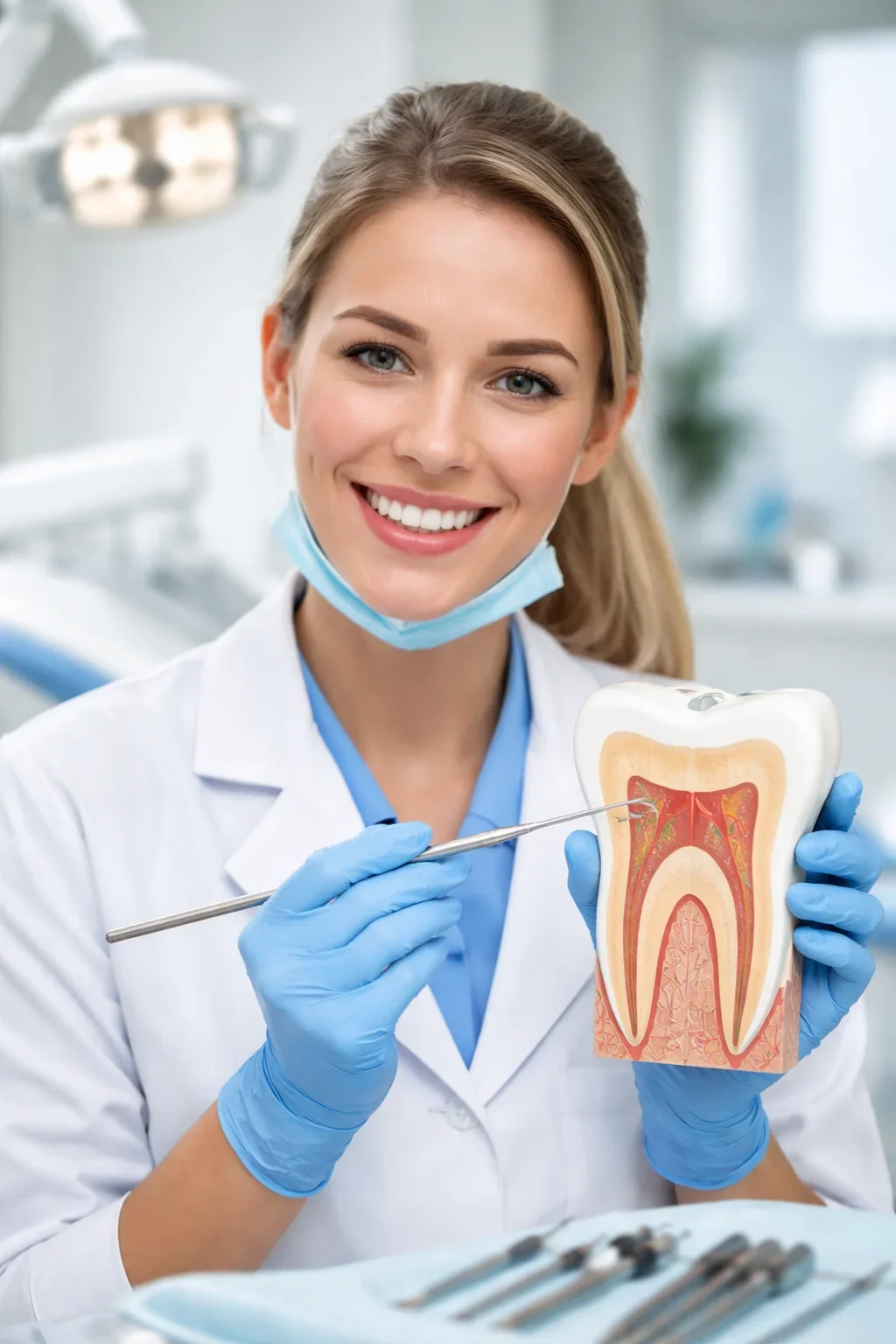
Cost of Enamel Treatments and What to Expect
Understanding the cost of enamel-related treatments is an important part of planning your dental care. An experienced enamel dentist not only focuses on protecting and restoring your enamel but also helps you understand the financial aspects of treatment. The cost can vary widely depending on the severity of enamel damage, the type of procedure required, and the clinic you choose. A professional enamel dentist will always provide a clear treatment plan along with transparent pricing so you know exactly what to expect.
Many patients hesitate to visit an enamel dentist because they are unsure about costs. However, delaying treatment often leads to more serious problems, which can become significantly more expensive over time. Early intervention by an enamel dentist is usually more affordable and less invasive.
Factors That Influence Enamel Treatment Costs
The cost of care provided by an enamel dentist depends on several key factors. Understanding these variables can help you make informed decisions about your oral health.
Severity of Enamel Damage
The extent of enamel loss plays a major role in determining cost. Mild cases treated by an enamel dentist may only require preventive care, while severe damage may need restorative procedures such as crowns or veneers.
Type of Treatment Required
Different treatments offered by an enamel dentist come with different price ranges. Preventive treatments are generally more affordable, while advanced restorations tend to cost more due to materials and complexity.
Location and Clinic Expertise
The experience level of the enamel dentist and the location of the clinic can also affect pricing. Highly specialized clinics may charge more, but they often provide advanced technology and superior results.
Common Enamel Treatment Costs
Below is a general overview of the costs associated with treatments performed by an enamel dentist. These are average estimates and may vary depending on your location and individual needs.
Preventive Treatments
- Fluoride treatment: $30 – $100 per session
- Dental sealants: $40 – $120 per tooth
- Desensitizing treatments: $50 – $150
These treatments are commonly recommended by an enamel dentist for early-stage enamel issues and are relatively affordable.
Restorative Treatments
- Dental bonding: $150 – $400 per tooth
- Porcelain veneers: $800 – $2,500 per tooth
- Dental crowns: $800 – $1,500 per tooth
An enamel dentist will recommend these options when enamel damage is more advanced and requires structural restoration.
Protective Appliances
- Custom night guard: $200 – $600
Night guards are often suggested by an enamel dentist for patients who grind their teeth, helping to prevent further enamel wear.
Are Enamel Treatments Covered by Insurance?
Insurance coverage for treatments provided by an enamel dentist varies depending on the procedure and your insurance plan. Preventive treatments such as fluoride applications and cleanings are often partially or fully covered.
However, cosmetic procedures like veneers may not be covered unless deemed medically necessary. A knowledgeable enamel dentist can help you understand your insurance benefits and explore payment options.
How to Maximize Insurance Benefits
An enamel dentist may recommend scheduling treatments strategically to maximize your annual coverage. Combining preventive care with necessary treatments can help reduce out-of-pocket expenses.
Cost vs. Value: Why Early Treatment Matters
One of the most important points emphasized by an enamel dentist is that early treatment is more cost-effective. Addressing enamel issues at an early stage often requires simple and affordable procedures.
When enamel damage is ignored, it can lead to more serious conditions such as cavities, infections, or tooth loss. In such cases, an enamel dentist may need to perform complex treatments, which are significantly more expensive.
Long-Term Savings
Investing in preventive care with an enamel dentist can save you money in the long run. Regular check-ups and early interventions reduce the need for costly restorative procedures.
What to Expect During Your Visit
When you visit an enamel dentist, the process typically begins with a thorough examination. The dentist will assess your enamel condition and discuss your concerns.
Based on the evaluation, the enamel dentist will create a personalized treatment plan. This plan includes recommended procedures, expected outcomes, and a detailed cost breakdown.
Transparent Communication
A professional enamel dentist ensures that you fully understand your options. Clear communication helps you make confident decisions about your treatment.
Affordable Care Options
Many clinics offer flexible payment plans to make treatments more accessible. An enamel dentist may provide financing options or staged treatment plans to fit your budget.
If you are considering enamel treatment, you can easily schedule a consultation through the Redent Klinik Contact Page to receive a personalized cost estimate.
For additional reliable information about dental care and treatment planning, visit the American Dental Association, which offers expert guidance.
Making the Right Investment in Your Smile
Ultimately, the cost of treatment should be viewed as an investment in your oral health. An enamel dentist helps you protect your teeth, prevent future problems, and maintain a confident smile.
By understanding the costs and options available, you can make informed decisions and prioritize your dental health. With the guidance of an experienced enamel dentist, achieving strong and healthy enamel becomes both achievable and worthwhile 😊.