
Encode dental implants represent one of the most advanced solutions in modern restorative dentistry, offering patients a faster, more precise, and highly comfortable alternative to traditional implant methods. If you are researching tooth replacement options, understanding how encode dental implants work can help you make a confident and informed decision. In simple terms, encode dental implants use a digital encoding system that eliminates the need for traditional impression materials, making the process more efficient and patient-friendly 😊.
Unlike conventional implant systems, encode dental implants rely on specially designed healing abutments that carry encoded information about the implant’s position, size, and orientation. This data is then used by dental laboratories to fabricate perfectly fitting prosthetic teeth. This means fewer appointments, improved accuracy, and better long-term results. For patients who value comfort and precision, encode dental implants are quickly becoming a preferred choice worldwide.
One of the biggest advantages of encode dental implants is the digital workflow. Instead of messy impressions, dentists can capture implant details using advanced scanning technologies. This not only reduces discomfort but also minimizes human error. As a result, encode dental implants provide a seamless transition from surgery to final restoration. Many patients report that the experience feels smoother and less stressful compared to traditional implant procedures.
Another important factor is customization. Encode dental implants are designed to match the patient’s unique oral structure. The encoded healing abutment acts as a guide, ensuring that the final crown fits perfectly in terms of shape, alignment, and bite. This level of personalization enhances both aesthetics and functionality. Whether you are missing a single tooth or multiple teeth, encode dental implants can be tailored to meet your exact needs.
From a clinical perspective, encode dental implants also improve communication between the dentist and the dental laboratory. Since the encoded data is highly accurate, technicians can create restorations with minimal adjustments. This leads to fewer follow-up visits and faster completion times. Patients who choose encode dental implants often benefit from shorter treatment durations and more predictable outcomes.
Safety and reliability are also key reasons why encode dental implants are gaining popularity. Backed by advanced engineering and supported by modern dental research, these implants offer long-term stability and durability. According to professional organizations such as the American Dental Association, dental implants are considered one of the most effective solutions for tooth replacement, and innovations like encode dental implants further enhance these benefits.
In addition to clinical advantages, encode dental implants also contribute to a more comfortable patient experience. There is no need for bulky impression trays, which can trigger gag reflexes or discomfort. Instead, the encoded system simplifies the entire process. Patients often describe encode dental implants as a more modern and less invasive approach to restoring their smile.
If you are considering treatment, it is essential to consult with a qualified dental professional who has experience with encode dental implants. At Redent Klinik, patients receive personalized treatment plans designed to maximize both health and aesthetics. You can easily get in touch through the Redent Klinik Contact Page to learn more about your options and start your journey toward a confident smile.
In summary, encode dental implants combine digital precision, patient comfort, and long-lasting results into a single innovative solution. Whether your goal is to restore function, improve appearance, or enhance overall oral health, encode dental implants provide a reliable and advanced option. As dental technology continues to evolve, encode dental implants stand out as a forward-thinking choice for patients who want the best in modern dentistry 🚀.
What Are Encode Dental Implants and How Do They Work?
Encode dental implants are a modern, digitally enhanced implant system designed to simplify and improve the traditional dental implant process. Unlike conventional methods that rely heavily on manual impressions and multiple adjustments, encode dental implants use a smart encoding technology to transfer precise implant data directly to the dental laboratory. This innovation allows for faster treatment, greater accuracy, and a significantly improved patient experience 😊.
Understanding the Core Concept of Encode Dental Implants
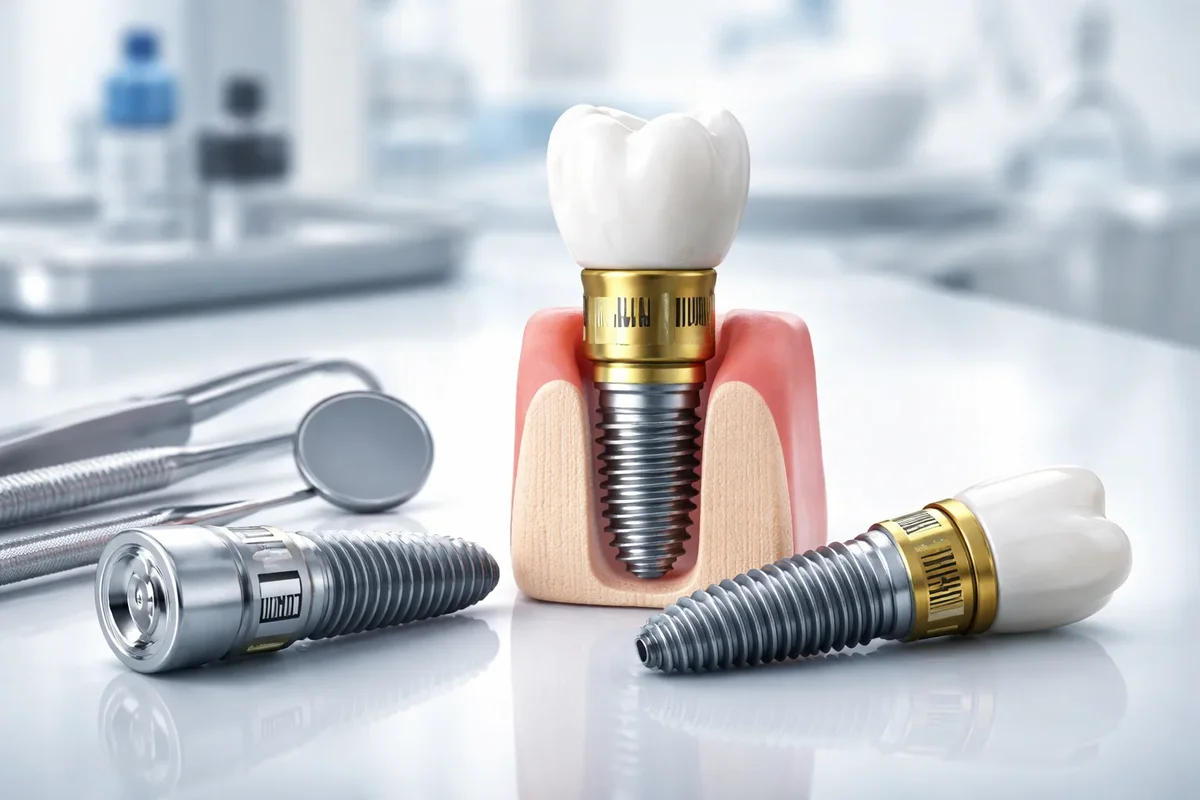
At the heart of encode dental implants is a specially engineered healing abutment that contains encoded information about the implant’s position, depth, diameter, and orientation. This encoded component eliminates the need for traditional impression coping procedures. When a dentist places encode dental implants, the healing abutment sits on top of the implant and acts as a data carrier.
This means that instead of using physical molds, the dentist can simply scan or photograph the encoded abutment. The information embedded in the encode dental implants system is then interpreted by specialized software, allowing the dental lab to create a perfectly customized crown. This streamlined workflow is one of the key reasons why encode dental implants are becoming increasingly popular in modern dentistry.
Why Digital Encoding Matters
The encoding technology used in encode dental implants significantly reduces human error. Traditional impressions can sometimes lead to inaccuracies due to material distortion or improper handling. However, encode dental implants rely on precise digital data, ensuring that the final prosthetic fits accurately on the first attempt. This not only improves clinical outcomes but also enhances patient satisfaction.
Step-by-Step Workflow of Encode Dental Implants
The process of placing and restoring encode dental implants follows a well-structured and efficient workflow. Each step is designed to maximize accuracy and minimize discomfort:
- Initial Consultation: The dentist evaluates your oral health, bone structure, and suitability for encode dental implants using digital imaging and clinical examination.
- Implant Placement: The titanium implant is surgically placed into the jawbone, acting as a replacement for the tooth root.
- Placement of Encode Healing Abutment: Instead of traditional components, an encoded healing abutment is attached to the implant.
- Digital Capture: A scan or image of the encoded abutment is taken, capturing all necessary implant data.
- Lab Fabrication: The dental laboratory uses this data to design and manufacture a custom crown.
- Final Restoration: The crown is placed on the implant, completing the process.
This efficient system highlights why encode dental implants are considered a next-generation solution. The reduced number of steps and appointments makes the entire experience more convenient for patients.
Technology Behind Encode Dental Implants
Encode dental implants integrate advanced CAD/CAM (Computer-Aided Design and Manufacturing) technology. Once the encoded data is captured, it is transmitted digitally to the lab, where highly precise restorations are created. This digital workflow ensures consistency and reduces the margin of error that can occur with manual techniques.
Additionally, encode dental implants often work seamlessly with intraoral scanners, eliminating the need for impression trays. This is particularly beneficial for patients who experience discomfort or gag reflex during traditional impression procedures. With encode dental implants, the entire process feels more modern and patient-friendly.
Materials Used in Encode Dental Implants
The implants themselves are typically made from high-quality titanium, known for its strength and biocompatibility. The crowns are often crafted from durable materials such as zirconia or porcelain, ensuring both longevity and natural aesthetics. The combination of strong materials and precise encoding technology makes encode dental implants a reliable long-term solution.
How Encode Dental Implants Improve Patient Experience
One of the standout features of encode dental implants is the enhanced patient experience. From the initial consultation to the final placement, patients benefit from reduced discomfort, fewer appointments, and faster treatment times. The elimination of messy impressions is a major advantage, especially for those who have had negative experiences with traditional methods.
Moreover, encode dental implants provide predictable results. Since the process is digitally driven, there is less guesswork involved. Patients can feel confident knowing that their final restoration will fit comfortably and function properly. This reliability is one of the main reasons why many dental professionals recommend encode dental implants.
Clinical Accuracy and Long-Term Success
Accuracy is crucial in implant dentistry, and encode dental implants excel in this area. The encoded healing abutment ensures that all relevant implant data is captured precisely, allowing for a perfect fit of the final crown. This reduces the risk of complications such as misalignment or improper bite.
Long-term success is another important factor. Encode dental implants are designed to integrate seamlessly with the jawbone, providing stability and durability. With proper care and regular dental check-ups, patients can expect their encode dental implants to last for many years.
According to the American Dental Association, dental implants are one of the most reliable tooth replacement options available today. Innovations like encode dental implants further enhance this reliability by incorporating digital precision into every step of the process.
Why Dentists Prefer Encode Dental Implants
From a professional standpoint, encode dental implants simplify communication between the dentist and the dental lab. The encoded data ensures that both parties are working with the same accurate information. This reduces the need for adjustments and remakes, saving time and resources.
Additionally, encode dental implants allow dentists to deliver high-quality results more efficiently. The streamlined workflow not only benefits the patient but also improves overall practice productivity. This is why many modern dental clinics are adopting encode dental implants as part of their standard treatment offerings.
If you are considering this advanced solution, you can consult experts through the Redent Klinik Contact Page to receive a personalized evaluation and treatment plan tailored to your needs.
In conclusion, encode dental implants represent a significant advancement in dental technology. By combining digital precision, patient comfort, and efficient workflows, encode dental implants offer a superior alternative to traditional implant systems. Whether you are looking for improved aesthetics, better functionality, or a more comfortable treatment experience, encode dental implants provide a comprehensive and future-ready solution 🚀.
Key Benefits of Encode Dental Implants for Modern Dentistry
Encode dental implants have transformed the way dentists approach tooth replacement by introducing a highly accurate, digital-driven workflow. Patients today are not only looking for functional solutions but also for comfort, speed, and long-lasting results. This is exactly where encode dental implants stand out. By combining advanced encoding technology with proven implant principles, encode dental implants deliver a superior treatment experience from start to finish 😊.
Precision and Accuracy with Encode Dental Implants
One of the most significant benefits of encode dental implants is their exceptional precision. Traditional implant methods often rely on physical impressions, which can be affected by minor distortions. In contrast, encode dental implants use encoded healing abutments that transmit exact implant data digitally. This ensures that every crown or prosthetic created fits perfectly.
Reduced Margin of Error
Because encode dental implants eliminate manual impression techniques, the chances of human error are greatly reduced. The encoded information allows dental laboratories to fabricate restorations with incredible accuracy, minimizing the need for adjustments. This leads to a smoother process and more predictable results for patients.
Improved Patient Comfort and Experience
Comfort is a top priority for many patients, and encode dental implants excel in this area. Traditional impressions can be uncomfortable, especially for individuals with sensitive gag reflexes. Encode dental implants remove this step entirely, replacing it with digital scanning or simple imaging techniques.
Patients who choose encode dental implants often report a more relaxed and stress-free experience. The process is quicker, cleaner, and far less invasive compared to older methods. This makes encode dental implants an excellent option for patients who may feel anxious about dental procedures.
Faster Treatment Time with Encode Dental Implants
Another major advantage of encode dental implants is the reduced treatment time. Since the encoded data is immediately available for digital processing, the dental lab can begin creating the final restoration without delays. This eliminates the need for multiple appointments and long waiting periods.
With encode dental implants, patients can often complete their treatment in fewer visits. This efficiency is particularly beneficial for individuals with busy schedules who want a reliable solution without extended treatment timelines.
Streamlined Digital Workflow
The digital workflow used in encode dental implants ensures seamless communication between the dentist and the lab. This not only speeds up the process but also enhances the overall quality of the final result. The integration of technology makes encode dental implants a modern and efficient choice.
Enhanced Aesthetics and Natural Appearance
Encode dental implants are designed with aesthetics in mind. The precise data captured by the encoded system allows for the creation of crowns that match the natural shape, color, and alignment of your existing teeth. This results in a seamless and natural-looking smile.
Patients who opt for encode dental implants often experience a significant boost in confidence. The final restoration is crafted to blend perfectly with surrounding teeth, making it virtually indistinguishable from natural dentition.
Long-Term Durability and Stability
Durability is a key factor when choosing any dental treatment. Encode dental implants are made from high-quality materials such as titanium, which integrates with the jawbone through a process called osseointegration. This creates a stable foundation for the replacement tooth.
With proper care, encode dental implants can last for many years, making them a cost-effective long-term solution. Their reliability is supported by research and professional guidelines from organizations like the American Dental Association.
Strong Bite Functionality
Unlike removable dentures, encode dental implants provide strong bite force and stability. Patients can eat, speak, and smile with confidence, knowing their implants will remain secure. This functional benefit is one of the reasons why encode dental implants are highly recommended.
Better Communication Between Dentist and Lab
Encode dental implants improve collaboration between dental professionals and laboratories. The encoded data ensures that both parties are working with the same precise information. This reduces misunderstandings and ensures that the final prosthetic meets exact specifications.
As a result, patients benefit from fewer adjustments and a more efficient treatment process. Encode dental implants streamline the entire workflow, making it easier to achieve optimal results.
Minimally Invasive and Patient-Friendly Approach
Encode dental implants are designed to be as minimally invasive as possible. The use of digital technology reduces the need for additional procedures, making the overall experience more comfortable for patients.
This patient-friendly approach is particularly beneficial for individuals who may be hesitant about undergoing dental surgery. Encode dental implants provide a modern solution that prioritizes both efficiency and comfort.
Accessibility and Expert Consultation
If you are considering encode dental implants, it is important to consult with experienced professionals who can guide you through the process. Clinics like Redent Klinik offer personalized treatment plans tailored to your specific needs. You can easily reach out through the Redent Klinik Contact Page to explore your options and receive expert advice.
Choosing encode dental implants means investing in a solution that combines advanced technology with proven dental practices. From improved accuracy to enhanced comfort and long-term reliability, encode dental implants offer numerous benefits that make them a leading choice in modern dentistry.
In summary, encode dental implants provide a comprehensive solution for patients seeking high-quality tooth replacement. Their precision, efficiency, and patient-centered design make encode dental implants a standout option in today’s dental landscape 🚀.
Encode Dental Implants vs Traditional Implant Systems
When considering tooth replacement options, many patients compare encode dental implants with traditional implant systems. Both approaches aim to restore missing teeth, improve function, and enhance aesthetics. However, the way they achieve these goals differs significantly. Understanding the differences between encode dental implants and conventional methods can help you choose the best treatment for your needs 😊.
Key Differences Between Encode Dental Implants and Traditional Implants
The most noticeable difference lies in how data is captured and transferred during the treatment process. Traditional implant systems rely heavily on physical impressions, which involve placing impression material in the patient’s mouth to capture the shape and position of the implant. In contrast, encode dental implants use a digital encoding system that eliminates the need for these manual steps.
With encode dental implants, a specially designed healing abutment carries encoded information about the implant. This data is captured digitally and sent directly to the dental laboratory. This makes encode dental implants faster, cleaner, and more precise compared to traditional methods.
Manual vs Digital Workflow
Traditional implants depend on manual impressions, which can sometimes lead to distortions or inaccuracies. Encode dental implants, on the other hand, use a fully digital workflow. This digital approach reduces errors and ensures a more accurate final restoration. Patients benefit from fewer adjustments and a better overall fit.
Accuracy and Precision Comparison
Accuracy is critical in implant dentistry, and this is where encode dental implants truly excel. The encoded healing abutment used in encode dental implants captures precise data about implant positioning. This allows dental technicians to create restorations that fit perfectly from the start.
In traditional systems, even small inaccuracies in impressions can lead to ill-fitting crowns or the need for additional appointments. Encode dental implants significantly reduce this risk by providing highly reliable digital data.
Impact on Final Results
The improved precision of encode dental implants leads to better long-term outcomes. Patients experience improved bite alignment, reduced discomfort, and enhanced aesthetics. This level of accuracy is one of the main reasons why many dentists prefer encode dental implants over traditional systems.
Patient Comfort and Experience
Patient comfort is another area where encode dental implants have a clear advantage. Traditional impression techniques can be uncomfortable, especially for patients with sensitive gag reflexes. The process can feel messy and time-consuming.
Encode dental implants eliminate the need for impression trays, making the experience more comfortable and less invasive. Patients often describe encode dental implants as a more modern and patient-friendly option.
Reduced Anxiety for Patients
Because encode dental implants simplify the procedure, they also help reduce anxiety. Patients spend less time in the dental chair and experience fewer uncomfortable steps. This makes encode dental implants an excellent choice for individuals who are nervous about dental treatments.
Treatment Time and Efficiency
Time efficiency is a major factor for many patients. Traditional implant systems often require multiple appointments, including separate visits for impressions, fittings, and adjustments. Encode dental implants streamline this process by using digital data transfer.
With encode dental implants, the dental lab can begin creating the final restoration immediately after receiving the encoded data. This reduces waiting times and allows patients to complete their treatment faster.
Fewer Appointments Required
Patients who choose encode dental implants typically need fewer visits to the dentist. This is especially beneficial for those with busy schedules. The efficiency of encode dental implants makes them a convenient option without compromising quality.
Cost Considerations
When comparing encode dental implants with traditional systems, cost is an important factor. While encode dental implants may sometimes have a slightly higher upfront cost due to advanced technology, they can be more cost-effective in the long run.
This is because encode dental implants reduce the need for adjustments, remakes, and additional appointments. Patients save both time and money over the course of their treatment.
Estimated Price Range
Based on general market research, dental implants can range from approximately $1,500 to $3,500 per implant depending on location and complexity. Encode dental implants may fall within or slightly above this range due to their advanced digital workflow. However, the improved efficiency and reduced follow-up visits often justify the investment.
Long-Term Reliability and Success Rates
Both encode dental implants and traditional implants offer high success rates. However, the precision of encode dental implants can contribute to even better long-term outcomes. Proper alignment and fit reduce the risk of complications such as implant failure or prosthetic issues.
According to the American Dental Association, dental implants are one of the most reliable tooth replacement options available. Innovations like encode dental implants further enhance these success rates by improving accuracy and consistency.
Choosing the Right Option for You
Deciding between encode dental implants and traditional implant systems depends on your individual needs, preferences, and budget. If you value precision, comfort, and efficiency, encode dental implants are likely the better choice. They offer a modern solution that aligns with today’s technological advancements.
For personalized advice, it is essential to consult with experienced professionals. You can reach out through the Redent Klinik Contact Page to receive a tailored treatment plan and expert guidance.
In conclusion, while traditional implant systems remain effective, encode dental implants provide a next-generation alternative that combines digital precision, improved comfort, and faster treatment times. For patients seeking the best in modern dentistry, encode dental implants stand out as a superior option 🚀.
Who Is a Good Candidate for Encode Dental Implants?
Choosing the right treatment is essential for long-term success, and understanding whether you are a suitable candidate for encode dental implants is a critical first step. While encode dental implants offer advanced technology and improved outcomes, not every patient automatically qualifies. Factors such as oral health, bone density, lifestyle habits, and overall medical condition all play a role in determining candidacy. Fortunately, many patients can benefit from encode dental implants with proper planning and professional guidance 😊.
General Requirements for Encode Dental Implants
To be considered a good candidate for encode dental implants, patients typically need to meet certain basic criteria. These include having one or more missing teeth, maintaining good oral hygiene, and possessing sufficient jawbone density to support the implant. Encode dental implants rely on stable integration with the bone, so the condition of your jaw is extremely important.
Patients who have healthy gums and no active infections are ideal candidates for encode dental implants. Periodontal disease, if present, must be treated before implant placement. This ensures that encode dental implants can integrate properly and remain stable over time.
Age and Eligibility
There is no strict upper age limit for encode dental implants, making them suitable for both middle-aged and older adults. However, younger patients should have fully developed jawbones before undergoing the procedure. In most cases, dentists recommend waiting until late adolescence or early adulthood.
Bone Density and Jaw Structure
One of the most important factors for encode dental implants is bone density. The implant must fuse with the jawbone through a process called osseointegration. If the bone is too thin or weak, additional procedures such as bone grafting may be required before placing encode dental implants.
Thanks to modern imaging techniques, dentists can accurately assess bone quality and determine whether encode dental implants are feasible. Even patients who were previously told they are not candidates for implants may now qualify due to advancements in dental technology.
Bone Grafting Options
If bone loss is present, bone grafting can help rebuild the necessary structure. This procedure creates a strong foundation for encode dental implants, increasing the chances of long-term success. Although it adds an extra step, it allows more patients to benefit from encode dental implants.
Oral Health and Hygiene Habits
Good oral hygiene is essential for the success of encode dental implants. Patients must be committed to brushing, flossing, and attending regular dental check-ups. Poor oral hygiene can lead to infections that may compromise the implant.
Encode dental implants require the same level of care as natural teeth. Patients who are willing to maintain proper oral hygiene routines are excellent candidates. This commitment ensures that encode dental implants remain functional and aesthetically pleasing for many years.
Lifestyle Factors That Affect Eligibility
Certain lifestyle habits can influence the success of encode dental implants. Smoking, for example, can interfere with the healing process and reduce the chances of successful osseointegration. While smokers can still receive encode dental implants, they may need to take additional precautions or consider quitting.
Similarly, excessive alcohol consumption can impact healing and overall oral health. Patients who adopt healthier habits tend to experience better outcomes with encode dental implants.
Impact of Bruxism (Teeth Grinding)
Teeth grinding, also known as bruxism, can place extra stress on encode dental implants. While this does not automatically disqualify a patient, dentists may recommend protective measures such as night guards to ensure the longevity of encode dental implants.
Medical Conditions and Special Considerations
Certain medical conditions may affect eligibility for encode dental implants. Conditions such as uncontrolled diabetes, autoimmune disorders, or severe osteoporosis can impact healing and implant stability. However, many patients with controlled conditions can still successfully receive encode dental implants with proper medical supervision.
It is essential to provide your dentist with a complete medical history. This allows them to evaluate any potential risks and develop a safe treatment plan tailored to your needs.
Benefits of Choosing Encode Dental Implants for Suitable Candidates
Patients who qualify for encode dental implants enjoy numerous benefits, including improved comfort, faster treatment times, and highly accurate results. The digital workflow used in encode dental implants ensures that each restoration is customized to fit perfectly, enhancing both function and appearance.
Additionally, encode dental implants reduce the number of appointments required, making the process more convenient. This is particularly beneficial for patients with busy lifestyles who want efficient yet high-quality dental care.
Consultation and Personalized Assessment
The best way to determine if you are a candidate for encode dental implants is through a professional consultation. During this visit, your dentist will perform a comprehensive evaluation, including X-rays or 3D scans, to assess your oral health and bone structure.
If you are interested in exploring your options, you can contact experienced professionals through the Redent Klinik Contact Page. A personalized treatment plan will help you understand whether encode dental implants are the right solution for your specific needs.
Trusted Guidance and Professional Standards
Dental professionals follow strict guidelines to ensure patient safety and successful outcomes. Organizations like the American Dental Association emphasize the importance of proper patient selection and treatment planning. Encode dental implants align with these standards by offering a precise and reliable approach to tooth replacement.
In conclusion, encode dental implants are suitable for a wide range of patients, provided certain conditions are met. With proper evaluation, preparation, and care, many individuals can benefit from this advanced dental solution. Whether you are missing a single tooth or multiple teeth, encode dental implants offer a modern, effective, and long-lasting option for restoring your smile confidently 🚀.
Step-by-Step Procedure of Encode Dental Implants
The process of receiving encode dental implants is designed to be efficient, precise, and patient-friendly. Thanks to advanced digital technology, encode dental implants streamline many of the traditional steps involved in implant dentistry. Understanding each phase of the procedure helps patients feel more confident and prepared for their treatment journey 😊.
Initial Consultation and Treatment Planning
The first step in the encode dental implants process is a comprehensive consultation. During this visit, the dentist evaluates your oral health, reviews your medical history, and determines whether you are a suitable candidate for encode dental implants. Advanced imaging tools such as 3D scans and digital X-rays are used to assess bone density and identify the optimal implant placement.
This stage is crucial because it ensures that encode dental implants are planned with maximum precision. The dentist creates a personalized treatment plan tailored to your specific needs, ensuring both functional and aesthetic success.
Digital Imaging and Diagnosis
Digital imaging plays a key role in planning encode dental implants. Unlike traditional methods, which rely on estimations, encode dental implants use detailed visual data to guide every decision. This improves accuracy and reduces the risk of complications.
Surgical Placement of the Implant
Once the planning phase is complete, the next step is the surgical placement of the implant. The dentist inserts a titanium implant into the jawbone, which acts as an artificial tooth root. This procedure is typically performed under local anesthesia, ensuring that patients remain comfortable throughout the process.
Encode dental implants follow the same biological principles as traditional implants, but the precision achieved through digital planning enhances the overall outcome. The implant is positioned carefully to support long-term stability and proper alignment.
Minimally Invasive Techniques
Modern techniques used in encode dental implants often allow for minimally invasive surgery. This results in less discomfort, reduced swelling, and faster healing times. Patients appreciate the efficiency and comfort associated with encode dental implants.
Placement of the Encode Healing Abutment
After the implant is placed, a unique component called the encoded healing abutment is attached. This is what sets encode dental implants apart from traditional systems. The healing abutment contains encoded information about the implant’s position, size, and orientation.
This encoded data eliminates the need for traditional impression techniques. Instead, the information is captured digitally, making encode dental implants more efficient and accurate.
Why the Healing Abutment Is Important
The encoded healing abutment serves two purposes: it protects the implant during healing and provides essential data for the final restoration. This dual function makes encode dental implants a highly innovative solution in modern dentistry.
Healing and Osseointegration Phase
Once the implant and healing abutment are in place, the body begins the process of osseointegration. This is where the implant fuses with the jawbone, creating a strong and stable foundation. This phase typically takes several weeks to a few months, depending on individual healing capacity.
During this time, patients are advised to follow their dentist’s instructions carefully. Proper care ensures that encode dental implants integrate successfully and provide long-term stability.
Tips for Faster Healing
Maintaining good oral hygiene, avoiding smoking, and following a balanced diet can significantly improve healing outcomes. Patients who take care during this phase often experience excellent results with encode dental implants.
Digital Capture and Data Transfer
Once healing is complete, the encoded abutment is scanned or photographed. This step is unique to encode dental implants and replaces traditional impression methods. The encoded data is then sent directly to the dental laboratory.
This digital workflow ensures that all measurements are precise. It also speeds up the process, allowing the lab to begin creating the final crown immediately. Encode dental implants benefit greatly from this seamless integration of technology.
Fabrication of the Custom Crown
The dental laboratory uses CAD/CAM technology to design and manufacture a custom crown based on the encoded data. This crown is tailored to match the patient’s natural teeth in shape, size, and color.
Because encode dental implants provide accurate data, the crown typically requires minimal adjustments. This ensures a perfect fit and enhances both functionality and aesthetics.
High-Quality Materials
Crowns used with encode dental implants are often made from durable materials such as zirconia or porcelain. These materials provide strength and a natural appearance, making encode dental implants an excellent long-term solution.
Final Placement of the Restoration
The final step in the encode dental implants process is attaching the custom crown to the implant. The dentist ensures that the crown fits comfortably and aligns properly with the surrounding teeth.
Once placed, encode dental implants function like natural teeth. Patients can eat, speak, and smile with confidence, knowing their restoration is secure and aesthetically pleasing.
Follow-Up and Long-Term Care
After the procedure is complete, regular follow-up visits are essential to monitor the health of encode dental implants. Dentists check for proper integration, gum health, and overall functionality.
Patients are encouraged to maintain good oral hygiene and attend routine dental check-ups. With proper care, encode dental implants can last for many years, providing a reliable and effective tooth replacement solution.
For personalized guidance and professional support, you can contact experts through the Redent Klinik Contact Page. Additionally, trusted organizations like the American Dental Association emphasize the importance of proper implant care and regular dental visits.
In conclusion, the step-by-step process of encode dental implants combines advanced technology with proven dental practices. From initial consultation to final restoration, encode dental implants offer a streamlined, comfortable, and highly accurate treatment experience. For patients seeking modern and reliable tooth replacement, encode dental implants provide an outstanding solution 🚀.
Healing Time and Recovery After Encode Dental Implants
The healing phase is one of the most important parts of the treatment process, and understanding what to expect after receiving encode dental implants can help patients feel more confident and prepared. While encode dental implants are designed to simplify many aspects of the procedure, the body still needs time to heal and integrate the implant into the jawbone. This process, known as osseointegration, ensures that encode dental implants become stable and function like natural teeth 😊.
How Long Does Healing Take for Encode Dental Implants?
The healing time for encode dental implants can vary depending on several factors, including the patient’s overall health, bone quality, and lifestyle habits. In most cases, the initial healing phase takes about 1 to 2 weeks, during which the gums begin to recover from the surgical procedure.
However, the complete osseointegration process for encode dental implants typically takes between 3 to 6 months. During this period, the implant fuses with the jawbone, creating a strong and durable foundation. The advanced design of encode dental implants helps ensure that this process is as smooth and predictable as possible.
Factors That Influence Healing Time
Several factors can affect how quickly patients heal after receiving encode dental implants:
- Bone density and quality
- Oral hygiene habits
- Smoking or alcohol consumption
- Underlying medical conditions
- Adherence to post-operative instructions
Patients who follow their dentist’s recommendations closely often experience faster and more successful healing with encode dental implants.
What to Expect Immediately After the Procedure
After the placement of encode dental implants, it is normal to experience mild swelling, slight discomfort, and minor bleeding. These symptoms usually subside within a few days. Dentists often prescribe pain relievers or recommend over-the-counter medications to manage discomfort.
Encode dental implants are typically placed using minimally invasive techniques, which helps reduce post-operative pain and speeds up recovery. Many patients find that the recovery process is easier than they initially expected.
Managing Discomfort Effectively
Applying cold compresses, resting, and avoiding strenuous activities can help reduce swelling and discomfort. Patients should also stick to soft foods during the first few days after receiving encode dental implants to avoid putting pressure on the surgical site.
The Osseointegration Process Explained
Osseointegration is the biological process that allows encode dental implants to become a permanent part of your oral structure. During this phase, the bone cells grow around the implant, securing it firmly in place. This is what gives encode dental implants their strength and stability.
The success of osseointegration is crucial for the long-term performance of encode dental implants. Proper care during this phase ensures that the implant integrates successfully and functions like a natural tooth.
Signs of Successful Integration
Patients may not feel the integration process directly, but certain signs indicate successful healing:
- No persistent pain or swelling
- Stable implant with no movement
- Healthy gum tissue around the implant
Regular dental check-ups help monitor the progress of encode dental implants and ensure everything is healing correctly.
Diet and Lifestyle During Recovery
Maintaining a proper diet is essential during the healing phase of encode dental implants. Soft foods such as yogurt, soups, mashed potatoes, and smoothies are recommended in the early stages. As healing progresses, patients can gradually return to their normal diet.
It is also important to avoid smoking, as it can significantly delay healing and increase the risk of implant failure. Patients who adopt a healthy lifestyle tend to achieve better outcomes with encode dental implants.
Oral Hygiene During the Healing Phase
Good oral hygiene is critical for the success of encode dental implants. Patients should gently clean the area around the implant while avoiding excessive pressure. Dentists may recommend special mouth rinses to prevent infection.
Even though encode dental implants are durable, maintaining cleanliness during the healing phase ensures that the surrounding tissues remain healthy. This contributes to the long-term success of the implant.
Recommended Hygiene Practices
- Brush gently with a soft-bristled toothbrush
- Use antibacterial mouthwash if prescribed
- Avoid touching the implant area unnecessarily
Following these practices helps protect encode dental implants during the critical healing period.
Follow-Up Appointments and Monitoring
Regular follow-up visits are essential after receiving encode dental implants. During these appointments, the dentist checks the healing progress, ensures proper integration, and addresses any concerns. These visits play a vital role in achieving successful outcomes.
Patients are encouraged to stay consistent with their appointments and communicate openly with their dentist. If any unusual symptoms occur, such as prolonged pain or swelling, it is important to seek professional advice immediately.
You can easily schedule a consultation or follow-up through the Redent Klinik Contact Page to ensure your encode dental implants are healing properly.
Long-Term Recovery and Final Results
Once the healing phase is complete, encode dental implants provide a stable and long-lasting solution for missing teeth. Patients can enjoy improved chewing ability, clear speech, and enhanced confidence in their smile.
According to the American Dental Association, dental implants are among the most reliable tooth replacement options available. Innovations like encode dental implants further improve recovery experiences by reducing discomfort and enhancing precision.
In conclusion, the healing time and recovery process for encode dental implants are manageable and predictable when proper care is taken. By following professional advice and maintaining good oral hygiene, patients can ensure that their encode dental implants integrate successfully and provide long-term benefits. With patience and care, encode dental implants can transform both oral health and overall quality of life 🚀.
Cost of Encode Dental Implants: What to Expect
Understanding the cost of encode dental implants is one of the most important steps for patients considering this advanced treatment. While encode dental implants offer superior precision, comfort, and long-term results, many patients naturally want to know how much they should expect to invest. The total cost of encode dental implants can vary depending on several factors, including the complexity of the case, the location of the clinic, and any additional procedures required. However, when evaluating the cost, it is essential to consider the long-term value and benefits that encode dental implants provide 😊.
Average Cost of Encode Dental Implants
On average, the cost of encode dental implants typically falls within the general dental implant price range. Based on global estimates and market research, a single dental implant can cost between $1,500 and $3,500. Since encode dental implants use advanced digital technology, the price may be slightly higher in some clinics due to the precision and efficiency they offer.
Estimated Cost Breakdown
The total cost of encode dental implants is usually made up of several components:
- Initial consultation and diagnostic imaging: $100 – $300
- Implant placement surgery: $1,000 – $2,000
- Encoded healing abutment and digital workflow: $300 – $800
- Custom crown fabrication: $800 – $1,500
These values are general estimates and can vary depending on individual treatment needs. Encode dental implants often provide better value due to fewer adjustments and reduced follow-up visits.
Factors That Influence the Cost of Encode Dental Implants
Several factors can affect the overall price of encode dental implants. Understanding these variables helps patients plan their treatment more effectively and avoid unexpected expenses.
Number of Implants Required
The total cost increases if multiple encode dental implants are needed. Patients who require full-mouth restoration will have a higher overall investment compared to those replacing a single tooth.
Bone Grafting and Additional Procedures
If a patient does not have sufficient bone density, additional procedures such as bone grafting or sinus lifting may be required. These treatments can add to the total cost of encode dental implants but are essential for ensuring long-term success.
Clinic Location and Expertise
The cost of encode dental implants can vary depending on the clinic’s location and the dentist’s experience. Clinics in major cities or specialized centers may charge higher fees due to advanced technology and expertise.
Why Encode Dental Implants Are a Valuable Investment
Although encode dental implants may seem expensive at first, they offer significant long-term value. Unlike temporary solutions such as dentures or bridges, encode dental implants are designed to last for many years, often decades with proper care.
The digital precision of encode dental implants reduces the likelihood of complications, which means fewer additional costs in the future. Patients benefit from a stable, durable, and aesthetically pleasing solution that improves both oral health and quality of life.
Cost vs Long-Term Savings
Traditional dental solutions may require frequent repairs or replacements, leading to ongoing expenses. Encode dental implants, however, provide a more permanent solution, making them cost-effective over time. This is why many patients choose encode dental implants despite the higher initial investment.
Insurance and Payment Options
Insurance coverage for encode dental implants varies depending on the provider and policy. Some insurance plans may cover a portion of the procedure, particularly the crown or diagnostic components. It is important to check with your insurance provider to understand your coverage.
Many dental clinics also offer flexible payment plans or financing options to make encode dental implants more accessible. These plans allow patients to spread the cost over time, making the treatment more affordable.
Financing Solutions
- Monthly payment plans
- Credit-based financing
- Clinic-specific discounts or packages
Exploring these options can help patients manage the cost of encode dental implants more comfortably.
Comparing Encode Dental Implants with Other Options
When comparing encode dental implants to other tooth replacement options, it is important to consider both cost and effectiveness. Dentures and bridges may have lower upfront costs, but they often require maintenance and replacement over time.
Encode dental implants provide a more durable and natural solution, making them a better long-term investment. Their advanced technology ensures a precise fit and improved functionality, which adds to their overall value.
Expert Consultation for Accurate Pricing
The best way to determine the exact cost of encode dental implants is through a professional consultation. Each patient’s needs are unique, and a personalized treatment plan will provide a clear breakdown of expenses.
You can get a detailed evaluation and cost estimate by contacting professionals through the Redent Klinik Contact Page. This ensures transparency and helps you make an informed decision about encode dental implants.
Trusted Information and Professional Standards
According to the American Dental Association, dental implants are a reliable and effective solution for replacing missing teeth. Innovations like encode dental implants enhance this reliability by improving accuracy and patient comfort.
In conclusion, while the cost of encode dental implants may vary, the benefits they offer make them a worthwhile investment. From advanced technology to long-term durability, encode dental implants provide exceptional value for patients seeking a modern and reliable tooth replacement solution. With proper planning and professional guidance, encode dental implants can deliver both financial and health-related benefits for years to come 🚀.
Risks and Considerations of Encode Dental Implants
While encode dental implants offer advanced technology, precision, and long-term reliability, it is important for patients to understand that, like any medical or dental procedure, there are certain risks and considerations involved. Being fully informed about encode dental implants helps patients make confident decisions and prepare properly for treatment. The good news is that most risks associated with encode dental implants are minimal and can be effectively managed with proper planning and professional care 😊.
Common Risks Associated with Encode Dental Implants
Although encode dental implants are considered highly safe, some general risks are similar to those of traditional dental implants. These include infection, minor bleeding, swelling, or discomfort after the procedure. These side effects are typically temporary and subside within a few days.
In rare cases, patients may experience complications such as implant failure or improper healing. However, thanks to the digital precision of encode dental implants, these risks are significantly reduced compared to older methods.
Infection and Inflammation
Infection at the implant site is one of the most common concerns. Proper oral hygiene and following post-operative instructions are essential to prevent this issue. Encode dental implants are designed to fit precisely, which reduces gaps where bacteria can accumulate.
Implant Failure and Osseointegration Issues
For encode dental implants to be successful, the implant must integrate with the jawbone through osseointegration. In some cases, this process may not occur properly, leading to implant instability. Factors such as poor bone quality, smoking, or underlying medical conditions can increase this risk.
However, encode dental implants improve accuracy during placement, which enhances the likelihood of successful integration. Proper planning and patient selection play a major role in minimizing these risks.
Signs of Implant Failure
- Persistent pain or swelling
- Loose implant
- Difficulty chewing
- Gum recession around the implant
If any of these symptoms occur, it is important to contact your dentist immediately to evaluate the condition of your encode dental implants.
Bone Loss and Structural Challenges
Insufficient bone density can pose a challenge for encode dental implants. Without a strong foundation, the implant may not integrate properly. In such cases, additional procedures like bone grafting may be required before placing encode dental implants.
Modern diagnostic tools allow dentists to assess bone quality accurately, making it easier to plan treatment and reduce potential risks associated with encode dental implants.
Preventing Bone-Related Issues
Early intervention, proper planning, and following professional advice can help prevent complications related to bone loss. Patients who undergo necessary preparatory procedures often achieve excellent results with encode dental implants.
Nerve Damage and Sensitivity Risks
In rare cases, improper implant placement may affect nearby nerves, leading to numbness, tingling, or discomfort. However, encode dental implants use advanced digital planning techniques that significantly reduce this risk.
The precision offered by encode dental implants ensures accurate placement, minimizing the chances of nerve-related complications. This is one of the key advantages of choosing encode dental implants over traditional methods.
Sinus Complications in Upper Jaw Implants
For implants placed in the upper jaw, there is a small risk of sinus involvement. If the implant protrudes into the sinus cavity, it may cause discomfort or require corrective procedures. Encode dental implants reduce this risk through precise planning and positioning.
In some cases, a sinus lift procedure may be recommended to create sufficient space for encode dental implants. This ensures safe placement and long-term stability.
Lifestyle Factors That Increase Risk
Certain lifestyle habits can impact the success of encode dental implants. Smoking is one of the most significant risk factors, as it interferes with healing and reduces blood flow to the gums. Patients who smoke are more likely to experience complications.
Other factors such as poor oral hygiene, excessive alcohol consumption, and lack of regular dental check-ups can also affect the longevity of encode dental implants.
How to Reduce Risks
- Maintain excellent oral hygiene
- Avoid smoking or reduce tobacco use
- Follow all post-operative instructions
- Attend regular dental visits
By adopting these habits, patients can significantly improve the success rate of encode dental implants.
Importance of Choosing an Experienced Dentist
The success of encode dental implants largely depends on the expertise of the dental professional performing the procedure. Choosing an experienced dentist ensures proper planning, accurate placement, and effective management of any potential risks.
Clinics that specialize in encode dental implants often use advanced technology and follow strict protocols to deliver safe and reliable results. Patients should always seek qualified professionals for their treatment.
You can consult experienced specialists through the Redent Klinik Contact Page to receive expert guidance and minimize risks associated with encode dental implants.
Professional Guidelines and Safety Standards
Dental organizations such as the American Dental Association emphasize the importance of proper diagnosis, treatment planning, and patient education. Encode dental implants align with these standards by incorporating digital precision and advanced techniques.
Following professional guidelines ensures that encode dental implants are performed safely and effectively, reducing the likelihood of complications.
Balancing Risks and Benefits
While it is important to understand the risks, it is equally important to recognize the benefits of encode dental implants. With proper care and professional expertise, the success rate of encode dental implants is very high. Most patients experience significant improvements in function, aesthetics, and overall quality of life.
In conclusion, encode dental implants are a safe and effective solution when performed correctly and maintained properly. By understanding potential risks and taking preventive measures, patients can enjoy the long-term benefits of encode dental implants with confidence. With the right approach, encode dental implants offer a reliable and modern solution for restoring your smile 🚀.
Long-Term Care and Maintenance for Encode Dental Implants
After successfully completing your treatment, maintaining the health and longevity of your encode dental implants becomes a top priority. While encode dental implants are designed to be durable and long-lasting, proper care is essential to ensure they continue to function optimally for many years. Just like natural teeth, encode dental implants require consistent oral hygiene, regular dental visits, and healthy lifestyle habits. With the right approach, patients can enjoy the full benefits of encode dental implants for decades 😊.
Daily Oral Hygiene for Encode Dental Implants
Maintaining excellent oral hygiene is the foundation of long-term success with encode dental implants. Although encode dental implants do not decay like natural teeth, the surrounding gum tissue is still vulnerable to infection. Conditions such as peri-implantitis can occur if plaque and bacteria are not properly removed.
Patients should brush their teeth at least twice a day using a soft-bristled toothbrush. Flossing is equally important, especially around the implant area, to remove food particles and plaque buildup. Encode dental implants require the same level of attention as natural teeth to remain healthy and stable.
Recommended Cleaning Tools
- Soft-bristled toothbrush
- Interdental brushes
- Water flossers
- Non-abrasive toothpaste
Using these tools helps protect encode dental implants and keeps the surrounding tissues healthy.
Regular Dental Check-Ups and Professional Cleaning
Routine dental visits are essential for monitoring the condition of encode dental implants. Dentists can detect early signs of potential issues and provide professional cleaning to remove plaque and tartar that cannot be eliminated through regular brushing alone.
It is generally recommended to visit your dentist every six months, although some patients may require more frequent check-ups depending on their oral health. Regular monitoring ensures that encode dental implants remain secure and function properly.
What Happens During a Check-Up?
During a dental visit, the dentist will examine the implant, check gum health, and assess bite alignment. Any minor issues can be addressed before they develop into more serious problems. This proactive approach helps extend the lifespan of encode dental implants.
Diet and Lifestyle Considerations
Your daily habits play a significant role in the longevity of encode dental implants. While these implants are strong and durable, certain behaviors can affect their performance. Patients are encouraged to maintain a balanced diet rich in vitamins and minerals to support overall oral health.
Avoiding excessively hard or sticky foods can prevent unnecessary stress on encode dental implants. Although they are designed to withstand normal chewing forces, excessive pressure can lead to wear or damage over time.
Foods to Be Cautious With
- Hard candies and ice
- Sticky caramel or chewing gum
- Very tough meats
Being mindful of these foods helps protect encode dental implants and ensures long-term durability.
Avoiding Harmful Habits
Smoking is one of the most significant factors that can negatively impact encode dental implants. It reduces blood flow to the gums, delays healing, and increases the risk of infection. Patients who quit smoking often experience better outcomes and longer-lasting results.
Teeth grinding (bruxism) is another habit that can affect encode dental implants. Excessive grinding can place stress on the implant and surrounding structures. Dentists may recommend a night guard to protect encode dental implants from damage.
Recognizing Early Warning Signs
Early detection of potential issues is crucial for maintaining encode dental implants. Patients should be aware of warning signs such as redness, swelling, bleeding gums, or discomfort around the implant area. These symptoms may indicate infection or other complications.
If any unusual changes occur, it is important to contact your dentist promptly. Addressing problems early can prevent more serious issues and preserve the integrity of encode dental implants.
When to Seek Professional Help
- Persistent pain or discomfort
- Loose implant or crown
- Swelling or bleeding around the implant
Timely intervention ensures that encode dental implants remain stable and functional.
Long-Term Durability and Lifespan
One of the biggest advantages of encode dental implants is their long lifespan. With proper care, encode dental implants can last 15 years or more, and in many cases, even a lifetime. The high-quality materials and precise placement contribute to their durability.
Unlike other dental solutions that may require frequent replacement, encode dental implants offer a reliable and cost-effective long-term option. This makes them a preferred choice for patients seeking permanent tooth replacement.
Professional Support and Guidance
Maintaining encode dental implants is easier with the support of experienced dental professionals. Regular consultations allow patients to receive personalized advice and ensure that their implants remain in optimal condition.
If you have questions or need assistance, you can reach out through the Redent Klinik Contact Page to receive expert guidance tailored to your needs.
Trusted Recommendations and Standards
Organizations like the American Dental Association emphasize the importance of ongoing care and maintenance for dental implants. Following professional recommendations ensures that encode dental implants continue to perform effectively over time.
By adhering to these guidelines, patients can maximize the lifespan and performance of their encode dental implants.
Maintaining Confidence and Quality of Life
Encode dental implants not only restore oral function but also enhance confidence and quality of life. Proper maintenance ensures that patients can continue to enjoy these benefits without interruption. A healthy smile contributes to overall well-being and self-esteem.
In conclusion, long-term care and maintenance are essential for preserving the success of encode dental implants. With consistent hygiene, regular dental visits, and healthy lifestyle choices, patients can ensure that their encode dental implants remain strong, functional, and aesthetically pleasing for many years. Investing in proper care allows encode dental implants to deliver lasting results and a confident smile 🚀.