
Endodontic dentistry is a specialized branch of dental care that focuses on diagnosing, preventing, and treating diseases affecting the inner structures of the tooth, particularly the dental pulp and root canals. While many people associate dental care primarily with cleaning, fillings, and cosmetic improvements, endodontic dentistry plays a crucial role in preserving natural teeth when internal infection or inflammation occurs. Instead of removing a damaged tooth, modern endodontic dentistry aims to save it whenever possible, allowing patients to maintain their natural smile, chewing ability, and overall oral health. 🦷
At the core of endodontic dentistry is the understanding of the tooth’s internal anatomy. Each tooth contains a soft tissue called the pulp, which houses nerves, blood vessels, and connective tissue. This pulp helps the tooth grow and develop during childhood. However, once a tooth is fully mature, it can function without the pulp. When the pulp becomes infected due to deep decay, trauma, cracks, or repeated dental procedures, endodontic dentistry procedures such as root canal treatment are used to remove the infected tissue and protect the remaining tooth structure.
The goal of endodontic dentistry is simple yet extremely important: preserve the natural tooth whenever possible. Removing a tooth can lead to several complications, including shifting teeth, bone loss in the jaw, and difficulty chewing. By using endodontic dentistry techniques, dentists and endodontists can eliminate infection while keeping the original tooth intact. This approach supports long-term oral stability and prevents the need for more complex restorative procedures such as dental implants or bridges.
One of the most well-known procedures in endodontic dentistry is root canal therapy. Despite its reputation in popular culture, modern root canal treatment is generally comfortable and highly successful. Advances in endodontic dentistry technology, including digital imaging, rotary instruments, and powerful anesthetics, have made the procedure much more efficient and patient-friendly than it was decades ago. Many patients report that a root canal performed in endodontic dentistry feels similar to receiving a routine filling.
Endodontic dentistry specialists, known as endodontists, receive additional training beyond general dentistry. This advanced education focuses on diagnosing complex tooth pain, managing dental infections, and performing intricate procedures within the tiny root canal system. Because endodontic dentistry deals with microscopic structures inside the tooth, specialists often use operating microscopes and advanced imaging techniques to ensure accuracy and effectiveness during treatment.
Patients often wonder when endodontic dentistry becomes necessary. Common reasons include deep cavities that reach the pulp, trauma that damages the nerve, cracked teeth that expose internal tissues, or severe infections that spread through the root canal system. When these issues occur, endodontic dentistry provides a solution that relieves pain while preserving the tooth. Symptoms that may indicate the need for endodontic dentistry include persistent toothache, sensitivity to hot or cold, swelling of the gums, or discoloration of the tooth.
In addition to treating infection, endodontic dentistry also focuses on preventing further complications. When bacteria invade the pulp chamber, they can spread through the root canals and reach the surrounding bone. This can lead to abscesses, swelling, and systemic health risks if left untreated. Endodontic dentistry procedures remove the infection, disinfect the canals, and seal the tooth to prevent bacteria from returning. This not only protects oral health but also contributes to overall wellbeing.
Education and patient awareness are essential components of endodontic dentistry. Many dental clinics encourage patients to seek early treatment when symptoms appear, because early intervention significantly increases treatment success rates. If you experience persistent dental pain or signs of infection, contacting a professional dental clinic is important. You can easily schedule a consultation through the Redent Klinik Contact Page to receive personalized advice and evaluation from experienced dental professionals.
Trusted organizations such as the American Dental Association emphasize that endodontic dentistry plays a vital role in modern dental health care. According to dental research and clinical studies, root canal treatments performed within the field of endodontic dentistry have a success rate of over 90% when proper techniques and follow-up care are applied. This high success rate demonstrates the effectiveness of preserving natural teeth through specialized dental treatment.
Beyond root canal procedures, endodontic dentistry also includes treatments such as endodontic retreatment, apicoectomy (root-end surgery), and management of traumatic dental injuries. These procedures address situations where a previously treated tooth develops new infection or when complex anatomical structures require surgical access. By utilizing advanced techniques and precision tools, endodontic dentistry specialists can often save teeth that might otherwise be considered unsalvageable.
Ultimately, endodontic dentistry represents one of the most important advances in modern dental science. By focusing on preserving natural teeth and eliminating infection at its source, endodontic dentistry allows patients to maintain their natural smiles and avoid more invasive restorative procedures. When patients understand the purpose and benefits of endodontic dentistry, they are more likely to seek treatment early and protect their long-term oral health. 😊
What Is Endodontic Dentistry and Why It Matters
Endodontic dentistry is a specialized field within modern dental care that focuses on diagnosing, preventing, and treating conditions affecting the inner structures of the tooth. While many people think of dentistry as cleaning teeth, filling cavities, or improving cosmetic appearance, endodontic dentistry addresses problems occurring deep inside the tooth, particularly within the pulp and root canal system. These internal tissues contain nerves, blood vessels, and connective structures that help a tooth develop during its early stages. When infection or inflammation affects these tissues, endodontic dentistry provides the techniques necessary to save the natural tooth rather than remove it.
Understanding the importance of endodontic dentistry is essential for maintaining long-term oral health. Teeth are designed to last a lifetime, but decay, trauma, and bacterial infections can compromise their internal structure. When this happens, endodontic dentistry becomes the primary method for eliminating infection and preserving the remaining tooth structure. By treating problems within the pulp and root canal system, endodontic dentistry helps patients maintain normal chewing function, natural aesthetics, and proper alignment of surrounding teeth. 🦷
The Core Focus of Endodontic Dentistry
The primary objective of endodontic dentistry is to protect and preserve natural teeth whenever possible. Unlike some dental treatments that replace damaged teeth with prosthetics, endodontic dentistry focuses on treating the internal infection while maintaining the external tooth structure. This approach is especially valuable because natural teeth are always the best option for chewing efficiency and jaw stability.
The most widely recognized procedure within endodontic dentistry is root canal therapy. During this procedure, the infected pulp is carefully removed, the inside of the tooth is cleaned and disinfected, and the root canals are sealed to prevent further bacterial contamination. Modern endodontic dentistry procedures use advanced tools and imaging technology to ensure precise treatment while minimizing discomfort for the patient.
Why Preserving Natural Teeth Is Important
One of the most important reasons endodontic dentistry matters is its ability to preserve natural teeth. Losing a tooth can create a chain reaction of dental problems, including shifting teeth, bone loss in the jaw, and bite misalignment. Endodontic dentistry prevents these complications by maintaining the integrity of the natural tooth structure.
When a tooth is preserved through endodontic dentistry treatment, the surrounding bone and tissues remain stable. This helps maintain facial structure, prevents adjacent teeth from drifting out of position, and ensures that chewing function remains efficient. Because natural teeth distribute bite forces evenly, saving them through endodontic dentistry supports overall oral balance.
Common Conditions Treated with Endodontic Dentistry
Endodontic dentistry addresses several dental conditions related to pulp infection or internal tooth damage. These problems often develop when bacteria enter the pulp chamber through deep decay, cracks, or trauma. If untreated, the infection can spread through the root canal system and eventually affect the surrounding bone.
Some of the most common issues treated through endodontic dentistry include:
- Deep tooth decay reaching the pulp
- Cracked or fractured teeth exposing internal tissues
- Dental trauma that damages the tooth nerve
- Persistent tooth pain caused by pulp inflammation
- Infections that create abscesses near the root tip
In these cases, endodontic dentistry allows dentists to remove infection while preserving the remaining healthy tooth structure. Early treatment through endodontic dentistry significantly improves the chances of saving the tooth and preventing further complications.
The Role of Endodontists in Endodontic Dentistry
Endodontic dentistry is often performed by dental specialists known as endodontists. These professionals receive additional years of advanced training focused on diagnosing complex tooth pain and performing intricate procedures inside the root canal system. Because endodontic dentistry requires precision and specialized techniques, endodontists use advanced equipment such as dental microscopes, digital radiography, and ultrasonic instruments.
Through these technologies, endodontic dentistry specialists can visualize extremely small structures within the tooth and treat areas that would otherwise be difficult to access. This precision significantly increases the success rate of endodontic dentistry procedures and improves patient comfort during treatment.
How Endodontic Dentistry Improves Overall Health
Endodontic dentistry not only protects individual teeth but also contributes to overall health. Dental infections inside the pulp chamber can spread beyond the tooth if left untreated. Bacteria may travel through the root canals and affect surrounding bone or gum tissues, potentially leading to systemic complications. By eliminating infection at its source, endodontic dentistry prevents these problems and supports long-term oral wellness.
According to dental research and professional guidelines from the American Dental Association, early treatment of dental infections significantly reduces complications and improves patient outcomes. This reinforces the importance of seeking care from professionals trained in endodontic dentistry when symptoms appear.
Patients experiencing symptoms such as persistent toothache, sensitivity to temperature, swelling around the gums, or discoloration of a tooth should seek evaluation from a dental professional. Early diagnosis allows endodontic dentistry procedures to address infection before the tooth becomes severely damaged.
When to Contact a Dental Professional
If you suspect that a dental infection may be present, contacting a dental clinic quickly is essential. Early treatment often allows endodontic dentistry procedures to resolve the issue before more invasive interventions become necessary. Scheduling a consultation with a dental professional can help determine whether endodontic dentistry treatment is required.
For patients seeking professional guidance or evaluation, you can reach out through the Redent Klinik Contact Page. Experienced dental professionals can assess your symptoms, recommend appropriate treatment, and ensure that your oral health remains protected through modern endodontic dentistry techniques.
Ultimately, endodontic dentistry plays a vital role in modern dental care by preserving natural teeth and eliminating infection. Through advanced technology, specialized training, and patient-focused treatment approaches, endodontic dentistry allows individuals to maintain their natural smiles while protecting long-term oral health. 😊
Common Signs You May Need Endodontic Dentistry Treatment
Recognizing the early warning signs that indicate the need for endodontic dentistry treatment can make a significant difference in preserving your natural teeth. Endodontic dentistry focuses on diagnosing and treating problems within the tooth’s inner structures, particularly the pulp and root canals. When these tissues become infected or inflamed, prompt endodontic dentistry care is essential to eliminate infection and prevent further damage. Many patients wait until the pain becomes severe before seeking treatment, but understanding the early symptoms of pulp damage can help you seek endodontic dentistry intervention before complications develop.
Endodontic dentistry specialists emphasize that tooth pain is not always the only indicator of infection. Sometimes subtle symptoms appear first, and recognizing them early can prevent the spread of bacteria to surrounding tissues. If you notice unusual sensations, swelling, or persistent discomfort, it may be time to consult a dental professional trained in endodontic dentistry. Early diagnosis increases the success rate of endodontic dentistry procedures and helps maintain the health and function of the affected tooth. 🦷
Persistent Tooth Pain
One of the most common indicators that a patient may require endodontic dentistry treatment is persistent tooth pain. Unlike temporary sensitivity caused by cold foods or mild gum irritation, pain associated with pulp infection tends to linger and worsen over time. The discomfort may feel sharp, throbbing, or deep within the tooth. In many cases, the pain intensifies when chewing or applying pressure to the affected area.
When bacteria reach the dental pulp, inflammation develops inside the confined space of the tooth. Because the pulp chamber cannot expand, pressure builds within the tooth structure. Endodontic dentistry procedures are designed to relieve this pressure by removing the infected pulp tissue and disinfecting the root canals. Once the infection is eliminated through endodontic dentistry treatment, the tooth can function normally again.
Pain That Radiates to Other Areas
In some cases, pain related to pulp infection can spread to nearby regions such as the jaw, ear, or surrounding teeth. This occurs because the nerves inside the pulp communicate with other facial nerves. Patients experiencing radiating pain often benefit from a thorough evaluation by a specialist in endodontic dentistry to determine whether root canal therapy or another endodontic dentistry procedure is necessary.
Sensitivity to Hot and Cold
Another common sign that may indicate the need for endodontic dentistry treatment is prolonged sensitivity to hot or cold temperatures. While mild sensitivity can occur occasionally in healthy teeth, sensitivity caused by pulp inflammation tends to persist even after the temperature stimulus is removed. For example, if you drink hot coffee and the discomfort continues for several minutes, this could be a warning sign that the pulp is irritated or infected.
Endodontic dentistry specialists explain that this type of sensitivity occurs because the nerves within the pulp become inflamed. As the infection progresses, the nerves become increasingly reactive to temperature changes. Endodontic dentistry procedures such as root canal treatment can remove the infected pulp and eliminate the sensitivity entirely.
Swollen or Tender Gums
Swelling around the gums near a specific tooth is another indicator that endodontic dentistry treatment may be necessary. When infection spreads beyond the pulp chamber, bacteria can travel through the root canals and reach the tissues surrounding the tooth. This may result in localized swelling, tenderness, or the formation of a small pimple-like bump on the gum known as a dental abscess.
Endodontic dentistry plays a critical role in treating these infections before they spread further. By cleaning and sealing the root canal system, endodontic dentistry procedures remove the bacterial source of the infection. This allows the surrounding tissues to heal and prevents complications such as bone loss or widespread infection.
Drainage or Gum Boils
In more advanced infections, patients may notice pus drainage or recurring gum boils near the affected tooth. These symptoms indicate that the body is attempting to release pressure caused by bacterial infection. Immediate treatment through endodontic dentistry is essential in these cases to prevent the infection from spreading into the jawbone or bloodstream.
Tooth Discoloration
A tooth that suddenly becomes darker or grayish in color may also signal the need for endodontic dentistry treatment. This discoloration often occurs when the pulp inside the tooth becomes damaged or dies due to trauma or infection. Without proper intervention through endodontic dentistry, the internal tissues can deteriorate and compromise the structure of the tooth.
Endodontic dentistry procedures address this issue by removing the damaged pulp and sealing the tooth. In many cases, the tooth can later be restored with a crown to improve both its appearance and strength. By combining restorative techniques with endodontic dentistry treatment, dentists can restore both function and aesthetics.
Cracked or Injured Teeth
Dental trauma is another common reason patients require endodontic dentistry care. A cracked or fractured tooth can allow bacteria to enter the pulp chamber, leading to infection. Even if the crack is small, bacteria may gradually invade the inner tooth structure and cause inflammation.
Endodontic dentistry specialists evaluate these cases carefully using digital imaging and diagnostic tests. If the pulp has been compromised, root canal therapy within endodontic dentistry can remove infected tissue and stabilize the tooth. Early intervention is particularly important because untreated cracks can eventually lead to tooth loss.
When to Seek Professional Evaluation
If you notice any of the symptoms described above, seeking professional evaluation is essential. Endodontic dentistry treatments are most successful when performed early, before infection spreads extensively. A dental professional trained in endodontic dentistry can perform diagnostic tests, including digital X-rays and pulp vitality tests, to determine whether treatment is required.
Trusted dental organizations such as the American Dental Association emphasize the importance of early diagnosis in managing dental infections. Prompt endodontic dentistry treatment significantly increases the likelihood of saving the natural tooth and preventing more complex dental procedures in the future.
If you suspect that a tooth infection may be developing, scheduling an evaluation with a dental professional is highly recommended. Patients can easily arrange a consultation through the Redent Klinik Contact Page to receive expert guidance and treatment recommendations. Early action combined with advanced endodontic dentistry techniques can protect your oral health and ensure your natural teeth remain strong and functional for many years. 😊
How Root Canal Treatment Works in Endodontic Dentistry
Root canal therapy is one of the most important procedures performed within endodontic dentistry. The purpose of this treatment is to eliminate infection from the inside of the tooth while preserving the natural tooth structure. When bacteria penetrate the pulp chamber and infect the inner tissues of a tooth, severe pain, inflammation, and potential abscess formation can occur. Endodontic dentistry provides the tools and techniques necessary to remove the infection, disinfect the root canal system, and seal the tooth to prevent further bacterial contamination. By using modern endodontic dentistry methods, dentists can often save teeth that would otherwise require extraction.
Many patients feel anxious when they hear the term “root canal,” but modern endodontic dentistry procedures are designed to be comfortable and efficient. With advanced anesthesia, digital imaging, and specialized instruments, endodontic dentistry treatments are now comparable to routine dental procedures such as fillings. In fact, most patients report significant relief from pain once the infected pulp is removed through endodontic dentistry treatment. 🦷
Understanding the Root Canal System
To understand how root canal therapy works in endodontic dentistry, it is helpful to first understand the anatomy of a tooth. Inside every tooth lies a pulp chamber that extends down through the roots in narrow pathways known as root canals. These canals contain nerves and blood vessels that support tooth development during childhood.
Once a tooth has matured, the pulp becomes less essential for its survival. However, if bacteria reach the pulp through deep cavities, cracks, or trauma, infection can develop. Endodontic dentistry focuses on treating this infection by removing the damaged tissue and restoring the internal structure of the tooth. Without proper treatment through endodontic dentistry, the infection can spread to surrounding bone and soft tissues.
Why Infection Develops in the Tooth Pulp
Several factors can lead to pulp infection that requires endodontic dentistry intervention. Deep tooth decay is one of the most common causes. When cavities are not treated promptly, bacteria gradually penetrate deeper layers of the tooth until they reach the pulp. Cracked teeth, traumatic injuries, and repeated dental procedures can also expose the pulp to bacterial contamination. Once the pulp becomes inflamed or infected, endodontic dentistry treatment becomes necessary to remove the infection and prevent further damage.
Step-by-Step Process of Root Canal Treatment
Endodontic dentistry procedures follow a structured process designed to remove infection while preserving as much natural tooth structure as possible. Although each case may vary depending on the tooth and the severity of infection, the fundamental steps of root canal therapy within endodontic dentistry remain consistent.
1. Diagnosis and Imaging
The first step in endodontic dentistry treatment involves a thorough diagnosis. Dentists evaluate symptoms such as pain, swelling, or sensitivity and use digital X-rays to visualize the internal structure of the tooth. These images help identify infected pulp, root canal anatomy, and possible abscess formation. Accurate diagnosis is essential for successful endodontic dentistry treatment.
2. Local Anesthesia and Isolation
Before beginning the procedure, the dentist administers local anesthesia to ensure the patient remains comfortable throughout the endodontic dentistry treatment. A rubber dam is placed around the tooth to keep the area clean and dry, preventing saliva or bacteria from entering the root canals during the procedure.
3. Accessing the Pulp Chamber
Next, the dentist creates a small opening in the crown of the tooth to access the infected pulp chamber. This step allows the dentist performing endodontic dentistry to reach the root canal system. Special instruments are then used to remove the infected pulp tissue and clean the canals thoroughly.
4. Cleaning and Shaping the Root Canals
One of the most critical phases of endodontic dentistry treatment is cleaning and shaping the root canals. Using delicate rotary instruments, the dentist removes debris and infected tissue from the canals while shaping them for proper sealing. Antibacterial solutions are used during endodontic dentistry procedures to disinfect the canals and eliminate remaining bacteria.
5. Filling and Sealing the Canals
Once the canals have been cleaned and disinfected, they are filled with a biocompatible material known as gutta-percha. This material seals the root canal system and prevents bacteria from re-entering the tooth. Proper sealing is essential in endodontic dentistry because it ensures that infection cannot return to the treated tooth.
6. Restoring the Tooth
After the root canal is completed, the dentist restores the tooth to restore its strength and function. In many cases, a dental crown is placed over the treated tooth to protect it from fracture. Endodontic dentistry combined with restorative dentistry allows patients to continue using their natural tooth normally for many years.
Success Rates of Endodontic Dentistry Treatment
Root canal therapy performed through modern endodontic dentistry has a very high success rate. Studies show that more than 90–95% of treated teeth remain functional for many years after treatment. With proper oral hygiene and regular dental checkups, teeth treated with endodontic dentistry can last as long as natural, untreated teeth.
Organizations such as the American Dental Association emphasize that root canal therapy within endodontic dentistry is one of the most effective methods for saving natural teeth affected by infection. Early treatment improves outcomes and reduces the likelihood of needing more invasive dental procedures.
When Patients Should Seek Root Canal Treatment
Patients experiencing symptoms such as persistent tooth pain, swelling, prolonged sensitivity to heat or cold, or gum tenderness should seek professional evaluation. These symptoms may indicate that the pulp is infected and requires treatment through endodontic dentistry.
If you are experiencing these symptoms or suspect that a tooth infection may be developing, scheduling a professional consultation is recommended. You can easily reach experienced dental professionals through the Redent Klinik Contact Page. Early diagnosis and treatment through endodontic dentistry can relieve pain, eliminate infection, and preserve your natural smile. 😊
Benefits of Choosing Endodontic Dentistry for Tooth Preservation
One of the greatest advantages of modern dental care is the ability to preserve natural teeth even when serious infection or internal damage occurs. This is where endodontic dentistry plays a crucial role. Endodontic dentistry focuses on treating the inner structures of the tooth, particularly the pulp and root canal system, allowing dentists to remove infection while keeping the natural tooth intact. Rather than extracting a damaged tooth and replacing it with artificial alternatives, endodontic dentistry allows patients to maintain their original teeth, which is always the healthiest and most functional option for long-term oral health. 🦷
Tooth preservation is not just about aesthetics. Natural teeth help maintain jawbone strength, proper bite alignment, and overall oral stability. When a tooth is lost, surrounding teeth may shift and the jawbone can gradually deteriorate. By using endodontic dentistry procedures such as root canal therapy, dentists can remove infection while preserving the structure and function of the tooth. This approach significantly improves long-term oral health outcomes and prevents more complex restorative treatments in the future.
Preserving Natural Teeth Is Always the Best Option
The primary philosophy behind endodontic dentistry is simple: save the natural tooth whenever possible. Natural teeth are uniquely designed to withstand chewing forces and maintain proper jaw alignment. Artificial replacements like implants and bridges can restore function, but they cannot fully replicate the biological advantages of a natural tooth.
Endodontic dentistry treatments remove infected pulp tissue while leaving the outer tooth structure intact. Once the infection is removed and the canals are sealed, the tooth can continue functioning normally. With proper care, a tooth treated through endodontic dentistry can last a lifetime.
Why Natural Teeth Matter for Oral Health
Natural teeth play a critical role in maintaining oral balance. Each tooth supports neighboring teeth and helps distribute biting forces evenly. Losing even one tooth can disrupt this balance and lead to complications such as misalignment, uneven wear, and jaw discomfort.
Endodontic dentistry prevents these complications by preserving the tooth rather than removing it. By maintaining natural tooth structure, endodontic dentistry helps protect surrounding teeth, gums, and jawbone from unnecessary stress or movement.
Relief from Severe Dental Pain
One of the most immediate benefits of endodontic dentistry is relief from tooth pain caused by infection or inflammation of the dental pulp. When bacteria invade the pulp chamber, pressure builds inside the tooth, leading to intense pain and sensitivity. Endodontic dentistry procedures remove the infected tissue and eliminate the source of the pain.
Many patients who undergo endodontic dentistry treatment report that the procedure provides almost immediate relief from discomfort. Contrary to common misconceptions, modern endodontic dentistry techniques make root canal therapy relatively comfortable. Advanced anesthesia and precision instruments allow dentists to perform treatment with minimal discomfort.
Eliminating Infection at the Source
Pain relief in endodontic dentistry occurs because the infected pulp tissue is completely removed from the tooth. Once the infected tissue is removed and the root canals are disinfected, bacteria can no longer spread through the tooth or surrounding tissues. This makes endodontic dentistry one of the most effective treatments for eliminating dental infections.
Preventing Tooth Extraction and Complex Procedures
Another major benefit of endodontic dentistry is that it prevents the need for tooth extraction. Removing a tooth often leads to additional treatments such as dental implants, bridges, or dentures. These procedures can be more complex, time-consuming, and expensive compared to saving the natural tooth with endodontic dentistry.
When a tooth is extracted, the surrounding bone may gradually shrink due to lack of stimulation. Endodontic dentistry avoids this problem by preserving the tooth root within the jawbone. The root continues to stimulate the bone during chewing, helping maintain bone density and facial structure.
High Success Rates and Long-Term Results
Endodontic dentistry procedures have extremely high success rates. Modern root canal therapy performed by experienced dentists or endodontists succeeds in over 90–95% of cases. Once a tooth has been treated through endodontic dentistry and restored with a crown or filling, it can function normally for many years.
Professional dental organizations such as the American Dental Association emphasize that preserving natural teeth through endodontic dentistry is one of the most reliable ways to maintain oral health. With proper oral hygiene and regular dental checkups, treated teeth can last as long as untreated natural teeth.
Improved Aesthetics and Confidence
Maintaining natural teeth also has important aesthetic benefits. Natural teeth match the color, shape, and alignment of surrounding teeth perfectly. When a tooth is preserved through endodontic dentistry treatment, the dentist can restore it with a crown that blends seamlessly with the rest of the smile.
Patients often feel more confident knowing that their natural tooth has been preserved rather than replaced. Endodontic dentistry helps maintain a healthy and natural appearance while eliminating infection and discomfort.
Natural Smile Preservation
Because endodontic dentistry focuses on saving the existing tooth, the final result often looks completely natural. Once the treatment is completed and the tooth is restored, most people cannot tell that the tooth has undergone endodontic dentistry treatment.
Convenient and Efficient Treatment
Another advantage of endodontic dentistry is that treatment is often completed in one or two visits. Compared to procedures such as dental implants that may require months of healing, endodontic dentistry treatments can restore tooth function relatively quickly.
Patients experiencing symptoms of infection should seek professional evaluation as soon as possible. Early treatment increases the success rate of endodontic dentistry procedures and reduces the risk of complications. If you are experiencing persistent tooth pain or sensitivity, scheduling a consultation is recommended.
For professional dental evaluation and treatment planning, patients can contact specialists through the
Redent Klinik Contact Page. Early diagnosis combined with advanced endodontic dentistry techniques can preserve natural teeth and protect long-term oral health. 😊
Modern Technology Used in Endodontic Dentistry Procedures
Advancements in dental technology have dramatically improved the accuracy, comfort, and success rates of modern treatments within endodontic dentistry. Decades ago, diagnosing and treating infections inside the tooth was far more challenging due to limited visualization and less precise tools. Today, endodontic dentistry benefits from cutting-edge equipment, digital imaging systems, and highly specialized instruments that allow dental professionals to treat even complex root canal systems with remarkable precision. These innovations have transformed endodontic dentistry into a highly predictable and efficient field of dental care. 🦷
The goal of endodontic dentistry is to eliminate infection within the tooth while preserving as much natural structure as possible. Because root canal systems are extremely small and complex, modern technology plays a critical role in helping dentists visualize and treat these delicate structures. By combining digital imaging, magnification tools, and advanced instrumentation, endodontic dentistry specialists can perform treatments more effectively while minimizing patient discomfort.
Digital Imaging in Endodontic Dentistry
One of the most important technological advances in endodontic dentistry is digital radiography. Digital X-rays allow dentists to view detailed images of the tooth’s internal structure, including the pulp chamber, root canals, and surrounding bone. These images are essential for diagnosing infections and determining the precise location and shape of the root canal system.
Digital imaging provides several advantages within endodontic dentistry. The images appear instantly on a computer screen, allowing dentists to analyze the tooth from multiple angles. In addition, digital X-rays use significantly less radiation compared to traditional radiography, making them safer for patients.
3D Cone Beam Computed Tomography (CBCT)
Another major innovation in endodontic dentistry is Cone Beam Computed Tomography, commonly known as CBCT scanning. This technology creates a three-dimensional image of the tooth and surrounding structures. CBCT imaging allows dentists to detect hidden infections, additional root canals, fractures, and complex anatomical variations that may not appear on standard X-rays.
By providing detailed 3D views, CBCT technology helps endodontic dentistry specialists plan treatment with exceptional accuracy. This improves treatment success rates and reduces the risk of complications during root canal procedures.
Dental Operating Microscopes
Magnification is another essential component of modern endodontic dentistry. Because root canals can be extremely small and difficult to see with the naked eye, dental operating microscopes are widely used during procedures. These microscopes provide powerful magnification and bright illumination, allowing dentists to visualize even the smallest details inside the tooth.
With the help of operating microscopes, endodontic dentistry specialists can locate additional canals, remove calcified tissue, and detect microfractures that might otherwise be missed. This precision significantly improves treatment outcomes and helps ensure that all infected tissue is removed during the procedure.
Enhanced Precision and Treatment Success
Magnification technology in endodontic dentistry allows dentists to perform extremely delicate procedures with greater confidence. By clearly visualizing the internal anatomy of the tooth, dentists can clean and shape the root canals more effectively. This level of precision reduces the likelihood of missed canals, which is one of the leading causes of root canal failure.
Advanced Rotary Instruments
Modern endodontic dentistry also relies on advanced rotary instruments designed specifically for cleaning and shaping root canals. These instruments are typically made from nickel-titanium alloys, which are flexible and durable. Their flexibility allows them to navigate the curved pathways of root canals without damaging the tooth structure.
In traditional endodontic dentistry methods, root canals were cleaned using manual hand files. While effective, these tools required significant time and effort. Today, rotary instruments powered by specialized motors allow dentists to perform the cleaning process more efficiently and accurately. This reduces treatment time and enhances patient comfort.
Improved Canal Shaping and Cleaning
Rotary instruments used in endodontic dentistry are designed to shape root canals in a way that allows effective disinfection and sealing. Their precision ensures that infected tissue and debris are thoroughly removed while preserving healthy dentin. Proper shaping of the canals is essential for successful root canal therapy.
Ultrasonic and Irrigation Technology
Cleaning the root canal system is one of the most critical steps in endodontic dentistry treatment. To ensure thorough disinfection, dentists use advanced irrigation solutions combined with ultrasonic activation. Irrigation solutions help eliminate bacteria, dissolve tissue remnants, and flush debris from the root canals.
Ultrasonic devices enhance the effectiveness of irrigation by creating microscopic vibrations within the cleaning solution. These vibrations allow the disinfecting agents to reach areas that traditional instruments cannot access. As a result, ultrasonic technology greatly improves the success of endodontic dentistry procedures.
Biocompatible Materials in Endodontic Dentistry
Once the root canals have been cleaned and disinfected, they must be sealed to prevent bacteria from re-entering the tooth. Modern endodontic dentistry uses advanced biocompatible materials such as gutta-percha and specialized sealers to fill the canals. These materials are designed to be safe, durable, and resistant to bacterial leakage.
The use of high-quality materials ensures that teeth treated through endodontic dentistry remain protected from reinfection. Proper sealing of the canals is essential for long-term success and allows the tooth to function normally after treatment.
The Future of Endodontic Dentistry Technology
Technology continues to evolve rapidly in the field of endodontic dentistry. Emerging innovations such as laser-assisted root canal therapy, artificial intelligence-assisted diagnostics, and improved regenerative treatments may further enhance the effectiveness of endodontic dentistry procedures in the future.
Organizations such as the American Dental Association support ongoing research and technological advancement in dentistry. These developments continue to improve treatment outcomes and patient comfort within endodontic dentistry.
Patients experiencing symptoms such as persistent tooth pain, swelling, or sensitivity should seek professional evaluation. Early diagnosis combined with advanced technology allows endodontic dentistry treatments to eliminate infection and preserve natural teeth effectively.
For expert evaluation and professional dental care, patients can schedule a consultation through the
Redent Klinik Contact Page. With modern technology and experienced specialists, endodontic dentistry continues to provide safe and reliable solutions for preserving natural teeth and maintaining long-term oral health. 😊
Step-by-Step Process of a Typical Endodontic Dentistry Visit
Understanding what happens during a dental appointment can greatly reduce anxiety for patients who require treatment. Many individuals feel nervous when they hear they may need a root canal or another internal tooth procedure. However, modern endodontic dentistry has made these treatments highly comfortable, efficient, and predictable. A typical endodontic dentistry visit follows a structured process designed to diagnose the problem, remove infection from the tooth, and restore the tooth so it can function normally again.
The purpose of endodontic dentistry is to preserve natural teeth whenever possible. By carefully removing infected pulp tissue and sealing the root canal system, dentists can eliminate pain while protecting the remaining tooth structure. Understanding each stage of a typical endodontic dentistry visit helps patients feel more confident and prepared for treatment. 🦷
Initial Consultation and Diagnosis
The first step in a typical endodontic dentistry visit begins with a comprehensive consultation. During this appointment, the dentist or endodontist evaluates the patient’s symptoms and performs a detailed examination of the affected tooth. Patients may report symptoms such as persistent tooth pain, sensitivity to hot or cold, swelling of the gums, or discomfort when chewing.
In endodontic dentistry, accurate diagnosis is essential. The dentist will usually take digital X-rays or other imaging scans to examine the internal structure of the tooth. These images allow the dental professional to detect infection within the pulp chamber or root canals. They also help identify issues such as abscesses, fractures, or hidden canals that may affect treatment planning.
Pulp Vitality Testing
Another diagnostic step commonly used in endodontic dentistry is pulp vitality testing. This involves evaluating whether the nerve tissue inside the tooth is still healthy. Dentists may use thermal tests or electrical stimulation to determine how the pulp responds. If the pulp is infected or damaged, endodontic dentistry treatment such as root canal therapy may be recommended.
Preparing the Tooth for Treatment
Once the diagnosis confirms that endodontic dentistry treatment is required, the dentist prepares the tooth for the procedure. The goal of this stage is to ensure the patient remains comfortable and the treatment area remains sterile.
The dentist begins by administering local anesthesia. Modern anesthesia techniques used in endodontic dentistry ensure that patients feel little to no discomfort during the procedure. After numbing the area, a rubber dam is placed around the tooth. This thin protective sheet isolates the tooth from saliva and bacteria, allowing the dentist to work in a clean and controlled environment.
Creating Access to the Pulp Chamber
After the tooth is properly isolated, the dentist creates a small access opening in the crown of the tooth. This opening allows the dentist performing endodontic dentistry to reach the pulp chamber and root canals inside the tooth. The infected pulp tissue can then be carefully removed using specialized instruments.
Cleaning and Disinfecting the Root Canals
One of the most critical stages of endodontic dentistry treatment is the cleaning and disinfection of the root canal system. The canals inside a tooth are extremely small and may have complex shapes and curves. Using delicate instruments, the dentist removes infected tissue and shapes the canals so they can be properly disinfected.
During this stage of endodontic dentistry, antibacterial irrigation solutions are used to flush out bacteria and debris from the canals. These solutions help eliminate microorganisms that could otherwise cause reinfection. Modern techniques ensure that the canals are thoroughly cleaned while preserving healthy tooth structure.
Shaping the Root Canal System
Shaping the root canals is an essential part of endodontic dentistry because it allows the dentist to prepare the canals for sealing. Specialized rotary instruments made from flexible materials are used to shape the canals carefully. This process ensures that the canals can be completely filled with sealing material, preventing bacteria from returning.
Filling and Sealing the Tooth
Once the canals have been cleaned and shaped, the dentist proceeds to fill and seal them. In endodontic dentistry, a biocompatible material called gutta-percha is typically used to fill the canals. This rubber-like material seals the canals and prevents bacteria from re-entering the tooth.
The dentist places the gutta-percha carefully into each canal and seals it with a specialized dental cement. Proper sealing is one of the most important steps in endodontic dentistry because it ensures long-term protection against reinfection.
Restoring the Tooth Structure
After the root canal system has been sealed, the tooth must be restored to regain strength and functionality. Because a tooth treated through endodontic dentistry may become more brittle over time, dentists often recommend placing a dental crown over the tooth.
A crown protects the tooth from fractures and restores its natural appearance. Once the restoration is completed, the tooth can function just like any other natural tooth. Patients can chew, speak, and smile normally after successful endodontic dentistry treatment.
Post-Treatment Evaluation and Follow-Up
After the procedure is completed, the dentist may schedule follow-up visits to monitor healing and ensure the tooth remains infection-free. Endodontic dentistry treatments have very high success rates, particularly when patients follow proper oral hygiene practices.
Professional organizations such as the American Dental Association emphasize that root canal therapy within endodontic dentistry is one of the most reliable procedures for saving natural teeth. With proper care and regular dental checkups, treated teeth can remain healthy for many years.
Patients experiencing symptoms of tooth infection should not delay seeking treatment. Early diagnosis significantly improves the success of endodontic dentistry procedures. If you are experiencing persistent tooth pain or sensitivity, you can schedule an evaluation through the
Redent Klinik Contact Page to receive professional advice and personalized treatment planning.
By following a structured step-by-step approach, modern endodontic dentistry provides effective treatment for infected teeth while preserving natural tooth structure. Understanding the process helps patients feel confident about seeking care and protecting their long-term oral health. 😊
Recovery and Aftercare Following Endodontic Dentistry Treatment
Recovery after treatment is an important stage in the overall success of endodontic dentistry procedures. While the treatment itself focuses on removing infection and preserving the natural tooth, proper aftercare ensures that healing occurs smoothly and that the tooth continues functioning normally. Modern endodontic dentistry treatments such as root canal therapy are highly successful, but patients must follow specific care guidelines after the procedure to protect the treated tooth and surrounding tissues.
Many patients are surprised to learn that recovery after endodontic dentistry treatment is usually mild and short. Thanks to advanced technology and precise techniques used in modern endodontic dentistry, most individuals experience minimal discomfort following the procedure. Understanding what to expect after treatment can help patients feel confident and prepared during the healing process. 🦷
What to Expect Immediately After Endodontic Dentistry Treatment
After a root canal or similar procedure in endodontic dentistry, it is normal for the treated area to feel slightly sensitive for a few days. This sensitivity is usually caused by inflammation in the surrounding tissues rather than the tooth itself. Since the infected pulp has already been removed during endodontic dentistry treatment, the source of the infection is eliminated.
Most patients are able to return to their normal daily activities shortly after the procedure. Mild discomfort may occur when chewing or touching the treated tooth, but this sensation typically decreases within a few days as the tissues heal.
Temporary Sensitivity and Mild Discomfort
Sensitivity after endodontic dentistry treatment is usually temporary. Over-the-counter pain relievers recommended by the dentist are often sufficient to manage any discomfort. It is important to follow the dentist’s instructions carefully, especially regarding medication and oral hygiene.
If severe pain or swelling occurs, patients should contact their dental professional immediately. While rare, complications may occasionally arise and require additional evaluation in endodontic dentistry care.
Protecting the Treated Tooth During Recovery
One of the most important aspects of recovery in endodontic dentistry is protecting the treated tooth until it is fully restored. In many cases, a temporary filling is placed after the root canal procedure. This temporary restoration protects the tooth until a permanent crown or filling is placed.
Patients should avoid chewing hard foods on the treated tooth until the final restoration is completed. Because the tooth structure may be slightly weakened after endodontic dentistry treatment, avoiding excessive pressure helps prevent fractures or damage during the healing period.
Importance of Final Restoration
The final restoration is a critical part of endodontic dentistry treatment. Once the infection has been removed and the canals sealed, the tooth must be strengthened to restore its normal function. Dentists often recommend placing a dental crown over the treated tooth to protect it from future damage.
Crowns help reinforce the tooth structure and restore full chewing ability. Without proper restoration, even a successfully treated tooth through endodontic dentistry may become vulnerable to fractures. Therefore, completing the restorative phase of treatment is essential for long-term success.
Maintaining Proper Oral Hygiene
Good oral hygiene is vital for successful healing after endodontic dentistry procedures. Although the treated tooth no longer contains living pulp tissue, the surrounding gums and bone must remain healthy. Patients should continue brushing twice daily and flossing regularly to prevent plaque buildup and gum inflammation.
Endodontic dentistry does not eliminate the need for routine dental care. Maintaining a healthy oral environment supports healing and ensures that the treated tooth remains stable within the jawbone.
Gentle Cleaning Around the Treated Area
Patients should clean around the treated tooth carefully during the first few days after endodontic dentistry treatment. Gentle brushing and flossing help remove bacteria without irritating the surrounding tissues. Dentists may also recommend using an antibacterial mouth rinse to reduce bacterial growth during the healing process.
Follow-Up Appointments in Endodontic Dentistry
Follow-up visits play an important role in monitoring recovery after endodontic dentistry treatment. During these appointments, the dentist evaluates the healing of the tooth and surrounding tissues. Additional X-rays may be taken to confirm that the infection has resolved and that the bone around the root is healing properly.
Regular dental checkups allow professionals to ensure that the treated tooth remains stable and functional. If any concerns arise during recovery, they can be addressed promptly through professional endodontic dentistry care.
Long-Term Care for Teeth Treated with Endodontic Dentistry
Teeth that have undergone endodontic dentistry treatment can last for many years, often for the rest of a patient’s life. However, maintaining long-term oral health requires consistent dental care and regular checkups. A treated tooth may be more brittle than an untreated tooth, which is why crowns and proper oral hygiene are important for long-term stability.
According to guidance from the American Dental Association, patients who follow recommended dental hygiene practices and attend routine dental visits can expect excellent long-term outcomes from endodontic dentistry treatments. Preventive care remains the most effective way to protect both treated and untreated teeth.
When to Contact Your Dentist After Treatment
While recovery from endodontic dentistry procedures is usually straightforward, patients should remain aware of any unusual symptoms. Persistent pain, swelling, fever, or difficulty biting may indicate that additional evaluation is needed.
Seeking professional advice early helps prevent complications and ensures the best possible outcome. If you experience unusual symptoms after treatment or have concerns about recovery, contacting a dental professional promptly is recommended.
Patients who wish to schedule a follow-up consultation or discuss post-treatment care can easily reach experienced dental professionals through the
Redent Klinik Contact Page. With proper care and attention, endodontic dentistry treatments can provide long-lasting protection for natural teeth and support a healthy, confident smile. 😊
Costs and Factors Affecting Endodontic Dentistry Procedures
Understanding the financial aspect of dental treatment is an important concern for many patients considering endodontic dentistry. Procedures such as root canal therapy are designed to save natural teeth and eliminate infection, but the cost of treatment can vary depending on several factors. Endodontic dentistry procedures are highly specialized and require advanced technology, professional expertise, and precise treatment techniques. Because of this, the overall cost may differ based on the complexity of the case, the tooth being treated, and the type of restoration required afterward.
While the cost of endodontic dentistry treatment may initially seem significant, it is important to recognize that preserving a natural tooth often prevents the need for more expensive procedures later. Tooth extraction followed by implants, bridges, or dentures can cost considerably more than saving the tooth through endodontic dentistry. Therefore, many dental professionals recommend root canal treatment as a cost-effective solution for maintaining long-term oral health. 🦷
Average Cost of Endodontic Dentistry Procedures
The cost of endodontic dentistry treatment depends largely on which tooth requires treatment and the complexity of the root canal system. Teeth located in the back of the mouth generally have multiple roots and canals, making treatment more technically demanding compared to front teeth.
Below is a general overview of typical price ranges for endodontic dentistry procedures based on international dental averages. These figures may vary depending on the country, dental clinic, and technology used during treatment.
Estimated Price Ranges for Root Canal Treatment
- Front tooth root canal (single canal): $300 – $900
- Premolar root canal (one or two canals): $400 – $1,200
- Molar root canal (multiple canals): $700 – $1,800
- Endodontic retreatment procedures: $800 – $2,000
- Apicoectomy (root-end surgery): $1,000 – $2,500
These price ranges reflect the complexity of procedures performed in endodontic dentistry. Molars, which often contain three or four canals, typically require more time and expertise to treat compared to front teeth. As a result, endodontic dentistry treatment for molars is usually more expensive.
Factors That Influence Endodontic Dentistry Costs
Several factors influence the final cost of endodontic dentistry procedures. Understanding these factors can help patients better estimate potential expenses and plan their dental care accordingly.
1. Complexity of the Tooth Structure
Each tooth has a unique internal anatomy. Some teeth contain multiple canals or curved root systems that require specialized techniques during endodontic dentistry treatment. Complex root canal systems often require additional time, specialized instruments, and advanced imaging technologies.
When a tooth has an unusually complex structure, the endodontic dentistry procedure may take longer to complete, which can increase the overall treatment cost.
2. Type of Dental Specialist Performing the Treatment
General dentists can perform many endodontic dentistry procedures, but complex cases are often referred to specialists known as endodontists. Endodontists receive additional years of advanced training focused exclusively on treating dental pulp and root canal systems.
Because of their specialized expertise and advanced equipment, endodontic dentistry treatment performed by an endodontist may cost more than treatment performed by a general dentist. However, the additional training and experience can significantly increase treatment success rates in complicated cases.
3. Diagnostic Technology and Equipment
Modern endodontic dentistry frequently relies on advanced technology such as digital X-rays, operating microscopes, and 3D CBCT imaging. These tools allow dentists to diagnose infections more accurately and treat complex root canal systems with precision.
While these technologies improve treatment outcomes, they may also contribute to the cost of endodontic dentistry procedures. However, the improved accuracy and success rates often make the investment worthwhile for both patients and dental professionals.
4. Final Tooth Restoration
After the infection has been removed through endodontic dentistry treatment, the tooth typically requires a restoration to restore its strength. In many cases, a dental crown is recommended to protect the treated tooth from fractures.
The cost of the crown is usually separate from the endodontic dentistry procedure itself. Dental crowns can range from approximately $800 to $2,000 depending on the material used and the dental laboratory involved.
Comparing Endodontic Dentistry to Tooth Extraction
Some patients may consider extracting the tooth instead of undergoing endodontic dentistry treatment. While extraction may appear less expensive initially, replacing the missing tooth often requires additional restorative procedures.
For example, a dental implant used to replace a missing tooth can cost between $3,000 and $5,000 or more. When compared to the cost of root canal therapy, endodontic dentistry is often the more economical long-term solution. Preserving the natural tooth also prevents complications such as bone loss and shifting of neighboring teeth.
Insurance and Financial Considerations
Many dental insurance plans provide partial coverage for endodontic dentistry procedures, particularly when root canal treatment is necessary to save a tooth. Coverage percentages vary depending on the insurance provider and the specific dental plan.
Patients should consult with their dental clinic or insurance provider to determine their coverage options. Many dental clinics also offer flexible payment plans that make endodontic dentistry treatment more accessible for patients who require urgent care.
Why Endodontic Dentistry Is a Valuable Investment
Preserving natural teeth through endodontic dentistry offers both functional and financial benefits. Natural teeth allow patients to chew comfortably, maintain proper alignment, and preserve the integrity of the jawbone. By saving the tooth instead of removing it, endodontic dentistry helps prevent the need for more expensive restorative treatments.
According to guidance from the American Dental Association, preserving natural teeth whenever possible is the preferred approach in modern dentistry. Endodontic dentistry plays a critical role in achieving this goal by eliminating infection while maintaining natural tooth structure.
Patients experiencing symptoms of pulp infection such as severe tooth pain, swelling, or prolonged sensitivity should seek professional evaluation promptly. Early treatment through endodontic dentistry can prevent complications and reduce overall treatment costs.
If you would like professional advice regarding treatment options or cost estimates, you can contact experienced dental professionals through the
Redent Klinik Contact Page. Early consultation allows dentists to evaluate your condition and recommend the most appropriate endodontic dentistry treatment for preserving your oral health. 😊
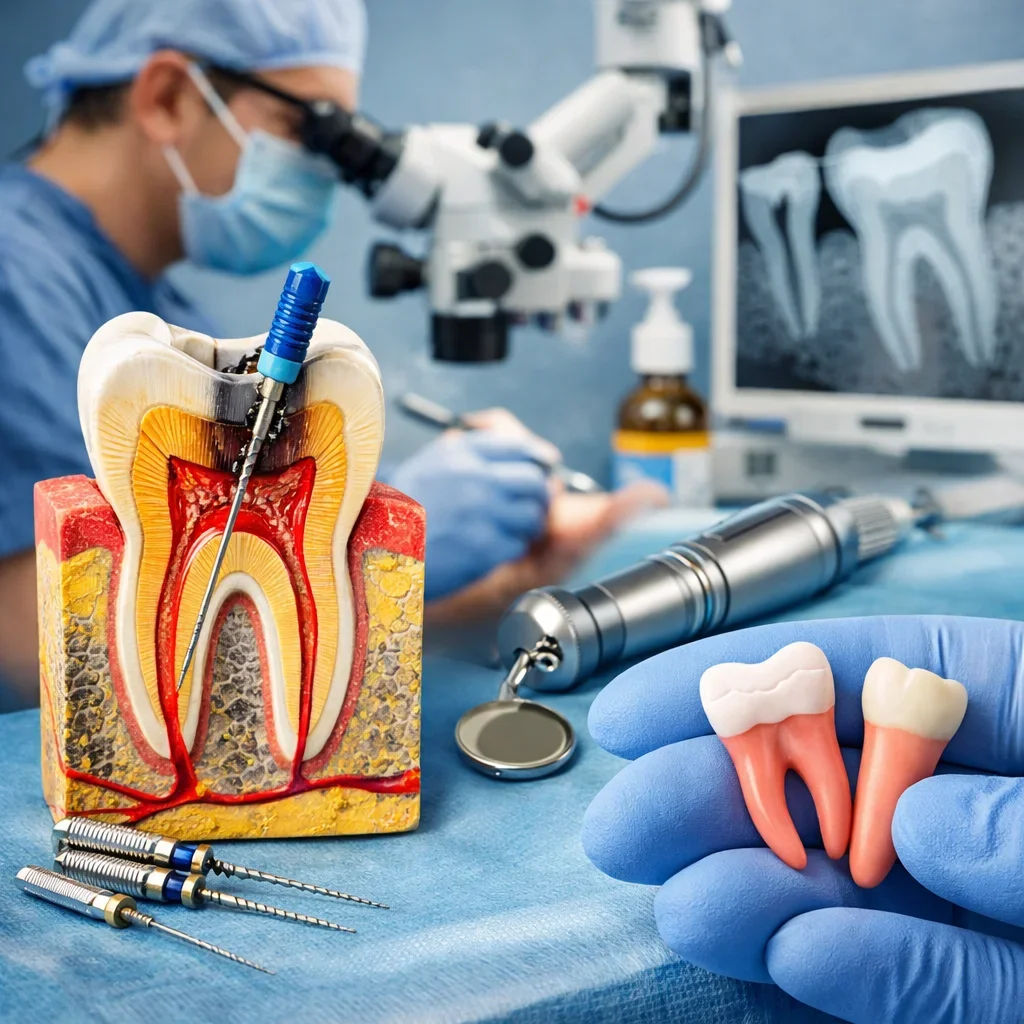
How to Choose the Right Specialist for Endodontic Dentistry
Selecting the right professional for dental treatment is one of the most important decisions a patient can make. When dealing with infections inside the tooth, the experience and skill of the dental professional play a critical role in the success of the procedure. Endodontic dentistry requires precision, specialized training, and advanced technology to treat the delicate structures inside the tooth. For this reason, choosing a qualified provider of endodontic dentistry is essential for achieving the best possible outcome and preserving natural teeth. 🦷
Endodontic dentistry focuses on diagnosing and treating problems affecting the dental pulp and root canal system. Because these structures are extremely small and complex, successful treatment depends heavily on the expertise of the dental professional. Patients who understand what to look for in an endodontic dentistry specialist can feel more confident in their treatment decisions and ensure that their oral health is protected.
Understanding the Role of an Endodontic Specialist
While general dentists are trained to perform many dental procedures, endodontic dentistry often requires additional training and expertise. Dental specialists known as endodontists complete several years of advanced education focused specifically on diagnosing tooth pain and performing root canal procedures.
Endodontists specialize exclusively in endodontic dentistry treatments. Their training includes mastering complex root canal anatomy, advanced diagnostic techniques, and surgical procedures involving the root of the tooth. Because they perform endodontic dentistry procedures on a daily basis, these specialists often have extensive experience managing difficult cases.
When to See an Endodontist
In many cases, a general dentist can perform routine endodontic dentistry procedures successfully. However, patients may be referred to an endodontist if the tooth has a complicated root canal system, severe infection, or previous root canal treatment that has failed. Endodontic dentistry specialists are particularly skilled at managing these challenging situations.
Important Qualifications to Look For
When choosing a provider for endodontic dentistry treatment, it is important to evaluate the dentist’s qualifications and professional background. A qualified dental professional should have formal training, certification, and experience performing endodontic dentistry procedures.
Professional Education and Certification
A dentist who practices endodontic dentistry should have completed accredited dental education and, if specializing as an endodontist, additional postgraduate training in endodontics. Professional certification demonstrates that the dentist has undergone advanced education in diagnosing and treating diseases of the dental pulp.
Patients should feel comfortable asking their dentist about their experience performing endodontic dentistry procedures. An experienced provider will typically have performed hundreds or even thousands of root canal treatments.
Technology Used in Endodontic Dentistry
Modern endodontic dentistry relies heavily on advanced technology. Dentists who use updated equipment are often able to diagnose and treat infections more accurately. When choosing a specialist, patients should consider whether the dental clinic uses modern diagnostic tools and treatment technology.
Advanced Imaging and Microscopy
Digital X-rays, cone beam CT scanning, and operating microscopes are commonly used in advanced endodontic dentistry. These technologies allow dentists to view the internal structure of the tooth with remarkable precision. This helps identify hidden canals, fractures, or infections that might otherwise go undetected.
Clinics that invest in modern technology often provide more accurate diagnoses and higher success rates in endodontic dentistry procedures. Patients may benefit from asking about the equipment used during treatment.
Evaluating the Dental Clinic Environment
The overall environment of the dental clinic can also provide important clues about the quality of endodontic dentistry care. A well-organized clinic that follows strict hygiene standards demonstrates a commitment to patient safety and professional care.
Patients should observe whether the clinic maintains a clean and comfortable environment. Friendly staff, clear communication, and detailed explanations about endodontic dentistry treatment can help patients feel more comfortable during their visit.
Patient Communication and Transparency
Good communication is essential in endodontic dentistry. Dentists should explain the diagnosis, treatment plan, and expected outcomes clearly. Patients should understand why endodontic dentistry treatment is necessary and what steps will be involved in the procedure.
A trustworthy dental professional will answer questions patiently and provide guidance about treatment options. Transparent communication helps build confidence and ensures that patients are fully informed before beginning endodontic dentistry treatment.
Patient Reviews and Professional Reputation
Another helpful way to evaluate a dental professional is by reviewing patient feedback and professional reputation. Online reviews, patient testimonials, and recommendations from trusted sources can provide insight into the quality of care provided by the dentist.
Dentists who specialize in endodontic dentistry often build strong reputations within their communities due to successful treatment outcomes and positive patient experiences. Patients should consider researching the dentist’s background before scheduling treatment.
Importance of Professional Standards
Professional organizations play an important role in maintaining standards within the field of endodontic dentistry. Dental professionals who follow guidelines established by reputable organizations demonstrate commitment to evidence-based care and ethical treatment practices.
For example, the American Dental Association provides educational resources and professional guidelines that help ensure safe and effective dental care. Dentists who adhere to these standards often provide high-quality endodontic dentistry services.
Scheduling a Consultation
Before beginning treatment, many patients benefit from scheduling a consultation with a dental professional. During this appointment, the dentist can evaluate the tooth, explain whether endodontic dentistry treatment is required, and discuss possible treatment options.
Consultations provide an opportunity for patients to ask questions and gain a clear understanding of the procedure. This step helps patients feel confident about proceeding with endodontic dentistry treatment.
Patients seeking professional guidance or evaluation can contact experienced dental professionals through the
Redent Klinik Contact Page. A qualified specialist in endodontic dentistry can assess your dental condition and recommend the most appropriate treatment plan for preserving your natural teeth.
Choosing the right specialist for endodontic dentistry is an important step in protecting your oral health. By selecting an experienced professional who uses modern technology and follows high professional standards, patients can achieve successful treatment outcomes and maintain healthy, natural teeth for many years. 😊