
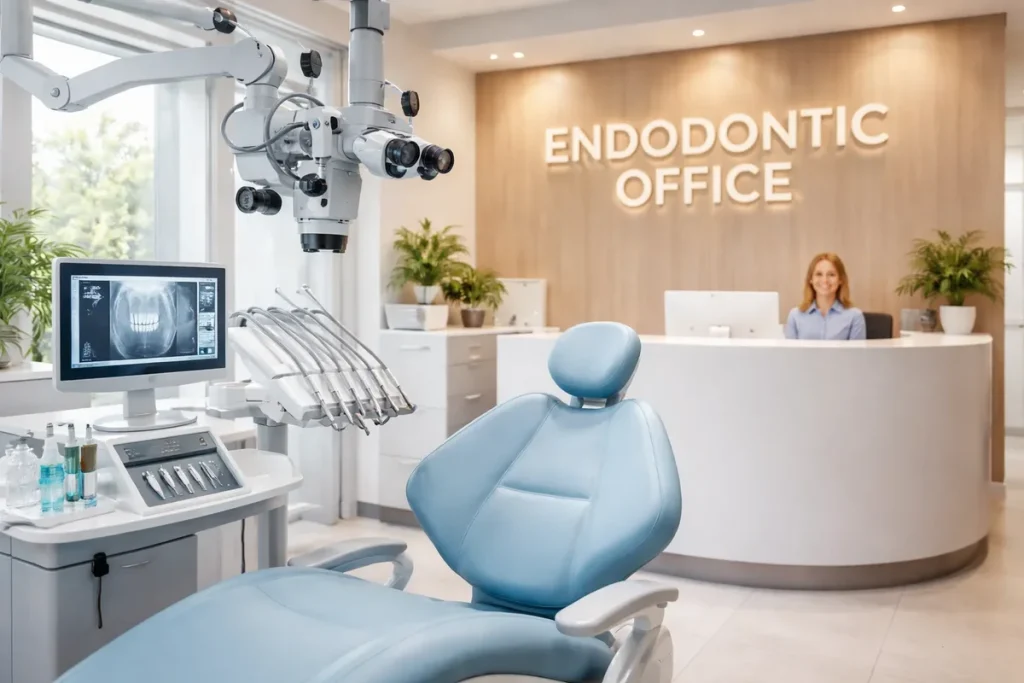
An endodontic office is a specialized dental practice focused on diagnosing and treating problems related to the dental pulp and root tissues. For patients experiencing deep tooth pain, prolonged sensitivity, or infection inside a tooth, an endodontic office plays a critical role in preserving natural teeth and restoring oral health. Unlike routine dental visits that focus on cleanings or fillings, care in an endodontic office is centered on advanced procedures that address the inner structures of the tooth with precision and expertise.
The most common reason people search for an endodontic office is persistent tooth pain. This discomfort often signals inflammation or infection within the pulp, the soft tissue containing nerves and blood vessels. When left untreated, these conditions can worsen, leading to abscesses, bone loss, or even tooth loss. A professional endodontic office is designed to manage these complex issues efficiently, often relieving pain in just one or two visits 😊.
One of the defining characteristics of an endodontic office is the level of specialization. Endodontists complete additional years of advanced training beyond dental school, focusing exclusively on root canal systems, dental trauma, and pain management. This expertise allows an endodontic office to handle cases that may be too complex for a general dental clinic. As a result, patients benefit from higher success rates, faster recovery times, and more predictable outcomes.
A modern endodontic office is also built around patient comfort. Many people associate root canal treatment with fear, but advances in techniques and anesthesia have transformed the experience. In a well-equipped endodontic office, procedures are typically painless and far less stressful than expected. The goal is not only to treat the infection but also to ensure that the patient feels informed, relaxed, and confident throughout the process 😌.
Another key reason an endodontic office matters is tooth preservation. Saving a natural tooth is almost always preferable to extraction. Natural teeth maintain proper chewing function, prevent shifting of surrounding teeth, and support jawbone health. An endodontic office prioritizes conservative treatment approaches that remove infected tissue while keeping as much of the original tooth structure intact as possible. This philosophy aligns with global best practices promoted by organizations such as the American Dental Association.
From a diagnostic standpoint, an endodontic office uses advanced tools to accurately identify the source of pain. Digital imaging, pulp vitality testing, and magnification help pinpoint issues that may not be visible during a standard dental exam. This accuracy reduces misdiagnosis and ensures that treatment is both necessary and effective. In many cases, patients who have visited multiple clinics finally find answers when they consult an experienced endodontic office.
The environment of an endodontic office is also tailored to efficiency. Because these practices focus specifically on endodontic care, appointments are streamlined, and procedures are often completed in fewer visits. This is especially valuable for patients with busy schedules or those traveling for dental care. Many international patients, for example, coordinate consultations through a trusted clinic like the Redent Klinik Contact Page to access coordinated care and expert referrals.
In terms of safety, an endodontic office follows strict sterilization and infection control protocols. Since treatments involve the inner structures of the tooth, maintaining a sterile field is essential. Modern endodontic offices adhere to internationally recognized standards, ensuring patient safety at every step. This commitment to hygiene further distinguishes an endodontic office from more general treatment settings.
Finally, understanding the role of an endodontic office empowers patients to make better decisions about their oral health. Tooth pain should never be ignored or managed solely with painkillers. When symptoms point to deeper issues, early intervention at a qualified endodontic office can mean the difference between saving and losing a tooth. With the right expertise, technology, and patient-centered approach, an endodontic office serves as a cornerstone of advanced dental care 🦷.
What Is an Endodontic Office and Why It Matters for Oral Health
An endodontic office is a dental facility dedicated specifically to the diagnosis, prevention, and treatment of diseases affecting the inner structures of the tooth, particularly the dental pulp and root canal system. While many people first encounter the term when searching for relief from severe tooth pain, the role of an endodontic office extends far beyond pain management. It is a cornerstone of advanced oral healthcare, focused on preserving natural teeth and preventing complications that can impact overall health.
Understanding what an endodontic office does—and why it matters—helps patients make informed decisions when facing dental discomfort. Tooth pain is not always a simple cavity; in many cases, it signals deeper problems that only a specialized endodontic office is equipped to diagnose and treat effectively. Ignoring these issues or delaying care can lead to infections that spread beyond the tooth, affecting the jawbone and surrounding tissues 😟.
The Core Purpose of an Endodontic Office
The primary mission of an endodontic office is to save natural teeth whenever possible. Natural teeth play a vital role in chewing efficiency, speech clarity, and jaw alignment. When the pulp becomes inflamed or infected due to decay, trauma, or repeated dental procedures, an endodontic office steps in to remove the damaged tissue while preserving the tooth’s outer structure.
Unlike general dental settings, an endodontic office is designed to handle complex internal tooth anatomy. Root canals can be narrow, curved, or branched in unpredictable ways. Endodontists are trained to navigate these complexities using magnification and advanced instruments, significantly increasing treatment success rates. This level of precision is one of the key reasons an endodontic office is essential for long-term oral health.
Why Oral Health Depends on Timely Endodontic Care
Oral health is deeply connected to overall well-being. Infections that originate in the tooth pulp can progress silently, even when pain temporarily subsides. A professional endodontic office focuses on early detection and intervention, preventing localized infections from developing into abscesses or systemic health issues.
When patients delay visiting an endodontic office, bacteria can spread beyond the root tip into the surrounding bone. This not only jeopardizes the affected tooth but may also compromise neighboring teeth. Timely treatment at an endodontic office helps stop this progression, protecting both oral structures and general health 😊.
Preserving Natural Teeth vs. Tooth Extraction
One of the most important reasons an endodontic office matters is its emphasis on tooth preservation. Extracting a tooth may seem like a quick solution, but it often leads to long-term consequences such as bone loss, shifting teeth, and the need for implants or bridges. These secondary treatments can be more invasive and costly over time.
An endodontic office prioritizes conservative treatment. By cleaning and sealing the root canal system, the tooth can continue functioning normally for many years. This approach aligns with modern dental principles that favor preservation over removal whenever possible.
Specialized Expertise Inside an Endodontic Office
An endodontic office is staffed by endodontists who undergo years of additional training beyond dental school. This advanced education focuses exclusively on pain diagnosis, root canal anatomy, dental trauma, and microsurgical techniques. As a result, an endodontic office is uniquely qualified to treat cases that general practitioners may find challenging.
Patients with cracked teeth, traumatic injuries, or failed previous root canal treatments often require the advanced skill set found only in an endodontic office. This specialization leads to more accurate diagnoses and more predictable outcomes, which directly impacts patient satisfaction and long-term oral stability.
The Role of Technology in Accurate Diagnosis
Modern oral healthcare relies heavily on technology, and an endodontic office is no exception. Digital imaging, cone-beam computed tomography (CBCT), and electronic apex locators allow endodontists to see details that are invisible to the naked eye. These tools enable precise treatment planning and reduce the risk of missed canals or incomplete therapy.
Because of this technological advantage, an endodontic office can often identify the exact source of pain when symptoms are unclear. Patients who have visited multiple clinics without answers frequently find clarity once evaluated in a specialized endodontic office 🔍.
Why Patients Trust an Endodontic Office
Trust is built on results, comfort, and communication. A reputable endodontic office focuses not only on technical excellence but also on patient education. Endodontists take time to explain diagnoses, treatment steps, and expected outcomes in clear, understandable terms. This transparency helps reduce anxiety and builds confidence.
Ultimately, an endodontic office matters because it provides targeted solutions to complex dental problems. By combining specialized training, advanced technology, and a patient-centered approach, an endodontic office plays a vital role in maintaining oral health, preventing tooth loss, and improving quality of life 🦷.
How an Endodontic Office Differs from a General Dental Clinic
Many patients are unsure whether they should visit a general dentist or an endodontic office when they experience tooth pain. While both play important roles in oral healthcare, the differences between a general dental clinic and an endodontic office are significant. Understanding these distinctions helps patients choose the right level of care and avoid delays that could worsen dental problems.
A general dental clinic focuses on preventive care, routine treatments, and overall oral maintenance. In contrast, an endodontic office is a highly specialized environment dedicated to treating issues inside the tooth, particularly those involving the pulp and root canal system. This difference in focus shapes everything from training and technology to treatment approach and patient outcomes 😊.
Scope of Treatment: General Dentistry vs. Endodontic Office
General dentists provide a wide range of services, including cleanings, fillings, crowns, cosmetic procedures, and basic restorative care. They are often the first professionals to identify a problem and play a crucial role in early diagnosis. However, when damage extends deep into the tooth, a general clinic may refer the patient to an endodontic office.
An endodontic office specializes almost exclusively in root canal treatment, endodontic retreatment, dental trauma, and apical surgery. Because this is their primary focus, endodontists perform these procedures daily. This repetition and specialization result in greater efficiency, higher success rates, and fewer complications compared to less frequent treatment in a general setting.
Complexity of Cases Managed in an Endodontic Office
One of the clearest differences lies in case complexity. An endodontic office routinely handles teeth with curved canals, calcified roots, infections extending into bone, or failed previous root canals. These situations require advanced skills and tools that are not always available in a general dental clinic.
Patients who experience unresolved pain after initial treatment often discover that the issue lies in hidden canals or microscopic cracks. An experienced endodontic office is trained to detect and manage these challenges effectively, reducing the likelihood of tooth loss.
Training and Expertise Differences
While all dentists complete dental school, endodontists undergo additional years of specialized education focused entirely on pulp biology, pain diagnosis, and root canal anatomy. This advanced training is what defines an endodontic office and sets it apart from general practices.
Because of this expertise, an endodontic office is particularly skilled at diagnosing the source of dental pain. Tooth pain can be deceptive, sometimes mimicking sinus issues or jaw problems. Endodontists are trained to isolate the exact cause, ensuring that treatment targets the real issue rather than the symptoms 😌.
Pain Management and Precision
Pain control is another area where an endodontic office differs significantly. Endodontists are experts in administering local anesthesia for inflamed or infected teeth, which can be difficult to numb. This means patients often report greater comfort during procedures performed in an endodontic office compared to similar treatments elsewhere.
Precision is equally important. Using magnification tools such as dental operating microscopes, an endodontic office can visualize tiny canal structures that might otherwise be missed. This level of detail directly improves treatment success and long-term tooth survival.
Technology and Equipment Comparison
A general dental clinic typically uses standard imaging and instruments suitable for a broad range of treatments. An endodontic office, however, is equipped with technology specifically designed for internal tooth treatment. Digital radiography, CBCT imaging, ultrasonic instruments, and electronic apex locators are commonly found in a modern endodontic office.
These tools allow endodontists to work with remarkable accuracy, minimizing the removal of healthy tooth structure while thoroughly cleaning infected areas. The result is a more conservative and effective treatment approach 🦷.
Efficiency and Referral-Based Care
Another key difference is workflow efficiency. Because an endodontic office focuses on a narrow range of procedures, appointments are often shorter and more streamlined. Many root canal treatments are completed in a single visit, which is especially beneficial for patients with time constraints or travel considerations.
General dentists frequently collaborate with an endodontic office as part of a referral-based care model. After the specialized treatment is completed, the patient returns to their general dentist for final restoration, such as a crown. This teamwork ensures that each stage of care is handled by the most qualified professional.
Why These Differences Matter for Patients
Choosing between a general dental clinic and an endodontic office is not about replacing one with the other; it is about receiving the right care at the right time. When deep infection, trauma, or persistent pain is involved, an endodontic office offers a level of expertise and precision that can make the difference between saving and losing a tooth.
By understanding how an endodontic office differs from a general dental clinic, patients can make confident, informed decisions. Specialized care leads to better outcomes, reduced discomfort, and long-term oral health stability—benefits that extend well beyond the treatment chair 😊.
Common Treatments Performed in a Modern Endodontic Office
A modern endodontic office is designed to diagnose and treat problems that affect the deepest parts of the tooth. While many people associate an endodontic office solely with root canal therapy, the scope of treatments is broader and more advanced than most patients realize. These procedures are focused on eliminating pain, removing infection, and preserving the natural tooth whenever possible.
Patients are typically referred to an endodontic office when symptoms indicate pulp damage or infection. These symptoms may include spontaneous pain, sensitivity to heat, swelling, or discomfort when biting. Because these signs often point to internal tooth problems, treatment in an endodontic office is essential for accurate diagnosis and long-term success 😊.
Root Canal Treatment: The Core Service of an Endodontic Office
The most well-known procedure performed in an endodontic office is root canal treatment. This procedure involves removing infected or inflamed pulp tissue, cleaning the root canal system, and sealing it to prevent reinfection. Contrary to outdated myths, root canal therapy performed in an endodontic office is highly effective and typically no more uncomfortable than a standard filling.
Endodontists use specialized instruments and magnification to thoroughly clean even the most complex canal systems. This level of precision is one of the main advantages of receiving care in an endodontic office rather than a general setting. Properly performed root canal treatment allows the tooth to function normally for many years 🦷.
Single-Visit vs. Multi-Visit Root Canal Therapy
Many modern endodontic office procedures can be completed in a single visit thanks to advanced technology and streamlined protocols. However, in cases involving severe infection or complex anatomy, multiple visits may be recommended. The endodontic office determines the best approach based on the condition of the tooth and surrounding tissues.
Regardless of the number of visits, the primary goal remains the same: complete removal of infection while preserving the tooth structure. This individualized approach highlights the patient-centered philosophy of a professional endodontic office.
Endodontic Retreatment: Correcting Previous Root Canals
Sometimes a tooth that has already undergone root canal treatment develops new symptoms. This can happen due to missed canals, new decay, or breakdown of the original restoration. An endodontic office is uniquely qualified to perform endodontic retreatment, which involves reopening the tooth, removing old filling materials, and addressing any remaining infection.
Retreatment procedures are more complex than initial root canals and require advanced skill. An experienced endodontic office can often save teeth that might otherwise need extraction. This ability to resolve failed treatments is one of the most valuable services provided by an endodontic office 😊.
Apical Surgery (Apicoectomy)
When conventional root canal treatment or retreatment is not sufficient, an endodontic office may recommend apical surgery, also known as an apicoectomy. This surgical procedure involves removing the tip of the tooth’s root and sealing the canal from the root end.
Apical surgery is typically performed when infection persists at the root tip despite proper internal treatment. Using magnification and microsurgical techniques, an endodontic office can perform this procedure with minimal discomfort and high success rates.
When Is Apical Surgery Necessary?
An endodontic office may suggest apical surgery if anatomical variations, calcifications, or previous restorations prevent access to the entire canal system from inside the tooth. This procedure allows direct access to the affected area and can often eliminate infection without removing the tooth.
Patients are often surprised to learn how conservative and effective apical surgery can be when performed by a skilled endodontic office.
Treatment of Dental Trauma
Dental injuries caused by accidents or sports are another common reason patients visit an endodontic office. Trauma can damage the pulp even if the tooth appears intact. Endodontists are trained to assess these injuries and provide timely treatment to prevent long-term complications.
A modern endodontic office plays a critical role in managing cracked teeth, displaced teeth, and teeth that have been knocked out. Prompt intervention significantly improves the chances of saving the affected tooth and maintaining normal function 😮.
Diagnosis and Management of Persistent Dental Pain
Not all dental pain has an obvious cause. One of the most valuable services offered by an endodontic office is expert pain diagnosis. Using advanced testing methods, endodontists can determine whether pain originates from the pulp, surrounding tissues, or even non-dental sources.
Patients who have struggled with unexplained or recurring pain often find answers in an endodontic office. Accurate diagnosis prevents unnecessary procedures and ensures that treatment addresses the true source of discomfort.
Why These Treatments Matter
The treatments performed in an endodontic office are essential for preserving oral health and preventing tooth loss. By addressing infections and internal damage early, an endodontic office helps patients avoid extractions, implants, and more invasive procedures.
From routine root canal therapy to complex surgical interventions, a modern endodontic office provides comprehensive solutions tailored to each patient’s needs. This specialized care not only relieves pain but also protects long-term dental function and quality of life 😊.
Advanced Technology Used in a Professional Endodontic Office
A professional endodontic office is defined not only by specialized expertise but also by the advanced technology that supports accurate diagnosis and effective treatment. Because endodontic procedures focus on the internal anatomy of the tooth—often invisible to the naked eye—technology plays a central role in ensuring precision, safety, and long-term success. Modern innovations have transformed the patient experience, making care in an endodontic office more comfortable, predictable, and efficient than ever before.
Patients often arrive at an endodontic office with pain, anxiety, or uncertainty. Advanced diagnostic and treatment tools allow endodontists to work with confidence and clarity, reducing guesswork and minimizing unnecessary intervention. This technology-driven approach is one of the key reasons outcomes from an endodontic office are consistently superior for complex cases 😊.
Dental Operating Microscopes: Precision at the Microscopic Level
One of the most important tools in a modern endodontic office is the dental operating microscope. Root canal systems are extremely small and complex, with canals that may branch, curve, or narrow unexpectedly. The microscope provides high-level magnification and illumination, allowing endodontists to see details that would otherwise be impossible to detect.
With enhanced visibility, an endodontic office can identify hidden canals, microfractures, and residual infection with remarkable accuracy. This precision significantly reduces the risk of missed anatomy, which is a common cause of failed root canal treatment. As a result, patients benefit from higher success rates and fewer repeat procedures 🦷.
Why Magnification Improves Long-Term Outcomes
Using magnification is not just about seeing better; it directly impacts treatment quality. In an endodontic office, microscopes allow for conservative removal of infected tissue while preserving healthy tooth structure. This balance is critical for maintaining tooth strength and function after treatment.
Microscopic precision also supports minimally invasive techniques, which means less trauma to surrounding tissues and faster recovery for patients.
Digital Imaging and 3D Diagnostics
Traditional X-rays provide limited, two-dimensional views of teeth. A modern endodontic office relies on digital radiography and, when necessary, cone-beam computed tomography (CBCT) to gain a three-dimensional understanding of the tooth and surrounding structures.
CBCT imaging allows an endodontic office to visualize root anatomy, bone density, and the extent of infection with exceptional clarity. This is especially valuable in retreatment cases, surgical planning, and trauma assessment. With accurate imaging, treatment plans are more precise, and unexpected complications are minimized 😊.
Reduced Radiation, Increased Accuracy
Advanced imaging systems used in an endodontic office are designed to minimize radiation exposure while maximizing diagnostic value. Digital sensors require less radiation than traditional film, making them safer for patients without compromising image quality.
This balance between safety and accuracy is a defining feature of a high-standard endodontic office.
Electronic Apex Locators and Canal Measurement
Accurately determining the length of the root canal is critical for successful treatment. An endodontic office uses electronic apex locators to measure canal length with high precision. These devices reduce reliance on repeated X-rays and help ensure thorough cleaning without damaging surrounding tissues.
By combining electronic measurement with digital imaging, an endodontic office achieves optimal working length determination. This accuracy plays a key role in preventing reinfection and improving long-term tooth survival.
Ultrasonic Instruments and Advanced Cleaning Systems
Cleaning the root canal system involves more than mechanical shaping. A professional endodontic office uses ultrasonic instruments and advanced irrigation systems to remove bacteria, debris, and biofilm from areas that traditional tools cannot reach.
Ultrasonic activation enhances the effectiveness of disinfecting solutions, allowing them to penetrate complex canal anatomy. This thorough cleaning process is essential for eliminating infection and reducing the risk of post-treatment complications 😊.
Biocompatible Materials and Modern Filling Techniques
Technology in an endodontic office also extends to the materials used to seal treated canals. Modern biocompatible filling materials are designed to create a tight seal, preventing bacteria from re-entering the tooth. These materials work harmoniously with the body and support healing at the root tip.
Advanced obturation techniques ensure that the entire canal system is sealed three-dimensionally. This level of sealing is one of the reasons treatments performed in an endodontic office have such high success rates.
How Technology Enhances the Patient Experience
From the patient’s perspective, technology in an endodontic office translates into shorter appointments, fewer visits, and reduced discomfort. Precise tools mean treatments are more efficient, while accurate diagnostics reduce uncertainty and unnecessary procedures.
Patients often report that modern endodontic treatment is far more comfortable than expected. This positive experience helps change outdated perceptions and builds trust in the value of specialized care 😊.
Why Advanced Technology Defines a Professional Endodontic Office
The integration of advanced technology is what allows an endodontic office to deliver consistently high-quality care. These tools support expert training, enhance diagnostic accuracy, and improve treatment outcomes across a wide range of cases.
Ultimately, technology is not a replacement for skill—it is a powerful extension of it. In a professional endodontic office, advanced tools and specialized expertise work together to preserve natural teeth, relieve pain, and protect long-term oral health.
When Should You Visit an Endodontic Office?
Knowing when to visit an endodontic office can make a critical difference in saving a natural tooth and preventing serious complications. Many patients delay seeking specialized care because they hope pain will disappear on its own or believe the issue can be managed with basic dental treatment. However, problems involving the inner tooth structures often worsen without timely intervention, making early referral to an endodontic office essential for long-term oral health.
An endodontic office focuses on diagnosing and treating conditions that are not always visible or immediately obvious. Understanding the warning signs that indicate the need for specialized care empowers patients to act early, reduce discomfort, and avoid more invasive procedures later 😊.
Persistent Tooth Pain That Does Not Go Away
One of the most common reasons to visit an endodontic office is ongoing tooth pain. This pain may be sharp, throbbing, or constant, and it often intensifies when chewing or applying pressure. Unlike surface-level sensitivity, deep pain usually indicates inflammation or infection of the dental pulp.
If pain persists for several days or returns after temporary relief, it is a strong signal that the inner tissues of the tooth are affected. An endodontic office is equipped to determine whether the pulp is damaged and whether root canal treatment or another specialized procedure is required.
Night Pain and Spontaneous Discomfort
Pain that wakes you up at night or occurs without any obvious trigger is particularly concerning. These symptoms often point to advanced pulp inflammation. An endodontic office specializes in diagnosing these cases and providing relief before the condition progresses further.
Prolonged Sensitivity to Heat or Cold
Sensitivity that lingers after exposure to hot or cold temperatures is another key indicator that a visit to an endodontic office may be necessary. While brief sensitivity can be normal, prolonged discomfort suggests that the pulp is compromised.
Endodontists use specific tests to determine whether the pulp can recover or if treatment is required. This level of diagnostic accuracy is one of the main advantages of consulting an endodontic office rather than relying solely on general care.
Swelling, Gum Tenderness, or Abscess Formation
Swelling around a tooth, tenderness in the gums, or the presence of a small pimple-like bump can indicate an infection that has spread beyond the tooth. These signs should never be ignored, as they may point to an abscess.
An endodontic office plays a crucial role in managing dental infections safely. By addressing the source of infection inside the tooth, an endodontic office helps prevent further spread to the jawbone or surrounding tissues 😟.
Why Swelling Requires Immediate Attention
Dental infections can progress quickly. Delaying treatment increases the risk of bone loss, systemic infection, and eventual tooth loss. An endodontic office provides targeted care that addresses the root cause rather than just the symptoms.
After Dental Trauma or Injury
Teeth that have been chipped, cracked, or knocked during an accident may appear fine on the surface but still suffer internal damage. An endodontic office is uniquely trained to assess and manage dental trauma, even when symptoms are mild or delayed.
Prompt evaluation in an endodontic office increases the likelihood of preserving the tooth and preventing complications such as pulp necrosis. This is especially important for children and adults involved in sports or accidents 😮.
When a Previous Root Canal Fails
If a tooth that has already undergone root canal treatment becomes painful again, an endodontic office should be consulted. Recurrent symptoms may indicate missed canals, reinfection, or structural issues that require retreatment or surgical intervention.
An endodontic office has the tools and expertise to evaluate failed treatments and determine whether the tooth can be saved. Many teeth that would otherwise be extracted can be preserved through specialized endodontic care.
Referral from a General Dentist
General dentists often serve as the first point of contact for dental concerns. When a case involves complex root anatomy, severe infection, or diagnostic uncertainty, they may refer patients to an endodontic office.
This referral-based approach ensures that patients receive the most appropriate care for their condition. Collaboration between general dentists and an endodontic office leads to better outcomes and a smoother treatment process.
Why Early Visits to an Endodontic Office Matter
Early intervention is one of the most important benefits of visiting an endodontic office at the right time. Addressing pulp-related issues promptly reduces pain, shortens treatment duration, and improves the chances of saving the tooth.
By recognizing the signs that indicate the need for specialized care, patients can protect their oral health and avoid unnecessary complications. An endodontic office is not just a place for treatment—it is a proactive partner in maintaining long-term dental well-being 🦷.
Patient Experience: What to Expect at an Endodontic Office
For many patients, visiting an endodontic office can feel intimidating—often because of outdated myths surrounding root canal treatment. In reality, the modern endodontic office is designed around patient comfort, efficiency, and clarity. Understanding what to expect before, during, and after your visit helps reduce anxiety and allows you to approach treatment with confidence.
The primary goal of an endodontic office is not only to treat dental pain but also to ensure that patients feel informed, supported, and comfortable throughout their care journey 😊. From the initial consultation to post-treatment recovery, every step is structured to minimize stress and maximize successful outcomes.
Your First Visit: Consultation and Diagnosis
A typical visit to an endodontic office begins with a comprehensive evaluation. The endodontist will review your dental history, discuss your symptoms, and perform targeted diagnostic tests. These may include digital X-rays, vitality testing, or 3D imaging to accurately assess the condition of the tooth.
Unlike a general exam, diagnostics in an endodontic office are highly focused on identifying the exact source of pain. This precision ensures that treatment is truly necessary and tailored specifically to your condition. Many patients feel relieved after finally receiving a clear explanation for persistent discomfort.
Clear Communication and Patient Education
One of the defining features of a high-quality endodontic office is transparent communication. Endodontists take time to explain findings, treatment options, risks, and expected outcomes in plain language. Visual aids and imaging are often used to help patients understand what is happening inside the tooth.
This educational approach empowers patients to make informed decisions and significantly reduces treatment-related anxiety.
During Treatment: Comfort and Pain Control
Modern procedures performed in an endodontic office are far more comfortable than many people expect. Advanced anesthetic techniques allow even severely inflamed teeth to be numbed effectively. Most patients report feeling little to no pain during treatment.
The environment of an endodontic office is calm and controlled. Because these practices focus on a narrow range of procedures, the clinical team is highly efficient and experienced. Treatments are often completed more quickly than similar procedures in non-specialized settings 😌.
Managing Anxiety During the Visit
If you experience dental anxiety, an endodontic office is well-equipped to help. Many offices offer comfort measures such as calming music, clear step-by-step explanations, and short breaks during treatment. Knowing what is happening at each stage helps patients feel more in control.
In some cases, mild sedation options may be discussed depending on patient needs and preferences.
After Treatment: Recovery and Follow-Up
After your procedure, the endodontic office provides detailed aftercare instructions. Mild soreness is normal and typically resolves within a few days. Over-the-counter pain relievers are usually sufficient to manage post-treatment discomfort.
The endodontist will also coordinate with your general dentist for the final restoration of the tooth, such as placing a crown. This collaboration ensures that the treated tooth is fully protected and functional long-term.
What Is Normal After an Endodontic Procedure?
It is normal to experience slight tenderness when biting for a short period after treatment. However, severe pain or swelling is not typical and should be reported to the endodontic office promptly. Follow-up evaluations may be scheduled if necessary to ensure proper healing.
Time Efficiency and Appointment Flow
Another advantage of visiting an endodontic office is efficiency. Because endodontists perform these procedures daily, appointment flow is streamlined. Many treatments are completed in a single visit, which is especially beneficial for patients with busy schedules or those traveling for care.
Waiting times are often shorter, and procedures are well-organized, contributing to a smoother overall experience.
Emotional Reassurance and Trust
Pain and uncertainty can take an emotional toll. A professional endodontic office recognizes this and prioritizes reassurance alongside technical care. Patients often report feeling relieved—not just physically, but emotionally—after receiving treatment and clear answers.
Trust builds quickly when patients experience compassionate care, effective pain relief, and transparent communication. This trust is a defining part of the patient experience in a reputable endodontic office 🦷.
Why the Endodontic Office Experience Is Different
Ultimately, the patient experience at an endodontic office is shaped by specialization. Focused expertise, advanced technology, and a patient-centered approach come together to create a level of care that feels both professional and personal.
Knowing what to expect transforms fear into confidence. When patients understand the process and feel supported at every step, visiting an endodontic office becomes a positive and empowering part of maintaining long-term oral health.
Choosing the Right Endodontic Office for Long-Term Dental Health
Selecting the right endodontic office is a crucial decision that can significantly impact your long-term dental health. Because endodontic treatment focuses on saving natural teeth and managing complex internal tooth conditions, the quality of care you receive matters greatly. Not all endodontic offices are the same, and understanding what to look for helps ensure successful outcomes and lasting oral stability.
Patients often assume that all specialized clinics offer similar services, but experience, technology, and treatment philosophy can vary widely. Choosing an endodontic office should involve more than proximity or availability—it should be based on expertise, trust, and a commitment to patient-centered care 😊.
Credentials and Specialized Training
One of the first factors to consider when choosing an endodontic office is the credentials of the endodontist. Endodontists complete additional years of advanced education focused exclusively on root canal systems, pain diagnosis, and microsurgical techniques. This specialized training distinguishes a true endodontic office from clinics that only occasionally perform endodontic procedures.
A reputable endodontic office is transparent about the qualifications of its team. Patients should feel comfortable asking about training, experience, and areas of focus. An endodontist who treats complex cases daily is better equipped to manage unexpected challenges and deliver predictable results.
Experience with Complex and Retreatment Cases
If you have been referred due to a failed previous root canal or persistent symptoms, experience becomes even more critical. An established endodontic office with a strong background in retreatment and surgical cases is more likely to preserve your tooth and avoid extraction.
Experience also translates into efficiency, reduced chair time, and smoother recovery.
Technology and Diagnostic Capabilities
A modern endodontic office should be equipped with advanced diagnostic and treatment technology. Tools such as dental operating microscopes, digital imaging, and 3D scanning enhance accuracy and reduce the risk of missed anatomy or incomplete treatment.
When evaluating an endodontic office, consider whether it invests in up-to-date equipment and follows current clinical guidelines. Advanced technology is not a luxury—it is a necessity for delivering high-quality endodontic care 🦷.
Communication and Patient-Centered Approach
Clear communication is a defining feature of a high-quality endodontic office. Patients should feel informed about their diagnosis, treatment options, and expected outcomes. An endodontic office that prioritizes education helps patients make confident decisions about their care.
Pay attention to how the clinical team listens to your concerns. A patient-centered endodontic office values comfort, transparency, and respect, recognizing that anxiety and uncertainty often accompany dental pain.
Personalized Treatment Planning
No two patients are the same. A trustworthy endodontic office develops individualized treatment plans based on your specific condition, medical history, and long-term goals. Avoid clinics that offer one-size-fits-all solutions without thorough evaluation.
Collaboration with Your General Dentist
A strong professional relationship between the endodontic office and your general dentist is essential. After endodontic treatment is completed, the tooth often requires a final restoration such as a crown. Effective communication ensures seamless continuity of care.
An endodontic office that values collaboration contributes to better outcomes and long-term tooth survival.
Reputation, Reviews, and Patient Feedback
Patient reviews and referrals provide valuable insight into the quality of an endodontic office. Consistent feedback about comfort, professionalism, and successful outcomes is a strong indicator of reliability.
While online reviews should not be the sole deciding factor, they can help identify patterns and set realistic expectations about the patient experience 😊.
Accessibility and Emergency Care
Dental pain often requires prompt attention. An endodontic office that offers flexible scheduling or emergency appointments demonstrates a commitment to patient care. Accessibility becomes especially important when managing infections or trauma that cannot wait.
Knowing that your chosen endodontic office can respond quickly provides peace of mind and reduces the risk of complications.
Long-Term Value of the Right Choice
Choosing the right endodontic office is an investment in your oral health. High-quality endodontic care preserves natural teeth, prevents recurring problems, and reduces the need for more invasive procedures in the future.
When expertise, technology, and compassion come together, an endodontic office becomes more than a treatment center—it becomes a trusted partner in maintaining lifelong dental health 😊.
Safety, Sterilization, and Standards in an Endodontic Office
Safety is one of the most critical pillars of care in a professional endodontic office. Because endodontic treatments involve working deep inside the tooth and surrounding tissues, strict safety protocols, sterilization procedures, and clinical standards are essential. Patients often focus on pain relief and outcomes, but the behind-the-scenes safety measures in an endodontic office play an equally important role in successful, complication-free treatment.
A modern endodontic office operates under rigorous infection control guidelines designed to protect both patients and clinical staff. These standards are not optional; they are fundamental to providing high-quality endodontic care and maintaining patient trust 😊.
Why Sterilization Is Especially Critical in an Endodontic Office
Endodontic procedures involve direct access to the pulp and root canal system, areas that are highly susceptible to bacterial contamination. Any lapse in sterilization can introduce harmful microorganisms, potentially leading to reinfection or systemic complications. For this reason, sterilization protocols in an endodontic office are often more stringent than those used for routine dental procedures.
Instruments used in an endodontic office must be meticulously cleaned, disinfected, and sterilized after each use. This includes files, handpieces, and surgical tools that come into contact with internal tooth structures.
Instrument Sterilization and Single-Use Materials
A reputable endodontic office uses medical-grade sterilization equipment such as autoclaves to eliminate bacteria, viruses, and spores. Many practices also rely on single-use disposable instruments when appropriate, further reducing the risk of cross-contamination.
Patients should feel confident knowing that every instrument used in an endodontic office meets strict hygiene standards and is prepared according to established clinical protocols.
Infection Control Protocols and Clinical Hygiene
Beyond instrument sterilization, an endodontic office follows comprehensive infection control measures throughout the entire clinical environment. Treatment rooms are disinfected between patients, surfaces are protected with barriers, and clinical staff adhere to strict hand hygiene and protective equipment protocols.
Personal protective equipment such as gloves, masks, eyewear, and gowns are standard in an endodontic office. These measures protect patients from exposure while also safeguarding the healthcare team.
Rubber Dam Isolation: A Key Safety Standard
One of the most important safety tools used in an endodontic office is the rubber dam. This barrier isolates the tooth being treated, preventing saliva and bacteria from entering the treatment area. It also protects the patient from accidentally swallowing instruments or materials.
Rubber dam use is considered a gold standard in endodontic care and is routinely employed in a professional endodontic office to ensure both safety and treatment success.
Compliance with Professional and Regulatory Standards
A high-quality endodontic office operates in compliance with national and international dental guidelines. These standards govern everything from sterilization and radiation safety to clinical documentation and patient consent.
Professional organizations and regulatory bodies establish these guidelines to ensure consistent, evidence-based care. An endodontic office that follows these standards demonstrates a commitment to excellence and accountability 🦷.
Radiation Safety and Diagnostic Imaging Standards
Advanced imaging is a key component of modern endodontic care, but it must be used responsibly. An endodontic office follows strict radiation safety protocols to minimize patient exposure while obtaining necessary diagnostic information.
Digital imaging systems and 3D scans used in an endodontic office are designed to deliver lower radiation doses than traditional methods. Protective measures, such as lead aprons and thyroid collars, are used when appropriate to further enhance safety.
Emergency Preparedness and Patient Monitoring
A professional endodontic office is prepared to manage medical emergencies, even though they are rare. Staff are trained in basic life support, emergency protocols are clearly established, and essential equipment is readily available.
Patient medical histories are carefully reviewed before treatment to identify potential risks. This proactive approach allows an endodontic office to tailor care safely for patients with underlying medical conditions.
Transparency and Patient Confidence
An often-overlooked aspect of safety in an endodontic office is transparency. Reputable practices are open about their sterilization methods, safety protocols, and compliance with standards. Patients should feel comfortable asking questions and receiving clear answers.
This openness builds confidence and reinforces trust, helping patients feel secure throughout their treatment journey 😊.
Why Safety Standards Define a Quality Endodontic Office
Technical skill and advanced technology are only part of what makes an endodontic office exceptional. Without rigorous safety and sterilization standards, even the most skilled treatment can be compromised.
By prioritizing infection control, regulatory compliance, and patient protection, a professional endodontic office creates a safe environment where effective treatment and long-term oral health can thrive. These standards are not just procedures—they are a promise of care, quality, and responsibility.

Cost, Insurance, and Value of Treatment at an Endodontic Office
Understanding the cost of care is an important part of deciding to visit an endodontic office. For many patients, concerns about affordability, insurance coverage, and long-term value influence when and where they seek treatment. While endodontic procedures may appear costly at first glance, evaluating them in terms of outcomes, tooth preservation, and future savings reveals why treatment in an endodontic office is often a smart and cost-effective investment.
An endodontic office focuses on saving natural teeth, which can significantly reduce the need for more expensive restorative procedures later. When patients understand how pricing works and what factors influence cost, they are better equipped to make informed decisions about their oral health 😊.
What Factors Influence the Cost at an Endodontic Office?
The cost of treatment in an endodontic office is not fixed and depends on several clinical factors. Tooth location plays a major role, as molars typically have more canals and complex anatomy than front teeth. The complexity of the case, presence of infection, and need for retreatment or surgery also affect pricing.
Additionally, advanced diagnostic imaging and specialized technology used in an endodontic office contribute to cost but also increase accuracy and success rates. These tools help ensure that treatment is done correctly the first time, reducing the likelihood of future complications.
Typical Cost Ranges (Approximate)
While exact fees vary by region and case complexity, the following general ranges are commonly seen in a professional endodontic office:
- Root canal treatment (front tooth): approximately $700–$1,200
- Root canal treatment (premolar): approximately $800–$1,400
- Root canal treatment (molar): approximately $1,000–$2,000
- Endodontic retreatment or apical surgery: may cost more depending on complexity
These figures reflect specialized care performed by trained endodontists using advanced technology.
Insurance Coverage and Payment Considerations
Many dental insurance plans provide partial coverage for procedures performed in an endodontic office, particularly when treatment is deemed medically necessary. Coverage levels vary, but root canal therapy is commonly included under major restorative benefits.
A well-organized endodontic office assists patients by verifying insurance benefits, explaining coverage details, and providing clear cost estimates before treatment. This transparency helps patients avoid unexpected expenses and plan accordingly.
Out-of-Pocket Costs and Financing Options
For patients without insurance or with limited coverage, many endodontic offices offer flexible payment options. These may include installment plans or coordination with third-party financing providers. The goal is to ensure that cost does not become a barrier to essential care.
Discussing financial options openly with the endodontic office allows patients to move forward with treatment confidently.
The Long-Term Value of Treatment in an Endodontic Office
When evaluating cost, it is essential to consider long-term value rather than just immediate expense. Saving a natural tooth through treatment at an endodontic office often eliminates the need for extraction, implants, bridges, or dentures—all of which can be significantly more expensive over time.
Natural teeth also provide superior function and aesthetics compared to artificial replacements. Preserving them through specialized care improves chewing efficiency, maintains jawbone health, and supports overall oral stability 🦷.
Cost Comparison: Saving vs. Replacing a Tooth
Extracting a tooth may seem less expensive initially, but replacement options such as implants involve multiple procedures, healing periods, and higher overall costs. In contrast, treatment in an endodontic office focuses on resolving infection while maintaining the existing tooth structure.
From a financial perspective, preserving a tooth is often the most economical choice in the long run. This is why many dental professionals recommend endodontic care whenever feasible.
Why Expertise Justifies the Cost
The specialized training, experience, and technology found in an endodontic office directly contribute to treatment success. Higher success rates mean fewer repeat procedures, less downtime, and reduced long-term expenses.
Patients benefit not only from effective pain relief but also from durable outcomes that protect their investment in oral health.
Making an Informed Financial Decision
Choosing an endodontic office is about balancing cost with quality, safety, and long-term results. Patients who understand the value of specialized care are more likely to view treatment as an investment rather than an expense.
By preserving natural teeth, preventing future complications, and delivering predictable outcomes, an endodontic office offers exceptional value. When cost, insurance support, and long-term benefits are considered together, specialized endodontic care stands out as a wise and responsible choice for maintaining lifelong dental health 😊.
Disclosure: this page may contain affiliate links. We may earn a commission if you use them, at no extra cost to you.