
In modern dentistry, the term endodontically is closely associated with one of the most important tooth-saving procedures available today: root canal treatment. When a tooth is treated endodontically, it means that the inner pulp tissue—consisting of nerves, blood vessels, and connective tissue—has been carefully removed, disinfected, and sealed to preserve the remaining tooth structure. This approach allows patients to keep their natural teeth instead of resorting to extraction, which is always considered the last option in contemporary dental care.
Understanding what endodontically treated teeth are is crucial for patients who experience deep decay, dental trauma, repeated dental procedures, or long-standing tooth pain. Inside every tooth lies a pulp chamber and root canal system. When bacteria penetrate this area due to cavities, cracks, or trauma, inflammation or infection can occur. At this stage, treating the tooth endodontically becomes the most predictable and biologically sound solution to eliminate infection while maintaining function and aesthetics.
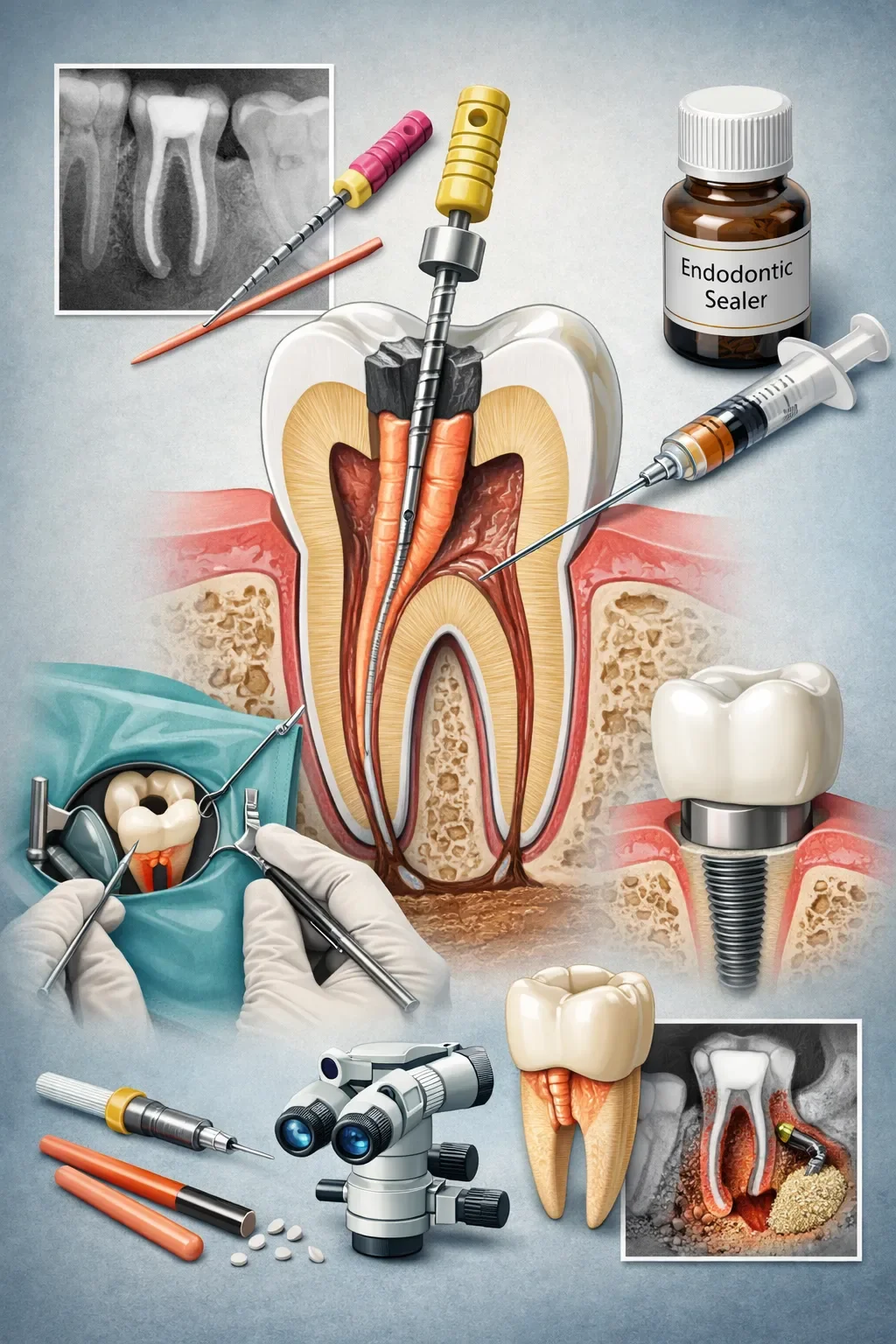
From a clinical perspective, endodontically managed teeth undergo a highly controlled and evidence-based process. The dentist or endodontist gains access to the pulp chamber, removes infected tissue, and thoroughly cleans the canals using specialized instruments and antibacterial solutions. These canals are then shaped and filled with a biocompatible material designed to prevent future bacterial invasion. This meticulous process is what allows teeth treated endodontically to remain in the mouth for many years, often decades, when properly restored and maintained.
One common misconception is that a tooth treated endodontically is “dead” and therefore useless. In reality, while the pulp tissue is removed, the tooth continues to function normally. It can still withstand chewing forces and support surrounding structures once it is reinforced with a proper restoration, such as a crown. Modern restorative dentistry works hand in hand with endodontics to ensure long-term success and patient comfort 😊.
Patients often search for information about endodontically treated teeth because they want reassurance about safety, longevity, and comfort. According to leading authorities such as the American Dental Association, root canal treatments have a very high success rate and are considered a routine, predictable procedure. Teeth that are treated endodontically and restored correctly can function just like natural, untreated teeth in daily life.
Another important aspect of understanding endodontically treated teeth is recognizing the symptoms that may lead to treatment. These can include lingering sensitivity to hot or cold, spontaneous pain, swelling, discoloration of the tooth, or pain when biting. However, not all teeth requiring endodontic care cause noticeable pain. Sometimes, routine dental X-rays reveal silent infections that still require the tooth to be treated endodontically to prevent future complications.
From a patient-centered standpoint, choosing to treat a tooth endodontically is often about preserving quality of life. Natural teeth play a vital role in chewing efficiency, speech, jaw alignment, and facial aesthetics. Losing a tooth can trigger bone loss and shifting of neighboring teeth, which may lead to more complex and costly treatments later on. This is why dentists strongly prefer endodontically saving a tooth whenever possible instead of extracting it.
In international dental clinics, including those serving patients seeking advanced care abroad, endodontically treated teeth are managed using state-of-the-art imaging, rotary instruments, and magnification technologies. These innovations have significantly improved accuracy and comfort compared to older techniques. If you are considering treatment or have questions about whether your tooth can be treated endodontically, reaching out through the Redent Klinik Contact Page is a practical first step for personalized guidance.
In summary, the term endodontically represents a cornerstone of conservative dentistry. It reflects a philosophy focused on preservation, precision, and long-term oral health. Teeth treated endodontically are not weak or temporary solutions; they are scientifically supported, durable outcomes that allow patients to maintain their natural smile and oral function with confidence. Understanding this concept empowers patients to make informed decisions and approach dental treatment with clarity rather than fear 🦷.
What Does Endodontically Mean in Modern Dentistry?
In modern dentistry, the word endodontically refers to any procedure or condition related to the inner structures of a tooth, specifically the dental pulp and root canal system. The term originates from the Greek words endo (inside) and odont (tooth), making its meaning quite literal: inside the tooth. When dentists say a tooth has been treated endodontically, they are describing a highly specialized intervention focused on preserving the tooth by addressing problems deep within its internal anatomy.
For patients searching online, understanding what endodontically means is often tied to concerns about pain, infection, and tooth survival. This is completely natural. The inner pulp of a tooth is where nerves and blood vessels live, and when this area becomes inflamed or infected, symptoms can range from mild sensitivity to severe pain. Treating a tooth endodontically is not about removing the tooth—it is about saving it while eliminating the source of discomfort and infection.
The Dental Pulp and Why Endodontically Matters
To truly understand the meaning of endodontically, it is essential to first understand the role of the dental pulp. The pulp plays a critical role during tooth development, helping the tooth grow and mature. Once the tooth is fully developed, however, it can survive without the pulp because surrounding tissues continue to nourish it. This biological fact is what makes endodontically focused treatments both safe and effective.
When bacteria enter the pulp due to deep decay, cracks, trauma, or repeated dental procedures, the body cannot heal this area on its own. At this point, treating the tooth endodontically becomes necessary. Without intervention, infection can spread beyond the tooth into the surrounding bone, leading to abscesses and systemic complications. Modern dentistry relies on endodontically based treatments to stop this progression early and conservatively.
Endodontically Treated Teeth in Clinical Practice
In everyday dental practice, the term endodontically is most often used in reference to root canal therapy. However, it also applies to retreatments, management of traumatic dental injuries, and procedures addressing internal resorption or complex canal anatomy. Dentists evaluate each case individually to determine whether a tooth can be treated endodontically or if alternative solutions are required.
Advancements in technology have significantly improved how teeth are treated endodontically. Digital imaging, cone-beam CT scans, rotary instruments, and enhanced magnification allow clinicians to identify hidden canals and clean them with greater precision. As a result, the success rate of endodontically managed teeth has increased dramatically over the past two decades, making these procedures more predictable and patient-friendly 😊.
Is Endodontically Related to Pain?
One of the most common questions patients ask is whether something described as endodontically related automatically means pain. The short answer is no. While untreated pulp infections can be painful, modern endodontically focused treatments are designed to relieve pain, not cause it. With effective local anesthesia and refined techniques, most patients report that endodontic procedures feel similar to getting a routine filling.
In fact, many patients feel immediate relief after a tooth is treated endodontically because the inflamed nerve tissue causing discomfort has been removed. Post-treatment sensitivity can occur, but it is usually temporary and manageable with standard aftercare instructions.
Endodontically vs Surgically: Understanding the Difference
Another point of confusion lies in the distinction between procedures done endodontically and those performed surgically. Endodontically treated teeth are managed through the crown of the tooth, accessing the root canal system internally. Surgical procedures, on the other hand, involve incisions in the gum or bone. In most cases, dentists prefer treating problems endodontically first because it is less invasive and preserves more natural tissue.
Only when conventional endodontically guided treatment is not sufficient—such as in persistent infections—do clinicians consider surgical endodontic options. Even then, the goal remains the same: to save the natural tooth whenever possible.
In summary, the term endodontically represents a foundational concept in modern dentistry that emphasizes conservation, precision, and long-term oral health. It does not simply describe a procedure; it reflects an entire approach to treating dental problems from the inside out. For patients, understanding this term provides reassurance that today’s dental care prioritizes comfort, science, and the preservation of natural teeth over extraction-based solutions 🦷.
Why Teeth Are Treated Endodontically: Common Indications
Teeth are treated endodontically when the inner pulp tissue becomes damaged, inflamed, or infected beyond the body’s ability to heal on its own. This situation is far more common than many patients realize. Understanding why dentists recommend treating a tooth endodontically helps patients feel confident that the decision is based on preservation, not unnecessary intervention. In modern dentistry, the primary goal is always to save the natural tooth whenever it is biologically possible 🦷.
The pulp chamber and root canals are normally sealed off from the oral environment. However, once bacteria gain access to this space, the infection cannot be resolved without professional care. At this point, treating the tooth endodontically becomes the gold standard. Ignoring the problem or delaying treatment often leads to worsening pain, abscess formation, and eventual tooth loss.
Deep Tooth Decay Reaching the Pulp
The most common reason a tooth is treated endodontically is advanced dental decay. When a cavity penetrates through the enamel and dentin layers and reaches the pulp, bacteria directly infect the nerve tissue. Patients may experience sharp pain, lingering sensitivity to heat, or spontaneous discomfort, especially at night.
Once decay reaches this depth, a simple filling is no longer sufficient. Treating the tooth endodontically allows the dentist to remove the infected pulp, disinfect the internal canals, and seal them to stop the infection at its source. Without this approach, the infection would continue to spread deeper into the jawbone.
Dental Trauma and Cracked Teeth
Trauma is another major indication for treating teeth endodontically. Accidents, sports injuries, or even biting down on hard objects can damage the pulp without immediately breaking the tooth. In these cases, the nerve tissue may slowly die over time, leading to discoloration, sensitivity, or silent infection.
Cracked teeth are particularly tricky. Cracks can be microscopic and difficult to detect, yet they allow bacteria to enter the pulp. Dentists often recommend treating these teeth endodontically to prevent future complications. Addressing the problem early greatly increases the chances of long-term success and avoids the need for extraction.
Repeated Dental Procedures on the Same Tooth
A tooth that has undergone multiple restorations—such as large fillings or crown replacements—may eventually require endodontic treatment. Each procedure places stress on the pulp, and over time, inflammation can develop. Even without obvious decay, dentists may determine that the tooth needs to be treated endodontically to relieve symptoms and stabilize the tooth internally.
This situation highlights an important concept: not all teeth treated endodontically are severely decayed or visibly damaged. Sometimes the issue lies entirely beneath the surface, detectable only through clinical testing and imaging.
Dental Abscesses and Hidden Infections
One of the clearest indications for treating a tooth endodontically is the presence of a dental abscess. Abscesses form when infection spreads beyond the root tip into the surrounding bone. Symptoms can include swelling, tenderness, a bad taste, or even fever. However, some abscesses cause no pain at all and are discovered only on routine X-rays.
In these cases, endodontically addressing the tooth is critical not only for oral health but also for overall well-being. Untreated dental infections can spread and contribute to systemic health issues. Modern dentistry emphasizes early intervention to prevent these risks.
Why Dentists Prefer Endodontically Saving Teeth
From a clinical and biological standpoint, treating teeth endodontically is almost always preferable to extraction. Natural teeth maintain jawbone density, proper bite alignment, and chewing efficiency. When a tooth is removed, surrounding teeth may shift, and bone loss can occur over time, leading to more complex restorative needs.
By contrast, a tooth treated endodontically and restored with a crown can function normally for many years. This conservative approach aligns with international dental guidelines and recommendations from organizations such as the American Dental Association, which emphasize tooth preservation whenever possible.
In summary, teeth are treated endodontically for clear, evidence-based reasons: deep decay, trauma, cracks, repeated dental work, and infection. These indications are not signs of failure but rather opportunities to save the natural tooth using proven, predictable methods. Understanding these reasons helps patients approach endodontic treatment with confidence instead of fear 😊.
Endodontically Managed Teeth vs Vital Teeth: Key Differences
Understanding the difference between endodontically managed teeth and vital teeth is essential for patients who want to make informed decisions about their oral health. While both types of teeth can function normally in the mouth, they differ significantly in terms of biology, sensation, structural needs, and long-term care. Dentists evaluate these differences carefully before recommending treatment, and patients benefit greatly from knowing what to expect after a tooth is treated endodontically.
A vital tooth is one with a healthy, living pulp inside. This pulp contains nerves and blood vessels that respond to temperature, pressure, and injury. An endodontically managed tooth, on the other hand, has had its pulp tissue removed due to infection, inflammation, or trauma. Despite this internal difference, both types of teeth can look identical externally and perform the same daily functions such as chewing and speaking 😊.
Biological Differences Between Vital and Endodontically Treated Teeth
The most fundamental difference lies in the internal biology. Vital teeth have an active nerve supply, which allows them to sense hot, cold, and pain. This sensory feedback acts as a natural warning system. In contrast, teeth treated endodontically no longer have this nerve tissue. As a result, they do not respond to temperature in the same way, although they can still feel pressure through the surrounding periodontal ligaments.
This loss of pulp vitality does not mean the tooth is useless or fragile by default. Surrounding tissues continue to nourish the tooth, and with proper restoration, endodontically managed teeth remain stable and functional. In fact, many patients are surprised to learn that they have teeth treated endodontically because they feel no different from vital teeth in daily life.
Structural Strength and Restoration Needs
Another important distinction between vital teeth and those treated endodontically involves structural integrity. Vital teeth typically retain more natural moisture and flexibility. Endodontically treated teeth may become more brittle over time, especially if a large portion of tooth structure was lost due to decay or trauma before treatment.
For this reason, dentists often recommend placing a crown on teeth treated endodontically, particularly molars and premolars that endure heavy chewing forces. A crown redistributes biting pressure and protects the tooth from fractures. Vital teeth with smaller restorations may not require such extensive coverage.
Sensitivity and Pain Perception
Vital teeth can develop sensitivity due to enamel wear, gum recession, or minor decay. This sensitivity is usually reversible. Teeth treated endodontically, however, do not experience traditional sensitivity because the nerve tissue has been removed. This is often seen as a benefit by patients who previously suffered from chronic tooth pain.
That said, endodontically managed teeth can still feel discomfort if surrounding tissues become inflamed, such as in cases of biting trauma or periodontal issues. This distinction is important because patients may assume any discomfort means the root canal has failed, when in fact the cause is external to the tooth.
Longevity and Maintenance Considerations
When comparing longevity, both vital teeth and teeth treated endodontically can last a lifetime with proper care. The determining factors are not vitality alone, but restoration quality, oral hygiene, and regular dental checkups. Endodontically managed teeth require careful sealing and protection to prevent reinfection, while vital teeth require monitoring to ensure decay does not reach the pulp.
Dentists monitor endodontically treated teeth through periodic X-rays to ensure healing around the root tip and absence of new infection. This follow-up care is part of ensuring long-term success and patient peace of mind.
Functional Differences in Daily Life
From a functional standpoint, most patients cannot distinguish between vital teeth and those treated endodontically once proper restoration is completed. Both types of teeth allow normal chewing, speech, and aesthetics. The key difference lies not in daily function, but in how the tooth responds to future challenges such as decay, cracks, or heavy forces.
In summary, vital teeth and endodontically managed teeth differ primarily in internal biology and restorative needs, not in their ability to function. Treating a tooth endodontically is not a downgrade; it is a strategic, science-based decision to preserve the natural tooth and maintain oral health. When patients understand these differences, they are far more confident and comfortable moving forward with recommended treatment 🦷.
The Step-by-Step Endodontically Focused Treatment Process
The endodontically focused treatment process is a carefully planned, highly controlled sequence of clinical steps designed to eliminate infection, relieve pain, and preserve the natural tooth. Many patients feel anxious simply because they do not know what happens during treatment. In reality, modern endodontic care is predictable, systematic, and far more comfortable than its reputation suggests 😊. Understanding each step helps patients approach treatment with clarity and confidence.
When a dentist decides a tooth must be treated endodontically, the goal is not only to remove infected tissue but also to create a long-term seal that prevents bacteria from ever returning. Each phase of the process builds upon the previous one, and skipping or rushing steps would compromise success. That is why precision is so critical in endodontic care.
Step 1: Diagnosis and Treatment Planning
The first step in any endodontically driven procedure is an accurate diagnosis. Dentists use a combination of patient symptoms, clinical tests, and radiographic imaging to determine whether the pulp is inflamed or infected. These tests may include cold testing, percussion (tapping on the tooth), and advanced digital X-rays.
In some cases, symptoms are obvious, such as severe pain or swelling. In others, the tooth may be asymptomatic, and infection is discovered incidentally during a routine exam. Regardless, once the diagnosis is confirmed, the dentist plans the treatment approach, taking into account root anatomy, tooth position, and restorative needs.
Step 2: Local Anesthesia and Isolation
Before treating the tooth endodontically, effective local anesthesia is administered to ensure complete comfort. Modern anesthetics are highly reliable, and most patients report feeling no pain during the procedure. Once numbness is confirmed, the tooth is isolated using a rubber dam.
This isolation step is crucial. It keeps the tooth dry, prevents contamination by saliva, and protects the patient from swallowing instruments or solutions. Isolation is a hallmark of high-quality endodontically focused care.
Step 3: Access Opening and Pulp Removal
The dentist then creates a small access opening through the crown of the tooth to reach the pulp chamber. Through this opening, infected or inflamed pulp tissue is carefully removed. This step is where pain relief truly begins, as the source of pressure and inflammation is eliminated.
At this stage, the tooth officially becomes endodontically treated. The dentist identifies each root canal, which can vary greatly in number and shape depending on the tooth. Molars, for example, often have complex canal systems that require advanced skill to manage properly.
Step 4: Cleaning, Shaping, and Disinfection
Once the pulp is removed, the root canals are cleaned and shaped using specialized instruments. This is one of the most critical phases of endodontically focused treatment. The canals must be thoroughly cleaned to remove bacteria, debris, and microscopic tissue remnants.
Antibacterial irrigation solutions are used throughout this process to disinfect areas that instruments cannot physically reach. Modern rotary tools and irrigation protocols have significantly improved the effectiveness of this step, increasing long-term success rates.
Step 5: Filling and Sealing the Canals
After cleaning and shaping, the canals are dried and filled with a biocompatible material designed to seal them completely. This step prevents bacteria from re-entering the tooth in the future. Proper sealing is what transforms a cleaned tooth into a stable, endodontically secure structure.
The access opening is then temporarily or permanently sealed, depending on the treatment plan. In many cases, a temporary filling is placed until a final restoration can be completed.
Step 6: Final Restoration and Protection
The final step in the endodontically focused process is restoring the tooth so it can function safely and efficiently. Because teeth treated endodontically may be more prone to fracture, dentists often recommend crowns for long-term protection, especially on back teeth.
This restoration is not optional—it is an essential part of treatment success. A well-restored, endodontically treated tooth can last for decades and function just like a natural tooth.
In summary, the step-by-step endodontically focused treatment process is precise, logical, and patient-centered. Each phase plays a vital role in eliminating infection and preserving the tooth. When performed correctly and followed by proper restoration, endodontic treatment is one of the most successful procedures in modern dentistry 🦷.
Materials Used to Seal Teeth Endodontically
One of the most critical factors determining the long-term success of teeth treated endodontically is the materials used to seal the root canal system. While cleaning and shaping remove infection, it is the sealing phase that protects the tooth from future bacterial invasion. Modern dentistry relies on scientifically tested, biocompatible materials to ensure that teeth treated endodontically remain stable, functional, and infection-free for many years 🦷.
Patients often underestimate how important sealing materials are in endodontically focused care. Even a perfectly cleaned canal can fail if it is not sealed properly. This is why material selection, handling technique, and clinical experience all play equally important roles in endodontic success.
Gutta-Percha: The Gold Standard
The most widely used material to seal teeth endodontically is gutta-percha. This natural, rubber-like substance has been used in dentistry for over a century and remains the gold standard today. Gutta-percha is biocompatible, dimensionally stable, and easily adapted to the complex shapes of root canals.
Once the canals are cleaned and shaped, gutta-percha is inserted to fill the space completely. It does not shrink over time, which is essential for maintaining a tight seal. Importantly, gutta-percha does not support bacterial growth, making it ideal for long-term use in endodontically treated teeth.
Endodontic Sealers and Their Role
Gutta-percha alone cannot seal a tooth endodontically. It must be used in combination with an endodontic sealer. Sealers fill microscopic gaps between the gutta-percha and the canal walls, ensuring a fluid-tight closure. Without a sealer, bacteria could still penetrate these tiny spaces.
There are several types of sealers used in modern dentistry, including resin-based, calcium hydroxide–based, and bioceramic sealers. Each type has unique advantages, but all share the same goal: to enhance the seal and support healing around the root tip.
Bioceramic Sealers: A Modern Advancement
Bioceramic sealers represent a major advancement in endodontically focused treatment. These materials are highly biocompatible and interact positively with surrounding tissues. They can promote healing and even form chemical bonds with dentin, improving long-term stability.
Another advantage of bioceramic sealers is their antibacterial properties. By creating an unfavorable environment for bacteria, they add an extra layer of protection for teeth treated endodontically. This makes them particularly useful in complex cases or retreatments.
Calcium Hydroxide and Temporary Medicaments
In some situations, dentists place calcium hydroxide inside the canals temporarily before final sealing. This is especially common in cases of severe infection. Calcium hydroxide has strong antibacterial properties and helps disinfect the canal system between visits.
Although calcium hydroxide is not a permanent sealing material, it plays a supportive role in preparing the tooth to be sealed endodontically. Once infection is controlled, it is removed and replaced with permanent filling materials.
How Sealing Technique Affects Endodontically Treated Teeth
The technique used to place sealing materials is just as important as the materials themselves. Dentists may use cold lateral condensation, warm vertical compaction, or thermoplastic techniques to adapt gutta-percha more closely to the canal walls. These methods help ensure that the tooth is sealed endodontically as completely as possible.
Advanced techniques allow softened gutta-percha to flow into irregularities and accessory canals that are otherwise difficult to fill. This level of precision significantly reduces the risk of reinfection and increases the lifespan of endodontically treated teeth.
Why Proper Sealing Determines Long-Term Success
A tooth treated endodontically can only succeed if bacteria are permanently excluded from the canal system. Even a small gap in the seal can allow bacteria to re-enter and cause reinfection months or years later. This is why dentists emphasize both material quality and technique.
When teeth are sealed endodontically using modern materials and proper protocols, success rates are extremely high. Patients can expect their treated teeth to function normally and remain comfortable for decades when combined with proper restoration and oral hygiene.
In summary, the materials used to seal teeth endodontically are not minor details—they are the foundation of long-term treatment success. From gutta-percha to advanced bioceramic sealers, each material plays a precise role in protecting the tooth. Understanding this process reassures patients that endodontic care is based on science, precision, and long-term preservation rather than short-term fixes 😊.
How Long Do Endodontically Treated Teeth Last?
One of the most common and important questions patients ask is how long teeth treated endodontically can last. The reassuring answer is that, with proper treatment and care, endodontically treated teeth can last for decades—and in many cases, a lifetime. Longevity depends not on a single factor, but on a combination of biological, restorative, and behavioral elements that work together to protect the tooth over time 🦷.
Modern dentistry no longer views teeth treated endodontically as temporary solutions. Instead, they are considered predictable, long-term outcomes when performed correctly and followed by appropriate restoration. Understanding what influences durability helps patients actively contribute to the success of their treatment.
Clinical Success Rates of Endodontically Treated Teeth
Scientific studies consistently show high success rates for teeth treated endodontically, often exceeding 90% when treatment is performed to modern standards. These rates reflect not just short-term relief, but long-term tooth retention without pain or infection.
The primary measure of success is the absence of symptoms and the healing of surrounding bone visible on follow-up X-rays. When canals are thoroughly cleaned, sealed properly, and protected with a final restoration, endodontically treated teeth perform just as reliably as vital teeth in everyday function.
The Role of Final Restoration in Longevity
One of the most critical factors affecting how long a tooth treated endodontically will last is the quality and timing of the final restoration. After root canal treatment, the tooth must be sealed coronally to prevent bacteria from re-entering the canal system.
In most cases—especially for molars and premolars—a full-coverage crown is recommended. Crowns protect the tooth from fracture by distributing chewing forces evenly. Teeth treated endodontically that are not crowned when indicated are significantly more likely to fracture and fail prematurely.
Timing Matters More Than Patients Realize
Delaying final restoration is one of the most common reasons endodontically treated teeth fail. Even a well-sealed root canal can become contaminated if the temporary filling wears down or leaks. Dentists strongly recommend completing the final restoration as soon as possible after endodontic treatment.
This is not about convenience—it is about preserving the integrity of the tooth and protecting the investment made in treating it endodontically.
Patient-Related Factors That Affect Durability
Patient habits play a major role in how long teeth treated endodontically last. Oral hygiene, regular dental visits, and lifestyle factors all influence outcomes. Plaque accumulation can lead to new decay around restorations, which may compromise the tooth and allow bacteria to reach the sealed canals.
Patients who grind or clench their teeth (bruxism) place additional stress on endodontically treated teeth. In such cases, dentists may recommend night guards to reduce fracture risk and extend tooth lifespan.
General Health and Healing Capacity
Systemic health conditions such as diabetes or immune disorders can influence healing around the root tip after a tooth is treated endodontically. While these conditions do not prevent success, they may require closer monitoring and more diligent follow-up.
Smoking has also been associated with slower healing and slightly reduced success rates. Dentists factor these considerations into long-term care planning.
Can Endodontically Treated Teeth Fail Over Time?
While success rates are high, it is important to acknowledge that teeth treated endodontically are not immune to future problems. Failures can occur due to reinfection, missed canals, fractures, or new decay. However, many of these issues are preventable with proper technique and maintenance.
Even when problems arise years later, retreatment or surgical endodontic procedures can often save the tooth again. The fact that retreatment is possible further supports the long-term value of preserving teeth endodontically rather than extracting them.
Realistic Expectations for Patients
From a practical standpoint, patients should view teeth treated endodontically as long-term assets rather than short-term fixes. With proper care, these teeth can remain comfortable, functional, and aesthetically pleasing for many years.
In summary, the lifespan of endodontically treated teeth depends on accurate treatment, proper sealing, timely restoration, and patient commitment to oral health. When these factors align, teeth treated endodontically are among the most successful and durable outcomes in modern dentistry 😊.
Post-Treatment Care for Endodontically Treated Teeth
Proper aftercare is essential for ensuring the long-term success of teeth treated endodontically. While the clinical procedure itself eliminates infection and pain, what happens after treatment plays a major role in how well the tooth heals and how long it lasts. Many patients mistakenly believe that once a tooth is treated endodontically, no further attention is needed. In reality, post-treatment care is a shared responsibility between the dentist and the patient 🦷.
Teeth treated endodontically are often symptom-free shortly after the procedure, which can create a false sense of completion. However, the healing process continues beneath the surface for weeks or even months. Understanding how to care for the tooth during this period helps prevent complications and protects the investment made in preserving the natural tooth.
Immediate Aftercare Following Endodontic Treatment
In the first few days after a tooth is treated endodontically, mild tenderness is normal. This discomfort usually comes from inflammation in the surrounding tissues rather than the tooth itself. Patients may notice sensitivity when biting or chewing, especially if the tooth was severely infected prior to treatment.
Dentists typically recommend avoiding chewing on the treated tooth until a permanent restoration is placed. Over-the-counter pain relievers are usually sufficient to manage post-treatment discomfort. Severe pain or swelling, however, is not normal and should be reported promptly.
Temporary Fillings and Why They Matter
Most teeth treated endodontically receive a temporary filling until the final restoration is completed. This temporary seal is designed to protect the canal system from bacteria but is not meant for long-term use. Patients should avoid hard or sticky foods that could dislodge the temporary material.
If the temporary filling falls out or feels loose, it is important to contact the dental clinic immediately. Even a short period of exposure can allow bacteria to contaminate the tooth again.
The Importance of Final Restoration
One of the most critical steps in post-treatment care for teeth treated endodontically is completing the final restoration. In many cases, this involves placing a crown to protect the tooth from fracture. Without proper restoration, endodontically treated teeth are significantly more vulnerable to breaking.
Dentists carefully assess each tooth to determine the best restorative option based on location, remaining tooth structure, and bite forces. Delaying this step is one of the most common reasons endodontically treated teeth fail prematurely.
Why Crowns Are Often Recommended
Back teeth that have been treated endodontically endure significant chewing pressure. A crown acts like a protective helmet, distributing forces evenly and reducing stress on the weakened tooth structure. Front teeth may not always require crowns, but they still need careful evaluation.
The goal of restoration is not just aesthetics—it is long-term structural protection.
Daily Oral Hygiene for Endodontically Treated Teeth
Once fully restored, teeth treated endodontically should be cared for just like natural teeth. Brushing twice daily, flossing regularly, and using appropriate oral hygiene tools help prevent new decay around the restoration margins.
Patients sometimes assume that because a tooth has no nerve, it cannot develop problems. This is incorrect. While endodontically treated teeth do not feel decay in the same way, cavities can still form and compromise the seal if oral hygiene is neglected.
Long-Term Monitoring and Dental Checkups
Regular dental visits are essential for monitoring teeth treated endodontically. Dentists use follow-up X-rays to confirm that the bone around the root tip is healing properly and that no new infection is developing.
These checkups also allow dentists to assess the integrity of the crown or filling and address minor issues before they become serious. Early detection is key to preserving endodontically treated teeth for the long term.
Signs That Require Professional Attention
Patients should contact their dentist if they notice persistent pain, swelling, a pimple-like bump on the gums, or changes in how the tooth feels when biting. While these signs do not always indicate failure, they warrant professional evaluation.
Prompt attention often allows dentists to resolve issues conservatively rather than resorting to more complex procedures.
Lifestyle Factors That Support Long-Term Success
Avoiding habits such as chewing ice, biting hard objects, or using teeth as tools is especially important for teeth treated endodontically. Patients who grind their teeth may benefit from a custom night guard to reduce fracture risk.
Maintaining overall health also supports healing. Good nutrition, controlled systemic conditions, and avoiding smoking all contribute positively to the longevity of endodontically treated teeth.
In conclusion, post-treatment care is a vital extension of the endodontically focused procedure itself. When patients follow professional advice, complete final restorations promptly, and maintain excellent oral hygiene, teeth treated endodontically can remain healthy, functional, and comfortable for many years. Proper care transforms endodontic treatment from a successful procedure into a lasting solution 😊.
Common Myths About Teeth Treated Endodontically
Teeth treated endodontically are surrounded by many persistent myths that often cause unnecessary fear, hesitation, or misunderstanding among patients. Much of this misinformation comes from outdated practices, exaggerated stories, or confusion between older techniques and modern dental care. In reality, endodontically treated teeth are among the most thoroughly studied and predictably successful outcomes in dentistry today 🦷.
Addressing these myths clearly and factually is essential for helping patients make confident, informed decisions. When patients understand what treating a tooth endodontically truly involves—and what it does not involve—the anxiety surrounding treatment drops significantly.
Myth 1: Endodontically Treated Teeth Are “Dead” and Weak
One of the most common myths is that a tooth treated endodontically is “dead” and therefore weak or useless. While it is true that the pulp tissue is removed, the tooth itself remains very much functional. The surrounding bone and periodontal ligaments continue to support and nourish the tooth.
With proper restoration, endodontically treated teeth can withstand normal biting and chewing forces just like vital teeth. Weakness is not caused by endodontic treatment itself, but by loss of tooth structure from decay or trauma prior to treatment. This is why crowns are often recommended—to restore strength, not because the tooth is inherently fragile.
Myth 2: Endodontic Treatment Is Extremely Painful
This myth persists largely due to experiences from decades ago. Modern dentistry has transformed how teeth are treated endodontically. Advanced anesthesia techniques, refined instruments, and improved protocols make the procedure comfortable for the vast majority of patients.
In fact, the pain people associate with endodontic treatment usually comes from the infection before treatment, not the procedure itself. Many patients report feeling relief shortly after the tooth is treated endodontically because the inflamed nerve tissue has been removed.
Pain After Treatment: What Is Normal?
Mild soreness for a few days after a tooth is treated endodontically is normal and usually related to healing tissues around the root. Severe or worsening pain is not typical and should be evaluated, but it is not the norm. Over-the-counter pain relief is usually sufficient during recovery.
Myth 3: Extracting the Tooth Is Better Than Treating It Endodontically
Some patients believe removing the tooth is a simpler or safer option than treating it endodontically. This is a misconception. Natural teeth play a critical role in maintaining jawbone health, bite alignment, and chewing efficiency.
Extraction often leads to additional procedures such as implants or bridges, which are more invasive and costly over time. Dentists strongly prefer preserving natural teeth whenever possible because endodontically treated teeth offer long-term stability without altering neighboring teeth.
Myth 4: Endodontically Treated Teeth Always Get Infected Again
Another widespread myth is that teeth treated endodontically are likely to fail or become reinfected. In reality, success rates are very high when treatment is performed properly and followed by appropriate restoration.
Failures usually occur due to factors such as delayed crown placement, new decay, fractures, or missed canals—not because endodontic treatment is unreliable. With modern techniques and materials, reinfection is the exception, not the rule.
Why Follow-Up and Restoration Matter
Patients who complete the recommended final restoration and attend regular dental checkups greatly reduce the risk of future problems. Endodontically treated teeth that are well-sealed and protected can remain problem-free for decades.
Myth 5: Endodontically Treated Teeth Do Not Need Special Attention
Some patients believe that once a tooth is treated endodontically, it no longer requires care because it cannot feel pain. This is incorrect. While the tooth no longer has nerve tissue, it can still develop decay, fractures, or gum-related issues.
Endodontically treated teeth should be brushed, flossed, and monitored just like all other teeth. Neglecting oral hygiene can compromise the restoration and eventually expose the sealed canals to bacteria again.
Myth 6: Endodontic Treatment Is Not Safe for Overall Health
Occasionally, patients encounter claims suggesting that treating teeth endodontically is harmful to overall health. These claims are not supported by scientific evidence. Reputable organizations such as the American Dental Association affirm that endodontic treatment is safe, effective, and beneficial for oral and general health.
On the contrary, untreated dental infections pose a far greater risk, as bacteria can spread beyond the tooth and contribute to systemic inflammation.
Separating Facts from Fear
Most myths about teeth treated endodontically stem from misunderstanding rather than reality. Modern endodontic care is rooted in science, precision, and patient comfort. When patients rely on accurate information instead of outdated beliefs, they are far more likely to choose treatments that preserve their natural teeth and long-term oral health.
In conclusion, teeth treated endodontically are not weak, dangerous, or temporary solutions. They are reliable, well-studied, and conservative treatments designed to save natural teeth. Dispelling these myths allows patients to move forward with confidence, knowing that endodontic care is one of the strongest pillars of modern dentistry 😊.
When to Contact a Dentist About Endodontically Treated Teeth
Knowing when to contact a dentist about teeth treated endodontically is a crucial part of long-term oral health. While most endodontically treated teeth remain comfortable and functional for many years, certain signs and situations require professional evaluation. Patients who understand these signals are far more likely to prevent minor concerns from turning into major complications 🦷.
It is important to remember that a tooth treated endodontically no longer has nerve tissue inside the root canal, but it is still surrounded by living bone, ligaments, and gums. These surrounding tissues can send warning signals if something is not right. Early attention is almost always associated with simpler and more successful solutions.
Persistent or Returning Pain
While mild tenderness after a tooth is treated endodontically is normal for a short period, persistent or returning pain is not. Pain that lasts longer than a few days, increases over time, or reappears months or years later should always be evaluated.
This type of discomfort may be related to inflammation in the surrounding tissues, a bite imbalance, or, less commonly, reinfection inside the tooth. Importantly, pain does not automatically mean the endodontic treatment has failed. Only a proper clinical examination can determine the cause.
Discomfort When Biting or Chewing
If a tooth treated endodontically feels sore when biting or chewing, it may indicate pressure on the ligament around the root. This can happen if the bite is slightly high, if healing is still ongoing, or if there is irritation around the root tip.
In many cases, a simple bite adjustment resolves the issue quickly. Delaying evaluation, however, can allow unnecessary inflammation to persist.
Swelling, Gum Changes, or a Pimple-Like Bump
Swelling near a tooth treated endodontically should never be ignored. This may appear as tenderness, visible puffiness, or a small pimple-like bump on the gums known as a sinus tract. These signs can indicate ongoing infection or delayed healing.
Even if swelling is painless, it still requires professional attention. Endodontically treated teeth can sometimes develop silent infections that progress slowly without obvious symptoms.
Bad Taste or Drainage
A persistent bad taste or drainage near a tooth treated endodontically may signal bacterial activity. This symptom is often associated with an abscess that is draining through the gum tissue. While this may temporarily reduce pressure, it does not resolve the underlying problem.
Prompt dental evaluation allows the dentist to determine whether retreatment, monitoring, or another conservative approach is needed.
Cracks, Loose Crowns, or Lost Restorations
Structural issues are another reason to contact a dentist about teeth treated endodontically. If a crown becomes loose, fractures, or falls off, the tooth is immediately at risk of contamination. Even a well-sealed root canal can fail if bacteria gain access through a damaged restoration.
Similarly, cracks in the tooth structure can compromise long-term success. Early intervention may allow the tooth to be stabilized before more serious damage occurs.
Changes Noticed During Routine Dental Visits
Sometimes, issues with teeth treated endodontically are discovered during routine dental checkups rather than through symptoms. X-rays may reveal delayed healing, changes in bone density, or subtle signs that require monitoring.
This is why regular dental visits are essential even when everything feels normal. Dentists can detect problems at a stage when treatment is simpler and more predictable.
Why Monitoring Matters Even Without Symptoms
A tooth treated endodontically can look and feel perfectly fine while changes are occurring below the surface. Regular imaging allows dentists to confirm that healing is complete and stable. Monitoring is a preventive strategy, not a sign that something is wrong.
When to Seek Immediate Care
Immediate dental care is recommended if a tooth treated endodontically is associated with facial swelling, fever, difficulty swallowing, or rapidly worsening pain. These signs may indicate a spreading infection that requires urgent attention.
While such situations are uncommon, they highlight the importance of not ignoring symptoms or delaying professional advice.
Proactive Communication Improves Outcomes
Patients often hesitate to contact their dentist because they fear being told something is wrong. In reality, early communication almost always leads to better outcomes. Dentists prefer addressing minor issues early rather than managing complex problems later.
In conclusion, teeth treated endodontically are reliable and long-lasting, but they still require awareness and care. Knowing when to contact a dentist—whether due to pain, swelling, restoration issues, or routine monitoring—empowers patients to protect their oral health. Timely attention ensures that endodontically treated teeth continue to function comfortably and confidently for many years 😊.