
When people begin researching the estimated cost of dental implants, they’re often surprised by the wide range of prices and the number of factors that influence them. Dental implants are considered the gold standard for tooth replacement, offering a natural look, long-term durability, and improved oral health. However, understanding the financial aspect is essential before starting your treatment journey. This guide provides a complete breakdown of what determines implant costs, how to compare prices, and what to expect in 2025. 💰
The estimated cost of dental implants depends on various elements, including the type of implant, the dentist’s expertise, and the geographic location of the clinic. On average, a single implant can range between $1,500 and $6,000 in the United States, while full-mouth restorations can exceed $30,000. These numbers may vary dramatically from one country to another. For example, in destinations like Turkey, dental tourism has made high-quality treatments far more affordable without compromising standards — a trend expected to grow further in 2025.
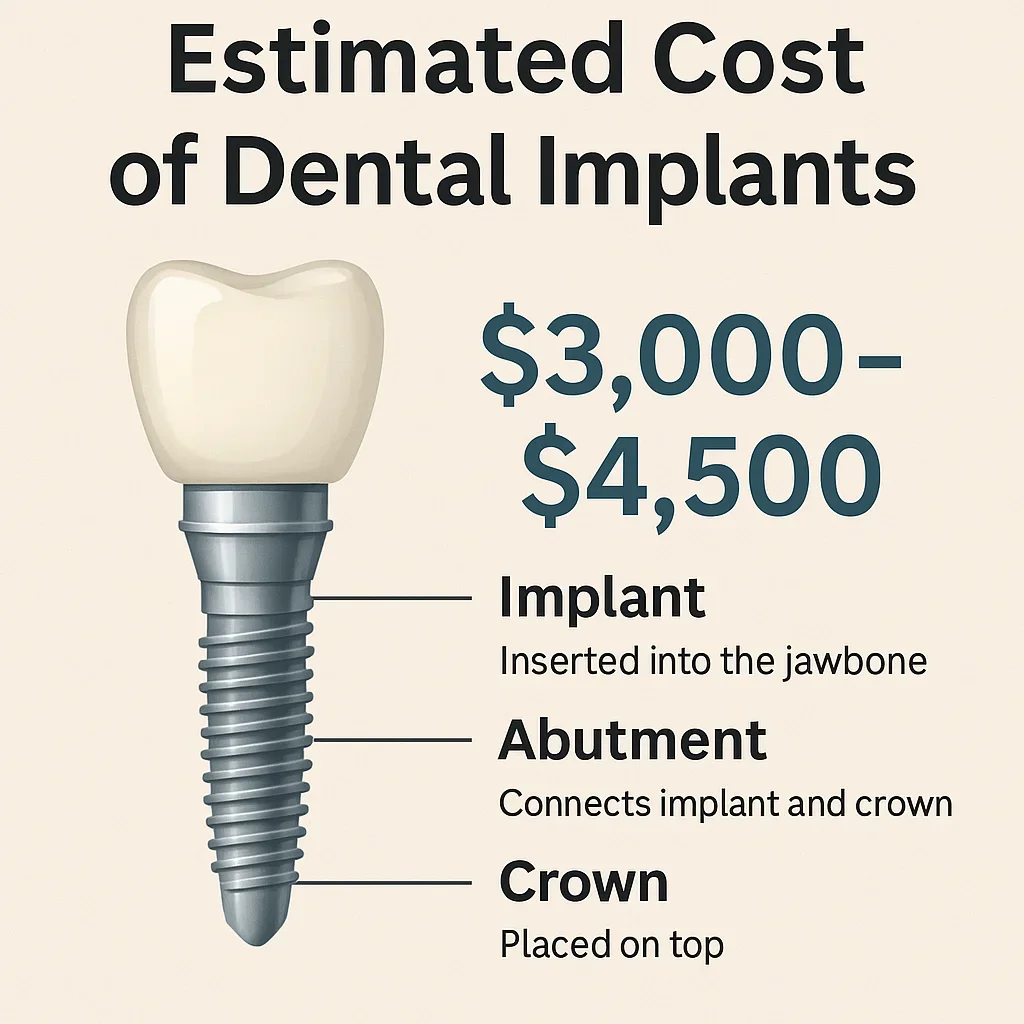
Before we dive deeper into pricing details, it’s important to understand what a dental implant actually is. A dental implant is a small titanium screw inserted into the jawbone to replace a missing tooth root. Over time, it fuses with the bone through a process called osseointegration. Once healed, an abutment and a crown are attached to restore your smile. Because it replicates a natural tooth in both form and function, this treatment is often more expensive than alternatives like dentures or bridges — but it also offers unmatched longevity and stability.
When calculating the estimated cost of dental implants, you must consider all the components involved. A complete implant restoration includes several steps: initial consultation, 3D imaging, implant placement, healing period, abutment connection, and crown fabrication. Each of these stages has an associated cost. For example, the initial diagnostic process alone may include panoramic X-rays or digital scans costing between $100 and $300. Then, the surgical phase — which involves inserting the titanium post — can cost around $1,500 to $2,500 per tooth, depending on complexity. The crown itself, made from porcelain or zirconia, adds another $800 to $1,500.
Aside from materials and procedures, geographical differences play a significant role. Clinics in urban centers like New York or Los Angeles typically charge more than those in smaller cities or international destinations. Many patients choose to travel abroad to reputable clinics such as Redent Klinik Contact Page for competitive pricing and high-quality care. Dental tourism destinations have gained popularity because they combine lower operating costs with advanced facilities and skilled professionals.
One key factor influencing the estimated cost of dental implants is the type of restoration needed. A single implant differs greatly from an All-on-4 or All-on-6 full-arch replacement. For instance, while a single implant may cost a few thousand dollars, a full-mouth restoration using the All-on-4 technique can range from $15,000 to $30,000 in the U.S. Meanwhile, the same treatment might be available abroad for nearly half that price — often including accommodation and transportation packages. 🌍
Another consideration is the type of material used for the implant and crown. Titanium implants are the most common due to their biocompatibility and strength, but zirconia implants are gaining attention for their metal-free, aesthetic properties. Zirconia options may increase the estimated cost of dental implants slightly, but they are ideal for patients with metal sensitivities or those seeking a more natural gum appearance. The crown material also matters: zirconia and porcelain crowns are costlier than composite ones but provide superior durability and aesthetics.
In 2025, technological advancements are also expected to influence the pricing landscape. Digital planning, 3D printing, and guided surgery systems have streamlined procedures and reduced human error, but they come at a cost. These innovations improve precision and treatment outcomes, yet they slightly raise the estimated cost of dental implants because of equipment investment. Still, the long-term benefits—faster healing, fewer complications, and more predictable results—often justify the initial expense. 🦷✨
Insurance coverage remains a gray area for many patients. Traditional dental insurance plans in the U.S. rarely cover implants fully, but some may reimburse a portion, such as the crown or diagnostic procedures. Others offer partial coverage if tooth loss resulted from an accident or medical condition. It’s essential to consult your provider and obtain a detailed cost breakdown before proceeding. Alternatively, financing options and payment plans offered by clinics can make treatment more accessible.
Ultimately, the estimated cost of dental implants is not just about the financial investment — it’s about restoring your confidence, comfort, and oral health. While the initial price tag may seem high, implants provide a lifetime solution compared to dentures that require periodic replacements. A well-placed implant can last 20 years or more with proper hygiene and maintenance. To ensure accurate and ethical guidance, always verify your clinic’s credentials and certifications, ideally with associations such as the American Dental Association. This ensures that the materials used, sterilization standards, and surgical procedures meet global standards.
To sum up, understanding the estimated cost of dental implants requires looking beyond just the numbers. It involves evaluating materials, surgical expertise, country of treatment, and long-term value. Investing in implants is essentially investing in your health, aesthetics, and quality of life. As global awareness and competition grow, 2025 will continue to offer patients more transparent, affordable, and innovative options for achieving a confident smile. 😁
What Affects the Estimated Cost of Dental Implants?
Understanding the estimated cost of dental implants means breaking down the numerous variables that determine the final price of this life-changing dental procedure. From material choices to your jawbone’s condition and even your geographical location, each factor plays a role in shaping the cost structure. In this section, we’ll explore in detail what truly affects implant pricing in 2025 and how you can make informed decisions that balance quality, safety, and budget. 🦷
1. The Type and Number of Implants
The number of implants you need directly impacts the estimated cost of dental implants. A single implant naturally costs less than multiple replacements or a full-arch restoration. However, the pricing model changes when clinics use advanced techniques like All-on-4 or All-on-6 systems. These methods use fewer implants to support an entire arch, effectively reducing per-tooth costs. For instance, four implants can support a 12-tooth bridge, offering both efficiency and value. Still, the surgical complexity and prosthetic design influence the total bill.
Single Tooth vs. Full Mouth Implants
While a single implant may cost between $1,500 and $6,000 in the United States, a full-mouth restoration could exceed $30,000. The difference arises because full restorations involve more comprehensive planning, additional materials, and advanced procedures. Interestingly, clinics abroad—such as Redent Klinik Contact Page—can often provide equally high-quality results at a fraction of the price thanks to lower operational expenses and favorable exchange rates.
2. The Experience and Skill of the Dentist
The dentist’s expertise is one of the most influential components of the estimated cost of dental implants. Implantology is a delicate field that requires advanced surgical training, precision, and years of experience. A highly skilled implantologist will likely charge more due to their proven success rates, modern techniques, and quality assurance. However, paying more for an experienced specialist can prevent complications, ensuring your implants last longer and function perfectly. Remember, a poorly executed implant can cost far more to correct later than doing it right the first time. 🧠
3. Diagnostic and Preparatory Procedures
Before the surgery, your dentist performs several diagnostic evaluations, including 3D CBCT scans, panoramic X-rays, and oral health assessments. These procedures add to the overall estimated cost of dental implants but are crucial for accuracy and safety. They allow the dentist to assess bone density, nerve positions, and sinus structure. Sometimes, preparatory treatments like tooth extractions, bone grafting, or sinus lifts are required before the implant placement. Each of these adds extra expenses, often ranging from $300 to $3,000 depending on the complexity.
Bone Grafting and Sinus Lifts
If your jawbone lacks sufficient density or height, a bone graft becomes necessary to support the implant securely. Similarly, a sinus lift may be required for upper jaw placements near the sinus cavity. These additional procedures increase the estimated cost of dental implants but ensure the long-term success of the treatment. Investing in these preparatory steps prevents implant failure and promotes better bone integration.
4. Material Quality and Brand Selection
The type of materials used for both the implant and crown significantly influences the total price. Titanium remains the most common and cost-effective option due to its excellent biocompatibility and strength. However, zirconia implants are gaining popularity for their metal-free, aesthetic properties. Zirconia models can raise the estimated cost of dental implants by 10–20%, but they appeal to patients seeking premium, allergy-free alternatives. The crown material also affects cost—zirconia and porcelain crowns are more expensive but offer superior durability and lifelike appearance compared to composite options.
5. Geographic Location and Clinic Overheads
Where you choose to undergo treatment matters significantly. Major metropolitan areas like Los Angeles, London, or Sydney typically have higher clinic overheads, thus increasing the estimated cost of dental implants. Meanwhile, dental tourism destinations such as Turkey, Hungary, and Mexico have become global leaders in affordable dental care. Patients traveling abroad can save up to 60% while receiving world-class treatment. These savings often include comprehensive packages with transportation, accommodation, and aftercare—making them highly attractive for budget-conscious patients. 🌍
6. Technology and Equipment Used
Advanced clinics today employ digital planning tools, guided surgery systems, and 3D printing for crowns and abutments. While these innovations enhance precision and shorten healing time, they also slightly elevate the estimated cost of dental implants. Nevertheless, the long-term benefits—such as reduced complications and improved aesthetic outcomes—make these technologies worth considering. A digital workflow ensures your implants are placed at the perfect angle, minimizing bone loss and maximizing comfort.
7. Type of Restoration: Temporary vs. Permanent
Some patients opt for temporary crowns or dentures while the implants heal, while others wait for permanent restorations. Choosing immediate loading (same-day implants) increases the estimated cost of dental implants because it requires specialized tools and expertise. However, this method allows patients to walk out with a functional smile the same day, reducing overall downtime and boosting satisfaction. The choice between temporary and permanent restorations depends on both clinical conditions and financial readiness.
8. Laboratory and Manufacturing Costs
Every dental implant requires custom-made components crafted in dental laboratories. These labs use advanced CAD/CAM technology to ensure perfect fitting and alignment. The complexity of this manufacturing process contributes to the overall estimated cost of dental implants. High-end laboratories often collaborate with dentists who demand precision and quality assurance. Choosing a reputable lab ensures longevity and natural-looking aesthetics that complement your facial structure. 🧬
9. Post-Operative Care and Follow-Up Visits
After the surgery, patients need several follow-up appointments to monitor healing and ensure osseointegration success. These visits, along with any prescribed medications or additional imaging, can slightly increase the total estimated cost of dental implants. Maintenance checkups every six months are recommended to ensure long-term implant stability. Although these costs are minor compared to surgery, they are an essential part of total treatment planning and should be budgeted from the start.
10. Influence of Inflation and Global Trends in 2025
The global economy also plays a role in determining the estimated cost of dental implants. Inflation, currency fluctuations, and advancements in dental materials can cause prices to shift annually. In 2025, the overall cost trend is expected to stabilize due to competition among clinics and improved efficiency in digital workflows. Nevertheless, patients are advised to request itemized quotes and confirm whether the clinic adheres to international quality standards, such as those outlined by the American Dental Association.
In conclusion, many variables collectively determine the estimated cost of dental implants. While it may seem complex at first, understanding these influencing factors empowers patients to make informed, confident choices. Whether you’re seeking treatment locally or abroad, your final cost will always depend on the combination of skill, materials, and technology involved. Investing in quality dental implants is more than just a financial decision—it’s an investment in long-term oral health, confidence, and overall quality of life. 😁
Breaking Down the Components of Implant Pricing
When discussing the estimated cost of dental implants, it’s essential to understand what exactly goes into the total bill. Implants are not a single product — they are a complex, multi-phase treatment involving numerous materials, procedures, and professional services. Knowing the breakdown of these components helps patients make sense of price differences between clinics and countries. In this section, we’ll examine each stage of the implant process in detail, including diagnostics, surgery, materials, and aftercare. 🧩
1. Consultation and Diagnostic Imaging
The journey begins with an initial consultation and imaging sessions. These diagnostic steps are crucial because they allow your dentist to evaluate jawbone density, gum health, and the position of nerves and sinuses. High-resolution tools such as 3D CBCT scans and panoramic X-rays are typically used. These tests usually cost between $150 and $500, depending on the clinic and location. Although these early steps may seem minor, they are an integral part of the estimated cost of dental implants, ensuring precise planning and a safe surgical outcome.
Digital Planning and Smile Design
Many advanced clinics use digital software to create a “virtual surgery” model, simulating how implants will look and function before the actual procedure. This personalized planning adds $200–$400 to the cost but provides peace of mind, especially for patients undergoing multiple implants. The integration of digital technology has significantly improved accuracy and reduced the risk of complications, which ultimately enhances the value of the overall treatment. 🖥️
2. Surgical Procedure and Implant Placement
The surgery itself is the largest contributor to the estimated cost of dental implants. During this phase, a titanium or zirconia post is surgically inserted into the jawbone, replacing the missing tooth root. This process typically costs between $1,000 and $3,000 per implant in the United States. The price includes anesthesia, sterilization, and surgical labor. The complexity of the procedure — such as bone quality, implant location, and the number of implants — heavily influences the total. Clinics that employ guided surgery techniques often charge more due to the precision and advanced technology involved.
Anesthesia and Sedation Options
Anesthesia is another component that impacts the estimated cost of dental implants. Local anesthesia is included in most procedures, but patients with dental anxiety or multiple implants may prefer IV sedation or general anesthesia. These methods can add $400 to $1,000 to the total bill. Sedation not only enhances comfort but also enables longer, more complex procedures to be completed in a single session — reducing overall recovery time and multiple appointments.
3. The Implant Fixture
The implant itself — the titanium or zirconia post — represents a significant part of the total cost. Titanium implants are the standard option due to their proven biocompatibility and durability. Premium brands like Nobel Biocare, Straumann, and Zimmer Biomet often charge higher prices, but they offer superior integration and warranty support. On average, the implant fixture accounts for 30–40% of the estimated cost of dental implants. Zirconia implants, known for their aesthetic and metal-free design, cost approximately 20% more but are ideal for patients with metal sensitivities or gum transparency concerns.
4. Abutment Connection
The abutment serves as a connector between the implant and the crown. It is custom-made for each patient to ensure perfect alignment and bite function. Standard abutments typically cost between $300 and $500, while customized zirconia or titanium abutments can exceed $800. Some advanced clinics use CAD/CAM-milled abutments that are precisely fabricated to match the digital scan of the patient’s mouth. This ensures optimal aesthetics, especially in visible areas. Since every restoration requires at least one abutment, this step adds a notable portion to the estimated cost of dental implants.
5. Crown or Prosthetic Restoration
Once osseointegration (bone healing) is complete, the implant is ready for its crown — the visible part of your new tooth. Crown materials vary in both aesthetics and price. Porcelain-fused-to-metal (PFM) crowns are more affordable, while all-ceramic or zirconia crowns deliver superior appearance and longevity. Prices typically range between $800 and $1,500 per tooth. Since the crown is the most visible element, it is also the most customized part of the entire procedure. The selection directly affects the final estimated cost of dental implants, especially in cases involving multiple teeth or full-mouth restorations. 😁
Implant-Supported Bridges and Dentures
In cases where several teeth are missing, patients may choose implant-supported bridges or overdentures instead of individual crowns. This option can lower the per-tooth cost since fewer implants are required. For example, an All-on-4 system uses just four implants to support an entire arch of 12–14 teeth, significantly reducing the total cost compared to single implants. However, the prosthetic component remains a large contributor to the estimated cost of dental implants because of the precision and craftsmanship involved in creating a lifelike smile.
6. Additional Procedures and Aftercare
Sometimes, patients need preparatory procedures such as bone grafting, sinus lifts, or extractions before implant placement. These add-ons can increase the total cost by several hundred or even thousands of dollars. Bone grafting ensures the implant has a strong foundation, while sinus lifts create sufficient bone height for upper jaw implants. After surgery, follow-up visits, checkups, and professional cleanings contribute to the overall estimated cost of dental implants. Post-operative care ensures the implants heal properly and remain stable for years to come.
7. Laboratory and Manufacturing Costs
Dental laboratories play a vital role in producing crowns, abutments, and bridges. High-end labs using advanced digital CAD/CAM technology deliver more precise results but at a higher cost. The craftsmanship behind these restorations ensures durability and aesthetic harmony with surrounding teeth. Laboratories account for roughly 15–25% of the estimated cost of dental implants. Choosing a clinic that collaborates with reputable labs guarantees better color matching, fit, and long-term reliability.
8. Clinic Overheads and Quality Standards
Each dental facility includes its operational costs—such as rent, staff salaries, sterilization systems, and equipment maintenance—within its pricing. Clinics accredited by organizations like the American Dental Association or ISO-certified bodies often charge slightly higher fees but provide assurance of quality and safety. While these standards raise the estimated cost of dental implants, they minimize risk and maximize patient satisfaction. Clinics like Redent Klinik Contact Page often highlight transparent pricing policies, itemized breakdowns, and adherence to global protocols, helping patients understand exactly what they are paying for.
9. Post-Treatment Maintenance and Longevity
Implant care doesn’t stop once the crown is placed. Regular maintenance, annual checkups, and professional cleanings are vital to preserve implant health. Though maintenance costs are relatively low, neglecting them can lead to expensive complications such as peri-implantitis. Proper hygiene and routine dentist visits ensure your investment lasts decades. Considering longevity, implants remain one of the most cost-effective dental solutions available, even when factoring in all components of the estimated cost of dental implants. 🦷💎
In summary, the total estimated cost of dental implants is a reflection of meticulous craftsmanship, cutting-edge technology, and clinical precision. Every component — from the initial consultation to the final crown — contributes to both the financial investment and the long-term satisfaction of the patient. Understanding this breakdown empowers individuals to make better financial and health decisions when planning their smile restoration journey in 2025 and beyond. 🌟
Average Estimated Cost of Dental Implants in the USA and Abroad
The estimated cost of dental implants varies widely across regions and countries. Patients often find themselves comparing prices between the United States, Europe, and dental tourism destinations like Turkey, Thailand, and Mexico. Understanding these differences is vital for making an informed decision that balances affordability, quality, and safety. In this section, we’ll explore how geography, healthcare regulations, and local economic factors influence dental implant pricing in 2025 — with clear, detailed comparisons between the USA and international alternatives. 🌍
1. Implant Costs in the United States
In the U.S., the estimated cost of dental implants remains among the highest in the world due to advanced clinical standards, higher labor costs, and strict health regulations. On average, a single dental implant in 2025 costs between $3,000 and $6,000, including the implant post, abutment, and crown. If additional procedures such as bone grafting or sinus lifts are required, the price can rise by $1,000–$3,000 per tooth.
Patients seeking full-mouth restorations face even steeper costs. For example, an All-on-4 full-arch system typically costs between $20,000 and $35,000 per jaw in most major cities. Premium clinics in Los Angeles, New York, or Chicago may exceed these averages because of high operating costs and specialized implant systems. On the other hand, smaller towns or community clinics may offer slightly lower rates but still maintain high-quality standards.
Why U.S. Implant Costs Are Higher
The primary reason behind the higher estimated cost of dental implants in the U.S. is the combination of skilled labor, advanced materials, and strict legal oversight. American dentists must adhere to guidelines from the American Dental Association, which ensures patient safety and quality. However, these compliance costs increase the final price. Additionally, most dental insurance plans in the U.S. do not cover implants fully, leaving patients to finance the procedure out-of-pocket or through third-party lenders. 🏥
2. Average Prices in Europe
Europe presents a mixed landscape for implant costs. Western European countries such as Germany, France, and the United Kingdom maintain high-quality dental care but often at 20–40% lower prices compared to the U.S. For example, in Germany, a single implant may cost between €2,000 and €3,500. In the UK, similar treatments range from £2,000 to £4,000 depending on clinic location and materials used.
Eastern Europe: Affordable Alternatives
Countries like Hungary, Poland, and the Czech Republic have become dental tourism hubs. These nations offer advanced facilities, skilled professionals, and costs up to 60% lower than in the U.S. The average estimated cost of dental implants in Hungary, for example, is about €900 to €1,400 per implant, including abutment and crown. Lower labor costs, government-backed healthcare initiatives, and efficient supply chains contribute to these savings while maintaining high international standards.
3. Dental Implant Costs in Turkey 🇹🇷
Turkey has rapidly become one of the most sought-after destinations for dental tourism. Clinics such as Redent Klinik Contact Page in Istanbul and Antalya offer exceptional implant treatments using global brands like Straumann and Nobel Biocare. The estimated cost of dental implants in Turkey typically ranges from $400 to $900 per tooth, including implant, abutment, and crown. This means patients can receive full-mouth restoration for about $7,000 to $10,000, compared to $30,000 or more in the U.S.
What’s Included in Turkish Packages
One reason Turkey attracts thousands of patients each year is the “all-inclusive” treatment approach. Most clinics offer comprehensive packages that cover accommodation, airport transfers, digital scans, and aftercare follow-ups. Despite lower costs, clinics adhere to strict international sterilization and medical standards. This makes the estimated cost of dental implants in Turkey not just cheaper but also transparent and predictable. 🌟
4. Cost Comparison Table
To provide a clear overview, the following is a simplified price comparison (approximate averages as of 2025):
| Country | Average Cost (Per Implant) | Full-Arch (All-on-4) |
|---|---|---|
| USA | $3,000 – $6,000 | $20,000 – $35,000 |
| Germany | €2,000 – €3,500 | €12,000 – €20,000 |
| UK | £2,000 – £4,000 | £15,000 – £25,000 |
| Hungary | €900 – €1,400 | €8,000 – €10,000 |
| Turkey | $400 – $900 | $7,000 – $10,000 |
| Mexico | $800 – $1,200 | $10,000 – $15,000 |
These figures illustrate how the estimated cost of dental implants fluctuates globally, with some regions offering savings of up to 70%. However, patients must consider travel expenses, follow-up visits, and the importance of post-surgical care when comparing total treatment value. ✈️
5. Asia’s Role in Affordable Dental Care
Asia has emerged as another strong player in global dental tourism. Countries like Thailand, India, and the Philippines are renowned for combining affordability with excellent care. In Bangkok, the estimated cost of dental implants ranges from $800 to $1,500 per tooth, while in India, it can be as low as $500. These clinics often feature internationally trained dentists and modern facilities, making them appealing for budget-conscious patients who still want quality and safety.
Travel and Warranty Considerations
When traveling abroad for dental implants, patients should ensure the clinic provides a written warranty for their work. Reputable clinics offer multi-year guarantees, covering issues such as implant failure or crown replacement. It’s also wise to schedule enough time for healing or follow-up appointments, as some treatments require multiple visits. Factoring in these practical elements ensures the total estimated cost of dental implants remains transparent and manageable.
6. How Currency and Inflation Affect Pricing
Global economic shifts and currency fluctuations directly affect implant pricing. For example, when the dollar strengthens, procedures in countries with weaker currencies become more affordable for U.S. patients. Conversely, inflation in local markets may raise the estimated cost of dental implants by 5–10% annually. In 2025, moderate inflation and increased global competition are expected to stabilize implant pricing, making overseas treatments even more attractive to international patients.
7. Balancing Cost and Quality
Choosing where to get your dental implants shouldn’t be based solely on price. Factors like sterilization standards, material quality, technology, and dentist expertise are equally crucial. A low initial cost may lead to higher expenses later if follow-up treatment or corrections are required. Clinics accredited by the American Dental Association or their international counterparts provide added security and professionalism, ensuring patients get the best possible outcomes for their investment in the estimated cost of dental implants.
In conclusion, the estimated cost of dental implants varies dramatically worldwide, from high-end clinics in the U.S. to affordable, world-class centers abroad. Patients seeking quality care at a reasonable price can explore destinations like Turkey, Hungary, and Thailand without sacrificing safety or results. By researching carefully and consulting experienced professionals, anyone can achieve a beautiful, lasting smile at a cost that suits their budget and expectations. 😁
Why Are Dental Implants More Expensive Than Other Tooth Replacements?
The estimated cost of dental implants is often higher than that of dentures or bridges, and many patients wonder why. The answer lies in the complexity, precision, and long-term value that implants provide. While dentures and bridges are surface-level solutions, dental implants go deeper — literally — by replacing both the visible tooth and its root. This section explores every factor contributing to their higher cost, from advanced surgical procedures to the superior materials that ensure decades of durability. 🦷
1. Advanced Surgical Techniques and Precision
The first and most significant reason behind the higher estimated cost of dental implants is the surgical process itself. Implant placement is not a simple dental procedure; it’s a minor surgical operation that requires advanced imaging, computer-guided planning, and high surgical precision. The dentist must evaluate bone structure, gum health, and nerve positions before insertion. This is far more complex than fitting a bridge or creating a denture, both of which sit on or around the gums without surgical intervention. Each implant procedure demands sterile conditions, surgical expertise, and custom equipment, all of which contribute to the cost. 💉
Guided Implant Surgery
Modern clinics now use digital planning tools and guided implant surgery to ensure perfect placement. These technologies use 3D scans to simulate exact implant positions before surgery. This precision minimizes complications, reduces healing time, and enhances success rates — but it also increases the estimated cost of dental implants because of the specialized equipment and software required. Clinics like Redent Klinik Contact Page utilize these tools to deliver exceptional results safely and efficiently.
2. High-Quality Materials
Another major contributor to the estimated cost of dental implants is the material used. The implant post itself is typically made of medical-grade titanium — a biocompatible metal that fuses seamlessly with the jawbone. Titanium’s durability and resistance to corrosion make it an ideal material for long-term use. Some patients, however, prefer zirconia implants, which are metal-free and offer a more natural gum aesthetic. These tend to be more expensive due to the manufacturing process and material refinement. The crown materials also vary: porcelain, zirconia, and ceramic crowns cost more than composite alternatives, but they mimic real teeth more closely and last significantly longer.
Durability and Longevity
Unlike dentures, which may need replacement every 5–8 years, a well-maintained implant can last for decades — even a lifetime. This longevity justifies the higher estimated cost of dental implants over time. When amortized over 20–30 years, implants often prove more economical than repeatedly replacing dentures or bridges. In addition, implants prevent bone loss and preserve facial structure, benefits that temporary solutions cannot offer.
3. Customization and Laboratory Work
Dental implants are not “one-size-fits-all.” Each patient’s implant is custom-designed to match their unique jaw structure, bite pattern, and aesthetic preferences. The process involves digital impressions, CAD/CAM design, and collaboration with specialized dental laboratories. These labs craft the abutment and crown with millimeter-level precision, ensuring a perfect fit and natural appearance. This degree of customization requires skilled technicians and advanced equipment, further increasing the estimated cost of dental implants.
Handcrafted vs. Machine-Milled Crowns
Some crowns are handmade by master ceramists who replicate the natural translucency of real teeth, while others are digitally milled using CAD/CAM systems. Handmade options provide unparalleled beauty and natural color matching but cost more due to labor intensity. Machine-milled versions are faster to produce but still require expensive digital scanners and 3D printers, contributing to the overall estimated cost of dental implants.
4. Multiple Phases of Treatment
Dental implant therapy is not completed in a single appointment. It involves several distinct phases — consultation, surgery, healing, abutment placement, and final restoration. Each stage requires professional time, specialized tools, and follow-up care. After implant placement, osseointegration (bone fusion) takes several months before the crown can be installed. During this period, patients may receive temporary prosthetics, which add to the overall estimated cost of dental implants. This multi-step process ensures that implants are stable, functional, and aesthetically pleasing in the long term. ⏱️
Healing and Maintenance Phases
The healing period after surgery is critical. Regular checkups, X-rays, and cleanings help ensure proper integration. These post-operative visits, though relatively inexpensive individually, collectively increase the total cost. However, they also safeguard your investment by ensuring success and avoiding complications that could require costly re-treatments later.
5. Expertise and Education of the Dentist
The skill level of the dentist or oral surgeon plays a major role in the estimated cost of dental implants. Experienced implantologists undergo years of specialized training beyond standard dentistry. Their advanced knowledge reduces risks like nerve damage or implant failure. A dentist certified by recognized institutions or international boards — such as those following American Dental Association standards — will naturally charge more due to their qualifications and experience. However, this added cost provides peace of mind, ensuring precision and safety throughout the process. 🧠
6. Infrastructure, Technology, and Sterilization Standards
Top-tier clinics maintain high sterilization standards and invest in cutting-edge dental technology. These include autoclaves, digital radiography, intraoral scanners, and laser-assisted tools. Maintaining these technologies involves significant operational expenses, which add to the estimated cost of dental implants. However, this investment translates into safer procedures, faster recovery, and better long-term results. Modern clinics often operate under ISO or ADA-approved protocols, ensuring top hygiene and patient comfort. 🏥
7. Long-Term Benefits Justify the Cost
While the upfront estimated cost of dental implants might seem steep, it’s crucial to view the treatment as a lifetime investment. Implants restore natural function, improve speech, and prevent bone resorption — something dentures cannot achieve. Additionally, implants preserve adjacent teeth since they don’t require grinding or reshaping, as dental bridges do. These benefits make implants not only a functional upgrade but also a long-term health decision. Patients who choose implants enjoy better oral stability, comfort, and confidence over the years. 😁
Financial Perspective
If a traditional denture costs $1,500 and requires replacement every 7 years, a patient may spend over $6,000 in 30 years. In contrast, the average implant, though initially costing $3,500–$5,000, can last for life with proper care. Thus, the long-term financial value makes implants the smarter investment, even if the initial estimated cost of dental implants is higher.
In summary, dental implants are more expensive because they represent the pinnacle of restorative dentistry — combining surgical precision, biocompatible materials, and artistry. The estimated cost of dental implants reflects the years of research, technology, and craftsmanship that make them superior to temporary alternatives. When evaluated over time, implants offer unmatched function, aesthetics, and durability, proving that quality dental care is not an expense but a lifelong investment in your health and confidence. 🌟
Ways to Lower the Estimated Cost of Dental Implants Without Compromising Quality
The estimated cost of dental implants can feel overwhelming for many patients, but the good news is that there are several safe and effective ways to reduce expenses without sacrificing quality. Implants are a long-term investment in your health, confidence, and smile — and with smart planning, you can make them much more affordable. This section explores practical strategies, cost-saving options, and expert tips for lowering implant costs while still maintaining world-class results. 💡
1. Compare Multiple Clinics and Treatment Plans
One of the simplest ways to reduce the estimated cost of dental implants is to compare quotes from several qualified clinics. Prices can vary significantly even within the same city due to differences in brand partnerships, lab fees, and clinic overheads. Don’t automatically choose the cheapest option; instead, request a detailed treatment plan outlining each cost component — consultation, implant post, abutment, crown, anesthesia, and follow-up care. This transparency helps you identify where savings can be made without compromising safety or materials.
Ask for an Itemized Cost Breakdown
Many clinics bundle services into one package, making it difficult to see where the money goes. By requesting an itemized invoice, you can determine whether you’re being charged fairly for diagnostics, lab work, and materials. Sometimes, clinics mark up certain components more than others, and identifying these areas can help you negotiate or seek better value elsewhere. 💬
2. Consider Dental Tourism
Dental tourism has become one of the most effective ways to cut costs while maintaining quality. Clinics in countries such as Turkey, Hungary, Mexico, and Thailand offer world-class dental care at prices up to 70% lower than in the United States or Western Europe. For example, at reputable centers like Redent Klinik Contact Page, patients can receive full-mouth restorations for a fraction of U.S. costs — without sacrificing hygiene, expertise, or advanced materials. The lower operating costs and favorable currency exchange rates make these destinations ideal for patients looking to reduce the estimated cost of dental implants.
All-Inclusive Treatment Packages Abroad
Many international clinics offer complete dental tourism packages covering airport transfers, accommodation, and aftercare. This structure not only provides financial relief but also simplifies the treatment process. Moreover, clinics accredited by global organizations or following American Dental Association standards ensure that patients receive the same level of safety and professionalism as they would at home. 🌍
3. Check if Your Insurance Covers Part of the Treatment
Although most U.S. dental insurance plans don’t fully cover implants, many now provide partial reimbursement for certain components like crowns or diagnostic imaging. Reviewing your insurance policy thoroughly or consulting your provider can help reduce the estimated cost of dental implants. Some insurers categorize implants as “major restorative procedures,” reimbursing a portion of the costs or offering annual limits that can offset expenses when combined with financing plans.
Flexible Health Spending Accounts (HSAs and FSAs)
If you have a Health Savings Account (HSA) or Flexible Spending Account (FSA), you can use pre-tax dollars to pay for your implant treatment. This can effectively reduce the overall cost by 20–30% depending on your tax bracket. Always check eligibility and submission requirements to ensure smooth reimbursement.
4. Opt for Generic or Local Implant Brands
Brand-name implants from global manufacturers like Straumann or Nobel Biocare often cost more due to marketing and long-term warranty support. However, local or generic implant systems certified for safety can deliver equally reliable results at a lower cost. Discussing these options with your dentist can reduce the estimated cost of dental implants without affecting success rates. Just ensure that the selected implant system meets ISO and ADA quality standards and has proven clinical data backing its performance. ⚙️
Balancing Cost and Quality
Always verify that the chosen implant brand has an established record of osseointegration success and material strength. A reputable mid-range implant system can save hundreds per tooth while still offering high durability. Avoid unverified, unbranded implants that lack proper certification — short-term savings can lead to costly complications later.
5. Look for Seasonal Promotions and Payment Plans
Many dental clinics run special promotions during off-peak months or holidays. Some offer discounts for new patients or multi-implant packages. Additionally, most clinics now provide flexible financing options, allowing you to spread the estimated cost of dental implants over 6 to 24 months with low or zero interest. Partnering with healthcare lenders such as CareCredit, Proceed Finance, or local equivalents can make high-quality treatment more accessible without large upfront payments. 💳
Membership and Loyalty Programs
Some dental centers have loyalty or membership plans that include annual cleanings, checkups, and discounts on major procedures like implants. Enrolling in such programs can offer long-term savings, particularly if you require multiple implants or plan to maintain them at the same clinic over time.
6. Combine Procedures Strategically
In some cases, dentists can combine multiple procedures into a single surgical session — for example, performing extractions and implant placements together. This approach reduces anesthesia and surgical fees, ultimately lowering the estimated cost of dental implants. Similarly, opting for implant-supported bridges rather than individual implants for each missing tooth can significantly reduce material and lab costs while achieving the same aesthetic and functional outcomes.
All-on-4 and All-on-6 Solutions
Full-arch systems like All-on-4 or All-on-6 are designed to maximize stability with fewer implants. This method can replace a full set of teeth using just four or six strategically placed implants. While the total treatment cost remains high, the per-tooth expense drops considerably, providing better long-term value. 🦷
7. Choose Clinics With Transparent Pricing
Transparency is key when reducing the estimated cost of dental implants. Reputable clinics will always provide a clear, itemized treatment plan and honor it throughout the process. Hidden fees, surprise charges, or unnecessary upselling can quickly inflate your budget. Before committing, ensure your clinic provides written quotes and warranty details covering the implant, abutment, and crown. Clinics that maintain clear communication tend to offer better patient satisfaction and fewer unexpected expenses.
8. Maintain Excellent Oral Hygiene
Prevention is the ultimate cost saver. Proper oral hygiene and regular dental checkups can help preserve existing teeth and ensure implants last longer, minimizing future spending. A well-maintained implant rarely requires replacement, while neglect can lead to expensive corrective procedures like peri-implantitis treatment. By investing in consistent care, you protect your long-term investment and keep the total estimated cost of dental implants lower over a lifetime. 🪥
9. Seek Academic or Teaching Clinics
Dental schools often provide implant treatments at reduced prices performed by advanced students under expert supervision. These programs maintain strict oversight and use high-quality materials while cutting labor costs. Though appointments may take longer, this option can reduce the estimated cost of dental implants by 40–60%, making it an excellent choice for budget-conscious patients who prioritize safety and quality.
In conclusion, while the estimated cost of dental implants may initially seem high, smart planning can make them far more affordable. From exploring dental tourism and insurance benefits to choosing transparent clinics and flexible payment plans, patients today have more options than ever to save money without compromising on quality. With careful research and responsible aftercare, you can achieve a confident, lasting smile at a price that fits your budget and expectations. 😁
Does Dental Insurance Cover the Cost of Implants?
When patients research the estimated cost of dental implants, one of the most common questions they ask is whether their insurance plan will cover any portion of the treatment. Unfortunately, dental implants are often classified as elective or cosmetic procedures by insurance companies — meaning full coverage is rare. However, in 2025, more insurers are beginning to recognize implants as essential restorative treatments rather than cosmetic luxuries. This section provides a detailed breakdown of how dental insurance interacts with implant costs, including what’s typically covered, reimbursement structures, and strategies to maximize your benefits. 💰
1. Why Dental Implants Are Only Partially Covered
Insurance coverage for implants depends on how your policy defines “necessary treatment.” Many plans still categorize implants as elective, even though they provide permanent tooth replacement and prevent bone loss. Because of this classification, insurers often cover only parts of the treatment — such as diagnostic tests, anesthesia, or crowns — but not the actual implant post or surgical placement. The estimated cost of dental implants may therefore still fall largely on the patient.
Example of Partial Coverage
For instance, your insurer may pay 50% of the cost of a porcelain crown (the visible part of the implant), but none of the expenses for the titanium post or abutment. This can lead to an average reimbursement of $500–$1,000 per tooth, depending on your plan’s limits. In contrast, the full procedure could cost several thousand dollars, leaving patients responsible for the remainder. 🧾
2. Types of Insurance Plans and Their Approach to Implants
Different insurance plan types offer varying levels of coverage for implants. Understanding how your plan is structured can help you anticipate out-of-pocket expenses and determine how to reduce the estimated cost of dental implants.
Dental Preferred Provider Organization (PPO) Plans
PPO plans are the most flexible and commonly used dental insurance options. They typically reimburse a percentage of specific implant components, such as the crown or diagnostics. PPOs allow you to choose your dentist, but benefits may be higher when you visit an in-network provider. Even with PPO coverage, most patients should expect to pay 50–70% of the total implant cost themselves.
Health Maintenance Organization (HMO) Plans
HMO dental plans are usually more affordable but offer limited flexibility and coverage. Implants are often excluded entirely from these plans. However, they may provide discounts for alternative procedures like bridges or dentures, which could help lower the overall estimated cost of dental implants if combined with partial reimbursement.
Supplemental and Specialty Insurance
Some companies now offer supplemental dental policies specifically designed to cover implants and advanced prosthetics. These are ideal for patients who plan to undergo multiple implants or full-mouth restorations. Although the monthly premiums are higher, the long-term savings can be significant when considering the overall estimated cost of dental implants.
3. Medical Insurance and Dental Implants
In certain cases, medical insurance — not dental insurance — can partially cover implant-related procedures. For example, if tooth loss occurred due to an accident, medical condition, or congenital issue, the implant surgery might qualify for partial reimbursement under a health policy. Procedures that restore facial structure after trauma or illness are more likely to be covered. Patients should always consult both their medical and dental insurance providers to clarify eligibility.
Situations Where Medical Insurance Applies
- Jawbone reconstruction after an accident or injury.
- Implants needed due to medical conditions such as oral cancer or bone loss disorders.
- Procedures involving reconstructive or corrective surgery for congenital abnormalities.
These exceptions can reduce the estimated cost of dental implants considerably for qualifying patients.
4. Annual Maximums and Deductibles
Most dental insurance plans come with annual maximums, typically ranging from $1,000 to $2,500 per year. Once you reach this limit, the patient must pay 100% of remaining expenses out of pocket. Given that a single implant may cost several thousand dollars, these caps rarely cover full treatment. Strategically planning your implant procedures over multiple calendar years can help you use the annual maximum more effectively and reduce the estimated cost of dental implants over time.
Deductibles and Waiting Periods
Before coverage begins, many plans require patients to meet a deductible — usually between $50 and $250. In addition, newly enrolled members may face waiting periods of six to twelve months before implants or major procedures become eligible. Knowing these details in advance helps you budget accordingly and avoid unexpected out-of-pocket costs. ⏳
5. Employer-Sponsored Dental Plans
Employer-provided dental plans are often more generous than individual policies. Some large corporations now include implant coverage in their employee benefits packages, especially for long-term staff. If you’re unsure whether your employer’s plan covers implants, contact your HR department or plan administrator for clarification. Even partial coverage can make a significant difference in the total estimated cost of dental implants.
6. Government and Alternative Programs
In most cases, government healthcare programs like Medicare and Medicaid do not cover implants. Medicare Part A and B may cover hospital-related costs if the implant procedure requires inpatient care, but not the implants themselves. However, certain state-level Medicaid programs or veterans’ benefits may include partial coverage for eligible individuals. Exploring these programs can sometimes yield unexpected savings on the estimated cost of dental implants.
7. Financing and Dental Discount Programs
When insurance coverage falls short, financing options can help bridge the gap. Many dental clinics partner with financing companies to offer installment plans that spread the cost over several months or years. Interest-free or low-interest plans make high-quality care more attainable. Dental discount cards and membership programs can also reduce the estimated cost of dental implants by providing negotiated rates and exclusive deals. 💳
Third-Party Financing Partners
Companies like CareCredit, Proceed Finance, and LendingClub offer healthcare-specific loans that can cover dental procedures. These plans provide flexibility for patients who want immediate treatment without large upfront payments. Always review the interest rates and repayment terms before signing up to ensure they fit your budget comfortably.
8. Maximizing Your Insurance Benefits
To make the most of your coverage, consider the following strategies:
- Ask your dentist for a pre-treatment estimate (pre-authorization) from your insurance company.
- Schedule procedures across different plan years to use multiple annual maximums.
- Combine dental and medical insurance claims when applicable.
- Keep all documentation of prior tooth loss, injury, or illness for potential reimbursement eligibility.
Implementing these techniques can substantially reduce the estimated cost of dental implants and minimize unexpected out-of-pocket expenses.
9. The Future of Implant Coverage
As dental implants continue to become the standard of care for missing teeth, insurance providers are adapting. In 2025 and beyond, more plans are expected to include partial or full coverage for implants, recognizing their long-term health benefits. Patients should regularly review policy updates, as newer coverage tiers may reduce the estimated cost of dental implants significantly in the coming years.
In summary, while most insurance plans still provide limited coverage for dental implants, there are numerous ways to offset expenses through partial reimbursements, financing options, and employer benefits. With careful planning and communication with your insurer, you can substantially minimize the financial burden and make implant treatment accessible without compromising quality or safety. 🦷💎
Hidden Costs You Should Know Before Getting Dental Implants
When evaluating the estimated cost of dental implants, patients often focus solely on the primary treatment components — the implant post, abutment, and crown. However, there are several additional or “hidden” expenses that can significantly influence the total price. Understanding these costs in advance helps prevent unpleasant financial surprises and ensures realistic budgeting for the entire implant journey. This section examines all potential add-ons, from preparatory procedures to aftercare and maintenance costs, helping you make an informed, transparent financial plan. 💰
1. Diagnostic and Consultation Fees
The first step toward implant treatment usually includes a comprehensive examination and advanced imaging. While some clinics offer free consultations, others charge for diagnostic services such as 3D CBCT scans, panoramic X-rays, and oral health evaluations. These diagnostics can cost anywhere from $150 to $500, depending on the clinic and region. Although they may seem minor, they contribute to the overall estimated cost of dental implants because they’re essential for precise planning and surgical accuracy. Patients should always verify whether these evaluations are included in the total quote or billed separately. 🦷
Pre-Surgical Planning Tools
Some advanced clinics use digital smile design software and virtual surgery simulations. These tools improve precision and aesthetics but can add an extra $200–$400 to the total cost. Clinics like Redent Klinik Contact Page provide transparent pricing that specifies whether such digital tools are included, helping patients understand every part of their expense clearly.
2. Pre-Treatment Procedures
Before an implant can be placed, your mouth must be in optimal health. Sometimes this requires preparatory treatments that add to the estimated cost of dental implants. Common examples include tooth extractions, bone grafts, sinus lifts, and gum disease therapy. These additional steps ensure a solid foundation for long-term implant success but can add several hundred to several thousand dollars to your final bill.
Bone Grafting and Sinus Lifts
If your jawbone is too thin or weak to support an implant, a bone graft is necessary. This procedure typically ranges from $300 to $3,000, depending on the graft material and size. Similarly, sinus lifts — which create space for implants in the upper jaw — can cost between $1,000 and $2,500. Though these are hidden costs, they are essential investments in ensuring implant stability and longevity. Neglecting them may lead to implant failure, which can be even more expensive to correct later. 🧬
3. Temporary Restorations and Healing Aids
During the healing phase after implant placement, temporary teeth or bridges may be required for aesthetics and function. These temporary restorations are often not included in the base quote but are important for comfort and appearance. Depending on materials used, they can add $200–$1,000 per tooth to the estimated cost of dental implants. Healing aids such as custom mouthguards or splints may also carry separate charges, typically around $100–$300.
Soft Tissue and Gum Shaping
In some cases, additional minor surgeries are needed to improve gum contour or aesthetic results before placing the final crown. Soft tissue sculpting procedures can add $250–$800 but are crucial for achieving a natural, symmetrical smile. These small enhancements often make the difference between a good and an excellent outcome.
4. Anesthesia and Sedation Fees
While local anesthesia is usually included in the main treatment cost, patients who opt for conscious sedation or general anesthesia may face extra charges. Sedation ensures comfort during longer or complex surgeries but can increase the estimated cost of dental implants by $400–$1,000. The type of anesthesia used (nitrous oxide, IV sedation, or general anesthesia) determines the price. Always ask whether the quoted cost includes anesthesia or if it is billed separately. 💤
5. Follow-Up Visits and Maintenance
Post-surgical care is critical to the long-term success of implants. Follow-up appointments, professional cleanings, and radiographic checks help monitor healing and osseointegration. While each visit might cost $100–$250, they’re often overlooked when calculating the estimated cost of dental implants. These visits can extend over six to twelve months, especially for multi-implant or full-mouth restorations.
Professional Cleanings and Checkups
Once implants are fully integrated, professional cleanings every six months are necessary to maintain oral health and prevent peri-implantitis. Each cleaning session may range from $100 to $200. Though minor compared to surgery, these recurring costs ensure the longevity of your investment and should be factored into the overall budget.
6. Laboratory and Customization Fees
The fabrication of crowns, abutments, and bridges involves specialized laboratory work. Some clinics outsource this process, leading to additional charges beyond the initial quote. Laboratory fees can contribute 15–25% of the total estimated cost of dental implants. Premium materials, such as zirconia or porcelain, require more precise craftsmanship, increasing costs further but resulting in more natural and durable restorations. 🧪
Custom Abutments vs. Stock Abutments
While stock abutments are cheaper and widely available, custom abutments are designed specifically for your mouth’s unique anatomy. This precision comes with a cost — typically an additional $300–$600 per implant — but it enhances the final aesthetic result and long-term function. Choosing custom options may increase short-term expenses but often reduces maintenance costs later.
7. Complication Management Costs
Although rare, complications such as infection, implant rejection, or bone loss can occur. Treating these issues might require additional surgeries, medications, or bone grafts. This can add $500–$2,000 to the estimated cost of dental implants depending on severity. Working with an experienced implantologist minimizes these risks, but it’s wise to have a contingency budget of about 10% for potential follow-up treatments.
Warranty and Revision Policies
Reputable clinics offer warranties that cover implant failure for several years, which can save you thousands if complications arise. However, warranty coverage varies between clinics and often excludes accidental damage or neglect. Always clarify the warranty terms before treatment to avoid hidden repair expenses later. 🧾
8. Travel and Accommodation for Dental Tourism
For patients seeking affordable treatment abroad, travel costs can sometimes offset the savings. Plane tickets, accommodation, meals, and local transportation should be included when calculating the full estimated cost of dental implants. Many international clinics now provide bundled dental tourism packages that cover logistics, making total costs more predictable. For example, Turkey-based clinics frequently include accommodation and transfers, offering convenience and transparency to international patients. ✈️
9. Long-Term Maintenance and Replacement Costs
Implants are designed to last a lifetime, but crowns and abutments may need replacement every 10–15 years due to wear or aesthetic changes. Replacement crowns typically cost $800–$1,500 each. Regular hygiene maintenance and avoiding habits such as teeth grinding or smoking will help minimize long-term costs. Patients who budget for these periodic updates ensure that their smile remains functional and beautiful for decades while keeping control of the total estimated cost of dental implants.
In conclusion, while the upfront price of implants may appear straightforward, there are many additional expenses that can impact the total investment. By understanding and planning for these hidden costs — from diagnostics and anesthesia to aftercare and potential complications — you can approach your dental implant journey with confidence and full financial transparency. Informed patients not only avoid surprises but also make smarter, long-term decisions for their health, appearance, and budget. 😁
How to Choose the Right Clinic for Affordable and Safe Dental Implants
When considering the estimated cost of dental implants, selecting the right clinic is just as important as evaluating the price. A dental implant is a surgical procedure requiring precision, experience, and long-term follow-up. Choosing a reliable and transparent clinic not only ensures the success of your treatment but also helps you avoid hidden costs, low-quality materials, and risky shortcuts. This section will guide you through the essential steps for identifying a trustworthy, affordable, and safe dental implant clinic — whether locally or abroad. 🏥
1. Check the Dentist’s Credentials and Experience
The most critical factor influencing both safety and the estimated cost of dental implants is the skill of the implantologist. Always verify the credentials, education, and experience of your dentist. Specialists who have undergone advanced training in implantology or oral surgery are better equipped to handle complex cases and minimize risks. A well-qualified dentist may charge more initially, but the long-term benefits — including fewer complications and longer-lasting results — outweigh the additional cost.
Certifications and Associations
Ensure that your dentist is accredited by recognized professional bodies. Membership in organizations such as the American Dental Association, ITI (International Team for Implantology), or the European Association for Osseointegration is a strong indicator of adherence to global standards. These certifications reflect not only expertise but also ethical compliance and a commitment to patient safety — crucial aspects that directly justify the estimated cost of dental implants.
2. Evaluate the Clinic’s Technology and Infrastructure
Modern dental clinics use cutting-edge technologies like 3D imaging, digital scanning, and guided implant surgery systems. These tools enhance precision, reduce recovery time, and increase success rates. However, clinics that invest in such equipment tend to have higher operational costs, which may influence the estimated cost of dental implants. Still, these technologies are worth every penny, as they reduce the likelihood of complications or re-treatments.
Key Equipment to Look For
- 3D Cone Beam CT (CBCT) scanners for bone structure analysis.
- CAD/CAM technology for precise abutment and crown fabrication.
- Laser-assisted tools for soft tissue management.
- Sterile, ISO-certified surgical rooms ensuring hygiene and infection control.
Clinics that use these technologies demonstrate a strong commitment to patient care and long-term results, which justifies a slightly higher estimated cost of dental implants.
3. Analyze Transparency and Cost Breakdown
Transparency is a hallmark of a reputable clinic. Always ask for an itemized treatment plan that clearly outlines every cost — consultation, implant post, abutment, crown, anesthesia, and aftercare. Avoid clinics that offer unrealistically low prices or refuse to provide details in writing. A clinic that values transparency will help you understand exactly where your money goes, ensuring the estimated cost of dental implants aligns with the quality of service provided. 💬
Watch Out for Hidden Fees
Some clinics quote low initial prices to attract patients but later add charges for essential procedures like bone grafts or temporary crowns. To prevent surprises, confirm whether your treatment plan includes all phases, from surgery to the final restoration. Reputable centers like Redent Klinik Contact Page provide comprehensive, upfront quotes with no hidden fees, giving patients peace of mind and predictable budgeting.
4. Examine Patient Reviews and Testimonials
Online reviews can provide valuable insights into a clinic’s reliability, professionalism, and patient satisfaction. Look for detailed reviews discussing surgical success, post-treatment care, and overall experience. Avoid clinics that have overwhelmingly generic or overly positive reviews — genuine feedback includes both strengths and minor criticisms. Testimonials often reflect the real-world balance between cost, quality, and outcomes, helping you judge whether the estimated cost of dental implants is justified by the results.
Third-Party Review Platforms
Use independent review websites or medical tourism portals rather than relying solely on a clinic’s website. Verified platforms often require proof of treatment before allowing reviews, ensuring authenticity. Patient videos and before-after galleries can also give realistic expectations about results.
5. Verify Material Quality and Implant Brands
Not all implants are created equal. The durability, biocompatibility, and success rate of your treatment depend heavily on the implant system used. Ask your dentist which brand they plan to use and whether it’s supported by clinical research. Global manufacturers such as Straumann, Nobel Biocare, and Zimmer Biomet have proven track records of success. Using reputable brands might slightly increase the estimated cost of dental implants, but it guarantees higher safety and long-term performance. ⚙️
Beware of Unverified Brands
Some clinics lower their prices by using generic or low-cost implants with limited research backing. These systems might not integrate properly with bone or may lack replacement parts in the future. To protect your investment, always request documentation on the implant’s origin, batch number, and warranty coverage.
6. Assess Hygiene and Sterilization Standards
A clean and well-organized clinic reflects professionalism and adherence to safety protocols. Infection control directly affects implant success rates and overall healing. Clinics following ADA or ISO sterilization guidelines typically maintain higher standards but may charge slightly more, which contributes to the overall estimated cost of dental implants. However, paying a bit more for safety is far better than risking post-operative complications that could cost thousands to fix later. 🧴
Signs of Proper Sterilization Practices
- Use of disposable surgical tools where possible.
- Proper use of autoclaves for instrument sterilization.
- Clean, well-ventilated treatment rooms with sealed surfaces.
- Staff using gloves, masks, and protective gowns at all times.
7. Consider Aftercare and Warranty Services
Post-treatment support is just as vital as the surgery itself. A trustworthy clinic provides regular follow-ups, hygiene instructions, and maintenance plans. Some even offer multi-year warranties that cover implant failure or replacement. Clinics with comprehensive aftercare programs tend to charge slightly higher upfront fees, but the peace of mind and long-term value justify the estimated cost of dental implants. 🪥
Follow-Up Care and Maintenance
Ensure your chosen clinic schedules regular checkups at 1, 3, and 6 months post-surgery, followed by annual reviews. This proactive care prevents complications and ensures proper osseointegration, saving money on potential corrective procedures down the road.
8. Compare Local vs. International Options
Depending on your location, you may find that high-quality dental implants abroad offer better value than local providers. Clinics in countries such as Turkey, Mexico, or Hungary provide top-tier treatments at lower costs thanks to reduced operational expenses. However, patients should account for travel and accommodation costs when comparing prices. In many cases, even with these extras, international care remains 40–70% more affordable than domestic options — without compromising quality. This is a crucial factor when calculating the true estimated cost of dental implants.
How to Choose a Reputable Overseas Clinic
When considering dental tourism, prioritize clinics that partner with internationally recognized organizations, offer transparent pricing, and provide English-speaking coordinators. Always check certifications, patient testimonials, and safety protocols before committing to any travel-based treatment. ✈️
9. Ask About Payment Plans and Financing
Even if you’ve found a trusted clinic, the financial aspect remains essential. Many top-rated clinics offer flexible payment solutions to make implants accessible to more patients. These can include in-house installment plans, third-party financing, or discounts for upfront payments. Exploring these options helps you manage the estimated cost of dental implants more comfortably while ensuring you receive top-quality care.
Smart Financing Strategies
Look for 0% interest installment options, healthcare credit cards, or clinic membership programs that include regular cleanings and discounts. Combining these with insurance reimbursements or tax-advantaged accounts (like HSAs) can make the total expense far more manageable without compromising on quality or materials.
In conclusion, choosing the right dental clinic requires balancing affordability, safety, and quality. By verifying credentials, demanding transparency, reviewing technology standards, and assessing aftercare policies, patients can ensure they receive exceptional treatment that justifies the estimated cost of dental implants. A well-chosen clinic doesn’t just save you money — it guarantees a lasting, confident smile built on trust, expertise, and world-class care. 😁
Real Patient Experiences: Was the Estimated Cost Worth It?
After understanding the estimated cost of dental implants, many patients naturally ask one final, crucial question — was it truly worth the investment? Hearing from real individuals who have undergone the procedure offers valuable insight into both the financial and emotional aspects of dental implant treatment. In this section, we’ll explore authentic patient stories, common themes from testimonials, and professional analysis that reveals why so many people ultimately find the cost justifiable when measured against quality of life, confidence, and long-term oral health. 🦷✨
1. The Emotional and Functional Transformation
Patients who have received implants consistently report a dramatic improvement in their confidence, speech, and ability to eat comfortably. These functional benefits alone often justify the estimated cost of dental implants. Unlike dentures, which can slip or require adhesives, implants provide stability that feels indistinguishable from natural teeth. For many, regaining the freedom to smile, laugh, and eat favorite foods without worry is priceless.
Case Study: Sarah’s Smile Restoration
Sarah, a 45-year-old teacher from the UK, spent years struggling with loose dentures. After investing in full-mouth implants, she described her results as “life-changing.” Despite paying approximately $12,000, Sarah explained that her daily comfort and renewed self-esteem far outweighed the expense. Her story illustrates how the estimated cost of dental implants translates not only into physical benefits but also emotional well-being that affects every aspect of life. 💬
2. Long-Term Value and Financial Justification
One of the most common themes among patient testimonials is the realization that dental implants are a lifetime solution, not a recurring expense. While the upfront estimated cost of dental implants may appear high, patients often compare it to the repeated replacement and maintenance costs of bridges or dentures. Over time, implants prove to be more cost-effective due to their durability and minimal upkeep.
Example: John’s 10-Year Experience
John, a 60-year-old engineer from the United States, shared that he initially hesitated due to the $4,500 price tag for his single implant. However, after a decade of flawless performance without any issues, he realized the investment was far more economical than replacing three sets of dentures over the same period. This long-term reliability reinforces why the estimated cost of dental implants is best viewed as a permanent investment rather than a temporary expense. 🔧
3. The Role of Quality Care in Satisfaction
Patients treated at reputable, high-standard clinics often express greater satisfaction and fewer complications, even if they paid slightly more. The added value of quality materials, advanced equipment, and professional expertise outweighs initial savings from cheaper alternatives. In surveys, patients consistently rated their overall experience higher when treated by clinics that provided transparent cost breakdowns and post-care support, such as Redent Klinik Contact Page.
Clinic Reputation and Results
In one European dental tourism report, over 85% of patients who traveled abroad for implants stated they were satisfied or highly satisfied with both the treatment outcome and the overall value. Those who chose certified clinics with American Dental Association–equivalent standards reported significantly fewer post-operative complications. The quality of care directly determines how worthwhile the estimated cost of dental implants feels in the end.
4. Overcoming Fear and Regaining Confidence
Beyond financial considerations, the emotional journey is a major part of the implant experience. Many patients mention overcoming deep-seated fears of smiling, socializing, or even eating in public. These intangible benefits cannot be quantified, yet they form the heart of why people say the estimated cost of dental implants was worth every cent.
Emotional Testimonials
Maria, a 38-year-old business executive, described how implants helped her rediscover her confidence at work and in personal relationships. “I had stopped smiling in photos for years,” she said. “After my implants, I finally feel like myself again.” Such emotional outcomes highlight how restorative dentistry goes far beyond aesthetics — it’s a psychological transformation. 💖
5. The Importance of Realistic Expectations
Successful implant patients often emphasize that satisfaction depends on setting realistic expectations. Understanding healing timelines, potential discomfort, and necessary follow-ups ensures a smoother experience. Those who research thoroughly, ask questions, and work with trusted specialists tend to feel that the estimated cost of dental implants matched the value they received.
Education Equals Satisfaction
Patients who received comprehensive pre-treatment consultations reported significantly fewer regrets. They appreciated transparency about potential complications and total costs. This reinforces the importance of communication between patient and dentist — a cornerstone of both satisfaction and perceived value.
6. Comparing Domestic and International Experiences
Patients who traveled abroad for implants, particularly to destinations like Turkey, Mexico, and Hungary, frequently express surprise at the high level of care relative to cost. Many report saving up to 70% compared to U.S. clinics while receiving comparable or superior service. Still, satisfaction depends heavily on clinic selection and aftercare. Those who researched carefully often describe the estimated cost of dental implants abroad as not just affordable but outstanding value. ✈️
Example: Ahmed’s Dental Tourism Journey
Ahmed, a 50-year-old IT specialist from Canada, traveled to Turkey for full-arch implants. His total expense, including travel and accommodation, was less than $8,000 — less than half the price quoted in Canada. He praised the professionalism and cleanliness of the clinic and said the outcome “exceeded expectations.” For him, the estimated cost of dental implants abroad represented both affordability and quality care combined.
7. Patient Reflections on Maintenance and Durability
Another key takeaway from patient feedback is that implants require responsible care to deliver lasting value. Proper hygiene, regular checkups, and avoiding harmful habits like smoking directly impact longevity. Patients who adhere to post-treatment maintenance protocols find that their implants remain strong and aesthetically pleasing for decades, reinforcing that the estimated cost of dental implants continues to pay dividends over time. 🪥
Longevity Pays Off
On average, well-maintained implants last 25 years or more — far exceeding the lifespan of dentures or bridges. This durability not only validates the investment but also saves thousands of dollars in future dental repairs and replacements.
8. Common Challenges and How Patients Overcame Them
While most experiences are positive, some patients report temporary discomfort, healing delays, or additional costs for adjustments. The key factor in managing these challenges is professional aftercare. Patients who stayed in contact with their clinics and followed detailed recovery instructions typically recovered faster and reported higher satisfaction, emphasizing that the estimated cost of dental implants is best viewed in the context of long-term service quality.
Lessons Learned
Common patient advice includes being patient during healing, budgeting an additional 10% for possible follow-ups, and prioritizing clinics with strong post-surgery support. These small precautions help ensure the investment leads to a lifetime of benefits rather than short-term frustration.
9. The Verdict: Was It Worth It?
After thousands of reviews and testimonials worldwide, the consensus is clear: most patients find that dental implants deliver exceptional value far beyond their cost. The restored comfort, aesthetics, and confidence transform daily life, making the financial investment feel minor in comparison. When performed at a reputable clinic with top-quality materials, the estimated cost of dental implants becomes a gateway to a healthier, happier, and more confident life. 🌟
In conclusion, real patient experiences confirm that dental implants are more than a cosmetic procedure — they are a life-enhancing decision. For most people, the estimated cost of dental implants is justified not only by the durability and functionality of the results but by the renewed sense of freedom and self-assurance they bring. Whether at home or abroad, patients overwhelmingly agree: the smile you gain is worth every cent spent. 😁
Disclosure: this page may contain affiliate links. We may earn a commission if you use them, at no extra cost to you.