
Finding an evening dentist can be life-changing for patients who struggle to fit dental appointments into a traditional daytime schedule. Whether you work long hours, care for children, travel frequently, or simply prefer late-day healthcare, an evening dentist offers the flexibility and comfort many people need. In today’s fast-paced world, the demand for extended-hours dental care continues to grow, and clinics that provide appointments after normal business hours are increasingly viewed as essential rather than optional. 🌙🦷
This detailed guide explains everything you need to know about choosing and benefiting from an evening dentist, including what to expect during late appointments, the conditions they commonly treat, and how these services compare to standard daytime clinics. The goal is to help you make confident, informed decisions about your oral health while understanding why after-hours dental care is becoming a preferred solution for modern lifestyles. Along the way, you will also find helpful references such as the American Dental Association and access to our Redent Klinik Contact Page for booking your own appointment in the most convenient time frame.
One of the biggest advantages of visiting an evening dentist is schedule compatibility. Many adults work until the late afternoon or early evening, and by the end of the day, most dental offices are already closed. This leaves thousands of patients postponing or neglecting oral care, which can eventually lead to gum issues, cavities, tooth sensitivity, and long-term complications. Evening dental services exist to prevent exactly this. These clinics offer strategic accessibility by staying open later, allowing you to receive preventive cleanings, examinations, cosmetic treatments, and even restorative procedures without taking time off work or rearranging your day.
Another important reason people choose an evening dentist is reduced anxiety. Many patients prefer quiet and calm environments but find daytime clinics overwhelming due to busy waiting rooms and heavy foot traffic. Evening appointments are typically more peaceful, allowing you to have a relaxed consultation with your dentist. For individuals with dental anxiety, this quiet setting can make all the difference. Some evening clinics also offer aromatherapy, soothing music, warm lighting, or sedation options, creating an experience that feels far more comfortable and patient-centered.
Evening dentists also provide strategic benefits for families. Parents often struggle to take children to appointments during school hours, and evening scheduling ensures that pediatric visits do not disrupt classes or extracurricular activities. This is especially useful for orthodontic checkups, regular cleanings, fluoride treatments, and cavity assessments for younger children. Families can visit together after school or work, making oral care easier to manage for everyone. 👨👩👧👦
Technology also plays a powerful role. Many evening dental clinics use advanced digital systems such as 3D imaging, AI-enhanced diagnostics, digital X-rays, smile simulation software, and electric handpieces that allow for faster, safer, and more precise procedures. Because these clinics are often built on the idea of modern convenience, they typically invest in updated equipment that improves treatment quality.
Patients also appreciate that an evening dentist often offers emergency support. Toothaches, cracked teeth, bleeding gums, and lost fillings do not follow a schedule. When a dental emergency occurs after normal clinic hours, an evening dentist can provide immediate evaluation and stabilization before conditions worsen. This timely approach can prevent infection, save damaged teeth, and reduce the need for more invasive treatment later. For many patients, knowing that help is available in the evening brings significant peace of mind.
Another noteworthy benefit of evening dental services is their ability to reduce waiting times. Daytime clinics can be overcrowded, but evening dentists often experience a smoother patient flow. With fewer interruptions and a more flexible timeline, dentists can dedicate more attention to each patient. This improves communication, treatment planning, and the overall quality of care. A synonym often associated with evening dentist services is “after-hours dental provider,” which emphasizes this commitment to accessibility and patient comfort.
Ultimately, the purpose of choosing an evening dentist is to prioritize oral health without compromising your daily responsibilities. Whether you need preventive care, cosmetic improvements, restorative treatments, or emergency intervention, late-hour appointments ensure your well-being is never put on hold. By the end of this guide, you will clearly understand how evening dentists operate, what they offer, and why they are an increasingly popular choice for busy individuals, families, and anyone seeking flexible dental care. 🌙✨
Why Choosing an Evening Dentist Can Transform Your Oral Health
Selecting an evening dentist can profoundly reshape the way you approach your oral health routine, especially if you struggle with scheduling conflicts, dental anxiety, or long-term treatment plans. Many patients underestimate how much convenience and accessibility impact their commitment to regular dental care. However, when you consistently have flexible appointment times that match your lifestyle, you naturally become more proactive, more informed, and more engaged in protecting your smile. 🌙🦷
The Lifestyle Advantage of Evening Appointments
One of the most important reasons people choose an evening dentist is the ability to maintain a balanced lifestyle without sacrificing dental care. Countless patients work full-time jobs, attend school, manage households, or juggle multiple responsibilities that leave little room for traditional daytime appointments. With an evening dentist, these barriers disappear. You can schedule your visit after work, after school, or even after dinner—making oral care a seamless part of your day.
This scheduling freedom dramatically increases long-term treatment success. When appointments are easy to attend, people are far more likely to stay consistent with check-ups, cleanings, restorative treatments, orthodontic monitoring, and cosmetic enhancements. Over time, this consistency reduces plaque buildup, prevents gum disease, strengthens enamel, and preserves natural teeth. Even patients who previously avoided the dentist due to time pressure often find themselves more committed once they discover the practicality of late-hour availability.
A Calmer, More Personalized Dental Environment
Another major benefit of visiting an evening dentist is the peaceful clinical atmosphere that tends to characterize late-hour operations. Unlike the daytime rush, evening clinics usually have fewer patients in the waiting area and shorter queues. This creates a calmer energy throughout the office, which is particularly helpful for individuals with dental anxiety, PTSD, or phobia-related triggers.
During the evening, dental professionals can often spend more time with each patient, ensuring detailed examinations, personalized oral hygiene discussions, and carefully tailored treatment plans. This slower pace allows patients to ask more questions, understand their conditions better, and receive emotional support during procedures. Some clinics even incorporate relaxation amenities like dim lighting, aromatherapy, soft music, or blankets to create a more comforting environment.
Improved Patient-Dentist Communication
When fewer patients are scheduled at the same time, communication naturally becomes richer. Dentists can explain X-ray findings, discuss preventive strategies, demonstrate brushing and flossing techniques, and educate patients about gum health or enamel protection without feeling rushed. Ultimately, better communication leads to better outcomes—a core advantage of evening-focused dental care.
Access to Advanced Technology and Modern Treatment Options
Modern evening clinics often invest heavily in advanced equipment because they aim to attract patients seeking convenience and high-quality care. Many offer digital X-rays, 3D scanners, intraoral cameras, AI-enhanced cavity detection, laser dentistry, and CAD/CAM technology for same-day restorations.
This technological emphasis ensures that an evening dentist can diagnose oral issues more accurately, plan treatments more efficiently, and deliver faster, more comfortable procedures. For instance, digital imaging reduces radiation exposure, laser treatments minimize bleeding, and software-guided planning leads to highly precise cosmetic results. Late-hour clinics are increasingly associated with innovation, making them a preferred choice for tech-conscious patients.
The Psychological Benefits of After-Hours Dental Care
Many people underestimate how timing affects psychological readiness for dental treatment. During the day, stress from work, deadlines, and obligations may heighten sensitivity and anxiety. By contrast, an evening dentist provides appointments at a time when most responsibilities have already been handled.
This creates a mindset of calm openness, which allows patients to handle treatments with greater ease. Even those with past negative dental experiences often report that evening visits feel more manageable. The quiet surroundings, slower pace, and improved personal attention all contribute to emotional comfort. A semantically related term for evening dentist frequently used in patient reviews is “late-hour dental provider,” highlighting the psychological reassurance of flexible timing.
Better Support for Families and Children
Parents with young or school-aged children often face challenges scheduling dental visits without interrupting lessons or extracurricular activities. An evening dentist solves this problem by offering appointment times that fit family routines. After homework or after dinner, children are usually more relaxed, and parents can focus on their child’s dental needs without rushing.
This ensures consistent early dental care, which is essential for preventing cavities, maintaining healthy jaw development, monitoring tooth eruption, and building strong oral hygiene habits. Evening clinics also provide orthodontic follow-ups, emergency evaluations for chipped or painful teeth, and preventive cleanings tailored to pediatric needs. 👨👩👧👦
Stronger Long-Term Oral Health Outcomes
When dental care becomes easy to access and aligned with daily life, long-term outcomes improve dramatically. Patients who consistently visit an evening dentist experience better gum health, reduced inflammation, fewer untreated cavities, and lower risk of severe infections. Over time, this contributes to better digestion, improved facial aesthetics, stronger self-confidence, and overall enhanced well-being.
Choosing an evening dentist is more than a scheduling preference—it is a transformative decision that supports your long-term oral health and overall quality of life. 🌙✨
Common Dental Problems That Evening Dentists Treat
An evening dentist plays a crucial role in addressing a wide range of oral health concerns, especially for individuals who cannot seek treatment during traditional clinic hours. Because dental problems rarely follow a predictable schedule, many patients discover symptoms—such as tooth pain, swelling, bleeding, or sensitivity—later in the day. Evening dental services ensure patients do not have to wait until the next morning, reducing discomfort and preventing minor issues from becoming serious emergencies. This comprehensive section explains the most common dental conditions evening dentists manage and how timely care can protect long-term oral health. 🌙🦷
Toothaches and Sudden Dental Pain
One of the most frequent reasons patients seek an evening dentist is sudden tooth pain. Toothaches may be caused by deep decay, infection, gum recession, cracked enamel, or exposed nerve tissue. Evening clinics can perform diagnostic X-rays, test the affected tooth, and provide immediate relief. Early intervention prevents infections from spreading and reduces the need for more complex procedures later. A severe toothache left untreated overnight can escalate rapidly, but evening dental care eliminates this waiting period.
How Evening Dentists Relieve Tooth Pain
Treatments may include temporary fillings, nerve sedatives, medicated dressings, or antibiotics depending on the condition. Pain often decreases significantly within hours, giving patients the comfort they need to rest and continue with the following day’s responsibilities.
Gum Swelling and Gingival Inflammation
Evening dentists frequently treat swollen gums caused by gingivitis, infections, or periodontal abscesses. Swelling can be alarming because it often signals bacterial buildup beneath the gumline. Visiting an evening dentist ensures that inflammation is evaluated quickly before it leads to more significant tissue damage. Gum disease progresses silently, and catching it early during an evening visit can prevent bone loss, loose teeth, and chronic complications.
Managing Gum Emergencies After Hours
Evening clinics often perform deep cleanings, drain abscesses, prescribe antimicrobial rinses, and recommend home care techniques. Prompt treatment reduces pain and prevents the infection from spreading to other areas of the body.
Cracked, Chipped, or Broken Teeth
Accidents, nighttime chewing habits, and sports-related injuries often occur later in the day, making an evening dentist essential for immediate evaluation. A fractured tooth may expose dentin or nerve tissue, leading to sharp pain or sensitivity. Quick stabilization prevents further breakage and increases the likelihood of saving the tooth.
Depending on the severity of the damage, evening dentists may apply bonding material, temporary crowns, or protective sealants to prevent the tooth from worsening overnight. When necessary, they schedule follow-up appointments for permanent restorations.
Lost Fillings, Crowns, or Veneers
Another common situation that requires evening dental attention is the loss of a crown, veneer, or filling. Chewing sticky foods, grinding teeth, or the aging of restoration materials can cause them to loosen or fall out. When this happens, the tooth becomes vulnerable to bacteria, sensitivity, and fractures.
An evening dentist can place a temporary restoration to protect the tooth until a permanent solution is completed. This prevents discomfort and avoids unnecessary exposure of the underlying tooth structure.
Bleeding Gums and Periodontal Flare-Ups
Bleeding gums are often overlooked, but when bleeding becomes excessive or persistent, visiting an evening dentist becomes a priority. The issue may stem from aggressive brushing, vitamin deficiencies, plaque buildup, or periodontal disease. Evening clinics conduct examinations, remove debris, treat gum pockets, and provide instructions for controlling inflammation.
Why Timely Gum Treatment Matters
Ignoring gum bleeding can lead to significant complications such as receding gums, loose teeth, infections, and even systemic health problems. With evening dental availability, patients no longer need to wait until morning for relief.
Tooth Sensitivity and Enamel Erosion
Tooth sensitivity often becomes more noticeable during evening hours when patients relax and focus more on bodily sensations. This can be caused by enamel thinning, gum recession, cavities, or worn fillings. An evening dentist can quickly determine the cause and apply desensitizing treatments, fluoride varnishes, or bonding repairs to alleviate discomfort.
Oral Infections and Abscesses
An oral abscess is one of the most urgent conditions treated by evening dentists. It develops from bacterial infection inside the tooth or gums and can cause severe pain, swelling, fever, and difficulty swallowing. Fast treatment prevents dangerous complications.
An evening dentist can drain the abscess, prescribe antibiotics, and stabilize the tooth until more extensive treatment, such as root canal therapy, is completed. Swift action greatly reduces recovery time and prevents the spread of infection.
Orthodontic and Appliance Problems
Patients with braces or aligners frequently encounter issues outside regular office hours—broken brackets, snapped wires, or lost attachments. Evening dentists can fix or stabilize these problems to prevent cuts, irritation, or treatment delays.
Protecting Long-Term Alignment Progress
Timely care ensures orthodontic progress remains uninterrupted, providing a smooth, comfortable treatment experience.
Overall, the wide range of services offered by an evening dentist highlights their essential role in modern dental care. These professionals provide rapid support for urgent problems, preventive solutions that protect long-term oral health, and the convenience busy patients need to stay consistent with treatment. 🌙✨
What to Expect During a Late-Night Dental Visit
A visit to an evening dentist provides a unique blend of convenience, comfort, and comprehensive care designed for patients who cannot attend traditional daytime appointments. Because late-night dental visits often cater to working professionals, students, parents, and individuals experiencing sudden oral discomfort, these clinics operate with a specialized structure that prioritizes efficiency, calmness, and patient support. Understanding what happens during a late-hour appointment helps reduce anxiety and prepares you for a smooth, effective experience. 🌙🦷
A Warm and Welcoming Check-In Process
Upon arrival at an evening dentist office, patients typically experience a quiet, relaxed environment with minimal waiting times. Check-in procedures are streamlined, ensuring quick entry into the treatment area. Most evening clinics use advanced digital systems for medical history updates, insurance verification, and appointment confirmation, allowing patients to complete necessary paperwork efficiently.
The calm atmosphere is especially beneficial for individuals who feel overwhelmed in busy daytime waiting rooms. Evening dental teams intentionally limit booking clusters to maintain a peaceful environment, which enhances patient comfort and reduces stress associated with dental appointments.
Thorough Evaluation and Diagnostic Imaging
After check-in, the dental team begins with a detailed evaluation. Most evening clinics are equipped with modern diagnostic tools such as digital X-rays, intraoral cameras, panoramic imaging, and 3D scanning technology. These tools allow the evening dentist to quickly and accurately identify decay, infections, gum disease, cracks, alignment issues, or other underlying concerns.
Benefits of Advanced Diagnostic Imaging
Advanced imaging enhances accuracy, reduces radiation exposure, speeds up treatment planning, and offers visual displays that help patients better understand their oral conditions. By the time the dentist enters the room, they already have a comprehensive view of your dental health, allowing them to explain findings clearly and recommend personalized treatment options.
A Calm, Patient-Focused Examination Experience
Evening appointments are often characterized by more personalized attention. Daytime clinics sometimes operate on tight schedules, but an evening dentist typically has more time available to speak with patients, answer questions, and perform examinations thoroughly.
During the evaluation, the dentist checks your gums, enamel integrity, bite alignment, soft tissues, and any areas of discomfort. If you report pain or sensitivity, targeted tests may be performed to assess nerve involvement or infection severity.
Enhanced Communication With Patients
Because evening clinics tend to be less crowded, dentists often have extra time to explain every step of the process—from diagnosis to preventive advice. Patients who previously felt rushed or ignored often appreciate this improved communication, leading to better treatment decisions.
Treatment Planning Tailored to Your Needs
Following the examination, the evening dentist creates a detailed treatment plan based on your diagnosis. This may include preventive care, restorative procedures, emergency treatment, cosmetic improvements, or follow-up appointments. Many evening clinics offer same-day or same-night solutions for pain relief, temporary restorations, or urgent repairs, preventing discomfort from worsening overnight.
Treatment plans typically include:
- Professional cleaning or scaling
- Filling or bonding repairs
- Temporary crowns or veneers
- Abscess draining or infection management
- Orthodontic adjustments
- Emergency stabilization of cracked or chipped teeth
The Procedure Experience: Comfortable and Efficient
If treatment is conducted immediately, patients often notice a difference in the overall atmosphere compared to daytime procedures. An evening dentist usually works in a quieter, dimmer environment, which can help reduce anxiety. Many late-hour clinics use gentle lighting, background music, or aromatherapy to maintain a relaxing ambiance.
Procedures are performed with modern tools designed for comfort, such as electric handpieces, laser therapy devices, and sensitive suction systems that reduce noise and vibration. This creates a smoother experience, especially for patients who are nervous or sensitive to sound.
Pain Management and Sedation Options
Evening clinics prioritize patient comfort by offering a range of pain management solutions, including local anesthesia, nitrous oxide, and in some cases oral sedation. Because evening visits often occur after a long day, these options help patients relax and undergo treatment without discomfort.
Emergency Support When Needed
A significant portion of evening dental visits involve urgent concerns such as toothaches, cracked teeth, bleeding gums, or infections. An evening dentist is equipped to stabilize conditions immediately, provide medication if needed, and schedule follow-up care for more extensive treatment.
Patients appreciate that they do not have to wait until the next morning to address severe pain—a delay that could worsen the problem or require more complex procedures.
Post-Treatment Instructions and Follow-Up Care
Before leaving, patients receive detailed post-treatment instructions, follow-up recommendations, and guidance on how to manage symptoms at home. Evening clinics understand the importance of clarity, especially since pharmacies or other services may have limited nighttime hours.
Your evening dentist ensures you know exactly what to expect, how to care for treated areas, and when to return for additional care. This structured approach improves healing and ensures long-term oral health benefits.
A late-night dental visit offers convenience, comfort, and exceptional personalized care—proving that flexible access to oral health services can dramatically improve patient outcomes and satisfaction. 🌙✨
Emergency Situations: When You Should See an Evening Dentist
Dental emergencies can occur without warning, often becoming more intense during the evening when most clinics are closed. This is why access to an evening dentist is essential for preventing further damage, reducing pain, and protecting long-term oral health. Many patients are unsure which symptoms qualify as true dental emergencies, and as a result, they may wait too long before seeking help. Understanding the signs, risks, and proper steps to take can dramatically improve treatment outcomes. This section provides a comprehensive guide to emergency scenarios and explains exactly when you should seek immediate care from an evening dentist. 🌙🦷
Severe Tooth Pain That Disrupts Daily Activities
One of the most common reasons people visit an evening dentist is sudden, intense tooth pain. A mild sensitivity or temporary discomfort is usually not an emergency, but severe throbbing, sharp pain, or pain triggered by pressure often indicates a deeper issue. These symptoms may point to exposed nerves, deep decay, infection, or a dental abscess.
Tooth pain rarely improves on its own. When the pulp becomes inflamed or infected, the pressure inside the tooth increases, causing significant discomfort that worsens over time. Seeing an evening dentist ensures fast diagnosis and prevents the infection from spreading.
Common Causes of Severe Tooth Pain
- Deep cavities reaching the tooth nerve
- Cracked or fractured enamel
- Pulp inflammation (pulpitis)
- Abscesses or trapped bacterial infections
- Old fillings that have loosened or fallen out
If the pain interferes with eating, sleeping, or speaking, an emergency evening dental visit is strongly recommended.
Dental Abscesses and Facial Swelling
An abscess is one of the most serious dental emergencies. It occurs when a bacterial infection forms a pocket of pus either within the tooth or in the surrounding gum tissue. Symptoms often worsen during the night, making an evening dentist your best option for urgent care.
Abscesses can cause fever, bad breath, swollen lymph nodes, gum swelling, or facial puffiness. In severe cases, the infection can spread to the jawbone or bloodstream, creating life-threatening complications if untreated.
Signs You May Have a Dental Abscess
- Severe, continuous tooth pain
- Swelling in the face or gums
- Foul taste in the mouth
- Difficulty swallowing
- Sensitivity to hot and cold
An evening dentist can drain the abscess, relieve pressure, prescribe antibiotics, and stabilize your oral condition until a full treatment—such as root canal therapy—can be performed.
Broken, Chipped, or Knocked-Out Teeth
Accidents often happen after regular business hours—sports injuries, falls, nighttime chewing on hard foods, or sudden impacts can all result in tooth fractures. A chipped tooth may not always require emergency care, but a cracked or completely knocked-out tooth absolutely does.
Seeing an evening dentist immediately can determine whether the tooth can be saved. In cases where a tooth has been knocked out, time is critical—treatment within 30–60 minutes significantly increases the chances of successful reimplantation.
How to Preserve a Knocked-Out Tooth Before Arrival
- Handle the tooth only by the crown, not the root.
- Rinse gently with water—do not scrub or use soap.
- Try to place the tooth back into the socket if possible.
- If not possible, store the tooth in milk or saline solution.
- Bring it immediately to your evening dentist.
Evening dental clinics can provide bonding, splints, root canal treatments, or temporary restorations depending on the injury.
Uncontrolled Bleeding After Injury
If you experience bleeding following trauma, a deep cut, or a dental procedure, it may signal a serious issue that requiresurgent attention. An evening dentist can identify the source of bleeding—whether it comes from the gums, a damaged tooth, or a wound—and apply proper treatment to stop it.
When Bleeding Becomes an Emergency
- Bleeding lasts longer than 20–30 minutes
- Blood flow increases instead of decreasing
- There is deep gum laceration or tissue injury
- You feel dizzy or weak from blood loss
Prompt intervention prevents complications such as infection, tissue death, or uncontrolled inflammation.
Lost Fillings, Crowns, or Veneers
Although not always painful, losing a filling or crown exposes sensitive tooth structures to bacteria, temperature changes, and external pressure. If this happens during the evening, waiting until morning can result in worsening pain or permanent structural damage.
An evening dentist can place a temporary restoration to protect the tooth until a permanent replacement is completed. This prevents infection and prevents further deterioration.
Orthodontic Emergencies
Wires that poke into cheeks or gums, broken brackets, and loose aligners can cause significant discomfort. These problems are common among children and teens, often occurring after dinner or evening activities.
An evening dentist can trim wires, repair brackets, reposition aligners, and ensure that orthodontic treatment continues without delay. Acting quickly prevents oral injuries and stops treatment timelines from being disrupted.
When in Doubt, Seek Evening Dental Care
If you experience pain, swelling, bleeding, or sudden damage to your teeth, the safest choice is to consult an evening dentist. Delaying care may lead to more serious issues, including infection, tooth loss, or long-term complications.
Evening dental services exist to ensure you are never left suffering until morning. With professional treatment available after hours, you can protect your teeth, reduce pain, and maintain long-term oral health with confidence. 🌙✨
Comparing Evening Dentist Services With Standard Day Clinics
As more patients seek flexibility, comfort, and convenience in their oral healthcare, the demand for an evening dentist continues to rise. However, many people wonder how evening dental services differ from traditional daytime clinics. Are the treatments the same? Do evening appointments offer the same quality of care? Are emergency services more accessible? This section provides a comprehensive comparison between the two models to help you understand the advantages, limitations, and unique benefits that evening dental care brings to modern patients. 🌙🦷
Accessibility and Scheduling Convenience
The most noticeable difference between a standard day clinic and an evening dentist is scheduling. Daytime clinics typically operate between 9:00 AM and 5:00 PM, which overlaps with work hours, school hours, and other daytime responsibilities. For many adults, attending an early afternoon dental appointment requires requesting time off—something that can be inconvenient or even impossible.
By contrast, evening dentists offer extended hours, often staying open until 8 PM, 10 PM, or later. This flexibility allows patients to seek treatment after work, after school, or even after dinner without disrupting their personal schedules. Parents particularly appreciate this structure because they can bring their children without interrupting education or daytime activities.
Why Scheduling Matters for Long-Term Oral Health
Patients who visit an evening dentist consistently tend to maintain better long-term oral health. When dental care is convenient, people are more likely to attend routine checkups, follow through with treatment plans, and address problems early. Missed appointments contribute to the progression of gum disease, deep decay, and plaque buildup—issues that are far less common among individuals who have access to late-hour care.
Atmosphere and Patient Comfort
Another major difference involves the overall atmosphere. Daytime clinics are usually busy, with full waiting rooms, multiple hygienists working simultaneously, and tight appointment schedules. Although this is normal for high-demand dental offices, some patients feel overwhelmed by the fast-paced environment.
Evening clinics tend to be quieter, calmer, and more personalized. Fewer people visit at night, which allows an evening dentist to provide longer consultations and a more comfortable, stress-free experience. Individuals with dental anxiety often find evening appointments far easier to manage emotionally because the environment is less stimulating and less rushed.
Mental and Emotional Benefits
A relaxed setting helps reduce anxiety, lowers blood pressure, and enhances patient cooperation during procedures. For those with dental phobias, a peaceful environment can make all the difference between avoiding the dentist and receiving consistent care.
Technology and Advanced Tools
Many evening clinics invest in modern dental technologies to improve efficiency and reduce appointment times. While many daytime clinics also possess advanced equipment, evening practices often prioritize tech-driven solutions because their business model depends on convenience and fast turnaround times.
Common technologies at evening clinics include:
- Digital X-rays and low-radiation imaging
- 3D cone-beam CT scanners
- Intraoral cameras for real-time viewing
- Laser dentistry for gum treatments
- CAD/CAM systems for same-day crowns
- AI-enhanced cavity detection systems
These tools enhance diagnostic accuracy and allow the evening dentist to complete treatments quickly and effectively, often in a single visit.
Emergency Capabilities
One of the strongest advantages of evening dental clinics is their ability to manage emergencies after hours. Standard clinics may not be open during late-night dental events such as sudden toothaches, broken teeth, infections, or painful swelling. In these cases, patients without evening access must wait until morning—or seek hospital care, which is typically less specialized and more expensive.
An evening dentist can provide immediate evaluation, pain relief, temporary restorations, and emergency stabilization. This rapid response may prevent infection from spreading, save damaged teeth, and reduce the risk of complications.
Common Emergencies Handled More Effectively at Night
- Severe tooth pain disrupting sleep
- Cracked or fractured teeth
- Bleeding or swollen gums
- Lost crowns or fillings
- Orthodontic wire breakage
- Abscesses and signs of infection
These issues can worsen rapidly, making evening care a vital resource.
Quality of Care and Professional Expertise
Some patients worry that an evening dentist might offer lower-quality care than daytime clinics, but this is a misconception. Evening dentists undergo the same education, licensing, and specialized training as all dental professionals. Many are highly experienced clinicians who choose extended hours to better serve their communities.
Moreover, evening practices often employ dentists with additional training in emergency care, pain management, and advanced restorative techniques. This ensures that patients receive efficient, reliable treatment even late at night.
Patient-Dentist Interaction
With fewer patients scheduled at once, evening clinics often provide more personalized communication. Dentists may spend more time explaining diagnoses, reviewing treatment options, and answering questions in detail—an experience some patients do not receive during busy daytime operations.
Cost Considerations
Contrary to popular belief, visiting an evening dentist is generally not more expensive than daytime care. While some practices may charge slightly higher rates for emergency visits, routine services—such as cleaning, fillings, or exams—typically cost the same. Insurance coverage usually applies to evening visits just as it does for daytime appointments.
Because evening clinics reduce the likelihood of untreated issues escalating into costly complications, many patients save money in the long term by accessing care earlier.
The Overall Patient Experience
When comparing an evening dentist to a standard day clinic, the biggest advantage is flexibility without sacrificing quality. Evening clinics provide quieter environments, advanced technology, emergency support, and highly personalized care—making them an ideal choice for busy individuals, families, and people seeking a more comfortable treatment experience.
Ultimately, both daytime and evening dental clinics provide valuable services. The choice depends on your schedule, comfort preferences, and personal needs. For many, evening dentists offer the perfect solution for maintaining strong oral health without interrupting daily responsibilities. 🌙✨
How to Choose the Best Evening Dentist Near You
Finding the right evening dentist is essential for ensuring high-quality, convenient, and reliable oral care. Because evening appointments cater to busy schedules, dental emergencies, and patient comfort, choosing the right clinic involves more than just searching for availability. It requires evaluating expertise, technology, atmosphere, emergency readiness, and trustworthiness. This comprehensive guide walks you through every factor you should consider when selecting the best evening dentist in your area, ensuring that you feel confident in your decision and receive exceptional long-term care. 🌙🦷
Evaluate Qualifications, Experience, and Credentials
The first and most important step in choosing an evening dentist is examining their professional background. Every dentist must complete rigorous education, clinical training, and board certification, but experience levels vary widely. Look for dentists with strong track records in restorative care, emergency dentistry, preventive medicine, and patient communication.
You can verify credentials through reputable organizations such as the American Dental Association, which publishes ethical guidelines and ensures that members maintain high standards. Evening practices often employ dentists who specialize in urgent care, advanced diagnostics, and flexible treatment planning. Evaluating a dentist’s clinical focus helps ensure your unique needs—whether preventive, cosmetic, or urgent—are expertly managed.
Look for Professional Memberships and Continuing Education
Dentistry evolves rapidly due to new technologies, materials, and techniques. A reliable evening dentist engages in ongoing professional development to provide the most effective treatment options. Membership in professional organizations signals a commitment to excellence and continual learning.
Assess Technology, Equipment, and Treatment Methods
Modern dental care requires advanced tools for accurate diagnoses and comfortable procedures. When choosing an evening dentist, evaluate whether the clinic uses up-to-date technology such as:
- Digital X-rays and 3D imaging systems
- Intraoral cameras for real-time visual assessment
- CAD/CAM systems for same-night crowns
- Laser technology for gum treatments and soft-tissue procedures
- AI-supported diagnostic tools
These innovations improve treatment accuracy, reduce discomfort, shorten appointment times, and enhance the overall patient experience. Evening clinics often prioritize such systems because they must deliver fast, efficient care to match patient expectations.
Comfort-Oriented Technology
Some evening clinics offer amenities like noise-reduced handpieces, gentle lighting, aromatherapy, and music options, creating a calming atmosphere ideal for patients with dental anxiety.
Consider Convenience, Location, and Hours
The purpose of visiting an evening dentist is convenience. Therefore, the clinic’s hours, distance, and scheduling options should align with your lifestyle.
- Do they offer appointments after 6 PM?
- Are weekend or late-night slots available?
- Is the clinic easily reachable by car or public transportation?
- Do they offer fast online booking or phone scheduling?
If you experience frequent dental emergencies or nighttime discomfort, choose a clinic that consistently provides after-hours care rather than occasional extended hours.
Examine Patient Reviews and Reputation
Patient feedback offers invaluable insight into the quality of care provided by an evening dentist. Reviews reveal details about:
- Professionalism and friendliness of staff
- Clinic cleanliness and atmosphere
- Pain management effectiveness
- Communication clarity and bedside manner
- Emergency treatment response times
Testimonials mentioning “after-hours dentist” or “late-hour dental provider”—a common synonym for evening dentist—are especially useful, as they specifically refer to extended-hour experiences.
Look for Consistency in Feedback
A single negative review does not define a clinic, but repeated concerns—such as long wait times or unclear billing—are important warning signs. Choose a dentist with a consistently positive reputation.
Evaluate Their Emergency Care Capabilities
One defining feature of an evening dentist is the ability to provide immediate care for sudden issues like toothaches, abscesses, broken teeth, or swelling. Not all evening clinics are equipped to handle full emergency situations, so it’s crucial to ask:
- Do they treat dental emergencies on-site?
- Are emergency appointments available without booking days in advance?
- Is there a dedicated emergency line for nighttime support?
Having reliable emergency access ensures peace of mind, especially for families, elderly patients, and individuals prone to dental infections.
Check Payment Options, Insurance Coverage, and Transparency
A trustworthy evening dentist provides clear and honest pricing. Some clinics offer flexible payment plans, memberships, or financing options to make care more affordable. Evening clinics generally accept insurance, but coverage may vary depending on the treatment and timing.
Red Flags in Billing Practices
Avoid clinics that:
- Cannot explain costs clearly
- Add unexpected evening fees without justification
- Refuse to provide written treatment plans
Transparency is essential for building trust and ensuring that your care fits your budget.
Evaluate Communication and Personal Connection
Good communication is a hallmark of a great evening dentist. You should feel comfortable asking questions and discussing concerns. Dentists who take time to explain diagnoses, procedures, and alternatives foster better patient engagement and stronger long-term oral health outcomes.
A clinic that treats you respectfully, listens attentively, and prioritizes your comfort will always stand out.
Schedule a Trial Appointment
The best way to evaluate an evening dentist is by visiting them for a routine checkup. Use this opportunity to observe the cleanliness, technology level, professionalism, and overall atmosphere of the clinic.
If your experience feels positive, personalized, and efficient, you’ve likely found a reliable evening dental provider who can support your oral health for years to come. 🌙✨
Choosing an evening dentist is not just about convenience—it’s about long-term comfort, trust, and quality care. By evaluating these essential factors, you can confidently select a dental professional who meets your needs and enhances your wellness journey.
Insurance, Costs, and Payment Options for Evening Dental Care
Understanding the financial aspects of visiting an evening dentist is crucial for making informed decisions about your oral health. Many patients assume that after-hours dental services are always more expensive or not covered by insurance, but this is often not the case. In fact, many clinics offer flexible payment options, competitive pricing, and transparent billing to ensure that evening appointments remain accessible and affordable. This section provides a detailed breakdown of insurance coverage, treatment fees, financing options, and cost-saving strategies to help you confidently plan your dental care. 🌙💳
Does Insurance Cover Visits to an Evening Dentist?
Most major dental insurance plans cover treatments performed by an evening dentist in the same way they cover daytime visits. Insurance companies typically base coverage on the type of treatment, not the time of day it is performed. Preventive services like cleanings, exams, and X-rays are often covered at a high percentage, while restorative procedures such as fillings or crowns may require co-payments.
However, some insurance plans have specific rules for emergency visits or after-hours treatment codes. It is important to check your policy or contact your insurance provider to confirm whether evening appointments fall under standard reimbursement or require separate authorization.
Key Insurance Details to Confirm Before Your Appointment
- Coverage percentage for preventive, basic, and major treatments
- Whether after-hours treatments fall under standard billing
- Co-payment or deductible requirements
- Annual coverage limits
- Network restrictions (in-network vs. out-of-network providers)
Knowing these details before scheduling with an evening dentist helps prevent unexpected fees and ensures full transparency about your financial responsibilities.
Typical Costs of Evening Dental Care
While costs may vary depending on location, dentist expertise, and treatment complexity, many evening clinics offer competitive pricing comparable to daytime rates. Some may add a small after-hours fee for urgent care, but this is not universal. Below is a general overview of common treatment costs, based on average industry pricing.
Estimated Treatment Fee Range
- Routine Exam & Cleaning: $90–$200
- Emergency Exam: $100–$180
- Digital X-Rays: $30–$150
- Composite Filling: $150–$450
- Root Canal (Front Tooth): $600–$1,000
- Root Canal (Molar): $900–$1,700
- Crown Placement: $900–$1,600
- Tooth Extraction: $120–$350
These figures demonstrate that seeing an evening dentist is often financially similar to daytime care, especially when the treatment is preventive or non-emergency. The most significant variable tends to be emergency fees, which may apply when patients require urgent intervention outside normal business hours.
Financing and Payment Plans
Many patients worry about the cost of dental procedures, especially when unexpected issues arise. To ensure that care remains accessible, many evening dental clinics provide multiple financing options. This flexibility allows patients to receive essential treatment immediately while spreading payments over time.
Common Financing Options
- Dental Membership Plans: Annual memberships offering discounts on cleanings, exams, and restorative care.
- Monthly Payment Plans: Structured installments for large treatments such as crowns or root canals.
- Third-Party Financing: Services like CareCredit or Sunbit offer low- or zero-interest options.
- In-House Discounts: Reduced rates for uninsured patients or same-day payments.
A flexible evening dentist will clearly outline each available payment method and help patients choose the plan that best fits their financial situation.
Considerations for Uninsured Patients
Many individuals do not have dental insurance but still require regular care. Evening dental clinics often create special programs to make treatment more affordable, knowing that accessibility is essential for maintaining oral health.
Cost-Saving Options for Uninsured Patients
- Discounted comprehensive exam + X-ray packages
- Reduced rates for preventive cleanings
- Bundled pricing for emergency visits
- Membership discounts offering 20–40% savings
- Cash-payment price reductions
These options allow patients to seek care from an evening dentist without financial strain, especially when urgent treatment is needed.
The Importance of Transparent Billing
Clear communication about cost is a cornerstone of patient trust. Whether you are insured or uninsured, the right evening dentist will provide written treatment plans, detailed cost breakdowns, and straightforward explanations before performing any procedure.
Transparent billing helps patients make informed decisions, compare treatment options, and avoid unexpected expenses. Evening clinics that prioritize transparency are more likely to provide ongoing patient satisfaction and long-term loyalty.
How to Compare Costs Between Dentists
Choosing the best provider involves comparing pricing structures, insurance partnerships, and payment options. Here are key steps:
- Request written estimates from multiple clinics
- Ask whether emergency fees apply to evening visits
- Compare membership plans, discounts, and bundled pricing
- Verify insurance acceptance and coverage percentages
By evaluating these elements, you can confidently select an evening dentist who offers both convenience and affordability.
Financial planning should never stand in the way of essential dental care. With a wide range of insurance coverage, competitive pricing, and flexible payment solutions, evening dentists make it easier than ever to prioritize your oral health without disrupting your schedule or your budget. 🌙✨
Tips for Making the Most of Your Evening Dental Appointment
Scheduling a visit with an evening dentist offers unmatched flexibility, but maximizing the benefits of your appointment requires a thoughtful approach. Whether you are attending a routine checkup, seeking emergency relief, or undergoing a planned cosmetic or restorative treatment, preparation and understanding play key roles in achieving the best results. This detailed guide provides practical tips to help you experience a smooth, efficient, and comfortable evening appointment while ensuring your oral health receives the highest level of care. 🌙🦷
Arrive Prepared With Updated Medical Information
To help your evening dentist provide the most accurate diagnosis and personalized treatment, it is essential to arrive with updated medical and dental information. This includes a list of current medications, ongoing medical conditions, allergies, and past dental procedures. Evening clinics often have streamlined digital systems, but having your information ready prevents delays and ensures that your care is both safe and effective.
If you have had recent dental imaging or specialty treatments at another clinic, consider bringing copies or requesting digital transfers. These documents give your evening dentist valuable insight into your dental history, reducing the need for repeated X-rays or duplicated procedures.
Why Medical History Matters
- Some medications affect bleeding, healing, and anesthesia responses.
- Conditions like diabetes or hypertension may influence treatment planning.
- Past dental trauma or surgeries help guide current evaluations.
Being prepared allows your evening dentist to tailor your treatment plan with precision and safety.
Communicate Your Symptoms Clearly
Clear communication is essential for a successful evening dental visit, especially when dealing with issues like pain, swelling, or sensitivity. Describe when symptoms started, what triggers them, and whether they have worsened throughout the day. Since evening dentists manage a high number of urgent cases, providing accurate symptom details helps them prioritize treatment steps efficiently.
Questions Your Dentist May Ask
- Is the pain sharp, dull, throbbing, or intermittent?
- Does pressure, cold, or heat worsen it?
- Did the discomfort begin after biting something hard?
- Have you taken pain medication today?
The more your evening dentist knows, the better they can pinpoint the underlying issue and provide immediate relief.
Eat Lightly Before Your Appointment
It is often recommended to eat a small meal one to two hours before your evening dental visit, unless your dentist advises otherwise. Patients who arrive overly full or extremely hungry may feel lightheaded, particularly during longer procedures. Eating lightly prepares your body for anesthesia, prevents nausea, and maintains stable blood sugar levels.
However, avoid sugary snacks or acidic foods just before your appointment, as they can temporarily irritate your teeth and affect examination results.
Practice Good Oral Hygiene Before the Visit
Brushing and flossing before seeing an evening dentist ensures your mouth is clean, which improves both examination accuracy and treatment comfort. A clean mouth allows the dentist to quickly assess gum condition, enamel health, and problem areas without navigating excess plaque or food debris.
Pre-Appointment Cleaning Tips
- Brush gently for two minutes using fluoride toothpaste.
- Floss carefully to remove trapped food particles.
- Avoid using whitening strips immediately before your visit.
- Rinse with a mild, alcohol-free mouthwash.
Good hygiene not only supports better diagnostics but also shows respect for your dental team’s workspace, helping maintain a pleasant treatment environment.
Plan for Possible Treatment Time
Evening dental clinics are designed to be efficient, but some procedures—especially emergency treatments—may require additional time. Prepare for the possibility of extended appointment lengths. Bring a phone charger, comfortable clothing, and any necessary personal items.
If you are undergoing a treatment that involves anesthesia, such as a root canal or tooth extraction, arrange transportation in advance. Although local anesthesia typically wears off quickly, some patients may feel tired or slightly disoriented afterward.
Ask Questions and Engage in Your Care
An experienced evening dentist will welcome your questions and encourage you to understand each step of your treatment. Evening appointments often provide a quieter and more relaxed setting, allowing you more time to discuss your oral health concerns in detail. Use this opportunity to learn about preventive care, treatment alternatives, or cosmetic options you may be considering.
Helpful Questions to Ask
- What caused the issue I’m experiencing?
- How can I prevent this problem in the future?
- Are there alternative treatments available?
- What steps should I take after the appointment?
Active participation in your care leads to clearer expectations and improved outcomes.
Follow Post-Treatment Instructions Carefully
After your appointment, your evening dentist will provide detailed instructions tailored to your treatment. These guidelines may include avoiding certain foods, managing discomfort with medications, using cold compresses, or scheduling follow-up visits.
Evening patients often appreciate receiving written instructions because pharmacies, groceries, or transportation services may have limited nighttime availability. Following these instructions carefully accelerates healing and reduces the risk of complications.
Schedule Follow-Up Appointments Before Leaving
Even if your immediate concern is resolved, your evening dentist may recommend a follow-up visit to ensure proper healing or to complete ongoing treatments such as crown placement, deep cleaning, or orthodontic adjustments. Scheduling these appointments before leaving the clinic ensures continuity of care and prevents treatment delays.
Well-organized follow-up scheduling also helps clinics manage evening patient flow more smoothly, benefiting both staff and patients.
Take Advantage of Extra Convenience Features
Many evening clinics offer added conveniences designed to enhance patient experiences. These may include extended-hours hotlines, digital appointment reminders, mobile payment options, and flexible scheduling systems. Taking advantage of these features can make your dental journey significantly more streamlined.
Making the most of your visit with an evening dentist involves preparation, communication, and proactive follow-up care. By understanding how to navigate your appointment effectively, you ensure a more comfortable experience and long-term oral health success. 🌙✨
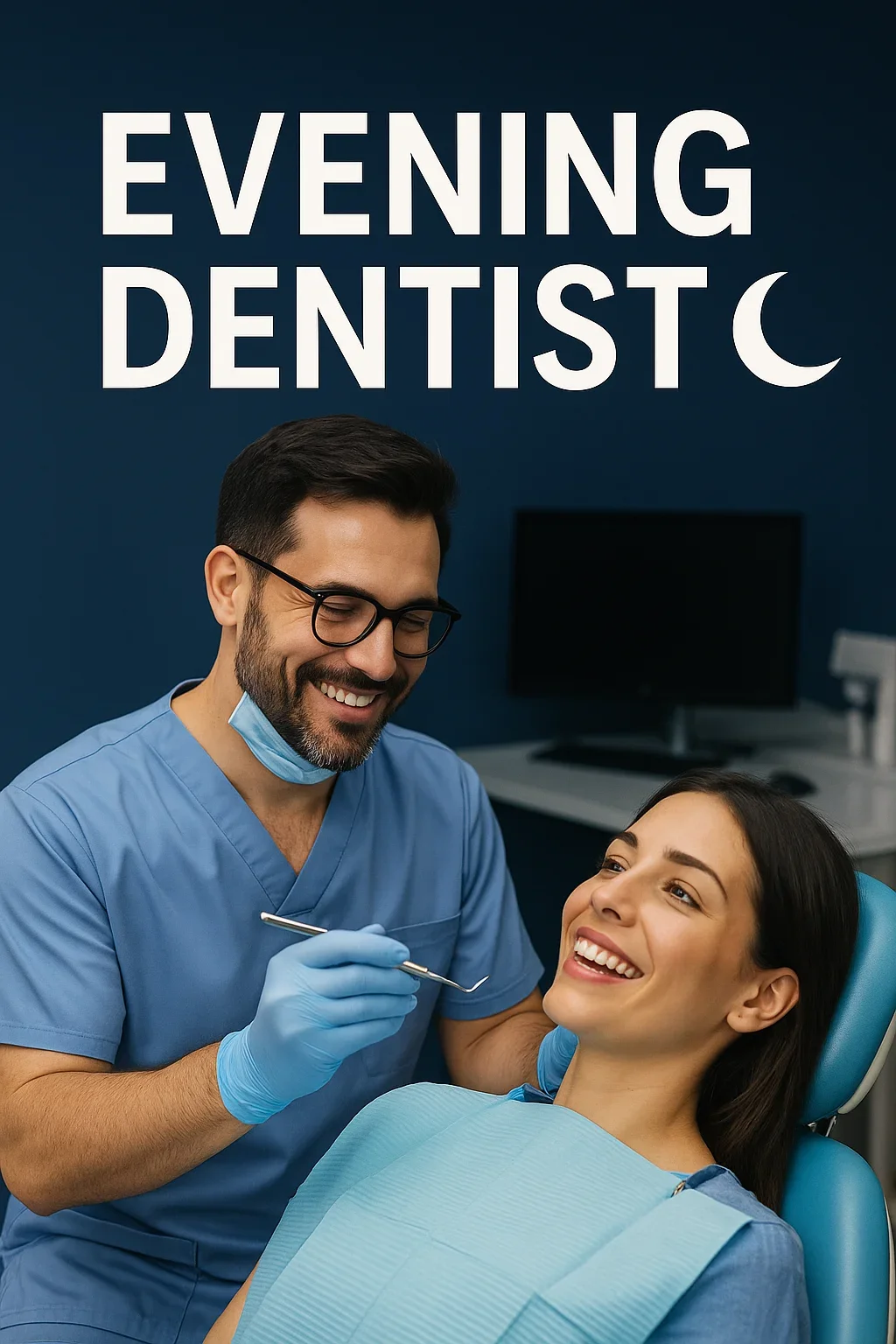
Making the Most of Your Evening Dentist Appointment for Long-Term Oral Health
A visit to an evening dentist offers far more than convenience—it provides an opportunity to build healthy routines, prevent emergencies, and maintain strong oral wellness without disrupting your daily schedule. When used strategically, evening dental visits can significantly improve long-term oral health outcomes, reduce the need for complex procedures, and support a proactive approach to dental care. This final section explains how to optimize your appointments, establish healthy habits, and leverage late-hour dental care for a lifetime of healthier smiles. 🌙🦷
Create a Consistent Evening Dental Routine
One of the greatest advantages of choosing an evening dentist is the ability to establish regular, predictable appointments that align with your lifestyle. Many people struggle to schedule dental visits during the day because of work, school, or family responsibilities. Evening appointments remove this obstacle, allowing you to place oral health at the center of a sustainable wellness routine.
To maximize this benefit, plan your dental visits quarterly or biannually and treat them with the same priority as any important evening commitment. Regular checkups help detect cavities, gum disease, enamel erosion, and bite problems early, long before they become painful or costly to treat.
Benefits of a Regular Evening Dental Checkup Schedule
- Prevents plaque buildup and gum inflammation
- Allows early detection of oral cancers
- Reduces the risk of emergency appointments
- Supports whitening, cosmetic maintenance, and restorative longevity
By consistently seeing an evening dentist, you maintain higher control over your long-term dental health outcomes.
Use Evening Hours to Reduce Stress and Improve Treatment Comfort
Evening appointments naturally offer a calmer, quieter environment compared to daytime clinics. This makes them ideal for patients with dental anxiety, work-related stress, or sensory sensitivities. The relaxed pace allows the evening dentist to take extra time during examinations, improving communication and patient confidence.
To make the most of this calmer setting, arrive a few minutes early, practice slow breathing, and give yourself time to unwind from your day. Many patients find that evening appointments become therapeutic rather than stressful when paired with a relaxed mindset.
Stress-Reduction Tips Before Your Appointment
- Take a slow walk or stretch for 5–10 minutes before entering the clinic.
- Limit caffeine intake to avoid increased heart rate.
- Use headphones with calming music while waiting.
- Practice mindful breathing exercises to reduce tension.
These small adjustments transform your visit into a more soothing, comfortable experience.
Take Advantage of Extended Support and Emergency Prevention
A major advantage of seeing an evening dentist is the heightened availability of emergency support. Late-hour clinics can evaluate toothaches, infections, fractures, and swelling before symptoms worsen overnight. This quick intervention prevents complications such as abscesses, bacteria spread, and severe pain episodes.
To prevent emergencies, patients should proactively schedule evening visits when they notice early warning signs, including:
- Sensitivity to cold or hot foods
- Minor tooth pain that comes and goes
- Gum irritation or bleeding
- Persistent bad breath
- Chipping or cracking sensations
By addressing symptoms early during evening hours, patients safeguard themselves against costly or invasive procedures.
Enhance Oral Health Through Dentist-Guided Home Care
An evening dentist is uniquely positioned to help patients develop stronger home-care habits because appointments occur at the end of the day—the same time many individuals perform nightly routines. This contextual timing makes it easier for patients to follow through on oral hygiene recommendations.
Discuss your nightly routine with your dentist to receive tailored advice. Your dentist may recommend specialized toothpaste, electric toothbrushes, interdental brushes, nightguards, or hydrating mouth rinses based on your unique needs.
Nighttime Oral Care Practices to Adopt
- Brush for at least 2 minutes before bed.
- Floss thoroughly to remove food particles.
- Use fluoride or remineralizing toothpaste for enamel protection.
- Rinse with mouthwash that targets gum health or dryness.
- Wear a nightguard if you grind your teeth during sleep.
Integrating these habits reinforces the benefits of your evening dental visits and protects your oral health long-term.
Leverage Evening Appointments for Cosmetic Dentistry
If you are considering cosmetic improvements, visiting an evening dentist offers unique advantages. Evening clinics frequently utilize modern digital imaging tools to preview smile enhancements and offer consultations in a calm environment. Whether you’re exploring teeth whitening, veneers, bonding, or alignment treatments, evening visits allow for extended discussions without the pressure of daytime schedules.
Cosmetic treatments often require precise planning, which is easier when the clinic is quieter. You have more time to ask questions, review digital models, and explore different aesthetic outcomes.
Build a Long-Term Relationship With Your Evening Dentist
Consistently visiting the same evening dentist helps build trust, familiarity, and continuity of care. Over time, your dentist becomes familiar with your oral history, lifestyle, and long-term goals. This allows for more targeted preventive strategies and early problem detection.
A strong relationship also improves communication. Patients feel more comfortable discussing concerns, fears, or cosmetic desires when trust has already been established.
The Value of Continuity in Evening Dental Care
- Your dentist recognizes subtle changes over time.
- Preventive strategies are more personalized.
- Emotional comfort increases during procedures.
- Long-term treatment plans are easier to maintain.
This continuity is especially beneficial for families, as children develop positive associations with dental care when visits are consistent and relaxed.
Use Clinic Resources and Educational Tools
Many evening clinics offer patient education resources, digital care guides, and online tools that help you maintain health between visits. These may include instructional videos, oral hygiene trackers, appointment reminders, or cavity risk assessments.
Taking advantage of these resources increases awareness, boosts motivation, and supports healthier daily habits.
Final Thoughts: Turning Evening Dental Care Into a Lifestyle
An evening dentist provides more than extended hours—they create an environment for consistent, convenient, and confidence-boosting care. By strategically planning your appointments, communicating clearly, following professional advice, and maintaining strong at-home habits, you can transform evening visits into a foundational part of your long-term oral wellness journey.
With the right approach, evening dental care becomes not only a practical solution but also an empowering routine that protects your smile for a lifetime. 🌙✨