
When it comes to achieving a perfect smile and balanced facial structure, an expander orthodontist plays a crucial role in modern dental treatment. This specialized professional focuses on correcting dental crowding, crossbites, and narrow palates through the use of palatal expanders — devices designed to gently widen the upper jaw. The process not only creates more space for teeth alignment but also improves breathing, chewing, and overall oral function. If you’ve ever been told that your child’s teeth are “too crowded” or that their bite needs correction, chances are an expander orthodontist can help. 🪄
Let’s start with what makes an expander orthodontist unique. Unlike general dentists, orthodontists specialize in diagnosing and treating misalignments of the teeth and jaws. An expander orthodontist, in particular, uses a mechanical device known as a palatal expander to gradually increase the width of the upper jaw. This treatment is commonly used for children and teenagers because their bones are still growing, but adults can also benefit from advanced expansion techniques using surgical or semi-surgical approaches.
Understanding the Purpose of an Expander Orthodontist
The main objective of visiting an expander orthodontist is to ensure that your upper and lower teeth fit together harmoniously. When the upper jaw is too narrow, it can cause a condition known as a crossbite — where the upper teeth sit inside the lower teeth when you bite down. Over time, this imbalance may lead to uneven wear, jaw discomfort, and aesthetic issues. Through carefully calibrated adjustments, an expander orthodontist can correct this imbalance, allowing the jaws to align properly and creating sufficient space for permanent teeth to erupt in their correct positions.
Orthodontic expansion doesn’t just affect teeth; it influences facial symmetry and airway health too. Many patients, especially children, experience improved nasal breathing after expansion therapy because the airway becomes wider as the palate expands. This can reduce snoring and even mild sleep apnea symptoms in some cases. Such holistic benefits make the work of an expander orthodontist not just cosmetic, but functional and medical as well.
How the Expansion Process Works
The process typically begins with a detailed consultation, X-rays, and digital scans. Once the orthodontist confirms that expansion is needed, a customized expander is fabricated to fit the patient’s mouth precisely. This device is cemented to the upper molars and includes a small screw mechanism at the center. The patient or parent is instructed to turn the screw a fraction of a millimeter daily using a special key. Over several weeks, this gentle pressure causes the two halves of the upper jawbone to gradually move apart, creating new bone tissue in the gap. 🦴
The pace of expansion depends on the individual’s age and bone density. For younger patients, the bone responds more quickly and predictably, while adults may require slower or surgical-assisted expansion. Throughout the process, the expander orthodontist closely monitors progress to ensure the palate is widening symmetrically and that no discomfort or complications arise. Once the desired width is achieved, the expander remains in place for several months to stabilize the results and allow new bone formation to solidify.
Why Consulting an Expander Orthodontist Matters
Choosing to consult an expander orthodontist can significantly improve long-term dental health. Without proper expansion, overcrowded teeth may require extractions later, or orthodontic braces might fail to align the teeth effectively. Early intervention by an orthodontist can often eliminate the need for more complex treatments in the future. Moreover, improved jaw structure contributes to a better smile, enhanced facial aesthetics, and more balanced oral function.
For families considering orthodontic treatment, finding a trusted clinic is key. You can reach out to our team at Redent Klinik Contact Page to schedule an assessment and receive personalized advice from our experienced professionals. The evaluation will determine whether expansion is appropriate and outline the best treatment plan for you or your child.
Professional Standards and Trusted Sources
All expander orthodontists adhere to strict professional and ethical standards established by recognized institutions such as the American Dental Association. These standards ensure that treatment methods are evidence-based, safe, and effective for both children and adults. Patients are encouraged to verify that their orthodontist is board-certified and up to date with the latest advancements in dental expansion technologies, such as self-ligating expanders and digital jaw tracking systems.
Long-Term Impact of Palatal Expansion
After undergoing expansion therapy, patients typically notice positive changes in both function and appearance. The newly created space allows teeth to align naturally, making subsequent orthodontic treatments (like braces or clear aligners) more efficient. Improved jaw alignment often translates into better posture and even reduced tension headaches for some individuals. An experienced expander orthodontist doesn’t just widen the jaw; they create a foundation for lifelong oral health and confidence.
In conclusion, understanding the importance of an expander orthodontist is essential for anyone seeking optimal oral health. Their expertise bridges the gap between aesthetics and functionality, helping patients breathe better, chew comfortably, and smile with confidence. Whether for a child needing early intervention or an adult exploring corrective options, orthodontic expansion can be a life-changing investment in both health and happiness. 🌟
What Is an Expander Orthodontist and What Do They Do?
An expander orthodontist is a dental specialist who focuses on correcting problems related to narrow palates, misaligned bites, and crowded teeth by using devices known as orthodontic expanders. These professionals play a key role in ensuring proper jaw development, especially in growing children and teenagers. Unlike general dentists, who primarily focus on cleaning, fillings, and preventive care, an expander orthodontist is trained in advanced orthodontic biomechanics — understanding how controlled pressure can reshape bone structure over time to create more functional and aesthetically balanced smiles. 🦷
Understanding the Role of an Expander Orthodontist
The primary goal of an expander orthodontist is to increase the width of the upper jaw (maxilla) using a specialized device called a palatal expander. The upper jaw naturally consists of two halves joined by a mid-palatal suture — a line of cartilage and bone tissue that fuses as we age. In children, this suture is still flexible, allowing the orthodontist to gently apply outward pressure that encourages bone growth between the two halves. This process effectively enlarges the upper dental arch, creating the necessary room for permanent teeth to erupt correctly and for the upper and lower jaws to align properly.
Palatal expansion is not just about improving dental alignment; it’s also about optimizing overall oral and facial function. For instance, many children who suffer from mouth breathing or snoring have narrow palates that restrict the nasal airway. When treated by an expander orthodontist, these patients often experience better breathing and improved sleep quality. The treatment also enhances speech clarity and chewing efficiency — benefits that extend well beyond cosmetic improvements.
How an Expander Orthodontist Diagnoses the Problem
Before recommending treatment, the expander orthodontist performs a comprehensive diagnostic evaluation. This includes a visual examination, 3D digital scans, and X-rays to assess jaw symmetry, spacing, and the overall health of the dental structures. They also evaluate the patient’s bite pattern — how the upper and lower teeth meet when the mouth is closed. A common issue they detect is a crossbite, which occurs when the upper teeth fit inside the lower teeth instead of outside. Such conditions can lead to jaw strain, uneven tooth wear, and even temporomandibular joint (TMJ) discomfort over time.
Advanced Tools Used by Expander Orthodontists
Modern expander orthodontists employ advanced diagnostic tools such as CBCT (Cone Beam Computed Tomography) imaging and intraoral scanners to precisely map a patient’s oral anatomy. This technology allows them to design customized expanders that fit perfectly and deliver optimal results with minimal discomfort. These expanders may be made of metal, acrylic, or a combination of both, depending on the patient’s age and needs. Digital orthodontic planning also ensures that each expansion phase is carefully measured and adjusted to avoid overcorrection or asymmetry.
The Importance of Early Intervention
Timing is crucial when it comes to palatal expansion. The earlier an expander orthodontist can assess a child’s dental growth, the more effective and comfortable the treatment will be. Typically, the best age range for starting expansion is between 7 and 14 years — a period when the upper jawbone is still developing and can be influenced more easily. However, adults are not excluded from this treatment; in their case, surgical or semi-surgical assistance may be necessary since the bone has already fused.
Early evaluation can prevent future dental complications such as impacted teeth, gum recession, and speech difficulties. For instance, if a child’s mouth is too narrow, permanent teeth may not have enough room to emerge, leading to overlapping or twisting. By widening the jaw early, an expander orthodontist ensures that each tooth can settle into its ideal position, reducing the need for extractions or prolonged braces treatment later on.
Patient Experience: What Happens During Treatment
Once the expander orthodontist determines that a palatal expander is needed, a custom device is fabricated based on digital impressions of the mouth. The expander is then cemented onto the molars and includes a small screw mechanism in the center. The orthodontist provides instructions on how to activate the screw using a special key — typically once or twice a day. This gentle turning creates micropressure that gradually separates the mid-palatal suture. Over several weeks, new bone forms in the space, widening the jaw permanently.
Patients may feel slight pressure or tingling during activation, but discomfort is minimal and temporary. The expansion process usually lasts between four to six weeks, after which the device remains in place for an additional three to six months to stabilize the new bone growth. During this time, regular checkups allow the expander orthodontist to monitor progress, make necessary adjustments, and ensure the results are symmetrical and stable. 🌟
Common Myths About Expander Orthodontists
Many people mistakenly believe that palatal expansion is painful or only for children. In reality, modern techniques have made the procedure far more comfortable and effective for patients of all ages. Another misconception is that only braces can fix crowded teeth, but in cases of narrow palates, braces alone cannot create enough space. An expander orthodontist provides the foundation necessary for orthodontic success by expanding the jaw before or during braces treatment.
The Broader Benefits Beyond Aesthetics
Beyond achieving a straighter smile, working with an expander orthodontist can improve various aspects of health and quality of life. By expanding the jaw, nasal breathing often becomes easier, which can lead to better sleep and reduced fatigue. Improved bite alignment also reduces stress on jaw joints, lowering the risk of TMJ disorders and chronic headaches. These holistic outcomes make expansion therapy an investment not just in appearance, but in overall wellness.
For patients considering orthodontic expansion, consulting a certified specialist ensures safety and precision. Always verify credentials through trusted organizations like the American Dental Association, and schedule a consultation to explore your options. To connect with a trusted professional, visit the Redent Klinik Contact Page and book an appointment with an experienced expander orthodontist today.
In summary, an expander orthodontist is not just a dental professional — they are architects of facial harmony, breathing efficiency, and confident smiles. With a blend of science, technology, and precision, they help patients unlock healthier and more balanced oral structures for life. 💎
How Palatal Expanders Work to Create More Space in Your Mouth
The science behind how a palatal expander works is fascinating — and understanding it helps patients appreciate the skill of an expander orthodontist. A palatal expander is a specialized orthodontic device designed to gently widen the upper jaw, creating the space needed for teeth to align properly and for the bite to function efficiently. This process is called orthopedic expansion and relies on the body’s natural ability to grow and adapt to controlled pressure. By stimulating bone growth in a predictable way, an expander orthodontist helps prevent crowding, improve breathing, and create long-term oral stability. 🦷
The Anatomy Behind Palatal Expansion
To understand how an expander works, it’s essential to know a bit about jaw anatomy. The upper jaw, or maxilla, is composed of two halves joined by a suture in the center called the mid-palatal suture. In children and adolescents, this suture is not yet fused, allowing flexibility and growth. An expander orthodontist takes advantage of this natural growth potential by applying gentle, consistent pressure to separate the two halves slightly. As the device is gradually adjusted, new bone tissue forms in the gap, permanently widening the upper arch.
This biological process, known as distraction osteogenesis, is completely natural. The key is controlled force — too little won’t produce results, and too much can cause discomfort. That’s why the guidance of a professional expander orthodontist is crucial. They carefully calculate the amount of pressure applied each day and monitor the patient’s progress to ensure safe, symmetrical expansion.
Components of a Palatal Expander
Although there are several types of expanders, they all share basic design features. The main parts include metal bands or caps attached to the upper molars, a center screw that controls movement, and a small key used for daily adjustments. Each turn of the screw — typically once a day — exerts gentle outward pressure on the teeth and palate. Over time, the space between the two halves of the jaw widens. This process usually continues for 4 to 6 weeks, depending on the patient’s age and the degree of expansion required. During this period, the expander orthodontist schedules follow-up visits to evaluate the patient’s comfort and ensure the jaw is expanding evenly.
Types of Expanders Used by Orthodontists
- Rapid Palatal Expander (RPE): Commonly used for children and teens, this device quickly widens the palate with daily screw adjustments. It’s effective for correcting crossbites and severe crowding.
- Slow Palatal Expander (SPE): Applies gentler pressure over a longer period. Ideal for patients who may be sensitive to rapid movement or require minor adjustments.
- Surgically Assisted Rapid Palatal Expander (SARPE): Used for adults whose palatal sutures have fused. The expander orthodontist collaborates with an oral surgeon to facilitate safe expansion.
The Biological Changes During Expansion
Once the expander begins working, subtle biological changes occur. The mid-palatal suture responds to the mechanical pressure by triggering bone remodeling — a process where bone tissue dissolves and reforms to accommodate new dimensions. As the gap expands, fibrous tissue develops in the center, followed by the creation of new bone. This is why a retention phase is essential. After expansion stops, the device stays in place for several months, allowing the bone to stabilize and preventing relapse. The expander orthodontist closely monitors this phase to ensure the new bone tissue becomes strong and permanent.
Visible Signs of Progress
Most patients notice a small gap forming between their upper front teeth during treatment. This is a positive sign that the expander is working effectively. Over time, this gap will naturally close as the orthodontist transitions to braces or aligners for fine-tuning alignment. Other changes may include improved nasal airflow and easier breathing — benefits often reported by patients within just weeks of expansion.
How an Expander Orthodontist Controls the Process
Every successful expansion requires precise control and timing. The expander orthodontist uses detailed imaging, such as 3D cone beam scans, to measure the width of the upper jaw before, during, and after treatment. Adjustments are customized for each patient based on bone density, age, and overall oral health. Children usually respond faster because their sutures are still flexible, while adults may require additional support. The orthodontist’s expertise ensures that expansion occurs symmetrically, avoiding potential complications such as gum recession or tooth tipping.
Patient Experience During Treatment
Although the term “expander” may sound intimidating, most patients describe the experience as surprisingly comfortable. After the initial placement, it might take a few days to adapt to speaking and eating. The expander orthodontist usually recommends soft foods during the first week and provides detailed instructions for oral hygiene. It’s important to keep the device clean to prevent plaque buildup and irritation. Some mild pressure or tingling may occur after each key turn, but it typically subsides within minutes. 🌟
Functional and Aesthetic Benefits of Expansion
Beyond creating more space for teeth, expansion has a wide range of benefits. By widening the palate, the nasal cavity enlarges, which improves breathing and reduces snoring. Correcting the jaw width also enhances facial balance, giving the smile a more symmetrical appearance. Many patients notice that their cheekbones appear more defined after expansion. Additionally, creating adequate space for all teeth prevents future crowding and reduces the risk of gum disease and tooth decay. These results underline why seeing an experienced expander orthodontist can be life-changing — it’s not just about straight teeth, but overall health and confidence.
Expert Advice and Long-Term Stability
After expansion is complete, the orthodontist transitions the patient to a retention or braces phase to guide the teeth into their final alignment. The bone is still soft and adaptable during this stage, so consistent follow-up visits are essential. A reputable expander orthodontist ensures that the new jaw width remains stable for years by monitoring retention and adjusting treatment as needed. This stability is what transforms temporary change into lasting success.
Conclusion: The Power of Palatal Expansion
Palatal expansion is one of the most powerful tools in orthodontics — and it requires both science and artistry to perform correctly. With the help of a qualified expander orthodontist, patients can enjoy improved oral function, easier breathing, and a more attractive smile. Whether you’re considering treatment for your child or yourself, consulting an expert ensures a safe and effective outcome. You can learn more or schedule a consultation through the Redent Klinik Contact Page for personalized care guided by experienced orthodontic professionals. For additional scientific resources, visit the American Dental Association to explore research-backed information about orthodontic expanders and jaw development.
When Should You Visit an Expander Orthodontist? Key Signs and Symptoms
Knowing the right time to visit an expander orthodontist can make a significant difference in both treatment results and overall oral health. Timing is critical — especially when it comes to jaw growth, alignment, and preventing long-term complications. Many parents, and even adults, are unaware that certain symptoms such as crowded teeth, breathing difficulties, or frequent jaw discomfort may actually indicate a narrow palate. Consulting an expander orthodontist at the right stage allows early detection and correction of these problems, resulting in healthier smiles and improved quality of life. 🦷
Why Timing Matters in Orthodontic Expansion
Palatal expansion works best during growth phases when the jawbone is still developing and flexible. For most children, this period falls between ages 7 and 14, when the mid-palatal suture (the cartilage that connects both halves of the upper jaw) has not yet fused. During this stage, an expander orthodontist can guide the natural growth of the jaw, using gentle, scientifically measured pressure to create more space for teeth alignment. In adults, the suture is already fused, which makes expansion more complex — often requiring a combination of surgical and orthodontic techniques. However, it is never too late to seek treatment; modern methods such as SARPE (Surgically Assisted Rapid Palatal Expansion) can still deliver excellent results.
Early Signs That Indicate the Need for an Expander Orthodontist
There are several visible and functional signs that suggest a person might benefit from seeing an expander orthodontist. Recognizing these early can prevent severe misalignments, speech difficulties, and even breathing issues later on. Here are the most common indicators:
- Dental Crowding: When there isn’t enough room for all teeth to erupt properly, they may overlap or twist. A palatal expander creates the space needed for natural alignment.
- Crossbite: If the upper teeth bite inside the lower teeth instead of outside, it may indicate a narrow upper jaw.
- Mouth Breathing: Chronic mouth breathing is a strong signal that the nasal passage may be constricted due to a narrow palate.
- Speech Problems: Lisping or unclear speech sounds can result from a narrow or high-arched palate, which an expander orthodontist can correct.
- Asymmetrical Face Shape: A jaw that develops unevenly can cause facial asymmetry. Expansion helps balance the facial structure.
Children’s Growth and the Best Time for Evaluation
The American Association of Orthodontists recommends that every child have an orthodontic evaluation by age seven. This doesn’t necessarily mean immediate treatment, but it helps the expander orthodontist monitor jaw development and identify any early signs of imbalance. At this stage, expansion is easier, quicker, and more comfortable because the bones respond efficiently to light pressure. Parents should look for signs like crowding of baby teeth, difficulty chewing, or frequent thumb-sucking, all of which can affect jaw growth and alignment.
Adult Candidates for Palatal Expansion
Adults can also benefit from consulting an expander orthodontist, although the approach may differ. Since adult bones are fully fused, conventional expanders may not be effective on their own. In these cases, surgical-assisted techniques are used to gently separate the palatal suture, allowing the orthodontist to apply expansion in a controlled manner. This treatment is particularly beneficial for adults who experience chronic sinus issues, snoring, or sleep apnea related to narrow airways. Many patients also seek expansion for aesthetic reasons, as widening the jaw can create a fuller, more balanced smile and facial symmetry.
Functional Improvements After Expansion
One of the most remarkable outcomes of palatal expansion is its impact beyond the mouth. Patients often report improvements in nasal breathing, reduced snoring, and better sleep quality. This is because the palate forms the floor of the nasal cavity — widening it increases airflow. By treating underlying structural causes, an expander orthodontist helps patients breathe and sleep better, which in turn enhances daily energy levels and cognitive function.
Risks of Delaying a Visit to an Expander Orthodontist
Delaying orthodontic assessment can lead to worsening misalignment and increased treatment complexity. When crowding or crossbites are left untreated, teeth may shift further out of position, and bone remodeling becomes more challenging. In severe cases, jaw pain and TMJ (temporomandibular joint) disorders can develop. Additionally, poor bite alignment increases the risk of gum recession and uneven tooth wear. By visiting an expander orthodontist early, patients can avoid these complications and often complete treatment faster and with less discomfort.
Psychological and Social Benefits of Early Treatment
Beyond physical health, timely intervention also has emotional and social advantages. Children and teenagers who undergo treatment early often experience increased confidence as their smile improves. Parents frequently note that their children smile more and feel more comfortable speaking or participating in social activities. An expander orthodontist doesn’t just correct dental structure — they help restore confidence and self-esteem. 🌟
Consultation and Diagnosis Process
During your first appointment, the expander orthodontist will perform a detailed evaluation using 3D imaging, photographs, and digital impressions. This data helps determine whether expansion is necessary and which type of expander will be most effective. If treatment is recommended, a customized plan is created, outlining every phase — from expansion to stabilization and post-treatment retention. This transparency ensures patients understand what to expect and feel confident throughout their journey.
Where to Seek Professional Guidance
If you or your child are showing any of the signs mentioned above, it’s wise to schedule a consultation. At Redent Klinik Contact Page, you can connect directly with experienced orthodontic professionals who specialize in jaw development and palatal expansion. All treatments are performed according to standards established by the American Dental Association, ensuring the highest level of care and safety.
Conclusion: Don’t Wait for the Problem to Worsen
In summary, early diagnosis and treatment by an expander orthodontist are key to preventing more serious orthodontic complications later in life. Whether you’re noticing crowded teeth in your child, experiencing breathing issues, or seeking to improve your own smile, visiting a certified orthodontic expert can make a transformative difference. Acting early not only enhances oral function and aesthetics but also improves overall well-being — making it one of the best investments you can make for lifelong dental health. 💎
Types of Orthodontic Expanders: Which One Is Right for You?
When an expander orthodontist recommends palatal expansion, one of the first questions patients ask is: “What kind of expander will I need?” The answer depends on several factors — your age, the degree of crowding or crossbite, jawbone maturity, and overall treatment goals. Not all expanders are the same. In fact, there are multiple designs, each engineered to apply different levels of pressure and achieve specific outcomes. Understanding the differences helps patients feel confident about their treatment and know what to expect from their expander orthodontist. 🦷
Overview: The Role of Different Expander Types
An expander orthodontist uses orthodontic expanders to gradually widen the upper jaw (maxilla) and correct narrow arches or crossbites. Every expander shares the same core purpose — to create space and improve bite alignment — but they differ in how quickly and comfortably they work. Some are removable, others are fixed, and certain models are designed for adults requiring surgical assistance. Choosing the right one ensures efficient, safe, and predictable results.
Main Categories of Orthodontic Expanders
Generally, expanders fall into three main categories: rapid, slow, and surgically assisted. Let’s examine each in detail and how an expander orthodontist decides which is most appropriate for you or your child.
1. Rapid Palatal Expander (RPE)
The rapid palatal expander is the most common type used in children and adolescents. It consists of a metal framework that attaches to the upper molars via dental bands. A screw in the center of the device connects both sides of the expander, allowing gradual widening of the upper jaw. The expander orthodontist provides a small key to turn the screw — usually once or twice a day — to apply light, consistent pressure to the mid-palatal suture. This gentle pressure separates the two halves of the jawbone slightly, prompting new bone formation.
Typically, the active expansion phase lasts between 4–6 weeks, followed by a retention period of 3–6 months to stabilize the results. During this period, patients may notice a small gap between their front teeth, which later closes naturally or with the help of braces. The RPE is ideal for young patients whose sutures are still flexible, making it a favorite choice among expander orthodontists for early intervention treatments.
Advantages of RPE
- Quick results — significant widening can be achieved in a matter of weeks.
- Effective correction for severe crossbites and crowding.
- Improves nasal airflow and reduces mouth breathing.
Disadvantages of RPE
- May cause mild pressure or tingling during adjustment.
- Requires strict oral hygiene maintenance to prevent food buildup.
2. Slow Palatal Expander (SPE)
The slow palatal expander operates on the same principle as the RPE but applies gentler, more gradual pressure. Instead of one or two turns daily, the screw may only need adjustment a few times per week. This slower approach minimizes discomfort and allows soft tissues and bones to adapt at a comfortable pace. An expander orthodontist often recommends this type for patients with mild crowding, sensitive gums, or those requiring subtle arch expansion.
Advantages of SPE
- Less discomfort due to gradual adjustments.
- Better adaptation of soft tissues.
- Lower risk of relapse because the bone has more time to remodel.
Disadvantages of SPE
- Treatment duration is longer than RPE.
- May be less effective for severe cases of crossbite or jaw constriction.
3. Removable Expanders
Not all expanders are fixed to the teeth. For minor adjustments or temporary corrections, an expander orthodontist may prescribe a removable expander made of acrylic and metal. These devices fit snugly over the teeth and can be taken out during eating or brushing. They are ideal for mild spacing issues or for maintaining expansion after fixed treatment. However, their success depends heavily on patient compliance — forgetting to wear the device regularly can delay or reduce the effectiveness of treatment.
Common Types of Removable Expanders
- Schwarz Appliance: A removable acrylic plate with a central screw used for widening the dental arch.
- Quad Helix Expander: Though technically fixed, it functions similarly by exerting light pressure through spring-like wires.
- Haas Expander: Combines both metal and acrylic elements to distribute pressure evenly across the palate.
4. Surgically Assisted Rapid Palatal Expander (SARPE)
For adults or older teenagers whose jawbones have already fused, the expander orthodontist may recommend SARPE. This treatment combines orthodontic expansion with minor surgical assistance to loosen the mid-palatal suture. The surgeon makes small incisions to facilitate bone movement, allowing the expander to function effectively. The process is safe and minimally invasive, performed under local or general anesthesia.
Once the procedure is complete, the patient follows the same adjustment routine as with a traditional RPE. The expander orthodontist supervises the expansion over several weeks, ensuring balanced, symmetrical results. SARPE offers dramatic improvements in adults who previously thought expansion was impossible, making it a highly valuable technique in modern orthodontics. 🌟
Advantages of SARPE
- Allows expansion in adults with fused palatal sutures.
- Enhances facial balance and improves airway capacity.
- Can reduce snoring and mild sleep apnea symptoms.
Disadvantages of SARPE
- Involves a minor surgical procedure.
- Requires a longer healing phase and close professional supervision.
5. Mini-Implant Assisted Rapid Palatal Expander (MARPE)
The latest advancement in orthodontic expansion is the MARPE device. This modern expander uses mini-screws (temporary anchorage devices) that attach directly to the palate, providing strong skeletal support instead of relying solely on teeth. This reduces unwanted dental tipping and allows the expander orthodontist to achieve true skeletal expansion — ideal for adolescents or adults who prefer a non-surgical option.
MARPE treatments are known for their precision and effectiveness. They are digitally planned, ensuring accurate placement of mini-implants and customized pressure distribution. Patients experience minimal discomfort and excellent long-term stability, thanks to the direct bone engagement.
How to Choose the Right Type for You
Choosing the right expander depends on multiple factors: age, bone flexibility, and the degree of correction needed. A qualified expander orthodontist performs diagnostic imaging and bite analysis to recommend the best type. For young children, RPE or SPE devices are most effective. For adults, MARPE or SARPE provide reliable results. Each plan is tailored to achieve the ideal balance between comfort, stability, and aesthetics.
Professional Consultation and Next Steps
If you’re unsure which expander is suitable for your needs, it’s best to book a professional evaluation. You can reach out through the Redent Klinik Contact Page to schedule a consultation with an experienced expander orthodontist. They will perform a complete analysis, discuss all available options, and design a personalized treatment plan that aligns with your goals. For more scientific insights and clinical standards, refer to the American Dental Association, which outlines best practices for orthodontic expansion.
Conclusion: Tailored Expansion for Every Smile
Each patient’s needs are unique, and so is every expander. Whether you’re a parent exploring early treatment for your child or an adult seeking better jaw alignment, the guidance of a skilled expander orthodontist ensures safe and effective results. From traditional RPEs to advanced MARPE devices, modern orthodontics offers multiple paths to achieve the same goal — a healthier, wider, and more confident smile. 💎
The Treatment Process: What to Expect Step by Step
Starting treatment with an expander orthodontist can be both exciting and nerve-wracking, especially for first-time patients or parents unfamiliar with the procedure. However, understanding each step of the process helps remove uncertainty and prepares you for a smooth experience. From the initial consultation to the final stabilization phase, every stage is carefully planned to ensure the expansion of the upper jaw is safe, precise, and effective. The goal is not only to create space for proper tooth alignment but also to promote better breathing, chewing, and facial harmony. 🦷
Step 1: The Initial Consultation and Evaluation
The journey begins with a detailed consultation with your expander orthodontist. During this visit, the orthodontist evaluates your oral structure, bite alignment, and overall jaw symmetry. Advanced tools such as digital X-rays, panoramic images, and 3D intraoral scans are used to capture a complete view of the mouth. These diagnostic images allow the orthodontist to determine if expansion is necessary and what type of expander would yield the best results. This step often includes a discussion about goals, expected outcomes, and treatment duration.
The expander orthodontist also reviews your medical and dental history to identify any factors that might influence treatment, such as previous orthodontic work or bone density issues. For children, the timing of jaw growth is crucial, so the orthodontist may recommend waiting for a specific developmental stage if the suture isn’t ready for expansion yet. For adults, evaluation focuses on bone flexibility and potential surgical assistance needs. This customized approach ensures that treatment is tailored to each patient’s biological and functional profile.
What Patients Should Bring
It’s helpful to bring previous dental records, X-rays, and a list of medications during your first visit. These help the expander orthodontist make informed decisions. Parents should also note any concerns about their child’s speech, breathing, or chewing habits — these details often guide the decision for expansion treatment.
Step 2: Custom Appliance Design and Fabrication
After diagnostics are complete, your expander orthodontist will take precise digital or physical impressions of your upper jaw. These molds are sent to a dental laboratory where a customized expander is fabricated to fit your mouth perfectly. Depending on the type of expander chosen — whether it’s a Rapid Palatal Expander (RPE), Slow Palatal Expander (SPE), or MARPE — the design may vary slightly in structure and material. Most expanders are made of stainless steel or acrylic components that ensure durability and hygiene.
The orthodontist then schedules an appointment for placement. Fabrication typically takes one to two weeks, depending on the complexity of the case. During this time, the expander orthodontist prepares a detailed treatment plan, including an activation schedule that specifies how often the screw should be turned to apply pressure.
Step 3: Placement of the Palatal Expander
On the day of placement, the expander orthodontist carefully cements the device to the upper molars. The procedure is completely painless, as no injections or drilling are needed. The orthodontist ensures a snug, comfortable fit and checks the bite alignment before finishing the procedure. Patients may feel a sense of tightness or mild pressure during the first few hours, which is completely normal as the expander begins working.
Adjustment Instructions
After placement, patients (or parents) are taught how to activate the expander screw using a small metal key. Typically, this adjustment is done once or twice daily, depending on the treatment plan. The expander orthodontist provides a clear schedule with visual guidance to ensure correct key placement and turning direction. Incorrect activation can lead to uneven pressure, so following the orthodontist’s instructions precisely is vital for successful results.
Step 4: Active Expansion Phase
The active expansion phase usually lasts 4–6 weeks. During this period, the patient returns for periodic checkups so the expander orthodontist can monitor progress. Each visit includes a visual inspection, digital scan, and sometimes radiographs to confirm symmetrical expansion. Patients may notice a temporary gap between their front teeth — a positive sign that the jaw is widening effectively. Chewing might feel slightly different at first, but adaptation occurs quickly.
The orthodontist encourages maintaining excellent oral hygiene during this phase. Since the expander is fixed to the teeth, food particles can become trapped easily. Patients should brush thoroughly around the appliance and use a water flosser to clean hard-to-reach areas. In some cases, fluoride mouth rinses are recommended to strengthen enamel and prevent plaque buildup.
Common Sensations and Adjustments
During activation, patients may feel mild pressure on the roof of the mouth or along the teeth. This sensation typically fades within minutes. Some patients experience a tingling in the nose or cheeks — another sign that expansion is occurring. The expander orthodontist reassures patients that these are expected sensations, not signs of discomfort or damage. Within a week or two, most individuals adapt completely to wearing and speaking with the device. 🌟
Step 5: Retention and Stabilization Phase
Once the desired expansion is achieved, the device remains in place for several months to allow new bone to form in the widened space. This stage is called the retention phase. The expander orthodontist ensures that the bone stabilizes properly and prevents the palate from returning to its original position. During this time, patients should avoid turning the key and simply maintain the device as instructed.
The retention period is just as important as the expansion itself. New bone tissue needs time to harden and stabilize, so prematurely removing the expander could lead to relapse. After several months, once bone remodeling is confirmed through imaging, the orthodontist will remove the device and proceed to the next phase — which may include braces or clear aligners for fine-tuning alignment.
Follow-Up Visits and Monitoring
Regular follow-up appointments allow the expander orthodontist to ensure the new jaw width remains stable. These visits typically occur every 4–6 weeks. The orthodontist will also examine speech, bite, and facial symmetry improvements. Most patients notice easier breathing, better sleep quality, and improved chewing comfort after successful expansion.
Step 6: Post-Treatment Maintenance
After the expander is removed, maintaining the results is essential. The orthodontist may recommend a retainer to keep the arch stable and prevent the teeth from shifting. In some cases, follow-up braces or aligner treatment is advised for perfect tooth alignment. The expander orthodontist provides detailed aftercare instructions, including brushing techniques, dietary recommendations, and periodic monitoring schedules.
When to Contact Your Orthodontist
If the expander feels loose, causes irritation, or if the screw won’t turn properly, contact your orthodontist immediately. Timely communication helps avoid setbacks and ensures continuous progress. You can always reach experienced professionals through the Redent Klinik Contact Page for expert support and personalized advice.
Conclusion: Trust the Process and Your Specialist
Every step of treatment with an expander orthodontist is designed for safety, precision, and comfort. From planning to post-treatment care, the process relies on gradual adaptation and biological response. By following your orthodontist’s instructions and maintaining regular visits, you can expect life-changing results — improved breathing, a balanced bite, and a confident smile that lasts. For more scientific information about orthodontic treatments, visit the American Dental Association. Remember, patience and professional guidance are key to achieving the healthiest version of your smile. 💎
Common Benefits of Seeing an Expander Orthodontist 😁
Visiting an expander orthodontist can have far-reaching benefits that extend beyond straightening teeth. This specialized treatment not only enhances your smile aesthetically but also promotes better oral function, breathing, and overall health. By gently widening the upper jaw, the orthodontist can correct crowding, eliminate bite imbalances, and even improve facial harmony. Whether you are a parent considering treatment for your child or an adult exploring jaw expansion options, understanding the advantages of this therapy helps you appreciate its transformative potential. 🌟
1. Improved Dental Alignment and Space Creation
One of the most obvious benefits of seeing an expander orthodontist is the creation of additional space in the upper jaw. When the palate is too narrow, permanent teeth have little room to erupt properly, leading to crowding and misalignment. By expanding the arch, the orthodontist allows each tooth to settle into its correct position naturally. This not only simplifies future orthodontic treatment — such as braces or clear aligners — but also helps prevent the need for tooth extractions.
Many patients are surprised to learn that palatal expansion can help align teeth even before braces are applied. By increasing the arch width, the expander orthodontist provides a stable foundation for balanced alignment. This foundational step ensures that subsequent treatments are more efficient and produce longer-lasting results.
Early Intervention Advantages
For children, early expansion can prevent complex orthodontic problems later in life. A wider upper arch allows for proper eruption of adult teeth, reducing the likelihood of impacted teeth and overcrowding. It also promotes better tongue positioning, which contributes to healthy speech development. Starting treatment at the right age — typically between 7 and 14 — gives the expander orthodontist the best chance to guide jaw growth naturally and comfortably.
2. Enhanced Facial Symmetry and Aesthetic Harmony
Beyond improving dental structure, jaw expansion can enhance facial balance and symmetry. A narrow upper jaw often causes the midface to appear constricted, leading to a flat or pinched appearance. By widening the arch, the expander orthodontist helps the cheekbones and upper lip achieve a more harmonious alignment with the rest of the face. This subtle yet noticeable change creates a fuller, more attractive smile and a well-proportioned profile.
Patients frequently report improved confidence after treatment, as their smile appears broader and more balanced. Unlike cosmetic procedures that alter facial features superficially, palatal expansion achieves aesthetic improvement through natural bone development and muscle adaptation — a sustainable and biologically sound result.
3. Better Breathing and Airway Function
One of the most scientifically supported benefits of palatal expansion is improved nasal breathing. The palate forms the floor of the nasal cavity; when an expander orthodontist widens it, the nasal passages expand as well, allowing for better airflow. This improvement can reduce or eliminate mouth breathing, which is linked to issues like dry mouth, snoring, and even poor sleep quality.
Connection Between Expansion and Sleep Quality
Research has shown that children with narrow palates are more likely to suffer from sleep-disordered breathing or mild obstructive sleep apnea. By widening the palate early, an expander orthodontist can help prevent these issues. Adults may also experience improved sleep patterns after expansion, as increased airflow can reduce nighttime oxygen restriction. This functional improvement not only enhances overall health but also boosts daily energy, focus, and emotional well-being.
4. Prevention of Long-Term Oral Health Issues
Jaw constriction can lead to numerous oral health problems, from tooth decay to gum recession. Crowded teeth are difficult to clean, making them prone to plaque buildup and cavities. When the jaw is expanded, teeth are properly spaced, allowing easier access for brushing and flossing. The expander orthodontist thereby reduces the risk of periodontal disease and maintains healthier gums long-term.
Additionally, improved bite alignment reduces stress on the temporomandibular joints (TMJ), preventing chronic jaw pain and headaches. A well-aligned bite also minimizes uneven wear on teeth, preserving their natural enamel and extending their lifespan. By addressing the structural cause of these issues, expansion serves as both a corrective and preventive measure.
5. Positive Impact on Speech and Oral Function
The position of the palate significantly affects how we speak. A high, narrow palate can restrict tongue movement and cause certain sounds to be mispronounced — particularly “s,” “sh,” and “ch.” Through expansion, the expander orthodontist creates more space for the tongue to move naturally, improving articulation and speech clarity. Many parents report noticeable improvements in their children’s speech patterns after expansion therapy.
Chewing and Swallowing Improvements
A properly expanded palate enhances how the upper and lower teeth meet, leading to more efficient chewing and digestion. The jaw muscles are able to work symmetrically, reducing fatigue during eating and promoting balanced muscle development. Over time, these changes contribute to better overall oral coordination and comfort during everyday activities such as talking and eating.
6. Long-Term Stability and Healthier Growth
One of the most valuable aspects of expansion is its long-term stability. Once the desired width is achieved and the bone has solidified, the results are permanent. The expander orthodontist ensures that the new bone tissue formed between the separated halves of the palate is strong and stable, preventing regression. When performed during the optimal growth window, this procedure influences the natural direction of facial development, helping maintain alignment and balance throughout life.
For adults, the combination of expansion and follow-up orthodontic treatment creates lifelong results that don’t require repeated correction. This stability makes palatal expansion one of the most rewarding and durable orthodontic treatments available.
7. Psychological and Emotional Benefits
The transformation brought by an expander orthodontist goes beyond the physical changes. Patients often report improved confidence, self-esteem, and comfort in social interactions after completing treatment. A well-aligned smile promotes a more youthful appearance and encourages individuals to smile more freely. These psychological benefits are especially powerful for teenagers, who may struggle with self-consciousness due to crooked teeth or narrow smiles.
Boosting Confidence Through a Natural Smile
Unlike cosmetic dentistry that relies on artificial modifications, palatal expansion enhances the smile using the body’s own natural processes. The result is a wider, healthier, and more genuine smile that radiates confidence. This psychological uplift reinforces positive behavior — patients who feel good about their smile are more likely to maintain good oral hygiene and regular dental visits, further protecting their long-term health. 😁
Conclusion: The Holistic Power of Expansion
Seeing an expander orthodontist offers benefits that extend well beyond straight teeth. From better breathing and improved posture to enhanced confidence and longevity of results, this treatment addresses both the functional and aesthetic aspects of oral health. To explore how expansion could transform your smile and well-being, consult a qualified orthodontic specialist through the Redent Klinik Contact Page. For verified information and research-backed insights, visit the American Dental Association. The combination of professional expertise, modern technology, and patient-centered care ensures that every expansion journey leads to a healthier, happier smile. 💎
Potential Risks and How to Avoid Complications
While treatment from an expander orthodontist is highly safe and effective when performed by a qualified professional, it’s important to understand that, like any dental or medical procedure, it carries certain risks and potential complications. Most of these issues are minor, temporary, and easily manageable with proper care and follow-up. Knowing what to expect and following your orthodontist’s instructions precisely will ensure a smooth and successful outcome. Let’s explore the possible risks, why they occur, and how you can prevent them for a comfortable and rewarding orthodontic experience. 🦷
Understanding the Nature of Palatal Expansion
A palatal expander works by applying controlled force to gradually widen the upper jaw. The expander orthodontist monitors this process closely to ensure symmetry, bone health, and correct activation rates. Since the jawbone and surrounding tissues are actively remodeling, mild side effects such as pressure, speech changes, or increased saliva production are common during the initial phase. These are normal physiological responses — signs that the treatment is working effectively. However, improper device activation, poor hygiene, or neglecting follow-ups can sometimes lead to complications that require attention.
Key Principle: Controlled Expansion, Not Forceful Movement
One of the main reasons to work with an experienced expander orthodontist is the precision required in applying expansion forces. Too much pressure can cause tissue irritation, gum soreness, or asymmetric widening. Conversely, too little pressure may yield insufficient results. The orthodontist determines the ideal activation schedule based on age, bone flexibility, and jaw anatomy — ensuring expansion occurs safely and evenly.
Common and Temporary Side Effects
Before we discuss potential complications, it’s helpful to understand which side effects are considered normal and temporary. Most patients experience mild adjustments during the first few days after placement, which gradually resolve as the mouth adapts to the expander.
- Pressure or Tingling Sensation: A mild, short-lived feeling in the upper jaw or nose area after each adjustment — an expected sign that the appliance is working.
- Speech Changes: Temporary lisping or difficulty pronouncing certain sounds until the tongue adapts to the new space.
- Increased Salivation: The mouth perceives the new appliance as a foreign object, which triggers excess saliva for a short time.
- Minor Gum Tenderness: Some irritation may occur near the molars where the appliance is attached; this usually improves within a few days.
These symptoms are not complications — they are part of the natural adaptation process that your expander orthodontist will help you manage through gentle guidance and regular checkups.
Potential Complications and How to Prevent Them
True complications are rare but can occur if the expander is improperly adjusted or oral hygiene is neglected. Here are some possible issues and expert strategies for prevention:
1. Gum Irritation or Inflammation
Improper cleaning around the expander can lead to food accumulation, plaque buildup, and gum inflammation. To prevent this, the expander orthodontist recommends brushing carefully around the appliance at least twice a day using a soft-bristled toothbrush and a water flosser for deeper cleaning. An antibacterial mouth rinse can also help maintain gum health. Regular follow-up visits ensure any early signs of irritation are addressed immediately.
2. Uneven Expansion
Uneven widening of the palate can result from inconsistent key turns or skipping scheduled activations. Always follow the orthodontist’s instructions precisely — typically, one or two key turns per day depending on your treatment plan. If the key feels stuck or difficult to turn, do not force it; contact your expander orthodontist for guidance. Proper monitoring and balanced activation prevent asymmetry and ensure predictable results.
3. Difficulty in Speech or Eating
While temporary speech changes are common, prolonged issues may indicate incorrect expander positioning or excessive tension. The orthodontist can make small adjustments to relieve discomfort. Eating softer foods during the first week helps patients adapt more easily. Avoid sticky or hard foods like caramel, nuts, or chewing gum, as these can dislodge or damage the expander — one of the most frequent preventable complications seen by expander orthodontists.
4. Loosening of the Expander
In rare cases, the cement holding the expander to the molars may weaken. This usually happens if patients eat hard foods or apply excessive pressure when cleaning. If you feel the device moving, schedule an appointment immediately. The expander orthodontist will re-cement it quickly, preventing treatment delays. Regular checkups are the best defense against loosening or appliance failure.
5. Sinus Pressure or Mild Headaches
Some patients report sinus pressure during the active expansion phase, especially adults. This occurs because the palate forms the floor of the nasal cavity, and expansion temporarily affects sinus shape. The sensation typically subsides within days and can be managed with mild over-the-counter pain relief. The expander orthodontist ensures that expansion remains within safe limits to avoid undue discomfort.
Importance of Hygiene and Oral Care During Treatment
Maintaining impeccable oral hygiene is essential throughout expansion therapy. Because the expander covers part of the palate, food particles can easily become trapped. Daily cleaning not only prevents cavities and gum problems but also extends the life of the appliance. The expander orthodontist may recommend specialized cleaning tools, such as interdental brushes or air flossers, to reach difficult spots. Regular fluoride mouth rinses and professional cleanings during treatment further protect the teeth and gums.
Dietary Precautions
Following a soft-food diet for the first week minimizes discomfort. Patients should avoid crunchy, sticky, or chewy foods that can bend wires or damage the appliance. Common culprits include popcorn, caramel, hard candies, and tough meats. The expander orthodontist provides a detailed dietary list to ensure patients stay safe while maintaining nutritional balance.
Psychological and Adaptation Aspects
It’s completely normal to feel self-conscious during the first days of wearing an expander, especially for children or teens. Speech differences or increased saliva can be frustrating initially. However, reassurance from family and consistent communication with the orthodontist help build confidence. Most patients adapt fully within one to two weeks. The expander orthodontist may also share speech exercises to accelerate adaptation and comfort.
When to Contact Your Expander Orthodontist
While mild discomfort is normal, certain symptoms require prompt attention. Contact your expander orthodontist if you experience persistent pain, bleeding gums, clicking sounds, or difficulty turning the key. Early intervention can resolve issues before they become serious. Clinics like Redent Klinik Contact Page make it easy to schedule follow-ups or seek immediate professional advice when needed.
Emergency Situations
Although rare, if the expander dislodges or a sharp edge causes injury, avoid trying to fix it yourself. Contact your orthodontist immediately for safe reattachment. Keeping calm and following professional instructions will prevent further complications and ensure continued progress.
Conclusion: Safe Treatment Through Knowledge and Care
Complications during palatal expansion are uncommon when treatment is performed by an experienced expander orthodontist and when patients follow aftercare instructions carefully. Most side effects are minor and temporary, easily managed with good hygiene, diet adjustments, and regular communication. By staying informed and proactive, you can enjoy the full benefits of expansion — improved breathing, alignment, and confidence — without unnecessary discomfort. For professional consultation and support, visit the Redent Klinik Contact Page, or explore patient safety resources from the American Dental Association. With proper care, your orthodontic journey will remain safe, effective, and rewarding. 💎
Cost of Palatal Expander Treatments: Is It Worth It?
The decision to visit an expander orthodontist often raises an important question: how much does palatal expansion cost, and is it truly worth the investment? The short answer is yes — when performed correctly and at the right stage of development, expansion provides lifelong functional, aesthetic, and health benefits. However, the cost can vary significantly depending on multiple factors, such as patient age, appliance type, treatment duration, and geographic location. Understanding these cost variables and the long-term value of the treatment will help you make an informed decision. 🦷
Average Cost Range of Palatal Expansion
Across most clinics, the average price for a palatal expander treatment performed by a qualified expander orthodontist typically ranges between $1,500 and $4,000 USD. In certain cases — particularly adult treatments that involve surgical assistance or combination orthodontic therapies — the total cost can rise to $5,000–$7,500 USD. Pediatric treatments are generally less expensive since expansion occurs faster in developing bones, reducing chair time and overall complexity.
The cost usually covers several key components: initial consultation, diagnostic imaging (X-rays or 3D scans), appliance fabrication, fitting appointments, monthly follow-ups, and final removal. Some orthodontists also include post-treatment retainers and stabilization phases in their pricing, while others charge separately for these services. Therefore, it’s important to discuss exactly what’s included before starting treatment.
Sample Cost Breakdown (Approximate)
Palatal Expander Appliance ..................... $600 – $1,200
Diagnostic Scans & Impressions ................. $200 – $400
Orthodontist Appointments (Follow-ups) ......... $500 – $1,500
Post-Treatment Retainer ........................ $150 – $300
Surgical Assistance (if required) .............. $2,000 – $4,000
These estimates provide a general idea, but actual costs vary depending on each patient’s specific needs and regional pricing differences. For example, an expander orthodontist in major urban areas like New York or London may charge slightly higher fees due to operational costs, whereas smaller towns may offer more budget-friendly options.
Factors That Influence Treatment Cost
Understanding what contributes to the final cost helps you appreciate the value behind every stage of treatment. Several elements play a role in pricing:
- Type of Expander: Fixed appliances such as Rapid Palatal Expanders (RPE) are usually less expensive than removable or mini-screw assisted expanders (MARPE), which require additional materials and precision work.
- Patient Age: Children typically require shorter and simpler treatment since their palatal sutures are more flexible, while adults often need surgical assistance.
- Complexity of Case: The more asymmetrical or constricted the palate, the more visits and adjustments are needed, slightly increasing the cost.
- Inclusion of Additional Orthodontic Work: Some patients continue with braces or clear aligners after expansion, which adds to the overall budget.
- Technology and Materials Used: Clinics utilizing advanced 3D imaging and custom CAD/CAM-designed expanders may charge a premium but offer more accurate and comfortable outcomes.
Insurance Coverage and Financing Options
Many dental insurance plans partially cover orthodontic expansion if it is deemed medically necessary — for instance, in cases involving crossbites, airway obstruction, or speech difficulties. The expander orthodontist can provide detailed documentation to support insurance claims, including diagnostic scans and treatment justifications. It’s advisable to check your policy’s orthodontic coverage limit before beginning treatment, as some plans cover only a percentage or up to a certain amount.
For those without insurance, most clinics offer flexible financing options. Payment plans can divide the total cost into monthly installments, typically over 6 to 18 months, often with low or no interest. Clinics like Redent Klinik Contact Page provide transparent payment structures, allowing patients to access high-quality orthodontic care without financial strain.
Tax and Health Savings Benefits
In some countries, orthodontic treatments qualify as eligible medical expenses for Health Savings Accounts (HSA) or Flexible Spending Accounts (FSA). This can help offset costs by using pre-tax income for treatment. Consult your tax advisor or insurance representative to confirm eligibility in your region.
Comparing Value: Short-Term Cost vs. Long-Term Benefits
When weighing costs, it’s essential to view treatment as a long-term investment rather than a short-term expense. A skilled expander orthodontist doesn’t just create a wider jaw; they set the foundation for better oral and overall health. The benefits extend across multiple areas of life:
- Reduced Need for Tooth Extractions: Expansion creates sufficient space for natural alignment, avoiding costly extractions or implants later on.
- Fewer Orthodontic Complications: Early treatment simplifies future alignment procedures, potentially lowering the total orthodontic cost in the long run.
- Improved Breathing and Sleep Quality: Addressing airway constriction can eliminate the need for expensive sleep apnea treatments in adulthood.
- Permanent Results: Once the expansion is stabilized, it rarely requires repetition, making it a one-time investment with lifelong rewards.
The Health Value Beyond Aesthetics
The expansion process improves nasal airflow, chewing efficiency, and overall oral hygiene. These physiological benefits can prevent systemic health problems linked to chronic mouth breathing and poor digestion. When these long-term improvements are considered, the value of a skilled expander orthodontist far outweighs the initial price tag.
Affordable Alternatives and How to Save on Treatment
While you should never compromise quality for cost, there are smart ways to make treatment more affordable. Many clinics provide complimentary consultations or discounts for multiple family members receiving orthodontic care. Some also offer seasonal promotions or loyalty programs. Discussing these options directly with your expander orthodontist ensures you receive the best financial plan for your circumstances.
Additionally, choosing early intervention can save significant costs. Treating a child before the palate fully matures reduces the need for surgical expansion later. Parents who act promptly often save 30–40% compared to adult treatment rates.
Is It Worth the Investment?
Absolutely. The outcome of palatal expansion transcends cosmetic improvement. It corrects functional deficiencies that affect chewing, breathing, and sleep, while enhancing self-confidence through a wider, balanced smile. A certified expander orthodontist provides safe, effective, and life-enhancing results — making it one of the most valuable investments in dental health you can make. 🌟
Expert Tip
Always choose a board-certified specialist with experience in palatal expansion. Look for affiliations with recognized institutions such as the American Dental Association to ensure quality and safety standards are met. For reliable information or to schedule an appointment, visit the Redent Klinik Contact Page and get a personalized cost assessment from a trusted professional.
Conclusion: The True Worth of an Expander Orthodontist
While the upfront cost of palatal expansion might seem significant, the value it delivers over a lifetime is undeniable. From preventing complex orthodontic problems to improving airway health and confidence, the returns are both measurable and life-changing. A skilled expander orthodontist ensures precision, comfort, and long-term stability — a combination that turns your investment into lasting wellness and happiness. 💎
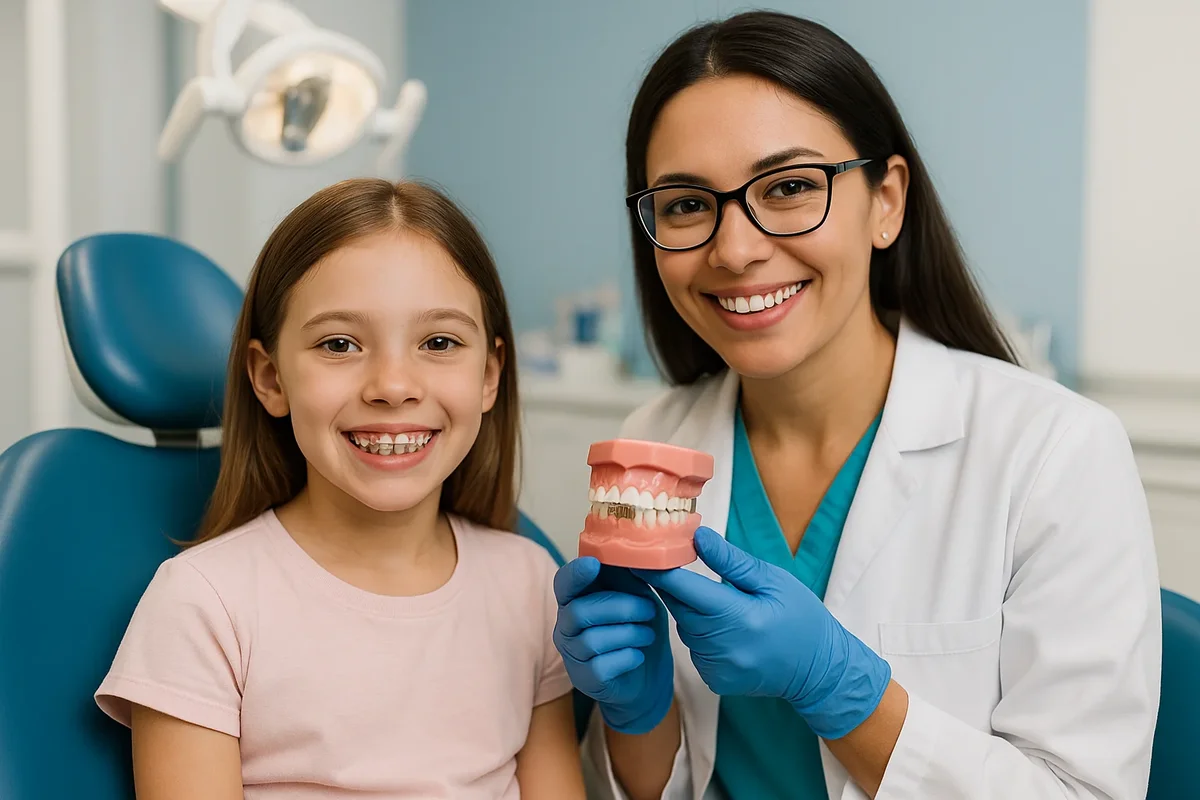
Aftercare and Recovery Tips from Expert Orthodontists
Completing treatment with an expander orthodontist marks a major step toward achieving a beautiful, healthy smile — but success doesn’t end when the appliance stops turning. The aftercare and recovery phase is just as crucial as the expansion process itself. Proper hygiene, dietary care, follow-up visits, and patient discipline ensure the newly expanded palate stabilizes correctly and remains healthy long-term. This section provides detailed, professional aftercare guidelines to help you maintain lasting results and prevent complications after treatment. 🦷
Understanding the Post-Expansion Phase
Once the desired width has been achieved, the expander orthodontist enters the retention phase. During this period, the appliance remains in place for several months to allow new bone to form and stabilize in the widened gap. This phase is critical — rushing to remove the expander too soon could cause the jaw to relapse or narrow again. The orthodontist carefully monitors bone development through X-rays or 3D scans to ensure stability before transitioning to the next stage of treatment, such as braces or clear aligners.
Why Stabilization Matters
During expansion, the two halves of the upper jawbone separate slightly. The body then fills this space with new bone tissue, a natural process called osteogenesis. The expander orthodontist allows enough time for this bone to harden and mature before removing the appliance. If the device is taken out prematurely, the soft tissue may contract, reversing months of progress. Patience and consistent follow-up appointments ensure the new arch width becomes a permanent improvement.
Essential Oral Hygiene Practices
One of the most important aspects of recovery is maintaining impeccable oral hygiene. The expander creates small areas where food can easily become trapped, increasing the risk of plaque buildup, gum inflammation, and cavities. The expander orthodontist emphasizes the following hygiene routine for all patients during and after treatment:
- Brush After Every Meal: Use a soft-bristled toothbrush to clean around the appliance and along the gumline. Tilt the brush at different angles to reach under the metal framework.
- Use a Water Flosser: A water flosser helps dislodge food debris and plaque between teeth and under the expander where traditional floss cannot reach.
- Rinse with Fluoride Mouthwash: Daily rinsing strengthens enamel and reduces bacterial buildup, preventing white spots or tooth decay.
- Professional Cleanings: Visit your dental hygienist regularly for deep cleaning and plaque removal to maintain oral health throughout recovery.
Following these steps minimizes the risk of infection or gum irritation, ensuring smooth healing. The expander orthodontist may also recommend specialized cleaning tools like interdental brushes for difficult-to-reach areas.
Dietary Recommendations for Faster Healing
Your diet plays a major role in post-treatment comfort and stability. Immediately after active expansion, it’s best to stick with soft foods for a few days while your mouth adjusts. Avoid sticky, chewy, or crunchy foods that can damage the appliance or irritate sensitive tissue. Recommended foods include yogurt, mashed potatoes, scrambled eggs, soups, and smoothies. 🍲
Foods to Avoid
The expander orthodontist typically advises avoiding the following foods during recovery:
- Hard items such as nuts, popcorn, and ice cubes
- Sticky foods like caramel, taffy, and chewing gum
- Crunchy snacks including chips or hard crusted bread
- Foods that require heavy biting (corn on the cob, whole apples)
Eating these foods too soon can loosen or dislodge the appliance and prolong recovery. Always chew slowly and carefully to avoid unnecessary strain on the jaw and newly expanded bone structure.
Managing Discomfort and Adjusting to Changes
It’s normal to experience mild pressure or tenderness in the days following active expansion. Over-the-counter pain relief like ibuprofen or acetaminophen can be used if recommended by your orthodontist. Some patients may feel minor sinus pressure or nasal tingling — this is temporary and indicates that the upper jaw is settling into its new position. The expander orthodontist may also suggest saltwater rinses to soothe the gums and promote faster healing.
Speech and Adaptation
After expansion, your tongue and muscles need time to adapt to the wider palate. Speech may sound slightly different at first, but regular talking and reading aloud can speed up the adaptation process. Many expander orthodontists recommend daily speech exercises or tongue-positioning techniques to restore normal pronunciation quickly.
Follow-Up Visits and Retention Phase Monitoring
Regular follow-up appointments are vital for tracking bone stability and overall oral health. The expander orthodontist typically schedules visits every 4–6 weeks to examine progress, take scans, and adjust the treatment plan if necessary. Once the expander is ready to be removed, a fixed or removable retainer may be prescribed to maintain the new arch width. Retainers prevent relapse by holding the teeth and bone in their corrected positions while the tissues fully adapt.
Signs You’re Healing Well
Positive signs of progress include reduced tightness, improved speech, easier chewing, and consistent appliance stability. The expander orthodontist ensures that no new gaps or shifting occur during this time. Patients should report any discomfort, unusual movement, or gum irritation immediately for timely intervention.
Common Mistakes to Avoid After Expansion
Even after the expander is removed, some patients make small mistakes that can impact long-term success. Avoid skipping retainer wear, missing appointments, or reverting to poor brushing habits. Remember — relapse prevention is a shared responsibility between the patient and the orthodontist. If you ever feel your retainer fits differently or notice minor changes in your bite, contact your expander orthodontist promptly.
Protecting Your Results Long-Term
Wearing retainers as instructed, maintaining excellent hygiene, and scheduling routine dental visits are the three pillars of long-term stability. These habits ensure that the newly formed bone remains strong and permanent. Think of it as protecting your investment — a few minutes of daily care can preserve the benefits of your expansion treatment for life. 🌟
Professional Support and Ongoing Guidance
Your relationship with your expander orthodontist doesn’t end after the appliance is removed. Continuous professional guidance ensures you maintain a healthy, functional, and confident smile for years to come. Many patients continue periodic checkups every 6–12 months to verify jaw stability and alignment. Clinics like Redent Klinik Contact Page provide personalized aftercare programs and digital monitoring tools to help patients stay on track with post-treatment care.
Trusted Resources for Further Learning
For additional information on maintaining oral health and understanding post-orthodontic care, refer to reliable organizations such as the American Dental Association. Their guidelines emphasize long-term bone retention, oral hygiene, and dietary practices that align perfectly with expert orthodontic recommendations.
Conclusion: A Lasting Smile Through Care and Commitment
Recovery after palatal expansion is a journey that rewards patience and discipline. By closely following your expander orthodontist’s aftercare instructions, you ensure that your new, wider smile remains strong, stable, and beautiful for life. Diligent hygiene, mindful eating, and regular visits will preserve your results and promote excellent oral health. Remember — expansion is not just a treatment; it’s a transformation that improves function, confidence, and well-being. With the right care and expert guidance, the benefits of your orthodontic journey will truly last a lifetime. 💎