
Fake teeth dental implants have become one of the most advanced and reliable solutions for replacing missing teeth in modern dentistry. If you are struggling with tooth loss, discomfort from dentures, or gaps affecting your confidence, fake teeth dental implants can provide a permanent, natural-looking alternative. Unlike traditional removable options, fake teeth dental implants are surgically placed into the jawbone, creating a stable and durable foundation for artificial teeth. 🦷
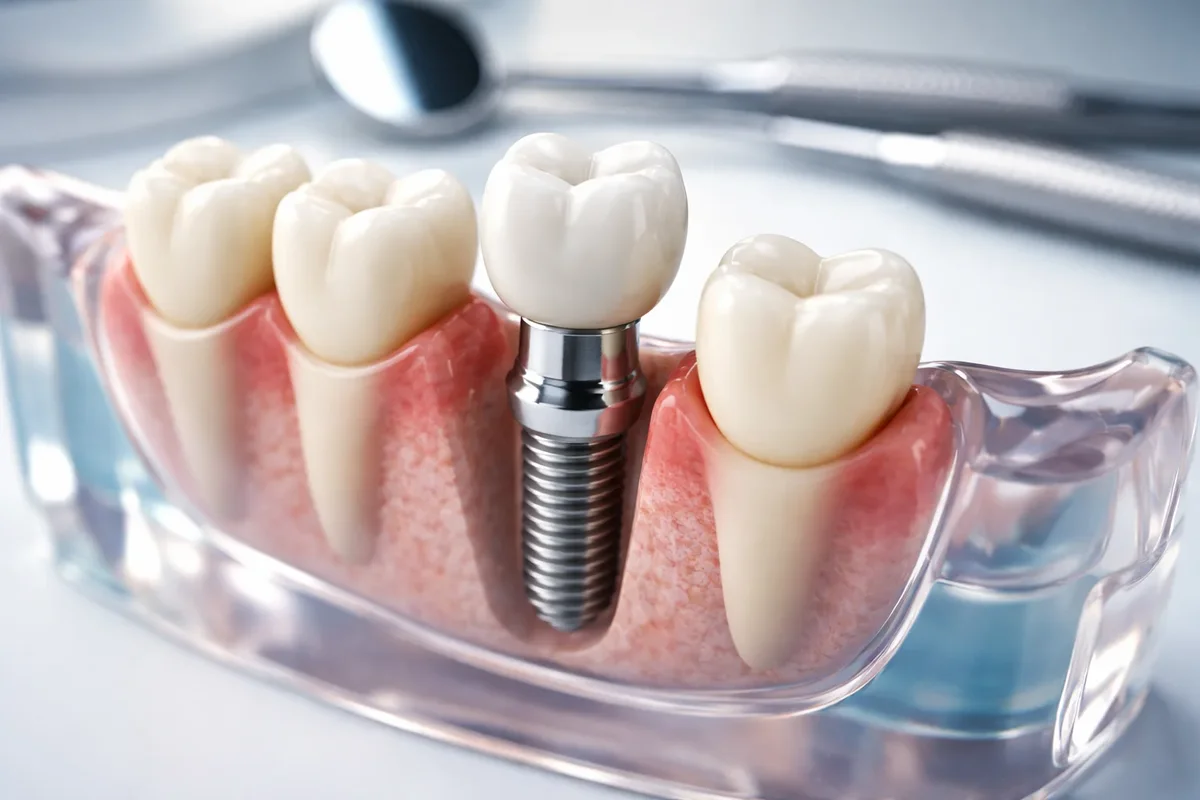
At their core, fake teeth dental implants consist of three main components: the implant post (usually made of titanium), the abutment, and the crown. The implant post acts as an artificial tooth root, integrating with your jawbone through a biological process called osseointegration. This integration ensures that fake teeth dental implants remain firmly anchored, mimicking the strength and function of natural teeth. Once healed, the abutment connects the implant to the custom-made crown, which is designed to match your natural teeth in color, shape, and size.
One of the main reasons patients choose fake teeth dental implants is their ability to restore both function and aesthetics. Whether you are missing one tooth, multiple teeth, or even a full arch, fake teeth dental implants can be customized to meet your specific needs. This flexibility makes them suitable for a wide range of dental conditions, from minor gaps to complete tooth loss.
In addition to their natural appearance, fake teeth dental implants offer significant health benefits. When a tooth is lost, the surrounding jawbone begins to deteriorate over time due to lack of stimulation. Fake teeth dental implants prevent this bone loss by acting as artificial roots, stimulating the bone and preserving facial structure. This is a major advantage compared to dentures, which do not provide the same level of support.
Another important aspect of fake teeth dental implants is their durability. With proper care and maintenance, fake teeth dental implants can last for decades, often a lifetime. This long-term reliability makes them a cost-effective investment in your oral health. While the initial cost may seem higher than other options, the longevity and performance of fake teeth dental implants often outweigh the need for frequent replacements associated with dentures or bridges.
Patients often wonder how fake teeth dental implants feel in daily life. The answer is simple: they feel just like natural teeth. You can eat, speak, and smile with confidence without worrying about slipping or discomfort. Foods that are difficult to eat with dentures, such as apples or steak, become manageable again with fake teeth dental implants. 🍎
The success of fake teeth dental implants depends on several factors, including bone density, oral hygiene, and overall health. Before starting treatment, your dentist will conduct a thorough evaluation, including X-rays or 3D scans, to determine if fake teeth dental implants are suitable for you. In some cases, additional procedures like bone grafting may be required to ensure a stable foundation.
It is also essential to choose a qualified dental professional for your procedure. Clinics like Redent Klinik Contact Page offer expert consultations and advanced implant treatments tailored to each patient. Additionally, guidelines provided by trusted organizations such as the American Dental Association emphasize the importance of professional care and proper planning when considering fake teeth dental implants.
In summary, fake teeth dental implants represent a revolutionary solution for tooth replacement. They combine aesthetics, functionality, and long-term health benefits in a way that traditional methods cannot match. Whether you are looking to restore a single missing tooth or completely transform your smile, fake teeth dental implants provide a dependable and life-changing option. 😊
Understanding how fake teeth dental implants work is the first step toward making an informed decision about your dental health. With advancements in technology and techniques, fake teeth dental implants are now safer, more accessible, and more effective than ever before, helping millions of people regain their confidence and quality of life.
What Are Fake Teeth Dental Implants and How Do They Work?
Fake teeth dental implants are one of the most advanced solutions available in modern dentistry for replacing missing teeth. Unlike removable dentures or traditional bridges, fake teeth dental implants are designed to function just like natural teeth, both in appearance and performance. They provide a permanent, stable, and aesthetically pleasing solution that helps restore not only your smile but also your confidence. 😊
At a basic level, fake teeth dental implants consist of a small titanium post that is surgically placed into the jawbone. This post acts as an artificial tooth root, supporting a custom-made crown that mimics the look and feel of a natural tooth. The entire system is carefully engineered to integrate seamlessly with your oral structure, making fake teeth dental implants one of the most reliable and long-lasting dental treatments available today.
The Structure of Fake Teeth Dental Implants
To fully understand how fake teeth dental implants work, it is important to break down their structure. Each implant is composed of three essential components, and together they create a strong and functional replacement for missing teeth.
1. Implant Post (Artificial Root)
The implant post is typically made from titanium, a biocompatible material that safely integrates with the jawbone. Once placed, the bone gradually fuses with the implant in a process called osseointegration. This process is what gives fake teeth dental implants their unmatched stability and strength. Over time, the implant becomes a permanent part of your mouth, just like a natural tooth root.
2. Abutment (Connector Piece)
The abutment is a small connector placed on top of the implant post. It serves as the link between the implant and the crown. The abutment ensures that the crown sits securely and aligns properly with the rest of your teeth, making fake teeth dental implants look completely natural.
3. Crown (Visible Tooth)
The crown is the visible part of fake teeth dental implants. It is custom-designed to match the color, shape, and size of your surrounding teeth. High-quality materials such as porcelain or zirconia are often used to achieve a realistic appearance and durability. Once attached, the crown blends seamlessly into your smile.
How Fake Teeth Dental Implants Function in Daily Life
One of the biggest advantages of fake teeth dental implants is how naturally they function. After the healing process is complete, fake teeth dental implants allow you to eat, speak, and smile without any discomfort or concern. Unlike dentures, which can slip or move, fake teeth dental implants remain firmly in place, giving you full confidence in your daily activities. 🍽️
Because fake teeth dental implants are anchored into the jawbone, they provide strong biting force. This means you can enjoy a wide variety of foods, including those that are typically difficult to eat with removable prosthetics. Additionally, fake teeth dental implants help maintain proper speech by preventing the shifting that can occur with dentures.
The Biological Process Behind Fake Teeth Dental Implants
The success of fake teeth dental implants largely depends on the process of osseointegration. After the implant is placed, the jawbone begins to grow around the titanium post, securing it firmly in place. This biological bonding is what sets fake teeth dental implants apart from other tooth replacement options.
Osseointegration usually takes several weeks to a few months, depending on the patient’s health and bone quality. During this time, it is crucial to follow your dentist’s instructions carefully to ensure proper healing. Once the process is complete, fake teeth dental implants become a permanent and stable foundation for the artificial tooth.
Why Fake Teeth Dental Implants Are Considered the Gold Standard
Many dental professionals consider fake teeth dental implants the gold standard for tooth replacement. This is because they offer a unique combination of durability, aesthetics, and functionality. Unlike bridges, fake teeth dental implants do not rely on neighboring teeth for support, which helps preserve the health of your natural teeth.
Additionally, fake teeth dental implants prevent bone loss by stimulating the jawbone, just like natural tooth roots. This helps maintain your facial structure and prevents the sunken appearance that can occur after tooth loss. Over time, this benefit alone makes fake teeth dental implants a superior long-term solution.
If you are considering this treatment, consulting a professional clinic such as Redent Klinik Contact Page can help you determine whether fake teeth dental implants are right for you. Trusted organizations like the American Dental Association also emphasize the importance of proper planning and professional care when undergoing implant procedures.
In conclusion, fake teeth dental implants are not just about replacing missing teeth—they are about restoring full oral function and improving overall quality of life. With their advanced structure, natural appearance, and long-lasting performance, fake teeth dental implants continue to be one of the most effective solutions in modern dentistry. 🦷
Types of Fake Teeth Dental Implants You Should Know
When considering fake teeth dental implants, understanding the different types available is essential for making an informed decision. Not all patients have the same dental needs, and modern dentistry offers a variety of fake teeth dental implants tailored to specific conditions, preferences, and budgets. Choosing the right type of fake teeth dental implants can significantly impact your comfort, aesthetics, and long-term success. 🦷
Fake teeth dental implants are generally categorized based on their placement method, structure, and the number of teeth they replace. Each type serves a unique purpose, and your dentist will recommend the most suitable option based on your oral health, bone density, and treatment goals.
Endosteal Implants: The Most Common Type
Endosteal fake teeth dental implants are the most widely used and preferred option in modern dentistry. These implants are placed directly into the jawbone and act as artificial roots for replacement teeth.
How Endosteal Implants Work
In this method, a titanium post is surgically inserted into the jawbone. Over time, the bone integrates with the implant through osseointegration, creating a stable and permanent foundation. Once healed, an abutment and crown are attached to complete the fake teeth dental implants structure.
Who Should Choose Endosteal Implants?
Endosteal fake teeth dental implants are ideal for patients with sufficient jawbone density and good oral health. They are suitable for replacing single teeth, multiple teeth, or even supporting full-arch restorations. Because of their durability and success rate, they are often considered the gold standard among fake teeth dental implants.
Subperiosteal Implants: Alternative for Low Bone Density
Subperiosteal fake teeth dental implants are designed for patients who do not have enough healthy jawbone to support traditional implants and may not want to undergo bone grafting.
How Subperiosteal Implants Work
Instead of being placed inside the jawbone, these fake teeth dental implants sit on top of the bone but beneath the gum tissue. A metal framework supports the artificial teeth, providing stability without deep bone integration.
When Are They Recommended?
Subperiosteal fake teeth dental implants are typically recommended for patients with severe bone loss or those who cannot undergo extensive surgical procedures. While less common today, they still offer a viable solution in specific cases.
All-on-4 Implants: Full Smile Restoration
The All-on-4 system is one of the most innovative approaches to fake teeth dental implants, especially for patients who have lost most or all of their teeth.
What Makes All-on-4 Unique?
This technique uses only four strategically placed implants to support a full arch of teeth. The angled placement maximizes bone contact, often eliminating the need for bone grafting. With All-on-4 fake teeth dental implants, patients can achieve a full smile restoration with fewer implants and reduced treatment time.
Benefits of All-on-4 Implants
All-on-4 fake teeth dental implants provide immediate results, often allowing temporary teeth to be placed on the same day. They are cost-effective compared to placing individual implants for each missing tooth and offer excellent stability and aesthetics.
Zygomatic Implants: Advanced Solution for Severe Bone Loss
Zygomatic fake teeth dental implants are a specialized option used in complex cases where there is significant bone loss in the upper jaw.
How Zygomatic Implants Work
Instead of anchoring into the jawbone, these fake teeth dental implants are anchored into the cheekbone (zygoma), which provides a strong and stable foundation.
Who Needs Zygomatic Implants?
Zygomatic fake teeth dental implants are typically recommended for patients who cannot undergo traditional implant procedures due to extreme bone loss. This advanced technique requires a highly experienced dental surgeon but can eliminate the need for bone grafting.
Mini Implants: Less Invasive Option
Mini fake teeth dental implants are smaller in diameter compared to traditional implants and are often used in less complex cases.
Advantages of Mini Implants
Mini fake teeth dental implants require less invasive surgery, shorter healing time, and are often more affordable. They are commonly used to stabilize dentures or replace small teeth.
Limitations of Mini Implants
While convenient, mini fake teeth dental implants may not be suitable for all patients, especially those requiring high biting force or full-arch restorations.
Which Type of Fake Teeth Dental Implants Is Right for You?
Choosing the right type of fake teeth dental implants depends on multiple factors, including your oral health, bone structure, budget, and personal preferences. A professional consultation is essential to evaluate your condition and recommend the best treatment plan.
You can get expert guidance and personalized treatment options by visiting Redent Klinik Contact Page. Additionally, trusted organizations like the American Dental Association provide valuable information about implant procedures and standards of care.
In summary, fake teeth dental implants are not a one-size-fits-all solution. From endosteal and subperiosteal implants to advanced techniques like All-on-4 and zygomatic implants, each option offers unique benefits. Understanding these types allows you to make a confident and informed decision about restoring your smile. 😁
Benefits of Choosing Fake Teeth Dental Implants for Tooth Loss
Fake teeth dental implants offer a transformative solution for individuals experiencing tooth loss. Whether you are missing one tooth or multiple teeth, fake teeth dental implants provide a permanent, natural-looking, and highly functional alternative to traditional dental restorations. Unlike removable dentures or bridges, fake teeth dental implants are designed to replicate the structure and function of real teeth, delivering both aesthetic and health-related advantages. 😊
One of the main reasons patients prefer fake teeth dental implants is their ability to restore confidence. Missing teeth can affect your smile, speech, and overall self-esteem. With fake teeth dental implants, you regain a complete smile that looks and feels natural, allowing you to interact socially without hesitation.
Improved Appearance and Natural Feel
Fake teeth dental implants are custom-designed to match the color, size, and shape of your natural teeth. This ensures a seamless blend with your existing smile.
Realistic Aesthetics
The crowns used in fake teeth dental implants are typically made from high-quality materials such as porcelain or zirconia. These materials mimic the translucency and texture of natural enamel, making fake teeth dental implants virtually indistinguishable from real teeth.
Comfort and Stability
Unlike dentures, which can shift or cause discomfort, fake teeth dental implants are securely anchored into the jawbone. This stability allows you to speak and smile confidently without worrying about movement or irritation.
Enhanced Chewing Ability and Functionality
One of the most practical benefits of fake teeth dental implants is their ability to restore full chewing power. Missing teeth can make it difficult to eat certain foods, but fake teeth dental implants eliminate these limitations.
Eat Without Restrictions
With fake teeth dental implants, you can enjoy a wide variety of foods, including hard or crunchy items like apples, nuts, and steak. This not only improves your quality of life but also supports better nutrition. 🍎
Improved Speech
Fake teeth dental implants help maintain proper tongue placement and airflow, which are essential for clear speech. Unlike dentures that may slip, fake teeth dental implants provide consistent support for natural pronunciation.
Long-Term Durability and Reliability
Fake teeth dental implants are known for their exceptional longevity. When properly cared for, they can last for decades or even a lifetime.
Strong and Resilient Structure
The titanium posts used in fake teeth dental implants are highly durable and resistant to wear. Combined with high-quality crowns, they create a restoration that can withstand daily use without compromising performance.
Cost-Effective Over Time
Although the initial investment in fake teeth dental implants may be higher, their long lifespan reduces the need for frequent replacements or repairs. This makes fake teeth dental implants a financially smart choice in the long run.
Prevention of Bone Loss and Facial Changes
One of the most important health benefits of fake teeth dental implants is their ability to preserve jawbone density.
Bone Stimulation
When a natural tooth is lost, the jawbone begins to shrink due to lack of stimulation. Fake teeth dental implants act like artificial roots, stimulating the bone and preventing deterioration.
Maintaining Facial Structure
Bone loss can lead to a sunken facial appearance, making you look older. Fake teeth dental implants help maintain your natural facial contours, preserving a youthful look.
Protection of Surrounding Teeth
Unlike traditional bridges, which rely on adjacent teeth for support, fake teeth dental implants are independent structures.
No Damage to Healthy Teeth
Fake teeth dental implants do not require grinding down neighboring teeth. This helps preserve the integrity and health of your natural teeth.
Improved Oral Health
Because fake teeth dental implants are easy to clean and maintain, they contribute to better overall oral hygiene. You can brush and floss them just like natural teeth.
Convenience and Easy Maintenance
Fake teeth dental implants simplify your daily routine by eliminating the need for adhesives or special cleaning solutions.
Simple Oral Care Routine
Maintaining fake teeth dental implants involves regular brushing, flossing, and dental check-ups. There is no need for removal or additional maintenance steps.
Confidence in Daily Life
With fake teeth dental implants, you can go about your day without worrying about discomfort, slippage, or embarrassing situations. 😁
Professional Guidance and Trusted Resources
If you are considering fake teeth dental implants, seeking professional advice is crucial. Clinics like Redent Klinik Contact Page offer personalized consultations to determine the best treatment for your needs.
Additionally, organizations such as the American Dental Association provide reliable information about the safety and effectiveness of fake teeth dental implants, helping patients make informed decisions.
In conclusion, fake teeth dental implants offer a wide range of benefits, from improved appearance and functionality to long-term health advantages. They are not just a cosmetic solution but a comprehensive treatment that enhances your overall quality of life. By choosing fake teeth dental implants, you invest in a healthier, more confident future. 🦷
Who Is a Good Candidate for Fake Teeth Dental Implants?
Fake teeth dental implants are a highly effective solution for replacing missing teeth, but not everyone is immediately an ideal candidate. Understanding whether you qualify for fake teeth dental implants is a crucial step before starting treatment. The success of fake teeth dental implants depends on several factors, including oral health, bone density, lifestyle habits, and overall medical condition. Fortunately, with modern advancements, more patients than ever can benefit from fake teeth dental implants. 😊
If you are considering fake teeth dental implants, a thorough dental evaluation is necessary. Your dentist will assess your jawbone, gums, and overall oral health to determine if fake teeth dental implants are the right solution for you. Let’s explore the key criteria that define a good candidate.
Healthy Gums and Oral Hygiene
One of the most important requirements for fake teeth dental implants is having healthy gums. Since fake teeth dental implants are placed into the jawbone and surrounded by gum tissue, the condition of your gums plays a critical role in the success of the procedure.
Why Gum Health Matters
Healthy gums help support and protect fake teeth dental implants. If you have gum disease (periodontitis), it can weaken the supporting structures and increase the risk of implant failure. Therefore, any gum issues must be treated before proceeding with fake teeth dental implants.
Importance of Oral Hygiene
Maintaining good oral hygiene is essential both before and after receiving fake teeth dental implants. Regular brushing, flossing, and dental check-ups ensure that your implants remain healthy and long-lasting.
Sufficient Jawbone Density
Another key factor in determining candidacy for fake teeth dental implants is the quality and quantity of your jawbone.
Bone Support for Implants
Fake teeth dental implants rely on the jawbone for stability. The implant post must integrate with the bone through osseointegration. If the bone is too thin or weak, it may not support fake teeth dental implants effectively.
Options for Low Bone Density
Even if you have experienced bone loss, you may still qualify for fake teeth dental implants. Procedures such as bone grafting or sinus lifts can rebuild the bone structure, making it possible to place implants successfully. This means that fake teeth dental implants are accessible to more patients than ever before.
Good Overall Health
Your general health condition is another important factor when considering fake teeth dental implants.
Medical Conditions to Consider
Chronic illnesses such as uncontrolled diabetes or autoimmune disorders can affect healing and increase the risk of complications. However, many patients with controlled conditions can still safely receive fake teeth dental implants with proper medical supervision.
Healing and Recovery Ability
Because fake teeth dental implants involve a surgical procedure, your body must be able to heal effectively. A healthy immune system supports faster recovery and successful integration of the implant.
Non-Smokers or Willing to Quit Smoking
Smoking is a significant factor that can impact the success of fake teeth dental implants.
Effects of Smoking on Implants
Smoking reduces blood flow to the gums and can interfere with healing. This increases the risk of implant failure and infection. For this reason, dentists often recommend quitting smoking before undergoing fake teeth dental implants.
Improving Success Rates
Patients who quit smoking or significantly reduce tobacco use have a much higher success rate with fake teeth dental implants, ensuring better long-term results.
Patients with Missing One or More Teeth
Fake teeth dental implants are suitable for a wide range of tooth loss situations.
Single Tooth Replacement
If you are missing one tooth, fake teeth dental implants can replace it without affecting adjacent teeth, unlike traditional bridges.
Multiple or Full-Arch Replacement
For patients missing several teeth or even a full set, fake teeth dental implants can support bridges or full-arch restorations such as All-on-4 systems. This flexibility makes fake teeth dental implants an excellent option for various dental needs.
Commitment to Long-Term Care
Fake teeth dental implants require ongoing care and maintenance to ensure their longevity.
Daily Maintenance
Patients must be committed to maintaining proper oral hygiene, including brushing and flossing daily. Regular dental visits are also essential to monitor the condition of fake teeth dental implants.
Long-Term Responsibility
While fake teeth dental implants are durable, neglecting oral care can lead to complications such as peri-implantitis. A commitment to long-term care ensures that fake teeth dental implants remain functional and aesthetically pleasing for years.
Professional Evaluation and Expert Guidance
The best way to determine if you are a candidate for fake teeth dental implants is through a professional consultation. Clinics like Redent Klinik Contact Page provide personalized assessments and treatment plans tailored to your needs.
Additionally, trusted organizations such as the American Dental Association emphasize the importance of individualized care and proper diagnosis before proceeding with fake teeth dental implants.
In conclusion, a good candidate for fake teeth dental implants is someone with healthy gums, sufficient bone density, good overall health, and a commitment to oral care. Even if you do not meet all the criteria initially, modern dental techniques can often prepare you for successful treatment. Fake teeth dental implants offer a life-changing solution, and with the right preparation, many patients can achieve excellent results. 😁
The Step-by-Step Procedure of Fake Teeth Dental Implants
Understanding the full process of fake teeth dental implants can help reduce anxiety and set clear expectations before starting treatment. Fake teeth dental implants are not a one-day procedure; instead, they involve several carefully planned stages to ensure long-term success. Each step is essential to achieving a stable, natural-looking result that functions just like real teeth. 😊
The journey of fake teeth dental implants begins with a detailed consultation and continues through surgical placement, healing, and final restoration. Let’s break down each phase so you can clearly understand how fake teeth dental implants are performed from start to finish.
Initial Consultation and Treatment Planning
The first step in getting fake teeth dental implants is a comprehensive dental evaluation. This stage is critical because it determines whether you are a suitable candidate for fake teeth dental implants.
Dental Examination and Imaging
Your dentist will perform a thorough examination, including X-rays or 3D scans, to assess bone density, gum health, and overall oral condition. These images help plan the precise placement of fake teeth dental implants for optimal results.
Personalized Treatment Plan
Based on your evaluation, a customized plan is created. This plan outlines the number of fake teeth dental implants needed, the type of implants, and whether additional procedures like bone grafting are required.
Preparatory Procedures (If Needed)
Some patients may need additional treatments before receiving fake teeth dental implants.
Bone Grafting
If your jawbone lacks sufficient density, a bone graft may be performed to strengthen the area. This creates a solid foundation for fake teeth dental implants and increases the chances of long-term success.
Tooth Extraction
If damaged or decayed teeth are present, they may need to be removed before placing fake teeth dental implants. In some cases, implants can be placed immediately after extraction.
Surgical Placement of Fake Teeth Dental Implants
The next step is the surgical placement of the implant post, which is the core component of fake teeth dental implants.
The Implant Surgery
During the procedure, a small incision is made in the gum to expose the jawbone. The dentist then drills a precise hole and inserts the titanium implant post. This post acts as the artificial root for fake teeth dental implants.
Closing the Gum Tissue
After the implant is placed, the gum is stitched closed over or around the implant. A protective healing cap may be placed to safeguard the area during recovery.
Osseointegration and Healing Phase
One of the most important stages of fake teeth dental implants is the healing process known as osseointegration.
Bone Integration
Over the next few weeks to months, the jawbone gradually fuses with the implant post. This process creates a strong and stable foundation for fake teeth dental implants, ensuring they function like natural teeth.
Healing Timeline
The healing period typically ranges from 3 to 6 months, depending on individual factors such as bone quality and overall health. During this time, temporary restorations may be used if necessary.
Abutment Placement
Once osseointegration is complete, the next step in fake teeth dental implants is attaching the abutment.
Connecting the Implant and Crown
The abutment is a small connector piece that sits on top of the implant post. It serves as the base for the final crown in fake teeth dental implants.
Gum Healing Around Abutment
After placing the abutment, the gums need time to heal around it. This typically takes a few weeks and ensures a natural appearance.
Final Crown Placement
The final stage of fake teeth dental implants is attaching the custom-made crown.
Custom Design and Fit
The crown is designed to match your natural teeth in color, shape, and size. This ensures that fake teeth dental implants blend seamlessly with your smile.
Permanent Attachment
Once ready, the crown is securely attached to the abutment. At this point, your fake teeth dental implants are fully functional and complete. 😁
Post-Procedure Care and Follow-Up
After completing fake teeth dental implants, proper care is essential to maintain their longevity.
Oral Hygiene Routine
Regular brushing, flossing, and dental check-ups are crucial for keeping fake teeth dental implants in excellent condition.
Monitoring and Maintenance
Your dentist will schedule follow-up visits to monitor the health of your fake teeth dental implants and ensure everything remains stable.
Professional Support and Trusted Resources
If you are planning to undergo fake teeth dental implants, consulting a professional clinic is the best first step. You can schedule a consultation through the Redent Klinik Contact Page for personalized guidance.
Additionally, reliable information from organizations like the American Dental Association can help you better understand the procedure and its benefits.
In conclusion, the process of fake teeth dental implants involves multiple carefully executed steps, each contributing to the overall success of the treatment. From initial consultation to final crown placement, fake teeth dental implants offer a structured and highly effective solution for restoring your smile and oral function. 🦷
Recovery Timeline After Fake Teeth Dental Implants Surgery
The recovery process after fake teeth dental implants surgery is a crucial phase that directly impacts the long-term success of your treatment. While fake teeth dental implants are known for their durability and natural feel, achieving these results depends heavily on proper healing and aftercare. Understanding the recovery timeline helps patients prepare mentally and physically, ensuring a smoother and more comfortable experience. 😊
Fake teeth dental implants recovery is not the same for everyone. Factors such as age, overall health, bone quality, and adherence to post-operative instructions can influence how quickly you heal. However, there is a general timeline that most patients follow after receiving fake teeth dental implants.
First 24–72 Hours: Immediate Post-Surgery Phase
The first few days after fake teeth dental implants surgery are the most sensitive. During this time, your body begins the initial healing process.
Common Symptoms
It is normal to experience mild swelling, slight bleeding, and discomfort around the implant area. These symptoms are temporary and usually subside within a few days. Applying ice packs and taking prescribed medications can help manage discomfort after fake teeth dental implants.
Diet and Care
Patients are advised to stick to soft foods such as yogurt, soup, and mashed potatoes. Avoiding hard or hot foods helps protect the surgical site and supports proper healing of fake teeth dental implants. 🍲
First Week: Early Healing Stage
Within the first week, the initial discomfort from fake teeth dental implants begins to decrease significantly.
Stitches and Gum Healing
If stitches were placed during surgery, they may dissolve on their own or be removed by your dentist within 7–10 days. The gums start to heal around the implant, creating a protective barrier.
Oral Hygiene Routine
Maintaining gentle oral hygiene is essential. Brushing should be done carefully, avoiding the surgical site, while antibacterial mouth rinses may be recommended to prevent infection around fake teeth dental implants.
Weeks 2–6: Stabilization Period
During this phase, the visible signs of surgery continue to fade, and the healing process progresses deeper within the jawbone.
Reduced Discomfort
Most patients feel little to no pain during this stage. Swelling and sensitivity are minimal, allowing you to return to normal daily activities while still protecting your fake teeth dental implants.
Soft Tissue Recovery
The gum tissue continues to strengthen and adapt around the implant site. Proper care during this period ensures that fake teeth dental implants remain stable and infection-free.
3 to 6 Months: Osseointegration Phase
This is the most critical stage in the recovery of fake teeth dental implants.
Bone Integration Process
Osseointegration occurs when the jawbone fuses with the titanium implant post. This process creates a solid foundation for fake teeth dental implants, allowing them to function like natural teeth.
Importance of Patience
Although patients may feel normal during this time, it is essential to allow full healing before placing the final crown. Rushing this stage can compromise the success of fake teeth dental implants.
Final Restoration Phase
Once osseointegration is complete, the final step in the recovery process begins.
Abutment and Crown Placement
The dentist attaches the abutment and places the custom-designed crown. At this stage, fake teeth dental implants are fully functional and aesthetically complete. 😁
Adjustment Period
It may take a few days to get used to the new implant, but most patients quickly adapt and enjoy the natural feel of fake teeth dental implants.
Long-Term Healing and Maintenance
Even after the initial recovery is complete, ongoing care is essential to maintain the health of fake teeth dental implants.
Regular Dental Visits
Routine check-ups allow your dentist to monitor the condition of your fake teeth dental implants and address any potential issues early.
Daily Oral Care
Brushing, flossing, and maintaining good oral hygiene habits are crucial for preventing complications such as peri-implantitis.
Tips for Faster Recovery
Following these tips can help improve your recovery experience after fake teeth dental implants:
- Avoid smoking, as it slows healing and increases the risk of complications.
- Follow your dentist’s instructions carefully.
- Maintain a soft diet during the early stages.
- Keep the surgical area clean to prevent infection.
Professional Support and Reliable Information
If you have concerns during your recovery, it is important to consult a qualified dental professional. You can reach out through the Redent Klinik Contact Page for personalized support and guidance.
For additional information about recovery and dental procedures, trusted organizations like the American Dental Association provide reliable resources to help patients understand what to expect from fake teeth dental implants.
In conclusion, the recovery timeline for fake teeth dental implants involves several stages, each playing a vital role in the overall success of the treatment. By understanding what to expect and following proper care guidelines, patients can enjoy a smooth recovery and long-lasting results. Fake teeth dental implants not only restore your smile but also enhance your quality of life when properly maintained. 🦷
Cost of Fake Teeth Dental Implants: What to Expect
Understanding the cost of fake teeth dental implants is one of the most important considerations for patients planning this treatment. While fake teeth dental implants offer unmatched durability, aesthetics, and functionality, their pricing can vary significantly depending on several factors. Knowing what influences the cost of fake teeth dental implants helps you make a well-informed financial decision and avoid unexpected expenses. 💰
Unlike traditional dentures or bridges, fake teeth dental implants are a long-term investment in your oral health. Although the initial cost may seem higher, the longevity and performance of fake teeth dental implants often make them more cost-effective over time.
Average Cost of Fake Teeth Dental Implants
The cost of fake teeth dental implants varies depending on the country, clinic, and complexity of the case. Below is a general overview of pricing based on global averages:
Single Tooth Implant Cost
For a single tooth replacement, fake teeth dental implants typically range between:
- United States: $3,000 – $5,500 per implant
- United Kingdom: £2,000 – £3,500 per implant
- Turkey: $600 – $1,500 per implant
These prices usually include the implant post, abutment, and crown. However, additional procedures may increase the total cost of fake teeth dental implants.
Full Mouth Implant Cost
For patients requiring full-mouth restoration, fake teeth dental implants can cost:
- United States: $20,000 – $50,000
- Europe: €15,000 – €30,000
- Turkey: $5,000 – $15,000
Full-mouth solutions such as All-on-4 systems reduce the number of implants needed, making fake teeth dental implants more affordable compared to placing individual implants for each missing tooth.
Factors That Affect the Cost of Fake Teeth Dental Implants
Several factors influence the total price of fake teeth dental implants. Understanding these elements can help you plan your budget effectively.
Number of Implants Required
The more implants you need, the higher the overall cost. Replacing a single tooth with fake teeth dental implants is less expensive than restoring an entire arch.
Type of Implant Used
Different types of fake teeth dental implants, such as standard implants, mini implants, or advanced systems like All-on-4, come with varying price points. Premium materials and advanced technologies can increase costs.
Additional Procedures
Some patients require preparatory treatments before receiving fake teeth dental implants. These may include:
- Bone grafting
- Sinus lift procedures
- Tooth extractions
Each of these procedures adds to the total cost of fake teeth dental implants.
Clinic Location and Expertise
The location of the clinic plays a major role in pricing. For example, fake teeth dental implants in countries like Turkey are often more affordable due to lower operational costs, while maintaining high-quality standards. Choosing an experienced and reputable dentist may also influence the price, but it ensures better outcomes.
Are Fake Teeth Dental Implants Worth the Cost?
Many patients wonder whether fake teeth dental implants justify their cost. The answer depends on the long-term benefits they provide.
Long-Term Investment
Fake teeth dental implants can last decades with proper care, unlike dentures that may need frequent replacement. This durability makes fake teeth dental implants a cost-effective solution over time.
Improved Quality of Life
With fake teeth dental implants, you can eat, speak, and smile confidently without discomfort. The improvement in daily life and self-confidence is often considered priceless by patients. 😁
Insurance and Financing Options
Another important aspect to consider is how to manage the cost of fake teeth dental implants.
Dental Insurance Coverage
Some dental insurance plans may cover part of the procedure, especially if it is deemed medically necessary. However, coverage for fake teeth dental implants varies widely.
Payment Plans and Financing
Many clinics offer flexible payment plans, allowing patients to spread the cost of fake teeth dental implants over time. This makes the treatment more accessible and manageable.
How to Get an Accurate Cost Estimate
The best way to determine the exact cost of fake teeth dental implants is through a professional consultation.
Personalized Assessment
Every patient’s case is unique. A detailed examination helps create a customized treatment plan with a precise cost breakdown for fake teeth dental implants.
Consult a Trusted Clinic
You can request a consultation through the Redent Klinik Contact Page to receive expert advice and a tailored treatment plan.
Additionally, reliable resources such as the American Dental Association provide valuable insights into treatment standards and cost considerations for fake teeth dental implants.
Conclusion: Planning Your Investment
In conclusion, the cost of fake teeth dental implants varies depending on multiple factors, including location, complexity, and additional procedures. While the upfront cost may seem high, the long-term benefits, durability, and improved quality of life make fake teeth dental implants a worthwhile investment. 🦷
By understanding the pricing structure and exploring available options, you can confidently move forward with fake teeth dental implants and achieve a healthy, beautiful smile that lasts for years.
Risks and Complications of Fake Teeth Dental Implants
While fake teeth dental implants are widely regarded as a safe and highly effective solution for tooth replacement, it is important to understand that, like any surgical procedure, they come with potential risks and complications. Being informed about these possibilities allows patients to make educated decisions and take proactive steps to ensure the success of their fake teeth dental implants. 🦷
Most patients experience successful outcomes with fake teeth dental implants, especially when treatment is performed by experienced professionals and proper aftercare is followed. However, understanding the potential challenges helps you prepare and minimize risks.
Common Short-Term Risks After Surgery
Immediately after the placement of fake teeth dental implants, some temporary side effects are expected as part of the healing process.
Swelling and Discomfort
Swelling around the gums and face is common after surgery. Mild pain or discomfort is also normal and usually subsides within a few days. These symptoms are not considered serious complications of fake teeth dental implants but rather part of the natural healing process.
Minor Bleeding
Slight bleeding may occur within the first 24–48 hours after receiving fake teeth dental implants. Following your dentist’s instructions carefully can help control this and promote faster healing.
Infection Around Fake Teeth Dental Implants
One of the most important risks associated with fake teeth dental implants is infection at the implant site.
Peri-Implantitis
Peri-implantitis is a condition similar to gum disease that affects the tissues around fake teeth dental implants. It can lead to inflammation, bone loss, and even implant failure if not treated promptly.
Prevention Tips
Maintaining proper oral hygiene is essential to prevent infection. Regular brushing, flossing, and dental visits help keep fake teeth dental implants healthy and free from bacteria.
Implant Failure and Rejection
Although rare, implant failure is a possible complication of fake teeth dental implants.
Causes of Implant Failure
Failure may occur if the implant does not properly integrate with the jawbone. This can be caused by poor bone quality, smoking, infection, or excessive pressure on the implant during healing.
Signs to Watch For
Symptoms such as persistent pain, mobility of the implant, or swelling may indicate problems with fake teeth dental implants and require immediate professional attention.
Nerve Damage and Sensitivity Issues
In rare cases, fake teeth dental implants may affect nearby nerves, especially if placed incorrectly.
Symptoms of Nerve Damage
Patients may experience numbness, tingling, or pain in the lips, gums, or chin. While uncommon, this complication highlights the importance of choosing a skilled dental professional for fake teeth dental implants.
Preventive Measures
Advanced imaging techniques, such as 3D scans, are used to precisely plan implant placement and reduce the risk of nerve damage.
Sinus Problems with Upper Jaw Implants
Fake teeth dental implants placed in the upper jaw can sometimes extend into the sinus cavity if not positioned correctly.
Potential Complications
This may lead to sinus infections or discomfort. However, proper planning and procedures like sinus lifts significantly reduce this risk when placing fake teeth dental implants.
Long-Term Complications
Even after successful healing, fake teeth dental implants require ongoing care to avoid long-term issues.
Bone Loss Around the Implant
Improper oral hygiene or untreated infection can lead to gradual bone loss around fake teeth dental implants, compromising their stability over time.
Wear and Tear of the Crown
Although durable, the crown attached to fake teeth dental implants may need replacement after many years due to normal wear.
How to Minimize Risks of Fake Teeth Dental Implants
The good news is that most risks associated with fake teeth dental implants can be minimized with proper care and professional guidance.
Choose an Experienced Dentist
Selecting a qualified and experienced dental professional greatly reduces the chances of complications. Clinics like Redent Klinik Contact Page provide expert care and personalized treatment plans for fake teeth dental implants.
Follow Aftercare Instructions
Strictly following post-operative guidelines, including diet restrictions and oral hygiene routines, is essential for successful healing.
Maintain Regular Check-Ups
Routine dental visits allow early detection of potential issues with fake teeth dental implants, ensuring timely intervention.
Trusted Information and Professional Standards
For additional guidance on implant safety and risks, trusted organizations like the American Dental Association provide reliable information about fake teeth dental implants and best practices in dental care.
Conclusion: Understanding and Managing Risks
In conclusion, while fake teeth dental implants are a highly successful and widely recommended treatment, being aware of potential risks is essential. Most complications are rare and can be prevented with proper planning, skilled professionals, and diligent aftercare. 😊
By understanding the possible risks and taking the necessary precautions, patients can enjoy the long-term benefits of fake teeth dental implants with confidence and peace of mind. A well-informed approach ensures that fake teeth dental implants remain a safe, effective, and life-changing solution for restoring your smile.
How to Care for Fake Teeth Dental Implants for Long-Term Success
Proper care is essential to ensure the longevity and success of fake teeth dental implants. While fake teeth dental implants are designed to be durable and long-lasting, they still require consistent maintenance to stay healthy and functional. Unlike natural teeth, fake teeth dental implants cannot develop cavities, but the surrounding gum tissue and bone can still be affected by poor hygiene. Therefore, adopting the right care routine is crucial for protecting your investment and maintaining your smile. 😊
Fake teeth dental implants can last for decades, often a lifetime, if properly cared for. However, neglecting oral hygiene or ignoring dental visits can lead to complications such as peri-implantitis, which can compromise the stability of fake teeth dental implants. Let’s explore how to care for them effectively.
Daily Oral Hygiene Routine
Maintaining a strong daily oral hygiene routine is the foundation of caring for fake teeth dental implants.
Brushing Techniques
You should brush your teeth at least twice a day using a soft-bristled toothbrush. Gentle brushing around fake teeth dental implants helps remove plaque and prevent gum inflammation. Electric toothbrushes can also be beneficial for more effective cleaning.
Flossing and Interdental Cleaning
Flossing is equally important for fake teeth dental implants. Special implant-friendly floss or interdental brushes can clean hard-to-reach areas around the implant. This helps prevent bacteria buildup and keeps the surrounding tissues healthy.
Regular Dental Check-Ups
Routine dental visits are essential for monitoring the condition of fake teeth dental implants.
Professional Cleaning
Dentists use specialized tools to clean fake teeth dental implants without damaging them. Professional cleaning removes plaque and tartar that cannot be eliminated through regular brushing alone.
Early Detection of Issues
Regular check-ups allow your dentist to detect early signs of problems such as inflammation or bone loss around fake teeth dental implants. Early intervention can prevent serious complications.
Healthy Lifestyle Choices
Your daily habits play a significant role in the long-term success of fake teeth dental implants.
Avoid Smoking
Smoking is one of the leading causes of implant failure. It reduces blood flow to the gums and interferes with healing. Quitting smoking significantly improves the lifespan of fake teeth dental implants.
Balanced Diet
Eating a nutritious diet supports overall oral health. Foods rich in vitamins and minerals help maintain strong gums and bone, which are essential for supporting fake teeth dental implants. 🥗
Protecting Your Implants from Damage
Although fake teeth dental implants are strong, they are not indestructible. Taking precautions can help prevent unnecessary damage.
Avoid Hard Foods
Chewing extremely hard objects such as ice or hard candies can damage the crown of fake teeth dental implants. It is best to avoid habits that put excessive pressure on your teeth.
Use a Mouthguard
If you grind your teeth at night (bruxism), wearing a mouthguard can protect fake teeth dental implants from excessive force and wear.
Managing Gum Health Around Implants
The health of the gums surrounding fake teeth dental implants is just as important as the implants themselves.
Preventing Peri-Implantitis
Peri-implantitis is an inflammatory condition that affects the tissues around fake teeth dental implants. It can lead to bone loss and implant failure if not treated early.
Signs to Watch For
Redness, swelling, bleeding, or discomfort around fake teeth dental implants may indicate a problem. If you notice any of these symptoms, seek professional care immediately.
Long-Term Maintenance and Care Plan
Creating a long-term maintenance plan ensures the continued success of fake teeth dental implants.
Consistency Is Key
Consistency in oral hygiene and dental visits is essential. Even though fake teeth dental implants are artificial, they require the same level of care as natural teeth.
Follow Professional Advice
Your dentist will provide personalized care instructions based on your specific case. Following these recommendations helps maximize the lifespan of fake teeth dental implants.
Professional Support and Trusted Resources
If you need guidance on maintaining fake teeth dental implants, consulting a professional clinic is highly recommended. You can contact experts through the Redent Klinik Contact Page for personalized advice and support.
Additionally, reliable information from organizations like the American Dental Association can help you understand best practices for maintaining fake teeth dental implants.
Conclusion: Ensuring Long-Term Success
In conclusion, caring for fake teeth dental implants requires a combination of proper hygiene, regular dental visits, and healthy lifestyle choices. By following these guidelines, you can ensure that your fake teeth dental implants remain strong, functional, and aesthetically pleasing for many years. 😁
Fake teeth dental implants are a valuable investment in your oral health. With the right care routine, they can provide a lifetime of comfort, confidence, and a beautiful smile.