
Many patients who begin orthodontic treatment with clear aligners ask the same question: can Invisalign work faster? The idea of achieving a straight, confident smile in a shorter period is appealing to anyone considering orthodontic care. The good news is that modern orthodontics has made faster Invisalign treatment increasingly achievable. With the right habits, proper aligner usage, and professional guidance, many patients can significantly improve the efficiency of their treatment.
Invisalign has already revolutionized orthodontic care by offering a comfortable and nearly invisible alternative to traditional braces. However, the concept of faster Invisalign treatment goes beyond simply wearing clear aligners. It involves understanding how aligners move teeth, how patient behavior affects progress, and how advanced dental technology can shorten treatment timelines.
According to orthodontic experts and professional guidelines from the American Dental Association, successful orthodontic outcomes depend heavily on patient compliance and proper treatment planning. This means that achieving faster Invisalign results is not about rushing the process but about optimizing every step of the journey.
Why Patients Want Faster Invisalign Treatment
There are several reasons why patients look for faster Invisalign solutions. Orthodontic treatment traditionally takes months or even years, depending on the complexity of the case. Adults who are balancing careers, social lives, and personal commitments often prefer a treatment option that delivers noticeable results as quickly as possible.
Some common motivations for seeking faster Invisalign treatment include:
- Preparing for weddings, events, or professional milestones
- Improving confidence sooner
- Reducing the overall time spent wearing aligners
- Minimizing orthodontic appointments
- Achieving a healthier bite more quickly
While Invisalign treatment is already designed to be efficient, several factors influence whether a patient experiences faster Invisalign progress.
How Invisalign Moves Teeth Efficiently
To understand how faster Invisalign treatment is possible, it is important to know how aligners work. Invisalign uses a series of custom-designed, transparent aligners that gradually move teeth into their ideal position. Each aligner tray applies controlled pressure to specific teeth, guiding them step by step toward the planned result.
Every aligner in the sequence is designed based on a digital treatment plan created by your orthodontist or dentist. These digital simulations show how teeth will move throughout treatment and estimate how long the process will take. When patients follow the plan correctly, the chances of achieving faster Invisalign results increase significantly.
Each aligner is typically worn for one to two weeks before switching to the next set. The gradual progression ensures safe tooth movement and helps maintain healthy gums and bone structure while improving alignment.
The Key Role of Patient Compliance
One of the most important factors in achieving faster Invisalign treatment is patient compliance. Invisalign aligners must usually be worn for 20 to 22 hours per day in order to work effectively. Removing aligners too often or forgetting to wear them can delay tooth movement.
Patients who consistently follow their treatment instructions often experience smoother and sometimes faster Invisalign progress. In contrast, inconsistent aligner wear can cause teeth to lag behind the treatment plan, requiring additional aligners or adjustments.
Simple daily habits can help maximize the effectiveness of Invisalign treatment:
- Wearing aligners for the recommended number of hours each day
- Switching to new aligners exactly on schedule
- Keeping aligners clean and free from damage
- Attending scheduled dental checkups
- Following dietary and hygiene recommendations
These steps may seem small, but they play a major role in achieving faster Invisalign outcomes.
Modern Technology Supporting Faster Invisalign
Advancements in orthodontic technology have significantly improved the potential for faster Invisalign treatment. Digital scanning, artificial intelligence–based treatment planning, and precision manufacturing allow aligners to fit more accurately than ever before.
Some dental clinics also use additional orthodontic technologies designed to support accelerated tooth movement. These technologies can help improve aligner effectiveness and reduce treatment time in suitable cases.
When combined with personalized treatment planning and careful monitoring by experienced dentists, these innovations make faster Invisalign treatment more achievable than in the past.
Why Professional Guidance Matters
Even though Invisalign treatment may appear simple, professional supervision is essential. Dentists and orthodontists monitor tooth movement throughout treatment to ensure everything is progressing as planned.
If adjustments are needed, your dental professional can modify the treatment plan or provide new aligners. This careful monitoring helps maintain both safety and efficiency, which ultimately contributes to achieving faster Invisalign results.
If you are considering Invisalign or want to learn whether you are a candidate for accelerated orthodontic care, you can consult with experienced dental professionals through the Redent Klinik Contact Page. A personalized consultation can help determine whether your case is suitable for a faster Invisalign approach.
The Future of Faster Invisalign Treatment
Orthodontic research continues to explore new methods for improving treatment efficiency. From improved aligner materials to digital monitoring systems that track tooth movement remotely, the future of faster Invisalign treatment is promising.
As technology evolves, patients can expect more personalized treatment plans, improved comfort, and potentially shorter treatment times. However, the most important factors will always remain consistent: proper diagnosis, expert planning, and responsible patient participation.
Ultimately, achieving faster Invisalign results is a combination of science, technology, and patient commitment. When all of these elements work together, patients can enjoy a smoother orthodontic experience and reach their ideal smile sooner than expected.
How Faster Invisalign Treatment Actually Works
Understanding how faster Invisalign treatment works begins with learning the biological and technological principles behind clear aligner orthodontics. Invisalign aligners move teeth through a controlled, step-by-step process that gradually shifts each tooth into its ideal position. While traditional orthodontic treatments may take years, the concept of faster Invisalign focuses on maximizing efficiency without compromising safety or long-term stability.
Modern orthodontics has evolved significantly in the past decade. Advanced digital scanning, artificial intelligence treatment planning, and improved aligner materials now allow dentists to plan tooth movements with extreme precision. These innovations help patients achieve faster Invisalign results while maintaining the health of teeth, gums, and surrounding bone.
However, faster results do not come from rushing the biological process. Teeth move because the bone surrounding them gradually remodels in response to gentle pressure. This process must occur at a controlled pace to prevent complications. The goal of faster Invisalign treatment is therefore to optimize this natural process through better planning, improved technology, and excellent patient compliance.
The Biological Process Behind Tooth Movement
Every orthodontic treatment relies on the body’s natural ability to adapt. When an Invisalign aligner applies gentle pressure to a tooth, the bone on one side begins to dissolve slightly while new bone forms on the opposite side. This natural remodeling allows the tooth to move gradually into a new position.
For faster Invisalign treatment to work effectively, this biological response must remain healthy and balanced. If too much pressure is applied, it can slow the process or even cause discomfort and damage. Invisalign aligners are designed to apply precisely calculated forces that encourage steady, predictable tooth movement.
Because of this controlled design, patients can often experience smoother and sometimes faster Invisalign progress compared to older orthodontic techniques. The aligners are engineered to deliver consistent pressure over time, ensuring each stage of movement happens safely.
Digital Treatment Planning Makes Invisalign Faster
One of the biggest reasons faster Invisalign treatment is possible today is advanced digital treatment planning. Dentists use high-resolution 3D scanners to capture a detailed model of the patient’s teeth. These digital models replace traditional dental impressions and provide extremely accurate data for treatment planning.
Using this information, orthodontists create a virtual simulation of how the teeth will move throughout treatment. Every aligner in the sequence is digitally designed before the first aligner is even worn. This precise planning allows dentists to predict and control each movement, improving the likelihood of achieving faster Invisalign results.
Patients can even preview their expected smile transformation before starting treatment. This digital preview helps ensure the treatment plan is efficient, realistic, and optimized for the individual patient.
SmartTrack Material and Its Role in Faster Invisalign
Another major innovation behind faster Invisalign treatment is the SmartTrack aligner material used in modern Invisalign systems. This specialized material was developed to improve aligner flexibility, comfort, and precision.
SmartTrack material allows aligners to maintain consistent force throughout the day. This means the aligner continues working effectively even after hours of wear. Consistent pressure helps guide teeth more predictably, which can contribute to smoother and potentially faster Invisalign treatment progress.
Patients also benefit from improved comfort. Because SmartTrack aligners fit snugly and apply controlled force, they often feel less tight than older orthodontic appliances. Comfortable treatment increases the likelihood that patients will wear their aligners properly, which directly supports faster Invisalign results.
Aligner Change Schedules and Treatment Speed
A key factor influencing faster Invisalign treatment is how frequently patients switch to new aligners. Traditionally, aligners are worn for about two weeks before switching to the next set. However, some patients may be eligible for faster aligner changes depending on their case.
In certain situations, dentists may recommend changing aligners every 7–10 days instead of every two weeks. This accelerated schedule can help patients progress more quickly through their treatment stages, supporting faster Invisalign outcomes.
However, this faster schedule is only recommended when it is safe and appropriate. Dentists evaluate several factors before recommending accelerated aligner changes:
- Complexity of tooth movement
- Bone density and oral health
- Patient age
- Compliance with aligner wear
- Previous orthodontic history
When these factors are favorable, adjusting the aligner schedule can contribute to faster Invisalign treatment without compromising results.
Why Wearing Aligners Consistently Matters
Even the most advanced orthodontic technology cannot achieve faster Invisalign results without patient cooperation. Invisalign aligners must be worn for approximately 20 to 22 hours per day to maintain consistent pressure on the teeth.
When aligners are removed too often, the teeth stop moving according to the treatment plan. This can delay progress and extend treatment time. In contrast, patients who wear their aligners exactly as recommended often experience smoother and more predictable faster Invisalign progress.
Maintaining good oral hygiene also supports treatment efficiency. Clean teeth and healthy gums allow aligners to fit properly and function as intended. Regular dental visits and checkups ensure the treatment remains on track.
Professional Monitoring During Treatment
Regular dental supervision is another key element in achieving faster Invisalign treatment. During follow-up visits, dentists evaluate how teeth are responding to the aligners and ensure each stage of movement is progressing correctly.
If adjustments are needed, dentists may modify the treatment plan or provide additional aligners. These refinements help maintain efficiency and ensure the patient stays on the path toward faster Invisalign results.
Patients who have questions or notice discomfort during treatment should always consult their dentist. If you want professional guidance about Invisalign treatment options, you can reach dental experts through the Redent Klinik Contact Page for personalized support.
For additional dental health information and orthodontic guidance, trusted professional organizations such as the American Dental Association provide valuable resources about oral health and modern orthodontic treatments.
Ultimately, faster Invisalign treatment is achieved through a combination of precise digital planning, advanced aligner materials, proper wear habits, and professional dental supervision. When these elements work together, patients can experience efficient tooth movement and move closer to their ideal smile more quickly and comfortably.
7 Proven Tips to Achieve Faster Invisalign Results
Many patients choose Invisalign because it is discreet, comfortable, and effective. However, one of the most common questions orthodontists hear is how to achieve faster Invisalign results. While Invisalign treatment already uses advanced technology to guide teeth into proper alignment, there are several proven strategies that can help patients optimize their progress.
Achieving faster Invisalign treatment does not mean forcing teeth to move too quickly. Instead, it involves maximizing treatment efficiency through proper aligner use, excellent oral hygiene, and following professional dental guidance. Patients who actively participate in their treatment often experience smoother and sometimes faster Invisalign progress.
Below are seven scientifically supported tips that can help patients move closer to their ideal smile sooner while maintaining healthy teeth and gums.
1. Wear Your Aligners for 20–22 Hours Every Day
The most important factor in achieving faster Invisalign treatment is wearing aligners consistently. Invisalign aligners must remain in place for approximately 20 to 22 hours per day. Removing them too frequently interrupts the pressure that guides teeth into their new positions.
Teeth respond to continuous gentle force. When aligners are worn correctly, they apply steady pressure that allows the bone around the teeth to remodel safely. Interrupting this process can delay tooth movement and prevent faster Invisalign progress.
Patients who follow the recommended wear schedule often notice that each aligner fits properly when it is time to switch to the next set. This consistent progress is essential for maintaining a predictable and efficient treatment timeline.
2. Switch Aligners on the Recommended Schedule
Another key factor in achieving faster Invisalign results is switching aligners exactly when instructed by your dentist or orthodontist. Each aligner tray is designed to move teeth slightly closer to their final position.
In many cases, patients switch aligners every 7 to 14 days depending on their treatment plan. Following this schedule ensures that the treatment progresses according to the digital plan created at the beginning of Invisalign therapy.
If aligners are worn longer than recommended, treatment may slow down. On the other hand, switching aligners too early can cause discomfort and prevent teeth from moving properly. Staying on schedule is therefore essential for maintaining faster Invisalign progress.
3. Use Invisalign Chewies for Better Aligner Fit
Orthodontists often recommend small silicone devices called “chewies” to help patients achieve faster Invisalign results. These soft cylinders are gently bitten for a few minutes each day to ensure aligners fit snugly against the teeth.
When aligners fit tightly, they apply pressure more effectively. This improves tooth movement and helps ensure each stage of treatment works as planned. Using chewies regularly can therefore support faster Invisalign progress.
How Chewies Improve Tooth Movement
Chewies work by eliminating tiny gaps between the aligner and the tooth surface. These gaps can occur when aligners are first inserted or when teeth are still adjusting to a new aligner tray. Closing these gaps helps the aligner deliver consistent pressure, which contributes to faster Invisalign treatment efficiency.
4. Maintain Excellent Oral Hygiene
Good oral hygiene is essential during Invisalign treatment. Healthy gums and clean teeth allow aligners to fit properly and function effectively. Poor oral hygiene can lead to inflammation, cavities, or gum disease, which may slow down treatment.
Brushing after meals, flossing daily, and cleaning aligners properly help maintain a healthy oral environment. When the mouth is healthy, the biological process of tooth movement works more efficiently, supporting faster Invisalign results.
Dental professionals also recommend regular checkups during Invisalign treatment. Professional monitoring ensures that teeth are moving according to the treatment plan and allows dentists to make adjustments if necessary.
5. Avoid Removing Aligners Too Often
Although Invisalign aligners are removable, frequent removal can slow treatment progress. Every time aligners are removed for long periods, the teeth stop receiving the gentle pressure needed for movement.
Patients aiming for faster Invisalign treatment should limit aligner removal to essential times such as meals, brushing, and flossing. The more consistently aligners remain in place, the more predictable the tooth movement becomes.
6. Attend Regular Dental Monitoring Visits
Regular dental appointments play an important role in achieving faster Invisalign results. During these visits, dentists evaluate how the teeth are responding to the aligners and verify that the treatment is progressing correctly.
If adjustments are necessary, the dentist may refine the treatment plan or provide additional aligners. These refinements ensure that tooth movement remains efficient and safe throughout treatment.
If you want professional guidance about Invisalign treatment or accelerated orthodontic options, you can contact experienced dental professionals through the Redent Klinik Contact Page for personalized consultation.
7. Follow Professional Orthodontic Guidance
Every Invisalign treatment plan is unique. Dentists consider factors such as tooth alignment, bite issues, jaw structure, and overall oral health before designing the aligner sequence. Following your dentist’s instructions closely is therefore critical for achieving faster Invisalign treatment.
Professional organizations such as the American Dental Association emphasize the importance of professional supervision during orthodontic care. Regular monitoring ensures that treatment remains safe, effective, and aligned with the patient’s long-term oral health.
Ultimately, achieving faster Invisalign results requires a combination of advanced orthodontic technology and patient commitment. Wearing aligners properly, maintaining good oral hygiene, and following professional guidance allow patients to optimize their treatment timeline and reach their desired smile sooner.
Patients who actively participate in their treatment often discover that Invisalign can deliver impressive results efficiently and comfortably. By applying these seven proven tips, individuals can increase the likelihood of achieving smoother and faster Invisalign treatment outcomes.
Can Technology Make Invisalign Treatment Faster?
Orthodontic technology has evolved rapidly over the past decade, making it possible for many patients to experience faster Invisalign treatment than ever before. While traditional orthodontic methods relied heavily on manual adjustments and physical impressions, modern Invisalign systems use advanced digital tools, precision materials, and treatment monitoring technology to optimize tooth movement. These innovations play a significant role in helping patients achieve faster Invisalign results while maintaining safe and predictable outcomes.
However, it is important to understand that technology does not force teeth to move unnaturally fast. Instead, modern dental technology improves treatment efficiency, accuracy, and monitoring. When combined with good patient compliance and professional supervision, these tools help orthodontists design treatment plans that support faster Invisalign progress without compromising oral health.
3D Digital Scanning and Precision Treatment Planning
One of the most important technological advancements supporting faster Invisalign treatment is digital 3D scanning. Instead of traditional dental impressions that use messy molding materials, dentists now use advanced intraoral scanners to create highly accurate digital models of the patient’s teeth.
These scanners capture thousands of images per second and generate a detailed 3D map of the mouth. This digital model allows orthodontists to analyze tooth alignment, spacing, bite relationships, and jaw structure with remarkable precision. By understanding every detail of the patient’s dental anatomy, orthodontists can design a treatment plan that supports faster Invisalign results.
The digital model also allows dentists to simulate the entire orthodontic journey before treatment begins. This simulation predicts how teeth will move throughout the process and helps identify the most efficient path to the desired smile.
Benefits of Digital Treatment Simulation
Digital treatment planning provides several advantages that contribute to faster Invisalign treatment outcomes:
- More precise aligner design
- Better prediction of tooth movement
- Fewer unexpected adjustments
- Improved treatment efficiency
- Clear visualization of expected results
Because the entire treatment process is mapped digitally, orthodontists can anticipate potential challenges and design solutions before treatment even begins. This careful planning plays a major role in achieving faster Invisalign progress.
SmartTrack Aligner Material Improves Efficiency
The material used to manufacture Invisalign aligners has also improved significantly. Modern aligners are made with SmartTrack material, a specially engineered thermoplastic designed to apply consistent, gentle force to teeth. This innovation helps maintain continuous pressure on teeth throughout the day, supporting smoother and potentially faster Invisalign tooth movement.
Traditional orthodontic materials sometimes lost their elasticity after extended wear, which could reduce their effectiveness. SmartTrack aligners maintain their shape and pressure longer, ensuring that teeth move according to the treatment plan.
In addition to supporting faster Invisalign progress, this material also improves comfort. Patients often report that SmartTrack aligners feel more flexible and less irritating compared to older orthodontic appliances.
Orthodontic Monitoring Technology
Another technological development helping patients achieve faster Invisalign treatment is remote orthodontic monitoring. Some dental clinics now use smartphone-based monitoring systems that allow patients to send images of their teeth to their dentist between appointments.
This technology allows dentists to track treatment progress without requiring constant office visits. If a problem is detected early, adjustments can be made quickly, preventing delays in the treatment timeline.
Remote monitoring supports faster Invisalign treatment in several ways:
- Early detection of aligner fit problems
- Quick treatment adjustments
- Reduced risk of treatment delays
- Improved communication between dentist and patient
By identifying potential issues sooner, orthodontists can keep treatment moving efficiently and maintain the momentum required for faster Invisalign progress.
Accelerated Orthodontic Devices
In some cases, dentists may recommend special devices designed to stimulate bone remodeling and support faster Invisalign treatment. These devices typically use gentle vibration technology to encourage the natural biological processes that allow teeth to move.
By stimulating blood flow and cellular activity around the teeth, these devices may help the body adapt more efficiently to orthodontic pressure. Some patients report improved comfort and faster adjustment to new aligners when using these devices as part of their treatment plan.
However, accelerated orthodontic devices are not necessary for every patient. Dentists evaluate individual cases carefully before recommending these technologies.
Artificial Intelligence in Orthodontics
Artificial intelligence is becoming an increasingly important tool in orthodontic treatment planning. AI algorithms can analyze thousands of previous Invisalign cases to identify patterns in tooth movement and treatment success.
By studying these patterns, AI-assisted planning software helps orthodontists design treatment plans that support faster Invisalign outcomes. The software can predict how certain teeth are likely to move and suggest the most efficient sequence of aligners.
This intelligent planning reduces the likelihood of mid-treatment corrections, which helps maintain a steady treatment timeline and supports faster Invisalign progress.
The Importance of Professional Supervision
Even with advanced technology, achieving faster Invisalign results still depends on professional dental supervision. Dentists monitor tooth movement regularly to ensure treatment remains safe and effective.
If adjustments are necessary, the dentist can modify the aligner sequence or provide additional refinement aligners. These professional interventions ensure the treatment stays on track and continues progressing efficiently.
Patients who want to explore Invisalign treatment or accelerated orthodontic options can consult experienced dental professionals through the Redent Klinik Contact Page for personalized guidance.
Trusted organizations such as the American Dental Association also emphasize the importance of professional supervision when undergoing orthodontic treatment.
The Future of Faster Invisalign Technology
Research in orthodontics continues to focus on improving treatment efficiency. Scientists are exploring new aligner materials, digital monitoring tools, and biological stimulation techniques that could make faster Invisalign treatment even more effective in the future.
As dental technology continues to advance, patients can expect even more personalized orthodontic solutions. These innovations will allow dentists to design treatments that move teeth efficiently while maintaining the highest standards of safety and comfort.
Ultimately, technology plays a crucial role in enabling faster Invisalign results. When advanced tools are combined with patient cooperation and professional expertise, Invisalign treatment can become a highly efficient and rewarding path toward a healthier, more confident smile.
Daily Habits That Help You Get Faster Invisalign Results
Many patients are surprised to learn that their daily habits play a major role in achieving faster Invisalign results. While Invisalign technology and orthodontic planning provide the foundation for treatment, the way patients care for their aligners and maintain oral hygiene can significantly influence how efficiently their teeth move. In other words, even the most advanced orthodontic plan cannot deliver faster Invisalign outcomes if daily routines are inconsistent or harmful to the treatment process.
Developing the right habits ensures that aligners function as designed, allowing steady pressure to guide teeth into their ideal positions. When these habits are practiced consistently, they support the biological processes that make faster Invisalign treatment possible.
Wear Aligners Consistently Throughout the Day
The most important habit for achieving faster Invisalign progress is wearing aligners for the recommended amount of time each day. Invisalign aligners should be worn approximately 20 to 22 hours per day. Removing them too often disrupts the continuous pressure required to move teeth.
Teeth move gradually through a biological process where bone tissue adapts to applied pressure. If aligners are removed frequently, this pressure disappears and tooth movement slows down. Consistent wear keeps the treatment on schedule and supports faster Invisalign results.
Patients who develop a routine—removing aligners only during meals and oral hygiene—usually experience more predictable treatment progress. This habit alone can make a noticeable difference in how efficiently faster Invisalign treatment unfolds.
Brush and Floss After Every Meal
Another essential habit for supporting faster Invisalign treatment is maintaining excellent oral hygiene. Because aligners fit tightly over the teeth, food particles trapped between teeth and aligners can increase the risk of cavities and gum irritation.
Brushing and flossing after meals helps maintain a healthy oral environment and ensures that aligners remain clean and comfortable. Healthy gums respond better to orthodontic pressure, which can contribute to smoother and potentially faster Invisalign tooth movement.
Patients should also rinse aligners regularly and clean them using gentle cleaning solutions or specialized Invisalign cleaning crystals.
Why Oral Hygiene Matters for Orthodontic Speed
Inflamed gums or dental infections can slow orthodontic treatment. When the surrounding tissues are irritated, the body may not respond efficiently to aligner pressure. Maintaining proper hygiene supports healthy bone remodeling, which is necessary for faster Invisalign progress.
Use Invisalign Chewies Daily
Chewies are small cylindrical cushions designed to help aligners fit snugly against the teeth. Using chewies for a few minutes each day can improve aligner seating, ensuring that the trays apply consistent pressure.
When aligners fit tightly against the teeth, they guide tooth movement more effectively. This improved fit can support faster Invisalign results by ensuring each aligner stage performs exactly as designed.
Dentists often recommend biting gently on chewies several times per day, especially when starting a new aligner tray.
Follow a Consistent Aligner Change Schedule
Changing aligners according to your dentist’s instructions is another daily habit that contributes to faster Invisalign treatment. Each aligner set moves teeth slightly closer to their final position.
If patients delay switching aligners, treatment may slow down. On the other hand, switching too early may prevent teeth from fully adjusting to the current aligner stage. Following the recommended schedule helps maintain steady progress and supports faster Invisalign results.
Stay Hydrated and Avoid Sugary Drinks
Drinking water throughout the day is beneficial for oral health and Invisalign treatment. Water helps rinse away food particles and bacteria that could accumulate around aligners.
Sugary drinks, acidic beverages, and colored sodas should be avoided while wearing aligners. These liquids can stain aligners and increase the risk of tooth decay. Healthy teeth and gums are essential for maintaining faster Invisalign treatment progress.
Keep Your Aligners Clean
Clean aligners are more comfortable and effective. Bacteria buildup can cause odors, discoloration, and poor fit. Cleaning aligners daily ensures they remain transparent and functional.
Patients should avoid using hot water when cleaning aligners because heat can warp the plastic. Warped aligners may not apply pressure correctly, which could delay treatment and prevent faster Invisalign results.
Attend Scheduled Dental Checkups
Although daily habits are essential, professional supervision remains a key factor in achieving faster Invisalign treatment. Dentists monitor progress, ensure teeth are moving correctly, and make adjustments if necessary.
Regular appointments allow orthodontists to detect potential issues early and keep the treatment timeline on track. If refinements are required, dentists can modify the treatment plan to maintain efficient progress.
If you have questions about Invisalign treatment or want personalized guidance about achieving faster Invisalign results, you can contact dental professionals through the Redent Klinik Contact Page.
Trusted professional organizations like the American Dental Association also emphasize the importance of oral hygiene and professional monitoring during orthodontic treatment.
Consistency Is the Secret to Faster Invisalign
Ultimately, achieving faster Invisalign results is not about shortcuts or rushing the treatment process. Instead, it is about maintaining consistent habits that support healthy tooth movement.
Wearing aligners properly, maintaining excellent oral hygiene, cleaning aligners daily, and attending regular dental appointments all work together to create the conditions necessary for efficient orthodontic progress.
Patients who develop these habits often experience smoother treatment, fewer complications, and a greater likelihood of achieving their ideal smile through faster Invisalign treatment.
Foods and Drinks That Affect Faster Invisalign Progress
Many patients focus on wearing their aligners properly but underestimate how diet can influence orthodontic treatment. What you eat and drink can significantly affect oral health, aligner condition, and overall treatment efficiency. If your goal is achieving faster Invisalign results, understanding how foods and beverages interact with your aligners and teeth is essential.
Invisalign aligners are removable, which means patients have more flexibility compared to traditional braces. However, poor dietary habits can still slow treatment progress. Consuming certain foods or drinks can damage aligners, increase the risk of cavities, and cause gum inflammation. These issues may delay tooth movement and prevent the efficient progress required for faster Invisalign treatment.
By making thoughtful dietary choices and maintaining healthy eating habits, patients can create the optimal conditions for faster Invisalign results while protecting their oral health throughout the treatment process.
Why Diet Matters During Invisalign Treatment
The biological process that moves teeth relies on healthy bone, gums, and surrounding tissues. When patients consume excessive sugar, acidic foods, or staining beverages, they may increase the risk of dental problems such as cavities or gum inflammation. These issues can slow orthodontic treatment and interfere with faster Invisalign progress.
Healthy nutrition also supports bone metabolism, which is essential for tooth movement. A balanced diet rich in vitamins and minerals can help the body respond effectively to aligner pressure, promoting smoother and potentially faster Invisalign treatment.
Key Nutrients That Support Tooth Movement
Several nutrients help maintain healthy bone and gum tissues during orthodontic treatment:
- Calcium – Supports strong teeth and bone remodeling
- Vitamin D – Helps the body absorb calcium
- Vitamin C – Promotes healthy gums
- Magnesium – Supports bone structure
- Protein – Aids tissue repair and regeneration
A nutrient-rich diet can therefore support the biological conditions needed for faster Invisalign progress.
Foods That Support Faster Invisalign Treatment
Choosing the right foods can help maintain oral health and ensure aligners continue working effectively. Patients seeking faster Invisalign results should prioritize foods that support strong teeth and healthy gums.
Examples of beneficial foods include:
- Dairy products such as yogurt and cheese
- Leafy greens like spinach and kale
- Lean proteins including fish, chicken, and eggs
- Crunchy vegetables such as carrots and cucumbers
- Fruits rich in vitamin C like oranges and strawberries
These foods not only support general health but also help maintain the oral environment required for faster Invisalign treatment progress.
Foods That May Slow Invisalign Progress
Some foods can negatively impact Invisalign treatment and should be consumed cautiously. While aligners are removed during meals, sticky or sugary foods can leave residues on teeth that may lead to plaque buildup and dental problems.
Foods that may interfere with faster Invisalign treatment include:
- Sticky candies and caramel
- Excessively sugary desserts
- Acidic foods that weaken enamel
- Highly processed snacks
- Frequent sugary beverages
If these foods are consumed regularly without proper brushing and flossing, they can increase the risk of cavities or gum inflammation, potentially slowing faster Invisalign progress.
Drinks That Can Affect Invisalign Aligners
Beverages are another factor that patients must consider carefully during Invisalign treatment. Because aligners cover the teeth, drinking anything other than water while wearing them can trap liquids against the enamel.
Drinks that may affect faster Invisalign treatment include:
- Sugary sodas
- Energy drinks
- Coffee
- Tea
- Colored fruit juices
These beverages can stain aligners, promote bacterial growth, and increase the risk of enamel damage. When aligners are stained or damaged, they may not fit properly, which can interfere with faster Invisalign treatment efficiency.
Why Water Is the Best Drink During Treatment
Water is the safest beverage to consume while wearing aligners. It helps rinse away food particles, keeps the mouth hydrated, and does not damage the aligner material. Drinking water regularly supports oral hygiene and contributes to the healthy environment necessary for faster Invisalign results.
Meal Timing and Aligner Wear
Another important dietary habit is limiting the number of times aligners are removed during the day. Frequent snacking can lead to repeated aligner removal, which reduces the amount of time aligners remain in place.
To achieve faster Invisalign progress, patients should aim to maintain consistent aligner wear of approximately 20–22 hours per day. Planning meals and snacks strategically helps minimize aligner removal and keeps treatment moving forward efficiently.
Maintaining Clean Teeth After Meals
Brushing and flossing after meals is essential for patients undergoing Invisalign treatment. Because aligners trap bacteria against the teeth, failing to clean the mouth before reinserting aligners can increase the risk of cavities and gum problems.
Maintaining good oral hygiene ensures that the aligners remain effective and comfortable, which contributes to achieving faster Invisalign results.
Patients who have questions about maintaining oral health during orthodontic treatment can consult experienced dental professionals through the Redent Klinik Contact Page for personalized advice.
Professional resources such as the American Dental Association also emphasize the importance of balanced nutrition and oral hygiene during orthodontic care.
Smart Dietary Choices Support Faster Invisalign Results
Ultimately, diet plays an important role in Invisalign treatment success. Healthy foods strengthen teeth and gums, while harmful foods may increase the risk of dental complications that slow treatment progress.
Patients who choose nutritious foods, drink plenty of water, and maintain excellent oral hygiene create the optimal environment for orthodontic treatment. These habits allow aligners to function as intended and support the steady tooth movement required for faster Invisalign outcomes.
By combining smart dietary choices with proper aligner use and professional dental supervision, patients can significantly improve their chances of achieving a healthy, beautiful smile through faster Invisalign treatment.
Common Mistakes That Slow Down Invisalign Treatment
Many patients start orthodontic treatment expecting quick improvements in their smile. However, certain habits and misunderstandings can unintentionally slow progress. Even with advanced orthodontic planning, some behaviors can interfere with the process and prevent patients from achieving faster Invisalign results. Understanding these common mistakes helps patients avoid delays and maintain steady treatment progress.
Invisalign treatment is designed to move teeth gradually and safely using custom-made aligners. Each aligner applies carefully calculated pressure that guides teeth step by step toward their ideal position. When patients follow instructions precisely, the treatment can progress efficiently and support faster Invisalign outcomes. However, when mistakes occur, tooth movement may slow down or even require additional aligners.
Recognizing these common pitfalls allows patients to stay on track and improve their chances of achieving faster Invisalign treatment results.
Not Wearing Aligners Long Enough Each Day
The most frequent mistake that slows orthodontic treatment is not wearing aligners for the recommended amount of time. Invisalign aligners should typically be worn for 20 to 22 hours per day. Removing them too often interrupts the gentle pressure required to move teeth.
When aligners are not worn consistently, teeth begin to shift back toward their original position. This means the next aligner may not fit correctly, causing delays in the treatment sequence. Consistent wear is essential for maintaining the momentum needed for faster Invisalign progress.
Patients who only wear their aligners for short periods—such as during sleep or part of the day—may experience significantly longer treatment times. Maintaining the recommended daily wear schedule is therefore one of the most important factors in achieving faster Invisalign results.
Skipping Aligner Stages or Changing Them Too Early
Another mistake that can interfere with faster Invisalign treatment is switching aligners at the wrong time. Some patients try to speed up treatment by changing aligners earlier than recommended. However, this approach can backfire.
Each aligner stage is carefully designed to allow teeth to move safely. If a new aligner is introduced before teeth are ready, it may not fit properly and can cause discomfort or inefficient tooth movement.
On the other hand, delaying aligner changes unnecessarily can also slow treatment. Following the dentist’s recommended schedule ensures steady progress and supports faster Invisalign results.
Why Each Aligner Stage Matters
Every aligner tray performs a specific role in the treatment plan. Skipping stages or switching too early can disrupt the sequence of tooth movement. Maintaining the correct order ensures that each stage contributes to the overall efficiency of faster Invisalign treatment.
Poor Oral Hygiene Habits
Oral hygiene plays a major role in orthodontic treatment success. When teeth are not properly cleaned before reinserting aligners, bacteria and food particles can become trapped between the aligner and tooth surface.
This can lead to cavities, gum inflammation, or bad breath. Gum inflammation in particular can slow tooth movement, which may delay faster Invisalign treatment progress.
Patients should brush and floss thoroughly after meals before putting aligners back in place. Clean teeth and healthy gums allow the biological process of tooth movement to proceed efficiently.
Drinking Sugary or Colored Beverages with Aligners
Another common mistake that affects faster Invisalign results is drinking beverages while wearing aligners. Invisalign trays should only be worn while drinking water.
Drinks such as soda, coffee, tea, and fruit juice can stain aligners and trap sugar against the teeth. This increases the risk of enamel damage and bacterial growth. When oral health problems develop, orthodontic treatment may need to pause until the issue is resolved.
To maintain steady progress toward faster Invisalign results, patients should always remove aligners before consuming any beverages other than water.
Not Using Chewies to Seat Aligners Properly
Sometimes aligners do not fit perfectly when they are first inserted. Small gaps between the aligner and teeth can reduce the effectiveness of the pressure applied by the tray.
Using Invisalign chewies helps aligners fit snugly against the teeth. Proper seating ensures that aligners apply consistent force, which supports faster Invisalign tooth movement.
Patients who skip this step may experience slower progress because the aligners are not fully engaging the teeth.
Skipping Dental Checkups
Regular dental monitoring is another critical factor in maintaining faster Invisalign treatment progress. During follow-up visits, dentists evaluate how teeth are responding to aligners and confirm that treatment is moving according to plan.
If problems arise—such as aligners not fitting correctly or teeth not moving as expected—dentists can make adjustments to prevent delays. Skipping these appointments can allow small issues to become larger problems that extend treatment time.
Patients who want guidance about Invisalign treatment or need professional evaluation can consult experienced dental professionals through the Redent Klinik Contact Page.
Professional dental organizations such as the American Dental Association also emphasize the importance of regular dental supervision during orthodontic treatment.
Damaging or Losing Aligners
Aligners are designed to be durable but not indestructible. Patients who handle aligners carelessly may accidentally damage or lose them. Broken aligners cannot apply the correct pressure, which can interrupt faster Invisalign progress.
Aligners should always be stored in their protective case when removed. Avoid wrapping them in napkins or leaving them exposed on surfaces where they can easily be misplaced.
Ignoring Dentist Instructions
Finally, ignoring professional instructions can slow Invisalign treatment significantly. Every treatment plan is customized based on the patient’s dental structure, bite alignment, and orthodontic needs.
Following professional guidance carefully ensures that the treatment progresses smoothly and safely. Patients who follow instructions consistently have a greater chance of achieving faster Invisalign results.
Avoiding Mistakes Helps Maintain Treatment Speed
Invisalign treatment can be highly efficient when patients follow proper habits and avoid common mistakes. Wearing aligners consistently, maintaining good oral hygiene, and attending dental appointments all support steady orthodontic progress.
By understanding and avoiding the mistakes discussed above, patients can protect their treatment timeline and increase the likelihood of achieving their ideal smile through faster Invisalign treatment.
Who Is the Best Candidate for Faster Invisalign Treatment?
Not every orthodontic case progresses at the same speed, and one of the most common questions patients ask is whether they qualify for faster Invisalign treatment. While Invisalign technology has improved significantly, the speed of treatment depends on several individual factors such as dental alignment, bone health, patient habits, and overall oral condition.
Understanding who makes the best candidate for faster Invisalign treatment helps patients set realistic expectations and work closely with their dentist to achieve the most efficient results. In many cases, the right combination of dental health, mild alignment issues, and patient commitment can make faster Invisalign treatment possible.
Orthodontists evaluate multiple clinical and behavioral factors before determining whether a patient is likely to benefit from a shorter treatment timeline. These factors help ensure that faster Invisalign progress occurs safely without compromising long-term stability.
Patients With Mild to Moderate Alignment Issues
One of the most important factors in determining eligibility for faster Invisalign treatment is the complexity of the orthodontic problem. Patients with mild to moderate alignment issues typically achieve results more quickly than those with severe crowding or complex bite problems.
Examples of dental conditions that may allow for faster Invisalign treatment include:
- Mild spacing between teeth
- Slight crowding
- Minor bite adjustments
- Small tooth rotations
- Relapse after previous orthodontic treatment
Because these cases require less dramatic tooth movement, the aligner sequence may involve fewer stages, which naturally supports faster Invisalign results.
Patients With Healthy Teeth and Gums
Good oral health is essential for efficient orthodontic treatment. Healthy gums and strong bone support allow teeth to move more easily when aligners apply pressure. Patients with healthy periodontal tissues are therefore more likely to experience smooth and faster Invisalign progress.
If a patient has untreated gum disease, cavities, or other dental problems, these issues must usually be treated before Invisalign can begin. Treating these conditions first ensures that the biological process required for faster Invisalign tooth movement can occur safely.
The Role of Bone Health in Tooth Movement
Orthodontic treatment relies on bone remodeling, a natural process in which bone tissue breaks down and rebuilds around moving teeth. Healthy bone structure allows this process to occur efficiently, which supports faster Invisalign treatment.
Patients with strong bone density and good oral hygiene often respond better to aligner pressure, allowing teeth to shift according to the treatment plan more predictably.
Patients Who Follow Aligner Instructions Carefully
Even the best orthodontic plan cannot succeed without patient cooperation. Individuals who consistently follow aligner instructions are much more likely to achieve faster Invisalign results.
Successful Invisalign candidates typically:
- Wear aligners for 20–22 hours per day
- Switch aligners according to schedule
- Maintain excellent oral hygiene
- Attend regular dental appointments
- Use chewies or recommended accessories
Patients who develop these habits create the ideal conditions for faster Invisalign treatment progress.
Adults With Previous Orthodontic Treatment
Many adults who previously wore braces may notice minor shifting of their teeth over time. These cases often require only small corrections, which can sometimes be treated with shorter Invisalign plans.
Because the teeth were previously aligned, moving them back into position may require fewer aligners. This situation can make faster Invisalign treatment more achievable compared to complex orthodontic cases.
Patients Using Advanced Orthodontic Monitoring
Patients who use modern orthodontic monitoring technologies may also benefit from faster Invisalign treatment. Digital monitoring tools allow dentists to track tooth movement more frequently and identify potential issues early.
Early intervention prevents treatment delays and helps maintain efficient progress. Some dental clinics also use remote monitoring systems that allow patients to send photos of their teeth to their dentist for review between appointments.
This improved communication can help support faster Invisalign treatment by ensuring the aligners continue working effectively.
When Faster Invisalign May Not Be Suitable
Although many patients can achieve faster Invisalign results, some cases require longer treatment timelines. Complex orthodontic conditions may require more gradual tooth movement to ensure stability and safety.
Examples of cases that may require longer treatment include:
- Severe crowding
- Major bite misalignment
- Significant tooth rotations
- Jaw alignment problems
- Extensive orthodontic corrections
In these situations, dentists prioritize safe and stable outcomes rather than accelerating treatment beyond what the body can tolerate.
Professional Consultation Determines Eligibility
The best way to determine whether you are a candidate for faster Invisalign treatment is through a professional dental consultation. During this evaluation, dentists analyze tooth alignment, bite structure, and overall oral health.
Advanced 3D scanning technology allows orthodontists to simulate how teeth will move during treatment. This digital planning helps identify whether a shorter treatment timeline is realistic.
If you are considering Invisalign and want expert advice about whether your case qualifies for faster Invisalign treatment, you can consult experienced dental professionals through the Redent Klinik Contact Page.
Reliable professional organizations such as the American Dental Association also recommend consulting qualified dental professionals before beginning orthodontic treatment.
The Right Candidate Achieves the Best Results
Ultimately, the ideal candidate for faster Invisalign treatment is someone with healthy teeth, mild orthodontic issues, and a strong commitment to following treatment instructions. When these factors align, Invisalign can deliver efficient and predictable results.
By working closely with a qualified dental professional and maintaining good daily habits, patients can significantly increase their chances of achieving a straighter smile through faster Invisalign treatment.
How Long Does Faster Invisalign Treatment Usually Take?
One of the most common questions patients ask before starting orthodontic treatment is how long the process will take. Many individuals are specifically interested in achieving faster Invisalign results so they can enjoy a straighter smile in the shortest possible time. While treatment duration varies from person to person, modern orthodontic techniques have made faster Invisalign treatment more achievable for many patients.
The exact timeline for Invisalign depends on several factors, including the complexity of the dental alignment problem, the patient’s commitment to wearing aligners properly, and the treatment plan created by the dentist or orthodontist. In general, Invisalign treatment may take anywhere from a few months to over a year. However, patients with mild alignment issues may benefit from faster Invisalign treatment timelines.
Understanding the factors that influence treatment duration can help patients set realistic expectations and follow the habits necessary to support faster Invisalign progress.
Typical Invisalign Treatment Timeline
For most patients, Invisalign treatment lasts between 6 and 18 months. However, some individuals with minor orthodontic corrections may complete treatment more quickly. When treatment involves only slight tooth movement, orthodontists can design shorter aligner sequences that support faster Invisalign outcomes.
Typical Invisalign timelines may look like this:
- Minor alignment corrections: 3–6 months
- Mild to moderate crowding: 6–12 months
- More complex orthodontic cases: 12–18 months
Patients who qualify for accelerated orthodontic planning may experience faster Invisalign treatment within the shorter end of these ranges.
Factors That Influence Treatment Speed
Several factors determine how quickly Invisalign treatment progresses. These variables affect how efficiently teeth respond to aligner pressure and whether the treatment plan proceeds as expected.
The most important factors influencing faster Invisalign treatment include:
- Severity of tooth misalignment
- Bone density and oral health
- Patient age
- Consistency in wearing aligners
- Precision of the treatment plan
Patients who follow their orthodontist’s instructions closely and maintain good oral health are more likely to achieve faster Invisalign results.
The Importance of Wearing Aligners Consistently
One of the biggest factors influencing treatment speed is aligner wear time. Invisalign aligners should be worn for approximately 20 to 22 hours per day. This ensures that the gentle pressure required to move teeth remains consistent.
If aligners are removed frequently or worn for shorter periods, tooth movement slows down and treatment may take longer. Patients who wear their aligners consistently give themselves the best chance of achieving faster Invisalign treatment.
Accelerated Aligner Change Schedules
Another factor that can influence faster Invisalign treatment is the aligner change schedule. Traditionally, aligners are changed every two weeks. However, some patients may be eligible to switch aligners every 7–10 days depending on their case and their dentist’s recommendations.
This accelerated schedule allows patients to progress through their aligner series more quickly, which may shorten the overall treatment timeline. Dentists determine whether this option is appropriate based on tooth movement, oral health, and treatment response.
Technology Supporting Faster Treatment
Modern orthodontic technology also contributes to faster Invisalign outcomes. Digital treatment planning allows dentists to map the entire tooth movement process before treatment begins. This precise planning reduces unexpected delays and improves treatment efficiency.
Advanced aligner materials such as SmartTrack plastic also help maintain consistent pressure on the teeth. This controlled pressure supports predictable tooth movement and may contribute to faster Invisalign treatment progress.
Additional Orthodontic Tools
Some dentists may recommend orthodontic tools designed to support faster tooth movement. These may include vibration devices that stimulate bone remodeling and help teeth respond more efficiently to aligner pressure.
Although these tools are not required for every patient, they can sometimes enhance the effectiveness of Invisalign treatment and support faster Invisalign results in appropriate cases.
Professional Monitoring Throughout Treatment
Regular dental appointments are essential to ensure Invisalign treatment stays on track. During these visits, dentists monitor how teeth are responding to aligners and verify that the treatment is progressing according to plan.
If necessary, the dentist can adjust the treatment plan or provide refinement aligners. These adjustments help maintain the efficiency required for faster Invisalign treatment.
Patients who want to explore Invisalign treatment options or discuss their expected timeline can consult experienced dental professionals through the Redent Klinik Contact Page.
Reliable oral health information about orthodontic treatments can also be found through organizations such as the American Dental Association.
Setting Realistic Expectations
While many patients hope for extremely rapid results, it is important to remember that tooth movement must occur gradually to maintain healthy bone and gum tissues. The goal of faster Invisalign treatment is not to rush the biological process but to optimize every aspect of the treatment plan.
When patients wear aligners consistently, maintain excellent oral hygiene, and attend regular dental appointments, they greatly increase their chances of completing treatment efficiently. With proper care and professional guidance, many individuals can achieve their desired smile through faster Invisalign treatment within a relatively short period.
Ultimately, the timeline for Invisalign treatment varies from patient to patient, but modern orthodontic technology and responsible patient habits make faster Invisalign results more attainable than ever before.
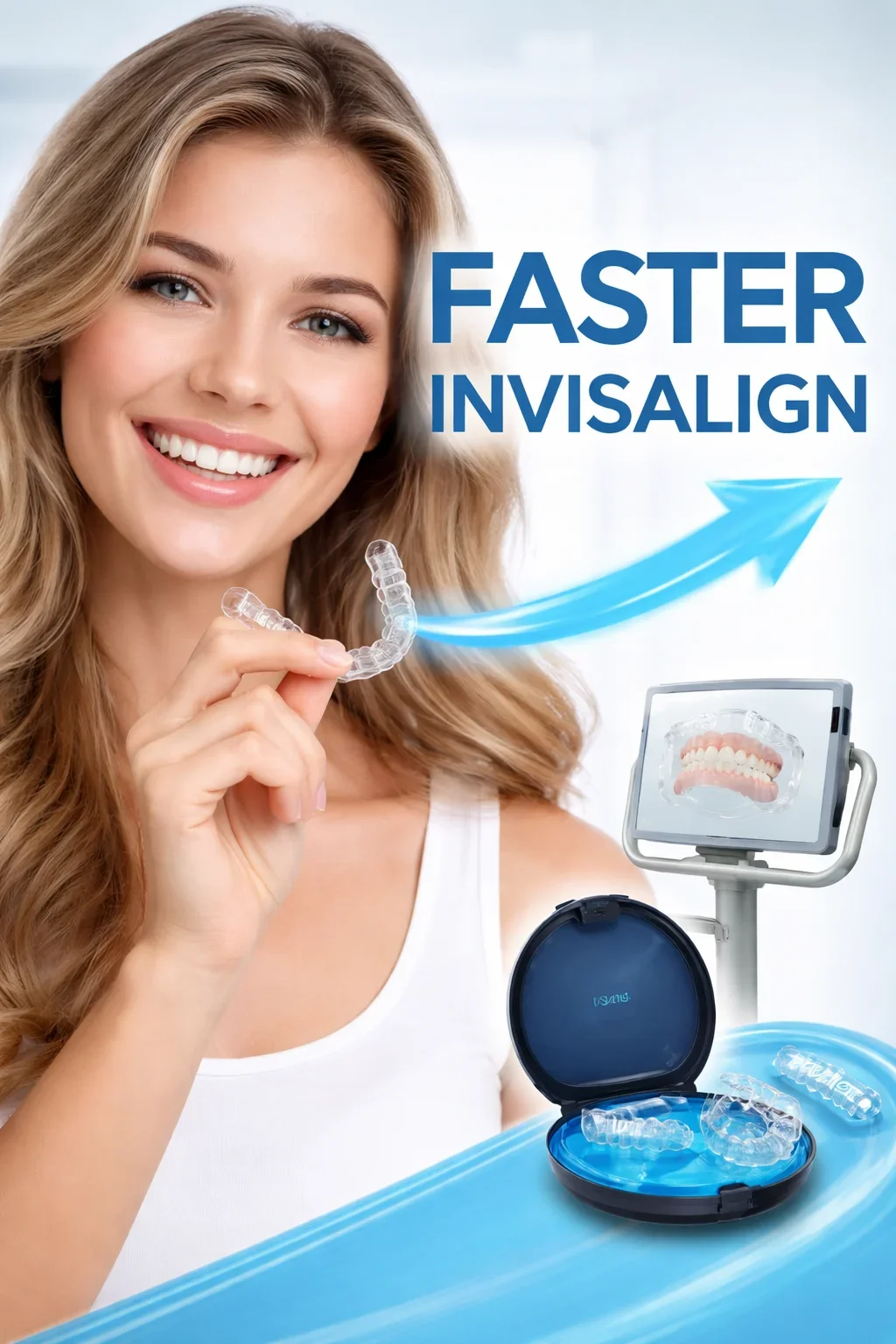
When to Contact Your Dentist During Invisalign Treatment
Although Invisalign treatment is designed to be comfortable and convenient, patients should remain attentive to changes in their teeth, aligners, or oral health during the process. Regular monitoring and timely communication with your dentist play an important role in maintaining steady progress and achieving faster Invisalign results. Knowing when to contact your dental professional can prevent small issues from turning into problems that delay treatment.
Invisalign aligners work by applying gradual, controlled pressure that moves teeth step by step. If something interferes with this process—such as poor aligner fit, unexpected discomfort, or dental health concerns—treatment progress may slow. Addressing these situations early allows dentists to make adjustments and help patients stay on track for faster Invisalign treatment.
Patients who maintain open communication with their dental provider often experience smoother orthodontic journeys and reduce the risk of complications that could affect faster Invisalign progress.
If Your Aligners No Longer Fit Properly
One of the most common reasons to contact your dentist during Invisalign treatment is if your aligners suddenly stop fitting correctly. Aligners are designed to fit snugly around the teeth and apply precise pressure to guide movement.
If you notice gaps between your teeth and the aligner, difficulty placing the aligner over certain teeth, or excessive looseness, this could indicate that your teeth are not moving according to the treatment plan. Poorly fitting aligners can disrupt the pressure needed for faster Invisalign results.
Contacting your dentist promptly allows them to evaluate the issue and determine whether you should continue with the current aligner or move to a different stage.
Possible Reasons for Poor Aligner Fit
- Inconsistent aligner wear
- Switching aligners too early
- Tooth movement slower than expected
- Damaged aligners
- Skipping aligner stages
Addressing these issues quickly can help restore the treatment plan and support faster Invisalign progress.
If You Experience Unusual Pain or Discomfort
Some mild pressure or discomfort is normal when starting a new aligner tray. This sensation usually disappears after a few days as teeth adjust to the new aligner. However, severe or persistent pain may indicate a problem that requires professional evaluation.
Sharp edges on aligners, gum irritation, or excessive pressure can cause discomfort that interferes with wearing aligners consistently. Since consistent wear is essential for faster Invisalign treatment, any issue that prevents proper wear should be addressed immediately.
Your dentist can modify the aligner, adjust the treatment plan, or provide guidance to ensure your treatment continues comfortably.
If an Aligner Is Lost or Broken
Losing or damaging an aligner is another situation where patients should contact their dentist quickly. Broken aligners may not apply the correct pressure needed for tooth movement, which can interrupt faster Invisalign progress.
If an aligner becomes cracked, warped, or lost, the dentist may recommend:
- Returning to the previous aligner temporarily
- Moving to the next aligner earlier
- Ordering a replacement aligner
Following professional guidance ensures that treatment continues smoothly and supports the goal of achieving faster Invisalign results.
If You Notice Changes in Your Bite
During Invisalign treatment, it is normal for your bite to change gradually as teeth move into new positions. However, if you notice sudden or uncomfortable bite changes—such as difficulty chewing or teeth hitting unevenly—you should inform your dentist.
Early evaluation allows orthodontists to confirm that the bite changes are part of the planned tooth movement. If adjustments are required, the dentist can modify the treatment plan to maintain steady progress toward faster Invisalign treatment.
If You Develop Gum Irritation or Dental Issues
Healthy gums and teeth are essential for orthodontic treatment success. If you notice gum swelling, bleeding, tooth sensitivity, or signs of cavities during Invisalign treatment, it is important to seek professional care.
Dental problems can interfere with the biological process that allows teeth to move efficiently. Treating these issues promptly helps maintain oral health and ensures the conditions necessary for faster Invisalign progress remain intact.
Maintaining excellent oral hygiene and attending scheduled dental appointments also helps prevent these complications.
If You Are Unsure About Your Treatment Progress
Sometimes patients simply feel uncertain about whether their treatment is progressing correctly. Invisalign treatment involves gradual changes that may not always be noticeable week by week.
If you are unsure whether your teeth are moving properly or have concerns about the treatment timeline, contacting your dentist can provide reassurance. Dentists can review your progress, compare it with your digital treatment plan, and confirm whether you are on track for faster Invisalign results.
If you need professional advice or wish to schedule a consultation, you can reach experienced dental professionals through the Redent Klinik Contact Page.
Reliable oral health guidance is also available from organizations such as the American Dental Association, which provides trusted information about orthodontic care and dental health.
Communication Helps Maintain Faster Invisalign Progress
Successful Invisalign treatment depends on collaboration between the patient and the dental professional. Patients who communicate openly about concerns or changes during treatment often experience smoother progress.
By addressing issues early—whether they involve aligner fit, discomfort, oral health concerns, or treatment questions—patients can prevent unnecessary delays and continue moving toward their ideal smile.
Ultimately, knowing when to contact your dentist helps ensure that your treatment remains efficient, comfortable, and aligned with the goal of achieving a beautiful smile through faster Invisalign treatment.