
The story of the first orthodontist is far more than a historical curiosity — it is the foundation of an entire branch of modern dentistry that shapes millions of smiles today 😊. When people search this topic, they usually want to understand who pioneered orthodontics, how early methods were developed, what technologies evolved from those early ideas, and how today’s orthodontic care still carries the DNA of the first pioneering minds. This comprehensive guide explores all of that in depth.
Before orthodontics became a sophisticated science supported by digital imaging, precision planning, and advanced materials, a single visionary figure — often associated with the title of the first orthodontist — began laying the groundwork. Although dental alignment traditions existed in ancient civilizations, such as Egyptian mummies with primitive metal bands, the real transformation occurred in the 18th and 19th centuries. Historians widely recognize Pierre Fauchard as one of the earliest innovators, and many credit him as a symbolic “proto-orthodontist,” a forerunner to the first orthodontist later formalized by Edward H. Angle. Angle is popularly known as the “father of modern orthodontics,” but his work itself was built upon centuries of experimentation.
Understanding the influence of the first orthodontist requires examining the era in which this specialty began to take form. Dentistry at the time lacked standardization, and tooth movement was considered nearly impossible. The individual who first formalized orthodontics approached the oral cavity not merely as a site of extraction but as a functional system requiring correction, balance, and structural harmony. This philosophical shift is what ultimately birthed orthodontic science.
A significant part of what made the first orthodontist so groundbreaking was the recognition that dental alignment affects more than appearance — it influences chewing efficiency, speech patterns, facial symmetry, airway health, and long-term oral stability. Today’s specialists follow educational pathways, professional standards, and clinical guidelines that all stem from this earliest framework. Resources such as the American Dental Association preserve, teach, and expand upon these professional standards.
To fully appreciate the work of the first orthodontist, imagine practicing without modern tools: no X-rays, no digital scanners, no bite analysis software, no sterilization systems, and no scientific understanding of bone remodeling. Early practitioners relied on observation, hand-crafted instruments, manual force, and anatomical intuition. Their patients sometimes experienced discomfort, but the dedication to achieving functional alignment never stopped. Every primitive wire, every custom-made appliance, and every early case study built the foundation for the structured specialty that exists today.
As modern orthodontics evolved, many of the first orthodontist’s principles persisted. Concepts like occlusal classification, anchorage, and tooth movement mechanics still reflect early scientific insights. Angle’s famous classification system — Class I, II, and III malocclusions — remains a universal diagnostic standard. This shows how deeply rooted the profession remains in its origins, and how profoundly the first orthodontist shaped the path we still walk.
Patients today benefit enormously from these advancements. Whether choosing metal braces, ceramic appliances, clear aligners, or hybrid orthodontic solutions, the treatment philosophy remains guided by principles introduced by the first orthodontist centuries ago. Even innovations like AI-driven orthodontic simulations or 3D-printed appliances trace their conceptual lineage to the earliest pioneers of tooth movement sciences.
For readers exploring orthodontic care for themselves or a family member, knowing this history is surprisingly useful. It explains why diagnosis is so detailed, why each treatment plan is customized, and why orthodontic care is considered both a medical necessity and an aesthetic improvement. If you need personalized guidance or wish to consult a specialist, you can reach out through the Redent Klinik Contact Page for expert support.
Ultimately, the journey that began with the first orthodontist continues to influence modern smiles. As techniques evolve and technologies advance, the core mission remains the same: improving oral health, enhancing facial harmony, and creating confident, functional, long-lasting smiles for people of all ages. The legacy of the first orthodontist is alive in every bracket placed, every aligner crafted, and every successful treatment finished today 🎉.
How the First Orthodontist Shaped Early Dental Science
When examining how the first orthodontist shaped early dental science, it is impossible not to appreciate the profound transformation they initiated. Before orthodontics became a structured specialty, dental care was largely reactive — focused on extractions, pain management, and crude restorations. The introduction of orthodontic principles marked a scientific rebirth, shifting dentistry from emergency-based intervention to calculated, preventive, and structural correction. This section explores how the earliest pioneers, often associated with innovators like Pierre Fauchard and later Edward H. Angle, redefined both methodology and philosophy in dental medicine 🦷.
The Scientific Foundation Built by the First Orthodontist
Prior to the work of the first orthodontist, tooth irregularities were viewed as static conditions that could not be corrected systematically. That changed when early pioneers recognized that teeth could be guided into new positions using controlled forces. This insight sparked the development of mechanical appliances, wire-based systems, and the first structured treatment protocols. The shift was revolutionary because it highlighted the dynamic nature of bone and tissue, demonstrating that biology could respond predictably to orthodontic intervention.
In fact, this recognition laid the foundation for osteogenic science — the understanding that bone adapts to pressure and tension. Modern orthodontists depend heavily on this principle, but it was the first orthodontist who first applied it clinically. With this new scientific lens, dentistry progressed from dental survival to dental architecture, focusing on functional harmony, facial aesthetics, and lifelong oral health.
Pioneering Tools and Techniques That Changed Dentistry Forever
The earliest orthodontic pioneers introduced devices handcrafted from metal, wood, and sometimes even gold. While simple, these instruments introduced concepts still used today. For example:
- Primitive expansion devices used to widen dental arches
- Metal ligatures tied around teeth to create directional pressure
- Banding techniques that inspired today’s bracket-and-wire systems
- Early bite-correction tools that predated functional appliances
These innovations were not refined by modern standards, but they proved one fundamental truth: tooth movement was possible. This discovery alone elevated dentistry into a new era, and the work of the first orthodontist became a beacon guiding future specialists.
The Diagnostic Revolution Sparked by the First Orthodontist
Perhaps the most significant leap forward was the development of systematic diagnosis. Instead of viewing teeth individually, the first orthodontist examined the entire craniofacial structure — jaw alignment, occlusion patterns, arch shape, and facial profile symmetry. This holistic view formed the basis for today’s orthodontic assessments.
Edward H. Angle later expanded this approach, creating his legendary occlusal classification system, which remains the global diagnostic standard today. While Angle is often celebrated as the father of modern orthodontics, his philosophy was deeply influenced by those earliest pioneers who recognized the need for structural harmony. Their insights transformed orthodontics into a science that wasn’t merely cosmetic but essential for long-term oral function.
How Early Orthodontic Philosophy Influenced Modern Education
With the work of the first orthodontist, educational pathways in dentistry evolved dramatically. Training programs began to emphasize anatomy, biomechanics, and occlusal science. This marked the beginning of orthodontics being recognized as a specialized discipline requiring extensive study and clinical mastery.
Today, institutions certified by organizations like the American Dental Association continue to teach diagnostic frameworks and biomechanical principles that trace directly back to those original pioneers. Every bracket applied, every aligner fabricated, and every treatment plan created still reflects the conceptual scaffolding built generations ago.
Influence on Patient Care and the Modern Understanding of Oral Health
One of the greatest contributions of the first orthodontist was redefining the purpose of dental care. Before structured orthodontics, tooth extraction was the default treatment for overcrowding or alignment issues. But early orthodontists demonstrated that preserving and repositioning teeth could drastically improve:
- Chewing and digestive function
- Speech clarity and phonetic performance
- Facial balance and aesthetic appearance
- Long-term periodontal stability
- Airway efficiency in developing children
This shift in thinking transformed dentistry from a reactive practice into a proactive one. The early principles established by the first orthodontist ultimately created the modern standard of patient-centered, preventive, and scientifically guided care.
Continuing the Legacy in Today’s Orthodontic Practice
Even with advancements like AI-driven simulations, digital scanning, and 3D-printed aligners, the philosophy of the first orthodontist still anchors every orthodontic treatment performed today. The idea that tooth movement should be intentional, predictable, and biologically harmonious remains unchanged.
For individuals seeking professional orthodontic guidance, clinics such as Redent Klinik continue this legacy through personalized treatment planning, accessible consultation options, and a commitment to evidence-based care. If you need support, visit the Redent Klinik Contact Page for more information.
Ultimately, early pioneers transformed dentistry forever. The innovations launched by the first orthodontist not only shaped the scientific foundation of orthodontics but also paved the way for the highly sophisticated, patient-focused dental systems we rely on today. Their influence remains visible in every smile corrected, every bite aligned, and every orthodontic success celebrated across the world 🌍.
Techniques Introduced by the First Orthodontist That Still Matter Today
The evolution of orthodontics did not happen overnight — it was built slowly, methodically, through the groundbreaking techniques introduced by the first orthodontist. Many of the tools and principles used in modern orthodontic clinics trace their origins back to these early inventions. Although today’s systems rely on digital technologies and advanced biomaterials, the underlying logic remains remarkably similar to what the earliest pioneers designed. This section provides a comprehensive look at the historical techniques developed by the first orthodontist and explains why they remain essential to contemporary orthodontic practice 🦷✨.
The Core Biomechanical Principles First Established
One of the most profound contributions of the first orthodontist was the formalization of biomechanical principles. Before this, tooth movement was poorly understood and often attempted with excessive force, resulting in discomfort and unpredictable outcomes. Early pioneers recognized that bone responds more favorably to gentle, continuous pressure, a discovery that remains the foundation of all orthodontic treatment today.
This principle — that bone can remodel under sustained pressure — is the reason modern braces, clear aligners, and functional appliances work. Without this initial breakthrough by the first orthodontist, orthodontics might never have developed into the highly precise specialty it is now. The concept of controlled force also laid the groundwork for modern torque, tipping, rotation, intrusion, and extrusion mechanics.
Early Appliances That Shaped Modern Orthodontic Tools
The first orthodontist introduced several appliance concepts that evolved into the refined systems we depend on today. Although rudimentary by modern standards, these tools had extraordinary influence:
- The Bandeau — a horseshoe-shaped metal device used for arch expansion, considered one of the first functional appliances.
- Metal ligatures — early versions of today’s ligature ties used to apply directional force.
- Crude brackets and bands — handcrafted attachments that inspired modern edgewise brackets.
- Headgear concepts — primitive force systems applied externally to reposition the jaw.
Each of these inventions served as a stepping stone toward the comprehensive orthodontic systems available today. The first orthodontist was a true innovator, experimenting with materials like gold, silver, brass, ivory, and even animal fibers to create functional appliances. These early devices proved that structural tooth movement was not only possible but predictable.
The Birth of Occlusal Science
One of the most lasting contributions of early pioneers — especially the first orthodontist — was the realization that proper tooth alignment affects the entire stomatognathic system. This idea led to the creation of occlusal science, which studies how teeth fit together and function as a unified mechanism.
This led to:
- Occlusal classification systems that diagnose malocclusions
- Bite correction methods for long-term stability
- Functional jaw orthopedics to shape facial growth
These concepts became the cornerstone of modern orthodontic diagnostics. Today’s specialists still rely heavily on the classification systems and bite-analysis techniques introduced by early orthodontic innovators. Without the structural understanding provided by the first orthodontist, orthodontics would remain a cosmetic field — not a medical science.
Treatment Philosophies That Continue to Guide Modern Orthodontists
The first orthodontist shaped more than just tools and mechanics — they established a treatment philosophy that remains central today. This philosophy includes:
- Preservation over extraction — encouraging tooth retention whenever possible
- Comprehensive evaluation — examining facial structure, airway, growth patterns, and periodontal health
- Customized treatment planning — adapting techniques to each patient’s unique anatomy
- Long-term stability focus — ensuring results remain functional and aesthetic for decades
These ideas transformed orthodontics from a purely mechanical field into a holistic health science. The influence of the first orthodontist can be seen in every modern clinic, from initial consultations to digital treatment planning and retention strategies. Even advanced systems like AI-assisted aligner planning follow these early philosophical frameworks.
The Influence on Modern Materials and Aesthetic Appliances
While early appliances were often bulky and uncomfortable, they laid the foundation for the development of lightweight alloys, nickel–titanium wires, heat-activated archwires, ceramic brackets, lingual braces, and clear aligners. Each of these innovations directly evolved from the earliest experiments conducted by the first orthodontist.
Modern materials improve comfort and speed, but the principles — controlled pressure, guided force, and predictable tooth movement — remain exactly the same. This continuity demonstrates the genius of early orthodontic pioneers.
Patient Care Standards Rooted in Early Orthodontic Innovations
Beyond tools and techniques, the first orthodontist established early standards for patient care. They emphasized patient education, follow-up visits, measurement of progress, and professional integrity — values still upheld by organizations such as the American Dental Association.
Modern clinics, including those providing services through the Redent Klinik Contact Page, follow these traditions by offering thorough evaluations, transparent communication, and scientifically backed treatment options.
In summary, nearly every modern orthodontic technique — from braces to clear aligners to 3D diagnostics — can trace its roots back to the foundational ideas introduced by the first orthodontist. Their pioneering spirit continues to influence clinical decision-making, appliance design, and patient care worldwide. Even in an era of digital dentistry, their techniques remain the backbone of every successful orthodontic transformation 🧠🦷✨.
From Ancient Methods to Modern Braces: Innovations Since the First Orthodontist
The journey from ancient dental alignment attempts to the polished, high-precision orthodontic systems we use today is a fascinating timeline shaped profoundly by the work of the first orthodontist. Although early civilizations experimented with alignment techniques, the scientific transformation of orthodontics began only when the earliest pioneers — often symbolically represented by individuals like Pierre Fauchard and later Edward H. Angle — introduced structure, strategy, and clinical reasoning into the field. This section explores, in detailed depth, how orthodontic techniques evolved from ancient metal bands to sophisticated digital braces, highlighting how every step of progress still reflects the principles laid down by the first orthodontist 🦷📜.
Ancient Civilizations and Their Early Attempts at Orthodontics
Long before the first orthodontist formalized the science, several civilizations attempted to influence tooth position. Archaeological studies have discovered Egyptian mummies with metal wires wrapped around teeth, believed to be an early attempt at alignment or stabilization. The Etruscans crafted gold dental appliances to maintain tooth spacing, demonstrating an awareness of dental aesthetics and function.
Although these efforts were primitive, they show that the desire for an aligned smile is ancient. More importantly, they demonstrate an early understanding that teeth could be manipulated — a concept the first orthodontist would later study scientifically, setting the stage for modern mechanical orthodontics.
The Medieval and Renaissance Periods: Conceptual Growth
During the medieval era, dentistry remained a rudimentary craft, but writings from scholars like Al-Zahrawi reveal basic descriptions of tooth movement attempts. In the Renaissance, artists and anatomists such as Leonardo da Vinci documented jaw structures with unprecedented accuracy. This period produced the anatomical knowledge that helped the first orthodontist later analyze facial proportions, occlusion, and symmetry.
Still, orthodontics lacked consistency until the scientific revolution inspired more systematic approaches. Slowly, the idea of repositioning teeth became less mystical and more mechanical, paving the way for the innovations that would define the profession.
The 18th and 19th Centuries: The Birth of True Orthodontics
The turning point arrived when Pierre Fauchard introduced the bandeau, a horseshoe-shaped metal device considered one of the earliest orthodontic appliances. This innovation marked the first time tooth alignment was approached strategically rather than improvisationally. Fauchard’s work is often cited as the spark that allowed the first orthodontist to emerge.
By the 19th century, Edward H. Angle refined orthodontics into an organized medical specialty. His diagnostic principles, classification system, and innovative appliances formalized what the first orthodontist had initially introduced. Angle’s contributions became the backbone of modern orthodontic science.
The Invention of the Edgewise Appliance
The edgewise bracket, developed in the early 20th century, revolutionized orthodontics. It allowed precise three-dimensional control of tooth movement, something early pioneers could only dream of.
This appliance evolved directly from principles introduced by the first orthodontist, who first recognized the need for directional force and predictable bone remodeling. Today’s braces — metal, ceramic, lingual, or otherwise — remain modified descendants of this innovation.
Modern Braces: Refining the Legacy of the First Orthodontist
Modern braces represent centuries of continuous improvement. Stainless steel brackets replaced bulky metal bands, nickel-titanium archwires introduced memory-shape technology, and ceramic brackets provided aesthetic alternatives. Yet every component still adheres to the mechanical and biological principles introduced by the first orthodontist.
Key modern advancements include:
- Self-ligating brackets for reduced friction and faster alignment
- Heat-activated archwires for gentler and more predictable force
- Lingual braces placed behind the teeth for aesthetic treatment
- Mini-implants (TADs) for enhanced anchorage and control
Even with these advancements, the treatment philosophy remains in line with early orthodontic principles: apply steady, biologically safe force to achieve controlled dental movement.
Clear Aligners: A Digital Revolution Built on Ancient Logic
Clear aligners like Invisalign represent one of the most significant orthodontic revolutions of the last 30 years. However, their core logic — gradual force application, staged movement, controlled pressure — is identical to the ideas introduced by the first orthodontist.
Digital aligner systems incorporate:
- 3D scanning and virtual treatment simulations
- AI-assisted movement staging
- 3D printing of customized aligner trays
- Detailed biomechanics based on bone remodeling
While the materials and planning tools are modern, the biological principles are ancient. The first orthodontist established the very concept that teeth can move predictably under guided force — without that discovery, clear aligners would not exist.
Jaw Growth Guidance and Pediatric Orthodontics
Another major innovation influenced by early orthodontic pioneers is interceptive orthodontics — early intervention designed to guide jaw development, correct bite imbalances, and prevent severe malocclusions.
Functional appliances like expanders, Herbst devices, twin blocks, and orthopedically guided systems all stem from the earliest recognition that jaw structure could be modified during growth. This understanding, introduced by the first orthodontist, remains one of the most powerful tools in modern orthodontics.
How Early Innovations Still Influence Today’s Orthodontic Clinics
Every modern orthodontic clinic — whether creating aligners, fitting braces, or designing growth appliances — still follows treatment frameworks designed over a century ago. Through evidence-based education standards established by institutions such as the
American Dental Association, orthodontists continue to apply philosophies rooted in the earliest innovations of the field.
For individuals seeking modern orthodontic evaluation or treatment, personalized guidance is available through the
Redent Klinik Contact Page, where specialists build tailored plans using both historical principles and cutting-edge technology.
Ultimately, the evolution from ancient metal bands to digital aligner systems showcases centuries of innovation — but the conceptual backbone of orthodontics remains the legacy of the first orthodontist. Their groundbreaking insights continue to guide diagnostics, biomechanics, treatment planning, and the overall philosophy of creating beautiful, functional smiles for generations to come 🌟🦷.
How the First Orthodontist Influenced Today’s Orthodontic Education
Modern orthodontic education — with its rigorous training programs, standardized curricula, clinical residencies, and evidence-based methodology — did not appear spontaneously. It evolved from the groundbreaking work of the first orthodontist, whose contributions shaped the academic and philosophical foundations of everything taught in today’s dental schools. By transforming tooth movement from a trial-and-error craft into a structured clinical science, the earliest pioneers created a legacy that continues to guide universities, residency programs, and professional organizations worldwide 🦷🎓.
The Early Academic Foundations Laid by the First Orthodontist
Before the era of the first orthodontist, dentistry lacked formal educational structure. Most dental tasks were performed by barbers, blacksmiths, or general practitioners with little scientific training. Tooth movement was considered experimental at best, dangerous at worst. The earliest orthodontic innovators recognized that without theoretical knowledge — anatomy, biomechanics, growth patterns, and occlusion — tooth positioning could never be predictable.
This realization sparked the first academic transformation in dental education. Textbooks began to include sections on malocclusion, skeletal pattern interpretation, and facial proportions. Early pioneers insisted that orthodontic principles must be taught systematically, creating the foundation for the curriculum structure we still follow today.
The Shift From Technique-Based Training to Science-Based Training
One of the most important contributions of the first orthodontist was the recognition that orthodontics must be grounded in biological science rather than mechanical improvisation. This produced a profound shift in dental education:
- Anatomy and craniofacial biology became core subjects
- Growth and development analysis entered the curriculum
- Biomechanics became essential to treatment planning
- Material science began guiding appliance design
- Occlusion theory became mandatory study
This shift forever changed how orthodontics is taught. Instead of simply learning to bend wires, students learned how bone adapts, how tissue responds, and how malocclusions develop. These concepts, introduced by the first orthodontist, remain at the core of every academic orthodontic program.
The Legacy of Edward H. Angle in Modern Education — Built on the First Orthodontist’s Foundation
Although Edward H. Angle is often credited with formalizing orthodontics as a specialty, his ideas were built on the intellectual groundwork laid by the first orthodontist. Angle established the first dedicated orthodontic school and introduced classification systems still used globally. His teachings became the blueprint for modern orthodontic residency programs.
Key educational concepts rooted in early orthodontic innovations include:
- Standardized occlusion classification (Class I, II, III)
- Anchorage theory for controlled tooth movement
- Morphological analysis of jaws and facial structures
- Appliance-based training for hands-on skill development
Angle’s educational system was revolutionary, but its intellectual DNA traces clearly back to the work of the first orthodontist, who introduced the earliest scientific and philosophical elements of the discipline.
The Birth of Residency Programs and Academic Specialization
Orthodontic residencies, now considered essential for specialized practice, originated from the early belief that orthodontics required deeper study than general dentistry. This idea was introduced by the first orthodontist, who argued that tooth movement and skeletal correction were far too complex to be learned superficially.
This led to the creation of:
- Two- to three-year orthodontic residencies after dental school
- Clinical case requirements to ensure mastery
- Research components to advance the science
- Board certification standards for professional quality
These programs ensure that every orthodontist is trained in both theory and practice — a direct continuation of the vision introduced by the earliest pioneers.
The Role of Professional Organizations in Preserving the First Orthodontist’s Legacy
Modern organizations such as the American Dental Association and international orthodontic boards continue to uphold standards inspired by the earliest orthodontic innovators. They regulate educational programs, accredit dental schools, create guidelines for ethical orthodontic care, and ensure the profession evolves with scientific advancements.
These standards reflect three core principles established by the first orthodontist:
- Evidence-based practice over intuition
- Structured learning over unregulated experimentation
- Professional accountability over informal craftsmanship
Every accredited program in the world still follows these guiding principles today.
The Influence on Clinical Skills Training in Today’s Universities
Practical skill development is a central part of modern orthodontic education, another legacy of the first orthodontist, who emphasized hands-on mastery. Orthodontic students practice on typodonts, simulated patients, and supervised clinical cases. They learn:
- Bracket placement precision
- Wire bending and biomechanical control
- Digital analysis and 3D planning
- Growth-modification strategies
- Retention protocols for long-term stability
These technical competencies reflect the early belief that orthodontics requires both intellectual and manual expertise.
How Orthodontic Education Benefits Today’s Patients
Because of the academic structure inspired by the first orthodontist, patients today receive safer, more predictable, and more aesthetic treatment options than ever before. Comprehensive diagnostics, growth assessments, and personalized treatment plans are products of generations of educational evolution.
For individuals seeking orthodontic evaluation or expert guidance, modern clinics continue this tradition through detailed, evidence-based care. If you wish to schedule a consultation, visit the
Redent Klinik Contact Page.
In conclusion, the influence of the first orthodontist on modern orthodontic education cannot be overstated. Every lecture, every textbook chapter, every residency curriculum, and every standardized guideline is a reflection of their pioneering work. Their legacy ensures that the future of orthodontics remains grounded in science, ethics, and excellence — shaping skilled clinicians and confident smiles for generations to come 🌟🦷🎓.
Comparing Early Orthodontic Tools to Today’s Digital Systems
The transformation of orthodontic tools from rudimentary mechanical devices to sophisticated digital systems is one of the most remarkable evolutions in dental science. This progress would not have been possible without the foundational work of the first orthodontist, whose primitive yet revolutionary tools established the principles upon which modern systems operate. Although today’s orthodontists use 3D scanners, AI-guided planning software, and digitally fabricated appliances, the underlying mechanics still echo the earliest pioneering efforts. In this comprehensive section, we examine how early tools compare to modern technologies — and how the legacy of the first orthodontist continues to shape every step of orthodontic innovation 🦷💡.
Early Orthodontic Tools: Ingenuity in a Primitive Era
When the first orthodontist began experimenting with tooth movement, no standardized equipment existed. Everything had to be handcrafted, improvised, and tested with limited scientific reference. Despite these challenges, early pioneers created tools that demonstrated profound insight into biomechanics and dental anatomy.
Common early tools included:
- The Bandeau – a metal arch expander used for widening the dental arch.
- Ligature wires – thin metal wires wrapped around teeth to create directional pressure.
- Primitive brackets and bands – early attachments that evolved into modern brace components.
- Crude pliers and bending tools – handmade instruments used to shape wires.
Despite their simplicity, these tools worked — revealing that teeth could respond predictably to controlled force. These early experiments conducted by the first orthodontist laid the essential groundwork for modern biomechanics and appliance therapy.
The Mechanical Era: How Early Innovations Became Structured Systems
As orthodontics gained recognition as a scientific discipline, the tools designed by the first orthodontist were refined into more predictable systems. The introduction of the edgewise appliance, invented by Edward H. Angle, marked a turning point. For the first time, orthodontists had a tool specifically engineered for three-dimensional tooth movement.
Key improvements of this period included:
- Standardized brackets
- Archwires made from consistent alloys
- Better anchorage control systems
- Improved sterilization and clinical consistency
These innovations solidified orthodontics as a recognized specialty and set the stage for today’s digital advancements.
The Biological Understanding Behind Tool Evolution
A crucial concept introduced by the first orthodontist was that bones remodel in response to pressure — a principle now known as Wolff’s law. This biological insight allowed orthodontic tools to evolve from force-based devices into biologically optimized systems. Modern tools still rely on these early discoveries, even when powered by advanced computational software.
The Digital Revolution: How Technology Rebuilt Orthodontic Tools
Today’s orthodontic tools are vastly different from the handmade devices of the past, yet they operate on the same biomechanical principles discovered by the first orthodontist. Digital systems now dominate diagnostic planning, appliance fabrication, and treatment monitoring.
The most transformative digital innovations include:
- 3D intraoral scanners – eliminating gag-inducing impressions and producing precise digital models.
- CBCT (3D X-ray imaging) – providing comprehensive views of roots, bone density, airway structure, and jaw relations.
- AI-driven treatment simulations – predicting tooth movement using machine learning models.
- 3D-printed appliances – ensuring perfect fit and custom biomechanics.
- Digital orthodontic monitoring apps – allowing virtual follow-ups and precision-controlled progress tracking.
These tools allow orthodontists to visualize treatment outcomes before they begin — something the first orthodontist could only dream of.
Modern Clear Aligners Versus Early Wire-Based Tools
Clear aligners represent one of the biggest shifts in orthodontic history. Yet the fundamental concept is exactly the same: apply steady, controlled pressure to move teeth. The difference lies in how the force is planned, optimized, and delivered.
Key advantages of clear aligners:
- Invisibility – nearly undetectable compared to metal braces.
- Digital planning – allowing simulation of every movement.
- Custom fabrication – creating highly precise trays for each stage.
- Removability – improving oral hygiene and comfort.
Still, every aligner is the direct descendant of the earliest wire-and-band systems conceptualized by the first orthodontist.
How Today’s Digital Tools Improve Patient Care
Digital systems have made orthodontics safer, faster, and more comfortable. With 3D models, orthodontists can analyze bite discrepancies, jaw alignment, and airway issues in ways impossible even 20 years ago. Treatment outcomes are more predictable, retention strategies more effective, and overall patient satisfaction much higher.
These improvements reflect the long-standing principles established by the first orthodontist — precision, predictability, and patient-centered care.
The Role of Professional Standards in Modern Digital Orthodontics
Organizations like the
American Dental Association play a critical role in regulating digital tools, ensuring they remain safe, reliable, and scientifically validated. These standards uphold the ethical and clinical values established by early orthodontic innovators.
To experience digital orthodontic planning firsthand, individuals seeking treatment can contact specialists through the
Redent Klinik Contact Page for expert guidance.
In conclusion, while modern orthodontic tools appear dramatically different from the handmade innovations of the past, their core principles remain tied to the pioneering work of the first orthodontist. From primitive ligatures to digital aligners, every tool reflects centuries of refinement and scientific evolution — a testament to the brilliance, creativity, and vision of the earliest orthodontic pioneers 🌟🦷💻.
The Global Legacy of the First Orthodontist in Dental Health
The influence of the first orthodontist extends far beyond the early mechanical tools, primitive appliances, or foundational theories they developed. Their work reshaped global dental health in ways that continue to expand with every generation. Today, orthodontics is not only a specialized branch of dentistry — it is a worldwide discipline that supports facial harmony, airway health, speech function, confidence, and preventive care. This comprehensive section explores the international impact of the first orthodontist, tracing how a single pioneering philosophy evolved into a global movement that transforms millions of smiles every year 🌍🦷.
How the First Orthodontist Sparked a Worldwide Dental Movement
When the first orthodontist introduced the concept of strategic tooth movement, dentistry had no international structure, no shared educational standards, and no scientific systems for diagnosing or treating malocclusions. Their work provided the spark that led to the global recognition of orthodontics as a medical science rather than a cosmetic luxury.
This shift inspired:
- The formation of international dental organizations to regulate education and ethics
- The spread of orthodontic schools and residency programs across continents
- The unification of diagnostic principles like occlusal classification
- The global standardization of orthodontic tools and treatment protocols
These developments transformed orthodontics from a niche practice into a global health discipline shaped by the ideals introduced by the first orthodontist.
The Worldwide Expansion of Orthodontic Education
Dental schools across Europe, Asia, the Middle East, and the Americas adopted philosophies rooted in early orthodontic innovations. The earliest pioneers believed academic knowledge was as important as manual skills — a belief that continues to guide global orthodontic education.
Today:
- Universities in over 120 countries teach orthodontic theory using principles introduced centuries ago.
- Standardized curricula reflect the early concepts of facial balance, occlusion, growth patterns, and tissue response.
- Students worldwide learn biomechanics grounded in the discoveries of the first orthodontist.
Modern orthodontic training is truly international, but its philosophical roots remain universally tied to the earliest pioneers of the field.
The Influence of the First Orthodontist on Global Professional Standards
Worldwide professional dental associations have adopted guidelines inspired by the earliest orthodontic principles. Standards regulating treatment planning, safety, ethics, and continuing education trace their origins to these foundational ideas.
Organizations such as the
American Dental Association
and international orthodontic federations continue to protect these standards by promoting scientific research, clinical transparency, and patient-centered care — all values grounded in the philosophy of the first orthodontist.
The Role of the First Orthodontist in Shaping Global Public Health
The influence of early orthodontic pioneers is not confined to university classrooms or clinical textbooks. Their work significantly contributes to global public health. By demonstrating that orthodontics improves function, not only appearance, the first orthodontist helped integrate orthodontics into essential healthcare systems.
Thanks to these early contributions, orthodontics today supports:
- Airway health and sleep apnea prevention
- Proper speech development in children
- Balanced facial growth and symmetry
- Improved chewing and nutritional health
- Reduced long-term joint and bite complications
These global health benefits prove that the ideas introduced by the first orthodontist still contribute to medical wellness on a worldwide scale.
Cultural and Regional Differences Inspired by Early Orthodontic Thinking
Although orthodontics is now a globally unified discipline, cultural and regional variations exist. These differences often reflect how early orthodontic ideas were adopted and adapted across societies.
For example:
- Asian orthodontics emphasizes facial profile aesthetics and early interceptive care.
- European orthodontics often prioritizes functional occlusion and airway development.
- North American orthodontics blends aesthetics, function, and technological innovation.
- Middle Eastern orthodontics focuses heavily on balanced facial harmony.
Despite these differences, the conceptual foundation remains universal — a testament to the global reach of the first orthodontist.
Technological Globalization: How Digital Orthodontics Spread Worldwide
The digital era amplified the global legacy of early orthodontic pioneers. Technologies such as AI-powered simulations, 3D printing, and virtual orthodontic monitoring are used in clinics worldwide but still rely on early biomechanical principles.
From remote villages to major metropolitan centers, patients now benefit from:
- Affordable digital aligners manufactured globally
- Tele-orthodontic systems that allow long-distance check-ups
- Digitally guided jaw-growth appliances
- Standardized treatment planning software
This technological unification is yet another extension of the original contributions of the first orthodontist.
The Impact on Today’s Patient Experience Around the World
Patients today benefit from the worldwide legacy of the earliest orthodontic pioneers. Clear aligners, aesthetic brackets, digital planning, and faster treatments are all modern manifestations of their innovations. Whether someone receives care in Europe, Asia, Africa, or North America, the foundational concepts of their treatment remain globally consistent.
Anyone seeking professional orthodontic support can connect with modern specialists through resources like the
Redent Klinik Contact Page,
where personalized care is provided in alignment with globally recognized orthodontic standards.
In summary, the first orthodontist did not merely influence a single field — they shaped an entire global health movement. Their early discoveries sparked international educational reform, technological advancement, cultural adaptation, and public health integration. Even centuries later, their legacy continues to unify orthodontic science across borders, cultures, and clinical systems, creating healthier, more confident smiles for millions around the world 🌎✨🦷.
How Orthodontic Ethics Evolved After the First Orthodontist
The ethical standards governing modern orthodontic practice—patient consent, transparent treatment plans, safety guidelines, equitable access to care, and scientific integrity—did not emerge overnight. They grew gradually through centuries of professional reflection shaped by the pioneering work of the first orthodontist. While early orthodontic attempts were motivated by curiosity and problem-solving, ethical consistency only developed through clinical experience, scientific advancement, and a growing understanding of patient rights. This comprehensive section explores how the field’s ethical framework evolved, how it continues to protect patients today, and how the foundational values introduced by the first orthodontist still guide orthodontic professionals globally 🦷⚖️.
The Early Ethical Philosophy Introduced by the First Orthodontist
Although formal codes of ethics did not exist during the era of the first orthodontist, their approach to patient care already reflected pioneering values that would later influence modern principles. Unlike many practitioners of their time, the earliest orthodontic innovators:
- Prioritized long-term oral health over quick fixes
- Focused on preserving natural teeth rather than unnecessary extraction
- Believed in strategic, planned treatment rather than improvisation
- Practiced with scientific curiosity rather than superstition
These early ideals became the philosophical roots of what would eventually evolve into global orthodontic ethical standards. Although basic, these values signaled the beginning of a patient-centered, scientifically guided profession—an incredible shift sparked by the first orthodontist.
The Emergence of Formal Ethical Guidelines in Orthodontics
As orthodontics began to formalize into a recognized specialty in the 19th and early 20th centuries, organizations and schools modeled their structures on the foundational principles introduced by early pioneers. With the rise of professional institutions, formal ethical codes finally began to emerge.
These new ethical frameworks included:
- Transparency regarding treatment goals and limitations
- Patient consent at every stage of treatment
- Honest communication about risks and benefits
- Scientific justification for every treatment plan
- Professional integrity in diagnosis and appliance selection
Such guidelines reflected a shift from early experimentation to a structured, ethical approach to patient care—again building on the principles first introduced by the first orthodontist.
The Role of Education in Strengthening Orthodontic Ethics
Orthodontic training programs began to adopt ethical instruction as part of their curriculum. This was inspired by the realization that orthodontic care affects long-term facial growth, airway development, and oral function—making ethical responsibility crucial.
Students were taught to:
- Respect biological limits
- Prioritize patient safety
- Follow evidence-based techniques
- Reject harmful or outdated practices
This formal integration of ethics into education represented a continuation of the early ideals introduced by the first orthodontist, who believed that dentistry should be grounded in scientific accuracy and patient benefit.
The Impact of the First Orthodontist on Modern Professional Standards
Professional organizations like the
American Dental Association
continue to uphold codes of ethics inspired by the core values established during orthodontics’ earliest years. These modern guidelines ensure honesty, patient autonomy, safe practices, and scientific integrity.
Some of the ethical standards influenced by early pioneers include:
- Informed consent policies to protect patient decision-making
- Fair treatment practices to ensure equal access
- Evidence-based care that eliminates untested methods
- Ongoing professional development to maintain clinical competence
The influence of the first orthodontist continues to be reflected in these principles, proving that early values still shape modern professional conduct.
The Ethical Implications of Modern Orthodontic Technology
New digital tools such as AI-driven treatment planning, remote monitoring apps, and 3D-printed appliances have introduced fresh ethical challenges. Although these technologies improve efficiency and precision, they also require careful oversight to ensure they are used responsibly.
Modern orthodontic ethics must now address:
- Artificial intelligence transparency—patients must understand how algorithms influence treatment
- Data privacy—digital scans and photos must be protected
- Tele-orthodontic accountability—remote treatment must remain safe and supervised
- Standardization—digital tools must meet clinical quality benchmarks
As exciting as these innovations are, they must always adhere to ethical principles that originated during the era of the first orthodontist: patient protection, scientific accuracy, and treatment integrity.
Ethics in Patient Communication and Treatment Planning
One of the most significant modern ethical responsibilities is educating patients clearly and honestly about their treatment options. Orthodontists must explain:
- Expected outcomes and limitations
- Timing and duration of treatment
- Biomechanical considerations and biological limits
- Long-term maintenance and retention requirements
This level of transparency reinforces the trust-based philosophy introduced by the first orthodontist, who believed patients deserved clarity and respect in every interaction.
Global Ethical Alignment and International Standards
Today, orthodontic ethics are remarkably consistent around the world, thanks to the foundational framework established centuries ago. From Europe to Asia to the Middle East, practitioners follow similar principles of honesty, patient safety, and scientific discipline.
Clinics worldwide—including those accessible via the
Redent Klinik Contact Page—use these ethical frameworks to ensure that patients receive responsible, high-quality care.
In conclusion, the ethical evolution of orthodontics—from early mechanical experimentation to modern digital transparency—can be traced directly to the pioneering values introduced by the first orthodontist. Their early commitment to patient well-being, scientific reasoning, and professional responsibility continues to guide orthodontic care globally. These ethical foundations ensure that orthodontics remains not only a science of precision but also a profession of integrity, compassion, and trustworthiness ⚖️🦷✨.
The Future of Orthodontics: What’s Next After the First Orthodontist’s Foundation?
The groundbreaking innovations introduced by the first orthodontist created the structural, scientific, and philosophical framework for the entire field. Today, orthodontics stands at the cutting edge of technological transformation — AI-driven planning, 3D printing, bioengineered materials, and genetic insights are reshaping the possibilities for both clinicians and patients. But even as modern systems advance rapidly, every breakthrough remains deeply connected to the early principles formulated by the first orthodontist. In this section, we explore the future of orthodontics with analytical precision, explaining how upcoming trends continue to build on the pioneering legacy of the field’s earliest innovators 🦷🚀.
AI and Predictive Dentistry: The Next Scientific Leap
Artificial intelligence is fundamentally transforming diagnostics and treatment planning. While the first orthodontist relied on observational skills and handcrafted appliances, modern AI systems can now analyze thousands of data points per second. These predictive models help orthodontists determine the most efficient movement path, anticipate complications, and optimize biomechanics in ways humans alone cannot.
Key advancements in AI-driven orthodontics include:
- Machine-learning treatment simulations for accurate movement prediction
- Automated occlusal mapping for perfect bite alignment
- AI-assisted diagnostic tools that detect airway issues and facial asymmetry
- Digital progress monitoring that flags deviations instantly
Although powered by cutting-edge algorithms, the foundation of AI-driven orthodontics still reflects the biomechanics introduced by the first orthodontist: precise force, controlled movement, and predictable biological response.
The Rise of Genetic and Epigenetic Orthodontics
Future orthodontic treatments may rely not only on appliances but also on biological insights. Research in genetics and epigenetics is helping clinicians understand why certain individuals develop malocclusions, how bone responds to pressure, and how facial growth patterns differ among populations.
Emerging genetic innovations include:
- Genetic mapping to identify predispositions to crowding or jaw issues
- Epigenetic modulation for influencing bone density and growth
- Personalized treatment protocols based on biological markers
- Targeted therapies that accelerate tooth movement safely
These advancements deepen our understanding of principles the first orthodontist could only observe intuitively — biological variability, growth prediction, and anatomical uniqueness.
Bioengineered Materials and Customized Appliances
One of the most exciting areas of future orthodontics is the development of new materials designed specifically for enhanced biomechanical control. While the first orthodontist used rudimentary metals, future appliances will rely on ultra-light alloys, nanomaterials, and shape-memory polymers.
Next-generation materials will offer:
- Self-adjusting properties that provide constant optimal force
- Antimicrobial surfaces to reduce plaque buildup
- Higher flexibility and memory efficiency
- Biocompatibility with near-zero allergic reactions
These innovations reflect the same philosophy introduced by early pioneers: creating appliances that work harmoniously with biological tissues for safe, effective, predictable results.
3D Printing and Fully Customizable Orthodontic Systems
3D printing has revolutionized how orthodontic appliances are designed and manufactured. Beyond clear aligners, orthodontists now use 3D printing for brackets, bands, expanders, retainers, and even surgical guides. These tools enhance comfort, speed, and accuracy — all while relying on the treatment principles established by the first orthodontist.
Future possibilities include:
- Hyper-customized braces shaped to each tooth surface
- Personalized force-distribution brackets
- 3D-printed bone scaffolds for jaw correction
- Instant appliance fabrication inside clinics
As these systems evolve, the connection between digital customization and the biomechanics introduced centuries ago will become even stronger.
Remote Orthodontics and Global Accessibility
While orthodontics was once limited to major urban centers, digital innovations are making it accessible worldwide. Tele-orthodontic platforms and remote monitoring apps allow patients to receive evaluations, progress checks, and professional guidance from anywhere.
These tools offer:
- Virtual check-ups that reduce clinic visits
- Remote aligner tracking with AI alerts
- Collaboration between global experts for complex cases
- Improved accessibility for underserved populations
This worldwide accessibility reflects the global legacy of the first orthodontist, whose early innovations continue to reach new populations through advanced technologies.
Ethics and Patient-Centered Care in the Future
As orthodontics evolves technologically, ethical responsibility becomes even more important. Every innovation — from AI to genetic therapies — must honor the core values introduced during the earliest days of the profession.
Modern ethical considerations include:
- Patient autonomy through clear, transparent treatment choices
- Data security for digital scans and personal health records
- Safe application of AI and genetic tools
- Scientifically validated practices to avoid harmful outcomes
These ethical commitments ensure that future orthodontics remains aligned with the patient-centered philosophy that began with the first orthodontist.
How Today’s Clinics Prepare for the Next Orthodontic Revolution
Modern clinics—such as those accessible through the
Redent Klinik Contact Page—are already integrating digital planning, AI tools, and advanced materials into patient care. These innovations prepare the field for faster, safer, more customized treatment options that honor the legacy of the earliest orthodontic pioneers.
In conclusion, the future of orthodontics is incredibly bright. Whether through AI-driven diagnostics, genetic insights, smart materials, 3D printing advancements, or global tele-orthodontic accessibility, the field is evolving faster than ever before. Yet, despite all these innovations, every new breakthrough continues to reflect the same scientific curiosity, patient-centered values, and visionary thinking introduced by the first orthodontist. Their foundation remains the guiding force behind the next generation of orthodontic transformation — shaping smiles, facial growth, and oral health for centuries to come 🚀🦷✨.
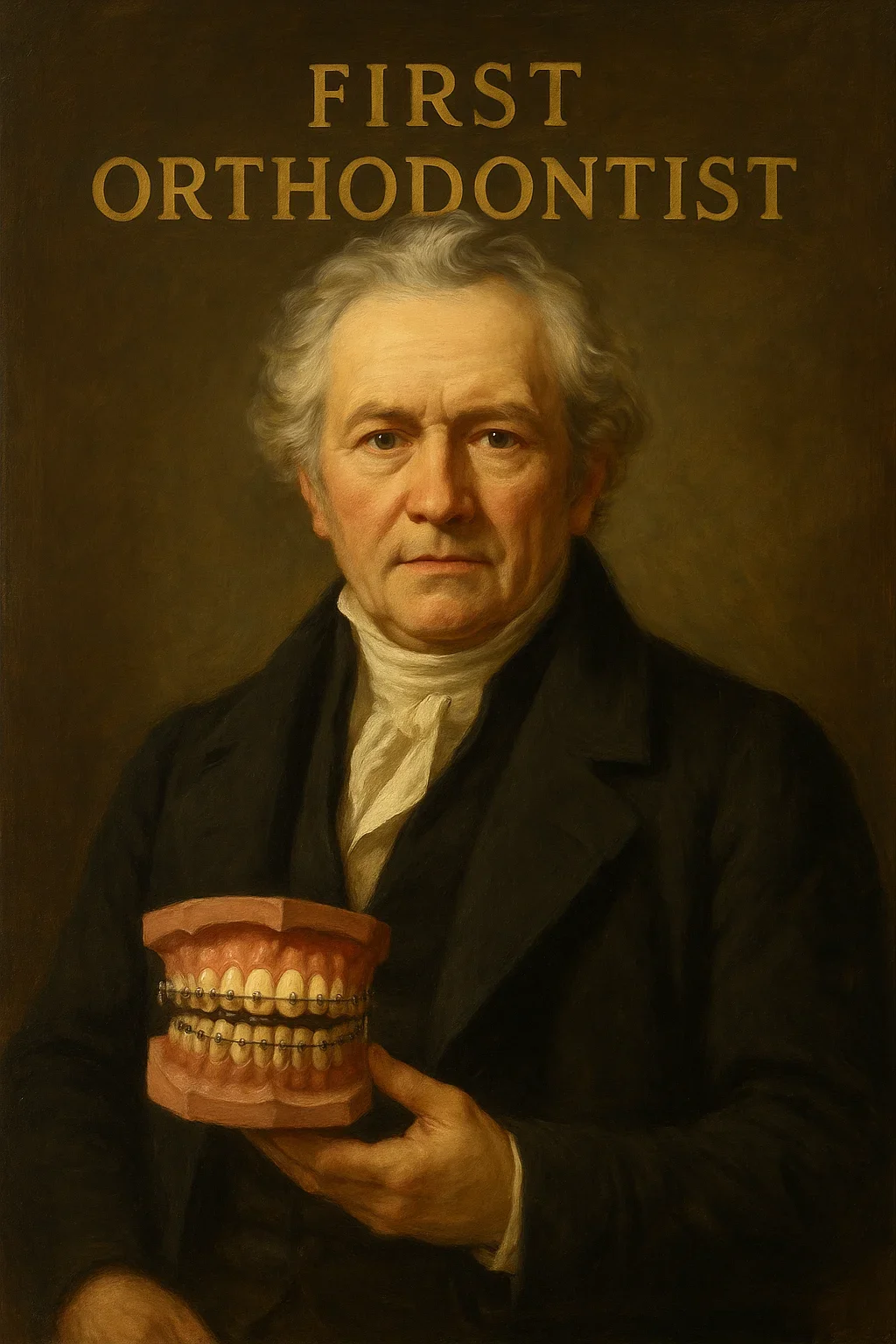
How the First Orthodontist’s Legacy Continues to Shape Modern Dental Care
The foundations laid by the first orthodontist continue to influence the entire dental landscape, shaping how clinicians diagnose, treat, educate, and support patients across all age groups. Modern dentistry is a complex blend of technology, biology, biomechanics, aesthetics, and ethics, yet the core principles guiding these systems remain deeply rooted in the work of early orthodontic pioneers. In this comprehensive exploration, we examine how the legacy of the first orthodontist permeates today’s dental practices, from interdisciplinary care to prevention-focused dentistry, patient-centered communication, and global education standards 🦷🌟.
The Foundation of Modern Diagnostic Techniques
The work of the first orthodontist introduced systematic assessment strategies that evolved into today’s structured diagnostic protocols. Early pioneers recognized that dental health could not be understood solely by examining individual teeth — it required analyzing the jaws, bite relationships, facial symmetry, speech dynamics, and growth patterns. Their holistic philosophy became the foundation for modern, comprehensive evaluations.
Today’s diagnostic processes include:
- Digital 3D imaging (CBCT)
- Intraoral scanning for precision modeling
- AI-guided occlusal analysis
- Cephalometric evaluation for facial structure assessment
- Growth prediction models based on decades of orthodontic science
These tools may be modern, but the analytical mindset behind them is unchanged thanks to the intellectual framework introduced by the first orthodontist.
The Influence on Preventive and Early Interceptive Care
One of the most important contributions of the earliest pioneers was recognizing the relationship between facial development and long-term dental health. This led to the rise of preventive and interceptive orthodontics — an entire branch of care formed from the early insights of the first orthodontist.
Modern preventive practices include:
- Early childhood orthodontic assessments to spot airway issues or jaw imbalances
- Habit correction (such as thumb-sucking intervention)
- Arch expansion strategies for improved breathing and stability
- Functional orthodontics to guide jaw development
These approaches reduce the need for future extractions, prevent overcrowding, and improve overall health — directly reflecting the early philosophy introduced by the first orthodontist.
Shape of the Face and Function of the Airway
Today’s dentists understand that orthodontics affects far more than alignment — it supports airway development, sleep quality, speech clarity, and facial muscle balance. These relationships were first suspected by early innovators and are now confirmed through modern research.
As a result, interdisciplinary collaboration is now standard, involving:
- Orthodontists
- Pediatric dentists
- ENT specialists
- Speech therapists
- Sleep medicine experts
This holistic view of patient health demonstrates how the first orthodontist set the stage for integrated dental medicine.
The Rise of Aesthetic-Focused Dentistry Inspired by Early Principles
While the first orthodontist did not focus exclusively on aesthetics, their commitment to harmony and proportionality deeply influenced modern cosmetic dentistry. Today, achieving facial balance is a prominent goal in dental care, and orthodontic alignment is often the first step in aesthetic treatment planning.
Aesthetic dentistry now integrates:
- Smile design software
- Orthodontic pre-alignment before veneers or crowns
- Gum contouring guided by orthodontic positioning
- Clear aligners for minimal visibility
All of these techniques highlight how the pursuit of balanced facial symmetry — first conceptualized by early pioneers — continues to guide modern dental practices.
How the First Orthodontist Influenced Modern Dental Specialties
The first orthodontist did more than create one specialty — they redefined dentistry as a whole. Their systematic approach laid the groundwork for multiple interconnected branches of dental science.
Today’s specialties influenced by their work include:
- Pediatric dentistry (growth-oriented care)
- Prosthodontics (alignment for restorations)
- Periodontics (tissue health during movement)
- Oral surgery (corrective jaw surgery planning)
- Orofacial pain medicine (evaluating occlusion and TMJ)
This interconnectedness illustrates how the early framework introduced by the first orthodontist continues to influence all branches of dentistry.
Technology-Driven Care: A Modern Extension of Early Ideas
Today’s dental technologies — from AI-driven orthodontic simulations to digital bite analysis — expand the principles originally introduced by early pioneers. These innovations allow clinicians to treat patients with greater accuracy, efficiency, and comfort than ever before.
Key technologies influenced by early orthodontic principles include:
- 3D-printed appliances
- Digital occlusal mapping
- Laser-supported orthodontics
- Airway-focused treatment planning
- Bioactive materials that enhance bone remodeling
Although modern tools appear far more advanced, their purpose remains aligned with the philosophy introduced by the first orthodontist: predictable force, structural harmony, and long-term stability.
Ethics, Communication, and Patient-Centered Dentistry
The first orthodontist also contributed to the ethical evolution of dentistry. Their early emphasis on careful planning and responsible intervention shaped today’s ethical framework: informed consent, transparency, and patient autonomy.
Modern patients expect:
- Clear treatment explanations
- Scientific justification for recommendations
- Cost transparency
- Long-term stability planning
These expectations reflect professional values rooted in the earliest orthodontic innovations.
How the Legacy Supports Today’s Global Dental Standards
Organizations such as the
American Dental Association
continue to uphold standardized guidelines shaped largely by the early orthodontic discoveries that emphasized accuracy, ethics, and science.
For patients seeking treatment aligned with these global principles, modern clinics like Redent Klinik provide expert guidance through the
Redent Klinik Contact Page.
In conclusion, the innovations introduced by the first orthodontist still define modern dental care. Their legacy continues to shape diagnostics, preventive strategies, aesthetic dentistry, technology-driven treatment, interdisciplinary collaboration, and patient-centered ethics. Although dentistry has transformed dramatically over the centuries, it remains anchored to the foundational insights of the early pioneers — ensuring that every smile today reflects centuries of scientific evolution, dedication, and visionary thinking 🦷🌍✨.