
A first time dentist visit is an important milestone in maintaining lifelong oral health. Whether you are scheduling your appointment after years without dental care or preparing for your very first dental experience, knowing what to expect can help you feel confident and comfortable. Many people postpone a first time dentist visit because of uncertainty, fear, or lack of information. However, understanding the process can eliminate anxiety and help you take a positive step toward a healthier smile. 😊
During a first time dentist visit, the primary goal is to evaluate your overall oral health, identify any existing dental issues, and create a personalized treatment plan if necessary. Dentists understand that new patients may feel nervous, so they typically take extra time to explain each procedure and answer questions. A successful first time dentist visit is designed to be informative, comfortable, and educational.
Before your appointment, you may be asked to complete a medical history form. This information allows the dental team to understand any health conditions, medications, allergies, or previous dental experiences that could affect your treatment. Providing accurate information before your first time dentist visit helps ensure your safety and allows the dentist to deliver the best possible care.
When you arrive at the clinic, the dental staff will welcome you and review your information. The next step in a first time dentist visit usually involves a comprehensive oral examination. During this examination, the dentist carefully checks your teeth, gums, tongue, jaw, bite alignment, and surrounding oral tissues. This evaluation helps identify cavities, gum disease, enamel wear, infections, or other dental concerns that may require attention.
Dental X-rays are often recommended during a first time dentist visit. These images allow the dentist to see areas that cannot be examined with the naked eye, such as the roots of your teeth, bone structure, impacted teeth, and hidden decay. Modern digital X-rays are quick, safe, and use significantly lower radiation levels than older technologies.
Another common part of a first time dentist visit is a professional dental cleaning. A dental hygienist removes plaque and tartar buildup that cannot be eliminated through brushing and flossing alone. Professional cleaning helps reduce the risk of tooth decay and gum disease while leaving your teeth feeling fresh and smooth. Many patients are surprised by how comfortable and beneficial this portion of the appointment can be.
Your first time dentist visit is also an opportunity to discuss your oral hygiene habits. The dentist may ask questions about your brushing routine, flossing frequency, dietary habits, smoking history, and any dental symptoms you have experienced. Honest communication helps create a customized preventive care plan tailored to your needs.
If any dental issues are discovered during your first time dentist visit, the dentist will explain the findings in detail. They may recommend treatments such as fillings, deep cleaning, crowns, orthodontic consultations, or cosmetic procedures depending on your situation. The dentist will typically discuss treatment priorities, timelines, and expected outcomes so that you can make informed decisions about your care.
Many people worry about pain during a first time dentist visit, but modern dentistry focuses heavily on patient comfort. Advanced technologies, minimally invasive techniques, and patient-centered care have significantly improved the dental experience. Most routine examinations and cleanings involve little to no discomfort. If you have dental anxiety, informing your dental team before your first time dentist visit can help them provide additional support and reassurance.
A first time dentist visit is not only about treating problems—it is also about prevention. Early detection of oral health issues can save time, money, and discomfort in the future. Regular dental visits help identify concerns before they become serious and support long-term oral wellness. According to guidance from the American Dental Association, routine dental examinations play a vital role in maintaining healthy teeth and gums throughout life.
Choosing a trusted clinic can make your first time dentist visit even more comfortable. Experienced dental professionals take the time to understand your concerns, answer questions, and create a welcoming environment. If you would like to schedule an appointment or learn more about available dental services, you can visit the Redent Klinik Contact Page.
Ultimately, a first time dentist visit marks the beginning of a healthier future for your smile. By attending regular checkups, following professional recommendations, and maintaining good oral hygiene habits at home, you can protect your teeth and gums for years to come. Whether you are a child, teenager, or adult, your initial dental appointment and new patient dental exam can provide valuable insights into your oral health and establish a strong foundation for preventive dental care. 🦷✨
What to Expect During Your First Time Dentist Visit
A first time dentist visit can feel exciting, intimidating, or even a little overwhelming if you do not know what to expect. Fortunately, modern dental clinics are designed to provide a comfortable and welcoming experience for new patients. Whether you are visiting a dentist for preventive care, addressing a dental concern, or simply beginning a new oral health journey, understanding the process can help you feel more relaxed and prepared.
The purpose of a first time dentist visit is not only to examine your teeth but also to establish a foundation for long-term oral health. During the appointment, the dental team will gather information about your medical history, evaluate your oral condition, discuss your concerns, and create a personalized care plan. By the end of your first time dentist visit, you should have a clear understanding of your dental health status and any recommended next steps.
Before Arriving at Your Appointment
Preparation plays an important role in making your first time dentist visit as smooth as possible. Most dental clinics ask new patients to complete paperwork before the appointment. This typically includes medical history forms, insurance information, medication lists, and details about previous dental treatments.
If you have dental records from a previous provider, bringing them to your first time dentist visit can be helpful. It may also be useful to write down any symptoms, concerns, or questions you would like to discuss with the dentist. This ensures that nothing important is forgotten during the consultation.
Important Information to Bring
- Photo identification
- Dental insurance information (if applicable)
- List of medications
- Previous dental records or X-rays
- Questions about your oral health
- Information about allergies or medical conditions
Being prepared allows the dental team to focus on providing the highest quality care during your first time dentist visit.
The Welcome and Initial Consultation
When you arrive for your first time dentist visit, the front desk staff will verify your information and help you complete any remaining paperwork. Many modern clinics prioritize patient comfort and work to create a calm environment from the moment you enter.
The consultation phase of a first time dentist visit often includes a discussion about your dental history, oral hygiene habits, lifestyle factors, and treatment goals. The dentist may ask questions about:
- Tooth sensitivity
- Bleeding gums
- Jaw discomfort
- Past dental procedures
- Smoking habits
- Diet and sugar consumption
- Cosmetic concerns
This conversation helps the dentist understand your individual needs and tailor recommendations accordingly.
Comprehensive Oral Examination
One of the most important parts of a first time dentist visit is the comprehensive oral examination. During this assessment, the dentist carefully evaluates every aspect of your oral health.
The examination typically includes checking:
- Teeth for cavities and damage
- Gum health and signs of periodontal disease
- Bite alignment
- Jaw function
- Tongue and soft tissues
- Existing restorations such as crowns or fillings
- Signs of oral cancer or abnormalities
This detailed assessment allows potential issues to be identified before they become more serious. Early diagnosis is one of the biggest benefits of scheduling a first time dentist visit rather than delaying care.
Dental X-Rays and Diagnostic Imaging
Depending on your oral health history and current condition, digital X-rays may be recommended during your first time dentist visit. These images provide valuable information that cannot be seen during a visual examination alone.
Dental X-rays can reveal:
- Hidden cavities
- Bone loss
- Impacted teeth
- Root infections
- Jaw abnormalities
- Developing dental problems
Modern digital imaging technology makes the X-ray process quick, efficient, and highly safe. Many patients are surprised by how simple this portion of a first time dentist visit actually is.
Professional Dental Cleaning
A professional cleaning is frequently included during a first time dentist visit. Even individuals who brush and floss regularly can develop plaque and tartar in hard-to-reach areas.
The dental hygienist will:
- Remove plaque buildup
- Eliminate hardened tartar deposits
- Polish tooth surfaces
- Provide flossing guidance
- Offer personalized oral hygiene recommendations
Many people leave their first time dentist visit feeling refreshed because their teeth feel noticeably cleaner and smoother after the professional cleaning process. ✨
Discussion of Findings and Treatment Recommendations
After the examination and cleaning, the dentist will review all findings with you. This educational portion of the first time dentist visit is extremely valuable because it helps you understand your current oral health status.
If treatment is needed, the dentist may recommend:
- Dental fillings
- Deep cleaning procedures
- Crowns or bridges
- Orthodontic treatment
- Cosmetic dentistry options
- Tooth replacement solutions
- Preventive care programs
The dentist will explain why each treatment is recommended and answer any questions you may have. Transparency is a key component of a successful first time dentist visit.
Questions You Should Ask
- How healthy are my teeth and gums?
- Do I have any cavities?
- What improvements should I make to my oral hygiene routine?
- How often should I schedule checkups?
- Are there any early warning signs I should watch for?
What Happens After the Appointment?
The conclusion of a first time dentist visit usually involves scheduling future appointments and reviewing preventive care recommendations. Most patients are advised to return every six months for routine examinations and cleanings, although individual needs may vary.
Your dentist may provide personalized instructions regarding brushing techniques, flossing methods, dietary changes, or additional treatments. Following these recommendations can significantly improve your oral health outcomes.
Remember that a first time dentist visit is the beginning of an ongoing relationship with your dental care provider. Consistent checkups, preventive treatments, and good home care habits contribute to healthier teeth, stronger gums, and a more confident smile. 😁
For many patients, the greatest surprise about a first time dentist visit is how comfortable and informative the experience can be. Modern dentistry focuses on patient education, preventive care, and personalized treatment planning. Whether your goal is maintaining oral health, improving aesthetics, or addressing existing concerns, a first time dentist visit provides the knowledge and support needed to achieve lasting dental wellness.
Why a First Time Dentist Visit Is Important for Oral Health
A first time dentist visit is much more than a routine appointment. It serves as the foundation for a lifetime of healthy teeth, strong gums, and improved overall well-being. Many people underestimate the value of scheduling a first time dentist visit, especially if they are not experiencing pain or visible dental problems. However, oral health issues often develop silently, and early detection can prevent costly, complex, and uncomfortable treatments in the future.
Whether you are visiting a dentist as a child, teenager, or adult, a first time dentist visit provides an opportunity to establish healthy habits, identify hidden concerns, and build a trusted relationship with a dental professional. Understanding why this appointment matters can motivate individuals to prioritize preventive dental care and maintain long-term oral health.
Early Detection of Dental Problems
One of the most significant benefits of a first time dentist visit is the early identification of oral health issues. Many dental conditions begin without noticeable symptoms. Cavities, gum disease, enamel erosion, and even oral infections may progress for months before causing pain or discomfort.
During a first time dentist visit, the dentist performs a comprehensive examination to detect problems before they become serious. Early diagnosis allows for simpler and less invasive treatment options, helping patients avoid unnecessary complications.
Conditions Commonly Detected Early
- Tooth decay and cavities
- Gingivitis and early gum disease
- Tooth wear caused by grinding
- Impacted wisdom teeth
- Bite alignment issues
- Oral infections
- Oral cancer warning signs
Identifying these conditions during a first time dentist visit can significantly improve treatment outcomes and reduce future dental expenses.
Building a Strong Preventive Care Foundation
Prevention is one of the core goals of modern dentistry. A first time dentist visit allows dental professionals to educate patients about proper oral hygiene techniques and preventive care strategies. Many individuals brush their teeth daily yet still develop dental issues due to incorrect brushing methods, inadequate flossing, or poor dietary habits.
A dentist can use your first time dentist visit to provide personalized recommendations that support healthier teeth and gums. These recommendations often include:
- Proper brushing techniques
- Correct flossing methods
- Suitable oral care products
- Dietary advice for oral health
- Fluoride recommendations
- Regular checkup schedules
By learning these preventive strategies early, patients can reduce their risk of future dental complications and enjoy better oral health throughout life.
Understanding Your Current Oral Health Status
Many people assume their oral health is good simply because they are not experiencing symptoms. A first time dentist visit provides a professional assessment that reveals the true condition of the teeth, gums, and supporting structures.
The dentist evaluates factors such as:
- Plaque and tartar accumulation
- Gum health
- Existing restorations
- Jaw function
- Bite alignment
- Risk factors for future problems
This detailed evaluation during a first time dentist visit helps patients understand where improvements are needed and what steps should be taken to maintain optimal oral health.
The Connection Between Oral Health and Overall Health
A first time dentist visit is important not only for dental health but also for overall physical health. Research continues to show strong connections between oral health and systemic health conditions.
Poor oral hygiene and untreated gum disease have been associated with:
- Heart disease
- Diabetes complications
- Respiratory infections
- Pregnancy-related concerns
- Chronic inflammation
Because the mouth often reflects broader health conditions, a first time dentist visit can provide valuable insights into a person’s overall wellness. Dentists frequently identify signs that may require additional medical evaluation, making dental visits an important component of preventive healthcare.
Why Oral Health Matters Beyond Your Smile
Healthy teeth allow you to eat comfortably, speak clearly, and smile confidently. Beyond aesthetics, maintaining good oral health contributes to proper nutrition, self-esteem, and quality of life. A first time dentist visit helps establish habits that support both oral and general health for years to come.
Reducing Dental Anxiety Through Familiarity
Many people delay a first time dentist visit because they feel nervous or uncertain about the experience. Ironically, postponing dental care often increases anxiety because dental problems may worsen over time.
Attending a first time dentist visit helps patients become familiar with the dental environment, equipment, and procedures. Building trust with the dental team can make future appointments significantly less stressful.
Modern dental practices focus heavily on patient comfort. Dentists understand that new patients may feel apprehensive and often take extra time to explain procedures and answer questions. This supportive approach can transform a potentially intimidating experience into a positive one. 😊
Establishing a Long-Term Relationship With Your Dentist
A successful first time dentist visit is the beginning of a long-term partnership focused on maintaining oral health. When a dentist becomes familiar with your dental history, they can monitor changes over time and provide more personalized care.
Benefits of an ongoing dentist-patient relationship include:
- Consistent preventive care
- Better treatment planning
- Early detection of changes
- Personalized recommendations
- Improved communication and trust
The information gathered during a first time dentist visit serves as a baseline for future evaluations, making long-term monitoring more effective.
Saving Time and Money in the Future
One of the most practical reasons to schedule a first time dentist visit is the potential for long-term cost savings. Preventive care is generally far less expensive than restorative treatment. Detecting a small cavity early may require only a simple filling, whereas delaying treatment could eventually lead to root canal therapy or tooth extraction.
Similarly, identifying early gum disease during a first time dentist visit can prevent more extensive periodontal treatment later. Investing in preventive care today often reduces financial and health burdens in the future.
A Step Toward Lifelong Oral Wellness
Ultimately, a first time dentist visit represents an investment in your future health. It provides an opportunity to learn about your oral condition, receive professional guidance, prevent disease, and establish healthy habits that can last a lifetime.
Whether you are attending your first dental appointment as an adult or bringing a child for their initial dental checkup, the benefits are substantial. A first time dentist visit helps create a strong foundation for preventive care, encourages confidence in dental treatment, and supports a healthier smile for years to come. 🦷✨
By prioritizing a first time dentist visit, individuals take an important step toward protecting their teeth, preserving their gums, and improving their overall quality of life. The earlier oral health concerns are identified and addressed, the easier it becomes to maintain a beautiful, healthy smile throughout every stage of life.
How to Prepare for Your First Time Dentist Visit
Preparing properly for your first time dentist visit can make the entire experience smoother, more comfortable, and more productive. Many people feel nervous before a dental appointment, especially if they do not know what to expect. Fortunately, a little preparation can help reduce anxiety, improve communication with your dental team, and ensure that your first time dentist visit provides the most accurate assessment of your oral health.
Whether you are visiting a dental clinic for preventive care, treatment of a specific problem, or simply beginning a new oral health journey, taking a few simple steps before your first time dentist visit can significantly improve the outcome. Being organized allows the dentist to focus on understanding your needs and creating a personalized treatment plan that supports long-term oral health.
Understand the Purpose of Your Appointment
One of the best ways to prepare for a first time dentist visit is to understand why the appointment is important. Many people assume that dental visits are only necessary when pain occurs. In reality, preventive dental care helps identify issues before they become serious.
Your first time dentist visit serves several purposes:
- Evaluating your overall oral health
- Identifying cavities and gum disease
- Reviewing your medical history
- Establishing a baseline for future care
- Creating a personalized treatment plan
- Providing preventive oral health guidance
Understanding these objectives can help you approach your first time dentist visit with confidence rather than uncertainty.
Gather Important Documents Before Your Appointment
Most dental clinics request specific information from new patients. Preparing these documents before your first time dentist visit can save time and help ensure a smooth check-in process.
Essential Items to Bring
- Government-issued identification
- Dental insurance card (if applicable)
- List of current medications
- Medical history information
- Previous dental records if available
- Recent dental X-rays if obtained elsewhere
- Emergency contact information
Providing complete and accurate information during your first time dentist visit allows the dentist to make informed decisions regarding your treatment and overall care.
Prepare a List of Questions and Concerns
A first time dentist visit is an excellent opportunity to discuss any concerns you may have about your oral health. Many patients forget important questions once they arrive at the clinic, so creating a written list beforehand can be extremely helpful.
Common topics to discuss include:
- Tooth sensitivity
- Bleeding gums
- Bad breath concerns
- Cosmetic treatment options
- Orthodontic questions
- Dental anxiety management
- Recommended oral hygiene products
Open communication during your first time dentist visit helps the dentist understand your goals and address your concerns more effectively.
Maintain Your Normal Oral Hygiene Routine
Some people mistakenly believe they need to brush excessively before a first time dentist visit. While good oral hygiene is encouraged, there is no need for extraordinary measures.
Before your appointment, simply:
- Brush your teeth thoroughly
- Floss carefully
- Use mouthwash if desired
- Avoid tobacco products
Maintaining your normal routine allows the dentist to accurately evaluate your oral health condition during the first time dentist visit. Over-cleaning or masking symptoms can sometimes make it more difficult to identify underlying issues.
Know Your Medical History
Your overall health plays an important role in dental care. During a first time dentist visit, the dental team will ask questions about your medical background. Being prepared with accurate information helps ensure safe and effective treatment.
Important details may include:
- Heart conditions
- Diabetes
- Pregnancy status
- Blood disorders
- Autoimmune diseases
- Medication allergies
- Previous surgeries
Certain medical conditions can affect treatment planning, healing, and medication choices. Providing complete information during your first time dentist visit is essential for patient safety.
Manage Anxiety Before the Appointment
Dental anxiety is extremely common, particularly among individuals attending a first time dentist visit. Fear of the unknown often creates unnecessary stress. Fortunately, there are several effective ways to reduce nervousness before your appointment.
Helpful Anxiety-Reduction Strategies
- Arrive early to avoid feeling rushed
- Listen to calming music before the appointment
- Practice deep breathing exercises
- Discuss your fears openly with the dental team
- Bring a trusted friend or family member if permitted
- Focus on the health benefits of dental care
Many patients discover that their first time dentist visit is far more comfortable than they anticipated. Modern dental clinics place a strong emphasis on patient comfort and communication. 😊
Arrive Early and Be Ready to Communicate
Arriving 10 to 15 minutes before your first time dentist visit gives you time to complete any remaining paperwork and settle into the environment. Rushing into an appointment can increase stress and make it harder to focus.
During the visit, be honest about:
- Your symptoms
- Your dental habits
- Your concerns and expectations
- Any pain or discomfort
- Previous dental experiences
Clear communication ensures that your first time dentist visit addresses your specific needs and provides the most beneficial experience possible.
Prepare Financial and Insurance Information
Understanding payment options before your first time dentist visit can help prevent surprises. Contact the clinic ahead of time to verify accepted insurance plans and available payment methods.
Some common services performed during a first time dentist visit may include:
- Comprehensive oral examination
- Digital X-rays
- Professional dental cleaning
- Consultation and treatment planning
Depending on your location and provider, costs may vary significantly. Many clinics offer flexible payment plans or financing options for recommended treatments.
Set Realistic Expectations
A first time dentist visit is primarily focused on assessment, diagnosis, education, and prevention. While some treatments may be completed during the same appointment, extensive procedures are often scheduled for future visits.
The goal is to gather a complete understanding of your oral health and establish a roadmap for ongoing care. Patients who approach their first time dentist visit with realistic expectations tend to have a more positive experience.
Start Your Oral Health Journey With Confidence
Preparing for a first time dentist visit does not need to be complicated. By gathering necessary documents, understanding your medical history, maintaining good oral hygiene, and communicating openly with your dental team, you can maximize the value of the appointment.
A successful first time dentist visit provides far more than a simple examination. It establishes the foundation for preventive care, strengthens your understanding of oral health, and creates a partnership with a trusted dental professional. Taking the time to prepare properly ensures that your first time dentist visit becomes the first step toward a healthier smile, improved confidence, and long-term dental wellness. 🦷✨
Step-by-Step Process of a First Time Dentist Visit
Understanding the step-by-step process of a first time dentist visit can help eliminate uncertainty and make the experience far less stressful. One of the most common reasons people delay scheduling a first time dentist visit is fear of the unknown. In reality, modern dental appointments are carefully structured to provide comfort, education, and preventive care while helping patients feel informed every step of the way.
A first time dentist visit is designed to give your dentist a complete picture of your oral health. From the moment you enter the clinic until you leave with a treatment plan, each stage serves an important purpose. Knowing what happens during a first time dentist visit allows you to arrive prepared and confident.
Step 1: Patient Registration and Check-In
The first stage of a first time dentist visit begins at the reception desk. New patients are typically asked to complete registration forms that provide essential information about their health history and contact details.
These forms usually include:
- Personal information
- Emergency contact details
- Insurance information
- Medical history
- Current medications
- Known allergies
- Previous dental treatments
Accurate information is important because many medical conditions can affect dental treatment. The registration process during a first time dentist visit helps the dental team provide safe and personalized care.
Why Medical History Matters
Conditions such as diabetes, heart disease, pregnancy, and autoimmune disorders may influence treatment recommendations. During your first time dentist visit, sharing complete health information ensures the dentist can make appropriate clinical decisions.
Step 2: Initial Consultation and Discussion
After check-in, the next stage of a first time dentist visit often involves a consultation with the dentist or dental hygienist. This conversation allows the dental team to understand your concerns, expectations, and oral health goals.
Common questions may include:
- Are you experiencing tooth pain?
- Do your gums bleed when brushing?
- Have you noticed sensitivity to hot or cold foods?
- Do you grind your teeth?
- Are you interested in cosmetic treatments?
- When was your last dental appointment?
This discussion helps personalize the first time dentist visit and ensures that all patient concerns are addressed.
Step 3: Comprehensive Oral Examination
One of the most important stages of a first time dentist visit is the comprehensive oral examination. During this assessment, the dentist evaluates the overall condition of your mouth and identifies any existing or potential issues.
The examination typically includes checking:
- Teeth for cavities and fractures
- Gum tissue health
- Bite alignment
- Jaw movement and function
- Tongue and oral soft tissues
- Existing dental restorations
- Signs of oral cancer
This detailed evaluation forms the foundation of your first time dentist visit and helps create an accurate diagnosis.
Early Detection Benefits
Many dental conditions develop without noticeable symptoms. A thorough examination during a first time dentist visit allows the dentist to identify problems before they become more severe and expensive to treat.
Step 4: Digital X-Rays and Diagnostic Imaging
Most patients undergoing a first time dentist visit will have dental X-rays taken. While the visual examination provides valuable information, X-rays reveal areas hidden beneath the surface.
Digital imaging can help identify:
- Hidden tooth decay
- Bone loss
- Impacted teeth
- Root infections
- Jaw abnormalities
- Developing dental issues
Modern digital X-rays are quick, safe, and highly detailed. For many patients, this portion of the first time dentist visit takes only a few minutes.
Step 5: Professional Dental Cleaning
In many cases, a professional cleaning is performed during the same first time dentist visit. A dental hygienist removes plaque, tartar, and surface stains that regular brushing cannot eliminate completely.
The cleaning process generally includes:
- Tartar removal
- Plaque elimination
- Tooth polishing
- Flossing
- Oral hygiene instruction
Many patients report that their teeth feel noticeably smoother and cleaner after this stage of the first time dentist visit. ✨
Importance of Professional Cleaning
Even individuals with excellent oral hygiene habits benefit from professional cleanings. Removing hardened tartar during a first time dentist visit helps reduce the risk of gum disease and tooth decay.
Step 6: Review of Findings
Once the examination and cleaning are complete, the dentist reviews the results with you. This educational component of a first time dentist visit helps patients understand their current oral health condition.
The dentist may discuss:
- Areas of concern
- Cavities or decay
- Gum health status
- Bite issues
- Cosmetic considerations
- Preventive recommendations
A successful first time dentist visit involves clear communication so patients can make informed decisions regarding their dental care.
Step 7: Development of a Personalized Treatment Plan
If treatment is required, the dentist will create a customized plan during your first time dentist visit. Every patient has unique oral health needs, and treatment recommendations are tailored accordingly.
Potential recommendations may include:
- Dental fillings
- Periodontal therapy
- Crowns or bridges
- Orthodontic treatment
- Dental implants
- Cosmetic procedures
- Preventive maintenance programs
The dentist will explain each recommendation, expected outcomes, timelines, and alternatives. This transparency is a critical aspect of a positive first time dentist visit.
Step 8: Discussion of Costs and Scheduling
Before leaving, the dental team typically reviews treatment costs, insurance coverage, and scheduling options. Understanding these details during your first time dentist visit allows you to plan future care effectively.
Many clinics offer:
- Flexible payment plans
- Insurance assistance
- Treatment financing options
- Package pricing for preventive care
Addressing financial questions during the first time dentist visit helps patients feel comfortable moving forward with recommended treatment.
Step 9: Planning Future Dental Care
The final stage of a first time dentist visit involves establishing a schedule for ongoing dental care. Most patients are encouraged to return every six months for routine examinations and professional cleanings.
Regular follow-up visits allow the dentist to:
- Monitor oral health changes
- Prevent future problems
- Track treatment progress
- Maintain healthy gums and teeth
- Provide continuing preventive care
The information gathered during the first time dentist visit becomes the baseline for future assessments and helps support long-term oral health success.
What Makes a First Time Dentist Visit Successful?
A successful first time dentist visit combines education, prevention, diagnosis, and patient comfort. Rather than focusing solely on treatment, modern dentistry emphasizes helping patients understand their oral health and develop healthy habits for the future.
By understanding each step of a first time dentist visit, patients can approach their appointment with confidence and realistic expectations. From registration and examination to cleaning and treatment planning, every stage contributes to building a healthier smile and a stronger relationship with your dental care provider. 🦷😁
Dental Examination Procedures for New Patients
One of the most important parts of a first time dentist visit is the comprehensive dental examination. Many patients arrive at their appointment unsure about what the examination involves, how long it will take, or why so many assessments are necessary. Understanding the dental examination process can help reduce anxiety and allow you to feel more confident during your first time dentist visit.
The purpose of a dental examination is to evaluate the health of your teeth, gums, jaw, and oral tissues while identifying any conditions that may require treatment. During a first time dentist visit, the dentist gathers detailed information about your oral health to create a personalized care plan tailored to your specific needs.
Unlike routine follow-up appointments, a first time dentist visit often includes a more extensive examination because the dentist is establishing a baseline record of your oral health. This detailed assessment helps detect existing problems, identify risk factors, and develop preventive strategies that support long-term dental wellness.
Reviewing Medical and Dental History
Before the physical examination begins, the dentist carefully reviews your medical and dental history. This is a critical component of a first time dentist visit because many health conditions can directly affect oral health and dental treatment planning.
The dentist may ask questions about:
- Current medications
- Allergies
- Heart conditions
- Diabetes
- Pregnancy status
- Previous surgeries
- Past dental experiences
- Family history of dental problems
Providing accurate information during your first time dentist visit helps ensure that all recommended treatments are safe and appropriate for your overall health.
Why Medical History Is So Important
Certain medical conditions increase the risk of gum disease, delayed healing, or oral infections. By understanding your health background during a first time dentist visit, the dentist can customize your care and take any necessary precautions.
Visual Examination of the Teeth
The visual examination is one of the first clinical procedures performed during a first time dentist visit. Using specialized dental instruments and bright lighting, the dentist carefully inspects each tooth for signs of damage or disease.
The dentist evaluates:
- Tooth decay
- Cracks and fractures
- Enamel wear
- Discoloration
- Previous fillings and crowns
- Signs of infection
Even small areas of decay can be identified during a first time dentist visit, allowing treatment before more extensive damage occurs.
Comprehensive Gum Evaluation
Healthy gums are essential for maintaining strong teeth. During a first time dentist visit, the dentist performs a thorough assessment of your gum health to detect early signs of periodontal disease.
Gum disease often develops gradually and may not cause noticeable symptoms in its early stages. For this reason, the gum examination is a vital part of every first time dentist visit.
The dentist looks for:
- Redness and inflammation
- Bleeding tendencies
- Gum recession
- Periodontal pockets
- Tartar buildup
- Signs of infection
Early detection of gum disease during a first time dentist visit can prevent more serious complications such as bone loss and tooth loss.
Periodontal Measurements
In many cases, a small measuring instrument called a periodontal probe is used to evaluate the spaces between the teeth and gums. These measurements provide important information about gum health and help establish baseline records during the first time dentist visit.
Digital X-Rays and Diagnostic Imaging
Visual examinations alone cannot reveal every dental issue. Therefore, digital X-rays are commonly recommended during a first time dentist visit. These images allow the dentist to examine structures hidden beneath the surface.
Digital X-rays can identify:
- Hidden cavities
- Bone loss
- Impacted teeth
- Root infections
- Cysts
- Jaw abnormalities
- Developing dental problems
Modern imaging technology produces highly detailed images while exposing patients to very low levels of radiation. For many people, this portion of the first time dentist visit takes only a few minutes.
Bite and Jaw Function Assessment
An often-overlooked aspect of a first time dentist visit is the evaluation of bite alignment and jaw function. Problems with the way the upper and lower teeth fit together can contribute to discomfort, uneven tooth wear, and jaw disorders.
The dentist may assess:
- Bite alignment
- Jaw movement
- Chewing patterns
- Signs of teeth grinding
- Temporomandibular joint (TMJ) function
Identifying these issues during a first time dentist visit can prevent future complications and improve overall comfort.
Oral Cancer Screening
A comprehensive first time dentist visit often includes an oral cancer screening. While oral cancer is relatively uncommon, early detection dramatically improves treatment outcomes.
During this examination, the dentist evaluates:
- Tongue tissues
- Cheeks
- Roof of the mouth
- Floor of the mouth
- Throat area
- Lips and surrounding tissues
The dentist looks for unusual lesions, discoloration, swelling, or tissue changes that may require further investigation. This preventive assessment is an important benefit of a first time dentist visit.
Who Should Receive Oral Cancer Screenings?
All adults benefit from regular screenings, especially individuals who use tobacco products, consume alcohol frequently, or have a family history of cancer. A first time dentist visit provides an ideal opportunity to establish these preventive evaluations.
Assessment of Existing Dental Work
If you have previous dental restorations, the dentist will carefully evaluate them during your first time dentist visit. Existing fillings, crowns, bridges, implants, and dentures are checked to ensure they remain functional and free from complications.
The dentist examines:
- Restoration integrity
- Marginal leakage
- Wear and damage
- Proper fit
- Signs of decay around restorations
This assessment helps identify problems that may not yet be causing symptoms but could require future attention.
Discussion of Findings and Risk Factors
After completing the examination, the dentist reviews all findings with the patient. This educational discussion is one of the most valuable parts of a first time dentist visit.
Topics often include:
- Current oral health status
- Areas requiring treatment
- Preventive recommendations
- Future risk factors
- Oral hygiene improvements
- Recommended follow-up schedule
The dentist may also provide personalized advice regarding nutrition, fluoride use, smoking cessation, and home oral care practices. A thorough explanation ensures that patients fully understand the results of their first time dentist visit.
Creating a Personalized Treatment Plan
The final stage of the examination process during a first time dentist visit involves creating a customized treatment plan. Every patient has unique needs, and recommendations are tailored accordingly.
Potential treatment recommendations may include:
- Routine preventive cleanings
- Dental fillings
- Deep cleaning procedures
- Crowns and bridges
- Orthodontic consultations
- Cosmetic dentistry options
- Tooth replacement solutions
The treatment plan developed during a first time dentist visit serves as a roadmap for maintaining and improving oral health over time.
The Value of a Comprehensive Examination
A detailed dental examination is the foundation of effective oral healthcare. During a first time dentist visit, the dentist gathers essential information that supports accurate diagnosis, preventive care, and long-term treatment planning.
Rather than focusing solely on existing problems, the examination process helps identify risks before they become serious. A comprehensive first time dentist visit empowers patients with knowledge, promotes early intervention, and establishes a strong foundation for lifelong dental wellness. By understanding these examination procedures, patients can approach future dental appointments with confidence and peace of mind. 🦷✨
Common Questions Asked During a First Time Dentist Visit
A first time dentist visit is often filled with curiosity and uncertainty, especially for patients who have never visited a dental clinic before or have not had an appointment in many years. One of the best ways to feel prepared is to understand the types of questions that dentists commonly ask during a first time dentist visit. These questions are not meant to make patients uncomfortable. Instead, they help the dental team gather valuable information that supports accurate diagnosis, effective treatment planning, and long-term oral health management.
During a first time dentist visit, the dentist’s goal is to gain a complete understanding of your oral health history, current concerns, lifestyle habits, and future expectations. The more honest and detailed your answers are, the better the dentist can tailor recommendations specifically to your needs.
Many patients are surprised by how comprehensive the discussion can be during a first time dentist visit. The questions extend beyond simply asking whether your teeth hurt. Dentists evaluate factors that may influence your overall oral health, including medical conditions, medications, daily habits, and previous dental experiences.
Questions About Your Dental History
One of the first topics discussed during a first time dentist visit is your dental history. Understanding your previous experiences helps the dentist identify potential risk factors and establish an appropriate care plan.
Common dental history questions include:
- When was your last dental appointment?
- Have you received regular dental care in the past?
- Have you ever had cavities or fillings?
- Have you undergone orthodontic treatment?
- Have you experienced dental trauma or injury?
- Have you had any teeth extracted?
The answers provided during your first time dentist visit help the dentist understand your oral health background and identify patterns that may affect future treatment.
Why Dental History Matters
Past dental problems often increase the likelihood of similar issues recurring. For example, patients with a history of gum disease may require more frequent monitoring after their first time dentist visit.
Questions About Current Symptoms
Another major focus of a first time dentist visit is identifying any symptoms or concerns you may be experiencing. Even minor symptoms can provide important clues about your oral health condition.
The dentist may ask:
- Do you have tooth pain?
- Are your teeth sensitive to hot or cold foods?
- Do your gums bleed when brushing?
- Have you noticed swelling in your mouth?
- Do you experience jaw pain?
- Do you suffer from bad breath?
- Have you noticed loose teeth?
Being honest during your first time dentist visit allows the dentist to investigate symptoms thoroughly and recommend appropriate treatment if necessary.
Questions About Your Oral Hygiene Routine
Your daily oral care habits play a significant role in maintaining healthy teeth and gums. Therefore, oral hygiene questions are a standard part of a first time dentist visit.
Common questions include:
- How often do you brush your teeth?
- Do you floss daily?
- What type of toothbrush do you use?
- Do you use mouthwash?
- Have you received oral hygiene instruction before?
The dentist uses this information gathered during your first time dentist visit to provide personalized recommendations that improve your oral hygiene routine.
There Are No Perfect Answers
Many patients worry about being judged during a first time dentist visit. Dental professionals are not there to criticize your habits. Their goal is to understand your current routine and help you improve it where necessary.
Questions About Medical Conditions
Your overall health can significantly affect your oral health. As a result, medical history questions are an essential component of a first time dentist visit.
The dentist may ask about:
- Diabetes
- Heart disease
- High blood pressure
- Autoimmune disorders
- Blood clotting conditions
- Pregnancy
- Recent surgeries
Certain health conditions influence healing, gum health, infection risk, and treatment options. Providing complete information during your first time dentist visit ensures safe and effective care.
Questions About Medications and Allergies
Medications can affect oral health and dental treatment. During a first time dentist visit, the dentist will usually review all prescription medications, supplements, and over-the-counter products you use regularly.
You may be asked:
- What medications are you currently taking?
- Do you take blood thinners?
- Do you have medication allergies?
- Have you ever reacted to local anesthetics?
- Do you take medications that cause dry mouth?
These questions help prevent complications and allow the dentist to modify treatment plans when necessary during your first time dentist visit.
Questions About Lifestyle Habits
Lifestyle choices can have a direct impact on oral health. Therefore, dentists often ask detailed lifestyle-related questions during a first time dentist visit.
Common lifestyle questions include:
- Do you smoke or use tobacco products?
- Do you consume alcohol regularly?
- How often do you consume sugary foods and drinks?
- Do you grind your teeth at night?
- Do you participate in contact sports?
The answers help identify risk factors that could contribute to future dental problems. Addressing these concerns during a first time dentist visit supports preventive care and long-term oral wellness.
Diet and Oral Health
Nutrition has a major impact on dental health. Patients are often surprised by how much their dietary habits are discussed during a first time dentist visit. Frequent sugar consumption can increase the risk of tooth decay, while acidic beverages may contribute to enamel erosion.
Questions About Dental Anxiety
Many patients feel nervous before a first time dentist visit. Dental professionals understand this and often ask about previous experiences and anxiety levels.
You may hear questions such as:
- Do you feel nervous about dental treatment?
- Have you had a negative dental experience in the past?
- Do you have concerns about pain?
- Would additional comfort measures help you relax?
Discussing anxiety openly during your first time dentist visit allows the dental team to provide a more comfortable and supportive experience.
Questions About Cosmetic Goals
For some patients, a first time dentist visit is also an opportunity to discuss cosmetic concerns. Even if your primary goal is preventive care, the dentist may ask whether you have any aesthetic objectives.
Examples include:
- Would you like whiter teeth?
- Are you concerned about tooth alignment?
- Do you want to improve your smile appearance?
- Are you interested in cosmetic dentistry options?
These conversations help the dentist understand your priorities and recommend appropriate treatments when necessary.
Questions You Should Ask Your Dentist
A first time dentist visit should not be a one-sided conversation. Patients are encouraged to ask questions as well.
Useful questions include:
- How healthy are my teeth and gums?
- What improvements should I make to my oral hygiene routine?
- Am I at risk for any dental conditions?
- How often should I schedule future appointments?
- What preventive treatments do you recommend?
Asking questions during your first time dentist visit helps you become an active participant in your oral healthcare journey.
Open Communication Leads to Better Care
The questions asked during a first time dentist visit are designed to provide a complete picture of your oral health and overall well-being. Every answer contributes valuable information that helps the dentist identify risks, diagnose problems, and develop an effective treatment plan.
By approaching your first time dentist visit with honesty and openness, you enable your dental team to deliver the highest quality care possible. Remember that there are no right or wrong answers. The more information you share, the more personalized and effective your dental care will be. Ultimately, the conversations that take place during a first time dentist visit are just as important as the examination itself and form the foundation for a healthier smile and better oral health in the years ahead. 🦷😊
First Time Dentist Visit Costs and Insurance Information
One of the most common concerns people have before scheduling a first time dentist visit is the cost. While oral health is an important investment, many patients worry about affordability, insurance coverage, and unexpected expenses. Understanding the financial aspects of a first time dentist visit can help you plan ahead and make informed decisions about your dental care.
The cost of a first time dentist visit varies depending on several factors, including the clinic location, the dentist’s experience, the services provided during the appointment, and whether you have dental insurance. Some patients may only require a routine examination and cleaning, while others may need additional diagnostic procedures or treatment recommendations.
Fortunately, many dental clinics offer transparent pricing, flexible payment options, and insurance assistance programs to make a first time dentist visit more accessible. Understanding what is typically included in the appointment can help eliminate surprises and allow you to focus on improving your oral health.
What Is Usually Included in a First Time Dentist Visit?
A comprehensive first time dentist visit often includes several important services designed to evaluate your oral health and establish a treatment plan.
Depending on the clinic, your appointment may include:
- New patient consultation
- Comprehensive oral examination
- Dental X-rays
- Oral cancer screening
- Gum health evaluation
- Professional dental cleaning
- Treatment planning discussion
Because a first time dentist visit is generally more detailed than routine follow-up appointments, it may require additional time and diagnostic procedures.
Why Initial Visits May Cost More
The dentist must gather extensive information during a first time dentist visit. This includes reviewing your medical history, performing a comprehensive examination, obtaining baseline X-rays, and developing a personalized treatment strategy. These additional services contribute to the overall cost of the appointment.
Average Costs of a First Time Dentist Visit
The exact cost of a first time dentist visit depends on geographic location, clinic type, and included services. The following estimates represent common price ranges in many private dental practices.
Typical Cost Breakdown
| Service | Estimated Cost (USD) |
|---|---|
| New Patient Examination | $50 – $150 |
| Digital Dental X-Rays | $25 – $250 |
| Professional Cleaning | $75 – $250 |
| Oral Cancer Screening | Often Included |
| Comprehensive Consultation | $50 – $200 |
As a result, the total cost of a first time dentist visit without insurance often falls between $150 and $600, depending on the services performed and the complexity of the examination.
Patients should remember that these figures are approximate and may vary significantly by region and provider.
How Dental Insurance Affects Costs
Dental insurance can significantly reduce the cost of a first time dentist visit. Many insurance plans prioritize preventive care and may cover a large portion of the examination, cleaning, and diagnostic imaging costs.
Insurance benefits often include:
- Routine examinations
- Preventive cleanings
- Diagnostic X-rays
- Oral evaluations
- Emergency assessments
If you have dental insurance, it is important to verify your benefits before your first time dentist visit. Contact both your insurance provider and the dental clinic to confirm coverage details.
Questions to Ask Your Insurance Provider
- Is the dentist in-network?
- What percentage of preventive care is covered?
- Are X-rays included?
- What is my annual deductible?
- Are there waiting periods for certain services?
- What are my yearly coverage limits?
Having this information before your first time dentist visit helps prevent unexpected expenses.
What If You Do Not Have Dental Insurance?
Many patients schedule a first time dentist visit without dental insurance. Fortunately, lack of insurance does not mean quality dental care is out of reach.
Many dental clinics offer:
- New patient promotions
- Membership savings plans
- Flexible payment arrangements
- Interest-free financing
- Discount preventive care packages
These options can make a first time dentist visit much more affordable for uninsured patients while still providing comprehensive care.
Factors That Can Influence the Total Cost
Several factors may affect the final cost of a first time dentist visit. Understanding these variables helps patients better estimate their potential expenses.
Common Cost Factors
- Geographic location
- Clinic reputation and specialization
- Need for advanced imaging
- Presence of dental problems
- Complexity of the examination
- Additional consultations
- Emergency care requirements
If significant dental issues are identified during your first time dentist visit, the dentist may recommend further treatment, which would be scheduled separately and involve additional costs.
Understanding Treatment Recommendations and Future Costs
One important aspect of a first time dentist visit is discussing future treatment needs. While some patients require only preventive care, others may need restorative or cosmetic procedures.
Potential future treatments may include:
- Dental fillings
- Deep cleaning procedures
- Crowns and bridges
- Root canal therapy
- Orthodontic treatment
- Dental implants
- Cosmetic dentistry services
During your first time dentist visit, the dentist should explain recommended treatments, expected costs, and available alternatives. Transparent communication helps patients make informed decisions about their oral healthcare.
Why Preventive Care Saves Money
Although some people hesitate to schedule a first time dentist visit because of cost concerns, preventive dental care is often far less expensive than delayed treatment.
For example:
- A small filling costs significantly less than a root canal.
- Routine cleanings are less expensive than periodontal therapy.
- Early cavity detection can prevent tooth loss.
- Preventive care reduces emergency dental expenses.
By attending a first time dentist visit early, patients often avoid larger and more expensive procedures later.
The Financial Value of Prevention
Preventive dentistry focuses on maintaining oral health before serious problems develop. Investing in a first time dentist visit today can protect both your smile and your budget in the future.
How to Budget for Your First Dental Appointment
If you are planning a first time dentist visit, consider contacting the clinic beforehand to request an estimate. Most reputable practices are happy to explain fees and discuss payment options.
Helpful budgeting tips include:
- Verify insurance coverage in advance
- Ask for itemized pricing
- Inquire about payment plans
- Request new patient package information
- Prioritize preventive care
Preparing financially before your first time dentist visit helps reduce stress and allows you to focus on your oral health goals.
Investing in Long-Term Oral Health
A first time dentist visit should be viewed as an investment rather than an expense. The information gained during the appointment provides valuable insight into your oral health, helps identify problems early, and establishes a plan for lifelong preventive care.
Whether you have insurance or are paying out of pocket, a first time dentist visit offers significant long-term value. Early detection, professional guidance, and preventive treatment can help avoid costly dental complications while supporting a healthier, more confident smile. By understanding costs, insurance coverage, and available payment options, patients can approach their first time dentist visit with confidence and peace of mind. 🦷💰
Tips to Reduce Anxiety Before Your First Time Dentist Visit
Feeling nervous before a first time dentist visit is completely normal. In fact, dental anxiety affects millions of people worldwide and is one of the most common reasons individuals postpone necessary oral healthcare. Whether your concerns stem from fear of pain, uncertainty about dental procedures, embarrassment about your oral health, or previous negative experiences, understanding how to manage anxiety can make your first time dentist visit much more comfortable and positive.
Modern dentistry has evolved significantly over the years. Today’s dental clinics prioritize patient comfort, communication, and minimally invasive treatments. Most patients who feel anxious before a first time dentist visit discover that the experience is far easier and less stressful than they anticipated. By taking proactive steps before your appointment, you can reduce anxiety and approach your dental care with greater confidence.
Understand What Happens During a Dental Appointment
One of the biggest causes of fear before a first time dentist visit is uncertainty. People often imagine worst-case scenarios simply because they do not know what to expect. Learning about the appointment process can significantly reduce these concerns.
A typical first time dentist visit usually includes:
- Medical history review
- Oral health consultation
- Comprehensive dental examination
- Digital X-rays if necessary
- Professional cleaning
- Treatment recommendations
Understanding that a first time dentist visit focuses primarily on assessment and prevention—not painful treatment—can help ease unnecessary fears.
Knowledge Reduces Fear
When patients know what will happen during a first time dentist visit, they often feel more in control. Education transforms uncertainty into familiarity, which naturally reduces anxiety.
Choose a Patient-Friendly Dental Clinic
The environment of the dental clinic can have a major impact on your comfort level. Before scheduling a first time dentist visit, research clinics that prioritize patient care, communication, and comfort.
Look for practices that offer:
- Friendly and welcoming staff
- Positive patient reviews
- Modern technology
- Clear communication
- Comfort-focused treatment approaches
- Experience treating anxious patients
Choosing the right provider can make your first time dentist visit significantly more reassuring from the moment you walk through the door.
Communicate Your Fears Openly
One of the most effective ways to reduce anxiety before a first time dentist visit is simply to tell the dental team how you feel. Dentists encounter anxious patients every day and are trained to help people feel more comfortable.
You can explain:
- Specific fears about treatment
- Previous negative experiences
- Concerns about pain
- General nervousness
- Fear of dental instruments
By discussing your concerns before or during your first time dentist visit, the dental team can adapt their approach and provide additional reassurance throughout the appointment.
There Is No Need to Feel Embarrassed
Many patients worry that the dentist will judge them for avoiding care or having dental problems. In reality, the purpose of a first time dentist visit is to help—not criticize. Dental professionals focus on solutions, not judgment.
Schedule Your Appointment at a Comfortable Time
Timing can influence your stress levels before a first time dentist visit. Some patients prefer morning appointments because they spend less time worrying beforehand. Others feel more relaxed later in the day after completing work or personal responsibilities.
Choose a time when:
- You are least likely to feel rushed
- You can arrive early
- Your schedule is flexible
- You are generally most relaxed
Planning your first time dentist visit carefully can reduce unnecessary stress and create a more positive experience.
Practice Relaxation Techniques
Relaxation exercises can be highly effective before a first time dentist visit. These techniques help calm the body’s stress response and reduce feelings of tension.
Simple Relaxation Methods
- Deep breathing exercises
- Meditation
- Progressive muscle relaxation
- Visualization techniques
- Mindfulness exercises
Even five to ten minutes of focused relaxation before your first time dentist visit can significantly improve your emotional state and overall comfort.
Avoid Reading Negative Stories Online
While researching your first time dentist visit can be helpful, excessive exposure to negative online stories may increase anxiety unnecessarily. People are more likely to share unusual or unpleasant experiences online than routine, successful appointments.
Instead, focus on:
- Educational resources
- Official dental organization information
- Reputable clinic websites
- Positive patient testimonials
Maintaining a balanced perspective helps prevent unrealistic fears from influencing your expectations about a first time dentist visit.
Bring a Support Person if Allowed
Some patients feel more comfortable attending a first time dentist visit with a trusted friend or family member. Having emotional support nearby can help reduce feelings of nervousness and provide reassurance before the appointment begins.
Before bringing someone with you, contact the clinic to confirm their visitor policy. Many practices accommodate support persons whenever possible.
Use Distractions to Stay Relaxed
Distraction techniques can be extremely effective for reducing anxiety during a first time dentist visit. Many modern dental offices encourage patients to use entertainment or relaxation tools throughout the appointment.
Popular options include:
- Listening to music
- Using noise-canceling headphones
- Focusing on breathing exercises
- Watching ceiling-mounted screens
- Practicing mental visualization
These simple strategies help redirect attention away from anxiety and create a more comfortable first time dentist visit.
Focus on the Benefits Rather Than the Fear
Anxiety often causes people to focus exclusively on potential discomfort while overlooking the benefits of dental care. Before your first time dentist visit, remind yourself why the appointment is important.
Benefits include:
- Early detection of dental problems
- Professional oral health guidance
- Cleaner teeth and healthier gums
- Prevention of future complications
- Improved confidence in your smile
- Better overall health
Viewing your first time dentist visit as an investment in your health can shift your mindset from fear to empowerment.
Remember Your Long-Term Goals
The temporary nervousness associated with a first time dentist visit is often outweighed by the long-term benefits of maintaining excellent oral health. Focusing on your future well-being can help place short-term anxiety into perspective.
Ask About Comfort Options
If you are particularly anxious about your first time dentist visit, ask the clinic about available comfort measures. Many dental practices offer options designed specifically for nervous patients.
Depending on the clinic, these may include:
- Comfort-focused treatment rooms
- Noise-reducing headphones
- Frequent treatment breaks
- Topical numbing agents
- Sedation options for eligible patients
Knowing that additional support is available can make a first time dentist visit feel far less intimidating.
Build Confidence Through Experience
One of the most encouraging facts about dental anxiety is that it often decreases significantly after the appointment. Many patients discover that their first time dentist visit is much easier than expected, which helps reduce fear about future visits.
Each positive experience builds confidence and familiarity. Over time, routine dental care becomes a normal part of maintaining overall health rather than a source of stress.
Ultimately, a first time dentist visit is an important step toward a healthier smile and improved well-being. By preparing mentally, communicating openly, and using practical anxiety-reduction strategies, you can transform nervousness into confidence. Remember that dental professionals are committed to helping you feel safe, informed, and comfortable throughout your first time dentist visit. Taking this first step today can lead to years of better oral health, greater self-confidence, and a positive relationship with dental care. 🦷😊✨
Choosing the Right Dental Clinic for Your First Appointment
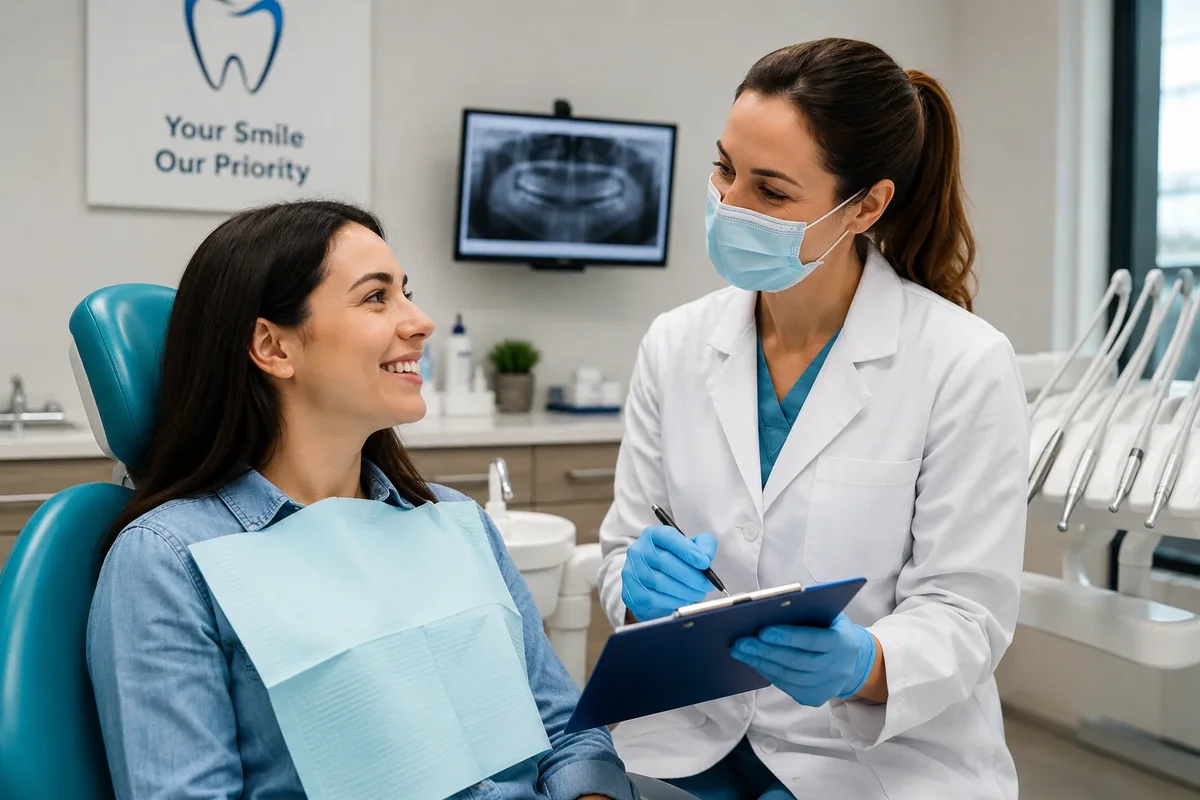
Selecting the right dental clinic is one of the most important decisions you can make before scheduling a first time dentist visit. The quality of your experience often depends not only on the dentist’s clinical skills but also on the clinic’s environment, communication style, technology, and commitment to patient comfort. A positive first time dentist visit can help build confidence in dental care, while choosing the wrong provider may increase anxiety and discourage future appointments.
Because your first time dentist visit establishes the foundation for your long-term oral healthcare, it is worth investing time in researching clinics and understanding what separates an excellent dental practice from an average one. A patient-centered clinic should prioritize education, prevention, comfort, transparency, and personalized treatment planning.
Whether you are searching for routine preventive care, cosmetic dentistry services, or a family dentist for ongoing treatment, choosing the right clinic can greatly improve the outcome of your first time dentist visit.
Look for Qualified and Experienced Dentists
One of the first factors to consider before scheduling a first time dentist visit is the qualifications and experience of the dental team. While all licensed dentists receive professional training, experience often contributes to greater diagnostic accuracy, improved communication, and enhanced patient care.
When evaluating a clinic, consider:
- Professional credentials
- Years of clinical experience
- Continuing education participation
- Specialized training
- Professional memberships
- Areas of expertise
An experienced dentist can help ensure that your first time dentist visit is thorough, informative, and tailored to your specific oral health needs.
Professional Associations Matter
Dentists who participate in professional organizations and continuing education programs often stay current with the latest advancements in dental care. This commitment can positively impact the quality of your first time dentist visit.
Read Patient Reviews and Testimonials
Patient reviews can provide valuable insight into what you can expect during a first time dentist visit. While no clinic will have a perfect record, consistent positive feedback often indicates strong patient satisfaction and quality care.
Look for comments regarding:
- Staff friendliness
- Appointment scheduling
- Cleanliness of the clinic
- Communication quality
- Patient comfort
- Treatment outcomes
- Transparency in pricing
Reviews can help you identify whether a clinic is likely to provide a positive first time dentist visit experience.
Evaluate the Clinic’s Atmosphere
The environment of a dental clinic plays a major role in patient comfort. For many people, anxiety surrounding a first time dentist visit begins before they even sit in the dental chair. A welcoming and professional atmosphere can significantly reduce stress.
A quality dental clinic should offer:
- Clean treatment areas
- Comfortable waiting spaces
- Friendly staff interactions
- Organized scheduling systems
- Modern equipment
- Professional communication
When possible, visiting the clinic before your first time dentist visit can help you determine whether the environment feels comfortable and inviting.
First Impressions Are Important
The way a clinic communicates with patients before a first time dentist visit often reflects its overall commitment to customer service. Friendly interactions and clear information are strong indicators of a patient-focused practice.
Consider Technology and Modern Equipment
Modern dental technology can improve both comfort and treatment accuracy. When choosing a clinic for your first time dentist visit, ask about the technologies they use.
Advanced dental practices may offer:
- Digital X-rays
- Intraoral cameras
- 3D imaging systems
- Digital treatment planning
- Laser dentistry options
- Computer-assisted diagnostics
These technologies often make a first time dentist visit more efficient, more comfortable, and more informative for patients.
Assess Communication and Patient Education
Effective communication is one of the most important qualities of a good dental clinic. During a first time dentist visit, patients should feel encouraged to ask questions and participate in treatment decisions.
A patient-focused dentist will:
- Explain findings clearly
- Discuss treatment options
- Answer questions thoroughly
- Provide preventive care guidance
- Respect patient concerns
The best first time dentist visit experiences involve collaboration between the patient and dental team rather than one-sided decision-making.
Verify Services Offered
Before scheduling a first time dentist visit, determine whether the clinic provides the services you may need in the future. Choosing a comprehensive practice can make ongoing dental care more convenient.
Common services include:
- Preventive dentistry
- Dental cleanings
- Fillings and restorations
- Root canal treatment
- Cosmetic dentistry
- Orthodontics
- Dental implants
- Emergency dental care
A clinic offering comprehensive care can continue supporting your oral health long after your first time dentist visit.
Planning for Future Needs
Although your immediate goal may be a routine examination, selecting a clinic capable of handling future treatments can simplify your long-term dental care journey.
Review Insurance and Payment Options
Financial considerations are another important factor when choosing a clinic for your first time dentist visit. Understanding insurance acceptance and payment flexibility helps prevent unexpected complications.
Before booking an appointment, ask:
- Which insurance plans are accepted?
- Are payment plans available?
- Do you offer financing options?
- Are treatment estimates provided in advance?
- Do you have membership savings programs?
Transparent financial policies contribute to a more positive first time dentist visit experience and help patients feel informed and comfortable.
Location and Accessibility Matter
Convenience can influence how consistently you attend dental appointments. When selecting a provider for your first time dentist visit, consider practical factors such as location and office hours.
Important considerations include:
- Distance from home or work
- Parking availability
- Public transportation access
- Evening or weekend appointments
- Accessibility accommodations
A conveniently located clinic increases the likelihood that you will continue attending routine checkups after your first time dentist visit.
Choose a Clinic That Prioritizes Comfort
Patient comfort is especially important for individuals who feel nervous about a first time dentist visit. Many modern practices have implemented comfort-focused approaches designed to reduce anxiety and improve the overall patient experience.
Comfort-focused features may include:
- Gentle treatment techniques
- Patient education programs
- Relaxing office environments
- Entertainment options
- Anxiety management support
- Comfort amenities during treatment
A clinic that values patient comfort can transform a potentially stressful first time dentist visit into a positive and reassuring experience.
Trust and Comfort Go Hand in Hand
The strongest dentist-patient relationships are built on trust, communication, and mutual respect. Feeling comfortable with your provider encourages regular attendance and better long-term oral health outcomes.
Questions to Ask Before Booking
Before scheduling a first time dentist visit, consider contacting the clinic directly and asking a few important questions.
- What should I expect during my first appointment?
- How long will the appointment take?
- Do you accept my insurance?
- What technology do you use?
- How do you help anxious patients?
- Are emergency appointments available?
The quality of the responses can reveal a great deal about the clinic’s commitment to patient care and service.
Building the Foundation for Lifelong Dental Care
A first time dentist visit is more than a single appointment—it is the beginning of an ongoing relationship with a dental care provider. Choosing the right clinic ensures that your oral health receives the attention, expertise, and support it deserves.
By evaluating qualifications, patient reviews, technology, communication, comfort, and financial policies, you can confidently select a clinic that meets your needs. A successful first time dentist visit can establish trust, reduce anxiety, improve oral health awareness, and create the foundation for years of preventive care and healthy smiles. Taking the time to choose wisely today can lead to a more positive dental experience and better oral health outcomes for the future. 🦷✨😊