
Maintaining good oral hygiene goes beyond just brushing twice a day. If you’re looking for a truly healthy and fresh smile, floss dental care is essential 🦷✨. In this comprehensive guide, we’ll explore everything you need to know about flossing — the unsung hero of dental care. Whether you’re a long-time flosser or just getting started, this post will help you master the art of floss dental techniques and keep your gums in top condition.
Dental floss is a thin, flexible thread that helps remove plaque, food particles, and bacteria from between the teeth where a toothbrush can’t reach. Without daily flossing, you’re missing up to 40% of your tooth surfaces! That’s why incorporating floss dental routines into your daily hygiene is not just recommended — it’s crucial. 🧵🪥
According to the American Dental Association, using dental floss regularly helps prevent cavities and gum disease by eliminating harmful bacteria. In fact, flossing plays a vital role in the long-term success of your oral health, especially when combined with professional cleanings and proper brushing techniques.
One of the most significant benefits of floss dental is its ability to reach and clean tight spaces between the teeth and beneath the gumline. These are the areas where food debris tends to accumulate, fueling the growth of plaque and bacteria that can lead to tartar buildup, bad breath, and even periodontitis if left untreated. 😬
There are many types of floss dental products available today — waxed, unwaxed, dental tape, flavored, and even eco-friendly options. The key is to find the type that works best for you and use it consistently. If you’re unsure which floss to choose, your dentist or hygienist can guide you based on your teeth spacing and gum sensitivity.
Some may feel discouraged by bleeding gums when they start a floss dental routine. But don’t worry — this often happens due to inflammation caused by plaque buildup. Once you start flossing regularly, your gums will likely heal within a few days and stop bleeding. Be gentle, but don’t give up! 🌿
For those who have braces, bridges, or dental implants, special flossing tools such as floss threaders and super floss can make it easier to maintain your floss dental routine. Neglecting these areas can result in serious oral health complications, so adapting your technique is key.
Let’s not forget the economic impact of good oral hygiene. Preventing cavities and gum disease through consistent floss dental habits can save you hundreds or even thousands of dollars in restorative dental treatments over the years. 🪙
At Redent Klinik Contact Page, we emphasize the importance of educating our patients on effective floss dental techniques during every check-up. Our dental professionals believe prevention is better than cure — and flossing is a simple, powerful preventive tool.
To wrap up this section, remember this: brushing cleans only part of your teeth. To truly achieve optimal oral health, flossing must be part of your daily regimen. With the right technique, tools, and consistency, floss dental care can significantly boost your overall health, confidence, and smile 😊.
Next, we’ll dive deeper into why floss dental care matters more than you think — you’ll be surprised by how far-reaching the benefits really are!
Why Floss Dental Care Matters More Than You Think
When most people think of oral hygiene, brushing usually takes center stage. But what if we told you that brushing alone isn’t enough to maintain a truly healthy mouth? That’s where floss dental care comes into play — and it’s far more important than many realize. 🧠🪥
To put it into perspective, your toothbrush can only reach about 60% of your tooth surfaces. The remaining 40% — the tight spaces between your teeth and under your gumline — can only be properly cleaned through consistent floss dental habits. Without flossing, plaque builds up in these hidden areas, increasing your risk of gum disease, bad breath, and even heart disease.
Yes, you read that correctly. Studies have shown a strong link between oral health and systemic conditions like heart disease, diabetes, and respiratory infections. This is because harmful bacteria from your mouth can enter your bloodstream and travel to other parts of your body. A regular floss dental routine helps minimize these risks by reducing bacterial buildup. ❤️🦠
Let’s also consider the impact of flossing on gum health. Gingivitis — the earliest stage of gum disease — is reversible through proper oral hygiene that includes daily flossing. Without intervention, gingivitis can progress into periodontitis, a serious condition that can lead to tooth loss and bone deterioration. Keeping a steady floss dental practice can save you from pain, high dental bills, and irreversible damage.
Another often-overlooked benefit of flossing is its role in reducing inflammation. Chronic inflammation in the mouth is a common indicator of poor oral hygiene, which has been linked to several chronic diseases. By using floss dental tools daily, you reduce localized inflammation in your gums and contribute to your overall well-being.
Beyond health benefits, there are also aesthetic reasons to make flossing a habit. Nobody enjoys having food stuck between their teeth during an important meeting or date. Regular floss dental use keeps your smile cleaner, fresher, and more attractive. ✨
And then there’s the financial aspect. Preventive care is always more affordable than treatment. A pack of floss costs just a few dollars, while a single dental filling can cost hundreds. Root canals and gum surgeries can run into the thousands. Investing a minute or two each day into floss dental care could save you an immense amount in the long run.
One overlooked factor is the role of flossing in early detection. When you floss daily, you become more aware of your mouth’s health. If you notice bleeding, pain, or an odd smell, it may signal an issue that needs professional attention. This early detection is invaluable, and it all starts with a simple floss dental routine. 👀
So, why does flossing matter more than you think? Because it’s your first line of defense against bacteria, cavities, and gum disease — and it may even protect your overall health. Don’t underestimate the power of a little string and a few extra minutes each day.
Still unsure about the best technique? Our team at Redent Klinik Contact Page is happy to demonstrate proper floss dental methods during your next visit. Your oral and overall health will thank you!
Up next, we’ll walk you through how to use floss dental products correctly — because doing it the right way makes all the difference 🧵✅.
How to Use Floss Dental Products Correctly
Mastering the correct way to use floss dental products can make all the difference between truly clean teeth and simply going through the motions. Many people floss, but few do it effectively — and improper technique can lead to gum damage, missed debris, or frustration that causes people to abandon flossing altogether. Let’s break down the steps to ensure your floss dental routine is working as intended. 🧼🦷
Step 1: Choose the Right Floss Dental Type
There are various types of floss dental options available, including waxed, unwaxed, dental tape, flavored floss, and eco-friendly biodegradable versions. Waxed floss is great for tight teeth, while dental tape suits those with wider gaps. Some even prefer floss picks or pre-threaded flossers for convenience. Find what feels comfortable — the best floss dental product is the one you’ll use daily.
Step 2: Use Enough Floss
Cut about 45–50 cm (18–20 inches) of floss. Wind most of it around your middle fingers, leaving a few centimeters of working space. This gives you control and fresh floss as you move between each tooth.
Step 3: Hold Floss Properly
Hold the floss dental string tightly between your thumbs and index fingers. Guide it gently between your teeth using a back-and-forth sawing motion. Avoid snapping the floss into your gums, which can cause bleeding and injury.
Step 4: The C-Shape Technique
When the floss reaches the gumline, curve it into a “C” shape around the side of the tooth. Slide it gently under the gumline and move it up and down to scrape the side of the tooth. Repeat on the adjacent tooth before moving to the next space.
Step 5: Use a Clean Section for Each Tooth
To avoid transferring bacteria, unwind a new, clean section of your floss dental string for each tooth gap. This keeps the floss effective and hygienic.
Step 6: Rinse Your Mouth
After finishing, rinse your mouth with water or an antibacterial mouthwash to remove loosened debris. Your mouth will feel noticeably cleaner — and fresher! 😁
Common Mistakes to Avoid:
- Snapping floss into gums, which can cause trauma
- Using the same section of floss repeatedly
- Forgetting to clean under the gumline
- Only flossing the front teeth
Bonus Tools: For Braces and Implants
For those with braces, bridges, or implants, traditional floss might not be enough. Instead, consider floss threaders, super floss, or interdental brushes. These tools are specifically designed to work around complex dental work and ensure a complete floss dental routine.
Still unsure? Watch video tutorials or ask your hygienist for a demonstration. The dental professionals at Redent Klinik Contact Page will be happy to show you proper floss dental technique during your next appointment.
As a pro tip, try flossing before brushing. This loosens up the debris so that your toothbrush and toothpaste can be more effective. Some people find that this simple switch boosts their entire oral care routine!
Practicing correct floss dental technique ensures you’re not just moving string between your teeth — you’re actively protecting your oral health and enhancing your smile. 🌟
Next, we’ll explore how floss dental compares to water flossers — a hot debate in dental hygiene!
Floss Dental vs. Water Flossers: Which Is Better?
When it comes to achieving optimal oral hygiene, the debate between floss dental string and water flossers is ongoing. Both methods aim to clean between your teeth and along the gumline, but which one is truly better? Let’s break down the pros, cons, and best use cases for each to help you choose the right option for your smile. 🤔💦🧵
Traditional Floss Dental
Flossing with string has been around for decades and remains a go-to method recommended by dental professionals. This method involves manually inserting a floss dental string between the teeth and scraping both sides to remove plaque and debris.
Advantages:
- Highly effective in removing plaque between tight teeth
- Low-cost and widely available
- Portable — easy to use anywhere, anytime
- Allows tactile feedback for detecting gum issues
Disadvantages:
- Can be difficult for people with dexterity issues
- May cause bleeding or discomfort if done improperly
- Challenging for people with braces, bridges, or implants
Water Flossers
Also known as oral irrigators, water flossers use a stream of pulsating water to clean between teeth and below the gumline. They’ve gained popularity for their ease of use and comfort.
Advantages:
- Gentle on gums and ideal for sensitive mouths
- Effective at flushing out debris and bacteria from periodontal pockets
- Easy to use for people with braces or dental work
- Can reach deep below the gumline in a non-invasive way
Disadvantages:
- More expensive than traditional floss dental tools
- Requires electricity or batteries
- Less portable — not ideal for travel
- May not remove sticky plaque as effectively as string floss
Scientific Insights
Studies published by the American Dental Association suggest that both methods are effective when used correctly. However, string floss dental tends to remove plaque better on flat surfaces between the teeth, while water flossers excel at cleaning below the gumline and in hard-to-reach areas.
Which One Should You Choose?
The answer depends on your personal needs. If you have healthy gums, no major dental appliances, and good manual dexterity, traditional floss dental may be the ideal solution. However, if you have braces, implants, or struggle with arthritis or other conditions, a water flosser might be a more comfortable and practical choice. 💡
Many dental professionals actually recommend using both methods together for a more thorough clean. Start with floss dental to physically scrape off plaque and follow up with a water flosser to flush out lingering debris. This dynamic duo can leave your mouth feeling exceptionally fresh!
Regardless of which method you choose, consistency is key. Daily interdental cleaning — whether by string or water — significantly lowers the risk of gum disease, cavities, and bad breath.
Looking for guidance on the best flossing method for your needs? Reach out via the Redent Klinik Contact Page and our team will be happy to provide personalized recommendations based on your oral health status and lifestyle.
Now that you know the difference between flossing tools, it’s time to discover the top 7 benefits of a daily floss dental routine and how they impact your health and appearance 😄.
Top 7 Benefits of Daily Floss Dental Routine
Building a daily floss dental routine is one of the simplest and most powerful actions you can take for your oral and overall health. While it may seem like a small habit, the long-term benefits are significant — both medically and aesthetically. Let’s explore the top 7 advantages that come from dedicating just a couple of minutes each day to floss dental care. 🧵🪥
1. Prevents Gum Disease
Gum disease often starts silently with redness and bleeding. However, regular floss dental cleaning removes plaque that irritates the gums, helping to prevent both gingivitis and periodontitis. Healthy gums don’t just support your teeth — they’re essential to your whole-body health. 🌿
2. Reduces the Risk of Cavities
Plaque stuck between teeth creates the perfect environment for bacteria to grow. Over time, this leads to tooth decay. A daily floss dental habit removes trapped food particles and reduces cavity-causing plaque buildup where your toothbrush can’t reach.
3. Eliminates Bad Breath (Halitosis)
Food trapped between teeth doesn’t just decay — it smells. 😷 Flossing helps remove this debris and keeps your breath fresh. If you’ve been brushing and still notice unpleasant breath, poor floss dental habits might be the missing piece.
4. Saves Money on Dental Treatments
Preventive care is far more affordable than restorative treatments. Fillings, root canals, and gum surgery can cost hundreds or thousands of dollars. With a pack of floss costing less than a few dollars, daily floss dental care is an investment that pays off financially. 💸
5. Enhances Your Smile
A clean mouth leads to whiter teeth and healthier gums — the key components of a beautiful smile. Consistent floss dental care can reduce stains between teeth and keep your smile bright and attractive. 😁
6. Supports Heart and Immune Health
Emerging research links gum inflammation with systemic conditions like heart disease, diabetes, and stroke. Regular floss dental care reduces bacterial load in the mouth and lowers your risk for chronic inflammation and infection throughout the body. 🫀
7. Encourages Mindful Oral Care
Flossing each day makes you more aware of your oral health. You’ll quickly notice if something feels different — like a swollen gum, loose crown, or tenderness. This awareness can lead to earlier detection and faster treatment. 🧐
Some people still feel that flossing is a chore, but with these seven benefits in mind, it’s clear that the effort is well worth it. And once it becomes a routine, it’s no more time-consuming than brushing.
Pro Tip: Set a reminder on your phone or place your floss next to your toothbrush so it’s always in sight. You can also pair your floss dental routine with a habit you already do, like watching your favorite show or listening to music.
At Redent Klinik Contact Page, we help patients create realistic and personalized routines for maintaining excellent oral hygiene. Whether you need a demo or advice on floss types, we’re here to support your smile.
Ready to teach your little ones the importance of flossing? Up next, we’ll look at how to start floss dental habits for kids — because good habits start early! 🧒🪥
Floss Dental for Kids: Creating Good Habits Early
It’s never too early to teach kids about the importance of good oral hygiene — and that includes floss dental care. While many parents focus on brushing, flossing is often overlooked in young children’s routines. Yet, flossing from an early age helps children develop healthy habits, prevent cavities, and feel more confident about their smiles. 🧒🦷
When Should Kids Start Flossing?
As a general rule, children should begin floss dental routines as soon as they have two teeth that touch — often around the ages of 2 to 3. At this point, food particles and plaque can start accumulating in tight spaces where a toothbrush can’t reach. Parents should assist with flossing until children develop the dexterity to do it independently, usually by age 8 to 10.
Why Is Flossing Crucial for Kids?
Many assume baby teeth aren’t worth flossing since they’ll fall out anyway. But this is a dangerous myth. Baby teeth are placeholders for adult teeth and play a vital role in speech development, chewing, and facial structure. Neglecting floss dental hygiene can lead to early tooth decay, infections, and even damage to the underlying permanent teeth.
How to Teach Kids Flossing Step-by-Step:
- Use a child-friendly floss pick or soft waxed floss.
- Show your child how to hold the floss and gently guide it between teeth.
- Use the C-shape technique to clean both sides of each tooth.
- Floss along the gumline with care and praise them for trying!
Make It Fun! 🎉
Turn floss dental care into a game or reward activity. Use colorful floss picks, play their favorite song during floss time, or create a sticker chart to track their progress. These fun touches can motivate kids and create positive associations with oral hygiene.
Set a Good Example
Children mimic adults. If they see you flossing daily and treating it as a normal part of your routine, they’re more likely to do the same. Consider flossing together in front of the mirror and making it a shared activity.
Common Challenges & Solutions
- “It hurts!” — Use soft floss and be gentle. Bleeding may occur at first due to inflamed gums but should subside with regular use.
- “It’s boring.” — Add music, timer apps, or stories to keep kids engaged.
- “I forget.” — Set visual reminders or use floss that smells like bubblegum or fruit to entice use.
Floss Dental Tools for Kids:
Several products are specifically designed for children, such as pre-threaded flossers with cartoon handles, soft interdental brushes, and flavored floss. These tools make the floss dental process easier, more enjoyable, and age-appropriate.
At Redent Klinik Contact Page, we educate parents and children on creating strong oral hygiene habits early on. Our dentists are happy to provide personalized flossing instructions during your child’s appointment.
By incorporating floss dental into your child’s daily routine, you’re giving them the tools for a lifetime of healthy smiles. And the sooner they start, the easier it becomes. 🪥💪
Coming up next: Learn how floss dental care helps prevent gum disease and why your gums deserve just as much attention as your teeth.
Gum Disease Prevention with Regular Floss Dental Care
When it comes to maintaining a healthy mouth, keeping your gums in great shape is just as important as cleaning your teeth. And one of the most effective — yet often skipped — ways to prevent gum issues is through consistent floss dental care. Without flossing, you’re leaving nearly half of your tooth surface uncleaned, allowing harmful bacteria to thrive. 😬🦠
Understanding Gum Disease
Gum disease, also known as periodontal disease, typically starts with gingivitis — inflammation of the gums caused by plaque buildup. If left untreated, it can progress to periodontitis, a more serious condition where the gums pull away from the teeth, bone deteriorates, and teeth can eventually fall out.
How Flossing Helps
By incorporating a daily floss dental routine, you physically remove the plaque and food particles hiding between your teeth and under the gumline. This prevents the bacteria from hardening into tartar, which can only be removed by a dentist. Regular flossing disrupts the bacterial colonies that lead to inflammation, keeping your gums healthier and less prone to infection.
Early Warning Signs of Gum Disease:
- Red, swollen, or tender gums
- Bleeding while brushing or flossing
- Persistent bad breath
- Receding gums or longer-looking teeth
- Loose or shifting teeth
If you experience any of these symptoms, it may be time to revisit your floss dental technique or see a dental professional for guidance. Acting early is key to reversing the damage. 🛑
The Scientific Backing
According to the American Dental Association, individuals who floss daily are significantly less likely to suffer from gum disease. Their studies show that combining brushing with floss dental care leads to reduced gum bleeding and inflammation.
Targeting Gum Pockets
For patients with early signs of periodontal disease, flossing becomes even more important. Gums that have started to recede form “pockets” where plaque and bacteria accumulate. Specialized floss like super floss or tools like floss threaders can help clean deep between the teeth and along the gumline to halt disease progression.
Floss Dental Routine for Prevention:
- Floss at least once per day, preferably before bed.
- Use the C-shape method to clean both sides of each tooth thoroughly.
- Gently slide floss beneath the gumline, not just between teeth.
- Rinse with an antibacterial mouthwash afterward.
What If My Gums Bleed?
Bleeding gums are usually a sign of inflammation, not an excuse to stop. In fact, consistent floss dental care will reduce and eventually stop the bleeding as the gums heal. Just be gentle and patient. 🌿
At Redent Klinik Contact Page, we educate patients on proper floss dental techniques to prevent gum disease and maintain optimal oral health. Our experts can assess your gum health and recommend a personalized care routine tailored to your needs.
Don’t wait until your gums are sore or bleeding — take proactive steps now. Coming up, we’ll guide you on choosing the right floss dental type for your unique smile 🧵😁.
Choosing the Right Floss Dental Type for Your Needs
Not all floss is created equal — and finding the right floss dental product can make a big difference in your oral hygiene routine. With so many options on the market, choosing the best one might seem overwhelming. But don’t worry — we’re here to break it down and help you match the right floss with your dental needs and preferences. 🛍️🦷
Why Choosing the Right Floss Matters
The goal of any floss dental product is to effectively remove plaque and food particles from between your teeth. However, comfort, effectiveness, and accessibility vary depending on your teeth alignment, gum sensitivity, and personal preferences. Selecting a floss that fits your unique needs encourages daily use — and that’s what matters most.
Types of Floss Dental Products
1. Waxed Floss
This is the most common type. The wax coating helps the floss slide easily between tight teeth without fraying. It’s a great starting point for beginners in floss dental care.
2. Unwaxed Floss
Unwaxed floss is thinner and offers more tactile feedback, allowing you to better feel debris as you floss. However, it may shred more easily, especially between crowded teeth.
3. Dental Tape
Dental tape is broader and flatter than regular floss. It’s ideal for people with wider gaps between teeth. It glides smoothly and is often more comfortable for beginners or those with sensitive gums.
4. Super Floss
Designed for those with braces, bridges, or wide gaps, super floss comes with three components: a stiff end for threading, a spongy section for cleaning around appliances, and regular floss for standard cleaning. It’s a powerful tool for advanced floss dental needs.
5. Floss Picks
These are plastic holders with a piece of floss stretched between two prongs. They’re super convenient and great for on-the-go flossing, but they may not contour to each tooth as well as traditional string floss.
6. Eco-Friendly Options
Biodegradable floss made from silk or bamboo fiber is a great choice for those looking to reduce plastic waste. These options often come in recyclable packaging and are free from harsh chemicals.
Special Considerations
- Tight Teeth? Try waxed or PTFE floss, which slides easily into narrow spaces.
- Sensitive Gums? Consider soft floss or dental tape to reduce irritation.
- Braces or Implants? Use super floss or floss threaders for deeper cleaning.
LSI Keywords to Know: interdental cleaners, dental string, oral thread — all synonymous with floss dental and help reinforce the value of this habit from a semantic SEO perspective.
Try Before You Commit
It may take some experimentation to find the floss that works best for you. Don’t be afraid to try sample packs or ask your dentist for recommendations. At Redent Klinik Contact Page, we help patients identify their best-fit floss dental tools during check-ups and cleanings.
Pro Tip: Keep multiple types of floss at home — like dental tape for morning routines and floss picks for busy days. Having options makes it easier to stay consistent!
In our next section, we’ll tackle some of the biggest myths and facts about floss dental hygiene — and you might be surprised at what’s true and what’s not. 🧠❗
Myths and Facts About Floss Dental Hygiene
Despite being a critical part of oral care, floss dental hygiene is surrounded by myths and misconceptions that can confuse or discourage people from flossing regularly. Let’s clear the air and separate fact from fiction so you can make informed decisions about your dental routine. 🧠🔍
Myth 1: “If I brush regularly, I don’t need to floss.”
Fact: Brushing cleans only the outer surfaces of your teeth. Without a daily floss dental habit, you leave behind plaque and food debris between teeth and under the gumline — areas your toothbrush simply can’t reach.
Myth 2: “Flossing always makes my gums bleed, so it’s bad for me.”
Fact: Bleeding gums are usually a sign of inflammation from built-up plaque, not a reason to stop flossing. With consistent floss dental care, the bleeding should subside as your gums heal and become healthier. 🩸➡️🌿
Myth 3: “Flossing can create gaps between your teeth.”
Fact: Flossing doesn’t cause gaps — in fact, it prevents them. By removing debris and plaque, floss dental habits protect the gums and bone that hold your teeth in place. Gaps often form due to gum disease, not flossing.
Myth 4: “Flossing is too difficult to do correctly.”
Fact: Like any new habit, flossing gets easier with practice. Tools like floss picks, water flossers, or super floss can make the process simpler. At Redent Klinik Contact Page, we show patients simple techniques for effective floss dental care in just minutes a day.
Myth 5: “Children and seniors don’t need to floss.”
Fact: Everyone with two or more teeth that touch should be flossing. Kids can start around age 2–3 with help, and seniors should continue flossing to protect against dry mouth, decay, and gum disease. Floss dental care is ageless! 👶👵
Myth 6: “Mouthwash does the same job as floss.”
Fact: Mouthwash can kill bacteria and freshen breath, but it doesn’t remove physical debris stuck between teeth. Only a proper floss dental routine can mechanically remove plaque from tight spaces.
Myth 7: “I don’t need to floss if I use a water flosser.”
Fact: While water flossers are excellent supplements, they may not remove sticky plaque as effectively as string floss. For best results, many professionals recommend using both methods together in your floss dental routine.
Myth 8: “Flossing is unnecessary if I eat healthy.”
Fact: While a healthy diet helps reduce decay risk, plaque and bacteria naturally form regardless of what you eat. Daily floss dental habits remain essential, no matter your diet. 🥗
Myth 9: “I’ve never had cavities, so I don’t need to floss.”
Fact: Oral health includes more than just cavity prevention. Floss dental care also protects against gum disease, bad breath, and even systemic health issues like heart disease.
Myth 10: “Flossing takes too long.”
Fact: Once mastered, flossing takes just 1–2 minutes per day — a small investment for a lifetime of better oral health and fewer dental visits. ⏱️
Clearing up these myths is the first step to adopting a consistent and confident floss dental habit. When done correctly and regularly, flossing offers powerful health benefits that go far beyond your smile. 😁
In our final section, we’ll share expert-backed tips for making floss dental a lasting daily habit — even for the busiest people.
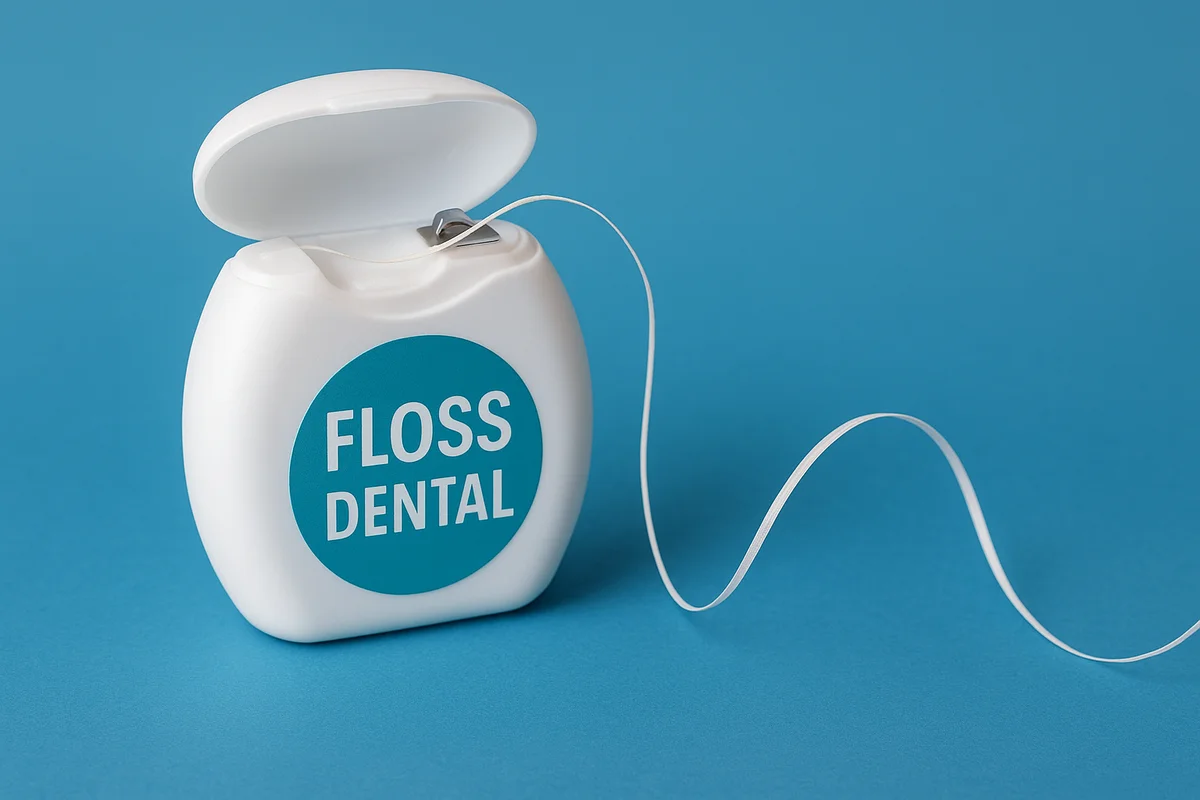
Expert Tips for Making Floss Dental a Daily Habit
We all know that floss dental care is essential — but turning that knowledge into a consistent daily habit can be a real challenge. Whether you’re too tired at night, forget in the morning, or simply find flossing tedious, you’re not alone. Fortunately, with the right strategies, building and maintaining a flossing habit can become second nature. 🧠🪥
1. Pair Flossing with an Existing Habit
One of the easiest ways to build a floss dental routine is to stack it with another habit you already do, like brushing your teeth or washing your face. The key is consistency — flossing at the same time and place every day reinforces the behavior.
2. Keep Floss Visible
Out of sight, out of mind. Keep your floss dental tools next to your toothbrush or on your bathroom counter. A visible reminder is often enough to prompt you into action, especially during rushed mornings or late-night routines.
3. Use Tools That Work for You
If traditional string floss feels awkward or time-consuming, try floss picks, pre-threaded flossers, or water flossers. The best floss dental tool is the one you’ll use consistently. Everyone’s mouth is different — choose what feels right and is easy to use.
4. Set Digital Reminders
Use your smartphone to set a daily reminder or alarm labeled “Floss Time 🧵.” Over time, this simple prompt can help you build a solid floss dental routine until it becomes automatic.
5. Track Your Progress
Create a flossing calendar or use a habit-tracking app. Seeing your consistency build over days or weeks can be extremely motivating. Reward yourself for reaching milestones — a small treat for a big health win! 🎯✅
6. Focus on the Benefits
Instead of viewing flossing as a chore, reframe it as a self-care activity. Think about how fresh your mouth feels, how you’re preventing gum disease, or even how you’re saving money on dental treatments. Your floss dental habit is a long-term investment in your health.
7. Floss at a Time That Works Best for You
Although many floss before bed, that’s not a strict rule. If you’re more alert in the morning or find a quiet moment after lunch, floss then! The best floss dental time is when you’ll do it consistently, not when others say you “should.”
8. Involve the Whole Family
Make flossing a shared activity with your partner or kids. When everyone participates in a floss dental routine, it builds accountability and can even be fun! Kids especially benefit from learning this habit early. 👨👩👧👦
9. Talk to Your Dentist
If you’re struggling with technique, discomfort, or motivation, don’t hesitate to ask for help. The team at Redent Klinik Contact Page is always happy to offer tips, product suggestions, and demonstrations to make your floss dental care easier and more effective.
10. Be Patient — Habits Take Time
Research shows it can take 21–60 days to form a new habit. If you miss a day, don’t beat yourself up — just start again the next day. What matters most is long-term consistency, not perfection. 🕒📈
By applying these expert strategies, you’ll transform your dental hygiene routine and enjoy healthier teeth and gums for years to come. Small steps, done daily, lead to big results — and your floss dental habit is one of the smartest steps you can take.
Need a personalized approach or hands-on guidance? Our professionals at Redent Klinik are here to help. Visit the Redent Klinik Contact Page to schedule a consultation and take your floss dental care to the next level.
🦷 Thank you for reading this complete guide to floss dental care — your journey to a healthier, brighter smile has already begun! 🌟