
Visiting a free check up dentist is one of the smartest ways to protect your oral health, prevent costly treatments, and gain clarity about the true condition of your teeth and gums. In today’s world, many people delay dental visits because they worry about pricing, time, or discomfort — yet a free dental examination removes all these barriers and gives you expert evaluation without financial stress. In this comprehensive guide, you’ll discover exactly what happens during these check-ups, why they matter, and how they provide long-term benefits for your smile and overall wellness. 😁
A free check up dentist appointment typically includes a full visual examination, gum health assessment, bite analysis, and early detection of cavities, enamel erosion, or gum disease. These examinations are especially beneficial because they help identify problems before they become painful or expensive. Many clinics also offer complimentary digital X-rays during these visits, allowing dentists to detect hidden issues invisible to the naked eye. This preventive approach ensures that you maintain a healthy, confident smile with minimal intervention.
One of the main reasons people seek a free check up dentist is the opportunity to receive professional guidance on brushing techniques, flossing habits, diet, and lifestyle choices that affect oral hygiene. Even small habits — such as nighttime snacking, drinking acidic beverages, or forgetting to replace your toothbrush — can slowly harm your teeth. During your check-up, the dentist will give personalized advice tailored to your dental patterns, enamel structure, and gum sensitivity. This makes the visit not only preventive but educational as well, empowering you with knowledge to take better care of your mouth. 🦷✨
Clinics that offer a free check up dentist service often emphasize early detection of dental problems, which is especially crucial for individuals who haven’t visited a dentist in a long time. You may feel perfectly fine, yet hidden cavities, gum inflammation, small cracks, or old fillings may be deteriorating without your knowledge. With modern tools and detailed evaluation methods, these hidden issues can be discovered quickly and treated before they escalate. This proactive approach helps you avoid discomfort and saves you money in the long run.
A key part of visiting a free check up dentist is the comfort of knowing that the assessment is unbiased. Since you’re not paying for the evaluation itself, the dentist has no incentive to oversell treatments. Instead, you receive an honest, transparent overview of your oral health status. If treatment is required, You receive a clear explanation backed by clinical evidence. Many patients report feeling more confident receiving advice in a free check-up setting because it builds trust and a long-term relationship with their dental professional.
This type of initial examination is also extremely beneficial for families, especially children who may feel anxious about dental environments. A free check up dentist visit allows kids to become familiar with the clinic, instruments, and staff without pressure. This positive first experience helps build lifelong healthy habits. Parents also get valuable information about cavity prevention, fluoride treatments, and how children’s teeth develop over time.
Another major advantage is the chance to explore advanced diagnostic technology. Today, many dental clinics performing a free check up dentist examination use digital X-rays, intraoral cameras, panoramic imaging, and AI-assisted cavity detection. These tools make the process faster, safer, and more accurate. Diagnostic imaging can reveal bone density issues, jaw alignment problems, impacted teeth, and early signs of decay long before they cause symptoms. This high-tech evaluation brings hospital-grade screening directly to your dental appointment.
During your appointment, the dentist will also look for signs of oral cancer, gum recession, TMJ disorders, plaque buildup, and bite irregularities. A free check up dentist visit is essentially your full dental health roadmap — a complete picture of everything happening inside your mouth. If further care is recommended, you can choose to proceed immediately or schedule a future visit. You’ll also have the opportunity to ask questions about whitening, implants, gum treatments, orthodontics, and lifestyle factors that influence oral health.
If you wish to take a proactive step toward your dental wellness, you can book an appointment through the
Redent Klinik Contact Page.
For authoritative dental guidelines, scientific references, and patient education, you can also explore the
American Dental Association. These trusted resources further support everything you learn during your free check up dentist session, helping you maintain excellent long-term oral hygiene.
Finally, remember that a free check up dentist visit is not just a quick look — it’s a comprehensive, preventive, and empowering experience. Whether you are maintaining good oral health or addressing long-standing issues, regular examinations keep your smile strong, confident, and healthy. Free dental evaluations remove financial hesitation and make expert care accessible to everyone. With early detection, personalized advice, and modern diagnostic tools, these check-ups are one of the most valuable steps you can take toward long-term dental wellness.
What to Expect During a Free Dental Check-Up
When visiting a free check up dentist, many patients are pleasantly surprised by how thorough and structured the experience is. A free dental examination is far more than a quick visual look—it is a step-by-step diagnostic journey designed to identify hidden issues, understand your oral health profile, and establish a long-term preventive plan. This section explains every stage of the process so you know exactly what to expect, how long it will take, and how each step contributes to your dental wellness. 🦷✨
The Initial Greeting and Patient History Review
Your appointment with a free check up dentist usually begins with a brief discussion about your medical history, daily oral hygiene habits, and any concerns you might have. Dentists pay close attention to factors such as medications, past treatments, chronic medical conditions, and lifestyle habits like smoking or consuming acidic beverages. These details influence your cavity risk, gum sensitivity, enamel structure, and susceptibility to infections. The dentist uses this information to tailor the examination specifically to your needs, ensuring accuracy and personalized care.
The Full Mouth Visual Examination
Once your history is reviewed, the free check up dentist begins a full mouth visual inspection. Using a small mirror and focused lighting, the dentist systematically checks every tooth surface for cavities, cracks, plaque accumulation, and wear caused by grinding or misaligned bites. The gums are examined for inflammation, recession, tenderness, or bleeding—early warning signs of gingivitis or periodontitis. The tongue, cheeks, palate, and throat are inspected for lesions or abnormalities. This portion of the exam is quick yet extremely important in detecting silent problems that may otherwise go unnoticed.
Gum Health Assessment (Periodontal Screening)
A periodontal evaluation is a major component of every free check up dentist visit. Dentists gently probe along the gumline to measure pocket depths—spaces between the teeth and gums. Deep pockets indicate gum disease, bone loss, or infection. Identifying these signs early is crucial because periodontal disease can progress silently, leading to tooth mobility, bad breath, and even systemic health problems. The screening takes only minutes but has enormous preventive value.
Bite, Jaw, and TMJ Evaluation
Your bite alignment plays a major role in oral comfort and long-term dental health. During a free check up dentist examination, your dentist assesses whether your teeth meet properly when you close your mouth. Misaligned bites can lead to headaches, enamel wear, cracked molars, and jaw pain. The dentist also evaluates the temporomandibular joint (TMJ) by gently feeling the jaw movement and checking for clicking, popping, or stiffness. These observations help determine whether orthodontic adjustments or lifestyle changes may be beneficial.
Intraoral Imaging and X-Rays
Many clinics offering a free check up dentist examination include digital X-rays at no extra cost. These imaging tools reveal hidden issues such as cavities between teeth, infections beneath fillings, bone density changes, cysts, or impacted wisdom teeth. Intraoral cameras allow you to see high-resolution images of your teeth on a monitor, giving you visual clarity about the condition of your enamel, old fillings, or cracked areas. This transparency helps you understand your treatment options with confidence.
How Diagnostic Tools Improve Accuracy
Digital tools used during a free check up dentist evaluation offer higher accuracy and significantly reduce radiation exposure. They allow dentists to detect micro-cavities, early enamel erosion, and structural weaknesses that traditional examinations might miss. With these detailed images, your dentist can design preventive plans that minimize the need for invasive procedures later on.
Professional Cleaning Recommendations
Although cleaning is often scheduled separately, a free check up dentist may recommend scaling or polishing based on your plaque accumulation and gum condition. These recommendations are not upsell tactics—they are preventive medical guidance backed by clinical evidence. The dentist explains exactly why cleaning may be necessary, what areas of the mouth are developing plaque faster, and how future buildup can be minimized.
Discussion of Findings and Personalized Treatment Plan
After the examination, your free check up dentist sits with you to explain every finding in simple, understandable terms. You may receive advice about improving your brushing technique, choosing better oral care products, or adjusting your diet to reduce sugar and acid exposure. If treatments are recommended, the dentist provides clear explanations, estimated timelines, and suggested preventative steps. You are not pressured—everything is focused on education and empowerment.
If you want to take the next step and schedule additional care, you can use the
Redent Klinik Contact Page to reach out directly. For more scientific guidance, the
American Dental Association provides excellent educational resources for patients seeking detailed clinical knowledge.
Overall, a free check up dentist visit is structured, comfortable, and incredibly beneficial. It provides a full overview of your dental health, reveals hidden issues early, and helps you understand how daily habits shape your smile. With personalized care, advanced imaging tools, and preventive guidance, these examinations offer everything you need to stay proactive about your oral wellness and prevent costly treatments in the future.
Early Oral Health Detection Benefits You Should Know
One of the most powerful advantages of visiting a free check up dentist is the ability to detect oral health issues at their earliest stages—long before they become painful, complicated, or financially burdensome. Early detection is the backbone of preventive dentistry, helping you maintain strong teeth, healthy gums, and a confident smile for years to come. This section offers an in-depth, comprehensive explanation of why catching problems early matters, how dentists identify hidden risks, and what long-term benefits you can expect from routine dental monitoring. 🦷✨
Why Early Detection Is Essential for Oral Health
When you meet with a free check up dentist, the first priority is understanding the current condition of your mouth. Many dental issues begin silently, without any noticeable pain or discomfort. Cavities often form beneath the enamel, gum disease progresses slowly, and infections may spread deeper into the bone structure without obvious symptoms. Because the early stages of these conditions are typically painless, people tend to ignore or overlook them until the damage becomes severe. This is where early detection — made accessible through a free check-up — becomes incredibly valuable.
Clinics offering a free check up dentist service use advanced screening techniques, including probing gum pockets, inspecting enamel surfaces, analyzing bite patterns, and evaluating the tongue and soft tissues. Even seemingly small details—like minor tooth discoloration or faint gum swelling—can indicate deeper issues. By identifying these signals early, the dentist can prevent them from escalating into serious infections, root canal needs, or tooth loss.
The Financial Benefits of Early Oral Health Detection
One of the major advantages of seeing a free check up dentist is the financial relief it provides. Preventive care is always significantly more affordable than major restorative treatments. For example, addressing a small cavity during an early detection session may require a simple filling, while delaying treatment could lead to nerve damage, requiring root canal therapy or even extraction. Each level of delay increases both the discomfort and the cost. By identifying problems early, patients drastically reduce their risk of needing complex, invasive procedures.
Cost-Saving Examples Based on Real Dental Trends
Dentists often share real-world scenarios during a free check up dentist consultation to help patients understand the benefit of early intervention:
- A tiny enamel erosion spot may cost almost nothing to repair during early stages but can become a deep cavity if ignored.
- Early-stage gum inflammation might only require improved oral hygiene, but untreated it can progress to periodontal disease, needing scaling, root planing, or surgery.
- Early bite issues can often be corrected quickly, whereas advanced misalignments may require expensive orthodontic appliances.
These situations highlight how dramatically preventive care can reduce long-term costs while preserving natural teeth.
The Role of Diagnostic Tools in Early Detection
During a visit to a free check up dentist, diagnostic imaging plays a crucial role in catching problems that the naked eye cannot see. Digital X-rays reveal issues between teeth, under old fillings, and deep within the roots. Intraoral cameras provide magnified images of the enamel surface, exposing micro-cracks, plaque accumulation, and early signs of decay. Panoramic X-rays help detect bone loss, cysts, tumors, and impacted teeth. These tools allow dentists to form a complete picture of your oral health with extraordinary accuracy.
High-Tech Assessment for Better Outcomes
Modern dental clinics using a free check up dentist approach often include AI-assisted tools that analyze X-rays for signs of early decay or bone density changes. This technology increases precision and reduces the risk of human oversight. When combined with professional expertise, diagnostic technology can catch problems months—or even years—before symptoms appear.
How Early Detection Affects Gum Health
Gum health is one of the most underestimated aspects of oral wellness. A qualified free check up dentist carefully examines your gums for inflammation, bleeding, tenderness, or recession. Early gum issues are reversible with proper care. However, if left untreated, they can escalate into periodontal disease, which damages bone tissue and increases the risk of tooth loss. Periodontal disease has also been linked to heart problems, diabetes complications, and respiratory conditions. That makes early gum diagnostics essential not only for oral health but for your overall health.
The Connection Between Early Detection and Lifestyle Improvements
During consultations, a free check up dentist often provides personalized advice to help modify habits that contribute to poor oral health. Small changes—like reducing sugary snacks, avoiding acidic drinks, switching to fluoride toothpaste, or adopting proper flossing techniques—can significantly slow the progression of dental issues. Early detection gives dentists a chance to correct these habits at the right moment, ensuring long-term benefits and sustained oral wellness.
If you wish to take action and schedule a preventive evaluation, you can reach out through the
Redent Klinik Contact Page. Additionally, the
American Dental Association offers extensive patient resources to further understand the importance of early dental detection.
Ultimately, visiting a free check up dentist is not just a routine appointment—it is a powerful preventive step that offers clarity, protection, and long-term savings. By identifying issues early, using technology to enhance accuracy, and providing personalized guidance, these check-ups help you maintain a healthy smile for life.
How Free Check-Up Dentist Visits Improve Long-Term Dental Care
Regular visits to a free check up dentist are one of the most effective strategies for achieving long-term oral health. While many people think of dental check-ups as short, routine appointments, their long-term impact is far greater. Each visit provides early detection, preventive planning, lifestyle guidance, and structural analysis of your teeth and gums. When repeated consistently, these visits dramatically reduce future dental complications and keep your smile strong and healthy for decades. In this detailed section, you’ll discover exactly how free dental check-ups create measurable, long-term improvements and why these appointments are essential regardless of age, genetics, or dental history. 🦷💙
Creating a Long-Term Oral Health Map
One of the most important roles of a free check up dentist is the creation of a long-term oral health map. This map is developed by recording detailed data about your enamel, gums, bite structure, and bone density over time. With every visit, your dentist gathers new insights, compares results from previous check-ups, and identifies even the smallest changes. This ongoing documentation helps predict future risks and tailor personalized solutions before problems escalate.
For example, the dentist may notice subtle signs of enamel thinning or early gum recession that weren’t visible during your last visit. These early indicators help guide preventive treatments such as fluoride applications, desensitizing agents, or modified brushing routines. This proactive approach leads to healthier teeth and gums with significantly fewer invasive treatments.
Strengthening the Foundation of Preventive Care
Preventive care lies at the heart of long-term dental wellness. During a visit, a free check up dentist thoroughly evaluates your brushing habits, gum condition, plaque accumulation, and lifestyle factors such as diet and stress. Many oral issues—like cavities, gum inflammation, or enamel erosion—can be reversed or controlled when detected early. This means that a free check-up is not merely a diagnostic session but a strategic preventive intervention that significantly reduces your likelihood of needing restorations later.
How Preventive Strategies Lower Future Risks
Key preventive approaches recommended by a free check up dentist include:
- Customized brushing and flossing techniques to reduce plaque buildup.
- Fluoride or remineralization treatments when early enamel weakening is detected.
- Dietary changes that limit acid exposure and support enamel strength.
- Early referrals for orthodontic evaluations to prevent bite-related wear.
Each of these small interventions protects your teeth over the long term and reduces the need for restorative treatments like fillings, crowns, or implants.
Improving Gum Health for Lifelong Stability
A free check up dentist does more than examine teeth—they closely monitor gum health, which is essential for long-term dental stability. Healthy gums act as the foundation that supports your teeth. When gums begin to recede or become inflamed, the structural integrity of your smile weakens. Early signs of periodontal disease can be nearly invisible to the untrained eye, yet a dentist can detect them immediately.
During each visit, the dentist checks gum pockets, measures inflammation, and monitors bleeding or swelling. These factors allow them to assess your risk level for gingivitis or periodontitis. Early intervention—through improved hygiene, scaling, or antibacterial treatments—keeps your gums firm, healthy, and resistant to infection. This long-term stability is one of the greatest benefits of routine check-ups.
Monitoring Bite Alignment and Preventing Tooth Wear
Many patients are unaware that bite alignment plays a major role in long-term oral health. A free check up dentist carefully evaluates how your teeth meet when you close your mouth. Even slight misalignments can lead to premature wear, enamel cracks, jaw strain, and headaches. Over time, these issues get worse and may require orthodontic correction or restorative work.
Early Bite Intervention Prevents Complex Future Treatments
By catching these alignment issues early, dentists help prevent:
- Grinding-related enamel loss.
- Cracked molars caused by uneven pressure.
- Chronic jaw tension linked to TMJ dysfunction.
- Long-term bite collapse or shifting.
This ensures your teeth remain strong, aligned, and functional as you age.
Enhancing Cosmetic Outcomes Over Time
While routine check-ups focus heavily on health, a free check up dentist also supports your long-term aesthetic goals. By monitoring enamel color, surface texture, alignment, and gum symmetry, the dentist can guide you toward subtle improvements that enhance your smile’s appearance naturally. Over time, this prevents the need for aggressive cosmetic treatments and maintains a youthful, radiant look.
Reducing the Need for Costly Interventions
Long-term dental care becomes significantly more affordable when you regularly consult a free check up dentist. Many serious conditions—such as infections, deep cavities, or gum disease—begin as easily treatable issues. When they’re caught early, the cost of intervention is minimal. However, delaying these treatments can lead to thousands of dollars in procedures like root canals, crowns, periodontal surgery, or tooth extractions.
A free check-up eliminates cost barriers and provides the perfect opportunity to identify problems early, preventing both pain and financial stress in the future.
For further support or to schedule ongoing dental monitoring, you can easily reach out through the
Redent Klinik Contact Page. For additional professional guidance, the
American Dental Association offers valuable patient education regarding long-term oral care and preventive strategies.
Ultimately, visiting a free check up dentist on a regular basis creates a powerful foundation for lifelong dental health. Through personalized monitoring, preventive advice, early detection, and structural evaluation, these check-ups equip you with everything needed to maintain a healthy, beautiful smile for years to come.
Top Preventive Treatments Often Included in Free Check-Ups
When you visit a free check up dentist, the experience typically goes far beyond a simple oral inspection. Many dental clinics include a wide range of preventive treatments designed to protect your teeth, strengthen your gums, and reduce the risk of long-term dental issues. These preventive procedures are essential because they help maintain oral wellness, provide early detection, and minimize the need for complex interventions in the future. In this section, you’ll discover the most common preventive treatments provided during free check-ups and how each one contributes to a healthier, stronger smile. 🦷💫
Professional Plaque and Tartar Assessment
During your visit to a free check up dentist, one of the first preventive steps is evaluating plaque and tartar buildup. Plaque forms every day as a sticky layer of bacteria on the teeth, but when it hardens into tartar, it becomes much more difficult to remove without professional help. A dentist uses specialized instruments and magnification tools to identify these deposits, especially in hard-to-reach areas like behind the molars or along the gum line. Once detected, they can recommend appropriate cleaning techniques or schedule a deeper cleaning session if necessary.
How Plaque Affects Long-Term Oral Health
Unchecked plaque buildup leads to cavities, gum inflammation, and even bone loss in severe cases. This is why a free check up dentist always prioritizes plaque assessment. By understanding exactly where the buildup is occurring, dentists can help you modify brushing habits, choose better tools, and avoid future dental complications.
Fluoride Application Recommendations
Once plaque analysis is complete, many patients benefit from professional fluoride recommendations. A free check up dentist evaluates enamel strength and may propose fluoride treatments to reinforce vulnerable areas. Fluoride strengthens tooth enamel, making it more resistant to bacteria, acid erosion, and sensitivity. These treatments are especially useful for children, teens, and adults prone to cavities or enamel wear.
Why Fluoride Matters
Fluoride works by aiding remineralization—the natural process where minerals rebuild damaged enamel. During a free check up dentist evaluation, the dentist identifies early enamel erosion spots and advises whether fluoride varnishes, gels, mouth rinses, or toothpaste upgrades would be most effective for your oral needs.
Sealant Evaluation for Cavity Prevention
Dental sealants are thin, protective layers applied to the chewing surfaces of molars to prevent cavities. While sealants are usually applied during scheduled procedures, many clinics offering a free check up dentist service evaluate whether you or your children might benefit from them. Sealants are especially useful for deep grooves and pits where toothbrush bristles cannot fully reach. By creating a smooth surface, they reduce bacterial accumulation and help prevent decay.
When Are Sealants Recommended?
A dentist may suggest sealants if:
- Your molars have deep grooves or ridges.
- You have a history of cavities in childhood or adulthood.
- Your tooth structure is naturally more vulnerable to plaque.
Since early prevention is always more effective, this is often discussed during a free check up dentist consultation.
Gum Health Treatment Recommendations
Many patients are surprised to learn that gum disease is the leading cause of tooth loss. A free check up dentist carefully evaluates your gums to check for early signs of inflammation, including tenderness, redness, recession, and bleeding. If the gums show signs of gingivitis, the dentist may recommend scaling (deep cleaning), antibacterial mouth rinses, or improved home care routines.
How Early Gum Care Prevents Periodontal Disease
Early gum treatment stops disease progression, preserves bone structure, and protects the roots of your teeth. This is why gum evaluation is one of the most valuable components of a free check up dentist visit.
Oral Cancer Screening
Another essential preventive treatment included in many free check-ups is an oral cancer screening. A free check up dentist examines the tongue, cheeks, palate, throat, and jawline for abnormal lesions, lumps, discolorations, or texture changes. Early detection is crucial, as oral cancers can develop rapidly. This screening is painless, quick, and potentially life-saving.
Who Needs Oral Cancer Screening?
Screening is recommended for all adults, but especially for individuals who:
- Smoke or vape regularly.
- Consume alcohol frequently.
- Have a history of chronic irritation or oral ulcers.
Your free check up dentist ensures all potential risks are checked during each visit.
Bite and Jaw Alignment Preventive Treatments
During your preventive visit, a free check up dentist evaluates how your upper and lower teeth come together. Slight irregularities can cause long-term enamel wear, jaw tension, headaches, and cracked teeth. Preventive solutions may include night guards, orthodontic evaluation, or jaw exercises.
Night Guards and Bite Protection
Bruxism (teeth grinding) is extremely common, yet many people don’t realize they have it. A free check up dentist may detect early signs—such as flattened enamel or jaw tightness—and recommend a night guard to prevent future structural damage.
Personalized Preventive Care Plans
At the end of the visit, your free check up dentist provides a personalized preventive plan tailored to your dental structure, gum health, enamel thickness, and lifestyle habits. This plan guides you toward long-term oral stability and wellness.
If you’d like to take the next step in preventive care, you can contact the clinic through the
Redent Klinik Contact Page.
To learn more about preventive dentistry, tools, and best practices, refer to the
American Dental Association.
Ultimately, the preventive services offered by a free check up dentist are essential for long-term oral health. They protect your teeth, optimize gum function, reduce financial burdens, and ensure that your smile stays bright, functional, and healthy for many years to come.
Understanding X-Rays and Diagnostic Tools in Free Check-Ups
A visit to a free check up dentist often includes advanced diagnostic tools designed to reveal hidden oral issues that cannot be detected during a visual examination alone. These tools play a crucial role in identifying cavities, infections, gum disease progression, bone loss, and structural abnormalities at the earliest possible stage. This section will guide you through every major diagnostic method used during dental check-ups, how they work, and why they are essential for long-term oral health. 🦷🔍
Modern dentistry has evolved significantly, and diagnostic technologies now offer incredibly precise, high-resolution views of your teeth, gums, and jaw structures. By combining these technologies with the expertise of a free check up dentist, patients receive a complete understanding of their oral health status and can take proactive steps toward treatment and prevention.
Digital X-Rays: The Cornerstone of Modern Dental Diagnostics
Digital X-rays are one of the most frequently used tools during a free check up dentist appointment. They allow the dentist to see inside the teeth, detect decay between molars, and examine structures beneath the gum line. Unlike traditional X-rays, digital versions use significantly less radiation—up to 80% less—making them safer and more comfortable for patients.
What Digital X-Rays Can Reveal
During your check-up, digital X-rays help the dentist detect:
- Early-stage cavities hidden between teeth.
- Infections at the root tips.
- Bone loss due to periodontal disease.
- Impacted or partially erupted wisdom teeth.
- Old fillings, cracks, or restorations needing repair.
This diagnostic clarity allows the free check up dentist to catch problems early—before they become painful or expensive to fix.
Intraoral Cameras for High-Resolution Imaging
Another powerful diagnostic tool used by a free check up dentist is the intraoral camera—a tiny, pen-sized device that captures high-resolution images of your teeth and gums. This tool allows both dentist and patient to see detailed visuals on a monitor, making issues like plaque buildup, small cracks, or discoloration easy to understand.
Why Intraoral Cameras Improve Patient Awareness
Intraoral cameras allow patients to visualize dental conditions more clearly, leading to stronger understanding and trust. Common uses include:
- Identifying early enamel erosion.
- Documenting gum recession progression.
- Highlighting buildup in hard-to-reach areas.
- Monitoring changes in existing restorations.
Because patients can see the issue themselves, they feel more informed and empowered to take action.
Panoramic X-Rays for Full-Mouth Imaging
A panoramic X-ray provides a complete, curved image of the entire mouth, including the jaws, sinuses, and bone structure. Many free check up dentist appointments include panoramic imaging for baseline assessments or when advanced examination is needed.
Benefits of Panoramic Imaging
Panoramic X-rays offer insights that routine X-rays cannot, such as:
- Jawbone abnormalities.
- Cysts, tumors, or bone lesions.
- Alignment of teeth before orthodontic treatment.
- Impacted wisdom teeth positioning.
This wide-angle view is essential for diagnosing conditions that affect larger portions of the mouth or bone structure.
Diagnostic Probes and Gum Health Assessment
Beyond imaging, a free check up dentist uses diagnostic probes to evaluate gum pockets. This measurement helps determine whether gum disease is present and, if so, how advanced it is.
Understanding Pocket Depth Measurements
Healthy gum pockets measure between 1–3 mm. Measurements above 4 mm may indicate early or moderate gum disease. Deeper measurements—especially those above 6 mm—signal advanced periodontitis. This data helps the dentist plan targeted treatment and monitor progress over time.
AI-Assisted Cavity Detection Tools
Many modern clinics offering a free check up dentist visit now use AI-driven cavity detection tools. These systems analyze X-rays and highlight potential early-stage decay or bone density changes with pinpoint accuracy.
How AI Improves Diagnostic Accuracy
AI tools reduce human error by:
- Detecting micro-cavities before they become visible.
- Analyzing bone density patterns.
- Comparing current scans with past data to measure changes.
These advanced capabilities significantly enhance early detection and treatment success rates.
TMJ and Bite Analysis Tools
A free check up dentist may also use specialized tools to evaluate jaw movement, bite alignment, and TMJ function. These evaluations help detect grinding (bruxism), alignment issues, and muscle strain before they cause chronic pain or tooth wear.
Why Bite Analysis Matters
Misalignment can lead to:
- Tooth fractures.
- Headaches and jaw soreness.
- Uneven enamel wear.
- Long-term TMJ problems.
By identifying these issues early, dentists can recommend night guards, orthodontic solutions, or therapy exercises to protect the jaw structure.
For follow-up appointments or additional diagnostics, you may contact the clinic via the
Redent Klinik Contact Page.
For trusted, authoritative guidelines on diagnostic tools and oral health, explore the
American Dental Association.
In summary, the diagnostic tools used by a free check up dentist provide unparalleled clarity and early detection. Through advanced X-rays, intraoral imaging, gum evaluation, bite analysis, and AI technologies, patients receive one of the most thorough and preventive healthcare experiences available.
How to Prepare for Your First Free Dental Examination
Preparing for a visit to a free check up dentist is one of the best steps you can take to ensure a smooth, productive, and stress-free appointment. Whether it’s your very first dental examination or your first visit in years, proper preparation helps the dentist evaluate your oral health accurately and ensures that you gain maximum value from the experience. This section provides a thorough, detailed guide on how to prepare, what to bring, what to expect, and how to make the most of your free dental check-up. 🦷✨
Patients often underestimate the importance of preparation. However, arriving prepared not only reduces uncertainty but also allows your free check up dentist to create a more complete, personalized evaluation. From organizing your medical history to adjusting your hygiene routine on the day of your visit, every small step enhances clarity and strengthens your long-term dental plan.
Gathering Your Medical and Dental History
The first thing you should do before visiting a free check up dentist is gather your medical and dental information. This includes any medications you are taking, previous dental procedures, allergies, chronic conditions, and any symptoms you’ve recently experienced. Your dentist needs this information to understand potential risks, hidden causes of tooth sensitivity, or gum-related patterns.
Why Medical History Matters
Medical history provides crucial insights. For example:
- Certain medications may cause dry mouth, leading to increased cavity risk.
- Autoimmune or hormonal conditions can impact gum health.
- Heart and diabetes patients may need special monitoring during exams.
Providing accurate background information helps your dentist develop a safer and more personalized evaluation during your free check up dentist visit.
Evaluating Your Oral Hygiene Routine Before the Appointment
Before your appointment, take a moment to reflect on your current oral hygiene habits. Do you floss daily? Do you brush for a full two minutes? Do you use fluoride toothpaste? A free check up dentist will ask questions about your routine, so preparing your answers ahead of time helps you get more targeted recommendations.
Making Last-Minute Hygiene Adjustments
On the day of your visit:
- Brush your teeth thoroughly but gently.
- Floss to remove food debris.
- Avoid whitening strips—these may irritate your gums before the exam.
- Skip tongue scrapers if you easily develop sensitivity.
These small steps help your dentist get a clear, accurate view of your oral health during the free check up dentist evaluation.
Preparing Your Questions for the Dentist
Every visit to a free check up dentist is an opportunity to gain clarity. Patients often forget to ask important questions during their examination, so preparing them in advance ensures you address concerns directly.
Helpful Questions to Consider
You might ask:
- Why do I have sensitivity in certain teeth?
- Is my brushing technique correct?
- What is causing gum bleeding during flossing?
- Do I need X-rays now? How often should I get them?
- Is my bite aligned correctly?
- Which habits are damaging my enamel?
Your free check up dentist will appreciate your preparedness and provide detailed, actionable advice.
Managing Anxiety Before the Appointment
Dental anxiety is extremely common, and preparing emotionally is just as important as preparing physically. A free check up dentist is experienced in working with nervous patients and can guide you through the process gently.
Practical Ways to Ease Dental Fear
Consider:
- Listening to calming music before your visit.
- Practicing slow, deep breathing.
- Telling the dentist about your anxiety beforehand.
- Requesting explanations during each step of the exam.
Most patients feel significantly more at ease once the check-up begins.
Understanding What Happens During the Appointment
Knowing what to expect removes uncertainty. During your visit, the free check up dentist will perform a comprehensive evaluation including plaque assessment, gum measurement, bite analysis, X-rays if needed, and enamel inspection. They will explain each step clearly, especially if they detect early signs of decay or gum recession.
Why Familiarity Improves Comfort
When you understand the full process, you feel more involved and less anxious. This helps create a positive relationship with the dentist and encourages consistent follow-up visits.
Preparing for Possible Follow-Up Treatments
Although the check-up itself is free, you may need follow-up treatments. Preparing mentally and financially can help you make informed decisions quickly. A free check up dentist will always explain your options clearly and without pressure.
Typical Follow-Up Treatments May Include
- Professional cleaning (scaling and polishing).
- Fluoride or remineralization therapy.
- Fillings for small cavities.
- Occlusal adjustments for bite issues.
Knowing this ahead of time helps you plan your visit without stress.
For scheduling your examination or submitting questions in advance, you can reach out via the
Redent Klinik Contact Page.
For scientifically verified guidance on preparation steps, oral care, and dental diagnostics, the
American Dental Association is a trusted resource.
In summary, preparing for your appointment with a free check up dentist enhances every aspect of the experience—from accurate diagnostics to personalized recommendations. By gathering your medical history, optimizing hygiene, reducing anxiety, and understanding the steps ahead, you ensure a smooth, productive, and empowering dental examination.
The Link Between Oral Health and Overall Wellness
A visit to a free check up dentist is not just about maintaining a beautiful smile—it is also a powerful step toward protecting your entire body. Your mouth is the gateway to your overall health, and conditions that start in the oral cavity can influence multiple systems in your body, including the heart, brain, digestive system, and immune function. In this section, we explore the deep and scientifically proven connection between oral health and whole-body wellness, highlighting why routine dental care should be considered an essential part of a healthy lifestyle. 🦷💙
Many people underestimate the impact of dental issues, assuming that a cavity or gum inflammation is limited to the mouth. However, research has shown that bacteria originating in the gums can travel through the bloodstream, triggering inflammation throughout the body. This makes the role of a free check up dentist even more vital, as early detection and prevention reduce your risk of systemic health problems. Understanding this connection empowers you to view dental check-ups not only as cosmetic maintenance but as a foundational part of your long-term wellbeing.
How Gum Disease Influences Whole-Body Health
One of the strongest connections between oral and overall health is linked to gum disease. When you visit a free check up dentist, the dentist evaluates gum pockets, checks for inflammation, and identifies early signs of gingivitis or periodontitis. Even minor gum infections can allow harmful bacteria to enter the bloodstream. Once inside the body, these bacteria contribute to inflammation and may worsen existing chronic conditions.
Systemic Conditions Affected by Gum Disease
Studies have linked gum disease to:
- Heart Disease: Oral bacteria contribute to plaque buildup in arteries, increasing the risk of heart attack and stroke.
- Diabetes: Gum inflammation increases blood sugar levels, complicating diabetes management.
- Respiratory Disease: Bacteria from infected gums can be inhaled into the lungs, aggravating or causing conditions like pneumonia.
- Pregnancy Complications: Severe gum disease has been associated with premature birth and low birth weight.
A routine visit to a free check up dentist can help manage and reduce these risks by identifying gum problems early.
How Oral Bacteria Affect the Immune System
The immune system constantly battles bacteria entering through the mouth. If oral hygiene is poor, the immune system is forced into continuous overdrive, leading to chronic inflammation. A free check up dentist appointment helps identify infections, deep pockets, and bacterial buildup that weaken the immune response over time.
Chronic Inflammation and Its Impact
Long-term inflammation can:
- Weaken the body’s ability to fight infections.
- Increase susceptibility to autoimmune conditions.
- Exacerbate chronic fatigue and low energy.
- Interrupt healthy digestive function.
When your dentist helps maintain healthy gums, your immune system becomes significantly more efficient.
The Oral–Digestive System Connection
Your mouth is the first stage of the digestive system. Proper chewing, saliva production, and bacterial balance all influence nutritional absorption. When a free check up dentist evaluates your teeth, they also observe issues that may affect your digestion, such as bite misalignment, missing teeth, or infections.
How Dental Issues Affect Digestion
Dental problems can lead to:
- Improper chewing, which reduces nutrient absorption.
- Chronic mouth breathing, which dries saliva needed for digestion.
- Infections that contribute to digestive inflammation.
Correcting these issues improves overall digestive wellness and energy levels.
Oral Health and Cognitive Function
Emerging research shows a strong correlation between oral infections and cognitive decline. A free check up dentist helps reduce these risks by eliminating infection sources and reducing inflammation pathways that affect the brain.
Bacteria and Brain Health
Certain oral bacteria have been found in the brains of Alzheimer’s patients. Chronic gum disease may accelerate cognitive decline by causing inflammation that travels to the brain through the bloodstream. Keeping the mouth healthy is a key step in supporting long-term cognitive function.
The Emotional and Psychological Impact of Oral Health
Mental health is deeply connected to oral wellness. When you visit a free check up dentist, you’re not only maintaining physical health—you’re supporting emotional wellbeing. Healthy teeth improve confidence, reduce social anxiety, and positively influence daily interactions.
Self-Esteem and Quality of Life
Common emotional benefits of good oral health include:
- Higher self-confidence in social settings.
- Lower stress associated with smiling, speaking, and eating.
- Improved overall mood due to reduced chronic pain.
Good oral hygiene is truly a pillar of mental, emotional, and physical health.
If you want to take a proactive step toward improving both oral and overall wellbeing, you can schedule an appointment through the
Redent Klinik Contact Page.
For scientifically verified guidance on the connection between oral health and systemic wellness, the
American Dental Association provides trusted information.
In conclusion, visiting a free check up dentist is one of the most powerful ways to support your total health. From reducing inflammation to preventing heart disease, improving digestion, enhancing cognitive function, and boosting emotional wellbeing, oral health is inseparable from whole-body wellness.
Finding a Reliable Free Check Up Dentist Near You
Locating a trustworthy free check up dentist in your area can make a remarkable difference in your long-term oral health. A reliable dental professional not only provides a thorough examination but also ensures accurate diagnosis, honest recommendations, and a comfortable patient experience. In today’s digital age, the process of finding the right dentist involves evaluating credentials, reading patient reviews, checking clinic technology, verifying certifications, and understanding what services are included in a free dental examination. This section offers a complete, detailed guide on how to identify, evaluate, and choose the best dental professional for your needs. 🦷🔎
Choosing the right clinic is not just about convenience—it’s about trusting a provider who recognizes early warning signs, explains conditions clearly, and prioritizes preventive care. A reliable free check up dentist helps you maintain strong gums, prevent tooth decay, and make informed decisions regarding additional treatments. With the right selection process, you can ensure both safety and peace of mind.
Step 1: Start with Online Research and Verified Directories
Online platforms are the most accessible tools for finding a free check up dentist in your neighborhood. Verified medical directories and reputable dental association websites provide updated lists of licensed professionals who follow established care standards.
Where to Begin Your Search
Reliable sources include:
- Google Maps for local clinics with patient ratings.
- Dental association directories that verify licensure.
- Health review platforms featuring real patient experiences.
- Local community forums where users recommend trustworthy clinics.
These platforms help you filter dentists based on service quality, professionalism, hygiene standards, and technology level.
Step 2: Check Qualifications, Experience, and Clinic Credentials
Before choosing a free check up dentist, verify that the dentist is qualified, certified, and legally authorized to practice. The right credentials reflect expertise and ensure that the clinic follows proper medical guidelines.
Key Qualifications to Look For
Make sure the dentist has:
- A degree from an accredited dental institution.
- State or national licensure.
- Experience in preventive and diagnostic dental care.
- Additional certifications in imaging, periodontal assessment, or cosmetic dentistry.
Clinics with advanced digital tools and updated diagnostic technologies generally offer more precise evaluations.
Step 3: Evaluate Patient Reviews and Real Experiences
One of the best ways to assess the reliability of a free check up dentist is to examine genuine patient feedback. Reviews provide insight into dentist behavior, clinic hygiene, transparency, waiting times, and overall patient satisfaction.
What to Look for in Reviews
Pay attention to:
- Comments about communication and clarity during exams.
- Whether the dentist takes time to explain X-ray results.
- Reports of unnecessary upselling (a red flag).
- Clinic cleanliness and equipment modernity.
- Success stories of early cavity or gum disease detection.
Consistently positive feedback indicates a trustworthy provider.
Step 4: Compare Services Included in the Free Check-Up
Not all clinics offer the same services during a free check up dentist visit. Some include digital X-rays, while others may limit the examination to visual inspection. Understanding exactly what is included helps you choose the most value-packed option.
Typical Components of a Reliable Free Check-Up
A high-quality check-up usually includes:
- Full visual examination of teeth and gums.
- Plaque and tartar assessment.
- Bite and TMJ evaluation.
- Digital X-rays (in many clinics).
- Gum pocket measurement.
- Personalized oral hygiene consultation.
Clinics offering these services demonstrate a strong commitment to preventive care.
Step 5: Assess Clinic Technology and Diagnostic Tools
Modern diagnostic equipment plays a major role in early detection. A reliable free check up dentist uses technology that enables precise evaluation and clear communication with the patient.
Technology That Enhances Accuracy
Look for clinics with:
- Digital X-rays (safer and more detailed than traditional films).
- Intraoral cameras for real-time imaging.
- Pain-free periodontal measurement tools.
- AI-assisted diagnostic software.
A technologically advanced clinic is more equipped to detect early signs of decay, gum disease, or structural issues.
Step 6: Book a Consultation and Evaluate Professionalism
Scheduling a visit or consultation—often even before the examination—helps you evaluate whether the free check up dentist is the right match. Pay attention to how the clinic communicates, handles appointments, and treats new patients.
Signs of a Professional Clinic
Professional clinics:
- Provide clear explanations of procedures.
- Offer transparent pricing for additional services.
- Have friendly, well-trained staff.
- Prioritize patient comfort and education.
- Maintain spotless hygiene standards.
If you feel comfortable during your first interaction, you’re likely making the right choice.
Step 7: Use Referrals and Ask for Recommendations
Sometimes the most reliable way to find a trusted free check up dentist is through personal referrals. Ask friends, relatives, coworkers, or even your general physician for suggestions. People often recommend dentists who offer honest, gentle, and patient-centered care.
The Value of Trusted Referrals
Referrals provide:
- Real, unbiased experiences.
- Insights into bedside manner.
- Confidence in clinic professionalism.
This personal connection can make your search much easier and more reliable.
If you’re searching for a reliable dental provider, you may start by reaching out via the
Redent Klinik Contact Page.
For accurate information on dental qualifications and professional standards, the
American Dental Association is a valuable resource.
In conclusion, finding a trustworthy free check up dentist involves combining research, reviews, technology evaluation, and personal recommendations. By following these steps, you can confidently choose a dental professional who provides accurate assessment, preventive care, and a comfortable experience.
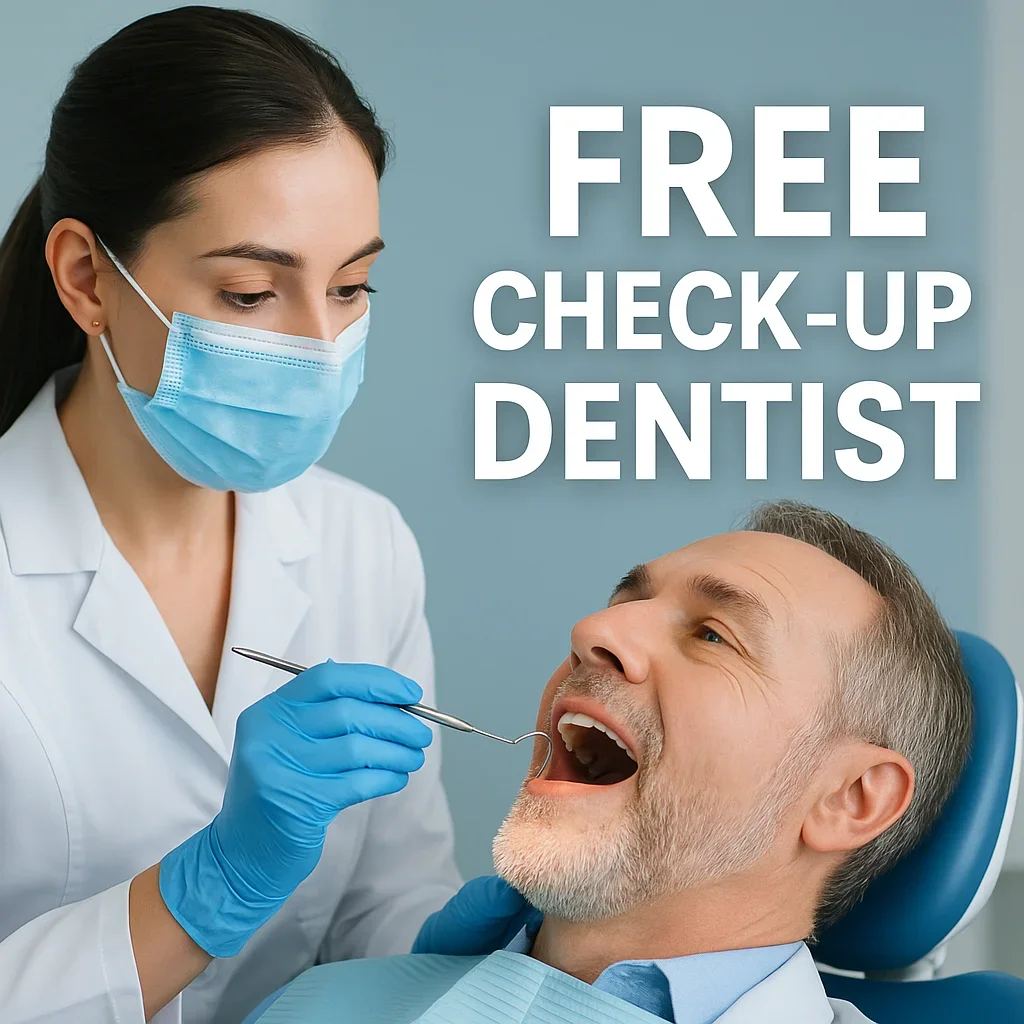
Frequently Asked Questions About Free Dental Check-Ups
When considering a visit to a free check up dentist, most patients have important questions about what to expect, what is included, and how to make the most of their appointment. This comprehensive FAQ section gathers the most common inquiries and provides detailed, accurate answers to help you understand every part of the process. Whether you are preparing for your first visit or comparing different clinics, this guide will clarify everything you need to know about free dental examinations. 🦷❓
A free check up dentist visit can vary from clinic to clinic, so having a solid understanding of procedures, diagnostic tools, follow-up expectations, and general dental guidelines ensures that your appointment is efficient and beneficial. These questions also help clarify how free check-ups support preventive health, reduce long-term dental costs, and enhance oral wellbeing when used consistently.
What Is Included in a Free Dental Check-Up?
A standard appointment with a free check up dentist typically includes a full visual assessment of your teeth, gums, bite alignment, enamel condition, and overall oral health. Some clinics may also include digital X-rays, gum pocket measurements, and a personalized hygiene consultation.
Typical Components of the Examination
Most free dental check-ups include:
- Visual inspection for cavities or cracks.
- Assessment of gum health.
- Examination of bite alignment.
- Evaluation of plaque and tartar levels.
- Oral cancer screening in some clinics.
- Consultation about brushing, flossing, and diet.
With a complete exam like this, a free check up dentist can detect early signs of dental issues before they become serious.
Do All Free Check-Up Appointments Include X-Rays?
Not always. While many clinics offering free examinations include basic digital X-rays, others may charge a small additional fee. It depends on the clinic’s policies. However, X-rays are extremely valuable because they reveal issues that cannot be seen visually, such as bone loss, hidden decay, or root infections.
When Are X-Rays Necessary?
Your dentist is likely to recommend X-rays if:
- You have not had an X-ray in over a year.
- You experience unexplained tooth pain.
- You have gum disease symptoms.
- You have a history of cavities.
- Your bite alignment appears irregular.
A free check up dentist will always explain why X-rays may be beneficial in your case.
How Long Does a Free Dental Check-Up Take?
A typical free dental exam lasts between 15 and 30 minutes, depending on the complexity of your oral health and whether diagnostic tools such as X-rays or intraoral cameras are used. Clinics equipped with advanced technologies often perform evaluations more efficiently and accurately.
Factors That Influence Time
The duration depends on:
- The number of teeth or gums requiring closer inspection.
- Whether you are a first-time patient.
- The availability of your dental records.
- The need for digital imaging or gum measurements.
Your free check up dentist will ensure the process is thorough while respecting your time.
Can a Free Check-Up Diagnose Serious Dental Issues?
Yes. Even though the examination is free, a qualified free check up dentist can diagnose serious oral conditions such as gum disease, tooth decay, enamel erosion, oral infections, and early signs of oral cancer. If the clinic uses modern diagnostic tools, detection becomes even more precise.
Conditions Often Detected During Free Exams
- Gingivitis and early-stage periodontal disease.
- Hidden cavities that require fillings.
- Cracked teeth or old restorations needing repair.
- Malocclusion (bite problems).
- Lesions requiring monitoring or biopsy.
The primary goal of a free check up dentist is early detection, which leads to simpler and more affordable treatments.
Are Follow-Up Treatments Free?
Generally, follow-up treatments are not free unless specified by the clinic. However, many dental centers offer discounted prices for patients who begin their care with a free evaluation. The dentist will provide transparent pricing for future procedures.
Typical Follow-Up Treatments May Include
- Professional cleaning or deep scaling.
- Fluoride application or enamel strengthening treatments.
- Fillings for small cavities.
- Root canal therapy for infected teeth.
- Crowns or restorations.
Your free check up dentist will never pressure you into unnecessary treatments and will explain every option clearly.
How Often Should I Visit a Free Check-Up Dentist?
Most experts recommend visiting a free check up dentist at least twice a year. However, patients with gum disease, high cavity risk, or orthodontic needs may require more frequent visits. Preventive check-ups greatly reduce the likelihood of costly dental emergencies later on.
Personalized Frequency Guidelines
You may need more frequent check-ups if you:
- Smoke or use tobacco products.
- Have diabetes or autoimmune conditions.
- Experience chronic dry mouth.
- Have a history of gum disease.
- Consume high-sugar or acidic foods regularly.
A free check up dentist will recommend a tailored visit schedule based on your oral health status.
Is a Free Check-Up Enough to Maintain Oral Health?
A free dental examination is an excellent starting point for identifying issues early, but maintaining oral health requires consistent home care and regular professional cleanings. Free exams are preventive, not restorative, so they help you plan the next steps appropriately.
What Else You Need for Complete Oral Health
- Daily brushing and flossing.
- Professional cleaning every 6 to 12 months.
- Regular bite evaluations.
- Dietary adjustments for enamel support.
A free check up dentist can guide you through each step of your long-term care plan.
If you want to schedule your exam, the
Redent Klinik Contact Page is an excellent place to begin. For reliable dental guidelines and patient resources, the
American Dental Association offers comprehensive, scientifically reviewed information.
In summary, a free check up dentist helps patients understand their oral health, detect early problems, clarify next steps, and reduce long-term dental risks. This FAQ provides the clarity you need to feel confident before your appointment and to take charge of your oral wellbeing.