
Access to free dentistry is a critical topic for millions of people who struggle to afford dental care but still want to maintain a healthy, confident smile. Dental health is not just about aesthetics—it directly impacts overall health, including heart disease risk, diabetes management, and even mental well-being. Yet, many individuals delay or avoid dental visits due to high costs. This is where free dentistry becomes a life-changing solution.
Free dentistry refers to dental services provided at no cost or significantly reduced rates for eligible individuals. These services are typically offered through government programs, nonprofit organizations, dental schools, community clinics, and charity events. The goal is simple: to ensure that everyone, regardless of income, can access essential oral healthcare.
Many people assume that free dentistry only covers basic treatments, but that is not always the case. Depending on the provider, services may include cleanings, fillings, extractions, X-rays, and even more advanced procedures like root canals or dentures. This makes free dentistry an essential resource for preventive care as well as urgent treatment.
Understanding how free dentistry works can help you take full advantage of available opportunities. Typically, these programs operate under specific eligibility criteria, such as income level, age, or medical condition. For example, low-income families, seniors, children, and individuals with disabilities are often prioritized. Some programs require applications, while others operate on a first-come, first-served basis during special dental care events.
One of the most reliable sources of information about oral health and dental care standards is the
American Dental Association. This organization provides guidance on oral hygiene, patient rights, and how to find legitimate dental services, including free dentistry programs. It is always recommended to rely on trusted institutions when searching for care options.
In addition to public resources, private dental clinics also contribute to free dentistry initiatives. Many clinics dedicate certain days or campaigns to offer complimentary treatments or reduced-cost services. If you are actively looking for assistance, reaching out to a professional clinic such as
Redent Klinik Contact Page can help you explore potential options, even if fully free dentistry is not available year-round.
Another important aspect of free dentistry is preventive care. Many programs emphasize education alongside treatment, teaching patients how to maintain oral hygiene at home. This includes proper brushing techniques, flossing habits, and dietary advice. By focusing on prevention, free dentistry not only treats current issues but also helps reduce future dental problems.
There are also community-based events where dentists volunteer their time to provide free dentistry services. These events are often organized annually and can serve hundreds or even thousands of patients in a single day. While availability may be limited, these events can be an excellent opportunity to receive essential care without financial burden.
It is important to note that while free dentistry is incredibly beneficial, it may come with certain limitations. Waiting times can be longer, treatment options might be prioritized based on urgency, and appointments may be limited. However, for many individuals, these services represent a crucial lifeline to maintain oral health.
In conclusion, free dentistry plays a vital role in making oral healthcare accessible to everyone. Whether you are dealing with a dental emergency, seeking preventive care, or simply unable to afford routine checkups, there are numerous programs and resources available to help. By understanding how free dentistry works and where to find it, you can take proactive steps toward better oral health and overall well-being. 😊
What Is Free Dentistry and How Does It Work?
Free dentistry is a vital healthcare solution designed to provide essential dental services to individuals who cannot afford standard treatment costs. Oral health is a fundamental part of overall well-being, yet many people delay care due to financial barriers. This is where free dentistry plays a crucial role, bridging the gap between need and access. 😊
At its core, free dentistry refers to dental services offered at no cost or at significantly reduced prices through government programs, nonprofit organizations, dental schools, and charitable initiatives. These services aim to ensure that everyone has access to preventive and emergency dental care, regardless of income level.
How Free Dentistry Programs Operate
Understanding how free dentistry works is essential if you want to benefit from these services. Most programs operate under structured systems that prioritize individuals based on need, eligibility, and available resources.
Typically, free dentistry services are provided through:
- Community health clinics
- Nonprofit organizations and charities
- Government-funded healthcare programs
- Dental schools and training institutions
- Special dental outreach events
Each of these providers may have different processes, but the main goal remains the same: delivering accessible free dentistry to underserved populations.
Application and Eligibility Process
In many cases, accessing free dentistry requires an application process. Applicants may need to provide proof of income, residency, or medical need. Some programs are specifically designed for low-income families, while others focus on children, seniors, or individuals with disabilities.
However, not all free dentistry services require formal applications. For example, community dental events often operate on a first-come, first-served basis, allowing patients to receive care without prior paperwork.
Types of Treatments Covered in Free Dentistry
One common misconception is that free dentistry only covers basic services. While preventive care is a major focus, many programs offer a wide range of treatments.
Depending on the provider, free dentistry may include:
- Dental check-ups and oral exams
- Professional cleanings
- X-rays and diagnostic imaging
- Fillings for cavities
- Tooth extractions
- Basic gum treatments
In some advanced programs, free dentistry may also cover more complex procedures such as root canals, dentures, or even crowns, although availability can vary.
Preventive vs. Emergency Care
Preventive care is a key component of free dentistry. Regular cleanings and early detection of issues help reduce the need for costly treatments later. However, many programs also prioritize emergency cases, such as severe pain, infections, or trauma.
This dual approach ensures that free dentistry not only addresses immediate problems but also promotes long-term oral health.
Who Funds Free Dentistry Services?
The availability of free dentistry depends largely on funding sources. These programs are supported by a combination of public and private contributions.
Common funding sources include:
- Government healthcare budgets
- Charitable donations and grants
- Volunteer work by dental professionals
- Educational funding for dental schools
Because of these diverse funding streams, free dentistry programs can vary significantly in scope and availability depending on the region.
Advantages of Free Dentistry for Patients
One of the biggest advantages of free dentistry is accessibility. It allows individuals to receive essential care without financial stress. This is particularly important for those who might otherwise avoid dental visits entirely.
Additional benefits of free dentistry include:
- Improved overall health and quality of life
- Early detection of serious dental issues
- Education on proper oral hygiene practices
- Reduced risk of long-term complications
By making care accessible, free dentistry empowers individuals to take control of their oral health.
Limitations to Be Aware Of
While free dentistry offers many benefits, it is important to understand its limitations. Due to high demand, patients may experience long waiting times or limited appointment availability. Additionally, not all procedures may be covered.
Despite these challenges, free dentistry remains an invaluable resource for millions of people worldwide.
How to Maximize Free Dentistry Opportunities
To get the most out of free dentistry, it is important to stay informed and proactive. Research local programs, sign up early when possible, and attend community dental events.
You can also consult trusted resources such as the
American Dental Association to find legitimate programs and guidance. Additionally, contacting professional clinics like
Redent Klinik Contact Page may help you discover available options or referrals.
In summary, free dentistry is more than just a cost-saving option—it is a critical healthcare service that ensures everyone has access to proper dental care. By understanding how free dentistry works, who qualifies, and what services are available, you can make informed decisions and take meaningful steps toward better oral health. 🦷✨
Who Qualifies for Free Dentistry Programs?
Understanding who qualifies for free dentistry programs is one of the most important steps for anyone seeking affordable oral healthcare. While free dentistry is designed to support those in need, eligibility is not always universal. Different organizations, clinics, and government initiatives establish specific criteria to ensure that limited resources reach the people who need them most. 😊
In general, free dentistry programs focus on vulnerable populations, including low-income individuals, children, seniors, and people with disabilities. However, the exact requirements can vary depending on the country, region, and type of program offering the services.
Income-Based Eligibility for Free Dentistry
The most common qualification factor for free dentistry is income level. Many programs are specifically designed for individuals and families whose earnings fall below a certain threshold. This threshold is often based on national poverty guidelines or local cost-of-living standards.
Applicants for free dentistry may be required to provide:
- Proof of income (pay stubs or tax returns)
- Government assistance documentation
- Proof of unemployment or low-income status
These requirements help organizations ensure that free dentistry services are distributed fairly and reach those who cannot afford private dental care.
Examples of Income Limits
In many countries, eligibility for free dentistry is tied to earning less than 100%–200% of the federal poverty level. For example, a family of four earning below a certain annual income may qualify for multiple free dentistry programs, including preventive and emergency care.
Age-Based Free Dentistry Programs
Age is another key factor in determining eligibility for free dentistry. Many programs are specifically tailored to children and seniors, as these groups are often at higher risk for dental problems.
Free Dentistry for Children
Children are a top priority in free dentistry initiatives because early dental care is essential for long-term oral health. Programs for children often include:
- Routine check-ups and cleanings
- Fluoride treatments
- Sealants to prevent cavities
- Basic restorative procedures
By providing free dentistry to children, these programs aim to establish healthy habits early and prevent serious dental issues later in life.
Free Dentistry for Seniors
Seniors also benefit significantly from free dentistry, especially those living on fixed incomes. Many older adults require ongoing dental care, including dentures, gum treatments, and maintenance procedures.
Programs offering free dentistry for seniors may prioritize individuals with limited financial resources or those without dental insurance coverage.
Medical and Disability-Based Eligibility
Some free dentistry programs are designed specifically for individuals with certain medical conditions or disabilities. Oral health can be closely linked to overall health, making dental care essential for people managing chronic illnesses.
Eligibility for free dentistry in this category may include:
- Patients with diabetes or heart conditions
- Individuals undergoing cancer treatment
- People with physical or intellectual disabilities
These programs recognize that free dentistry is not just about oral care—it is about supporting overall health and improving quality of life.
Geographic and Community-Based Access
Location can also influence access to free dentistry. Some programs are only available in specific regions, cities, or communities. Rural areas, for example, may have mobile clinics or outreach programs that provide free dentistry to underserved populations.
Community health centers often play a major role in delivering free dentistry services. These centers are designed to serve local populations and may offer ongoing care or periodic treatment events.
Community Events and First-Come Services
In addition to structured programs, many organizations host community dental events where free dentistry is provided on a first-come, first-served basis. These events typically do not require extensive documentation, making them accessible to a wider audience.
Special Programs and Exceptions
Some free dentistry initiatives are targeted toward specific groups, such as veterans, students, or refugees. These specialized programs address unique needs and ensure that no group is left without access to essential dental care.
For example, dental schools often provide free dentistry or low-cost services performed by supervised students. This allows patients to receive care while helping students gain practical experience.
How to Confirm Your Eligibility
If you are unsure whether you qualify for free dentistry, the best approach is to contact local clinics or organizations directly. Many providers offer consultations or eligibility screenings to determine if you can access their services.
You can also explore reliable resources such as the
American Dental Association to find verified information about available programs. Additionally, reaching out through the
Redent Klinik Contact Page may help you identify suitable options or get guidance on accessing free dentistry.
Final Thoughts on Free Dentistry Eligibility
In summary, qualifying for free dentistry depends on a combination of factors, including income, age, medical condition, and location. While requirements may vary, the overall goal remains the same: to ensure that essential dental care is accessible to those who need it most.
By understanding the eligibility criteria and actively seeking available programs, you can take advantage of free dentistry services and maintain a healthier smile without financial stress. 🦷✨
Top Places to Find Free Dentistry Near You
Finding reliable free dentistry services near you can feel overwhelming at first, especially if you are unsure where to begin. However, there are many trusted sources that offer free dentistry or low-cost dental care for individuals and families in need. Knowing where to look and how these services operate can significantly improve your chances of receiving timely and effective treatment. 😊
In this section, we will explore the most common and effective places to find free dentistry, along with practical tips to help you access these services quickly and efficiently.
Community Health Clinics Offering Free Dentistry
Community health clinics are among the most accessible providers of free dentistry. These clinics are often funded by government programs or nonprofit organizations and are specifically designed to serve low-income populations.
Many community clinics offer free dentistry services such as:
- Routine dental exams and cleanings
- Basic fillings and extractions
- Preventive care and oral hygiene education
One of the biggest advantages of these clinics is their affordability and accessibility. Even if completely free dentistry is not available, services are typically offered at highly reduced costs based on your income.
How to Locate Community Clinics
You can find local clinics offering free dentistry by searching online directories, contacting local health departments, or using trusted resources like the
American Dental Association. These platforms often provide updated listings of nearby clinics and eligibility requirements.
Dental Schools Providing Free Dentistry Services
Dental schools are another excellent source of free dentistry. These institutions offer treatments performed by dental students under the supervision of experienced professionals.
Because these programs focus on education, they often provide free dentistry or significantly discounted services, including:
- Comprehensive oral exams
- X-rays and diagnostic procedures
- Fillings, crowns, and root canals
While appointments may take longer due to the teaching environment, the quality of care in free dentistry programs at dental schools is typically very high.
Benefits of Choosing Dental Schools
One major benefit of using dental schools for free dentistry is access to modern equipment and updated techniques. Additionally, students are closely supervised, ensuring safe and accurate treatments.
Nonprofit Organizations and Charity Programs
Numerous nonprofit organizations and charities specialize in providing free dentistry to underserved communities. These organizations often operate year-round programs or organize special events where patients can receive care at no cost.
Common nonprofit free dentistry services include:
- Mobile dental clinics
- Annual dental care events
- Volunteer-based treatment programs
These initiatives rely heavily on volunteer dentists and donations, making them a crucial part of the free dentistry ecosystem.
Examples of Charity Dental Events
Events such as “Free Dental Days” or “Mission of Mercy” clinics provide large-scale free dentistry services, often treating hundreds of patients in a single day. These events are usually advertised locally and require early arrival due to high demand.
Government Programs Supporting Free Dentistry
Government-funded healthcare programs are another key source of free dentistry. Depending on your location, these programs may include public health insurance or specialized dental care initiatives.
Government free dentistry programs often cover:
- Preventive dental services
- Emergency treatments
- Basic restorative procedures
Eligibility for these programs typically depends on income, age, or medical condition. Applying for government-supported free dentistry can provide long-term access to essential dental care.
How to Apply for Government Programs
To access government-based free dentistry, you may need to complete an application and provide documentation such as proof of income or residency. Local health offices or online portals can guide you through the process.
Private Dental Clinics Offering Free Dentistry Campaigns
Many private dental clinics participate in community outreach by offering free dentistry during special campaigns or promotional events. These initiatives are often organized to give back to the community and raise awareness about oral health.
Services provided during these campaigns may include:
- Free consultations
- Basic cleanings
- Discounted treatments
Although not always permanent, these opportunities can be an excellent way to access free dentistry services when available.
If you are looking for professional guidance or potential treatment options, you can contact a trusted clinic through the
Redent Klinik Contact Page to explore available services and recommendations.
Online Platforms and Directories for Free Dentistry
The internet has made it easier than ever to find free dentistry services near you. Many websites and directories list clinics, programs, and events offering free or low-cost dental care.
These platforms allow you to:
- Search by location
- Filter by service type
- Check eligibility requirements
Using these tools can save time and help you quickly identify the best free dentistry options in your area.
Final Thoughts on Finding Free Dentistry
In conclusion, there are many reliable places to find free dentistry, from community clinics and dental schools to nonprofit organizations and government programs. By exploring these options and staying proactive, you can access essential dental care without financial stress.
Whether you need preventive care, emergency treatment, or ongoing support, free dentistry services are available to help you maintain a healthy smile. Taking the time to research and connect with the right providers can make a significant difference in your oral health journey. 🦷✨
Government and Nonprofit Free Dentistry Services Explained
Free dentistry services provided by governments and nonprofit organizations play a crucial role in ensuring that essential oral healthcare is accessible to everyone, regardless of financial situation. For many individuals, especially those without insurance or stable income, free dentistry is not just a benefit—it is a necessity. Understanding how these systems work can help you navigate available options and receive the care you need. 😊
Government and nonprofit initiatives are often the backbone of free dentistry programs. They are designed to reduce health inequalities and improve public health outcomes by providing preventive, restorative, and sometimes emergency dental care at no cost.
Government-Sponsored Free Dentistry Programs
Government-funded healthcare programs are among the most reliable sources of free dentistry. These programs are typically supported by public funds and aim to serve vulnerable populations, including low-income individuals, children, seniors, and people with disabilities.
Common government free dentistry services include:
- Routine dental check-ups and preventive care
- Basic restorative treatments like fillings
- Emergency procedures such as tooth extractions
- Oral health education and screenings
In many countries, these services are integrated into broader public healthcare systems, making free dentistry more accessible to those who qualify.
Examples of Government Dental Coverage
Government programs offering free dentistry may vary by region. Some countries provide full dental coverage for children and partial coverage for adults, while others offer targeted programs for specific groups. These systems are designed to ensure that essential dental care is not a luxury but a basic right.
How Nonprofit Organizations Support Free Dentistry
Nonprofit organizations are equally important in delivering free dentistry services. These groups often operate independently or in collaboration with government agencies to reach underserved communities.
Nonprofit free dentistry initiatives typically include:
- Mobile dental clinics traveling to remote areas
- Volunteer-driven dental missions
- Community outreach programs
- Annual or seasonal dental care events
These programs are often funded through donations, grants, and volunteer efforts, making them flexible and responsive to community needs.
Volunteer Dentists and Their Role
One of the most inspiring aspects of nonprofit free dentistry is the involvement of volunteer dental professionals. Dentists, hygienists, and dental assistants donate their time and expertise to provide care for those who cannot afford it.
This volunteer-based approach allows nonprofit organizations to expand their free dentistry services and reach a larger number of patients.
Types of Treatments Available Through Free Dentistry Programs
Both government and nonprofit providers offer a wide range of treatments under free dentistry programs. While preventive care is the primary focus, many programs also address urgent and restorative needs.
Available free dentistry services may include:
- Dental exams and cleanings
- X-rays and diagnostic services
- Fillings and cavity treatments
- Tooth extractions
- Basic gum disease treatment
Some advanced nonprofit programs may even provide dentures, crowns, or root canals as part of their free dentistry offerings, depending on funding and resources.
How Funding Impacts Free Dentistry Availability
The availability of free dentistry is heavily influenced by funding. Government programs rely on public budgets, while nonprofits depend on donations and grants. This means that the scope and frequency of free dentistry services can vary significantly.
When funding is strong, free dentistry programs can expand their services, reduce waiting times, and offer more comprehensive care. Conversely, limited funding may result in longer waitlists or restricted treatment options.
Why Demand Often Exceeds Supply
Due to high demand, free dentistry programs often face challenges in meeting all patient needs. This is why early application and proactive research are essential for anyone seeking these services.
How to Access Government and Nonprofit Free Dentistry
Accessing free dentistry through government or nonprofit programs usually involves a few key steps. Understanding this process can help you secure care more efficiently.
Steps to access free dentistry include:
- Research available programs in your area
- Check eligibility requirements
- Submit necessary documentation
- Schedule an appointment or attend a dental event
Reliable sources such as the
American Dental Association can help you identify legitimate programs and avoid misinformation. Additionally, contacting professional clinics via the
Redent Klinik Contact Page may provide guidance or referrals to suitable free dentistry services.
Advantages of Government and Nonprofit Free Dentistry
There are numerous benefits to using free dentistry services provided by these organizations. The most obvious advantage is cost savings, but the impact goes far beyond financial relief.
- Improved access to essential dental care
- Early detection of oral health issues
- Support for overall health and well-being
- Education on preventive dental practices
By utilizing free dentistry, patients can maintain healthier smiles and avoid more serious complications in the future.
Final Thoughts on Free Dentistry Services
In conclusion, government and nonprofit organizations are essential pillars of free dentistry. They provide critical services that improve quality of life and ensure that dental care is accessible to all.
Whether through public healthcare programs or charitable initiatives, free dentistry continues to make a meaningful difference in communities worldwide. By understanding how these systems work and how to access them, you can take proactive steps toward better oral health without financial burden. 🦷✨
How Dental Schools Offer Free Dentistry Treatments
Dental schools are one of the most reliable and often overlooked sources of free dentistry. These institutions provide high-quality dental care to patients while training the next generation of dentists. For individuals seeking affordable or free dentistry, dental schools can be an excellent option that combines professional supervision with reduced or no-cost services. 😊
At dental schools, treatments are performed by students who are in the final stages of their education. These students work under the close supervision of experienced, licensed dentists and professors. This structured environment ensures that free dentistry services meet strict clinical standards while also allowing students to gain hands-on experience.
Why Dental Schools Provide Free Dentistry
The primary goal of dental schools is education. In order for students to graduate, they must complete a certain number of clinical procedures. This requirement creates an opportunity for the public to receive free dentistry or significantly reduced-cost dental care.
Dental schools offer free dentistry because:
- Students need real patient experience
- Institutions aim to serve the community
- Programs are often partially funded by educational budgets
- They support public health initiatives
This model creates a win-win situation where patients benefit from free dentistry, and students gain essential clinical skills.
Supervised Learning Environment
One of the biggest advantages of receiving free dentistry at a dental school is the level of supervision involved. Every procedure is carefully reviewed and approved by experienced professionals, ensuring safety and accuracy.
This means that free dentistry provided by dental schools is not only affordable but also reliable and well-monitored.
Types of Free Dentistry Services Available
Dental schools offer a wide range of treatments as part of their free dentistry programs. While availability may vary depending on the institution, many schools provide comprehensive care.
Common free dentistry services include:
- Oral examinations and consultations
- Professional cleanings and preventive care
- X-rays and diagnostic imaging
- Fillings and cavity treatments
- Tooth extractions
- Basic gum disease treatment
In some cases, dental schools may also provide more advanced free dentistry services such as crowns, bridges, dentures, and root canal treatments.
Advanced Procedures at Reduced Cost
While not always completely free, many complex treatments are offered at a fraction of the standard price. This makes dental schools an excellent alternative for those who cannot afford private care but may not qualify for traditional free dentistry programs.
What to Expect During a Visit
When you choose free dentistry at a dental school, the experience may differ slightly from a private clinic. Appointments often take longer because each step is reviewed by supervising dentists.
During your visit, you can expect:
- Detailed consultations and treatment planning
- Step-by-step procedures with supervision
- Thorough explanations of your oral health condition
This comprehensive approach ensures that free dentistry services are both educational and effective.
Longer Appointment Times
Because of the teaching environment, free dentistry appointments at dental schools may require more time than standard visits. However, this often results in more detailed care and personalized attention.
How to Access Free Dentistry at Dental Schools
Accessing free dentistry through dental schools is usually straightforward. Most institutions accept patients from the public and offer clear guidelines on how to book appointments.
Steps to access free dentistry include:
- Search for dental schools in your area
- Visit their official website or contact their clinic
- Schedule an initial screening appointment
- Follow the recommended treatment plan
Trusted resources like the
American Dental Association can help you locate accredited dental schools offering free dentistry services. You may also explore options or get guidance through the
Redent Klinik Contact Page.
Benefits of Choosing Dental Schools for Free Dentistry
There are several advantages to choosing dental schools for free dentistry. These benefits go beyond cost savings and include access to modern facilities and updated treatment methods.
- Affordable or free dental care
- Access to advanced technology
- Careful supervision by experienced professionals
- Comprehensive and detailed treatment plans
These factors make dental schools a valuable option for individuals seeking free dentistry without compromising on quality.
Limitations to Consider
While dental schools offer excellent free dentistry services, there are some limitations to keep in mind. High demand can lead to waiting lists, and not all procedures may be available immediately.
Additionally, the longer appointment times required for free dentistry at dental schools may not be suitable for patients seeking quick treatments.
Final Thoughts on Free Dentistry at Dental Schools
In conclusion, dental schools are a highly effective and trustworthy source of free dentistry. They provide a unique combination of affordability, quality, and education, making them an ideal choice for many patients.
By taking advantage of free dentistry programs at dental schools, you can receive essential care while supporting the training of future dental professionals. With proper planning and patience, this option can significantly improve your oral health without financial strain. 🦷✨
Free Dentistry for Children, Seniors, and Low-Income Families
Free dentistry plays a critical role in protecting the oral health of vulnerable groups such as children, seniors, and low-income families. These populations often face the greatest barriers to accessing dental care, whether due to financial limitations, lack of insurance, or limited mobility. Fortunately, many programs specifically target these groups, ensuring that free dentistry is accessible to those who need it most. 😊
Oral health is closely linked to overall health, and untreated dental problems can lead to serious complications. This is why free dentistry programs prioritize early intervention, preventive care, and ongoing treatment for these high-risk populations.
Free Dentistry for Children: Building Healthy Habits Early
Children are one of the primary beneficiaries of free dentistry. Early dental care is essential for preventing cavities, ensuring proper tooth development, and establishing lifelong oral hygiene habits.
Many free dentistry programs for children include:
- Routine dental check-ups and cleanings
- Fluoride treatments to strengthen enamel
- Dental sealants to prevent cavities
- Basic treatments such as fillings and extractions
By offering free dentistry to children, healthcare providers aim to reduce the risk of long-term dental issues and promote healthy smiles from an early age.
School-Based Free Dentistry Programs
Many schools collaborate with healthcare providers to deliver free dentistry services directly to students. These programs often include screenings, preventive treatments, and education on proper oral hygiene.
School-based free dentistry initiatives are particularly effective because they reach children who might not otherwise have access to dental care.
Free Dentistry for Seniors: Addressing Age-Related Needs
Seniors often require more complex dental care due to age-related conditions such as gum disease, tooth loss, and dry mouth. Unfortunately, many older adults live on fixed incomes and cannot afford regular dental visits. This makes free dentistry essential for maintaining their quality of life.
Programs offering free dentistry for seniors may include:
- Denture fittings and adjustments
- Gum disease treatment
- Tooth extractions and restorative care
- Oral cancer screenings
These services help seniors maintain proper nutrition, improve speech, and boost confidence through better oral health.
Mobile Clinics for Senior Care
Many organizations provide free dentistry through mobile dental clinics that visit nursing homes and community centers. These services are especially valuable for seniors with limited mobility or transportation challenges.
Free Dentistry for Low-Income Families
Low-income families are among the most affected by limited access to dental care. High treatment costs often lead to delayed care, resulting in more severe dental issues over time. Free dentistry programs are designed to address this gap and provide essential services to families in need.
Common free dentistry services for low-income families include:
- Preventive care such as cleanings and exams
- Basic restorative treatments like fillings
- Emergency dental procedures
- Oral health education for parents and children
By offering free dentistry, these programs help families maintain better oral health and avoid costly treatments in the future.
Family-Focused Community Clinics
Community health centers often provide free dentistry services tailored to families. These clinics offer flexible scheduling and comprehensive care, making it easier for parents and children to receive treatment together.
Government and Nonprofit Support for Vulnerable Groups
Government agencies and nonprofit organizations play a major role in delivering free dentistry to children, seniors, and low-income families. These programs are often funded through public budgets, donations, and volunteer efforts.
Trusted resources such as the
American Dental Association provide valuable information on available programs and how to access them. Additionally, you can explore treatment options or get professional guidance through the
Redent Klinik Contact Page.
These organizations ensure that free dentistry reaches those who are most in need, improving public health outcomes and reducing healthcare disparities.
Benefits of Free Dentistry for These Groups
The impact of free dentistry on children, seniors, and low-income families goes beyond oral health. It contributes to overall well-being, confidence, and quality of life.
- Improved physical health and reduced risk of disease
- Better nutrition and digestion
- Enhanced self-esteem and social interaction
- Reduced long-term healthcare costs
These benefits highlight the importance of expanding access to free dentistry services worldwide.
Challenges and How to Overcome Them
Despite its benefits, accessing free dentistry can sometimes be challenging due to high demand, limited availability, or lack of awareness. To overcome these obstacles, it is important to stay informed and proactive.
Tips for accessing free dentistry include:
- Research local programs and eligibility requirements
- Apply early to secure appointments
- Attend community dental events
- Seek referrals from trusted clinics
By taking these steps, individuals and families can maximize their chances of receiving free dentistry services.
Final Thoughts on Free Dentistry for Vulnerable Groups
In conclusion, free dentistry is a vital resource for children, seniors, and low-income families. These programs ensure that essential dental care is accessible, helping to prevent serious health issues and improve quality of life.
By understanding the available options and actively seeking support, you can benefit from free dentistry and maintain a healthy, confident smile regardless of financial circumstances. 🦷✨
Emergency Free Dentistry: What to Do in Urgent Cases
Dental emergencies can happen at any time, often without warning, and they can be both painful and stressful. For individuals who cannot afford immediate treatment, free dentistry becomes a crucial lifeline. Knowing how to access free dentistry during an emergency can make the difference between saving a tooth and facing serious complications. 😊
Emergency dental situations require fast action. Whether it is severe tooth pain, an infection, or trauma caused by an accident, seeking free dentistry services as quickly as possible is essential. Delaying care can worsen the condition and lead to more complex health issues.
What Qualifies as a Dental Emergency?
Understanding what constitutes a dental emergency is the first step in accessing free dentistry in urgent situations. Not all dental problems require immediate care, but certain symptoms should never be ignored.
Common conditions that may require emergency free dentistry include:
- Severe or persistent tooth pain
- Swelling in the gums or face
- Broken, chipped, or knocked-out teeth
- Dental abscess or infection
- Uncontrolled bleeding after dental trauma
If you experience any of these symptoms, seeking free dentistry services immediately can prevent further damage and protect your overall health.
Signs You Should Not Ignore
Some symptoms may seem minor at first but can quickly escalate into serious issues. Persistent pain, sensitivity to temperature, or unusual swelling may indicate underlying problems that require urgent free dentistry intervention.
Where to Find Emergency Free Dentistry
Finding free dentistry during an emergency can feel overwhelming, but several reliable options are available. Knowing where to go can save valuable time and ensure you receive proper care.
Common sources of emergency free dentistry include:
- Community health clinics offering urgent care
- Nonprofit organizations with emergency dental programs
- Dental schools providing supervised urgent treatments
- Special charity events focused on emergency care
Many of these providers prioritize urgent cases, making it easier to access free dentistry when you need it most.
24/7 Emergency Dental Services
Some regions offer 24/7 hotlines or clinics that can guide you to available free dentistry services. These resources are particularly useful for nighttime or weekend emergencies.
Immediate Steps to Take Before Getting Free Dentistry
While waiting to access free dentistry, there are several steps you can take to manage your condition and reduce discomfort.
- Rinse your mouth with warm salt water to reduce infection risk
- Apply a cold compress to reduce swelling
- Use over-the-counter pain relief if necessary
- Avoid chewing on the affected side
These temporary measures can help stabilize your condition until you receive professional free dentistry treatment.
Handling a Knocked-Out Tooth
If a tooth is knocked out, it is important to act quickly. Place the tooth in milk or saline solution and seek free dentistry immediately. Quick action can increase the chances of saving the tooth.
Types of Emergency Treatments in Free Dentistry
Emergency free dentistry programs typically focus on relieving pain and addressing urgent conditions. While comprehensive treatments may require follow-up visits, initial care is designed to stabilize the patient.
Common emergency free dentistry treatments include:
- Tooth extractions to remove infected teeth
- Drainage of abscesses
- Temporary fillings or repairs
- Pain management and infection control
These treatments ensure that patients receive immediate relief through free dentistry, even if additional care is needed later.
How to Prepare for an Emergency Visit
Preparation can make accessing free dentistry in emergencies much smoother. Having the right information and documents ready can save time and help you receive care faster.
Before visiting a clinic for free dentistry, try to bring:
- Identification and proof of income (if required)
- Medical history and current medications
- Any previous dental records, if available
Being prepared increases your chances of receiving prompt free dentistry services.
Trusted Resources for Emergency Free Dentistry
Reliable information is essential when searching for emergency free dentistry. Trusted organizations can guide you to legitimate services and help you avoid scams.
You can consult the
American Dental Association for verified information about emergency dental care. Additionally, contacting a professional clinic through the
Redent Klinik Contact Page can help you find suitable options or receive immediate guidance.
Benefits of Emergency Free Dentistry
Emergency free dentistry provides immediate relief and prevents minor issues from becoming major health problems. It ensures that individuals receive timely care regardless of their financial situation.
- Quick pain relief and infection control
- Prevention of serious complications
- Access to professional dental care without cost
- Improved overall health outcomes
These benefits highlight the importance of having access to free dentistry during urgent situations.
Final Thoughts on Emergency Free Dentistry
In conclusion, emergency free dentistry is a vital resource for individuals facing urgent dental issues without the means to pay for treatment. By understanding what qualifies as an emergency, where to find help, and how to act quickly, you can protect your oral health and avoid serious complications.
Being informed and prepared ensures that you can access free dentistry when it matters most, helping you maintain a healthy and pain-free smile even in challenging situations. 🦷✨
Pros and Cons of Using Free Dentistry Services
Free dentistry services provide an essential solution for individuals who cannot afford traditional dental care. While these programs offer significant benefits, they also come with certain limitations that patients should understand before relying on them. Evaluating the advantages and disadvantages of free dentistry helps you make informed decisions about your oral health. 😊
For many people, free dentistry is the only way to access necessary treatments. However, knowing both sides of the experience ensures that expectations are realistic and outcomes are satisfactory.
Advantages of Free Dentistry Services
The most obvious benefit of free dentistry is cost savings, but its impact goes far beyond financial relief. These services play a critical role in improving public health and making dental care accessible to underserved populations.
1. Cost-Free Access to Essential Care
The primary advantage of free dentistry is that it eliminates financial barriers. Patients can receive basic and sometimes advanced treatments without worrying about high costs.
This is especially important for individuals without insurance, as dental procedures can be expensive. With free dentistry, essential care becomes accessible to everyone.
2. Early Detection of Dental Problems
Regular check-ups through free dentistry programs allow for early detection of issues such as cavities, gum disease, and oral infections. Early intervention reduces the need for complex and costly treatments later.
Preventive care is a cornerstone of free dentistry, helping patients maintain long-term oral health.
3. Access to Professional Dental Care
Many free dentistry services are provided by qualified dentists, dental students under supervision, or experienced volunteers. This ensures that patients receive safe and effective treatment.
Despite being free, these services often meet high professional standards, making free dentistry a reliable option.
4. Improved Overall Health
Oral health is closely linked to overall health. By utilizing free dentistry, patients can reduce the risk of systemic conditions such as heart disease and diabetes complications.
This makes free dentistry an important part of maintaining overall well-being.
Disadvantages of Free Dentistry Services
While free dentistry offers many benefits, it is important to be aware of its limitations. Understanding these challenges can help you plan accordingly.
1. Limited Availability and High Demand
One of the biggest drawbacks of free dentistry is limited availability. These programs often serve a large number of patients with limited resources, leading to long waiting times.
In some cases, appointments for free dentistry may need to be scheduled weeks or even months in advance.
2. Restricted Treatment Options
Not all dental procedures are covered under free dentistry. Most programs focus on basic and emergency care, which means advanced treatments may not be available.
Patients seeking cosmetic or complex procedures may need to explore alternative options beyond free dentistry.
3. Longer Appointment Times
In settings such as dental schools, free dentistry appointments can take longer due to the educational environment. Each procedure is carefully supervised, which adds time to the process.
While this ensures quality care, it may not be ideal for patients looking for quick solutions.
4. Geographic Limitations
Access to free dentistry may depend on your location. Rural or underserved areas may have fewer programs, making it harder to find nearby services.
This can require additional travel or planning to access free dentistry.
Comparing Free Dentistry to Paid Services
When comparing free dentistry to private dental care, the main difference lies in cost and convenience. Paid services typically offer faster appointments, a wider range of treatments, and more flexible scheduling.
However, free dentistry remains an excellent alternative for those who cannot afford private care. It ensures that essential treatments are still accessible.
When to Choose Free Dentistry
Free dentistry is ideal for preventive care, basic treatments, and emergency situations. It is especially beneficial for individuals without insurance or those facing financial challenges.
When to Consider Paid Options
If you require specialized procedures or immediate treatment, private dental services may be more suitable. However, you can still use free dentistry as a starting point for diagnosis and initial care.
Tips for Maximizing the Benefits of Free Dentistry
To get the most out of free dentistry, it is important to be proactive and informed. Planning ahead can help you overcome common challenges associated with these services.
- Research multiple programs in your area
- Apply early to secure appointments
- Attend community dental events
- Maintain good oral hygiene to reduce treatment needs
Reliable resources such as the
American Dental Association can help you find trusted programs. You can also seek guidance through the
Redent Klinik Contact Page to explore available options.
Final Thoughts on Free Dentistry Pros and Cons
In conclusion, free dentistry offers invaluable support for individuals who need affordable dental care. While it comes with certain limitations, the benefits far outweigh the challenges for many patients.
By understanding the pros and cons of free dentistry, you can make informed decisions and take advantage of available services to maintain your oral health. With the right approach, free dentistry can be a powerful tool for achieving a healthy, confident smile. 🦷✨
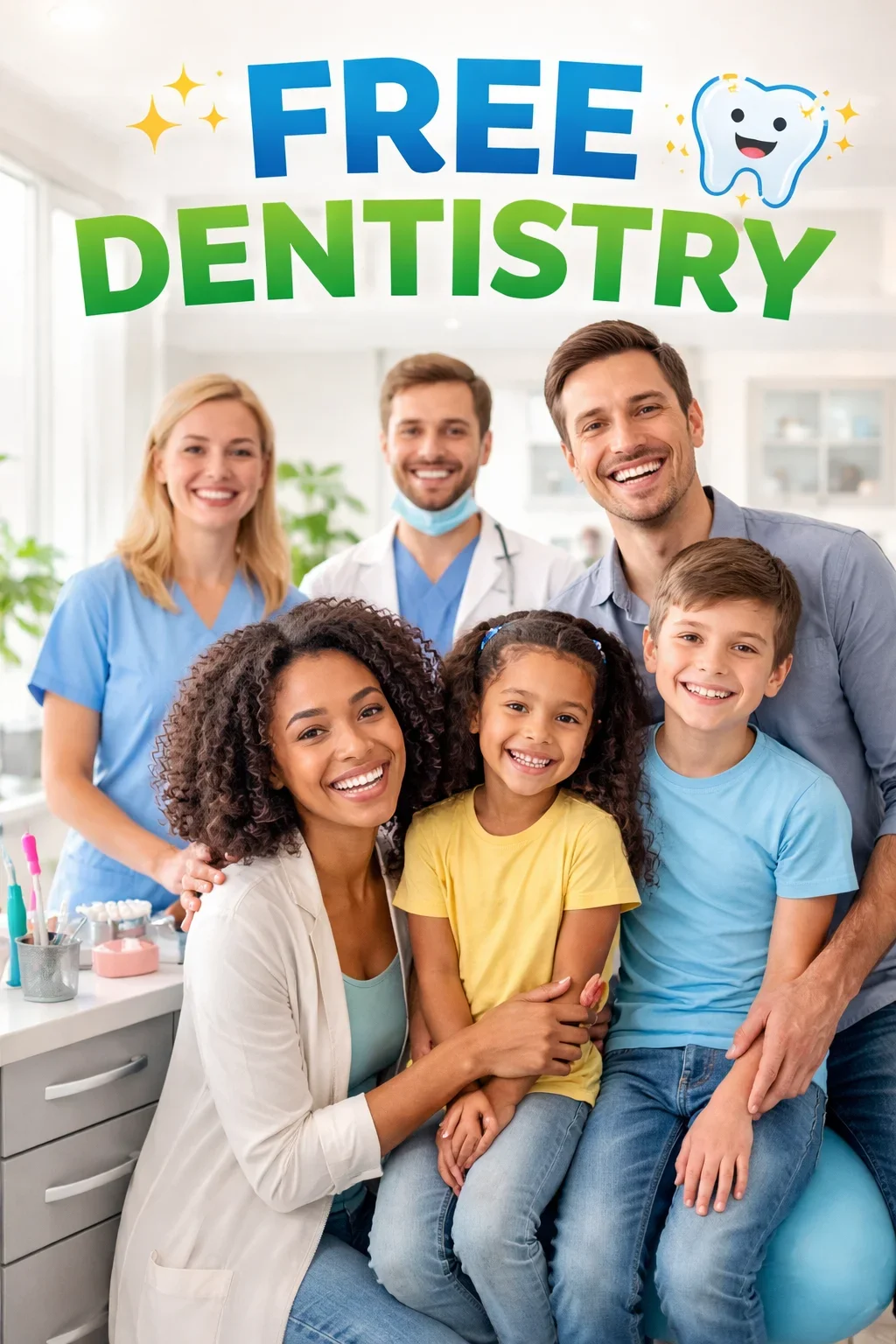
How to Apply for Free Dentistry Step by Step
Applying for free dentistry may seem complicated at first, but when you understand the process, it becomes much easier and more manageable. Many people miss out on free dentistry simply because they do not know where to start or what steps to follow. This guide will walk you through everything you need to know so you can successfully access free dentistry services without confusion. 😊
Whether you are seeking preventive care, emergency treatment, or ongoing dental support, following a structured approach will increase your chances of receiving free dentistry quickly and efficiently.
Step 1: Research Available Free Dentistry Programs
The first step in accessing free dentistry is identifying the programs available in your area. Different regions offer different options, so it is important to explore all possible sources.
You can find free dentistry programs through:
- Community health clinics
- Government healthcare services
- Nonprofit organizations and charities
- Dental schools
- Special dental outreach events
Using trusted resources like the
American Dental Association can help you locate verified free dentistry providers and avoid unreliable information.
Tip for Faster Results
Search using location-specific keywords such as “free dentistry near me” or “community dental clinic” to quickly identify nearby options.
Step 2: Check Eligibility Requirements
Once you find potential programs, the next step is to review their eligibility criteria. Not all free dentistry services are open to everyone, so understanding requirements is essential.
Common eligibility factors for free dentistry include:
- Income level
- Age (children or seniors)
- Medical conditions or disabilities
- Residency status
Carefully reviewing these requirements ensures that you apply for the right free dentistry programs and avoid unnecessary delays.
Documents You May Need
To qualify for free dentistry, you may be asked to provide:
- Proof of income
- Identification documents
- Medical records (if applicable)
Preparing these documents in advance can speed up the application process for free dentistry.
Step 3: Submit Your Application
After confirming your eligibility, the next step is to apply for free dentistry. Depending on the program, this may involve filling out an online form, visiting a clinic in person, or registering for a community event.
When applying for free dentistry, make sure to:
- Complete all required forms accurately
- Provide correct contact information
- Submit all necessary documents
Incomplete applications can delay or prevent access to free dentistry, so attention to detail is important.
Online vs. In-Person Applications
Some free dentistry programs allow online applications, while others require in-person registration. Choose the method that is most convenient and available in your area.
Step 4: Schedule an Appointment or Attend an Event
Once your application is approved, you will either receive an appointment or instructions to attend a specific event. Timing is critical when accessing free dentistry, as demand is often high.
For appointment-based free dentistry programs:
- Arrive early to secure your spot
- Bring all required documents
- Be prepared for possible waiting times
For event-based free dentistry, arriving early is especially important, as services are often provided on a first-come, first-served basis.
What to Expect During Your Visit
During your free dentistry appointment, you may receive an initial consultation followed by treatment. The exact process depends on the type of care you need.
Step 5: Follow Up and Maintain Oral Health
After receiving free dentistry, it is important to follow up with any recommended treatments or check-ups. Many programs provide ongoing care, so staying connected with your provider can help maintain your oral health.
To maximize the benefits of free dentistry:
- Follow your dentist’s advice
- Practice good oral hygiene at home
- Schedule regular check-ups when possible
Maintaining your oral health reduces the need for future treatments and ensures long-term benefits from free dentistry.
Common Challenges and How to Overcome Them
While applying for free dentistry is straightforward, some challenges may arise. High demand, limited availability, and long waiting times are common issues.
To overcome these challenges:
- Apply to multiple programs
- Check for cancellations or last-minute openings
- Attend community dental events
Being proactive increases your chances of successfully accessing free dentistry.
Getting Professional Guidance
If you are unsure where to start, seeking professional advice can help. You can contact a trusted clinic through the
Redent Klinik Contact Page to get recommendations or referrals for free dentistry services.
Professional guidance ensures that you choose the right program and avoid unnecessary delays.
Final Thoughts on Applying for Free Dentistry
In conclusion, applying for free dentistry is a structured process that involves research, eligibility checks, application, and follow-up care. By following these steps, you can access essential dental services without financial stress.
With the right approach and preparation, free dentistry becomes an accessible and valuable resource for maintaining your oral health. Taking action today can lead to a healthier, brighter smile tomorrow. 🦷✨