
Many people dream of achieving a straighter smile without spending thousands of dollars on orthodontic treatment. That is why the topic of free invisible aligners has become increasingly popular online. Patients searching for affordable smile solutions often wonder whether free invisible aligners are real, safe, effective, or simply a marketing strategy. In this detailed guide, you will learn exactly how free invisible aligners work, who may qualify for them, the advantages and risks involved, and what you should know before beginning treatment. 😊
Modern orthodontic technology has transformed the way dentists correct teeth alignment problems. Traditional metal braces are no longer the only option. Today, clear aligners offer a more discreet and comfortable way to improve dental alignment. Some clinics and companies now advertise free invisible aligners through promotions, insurance partnerships, clinical studies, dental schools, or consultation packages. However, understanding the details behind these offers is extremely important before making a decision.
Free invisible aligners are usually transparent orthodontic trays designed to move teeth gradually into a healthier position. These aligners are custom-made using digital scans and advanced treatment planning software. Unlike metal braces, invisible aligners are removable, nearly unnoticeable, and generally more comfortable for daily life. Patients can often continue eating their favorite foods and maintain oral hygiene more easily.
One reason why free invisible aligners attract attention is the rising cost of orthodontic care worldwide. Depending on the complexity of treatment, invisible aligner systems can range from approximately $1,500 to over $8,000. Here is a general overview of common aligner-related costs:
Estimated Invisible Aligner Costs 💰
- Mild alignment cases: $1,500 – $3,000
- Moderate orthodontic correction: $3,000 – $5,500
- Complex bite correction: $5,500 – $8,000+
- Dental school treatment programs: Potentially reduced or partially free
- Promotional consultation packages: Sometimes advertised as free invisible aligners
Although the phrase free invisible aligners sounds appealing, patients should understand that many offers may include conditions. Some clinics provide free starter aligners after purchasing a complete treatment plan. Others may offer free consultations, free retainers, or free scans instead of fully complimentary orthodontic treatment. Reading all terms carefully is essential.
Another important factor is oral health evaluation. Not everyone is automatically a candidate for free invisible aligners. Dentists usually assess several factors before approving treatment, including:
- Teeth crowding severity
- Bite alignment issues
- Gum health condition
- Bone support around teeth
- Previous dental restorations
- Patient commitment to wearing aligners daily
Patients with mild or moderate spacing and crowding issues are often the best candidates for invisible aligners. Severe orthodontic complications may still require braces or advanced orthodontic procedures. For this reason, professional evaluation is extremely important before beginning any aligner treatment.
Many dental clinics also combine free invisible aligners promotions with digital smile design technology. During consultation, patients may receive a virtual preview showing how their smile could look after treatment. This modern technology helps patients understand expected outcomes before committing to orthodontic care.
Comfort is another reason why invisible aligners continue growing in popularity. Unlike traditional braces, aligners typically do not contain sharp metal brackets or wires that irritate the cheeks and gums. Patients often experience less discomfort and greater confidence during social interactions. 😁
Still, patients should avoid choosing providers based only on price or “free” marketing campaigns. Orthodontic treatment directly affects bite function, jaw alignment, and long-term dental health. Poorly planned aligner treatment can potentially lead to gum recession, bite imbalance, or tooth movement problems. Working with qualified dental professionals is always the safest approach.
Reliable clinics generally begin with a detailed consultation, digital x-rays, intraoral scans, and personalized treatment planning. During this stage, the dentist determines whether free invisible aligners or other orthodontic options are suitable for the patient’s specific needs.
If you are considering aligner treatment, maintaining realistic expectations is essential. While some companies advertise free invisible aligners, completely cost-free orthodontic care is relatively uncommon outside of dental schools, nonprofit programs, insurance partnerships, or special promotional events. However, many clinics now offer flexible financing plans that make invisible aligners more affordable than before.
Proper maintenance also plays a major role in treatment success. Patients typically need to wear aligners for 20–22 hours daily. Aligners should be cleaned regularly to prevent bacteria buildup and discoloration. Following your dentist’s instructions carefully can significantly improve treatment results and reduce complications.
In addition, oral hygiene should never be ignored during aligner therapy. Brushing, flossing, and routine dental checkups remain essential throughout treatment. Trusted organizations like the American Dental Association strongly recommend maintaining proper oral care habits during orthodontic treatment.
Patients interested in learning more about personalized aligner options can also contact experienced clinics directly. For professional consultation and treatment guidance, you may visit the Redent Klinik Contact Page.
Ultimately, free invisible aligners may provide opportunities for some patients to access affordable smile correction solutions. However, understanding the full details behind these offers is crucial for protecting your oral health and financial expectations. By choosing qualified professionals, maintaining realistic goals, and following proper treatment protocols, patients can enjoy healthier smiles and improved confidence for many years. ✨
How Free Invisible Aligners Really Work
The growing popularity of free invisible aligners has created significant curiosity among patients searching for affordable orthodontic solutions. Many people wonder whether free invisible aligners are truly effective, how the treatment process functions, and whether these systems can safely improve smile aesthetics. Understanding the science and process behind free invisible aligners is extremely important before starting any orthodontic treatment. 😊
Invisible aligners are transparent orthodontic trays designed to gradually move teeth into healthier positions over time. Unlike traditional braces, aligners do not use metal wires or brackets. Instead, they rely on customized pressure systems created through advanced digital technology. The process behind free invisible aligners is often very similar to standard paid aligner systems, although the payment structure or promotional conditions may differ.
The Initial Consultation Process for Free Invisible Aligners
The first stage of treatment usually begins with a professional dental consultation. During this appointment, the dentist or orthodontist evaluates the patient’s oral health and determines whether free invisible aligners are appropriate for the case. Several important factors are reviewed, including:
- Teeth crowding severity
- Spacing between teeth
- Jaw alignment problems
- Bite irregularities
- Gum health condition
- Previous dental restorations
- Patient age and oral hygiene habits
Patients with mild to moderate alignment issues are often considered ideal candidates for invisible aligner systems. Severe bite complications may require traditional braces or additional orthodontic procedures.
Digital Scanning Technology and Smile Mapping
One of the most advanced features of modern free invisible aligners treatment is digital scanning technology. Instead of using uncomfortable traditional dental molds, many clinics now use 3D intraoral scanners to capture highly accurate images of the patient’s teeth.
These digital scans allow orthodontists to create a virtual treatment simulation. Patients can often preview how their smile may look after completing treatment. This technology not only improves comfort but also increases precision during tooth movement planning.
How Teeth Move with Invisible Aligners
The science behind free invisible aligners involves controlled orthodontic force. Each aligner tray is designed slightly differently from the previous one. As the patient wears each tray, gentle pressure gradually shifts teeth into their desired positions.
Patients typically change aligners every 1–2 weeks depending on the treatment plan. Each new aligner continues the tooth movement process step-by-step. Over time, the cumulative effect creates noticeable smile improvements.
Orthodontic tooth movement occurs because the pressure stimulates bone remodeling around the teeth. This process allows teeth to shift safely when properly supervised by dental professionals.
Daily Wear Requirements for Free Invisible Aligners
To achieve successful results, patients usually need to wear free invisible aligners for approximately 20–22 hours per day. Aligners should only be removed during:
- Eating meals
- Drinking hot beverages
- Brushing teeth
- Flossing
- Cleaning the aligners
Consistent wear is essential because failing to follow instructions may delay treatment or reduce effectiveness. Many patients appreciate the flexibility of removable aligners because they allow easier oral hygiene compared to traditional braces.
The Materials Used in Free Invisible Aligners
Most invisible aligners are manufactured using medical-grade thermoplastic materials. These transparent plastics are designed to fit comfortably over the teeth while remaining discreet during daily activities.
Modern free invisible aligners systems often use BPA-free materials for improved safety and comfort. High-quality aligners are carefully trimmed to reduce irritation around the gums and cheeks.
Patients usually prefer clear aligners because they are far less visible than metal braces. This makes them particularly attractive for adults, professionals, and teenagers seeking discreet orthodontic treatment. 😁
Treatment Duration Expectations
The total treatment time for free invisible aligners depends on the complexity of the case. Mild alignment corrections may take only a few months, while more complicated cases may require over a year.
Estimated Treatment Timelines ⏳
- Minor spacing corrections: 3–6 months
- Moderate crowding: 6–12 months
- Complex bite correction: 12–24 months
Patients should understand that treatment success depends heavily on compliance. Wearing aligners inconsistently can extend treatment time significantly.
Are Free Invisible Aligners Really Free?
One of the biggest misunderstandings about free invisible aligners involves pricing. In many cases, the aligners themselves are not entirely free. Instead, clinics may offer:
- Free consultations
- Free digital scans
- Free first aligner trays
- Insurance-covered treatment options
- Promotional discounts
- Dental school orthodontic programs
Patients should always review treatment agreements carefully. Some companies advertise free invisible aligners as part of broader financing packages or limited-time campaigns.
Typical Costs Beyond Promotional Offers
Even when promotions are available, additional expenses may still apply. Potential costs include:
- Retainers after treatment
- Replacement aligners
- X-rays and imaging
- Orthodontic refinements
- Follow-up appointments
Transparency from the provider is extremely important before starting treatment.
The Importance of Professional Supervision
Although some direct-to-consumer companies promote at-home systems, professional dental supervision remains highly recommended. Improper tooth movement can lead to gum recession, bite imbalance, jaw discomfort, or long-term oral health complications.
Qualified orthodontists carefully monitor tooth movement throughout treatment to ensure safety and effectiveness. Trusted organizations such as the American Dental Association emphasize the importance of proper orthodontic oversight during aligner therapy.
Patients interested in personalized treatment evaluation can also contact experienced clinics directly through the Redent Klinik Contact Page.
Benefits That Make Free Invisible Aligners Popular
There are several reasons why free invisible aligners continue gaining popularity worldwide:
- Nearly invisible appearance
- Greater comfort than braces
- Removable during meals
- Easier brushing and flossing
- Fewer emergency appointments
- Modern digital treatment planning
For many patients, invisible aligners provide an attractive balance between aesthetics and functionality.
Ultimately, understanding how free invisible aligners really work allows patients to make safer and more informed decisions about orthodontic treatment. While promotional offers may reduce costs, choosing qualified dental professionals and maintaining realistic expectations remain essential for achieving healthy, beautiful, and long-lasting smile results. ✨
Who Can Qualify for Free Invisible Aligners
Many patients searching online for orthodontic solutions often ask an important question: who can actually qualify for free invisible aligners? While advertisements for free invisible aligners may sound simple and accessible to everyone, the reality is that qualification depends on multiple dental, financial, and clinical factors. Understanding eligibility requirements is extremely important before starting treatment. 😊
Invisible aligners are designed to improve dental alignment through gradual tooth movement. However, not every patient is considered an ideal candidate for aligner therapy. Dental professionals evaluate several oral health conditions before recommending free invisible aligners or any other orthodontic treatment option.
Why Qualification Matters for Free Invisible Aligners
The purpose of qualification screening is to ensure safe and predictable orthodontic outcomes. Aligners apply controlled pressure to the teeth over time, and improper treatment planning may lead to serious complications such as gum recession, bite imbalance, or tooth instability.
Before approving patients for free invisible aligners, orthodontists usually perform detailed examinations that may include:
- Digital intraoral scans
- Dental x-rays
- Bite analysis
- Photographic smile evaluation
- Gum health assessment
- Bone structure examination
These evaluations help determine whether aligners can safely correct the patient’s orthodontic issues.
Ideal Candidates for Free Invisible Aligners
Patients with mild or moderate alignment problems are often the best candidates for free invisible aligners. Since invisible aligners rely on controlled gradual movement, they work most effectively when tooth movement requirements are relatively predictable.
Mild Crowding Cases
Minor crowding is one of the most common reasons patients qualify for free invisible aligners. In these cases, teeth slightly overlap due to limited space in the dental arch. Aligners can often reposition these teeth effectively without requiring invasive procedures.
Small Gaps Between Teeth
Patients with mild spacing problems may also qualify for aligner treatment. Small gaps between teeth can sometimes trap food particles and affect smile aesthetics. Invisible aligners can gradually close these spaces while improving overall smile appearance.
Minor Bite Problems
Certain mild bite irregularities may respond well to aligners, including:
- Mild overbite
- Minor underbite
- Small crossbite issues
- Slight open bite conditions
However, severe jaw alignment complications may require braces or surgical orthodontic intervention instead of free invisible aligners.
Age Requirements for Free Invisible Aligners
Age can also influence eligibility. While teenagers and adults commonly use aligners successfully, younger children may not qualify because their teeth and jaw structures are still actively developing.
Teenagers often receive aligner treatment when most permanent teeth have erupted. Adults are particularly strong candidates for free invisible aligners because their dental development is complete, making treatment planning more predictable.
Older adults may also qualify as long as they maintain healthy gums and adequate bone support around the teeth.
Oral Health Conditions That Affect Qualification
Good oral health is one of the most important requirements for successful aligner therapy. Patients with untreated dental disease may need restorative or periodontal treatment before starting free invisible aligners.
Gum Disease Concerns
Patients with active periodontal disease may not immediately qualify for invisible aligners. Gum inflammation weakens tooth support structures, and orthodontic movement could worsen the condition.
Dentists typically recommend periodontal treatment first to stabilize gum health before beginning orthodontic care.
Untreated Cavities
Tooth decay should also be treated before aligner therapy begins. Untreated cavities can progress during treatment and compromise oral health outcomes.
Poor Oral Hygiene Habits
Because aligners cover the teeth for long periods each day, maintaining excellent oral hygiene is essential. Patients who struggle with brushing and flossing consistently may experience plaque buildup, discoloration, or gum irritation during treatment.
Do Insurance Plans Help Patients Qualify?
In some situations, dental insurance can partially cover orthodontic treatment costs. Certain promotional campaigns for free invisible aligners may involve insurance partnerships or financing programs.
Insurance eligibility often depends on:
- Patient age
- Medical necessity
- Orthodontic coverage limits
- Provider network participation
- Treatment complexity
Patients should always verify coverage details carefully with both the clinic and insurance provider before beginning treatment.
Dental Schools and Research Programs
One lesser-known pathway to obtaining free invisible aligners involves dental schools or orthodontic research programs. Universities occasionally offer reduced-cost or partially free treatment opportunities for qualifying patients.
These programs are usually supervised by licensed dental professionals and may provide affordable orthodontic care for selected cases. However, waiting lists can sometimes be long due to high demand.
Common Qualification Factors for Free Invisible Aligners 📋
- Mild or moderate alignment issues
- Healthy gums and bone support
- No untreated tooth decay
- Commitment to daily aligner wear
- Stable oral hygiene routine
- Suitable age and dental development
Why Commitment Is Essential
One factor many patients overlook is personal commitment. Successful aligner treatment depends heavily on patient cooperation. Individuals who do not wear aligners consistently may experience delayed results or treatment failure.
Patients generally need to wear free invisible aligners for approximately 20–22 hours daily. This requires discipline and long-term dedication throughout treatment.
Can Smokers Qualify for Free Invisible Aligners?
Smokers may still qualify for treatment, but smoking can create challenges during aligner therapy. Tobacco products may stain aligners, increase gum disease risk, and negatively affect oral healing processes.
Dentists often encourage smoking reduction or cessation during orthodontic treatment for improved long-term oral health outcomes.
The Importance of Professional Evaluation
Online advertisements sometimes make free invisible aligners appear universally suitable, but professional assessment remains absolutely essential. Every smile is unique, and orthodontic treatment should always be personalized to the patient’s specific needs.
Trusted organizations such as the American Dental Association strongly recommend professional dental supervision before beginning orthodontic care.
Patients interested in personalized eligibility evaluations may contact experienced dental professionals directly through the Redent Klinik Contact Page.
Ultimately, qualification for free invisible aligners depends on much more than promotional offers alone. Oral health condition, treatment complexity, patient commitment, and professional assessment all play major roles in determining whether invisible aligners are safe and effective for a specific individual. With proper evaluation and responsible care, many patients can successfully improve both their smile aesthetics and overall dental health. ✨
Benefits of Choosing Free Invisible Aligners for Smile Correction
In recent years, the popularity of free invisible aligners has increased dramatically among patients seeking comfortable, discreet, and affordable orthodontic treatment. Many individuals prefer invisible aligners because they offer a modern alternative to traditional metal braces while improving smile aesthetics and dental function. Understanding the full advantages of free invisible aligners can help patients make informed decisions about their oral health and orthodontic goals. 😊
Orthodontic treatment is no longer viewed only as a cosmetic procedure. Properly aligned teeth can improve chewing efficiency, oral hygiene, speech clarity, jaw balance, and long-term dental health. For many patients, free invisible aligners provide both aesthetic and functional benefits that support overall confidence and quality of life.
Improved Smile Appearance
One of the primary reasons patients choose free invisible aligners is the noticeable improvement in smile aesthetics. Crooked, crowded, or uneven teeth can significantly affect self-confidence during social and professional interactions.
Invisible aligners gradually reposition teeth into healthier and more attractive alignment patterns. Because aligners are transparent, patients can continue their daily routines with minimal visual impact during treatment.
Discreet Orthodontic Treatment
Unlike traditional braces that use visible brackets and wires, free invisible aligners are designed to blend naturally with the teeth. This discreet appearance makes them especially popular among:
- Working professionals
- University students
- Teenagers
- Public-facing employees
- Adults seeking cosmetic improvements
Many patients feel more comfortable smiling, speaking, and attending social events while wearing clear aligners compared to traditional braces.
Greater Comfort Compared to Metal Braces
Comfort is another major benefit of free invisible aligners. Traditional braces may sometimes cause irritation due to metal wires and brackets rubbing against the cheeks and lips.
Invisible aligners are typically made from smooth medical-grade plastic materials that fit comfortably over the teeth. This design often reduces soft tissue irritation and allows patients to adapt more easily to orthodontic treatment.
Reduced Emergency Visits
Traditional braces occasionally require emergency appointments due to broken brackets or protruding wires. Since aligners do not use metal components, patients using free invisible aligners may experience fewer urgent orthodontic problems during treatment.
This convenience can save time and reduce stress throughout the treatment process.
Easier Oral Hygiene Maintenance
Maintaining oral hygiene during orthodontic treatment is extremely important for long-term dental health. One major advantage of free invisible aligners is that they are removable.
Patients can remove aligners before brushing and flossing, allowing more thorough cleaning compared to fixed braces. Better oral hygiene may reduce the risk of:
- Plaque buildup
- Tooth staining
- Gum inflammation
- Bad breath
- Cavities during treatment
Good oral hygiene habits help ensure healthier treatment outcomes and more attractive final smile results.
Freedom to Eat Favorite Foods
Food restrictions are a common concern for orthodontic patients. Traditional braces often require avoiding sticky, hard, or crunchy foods that could damage brackets and wires.
Patients using free invisible aligners can remove their aligners during meals, which allows them to continue enjoying many foods without major dietary limitations.
This flexibility improves convenience and makes aligner treatment more comfortable for daily life. 😁
Better Lifestyle Compatibility
Many patients appreciate how invisible aligners fit naturally into busy lifestyles. Since aligners are removable and discreet, they are often easier to manage during:
- Business meetings
- Social events
- Sports activities
- Special occasions
- Photographs and presentations
For adults who prefer subtle orthodontic treatment, free invisible aligners often provide greater flexibility than traditional braces.
Advanced Digital Treatment Planning
Modern invisible aligner systems use advanced digital technologies that improve treatment precision. Many providers offering free invisible aligners use 3D scanning and virtual treatment simulations to design customized orthodontic plans.
Patients can often preview estimated smile results before beginning treatment. This digital approach helps improve communication between the patient and dental professional while increasing treatment predictability.
Potentially Shorter Adjustment Period
Although all orthodontic treatment requires adaptation, many patients report that adjusting to aligners feels easier than adapting to traditional braces.
Because free invisible aligners are smooth and removable, speaking and eating often become comfortable more quickly after the initial adjustment phase.
Some patients may experience mild pressure when switching to new aligners, but this sensation typically improves within a few days.
Improved Confidence During Treatment
Confidence plays a major role in emotional well-being. Patients who feel self-conscious about visible braces may avoid smiling or speaking openly during treatment.
The transparent appearance of free invisible aligners allows many patients to feel more comfortable throughout the orthodontic process. This psychological benefit can positively influence social interactions and self-esteem.
Main Benefits of Free Invisible Aligners ✨
- Nearly invisible appearance
- Comfortable smooth materials
- Removable during meals
- Easier brushing and flossing
- Fewer food restrictions
- Modern digital treatment planning
- Reduced emergency orthodontic visits
- Greater confidence during treatment
Long-Term Oral Health Improvements
Straighter teeth are often easier to clean effectively, which may reduce the risk of gum disease and tooth decay over time. Proper alignment can also improve bite balance and chewing efficiency.
When supervised professionally, free invisible aligners may contribute to healthier long-term dental function in addition to cosmetic improvements.
Trusted organizations such as the American Dental Association emphasize the importance of maintaining oral health during orthodontic care.
Affordability and Financial Accessibility
Another important advantage is that promotional free invisible aligners programs may reduce treatment costs for some patients. Certain clinics provide financing plans, insurance partnerships, or consultation promotions that make orthodontic care more financially accessible.
However, patients should always review treatment agreements carefully to understand what services are fully included.
Individuals seeking personalized orthodontic consultation and treatment guidance can contact experienced professionals through the Redent Klinik Contact Page.
Why Professional Supervision Still Matters
Although invisible aligners offer many benefits, professional supervision remains essential. Orthodontic tooth movement affects bone structures, bite function, and gum health. Improper treatment planning may lead to complications if not monitored correctly.
Choosing experienced dental providers helps maximize the benefits of free invisible aligners while reducing treatment risks.
Ultimately, the popularity of free invisible aligners continues growing because they combine aesthetics, comfort, convenience, and modern orthodontic technology. For many patients, invisible aligners provide an effective pathway toward achieving healthier smiles, improved confidence, and better long-term oral health outcomes. 🌟
Free Invisible Aligners vs Traditional Metal Braces
When patients begin researching orthodontic treatment options, one of the most common comparisons involves free invisible aligners versus traditional metal braces. Both treatment methods aim to improve dental alignment, bite function, and overall oral health, but they work in very different ways. Understanding the differences between these systems helps patients choose the most suitable option for their lifestyle, dental condition, and treatment goals. 😊
Orthodontic treatment has evolved significantly over the years. Traditional braces were once considered the standard solution for correcting crooked teeth and bite irregularities. Today, however, modern technologies such as free invisible aligners offer patients more discreet and flexible alternatives.
How Traditional Metal Braces Work
Traditional braces use metal brackets attached directly to the teeth along with wires that apply pressure over time. Orthodontists periodically tighten these wires to guide tooth movement gradually.
Metal braces are highly effective for treating a wide range of orthodontic conditions, including:
- Severe crowding
- Complex bite issues
- Rotated teeth
- Large spacing problems
- Jaw alignment complications
Because braces remain fixed to the teeth, they continuously apply orthodontic pressure without relying heavily on patient compliance.
How Free Invisible Aligners Work Differently
Unlike braces, free invisible aligners use removable transparent trays to reposition teeth gradually. Each aligner set is customized using digital treatment planning and replaced every few weeks to continue controlled tooth movement.
The removable design of free invisible aligners provides several lifestyle advantages, especially for adults and teenagers who prefer discreet orthodontic treatment.
Main Structural Differences
Invisible Aligners vs Braces Comparison 📋
- Invisible Aligners: Clear removable plastic trays
- Metal Braces: Fixed metal brackets and wires
- Aligners: Nearly invisible appearance
- Braces: More visible during speaking and smiling
- Aligners: Removable during meals
- Braces: Fixed permanently during treatment
Aesthetic Differences
One of the biggest reasons patients choose free invisible aligners is aesthetics. Many individuals feel uncomfortable wearing visible metal braces during professional meetings, social interactions, or photographs.
Invisible aligners are made from transparent materials that blend naturally with the teeth. This allows patients to smile confidently throughout treatment without the noticeable appearance of metal wires and brackets. 😁
Adults especially tend to prefer invisible aligners because they provide a more subtle orthodontic experience.
Comfort Levels During Treatment
Comfort is another major factor when comparing free invisible aligners and traditional braces.
Comfort Advantages of Aligners
Invisible aligners are typically made from smooth plastic materials that reduce irritation to the cheeks and gums. Since there are no sharp wires or brackets, many patients experience fewer soft tissue injuries during treatment.
Patients using free invisible aligners often report easier adaptation during the early stages of orthodontic care.
Discomfort Associated with Braces
Traditional braces can sometimes create temporary soreness after wire adjustments. Broken brackets or protruding wires may also require emergency orthodontic visits.
Although braces remain highly effective, some patients find them less comfortable compared to clear aligner systems.
Oral Hygiene Comparison
Maintaining oral hygiene during orthodontic treatment is extremely important for preventing plaque buildup and gum disease.
One major advantage of free invisible aligners is their removability. Patients can remove aligners before brushing and flossing, allowing more complete cleaning of the teeth and gums.
Traditional braces, however, create additional surfaces where food particles and plaque may accumulate. Cleaning around brackets and wires often requires more time and specialized orthodontic cleaning tools.
Common Oral Hygiene Challenges with Braces
- Food trapped around brackets
- Difficulty flossing
- Increased plaque accumulation
- Higher risk of white spot lesions
- More complex cleaning routines
For patients prioritizing easier hygiene maintenance, free invisible aligners often provide significant convenience.
Food Restrictions and Lifestyle Flexibility
Traditional braces require avoiding certain foods that may damage brackets or wires. Sticky candies, hard foods, and crunchy snacks are commonly restricted.
Patients using free invisible aligners can remove the trays before meals, allowing greater dietary flexibility. This freedom makes aligners highly attractive for individuals with active lifestyles.
However, aligners must always be removed before consuming anything other than water to avoid staining or damaging the trays.
Treatment Complexity and Suitability
While free invisible aligners work extremely well for many mild and moderate orthodontic cases, traditional braces may still be superior for highly complex dental movements.
Cases Better Suited for Braces
- Severe bite misalignment
- Large tooth rotations
- Significant jaw discrepancies
- Major crowding problems
- Complex orthodontic corrections
Orthodontists carefully evaluate each patient individually to determine the safest and most effective treatment option.
Treatment Duration Differences
The treatment timeline varies depending on case complexity and patient compliance.
Patients using free invisible aligners must wear them approximately 20–22 hours daily for successful results. Failing to wear aligners consistently can extend treatment time.
Since braces remain fixed on the teeth continuously, treatment progress may sometimes be more predictable in patients who struggle with aligner compliance.
Cost Considerations
Pricing is another important factor when comparing orthodontic systems. Traditional braces and invisible aligners may vary significantly in cost depending on:
- Treatment complexity
- Provider expertise
- Geographic location
- Treatment duration
- Technology used
Estimated Orthodontic Treatment Costs 💰
- Traditional braces: $3,000 – $7,000
- Invisible aligners: $1,500 – $8,000+
- Promotional free invisible aligners offers: Varies by provider
Patients should carefully review what is included in any free invisible aligners promotion before beginning treatment.
Professional Supervision Remains Essential
Whether patients choose braces or aligners, professional orthodontic supervision is critical for safe treatment outcomes. Orthodontic tooth movement affects jaw function, bone structure, and gum health.
Trusted organizations such as the American Dental Association strongly recommend professional dental monitoring during orthodontic care.
Patients interested in personalized treatment recommendations may contact experienced dental professionals through the Redent Klinik Contact Page.
Which Option Is Better?
There is no universal answer regarding whether free invisible aligners or traditional braces are better. The ideal treatment depends on the patient’s oral health condition, orthodontic complexity, cosmetic preferences, and lifestyle needs.
For patients prioritizing aesthetics, flexibility, and convenience, invisible aligners often provide major advantages. For severe orthodontic problems, traditional braces may still offer superior corrective power.
Ultimately, both systems can successfully improve smiles when properly supervised by qualified dental professionals. By understanding the strengths and limitations of each option, patients can make more confident and informed orthodontic treatment decisions. ✨
Hidden Costs Behind Some Free Invisible Aligners Offers
The idea of receiving free invisible aligners sounds extremely attractive to many patients searching for affordable orthodontic treatment. Online advertisements frequently promote “free” aligner programs that appear to eliminate the high cost of smile correction. However, before beginning treatment, patients should fully understand the hidden expenses and financial details that may exist behind some free invisible aligners offers. 😊
While certain promotions are legitimate and beneficial, others may use marketing language that creates unrealistic expectations. Understanding what is truly included in treatment can help patients avoid financial surprises and make safer, more informed orthodontic decisions.
Why Some Companies Advertise Free Invisible Aligners
Orthodontic treatment is a highly competitive industry, and many companies use promotional advertising to attract new patients. Some clinics offer free invisible aligners as part of marketing campaigns designed to encourage consultations or long-term treatment contracts.
In many cases, the word “free” may refer only to specific parts of the treatment process rather than the entire orthodontic procedure.
Common Promotional Strategies
Many providers advertising free invisible aligners may actually offer:
- Free initial consultations
- Free digital smile scans
- Free orthodontic evaluations
- Free first aligner trays
- Complimentary retainers
- Discounted financing plans
While these promotions can still provide real value, patients should understand exactly what services remain payable.
Initial Consultation Does Not Always Mean Free Treatment
One of the most common misunderstandings involves free consultations. Some clinics promote free invisible aligners when they are actually offering only a no-cost examination or digital scan.
Although consultations are important for treatment planning, the full orthodontic process may still involve significant expenses afterward.
Patients should always ask detailed questions during consultations, including:
- What is included in the free offer?
- Are x-rays charged separately?
- Are refinements included?
- Will retainers cost extra?
- How many aligners are covered?
- Are follow-up appointments included?
Clear communication helps prevent misunderstandings later in treatment.
Replacement Aligner Costs
Another hidden expense associated with some free invisible aligners programs involves replacement trays. Since aligners are removable, they may occasionally become lost, cracked, or damaged.
Many providers charge additional fees for replacement aligners, especially if multiple trays are lost during treatment.
Why Replacement Fees Matter
Aligners are custom-made using advanced manufacturing processes. Creating replacement trays requires additional digital production, which may increase treatment expenses.
Patients should ask whether replacement aligners are included in the original treatment agreement before beginning therapy.
Retainer Expenses After Treatment
One important cost that patients often overlook involves retainers. After orthodontic treatment ends, retainers help maintain the new tooth positions and prevent relapse.
Some free invisible aligners promotions do not include retainers within the treatment package.
Potential Additional Orthodontic Costs 💰
- Replacement aligners: $50 – $300+
- Retainers after treatment: $100 – $800
- Additional refinement trays: $500 – $2,000
- Dental x-rays and scans: $100 – $500
- Emergency orthodontic visits: Variable
Without proper retainer use, teeth may gradually shift back toward their original positions, reducing the long-term success of treatment.
Refinement Treatment Fees
Orthodontic treatment does not always progress exactly as initially planned. Some patients require additional aligners known as “refinements” to perfect tooth alignment.
Certain free invisible aligners packages may not fully include refinement stages, which can create unexpected costs later.
Why Refinements Are Sometimes Necessary
Several factors can influence orthodontic progress, including:
- Patient compliance
- Biological tooth movement response
- Complex bite issues
- Missed aligner wear time
- Unexpected tooth resistance
Patients should verify how many refinement trays are included before signing treatment agreements.
Monthly Subscription and Financing Plans
Some companies advertising free invisible aligners use financing systems that spread treatment costs across monthly payments. Although initial costs may appear low, the total expense over time can sometimes become substantial.
Patients should carefully review:
- Interest rates
- Financing duration
- Late payment penalties
- Automatic renewal terms
- Cancellation policies
Understanding the full financial commitment helps avoid long-term budgeting difficulties.
Insurance Limitations
Some orthodontic providers advertise free invisible aligners through insurance partnerships. However, dental insurance coverage for aligners may involve strict limitations.
Insurance plans may:
- Cover only partial treatment costs
- Require age restrictions
- Limit provider selection
- Exclude cosmetic treatment
- Set lifetime orthodontic maximums
Patients should always confirm benefits directly with their insurance provider instead of relying only on marketing materials.
Travel and Follow-Up Appointment Costs
Orthodontic treatment usually requires multiple follow-up visits throughout the alignment process. Even if free invisible aligners are partially covered, transportation and appointment-related expenses may still accumulate over time.
Patients traveling long distances for treatment should consider:
- Transportation expenses
- Parking fees
- Time away from work
- Accommodation if necessary
Convenient provider location may significantly improve the treatment experience.
Risks of Extremely Cheap or Unsupervised Offers
Patients should be cautious when advertisements promise completely cost-free orthodontic treatment without proper professional supervision. Orthodontic tooth movement directly affects bone structures, gum tissues, and bite function.
Improperly managed aligner treatment may potentially lead to:
- Gum recession
- Bite imbalance
- Jaw discomfort
- Tooth instability
- Long-term dental complications
Trusted organizations such as the American Dental Association strongly recommend professional monitoring throughout orthodontic care.
Questions Patients Should Always Ask
Before starting any free invisible aligners program, patients should request detailed written information about all expected treatment expenses.
Important Financial Questions
- Are all aligners included?
- How many follow-up visits are covered?
- Are retainers included after treatment?
- What happens if refinements are needed?
- Are replacement trays free?
- Can treatment costs increase later?
Transparent communication helps patients avoid financial stress and improves treatment satisfaction.
Finding Trustworthy Providers
Reliable orthodontic clinics prioritize patient education and financial transparency. Ethical providers clearly explain treatment expectations, costs, and limitations before therapy begins.
Patients interested in personalized consultation and orthodontic guidance can contact experienced professionals through the Redent Klinik Contact Page.
Ultimately, while some free invisible aligners promotions can genuinely reduce treatment expenses, patients should always evaluate the full financial picture carefully. Understanding hidden costs, treatment limitations, and long-term maintenance requirements helps ensure safer decisions and more successful orthodontic outcomes. With proper research and professional supervision, patients can achieve healthier smiles while avoiding unexpected financial complications. ✨
How Dentists Evaluate Patients for Free Invisible Aligners
Before beginning orthodontic treatment, dental professionals perform detailed evaluations to determine whether a patient is a suitable candidate for free invisible aligners. Although many advertisements simplify the process, orthodontic treatment requires careful clinical planning to ensure safe and effective results. Understanding how dentists assess patients for free invisible aligners helps individuals prepare for consultations and make more informed treatment decisions. 😊
Invisible aligners are not a one-size-fits-all solution. Every patient has unique dental anatomy, bite patterns, gum conditions, and orthodontic needs. Because of this, dentists and orthodontists use advanced diagnostic methods before recommending free invisible aligners.
The Importance of Professional Orthodontic Evaluation
Orthodontic treatment directly affects tooth positioning, jaw balance, bone structures, and oral health. Improper aligner treatment may lead to serious complications if patients are not properly evaluated beforehand.
Dental professionals assess multiple factors during the qualification process to determine:
- Whether invisible aligners are suitable
- How long treatment may take
- Whether additional dental work is needed
- If braces may be more effective
- Whether the patient can safely complete treatment
This evaluation process protects both oral health and long-term treatment success.
Initial Consultation for Free Invisible Aligners
The evaluation for free invisible aligners usually begins with a detailed consultation appointment. During this visit, the dentist reviews the patient’s dental history, oral health status, and orthodontic goals.
Patients are often asked questions about:
- Previous orthodontic treatment
- Jaw pain or TMJ symptoms
- Teeth grinding habits
- Dental sensitivity
- Past tooth extractions
- Oral hygiene routines
These discussions help the provider understand potential treatment risks and expectations.
Digital Scanning and 3D Imaging
Modern orthodontic technology has greatly improved the accuracy of free invisible aligners treatment planning. Instead of traditional messy impressions, many clinics now use digital intraoral scanners.
These scanners create highly detailed 3D models of the patient’s teeth and bite relationship. The digital images allow orthodontists to evaluate alignment problems with greater precision.
Benefits of Digital Scanning
- Improved treatment accuracy
- More comfortable patient experience
- Faster treatment planning
- Digital smile simulation previews
- Enhanced aligner customization
Patients often appreciate seeing virtual previews of potential smile improvements before beginning treatment. 😁
Evaluating Bite Alignment
Bite analysis is one of the most important steps in determining whether free invisible aligners are appropriate.
Orthodontists carefully examine how the upper and lower teeth fit together during biting and chewing. Bite irregularities can affect:
- Chewing efficiency
- Speech clarity
- Jaw comfort
- Tooth wear patterns
- Long-term oral stability
Some mild bite problems respond very well to aligners, while severe jaw discrepancies may require braces or surgical orthodontic treatment.
Common Bite Conditions Evaluated
- Overbite
- Underbite
- Crossbite
- Open bite
- Midline discrepancies
The severity of these conditions strongly influences treatment recommendations.
Checking Gum and Bone Health
Healthy gums and bone support are essential before starting free invisible aligners. Orthodontic tooth movement depends on stable supporting structures around the teeth.
Patients with untreated periodontal disease may face higher risks during orthodontic treatment. Dentists often check for:
- Gum inflammation
- Bone loss
- Bleeding during probing
- Gum recession
- Loose teeth
If gum disease is present, periodontal treatment is usually recommended before aligner therapy begins.
Evaluating Tooth Crowding and Spacing
The degree of crowding or spacing greatly affects whether patients qualify for free invisible aligners.
Mild and moderate alignment issues are often highly suitable for aligner therapy. Severe crowding cases may sometimes require:
- Tooth extractions
- Braces instead of aligners
- Jaw expansion
- Complex orthodontic mechanics
Accurate measurement of tooth positioning helps orthodontists predict treatment difficulty and duration.
Main Factors Dentists Evaluate for Free Invisible Aligners 📋
- Bite alignment condition
- Gum and bone health
- Degree of crowding
- Spacing between teeth
- Jaw function
- Oral hygiene habits
- Patient compliance potential
- Previous dental restorations
Assessing Patient Compliance
One unique challenge with free invisible aligners is that successful treatment depends heavily on patient cooperation. Since aligners are removable, dentists must evaluate whether patients are likely to follow instructions consistently.
Most aligner systems require wearing trays for approximately 20–22 hours daily. Patients who frequently forget or avoid wearing aligners may experience delayed or unsuccessful treatment outcomes.
Signs of Strong Treatment Compliance
- Good oral hygiene habits
- Responsible daily routines
- Motivation for smile improvement
- Regular dental attendance
- Understanding treatment expectations
Patients with strong compliance are generally more likely to achieve successful orthodontic results.
Evaluating Existing Dental Work
Dental restorations such as crowns, veneers, bridges, or implants may influence aligner planning. Orthodontists carefully examine existing dental work before approving free invisible aligners.
Certain restorations may limit tooth movement or require modified treatment approaches.
X-Rays and Diagnostic Imaging
X-rays are another critical component of orthodontic evaluation. They allow dentists to examine structures hidden beneath the gums, including:
- Tooth roots
- Jawbone density
- Impacted teeth
- Bone levels
- Jaw joint structures
Diagnostic imaging improves safety by identifying problems that may not be visible during a regular clinical examination.
Personalized Treatment Planning
After completing the evaluation process, the orthodontist creates a customized treatment plan for the patient. This plan outlines:
- Estimated treatment duration
- Number of aligners required
- Expected tooth movements
- Potential limitations
- Financial details
Patients considering free invisible aligners should carefully review all treatment information before beginning therapy.
The Role of Professional Monitoring
Even after treatment begins, ongoing supervision remains extremely important. Orthodontists monitor progress to ensure teeth are moving safely and predictably.
Trusted organizations such as the American Dental Association strongly emphasize the importance of professional orthodontic monitoring throughout aligner treatment.
Patients seeking personalized evaluations and orthodontic guidance may contact experienced dental professionals through the Redent Klinik Contact Page.
Ultimately, the evaluation process for free invisible aligners is far more detailed than many patients initially expect. Careful diagnosis, advanced imaging, bite analysis, and professional treatment planning all play critical roles in ensuring safe and successful smile correction. By choosing experienced providers and completing comprehensive evaluations, patients can achieve healthier smiles with greater confidence and long-term oral stability. ✨
Best Ways to Maintain Results After Free Invisible Aligners
Completing orthodontic treatment with free invisible aligners is a major achievement for many patients. After months of wearing aligners consistently, patients often enjoy straighter teeth, improved confidence, and healthier smile aesthetics. However, maintaining these results long-term requires ongoing care and responsibility. Without proper maintenance, teeth may gradually shift back toward their original positions. Understanding the best ways to preserve results after free invisible aligners is essential for long-term orthodontic success. 😊
Orthodontic relapse is one of the most common concerns following aligner treatment. Teeth naturally tend to move throughout life due to chewing forces, aging, jaw changes, and daily habits. Because of this, dentists strongly recommend long-term retention strategies after completing free invisible aligners therapy.
Why Teeth Shift After Orthodontic Treatment
Many patients assume that once orthodontic treatment ends, their teeth will remain permanently fixed in place. In reality, the tissues surrounding the teeth require time to stabilize after movement.
During aligner treatment, teeth shift through controlled pressure that remodels the surrounding bone and periodontal structures. After treatment ends, these tissues may still attempt to return toward their original positions if retention is not properly maintained.
Common Causes of Orthodontic Relapse
- Not wearing retainers regularly
- Natural aging changes
- Teeth grinding habits
- Jaw pressure during sleep
- Poor oral hygiene
- Gum disease progression
Understanding these risks helps patients protect their smile investment after free invisible aligners treatment.
The Importance of Retainers
Retainers are the most important tool for maintaining results after free invisible aligners. These devices help stabilize teeth in their corrected positions while surrounding tissues fully adapt.
Most orthodontists recommend wearing retainers immediately after completing aligner treatment.
Types of Retainers
There are several types of retainers commonly used after free invisible aligners therapy:
- Clear removable retainers
- Hawley retainers with acrylic and wire
- Fixed bonded retainers behind teeth
Each option has different advantages depending on the patient’s orthodontic condition and lifestyle.
How Long Retainers Must Be Worn
Retention schedules vary between patients, but many orthodontists recommend full-time retainer wear during the first few months after treatment.
Over time, patients may transition to nighttime-only wear. However, long-term retainer use is often necessary to preserve results after free invisible aligners.
Typical Retainer Schedule 📋
- First 3–6 months: Full-time wear
- After stabilization: Nighttime wear
- Long-term maintenance: Several nights weekly or lifelong nighttime use
Skipping retainer wear even for short periods may allow noticeable tooth shifting in some patients.
Cleaning Retainers Properly
Good retainer hygiene is essential after completing free invisible aligners treatment. Dirty retainers can accumulate bacteria, plaque, and unpleasant odors.
Recommended Retainer Cleaning Habits
- Rinse retainers daily with lukewarm water
- Brush gently using a soft toothbrush
- Avoid hot water that may warp plastic
- Use approved retainer cleaning solutions
- Store retainers in protective cases
Proper cleaning helps maintain both oral hygiene and retainer durability.
Maintaining Excellent Oral Hygiene
Even after completing free invisible aligners, maintaining oral hygiene remains extremely important. Straight teeth are generally easier to clean effectively, but poor hygiene habits may still lead to gum disease or tooth decay.
Patients should continue:
- Brushing twice daily
- Flossing every day
- Attending routine dental cleanings
- Using fluoride products when recommended
Healthy gums and bone support play major roles in preserving orthodontic results long-term.
Protecting Teeth from Grinding and Clenching
Teeth grinding, also known as bruxism, may place excessive pressure on teeth and increase the risk of relapse after free invisible aligners.
Patients who grind their teeth during sleep may require:
- Night guards
- Stress management techniques
- Jaw muscle evaluation
- Monitoring for enamel wear
Orthodontists may recommend combining retainers with protective night appliances in certain cases.
Regular Dental Checkups After Treatment
Routine dental examinations remain important after completing aligner therapy. Dentists monitor:
- Retainer fit
- Tooth stability
- Gum health
- Bite alignment
- Signs of relapse
Early detection of minor shifting allows orthodontists to intervene before larger problems develop.
How Often Follow-Up Visits Are Needed
Most patients benefit from periodic follow-up visits after free invisible aligners treatment, especially during the first year of retention.
Visit frequency depends on:
- Treatment complexity
- Retainer type
- Patient compliance
- Risk of relapse
Avoiding Habits That Can Affect Alignment
Certain habits may negatively impact smile stability after orthodontic treatment. Patients should avoid behaviors that place excessive force on the teeth.
Habits That May Increase Relapse Risk
- Nail biting
- Chewing ice
- Using teeth as tools
- Pen chewing
- Tongue thrusting
Protecting teeth from unnecessary pressure helps preserve the results achieved through free invisible aligners.
The Psychological Side of Smile Maintenance
Many patients experience increased confidence after orthodontic treatment. Maintaining results not only protects oral health but also preserves emotional and social benefits gained from a straighter smile.
Patients who remain committed to retainer wear and oral care often enjoy long-lasting satisfaction with their orthodontic outcomes. 😁
Long-Term Costs of Poor Maintenance
Failing to maintain results after free invisible aligners may eventually require additional orthodontic correction.
Possible Costs of Orthodontic Relapse 💰
- Replacement retainers: $100 – $800
- Minor retreatment aligners: $500 – $2,000
- Comprehensive retreatment: $2,000 – $8,000+
Consistent maintenance is usually far more affordable than retreatment later.
Professional Guidance Matters
Maintaining orthodontic results requires professional guidance and individualized care plans. Trusted organizations such as the American Dental Association encourage ongoing dental monitoring following orthodontic treatment.
Patients seeking long-term smile maintenance advice and personalized orthodontic care may contact experienced professionals through the Redent Klinik Contact Page.
Ultimately, achieving straighter teeth through free invisible aligners is only part of the orthodontic journey. Long-term success depends on retainer use, oral hygiene, healthy habits, and regular dental monitoring. By following professional recommendations consistently, patients can preserve their beautiful smile results for many years while supporting overall oral health and confidence. ✨
Are Free Invisible Aligners Safe for Long-Term Use?
The growing popularity of free invisible aligners has encouraged many patients to explore clear orthodontic treatment options for improving their smiles. However, one of the most important questions patients ask before starting treatment is whether free invisible aligners are truly safe for long-term use. Since orthodontic treatment directly affects teeth, gums, jaw alignment, and bone structures, understanding the safety aspects of invisible aligners is essential for making informed dental decisions. 😊
Modern aligner systems are generally considered safe when they are professionally designed, properly monitored, and used according to dental recommendations. However, safety depends heavily on multiple factors, including patient compliance, oral health condition, treatment planning quality, and professional supervision throughout the orthodontic process.
How Free Invisible Aligners Affect Teeth Over Time
Free invisible aligners work by applying gentle, controlled pressure to gradually reposition teeth. This movement occurs through a biological process known as bone remodeling, where bone tissue around the teeth adapts to orthodontic forces.
When treatment is planned correctly, tooth movement can safely improve alignment, bite function, and smile aesthetics. However, excessive or improperly managed movement may potentially create complications.
Normal Orthodontic Changes During Treatment
- Mild pressure sensations
- Temporary tooth sensitivity
- Gradual tooth movement
- Bone adaptation around roots
- Improved bite alignment
These changes are generally expected during aligner therapy and are carefully monitored by dental professionals.
The Importance of Professional Supervision
One of the biggest factors affecting the long-term safety of free invisible aligners is professional oversight. Orthodontic treatment should always be supervised by qualified dental professionals who understand tooth movement biology and jaw function.
Professional monitoring allows dentists to:
- Track tooth movement progress
- Detect complications early
- Adjust treatment plans if needed
- Monitor gum and bone health
- Protect bite function stability
Patients using unsupervised or poorly managed aligner systems may face greater risks of long-term complications.
Potential Risks of Improper Aligner Treatment
Although free invisible aligners are generally safe under professional care, poorly designed treatment plans may sometimes create problems.
Possible Orthodontic Complications
- Gum recession
- Tooth root shortening
- Bite imbalance
- Jaw discomfort
- Loose teeth
- Tooth movement instability
These complications are relatively uncommon when treatment is supervised correctly, but they highlight the importance of choosing experienced providers.
Are Invisible Aligners Safe for Gums?
Healthy gums are extremely important during orthodontic treatment. In many cases, free invisible aligners may actually support better gum health compared to traditional braces because they are removable and easier to clean around.
However, poor oral hygiene during aligner therapy can still lead to problems.
How to Protect Gum Health During Treatment
- Brush after meals
- Floss daily
- Clean aligners regularly
- Avoid trapping food under aligners
- Attend regular dental cleanings
Patients with untreated periodontal disease should receive gum treatment before beginning aligner therapy.
Long-Term Effects on Tooth Roots
Orthodontic tooth movement slightly stresses the tissues around tooth roots. In some cases, minor root shortening may occur during any form of orthodontic treatment, including free invisible aligners.
Professional monitoring through x-rays helps dentists evaluate root health throughout treatment.
Most patients experience no serious long-term problems when treatment is performed responsibly and monitored carefully.
Jaw Joint and Bite Safety
The jaw joints, known as temporomandibular joints (TMJ), play an important role in chewing and speaking. Improper orthodontic treatment may occasionally affect bite balance and jaw comfort.
Orthodontists carefully evaluate jaw function before recommending free invisible aligners.
Signs That Require Professional Evaluation
- Jaw clicking
- Persistent jaw pain
- Difficulty chewing
- Headaches related to jaw tension
- Bite discomfort
Patients experiencing these symptoms should seek professional evaluation before starting aligner treatment.
Material Safety of Free Invisible Aligners
Modern aligners are usually manufactured from medical-grade thermoplastic materials designed for oral use. High-quality free invisible aligners are commonly made using BPA-free plastics that meet dental safety standards.
Patients should avoid using poorly manufactured aligners from unverified sources because low-quality materials may not provide safe or predictable orthodontic performance.
Psychological and Lifestyle Benefits
Long-term safety also includes emotional and lifestyle considerations. Many patients feel more confident using free invisible aligners because the trays are discreet and removable.
This improved confidence may positively affect:
- Social interactions
- Professional communication
- Self-esteem
- Smile confidence
For many adults, invisible aligners offer a more comfortable orthodontic experience both physically and emotionally. 😁
Why Compliance Is Essential for Safety
Patient compliance strongly influences the long-term safety and success of free invisible aligners. Aligners must be worn consistently according to professional instructions.
Most orthodontists recommend wearing aligners approximately 20–22 hours daily. Failure to follow these guidelines may lead to:
- Delayed treatment
- Unpredictable tooth movement
- Increased relapse risk
- Poor final alignment
Responsible aligner use helps maintain safe and predictable orthodontic progress.
Ways to Improve Long-Term Safety with Free Invisible Aligners ✅
- Choose qualified dental professionals
- Attend regular follow-up appointments
- Maintain excellent oral hygiene
- Wear aligners consistently
- Use retainers after treatment
- Report discomfort or problems early
The Role of Retainers in Long-Term Stability
After completing free invisible aligners treatment, retainers help stabilize teeth and maintain results long-term. Without proper retention, teeth may gradually shift back toward their original positions.
Retainers are a critical part of orthodontic safety because they protect the stability of newly aligned teeth.
Professional Recommendations Matter
Trusted organizations such as the American Dental Association strongly encourage professional supervision throughout orthodontic care.
Patients interested in safe, professionally monitored orthodontic treatment may contact experienced dental providers through the Redent Klinik Contact Page.
Can Free Invisible Aligners Be Safe Long-Term?
For many patients, the answer is yes. When professionally planned and carefully monitored, free invisible aligners can safely improve smile aesthetics, bite function, and dental alignment for the long term.
However, successful outcomes depend on proper diagnosis, responsible treatment planning, patient compliance, and ongoing dental supervision. Patients should always prioritize safety and professional care rather than choosing orthodontic treatment based only on low prices or marketing claims.
Ultimately, free invisible aligners can provide safe and highly effective orthodontic results when managed correctly. By working with qualified professionals and maintaining good oral care habits, patients can enjoy healthier smiles, improved confidence, and stable long-term orthodontic outcomes. ✨
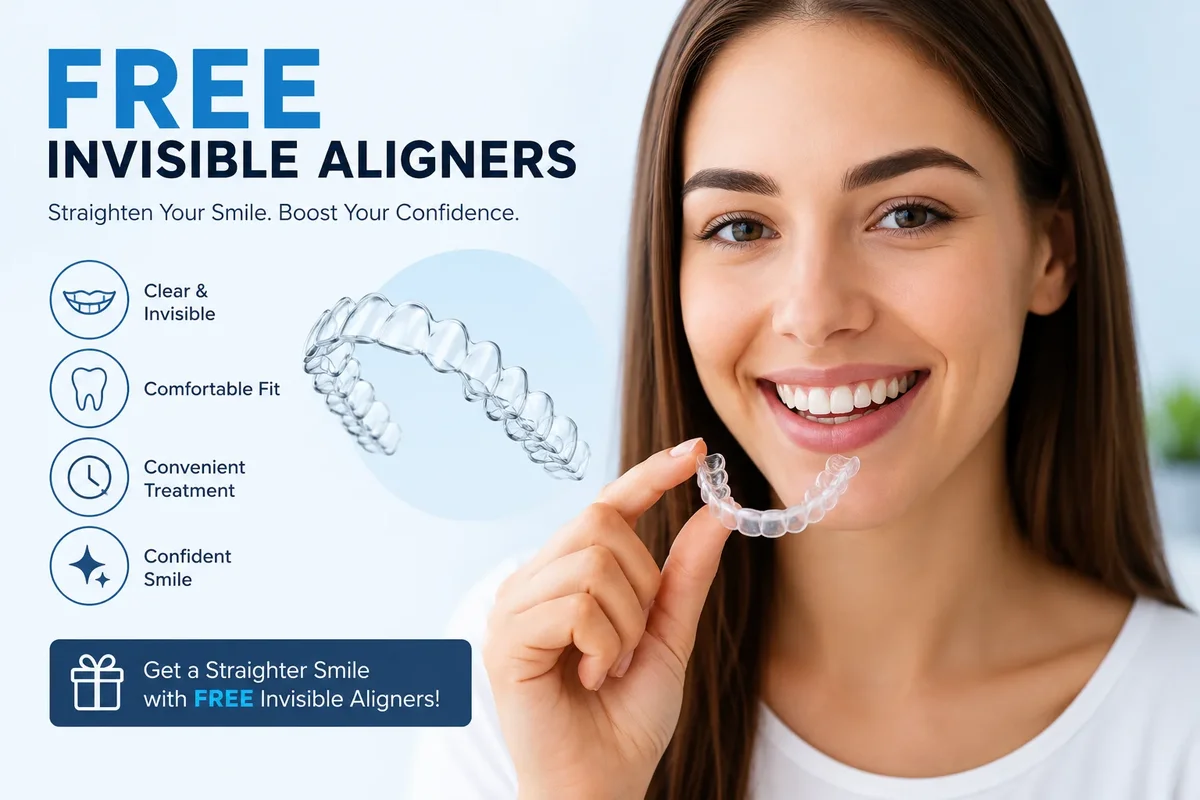
Where to Find Trusted Free Invisible Aligners Programs
As demand for affordable orthodontic treatment continues growing, more patients are searching online for reliable free invisible aligners programs. However, not all providers offer the same level of quality, safety, or professional supervision. Choosing the right provider is one of the most important decisions patients can make before starting orthodontic treatment. Understanding where to find trustworthy free invisible aligners programs helps reduce treatment risks and improves the chances of successful long-term results. 😊
Invisible aligners have transformed modern orthodontics by providing discreet and convenient alternatives to traditional braces. Yet because the phrase free invisible aligners attracts significant online attention, some advertisements may create unrealistic expectations or promote poorly supervised treatment systems.
Patients should focus on finding providers that prioritize safety, transparency, and professional care rather than choosing treatment based only on low prices or marketing claims.
Dental Clinics Offering Promotional Programs
Many established dental clinics occasionally provide promotional opportunities related to free invisible aligners. These offers may include:
- Free orthodontic consultations
- Free digital smile scans
- Discounted treatment plans
- Complimentary retainers
- Insurance-supported financing
- Seasonal orthodontic promotions
Professional clinics usually provide full diagnostic evaluations before recommending aligner treatment. This helps ensure that patients receive personalized and medically appropriate orthodontic care.
Why Established Clinics Are Safer
Trusted dental clinics typically use:
- Licensed orthodontists or dentists
- Advanced digital scanning systems
- Professional x-ray diagnostics
- Customized treatment planning
- Regular progress monitoring
These factors significantly improve the safety and predictability of free invisible aligners treatment.
University Dental Schools
Dental schools are among the most reliable places where patients may find reduced-cost or partially free invisible aligners programs.
Universities often provide orthodontic treatment through supervised educational clinics where dental students work under experienced specialists.
Benefits of Dental School Programs
- Lower treatment costs
- Professional supervision
- Comprehensive evaluations
- Access to modern orthodontic technologies
- Structured treatment protocols
Because these programs are educational environments, appointments may sometimes take longer than private clinics. However, many patients find the affordability worthwhile.
Insurance-Based Orthodontic Programs
Some patients gain access to affordable or partially covered free invisible aligners through dental insurance plans.
Orthodontic insurance benefits may include:
- Partial treatment reimbursement
- Monthly financing support
- Provider network discounts
- Orthodontic coverage allowances
Patients should always verify details carefully because insurance policies often contain limitations related to age, treatment type, and provider eligibility.
Questions to Ask Insurance Providers
- Does the policy cover invisible aligners?
- What percentage of treatment is included?
- Are retainers covered?
- Are there annual or lifetime maximums?
- Which orthodontists are in-network?
Understanding these details helps patients evaluate whether free invisible aligners programs truly reduce overall treatment expenses.
Clinical Research and Orthodontic Studies
Some universities and orthodontic research organizations conduct clinical studies involving aligner therapy. Qualified participants may sometimes receive reduced-cost or free invisible aligners as part of research programs.
These studies are usually carefully supervised and may involve advanced orthodontic technologies.
However, patients should understand that research participation may include:
- Strict qualification requirements
- Additional appointments
- Data collection procedures
- Longer monitoring periods
Despite these conditions, clinical programs can provide valuable treatment opportunities for suitable candidates.
Warning Signs of Untrustworthy Providers
Unfortunately, not every company advertising free invisible aligners operates ethically. Patients should be cautious of providers that prioritize aggressive sales tactics over professional care.
Potential Red Flags 🚨
- No professional dental examination
- No x-rays before treatment
- Extremely unrealistic promises
- Lack of licensed orthodontic supervision
- Pressure to sign immediately
- Unclear treatment costs
- No discussion of risks or limitations
Orthodontic treatment should never begin without proper evaluation and informed consent.
The Importance of In-Person Evaluations
While remote orthodontic technology has become more common, in-person evaluations remain extremely valuable for ensuring safe treatment outcomes.
Professional examinations allow dentists to assess:
- Jaw function
- Gum health
- Bone support
- Tooth mobility
- Bite relationships
These clinical details are difficult to evaluate accurately through photographs alone.
How Reviews and Testimonials Help
Before selecting a provider for free invisible aligners, patients should research reviews and testimonials carefully.
What to Look for in Patient Reviews
- Professional communication
- Treatment transparency
- Successful smile outcomes
- Clean clinical environment
- Responsive follow-up care
- Patient satisfaction with comfort and results
Consistent positive reviews may indicate a provider with strong patient care standards.
Best Places to Search for Free Invisible Aligners Programs 📋
- Licensed dental clinics
- Orthodontic specialists
- University dental schools
- Insurance-supported providers
- Clinical research programs
- Reputable orthodontic centers
Technology and Treatment Quality Matter
Reliable providers offering free invisible aligners often invest in advanced orthodontic technology.
Modern tools may include:
- 3D digital scanning
- Digital smile simulation
- Customized aligner manufacturing
- AI-assisted treatment planning
- Progress monitoring software
These technologies improve precision, comfort, and treatment predictability.
Financial Transparency Is Essential
Patients should always receive clear financial explanations before beginning treatment. Ethical providers explain:
- Total treatment costs
- What is included in promotions
- Retainer fees
- Refinement policies
- Replacement aligner costs
- Financing terms
Transparency helps patients avoid unexpected expenses later in treatment.
Trusted Professional Guidance
Organizations such as the American Dental Association strongly encourage professional orthodontic supervision for safe aligner treatment.
Patients seeking personalized orthodontic consultations and trusted aligner care may contact experienced professionals through the Redent Klinik Contact Page.
Choosing the Right Free Invisible Aligners Program
Finding reliable free invisible aligners programs requires careful research, realistic expectations, and professional guidance. While promotional offers can help reduce treatment costs, patients should prioritize safety, provider experience, and treatment quality above marketing claims.
Orthodontic treatment is a long-term investment in oral health and self-confidence. By selecting qualified professionals, maintaining open communication, and understanding all treatment details clearly, patients can achieve healthier smiles with greater comfort and peace of mind. ✨