
When it comes to maintaining a healthy smile, understanding your insurance options is just as important as regular dental check-ups 🦷. Freedom Health dental coverage is a popular plan chosen by many individuals and families in the United States because it provides an affordable way to access essential oral health services. In this section, we will take a deep dive into what this coverage means, how it works, and why it could be the right choice for your long-term dental care needs.
Freedom Health dental coverage refers to the dental benefits offered by Freedom Health, a Medicare Advantage organization. These plans are structured to reduce out-of-pocket costs for dental procedures and to make preventive care more accessible. For people who prioritize both affordability and comprehensive coverage, this type of plan can be a game-changer. Instead of worrying about high fees for cleanings, fillings, or even dentures, patients can focus on getting the care they need when they need it. This ensures better oral health outcomes while also supporting overall well-being.
At its core, dental insurance through Freedom Health functions much like other health insurance products. Members pay a monthly premium, which may vary depending on the specific plan and geographic region. In exchange, they gain access to a network of approved dentists, clinics, and sometimes even specialty providers. By staying in-network, members enjoy reduced rates for procedures and predictable costs for routine treatments. This is particularly valuable for retirees and seniors who are managing fixed incomes yet still want to prioritize oral health.
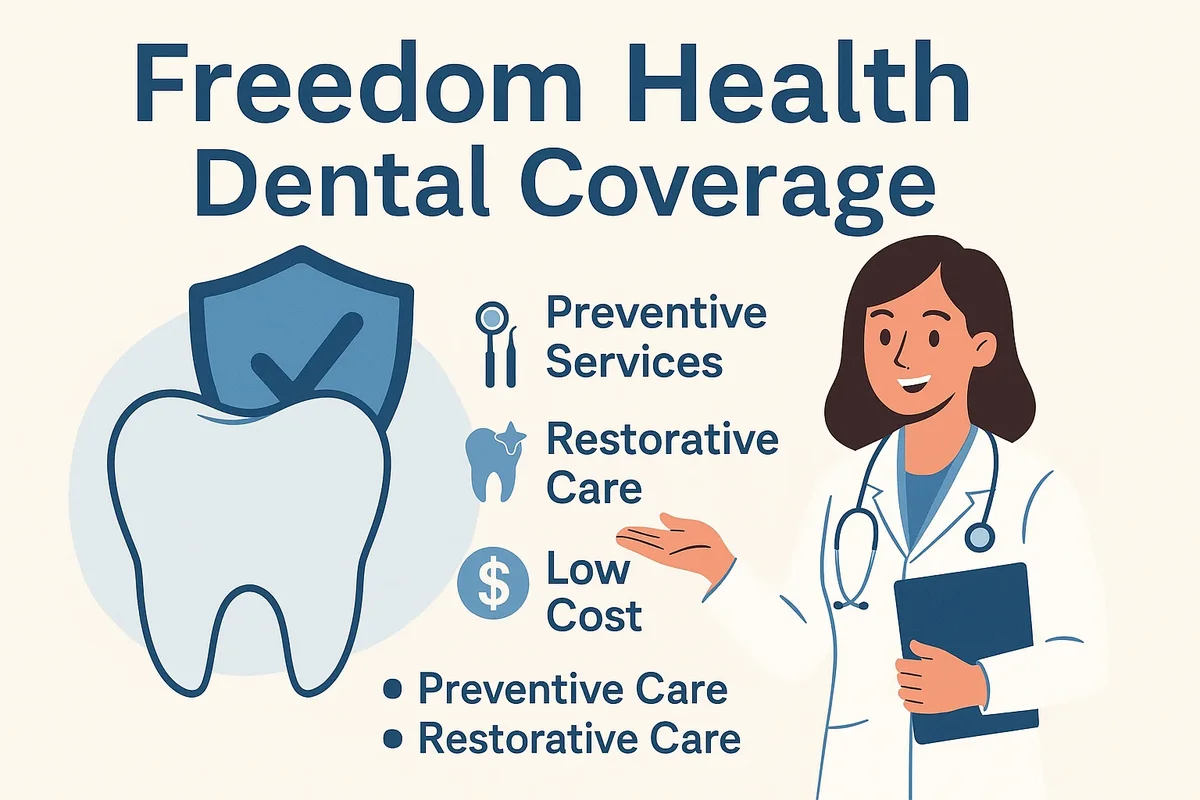
One of the biggest advantages of freedom health dental coverage is the inclusion of preventive services. Most plans cover exams, X-rays, and cleanings at little to no cost. These services are not only essential for keeping teeth and gums healthy but also play a critical role in detecting issues like cavities, gum disease, or oral cancers early. Detecting and addressing problems promptly saves both money and discomfort down the road. Preventive care is a cornerstone of dental health, and Freedom Health has built its policies with this understanding in mind.
Beyond preventive services, many Freedom Health plans include coverage for restorative procedures. This may include fillings, crowns, bridges, and dentures. While exact benefits vary by plan, members often find that the costs of these more complex treatments are substantially reduced compared to paying out of pocket. Additionally, certain plans may cover orthodontic services or periodontal treatments, which can otherwise be extremely costly. By offering this level of support, Freedom Health dental coverage ensures members have peace of mind no matter what their dental journey looks like.
Another key element to consider is how dental coverage affects overall health. Scientific studies have consistently shown a strong link between oral health and systemic conditions such as diabetes, heart disease, and even respiratory illnesses. By making dental care more accessible and affordable, Freedom Health indirectly supports members in managing these broader health concerns. For example, gum disease has been linked to higher risks of cardiovascular problems; by catching and treating gum disease early through preventive dental care, members may reduce these risks significantly.
For many individuals, one question remains: how does Freedom Health compare with traditional dental insurance or other Medicare Advantage plans? The answer lies in the combination of affordability, network size, and the variety of covered services. Many policyholders report that they can find dentists within reasonable driving distance and that costs are manageable compared to standalone dental insurance plans. Unlike some private dental insurance that limits coverage for major procedures, Freedom Health often includes broader benefits tailored to seniors’ needs, making it a more comprehensive choice.
It’s also worth noting that Redent Klinik Contact Page is an excellent resource for patients who want to learn more about international dental options. While Freedom Health primarily serves U.S. residents, those interested in treatment abroad may find that contacting a trusted clinic like Redent provides a broader view of their dental care choices.
When evaluating dental coverage, professional guidance is invaluable. The American Dental Association emphasizes that having reliable dental insurance encourages patients to maintain regular visits and invest in long-term oral health. By reducing cost barriers, insurance like Freedom Health enables people to act on this recommendation, helping them sustain healthy teeth and gums throughout their lives.
Finally, let’s touch on the financial aspect. Premiums for freedom health dental coverage may start as low as $0 for certain Medicare Advantage plans, depending on eligibility and location. Out-of-pocket costs for services like fillings may range from $20–$50, while crowns could cost around $200–$400 with coverage (compared to $800–$1,200 without insurance). These figures highlight the substantial savings that come with a well-structured plan. Of course, exact amounts depend on individual policies, so patients should always review the details before enrolling.
In conclusion, Freedom Health dental coverage is designed to simplify access to dental care, minimize costs, and encourage preventive practices that benefit long-term health. By covering a wide range of services, from cleanings to complex restorations, it empowers members to maintain healthy smiles without financial strain. Whether you are newly eligible for Medicare Advantage or simply exploring better dental coverage options, Freedom Health’s dental plans are worth serious consideration for anyone committed to oral health and overall wellness 😊.
Understanding Freedom Health Dental Plans
Choosing the right dental insurance can feel overwhelming, especially when faced with multiple providers, coverage levels, and cost structures. Freedom Health dental coverage stands out because it blends affordability with comprehensive benefits. To fully understand these plans, it is essential to explore how they work, what they include, and how they differ from other dental insurance options on the market. This section provides a detailed explanation of Freedom Health dental plans and how they can support your oral and overall health.
What Are Freedom Health Dental Plans?
Freedom Health dental coverage is part of a Medicare Advantage package offered by Freedom Health. Unlike standalone dental insurance, these plans are integrated into a larger health care structure, meaning that members may enjoy both medical and dental benefits in one streamlined program. These dental benefits are not an afterthought—they are designed specifically to meet the needs of seniors and retirees who often require preventive, restorative, and sometimes specialized dental care. By consolidating health and dental insurance, Freedom Health reduces complexity for patients who want a straightforward, affordable solution.
Core Components of Freedom Health Dental Coverage
Understanding what these plans include is key to making an informed decision. Here are some of the major components:
- Preventive care: Most plans cover routine check-ups, X-rays, and professional cleanings at no additional cost. Preventive care is the foundation of good oral health and helps identify issues before they become major problems.
- Restorative care: Services like fillings, crowns, bridges, and dentures are frequently covered at reduced rates. This makes it easier for patients to restore functionality and aesthetics after dental damage.
- Periodontal services: Many plans include scaling and root planing for patients with gum disease, ensuring that oral health issues don’t progress into serious complications.
- Specialized care: Depending on the plan, orthodontics or oral surgery may also be included, though availability varies by state and region.
How Preventive Services Save Money and Health
The inclusion of preventive services in freedom health dental coverage is not just about routine cleanings—it is about proactive health management. For example, by covering annual exams and X-rays, the plan encourages early detection of cavities, infections, or oral cancers. Treating problems early usually requires less invasive, less expensive interventions, saving both money and discomfort. Preventive care also reduces the likelihood of developing systemic conditions linked to poor oral health, such as heart disease or diabetes.
Networks and Accessibility
Another important aspect of Freedom Health dental plans is access to a network of dentists and clinics. Staying within the network ensures that patients benefit from negotiated rates, making treatments more predictable in terms of cost. Freedom Health has developed partnerships with numerous dental providers, giving members a wide range of options for care. For individuals in rural or underserved areas, this network expansion can make a big difference in accessing timely and affordable dental services.
In-Network vs. Out-of-Network Care
While most savings come from staying in-network, some Freedom Health dental coverage options allow partial reimbursement for out-of-network services. This flexibility is particularly valuable for patients who travel frequently or split time between states. However, members should always check their plan documents to confirm coverage levels and cost-sharing arrangements before visiting an out-of-network provider.
Comparing Freedom Health Plans
Freedom Health offers multiple plan variations, each tailored to different needs and budgets. Some plans may focus heavily on preventive and restorative care, while others provide more comprehensive benefits, including coverage for advanced procedures. When comparing options, it is essential to review the following factors:
- Monthly premiums (some start as low as $0, depending on eligibility and location).
- Co-pays and deductibles for different procedures.
- Annual maximums, which cap the amount the plan will pay for dental services within a year.
- Coverage for specialized services, such as orthodontics or implants.
Financial Perspective: Sample Costs
Based on common coverage structures, here is what patients might expect to pay under freedom health dental coverage compared to out-of-pocket costs:
Routine cleaning: $0–$20 (vs. $100–$150 without insurance)
Simple filling: $20–$50 (vs. $150–$300 without insurance)
Dental crown: $200–$400 (vs. $800–$1,200 without insurance)
Dentures: $400–$600 (vs. $1,200–$2,000 without insurance)
These figures demonstrate the financial value of having comprehensive dental insurance. While exact numbers vary by region and plan, the cost savings are significant enough to justify membership for many patients.
Why Seniors Benefit Most
Freedom Health dental coverage is particularly advantageous for seniors. As we age, oral health risks increase due to factors such as medication side effects, reduced saliva production, and accumulated dental wear. Seniors often face higher rates of tooth loss, gum disease, and the need for prosthetic devices. Having insurance that specifically caters to these needs ensures that retirees are not forced to choose between dental health and financial stability. It also supports long-term wellness by reducing risks associated with untreated dental conditions.
Holistic Impact on Overall Health
Dental health is not isolated from the rest of the body. Freedom Health recognizes this and incorporates dental benefits into a holistic health plan. By making oral care more affordable and accessible, the plan contributes to better management of chronic diseases and improved quality of life. Studies suggest that patients with dental insurance are more likely to schedule regular check-ups and receive timely treatments, leading to healthier outcomes overall.
Key Takeaway
In summary, freedom health dental coverage is much more than just an insurance product—it is a gateway to consistent, affordable, and comprehensive dental care. With preventive services at its core, broad networks of providers, and substantial savings on restorative treatments, it empowers members to prioritize oral health without financial strain. Whether you are newly eligible for Medicare Advantage or simply looking for better coverage options, understanding these plans helps ensure that your dental health needs are met today and well into the future 😊.
Key Benefits of Freedom Health Dental Coverage
Making the decision to enroll in Freedom Health dental coverage often comes down to the advantages that the plan provides compared to paying out of pocket or using traditional dental insurance. For many seniors, families, and individuals, the benefits of this coverage go far beyond cost savings. It represents a structured system of care designed to make preventive, restorative, and even advanced treatments more accessible. In this section, we will explore the key benefits in detail so you can fully understand why this coverage is considered one of the strongest options available.
Comprehensive Preventive Care 🦷
One of the greatest benefits of freedom health dental coverage is the inclusion of preventive care at little or no additional cost. Regular check-ups, cleanings, and diagnostic services like X-rays are typically covered. Preventive care is essential not just for oral health but for overall wellness. Detecting cavities, gum disease, or oral cancers early prevents costly and painful treatments later. By eliminating financial barriers to these routine visits, Freedom Health empowers members to maintain consistent dental health habits without worrying about unexpected expenses.
Early Detection and Long-Term Savings
For example, a small cavity caught during a free check-up can be treated with a simple filling that costs as little as $20 under coverage. Without insurance, that same cavity might go unnoticed until it requires a crown or root canal costing over $1,000. This illustrates how preventive coverage leads to both health protection and significant long-term savings.
Affordable Restorative Treatments
Another major benefit is the way freedom health dental coverage reduces costs for restorative care. Whether you need a filling, crown, bridge, or dentures, the plan provides negotiated rates with in-network providers. This ensures that seniors and individuals with fixed incomes can afford treatments that restore chewing ability, prevent further tooth decay, and maintain aesthetics. For many patients, restorative care is not optional—it is necessary for maintaining nutrition, confidence, and quality of life.
Cost Examples of Restorative Procedures
Filling: $20–$50 (vs. $150–$300 without coverage)
Crown: $200–$400 (vs. $800–$1,200 without coverage)
Dentures: $400–$600 (vs. $1,200–$2,000 without coverage)
Bridge: $350–$500 (vs. $1,500+ without coverage)
These examples highlight how freedom health dental coverage translates into tangible financial relief for patients needing restorative solutions.
Support for Periodontal Health
Gum health is often overlooked in dental insurance, but Freedom Health makes it a priority. Periodontal cleanings and scaling procedures are commonly covered. This is particularly important because untreated gum disease is linked not only to tooth loss but also to systemic conditions like diabetes and heart disease. By including periodontal benefits, the plan safeguards both oral and overall health.
Wide Network of Dentists
Another core benefit of freedom health dental coverage is access to a wide network of providers. Members can choose from numerous dentists and clinics within their local area, ensuring that they don’t need to travel far for quality care. In-network providers also offer pre-negotiated rates, making treatments predictable and affordable. Some plans may even allow partial reimbursement for out-of-network visits, which adds flexibility for those who travel frequently or live seasonally in different states.
Integration with Medicare Advantage
Freedom Health dental benefits are often integrated into Medicare Advantage plans. This means members get both medical and dental services under a single umbrella, simplifying their healthcare management. Having one insurance provider reduces administrative stress, ensures better coordination of care, and often results in more comprehensive coverage overall. For retirees and seniors, this integration is especially helpful because it combines affordability with convenience.
Holistic Health Benefits
By combining dental and medical benefits, Freedom Health supports a holistic approach to wellness. Oral infections or gum disease can negatively affect cardiovascular health, diabetes control, and even cognitive health. When members regularly use their dental benefits, they indirectly improve other aspects of their health, lowering risks of hospitalization and chronic disease complications.
Budget-Friendly Options
Many freedom health dental coverage plans start at $0 monthly premiums, depending on eligibility and location. For seniors living on a fixed income, this is an invaluable benefit. Instead of worrying about high insurance fees, they can focus on using their plan benefits for care when it is truly needed. Transparent co-pay structures also help members budget more effectively, avoiding surprise bills after appointments.
Peace of Mind and Confidence 😊
Finally, one of the most underrated benefits is peace of mind. Knowing that you have access to affordable dental care provides confidence that your oral health will not deteriorate due to financial limitations. This assurance encourages members to seek care promptly, maintain oral hygiene routines, and feel confident in their ability to manage health issues that arise. Whether it’s a simple cleaning or a more complex procedure, having freedom health dental coverage means that patients can focus on their health instead of worrying about the bill.
Conclusion: Why These Benefits Matter
In conclusion, the key benefits of Freedom Health dental coverage extend far beyond routine dental visits. From preventive care and restorative savings to periodontal health and Medicare Advantage integration, the plan is designed to provide comprehensive support for members’ oral and overall well-being. Add to this the financial savings, the wide provider network, and the peace of mind that comes with predictable costs, and it becomes clear why Freedom Health is such a valuable choice. For anyone evaluating dental insurance, these benefits make a compelling case for enrollment in 2025 and beyond.
What Treatments Are Included in Freedom Health Plans?
When people explore Freedom Health dental coverage, one of their first questions is about the types of treatments included. Understanding what is covered helps patients make informed decisions about their dental care while avoiding unexpected costs. Freedom Health has built its dental benefits with a strong focus on preventive, restorative, and sometimes advanced treatments, ensuring that members get access to the procedures they need most. In this section, we will examine the treatment categories step by step, providing clarity on what you can expect under a Freedom Health plan.
Preventive Dental Services
Preventive services are at the heart of every freedom health dental coverage plan. These services aim to stop problems before they develop into costly and painful conditions. Most plans include the following preventive benefits:
- Routine dental check-ups (usually twice a year)
- Professional cleanings to remove plaque and tartar
- X-rays for diagnostic purposes
- Oral cancer screenings
- Fluoride treatments (in some regions)
These services are usually offered with little to no co-pay, making them accessible to members of all income levels. Preventive care is particularly important for seniors, as it helps detect issues like gum disease or oral cancer in their earliest stages.
Why Preventive Care Matters
Research has shown that regular preventive care leads to fewer major dental procedures later in life. For example, a simple $0–$20 cleaning covered under the plan can prevent gum disease that might otherwise require a $600 scaling and root planing procedure. Freedom Health dental coverage prioritizes prevention to protect both your smile and your wallet.
Restorative Dental Services
Even with the best preventive care, dental problems can arise. That’s why restorative services are an important part of Freedom Health plans. Members can expect coverage for:
- Fillings (to repair cavities)
- Crowns (to restore strength and function to damaged teeth)
- Bridges (to replace missing teeth)
- Dentures (partial or full, depending on need)
These treatments are essential for maintaining the ability to chew, speak, and smile confidently. With freedom health dental coverage, restorative procedures are significantly more affordable than paying out of pocket. For example, a crown that might normally cost $1,200 could be reduced to around $300–$400, depending on the plan and location.
Examples of Cost Savings
Filling: $20–$50 (vs. $150–$300 without coverage)
Crown: $200–$400 (vs. $800–$1,200 without coverage)
Bridge: $350–$500 (vs. $1,500+ without coverage)
Full Denture Set: $500–$700 (vs. $1,500–$2,500 without coverage)
These numbers highlight how Freedom Health coverage allows members to maintain their oral health without overwhelming financial strain.
Periodontal (Gum) Treatments
Periodontal care is a crucial inclusion in freedom health dental coverage. Gum disease affects millions of people, and untreated cases can lead to tooth loss and systemic health issues. Covered services often include:
- Deep cleanings (scaling and root planing)
- Follow-up maintenance visits
- Treatment for gum infections
This coverage is particularly beneficial for seniors, who are at higher risk for periodontal problems. By including gum care in the plan, Freedom Health ensures comprehensive protection for both oral and overall health.
Specialized and Advanced Treatments
Depending on the specific plan and location, some advanced services may also be included. While not all plans cover these treatments, certain members may benefit from:
- Orthodontics (braces or aligners, typically for medical necessity)
- Oral surgery (such as tooth extractions or biopsies)
- Emergency dental care for sudden pain or trauma
Members should always review their specific plan documents to see which advanced treatments are included. Still, the possibility of receiving coverage for these services adds significant value to freedom health dental coverage.
Emergency Dental Care
One notable advantage is access to emergency dental care. If a member experiences sudden tooth pain, injury, or infection, many Freedom Health plans provide coverage for urgent visits. This ensures that members do not delay care due to cost concerns, which could otherwise lead to severe complications.
Integration with Overall Health Plans
Because Freedom Health dental benefits are often part of Medicare Advantage, treatments are better coordinated with overall healthcare. For example, if gum disease is affecting a member’s diabetes management, both medical and dental providers can collaborate under the same plan to improve outcomes. This integration is one of the strongest reasons patients choose freedom health dental coverage.
Key Takeaway
In summary, the treatments included in Freedom Health dental coverage span from essential preventive services to restorative, periodontal, and even advanced procedures. With predictable costs, substantial savings, and holistic health benefits, these plans are designed to give members confidence that their dental needs will be met. By covering such a wide range of treatments, Freedom Health ensures that patients maintain their oral health without sacrificing financial stability—a benefit that is particularly valuable in 2025 and beyond.
Comparing Freedom Health Dental Coverage with Other Insurances
When evaluating dental insurance, many people naturally wonder how Freedom Health dental coverage stacks up against other providers. With so many dental plans available—ranging from standalone dental insurance policies to Medicare Advantage add-ons—it can be difficult to determine which one offers the best combination of value, coverage, and convenience. In this section, we will provide a detailed comparison that highlights how Freedom Health differs from traditional dental insurance, private plans, and other Medicare Advantage dental benefits. By the end, you’ll have a clear picture of what makes Freedom Health unique and whether it’s the right fit for your needs.
Freedom Health vs. Traditional Dental Insurance
Traditional dental insurance policies typically come as standalone plans. Members pay monthly premiums, often ranging from $25 to $60 per person, with annual maximums around $1,000 to $1,500. While these plans cover preventive services and part of the cost for restorative treatments, they often include waiting periods and exclusions for major procedures like crowns or dentures.
By contrast, freedom health dental coverage integrates dental benefits into Medicare Advantage, meaning members can often access $0 premiums depending on eligibility. More importantly, waiting periods are usually waived, and coverage levels are designed with seniors in mind. For example, while traditional plans may only pay 50% of a crown, Freedom Health often reduces the cost significantly with set co-pays of $200–$400, which is far more predictable and affordable for retirees.
Key Differences in Cost and Structure
- Traditional plans: Higher monthly premiums, strict annual maximums, waiting periods for major care.
- Freedom Health: Lower or $0 premiums, no waiting periods, and cost-sharing models tailored to seniors’ needs.
Freedom Health vs. Private Insurance Companies
Private insurance companies like Delta Dental, Aetna, or Cigna often market their dental plans as flexible options for individuals and families. These plans can be excellent for younger demographics who require occasional preventive or restorative services. However, they may not provide the depth of coverage that seniors and retirees need.
With freedom health dental coverage, seniors enjoy not only dental care but also integrated health services under Medicare Advantage. This integration reduces the hassle of managing separate providers and ensures better coordination between medical and dental care. For example, if a patient’s gum disease is complicating their diabetes management, doctors and dentists can collaborate more effectively under a shared plan structure.
Network Accessibility
Freedom Health emphasizes accessibility by building wide provider networks in its service areas. While private insurance may have larger networks overall, they may not always be as senior-focused or affordable. Freedom Health ensures that its networks prioritize geriatric dentistry, periodontal services, and prosthetics, which are especially important for older adults.
Freedom Health vs. Other Medicare Advantage Plans
Not all Medicare Advantage providers offer the same dental benefits. Some include only preventive services such as cleanings and exams, leaving patients to cover major procedures almost entirely out of pocket. In contrast, freedom health dental coverage often includes restorative care like fillings, crowns, and dentures, making it far more comprehensive. Additionally, some plans offer coverage for emergency dental visits and specialized periodontal treatments, areas where competing Medicare Advantage policies may fall short.
Comparison Example
Medicare Advantage Plan A: Preventive care only (cleanings, exams, and X-rays).
Medicare Advantage Plan B: Preventive + limited restorative coverage (fillings, but not crowns or dentures).
Freedom Health: Preventive + restorative + periodontal + sometimes orthodontics or oral surgery.
This example demonstrates why seniors seeking extensive dental support often prefer Freedom Health.
Financial Considerations and Transparency
One of the standout aspects of freedom health dental coverage is transparency. Costs are typically structured as predictable co-pays rather than vague “percentage of coverage” models. This is critical for retirees on fixed incomes who need to plan healthcare expenses precisely. For example, knowing that a filling will cost $30 instead of an uncertain 20% of an unknown fee gives patients confidence and control.
Convenience and Peace of Mind
Managing separate health and dental policies can be confusing, especially for seniors who may already juggle multiple prescriptions, appointments, and medical conditions. Freedom Health simplifies this by combining dental and medical care into a single Medicare Advantage package. This convenience reduces paperwork, simplifies billing, and makes it easier to keep track of benefits. Compared to other insurance structures, the streamlined nature of Freedom Health is a significant benefit in itself.
Patient Experience and Reviews
Patient feedback often highlights how easy it is to use freedom health dental coverage compared to private or traditional insurance. Many members report satisfaction with provider accessibility, straightforward co-pays, and the peace of mind that comes from comprehensive benefits. While no plan is perfect, reviews often indicate that Freedom Health outperforms expectations, especially for seniors managing complex dental needs.
Conclusion: A Clear Edge for Seniors
In conclusion, Freedom Health dental coverage offers a unique blend of affordability, transparency, and comprehensiveness compared to other dental insurance options. Traditional standalone plans may be useful for younger individuals, and private insurance may offer flexibility for families, but neither is as senior-focused or holistic as Freedom Health. Compared to other Medicare Advantage plans, Freedom Health consistently stands out for including restorative and periodontal benefits, emergency care, and cost predictability. For retirees seeking dependable and affordable dental coverage, Freedom Health provides a clear competitive edge.
How to Apply for Freedom Health Dental Coverage Easily
Securing Freedom Health dental coverage is a straightforward process when you know the steps to follow. For seniors, retirees, and families looking for reliable dental insurance, understanding the enrollment process ensures that you don’t miss out on valuable benefits. In this section, we will explain how to apply for Freedom Health dental plans, outline eligibility requirements, and provide tips for making the process as smooth as possible.
Step 1: Determine Your Eligibility
The first step in applying for freedom health dental coverage is confirming your eligibility. Most Freedom Health dental benefits are offered through Medicare Advantage (Part C) plans, which means:
- You must be eligible for Medicare Part A and Part B.
- You must live in a county or region where Freedom Health plans are offered.
- You should apply during an enrollment period (Initial Enrollment, Annual Enrollment, or Special Enrollment).
Eligibility is critical, as not every county or state may have the same dental coverage options. Before moving forward, it is important to check the availability in your area.
Special Enrollment Periods
If you’ve recently moved, lost other coverage, or experienced qualifying life events, you may be eligible for a Special Enrollment Period. This flexibility makes it easier for patients to secure freedom health dental coverage outside the standard windows.
Step 2: Research the Plan Options
Freedom Health offers different plan tiers, each with varying dental benefits. Some focus on preventive care, while others extend to restorative and advanced services. When researching, pay close attention to:
- Monthly premiums (some start at $0, depending on your eligibility).
- Co-pays for specific services like fillings, crowns, or dentures.
- Annual maximums that cap how much the plan will pay each year.
- Network providers in your area.
By comparing these elements, you can select the plan that best fits your dental needs and budget.
Step 3: Gather Required Information
Before beginning the application, have the following details ready:
- Medicare card with Part A and Part B effective dates.
- Personal identification (driver’s license or state ID).
- List of current medications and doctors (if relevant).
- Preferred dental providers, if you have one.
Having this information on hand will make the process of applying for freedom health dental coverage much faster and smoother.
Step 4: Choose an Enrollment Method
There are multiple ways to apply for Freedom Health dental plans, allowing you to pick whichever method is most convenient:
- Online Application: Apply directly through Freedom Health’s official website.
- Phone Enrollment: Call Freedom Health’s enrollment line to speak with a licensed representative.
- Mail Application: Request an application form, fill it out, and return it via mail.
- In-Person Assistance: Work with a licensed agent or attend enrollment events in your community.
Tip for Online Enrollment
Online applications are the fastest way to secure coverage. Many seniors find it convenient because they can complete the process from home, avoiding travel or mailing delays.
Step 5: Review and Confirm Your Benefits
Once you’ve submitted your application, carefully review the confirmation documents. These will outline your dental benefits, including preventive care, restorative services, and cost-sharing responsibilities. Make sure your selected dentist is within the network and confirm whether your plan covers advanced treatments like dentures or periodontal care.
Step 6: Start Using Your Coverage
After approval, you can begin using your freedom health dental coverage as soon as your plan becomes active. Many members schedule a dental check-up right away to take advantage of free preventive care benefits. This ensures you start your membership on the right foot by addressing any urgent needs and building a long-term oral health strategy.
Common Mistakes to Avoid
During enrollment, patients sometimes make avoidable mistakes that delay their access to care. Be sure to:
- Apply during an active enrollment period to avoid rejection.
- Double-check that your preferred providers are in-network.
- Read the fine print about annual maximums and co-pay structures.
- Keep copies of all enrollment paperwork for future reference.
Additional Resources
For personalized guidance, you can reach out to licensed insurance agents or visit the Redent Klinik Contact Page for assistance in understanding international dental options. Additionally, the American Dental Association offers resources about dental health and insurance, which can help you evaluate your choices more effectively.
Conclusion: A Simple Path to Better Dental Health
Applying for Freedom Health dental coverage is designed to be user-friendly and accessible. With multiple enrollment methods, straightforward requirements, and clear benefits, seniors and families can secure comprehensive dental protection with confidence. By preparing ahead, avoiding common mistakes, and reviewing plan details carefully, applicants can ensure they receive maximum value from their coverage. Ultimately, the ease of application is one of the many reasons why Freedom Health remains a trusted choice for dental insurance in 2025 and beyond.
Costs, Premiums, and Hidden Fees Explained
One of the most important considerations when evaluating Freedom Health dental coverage is the cost structure. While many people assume that dental insurance is expensive or comes with surprise charges, Freedom Health is designed to provide clarity and affordability. To make the right decision, it’s crucial to understand how premiums, co-pays, deductibles, and potential hidden fees work. In this section, we’ll break down each financial aspect so that patients can confidently plan their dental care expenses.
Monthly Premiums
Freedom Health stands out because many of its dental-inclusive Medicare Advantage plans feature $0 monthly premiums. This is a major advantage over traditional standalone dental insurance, which typically costs $25–$60 per month per person. However, premium amounts may vary depending on your geographic region and the specific plan you select. For seniors living on a fixed income, the availability of low or zero premiums makes freedom health dental coverage especially attractive.
How Premiums Are Determined
Premiums are calculated based on several factors, including:
- Your county or state of residence.
- The specific plan tier you select.
- Whether the plan is bundled with additional health benefits under Medicare Advantage.
This flexibility ensures that patients can choose a plan that balances affordability with comprehensive coverage.
Co-Pays for Common Procedures
Instead of paying unpredictable percentages, Freedom Health simplifies costs with fixed co-pays. For example, a filling may cost just $20–$50, while a crown might range from $200–$400. These flat fees are significantly lower than out-of-pocket prices, which can easily reach $1,200 for a crown without insurance. By using co-pays, freedom health dental coverage removes the uncertainty and helps members budget more effectively.
Cost Examples for Routine and Restorative Care
Routine Cleaning: $0–$20 (vs. $100–$150 without coverage)
Filling: $20–$50 (vs. $150–$300 without coverage)
Crown: $200–$400 (vs. $800–$1,200 without coverage)
Denture Set: $500–$700 (vs. $1,500–$2,500 without coverage)
These examples illustrate the significant savings available under Freedom Health plans, making dental care more accessible and affordable.
Annual Maximums
Like most dental insurance, Freedom Health includes an annual maximum—the total amount the plan will pay for dental services within a calendar year. This maximum typically ranges between $1,000 and $2,500, depending on the plan. Once you reach this cap, you are responsible for paying any additional costs. However, since freedom health dental coverage emphasizes preventive care, many members find that they rarely approach this maximum because early treatment prevents expensive procedures.
Deductibles Explained
Deductibles are the amount you must pay out of pocket before insurance coverage begins. Some Freedom Health plans may have small deductibles (e.g., $50–$100 annually), while others eliminate deductibles entirely. This structure provides flexibility while still ensuring affordability. Seniors often prefer plans with no deductible because it means immediate access to benefits without upfront costs.
Hidden Fees to Watch Out For
While Freedom Health is known for transparency, patients should still be aware of potential extra costs. Hidden fees may arise in the following scenarios:
- Out-of-network visits: If you visit a dentist outside the Freedom Health network, you may pay higher rates.
- Non-covered services: Some advanced treatments, such as cosmetic dentistry (whitening, veneers), may not be included.
- Emergency care: While many plans include emergency dental benefits, out-of-area emergencies might involve additional costs.
Being aware of these possibilities ensures that members are not caught off guard. By staying in-network and confirming which services are covered, patients can avoid most hidden charges.
Transparency Tip
Always request an estimate before starting a major dental procedure. Dentists in-network with freedom health dental coverage can provide a cost breakdown that shows exactly what the plan covers and what your out-of-pocket expenses will be.
Comparing Costs with Other Plans
Compared to private or standalone dental insurance, Freedom Health is often more affordable, especially for seniors. Traditional plans may charge higher premiums and only cover 50% of restorative care. In contrast, Freedom Health provides predictable co-pays and frequently lower overall costs. For example, while a private dental plan may require a $40 monthly premium plus 50% of a crown cost, Freedom Health may only require a $0 premium and a $300 co-pay for the same procedure.
Budgeting for Dental Care with Freedom Health
One of the greatest advantages of freedom health dental coverage is the ability to plan your dental budget with confidence. With transparent co-pays, affordable premiums, and broad preventive coverage, members can predict their yearly expenses more accurately. This is particularly beneficial for retirees managing limited incomes and households that want to avoid financial surprises related to dental care.
Conclusion: Affordable and Transparent Coverage
In conclusion, Freedom Health dental coverage provides one of the clearest and most affordable financial structures among dental insurance options. With low or zero premiums, predictable co-pays, manageable deductibles, and transparent policies that minimize hidden fees, patients can confidently maintain their dental health without financial strain. By understanding costs upfront, seniors and families can make the most of their coverage and enjoy the peace of mind that comes with knowing their smiles are protected in 2025 and beyond.
Common Questions About Freedom Health Dental Coverage
When considering Freedom Health dental coverage, many patients and families have important questions. Understanding how the plan works, what is included, and what limitations may exist helps potential members make informed choices. In this section, we’ll address the most frequently asked questions in detail, offering clarity on everything from eligibility and benefits to costs and provider access.
Is Freedom Health Dental Coverage Only for Seniors?
Because freedom health dental coverage is offered through Medicare Advantage (Part C), it is primarily designed for seniors aged 65 and older who are eligible for Medicare Part A and Part B. However, some individuals under 65 who qualify for Medicare due to disability may also be eligible. Families seeking dental coverage for younger members may need to consider private dental insurance plans, but for seniors, Freedom Health is one of the most accessible and affordable options.
Why Is It Senior-Focused?
Seniors have higher dental care needs, including dentures, crowns, and periodontal care. Freedom Health plans are tailored to these needs, ensuring that older adults have affordable access to the services that matter most to them.
Does Freedom Health Cover Major Dental Work?
Yes, in most cases. Freedom health dental coverage includes restorative procedures such as fillings, crowns, bridges, and dentures. The exact level of coverage depends on the specific plan and region. Some plans may even extend to periodontal treatments and oral surgery, which are crucial for seniors with advanced oral health conditions. Cosmetic treatments, such as teeth whitening or veneers, are typically not covered since they are not considered medically necessary.
Examples of Major Dental Procedures
Crown: $200–$400 with coverage (vs. $800–$1,200 without)
Dentures: $500–$700 with coverage (vs. $1,500–$2,500 without)
Bridge: $350–$500 with coverage (vs. $1,500+ without)
These examples demonstrate the cost savings that members enjoy with Freedom Health compared to paying out of pocket.
Are Preventive Services Really Free?
One of the biggest advantages of freedom health dental coverage is that most preventive services are included at no cost to the patient. Routine check-ups, cleanings, and diagnostic X-rays are usually 100% covered. This removes financial barriers and encourages members to schedule regular visits, which is essential for maintaining long-term oral health.
Hidden Fees in Preventive Care?
Preventive care is generally free, but patients should stay in-network to avoid additional charges. Out-of-network providers may bill extra fees, so always confirm your dentist’s participation in the Freedom Health network before scheduling appointments.
How Large Is the Provider Network?
Freedom Health works with a broad network of dental professionals across its service areas. Members typically have access to multiple in-network dentists within reasonable travel distance. Choosing in-network providers ensures predictable co-pays and reduced costs. If members go out-of-network, they may still receive some benefits, but costs are higher.
What If My Dentist Isn’t in the Network?
If your preferred dentist is not in the Freedom Health network, you have two choices: either switch to an in-network dentist for cost savings or ask your provider if they are willing to join the Freedom Health network. Many dentists are open to participating because of the patient volume associated with Medicare Advantage plans.
Is Emergency Dental Care Covered?
Yes, many freedom health dental coverage plans include benefits for emergency dental care. This means that if you experience sudden pain, injury, or infection, you can access treatment without worrying about full out-of-pocket expenses. However, coverage may vary depending on whether the emergency occurs inside or outside of the service area, so it is important to review plan documents for specific details.
What About Annual Maximums and Limitations?
Most plans include annual maximums between $1,000 and $2,500, which is the total the plan will pay for dental services in a calendar year. Once this amount is reached, additional services must be paid out of pocket. There may also be limitations on certain procedures, such as a cap on the number of cleanings allowed per year. Understanding these limits is essential for maximizing your benefits.
Can I Use My Benefits Immediately?
Unlike many private insurance policies that impose waiting periods, freedom health dental coverage generally allows members to start using their benefits right away after enrollment. This is particularly helpful for seniors who may have urgent dental needs and cannot wait months to access restorative care.
How Do I Apply?
Applying is simple. Eligible seniors can enroll during Medicare’s Annual Enrollment Period, Initial Enrollment, or a Special Enrollment Period. Applications can be submitted online, over the phone, or with the help of licensed agents. For personalized guidance, patients may also consult resources like the Redent Klinik Contact Page or the American Dental Association.
Conclusion: Addressing Common Concerns
In conclusion, most questions about Freedom Health dental coverage revolve around eligibility, benefits, costs, and accessibility. The plan is senior-focused, includes preventive and restorative services, provides immediate coverage in many cases, and ensures affordability with transparent pricing. By addressing these common concerns, patients can confidently decide whether Freedom Health is the right choice for their dental and overall health in 2025 and beyond.
Expert Opinions and Patient Reviews on Freedom Health Plans
When deciding on a dental insurance provider, unbiased feedback is critical. Both expert evaluations and patient testimonials offer insight into how Freedom Health dental coverage performs in the real world. Understanding what professionals in the dental industry say, along with first-hand experiences from patients, allows you to assess whether Freedom Health aligns with your oral health and financial needs. This section explores expert commentary, common themes in patient reviews, and the overall reputation of Freedom Health dental plans.
Expert Opinions on Freedom Health Dental Coverage
Dental and healthcare experts frequently highlight the affordability and accessibility of freedom health dental coverage. Professionals often note that integrating dental benefits within Medicare Advantage plans helps seniors maintain regular dental care routines without the financial barriers typical of private insurance. Preventive coverage is seen as a cornerstone advantage, since it reduces the risk of costly emergency procedures and supports broader health outcomes, such as lowering risks linked to cardiovascular disease and diabetes.
Professional Endorsements
Organizations like the American Dental Association emphasize the importance of preventive care in promoting long-term oral health. Freedom Health’s emphasis on covering routine cleanings, exams, and X-rays aligns with these recommendations. Dental consultants also praise the plan’s predictable co-pay system, noting that patients benefit from knowing upfront what a crown or filling will cost instead of dealing with uncertain percentage-based payments.
Patient Reviews: What Members Are Saying
Members who use freedom health dental coverage often share experiences that highlight both strengths and areas for improvement. The most common positive themes include:
- Affordability: Patients frequently mention how much money they save on procedures such as crowns, dentures, and fillings.
- Accessibility: Many members are satisfied with the wide network of dentists and the availability of nearby clinics.
- Peace of mind: Seniors especially value knowing that preventive care is included, reducing worry about hidden costs.
Some reviews also highlight minor drawbacks, such as limitations on annual maximums or restrictions on advanced cosmetic treatments. However, these concerns are typical of most dental insurance plans and are not unique to Freedom Health.
Real-World Savings Shared by Patients
“I needed a crown last year. Without insurance, it would have cost me over $1,000, but with Freedom Health, I only paid $300. It made a huge difference.” — Mary T., 72
“The preventive visits are completely covered, and that gives me confidence to go every six months. My dentist found a small cavity early, and the filling was only $25.” — James L., 68
Testimonials like these demonstrate the tangible financial relief members experience when using their freedom health dental coverage.
Balanced Feedback: Strengths and Limitations
No insurance plan is perfect, and patients have provided balanced feedback about Freedom Health. While most appreciate the affordability and preventive focus, some note the following limitations:
- Annual maximums may limit coverage for patients requiring extensive work in one year.
- Cosmetic services such as whitening and veneers are excluded.
- Out-of-network services can result in higher out-of-pocket costs.
Despite these drawbacks, members generally agree that the advantages outweigh the limitations, particularly for seniors who require predictable, affordable care.
Comparisons in Reviews
Another common theme in patient reviews is how Freedom Health compares to other insurers. Many seniors who switched from private dental plans report higher satisfaction with freedom health dental coverage because of its transparency and integration with Medicare Advantage. Patients often mention that co-pays are easier to manage than percentage-based cost-sharing models found in private insurance, especially for expensive treatments like dentures or bridges.
Convenience as a Highlight
Patients also frequently comment on the convenience of combining medical and dental benefits. Having a single provider reduces paperwork, ensures smoother billing, and allows for better communication between medical and dental professionals. This aspect is particularly appreciated by seniors managing multiple conditions and treatments.
Expert Cautions and Advice
Experts often advise potential enrollees to review plan details carefully before committing. While freedom health dental coverage offers extensive benefits, the specifics—such as co-pay amounts, annual maximums, and network dentists—can vary by region. Dental consultants recommend that patients:
- Check whether their preferred dentist is in-network.
- Review coverage for restorative and periodontal services.
- Understand annual maximum limits to avoid surprises.
By taking these steps, patients can maximize their benefits and avoid disappointment.
Conclusion: A Well-Received Option for Seniors
In conclusion, both experts and patients generally agree that Freedom Health dental coverage offers excellent value for seniors. Experts highlight its alignment with preventive care best practices, while patient reviews emphasize affordability, accessibility, and peace of mind. Although there are limitations—such as annual caps and exclusions for cosmetic dentistry—the overall consensus is highly positive. For seniors seeking dependable, affordable, and comprehensive dental insurance integrated with Medicare Advantage, Freedom Health consistently earns favorable reviews and expert endorsements in 2025 and beyond.
Maximizing Your Freedom Health Dental Benefits in 2025
Having Freedom Health dental coverage provides you with access to valuable services, but the key to getting the most out of your plan is knowing how to use it strategically. Many seniors and families sign up for dental insurance but fail to fully leverage the benefits available to them. In this section, we will walk through practical steps, insider tips, and expert strategies to ensure you maximize your dental coverage in 2025 and enjoy both financial savings and better oral health outcomes.
Start with Preventive Care
The first and most important step to maximizing freedom health dental coverage is taking advantage of preventive care. Most Freedom Health plans include two cleanings, exams, and X-rays per year at little or no cost. These services are crucial for detecting problems early and preventing costly procedures later on. By using your preventive benefits consistently, you can avoid hitting your annual maximum on expensive treatments.
Why Prevention Pays Off
For example, a free dental exam may identify a small cavity that can be treated with a $25 filling. Without preventive visits, that cavity could grow into a problem requiring a $1,000 crown. This not only saves you money but also protects your overall health, since poor oral health has been linked to conditions like heart disease and diabetes.
Understand Your Plan Details
Each Freedom Health plan comes with its own structure for premiums, co-pays, annual maximums, and deductibles. To get the most from freedom health dental coverage, you should:
- Review your plan documents carefully every year.
- Know your annual maximum and track your spending against it.
- Confirm which services are covered and which may have limitations.
Understanding your plan prevents unexpected bills and helps you prioritize treatments within your annual allowance.
Tip for Tracking Benefits
Keep a record of dental visits and treatments throughout the year. Many members forget how close they are to their annual maximum until they receive a large bill. Freedom Health offers tools and statements to help track benefits—use them to stay informed.
Stay In-Network for Savings
One of the most effective ways to maximize freedom health dental coverage is to choose in-network dentists. In-network providers have agreed to discounted rates, which means you pay less out of pocket. Going out-of-network can lead to significantly higher costs, even if some reimbursement is available. Always verify that your dentist participates in the Freedom Health network before booking an appointment.
Emergency Visits and Out-of-Network Care
If you need emergency care while traveling, Freedom Health may cover part of the cost even if the provider is out-of-network. However, coverage is usually more limited than when you visit in-network providers, so use out-of-network care only when absolutely necessary.
Plan Major Procedures Wisely
Restorative procedures such as crowns, dentures, or bridges can quickly use up your annual maximum. To maximize your benefits, consider scheduling major treatments across multiple calendar years. For example, if you need two crowns, have one placed at the end of 2025 and the other at the start of 2026. This way, you utilize two separate annual maximums and reduce your overall out-of-pocket expenses.
Communicate with Your Dentist
Discuss your plan benefits with your dentist. Many providers familiar with freedom health dental coverage can help schedule treatments strategically to ensure you get the most coverage possible.
Leverage Additional Resources
Freedom Health members also have access to educational materials, plan support representatives, and community resources that can help them use their benefits effectively. In addition, external organizations like the American Dental Association provide valuable information on oral health best practices, which can help you make better use of preventive and restorative services covered by your plan.
Combine Dental with Overall Health Goals
Another way to maximize freedom health dental coverage is by integrating dental care with broader health strategies. Regular dental visits can help manage conditions like diabetes or heart disease, since oral health is closely linked to systemic health. By working with both your dentist and medical providers, you ensure your dental coverage contributes to overall wellness.
Avoid Common Mistakes
Some members underutilize their coverage because they:
- Forget to schedule their second cleaning each year.
- Go out-of-network unnecessarily and pay more.
- Don’t review changes to their plan during the Annual Enrollment Period.
Avoiding these mistakes ensures you are truly maximizing the value of freedom health dental coverage.
Conclusion: Get the Most Out of Your Plan in 2025
In conclusion, maximizing Freedom Health dental coverage requires proactive planning, consistent use of preventive services, staying in-network, and strategic scheduling of major procedures. By understanding plan details, tracking your benefits, and integrating dental care with overall health management, you can enjoy significant cost savings and long-term wellness. With these strategies, members in 2025 can ensure that every dollar spent on dental insurance works harder for them, providing peace of mind, healthier smiles, and financial security.