
Full arch zirconia restorations have become one of the most reliable, durable, and lifelike solutions for patients who want a complete smile transformation. Whether someone has multiple missing teeth, severe wear, or long-term oral health issues, a full arch zirconia prosthesis offers exceptional stability and esthetics. In this comprehensive guide, you will learn exactly how this treatment works, why it is considered the gold standard for full-mouth reconstruction, and what patients should realistically expect throughout the process. 😊
Unlike traditional acrylic hybrid dentures, a full arch zirconia bridge is crafted from an ultra-strong ceramic material known as monolithic zirconia. This material is widely used in dentistry for crowns and implant restorations due to its unmatched strength and exceptional translucency. Over the past decade, zirconia has become a preferred option for full-arch implant dentistry because it resists fractures, supports optimal chewing function, and mimics the natural appearance of enamel. For patients searching for a long-lasting and stable restoration, full arch zirconia bridges provide a truly life-changing solution.
One of the main reasons full arch zirconia is so successful is the way it interacts with the implants placed into the jaw. By distributing the bite force evenly across the implants, zirconia prosthetics significantly reduce stress on the implant fixtures, promoting long-term stability and bone preservation. Advanced digital workflows, including intraoral scanning, computer-aided design (CAD), and milling with precision CNC systems, allow dental professionals to create highly accurate restorations customized for each patient’s unique smile. As a result, the final outcome fits comfortably, looks natural, and functions much like healthy natural teeth.
Another reason this treatment stands out is its ability to restore confidence and improve daily life. Many patients report that receiving their full arch zirconia restoration allowed them to smile freely in social settings, speak clearly without worrying about movement, and enjoy a wide range of foods that were once difficult or impossible to chew. ✨ Patients who previously depended on removable dentures especially appreciate the dramatic improvement in stability and comfort, since zirconia prosthetics are securely anchored to implants and do not shift during eating or speaking.
From a health perspective, zirconia is biocompatible, meaning the body accepts it extremely well. This reduces the risk of inflammation and allergic reactions seen with certain metal-based prosthetic materials. Zirconia’s smooth, polished surface also helps minimize bacterial accumulation, contributing to better gum health and easier long-term maintenance. Dentists often highlight that full arch zirconia restorations support oral hygiene better than acrylic options, as the material is far more resistant to staining, plaque buildup, and odors.
Patients also appreciate that this solution is designed to be permanent. When maintained properly, a full arch zirconia bridge can last many years, offering tremendous value and reliability. The strength of this material rivals natural enamel and provides outstanding durability under daily chewing forces. For individuals with heavy bite force or bruxism (teeth grinding), zirconia is often the preferred restorative option due to its fracture resistance and long-term predictability. Related concepts such as “monolithic ceramic arches” and “implant-supported zirconia bridges” also reinforce the structural and esthetic advantages zirconia provides.
When considering treatment, many patients also want reassurance that their care will follow current dental standards. Reputable clinics work according to guidelines from trusted organizations such as the
American Dental Association, ensuring safety, reliability, and ethical practice throughout the entire restorative journey. Those who are ready to explore treatment options or ask specific questions can contact a qualified dental team using the
Redent Klinik Contact Page.
Ultimately, choosing full arch zirconia restoration is about more than replacing missing teeth — it is about reclaiming lifestyle, comfort, confidence, and long-term oral health. With the right clinical planning, precision-engineered prosthetics, and ongoing maintenance, zirconia full-arch restorations provide a transformative experience that feels stable, looks beautiful, and supports healthy function for many years. 🌟
What Is a Full Arch Zirconia Restoration and How Does It Work?
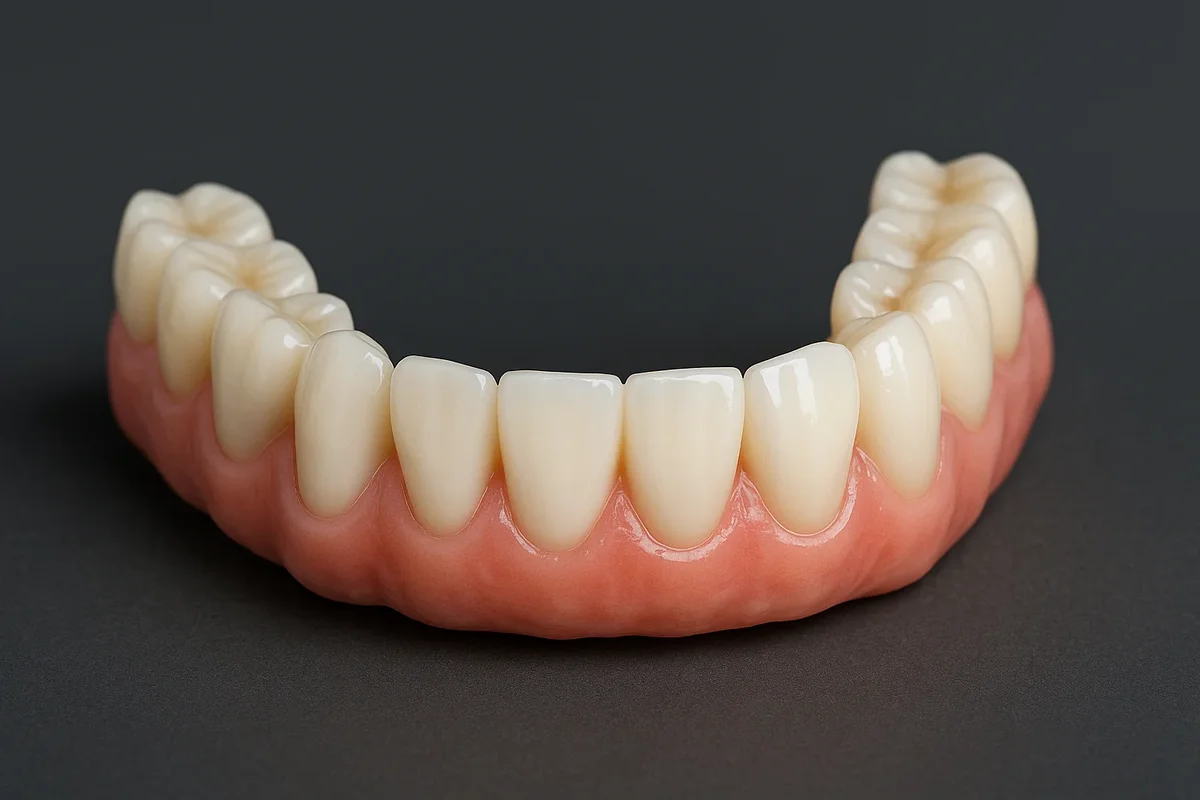
A full arch zirconia restoration is a state-of-the-art, implant-supported prosthetic designed to replace an entire upper or lower set of teeth with a single, highly durable zirconia bridge. This treatment has become one of the most transformative solutions in modern restorative dentistry due to its exceptional esthetics, long-term strength, and ability to mimic natural teeth. Patients seeking a stable and permanent option frequently choose this approach because it combines the benefits of advanced implant dentistry with the unmatched performance of zirconia. 😄
At its core, a full arch zirconia restoration involves placing a series of dental implants (usually 4 to 6) strategically into the jawbone to support a custom-designed zirconia prosthesis. Unlike traditional dentures, which sit on the gum tissue and can move during eating or speaking, this restoration is securely anchored, providing maximum stability. The zirconia material is milled from a solid block using computer-aided manufacturing, ensuring a precision fit tailored to each patient’s mouth. This not only improves comfort but also enhances the final esthetic result.
How Full Arch Zirconia Technology Has Transformed Dental Rehabilitation
The introduction of zirconia into full-arch implant dentistry has revolutionized patient outcomes. Before zirconia solutions, many full-arch restorations relied on acrylic materials, which were more prone to staining, chipping, and long-term wear. Full arch zirconia bridges, however, offer significantly improved resistance to fracture and abrasion. Their monolithic structure—carved from a single piece of zirconia—ensures a level of rigidity and harmony that closely resembles natural enamel. Because of this, patients often experience improved bite force and maintain their results for many years with minimal maintenance.
Furthermore, zirconia’s translucency and color adaptability allow technicians to create prosthetics that look remarkably natural. Each restoration can be customized with layered esthetics, gingival shading, and tooth morphology details, providing patients with a smile that blends seamlessly with their facial features. For individuals seeking a long-term cosmetic solution, the combination of beauty and durability sets full arch zirconia restorations apart from other implant-supported options.
The Structural Design of a Full Arch Zirconia Bridge
Every full arch zirconia prosthesis consists of three essential components that work together to create a stable, functional, and esthetic set of teeth:
1. Dental Implants
These titanium or ceramic posts act as artificial roots, placed surgically into the jawbone. Over time, they integrate with the bone through osseointegration, providing a stable foundation. A full arch zirconia prosthetic typically connects to multiple implants for optimal support and load distribution.
2. Titanium Bar or Direct Implant Connection
Depending on the treatment plan, the zirconia bridge may be supported by a titanium framework for additional reinforcement or attach directly to the implants using multi-unit abutments. Digital planning ensures that each implant location supports the prosthesis evenly.
3. Zirconia Superstructure
This is the visible portion of the restoration—the teeth and gum-colored areas—crafted from high-strength zirconia. The material’s robustness helps prevent fractures, while its esthetic qualities provide a natural-looking smile. Patients benefit from fewer repairs, long-term stability, and reliable performance.
Digital Workflow: From Scanning to Final Delivery
A full arch zirconia restoration relies on an advanced digital workflow that enhances accuracy and patient comfort. First, digital impressions are taken using an intraoral scanner, eliminating the need for messy traditional impression materials. These scans are then used to create a 3D model of the patient’s mouth. CAD software allows precise design of each tooth, while CAM technology mills the zirconia prosthesis from a monolithic block. This method ensures extraordinary accuracy and reduces the likelihood of complications or adjustments later.
Trial fittings, bite checks, and aesthetic evaluations ensure that the final bridge feels natural and functions harmoniously. Patients often appreciate how smoothly this digital process unfolds, producing a consistently reliable final result. Throughout this journey, dental teams follow high standards of care outlined by organizations like the
American Dental Association.
How the Restoration Functions on a Daily Basis
Once placed, a full arch zirconia prosthesis functions remarkably similar to natural teeth. Because it is rigid, secure, and anchored onto implants, patients can enjoy biting, chewing, and speaking with confidence. Foods that were previously difficult to eat with traditional dentures—such as steak, crusty bread, or nuts—become part of everyday life again. Additionally, the prosthetic does not shift, collapse, or irritate the gums, which leads to improved comfort and oral health. Many individuals report experiencing a renewed sense of freedom in social and professional environments because they no longer worry about denture movement or embarrassment.
Another important advantage is the role of implants in bone preservation. When teeth are missing, the jawbone naturally begins to shrink. Implants stimulate the bone similarly to natural roots, helping maintain facial structure. This is one reason full arch zirconia solutions are considered both functional and medically beneficial. Some dentists refer to similar systems as “implant-supported ceramic arches,” reinforcing the long-term stability they provide.
Long-Term Expectations and Patient Satisfaction
Patients receiving full arch zirconia restorations often report extremely high satisfaction rates due to the material’s longevity and esthetics. These restorations rarely chip, absorb odors, or stain the way acrylic materials do. With routine hygiene appointments and proper cleaning techniques, the prosthesis can last many years without significant wear.
For individuals ready to take the next step, connecting with a skilled dental team is essential. Consultation forms, imaging appointments, and treatment planning can be arranged through the
Redent Klinik Contact Page.
In summary, a full arch zirconia restoration is a meticulously engineered solution that restores function, confidence, and oral health. Its advanced materials, digital precision, and implant-supported design make it one of the most reliable, esthetic, and durable options in modern dentistry. 🌟
Benefits of Full Arch Zirconia for Long-Term Oral Health
The advantages of a full arch zirconia restoration extend far beyond cosmetic improvement. While many patients choose this treatment to regain a natural-looking smile, the long-term oral health benefits are equally significant. As one of the strongest and most durable materials available in modern dentistry, zirconia offers exceptional stability and function, making it the preferred option for permanent full-arch solutions. This section explores the full spectrum of health-related benefits, helping patients understand why zirconia implant bridges are regarded as the gold standard. 😊
Superior Strength and Long-Term Durability
One of the primary advantages of choosing a full arch zirconia restoration is its remarkable durability. Zirconia is a form of crystalline ceramic known for its ability to withstand extremely high bite forces. When crafted as a monolithic structure—carved from a single block—it becomes almost impervious to fractures and chips. This is especially beneficial for patients who grind their teeth, have strong chewing patterns, or previously damaged other dental restorations. Compared with acrylic-based hybrids, zirconia offers 8–10 times greater compressive strength, ensuring stability and long-term performance.
For patients suffering from tooth loss due to decay, trauma, or periodontal disease, full arch zirconia bridges provide a stable and lifelike replacement that can last many years with proper maintenance. The rigid nature of zirconia distributes chewing pressure evenly across implants, reducing the risk of implant overload and enhancing longevity. This functional harmony helps promote healthier bone structure, improved chewing mechanics, and better long-term outcomes.
Biocompatibility and Gum Health Improvements
Zirconia is known for its biocompatibility, meaning the body accepts it very well. Its surface is smooth and highly polished, which minimizes plaque accumulation and reduces gum irritation. Patients who previously struggled with inflammation or allergic reactions to metal-based restorations often find zirconia much more comfortable.
The smooth contours of a full arch zirconia prosthesis also help maintain healthy gum tissue. When shaped and designed correctly, the restoration supports optimal hygiene practices by providing easier access for cleaning tools such as interdental brushes and water flossers. Because bacteria have fewer places to hide, the risk of gum disease and tissue inflammation decreases significantly.
Reduced Bacterial Adhesion
Zirconia surfaces attract far fewer microorganisms compared to acrylic materials. This contributes to better oral hygiene, fresher breath, and lower risk of peri-implant complications. Patients often experience fewer issues with inflammation around implant sites, helping ensure long-term implant survival.
Allergy-Free Material
For patients sensitive to metals, zirconia provides a hypoallergenic alternative. Its pure ceramic composition eliminates concerns about corrosion or metal ions entering oral tissues. This makes full arch zirconia restorations a safe choice for individuals seeking a biocompatible and inert prosthesis.
Enhanced Chewing Ability and Better Nutrition
A full arch zirconia bridge restores up to 90% of natural bite force, allowing patients to chew effectively and enjoy a wider variety of foods. Traditional dentures often limit diet choices due to lack of stability, but implant-supported zirconia prosthetics provide the freedom to eat crunchy vegetables, lean meats, whole grains, and nuts without discomfort.
Improved chewing efficiency directly influences digestion and nutrient absorption. Many patients report weight stabilization, improved energy, and better overall health after receiving their zirconia restoration. The confidence to eat comfortably also supports emotional well-being and quality of life. 🥗
Esthetic Excellence That Supports Psychological Health
Aesthetic factors play an important role in oral health and patient confidence. Zirconia’s light transmission properties and customizable shading allow dental technicians to craft smiles that look remarkably lifelike. Patients often describe their full arch zirconia restoration as indistinguishable from natural teeth.
A confident smile reduces social anxiety, enhances professional interactions, and restores self-esteem. Many individuals express that their improved appearance motivates them to maintain better oral habits and seek regular check-ups, indirectly supporting long-term oral health.
Bone Preservation Through Implant Support
Full arch zirconia restorations rely on strategically placed dental implants, which play a crucial role in preventing bone loss. When natural teeth are missing, the jawbone no longer receives functional stimulation, causing gradual resorption. Implants replicate the action of tooth roots, maintaining bone density and facial structure.
By combining strong implant support with a rigid zirconia bridge, patients experience a stable and functional restoration that actively preserves facial contours. This reduces premature aging, facial sagging, and changes in bite alignment.
Minimal Maintenance Compared to Acrylic Hybrids
Acrylic hybrid restorations often require periodic repairs, relining, or replacement due to wear, staining, and odor absorption. In contrast, zirconia is highly resistant to scratches, color changes, and surface degradation. With proper hygiene, patients need only routine dental cleanings and home care to maintain their prosthesis.
The lack of porous surfaces means zirconia does not harbor bacteria or odors. Patients frequently note that their full arch zirconia restoration feels fresher, stays cleaner longer, and requires less frequent professional intervention.
Professional Guidance and Reliable Standards
Clinics offering zirconia restorations follow strict protocols aligned with global dental standards such as those published by the
American Dental Association. This ensures predictable results, safe implant placement, and high-quality prosthetic fabrication. Patients looking for expert evaluation can submit their information through the
Redent Klinik Contact Page.
In summary, the long-term benefits of choosing a full arch zirconia restoration include superior strength, enhanced gum health, better chewing ability, and exceptional durability. These advantages make zirconia full-arch solutions an investment not only in a beautiful smile but in lasting oral health and overall wellness. 🌟
Full Arch Zirconia vs. Acrylic Hybrid Options: Key Differences
When patients begin researching permanent full-arch implant solutions, two primary materials frequently appear in their comparison: full arch zirconia restorations and acrylic hybrid prostheses. Although both options are used in implant-supported full-mouth treatments, their long-term performance, durability, esthetics, and overall patient satisfaction can differ dramatically. Understanding these differences is essential for making an informed decision, especially for individuals looking for a long-lasting, natural-looking, and maintenance-friendly solution. This section explores every key contrast between zirconia and acrylic hybrids, providing clarity for patients evaluating their best restorative choice.
Material Composition and Structural Stability
The most significant distinction lies in the materials themselves. Acrylic hybrid prostheses generally consist of a titanium bar covered with acrylic resin teeth. Acrylic is lightweight and affordable but has well-known limitations: it is porous, prone to discoloration, and susceptible to cracking. Over time, acrylic absorbs odors and stains, often requiring repair or replacement.
By contrast, full arch zirconia restorations are milled from a solid, highly compressed ceramic block. Zirconia is renowned for its exceptional fracture resistance, rigidity, and ability to withstand high bite forces. Because it is non-porous, it resists staining and bacterial accumulation far more effectively than acrylic materials.
Why Material Strength Matters
Patients with strong chewing forces, bruxism (teeth grinding), or a history of breaking dental restorations benefit greatly from zirconia’s monolithic strength. Acrylic hybrid teeth often chip or fracture over time, while zirconia remains stable even under heavy functional demands.
Longevity and Durability Comparison
Acrylic hybrid prostheses may last between 3–7 years before requiring replacement, depending on wear and tear. In contrast, full arch zirconia prosthetics often remain functional and esthetic for 10 years or longer with proper maintenance.
Esthetic Outcomes and Natural Appearance
Esthetics play a major role in patient satisfaction. Acrylic teeth, while adequate for short-term or budget-friendly solutions, often appear less lifelike due to their lower translucency and tendency to dull over time. Acrylic gum material can also stain, especially with coffee, tea, red wine, and tobacco exposure.
Zirconia, on the other hand, provides superior esthetic results. Dental technicians can customize zirconia restorations with natural shading, surface texture, and translucency. The result closely mimics natural enamel, offering a radiant and stable appearance. Many patients find their full arch zirconia restoration nearly indistinguishable from natural teeth, especially when layered or multi-shaded zirconia is used.
Smile Design Precision
Digital workflows make zirconia more customizable. Technicians can fine-tune tooth proportions, gum contours, and bite alignment to create a harmonious smile that enhances facial structure. Acrylic hybrids can also be customized, but their esthetics rarely match the precision of CAD/CAM-milled zirconia restorations.
Hygiene, Bacterial Resistance, and Oral Health
Oral hygiene is another major point of differentiation. Acrylic is porous and tends to accumulate plaque, food particles, and bacteria. This can lead to odors, gum irritation, and increased risk of peri-implant inflammation. Patients with acrylic hybrids may require more frequent cleanings and may still struggle with unpleasant odors.
A full arch zirconia restoration excels in this category. Its non-porous, polished surface prevents bacterial adhesion and makes daily cleaning significantly easier. Patients typically report fresher breath, cleaner-feeling teeth, and fewer hygiene challenges. Zirconia’s compatibility with soft tissues also helps maintain healthier gums.
Maintenance Requirements
Acrylic hybrids often require repairs due to chipping teeth, broken acrylic resin, or worn bite surfaces. Zirconia restorations rarely need repairs or adjustments, making them far easier to maintain over the long term.
Bite Force, Function, and Daily Performance
Patients often underestimate the functional differences between these two materials. Acrylic hybrid prosthetics absorb some bite force due to their flexibility. While this can feel gentle, it limits chewing efficiency. Hard foods may crack the acrylic teeth, restricting diet options.
Zirconia is significantly stronger and allows patients to regain up to 90% of their natural bite power. This means enjoying a broader range of foods—including crunchy vegetables, grilled meats, and whole grains—without fear of damaging the prosthesis. Everyday performance is noticeably improved with full arch zirconia restorations.
Long-Term Comfort
Because zirconia does not deform or absorb moisture, it maintains shape, smoothness, and comfort over time. Acrylic may warp slightly or become rough, altering the way it feels in the mouth.
Cost Considerations and Value Over Time
Upfront, acrylic hybrids are typically less expensive, making them appealing to patients who require a budget-friendly solution. However, they often incur additional long-term costs due to repairs, relining, and frequent replacements.
While a full arch zirconia restoration may have a higher initial investment, it often becomes the more cost-effective choice over time because of its durability, low maintenance, and long lifespan. Patients who value long-term stability and esthetics generally prefer zirconia.
Clinical Standards and Expert Recommendations
Clinicians following international dental guidelines, such as those from the
American Dental Association, often recommend zirconia for patients seeking maximum longevity and esthetic excellence. Thorough consultations help determine the most appropriate material based on bone structure, bite patterns, and cosmetic goals.
Patients wanting personalized recommendations can reach the dental team through the
Redent Klinik Contact Page.
In conclusion, when comparing full arch zirconia to acrylic hybrid prostheses, the differences in strength, esthetics, hygiene, functionality, and long-term value are substantial. Zirconia consistently delivers superior patient outcomes, making it the preferred choice for permanent full-mouth restoration. 🌟
The Science Behind Zirconia Strength and Esthetics
Understanding the scientific foundation of full arch zirconia restorations is essential for appreciating why this material is considered the most advanced and reliable solution for full-mouth implant rehabilitation. Zirconia is not just another ceramic—it is a high-performance biomaterial engineered to provide exceptional mechanical strength, durability, and natural beauty. Its unique structure, crystalline stability, and ability to be digitally milled with high precision make it one of the most trusted materials in modern implant dentistry. This section explores the scientific principles that make zirconia so effective, as well as how these principles directly influence long-term patient outcomes.
The Material Science of Zirconia
Zirconia, or zirconium dioxide (ZrO₂), is classified as a polycrystalline ceramic. Unlike porcelain, which contains a glassy matrix, zirconia consists entirely of crystals tightly bonded together. This non-glassy structure gives zirconia outstanding fracture resistance—one of its most important advantages in full arch zirconia restorations.
The most significant scientific process behind zirconia’s performance is phase transformation toughening. When zirconia experiences stress (such as chewing force), its crystalline structure undergoes a controlled shift from tetragonal to monoclinic phase. This shift causes a slight volume expansion, which in turn absorbs stress and prevents cracks from propagating.
Phase Transformation Toughening Explained
This self-reinforcing property is why zirconia is often referred to as “ceramic steel.” The ability to stop cracks before they spread greatly increases the long-term survival and strength of the restoration. This makes zirconia especially well-suited for full-arch solutions that must withstand continuous daily load.
Stabilized Zirconia (Y-TZP)
Most dental zirconia is yttria-stabilized tetragonal zirconia polycrystal (Y-TZP). Yttria acts as a stabilizing agent, ensuring that zirconia maintains its desired crystal structure during milling, sintering, and daily use. The result is a tough, durable biomaterial perfect for high-stress applications such as full arch zirconia bridges.
Digital Manufacturing and Precision Engineering
The superiority of zirconia is not solely due to its chemistry—it also benefits from advanced manufacturing technology. Today’s dental laboratories use sophisticated CAD/CAM systems to design and mill zirconia restorations with exceptional accuracy.
The process begins with digital impressions captured through intraoral scanning. These scans produce a precise 3D model of the patient’s mouth, which allows technicians and clinicians to plan implant positions, occlusion, and esthetics. The zirconia block is then milled using high-precision computer-controlled equipment. After milling, the prosthesis undergoes sintering at over 1,400°C, which increases strength and final hardness.
Benefits of CAD/CAM Milling
- Ensures a perfect fit with minimal adjustments.
- Reduces human error associated with manual fabrication.
- Allows detailed customization of tooth shape and gum contours.
- Produces consistent, predictable outcomes for full arch zirconia patients.
Esthetics: Why Zirconia Looks So Natural
One of the most compelling benefits of zirconia is its esthetic versatility. Modern zirconia materials come in varying levels of translucency, allowing technicians to match natural enamel with incredible accuracy. This natural shine is possible due to zirconia’s ability to scatter and transmit light at similar wavelengths as real teeth.
Patients often choose full arch zirconia restorations because they want a smile that looks both bright and realistic—not artificial or overly reflective. Zirconia’s optical properties create a natural appearance even under bright lighting, photographs, or social interactions.
Layered Zirconia vs. Monolithic Zirconia
- Layered zirconia includes an esthetic porcelain outer layer for maximum translucency.
- Monolithic zirconia is milled entirely from one piece, offering superior strength with slightly less translucency.
Most full-arch restorations use monolithic zirconia combined with artistic staining to achieve the perfect balance between beauty and durability.
Biocompatibility and Tissue Response
Zirconia is chemically inert, meaning it does not react with oral tissues or release metal ions. Its smooth surface helps reduce bacterial accumulation and inflammation, promoting healthier gums and long-term implant success. This is especially important in full-arch restorations, where the prosthesis interacts closely with soft tissues.
Low Plaque Accumulation
Due to its polished, non-porous surface, zirconia attracts significantly fewer bacteria than acrylic or composite materials. Patients with full arch zirconia restorations often notice fresher breath, easier cleaning routines, and improved gum health.
Hypoallergenic Benefits
Zirconia is an excellent option for patients with sensitivities to metals. Its biocompatibility helps reduce the risk of allergic reactions, making it ideal for individuals seeking a completely metal-free solution.
Functional Advantages in Daily Life
Functionally, zirconia provides a bite force capacity close to natural teeth. Patients often regain confidence in eating foods they previously avoided, including harder or more fibrous meals. The structural stability of a full arch zirconia prosthesis ensures that it does not deform or wear unevenly over time.
This consistent performance contributes to better speech, improved digestion, and enhanced quality of life. Many individuals describe zirconia restorations as feeling remarkably natural once they adapt to the new bite.
Reliability Supported by Clinical Standards
Clinics that fabricate zirconia restorations follow global standards, such as those from the
American Dental Association, ensuring accuracy, safety, and predictable outcomes. Patients seeking consultation or treatment planning guidance may reach out via the
Redent Klinik Contact Page.
In conclusion, the scientific foundation behind full arch zirconia restorations combines advanced biomaterials, digital engineering, esthetic innovation, and biological harmony. These factors together create a prosthetic solution that is not only strong and beautiful but also truly transformative for long-term oral health. 🌟
Step-by-Step Treatment Process for Full Arch Zirconia Implants
The journey toward receiving a full arch zirconia restoration involves several carefully coordinated steps designed to ensure precision, comfort, and long-term success. This is not a simple one-day procedure; instead, it is a highly personalized treatment plan that incorporates modern diagnostic tools, digital workflows, and advanced surgical techniques. Each phase plays a crucial role in creating a stable, functional, and esthetically pleasing prosthesis that patients can rely on for many years. In this section, you’ll find a detailed walkthrough of the entire process—from your first consultation to the moment you receive your final zirconia bridge.
Step 1: Comprehensive Consultation and Clinical Evaluation
The process begins with a thorough clinical evaluation by an experienced implant dentist. During this visit, the dentist examines the patient’s oral health, bone density, bite alignment, gum condition, and overall suitability for a full arch zirconia restoration. Digital panoramic X-rays, intraoral scans, and often a CBCT (cone beam computed tomography) scan are taken to assess the jawbone and identify potential implant sites.
This comprehensive diagnostic phase ensures that every aspect of the patient’s oral structure is understood before moving forward. It also allows the clinician to determine whether bone grafting, sinus lifting, or additional periodontal treatment may be necessary before implant placement. Consultations typically follow widely accepted standards such as those outlined by the
American Dental Association, ensuring safe and predictable planning.
Patient Expectations and Treatment Planning
During the consultation, patients discuss their goals, concerns, esthetic preferences, and functional expectations. This information is essential to creating a smile design that reflects the patient’s desired appearance.
Digital Impressions
Instead of traditional impression materials, clinics use digital scanners to capture a precise 3D model of the mouth. This enhances comfort and significantly improves accuracy in designing the future zirconia prosthesis.
Step 2: Implant Surgery and Temporary Prosthesis Placement
After the evaluation and treatment planning stage, the next step is surgical implant placement. On average, 4 to 6 implants are placed per arch, depending on bone quality and the treatment approach. The implants serve as artificial roots that will support the full arch zirconia bridge.
The surgical process typically includes the following steps:
- Administration of local anesthesia or IV sedation for comfort.
- Surgical placement of implants at predetermined angles and depths.
- Attachment of multi-unit abutments, if appropriate.
- Placement of a temporary prosthesis to restore function immediately.
Thanks to immediate loading protocols, many patients leave the clinic on the same day with a temporary implant-supported bridge. Although this temporary prosthesis is not made of zirconia, it helps maintain function and esthetics while the implants heal.
The Healing Phase (Osseointegration)
Implants undergo a biological bonding process called osseointegration, during which they fuse with the jawbone. This phase typically lasts 3–6 months and is critical for the long-term success of the full arch zirconia restoration.
Step 3: Designing the Final Full Arch Zirconia Bridge
Once the implants have integrated, the next step is designing the final zirconia prosthesis. At this stage, the dentist and laboratory team collaborate using advanced CAD/CAM software to develop a precise digital model of the patient’s future smile.
Several factors are evaluated during design:
- Bite alignment and occlusion
- Smile esthetics, including tooth color, size, and shape
- Speech patterns and phonetic considerations
- Functional load distribution
- Gum contours and facial harmony
The digital model is then sent to a milling machine that shapes the zirconia block into the final prosthetic structure. After milling, the restoration undergoes sintering, staining, glazing, and polishing to achieve maximum strength and natural appearance.
Precision in Manufacturing
Monolithic zirconia is incredibly durable because it is carved from a single block. This eliminates weak points and enhances longevity, making full arch zirconia bridges one of the strongest prosthetic choices available.
Step 4: Try-In, Adjustments, and Function Testing
Before delivering the final prosthesis, a try-in appointment is scheduled. This appointment allows the dentist to verify that the zirconia bridge fits perfectly and functions harmoniously with the patient’s bite.
Any adjustments to bite alignment, spacing, or esthetics are made during this stage. Patients can also give feedback on comfort, appearance, and desired refinements. Ensuring proper phonetics is especially important because full-arch restorations can influence speech sounds.
Functional Bite Analysis
Digital bite-measuring tools may be used to ensure even pressure distribution across all implants. This helps prevent mechanical complications in the future.
Step 5: Delivery and Final Placement of the Full Arch Zirconia Bridge
Once the try-in phase is complete, the final zirconia bridge is securely attached to the implants using screws placed through small access holes. These access points are later sealed with composite resin for a smooth, natural finish.
The moment the patient receives their final full arch zirconia restoration is often life-changing. They experience immediate benefits, including improved chewing ability, enhanced speech clarity, and a dramatic esthetic transformation.
Post-Placement Instructions
Patients receive guidance on oral hygiene, cleaning tools, dietary adjustments, and maintenance visits. The restoration is designed for decades of use with proper care.
Step 6: Long-Term Maintenance and Follow-Up
To ensure the longevity of the restoration, routine check-ups every 6 months are recommended. During these visits, the dental team:
- Examines implant stability
- Checks the bite for changes
- Performs professional cleaning
- Evaluates gum health
Patients seeking additional guidance or ready to begin their journey can contact the dental team through the
Redent Klinik Contact Page.
In summary, the treatment process for full arch zirconia implants is a meticulously planned and scientifically supported journey that results in long-term function, beauty, and oral health. Each step—from diagnostics to final delivery—reflects precision, expertise, and patient-centered care. 🌟
Who Is the Ideal Candidate for Full Arch Zirconia Prosthetics?
A full arch zirconia restoration is a transformative solution designed for individuals seeking a permanent, strong, and natural-looking replacement for missing or severely damaged teeth. Although this treatment is widely adaptable, it is not the ideal choice for every patient. Understanding candidacy is essential for achieving predictable, long-term outcomes. This section provides a comprehensive and medically accurate breakdown of who qualifies for full arch zirconia prosthetics, the factors evaluated during screening, and the conditions that can influence suitability.
General Requirements for Full Arch Zirconia Candidates
To qualify for a full arch zirconia restoration, patients must exhibit certain foundational characteristics that support successful implant placement and long-term stability. These include:
- Missing most or all teeth in one arch
- Severely damaged or decayed teeth that cannot be restored with simpler treatments
- A desire for a permanent, fixed solution rather than removable dentures
- Adequate oral hygiene habits and willingness to maintain long-term care
Because zirconia prosthetics are anchored to implants, candidates must also be healthy enough to undergo minor oral surgery. Modern implant protocols are designed for patient comfort, but basic health qualifications still apply to ensure safe healing and predictable results.
Bone Density and Jaw Structure Requirements
The jawbone plays a critical role in determining whether a patient is suitable for implant-supported restorations. For a full arch zirconia prosthesis to succeed, the implants must anchor firmly within the bone through osseointegration.
Ideal Bone Conditions
Candidates with healthy, dense bone in the upper or lower jaw are typically excellent fits for zirconia implant solutions. Adequate bone volume ensures proper implant spacing, secure stability, and balanced support for the final prosthesis.
What if Bone Is Insufficient?
If a patient has bone loss due to long-term denture use, gum disease, or trauma, additional procedures such as bone grafting or sinus lifts may be required. These procedures help rebuild bone support so implants can be safely placed. Many individuals with low bone density still qualify for full arch zirconia treatment after these preparatory steps.
Patients with Failing Teeth or Chronic Dental Problems
Many full-arch candidates suffer from long-term dental issues that have impacted their ability to chew, speak, and smile confidently. Zirconia implant bridges are ideal for individuals experiencing:
- Advanced periodontal disease (gum disease)
- Multiple broken or failing restorations
- Severe tooth decay
- Worn, fractured, or missing teeth due to grinding (bruxism)
Because full arch zirconia restorations do not rely on the natural teeth for support, removing unhealthy teeth and replacing them with implants often gives patients a healthier and more stable long-term solution compared with patchwork dentistry.
Age Considerations
Full-arch zirconia restorations are most appropriate for adults whose jaw growth has completed. While there is no upper age limit—many patients in their 50s, 60s, and even 80s undergo successful treatment—candidacy depends more on overall health than age.
Older Adults
Individuals who previously faced denture discomfort, reduced chewing ability, or declining confidence often benefit significantly from receiving full arch zirconia implants. The improved function and stability offer enhanced quality of life and promote better nutrition.
Younger Adults
Although less common, younger adults with irreversible dental damage, congenital conditions, or trauma may also qualify. The durability of zirconia makes it a valuable long-term investment for these patients.
Medical and Lifestyle Factors Influencing Candidacy
Medical history plays a vital role in determining whether a patient can undergo implant surgery safely. Conditions that may require additional evaluation include:
- Diabetes (especially uncontrolled)
- Autoimmune disorders
- Osteoporosis
- Smoking habits
- Cardiovascular diseases
While these factors do not automatically disqualify a patient, they can influence healing times and implant success rates. For example, smokers are often advised to reduce or stop smoking to promote proper osseointegration.
Medication Assessment
Certain medications, such as bisphosphonates or immunosuppressants, may require special planning. A careful review ensures the safest possible treatment approach for anyone receiving a full arch zirconia restoration.
Psychological Readiness and Commitment to Care
Candidates must also be mentally prepared for the full-arch process. This includes understanding the commitment required, from multiple appointments to long-term maintenance. Patients who maintain consistent dental check-ups and follow hygiene instructions experience the most successful outcomes.
Expectations and Motivation
Those who desire a functional, natural-looking smile and are motivated to restore oral health are typically excellent candidates for full arch zirconia prosthetics.
Economic Readiness and Long-Term Investment
Full-arch zirconia restorations represent a larger initial investment compared with removable dentures or acrylic hybrids. Candidates should feel comfortable with the financial commitment and understand that the durability of zirconia typically results in fewer long-term costs and repairs.
Individuals seeking personalized evaluation or consultation can reach out through the
Redent Klinik Contact Page, where a specialist can review medical history and bone structure through advanced imaging.
Ultimately, the ideal candidate for a full arch zirconia prosthesis is someone looking for a permanent, durable, esthetically superior, and functional solution to full-mouth tooth loss or widespread dental damage. Proper screening and preparation ensure that the patient receives a safe, predictable, and highly satisfying long-term outcome. 🌟
Maintenance, Cleaning Tips, and Longevity Expectations
Proper maintenance is essential for ensuring that a full arch zirconia restoration remains strong, beautiful, and functional for many years. Although zirconia is one of the most durable materials used in dentistry, daily care and professional monitoring are still necessary to protect both the prosthesis and the underlying dental implants. This section provides a complete guide to long-term maintenance, step-by-step cleaning methods, lifestyle recommendations, and realistic expectations regarding lifespan. Patients who follow these guidelines typically experience fewer complications, improved oral health, and exceptional longevity from their implant-supported zirconia restoration.
Daily Cleaning Routine for Full Arch Zirconia Restorations
While zirconia is non-porous and highly resistant to staining, food particles and plaque can still accumulate around the implants and prosthesis. A consistent daily cleaning routine helps prevent inflammation and maintains fresh breath. Unlike acrylic dentures, a full arch zirconia bridge does not absorb odors, but proper hygiene still plays a critical role in preserving gum health.
Brushing Techniques
Patients should brush at least twice a day using a soft-bristle toothbrush. The brush should be angled gently toward the gums to clean the areas where the zirconia meets the soft tissue. Non-abrasive toothpaste is recommended because abrasive products can dull the polished finish over time. Electric toothbrushes are safe for zirconia and often more effective at removing plaque.
Interdental Cleaning
Since implants require meticulous hygiene, interdental brushes or water flossers should be used daily. Water flossers, in particular, are effective at flushing out plaque beneath the prosthesis where traditional floss cannot reach. Patients with a full arch zirconia restoration often find water flossing easier and more comfortable compared to traditional flossing techniques.
Oral Rinses
An alcohol-free antimicrobial mouth rinse can help reduce bacteria around the implants. Alcohol-based products should be avoided because they can irritate soft tissues and affect long-term oral health.
Professional Cleaning and Routine Check-Ups
Even with excellent home care, professional cleanings are essential to maintaining the longevity of a full arch zirconia prosthesis. Dentists typically recommend follow-up visits at least every six months. During these appointments, the dental team:
- Evaluates implant stability
- Checks for signs of gum inflammation (peri-implant mucositis)
- Performs professional cleanings using implant-safe tools
- Monitors bite alignment and wear patterns
- Examines the zirconia for any micro-fractures or surface changes
These routine visits follow safety and care guidelines advocated by leading professional organizations including the
American Dental Association.
Dietary Recommendations for Long-Term Success
Immediately after receiving a full arch zirconia restoration, patients may need to follow a soft-food diet for a short period. Once the healing phase is complete and the final zirconia bridge is placed, patients can typically enjoy a wide range of foods again. Zirconia’s strength allows patients to eat fibrous vegetables, grilled meats, and dense foods that acrylic prosthetics cannot withstand.
Foods That Are Safe
Patients can enjoy:
- Vegetables and fruits
- Whole grains
- Lean meats
- Dairy products
- Nuts (with caution)
The strong, stable nature of a full arch zirconia prosthesis restores up to 90% of natural bite force.
Foods to Avoid
Although zirconia is extremely durable, certain foods and habits can stress implants unnecessarily:
- Chewing ice
- Opening bottles or packages with teeth
- Extremely sticky candies
- Biting down on hard foreign objects
These habits are not dangerous for the zirconia itself, but they can damage implants or place excessive pressure on the jaw.
Managing Bruxism and Bite Forces
Bruxism (teeth grinding) is a common concern in implant dentistry. While zirconia is exceptionally strong, excessive grinding can increase mechanical stress on the implants. Patients with nighttime grinding habits should wear a custom night guard to protect their investment.
Night Guard Benefits
A night guard helps redistribute bite forces and minimizes stress on the implant-retained zirconia bridge, preserving both the prosthesis and the jaw joints.
Longevity Expectations for Full Arch Zirconia Restorations
A full arch zirconia prosthesis is engineered for long-term performance. With proper care, many zirconia restorations last 10–20 years or longer. Because zirconia is resistant to staining, odor absorption, and chipping, its esthetics remain stable over many years.
Implants themselves can last a lifetime if properly maintained. Longevity depends on:
- Bone quality and density
- Hygiene practices
- Lifestyle habits
- Regular dental visits
Patients who follow all guidelines typically experience outstanding long-term outcomes.
Signs That Maintenance Is Needed
Although zirconia requires minimal intervention, patients should be aware of signs that indicate a need for professional care:
- Bleeding gums
- Persistent bad breath
- Loosening of the bridge
- Changes in bite alignment
Early detection ensures that minor issues do not become major complications.
Where to Seek Guidance
For personalized maintenance plans, follow-up scheduling, or clinical evaluation, patients can reach the dental team through the
Redent Klinik Contact Page.
In conclusion, caring for a full arch zirconia restoration is straightforward but essential. With consistent daily cleaning, routine professional check-ups, mindful eating habits, and the management of bite forces, patients can enjoy exceptional functionality and a beautiful smile for decades. 🌟
Potential Risks, Limitations, and How to Reduce Complications
Although a full arch zirconia restoration is considered one of the most durable, esthetic, and predictable full-mouth rehabilitation options available today, no dental treatment is entirely free from risks. Understanding potential complications helps patients make informed decisions and maintain long-term oral health. Fortunately, most risks associated with zirconia implant restorations are rare and can be significantly minimized through proper planning, maintenance, and professional monitoring. This section provides an in-depth, clinically accurate overview of possible risks, limitations, and proactive measures to ensure the best long-term outcome.
Risks Related to Implant Placement
Because a full arch zirconia prosthesis relies on dental implants for stability, some potential complications stem from the implant surgery rather than the zirconia itself. Implant placement is highly successful, especially when guided by digital imaging and performed by experienced clinicians, but it still carries certain risks.
1. Implant Failure or Lack of Osseointegration
Osseointegration is the biological process by which implants fuse with the jawbone. Rarely, this process may fail due to insufficient bone density, infection, uncontrolled systemic conditions (such as diabetes), or smoking. When osseointegration does not occur, the implant may loosen and require replacement.
2. Peri-Implantitis
Peri-implantitis is a condition similar to gum disease that affects the tissues around an implant. Poor oral hygiene, smoking, or inadequate professional maintenance can increase the risk. Although zirconia is not affected by plaque or staining, the gums around the implants can still become inflamed if bacteria accumulate.
3. Surgical Risks
Minor risks such as swelling, discomfort, or bruising can occur after implant placement. These are normally temporary and resolve with proper care. Serious complications—such as nerve injury or sinus membrane perforation—are rare, especially when advanced imaging like CBCT is used.
Risks and Limitations Specific to Zirconia Prosthetics
While zirconia offers remarkable strength, esthetics, and resistance to wear, it has its own set of considerations. Understanding these limitations ensures that patients know what to expect before committing to treatment.
1. Potential for Chipping in Layered Zirconia
Layered zirconia, which uses a porcelain overlay to enhance translucency, may be more prone to chipping than monolithic zirconia. However, most full arch zirconia restorations today are monolithic, meaning they are milled from a single block of zirconia, which drastically reduces this risk.
2. Weight and Rigidity
Zirconia is heavier and more rigid than acrylic. While this rigidity contributes to its durability, it means adjustments must be made carefully. The precision of modern CAD/CAM technology generally ensures proper fit and minimizes the need for significant modifications.
3. Aesthetic Limitations for Extremely Thin Gums
In patients with severe gum recession or thin gingival biotypes, achieving perfect pink esthetics may be more challenging. However, advanced staining and gingival shading techniques can create a highly natural appearance in most cases.
Bite Alignment and Occlusal Risks
One of the most critical factors in the long-term success of a full arch zirconia restoration is proper bite alignment. If the bite is off, excessive stress can be placed on certain implants or specific areas of the zirconia bridge. This may lead to fractures, screw loosening, or discomfort.
Signs of Bite Problems
- Jaw pain or TMJ discomfort
- Unusual pressure points
- Chipping of opposing teeth
- Difficulty chewing
Routine check-ups help catch these issues early before they cause damage.
Medical and Lifestyle Factors That Increase Risks
Certain health conditions and lifestyle habits can increase the likelihood of complications. While these do not automatically disqualify a patient from receiving implants, they require additional planning and monitoring.
Systemic Conditions
Conditions such as diabetes, osteoporosis, autoimmune disorders, and cardiovascular disease may affect healing. When well-controlled, these conditions typically do not prevent successful implant placement for a full arch zirconia restoration.
Smoking
Smoking reduces blood flow, slows healing, and increases the risk of peri-implantitis. Many clinicians recommend reducing or quitting smoking for best results.
Bruxism
Patients who clench or grind their teeth place increased stress on zirconia prosthetics. Although zirconia is extremely strong, excessive force can strain implants or introduce mechanical complications. A custom night guard is often recommended.
How to Reduce the Risk of Complications
Most risks can be minimized or completely avoided by following proper clinical protocols and maintenance routines. Patients play an active role in protecting their full arch zirconia restoration by following instructions and keeping up with routine care.
1. Choose an Experienced Implant Team
Clinicians who follow evidence-based guidelines—such as those recommended by the
American Dental Association—provide safer and more predictable outcomes.
2. Maintain Excellent Oral Hygiene
Daily cleaning, including water flossing, brushing, and antimicrobial rinses, significantly reduces the risk of infection around implants.
3. Attend Regular Check-Ups
Professional cleanings every six months allow early detection of bite issues, inflammation, or structural changes.
4. Follow Dietary Recommendations
Avoid chewing ice, hard candies, or using teeth to open packaging. These habits can place unnecessary stress on implants and zirconia structures.
5. Use a Night Guard if Recommended
A night guard protects both the zirconia prosthesis and the jaw joints from excessive bite force caused by grinding.
When to Seek Professional Help
Patients should contact their dental provider if they notice signs such as bleeding gums, persistent pain, shifting of the prosthesis, or difficulty chewing. Early intervention ensures the continued success of a full arch zirconia restoration.
For assistance, evaluation, or follow-up care, individuals can reach the dental team through the
Redent Klinik Contact Page.
In summary, while a full arch zirconia restoration offers unmatched strength, esthetics, and long-term functionality, understanding the potential risks and taking proactive steps significantly enhances the treatment’s longevity. With proper care and professional guidance, most patients enjoy decades of confident, comfortable, and healthy smiles. 🌟
Cost Factors and Global Pricing Insights for Full Arch Zirconia
The cost of a full arch zirconia restoration can vary significantly depending on a wide range of clinical, geographical, and material-related factors. Because this treatment represents one of the most advanced and durable solutions in implant dentistry, it involves a multi-step process that includes surgical expertise, premium materials, digital design technologies, and high-precision laboratory work. Patients considering this investment often seek clarity on what determines the final price, how zirconia compares to alternative full-arch options, and what global pricing trends look like. This section provides a comprehensive breakdown to help patients make fully informed decisions about their long-term oral health investment.
Core Factors That Influence Full Arch Zirconia Pricing
A full arch zirconia restoration is not a one-size-fits-all procedure. Each patient’s needs, bone structure, and treatment goals play a role in determining the total cost. The following factors have the greatest influence on pricing.
1. Number of Implants Required
Although many full-arch treatments use four to six implants per arch, the exact number depends on bone density, anatomical complexity, and prosthetic design. More implants generally increase cost but also add stability and longevity to the restoration.
2. Surgical Complexity
Some patients require preparatory treatments such as bone grafting, sinus lifting, or extractions before implant placement. These procedures add to the overall expense but are essential for long-term success if bone or gum conditions are compromised.
3. Material and Laboratory Costs
Zirconia is more expensive than acrylic due to its superior strength, durability, and the precision milling processes required. High-quality zirconia blocks, CAD/CAM design, sintering ovens, and artistic staining all contribute to the cost. A full arch zirconia prosthesis is typically milled from a single solid block, which requires advanced laboratory equipment and highly trained technicians.
4. Clinic Technology and Digital Workflow
Clinics that use CBCT imaging, intraoral scanning, digital smile design, and surgical guides typically charge more due to the increased accuracy these technologies provide. These tools significantly reduce complications and enhance esthetic outcomes.
5. Dentist Expertise and Location
Highly experienced implant surgeons and prosthodontists may charge higher fees, reflecting their skill and track record. Geographic location also influences cost—treatment prices in major metropolitan areas or Western countries are higher due to increased operating costs.
Comparing Zirconia to Other Full-Arch Restorations
Patients often compare full arch zirconia to acrylic hybrid prostheses when evaluating cost. While zirconia has a higher initial price, it often becomes the more economical choice long term due to its durability and minimal maintenance requirements.
Acrylic Hybrid Cost Snapshot
Acrylic hybrids typically cost less upfront but require more frequent repairs, replacements, and adjustments. Over a 10-year period, acrylic maintenance costs often exceed the initial savings.
Zirconia Cost Snapshot
Zirconia restorations have a higher initial investment but typically last far longer without significant repairs. Their stability, esthetics, and resistance to staining make them a cost-effective option over time.
Global Pricing Insights for Full Arch Zirconia
The total price for a full arch zirconia restoration varies widely depending on the country. Below is an approximate global comparison based on industry averages and public dental cost data. These figures are estimates designed to provide an overall perspective.
Estimated Global Price Ranges (Per Arch)
USA:                  $20,000 – $40,000
Canada:               $18,000 – $35,000
United Kingdom:       £15,000 – £28,000
Western Europe:       €14,000 – €30,000
Australia:            $18,000 – $34,000
Turkey:               $7,000 – $15,000
Mexico:               $8,000 – $14,000
Asia (varies widely): $6,000 – $18,000
Countries like Turkey and Mexico typically offer more affordable pricing due to lower labor and operating costs—not lower quality. Many clinics in these regions use advanced technologies and premium zirconia materials comparable to those in Western Europe and the U.S.
Cost vs. Value: Long-Term Perspective
A full arch zirconia restoration should be evaluated as a long-term investment rather than a short-term expense. Key value considerations include:
- Durability minimizing long-term repair costs
- Superior esthetics enhancing patient confidence
- Improved chewing function supporting better health
- Bone preservation reducing future dental issues
- Stable materials that do not absorb odors or stain
When viewed through this lens, zirconia restorations often outperform acrylic alternatives in cost-efficiency over a decade or more. Patients who prioritize stability, longevity, and a natural appearance overwhelmingly prefer zirconia despite the higher initial investment.
Insurance, Financing, and Payment Options
Many insurance plans classify implant procedures as elective, meaning full coverage is rare. However, select plans may cover a portion of surgical placement, extractions, or temporary prosthetics.
Financing Plans
Clinics frequently offer financing solutions that allow patients to pay for their full arch zirconia treatment over several months or years. These options make premium care more accessible while maintaining high clinical standards.
Medical Tourism Considerations
Countries with high-quality dental tourism—such as Turkey—offer significant cost savings without compromising results. However, patients should thoroughly research clinic credentials, implant brands, and success rates.
Obtaining a Personalized Treatment Quote
A precise estimate requires clinical examination, imaging, and consultation. Patients are encouraged to contact the dental team directly for individualized pricing assessments. For assistance or to schedule a consultation, visit the
Redent Klinik Contact Page.
In conclusion, while the cost of a full arch zirconia restoration may vary significantly based on materials, surgical needs, and location, the long-term value, durability, and esthetic superiority make it one of the most worthwhile investments in modern dentistry. Patients benefit not only from improved function and confidence but also from a restoration designed to endure for many years. 🌟