
Understanding the full bottom dental implant cost is one of the most common concerns for patients looking to restore their smile permanently. Unlike traditional dentures, full bottom dental implants offer a fixed, natural-looking, and long-lasting solution for people who have lost all teeth in the lower jaw. However, before making such an important decision, it’s essential to know how much this procedure costs, what factors affect the pricing, and whether the investment is worth it for your long-term dental health.
Dental implants have become a global standard in restorative dentistry because they provide excellent functionality and aesthetics. The lower jaw, also known as the mandible, plays a vital role in chewing, speaking, and maintaining facial symmetry. That’s why the full bottom dental implant cost often includes advanced diagnostics, bone grafting, implant materials, and professional expertise. The procedure aims not only to replace missing teeth but also to restore a patient’s confidence and quality of life. 😁
What Does “Full Bottom Dental Implant” Mean?
A full bottom dental implant refers to replacing all missing teeth in the lower jaw with a fixed prosthesis supported by dental implants. Typically, this procedure involves four to six titanium implants placed strategically in the jawbone. These implants act as artificial roots that hold a bridge or denture in place. This structure allows patients to eat, speak, and smile naturally without worrying about removable dentures slipping or causing discomfort.
Compared to traditional dentures, full bottom implants offer superior comfort, stability, and durability. The implant posts are fused directly into the bone through a process called osseointegration, ensuring a secure and permanent foundation. Patients who choose this procedure often report a significant improvement in their ability to chew food properly and maintain oral hygiene with ease.
What Is Included in the Full Bottom Dental Implant Cost?
The total full bottom dental implant cost covers multiple stages of treatment. This typically includes:
- Initial consultation and dental examination
- 3D imaging and digital planning
- Bone grafting or sinus lift (if necessary)
- Implant surgery and placement of titanium posts
- Abutments and final prosthetic bridge or denture
- Follow-up appointments and adjustments
Each of these components influences the total cost. For instance, patients who require bone grafts or additional surgical procedures will face higher expenses. Likewise, the type of prosthesis — whether zirconia, acrylic, or porcelain — can significantly affect the final pricing.
Why Do Prices Vary So Much?
The full bottom dental implant cost differs across countries and clinics due to several factors such as dentist expertise, clinic location, materials used, and post-operative care. For example, clinics in the United States and the UK generally have higher operational and laboratory costs compared to countries like Turkey, where patients can receive equally high-quality care at a fraction of the price. 🌍
In Turkey, reputable dental clinics such as Redent Klinik Contact Page offer full bottom dental implant solutions using the same high-grade materials and modern techniques found in Western countries. Many international patients travel to Turkey for affordable yet professional dental care, often saving up to 70% compared to domestic prices in their home countries.
Average Cost Range (Global Comparison)
Here’s a general overview of the average full bottom dental implant cost based on international price comparisons:
USA: $18,000 – $30,000
UK: £12,000 – £20,000
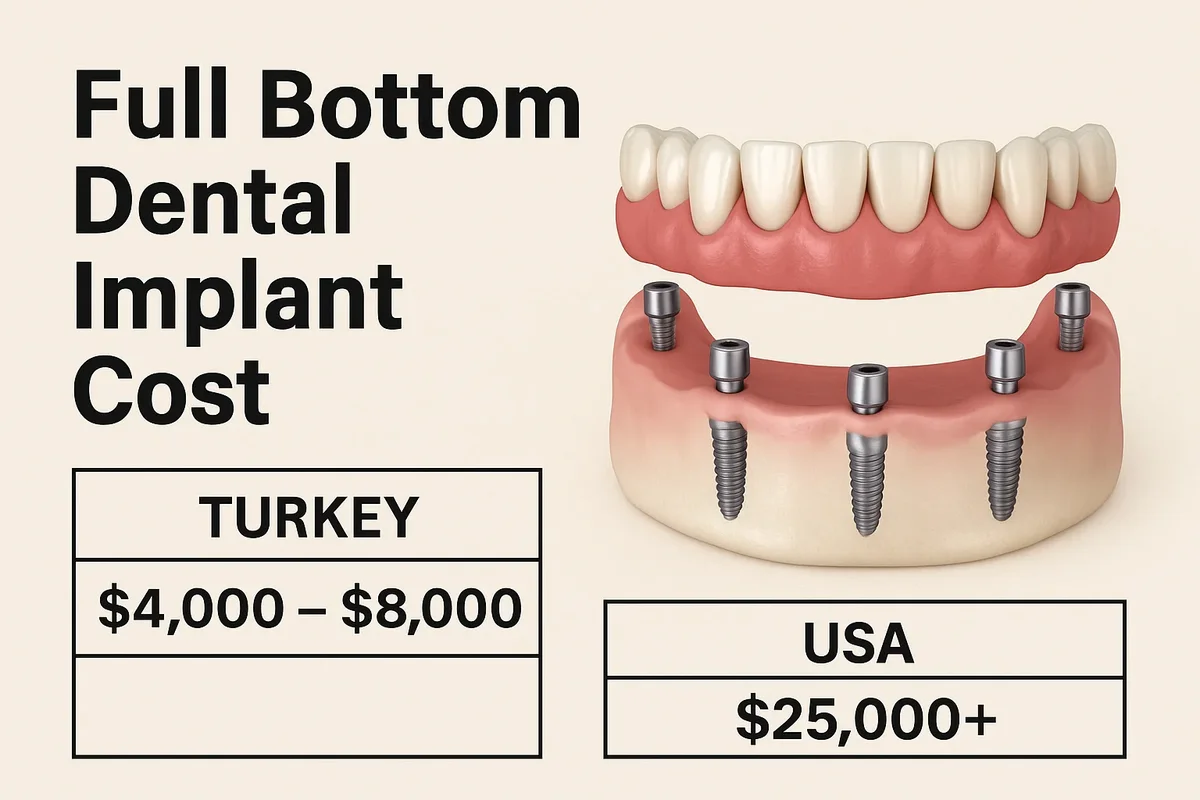
Turkey: $4,000 – $8,000 (for full bottom restoration)
Canada: C$16,000 – C$25,000
These prices vary depending on the number of implants, prosthetic materials, and surgeon expertise. Keep in mind that cheaper doesn’t always mean lower quality — many Turkish clinics are accredited by international dental organizations and use FDA-approved implants.
How Long Do Full Bottom Dental Implants Last?
One of the main reasons people consider the full bottom dental implant cost worthwhile is its longevity. When properly maintained, dental implants can last 20 years or even a lifetime. Patients only need regular check-ups and good oral hygiene to ensure lasting success. The prosthetic bridge may require replacement after 10–15 years depending on material wear, but the implant posts usually remain intact for decades.
Clinical Standards and Safety
It’s crucial to have your dental implant procedure performed by a licensed and experienced implantologist. Clinics that follow the safety and procedural standards of the American Dental Association ensure high success rates and reduced complications. The use of 3D-guided surgery and digital impressions also minimizes errors and enhances the accuracy of implant placement.
Final Notes
When considering the full bottom dental implant cost, think of it as a long-term investment in your health, appearance, and lifestyle. The confidence to smile, eat freely, and speak naturally often outweighs the financial expense. By choosing the right dental clinic and professional team, you can enjoy durable, aesthetic, and functional results that improve your quality of life for years to come. 🌟
Next, we’ll dive deeper into the factors that affect the full bottom dental implant cost — including material choices, country pricing differences, and clinical technology advancements.
Factors That Affect the Full Bottom Dental Implant Cost
The full bottom dental implant cost can vary significantly depending on multiple clinical, material, and regional factors. Understanding these elements helps patients make informed decisions about their treatment plans and budget expectations. While the average cost may seem high initially, breaking down each component reveals where the money goes — and why investing in quality dental implants pays off in the long term.
1. Number of Implants Used
The number of titanium posts used in the lower jaw directly impacts the total full bottom dental implant cost. Typically, four to six implants are used to support a complete lower arch restoration. The All-on-4 system is the most popular because it minimizes surgical intervention while still providing strong support. However, if bone density is low or if a patient prefers additional stability, six implants might be required, raising the total expense.
Each implant involves not only the material cost but also surgical placement, anesthesia, and post-operative care. Therefore, increasing the number of implants adds proportionally to the overall treatment price. Clinics may charge per implant, with an average of $800–$1,200 for each titanium post, depending on the country and brand used.
2. Type and Quality of Materials Used
Another major factor influencing the full bottom dental implant cost is the choice of materials for both implants and prosthetics. Titanium and zirconia are the two most common options for implant posts. Titanium is biocompatible, strong, and more affordable, while zirconia offers superior aesthetics and hypoallergenic properties but comes at a higher cost.
Implant Post Materials
- Titanium Implants: Durable and cost-effective, widely used across the globe.
- Zirconia Implants: Metal-free and aesthetic but can increase costs by 20–30%.
Prosthetic Bridge Materials
- Acrylic or PMMA: Affordable but less resistant to wear.
- Porcelain-Fused-to-Metal: Natural appearance and durability.
- Zirconia Bridge: Premium look and strength; increases the final full bottom dental implant cost.
Premium materials often provide longer-lasting and more natural results, which justify the higher investment. Patients who prioritize aesthetics and longevity usually prefer zirconia restorations despite the extra cost.
3. Bone Density and Additional Procedures
The jawbone’s condition plays a vital role in determining whether additional treatments are required before implant placement. If the bone is too thin or weak, procedures like bone grafting or sinus lifts may be necessary. These add both time and cost to the treatment plan. On average, bone grafting can add $500–$1,500 to the total full bottom dental implant cost.
Advanced imaging tools such as 3D cone-beam computed tomography (CBCT) help dentists evaluate bone health and create precise surgical guides. This ensures that implants are positioned perfectly for maximum support and longevity.
4. Dentist Expertise and Clinic Reputation
Another significant factor influencing the full bottom dental implant cost is the experience level of the dental surgeon. Highly trained implantologists or prosthodontists charge more due to their expertise and success rates. Clinics that specialize in full-arch restorations, especially those accredited by international organizations, may have higher fees but also offer superior safety, technology, and patient outcomes.
For example, reputable international clinics like Redent Klinik Contact Page in Turkey are known for combining advanced surgical techniques with affordability, attracting patients from across the world seeking reliable full-mouth implant solutions. 🌍
5. Geographic Location and Currency Exchange Rates
Where you receive your treatment has one of the most significant impacts on the full bottom dental implant cost. Prices in countries like the USA, UK, and Canada are much higher due to higher labor, insurance, and operational costs. In contrast, countries like Turkey, Hungary, and Mexico have lower overhead expenses, allowing them to offer the same procedures at 50–70% less.
Example Comparison (2025):
🇺🇸 USA – $25,000 (average)
🇬🇧 UK – £15,000
🇹🇷 Turkey – $5,500
🇨🇦 Canada – C$20,000
Patients traveling abroad for dental tourism often find that even after including flight and accommodation costs, they still save thousands. The lower full bottom dental implant cost in these countries doesn’t mean lower quality — many clinics meet or exceed the standards set by the American Dental Association.
6. Technology and Equipment Used
Modern technology greatly influences pricing but also enhances treatment outcomes. Clinics using computer-guided implant surgery, digital impressions, and CAD/CAM milling systems often charge more due to their advanced technology investment. However, this also ensures shorter surgery time, higher precision, and quicker recovery.
7. Type of Anesthesia and Post-Operative Care
Depending on the patient’s comfort level, implants can be performed under local anesthesia, sedation, or general anesthesia. General anesthesia usually requires an anesthesiologist and hospital facilities, which can increase the full bottom dental implant cost by several hundred dollars. Post-operative medications, temporary prostheses, and check-ups may also contribute to the final bill.
8. Clinic Facilities and Patient Experience
Luxury dental centers offering personalized care, multilingual support, and five-star amenities tend to have slightly higher prices. However, these centers ensure patient comfort, safety, and hygiene — important factors when choosing where to invest in such a life-changing procedure.
9. Warranty and Aftercare Services
Some clinics include warranties for implant components and prosthetics, offering free or discounted replacements if issues arise. A long-term guarantee adds value to the treatment, ensuring patients that their investment in the full bottom dental implant cost is protected. Patients should always inquire about warranty terms before proceeding.
10. Conclusion: Transparency in Dental Implant Pricing
Understanding the multiple factors that shape the full bottom dental implant cost allows patients to plan financially and avoid surprises. A clear breakdown helps determine what’s included and whether additional expenses might apply. Remember, the cheapest option isn’t always the best — prioritize clinical quality, dentist experience, and long-term reliability. 🌟
Next, we’ll analyze the average full bottom dental implant cost across various countries, including an updated comparison between the USA, UK, and Turkey for 2025.
Average Full Bottom Dental Implant Cost in the USA, UK, and Turkey
When you’re researching the full bottom dental implant cost, one of the key questions is: “How much does this procedure actually cost in different countries?” Because dental implant pricing can vary widely depending on location, clinic, materials, and patient-specific factors, having a comparative overview helps you benchmark realistically and decide whether a quoted price is in line with global norms. In this section we’ll break down typical costs for the USA, the UK and Turkey, highlight what drives the differences, and provide useful price blocks to anchor your expectations. 😊
Cost in the United States
In the USA, the full bottom dental implant cost tends to be among the highest globally. According to multiple sources, full-jaw implant solutions (lower jaw, or both arches) can range from about **$20,000 to $40,000 or more** in many cases. [oai_citation:0‡HayatMed Clinic](https://www.hayatmed.com/blog/dental-treatments/cost-for-dental-implants-full-mouth/?utm_source=chatgpt.com)
Here’s a rough breakdown: if you lose all your lower teeth and need implants for the full bottom arch, expect that treatment might involve 4-6 implants supporting a full fixed bridge, diagnostics (3D imaging), bone grafting if needed, and then the prosthetic component. Because of the high cost of clinician time, technology, lab work and overhead in the U.S., the final number is high. For example, some full-mouth (upper + lower) implant treatments in the U.S. are reported up to $70,000. [oai_citation:1‡HayatMed Clinic](https://www.hayatmed.com/blog/dental-treatments/cost-for-dental-implants-full-mouth/?utm_source=chatgpt.com)
Example price block – USA
Full bottom arch only (lower jaw): ~$20,000–$30,000 typical
Full-mouth (upper + lower): ~$30,000–$50,000 and upwards
For someone only replacing the lower jaw (“bottom”), you’ll likely be looking near the lower side of that range, but still expect multiple tens of thousands of US dollars. Given this, many U.S. patients consider dental tourism options or financing plans.
Cost in the United Kingdom
In the UK market, the full bottom dental implant cost is also substantial. While single-implant costs and smaller restorations are more moderate, whole-arch or full-jaw restorations often run into the tens of thousands of pounds. One guide cites full-arch implant costs in the UK up to £13,900 for an “All-on-4” style in one jaw. [oai_citation:2‡qunomedical.com](https://www.qunomedical.com/en/guides/dental-implant-cost-guide?utm_source=chatgpt.com)
A practical estimate: you might expect something like **£12,000-£20,000** for a full lower-jaw implant restoration, depending on clinic, materials, and additional procedures like bone grafts. The GBP value means the dollar equivalent can vary with exchange rate, but the relative cost remains high compared to many other countries.
Example price block – UK
Full bottom arch (lower jaw) in UK: ~£12,000–£20,000
Full mouth (both arches): ~£30,000–£46,000 in some cases
Again, factors like city (London vs smaller towns), implant system brand, and whether extra surgery is needed will push the cost higher or lower. Even with those variables, the UK remains a high-cost option compared to international alternatives.
Cost in Turkey
Turkey has emerged as a major destination for international patients seeking implant treatments, especially for whole-arch restorations. The favourable purchasing power, lower overhead costs, and established dental tourism infrastructure mean the full bottom dental implant cost can be much lower here compared to the USA or UK.
For example, one source lists full-mouth implant packages in Turkey (which would include lower and possibly upper arches) starting from about **$2,500-$5,000** for an “All‐on‐4” style in one jaw, and $3,000-$7,000 for “All-on-6” in Turkey. [oai_citation:3‡Bookimed](https://us-uk.bookimed.com/article/global-guide-to-dental-implants-cost-for-whole-mouth/?utm_source=chatgpt.com)
Another detailed package estimate lists full-mouth reconstruction in Turkey at around $3,000-$15,000 USD depending on whether the restoration is one jaw or both and what materials are used. [oai_citation:4‡Turkey Luxury Clinics](https://turkeyluxuryclinics.com/en/blog/dental-implants-packages-in-turkey?utm_source=chatgpt.com) Given this backdrop, if you’re just doing the lower arch (bottom), you may see something in the ballpark of **$4,000-$8,000** for good quality treatment in Turkey, depending on materials and complexity.
Example price block – Turkey
Full bottom arch (lower jaw) Turkey: ~$4,000–$8,000
Full-mouth (both arches) Turkey: ~$6,000–$12,000+ for many packages
As one provider notes: the price of full-mouth implants (which includes the bottom arch) in Turkey can be roughly £1,600–£2,400 for “All-on-4” per jaw. [oai_citation:5‡DentaTur](https://dentatur.com/treatments/all-on-4-dental-implants-in-turkey-cost-packages-procedure/?utm_source=chatgpt.com) These are dramatic savings compared to U.S. or UK pricing.
Why the Pricing Differences Exist
So why does the full bottom dental implant cost vary so widely between these regions? Here are key reasons:
- Labor & Overhead Costs: In the USA and UK, dental clinics face higher salaries, insurance, regulatory and facility costs. Clinics in Turkey often have lower overhead. 🏥
- Currency & Purchasing Power: The relative value of the local currency and cost of living influence pricing.
- Materials & Brands: Premium implant systems (e.g., Swiss or U.S. brands) may cost more anywhere. Some lower-cost countries may use equivalent systems but enjoy lower input costs.
- Technology & Lab Work: Advanced imaging, lab fabrication and fine materials all add cost; clinics that invest heavily in such tech may charge more.
- Surgical Complexity: If bone grafting, sinus lifts, compromised jaw structure or other adjunctive procedures are required, the cost rises. These are often more common in older patients or in complex cases.
How to Use These Price Blocks Wisely
When you’re comparing quotes for the full bottom dental implant cost, keep the following in mind:
- Ask exactly what is included: number of implants, provisional vs final prosthesis, diagnostic imaging, bone grafts, hospital or clinic stay, follow-ups.
- Check materials: Are they using premium brand implants or generic ones? Are the bridges made from acrylic, porcelain, zirconia? These make a big difference.
- Factor in travel if going abroad: Even if the base cost is much lower (as in Turkey), include flights, hotel, post-op visits, and possible repeat visits.
- Verify credentials and warranty: A lower cost isn’t worth if quality is compromised. Ask about success rates, clinic accreditation, what happens if something fails.
In short, by referencing these comparative figures, you can judge whether a quoted price for your lower-jaw implant surgery is reasonable. If you receive a quote of say $8,000 for a full lower arch in the U.S., you’ll know it’s significantly below typical U.S. pricing—but you’ll still want to check what is included. If you’re quoted €20,000 in Europe for the lower arch, you might question why it’s so high compared to leading clinics abroad.
Next, we will explore the difference between full-mouth and full bottom implant pricing to understand when lower-jaw restoration might cost less (or more) than both-arch treatment. Stay tuned! 🌟
Comparing Full Mouth vs. Full Bottom Dental Implant Cost
When exploring dental restoration options, many patients compare the full bottom dental implant cost with the full mouth (upper and lower jaw) implant cost. This comparison helps individuals plan financially, understand the scope of treatment, and determine which procedure best fits their needs. While both treatments restore oral function and aesthetics, their costs differ due to variations in surgical complexity, material use, and treatment duration. This section provides a detailed breakdown of what sets the two procedures apart, with transparent pricing and expert insight.
Understanding the Two Procedures
Before comparing costs, it’s crucial to understand what each treatment involves. A full bottom dental implant focuses solely on replacing missing teeth in the lower jaw (mandible), whereas a full mouth dental implant involves restoring both the upper and lower arches.
- Full Bottom Dental Implants: Typically require 4–6 titanium posts to support a fixed bridge or overdenture on the lower jaw.
- Full Mouth Dental Implants: Combine both upper and lower jaw implants, usually totaling 8–12 implants in two arches.
The full mouth approach naturally demands more materials, longer surgical time, and additional prosthetics — all contributing to a higher total cost.
Price Comparison Overview
The full bottom dental implant cost is generally lower than full mouth treatment because it targets one jaw only. Below is a simplified comparison to illustrate the average difference by country:
Average Price Ranges (2025 Estimates)
United States:
Full Bottom: $20,000 – $30,000
Full Mouth: $35,000 – $60,000+United Kingdom:
Full Bottom: £12,000 – £18,000
Full Mouth: £25,000 – £40,000+Turkey:
Full Bottom: $4,000 – $8,000
Full Mouth: $7,000 – $12,000
As these figures show, full mouth treatments can cost nearly double the price of a single-jaw restoration. However, many clinics offer combination discounts when both arches are treated at once, slightly reducing per-jaw costs.
Why the Cost Difference Exists
The higher price of full mouth implants stems from several contributing factors:
- Increased Number of Implants: Full mouth procedures require twice as many implants, doubling material and surgical expenses.
- Longer Treatment Time: Performing two arches involves more chair time and laboratory work.
- Prosthetic Complexity: Full mouth restorations need a balanced bite alignment between upper and lower teeth, requiring precision design and fitting.
- Higher Anesthesia and Facility Costs: Extended surgeries often involve deeper sedation or multiple visits.
Full Bottom vs. Full Mouth: Functional Considerations
While cost is a major factor, functionality and lifestyle goals also influence the choice between full bottom and full mouth restoration. Patients with healthy upper teeth might only need the bottom arch replaced, reducing expenses significantly without compromising comfort. However, if both jaws show extensive decay or bone loss, a full mouth solution ensures better bite harmony and long-term oral stability.
When Full Bottom Implants Are Sufficient
- You still have healthy upper natural teeth or bridges.
- You’re missing only lower teeth due to injury, age, or periodontal disease.
- You’re looking for a faster, less invasive solution with a smaller budget.
When Full Mouth Implants Are Recommended
- You’ve lost all teeth in both jaws or have severe bone resorption.
- You want to completely renew your smile, bite, and facial support.
- You seek maximum stability, aesthetics, and long-term results.
Patients should discuss their goals with a qualified implantologist to determine whether full bottom restoration alone will provide the desired outcome. In some cases, starting with the bottom jaw can later be expanded to a full mouth treatment when needed.
Cost Breakdown per Component
To better understand how pricing scales between full bottom and full mouth procedures, let’s look at what contributes to the total bill:
| Component | Full Bottom | Full Mouth |
|---|---|---|
| Implant Surgery (per jaw) | $2,000–$5,000 | $4,000–$9,000 |
| Implant Posts (Titanium) | 4–6 posts | 8–12 posts |
| Abutments & Prosthesis | $1,500–$3,000 | $3,000–$6,000 |
| Bone Grafting (if needed) | $500–$1,000 | $1,000–$2,000 |
| Total Estimated Cost | $4,000–$8,000 (Turkey) $20,000+ (USA) | $7,000–$12,000 (Turkey) $35,000+ (USA) |
Long-Term Value and Maintenance
While the full bottom dental implant cost is lower upfront, the value must be considered over decades of use. High-quality implants in the lower jaw can last 20+ years with proper care, while full mouth implants provide comprehensive rehabilitation that eliminates future tooth replacements. Regular checkups, cleanings, and nightguard use ensure longevity and protect your investment.
Maintenance costs are relatively similar between both options — mostly limited to hygiene visits and occasional prosthetic adjustments. However, full mouth restorations may require more extensive cleaning visits or replacement of both arches over time, slightly increasing lifetime maintenance costs.
Which Option Offers Better ROI?
Return on investment (ROI) in dental terms relates to comfort, durability, and patient satisfaction rather than pure monetary gain. For those missing all bottom teeth but retaining the upper ones, a full bottom dental implant cost delivers a high ROI because it restores essential function at a fraction of the price. For those missing all teeth, a full mouth solution offers superior bite performance and facial support, albeit with higher initial costs.
Expert Insight and Recommendations
According to clinical experts and dental organizations like the American Dental Association, both treatment types have high success rates when performed by skilled professionals. Patients should focus not only on the price tag but also on clinical expertise, technology, and aftercare quality. Many reputable clinics, such as Redent Klinik Contact Page, provide free consultations and transparent pricing to help patients decide between single-arch and dual-arch restorations confidently.
Conclusion
Ultimately, the difference between full mouth and full bottom dental implant cost comes down to scope and purpose. Treating one jaw is significantly cheaper and ideal for patients seeking partial rehabilitation, while full mouth restoration offers complete transformation at a higher but justified investment. Both solutions can dramatically improve oral health, appearance, and quality of life when performed by experienced professionals using modern implant systems. 🦷✨
Next, we’ll look at the step-by-step procedure of full bottom implant surgery — what happens during the operation, the stages of recovery, and what patients can expect before and after treatment.
Step-by-Step Procedure: What Happens During Full Bottom Implant Surgery
Understanding the complete surgical process is essential before investing in any dental procedure — especially one as significant as a full jaw restoration. Many patients researching the full bottom dental implant cost also want to know exactly what happens during the treatment and why it’s priced the way it is. In this section, we’ll break down the full bottom dental implant procedure step by step, from the first consultation to final restoration, showing how each phase contributes to both the outcome and the total expense.
1. Initial Consultation and Diagnostic Imaging
The journey toward your new smile begins with a comprehensive evaluation. During the initial consultation, your dentist or implantologist conducts a thorough oral examination to assess the health of your gums, jawbone density, and overall suitability for implants. Advanced diagnostic tools such as 3D Cone Beam CT (CBCT) scans and digital X-rays are used to map your jaw structure with precision. 🦷
This stage may account for 5–10% of the total full bottom dental implant cost, as clinics use cutting-edge technology to ensure the best results. High-resolution imaging prevents surgical complications by allowing your dentist to plan exact implant placement points and angles.
Key Assessments Include:
- Bone volume and density checks
- Gum health and periodontal screening
- Review of medical history and medications
- Smile design planning using digital software
If you have insufficient bone, your dentist may recommend bone grafting before surgery — an additional but vital step for long-term implant stability.
2. Pre-Surgical Preparations
Once you are cleared for surgery, treatment planning begins. At this stage, impressions or digital scans of your mouth are taken to design your customized prosthesis. Patients also discuss anesthesia options, including local anesthesia, IV sedation, or general anesthesia depending on comfort and case complexity.
Some clinics include anesthesia in the total full bottom dental implant cost, while others charge it separately. The preparation stage may also involve professional dental cleaning or tooth extractions if any remaining lower teeth need removal.
3. Bone Grafting (If Needed)
Bone grafting is performed when the patient’s jawbone lacks the necessary density or height to hold implants securely. A small amount of graft material — either synthetic, donor, or autologous bone — is added to reinforce the implant site. This procedure ensures long-term success and prevents implant failure. However, it also increases both treatment time and the overall full bottom dental implant cost by $500–$1,500 on average.
4. Implant Placement Surgery
This is the core of the procedure. The dental surgeon carefully inserts 4–6 titanium posts into the lower jawbone, which act as artificial tooth roots. Using guided surgery and digital mapping, the implants are placed at precise angles to ensure maximum strength and stability. The surgery is typically performed under local anesthesia with sedation to minimize discomfort.
Once the implants are in place, healing caps or abutments are attached. The surgical area is then sutured, and patients are given antibiotics and pain relief medication. Depending on the clinic and location, this phase constitutes the largest portion of the full bottom dental implant cost, as it includes surgical equipment, sterile facilities, and skilled professional time.
Average Duration:
- Implant placement: 1.5–3 hours
- Recovery time before prosthesis: 3–6 months
The healing process, known as osseointegration, allows the bone to fuse with the titanium implants. This is crucial for long-term stability and durability.
5. Temporary Restoration Phase
During osseointegration, patients are fitted with a temporary denture or bridge. This ensures they can eat, speak, and smile normally while healing. These temporary prosthetics are usually included in the full bottom dental implant cost but may vary by clinic. Some high-end dental centers even use 3D-printed temporary bridges for improved comfort and aesthetics during the waiting period.
Proper care during this stage is vital. Patients are advised to follow a soft-food diet and maintain excellent oral hygiene to prevent infection or implant movement.
6. Abutment and Final Prosthesis Placement
After successful healing, your dentist exposes the implants and attaches abutments — small connectors between the implant and the prosthesis. Then, impressions are taken to create the final fixed bridge. This prosthesis can be made from materials like zirconia, porcelain-fused-to-metal, or acrylic, each affecting the total full bottom dental implant cost.
Material Options:
- Zirconia Bridge: Highly durable and aesthetic but more expensive.
- Porcelain Bridge: Natural look and feel, mid-range cost.
- Acrylic Bridge: Affordable option, but less durable long-term.
The final restoration is custom-fitted to ensure a natural bite and appearance. Once secured, the patient leaves with a fully functional, beautiful smile.
7. Post-Surgery Recovery and Follow-Up Care
After the final prosthesis is placed, regular checkups are essential to monitor healing and implant stability. These visits are typically scheduled at one week, one month, and six months after completion. Post-operative care includes cleaning guidance, dietary advice, and X-rays to confirm integration.
Although follow-ups are minor compared to surgery, they are still a part of the comprehensive full bottom dental implant cost. Many clinics offer free follow-up consultations within the first year to ensure patient satisfaction and successful outcomes. 🌟
8. Common Concerns and Patient Experience
Patients often worry about pain, recovery, and daily function. Fortunately, modern dental technology has made implant procedures minimally invasive and highly predictable. Most patients report only mild discomfort that subsides within a few days. With proper care, implants can last a lifetime — a major reason why so many patients consider the full bottom dental implant cost a worthwhile investment.
Here’s what most patients appreciate:
- Immediate improvement in chewing and speech
- Enhanced self-confidence and aesthetics
- Stability superior to removable dentures
- Minimal long-term maintenance
9. Professional Standards and Safety Protocols
All surgical stages should comply with international standards such as those recommended by the American Dental Association. Accredited clinics — like Redent Klinik Contact Page — follow strict sterilization, digital guidance, and patient monitoring practices, ensuring high success rates and minimizing complications.
10. Final Thoughts
By understanding each step of the process, patients gain clarity on why the full bottom dental implant cost varies among clinics and countries. Every stage — from diagnostic scans to final restoration — requires expertise, precision, and top-quality materials. Investing in a professional and transparent clinic ensures not just a beautiful smile, but a long-term improvement in oral health and confidence. 🦷✨
Next, we’ll discuss recovery time and aftercare for full bottom dental implants — covering the healing process, diet, and tips to maintain your new smile for decades.
Recovery Time and Aftercare for Full Bottom Dental Implants
After investing in a life-changing procedure like dental implants, understanding the healing process and long-term maintenance is crucial. Many patients who research the full bottom dental implant cost also want to know how long recovery takes and what aftercare steps ensure lasting success. Proper recovery not only guarantees a strong bond between the implants and bone but also protects your investment by preventing complications. In this detailed section, we’ll cover the recovery timeline, aftercare practices, diet, hygiene, and lifestyle tips for maintaining your new smile.
1. Immediate Recovery: The First 24–72 Hours
The first few days after surgery are critical for healing. During this period, mild swelling, tenderness, and minor bleeding are normal as your gums and bone begin to recover from the implant placement procedure. Your dentist will typically prescribe antibiotics and anti-inflammatory medications to reduce discomfort.
What to Expect:
- Swelling peaks within 48 hours and gradually subsides.
- Minor bruising may occur around the jawline or chin.
- Slight bleeding is normal for up to 24 hours post-surgery.
- Soft foods and cold compresses help minimize discomfort.
During this stage, it’s important to avoid strenuous activity and smoking, as both can slow healing and interfere with osseointegration (the fusion of the bone with the implant). Keeping the area clean using a prescribed mouth rinse or saline solution is essential.
While this period represents only a small portion of the overall full bottom dental implant cost, it’s one of the most important phases for achieving long-term success. Proper care in these initial days significantly affects how well the implants integrate.
2. The Osseointegration Phase (3–6 Months)
After the initial recovery, the jawbone enters a deeper healing stage called osseointegration. During this time, the bone cells attach themselves to the titanium implant surface, anchoring it firmly in place. This process usually lasts between three to six months, depending on individual bone quality and health.
Key Factors Influencing Healing:
- Bone Density: Denser bone tissue leads to faster integration.
- Implant Surface Technology: Roughened or treated surfaces promote quicker bonding.
- Overall Health: Non-smokers and patients with good oral hygiene typically experience faster recovery.
During this time, many patients wear a temporary prosthesis to restore function and aesthetics. It’s crucial to follow your dentist’s instructions carefully — putting too much pressure on the implants early may disrupt the healing process and increase future full bottom dental implant cost if re-surgery becomes necessary.
3. Dietary Recommendations During Recovery
Proper nutrition speeds up healing and reduces infection risks. Patients are advised to maintain a balanced diet rich in vitamins and proteins while avoiding hard, crunchy, or sticky foods that may strain the implants.
Foods to Eat:
- Mashed potatoes, soups, and broths
- Yogurt, smoothies, and soft fruits
- Scrambled eggs, oatmeal, and steamed vegetables
Foods to Avoid:
- Hard nuts, candies, and crusty bread
- Sticky sweets and chewing gum
- Very hot or spicy foods immediately after surgery
Hydration is equally important — drink plenty of water, but avoid using straws during the first week, as the suction can dislodge healing tissues. A nutrient-rich diet helps minimize complications and protects your investment in the full bottom dental implant cost.
4. Oral Hygiene and Maintenance
Maintaining excellent oral hygiene is one of the most vital parts of aftercare. Poor hygiene can lead to peri-implantitis — an infection around the implant — which may compromise stability and increase future expenses. Patients should gently brush around the surgical site using a soft-bristled toothbrush and non-abrasive toothpaste.
Daily Care Routine:
- Brush at least twice daily, including around the gum line.
- Use alcohol-free antibacterial mouthwash as recommended by your dentist.
- Floss carefully using implant-safe floss or a water flosser.
- Visit your dentist every 3–6 months for professional cleaning.
Some clinics, such as Redent Klinik Contact Page, include free aftercare visits within the first year as part of their implant packages. This ensures consistent follow-up and helps maintain your implants in perfect condition. 🦷
5. Long-Term Care: Protecting Your Investment
Once osseointegration is complete and the permanent prosthesis is attached, ongoing maintenance is key. While implants can last a lifetime, the prosthetic bridge or denture may need replacement every 10–15 years depending on material wear. Ensuring consistent care will help you avoid unnecessary repair costs and preserve the value of your initial full bottom dental implant cost.
Tips for Long-Term Success:
- Avoid smoking — it reduces blood flow and can cause implant failure.
- Use a night guard if you grind your teeth.
- Maintain a balanced diet with adequate calcium and vitamin D.
- Have your implants checked by a dentist annually for tightness and health.
Even though dental implants are designed to be permanent, their success depends on consistent maintenance and a healthy lifestyle. Small efforts in daily care can save thousands in future repairs or replacements.
6. Common Post-Operative Issues and How to Handle Them
Most patients recover smoothly, but being aware of potential issues helps manage them early. Minor swelling or discomfort is normal and can be managed with cold compresses and pain relievers. If you notice persistent pain, excessive bleeding, or movement of the implant, contact your dentist immediately. Early intervention can prevent serious complications that might otherwise raise your total full bottom dental implant cost.
7. Follow-Up Visits and Professional Monitoring
Post-surgery appointments are critical to evaluate implant stability and gum health. These visits typically occur at one week, one month, three months, and one year after the procedure. During these sessions, X-rays and digital scans ensure the bone has properly integrated around the implant.
Clinics adhering to international standards like those of the American Dental Association often include these follow-ups within the treatment package. This professional oversight maintains quality and ensures your implants remain healthy and functional for decades.
8. The Psychological and Lifestyle Benefits
Beyond the medical aspects, full bottom dental implants offer immense emotional and practical rewards. Patients often report improved self-esteem, clearer speech, and the confidence to eat any food again. For many, the transformation is life-changing — which is why the full bottom dental implant cost is seen as a long-term investment rather than an expense.
Knowing that your new teeth are permanent, stable, and natural-looking brings peace of mind and restores a sense of youth and vitality. 🌟
9. Conclusion: Healing Toward a Lasting Smile
Recovery and aftercare are vital chapters in your dental implant journey. From the first 72 hours to lifelong maintenance, every step plays a role in the durability of your implants. By following your dentist’s guidance, maintaining good oral hygiene, and scheduling regular follow-ups, you can ensure that your full bottom dental implant cost delivers unmatched results — a strong, healthy, and radiant smile that lasts a lifetime.
Next, we’ll explore how to save money on full bottom dental implants without compromising quality or safety, including travel options, clinic packages, and financing strategies for 2025.
How to Save Money on Full Bottom Dental Implants Without Losing Quality
One of the biggest concerns patients face when researching the full bottom dental implant cost is how to reduce expenses without compromising safety, durability, or aesthetics. Dental implants are an investment in both oral health and confidence — but that doesn’t mean you must pay premium prices to receive exceptional results. With smart planning, international dental options, and careful selection of clinics, it’s entirely possible to save thousands while maintaining top-tier quality. In this section, we’ll break down effective strategies, cost-saving tips, and expert insights to help you make the most informed and economical decision.
1. Choose the Right Country for Treatment
One of the most effective ways to lower your full bottom dental implant cost is to explore international dental tourism. Countries like Turkey, Hungary, Mexico, and Thailand have become world leaders in offering affordable, high-quality implant treatments. These destinations provide world-class facilities, experienced dentists, and internationally recognized implant systems — often at 60–70% lower prices than in the USA or UK.
Example Cost Comparison (2025)
USA: $20,000 – $30,000 per lower arch
UK: £12,000 – £18,000
Turkey: $4,000 – $8,000
Mexico: $5,000 – $9,000
For instance, a patient traveling to Turkey can receive the same brand of implants (such as Straumann or Nobel Biocare) and advanced digital imaging for a fraction of the price. Reputable clinics like Redent Klinik Contact Page are popular among international patients because of their English-speaking staff, transparent pricing, and adherence to global standards.
2. Opt for All-in-One Dental Packages
Many dental clinics offer all-inclusive packages that bundle every element of treatment — from consultation and imaging to surgery, prosthetics, and even accommodation. These packages often provide significant savings compared to paying separately for each stage. This approach streamlines the process, simplifies cost tracking, and eliminates hidden fees that can unexpectedly raise your total full bottom dental implant cost.
Typical Inclusions:
- Initial consultation and 3D CT scans
- Implant surgery and anesthesia
- Abutments and prosthetic bridge
- Post-operative check-ups
- Hotel transfers and airport pickup
Always confirm what is covered in the quote and request a detailed cost breakdown in writing before committing to treatment abroad.
3. Consider Local Dental Schools and Training Hospitals
If you prefer treatment in your home country but want to reduce the full bottom dental implant cost, dental universities and teaching hospitals can be excellent options. Supervised by highly qualified implantologists, dental students perform treatments at reduced rates as part of their clinical training. While appointments may take longer, the savings can reach 30–50% compared to private clinics.
4. Select Cost-Effective Yet Reliable Implant Brands
Premium implant brands like Straumann, Nobel Biocare, and Zimmer Biomet are globally recognized, but they can be costly. Mid-range alternatives such as Osstem, NeoBiotech, or BioHorizons offer comparable success rates at lower prices. Choosing a trusted but less expensive brand can reduce your overall full bottom dental implant cost without sacrificing quality or longevity.
Brand Tier Comparison
| Brand | Category | Approximate Cost per Implant |
|---|---|---|
| Straumann / Nobel Biocare | Premium | $900 – $1,200 |
| BioHorizons / Zimmer | High-Mid | $700 – $900 |
| Osstem / MegaGen / Neodent | Affordable & Trusted | $500 – $700 |
Ensure that your chosen clinic provides certification for the implant brand used, guaranteeing authenticity and warranty coverage.
5. Take Advantage of Financing and Insurance Options
Many clinics, especially in the U.S. and U.K., offer payment plans or financing options that allow you to spread the full bottom dental implant cost over several months or years. Some dental insurance plans also cover a portion of implant costs, especially when implants are medically necessary due to bone loss or trauma. Even if insurance doesn’t fully cover implants, you can still use flexible spending accounts (FSA) or health savings accounts (HSA) to offset the expense with pre-tax dollars.
Smart Financial Tips:
- Ask your clinic about 0% interest installment plans.
- Use medical financing services such as CareCredit or dental-specific credit providers.
- Combine dental tourism savings with travel reward points for additional benefits.
6. Compare Clinics and Read Verified Reviews
Not all affordable dental services are equal. Always research clinic credentials, patient reviews, and before-and-after photos before making your decision. A lower full bottom dental implant cost is appealing, but ensure the clinic has proven expertise and sterilization standards that comply with international guidelines such as those of the American Dental Association.
7. Schedule the Right Timing for Treatment
Planning your treatment during off-peak seasons or promotional periods can save you additional money. Some international clinics offer winter or early-spring discounts to attract foreign patients during slower travel periods. Booking your implant surgery during these times could reduce your total full bottom dental implant cost by 10–20%.
8. Avoid Hidden Fees and Unnecessary Extras
Always request a transparent, itemized quote before treatment. Some clinics add extra fees for X-rays, anesthesia, or follow-up visits. By clarifying every potential charge upfront, you can ensure your quoted full bottom dental implant cost remains accurate throughout the process. It’s also wise to confirm whether warranty repairs, post-surgical medications, or temporary prosthetics are included in the total cost.
9. Opt for Local Aftercare Partnerships
If you receive treatment abroad, partner with a local dentist at home for ongoing care. This minimizes travel costs for follow-up appointments while maintaining your implants professionally. Some international clinics even collaborate with dentists in other countries to provide aftercare at discounted rates, further protecting your investment in the full bottom dental implant cost.
10. Conclusion: Affordable Does Not Mean Low Quality
Saving money on dental implants doesn’t mean settling for less. With careful research, comparison, and strategic choices, you can reduce your full bottom dental implant cost while maintaining exceptional standards of care and aesthetics. Whether you choose a reputable international clinic like Redent Klinik or a certified local specialist, the key is transparency, verified quality, and proper aftercare. 🌍🦷
Next, we’ll explore why many patients choose Turkey as their destination for affordable and high-quality full bottom dental implants — highlighting its advantages, medical standards, and patient success stories.
Why Many Patients Choose Turkey for Affordable Full Bottom Dental Implants 🇹🇷
Over the past decade, Turkey has become a global hub for dental tourism — attracting thousands of patients from Europe, North America, and the Middle East every year. Among the most popular treatments sought is the full bottom dental implant procedure, thanks to Turkey’s combination of affordability, advanced technology, and internationally accredited clinics. Patients who compare the full bottom dental implant cost across countries quickly realize that Turkey offers equal (and sometimes superior) quality care at a fraction of Western prices. In this section, we’ll explore exactly why Turkey stands out as a leading destination for full bottom dental implants in 2025.
1. Exceptional Cost Advantage Without Compromising Quality
One of the primary reasons patients travel to Turkey is the dramatic reduction in treatment expenses. The average full bottom dental implant cost in Turkey ranges between $4,000 and $8,000 — compared to $25,000–$35,000 in the U.S. or £12,000–£18,000 in the U.K. This significant price gap results from lower operational expenses, reduced labor costs, and favorable currency exchange rates, not from lower clinical standards.
Average 2025 Cost Comparison
🇺🇸 United States: $25,000 – $35,000
🇬🇧 United Kingdom: £12,000 – £18,000
🇹🇷 Turkey: $4,000 – $8,000 (full lower jaw restoration)
Patients can save up to 70% while receiving top-quality treatment from internationally trained specialists. Many Turkish clinics utilize advanced implant systems such as Straumann, Nobel Biocare, or Osstem — the same brands used in Western countries. This proves that the lower full bottom dental implant cost in Turkey reflects economic efficiency, not inferior materials or expertise.
2. Highly Qualified and Internationally Trained Dentists
Turkish implantologists and prosthodontists often receive education and certification from prestigious universities in Europe or the U.S. Many are members of global organizations like the American Dental Association or the European Association for Osseointegration (EAO). Their expertise ensures that even complex full-arch restorations are performed safely, efficiently, and to international standards.
For instance, clinics like Redent Klinik Contact Page employ multilingual specialists who combine Western methodologies with advanced digital dentistry tools. This professional training gives patients confidence that their treatment quality equals — or surpasses — that of their home country.
3. Advanced Technology and Modern Facilities
Dental technology in Turkey has reached world-class standards. Reputable clinics are equipped with 3D cone-beam CT scanners, CAD/CAM milling units, and computer-guided implant systems for unparalleled precision. The integration of digital dentistry ensures faster treatment timelines and flawless implant alignment.
Technology Highlights Found in Leading Clinics:
- Fully digital smile design systems
- 3D-printed surgical guides for implant accuracy
- Immediate load implants — allowing same-day teeth replacement
- Laser-assisted soft tissue treatments for faster healing
Such advancements not only improve patient outcomes but also reduce the overall full bottom dental implant cost by minimizing treatment time and repeat appointments.
4. Comprehensive Dental Tourism Packages
Turkey’s dental tourism infrastructure is designed for convenience and affordability. Many clinics provide all-inclusive packages that cover airport transfers, hotel stays, translators, and post-operative care — allowing patients to combine treatment with a relaxing holiday experience along the Mediterranean coast. 🌴
These packages typically include:
- Pre-surgery consultation and 3D imaging
- Implant surgery with sedation or anesthesia
- Temporary and final prosthetic bridges
- Hotel accommodation (4–5 stars) and transportation
- Follow-up appointments and aftercare
By bundling these services together, clinics reduce the administrative burden on patients and help maintain transparent pricing — a major reason why the full bottom dental implant cost in Turkey is so competitive and predictable.
5. High Treatment Success Rates
Modern Turkish clinics report success rates exceeding 98% for full-arch implant procedures, comparable to — and in some cases better than — results in Western countries. This success is due to rigorous sterilization protocols, digital diagnostics, and personalized treatment planning. Each patient’s jawbone density, gum health, and bite alignment are analyzed to ensure long-term stability and comfort.
Such consistently high outcomes reassure international patients that choosing a lower-cost destination doesn’t mean sacrificing reliability or clinical excellence.
6. Ease of Travel and Fast Treatment Timelines
Turkey’s strategic geographic location makes it accessible from Europe, the Middle East, and North America, with direct flights from major cities. Additionally, many procedures — including the full bottom dental implant treatment — can be completed in fewer visits thanks to techniques like immediate loading or All-on-4 implants.
Typical Timeline for International Patients:
- Visit 1 (5–7 days): Consultation, imaging, and implant placement.
- Healing phase (3–4 months): Patients return home during osseointegration.
- Visit 2 (5–7 days): Final prosthetic bridge fitting and bite adjustments.
This efficiency significantly reduces accommodation and travel costs, further lowering the total full bottom dental implant cost.
7. World-Class Hospitality and Tourism Experience
Turkey’s reputation for hospitality enhances the patient experience. From world-renowned hotels in Istanbul and Antalya to coastal resorts in Izmir, patients enjoy a comfortable, stress-free environment during recovery. Clinics often partner with nearby hotels, ensuring luxurious stays at discounted rates for dental tourists. Combining a vacation with dental treatment transforms what might otherwise be a stressful medical journey into a memorable and rejuvenating experience. ✈️
8. Government Regulations and Clinic Accreditation
Turkey’s Ministry of Health enforces strict licensing and hygiene requirements for all dental clinics serving international patients. Many are accredited by organizations like ISO and JCI (Joint Commission International), guaranteeing adherence to safety and ethical standards. This means patients can confidently pursue affordable treatment without compromising their well-being.
Furthermore, clinics that cater to global patients are required to employ English-speaking coordinators, ensure informed consent transparency, and maintain digital patient records for continuity of care after returning home.
9. Long-Term Support and International Warranties
Reputable Turkish dental centers provide multi-year warranties for implants and prosthetics. Some even offer free follow-up checks if patients return within a specific period. These policies enhance trust and show that affordability doesn’t mean limited support. Warranties typically cover material defects or implant failure, making the full bottom dental implant cost an even more secure long-term investment.
10. Conclusion: Why Turkey Leads the Way
Turkey has mastered the balance between affordability and quality in dental care. Combining advanced clinical expertise, modern technology, comprehensive tourism services, and transparent pricing, it has become the go-to destination for patients worldwide. For anyone seeking an affordable yet reliable full bottom dental implant cost, Turkey represents an unbeatable option — where excellence, savings, and satisfaction meet under one roof. 🇹🇷🦷
Next, we’ll explore real patient experiences and success stories from those who chose full bottom dental implants — including their journeys, testimonials, and before-and-after results.
Real Patient Experiences and Success Stories: Full Bottom Dental Implants
While data and cost comparisons are important, nothing is more convincing than real stories from patients who have undergone treatment. For individuals researching the full bottom dental implant cost, understanding actual patient journeys helps transform uncertainty into confidence. In this section, we’ll explore genuine experiences, before-and-after results, emotional transformations, and expert commentary from those who chose full bottom dental implants — particularly patients treated in destinations like Turkey, the U.S., and the U.K.
1. The Emotional Impact of Full Bottom Dental Implants
Tooth loss often affects more than appearance — it impacts self-esteem, eating habits, and overall quality of life. Patients who complete implant treatment frequently describe the experience as life-changing. Many had suffered from loose dentures, discomfort, or difficulty speaking clearly before discovering that a complete lower jaw restoration could restore both function and confidence.
“Before my implants, I couldn’t eat steak or even smile in photos. Now, I feel like myself again.” – Elena, 58, from Spain
Stories like Elena’s show why the full bottom dental implant cost is often seen as a long-term investment in happiness and self-assurance. Patients consistently report improved digestion, better speech clarity, and a renewed sense of youth after the procedure.
2. Before-and-After Transformations
Visual transformations are one of the most compelling aspects of dental implant success. Before treatment, patients often display jawbone loss, facial sagging, and uneven gumlines due to missing teeth. After full implant placement, their lower facial structure is rejuvenated, and their smile symmetry is restored. Clinics like Redent Klinik Contact Page showcase detailed before-and-after portfolios, emphasizing realistic results and natural aesthetics.
Common Physical Improvements:
- Enhanced jawline definition
- Balanced bite and improved chewing power
- More youthful facial contours
- Even gum levels and natural tooth shading
These transformations illustrate the true value behind the full bottom dental implant cost — it’s not just about teeth, but total facial harmony and restored confidence.
3. International Patient Testimonials
Dental tourism has opened doors for people worldwide to access premium treatments affordably. Many international patients who visited Turkey or Eastern Europe highlight their positive experiences, citing exceptional hospitality, cleanliness, and professional care.
Selected Patient Testimonials:
- Mark (U.K.): “The full bottom dental implant cost in Istanbul was less than a quarter of what I was quoted at home. The results are amazing, and the service was first-class.”
- Julia (Germany): “I was nervous at first, but the technology and professionalism exceeded my expectations. I even got to enjoy a mini holiday by the sea!”
- Ahmad (U.A.E.): “Everything was included — hotel, transportation, X-rays, and surgery. Transparent pricing and a warm team made it stress-free.”
These stories demonstrate that affordability doesn’t mean compromising quality. Many patients report that Turkish clinics provide follow-up care and warranties equal to or better than their local providers.
4. Life After Full Bottom Dental Implants
After surgery and recovery, patients enjoy a new lease on life. They can eat their favorite foods again, smile freely in public, and no longer worry about dentures slipping or clicking. Functionality and comfort are restored completely.
Everyday Benefits:
- Freedom to eat hard or crunchy foods without fear
- Natural speech and improved pronunciation
- Zero need for adhesives or removable dentures
- Confidence in social and professional settings
As one patient summarized: “The freedom I gained was priceless. The full bottom dental implant cost felt small compared to the quality of life I’ve regained.”
5. Long-Term Success Rates and Maintenance Experiences
Most patients experience exceptional long-term success — implants often last decades with minimal maintenance. According to studies endorsed by the American Dental Association, full-arch implants maintain over a 95% success rate after 10 years. Patients who follow aftercare instructions and schedule annual cleanings report trouble-free results.
Real feedback from patients highlights the importance of choosing the right clinic and maintaining good oral hygiene. Many say that investing in professional maintenance visits once or twice a year helps preserve both aesthetics and function, ensuring that their original full bottom dental implant cost continues to deliver value for decades.
6. Professional Insights from Implant Specialists
Leading implantologists emphasize that the key to lasting results lies in proper planning and patient education. Dr. Caner Yılmaz of Redent Klinik notes:
“The difference between a good and great result is communication. We plan every case digitally and educate our patients about cleaning routines to maximize longevity.”
Experienced dentists often remind patients that the perceived full bottom dental implant cost should be viewed as a long-term medical investment rather than a cosmetic expense. This mindset helps patients focus on durability, comfort, and life quality instead of upfront cost alone.
7. Overcoming Fear and Building Trust
Many patients delay implants due to dental anxiety or past negative experiences. Clinics specializing in international care offer sedation dentistry, empathetic staff, and personalized support to make the process comfortable and stress-free. Once patients complete treatment, their fear often turns into gratitude and trust in modern dentistry.
One patient review reads: “I used to avoid dentists entirely. After getting my implants in Turkey, I actually look forward to check-ups because I feel cared for.” Stories like these show how the journey toward a healthier smile can also be emotionally healing.
8. Realistic Expectations and Transparency
Successful patients stress the importance of having clear expectations before treatment. Knowing exactly what is included in the full bottom dental implant cost — such as anesthesia, follow-ups, or prosthesis materials — ensures satisfaction. Clinics that provide itemized pricing and photographic mock-ups of results build trust and minimize post-treatment surprises.
Tips from Real Patients:
- Ask for a digital mock-up of your future smile before surgery.
- Confirm all costs in writing, including any possible add-ons.
- Research the implant brand and material used for your prosthesis.
9. Patient-Reported Outcomes and Satisfaction Ratings
Surveys conducted among implant patients show that over 95% rate their satisfaction as “excellent” or “very good.” They particularly appreciate the stability, natural look, and convenience of permanent teeth compared to removable dentures. These high satisfaction rates further justify the overall full bottom dental implant cost as a worthwhile and lasting investment.
10. Conclusion: Real Smiles, Real Results
Patient stories consistently confirm that full bottom dental implants restore not just smiles but also confidence, health, and happiness. Whether performed in Turkey or another trusted destination, success depends on choosing qualified professionals and following aftercare instructions. For thousands of satisfied patients, the full bottom dental implant cost is more than a financial figure — it’s the price of regaining self-assurance, health, and the joy of smiling freely again. 🦷💫
Next, we’ll conclude our guide with an in-depth evaluation of whether the full bottom dental implant cost is truly worth it — from financial, emotional, and health perspectives.
Final Thoughts: Is the Full Bottom Dental Implant Cost Worth It?
Deciding to invest in dental implants is a significant step — financially, emotionally, and physically. Patients who research the full bottom dental implant cost often wonder whether the benefits justify the price. In this final section, we’ll examine the value of the treatment in detail, comparing short-term expenses to long-term benefits, assessing durability and health outcomes, and helping you make an informed decision about whether it’s truly worth it in 2025.
1. Understanding the True Value Behind the Cost
At first glance, the full bottom dental implant cost might seem high compared to dentures or bridges. However, implants provide unparalleled stability, functionality, and aesthetics that alternative treatments simply can’t match. Unlike removable dentures, which may require frequent adjustments and replacements, implants become a permanent part of your jawbone — creating a foundation that can last for decades or even a lifetime.
Comparing Long-Term Value:
| Treatment Type | Initial Cost | Average Lifespan | Long-Term Cost (20 Years) |
|---|---|---|---|
| Removable Dentures | $1,000 – $2,000 | 5–8 years | $6,000 – $8,000 |
| Fixed Bridge | $3,000 – $5,000 | 10–15 years | $6,000 – $10,000 |
| Full Bottom Dental Implants | $4,000 – $8,000 (Turkey) $25,000+ (USA) | 20+ years | $4,000 – $8,000 (Turkey) or more |
When analyzed over decades, implants are often the most cost-effective solution, especially when performed at reputable clinics such as Redent Klinik Contact Page. The upfront full bottom dental implant cost pays off in long-term comfort, reduced maintenance, and improved oral health.
2. Health and Functional Benefits
Beyond aesthetics, full bottom implants significantly improve chewing efficiency and bone health. They prevent the jawbone from deteriorating — a natural consequence of tooth loss — which helps preserve facial structure and prevents premature aging. Patients often report better digestion, speech improvement, and elimination of discomfort associated with dentures.
Health Advantages Include:
- Prevention of bone loss and gum shrinkage
- Improved nutrition through better chewing
- Restored natural facial contours
- Elimination of adhesive products and slipping dentures
These cumulative health improvements make the full bottom dental implant cost a comprehensive investment — not just in your mouth, but in your overall wellness and confidence.
3. Emotional and Lifestyle Transformation
Many patients underestimate the emotional benefits of dental implants. Being able to laugh, eat, and speak without embarrassment dramatically boosts self-esteem. The newfound confidence has a ripple effect, enhancing social interactions, professional opportunities, and overall happiness. 🌟
“The day I got my implants, I smiled for the first time in years without covering my mouth.” – Angela, 61, UK
While difficult to measure monetarily, these intangible benefits often outweigh the financial component of the full bottom dental implant cost.
4. Durability and Maintenance: A Lifetime Investment
Full bottom dental implants are built to last. With proper care, they can remain functional for 25 years or more — outlasting most dental restorations. Regular checkups, professional cleaning, and good hygiene are enough to maintain them for decades.
Maintenance Requirements:
- Brush twice daily using a soft-bristle toothbrush.
- Use implant-safe floss or a water flosser for cleaning around abutments.
- Attend dental checkups every 6–12 months.
- Avoid smoking and excessive alcohol consumption.
By following these steps, patients protect their investment and ensure that the original full bottom dental implant cost continues to deliver value for many years to come.
5. Comparing Short-Term Expense vs. Long-Term Savings
Although the initial cost may appear steep, implants eliminate recurring expenses such as denture relines, adhesives, and replacements. Over 20 years, implants often cost less than maintaining removable dentures. When factoring in comfort, aesthetics, and health benefits, the overall return on investment becomes clear.
Financial Insight:
- Fewer replacements = reduced lifetime spending
- Minimal repair costs compared to dentures
- Higher quality of life with permanent results
Patients who undergo treatment in affordable destinations like Turkey report saving 60–70% on total expenses while receiving comparable or superior care. This makes the full bottom dental implant cost both financially and medically worthwhile.
6. The Role of Global Standards and Accreditation
Reputable clinics worldwide adhere to recognized standards such as those of the American Dental Association and the International Congress of Oral Implantologists (ICOI). These organizations set strict protocols for safety, hygiene, and material quality — ensuring that patients receive reliable, long-lasting results no matter where they undergo treatment.
Accredited clinics like Redent Klinik maintain transparent pricing and certified implant systems, giving patients peace of mind that their full bottom dental implant cost goes toward verified excellence.
7. Common Misconceptions About Cost
Some patients assume that lower cost automatically equals lower quality. However, differences in global economics and operating costs largely explain the price variance. For example, Turkey’s competitive pricing doesn’t mean reduced quality — it reflects efficient business models, government support for health tourism, and reduced overhead costs compared to Western nations.
When patients verify implant brands, check clinic certifications, and review patient testimonials, they can confidently pursue treatment abroad without sacrificing safety or longevity.
8. Ethical and Environmental Considerations
Modern implantology emphasizes sustainable and ethical materials. Many clinics now use biocompatible titanium and eco-friendly sterilization systems. This commitment to ethical care aligns with the long-term philosophy behind the full bottom dental implant cost — investing in something that benefits both the patient and the planet.
9. Who Should Consider Full Bottom Dental Implants?
This treatment is ideal for patients who have lost most or all of their lower teeth and want a permanent, natural-looking solution. Candidates should have healthy gums and sufficient jawbone density, or be eligible for bone grafting. Age is rarely a limiting factor — many patients in their 60s, 70s, and even 80s enjoy life-changing outcomes from this treatment.
Best Candidates Include:
- Individuals frustrated with unstable dentures
- Patients seeking permanent restoration
- Those with healthy bone or bone graft options
- Anyone valuing long-term comfort and aesthetics
10. Conclusion: A Worthwhile Investment in Health and Confidence
When all factors are considered — cost, durability, functionality, and emotional well-being — the answer is clear: the full bottom dental implant cost is absolutely worth it. Patients who choose this solution gain not only a stronger bite and natural smile but also a renewed sense of self-confidence and vitality. 🦷💎
Whether you opt for treatment locally or in a world-renowned destination like Turkey, the key lies in choosing certified professionals, maintaining consistent aftercare, and viewing your dental implants as a lifelong investment. In the end, it’s not just about restoring teeth — it’s about restoring quality of life.
For personalized consultation and transparent pricing, visit Redent Klinik Contact Page today and take the first step toward a confident, lasting smile that makes every penny of your full bottom dental implant cost worthwhile.