
Choosing a full dentist is one of the most important decisions you can make for your long-term oral health 😊. A full dentist provides comprehensive dental care designed to support every stage of your dental journey, from preventive cleanings to advanced restorative procedures. Many people search for a full dentist because they want one trusted dental professional who can handle routine checkups, cosmetic improvements, emergency care, and complete smile restoration in a single clinic.
A modern full dentist focuses on total oral wellness instead of only treating isolated dental problems. This means patients receive personalized care plans that include prevention, diagnosis, treatment, and maintenance. Whether someone needs dental implants, veneers, root canal therapy, crowns, professional whitening, orthodontic support, or gum disease treatment, a full dentist can coordinate all aspects of treatment effectively.
One major advantage of visiting a full dentist is convenience. Patients no longer need to visit multiple specialists for every issue. Instead, the full dentist creates a streamlined treatment experience that saves time and reduces stress. This approach is especially beneficial for families because children, adults, and seniors can often receive treatment under one roof.
Preventive dentistry is one of the core foundations of a full dentist practice. Regular dental examinations help identify cavities, gum disease, enamel wear, oral infections, and bite problems before they become severe. During routine visits, the full dentist may perform professional cleanings, digital X-rays, oral cancer screenings, fluoride applications, and personalized hygiene education.
Another reason many patients choose a full dentist is cosmetic dentistry. Today, smile aesthetics are extremely important for confidence and social interaction 😁. A skilled full dentist can improve smile appearance through professional teeth whitening, porcelain veneers, composite bonding, clear aligners, and smile makeover procedures. These treatments are customized according to facial structure, tooth shape, and patient expectations.
Restorative care is also a significant part of what a full dentist offers. Damaged or missing teeth can negatively affect chewing, speech, jaw alignment, and overall health. A full dentist may recommend dental crowns, bridges, dentures, implants, or fillings to restore proper function and appearance. Patients who experience tooth loss often benefit greatly from dental implants because they provide stability and preserve jawbone structure.
Emergency dental situations can happen unexpectedly, and having access to a trusted full dentist can make a huge difference. Severe tooth pain, broken teeth, swelling, bleeding gums, infections, or dental trauma require prompt attention. A reliable full dentist can quickly diagnose the issue and provide immediate relief while preventing complications.
Technology has transformed how every full dentist operates today. Advanced digital imaging, intraoral scanners, laser dentistry, CAD/CAM systems, and 3D treatment planning help improve precision and patient comfort. Many clinics now use minimally invasive techniques that reduce recovery time and improve overall treatment outcomes. Patients often feel more confident when their full dentist uses modern equipment and updated treatment protocols.
Patients who feel anxious about dental treatment also benefit from choosing a compassionate full dentist. Dental anxiety is extremely common, and many clinics now focus heavily on patient comfort. Calm clinic environments, sedation dentistry options, and gentle treatment techniques help patients feel more relaxed throughout their appointments. A caring full dentist understands the emotional side of dental care and works to create positive experiences.
Families especially appreciate the value of a full dentist because dental needs change over time. Children may require sealants and orthodontic monitoring, while adults may focus more on cosmetic improvements and restorative care. Older patients often need gum disease management, implant support, or denture services. A comprehensive full dentist adapts treatment plans according to each life stage.
Many patients also search for affordable treatment options when selecting a full dentist. Costs can vary depending on procedures, clinic location, and treatment complexity. Below is a general estimate of common dental procedure prices in many international dental clinics:
| Treatment | Estimated Price Range |
|---|---|
| Dental Cleaning | $80 – $200 |
| Teeth Whitening | $250 – $700 |
| Dental Crown | $500 – $1,500 |
| Dental Implant | $1,500 – $4,000 |
| Porcelain Veneer | $800 – $2,500 |
When searching for a trusted full dentist, patients should evaluate qualifications, patient reviews, clinic hygiene standards, technology, communication style, and treatment transparency. Reading testimonials and reviewing before-and-after cases can provide valuable insight into treatment quality.
Maintaining oral health is directly connected to overall body wellness. Research has shown strong links between dental disease and conditions such as diabetes, cardiovascular disease, and chronic inflammation. A professional full dentist not only protects teeth and gums but also contributes to total health improvement.
Patients who want professional guidance for complete oral care can contact experienced dental clinics directly through the Redent Klinik Contact Page. Additionally, trusted dental health information can be found through the American Dental Association.
Ultimately, choosing a qualified full dentist allows patients to receive preventive, cosmetic, restorative, and emergency care from one trusted provider 🦷. This comprehensive approach improves convenience, treatment consistency, long-term oral health, and patient confidence. Whether someone needs a simple cleaning or a complete smile transformation, a dedicated full dentist can create a personalized plan that supports healthy teeth and a beautiful smile for many years.
What Does a Full Dentist Do for Your Oral Health?
A full dentist plays a critical role in protecting, restoring, and improving overall oral health 🦷. Many people assume that a dentist only treats cavities or performs routine cleanings, but a modern full dentist provides far more comprehensive care. From preventive dentistry to cosmetic enhancements and advanced restorative procedures, a full dentist focuses on every aspect of a patient’s dental wellness.
Patients often choose a full dentist because they want a single dental professional who can oversee long-term treatment planning and provide consistent care throughout every stage of life. Instead of visiting multiple specialists for different procedures, patients can receive integrated treatment solutions from one trusted clinic.
Preventive Care Provided by a Full Dentist
One of the primary responsibilities of a full dentist is preventive care. Prevention is the foundation of healthy teeth and gums because it helps stop small problems before they become serious or expensive. A preventive-focused full dentist works to identify early warning signs of oral disease and create treatment plans that maintain strong oral health over time.
Preventive services commonly offered by a full dentist include:
- Routine dental examinations
- Professional teeth cleaning
- Digital dental X-rays
- Fluoride treatments
- Dental sealants
- Oral cancer screenings
- Gum disease evaluations
- Personalized oral hygiene education
Regular visits to a full dentist can significantly reduce the risk of tooth decay, gum disease, and tooth loss. Most dental professionals recommend checkups every six months to ensure early detection of oral health problems.
Restorative Treatments Offered by a Full Dentist
A full dentist also helps restore damaged or missing teeth. Restorative dentistry focuses on improving oral function, comfort, and appearance after dental problems occur. Patients with broken teeth, severe decay, missing teeth, or worn enamel often rely on a full dentist to rebuild their smile and restore chewing ability.
Common Restorative Procedures
Some restorative services performed by a full dentist include:
- Dental fillings
- Dental crowns
- Bridges
- Dental implants
- Root canal therapy
- Full and partial dentures
- Inlays and onlays
Dental implants are especially popular because they offer a permanent solution for tooth loss. A skilled full dentist evaluates bone structure, gum health, and bite alignment before recommending implant treatment.
Root canal therapy is another important service provided by a full dentist. When the inner pulp of a tooth becomes infected, root canal treatment removes bacteria and preserves the natural tooth structure. This helps patients avoid extractions whenever possible.
Cosmetic Dentistry Services from a Full Dentist
Smile aesthetics are increasingly important in modern dentistry 😁. A full dentist not only focuses on oral health but also helps improve smile appearance and patient confidence. Cosmetic procedures can dramatically enhance tooth color, alignment, symmetry, and overall facial appearance.
Popular cosmetic procedures offered by a full dentist include:
- Professional teeth whitening
- Porcelain veneers
- Composite bonding
- Smile makeovers
- Clear aligners
- Tooth reshaping
Patients often choose cosmetic dentistry to improve stained, chipped, uneven, or crooked teeth. A professional full dentist creates customized treatment plans based on facial proportions, smile goals, and oral health conditions.
Emergency Dental Care from a Full Dentist
Dental emergencies can occur suddenly and may require immediate attention 🚨. A reliable full dentist provides emergency care for urgent situations that involve pain, trauma, swelling, or infection.
Common Dental Emergencies
- Severe toothache
- Broken or chipped teeth
- Knocked-out teeth
- Dental abscesses
- Lost fillings or crowns
- Bleeding gums
- Jaw discomfort
Fast treatment from a full dentist can prevent complications and protect long-term oral health. Patients experiencing swelling or infection should never delay professional care because untreated infections may spread.
How a Full Dentist Supports Family Dental Care
A full dentist often treats patients of all ages, making family dental care much more convenient 👨👩👧👦. Children, teenagers, adults, and seniors all have unique oral health needs, and a comprehensive full dentist adapts treatments accordingly.
Children may need preventive treatments such as sealants or fluoride applications, while teenagers often require orthodontic monitoring. Adults commonly seek cosmetic improvements or restorative procedures, while older adults may need implant support or denture care.
By visiting the same full dentist consistently, families benefit from long-term dental monitoring and personalized treatment continuity.
Technology Used by a Modern Full Dentist
Modern dental clinics use advanced technology to improve patient comfort, treatment precision, and recovery time. A technologically advanced full dentist can provide faster and more accurate diagnosis and treatment planning.
Advanced Dental Technology
- Digital X-rays
- 3D dental imaging
- Laser dentistry
- Intraoral scanners
- CAD/CAM restorations
- Digital smile design
These technologies allow a full dentist to create highly customized treatment plans with greater efficiency and accuracy.
Average Costs of Treatments from a Full Dentist
Dental treatment costs vary depending on clinic location, procedure complexity, and materials used. Below are estimated price ranges commonly associated with procedures performed by a full dentist:
| Treatment | Estimated Cost |
|---|---|
| Routine Cleaning | $80 – $200 |
| Dental Crown | $500 – $1,500 |
| Teeth Whitening | $250 – $700 |
| Dental Implant | $1,500 – $4,000 |
| Porcelain Veneer | $800 – $2,500 |
Patients should always discuss treatment plans, financing options, and insurance coverage directly with their full dentist before beginning major procedures.
Why Choosing the Right Full Dentist Matters
Selecting the right full dentist can greatly influence long-term oral health outcomes. Patients should evaluate clinic cleanliness, patient reviews, technology, dentist experience, communication style, and treatment transparency before making a decision.
Building a long-term relationship with a trusted full dentist helps create consistency in preventive care and improves patient confidence. A compassionate dental professional understands both the physical and emotional aspects of oral treatment.
Patients seeking comprehensive dental support can contact experienced professionals through the Redent Klinik Contact Page. Additional oral health information is also available through the American Dental Association.
Ultimately, a full dentist provides much more than routine dental care. From prevention and cosmetic enhancements to restorative procedures and emergency treatment, a full dentist supports complete oral wellness while helping patients maintain healthy, functional, and confident smiles for life ✨.
Why Choosing a Full Dentist Can Improve Your Smile
Selecting a full dentist can have a major impact on both your oral health and overall confidence 😁. Many patients initially search for a dentist because of tooth pain, cosmetic concerns, or routine checkups, but they soon realize that a full dentist offers much more than basic dental treatment. A comprehensive full dentist focuses on preventive care, cosmetic improvements, restorative procedures, and long-term dental wellness in a single treatment environment.
One of the biggest advantages of working with a full dentist is continuity of care. Instead of visiting separate clinics for cleaning, whitening, orthodontics, implants, and emergency treatment, patients can receive complete smile care from one experienced provider. This integrated approach helps ensure better treatment planning, improved communication, and more consistent results.
How a Full Dentist Creates a Healthier Smile
A healthy smile begins with preventive care. A full dentist carefully monitors oral health conditions and identifies potential problems before they become severe. Early detection is extremely important because untreated cavities, gum disease, or bite issues can lead to long-term complications.
Routine examinations from a full dentist often include:
- Comprehensive oral evaluations
- Professional dental cleaning
- Digital X-rays
- Gum health assessments
- Oral cancer screening
- Bite analysis
- Plaque and tartar removal
These preventive services help maintain strong teeth and healthy gums while reducing the likelihood of future dental emergencies. A proactive full dentist educates patients on proper brushing, flossing, dietary habits, and oral hygiene routines to improve long-term dental wellness.
Cosmetic Improvements Offered by a Full Dentist
Many people seek treatment from a full dentist because they want a brighter, more attractive smile ✨. Smile appearance affects confidence, social interactions, and even professional opportunities. A modern full dentist uses advanced cosmetic dentistry techniques to enhance both function and aesthetics.
Popular Cosmetic Treatments
Some of the most common cosmetic procedures offered by a full dentist include:
- Professional teeth whitening
- Porcelain veneers
- Composite bonding
- Smile makeovers
- Tooth contouring
- Clear aligners
Teeth whitening is one of the fastest ways a full dentist can improve smile appearance. Professional whitening treatments safely remove stains caused by coffee, tea, smoking, and aging. Compared to over-the-counter products, whitening performed by a full dentist often produces faster and more consistent results.
Porcelain veneers are another transformative treatment. Veneers cover the front surface of teeth to improve color, shape, size, and alignment. Patients with chipped, uneven, or stained teeth frequently choose veneers to achieve a more symmetrical smile.
How a Full Dentist Restores Damaged Teeth
Restorative dentistry is another essential part of what makes a full dentist valuable. Tooth damage can occur because of decay, trauma, grinding, or aging. A skilled full dentist restores oral function while preserving natural appearance.
Common Restorative Procedures
- Dental fillings
- Crowns
- Bridges
- Dental implants
- Dentures
- Root canal therapy
Dental crowns protect weakened teeth while restoring strength and appearance. Bridges replace missing teeth by anchoring artificial teeth to neighboring natural teeth. Dental implants are considered one of the most advanced solutions because they mimic the structure of natural tooth roots.
A knowledgeable full dentist evaluates bone density, gum condition, and bite alignment before recommending restorative treatment. Personalized planning helps improve durability and long-term comfort.
The Psychological Benefits of Visiting a Full Dentist
A beautiful smile can significantly affect emotional well-being 😊. Patients who feel embarrassed about stained, missing, or crooked teeth often avoid smiling or speaking confidently. A supportive full dentist helps restore confidence by improving smile appearance and oral function.
Many patients report increased self-esteem after cosmetic or restorative treatment from a full dentist. Improved oral appearance can positively influence personal relationships, social interactions, and professional confidence.
Modern Technology Used by a Full Dentist
Technology has dramatically improved patient experiences in modern dentistry. A technologically advanced full dentist can provide more accurate diagnosis, minimally invasive treatment, and improved comfort.
Advanced Dental Technology
- 3D imaging systems
- Digital smile design
- Intraoral cameras
- Laser dentistry
- CAD/CAM restorations
- Digital impressions
Digital impressions allow a full dentist to create crowns, veneers, and aligners with greater precision and comfort. Laser dentistry reduces discomfort during certain gum procedures and may shorten healing time.
Emergency Care Advantages of a Full Dentist
Unexpected dental emergencies require immediate attention 🚨. Having a trusted full dentist ensures faster diagnosis and treatment during urgent situations.
Common dental emergencies include:
- Severe tooth pain
- Broken teeth
- Dental infections
- Lost crowns or fillings
- Swelling or abscesses
- Knocked-out teeth
Fast intervention from a full dentist may help save natural teeth and prevent infections from worsening. Delaying emergency care often increases treatment complexity and discomfort.
Average Costs Associated with a Full Dentist
Treatment costs vary depending on procedure complexity, materials, and clinic location. Below are estimated prices commonly associated with procedures performed by a full dentist:
| Procedure | Estimated Cost |
|---|---|
| Dental Cleaning | $80 – $200 |
| Teeth Whitening | $250 – $700 |
| Dental Crown | $500 – $1,500 |
| Dental Implant | $1,500 – $4,000 |
| Porcelain Veneers | $800 – $2,500 |
A transparent full dentist clearly explains treatment plans, timelines, and financial expectations before beginning procedures.
Why Long-Term Care from a Full Dentist Matters
Building a long-term relationship with a full dentist improves consistency in oral health management. Regular monitoring allows the dentist to detect gradual changes in gum health, enamel condition, bite alignment, and tooth stability over time.
A full dentist also keeps detailed treatment records, making future procedures more efficient and personalized. This continuity improves patient trust and treatment accuracy.
Patients looking for personalized dental care can connect with experienced professionals through the Redent Klinik Contact Page. Additional trusted dental information can also be found through the American Dental Association.
Ultimately, choosing a full dentist helps patients achieve healthier teeth, improved confidence, and long-term oral wellness 🦷. Whether someone needs preventive care, cosmetic enhancement, restorative treatment, or emergency dental support, a qualified full dentist provides comprehensive care designed to create a strong, functional, and beautiful smile for years to come.
Complete Preventive Care Offered by a Full Dentist
Preventive dentistry is one of the most important services provided by a full dentist 🦷. Many serious dental problems begin silently without obvious symptoms, which is why routine preventive care is essential for maintaining healthy teeth and gums. A qualified full dentist focuses on identifying early signs of oral disease before they become painful, expensive, or difficult to treat.
Patients who regularly visit a full dentist often experience fewer dental emergencies, lower long-term treatment costs, and improved overall oral health. Preventive care is not only about cleaning teeth; it also involves detailed oral examinations, patient education, gum evaluations, bite analysis, and long-term treatment planning.
A modern full dentist understands that prevention is the foundation of lifelong dental wellness. Instead of simply reacting to problems after they appear, preventive dentistry actively works to stop decay, infection, gum disease, enamel erosion, and tooth loss before they progress.
Why Preventive Dentistry Matters
Many oral health conditions worsen gradually over time. Cavities may begin as small enamel defects, while gum disease often develops with mild inflammation that patients barely notice. Without professional monitoring from a full dentist, these issues can become severe and eventually require advanced restorative treatment.
Preventive care from a full dentist helps patients:
- Reduce the risk of cavities
- Prevent gum disease progression
- Protect natural teeth
- Lower future treatment costs
- Maintain fresh breath
- Improve overall oral hygiene
- Identify early warning signs of disease
- Preserve long-term smile aesthetics
Consistent preventive care is especially important because oral health is closely connected to general health. Research has linked poor oral hygiene to diabetes, heart disease, inflammation, and respiratory conditions.
Routine Dental Exams Performed by a Full Dentist
Regular examinations are one of the core preventive services offered by a full dentist. During these appointments, the dentist evaluates the condition of teeth, gums, bite alignment, and surrounding oral tissues.
What Happens During a Routine Exam?
A preventive dental visit with a full dentist may include:
- Visual examination of teeth and gums
- Digital dental X-rays
- Evaluation of fillings and restorations
- Oral cancer screening
- Bite and jaw analysis
- Plaque and tartar assessment
- Monitoring tooth wear and enamel erosion
Digital X-rays allow a full dentist to identify hidden decay, impacted teeth, bone loss, and infections that may not be visible during a visual examination alone.
Oral cancer screenings are another extremely important aspect of preventive dentistry. Early detection significantly improves treatment outcomes and can potentially save lives.
Professional Teeth Cleaning from a Full Dentist
Professional dental cleaning is one of the most common preventive treatments performed by a full dentist ✨. Even patients with excellent brushing habits may develop plaque and tartar buildup in hard-to-reach areas.
During a professional cleaning, the full dentist or dental hygienist removes hardened plaque, polishes teeth surfaces, and improves gum health. This process helps reduce the risk of cavities and periodontal disease.
Benefits of Professional Cleaning
- Removal of tartar buildup
- Reduction of gum inflammation
- Fresher breath
- Improved smile appearance
- Lower cavity risk
- Healthier gum tissue
Patients who skip regular cleanings often experience gum bleeding, plaque accumulation, bad breath, and increased tooth sensitivity. A preventive-focused full dentist helps prevent these issues through scheduled maintenance care.
Gum Disease Prevention and Monitoring
Gum disease is one of the leading causes of tooth loss in adults. A skilled full dentist carefully monitors gum health during every preventive visit.
Early-stage gum disease, called gingivitis, often causes redness, swelling, and bleeding gums. If untreated, it may progress into periodontitis, which can damage bone structure and eventually lead to tooth loss.
Signs of Gum Disease
- Bleeding while brushing
- Swollen gums
- Persistent bad breath
- Gum recession
- Loose teeth
- Tooth sensitivity
A proactive full dentist may recommend deep cleaning procedures, antibacterial rinses, or improved oral hygiene techniques to manage gum disease before it worsens.
Fluoride Treatments and Dental Sealants
Preventive treatments such as fluoride applications and sealants are commonly provided by a full dentist, especially for children and teenagers 👨👩👧👦.
Fluoride strengthens enamel and helps protect teeth from acid attacks caused by bacteria and sugary foods. Dental sealants create a protective barrier over molars, reducing the risk of decay in deep grooves.
These preventive services are simple, painless, and highly effective for cavity prevention.
Patient Education from a Full Dentist
A knowledgeable full dentist does more than treat teeth — they educate patients about proper oral hygiene habits. Patient education is essential because daily home care directly affects long-term oral health outcomes.
Topics Commonly Discussed
- Correct brushing techniques
- Proper flossing methods
- Dietary recommendations
- Sugar consumption awareness
- Smoking risks
- Mouthguard use for sports
- Nightguard protection for grinding
Patients who understand preventive oral care are more likely to maintain healthier smiles between appointments with their full dentist.
Average Preventive Dentistry Costs
The cost of preventive care from a full dentist varies depending on clinic location and treatment type. Below are common estimated preventive dentistry costs:
| Preventive Service | Estimated Cost |
|---|---|
| Routine Dental Exam | $50 – $150 |
| Professional Cleaning | $80 – $200 |
| Digital X-Rays | $50 – $250 |
| Fluoride Treatment | $20 – $60 |
| Dental Sealants | $30 – $80 per tooth |
Preventive care is generally far less expensive than restorative procedures such as crowns, implants, or root canal therapy. Investing in preventive treatment with a full dentist often reduces long-term dental expenses.
Long-Term Benefits of Preventive Care from a Full Dentist
Regular preventive care allows a full dentist to build a detailed understanding of each patient’s oral health history. This continuity helps improve treatment planning and early diagnosis over time.
Patients who maintain preventive appointments with a full dentist are more likely to preserve their natural teeth, avoid major infections, and maintain strong gum health well into older age.
Individuals seeking comprehensive preventive dental support can contact experienced professionals through the Redent Klinik Contact Page. Additional preventive dental information is also available through the American Dental Association.
Ultimately, preventive care from a full dentist is one of the smartest investments patients can make for lifelong oral wellness 😊. Through routine examinations, cleanings, gum monitoring, fluoride treatments, and patient education, a dedicated full dentist helps patients maintain healthy, functional, and confident smiles for years to come.
Cosmetic Treatments Available at a Full Dentist Clinic
A modern full dentist does far more than treat cavities and perform routine cleanings 😊. Cosmetic dentistry has become one of the most requested services in dental clinics because patients increasingly want healthier, brighter, and more attractive smiles. A qualified full dentist combines oral health expertise with aesthetic improvements to help patients achieve natural-looking smile transformations.
Cosmetic dental treatments are designed to improve tooth color, alignment, symmetry, spacing, and overall smile appearance. A skilled full dentist carefully evaluates facial structure, gum visibility, tooth proportions, and bite alignment before creating a personalized cosmetic treatment plan.
Many patients choose a full dentist because they want comprehensive care in one location. Instead of visiting separate cosmetic specialists, orthodontists, and restorative clinics, patients can often receive complete smile enhancement from a single experienced full dentist.
Why Cosmetic Dentistry Is Important
Smile appearance affects confidence, self-esteem, and social interaction. Patients with stained, chipped, crooked, or missing teeth may feel uncomfortable smiling or speaking publicly. Cosmetic procedures performed by a full dentist can significantly improve confidence while also supporting better oral function.
Cosmetic improvements from a full dentist may help patients:
- Improve smile brightness
- Correct uneven teeth
- Close gaps between teeth
- Repair chipped enamel
- Create facial symmetry
- Enhance self-confidence
- Improve bite alignment
- Restore youthful appearance
A beautiful smile often contributes positively to professional opportunities, personal relationships, and emotional well-being ✨.
Professional Teeth Whitening from a Full Dentist
Teeth whitening is one of the most popular cosmetic procedures offered by a full dentist. Over time, teeth naturally become stained due to coffee, tea, red wine, smoking, aging, and certain foods.
A professional full dentist uses stronger and safer whitening systems compared to over-the-counter products. Professional whitening treatments are carefully supervised to minimize sensitivity while achieving more consistent results.
Benefits of Professional Whitening
- Faster results
- Even whitening coverage
- Reduced tooth sensitivity
- Professional supervision
- Longer-lasting brightness
- Customized whitening plans
Many patients notice dramatic improvements after just one whitening session with a full dentist. Whitening can often make a smile appear younger and healthier almost immediately.
Porcelain Veneers Offered by a Full Dentist
Porcelain veneers are another advanced cosmetic option commonly provided by a full dentist. Veneers are thin porcelain shells bonded to the front surfaces of teeth to improve appearance and symmetry.
Patients frequently choose veneers to correct:
- Stained teeth
- Chipped enamel
- Uneven tooth size
- Minor misalignment
- Small gaps between teeth
- Worn tooth surfaces
A skilled full dentist carefully designs veneers to match facial proportions and create natural-looking results. Modern veneers are highly durable and resistant to staining when properly maintained.
What Makes Veneers Popular?
Porcelain veneers provide rapid smile transformation with minimal downtime. Many patients achieve dramatic aesthetic improvement in only a few appointments with their full dentist.
Composite Bonding Procedures
Composite bonding is a conservative cosmetic procedure performed by a full dentist to repair minor imperfections. Tooth-colored composite resin is applied directly to the tooth surface and shaped for a natural appearance.
Bonding is commonly used to repair:
- Small chips
- Minor cracks
- Tooth discoloration
- Uneven edges
- Small spacing issues
One advantage of bonding is that a full dentist can often complete treatment in a single appointment. It is generally less expensive than veneers while still improving smile aesthetics.
Clear Aligners from a Full Dentist
Many patients want straighter teeth without traditional metal braces 😁. A modern full dentist may offer clear aligner therapy to improve tooth alignment discreetly.
Clear aligners are transparent trays customized to gradually move teeth into proper position. Patients often prefer clear aligners because they are removable, comfortable, and less visible compared to traditional orthodontic appliances.
Advantages of Clear Aligners
- Nearly invisible appearance
- Removable during meals
- Easier oral hygiene
- Improved comfort
- Customized treatment planning
A full dentist evaluates bite alignment and tooth movement carefully before recommending aligner treatment.
Smile Makeovers from a Full Dentist
Some patients require multiple cosmetic procedures to achieve their ideal smile. In these situations, a full dentist may recommend a complete smile makeover.
A smile makeover combines different treatments such as:
- Whitening
- Veneers
- Bonding
- Crowns
- Implants
- Orthodontic correction
The goal of a smile makeover is to improve overall harmony between teeth, gums, lips, and facial structure. A highly experienced full dentist carefully plans each phase of treatment to ensure balanced and natural-looking results.
Technology Used in Cosmetic Dentistry
Advanced technology allows a full dentist to create more precise and predictable cosmetic outcomes. Modern cosmetic dentistry often uses:
- Digital smile design
- 3D imaging
- Intraoral scanners
- CAD/CAM systems
- High-quality ceramic materials
Digital smile design enables a full dentist to preview expected results before treatment begins. This improves communication and helps patients feel more confident about their cosmetic decisions.
Average Cosmetic Dentistry Costs
The cost of cosmetic procedures varies depending on treatment complexity, materials, and clinic location. Below are estimated costs commonly associated with cosmetic treatments from a full dentist:
| Cosmetic Procedure | Estimated Cost |
|---|---|
| Professional Whitening | $250 – $700 |
| Composite Bonding | $200 – $600 per tooth |
| Porcelain Veneers | $800 – $2,500 per tooth |
| Clear Aligners | $2,000 – $7,000 |
| Smile Makeover | $3,000 – $20,000+ |
A trustworthy full dentist explains treatment expectations, timelines, maintenance requirements, and financial details before beginning cosmetic procedures.
How to Maintain Cosmetic Dental Results
After cosmetic treatment, proper maintenance is extremely important. A full dentist often recommends regular cleanings, proper brushing techniques, flossing, and avoiding stain-causing habits to preserve results.
Patients should also schedule routine follow-up appointments with their full dentist to monitor restorations and maintain long-term smile health.
Patients interested in advanced cosmetic dental care can contact experienced professionals through the Redent Klinik Contact Page. Additional cosmetic dentistry information is available through the American Dental Association.
Ultimately, cosmetic procedures from a full dentist can dramatically improve both smile appearance and confidence 🌟. Whether patients want brighter teeth, straighter alignment, or complete smile transformation, a professional full dentist provides personalized solutions designed to create healthy, functional, and naturally beautiful smiles.
Restorative Procedures Provided by a Full Dentist
A skilled full dentist does much more than preventive cleaning and cosmetic smile enhancement 🦷. Restorative dentistry is one of the most important services offered by a full dentist because it focuses on repairing damaged teeth, replacing missing teeth, and restoring proper oral function. Patients who suffer from decay, trauma, infections, or tooth loss often rely on a full dentist to rebuild both the health and appearance of their smile.
Restorative dental care is essential because untreated oral damage can negatively affect chewing ability, speech, jaw alignment, confidence, and overall health. A professional full dentist creates personalized treatment plans that help patients regain comfort, function, and long-term dental stability.
Many people choose a full dentist because they prefer receiving complete restorative care in one clinic instead of visiting multiple specialists. A comprehensive full dentist coordinates every stage of treatment, ensuring more consistent and efficient care.
What Is Restorative Dentistry?
Restorative dentistry involves repairing or replacing damaged teeth to improve oral health and functionality. A full dentist uses restorative procedures to treat cavities, fractures, worn enamel, missing teeth, and infections.
The primary goals of restorative treatment from a full dentist include:
- Preserving natural teeth
- Restoring chewing function
- Reducing pain and sensitivity
- Preventing future oral damage
- Improving smile aesthetics
- Protecting jawbone structure
- Enhancing long-term oral stability
A modern full dentist combines restorative techniques with advanced materials and digital technology to create durable and natural-looking results.
Dental Fillings Performed by a Full Dentist
Dental fillings are among the most common restorative treatments provided by a full dentist. Cavities caused by bacterial decay can weaken tooth structure and create pain or sensitivity.
A full dentist removes decayed material and fills the affected area using strong restorative materials such as composite resin.
Types of Dental Fillings
- Composite resin fillings
- Ceramic fillings
- Glass ionomer fillings
- Amalgam fillings
Composite fillings are especially popular because they closely match natural tooth color. A cosmetic-focused full dentist often recommends tooth-colored materials for better aesthetics.
Early cavity treatment from a full dentist helps prevent more extensive damage and reduces the risk of infection.
Dental Crowns Offered by a Full Dentist
Dental crowns are protective restorations designed to strengthen weakened or heavily damaged teeth 👑. A full dentist may recommend crowns when teeth are cracked, severely decayed, worn down, or structurally compromised.
Crowns fully cover the visible portion of a tooth and restore both strength and appearance.
Benefits of Dental Crowns
- Improved chewing ability
- Enhanced tooth strength
- Natural appearance
- Protection against fractures
- Long-lasting durability
A modern full dentist often uses digital impressions and CAD/CAM technology to create highly accurate crowns with excellent fit and aesthetics.
Dental Bridges from a Full Dentist
Missing teeth can negatively affect bite alignment and surrounding teeth stability. A full dentist may recommend dental bridges to replace one or more missing teeth.
A bridge consists of artificial teeth supported by neighboring natural teeth or implants. This restorative option helps maintain bite balance and prevents shifting of surrounding teeth.
Advantages of Dental Bridges
- Restored smile appearance
- Improved speech
- Better chewing function
- Prevention of tooth shifting
- Improved bite stability
A full dentist carefully evaluates gum health and surrounding tooth structure before placing a dental bridge.
Dental Implants Provided by a Full Dentist
Dental implants are considered one of the most advanced restorative procedures available today ✨. A skilled full dentist may recommend implants for patients with missing teeth who want a stable and long-lasting solution.
Implants consist of titanium posts surgically placed into the jawbone to replace natural tooth roots. Once healed, crowns or bridges are attached to restore appearance and function.
Benefits of Dental Implants
- Natural appearance
- Strong chewing support
- Jawbone preservation
- Long-term durability
- Improved speech
- Enhanced confidence
A qualified full dentist evaluates bone density, gum condition, and overall oral health before recommending implant treatment.
Implants are often preferred because they closely mimic natural teeth and help prevent bone loss after tooth extraction.
Root Canal Therapy from a Full Dentist
When infection reaches the inner pulp of a tooth, root canal treatment may become necessary. A full dentist performs root canal therapy to remove infected tissue while preserving the natural tooth structure.
Without treatment, infected teeth can cause severe pain, swelling, and abscess formation 🚨.
Common Signs That Root Canal Therapy May Be Needed
- Persistent tooth pain
- Swelling around gums
- Extreme sensitivity
- Darkened tooth color
- Pain while chewing
A compassionate full dentist uses modern anesthesia and advanced techniques to improve comfort during root canal procedures.
Dentures and Full Mouth Restoration
Patients with multiple missing teeth may benefit from dentures or full mouth rehabilitation performed by a full dentist. Dentures can restore smile appearance, chewing ability, and facial support.
Types of Dentures
- Full dentures
- Partial dentures
- Implant-supported dentures
A full dentist carefully customizes dentures for comfort, stability, and natural appearance. Implant-supported dentures are especially popular because they provide stronger retention and improved chewing performance.
Technology Used in Restorative Dentistry
Modern restorative dentistry has advanced significantly because of digital technology. A technologically advanced full dentist may use:
- 3D imaging systems
- Digital impressions
- CAD/CAM restorations
- Laser dentistry
- Digital bite analysis
These technologies help a full dentist improve precision, reduce treatment time, and create more predictable outcomes.
Average Costs of Restorative Procedures
The cost of restorative treatment depends on procedure complexity, materials, and clinic location. Below are estimated prices commonly associated with restorative services from a full dentist:
| Restorative Procedure | Estimated Cost |
|---|---|
| Composite Filling | $150 – $400 |
| Dental Crown | $500 – $1,500 |
| Dental Bridge | $1,500 – $5,000 |
| Dental Implant | $1,500 – $4,000 |
| Root Canal Therapy | $700 – $1,800 |
| Full Dentures | $1,000 – $3,000 |
A trustworthy full dentist clearly explains treatment options, costs, timelines, and expected outcomes before beginning restorative care.
Why Long-Term Restorative Care Matters
Restorative procedures from a full dentist not only improve smile appearance but also help protect long-term oral health. Missing or damaged teeth can create additional stress on surrounding teeth and jaw structures if left untreated.
Patients who receive timely restorative treatment from a full dentist often experience better oral stability, improved comfort, and enhanced quality of life 😊.
Individuals seeking personalized restorative dental care can connect with experienced professionals through the Redent Klinik Contact Page. Additional restorative dentistry information is available through the American Dental Association.
Ultimately, restorative procedures provided by a full dentist help patients regain strong, healthy, and functional smiles. Whether someone needs fillings, crowns, implants, bridges, or complete smile rehabilitation, a skilled full dentist delivers customized solutions designed to restore confidence and long-term oral wellness.
Emergency Dental Services You Can Expect from a Full Dentist
Dental emergencies can happen unexpectedly and often require immediate professional care 🚨. A trusted full dentist plays an essential role in diagnosing and treating urgent oral health problems quickly and effectively. Many dental emergencies involve severe pain, swelling, infection, bleeding, or trauma, and delaying treatment may lead to serious complications.
One of the major advantages of choosing a full dentist is having access to comprehensive emergency care from a professional who already understands your dental history, oral condition, and treatment needs. Instead of searching for unfamiliar emergency providers during stressful situations, patients who regularly visit a full dentist often receive faster and more coordinated care.
A modern full dentist is trained to manage a wide range of emergency situations while protecting long-term oral health and restoring patient comfort as quickly as possible.
What Qualifies as a Dental Emergency?
Not every dental problem requires urgent treatment, but some situations should never be ignored. A full dentist helps patients determine whether immediate care is necessary and provides guidance on how to manage symptoms before arriving at the clinic.
Common Dental Emergencies
- Severe toothache
- Broken or cracked teeth
- Knocked-out teeth
- Dental abscesses
- Swollen gums or jaw
- Lost fillings or crowns
- Bleeding after injury
- Jaw discomfort or trauma
- Sudden tooth sensitivity
- Infections causing fever or swelling
A knowledgeable full dentist understands that emergency symptoms can worsen rapidly if left untreated. Early intervention often helps prevent tooth loss, spreading infection, and additional restorative procedures.
How a Full Dentist Treats Severe Tooth Pain
Severe tooth pain is one of the most common reasons patients seek emergency treatment from a full dentist. Toothaches may result from deep decay, infection, gum disease, cracked teeth, or exposed nerves.
During an emergency appointment, a full dentist carefully evaluates the source of pain using clinical examination and digital imaging.
Possible Treatments for Tooth Pain
- Dental fillings
- Root canal therapy
- Antibiotic treatment
- Temporary restorations
- Dental crown placement
- Tooth extraction if necessary
A compassionate full dentist focuses not only on eliminating pain but also on preserving as much natural tooth structure as possible.
Emergency Care for Broken or Cracked Teeth
Accidents, sports injuries, and biting hard objects can lead to fractured teeth. A full dentist evaluates the severity of the damage and recommends the most appropriate treatment to restore strength and appearance.
Treatment Options for Broken Teeth
- Composite bonding
- Dental crowns
- Porcelain veneers
- Root canal therapy
- Tooth stabilization
Quick treatment from a full dentist helps reduce sensitivity, prevent infection, and improve long-term tooth survival.
If a tooth fragment is preserved after injury, patients should bring it to the dental appointment whenever possible.
Knocked-Out Tooth Emergencies
A knocked-out tooth is one of the most urgent situations managed by a full dentist. Fast treatment greatly increases the chance of saving the tooth.
What to Do Before Seeing a Full Dentist
- Handle the tooth by the crown only
- Avoid touching the root
- Rinse gently with clean water
- Do not scrub the tooth
- Store it in milk or saliva if possible
- Seek emergency dental care immediately
A full dentist may be able to reposition and stabilize the tooth if treatment occurs quickly after the injury.
Dental Abscess and Infection Treatment
Dental infections can become dangerous if untreated ⚠️. A full dentist treats abscesses and infections aggressively to prevent the spread of bacteria into surrounding tissues or the bloodstream.
Common symptoms of dental infection include:
- Swelling
- Severe pain
- Fever
- Bad taste in the mouth
- Pus drainage
- Difficulty swallowing
A professional full dentist may recommend antibiotics, drainage procedures, root canal treatment, or extraction depending on infection severity.
Patients should never ignore swelling or fever associated with dental pain because infections can escalate rapidly.
Lost Fillings, Crowns, and Restorations
Lost restorations may expose sensitive tooth structure and increase the risk of additional damage. A full dentist repairs or replaces missing restorations to restore comfort and protect the affected tooth.
Why Immediate Repair Matters
- Prevents further decay
- Protects exposed nerves
- Restores chewing ability
- Reduces tooth sensitivity
- Improves bite stability
A full dentist may place temporary restorations if permanent replacements require laboratory fabrication.
Emergency Extractions from a Full Dentist
Sometimes tooth preservation is no longer possible because of severe infection, advanced decay, or structural damage. In these cases, a full dentist may recommend emergency extraction.
Modern extraction procedures are typically faster and more comfortable than many patients expect. A caring full dentist uses local anesthesia and gentle techniques to reduce discomfort during treatment.
When Extraction May Be Necessary
- Advanced tooth fracture
- Severe infection
- Extensive decay
- Impacted wisdom teeth
- Unrestorable tooth damage
After extraction, a full dentist may discuss restorative solutions such as implants, bridges, or dentures.
Technology Used by a Full Dentist During Emergencies
Modern emergency dentistry relies heavily on advanced technology. A technologically advanced full dentist may use:
- Digital X-rays
- 3D imaging
- Laser dentistry
- Digital scanners
- CAD/CAM same-day restorations
These technologies allow a full dentist to diagnose problems quickly and create more accurate treatment plans during urgent situations.
Average Emergency Dental Costs
The cost of emergency treatment varies depending on the type and severity of the dental problem. Below are estimated emergency treatment costs commonly associated with a full dentist:
| Emergency Service | Estimated Cost |
|---|---|
| Emergency Exam | $75 – $250 |
| Tooth Extraction | $150 – $600 |
| Root Canal Therapy | $700 – $1,800 |
| Dental Crown Repair | $300 – $1,500 |
| Abscess Treatment | $150 – $1,000 |
A transparent full dentist explains emergency treatment options, expected outcomes, and financial details before proceeding whenever possible.
How to Reduce the Risk of Dental Emergencies
Regular preventive care from a full dentist significantly reduces the risk of emergencies. Routine exams help identify weak restorations, early decay, gum disease, and bite issues before they become severe.
Patients can also reduce emergency risks by:
- Wearing mouthguards during sports
- Avoiding chewing hard objects
- Maintaining proper oral hygiene
- Attending regular dental checkups
- Addressing dental pain early
Patients seeking comprehensive emergency dental support can contact experienced professionals through the Redent Klinik Contact Page. Additional emergency dental guidance is available through the American Dental Association.
Ultimately, emergency services provided by a full dentist help protect oral health, relieve pain, and prevent serious complications 😊. Whether dealing with tooth fractures, infections, swelling, or sudden trauma, a qualified full dentist delivers fast and professional care designed to restore comfort and preserve long-term dental wellness.
How a Full Dentist Helps Families Maintain Dental Health
A professional full dentist plays a major role in helping families maintain healthy smiles throughout every stage of life 👨👩👧👦. Family dental care is about much more than routine cleanings and occasional checkups. A skilled full dentist provides preventive care, restorative treatments, cosmetic procedures, emergency support, and long-term oral health monitoring for children, teenagers, adults, and seniors.
Many families prefer visiting a full dentist because it allows everyone to receive care in one convenient location. Instead of managing multiple appointments with different specialists, parents can simplify dental care by choosing one experienced full dentist who understands the family’s oral health history and evolving treatment needs.
A comprehensive full dentist creates personalized treatment plans for every age group while promoting long-term preventive habits that support lifelong oral wellness.
Why Family Dental Care Is Important
Oral health changes significantly throughout life. Children develop primary teeth, teenagers may require orthodontic evaluation, adults often focus on restorative or cosmetic treatment, and seniors may need tooth replacement or gum disease management.
A knowledgeable full dentist understands these age-related changes and adapts treatment approaches accordingly.
Benefits of Family Dental Care
- Convenient scheduling for all ages
- Consistent dental monitoring
- Personalized long-term treatment plans
- Improved preventive care
- Reduced dental anxiety
- Better communication between dentist and family
- Early detection of oral health problems
Families who regularly visit a full dentist often develop stronger oral hygiene routines and experience fewer serious dental complications.
How a Full Dentist Supports Children’s Oral Health
Children require specialized preventive care as their teeth and jaws develop 🦷. A compassionate full dentist helps children feel comfortable during appointments while monitoring tooth eruption, bite alignment, and cavity risk.
Early dental visits are extremely important because they help children build positive experiences with oral care. A friendly full dentist teaches proper brushing habits, encourages healthy nutrition, and identifies developmental issues before they become severe.
Preventive Services for Children
- Fluoride treatments
- Dental sealants
- Routine cleanings
- Cavity monitoring
- Growth and development evaluations
- Oral hygiene education
A full dentist may also evaluate thumb-sucking habits, bite development, and spacing issues that could affect future orthodontic needs.
Teenage Dental Care from a Full Dentist
Teenagers often face unique oral health challenges because of orthodontic treatment, sports activities, dietary habits, and hormonal changes. A proactive full dentist closely monitors oral hygiene and gum health during adolescence.
Common Dental Concerns for Teenagers
- Orthodontic alignment issues
- Sports-related dental injuries
- Wisdom tooth development
- Poor oral hygiene habits
- Increased cavity risk
- Gum inflammation
Many teenagers also seek cosmetic improvements such as whitening or clear aligners. A full dentist provides guidance on safe and appropriate aesthetic treatment options.
Sports mouthguards are another important preventive service. A full dentist may recommend custom mouthguards to protect developing teeth during athletic activities.
Adult Dental Care Provided by a Full Dentist
Adults often require a combination of preventive, restorative, and cosmetic care. A comprehensive full dentist helps adults maintain healthy smiles while addressing damage caused by stress, grinding, aging, diet, and lifestyle habits.
Common Adult Dental Treatments
- Routine cleanings
- Dental fillings
- Crowns and bridges
- Dental implants
- Teeth whitening
- Root canal therapy
- Gum disease management
A full dentist carefully monitors enamel wear, gum recession, bite changes, and oral health conditions that commonly develop over time.
Adults with busy schedules especially appreciate the convenience of receiving multiple services from one trusted full dentist.
Senior Dental Care from a Full Dentist
Seniors often face more complex oral health needs because of aging, medication side effects, tooth loss, and chronic health conditions. A highly experienced full dentist provides personalized treatment plans that focus on both comfort and long-term function.
Common Senior Dental Concerns
- Dry mouth
- Tooth loss
- Gum disease
- Denture maintenance
- Implant support
- Root exposure
- Tooth sensitivity
A caring full dentist helps seniors maintain chewing ability, nutritional health, speech clarity, and confidence through comprehensive restorative and preventive care.
How a Full Dentist Helps Reduce Dental Anxiety
Dental anxiety affects both children and adults 😌. Many patients avoid treatment because of fear, discomfort, or previous negative experiences. A compassionate full dentist creates a calm and supportive environment that helps patients feel more relaxed.
Ways a Full Dentist Improves Comfort
- Gentle treatment techniques
- Clear communication
- Modern technology
- Sedation options
- Comfort-focused clinic design
- Patient education and reassurance
When families feel comfortable with their full dentist, they are more likely to maintain regular appointments and prioritize preventive care.
Technology Used by a Full Dentist for Family Care
Modern dental technology helps a full dentist provide safer, faster, and more accurate treatment for patients of all ages.
Advanced Technology Commonly Used
- Digital X-rays
- Intraoral cameras
- Laser dentistry
- Digital impressions
- 3D imaging systems
- CAD/CAM restorations
Digital technology allows a full dentist to detect oral problems earlier while improving patient comfort and treatment precision.
Average Family Dental Care Costs
The cost of family dental care varies depending on treatment type, location, and individual oral health needs. Below are estimated costs commonly associated with services provided by a full dentist:
| Dental Service | Estimated Cost |
|---|---|
| Routine Cleaning | $80 – $200 |
| Child Fluoride Treatment | $20 – $60 |
| Dental Sealants | $30 – $80 per tooth |
| Dental Crown | $500 – $1,500 |
| Dental Implant | $1,500 – $4,000 |
| Orthodontic Consultation | $100 – $300 |
A transparent full dentist explains treatment recommendations, preventive strategies, and financial details clearly to help families plan long-term care effectively.
Why Long-Term Relationships with a Full Dentist Matter
Families who maintain long-term care with the same full dentist benefit from continuity and familiarity. The dentist becomes familiar with each patient’s oral health history, treatment preferences, and risk factors.
This continuity improves preventive monitoring, treatment accuracy, and patient comfort over time. A trusted full dentist can often identify subtle changes early before they develop into major dental problems.
Families seeking comprehensive dental support can connect with experienced professionals through the Redent Klinik Contact Page. Additional family oral health guidance is available through the American Dental Association.
Ultimately, a dedicated full dentist helps families maintain healthier smiles, stronger oral hygiene habits, and long-term dental stability 🌟. From childhood preventive care to advanced restorative procedures for seniors, a professional full dentist provides comprehensive solutions designed to support lifelong oral wellness for every member of the family.
Modern Technology Used by a Full Dentist Today
Modern dental technology has completely transformed how a full dentist diagnoses, plans, and performs treatments 🦷. Today’s patients expect faster procedures, improved comfort, more accurate results, and minimally invasive care. A technologically advanced full dentist uses digital systems and innovative equipment to improve every stage of the patient experience.
In the past, many dental treatments required uncomfortable impressions, longer recovery periods, and less precise diagnostics. Modern innovations now allow a full dentist to detect oral problems earlier, perform procedures with greater precision, and create highly customized treatment plans.
Patients often choose a modern full dentist because advanced technology improves comfort, efficiency, safety, and long-term treatment success. Whether someone needs preventive care, cosmetic enhancement, restorative treatment, or emergency support, technology helps a full dentist deliver better outcomes.
Why Technology Matters in Modern Dentistry
Technology plays a major role in improving patient care. A skilled full dentist uses advanced equipment not only to enhance treatment quality but also to improve communication and diagnosis.
Benefits of Modern Dental Technology
- Earlier detection of oral problems
- More accurate treatment planning
- Improved patient comfort
- Reduced treatment time
- Minimally invasive procedures
- Better long-term treatment outcomes
- Improved smile aesthetics
- Enhanced patient education
A forward-thinking full dentist continuously updates technology and treatment methods to provide the highest standard of care possible.
Digital X-Rays Used by a Full Dentist
Digital X-rays are one of the most important technologies used by a full dentist. Traditional film X-rays required longer processing times and exposed patients to higher radiation levels. Modern digital systems provide clearer images almost instantly.
Advantages of Digital X-Rays
- Lower radiation exposure
- Faster image processing
- Improved diagnostic accuracy
- Enhanced image magnification
- Better monitoring of oral conditions
A full dentist uses digital X-rays to identify cavities, infections, bone loss, impacted teeth, and hidden oral problems that may not be visible during routine examination.
Early diagnosis allows a full dentist to recommend less invasive and more affordable treatment options whenever possible.
3D Imaging Technology in Modern Dentistry
Advanced 3D imaging systems have significantly improved diagnostic precision in dental care ✨. A modern full dentist may use cone beam computed tomography (CBCT) scans to evaluate bone structure, nerve positioning, jaw alignment, and tooth anatomy in three dimensions.
How 3D Imaging Helps a Full Dentist
- Improved implant planning
- Accurate jaw evaluations
- Detailed bone analysis
- Better surgical planning
- Enhanced orthodontic assessment
3D imaging is especially valuable when a full dentist performs implant procedures, complex extractions, or advanced restorative treatments.
Intraoral Cameras Used by a Full Dentist
Intraoral cameras allow a full dentist to capture detailed images inside the mouth. These small cameras improve patient understanding by displaying enlarged views of teeth and gums on a screen.
Patients often feel more involved in their treatment decisions when a full dentist visually explains oral conditions.
Benefits of Intraoral Cameras
- Improved patient education
- Enhanced communication
- Early cavity detection
- Better monitoring of treatment progress
- Improved documentation
By using intraoral cameras, a full dentist can explain treatment recommendations more clearly and build greater patient trust.
Digital Impressions and CAD/CAM Technology
Traditional dental impressions were often uncomfortable and messy. Today, many clinics use digital scanning systems instead. A technologically advanced full dentist can create highly accurate digital impressions without traditional impression materials.
Advantages of Digital Impressions
- Improved patient comfort
- Greater precision
- Faster treatment planning
- Reduced remakes
- More accurate restorations
CAD/CAM technology allows a full dentist to design and manufacture crowns, veneers, bridges, and restorations digitally. In some cases, same-day restorations may even be possible.
This technology improves fit, durability, and overall aesthetics while reducing treatment time.
Laser Dentistry from a Full Dentist
Laser technology has introduced more minimally invasive treatment options in modern dentistry 😌. A skilled full dentist may use lasers for soft tissue procedures, gum treatment, cavity removal, and cosmetic contouring.
Benefits of Laser Dentistry
- Reduced bleeding
- Faster healing
- Less discomfort
- Improved precision
- Reduced need for sutures
- Lower infection risk
Laser dentistry allows a full dentist to perform certain treatments more comfortably and efficiently for patients.
Digital Smile Design Technology
Cosmetic dentistry has also improved significantly because of digital smile design systems. A cosmetic-focused full dentist can digitally simulate smile transformations before treatment begins.
This technology helps patients visualize potential results for procedures such as:
- Porcelain veneers
- Teeth whitening
- Smile makeovers
- Orthodontic treatment
- Dental implants
A full dentist uses digital smile design to customize treatment according to facial proportions, tooth symmetry, and patient goals.
Artificial Intelligence and Diagnostic Support
Artificial intelligence is becoming increasingly important in modern dentistry. Some advanced systems used by a full dentist assist with cavity detection, radiographic analysis, and treatment planning.
How AI Supports a Full Dentist
- Improved diagnostic consistency
- Early decay detection
- Enhanced image interpretation
- Better treatment planning
- Reduced human error
Although technology supports diagnosis, the expertise and clinical judgment of a skilled full dentist remain essential for successful treatment.
Sterilization and Safety Technology
Modern dental clinics prioritize infection control and patient safety. A responsible full dentist uses advanced sterilization systems and strict hygiene protocols to maintain safe treatment environments.
Important Safety Technologies
- Autoclave sterilization systems
- Disposable treatment materials
- Air purification systems
- Digital patient records
- Protective barrier techniques
Patients often feel more confident when their full dentist demonstrates strong safety and sterilization standards.
Costs Associated with Modern Dental Technology
Advanced technology can improve treatment quality but may also influence procedure pricing. Below are estimated costs associated with technology-supported services from a full dentist:
| Technology-Based Service | Estimated Cost |
|---|---|
| Digital X-Rays | $50 – $250 |
| 3D CBCT Scan | $150 – $600 |
| Digital Impressions | $100 – $400 |
| Laser Gum Treatment | $200 – $2,000 |
| CAD/CAM Crown | $800 – $2,000 |
A transparent full dentist explains how advanced technology supports treatment outcomes and why certain procedures may involve higher costs.
How Technology Improves the Patient Experience
Modern technology has significantly improved comfort and efficiency in dental care 😊. Patients often experience shorter appointments, more accurate restorations, reduced discomfort, and faster recovery times when treated by a technologically advanced full dentist.
Technology also improves communication because patients can better understand their diagnoses and treatment plans through visual imaging and digital simulations.
Patients interested in advanced dental technology and comprehensive oral care can contact experienced professionals through the Redent Klinik Contact Page. Additional information about modern dental standards is available through the American Dental Association.
Ultimately, modern technology allows a full dentist to provide safer, faster, and more precise care 🌟. From digital imaging and laser dentistry to CAD/CAM restorations and AI-assisted diagnostics, a modern full dentist combines expertise with innovation to deliver comprehensive oral health solutions that improve both function and smile aesthetics.
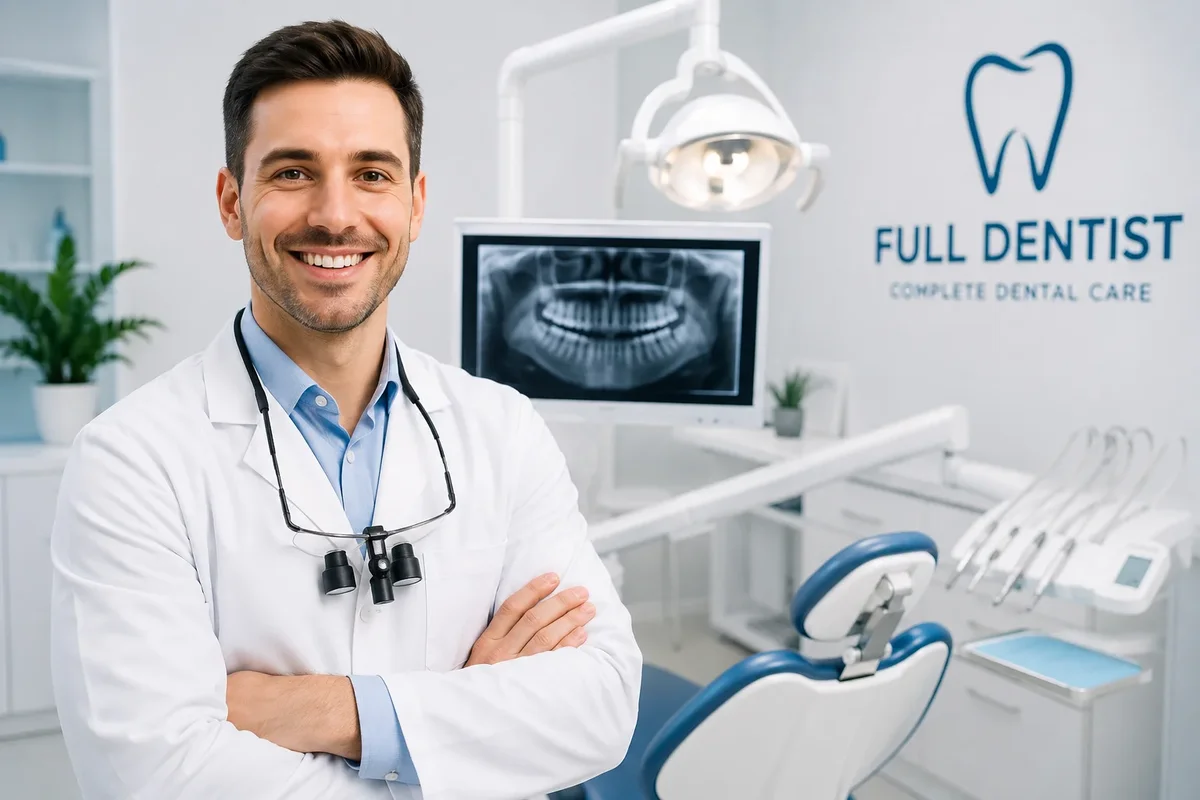
How to Choose the Best Full Dentist for Long-Term Care
Choosing the right full dentist is one of the most important decisions for maintaining long-term oral health 🦷. A qualified full dentist not only treats current dental problems but also helps patients prevent future complications, improve smile appearance, and maintain healthy teeth and gums throughout life.
Many people initially search for a full dentist because they need immediate treatment for pain, cosmetic concerns, or restorative care. However, selecting the best provider involves much more than simply booking the nearest appointment. Patients should carefully evaluate experience, technology, communication style, clinic hygiene, treatment philosophy, and long-term care capabilities before choosing a full dentist.
A trusted full dentist becomes a long-term healthcare partner who supports preventive care, emergency treatment, cosmetic dentistry, restorative procedures, and family oral health needs over many years.
Why Choosing the Right Full Dentist Matters
Oral health is directly connected to overall health and quality of life. Poor dental care can lead to gum disease, tooth loss, infections, chewing difficulties, and confidence problems. A skilled full dentist helps patients maintain strong oral function and healthy smiles while identifying issues early.
Benefits of Choosing the Right Full Dentist
- Consistent preventive care
- Accurate diagnosis
- Improved long-term oral health
- Better treatment outcomes
- Reduced emergency risks
- Greater patient comfort
- Long-term treatment planning
- Personalized dental care
Patients who establish a long-term relationship with a reliable full dentist often experience fewer severe dental complications and improved confidence in their oral health decisions.
Check the Qualifications of a Full Dentist
Education and professional qualifications are extremely important when selecting a full dentist. Patients should ensure that the dentist has completed accredited dental training and continues participating in ongoing professional education.
Modern dentistry evolves rapidly, and a knowledgeable full dentist stays updated on new treatment techniques, materials, and technologies.
What to Look for in Qualifications
- Dental degree and certifications
- Continuing education courses
- Advanced restorative training
- Cosmetic dentistry experience
- Implant dentistry knowledge
- Professional organization memberships
Membership in respected organizations often demonstrates a commitment to professional standards and ethical care.
Evaluate the Services Offered by a Full Dentist
A comprehensive full dentist should provide a wide range of dental services so patients can receive complete care under one roof 😊.
Important Services to Look For
- Preventive dentistry
- Professional cleaning
- Restorative procedures
- Dental implants
- Cosmetic dentistry
- Emergency dental care
- Family dentistry
- Orthodontic support
Choosing a full dentist who offers comprehensive services helps simplify treatment planning and improves continuity of care.
Patients often prefer clinics where preventive, cosmetic, restorative, and emergency services are all available in the same location.
Review Technology and Modern Equipment
Modern technology plays a major role in treatment quality and patient comfort. A technologically advanced full dentist can often diagnose problems earlier and perform procedures more accurately.
Technology to Look For
- Digital X-rays
- 3D imaging systems
- Laser dentistry
- Digital impressions
- CAD/CAM restorations
- Intraoral cameras
A modern full dentist who invests in advanced equipment typically prioritizes precision, safety, and patient experience.
Digital technology also improves communication because patients can better understand diagnoses and treatment plans visually.
Read Patient Reviews and Testimonials
Patient reviews can provide valuable insight into the experience offered by a full dentist. Online testimonials often reveal information about communication style, treatment quality, appointment scheduling, clinic cleanliness, and overall patient satisfaction.
What to Look for in Reviews
- Positive communication experiences
- Professional staff behavior
- Comfort during treatment
- Successful long-term results
- Emergency responsiveness
- Transparent pricing
While no clinic receives perfect reviews, consistent positive feedback is usually a strong indicator of reliable service from a full dentist.
Consider Comfort and Communication
Communication is one of the most overlooked factors when choosing a full dentist. Patients should feel comfortable asking questions and discussing concerns openly.
A compassionate full dentist explains diagnoses, treatment options, risks, and expected outcomes clearly without pressuring patients.
Signs of Good Communication
- Detailed explanations
- Patience during consultations
- Clear treatment planning
- Honest recommendations
- Respectful patient interaction
- Transparent financial discussions
Dental anxiety is very common 😌, and a supportive full dentist helps patients feel more relaxed during appointments.
Evaluate Hygiene and Safety Standards
Clinic hygiene is essential for patient safety. A responsible full dentist follows strict sterilization and infection control protocols to maintain a safe treatment environment.
Important Hygiene Standards
- Clean treatment rooms
- Sterilized instruments
- Protective barriers
- Disposable materials when appropriate
- Staff hygiene compliance
- Organized clinical environment
Patients should feel confident that their full dentist prioritizes both treatment quality and safety standards.
Ask About Emergency Dental Support
Dental emergencies can happen unexpectedly 🚨. A dependable full dentist should provide emergency treatment options or guidance for urgent situations.
Patients should ask whether the clinic handles:
- Tooth pain emergencies
- Broken teeth
- Swelling and infections
- Lost crowns or fillings
- Knocked-out teeth
Having access to emergency care from a trusted full dentist provides additional peace of mind for long-term care.
Understand Treatment Costs and Financing
Financial transparency is another important factor when selecting a full dentist. Patients should fully understand treatment costs, payment policies, and financing options before beginning major procedures.
Average Dental Treatment Costs
| Dental Service | Estimated Cost |
|---|---|
| Routine Cleaning | $80 – $200 |
| Dental Crown | $500 – $1,500 |
| Dental Implant | $1,500 – $4,000 |
| Porcelain Veneers | $800 – $2,500 |
| Emergency Exam | $75 – $250 |
A trustworthy full dentist discusses financial expectations clearly and helps patients understand available treatment options based on budget and oral health priorities.
Why Long-Term Care with a Full Dentist Is Valuable
Long-term dental relationships allow a full dentist to monitor changes in oral health over time and provide more personalized care. Consistency improves preventive monitoring, treatment planning, and early diagnosis.
Patients who maintain regular visits with the same full dentist often benefit from:
- Improved preventive care
- Earlier diagnosis of oral disease
- More efficient treatment planning
- Greater comfort during appointments
- Stronger patient trust
A long-term relationship with a full dentist also improves understanding of medical history, bite patterns, cosmetic goals, and restorative needs.
Questions to Ask Before Choosing a Full Dentist
Before selecting a full dentist, patients should schedule a consultation and ask important questions about treatment philosophy and services.
Helpful Questions to Ask
- What services are available in the clinic?
- How are dental emergencies handled?
- What technologies are used?
- Are financing options available?
- How often are continuing education courses completed?
- What preventive care recommendations are provided?
Patients seeking comprehensive long-term dental care can contact experienced professionals through the Redent Klinik Contact Page. Additional oral health guidance and professional dental information are available through the American Dental Association.
Ultimately, choosing the right full dentist is an investment in lifelong oral health and confidence 🌟. A qualified full dentist provides preventive support, restorative expertise, cosmetic enhancement, emergency care, and personalized treatment planning designed to help patients maintain healthy, functional, and beautiful smiles for many years.