
Full dentistry is a comprehensive approach to oral healthcare that focuses on diagnosing, treating, and maintaining every aspect of your dental health in a coordinated and holistic way. Unlike limited or single-procedure treatments, full dentistry aims to provide a complete solution for your teeth, gums, jaw, and overall oral function. This concept is especially important in today’s world, where patients are not only concerned about oral health but also aesthetics, comfort, and long-term results.
At its core, full dentistry combines preventive, restorative, cosmetic, and sometimes surgical procedures into one unified treatment plan. This means that instead of addressing dental problems one at a time, full dentistry evaluates your entire oral condition and creates a strategic roadmap for achieving optimal results. Whether you are dealing with cavities, gum disease, missing teeth, or alignment issues, full dentistry ensures that all these concerns are treated together for better efficiency and effectiveness.
One of the biggest advantages of full dentistry is its focus on prevention. Dentists practicing full dentistry do not just treat problems—they work proactively to prevent them. Regular check-ups, professional cleanings, digital imaging, and early diagnosis are essential components of this approach. By identifying issues early, full dentistry helps patients avoid more complex and costly procedures in the future.
Another important aspect of full dentistry is personalization. Every patient has unique dental needs, and full dentistry recognizes this by offering customized treatment plans. For example, a patient with missing teeth may require implants, while another may benefit more from bridges or dentures. Similarly, someone with stained teeth might opt for whitening or veneers. Full dentistry ensures that all these decisions are made based on a thorough evaluation of the patient’s oral health, lifestyle, and expectations.
In addition to improving oral health, full dentistry plays a significant role in enhancing overall well-being. Poor dental health has been linked to various systemic conditions, including heart disease, diabetes, and respiratory issues. By maintaining a healthy mouth through full dentistry, patients can reduce the risk of these complications. This makes full dentistry not just a dental solution but a vital component of general health care.
Aesthetic improvement is another key benefit of full dentistry. A beautiful smile can boost confidence, improve social interactions, and even enhance professional opportunities. Full dentistry integrates cosmetic procedures such as teeth whitening, veneers, and smile makeovers with functional treatments. This ensures that patients achieve both a healthy and attractive smile simultaneously.
Technology also plays a crucial role in modern full dentistry. Advanced tools such as 3D imaging, digital impressions, laser dentistry, and computer-guided implant placement have revolutionized the way dental treatments are performed. These innovations make full dentistry more precise, less invasive, and more comfortable for patients. As a result, treatment times are often shorter, and recovery periods are significantly reduced.
Another defining feature of full dentistry is its multidisciplinary nature. It often involves collaboration between different dental specialists, including general dentists, orthodontists, periodontists, and oral surgeons. This teamwork ensures that every aspect of your dental health is addressed by experts in their respective fields. With full dentistry, you benefit from a coordinated approach that eliminates the need for fragmented care.
For patients seeking a reliable and comprehensive dental solution, full dentistry offers unmatched convenience. Instead of visiting multiple clinics for different treatments, you can receive all necessary care in one place. This not only saves time but also ensures consistency in treatment quality. If you are considering improving your oral health, you can easily reach out through the Redent Klinik Contact Page to start your journey.
It is also important to rely on trusted organizations and guidelines when exploring full dentistry options. Institutions like the American Dental Association provide valuable information and standards that ensure safe and effective dental care. Following such guidelines helps both patients and dentists achieve the best possible outcomes.
In summary, full dentistry is more than just a collection of dental treatments—it is a complete philosophy of care. It focuses on prevention, personalization, aesthetics, and long-term health. By choosing full dentistry, patients can enjoy a healthier mouth, a more confident smile, and a better quality of life. Whether you are addressing existing issues or aiming to maintain excellent oral health, full dentistry provides a comprehensive and reliable solution tailored to your needs.
What Is Full Dentistry and Why It Matters
Full dentistry is a modern and comprehensive approach to dental care that focuses on treating the entire oral system rather than addressing isolated issues. Instead of simply fixing a cavity or whitening teeth, full dentistry evaluates the condition of your teeth, gums, jaw structure, and even bite alignment as a whole. This integrated approach ensures that every dental treatment contributes to long-term health, functionality, and aesthetics. 😊
The concept of full dentistry has gained popularity because patients today seek more than just temporary fixes—they want lasting solutions. By combining preventive, restorative, and cosmetic procedures into one cohesive plan, full dentistry offers a complete roadmap for achieving optimal oral health. This means fewer recurring problems, better outcomes, and improved patient satisfaction.
The Core Principles of Full Dentistry
To truly understand full dentistry, it is essential to explore its core principles. These principles guide dentists in delivering comprehensive care that goes beyond basic treatments.
1. Holistic Evaluation
Full dentistry begins with a detailed assessment of the patient’s oral health. This includes digital X-rays, intraoral scans, and clinical examinations. Dentists analyze not only visible issues but also underlying conditions such as bone loss, gum disease, or bite misalignment. This thorough evaluation ensures that full dentistry addresses root causes rather than just symptoms.
2. Preventive Focus
One of the most important aspects of full dentistry is prevention. Regular cleanings, fluoride treatments, and early detection of dental problems help minimize the need for invasive procedures. Full dentistry emphasizes educating patients about proper oral hygiene habits, making prevention a key part of the treatment strategy.
3. Integrated Treatment Planning
In full dentistry, treatments are carefully coordinated to work together. For example, if a patient requires implants, gum treatment, and orthodontics, the dentist will create a structured plan that ensures each step complements the next. This integrated approach is what makes full dentistry highly effective and efficient.
Why Full Dentistry Is Essential for Modern Patients
In today’s fast-paced world, patients value convenience, quality, and long-term results. Full dentistry meets these expectations by offering a comprehensive solution in one place. Instead of visiting multiple specialists separately, patients can receive coordinated care that saves time and reduces stress.
Moreover, full dentistry plays a crucial role in maintaining overall health. Research has shown that oral health is closely linked to systemic conditions such as cardiovascular disease and diabetes. By addressing all aspects of oral health, full dentistry helps reduce these risks and supports overall well-being.
Functional and Aesthetic Benefits
Full dentistry is not only about health—it also enhances appearance. A well-planned full dentistry treatment can improve the alignment, color, and shape of teeth, resulting in a more attractive smile. This combination of function and aesthetics is one of the reasons why full dentistry is preferred by patients seeking complete transformation.
For instance, a patient with worn teeth, gum issues, and missing teeth can benefit from a full dentistry approach that includes restorations, periodontal therapy, and cosmetic enhancements. The result is a smile that looks natural and functions perfectly.
Who Can Benefit from Full Dentistry?
Full dentistry is suitable for a wide range of patients. Whether you have minor dental concerns or complex oral health issues, this approach can be tailored to your needs.
Patients with Multiple Dental Problems
If you are dealing with several issues such as cavities, gum disease, and missing teeth, full dentistry provides a structured and efficient solution. Instead of treating each problem separately, full dentistry addresses them together for better results.
Patients Seeking Smile Makeovers
For individuals looking to improve their smile, full dentistry offers comprehensive cosmetic solutions. Treatments such as veneers, whitening, and orthodontics can be combined to achieve a stunning transformation.
Patients Focused on Long-Term Health
Even if you do not currently have major dental problems, full dentistry is ideal for maintaining long-term oral health. Regular check-ups and preventive care ensure that your teeth and gums remain in excellent condition.
How Full Dentistry Enhances Patient Experience
One of the standout features of full dentistry is the improved patient experience. With fewer appointments, coordinated treatments, and advanced technology, patients enjoy a smoother and more comfortable journey. Digital tools used in full dentistry reduce discomfort and increase precision, making treatments more predictable and efficient.
Additionally, full dentistry often involves clear communication between the dentist and patient. Treatment plans are explained in detail, allowing patients to make informed decisions about their care. This transparency builds trust and confidence.
The Long-Term Value of Full Dentistry
While full dentistry may initially seem like a significant investment, it offers excellent long-term value. By preventing future problems and reducing the need for repeated treatments, full dentistry can save both time and money. Patients benefit from durable results that enhance their quality of life.
In conclusion, full dentistry is a comprehensive, patient-centered approach that combines prevention, treatment, and aesthetics into one unified plan. It addresses the root causes of dental issues, improves overall health, and delivers lasting results. Whether you are looking to restore your oral health or achieve a perfect smile, full dentistry provides a reliable and effective solution tailored to your needs. 🌟
Key Treatments Included in Full Dentistry Services
Full dentistry is built on the idea of delivering a complete and coordinated approach to oral healthcare. Instead of focusing on a single issue, full dentistry combines multiple treatments to ensure that every aspect of your oral health is addressed. This comprehensive approach allows patients to achieve not only a healthy mouth but also a functional and aesthetically pleasing smile. 😊
One of the defining characteristics of full dentistry is the wide range of treatments it includes. These treatments are carefully selected and combined based on the patient’s specific needs. Whether the goal is to restore damaged teeth, replace missing ones, or enhance the appearance of a smile, full dentistry provides a structured and effective solution.
Preventive Treatments in Full Dentistry
Prevention is the foundation of full dentistry. By focusing on early detection and maintenance, patients can avoid more complex and costly procedures in the future.
Routine Check-Ups and Cleanings
Regular dental visits are essential in full dentistry. Professional cleanings remove plaque and tartar buildup, reducing the risk of cavities and gum disease. During these visits, dentists also perform detailed examinations to identify potential issues early.
Fluoride Treatments and Sealants
Fluoride strengthens tooth enamel and helps prevent decay, while dental sealants provide an additional protective layer on the chewing surfaces of teeth. These simple yet effective treatments are key components of full dentistry.
Restorative Treatments in Full Dentistry
Restorative care is a major part of full dentistry, focusing on repairing and rebuilding damaged teeth. These treatments restore both function and appearance.
Dental Fillings and Crowns
When cavities or damage occur, fillings are used to restore the tooth structure. For more severe damage, crowns are placed to protect and strengthen the tooth. Full dentistry ensures that these restorations are durable and aesthetically pleasing.
Bridges and Dentures
Missing teeth can affect both function and confidence. Bridges and dentures are commonly used in full dentistry to replace missing teeth and restore the ability to chew and speak properly.
Dental Implants
Dental implants are one of the most advanced solutions in full dentistry. They provide a permanent and natural-looking replacement for missing teeth. Implants also help preserve jawbone structure, making them a preferred option for long-term results.
Cosmetic Treatments in Full Dentistry
In addition to health and function, full dentistry also focuses on improving the appearance of your smile. Cosmetic treatments are seamlessly integrated into the overall treatment plan.
Teeth Whitening
Professional teeth whitening is a popular procedure in full dentistry. It removes stains and discoloration, resulting in a brighter and more attractive smile.
Veneers and Smile Makeovers
Veneers are thin shells placed over the front surface of teeth to correct imperfections such as chips, gaps, or uneven shapes. In full dentistry, veneers are often part of a complete smile makeover designed to enhance both aesthetics and confidence.
Orthodontic Treatments in Full Dentistry
Alignment plays a crucial role in oral health. Full dentistry includes orthodontic solutions to correct misaligned teeth and bite issues.
Braces and Clear Aligners
Traditional braces and modern clear aligners are used in full dentistry to straighten teeth and improve bite alignment. Proper alignment not only enhances appearance but also makes oral hygiene easier and more effective.
Periodontal Treatments in Full Dentistry
Healthy gums are essential for overall oral health. Full dentistry includes specialized treatments to address gum-related issues.
Scaling and Root Planing
This deep cleaning procedure removes bacteria and plaque from below the gum line. It is a critical component of full dentistry for treating gum disease and preventing tooth loss.
Gum Surgery and Regeneration
In advanced cases, surgical procedures may be required to restore gum health. Full dentistry ensures that these treatments are carefully planned and executed for optimal results.
Advanced and Surgical Procedures
Full dentistry also incorporates advanced treatments that require specialized expertise and technology.
Tooth Extractions and Bone Grafting
When a tooth cannot be saved, extraction may be necessary. Bone grafting is often performed in full dentistry to prepare the jaw for implants and maintain structural integrity.
Full Mouth Reconstruction
For patients with extensive dental issues, full mouth reconstruction is a comprehensive solution offered within full dentistry. This process involves multiple treatments combined into a single, cohesive plan to restore complete oral function and aesthetics.
The Integration of Treatments in Full Dentistry
What sets full dentistry apart is the seamless integration of all these treatments. Instead of addressing problems individually, full dentistry ensures that each procedure contributes to a unified outcome. For example, a patient may undergo gum treatment before receiving implants or orthodontic care before cosmetic enhancements. This strategic sequencing is essential for achieving long-lasting results.
Modern technology plays a vital role in enhancing the effectiveness of full dentistry. Digital imaging, 3D planning, and minimally invasive techniques allow dentists to perform treatments with greater precision and comfort. Patients benefit from shorter recovery times and more predictable outcomes.
In conclusion, full dentistry encompasses a wide range of treatments designed to address every aspect of oral health. From preventive care to advanced surgical procedures, full dentistry provides a comprehensive and personalized approach that ensures optimal results. By choosing full dentistry, patients can enjoy a healthier, more functional, and aesthetically pleasing smile that lasts for years. 🌟
How Full Dentistry Improves Long-Term Oral Health
Full dentistry plays a critical role in maintaining and improving long-term oral health by addressing not only current dental problems but also preventing future complications. Unlike traditional approaches that focus on isolated treatments, full dentistry evaluates the entire oral system and creates a strategic plan that ensures lasting results. This proactive and comprehensive method is what makes full dentistry an essential choice for patients who want sustainable dental health. 😊
One of the most significant advantages of full dentistry is its ability to identify and treat problems at their root cause. Instead of repeatedly fixing symptoms, full dentistry focuses on eliminating underlying issues such as bacterial infections, misalignment, or structural weaknesses. This approach reduces the likelihood of recurring problems and helps patients maintain a stable and healthy oral environment over time.
Preventing Future Dental Problems with Full Dentistry
Prevention is at the heart of full dentistry. By integrating preventive care into every stage of treatment, patients can avoid complex procedures in the future.
Early Diagnosis and Monitoring
Full dentistry uses advanced diagnostic tools such as digital X-rays and intraoral cameras to detect issues at an early stage. Conditions like cavities, gum disease, and bone loss can be identified before they become severe. Early intervention is one of the most effective ways to preserve natural teeth and reduce treatment costs.
Regular Maintenance Programs
Patients who follow a full dentistry plan typically receive customized maintenance schedules. These include professional cleanings, check-ups, and preventive treatments tailored to individual needs. Regular monitoring ensures that any changes in oral health are addressed promptly.
Strengthening Teeth and Supporting Structures
Another key benefit of full dentistry is its focus on strengthening the teeth and supporting structures such as gums and jawbone.
Restorative Treatments for Durability
Procedures like crowns, fillings, and implants used in full dentistry are designed to restore strength and functionality. These treatments not only repair damage but also reinforce the tooth structure, making it more resistant to future wear and decay.
Gum Health and Bone Preservation
Healthy gums are essential for long-term oral stability. Full dentistry includes periodontal treatments that prevent gum disease and protect the underlying bone. By maintaining strong support structures, full dentistry helps prevent tooth loss and ensures the longevity of restorations.
Improving Bite and Functional Balance
Proper bite alignment is crucial for both comfort and oral health. Full dentistry addresses bite issues to ensure balanced force distribution across all teeth.
Correcting Misalignment
Orthodontic treatments within full dentistry help align teeth and correct bite problems. Misaligned teeth can lead to uneven wear, jaw pain, and even headaches. By correcting these issues, full dentistry improves overall function and reduces strain on the jaw.
Preventing Tooth Wear and Damage
An unbalanced bite can cause excessive pressure on certain teeth, leading to cracks, fractures, or enamel erosion. Full dentistry ensures that the bite is properly adjusted, minimizing the risk of long-term damage.
Enhancing Oral Hygiene Efficiency
One often overlooked benefit of full dentistry is its impact on daily oral hygiene. Properly aligned and restored teeth are easier to clean, which reduces the risk of plaque buildup and gum disease.
Accessible Cleaning Surfaces
When teeth are aligned and free from structural defects, brushing and flossing become more effective. Full dentistry eliminates hard-to-reach areas where bacteria tend to accumulate.
Patient Education and Guidance
Full dentistry emphasizes patient education, teaching individuals how to maintain their oral health at home. Dentists provide personalized advice on brushing techniques, flossing, and dietary habits that support long-term dental health.
Reducing the Risk of Systemic Health Issues
Oral health is closely linked to overall health, and full dentistry plays a vital role in reducing the risk of systemic diseases.
Connection Between Oral and General Health
Conditions such as gum disease have been associated with heart disease, diabetes, and respiratory problems. By maintaining a healthy mouth through full dentistry, patients can lower the risk of these serious health issues.
Comprehensive Health Monitoring
Dentists practicing full dentistry often identify signs of systemic conditions during routine examinations. Early detection can lead to timely medical intervention, improving overall health outcomes.
Long-Term Cost Efficiency of Full Dentistry
Although full dentistry may seem like a significant investment initially, it offers substantial long-term savings. By preventing major dental problems and reducing the need for repeated treatments, full dentistry minimizes overall costs.
For example, addressing minor gum inflammation early through full dentistry can prevent advanced periodontal disease that requires surgery. Similarly, restoring a damaged tooth promptly can avoid the need for extraction and replacement later.
Psychological and Lifestyle Benefits
Full dentistry not only improves physical health but also enhances quality of life. A healthy and attractive smile boosts confidence and encourages better social interactions.
Increased Confidence
Patients who undergo full dentistry often experience a significant improvement in self-esteem. Knowing that their teeth are healthy and visually appealing allows them to smile freely and interact confidently.
Improved Daily Comfort
By addressing issues such as pain, sensitivity, and bite problems, full dentistry ensures greater comfort in everyday activities like eating and speaking.
Consistency and Continuity of Care
One of the most important aspects of full dentistry is the continuity of care it provides. Instead of fragmented treatments from different providers, patients receive consistent and coordinated care from a single dental team.
This continuity ensures that every treatment aligns with the overall plan, leading to better outcomes and fewer complications. Full dentistry creates a long-term partnership between the patient and the dental professional, fostering trust and reliability.
In conclusion, full dentistry is a powerful approach that significantly improves long-term oral health. By focusing on prevention, strengthening structures, improving function, and supporting overall well-being, full dentistry offers a comprehensive solution for maintaining a healthy smile. Patients who choose full dentistry benefit from lasting results, reduced risks, and a higher quality of life, making it one of the most effective strategies in modern dental care. 🌟
Who Needs Full Dentistry Care the Most
Full dentistry is designed to serve a wide range of patients, but certain individuals benefit more significantly from this comprehensive approach. Because full dentistry focuses on evaluating and treating the entire oral system, it is especially valuable for those with multiple dental concerns, complex conditions, or long-term oral health goals. Understanding who needs full dentistry the most can help patients make informed decisions and take proactive steps toward better dental health. 😊
Unlike traditional dental care that may address isolated issues, full dentistry provides a complete and structured treatment plan tailored to each patient. This makes it ideal for individuals who want long-lasting solutions rather than temporary fixes. Whether you are dealing with functional problems, aesthetic concerns, or preventive needs, full dentistry ensures that every aspect of your oral health is considered.
Patients with Multiple Dental Problems
One of the primary groups that benefit from full dentistry includes patients experiencing multiple dental issues simultaneously. These individuals often require a coordinated treatment plan to restore their oral health effectively.
Complex Oral Conditions
Patients with a combination of cavities, gum disease, missing teeth, and bite issues are ideal candidates for full dentistry. Instead of treating each condition separately, full dentistry integrates all necessary treatments into a single, cohesive plan. This approach ensures better results and reduces the risk of complications.
Chronic Dental Problems
Individuals who frequently experience recurring dental issues can benefit greatly from full dentistry. By identifying and addressing the root causes of these problems, full dentistry helps break the cycle of repeated treatments and promotes long-term stability.
Patients with Missing Teeth
Missing teeth can significantly impact both oral function and appearance. Full dentistry offers comprehensive solutions for tooth replacement, making it an excellent choice for these patients.
Single or Multiple Tooth Loss
Whether you are missing one tooth or several, full dentistry provides options such as implants, bridges, or dentures. These treatments are carefully planned to restore both functionality and aesthetics.
Full Mouth Rehabilitation
For patients who have lost most or all of their teeth, full dentistry offers full mouth reconstruction. This involves a combination of treatments designed to rebuild the entire dental structure, ensuring a natural look and proper function.
Patients Seeking Aesthetic Improvements
Many individuals turn to full dentistry for cosmetic reasons. A beautiful smile can boost confidence and improve quality of life, making aesthetic treatments an important aspect of dental care.
Smile Makeovers
Full dentistry combines procedures such as teeth whitening, veneers, and orthodontics to create a complete smile transformation. These treatments are tailored to the patient’s facial structure and personal preferences.
Correcting Imperfections
Chipped, stained, or misaligned teeth can affect self-esteem. Full dentistry addresses these imperfections through a comprehensive plan that enhances both appearance and function.
Patients with Gum Disease
Gum health is a critical component of oral health, and patients with periodontal issues are strong candidates for full dentistry.
Early-Stage Gum Disease
In the early stages, full dentistry focuses on non-invasive treatments such as scaling and root planing. These procedures help control infection and prevent progression.
Advanced Periodontal Conditions
For more severe cases, full dentistry may include surgical interventions to restore gum health and protect the underlying bone. This comprehensive approach ensures long-term stability.
Patients with Bite and Jaw Problems
Bite alignment and jaw function are essential for overall oral health. Patients experiencing discomfort or functional issues can benefit from full dentistry.
Temporomandibular Joint (TMJ) Disorders
Full dentistry includes treatments for TMJ disorders, which can cause pain, headaches, and difficulty chewing. By addressing the underlying causes, full dentistry improves comfort and functionality.
Malocclusion (Misaligned Bite)
Misaligned teeth can lead to uneven wear and long-term damage. Full dentistry uses orthodontic and restorative solutions to correct these issues and ensure proper alignment.
Patients Focused on Preventive Care
Full dentistry is not only for those with existing problems—it is also ideal for individuals who want to maintain optimal oral health.
Proactive Health Management
Patients who prioritize prevention can benefit from regular check-ups, cleanings, and early interventions offered through full dentistry. This approach helps avoid major dental issues in the future.
Long-Term Maintenance Plans
Full dentistry provides customized maintenance programs that ensure ongoing oral health. These plans are tailored to the patient’s specific needs and lifestyle.
Patients Preparing for Major Dental Procedures
Individuals planning significant dental treatments often require a comprehensive evaluation and preparation process.
Pre-Treatment Assessment
Full dentistry ensures that all aspects of oral health are assessed before major procedures such as implants or orthodontics. This reduces risks and improves outcomes.
Post-Treatment Care
After completing major treatments, full dentistry provides ongoing care to maintain results and prevent complications.
Patients Seeking Convenience and Efficiency
In today’s busy world, many patients prefer a streamlined approach to dental care. Full dentistry offers the convenience of receiving multiple treatments under one coordinated plan.
Instead of visiting different specialists for each issue, patients can rely on full dentistry to manage their care efficiently. This not only saves time but also ensures consistency in treatment quality.
The Universal Value of Full Dentistry
Ultimately, full dentistry is suitable for anyone who values comprehensive, high-quality dental care. Whether you have complex dental needs or simply want to maintain a healthy smile, full dentistry provides a reliable and effective solution.
In conclusion, full dentistry is especially beneficial for patients with multiple dental problems, missing teeth, aesthetic concerns, gum disease, bite issues, and those focused on prevention. By offering a personalized and integrated approach, full dentistry ensures that every patient receives the care they need for long-term oral health and overall well-being. 🌟
Step-by-Step Process of a Full Dentistry Treatment Plan
Full dentistry follows a carefully structured process designed to evaluate, plan, and execute treatments in a logical and effective sequence. Unlike isolated procedures, full dentistry ensures that every step contributes to a comprehensive and long-lasting outcome. This step-by-step approach allows patients to achieve optimal oral health while minimizing complications and unnecessary treatments. 😊
Understanding how full dentistry works from start to finish helps patients feel more confident and informed. Each phase of full dentistry is designed to build upon the previous one, creating a seamless journey from diagnosis to maintenance.
Initial Consultation and Comprehensive Assessment
The first step in full dentistry is a detailed consultation and examination. This phase is crucial for identifying all existing and potential oral health issues.
Medical and Dental History Review
Full dentistry begins by reviewing the patient’s medical and dental history. This helps dentists understand underlying conditions, medications, and previous treatments that may affect the current plan.
Advanced Diagnostic Tools
Modern full dentistry uses digital X-rays, 3D imaging, and intraoral scans to gain a complete view of the oral structure. These tools allow for precise diagnosis and early detection of problems that may not be visible during a standard examination.
Personalized Treatment Planning
Once the assessment is complete, the next step in full dentistry is creating a customized treatment plan tailored to the patient’s needs.
Setting Treatment Goals
In full dentistry, treatment goals are defined based on the patient’s priorities, such as restoring function, improving aesthetics, or preventing future issues. Clear goals ensure that every procedure aligns with the desired outcome.
Sequencing Procedures
Full dentistry involves multiple treatments, and the order in which they are performed is critical. For example, gum disease must be treated before placing implants. Proper sequencing ensures the success of each stage.
Preventive and Preparatory Treatments
Before moving to advanced procedures, full dentistry focuses on preparing the oral environment for optimal results.
Professional Cleaning and Gum Care
Initial treatments often include deep cleaning and periodontal therapy to eliminate bacteria and inflammation. This creates a healthy foundation for further procedures.
Addressing Immediate Issues
Any urgent problems such as infections, severe decay, or pain are treated first in full dentistry. This step ensures patient comfort and prevents complications during subsequent treatments.
Restorative and Corrective Procedures
This phase is where the core treatments of full dentistry are performed to restore function and structure.
Repairing Damaged Teeth
Procedures such as fillings, crowns, and root canal treatments are used to restore damaged teeth. Full dentistry ensures that these restorations are durable and integrated into the overall plan.
Replacing Missing Teeth
Dental implants, bridges, or dentures are used in full dentistry to replace missing teeth. These solutions are carefully planned to restore both function and aesthetics.
Orthodontic and Functional Adjustments
Proper alignment and bite balance are essential components of full dentistry. This stage focuses on correcting these issues.
Teeth Alignment
Braces or clear aligners may be used to straighten teeth and improve bite alignment. Full dentistry ensures that alignment treatments are coordinated with other procedures.
Bite Correction
Adjusting the bite helps distribute pressure evenly across the teeth, preventing wear and discomfort. Full dentistry prioritizes functional balance for long-term stability.
Cosmetic Enhancements
After functional issues are addressed, full dentistry often includes cosmetic treatments to enhance the appearance of the smile.
Teeth Whitening and Veneers
Procedures such as whitening and veneers are used to improve color, shape, and symmetry. Full dentistry integrates these treatments seamlessly with restorative work.
Smile Design
Advanced smile design techniques in full dentistry consider facial features, lip movement, and tooth proportions to create a natural and attractive result.
Final Evaluation and Adjustments
Once all treatments are completed, full dentistry includes a final evaluation to ensure everything functions correctly.
Functional Testing
Dentists check bite alignment, chewing efficiency, and comfort. Any necessary adjustments are made to optimize results.
Aesthetic Review
The appearance of the smile is assessed to ensure it meets the patient’s expectations. Full dentistry aims for both functional and aesthetic excellence.
Maintenance and Follow-Up Care
The final and ongoing phase of full dentistry is maintenance. Long-term success depends on regular care and monitoring.
Scheduled Check-Ups
Patients are advised to attend regular dental visits to monitor their oral health. Full dentistry emphasizes continuous care to maintain results.
Personalized Oral Hygiene Plans
Patients receive tailored advice on brushing, flossing, and lifestyle habits. Proper home care is essential for preserving the benefits of full dentistry.
The Importance of a Structured Approach in Full Dentistry
The step-by-step process of full dentistry ensures that treatments are not only effective but also sustainable. Each phase builds on the previous one, creating a comprehensive solution that addresses both current and future needs.
This structured approach reduces the risk of complications, improves treatment outcomes, and enhances patient satisfaction. By following a clear and organized plan, full dentistry delivers predictable and long-lasting results.
In conclusion, the step-by-step process of full dentistry—from initial consultation to ongoing maintenance—provides a complete and reliable framework for achieving optimal oral health. By combining advanced diagnostics, personalized planning, and coordinated treatments, full dentistry ensures that patients receive the highest standard of care and enjoy lasting benefits. 🌟
Costs and Value of Full Dentistry Treatments
Full dentistry is often viewed as a comprehensive investment in long-term oral health rather than a simple expense. Because full dentistry combines multiple treatments into one structured plan, the overall cost can vary depending on the patient’s needs. However, when evaluated over time, full dentistry provides exceptional value by preventing future problems, reducing repeated procedures, and delivering lasting results. 💡
Understanding the costs and value of full dentistry is essential for patients who want to make informed decisions. Instead of focusing solely on initial expenses, it is important to consider the long-term benefits, durability, and overall improvement in quality of life that full dentistry offers.
Factors That Influence the Cost of Full Dentistry
The cost of full dentistry is not fixed because each treatment plan is personalized. Several factors determine the final price.
Complexity of the Case
Patients with multiple dental issues such as missing teeth, gum disease, and bite problems will require more extensive procedures. In full dentistry, complex cases often involve a combination of treatments, which can increase the overall cost.
Type of Treatments Included
Full dentistry may include preventive care, restorative procedures, orthodontics, and cosmetic treatments. The inclusion of advanced procedures such as dental implants or full mouth reconstruction significantly impacts the total cost.
Technology and Materials Used
Modern full dentistry relies on advanced technology and high-quality materials to ensure durability and aesthetics. While these innovations may increase upfront costs, they contribute to better outcomes and longer-lasting results.
Average Price Ranges in Full Dentistry
Although prices vary by location and clinic, understanding general cost ranges can help patients plan their treatment.
Basic Preventive and Diagnostic Services
Routine check-ups, cleanings, and diagnostic imaging in full dentistry typically range from $100 to $300 per visit. These services are essential for maintaining oral health and preventing major issues.
Restorative Treatments
Procedures such as fillings and crowns are common in full dentistry. Fillings usually cost between $100 and $400, while crowns can range from $800 to $2,000 depending on the material used.
Dental Implants and Tooth Replacement
Dental implants are one of the most advanced components of full dentistry. The cost of a single implant can range from $1,500 to $4,000, while full mouth implant solutions may cost significantly more depending on the complexity.
Orthodontic Treatments
Braces or clear aligners used in full dentistry typically range from $2,000 to $7,000. These treatments improve alignment and contribute to long-term oral health.
Cosmetic Procedures
Teeth whitening, veneers, and smile makeovers are often included in full dentistry. Whitening treatments may cost around $300 to $800, while veneers can range from $800 to $2,500 per tooth.
Why Full Dentistry Offers Long-Term Value
While the initial cost of full dentistry may seem high, its long-term value is one of its greatest advantages. By addressing all dental issues in a coordinated manner, full dentistry minimizes the need for repeated treatments.
Prevention of Future Costs
Full dentistry focuses on early detection and prevention. Treating minor issues before they become severe can save patients thousands of dollars in the future. For example, addressing gum disease early can prevent costly surgical procedures later.
Durability and Longevity
High-quality materials and advanced techniques used in full dentistry ensure that treatments last longer. This reduces the need for replacements and repairs, making full dentistry a cost-effective choice over time.
Comparing Full Dentistry to Piecemeal Treatments
One of the most important considerations is the difference between full dentistry and treating issues individually.
Fragmented Care vs Comprehensive Planning
When treatments are performed separately, there is a higher risk of inconsistencies and complications. Full dentistry ensures that all procedures are aligned, resulting in better outcomes and fewer additional costs.
Time Efficiency
Full dentistry reduces the number of appointments by combining treatments into a structured plan. This not only saves time but also reduces indirect costs such as travel and missed work.
Financing Options for Full Dentistry
Many clinics understand that full dentistry can be a significant investment and offer flexible payment options.
Payment Plans
Patients can often spread the cost of full dentistry over several months or years through installment plans. This makes comprehensive care more accessible.
Insurance Coverage
Some aspects of full dentistry, particularly preventive and restorative treatments, may be partially covered by dental insurance. It is important to review your policy to understand what is included.
Emotional and Lifestyle Value of Full Dentistry
The benefits of full dentistry go beyond financial considerations. A healthy and attractive smile can significantly improve quality of life.
Confidence and Self-Esteem
Patients who undergo full dentistry often experience a boost in confidence. A complete and healthy smile allows individuals to interact more freely in social and professional settings.
Improved Comfort and Function
Full dentistry eliminates pain, sensitivity, and functional issues, making everyday activities such as eating and speaking more comfortable.
Is Full Dentistry Worth the Investment?
For most patients, the answer is yes. Full dentistry provides a comprehensive solution that addresses current problems and prevents future ones. While the initial cost may be higher than individual treatments, the long-term savings and benefits make it a worthwhile investment.
In conclusion, full dentistry offers a balance between cost and value by combining multiple treatments into a single, efficient plan. By focusing on prevention, durability, and overall health, full dentistry ensures that patients receive maximum return on their investment. Choosing full dentistry means investing in a healthier smile, improved confidence, and long-term well-being. 🌟
Full Dentistry vs Specialized Dental Treatments
Full dentistry and specialized dental treatments are two different approaches to oral healthcare, each with its own advantages and limitations. While both aim to improve oral health, the key difference lies in scope and coordination. Full dentistry focuses on a comprehensive, integrated plan that addresses the entire oral system, whereas specialized dental treatments target specific issues in isolation. Understanding this distinction is essential for patients who want the most effective and long-lasting results. 😊
In modern dental care, many patients initially seek treatment for a single problem—such as a cavity or misaligned teeth. However, these issues are often interconnected. Full dentistry recognizes this complexity and provides a unified strategy that ensures all aspects of oral health are treated together. On the other hand, specialized dental treatments may solve individual problems but can sometimes overlook the bigger picture.
Definition and Scope of Each Approach
To fully understand the difference, it is important to define what each approach involves.
What Is Full Dentistry?
Full dentistry is a comprehensive approach that combines preventive, restorative, cosmetic, and functional treatments into one coordinated plan. It evaluates the entire oral structure, including teeth, gums, jaw, and bite alignment. The goal of full dentistry is to create long-term stability and optimal oral health.
What Are Specialized Dental Treatments?
Specialized dental treatments focus on specific areas of dentistry, such as orthodontics, periodontics, or oral surgery. These treatments are typically performed by specialists who concentrate on a particular field. While highly effective for targeted issues, they may not address other underlying problems.
Key Differences Between Full Dentistry and Specialized Care
Several important differences set full dentistry apart from specialized dental treatments.
Comprehensive vs Targeted Approach
Full dentistry takes a holistic view, ensuring that all dental issues are considered and treated together. In contrast, specialized treatments focus on solving one problem at a time. For example, orthodontic treatment may straighten teeth but may not address gum health or tooth decay unless combined with full dentistry.
Coordination of Treatments
In full dentistry, all procedures are carefully planned and sequenced to achieve the best results. Specialized treatments, when performed separately, may lack this level of coordination, potentially leading to inconsistencies or additional procedures.
Long-Term Outcomes
Full dentistry prioritizes long-term success by addressing root causes and preventing future issues. Specialized treatments are often effective in the short term but may require additional interventions if underlying problems are not resolved.
Advantages of Full Dentistry
Full dentistry offers several benefits that make it a preferred choice for many patients.
Holistic Care
By treating the entire oral system, full dentistry ensures that all aspects of dental health are optimized. This reduces the risk of overlooked issues and provides a more complete solution.
Efficiency and Convenience
Full dentistry minimizes the need for multiple appointments with different specialists. Patients receive coordinated care in a streamlined process, saving time and effort.
Improved Aesthetic and Functional Results
Because full dentistry integrates cosmetic and functional treatments, patients achieve a balanced result that looks natural and functions properly.
Advantages of Specialized Dental Treatments
While full dentistry is comprehensive, specialized treatments also have their own strengths.
Expertise in Specific Areas
Specialists have advanced training in their respective fields, allowing them to handle complex cases with precision. For example, an oral surgeon may perform intricate procedures that require specialized skills.
Focused Treatment for Specific Issues
When a patient has a single, well-defined problem, specialized treatment can be a quick and effective solution. However, this approach may not be sufficient for more complex cases.
When to Choose Full Dentistry Over Specialized Care
Choosing between full dentistry and specialized treatments depends on the patient’s needs.
Multiple or Complex Dental Issues
If you have several dental problems, full dentistry is the better option. It ensures that all issues are addressed in a coordinated manner, leading to better overall results.
Desire for Long-Term Stability
Patients who want lasting results should consider full dentistry. By addressing root causes and preventing future problems, full dentistry provides a more sustainable solution.
Combining Full Dentistry with Specialized Treatments
It is important to note that full dentistry does not exclude specialized care. In fact, it often incorporates it as part of a comprehensive plan.
Collaborative Approach
Full dentistry may involve collaboration with specialists such as orthodontists or periodontists. However, the key difference is that these treatments are integrated into a unified plan rather than performed independently.
Enhanced Outcomes Through Integration
By combining specialized expertise with the holistic approach of full dentistry, patients receive the best of both worlds. This integration ensures optimal results in both function and aesthetics.
Patient Experience and Satisfaction
Another important factor is the overall patient experience. Full dentistry provides a more cohesive and predictable journey.
Clear Treatment Plans
Patients undergoing full dentistry receive a detailed roadmap of their treatment, including timelines and expected outcomes. This transparency builds confidence and trust.
Reduced Stress and Uncertainty
With full dentistry, patients avoid the confusion of managing multiple treatments separately. Everything is coordinated, making the process smoother and more comfortable.
Conclusion: Why Full Dentistry Stands Out
While specialized dental treatments are valuable for addressing specific issues, full dentistry offers a more comprehensive and effective solution for overall oral health. By integrating all aspects of dental care into one cohesive plan, full dentistry ensures better coordination, improved outcomes, and long-term stability.
In conclusion, full dentistry stands out as the ideal approach for patients seeking a complete and lasting solution. It combines the strengths of specialized treatments with a holistic perspective, ensuring that every aspect of oral health is addressed. Choosing full dentistry means investing in a healthier, more functional, and aesthetically pleasing smile that lasts for years. 🌟
Choosing the Right Clinic for Full Dentistry
Choosing the right clinic for full dentistry is one of the most important decisions you can make for your oral health. Because full dentistry involves a comprehensive and long-term treatment approach, the quality, experience, and capabilities of the clinic play a crucial role in determining the success of your results. A well-equipped and experienced clinic ensures that every aspect of your full dentistry journey is handled with precision, care, and professionalism. 😊
Unlike basic dental care, full dentistry requires advanced planning, coordination, and execution. This means that not every dental clinic is equally suited to provide full dentistry services. Patients must carefully evaluate their options to ensure they receive the highest standard of care.
Qualifications and Experience of the Dental Team
The expertise of the dental team is one of the most critical factors when selecting a clinic for full dentistry.
Comprehensive Training
Dentists who specialize in full dentistry typically have extensive training in multiple areas, including restorative, cosmetic, and preventive care. This multidisciplinary knowledge allows them to create and execute complex treatment plans effectively.
Years of Experience
Experience matters significantly in full dentistry. Clinics with a proven track record of successful treatments are more likely to deliver reliable and predictable results. Reviewing before-and-after cases can help you assess the clinic’s capabilities.
Technology and Equipment Used
Modern technology is a cornerstone of full dentistry. Advanced tools enhance accuracy, comfort, and efficiency.
Digital Imaging and 3D Scanning
Clinics offering full dentistry should use state-of-the-art diagnostic tools such as digital X-rays and 3D imaging. These technologies provide detailed insights into your oral structure, enabling precise treatment planning.
Minimally Invasive Techniques
Advanced equipment allows for less invasive procedures, reducing discomfort and recovery time. Full dentistry clinics that invest in modern technology can offer a more comfortable patient experience.
Range of Services Offered
A clinic providing full dentistry should offer a wide range of treatments under one roof.
Comprehensive Care
From preventive care to advanced procedures like implants and orthodontics, a full dentistry clinic should be equipped to handle all aspects of oral health. This eliminates the need to visit multiple providers.
Specialist Collaboration
Even within full dentistry, collaboration with specialists is sometimes necessary. A good clinic will have access to a network of experts to ensure the best outcomes.
Personalized Treatment Planning
Every patient is unique, and full dentistry should reflect that through customized treatment plans.
Detailed Consultation
A reputable clinic will conduct a thorough consultation to understand your needs, expectations, and oral health condition. Full dentistry relies on detailed planning to achieve optimal results.
Clear Communication
Patients should receive a clear explanation of their treatment plan, including procedures, timelines, and expected outcomes. Transparency is a key indicator of a trustworthy full dentistry clinic.
Patient Reviews and Reputation
The reputation of a clinic can provide valuable insights into the quality of its full dentistry services.
Online Reviews
Reading patient reviews can help you understand the experiences of others. Positive feedback about successful full dentistry treatments is a strong indicator of reliability.
Word-of-Mouth Recommendations
Personal recommendations from friends or family can also guide you toward a reputable clinic for full dentistry.
Comfort and Patient Experience
Full dentistry often involves multiple visits, so patient comfort is essential.
Modern and Clean Environment
A clean, well-maintained clinic reflects professionalism and attention to detail. Full dentistry requires a sterile and organized environment to ensure safety.
Friendly and Supportive Staff
The attitude of the staff plays a significant role in your overall experience. A supportive team can make your full dentistry journey more comfortable and stress-free.
Cost Transparency and Financing Options
Understanding the financial aspect of full dentistry is crucial when choosing a clinic.
Clear Pricing Structure
A reliable clinic will provide a detailed breakdown of costs associated with full dentistry treatments. This helps patients plan their budget effectively.
Flexible Payment Plans
Many clinics offer financing options to make full dentistry more accessible. Payment plans allow patients to spread the cost over time, reducing financial stress.
Location and Accessibility
Convenience is another important factor when selecting a clinic for full dentistry.
Easy Access
A clinic located in an accessible area makes it easier to attend appointments regularly. Full dentistry often requires multiple visits, so proximity is beneficial.
Appointment Availability
Flexible scheduling options are essential for patients with busy lifestyles. A good full dentistry clinic will offer convenient appointment times.
Long-Term Support and Follow-Up Care
Full dentistry does not end after the treatment is completed. Ongoing care is essential for maintaining results.
Regular Check-Ups
A reliable clinic will provide follow-up appointments to monitor your oral health and ensure the success of your full dentistry treatments.
Continuous Guidance
Patients should receive ongoing advice on maintaining their oral health. Full dentistry emphasizes long-term care and prevention.
Conclusion: Making the Right Choice for Full Dentistry
Choosing the right clinic for full dentistry requires careful consideration of multiple factors, including expertise, technology, services, and patient experience. By selecting a clinic that meets these criteria, you can ensure that your full dentistry journey is successful and rewarding.
In conclusion, full dentistry is a comprehensive approach that demands high-quality care and coordination. The right clinic will not only address your current dental needs but also help you maintain long-term oral health. Investing time in choosing the right provider ensures that you receive the best possible results and enjoy a healthy, confident smile for years to come. 🌟
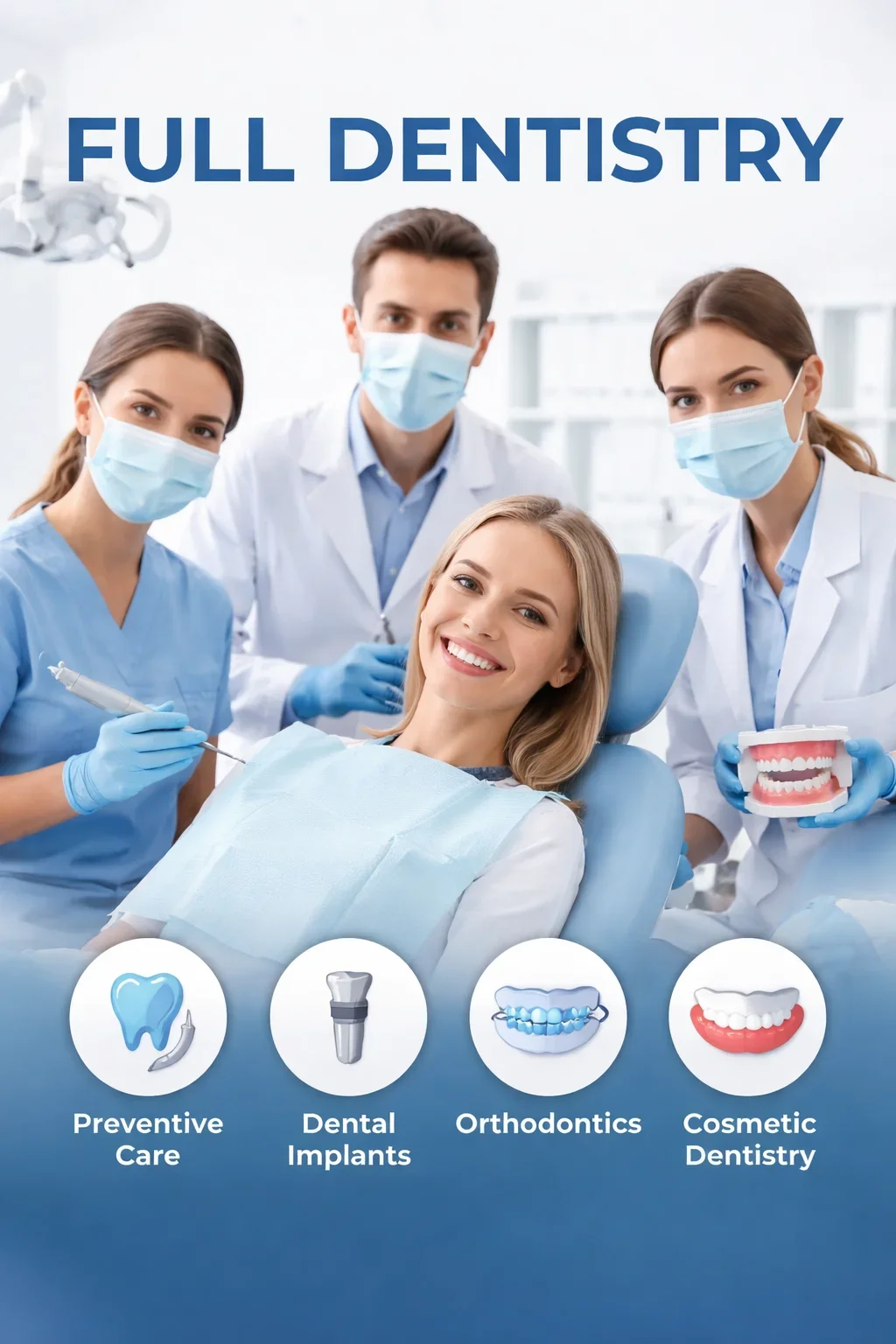
Future Trends and Innovations in Full Dentistry
Full dentistry is continuously evolving, driven by rapid advancements in technology, materials, and patient-centered care. As dental science progresses, full dentistry is becoming more precise, efficient, and accessible than ever before. These innovations are not only improving treatment outcomes but also transforming the overall patient experience. Understanding the future of full dentistry helps patients and professionals stay ahead of emerging trends and benefit from the latest developments. 🚀
In recent years, full dentistry has shifted from traditional methods to highly digital and minimally invasive approaches. This transformation is reshaping how dental care is delivered, making it more predictable and comfortable. As we look ahead, several key trends are expected to define the future of full dentistry.
Digital Transformation in Full Dentistry
One of the most significant trends in full dentistry is the integration of digital technology into every stage of treatment.
3D Imaging and Digital Scanning
Advanced imaging systems allow dentists to create highly accurate 3D models of the patient’s oral structure. In full dentistry, these tools improve diagnosis, treatment planning, and precision during procedures.
Computer-Aided Design and Manufacturing (CAD/CAM)
CAD/CAM technology enables the creation of dental restorations such as crowns and veneers with exceptional accuracy. Full dentistry benefits from faster production times and better-fitting restorations.
Artificial Intelligence in Full Dentistry
Artificial intelligence (AI) is playing an increasingly important role in full dentistry by enhancing diagnostic accuracy and treatment planning.
AI-Powered Diagnostics
AI systems can analyze dental images to detect issues such as cavities, bone loss, and gum disease with high precision. This allows full dentistry to identify problems earlier and plan more effective treatments.
Personalized Treatment Recommendations
AI can also assist in creating customized treatment plans based on patient data. In full dentistry, this leads to more tailored and efficient care.
Minimally Invasive Techniques
Modern full dentistry is moving toward less invasive procedures that prioritize patient comfort and faster recovery.
Laser Dentistry
Laser technology is increasingly used in full dentistry for procedures such as gum treatment and cavity removal. It reduces pain, bleeding, and healing time.
Micro-Dentistry
Micro-dentistry focuses on preserving as much natural tooth structure as possible. This approach aligns perfectly with the preventive philosophy of full dentistry.
Advanced Materials in Full Dentistry
The development of new dental materials is significantly improving the durability and aesthetics of treatments.
Biocompatible Materials
Modern materials used in full dentistry are designed to be compatible with the human body, reducing the risk of adverse reactions and improving long-term outcomes.
Stronger and More Natural-Looking Restorations
Innovations in ceramics and composites allow full dentistry to provide restorations that closely mimic natural teeth in both appearance and strength.
Teledentistry and Remote Care
Accessibility is becoming a key focus in full dentistry, and teledentistry is playing a major role in this transformation.
Virtual Consultations
Patients can now consult with dentists remotely, making it easier to receive initial assessments and follow-up care. Full dentistry benefits from improved accessibility and convenience.
Remote Monitoring
Digital tools allow dentists to monitor treatment progress without requiring frequent in-office visits. This is particularly useful in orthodontic treatments within full dentistry.
Personalized and Preventive Care
The future of full dentistry emphasizes personalized and preventive approaches tailored to each patient.
Genetic and Lifestyle-Based Planning
Advancements in research may allow full dentistry to incorporate genetic and lifestyle factors into treatment planning. This could lead to more precise prevention strategies.
Enhanced Preventive Programs
Future full dentistry will likely focus even more on prevention, using advanced tools to detect and address issues before they develop into serious problems.
Integration of Full Dentistry with Overall Health Care
Full dentistry is increasingly being recognized as an integral part of overall health care.
Collaboration with Medical Professionals
Dentists are working more closely with doctors to address the connection between oral health and systemic conditions. Full dentistry plays a key role in this integrated approach.
Holistic Health Monitoring
Future developments may allow full dentistry to contribute to the early detection of systemic diseases through oral examinations.
Enhanced Patient Experience
Improving patient comfort and satisfaction is a major focus of future full dentistry innovations.
Pain-Free Treatments
Advances in anesthesia and technology are making full dentistry procedures more comfortable than ever. Patients can expect minimal discomfort during treatments.
Faster Treatment Times
With digital workflows and advanced tools, full dentistry is becoming more efficient, reducing the number of visits required to complete treatments.
Sustainability in Full Dentistry
Environmental awareness is also influencing the future of full dentistry.
Eco-Friendly Practices
Clinics are adopting sustainable practices such as reducing waste and using environmentally friendly materials. Full dentistry is evolving to become more environmentally responsible.
Digital Documentation
The shift to digital records reduces paper usage and improves efficiency, contributing to sustainability in full dentistry.
Conclusion: The Evolving Future of Full Dentistry
The future of full dentistry is bright, with continuous innovations enhancing every aspect of dental care. From digital technology and AI to minimally invasive techniques and personalized treatments, full dentistry is becoming more advanced and patient-focused.
In conclusion, full dentistry is not just keeping pace with technological advancements—it is leading the way in modern dental care. By embracing these innovations, full dentistry ensures better outcomes, improved comfort, and greater accessibility for patients. As these trends continue to զարգle, full dentistry will remain a cornerstone of comprehensive oral health, offering solutions that are both effective and forward-thinking. 🌟