
Missing all or most teeth in the lower jaw can significantly impact daily life, affecting everything from eating and speaking to self-confidence and overall oral health. Fortunately, full lower dental implants have transformed modern dentistry by offering a permanent, stable, and natural-looking solution for patients who want to restore their smiles. Unlike traditional dentures that sit on top of the gums and may move during daily activities, full lower dental implants are anchored directly into the jawbone, creating a strong foundation for a complete set of replacement teeth.
Today, many patients choose full lower dental implants because they provide a level of comfort and functionality that closely resembles natural teeth. Whether tooth loss has occurred due to periodontal disease, severe decay, trauma, or age-related dental issues, this treatment can dramatically improve oral function and quality of life. With advancements in implant dentistry, patients can now enjoy highly predictable results and long-term success rates that make full lower dental implants one of the most trusted restorative solutions available.
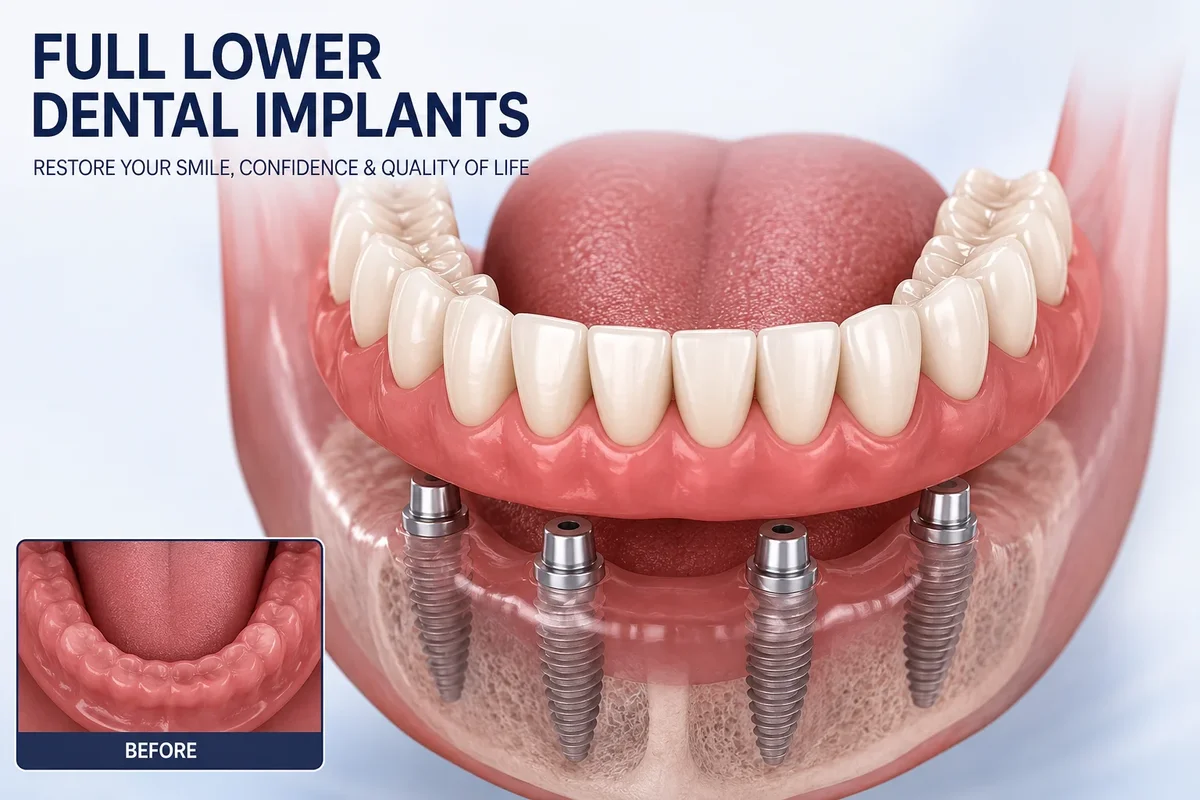
The treatment involves surgically placing multiple titanium implant posts into the lower jawbone. These implants serve as artificial tooth roots and gradually fuse with the surrounding bone through a biological process called osseointegration. Once healing is complete, a customized full-arch prosthesis is attached to the implants, creating a secure and attractive smile. Because the implants become integrated with the jawbone, full lower dental implants provide remarkable stability compared to removable dentures.
One of the most important benefits of full lower dental implants is improved chewing efficiency. Many people who wear conventional lower dentures struggle with movement and instability while eating. The lower jaw naturally offers less surface area for denture retention, making traditional dentures more prone to slipping. In contrast, full lower dental implants remain firmly fixed in place, allowing patients to comfortably enjoy a wider variety of foods, including fruits, vegetables, meats, and other nutritious options that may be difficult to consume with removable prosthetics.
Another major advantage of full lower dental implants is the preservation of jawbone health. After tooth loss, the jawbone no longer receives stimulation from natural tooth roots. As a result, bone resorption begins, causing the jaw to shrink over time. This process can lead to facial sagging, changes in appearance, and additional oral health challenges. Because full lower dental implants function similarly to natural roots, they help stimulate the bone during chewing, reducing bone loss and supporting long-term facial structure.
Patients considering full lower dental implants typically undergo a comprehensive evaluation before treatment begins. This assessment may include digital X-rays, 3D CBCT imaging, oral examinations, and a review of medical history. The dentist evaluates bone density, gum health, and overall oral conditions to determine the most appropriate treatment plan. In some cases, additional procedures such as bone grafting may be recommended before implant placement to ensure optimal support for full lower dental implants.
Several treatment approaches may be used depending on the patient’s needs. Some individuals receive a fixed full-arch bridge supported by four to six implants, while others may require additional implants for enhanced support. Popular concepts such as implant-supported dentures and All-on-4 restorations have made full lower dental implants more accessible and efficient for many patients. These innovative techniques often reduce treatment times while maintaining excellent stability and durability.
The recovery process following implant surgery varies from patient to patient. Mild swelling, discomfort, and temporary dietary restrictions are common during the initial healing phase. Most patients can resume normal daily activities within a few days, although complete osseointegration may take several months. During this period, following professional instructions and maintaining proper oral hygiene are essential for ensuring the long-term success of full lower dental implants.
Long-term maintenance is relatively straightforward. Patients should brush and clean around their prosthetic teeth daily, attend regular dental examinations, and avoid habits that could damage the restoration. With proper care, full lower dental implants can last for many years and often provide decades of reliable function. Their durability makes them a valuable long-term investment compared to treatment options that may require more frequent adjustments or replacements.
Many individuals also experience significant psychological benefits after receiving full lower dental implants. A secure smile can improve self-esteem, encourage social interaction, and restore confidence during professional and personal situations. The ability to speak clearly, smile naturally, and eat comfortably often contributes to a substantial improvement in overall quality of life.
According to guidance from the American Dental Association, dental implants are among the most predictable and successful restorative treatments available when proper planning and maintenance protocols are followed. However, each patient is unique, and treatment recommendations should always be based on a personalized clinical evaluation.
If you are interested in learning whether full lower dental implants are right for you, consulting an experienced implant dentist is the best place to start. A professional assessment can determine your suitability for treatment and help create a customized plan that addresses your specific goals. For personalized guidance and treatment information, visit the Redent Klinik Contact Page. With expert care and proper maintenance, full lower dental implants can provide a secure, functional, and natural-looking smile that supports oral health and confidence for many years to come. 😊
What Are Full Lower Dental Implants and How Do They Work?
Full lower dental implants are a modern dental restoration solution designed for patients who have lost all or most of their teeth in the lower jaw. Unlike traditional removable dentures, full lower dental implants are anchored directly into the jawbone using titanium implant posts. These posts function as artificial tooth roots and provide a stable foundation for a complete arch of replacement teeth. As a result, patients can enjoy improved comfort, chewing efficiency, speech, and confidence compared to conventional tooth replacement methods.
Over the last two decades, full lower dental implants have become one of the most sought-after treatments in implant dentistry because they offer a permanent and natural-feeling alternative to removable dentures. Many individuals who struggle with loose lower dentures find that full lower dental implants dramatically improve their quality of life by eliminating concerns about slipping, clicking sounds, or discomfort during meals and conversations.
The Basic Structure of Full Lower Dental Implants
Understanding how full lower dental implants work begins with understanding their components. A typical treatment consists of three primary elements:
- Dental Implants: Titanium posts surgically placed into the lower jawbone.
- Abutments: Connectors that attach the prosthetic teeth to the implants.
- Full-Arch Prosthesis: A customized set of replacement teeth designed to restore the entire lower dental arch.
When combined, these components create a secure restoration that closely mimics the function of natural teeth. Unlike traditional dentures that rest on the gums, full lower dental implants derive support directly from the jawbone. This design allows for greater stability and long-term durability.
How Full Lower Dental Implants Integrate With the Jawbone
The success of full lower dental implants depends on a biological process known as osseointegration. After the implant posts are placed into the jawbone, the surrounding bone gradually grows around and bonds with the titanium surface. This process typically takes several months and creates a strong connection between the implant and the bone.
Once osseointegration is complete, full lower dental implants effectively become part of the patient’s oral structure. This integration provides exceptional support for chewing and speaking while helping maintain jawbone density. Because the implants function similarly to natural tooth roots, they stimulate the bone during everyday activities, reducing the risk of bone loss commonly associated with missing teeth.
Why Titanium Is Used
Titanium is the material most commonly used for full lower dental implants because it is highly biocompatible. The body generally accepts titanium without adverse reactions, allowing bone tissue to bond predictably with the implant surface. This property contributes significantly to the long-term success rates associated with implant treatment.
Different Types of Full Lower Dental Implant Restorations
Not all full lower dental implants are identical. Depending on a patient’s anatomy, oral health, and treatment goals, different restoration methods may be recommended.
- Fixed Full-Arch Bridge: Permanently attached and removed only by a dental professional.
- Implant-Supported Overdenture: Removable by the patient but stabilized by implants.
- All-on-4 Restoration: Uses four strategically placed implants to support a complete lower arch.
- All-on-6 Restoration: Uses six implants for additional support and load distribution.
Each approach offers unique advantages, but all share the primary goal of restoring oral function through full lower dental implants.
How Many Implants Are Usually Needed?
The number of implants required varies according to bone quality, bite forces, and the type of restoration selected. In many cases, full lower dental implants can be successfully supported by four to six implants. Some patients with higher functional demands or unique anatomical considerations may require additional implants to ensure optimal support.
Advanced diagnostic technologies such as 3D CBCT imaging help dentists determine the ideal implant placement strategy. Careful planning contributes to the long-term success and stability of full lower dental implants.
Immediate Loading vs Traditional Healing
In certain situations, temporary teeth may be attached shortly after implant placement. This approach is known as immediate loading. However, not every patient is a suitable candidate. Some cases require a traditional healing period before the final restoration is connected. The choice depends on factors such as implant stability, bone quality, and overall oral health.
Functional Benefits of Full Lower Dental Implants
One reason patients frequently choose full lower dental implants is the significant improvement in oral function. Because the restoration is anchored securely, patients can bite and chew with greater confidence. Foods that may have been difficult to eat with removable dentures often become manageable again.
Speech can also improve after treatment. Loose dentures sometimes affect pronunciation and cause embarrassing movement during conversations. By contrast, full lower dental implants provide a stable platform that supports clearer speech patterns and greater confidence in social situations.
Long-Term Stability and Bone Preservation
A major advantage of full lower dental implants is their role in preserving jawbone health. Tooth loss triggers gradual bone resorption because natural tooth roots no longer stimulate the jawbone. Over time, this can alter facial appearance and complicate future dental treatments.
Because full lower dental implants transfer chewing forces directly into the jawbone, they help maintain bone density and reduce the rate of bone loss. This benefit distinguishes implant-supported restorations from conventional dentures, which do not provide comparable stimulation.
Why Full Lower Dental Implants Are Considered a Premium Solution
For patients seeking a long-term replacement for missing lower teeth, full lower dental implants are often considered the gold standard of care. They combine aesthetics, functionality, durability, and bone preservation into a single treatment solution. While the treatment process requires careful planning and a healing period, the results can last for decades with proper maintenance.
Modern implant technology continues to improve outcomes for patients worldwide. As techniques become more advanced and accessible, full lower dental implants remain one of the most effective ways to restore a complete lower smile while supporting long-term oral health, facial structure, and overall quality of life.
Who Is a Good Candidate for Full Lower Dental Implants?
One of the most common questions patients ask before beginning treatment is whether they qualify for full lower dental implants. While modern implant dentistry has made treatment possible for a wider range of patients than ever before, not everyone is an ideal candidate without proper evaluation and preparation. The success of full lower dental implants depends on several factors, including oral health, bone density, medical history, lifestyle habits, and long-term commitment to oral hygiene.
In general, patients who have lost all or most of their lower teeth and are looking for a stable, long-lasting replacement solution are often excellent candidates for full lower dental implants. Compared with removable dentures, implant-supported restorations offer superior comfort, chewing ability, and jawbone preservation. However, a comprehensive dental examination is necessary to determine whether full lower dental implants are the most appropriate treatment option for an individual’s specific needs.
Patients Missing Most or All Lower Teeth
The most obvious candidates for full lower dental implants are individuals who have lost all lower teeth or have multiple severely damaged teeth that require extraction. Tooth loss may result from advanced periodontal disease, extensive tooth decay, trauma, genetic conditions, or years of neglected oral health issues.
Many patients who currently wear removable lower dentures eventually consider full lower dental implants because they become frustrated with denture movement, gum irritation, and reduced chewing efficiency. Implant-supported restorations can dramatically improve daily comfort and restore confidence in social situations.
Adequate Jawbone Density Is Important
Successful full lower dental implants require sufficient jawbone volume to support the implant posts. Because implants are placed directly into the bone, the jaw must be strong enough to provide long-term stability.
When teeth have been missing for many years, bone loss may occur due to a lack of stimulation from natural tooth roots. Fortunately, modern implant dentistry offers solutions for many patients with reduced bone volume.
Can Patients With Bone Loss Still Get Implants?
Yes. Many patients with moderate bone loss can still receive full lower dental implants. Depending on the severity of the bone deficiency, a dentist may recommend:
- Bone grafting procedures
- Guided bone regeneration
- Specialized implant placement techniques
- All-on-4 treatment concepts that maximize available bone
- Zygomatic or alternative implant approaches in rare situations
Advanced 3D imaging technology allows clinicians to evaluate bone structure accurately and determine the best treatment strategy for full lower dental implants.
Healthy Gums Improve Implant Success
Gum health plays a critical role in the long-term success of full lower dental implants. Active periodontal disease can compromise healing and increase the risk of implant complications. Before implant placement, any existing gum infections should be treated and controlled.
Patients with healthy gum tissue generally experience more predictable outcomes and lower complication rates. This is one reason why implant specialists often perform a thorough periodontal evaluation before recommending full lower dental implants.
Good Overall Health Is Beneficial
Most healthy adults can safely receive full lower dental implants. However, certain medical conditions may affect healing and treatment planning. Conditions that may require additional evaluation include:
- Uncontrolled diabetes
- Autoimmune disorders
- Severe osteoporosis
- Blood clotting disorders
- Recent cancer treatment
- Immune system suppression
Having one of these conditions does not automatically disqualify a patient from receiving full lower dental implants. Instead, the dental team may coordinate with the patient’s physician to ensure treatment can be performed safely.
Age Is Usually Not a Limiting Factor
Many people mistakenly believe they are too old for full lower dental implants. In reality, age alone is rarely a determining factor. Patients in their 60s, 70s, and even 80s successfully undergo implant treatment every year.
The primary concern is overall health rather than chronological age. A healthy older adult may be a better candidate for full lower dental implants than a younger patient with uncontrolled medical conditions.
Non-Smokers Typically Experience Better Outcomes
Smoking can negatively affect healing after implant surgery because it reduces blood flow to oral tissues and increases the risk of infection. Research consistently shows that smokers may experience lower implant success rates compared to non-smokers.
Patients considering full lower dental implants are often encouraged to quit smoking before treatment and during the healing period. Doing so can significantly improve long-term outcomes and reduce complications.
Commitment to Oral Hygiene Matters
Although full lower dental implants cannot develop cavities like natural teeth, the surrounding gum tissue still requires proper care. Poor oral hygiene can lead to peri-implantitis, an inflammatory condition that may cause implant failure if left untreated.
Ideal candidates for full lower dental implants are willing to:
- Brush thoroughly every day
- Use recommended cleaning tools
- Attend routine dental checkups
- Follow professional maintenance schedules
- Address oral health issues promptly
Patients who maintain excellent oral hygiene often enjoy decades of successful function from their full lower dental implants.
Psychological and Lifestyle Benefits
Beyond clinical requirements, good candidates for full lower dental implants are often individuals seeking meaningful improvements in quality of life. Missing teeth can affect self-esteem, professional interactions, social activities, and nutritional habits.
Many patients report significant emotional benefits after receiving full lower dental implants. Being able to smile confidently, eat favorite foods, and speak naturally often creates a positive impact that extends well beyond oral health alone.
When a Consultation Is Essential
Ultimately, the only way to determine whether someone is a suitable candidate for full lower dental implants is through a professional evaluation. Modern diagnostics such as digital scans, CBCT imaging, oral examinations, and medical assessments allow dentists to develop personalized treatment plans based on each patient’s unique anatomy and health profile.
Even individuals who have previously been told they are not candidates for implants may qualify today thanks to advances in surgical techniques and bone regeneration procedures. For many people, full lower dental implants provide an opportunity to regain stable oral function, preserve jawbone health, and restore confidence for years to come. As implant dentistry continues to evolve, more patients than ever are discovering that they may be excellent candidates for full lower dental implants and the life-changing benefits they can provide.
Benefits of Choosing Full Lower Dental Implants Over Dentures
For decades, removable dentures were considered the standard solution for replacing a full set of missing lower teeth. While dentures can restore appearance to some extent, they often come with limitations that affect comfort, confidence, and daily function. Today, many patients are choosing full lower dental implants because they provide a more stable, natural, and long-lasting alternative. Understanding the advantages of full lower dental implants compared with traditional dentures can help patients make informed decisions about their oral health and long-term quality of life.
One of the primary reasons patients transition from removable dentures to full lower dental implants is the desire for greater stability. The lower jaw presents unique challenges because traditional dentures often struggle to remain securely in place. Speaking, laughing, coughing, and eating can cause movement that creates discomfort and embarrassment. In contrast, full lower dental implants are anchored directly into the jawbone, providing a secure foundation that remains stable throughout daily activities.
Superior Stability and Security
The most noticeable benefit of full lower dental implants is their exceptional stability. Traditional lower dentures rely primarily on the gums and surrounding soft tissues for support. Because the lower jaw offers less natural suction than the upper jaw, dentures frequently shift during use.
With full lower dental implants, titanium implant posts integrate with the jawbone and create a solid foundation for the prosthetic teeth. This allows patients to speak, smile, and eat without worrying about movement. Many individuals describe the feeling of full lower dental implants as being much closer to natural teeth than conventional dentures.
No Need for Adhesives
Many denture wearers rely on adhesives to improve retention. While adhesives can provide temporary assistance, they do not eliminate movement entirely. Patients with full lower dental implants typically do not require denture adhesives because the restoration is mechanically supported by implants rather than relying solely on gum contact.
Improved Chewing Ability
Eating comfortably is one of the most important advantages of full lower dental implants. Traditional dentures often limit food choices because excessive biting pressure can cause discomfort or denture displacement.
Research has shown that implant-supported restorations can significantly improve bite force compared with removable dentures. As a result, patients with full lower dental implants are often able to enjoy a wider variety of foods, including:
- Fresh fruits and vegetables
- Lean meats and poultry
- Nuts and seeds
- Crunchy foods
- Fibrous vegetables
- Whole-grain products
This enhanced chewing ability can contribute to better nutrition and overall health.
Preservation of Jawbone Health
One of the most significant long-term benefits of full lower dental implants is their ability to help preserve jawbone density. After tooth loss, the jawbone gradually begins to shrink because it no longer receives stimulation from natural tooth roots.
Traditional dentures do not prevent this process. In fact, ongoing bone loss may eventually cause dentures to fit poorly and require frequent adjustments or replacement. By contrast, full lower dental implants transfer chewing forces directly into the jawbone, helping maintain bone volume and reducing the rate of resorption.
Maintaining Facial Appearance
Bone loss can alter facial structure over time, leading to a sunken appearance around the mouth and lower face. Because full lower dental implants support the underlying bone, they often help maintain more youthful facial contours and overall facial harmony.
Enhanced Comfort During Daily Activities
Traditional dentures can create pressure points that irritate soft tissues. Friction between the denture and gums may cause soreness, ulcers, or discomfort, especially when the denture fit changes over time.
Since full lower dental implants are supported by implants rather than resting entirely on the gums, many patients experience significantly greater comfort. The reduction in gum pressure is often one of the first benefits patients notice after completing treatment.
Better Speech and Communication
Loose dentures can interfere with speech by shifting unexpectedly during conversation. Certain sounds may become difficult to pronounce, leading some individuals to avoid speaking in public or social situations.
The stability provided by full lower dental implants helps support more natural speech patterns. Because the prosthesis remains securely in place, patients can often speak with greater confidence and clarity. This improvement can positively affect both personal and professional interactions.
Greater Confidence and Self-Esteem
The psychological benefits of full lower dental implants are frequently underestimated. Tooth loss can affect self-image and lead to reduced confidence in social settings. Concerns about denture movement may create anxiety during meals, meetings, or special occasions.
Many patients report feeling significantly more confident after receiving full lower dental implants. The knowledge that their teeth are secure allows them to smile naturally, laugh freely, and participate more comfortably in everyday activities.
A More Natural Feel
Because implants become integrated with the jawbone, full lower dental implants often feel more like natural teeth than removable dentures. Patients frequently describe a sense of normalcy that was difficult to achieve with traditional prosthetic solutions.
Long-Term Durability
When properly maintained, full lower dental implants can provide decades of reliable function. While the prosthetic teeth may eventually require maintenance or replacement due to normal wear, the implants themselves often remain stable for many years.
Traditional dentures generally require periodic relining, adjustment, or replacement as bone loss continues. The long-term durability of full lower dental implants makes them an attractive investment for patients seeking a permanent solution.
Easier Maintenance Than Many Patients Expect
Some people assume that caring for full lower dental implants is complicated. In reality, maintenance often resembles routine oral hygiene practices. Patients are typically advised to brush regularly, clean around the restoration, and attend professional checkups.
Because full lower dental implants remain fixed and secure, many individuals find them easier to manage than removable dentures that require frequent removal and special cleaning procedures.
Why Many Experts Consider Implants the Gold Standard
For patients missing all lower teeth, full lower dental implants are widely regarded as one of the most advanced and effective restorative options available. They combine stability, function, aesthetics, bone preservation, and long-term durability in a way that traditional dentures cannot fully replicate.
Although dentures continue to serve an important role for some individuals, the benefits of full lower dental implants often make them the preferred choice for patients seeking a permanent and life-changing solution. From improved chewing and speech to enhanced confidence and jawbone preservation, full lower dental implants offer advantages that extend far beyond simply replacing missing teeth. For many patients, they represent an investment not only in oral health but also in overall well-being and quality of life.
The Complete Full Lower Dental Implants Procedure Step by Step
Understanding the treatment journey can help patients feel more comfortable and prepared before undergoing full lower dental implants. While every case is unique, the overall process follows a structured sequence designed to maximize safety, comfort, and long-term success. Modern dental technology has made full lower dental implants more predictable than ever, allowing clinicians to carefully plan each stage and provide highly personalized treatment.
From the initial consultation to the final placement of the permanent restoration, full lower dental implants involve multiple steps that work together to create a strong, stable, and natural-looking result. Although treatment may require several months from start to finish, the long-term benefits often make the process worthwhile for patients seeking a permanent solution to lower tooth loss.
Step 1: Comprehensive Consultation and Examination
The first stage of treatment begins with a detailed consultation. During this appointment, the dental team evaluates whether full lower dental implants are suitable for the patient. This assessment includes reviewing medical history, discussing treatment goals, and performing a thorough oral examination.
Several diagnostic tools may be used, including:
- Digital dental X-rays
- 3D CBCT scans
- Photographic records
- Bite analysis
- Periodontal evaluations
These diagnostic resources allow clinicians to assess bone quality, identify anatomical structures, and create a customized treatment plan for full lower dental implants.
Why 3D Imaging Is Important
Three-dimensional imaging has significantly improved the planning process for full lower dental implants. CBCT technology provides detailed views of bone volume, nerve locations, and jaw anatomy, helping dentists determine the safest and most effective implant positions.
Step 2: Treatment Planning and Case Design
After gathering diagnostic information, the dental team develops a personalized treatment plan. This stage determines the number of implants required, the type of restoration to be used, and whether any preparatory procedures are necessary.
Common treatment options include:
- All-on-4 implant-supported restorations
- All-on-6 implant-supported restorations
- Fixed full-arch bridges
- Implant-supported overdentures
Careful planning is one of the key factors contributing to the high success rates associated with full lower dental implants.
Step 3: Preparatory Procedures When Needed
Not every patient is immediately ready for implant placement. Some individuals may require additional procedures before receiving full lower dental implants.
These preparatory treatments may include:
- Extraction of damaged teeth
- Treatment of gum disease
- Bone grafting
- Soft tissue management
- Infection control procedures
Addressing these issues beforehand helps create an optimal environment for successful osseointegration and long-term implant stability.
Bone Grafting and Implant Success
If significant bone loss has occurred, bone grafting may be recommended before full lower dental implants are placed. This procedure helps rebuild areas of insufficient bone and improves support for future implants.
Step 4: Implant Placement Surgery
The surgical phase is often the step patients are most curious about. During this procedure, the titanium implant posts are carefully inserted into the lower jawbone at predetermined locations.
Depending on the treatment plan, four, six, or more implants may be used to support full lower dental implants. Local anesthesia is typically administered to ensure patient comfort, and sedation options may also be available for individuals who experience dental anxiety.
The procedure generally involves:
- Administering anesthesia.
- Preparing the implant sites.
- Placing the titanium implants.
- Verifying implant stability.
- Closing the surgical areas when necessary.
Most patients are surprised to learn that implant placement for full lower dental implants is often less uncomfortable than expected.
Step 5: Temporary Restoration Placement
In many cases, patients do not leave the clinic without teeth. Depending on implant stability and treatment design, a temporary restoration may be attached shortly after surgery.
This temporary prosthesis allows patients to maintain appearance and basic function while the implants heal. Immediate loading protocols have become increasingly popular for full lower dental implants, although they are not appropriate for every case.
When Immediate Teeth Are Possible
Immediate temporary teeth may be provided when implant stability is sufficient and the patient’s bone quality supports early loading. The decision is made on a case-by-case basis to protect the long-term success of full lower dental implants.
Step 6: Healing and Osseointegration
Following surgery, the healing phase begins. During this period, the jawbone gradually bonds with the implant surfaces through osseointegration. This biological process is essential because it creates the stable foundation needed to support full lower dental implants.
Healing times vary among patients, but osseointegration typically takes several months. Factors that may influence healing include:
- Bone quality
- Overall health
- Smoking habits
- Oral hygiene practices
- Implant stability at placement
During this phase, patients are usually advised to follow specific dietary recommendations and maintain excellent oral hygiene.
Step 7: Final Prosthetic Design and Fabrication
Once healing is complete, impressions or digital scans are taken to create the final restoration. This stage focuses on aesthetics, comfort, and functionality.
The final prosthesis for full lower dental implants is custom designed to complement the patient’s facial features, bite alignment, and smile characteristics. Modern materials provide highly realistic appearance and exceptional durability.
Materials Commonly Used
Final restorations for full lower dental implants may be fabricated using:
- Zirconia
- Porcelain
- Acrylic hybrid materials
- Titanium-reinforced frameworks
The ideal material depends on clinical needs, aesthetics, and long-term treatment goals.
Step 8: Placement of the Permanent Restoration
After fabrication is complete, the final prosthesis is securely attached to the implants. Adjustments are performed to ensure proper bite function, comfort, and aesthetics.
This is often the most exciting stage for patients because they can finally experience the full benefits of full lower dental implants. The restoration is designed to provide natural appearance, strong chewing ability, and long-term stability.
Step 9: Long-Term Maintenance and Follow-Up Care
The journey does not end once the final restoration is placed. Regular maintenance is essential for preserving the health and longevity of full lower dental implants.
Patients are typically advised to:
- Attend routine dental checkups.
- Follow professional cleaning schedules.
- Maintain excellent oral hygiene.
- Avoid harmful habits such as smoking.
- Address any concerns promptly.
With proper care, full lower dental implants can provide decades of reliable function and exceptional patient satisfaction. By following each stage of the treatment process carefully, patients can achieve a secure, comfortable, and highly natural-looking smile that significantly improves both oral health and overall quality of life.
Recovery Timeline After Full Lower Dental Implants Surgery
One of the most important topics patients research before treatment is the recovery process associated with full lower dental implants. While the results can be life-changing, understanding what happens after surgery helps patients prepare both physically and mentally for the healing journey. Recovery from full lower dental implants is generally well tolerated, but it occurs in several stages, each playing a crucial role in achieving long-term success.
Modern implant dentistry techniques, advanced surgical planning, and improved post-operative care have significantly enhanced patient comfort during recovery. Most individuals are pleasantly surprised by how manageable the healing process is after receiving full lower dental implants. Although complete healing takes time, the gradual improvements experienced throughout recovery often reinforce the value of the treatment.
The First 24 Hours After Surgery
The first day following placement of full lower dental implants is focused primarily on protecting the surgical sites and managing initial healing. Mild bleeding, swelling, and discomfort are normal and should not be a cause for concern unless symptoms become excessive.
During this period, patients are typically advised to:
- Rest as much as possible.
- Avoid strenuous physical activity.
- Apply cold compresses to reduce swelling.
- Take prescribed medications as directed.
- Consume soft, cool foods.
- Avoid smoking and alcohol.
Following these recommendations can significantly improve the early healing experience after full lower dental implants.
Managing Initial Discomfort
Most patients describe the discomfort associated with full lower dental implants as mild to moderate. Prescription medications or over-the-counter pain relievers are often sufficient to control symptoms during the first few days. In many cases, discomfort decreases noticeably within 48 to 72 hours.
The First Week of Recovery
During the first week, swelling generally reaches its peak before gradually subsiding. Bruising may appear around the jaw or lower face in some patients, although this varies depending on individual healing responses and surgical complexity.
Patients recovering from full lower dental implants are usually encouraged to follow a soft-food diet during this stage. Examples include:
- Yogurt
- Mashed potatoes
- Smoothies
- Scrambled eggs
- Soup
- Soft fish
Protecting the implant sites during this period is essential because excessive pressure can interfere with healing and the future stability of full lower dental implants.
Oral Hygiene During the First Week
Maintaining cleanliness is critical after implant surgery. Patients receiving full lower dental implants are typically instructed to use gentle rinses and follow specific cleaning protocols recommended by their dental team. Proper hygiene reduces bacterial accumulation and supports healthy tissue healing.
Weeks Two to Four: Continued Healing
Most patients experience substantial improvement by the second week. Swelling and discomfort usually diminish significantly, allowing many individuals to resume normal daily activities. However, it is important to remember that healing beneath the surface is still ongoing.
Although full lower dental implants may feel stable externally, the biological processes responsible for long-term success continue for several months. During this phase, patients should continue following dietary recommendations and avoid unnecessary stress on the implants.
Routine follow-up appointments are often scheduled during this period to monitor healing and ensure that full lower dental implants are integrating properly with the jawbone.
The Osseointegration Phase
The most critical stage of recovery involves osseointegration, the biological process in which bone tissue bonds directly with the implant surfaces. This phase is what transforms full lower dental implants from surgically placed devices into stable, functional tooth replacements.
Osseointegration generally takes between three and six months, although timelines vary based on factors such as:
- Bone density
- Patient age
- Overall health
- Smoking status
- Oral hygiene habits
- Implant stability at placement
During this phase, the implants become increasingly secure as the surrounding bone matures and strengthens around them.
Why Patience Is Important
Patients sometimes feel eager to resume all normal activities immediately after surgery. However, allowing sufficient time for osseointegration is one of the most important factors influencing the success of full lower dental implants. Rushing the process can compromise healing and reduce long-term stability.
Temporary Teeth During Recovery
Many patients receive temporary restorations while healing takes place. These temporary teeth allow individuals undergoing full lower dental implants treatment to maintain appearance and basic functionality during the recovery period.
Temporary restorations are designed differently from permanent prostheses and may require dietary modifications to prevent excessive stress on the healing implants. Patients should carefully follow all instructions provided by their dentist regarding temporary restorations.
Transition to the Final Restoration
Once osseointegration is complete, the dental team evaluates implant stability and begins preparing the permanent restoration. Digital scans or impressions are used to create a custom prosthesis that will ultimately complete the full lower dental implants treatment.
This stage is often one of the most exciting moments for patients because they can finally experience the full aesthetic and functional benefits of their new smile.
What Patients Notice After Final Placement
Following delivery of the permanent restoration, many patients report significant improvements in:
- Chewing ability
- Speech clarity
- Comfort
- Confidence
- Facial support
- Overall quality of life
These improvements are among the reasons why full lower dental implants have become one of the most highly regarded restorative treatments in modern dentistry.
Factors That Influence Recovery Speed
Every patient heals differently. Several factors can affect how quickly someone recovers after receiving full lower dental implants. Positive healing is often associated with:
- Excellent oral hygiene
- Good nutritional habits
- Non-smoking status
- Controlled medical conditions
- Compliance with post-operative instructions
- Regular follow-up care
Conversely, smoking, poor hygiene, uncontrolled diabetes, and missed appointments can slow healing and increase the risk of complications.
Long-Term Healing and Implant Success
Although patients often feel recovered within a few weeks, the long-term success of full lower dental implants depends on continued maintenance even after healing is complete. Regular professional examinations allow clinicians to monitor implant health, evaluate surrounding tissues, and identify potential concerns before they become significant problems.
With proper care, the recovery period following full lower dental implants can lead to decades of reliable function and excellent oral health. Most patients find that the temporary healing process is a small investment compared to the long-lasting benefits they gain from a stable, comfortable, and natural-looking full-arch restoration. Understanding the recovery timeline helps set realistic expectations and empowers patients to actively contribute to the long-term success of their full lower dental implants.
Cost Factors and Long-Term Value of Full Lower Dental Implants
One of the most common questions patients ask when researching full lower dental implants concerns the overall cost of treatment. While many people initially focus on the upfront expense, it is equally important to understand the long-term value that full lower dental implants can provide. Unlike temporary solutions that may require frequent replacement, adjustment, or maintenance, implant-supported restorations are designed to offer long-lasting function, stability, and oral health benefits.
The total investment required for full lower dental implants varies significantly from patient to patient because every treatment plan is unique. Factors such as bone quality, implant quantity, restoration materials, geographic location, and additional procedures can all influence the final cost. Understanding these variables helps patients make informed decisions and evaluate treatment based on overall value rather than price alone.
What Influences the Cost of Full Lower Dental Implants?
Several components contribute to the overall cost of full lower dental implants. Unlike a single dental procedure, implant treatment involves multiple stages that work together to create a stable and durable restoration.
Common cost factors include:
- Initial consultation and diagnostics
- Digital X-rays and CBCT imaging
- Surgical implant placement
- Number of implants required
- Temporary restorations
- Final prosthetic fabrication
- Follow-up appointments
- Maintenance and professional cleanings
Because treatment is highly customized, two patients receiving full lower dental implants may have significantly different treatment plans and associated costs.
The Role of Advanced Technology
Modern implant dentistry frequently utilizes advanced technologies such as 3D imaging, guided surgery, and digital smile design. These tools improve accuracy and predictability but may also influence the overall cost of full lower dental implants. Many patients consider this investment worthwhile because improved planning often contributes to better long-term outcomes.
How the Number of Implants Affects Pricing
The number of implants used to support full lower dental implants is one of the most important cost variables. Some patients receive an All-on-4 restoration supported by four implants, while others may require six or more implants depending on bone quality, bite forces, and treatment objectives.
Additional implants generally increase treatment costs because they require more surgical materials, planning, and clinical time. However, in some situations, a greater number of implants may improve support and load distribution, enhancing the longevity of full lower dental implants.
Impact of Bone Grafting and Additional Procedures
Not every patient has sufficient bone volume for immediate implant placement. If bone loss has occurred, preparatory procedures may be necessary before full lower dental implants can be placed successfully.
Additional treatments may include:
- Bone grafting
- Guided bone regeneration
- Tooth extractions
- Treatment of periodontal disease
- Soft tissue augmentation
These procedures can increase overall treatment costs but often improve the likelihood of long-term success for full lower dental implants.
Why Preparatory Procedures Can Be Worthwhile
Although patients sometimes view additional procedures as an added expense, proper preparation can significantly enhance implant stability and longevity. Investing in adequate bone support may ultimately protect the success of full lower dental implants for many years.
Material Selection and Restoration Costs
The final prosthesis attached to full lower dental implants can be fabricated using different materials, each offering distinct advantages. Material choice often affects both aesthetics and overall pricing.
Common options include:
- Acrylic hybrid restorations
- Porcelain restorations
- Zirconia full-arch bridges
- Titanium-reinforced prostheses
Zirconia restorations are particularly popular because they offer excellent strength, durability, and natural aesthetics. However, they may involve higher initial costs compared with other restorative materials used for full lower dental implants.
Estimated Price Ranges Worldwide
The cost of full lower dental implants varies considerably depending on the country and clinic. While exact pricing changes over time and should always be verified through a consultation, general market estimates often fall within the following ranges:
| Region | Estimated Cost Range |
|---|---|
| United States | $15,000 – $35,000+ |
| United Kingdom | £10,000 – £25,000+ |
| Western Europe | €10,000 – €30,000+ |
| Turkey | $3,500 – $10,000+ |
These figures represent broad estimates and can vary based on treatment complexity, materials, and provider experience. Patients considering full lower dental implants should always obtain a personalized treatment plan for accurate pricing.
Comparing Implants to Traditional Dentures
At first glance, removable dentures may appear less expensive than full lower dental implants. However, it is important to consider long-term costs rather than focusing solely on initial expenses.
Traditional dentures often require:
- Periodic relining
- Frequent adjustments
- Replacement every several years
- Denture adhesives
- Management of bone loss-related issues
Over time, these recurring expenses can accumulate significantly. By comparison, full lower dental implants are designed as a long-term solution that may reduce many of these ongoing costs.
Quality of Life Considerations
The value of full lower dental implants extends beyond financial calculations. Improved chewing ability, greater confidence, enhanced speech, and increased comfort all contribute to a better quality of life. For many patients, these benefits justify the investment.
Long-Term Durability and Return on Investment
One reason many experts consider full lower dental implants a premium treatment option is their durability. With proper care, implant posts can remain functional for decades. While prosthetic components may occasionally require maintenance, the underlying implants often provide long-term stability.
Patients who maintain excellent oral hygiene, attend routine dental visits, and follow professional recommendations frequently enjoy many years of successful function from their full lower dental implants. This longevity contributes significantly to their overall value.
Why Many Patients View Implants as an Investment
When evaluating treatment options, many patients eventually recognize that full lower dental implants represent more than a dental procedure. They are an investment in oral health, nutrition, facial structure, confidence, and overall well-being.
Unlike solutions that primarily address appearance, full lower dental implants actively support jawbone preservation, functional chewing, and long-term oral stability. These benefits often continue for decades, making the treatment one of the most cost-effective restorative options available over the long term.
Although the initial cost of full lower dental implants may seem substantial, many patients conclude that the combination of durability, comfort, functionality, and improved quality of life provides exceptional value. When viewed through the lens of long-term health and daily satisfaction, full lower dental implants are frequently considered one of the most worthwhile investments a patient can make in their smile and overall health.
Potential Risks, Complications, and Success Rates
Like any surgical procedure, full lower dental implants involve certain risks and potential complications. However, modern implant dentistry has achieved exceptionally high success rates, making full lower dental implants one of the most predictable and reliable restorative treatments available today. Understanding both the benefits and potential challenges allows patients to make informed decisions and participate actively in maintaining long-term implant health.
It is important to recognize that while complications can occur, the majority of patients who receive full lower dental implants experience successful outcomes with proper planning, surgical technique, and ongoing maintenance. Advances in diagnostic imaging, digital treatment planning, implant surface technology, and post-operative care have significantly improved the predictability of full lower dental implants over the last several decades.
How Successful Are Full Lower Dental Implants?
Numerous clinical studies have demonstrated impressive long-term success rates for full lower dental implants. In healthy patients who follow professional recommendations, success rates often exceed 95% over many years of function.
Several factors contribute to these high success rates, including:
- Advanced implant materials
- Improved surgical protocols
- Comprehensive treatment planning
- Accurate digital imaging
- Patient compliance with maintenance recommendations
- Regular professional monitoring
Because of these advancements, full lower dental implants are widely considered one of the most dependable solutions for replacing a complete lower arch of missing teeth.
Why Lower Jaw Implants Often Perform Well
The lower jaw frequently contains dense bone that provides excellent support for implant stability. In many cases, this bone density contributes to the strong long-term performance of full lower dental implants. However, individual anatomy still varies, making personalized treatment planning essential.
Common Short-Term Side Effects After Surgery
Most patients experience temporary side effects following placement of full lower dental implants. These effects are generally considered normal parts of the healing process and typically resolve within days or weeks.
Common short-term symptoms include:
- Mild swelling
- Bruising
- Tenderness
- Minor bleeding
- Temporary difficulty chewing
- Slight jaw stiffness
These symptoms rarely indicate a problem and are usually managed successfully with prescribed medications and post-operative care instructions.
Potential Surgical Complications
Although uncommon, certain complications can occur during or shortly after implant placement. Careful planning and experienced surgical execution help minimize these risks for patients receiving full lower dental implants.
Possible complications include:
- Infection at the surgical site
- Excessive bleeding
- Delayed healing
- Implant instability
- Damage to surrounding tissues
- Unexpected bone healing challenges
Fortunately, most complications associated with full lower dental implants can be managed effectively when identified early through routine follow-up appointments.
The Importance of Professional Monitoring
Regular post-operative evaluations allow clinicians to monitor healing progress closely. Early detection often prevents minor issues from developing into more significant complications affecting full lower dental implants.
Nerve-Related Concerns in the Lower Jaw
One of the most discussed risks associated with full lower dental implants involves the inferior alveolar nerve, which runs through the lower jaw. Because this nerve provides sensation to the lower lip and chin, careful treatment planning is essential.
Advanced CBCT imaging enables clinicians to identify nerve locations with remarkable accuracy before surgery. As a result, nerve-related complications are relatively uncommon when proper planning is performed.
In rare situations, temporary numbness or altered sensation may occur following placement of full lower dental implants. Most cases improve over time, although prevention through precise planning remains the preferred approach.
Peri-Implantitis: A Long-Term Risk
One of the most significant long-term concerns associated with full lower dental implants is peri-implantitis. This inflammatory condition affects the tissues surrounding dental implants and can lead to bone loss if left untreated.
Peri-implantitis may develop due to:
- Poor oral hygiene
- Smoking
- Untreated gum disease
- Excessive plaque accumulation
- Irregular dental maintenance
Fortunately, proper cleaning routines and regular professional care dramatically reduce the likelihood of peri-implantitis affecting full lower dental implants.
How Patients Can Reduce Risk
Patients can protect their full lower dental implants by:
- Brushing thoroughly every day
- Using recommended cleaning tools
- Attending scheduled checkups
- Avoiding tobacco products
- Following professional maintenance instructions
Consistent care is one of the most important factors influencing long-term implant success.
Risk Factors That May Affect Success Rates
While full lower dental implants achieve excellent outcomes for most patients, certain factors may increase the likelihood of complications or implant failure.
Potential risk factors include:
- Heavy smoking
- Uncontrolled diabetes
- Poor oral hygiene
- Severe periodontal disease history
- Excessive teeth grinding
- Certain medical conditions affecting healing
Identifying these factors before treatment allows clinicians to develop strategies that improve the success of full lower dental implants.
Can Implant Failure Occur?
Although uncommon, implant failure is possible. Early failure generally occurs when osseointegration does not develop successfully, while late failure may result from infection, excessive forces, or inadequate maintenance.
Fortunately, even when complications occur, treatment options often remain available. In many cases, failed implants can be removed, the area allowed to heal, and new full lower dental implants placed after appropriate evaluation and planning.
Early Intervention Improves Outcomes
Patients should never ignore signs such as pain, swelling, mobility, or bleeding around implants. Prompt evaluation can often preserve the health of full lower dental implants and prevent more extensive treatment later.
The Role of Patient Responsibility
The long-term success of full lower dental implants is not determined solely by surgical skill. Patient participation plays a major role as well. Individuals who follow professional recommendations, maintain excellent oral hygiene, and attend routine maintenance visits often experience the highest levels of long-term success.
Successful implant treatment is truly a partnership between the patient and the dental team. This collaborative approach helps maximize the lifespan and performance of full lower dental implants.
Balancing Risks and Benefits
Every dental treatment involves some degree of risk, but for most qualified candidates, the benefits of full lower dental implants far outweigh the potential complications. The ability to restore chewing function, preserve jawbone health, improve speech, and regain confidence often makes implant treatment an extremely rewarding investment.
When performed by experienced professionals and supported by proper maintenance, full lower dental implants offer outstanding long-term outcomes. Understanding the possible risks while recognizing the exceptionally high success rates allows patients to approach treatment with realistic expectations and confidence. For many individuals, full lower dental implants provide a safe, predictable, and life-changing solution that continues to deliver benefits for decades after treatment is completed.
Caring for Full Lower Dental Implants for Lifelong Results
Receiving full lower dental implants is a significant investment in oral health, function, and quality of life. While the implants themselves are designed to be highly durable, their long-term success depends heavily on proper maintenance and daily care. Many patients are surprised to learn that although full lower dental implants cannot develop cavities like natural teeth, they still require consistent hygiene practices to protect the surrounding gums, bone, and supporting structures.
One of the reasons full lower dental implants achieve such impressive long-term success rates is that patients who follow recommended maintenance routines can often enjoy stable results for decades. Understanding how to care for implants properly is essential for preventing complications and preserving both oral health and the appearance of the restoration.
Why Maintenance Matters for Full Lower Dental Implants
Although titanium implants are resistant to decay, the tissues surrounding full lower dental implants remain vulnerable to inflammation and infection. Bacteria can accumulate around the implants just as they can around natural teeth. If plaque and biofilm are not removed effectively, patients may develop peri-implant mucositis or peri-implantitis.
These conditions can compromise the health of the gums and supporting bone. Left untreated, severe inflammation may threaten the stability of full lower dental implants. Fortunately, most complications can be prevented through consistent oral hygiene and professional maintenance.
The Difference Between Cavities and Implant Disease
Natural teeth can develop dental caries, but full lower dental implants face different risks. The primary concern is inflammation affecting the tissues around the implants rather than decay of the implant itself. This distinction makes proper cleaning especially important.
Daily Oral Hygiene Routine
A thorough home-care routine is the foundation of protecting full lower dental implants. Patients should clean around the implants every day to remove food debris, plaque, and bacteria before they can cause problems.
A typical daily routine may include:
- Brushing at least twice daily.
- Cleaning around the implant restoration.
- Using specialized floss or implant cleaning aids.
- Rinsing with recommended mouthwash if advised.
- Inspecting the gums regularly for changes.
Maintaining these habits consistently helps preserve the health and longevity of full lower dental implants.
Choosing the Right Toothbrush
The type of toothbrush used can influence how effectively patients clean around full lower dental implants. Both manual and electric toothbrushes can be effective when used properly.
Many dental professionals recommend soft-bristled brushes because they clean thoroughly while minimizing irritation to delicate gum tissues. Electric toothbrushes may provide additional benefits by improving plaque removal around full lower dental implants.
Brushing Technique Matters
Proper brushing technique is often more important than the specific brush selected. Patients should focus on cleaning along the gumline and around all areas of the restoration supporting full lower dental implants.
Cleaning Between Implants and Prosthetic Teeth
Food particles and bacteria can accumulate beneath implant-supported restorations. Therefore, cleaning between and underneath full lower dental implants is an essential component of daily care.
Specialized cleaning tools may include:
- Implant-specific floss
- Interdental brushes
- Water flossers
- Soft proxy brushes
- Threading devices
These tools help reach areas that standard brushing alone may not adequately clean around full lower dental implants.
The Importance of Professional Dental Visits
Even patients with excellent home-care routines require regular professional evaluations. Routine examinations allow dental professionals to monitor the condition of full lower dental implants, evaluate surrounding tissues, and identify potential concerns before they become serious.
Professional maintenance appointments may include:
- Clinical examinations
- Digital imaging when needed
- Implant stability assessments
- Professional cleaning
- Bite evaluations
- Review of oral hygiene techniques
These visits play a crucial role in protecting the long-term health of full lower dental implants.
How Often Are Checkups Needed?
Many patients with full lower dental implants are advised to attend professional evaluations every three to six months, although schedules vary based on individual risk factors and oral health status.
Dietary Habits That Support Implant Health
Nutrition contributes significantly to oral health and healing. Although full lower dental implants provide excellent chewing ability, patients should continue making smart dietary choices that support healthy gums and bone.
Beneficial dietary habits include:
- Consuming calcium-rich foods.
- Maintaining adequate vitamin D levels.
- Eating a balanced diet.
- Limiting excessive sugar intake.
- Staying hydrated.
Healthy nutritional habits help support the tissues surrounding full lower dental implants and contribute to long-term success.
Smoking and Implant Longevity
Smoking remains one of the most significant risk factors affecting the lifespan of full lower dental implants. Tobacco use can impair blood flow, slow healing, and increase the likelihood of peri-implant disease.
Patients who stop smoking often experience better outcomes and improved long-term stability of their full lower dental implants. Many implant specialists strongly encourage smoking cessation before and after treatment.
Protecting Implants From Excessive Forces
Although full lower dental implants are remarkably strong, excessive mechanical stress can place unnecessary strain on both the implants and the prosthetic restoration.
Potential sources of excessive force include:
- Teeth grinding (bruxism)
- Jaw clenching
- Chewing extremely hard objects
- Using teeth as tools
- Untreated bite imbalances
Patients who grind their teeth may benefit from a custom night guard designed to protect full lower dental implants during sleep.
Recognizing Early Warning Signs
Patients should contact their dental provider if they notice:
- Persistent bleeding
- Swelling around implants
- Pain or discomfort
- Changes in bite alignment
- Movement of the restoration
- Unusual odors or discharge
Early intervention can often prevent minor concerns from developing into larger problems affecting full lower dental implants.
Long-Term Expectations for Implant Maintenance
With proper care, full lower dental implants can remain functional and aesthetically pleasing for many years. While some prosthetic components may require occasional maintenance due to normal wear, the underlying implants themselves often provide decades of support.
Patients who commit to daily cleaning, routine dental visits, and healthy lifestyle choices frequently experience excellent long-term outcomes. Consistency is the key factor that allows full lower dental implants to achieve their full potential as a permanent tooth replacement solution.
Achieving Lifelong Results
The success of full lower dental implants does not end when treatment is completed. Long-term results depend on a partnership between the patient and the dental team. Through diligent oral hygiene, professional monitoring, healthy habits, and prompt attention to any concerns, patients can protect their investment and enjoy lasting benefits.
For many individuals, full lower dental implants provide decades of comfortable function, confident smiling, and improved quality of life. By following proper maintenance guidelines, patients maximize the lifespan of their restoration and continue enjoying the stability, aesthetics, and oral health advantages that make full lower dental implants one of the most successful restorative treatments available in modern dentistry.
Why Patients Travel Abroad for Full Lower Dental Implants
In recent years, dental tourism has become increasingly popular among patients seeking advanced restorative treatments at competitive prices. One of the most common procedures pursued internationally is full lower dental implants. Patients from countries such as the United States, Canada, the United Kingdom, Germany, France, and Australia frequently travel abroad to receive full lower dental implants while combining their treatment with a comfortable travel experience.
The growing popularity of international implant treatment is driven by several factors, including affordability, access to experienced implant specialists, shorter waiting times, and modern dental technology. For many individuals, traveling abroad for full lower dental implants provides an opportunity to receive high-quality care while significantly reducing overall treatment costs.
Cost Savings Are Often a Major Motivation
One of the primary reasons patients travel internationally for full lower dental implants is cost. Implant treatment can be expensive in some countries due to higher operational costs, insurance structures, and healthcare expenses.
In many dental tourism destinations, patients may receive full lower dental implants at substantially lower prices while still benefiting from modern facilities and internationally trained dental professionals.
Although pricing varies by clinic and treatment complexity, many patients discover that even after accounting for travel expenses, accommodation, and transportation, the overall investment in full lower dental implants may remain considerably lower than treatment in their home country.
Looking Beyond Price Alone
While affordability is important, patients should avoid choosing a provider based solely on cost. The quality of treatment, clinical experience, materials used, and long-term support are equally important when selecting a clinic for full lower dental implants.
Access to Experienced Implant Specialists
Many internationally recognized dental clinics focus heavily on implant dentistry and full-arch rehabilitation. Because these centers often perform a large volume of implant procedures, their teams may develop extensive expertise in complex cases involving full lower dental implants.
High case volume can contribute to refined surgical protocols, efficient workflows, and increased familiarity with advanced treatment techniques. Patients often seek clinics with dedicated implant teams because experience plays a significant role in the success of full lower dental implants.
Advanced Technology and Modern Facilities
Leading dental tourism destinations frequently invest in state-of-the-art technology. Patients pursuing full lower dental implants may have access to:
- 3D CBCT imaging
- Digital smile design
- Computer-guided implant surgery
- Intraoral scanners
- CAD/CAM restoration fabrication
- Modern sterilization protocols
These technologies improve diagnostic accuracy and treatment predictability, helping clinicians achieve excellent outcomes with full lower dental implants.
Benefits of Digital Treatment Planning
Digital planning allows clinicians to evaluate bone structure, identify anatomical landmarks, and determine optimal implant positioning before surgery. This level of precision contributes to the long-term success of full lower dental implants.
Shorter Waiting Times for Treatment
In some healthcare systems, patients may face lengthy waiting periods before receiving implant treatment. Dental tourism often provides faster access to consultations, diagnostics, surgery, and restoration placement.
Many international clinics specializing in full lower dental implants have streamlined treatment protocols designed specifically for international patients. This efficiency allows individuals to complete important stages of treatment within a carefully coordinated schedule.
Reduced waiting times can be especially valuable for patients experiencing significant discomfort, chewing difficulties, or dissatisfaction with removable dentures.
Comprehensive Treatment Packages
Many dental tourism clinics offer comprehensive packages for patients seeking full lower dental implants. These packages may simplify travel planning and improve the overall treatment experience.
Services commonly included in treatment packages may involve:
- Initial consultations
- Diagnostic imaging
- Implant surgery
- Temporary restorations
- Airport transfers
- Accommodation assistance
- Patient coordinators
- Translation services
Such support can make the process of obtaining full lower dental implants abroad more convenient and less stressful for international visitors.
The Role of Patient Coordinators
Dedicated patient coordinators often assist individuals throughout their treatment journey. These professionals help organize appointments, transportation, accommodation, and communication related to full lower dental implants, ensuring a smoother experience.
Popular Countries for Implant Dentistry
Several countries have become well-known destinations for patients seeking full lower dental implants. Popular locations often include:
- Turkey
- Hungary
- Spain
- Poland
- Mexico
- Thailand
Each destination offers unique advantages related to pricing, travel accessibility, clinical expertise, and tourism opportunities. Patients considering full lower dental implants abroad should carefully research clinics and treatment providers before making decisions.
What Patients Should Research Before Traveling
Although dental tourism offers many advantages, proper research remains essential. Patients should thoroughly evaluate clinics before committing to treatment involving full lower dental implants.
Important considerations include:
- Dentist qualifications
- Implant brand selection
- Clinical experience
- Patient reviews
- Technology available
- Sterilization standards
- Warranty policies
- Follow-up support
Choosing a reputable provider greatly increases the likelihood of a successful experience with full lower dental implants.
Questions to Ask Before Booking
Patients may benefit from asking:
- How many full-arch implant cases are completed annually?
- Which implant systems are used?
- What happens if complications occur?
- What follow-up care is included?
- Are digital treatment planning tools utilized?
Clear answers help patients make informed decisions regarding full lower dental implants.
Balancing Travel and Recovery
Patients should also consider recovery requirements when planning travel for full lower dental implants. Depending on the treatment approach, multiple visits may be necessary. Some patients complete implant placement during one visit and return later for the final restoration after healing has occurred.
Understanding the treatment timeline helps ensure realistic expectations and allows adequate time for recovery. Careful scheduling is particularly important for patients receiving full lower dental implants through immediate-loading protocols or complex full-arch rehabilitation.
Why Turkey Has Become a Leading Destination
Turkey has emerged as one of the world’s most recognized destinations for full lower dental implants. Patients are often attracted by the combination of modern clinics, experienced implant teams, advanced technology, and competitive pricing.
Many Turkish clinics provide internationally focused services designed specifically for overseas visitors. This patient-centered approach has contributed to the country’s strong reputation in the field of implant dentistry and full-mouth rehabilitation.
The Growing Future of Dental Tourism
As implant dentistry continues to advance, the number of patients traveling internationally for full lower dental implants is expected to grow. Improved transportation, digital communication, virtual consultations, and internationally recognized treatment standards have made accessing dental care abroad easier than ever.
For many patients, traveling for full lower dental implants offers an attractive combination of affordability, expertise, convenience, and high-quality care. When proper research is conducted and treatment is provided by experienced professionals, international implant treatment can deliver excellent clinical outcomes and substantial long-term value. Ultimately, full lower dental implants remain one of the most transformative restorative solutions available, and dental tourism has expanded access to this life-changing treatment for patients around the world.
Disclosure: this page may contain affiliate links. We may earn a commission if you use them, at no extra cost to you.