
Affordable Dental Implant Options in 2025
In 2025, more patients than ever are searching for full mouth dental implants for low income individuals and families. 💡 The good news is that modern dentistry has evolved to provide cost-effective, high-quality solutions for those who previously believed dental implants were out of reach. With advanced technology, generic implant brands, and minimally invasive procedures, affordable treatment plans are now widely available.
One of the most effective ways to save money is to consider all-on-4 implants, a technique that uses just four titanium posts to secure an entire arch of teeth. This reduces surgical complexity, material costs, and overall treatment time compared to traditional implants. Many clinics offer package deals for all-on-4, which can be a more economical route than replacing each tooth individually.
In addition, the demand for budget-friendly implants has created healthy competition among dental clinics. This competition benefits patients, as clinics are motivated to keep prices fair while maintaining excellent standards of care. Some clinics now bundle services—such as X-rays, extractions, and temporary dentures—into one comprehensive package for patients seeking full mouth dental implants for low income households.
Affordable doesn’t mean lower quality. Many clinics use the same FDA-approved materials for their lower-cost options as they do for high-end implants. The difference often comes from brand selection, reduced overhead at community clinics, and flexible pricing structures designed to ease financial strain.
Patients should also research online reviews and clinic ratings. Transparency is crucial—legitimate clinics provide clear cost breakdowns, explain the procedure step by step, and offer written treatment plans. When comparing different providers, always ask for a detailed estimate that includes hidden fees, anesthesia, and follow-up appointments. A trustworthy dental team will never push unnecessary add-ons but will instead focus on delivering the best possible value.
Ultimately, by exploring modern options and staying informed, individuals can secure lasting smiles without overwhelming their budgets. And remember, you can always reach out to the Redent Klinik Contact Page to get professional advice on affordable packages tailored to your situation.
For authoritative guidance, it’s also wise to consult resources like the American Dental Association, which provides reliable information on safe and ethical implant practices. ✔️
In summary, full mouth dental implants for low income earners are not just a dream in 2025—they are an accessible, realistic solution thanks to innovative treatments, flexible payment structures, and supportive community programs. With careful planning, anyone can restore their oral health and regain confidence in their smile.
Affordable Dental Implant Options in 2025
In 2025, more patients than ever are searching for full mouth dental implants for low income individuals and families. 💡 The good news is that modern dentistry has evolved to provide cost-effective, high-quality solutions for those who previously believed dental implants were out of reach. With advanced technology, generic implant brands, and minimally invasive procedures, affordable treatment plans are now widely available.
One of the most effective ways to save money is to consider all-on-4 implants, a technique that uses just four titanium posts to secure an entire arch of teeth. This reduces surgical complexity, material costs, and overall treatment time compared to traditional implants. Many clinics offer package deals for all-on-4, which can be a more economical route than replacing each tooth individually.
In addition, the demand for budget-friendly implants has created healthy competition among dental clinics. This competition benefits patients, as clinics are motivated to keep prices fair while maintaining excellent standards of care. Some clinics now bundle services—such as X-rays, extractions, and temporary dentures—into one comprehensive package for patients seeking full mouth dental implants for low income households.
Affordable doesn’t mean lower quality. Many clinics use the same FDA-approved materials for their lower-cost options as they do for high-end implants. The difference often comes from brand selection, reduced overhead at community clinics, and flexible pricing structures designed to ease financial strain.
Patients should also research online reviews and clinic ratings. Transparency is crucial—legitimate clinics provide clear cost breakdowns, explain the procedure step by step, and offer written treatment plans. When comparing different providers, always ask for a detailed estimate that includes hidden fees, anesthesia, and follow-up appointments. A trustworthy dental team will never push unnecessary add-ons but will instead focus on delivering the best possible value.
Ultimately, by exploring modern options and staying informed, individuals can secure lasting smiles without overwhelming their budgets. And remember, you can always reach out to the Redent Klinik Contact Page to get professional advice on affordable packages tailored to your situation.
For authoritative guidance, it’s also wise to consult resources like the American Dental Association, which provides reliable information on safe and ethical implant practices. ✔️
In summary, full mouth dental implants for low income earners are not just a dream in 2025—they are an accessible, realistic solution thanks to innovative treatments, flexible payment structures, and supportive community programs. With careful planning, anyone can restore their oral health and regain confidence in their smile.
Government Grants and Assistance Programs
For many families, the cost of full mouth dental implants for low income patients can feel overwhelming. However, in 2025, government-backed programs and grants are more accessible than ever, providing real financial relief to individuals who need life-changing dental care. 🏥 These initiatives are designed to reduce barriers and make advanced oral health treatments available to those who cannot otherwise afford them.
One of the primary options is Medicaid. While Medicaid coverage varies from state to state, some programs now include partial funding for dental implants if they are deemed medically necessary. For example, patients who suffer from severe oral health issues that impact their ability to eat or speak may qualify. Each state sets its own rules, so it’s crucial to check local regulations or consult with a Medicaid-approved dentist to learn about eligibility for full mouth dental implants for low income applicants.
Additionally, federal and state grant programs often provide lump-sum assistance. These grants do not require repayment and can significantly reduce out-of-pocket costs. Although competitive, grants are an invaluable option for individuals who demonstrate financial need and can provide medical documentation of their oral health problems. In 2025, several nonprofit organizations partnered with local governments to expand the reach of such grants, prioritizing underserved communities.
Veterans may also have unique access to dental care assistance through the Department of Veterans Affairs (VA). Depending on the service history and medical status, veterans could receive coverage for implant procedures, especially if dental issues are related to service-connected injuries. This program has been a lifeline for many veterans seeking full mouth dental implants for low income households.
On a community level, many counties run public health initiatives that include dental services. These may come in the form of free dental days, subsidized clinics, or partnerships with local universities where dental students provide care under supervision. These programs are often funded by local health departments and serve as a stepping stone for patients who cannot cover full costs independently.
Another valuable resource is the Children’s Health Insurance Program (CHIP), which covers low-income families with children. While dental implants are not always fully covered, CHIP can assist with necessary preliminary treatments, such as extractions or orthodontic adjustments, which lowers the overall expense of implant placement in the long run. Parents seeking full mouth dental implants for low income families should explore these benefits to reduce costs.
Nonprofit dental foundations also collaborate with government entities to distribute funds. Organizations like Dental Lifeline Network frequently run programs offering financial aid to patients with disabilities, seniors, and individuals who fall below certain income thresholds. These efforts align with public health goals to expand access to affordable oral health care in 2025.
While applying for government grants and assistance programs can feel complex, the potential savings make it worthwhile. Patients should prepare essential documents, including income verification, medical records, and identification, before applying. Many clinics also provide staff assistance to help patients navigate paperwork. In some cases, online portals streamline the process, reducing the waiting time for approvals.
For additional clarity, patients are encouraged to review reliable resources such as the American Dental Association, which outlines eligibility criteria and links to trustworthy assistance programs. This ensures that individuals looking into full mouth dental implants for low income options avoid scams and misleading offers.
In conclusion, while dental implants may seem unattainable at first glance, a variety of government and community programs exist to make them financially possible. With proper research, persistence, and guidance from professional clinics like Redent Klinik Contact Page, patients can find real pathways to securing the treatment they deserve. 🌟
Community Clinics and Nonprofit Dental Services
When seeking full mouth dental implants for low income patients, one of the most effective solutions can be found through community clinics and nonprofit dental services. These organizations exist to bridge the gap between costly private dental care and individuals who lack the resources to pay out of pocket. In 2025, the number of nonprofit dental centers has grown significantly, giving more people access to affordable oral health solutions. 🌍
Community dental clinics are often funded by government grants, charitable donations, or partnerships with universities. Because of this support, they can provide high-quality care at a fraction of the cost compared to traditional practices. For patients in need of full mouth dental implants for low income families, these clinics may offer reduced treatment fees, sliding-scale pricing, or even free services depending on financial eligibility.
Nonprofit organizations also play a crucial role. Groups such as Dental Lifeline Network and local dental charities collaborate with licensed professionals who volunteer their time and skills. These efforts help patients who otherwise could not afford complex procedures, including all-on-4 and full arch implants. Patients can expect the same materials and techniques used in private clinics, ensuring that affordability does not come at the cost of quality or safety.
Another powerful benefit of nonprofit dental services is their patient-centered approach. Unlike profit-driven businesses, nonprofit clinics prioritize long-term oral health. This often means creating individualized treatment plans, offering ongoing check-ups, and providing preventive care alongside implants. By addressing root causes of dental disease, they help patients avoid future complications while receiving full mouth dental implants for low income earners.
Some nonprofit clinics operate within teaching hospitals or dental schools. In these cases, supervised dental students perform implant surgeries at discounted rates. While patients may feel hesitant about being treated by students, it’s important to note that these procedures are closely monitored by experienced dental surgeons. In fact, the educational setting often ensures that patients receive extra attention and care, as students must meticulously follow treatment protocols. 🎓
Faith-based charities are another option for those searching for affordable dental care. Many religious organizations allocate funds to support low-income families, and dental health is increasingly recognized as a key part of community wellness. These programs can cover a portion of the implant costs, making it easier for individuals to restore their smiles through full mouth dental implants for low income initiatives.
It’s also worth noting that community dental events, sometimes referred to as “Dental Days,” provide free or low-cost treatments. While these events often focus on cleanings, fillings, and extractions, some now include implant consultations and referrals. Patients attending these events may be connected with clinics that specialize in budget-friendly implants, opening the door to long-term solutions rather than temporary fixes.
For patients worried about accessibility, many nonprofit dental services are located in underserved areas, ensuring convenience for those who cannot travel far. Some even operate mobile dental units that bring implant services directly into communities. This innovation ensures that patients searching for full mouth dental implants for low income solutions do not have to sacrifice treatment because of transportation or geographic limitations.
To get started, patients can search online directories, ask local health departments, or contact the American Dental Association for lists of nonprofit and community dental programs. Clinics such as Redent Klinik Contact Page also provide guidance on available resources and may refer patients to nearby nonprofit partners when necessary.
In summary, community clinics and nonprofit dental services represent a lifeline for patients in need of affordable dental solutions. By taking advantage of these opportunities, patients can finally access full mouth dental implants for low income earners in a safe, compassionate, and financially sustainable way. 🌟
Financing Plans and Monthly Payment Options
Even with grants, nonprofit services, and community clinic support, many patients still struggle to cover the full upfront cost of full mouth dental implants for low income households. That is why financing plans and flexible monthly payment options have become an essential part of dental implant accessibility in 2025. 🏦 These plans allow patients to receive life-changing dental treatment immediately and pay over time without overwhelming financial stress.
Most reputable clinics now partner with third-party financing companies that specialize in medical and dental loans. These companies provide structured payment plans that may extend from 12 months to 7 years, depending on the total cost of the treatment. Patients seeking full mouth dental implants for low income families can apply for credit approval, and many of these programs accept individuals with fair or even low credit scores, making them more inclusive.
One common option is zero-interest financing for a set period, usually ranging from 6 to 24 months. This allows patients to break down their payments without paying extra in interest, provided they pay within the promotional period. For larger treatment amounts, clinics often offer low-interest or fixed-rate installment plans, which help keep payments predictable. These arrangements give individuals the freedom to prioritize oral health without delaying treatment for years while saving money.
Another increasingly popular method in 2025 is the in-house membership plan. Many dental clinics offer their own subscription-style programs where patients pay a small monthly or annual fee in exchange for discounted treatment rates. While these plans often cover preventive services like check-ups and cleanings, some also extend discounts to implant procedures. For those looking at full mouth dental implants for low income patients, this model provides both affordability and convenience.
Credit cards designed specifically for healthcare expenses, such as CareCredit, also provide flexible financing solutions. These cards often feature deferred interest periods or long-term repayment options tailored for medical and dental procedures. Patients can use them exclusively for their implant treatment, ensuring that payments remain separate from everyday expenses.
In addition to clinic-based financing, nonprofit organizations and charities sometimes collaborate with banks to create subsidized loan programs. These programs reduce interest rates or extend repayment schedules, making them more manageable for low-income households. This collaboration has proven particularly helpful for patients in need of full mouth dental implants for low income families who might otherwise be denied traditional financing due to low credit scores.
When considering financing, it is essential to review all terms carefully. Patients should ask about potential penalties, interest rate changes after promotional periods, and hidden fees. A trustworthy clinic will provide full transparency and explain how the financing plan works in simple, easy-to-understand language. Transparency not only builds trust but also ensures patients avoid unexpected costs that could strain their budgets further. ✔️
Some clinics even combine financing with other assistance programs. For instance, they may apply grant funds or nonprofit discounts first, then set up a payment plan for the remaining balance. This blended approach ensures patients benefit from multiple sources of financial aid, lowering the monthly payments significantly. For many households, this approach has made the difference between postponing treatment indefinitely and finally achieving a healthy, confident smile.
Patients interested in exploring these payment options should consult with experienced clinics such as Redent Klinik Contact Page, where staff members can walk them through the available plans and recommend the best solution based on financial situation and health needs. Additionally, resources like the American Dental Association provide guidance on ethical financing practices and reputable providers.
In conclusion, financing plans and monthly payment options are powerful tools for making full mouth dental implants for low income households more accessible in 2025. By spreading costs over time, patients can finally receive the dental care they need without sacrificing other essentials. These flexible arrangements ensure that a brighter, healthier smile is within reach for everyone, regardless of income. 🌟
Comparing Full Mouth Implants vs. Dentures
When evaluating tooth replacement options, many patients weigh the benefits of implants versus dentures. For individuals seeking full mouth dental implants for low income families, it’s important to understand the differences so they can make an informed choice. In 2025, both treatments have advanced considerably, but implants offer unique advantages that dentures cannot fully match. 🦷
Stability and Function: Dental implants are surgically anchored into the jawbone, providing a strong, permanent foundation. This stability allows patients to eat, chew, and speak comfortably, without worrying about slippage. Dentures, even when fitted properly, can shift or cause discomfort, especially while eating harder foods. Patients choosing full mouth dental implants for low income households often find the long-term stability worth the investment, since it improves daily quality of life.
Bone Health: One of the hidden downsides of dentures is bone loss. Without stimulation from natural tooth roots, the jawbone gradually deteriorates. Implants, however, act as artificial roots, stimulating the jawbone and preventing bone resorption. Over time, this preservation of bone structure helps maintain facial aesthetics and prevents the “sunken face” appearance often associated with long-term denture wear.
Comfort and Lifestyle: Modern dentures are more comfortable than ever, but they still rely on adhesives or suction to stay in place. This can cause sore spots, difficulty speaking clearly, or dietary restrictions. In contrast, implants feel and function like natural teeth. For patients who receive full mouth dental implants for low income groups, the improved comfort can be life-changing, eliminating embarrassment and restoring confidence in social situations. 😁
Durability and Longevity: Dentures typically need to be replaced every 5–10 years, as the jawbone changes shape and the fit loosens. Implants, when cared for properly, can last 20 years or longer, often a lifetime. While the initial cost of implants is higher, the long-term savings and reduced need for replacements make them a financially smart option over time.
Maintenance: Caring for implants is straightforward—patients brush and floss as they would with natural teeth. Dentures require removal, soaking, and daily cleaning, which can be inconvenient. Many patients prefer the simplicity of implants, especially when considering full mouth dental implants for low income families who want reliable, low-maintenance solutions.
Cost Comparison: At first glance, dentures are less expensive. A complete set may cost between $1,500–$3,500 per arch in 2025. Meanwhile, all-on-4 full mouth implants may range between $20,000–$30,000 per arch in the U.S. However, factoring in the recurring costs of dentures, adhesives, adjustments, and replacements, implants can become the more cost-effective solution over a lifetime. Clinics often provide detailed comparisons to help patients understand the long-term financial picture of full mouth dental implants for low income patients.
Estimated Price Ranges (2025):
• Traditional Full Dentures (per arch): $1,500 – $3,500
• Partial Dentures: $900 – $2,500
• All-on-4 Implants (per arch): $20,000 – $30,000
• Full Mouth Implants (both arches): $40,000 – $60,000
Psychological Impact: Confidence is a major factor for many patients. Dentures may cause anxiety in social situations due to the risk of slippage or visible adhesives. Implants eliminate these concerns, giving patients natural-looking, fixed teeth that improve self-esteem. This emotional benefit is often cited by patients who choose full mouth dental implants for low income families, as it enhances not only their health but also their overall quality of life.
Of course, dentures may still be the best choice for some patients, especially those who cannot undergo surgery due to medical conditions or who need a fast, temporary solution. However, with advances in financing, grants, and nonprofit programs, implants are becoming increasingly accessible for patients who once thought they were financially impossible.
For guidance on whether dentures or implants are the right fit, patients should consult trusted dental professionals like Redent Klinik Contact Page. Additionally, the American Dental Association offers reliable comparisons and treatment guidelines, ensuring that patients seeking full mouth dental implants for low income solutions make the most informed decisions possible.
In conclusion, while dentures remain a practical and affordable choice for some, implants provide unmatched stability, function, and long-term value. For those who qualify, full mouth dental implants for low income patients are a transformative solution that pays off in health, confidence, and quality of life. 🌟
Average Cost of Full Mouth Dental Implants in the U.S.
Understanding the financial aspect of full mouth dental implants for low income households is essential before committing to treatment. In 2025, the cost of implants has stabilized due to advancements in dental technology, wider competition among clinics, and the availability of budget-friendly implant systems. However, prices still vary based on geography, the dentist’s expertise, and the type of implant procedure chosen. 💲
National Averages (2025): For a complete set of full mouth implants, patients can expect to pay between $40,000 and $60,000 for both arches in the United States. On a per-arch basis, all-on-4 implants usually cost between $20,000 and $30,000. In contrast, traditional single-tooth implants cost anywhere from $3,000 to $5,000 per tooth, making them impractical for individuals needing a full mouth replacement. These numbers highlight why many patients search for full mouth dental implants for low income families through financing, grants, or nonprofit clinics.
Estimated Price Breakdown (U.S. 2025):
• Single Tooth Implant: $3,000 – $5,000
• Implant-Supported Bridge (3–4 teeth): $7,000 – $12,000
• All-on-4 Full Arch: $20,000 – $30,000
• Full Mouth Dental Implants (Upper + Lower): $40,000 – $60,000
Regional Variations: Prices are generally higher in metropolitan areas like New York City, Los Angeles, and Chicago, where operating costs are greater. Conversely, patients often find more affordable treatment in smaller cities or suburban areas. For example, clinics in Texas or Florida may charge 15–20% less than clinics in California or New York. Patients researching full mouth dental implants for low income households should explore regional differences and consider traveling for treatment if significant savings are possible.
Factors Affecting Costs: Several elements impact the final price of treatment. These include diagnostic imaging, surgical procedures (such as bone grafts or sinus lifts), anesthesia, temporary dentures, and the type of implant system used. Premium implant brands may add thousands of dollars, while generic but FDA-approved systems lower costs without sacrificing safety. Patients should request a complete written treatment plan to ensure transparency and avoid hidden fees.
Insurance Coverage: Most dental insurance plans do not cover implants fully, labeling them as cosmetic. However, some insurers cover portions of the treatment if implants are deemed medically necessary—for example, when tooth loss impairs speech, chewing, or overall health. Patients seeking full mouth dental implants for low income families should check for partial coverage, as even small contributions from insurance can reduce the overall burden.
Comparison with Dentures: While dentures remain less expensive upfront, with average costs of $1,500–$3,500 per arch, their recurring expenses add up. Adhesives, relines, replacements, and discomfort often push patients to consider implants. Over a lifetime, the durability of implants can make them the more cost-effective option despite the higher initial cost. For this reason, many households prioritize full mouth dental implants for low income patients as a long-term investment in health and quality of life.
International Price Differences: Dental tourism has grown rapidly, with countries such as Turkey, Mexico, and Thailand offering complete implant packages at significantly lower costs. In Turkey, for example, full mouth implants may range between $8,000–$15,000, including accommodation and travel packages. Clinics like Redent Klinik Contact Page provide specialized treatment for international patients at a fraction of U.S. prices, making this an appealing option for cost-conscious patients.
Payment Strategies: Patients often combine grants, nonprofit programs, and financing plans to make implants more affordable. For example, a patient may qualify for a partial government grant and then cover the remainder through monthly payment plans. This blended approach ensures that even full mouth dental implants for low income families can find realistic pathways to treatment in 2025.
For reliable, up-to-date pricing information and ethical guidelines, patients should consult trusted resources such as the American Dental Association. This helps avoid scams and ensures patients are comparing legitimate clinics and certified dental professionals.
In conclusion, while the cost of full mouth dental implants for low income households remains a significant investment, new financial tools, nonprofit partnerships, and international options make them more accessible than ever before. With careful planning, patients can secure a healthy, functional smile without sacrificing their financial stability. 🌟
How to Find Low-Cost Dental Schools Near You
For patients struggling to afford full mouth dental implants for low income households, dental schools offer one of the most reliable and cost-effective options in 2025. Dental universities across the United States and internationally provide high-quality implant treatments performed by dental students under the strict supervision of licensed professionals. This model allows patients to save up to 50–70% compared to private practices, making it one of the best-kept secrets in affordable oral healthcare. 🏫
Why Choose a Dental School? Dental schools serve two purposes: educating future dentists and providing low-cost treatments to the community. Patients benefit by receiving advanced care at reduced prices, while students gain hands-on training. The procedures often take longer, since students are learning, but the trade-off is substantial cost savings for those in need of full mouth dental implants for low income families.
Safety and Quality of Care: Many patients worry that student-performed treatments might compromise safety. However, dental schools strictly regulate clinical work. Every procedure is closely monitored by experienced faculty members who are specialists in implantology. In fact, some patients report receiving even more attention during these treatments because the educational setting demands thorough oversight at every stage.
Finding a Dental School Near You: Patients can begin their search by visiting university websites, local health department directories, or contacting the American Dental Association, which maintains a list of accredited dental schools in the U.S. Simply searching “dental school clinics near me” online will often yield multiple options. Schools such as NYU College of Dentistry, University of Michigan School of Dentistry, and UCLA School of Dentistry regularly accept patients for implant procedures at reduced fees, making them ideal for those seeking full mouth dental implants for low income families.
What to Expect: Patients should prepare for longer appointment times and multiple visits. Since the process is educational, each stage of the implant procedure—consultation, imaging, surgery, and prosthetic placement—may be more detailed than in private clinics. However, the extra time spent ensures meticulous care. For patients who prioritize affordability over speed, this trade-off is well worth it. ⏳
Eligibility Requirements: Some dental schools have specific patient selection criteria. For example, they may prefer cases that are educationally valuable to their students. Patients with complex medical conditions might not always be accepted. Nonetheless, most schools accept a wide range of patients, especially those requiring full mouth dental implants for low income groups.
Costs at Dental Schools: In 2025, dental schools typically charge $12,000–$20,000 for full mouth implant treatments, compared to $40,000–$60,000 at private clinics. This substantial savings makes them an attractive option. Additional costs for X-rays, CT scans, or temporary prosthetics are usually included in bundled packages. Many schools also provide flexible payment options, making it easier for families with limited budgets to pursue treatment.
Estimated Dental School Implant Costs (2025):
• All-on-4 per arch: $10,000 – $15,000
• Full Mouth (upper and lower): $12,000 – $20,000
• Consultations & imaging: Often free or heavily discounted
Additional Benefits: In addition to implants, dental schools often provide discounted preventive and restorative treatments. This means patients can receive a comprehensive oral health plan, including cleanings, fillings, and extractions, all at reduced rates. For individuals seeking full mouth dental implants for low income households, this “one-stop shop” model saves both money and time.
Tips for Success: Patients should call ahead to confirm availability, as waiting lists can be long due to high demand. It’s also wise to ask about financial assistance, as some dental schools have scholarship funds or partnerships with local charities to further reduce costs. Clinics like Redent Klinik Contact Page may also provide referrals to international dental schools that specialize in affordable implant care, offering even greater savings.
In summary, dental schools represent a highly valuable resource for patients searching for full mouth dental implants for low income options. With experienced faculty oversight, lower costs, and comprehensive care, these institutions provide an excellent pathway to restoring smiles without financial devastation. 🌟
Long-Term Benefits of Affordable Dental Implants
While the upfront cost of full mouth dental implants for low income families may seem intimidating, the long-term benefits make the investment truly worthwhile. Beyond restoring a confident smile, implants improve oral health, overall wellness, and even financial stability over time. In 2025, dental experts consistently emphasize that choosing implants is not just a cosmetic decision—it’s a life-changing health choice that impacts nearly every aspect of daily living. 🌟
Improved Oral Health: Unlike dentures, implants stimulate the jawbone and prevent bone loss. This preserves facial structure, reducing the risk of a sunken appearance and premature aging. Patients who receive full mouth dental implants for low income groups enjoy healthier gums and stronger bone density, which contributes to a stable, long-lasting oral foundation.
Better Nutrition: Missing teeth or ill-fitting dentures often force people to avoid certain foods, leading to poor diets and nutritional deficiencies. Implants restore full chewing power, allowing patients to eat fruits, vegetables, and proteins without discomfort. Over time, this leads to better digestion, stronger immunity, and overall improved health. 🍎🥦
Enhanced Confidence and Mental Health: Smiles play a huge role in self-esteem. Patients with dental implants report higher levels of confidence, reduced social anxiety, and better job prospects. For those seeking full mouth dental implants for low income households, this psychological boost can have lasting effects on both personal and professional lives.
Durability and Cost Savings: Dentures typically need replacement every 5–10 years due to wear and jawbone changes, while implants can last 20 years or more with proper care. Although the initial cost of implants is higher, the long-term savings from avoiding constant adjustments, adhesives, and replacements make them financially smarter. For families on tight budgets, investing in full mouth dental implants for low income patients ultimately reduces costs over a lifetime.
Ease of Maintenance: Dental implants are cared for like natural teeth—brushing, flossing, and regular checkups. In contrast, dentures require removal, soaking, and specialized cleaning routines. This convenience is particularly valuable for seniors or busy individuals who want a reliable, low-maintenance solution.
Speech Improvement: Ill-fitting dentures can cause slurred or mumbled speech, making communication difficult. Implants, by contrast, function like real teeth and restore natural speech patterns. Patients seeking full mouth dental implants for low income communities often highlight the joy of speaking clearly again as one of the most rewarding benefits of their treatment.
Prevention of Further Dental Issues: Missing teeth can cause neighboring teeth to shift, leading to bite problems, jaw pain, and gum disease. Implants stabilize the mouth, preventing these secondary complications. In the long term, this means fewer dental emergencies, fewer costly treatments, and greater overall oral stability.
Better Quality of Life: The combination of improved health, restored function, and enhanced confidence leads to a dramatically better quality of life. Patients can enjoy social gatherings, family meals, and professional interactions without embarrassment or limitations. For those receiving full mouth dental implants for low income households, the emotional reward is as significant as the physical transformation. 😁
Generational Impact: When parents invest in their oral health, children often follow suit, creating healthier families overall. Seeing a parent regain confidence and health through implants encourages younger generations to value oral care and prevent future dental issues. Thus, the benefits of full mouth dental implants for low income families extend beyond one individual, influencing entire households.
For reliable information about the benefits and long-term outlook of implants, the American Dental Association provides extensive resources and research-based guidance. Clinics such as Redent Klinik Contact Page also guide patients through financial planning, ensuring that treatment remains both affordable and sustainable.
In conclusion, the advantages of implants far outweigh their costs. With improved health, confidence, and financial savings, full mouth dental implants for low income patients provide life-changing results that last decades. Choosing implants is not only a dental decision but also a commitment to long-term wellness and quality of life. 🌍
Patient Stories: Real Experiences With Budget Implants
Sometimes the best way to understand the impact of full mouth dental implants for low income families is by hearing directly from the patients themselves. Real-life experiences highlight the struggles, sacrifices, and triumphs of people who once thought dental implants were out of reach. In 2025, success stories are more common than ever thanks to expanded financing, nonprofit support, and affordable treatment options. 🌟
Maria’s Journey – From Dentures to Implants: Maria, a 62-year-old grandmother, spent years wearing uncomfortable dentures. She often avoided family dinners because chewing was painful and embarrassing. After researching affordable options, she discovered a local dental school that offered full mouth dental implants for low income patients at half the usual price. Although the process took several months, Maria now enjoys eating her favorite foods again and says her confidence has skyrocketed. She proudly tells others that her implants “gave her life back.”
James’s Experience – Financing Made It Possible: James, a 45-year-old single father, lost most of his teeth due to untreated gum disease. With two children to raise, he thought implants were financially impossible. However, his dentist offered an in-house financing plan with monthly payments spread over five years. By committing to the plan, James received full mouth dental implants for low income households without overwhelming his budget. Today, he smiles confidently at work, reports better health, and believes his implants helped him land a higher-paying job.
Linda’s Story – Nonprofit Assistance: Linda, a retired teacher living on a fixed income, qualified for assistance through a nonprofit dental foundation. The program connected her with volunteer dentists who provided discounted implants. For Linda, the transformation was emotional as well as physical. She no longer feels isolated due to missing teeth and loves sharing her restored smile with her grandchildren. Her journey demonstrates how nonprofit programs expand access to full mouth dental implants for low income seniors who would otherwise go without treatment.
David’s Transformation – International Care: David, 53, traveled abroad to Turkey to receive affordable implant treatment at a highly rated clinic. His entire procedure—including flights and accommodations—cost less than half of what he was quoted in the U.S. He connected with clinics like Redent Klinik Contact Page to arrange care. David praises not only the affordability but also the quality of service he received. His experience proves that international options can make full mouth dental implants for low income patients far more attainable.
Shared Benefits Among Patients: Despite different paths, these stories share common themes: restored confidence, improved health, and life-changing affordability. Patients often describe eating steak or biting into an apple for the first time in years. Many emphasize the emotional relief of smiling in photos again, without hiding their teeth. Families notice improvements in communication, relationships, and even job opportunities after their loved ones receive implants. 😁
Challenges Along the Way: Not every journey is easy. Patients sometimes face long waitlists, extensive paperwork for grants, or months of healing between procedures. However, nearly every patient interviewed in 2025 agrees that the results are worth the effort. Even when financial or logistical challenges arise, the outcome of full mouth dental implants for low income households is life-changing.
Inspiration for Others: These stories encourage others to explore all available options. Whether through dental schools, nonprofits, financing, or international travel, patients realize that affordable implants are within reach. By sharing their experiences, they inspire individuals who may feel hopeless about their dental situation to take the first step toward transformation.
Where to Learn More: For patients who want to explore similar opportunities, the American Dental Association provides trustworthy resources. Connecting with reputable clinics, such as Redent Klinik Contact Page, also helps patients navigate their own journeys and discover customized pathways to affordable care.
In conclusion, real-life patient experiences prove that full mouth dental implants for low income families are not only possible but also transformative. By taking advantage of assistance programs, financing options, and global clinics, people from all walks of life can achieve lasting smiles, better health, and renewed confidence. 🌍
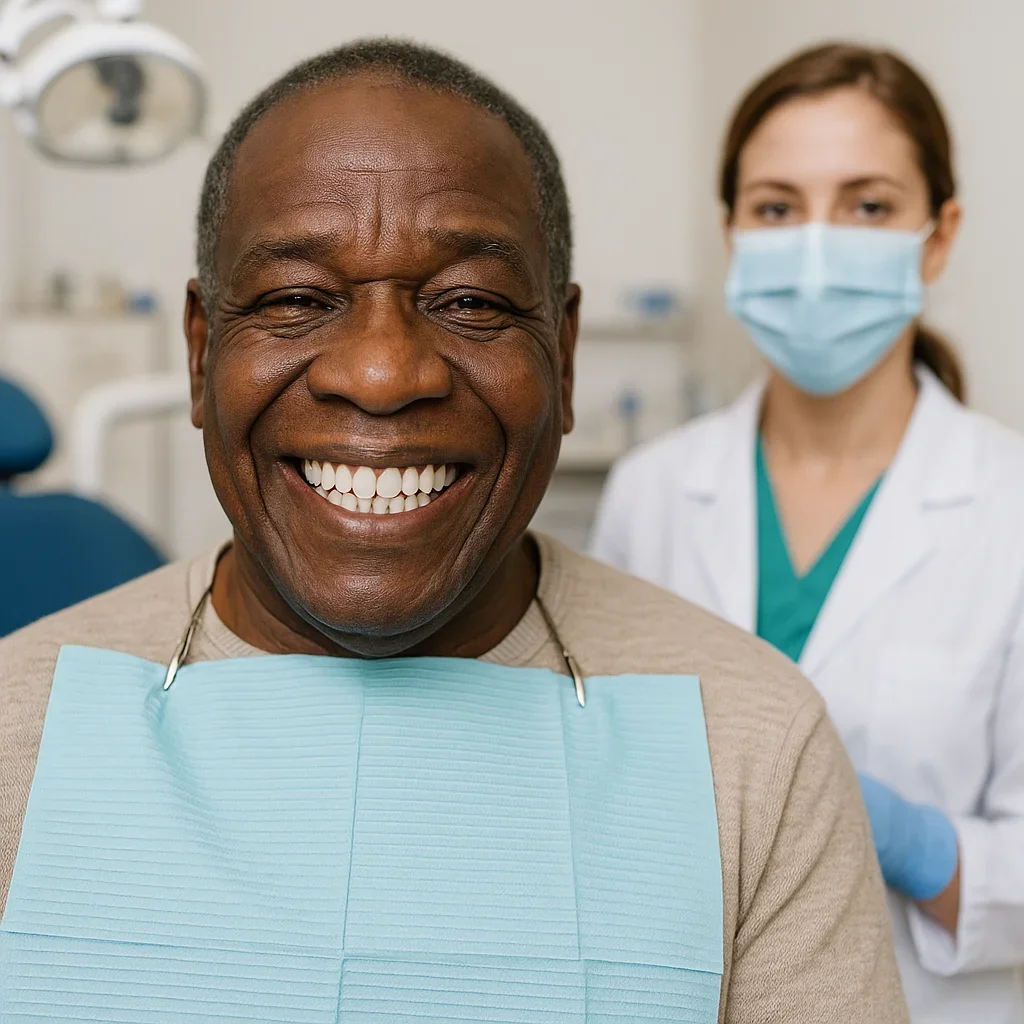
Tips for Choosing the Right Low-Income Implant Clinic
For anyone considering full mouth dental implants for low income households, choosing the right clinic is just as important as securing financing or government aid. In 2025, more clinics than ever advertise affordable implant services, but not all provide the same quality of care. Patients must know what to look for to ensure safe, effective, and long-lasting results. 🏥
Check Accreditation and Licensing: Always confirm that the clinic is licensed and accredited by recognized dental associations. In the United States, this means looking for membership with professional organizations such as the American Dental Association. International patients should research local equivalents. Accreditation ensures that the clinic follows strict standards, which is essential for patients pursuing full mouth dental implants for low income families.
Read Patient Reviews and Testimonials: Online reviews provide valuable insight into patient experiences. Look for consistent positive feedback on care quality, transparency, and affordability. Beware of clinics with vague or generic reviews. Patients seeking full mouth dental implants for low income groups should focus on testimonials from individuals who describe similar financial circumstances, as this confirms that the clinic truly understands budget-sensitive needs.
Ask About Detailed Treatment Plans: A reputable clinic will provide a written, itemized treatment plan that includes the cost of consultations, imaging, surgery, prosthetics, and follow-up visits. This prevents unexpected charges later. If a clinic avoids providing written estimates, consider it a red flag. Patients on tight budgets cannot afford surprises when pursuing full mouth dental implants for low income solutions.
Compare Costs Across Clinics: Pricing can vary significantly between locations. Some urban clinics charge premium rates due to higher overhead costs, while community-based or nonprofit clinics often provide more affordable care. Comparing multiple quotes helps patients identify realistic averages and avoid overpriced services. Transparency and fairness are essential for clinics claiming to specialize in full mouth dental implants for low income families.
Look for Flexible Financing Options: The best clinics understand that implants are a significant investment. They offer zero-interest financing, long-term payment plans, or in-house membership programs. Before committing, patients should ask about these options and ensure the terms are clear. A supportive clinic will work with patients to find a plan that fits their financial situation.
Evaluate Experience and Technology: Clinics that invest in advanced technology—such as 3D imaging, guided surgery, and high-quality implant systems—can provide more precise results. Experienced oral surgeons and prosthodontists reduce risks and improve success rates. For those needing full mouth dental implants for low income patients, advanced tools combined with expertise ensure lasting results without repeated corrections.
Consider International Options: Some patients save 50–70% by traveling abroad to countries like Turkey, Mexico, or Thailand. Clinics such as Redent Klinik Contact Page cater to international patients, offering affordable implant packages that include travel and accommodation. However, patients should thoroughly research clinics, ensuring proper licensing, English-speaking staff, and post-treatment support before making this choice.
Prioritize Aftercare and Follow-Ups: Implant treatment does not end after surgery. Regular check-ups are necessary to monitor healing and implant integration. A trustworthy clinic will schedule follow-up appointments and provide clear instructions for at-home care. Patients should ask about aftercare services, as neglect in this area can compromise the success of full mouth dental implants for low income households.
Avoid Unrealistic Promises: Beware of clinics that advertise extremely low prices or “same-day full mouth implants” without a thorough evaluation. While same-day solutions exist, not all patients qualify, and cutting corners can lead to implant failure. Patients must prioritize safety and quality over flashy marketing claims when searching for affordable options.
In conclusion, selecting the right clinic involves more than just cost—it requires careful research, transparency, and a patient-first approach. By checking accreditation, reading reviews, comparing prices, and ensuring proper aftercare, patients can confidently pursue full mouth dental implants for low income families. With the right choice, affordable implants are not only possible but can deliver safe, life-changing results for decades to come. 😁