
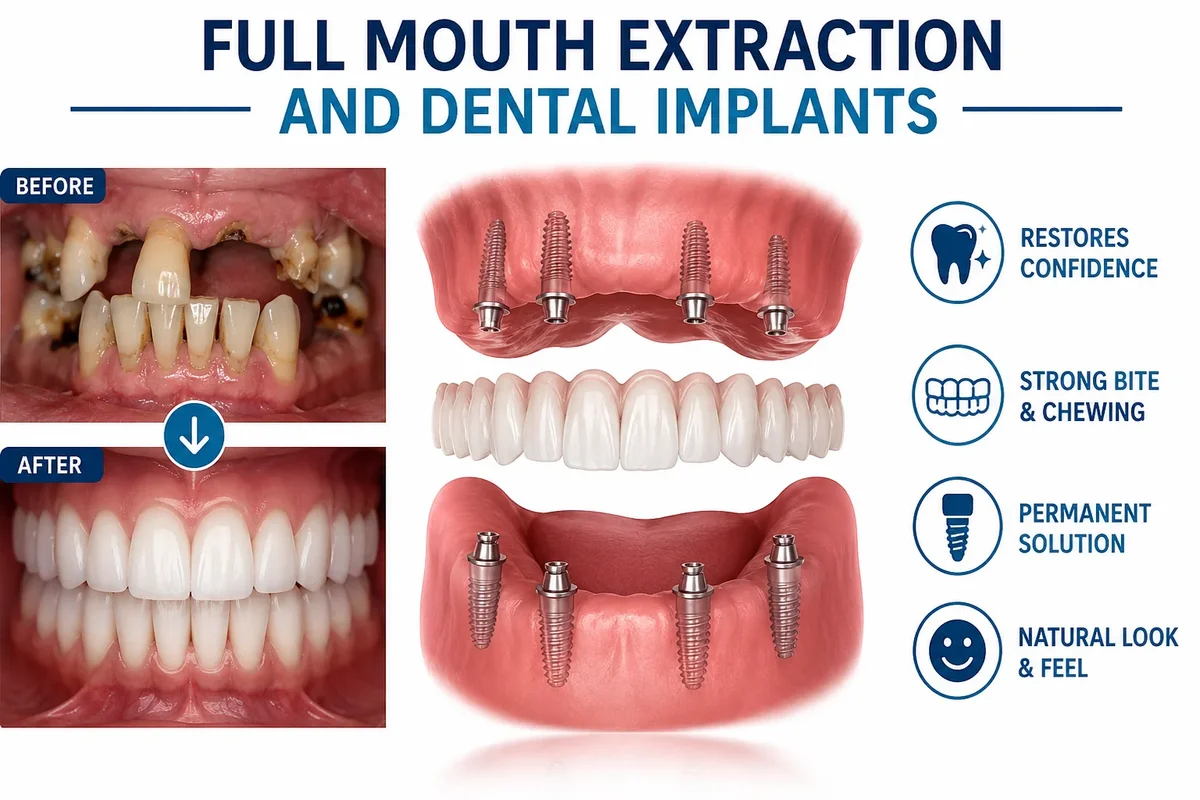
Full mouth extraction and dental implants have become one of the most advanced and life-changing dental solutions for people suffering from severe tooth damage, advanced gum disease, extensive decay, or long-term oral health problems. Many patients who struggle with broken teeth, chronic infections, loose teeth, or severe discomfort often feel embarrassed to smile, avoid social situations, and experience difficulty eating everyday foods. Fortunately, modern dentistry offers a highly effective solution through full mouth extraction and dental implants, allowing patients to completely restore both function and appearance.
In simple terms, full mouth extraction and dental implants involve removing unhealthy or non-restorable teeth and replacing them with permanent implant-supported restorations. This treatment is commonly recommended when saving natural teeth is no longer the safest or most predictable option. Instead of dealing with ongoing dental pain, repeated root canals, infections, or failing crowns, patients can choose a long-lasting full-mouth rehabilitation approach that improves oral health and overall quality of life. 😁
One of the biggest reasons patients choose full mouth extraction and dental implants is stability. Traditional removable dentures may shift while speaking or eating, but implant-supported teeth are securely anchored into the jawbone. Titanium implants act as artificial tooth roots, helping preserve bone density and facial structure. Without tooth roots, the jawbone gradually shrinks over time, leading to facial collapse and an aged appearance. Full mouth extraction and dental implants help prevent this process while restoring a youthful smile.
The treatment process for full mouth extraction and dental implants usually begins with a comprehensive dental examination. Dentists evaluate the condition of the teeth, gums, jawbone, and bite using digital X-rays, 3D scans, and clinical assessments. Patients with advanced periodontal disease, severe cavities, failed dental work, or multiple missing teeth are often ideal candidates for full mouth extraction and dental implants. Some patients also require bone grafting or sinus lift procedures before implant placement if bone density is insufficient.
During the surgical stage, damaged teeth are carefully removed, and dental implants are strategically inserted into the jawbone. In many cases, patients can receive temporary fixed teeth on the same day through immediate-load implant techniques, commonly known as “teeth in a day.” This means patients do not need to remain without teeth during healing. Over the next few months, the implants fuse naturally with the jawbone through a biological process called osseointegration. Once healing is complete, custom-made permanent prosthetic teeth are attached.
Patients considering full mouth extraction and dental implants often ask about comfort and recovery. Modern sedation dentistry and advanced surgical techniques make the procedure far more comfortable than many people expect. Mild swelling, soreness, and temporary discomfort are normal after surgery, but these symptoms are usually manageable with prescribed medication and proper aftercare. Most patients return to normal daily activities within a few days. Soft foods are recommended during the healing phase to protect implant stability.
Another important advantage of full mouth extraction and dental implants is improved chewing ability. Many individuals with failing teeth avoid healthy foods like fruits, vegetables, nuts, or meats because chewing becomes painful or difficult. Implant-supported restorations restore bite strength and allow patients to enjoy a wider variety of foods again. Better nutrition can positively affect overall health, energy levels, and self-confidence.
From an aesthetic perspective, full mouth extraction and dental implants can dramatically improve facial appearance. Missing or severely damaged teeth often cause facial sagging and premature aging. Implant-supported restorations are custom-designed to match facial proportions, smile shape, and natural aesthetics. This creates a balanced, healthy, and confident smile that looks natural rather than artificial.
The cost of full mouth extraction and dental implants varies depending on several factors, including the number of implants used, the type of prosthetic restoration, bone grafting requirements, sedation options, and clinic location. In the United States, full mouth extraction and dental implants may range between $20,000 and $60,000 per arch. In countries known for dental tourism, such as Türkiye, patients may receive high-quality treatment at significantly lower costs while still benefiting from advanced technology and internationally experienced implant dentists.
Estimated Price Range for Full Mouth Extraction and Dental Implants
- Single Arch Implant Restoration: $10,000 – $30,000
- Full Mouth Implant Restoration: $20,000 – $60,000
- Bone Grafting Procedures: $500 – $3,000
- Sedation Dentistry: $300 – $2,000
- Temporary Fixed Teeth: Often included in treatment plans
Choosing the right clinic for full mouth extraction and dental implants is extremely important. Patients should look for experienced implant surgeons, modern digital technology, sterilization standards, transparent treatment planning, and before-and-after patient cases. Clinics specializing in full-mouth rehabilitation often provide multidisciplinary care involving oral surgeons, prosthodontists, and cosmetic dentists working together for optimal outcomes.
Patients researching full mouth extraction and dental implants should also review guidance from trusted organizations such as the American Dental Association. Reliable information helps patients understand treatment expectations, oral hygiene requirements, and long-term implant maintenance.
Long-term success rates for full mouth extraction and dental implants are very high when patients maintain proper oral hygiene and regular dental checkups. Brushing, flossing, avoiding smoking, and professional cleanings all contribute to implant longevity. Many implant-supported restorations can last decades with proper care. This makes full mouth extraction and dental implants one of the most durable and predictable solutions in restorative dentistry today.
If you are considering full mouth extraction and dental implants and want professional guidance about your oral health condition, treatment timeline, or smile restoration options, you can contact an experienced dental team through the Redent Klinik Contact Page. Personalized treatment planning can help determine the best implant-supported solution for your needs and long-term dental health goals.
Ultimately, full mouth extraction and dental implants provide much more than cosmetic improvement. They restore comfort, chewing ability, speech clarity, confidence, and overall oral function. For many patients, this treatment represents a complete transformation that improves both physical health and emotional well-being. With modern technology, experienced clinicians, and customized treatment approaches, full mouth extraction and dental implants continue to change lives every day. ✨
What Is Full Mouth Extraction and Dental Implants?
Full mouth extraction and dental implants refer to a complete dental restoration procedure in which all damaged, failing, infected, or non-restorable teeth are removed and replaced with implant-supported artificial teeth. This treatment is often recommended for patients experiencing advanced dental problems that cannot be solved with fillings, crowns, bridges, or traditional periodontal therapies. Modern dentistry has made full mouth extraction and dental implants one of the most effective long-term solutions for rebuilding oral health, restoring smile aesthetics, and improving daily quality of life. 😊
Patients who need full mouth extraction and dental implants often struggle with chronic pain, severe gum disease, loose teeth, broken teeth, advanced decay, or repeated dental infections. In many situations, attempting to save severely compromised teeth may lead to ongoing discomfort and expensive temporary repairs. Instead, dentists may recommend full mouth extraction and dental implants as a more predictable and durable full-mouth rehabilitation option.
Why Patients Choose Full Mouth Extraction and Dental Implants
One of the biggest reasons people choose full mouth extraction and dental implants is the desire for permanent stability. Traditional removable dentures may slide, shift, or create discomfort during speaking and eating. Implant-supported teeth remain securely anchored into the jawbone, allowing patients to chew more naturally and confidently. Full mouth extraction and dental implants can dramatically improve speech clarity, bite force, and overall oral function.
Many patients also choose full mouth extraction and dental implants because of the emotional impact of poor dental health. Missing teeth, severe tooth decay, or collapsing dental structures can negatively affect confidence and social interaction. Some individuals avoid smiling in public or feel embarrassed during conversations. Through full mouth extraction and dental implants, patients often regain confidence and experience a significant improvement in self-esteem.
How Dental Implants Work
Dental implants are small titanium posts surgically placed into the jawbone to function as artificial tooth roots. After placement, the implants gradually fuse with the bone through a natural biological process called osseointegration. This creates a stable foundation for implant-supported restorations such as bridges, hybrid prostheses, or full-arch fixed dentures.
Unlike removable dentures, full mouth extraction and dental implants help stimulate the jawbone and reduce bone loss. When natural teeth are missing, the jawbone slowly deteriorates because it no longer receives stimulation from tooth roots. Over time, this can create a sunken facial appearance and premature aging. Full mouth extraction and dental implants help preserve facial structure and maintain healthier bone density.
Common Implant Systems Used in Full-Mouth Restorations
- All-on-4 dental implants
- All-on-6 implant systems
- Fixed hybrid dentures
- Zygomatic implants for severe bone loss
- Individual implant-supported crowns
Each treatment plan for full mouth extraction and dental implants is customized according to bone quality, oral anatomy, and patient expectations. Advanced digital planning allows implant dentists to place implants with high precision and long-term predictability.
Who Is a Candidate for Full Mouth Extraction and Dental Implants?
Patients suffering from extensive oral damage are often good candidates for full mouth extraction and dental implants. Severe periodontal disease is one of the most common reasons for complete dental extraction. Gum infections can destroy supporting bone and cause teeth to loosen over time. Patients with multiple failed root canals, cracked teeth, or extensive cavities may also benefit from full mouth extraction and dental implants.
Good candidates generally include:
- Patients with advanced gum disease
- Individuals with multiple missing teeth
- People experiencing chronic dental pain
- Patients with failing crowns or bridges
- Individuals unable to chew comfortably
- People seeking permanent alternatives to dentures
Even patients with bone loss may still qualify for full mouth extraction and dental implants thanks to modern bone grafting techniques and specialized implant solutions.
The Procedure Process Explained
The process of full mouth extraction and dental implants begins with a comprehensive consultation and diagnostic evaluation. Dentists use panoramic X-rays, digital impressions, and 3D cone beam scans to assess the jawbone, sinus anatomy, bite alignment, and remaining teeth. A customized treatment plan is then developed.
Typical Treatment Stages
- Initial examination and digital imaging
- Removal of failing teeth
- Bone grafting if necessary
- Placement of dental implants
- Temporary prosthetic teeth placement
- Healing and osseointegration period
- Permanent final restoration placement
Some patients can receive immediate temporary teeth on the same day as surgery, commonly referred to as “same-day teeth” or “teeth in a day.” This allows patients undergoing full mouth extraction and dental implants to avoid being without teeth during healing.
Recovery and Healing Expectations
Recovery after full mouth extraction and dental implants varies depending on the complexity of the case and the patient’s overall health. Mild swelling, bruising, and discomfort are normal during the first few days. Most patients can resume non-strenuous activities relatively quickly, although complete implant integration typically takes several months.
During healing, dentists usually recommend soft foods such as yogurt, soup, eggs, mashed vegetables, smoothies, and soft pasta. Smoking should be avoided because it can interfere with implant healing and increase complication risks.
Patients who maintain proper oral hygiene and follow postoperative instructions often experience very high long-term success rates with full mouth extraction and dental implants. Daily brushing, flossing, regular dental visits, and professional cleanings remain essential for implant longevity.
Long-Term Benefits of Full Mouth Extraction and Dental Implants
Full mouth extraction and dental implants offer several long-term advantages beyond cosmetic improvements. Patients often report significant improvements in chewing strength, nutrition, speech, and social confidence. Because implant-supported restorations are fixed in place, they feel more natural compared to removable dentures.
Some major benefits include:
- Improved facial appearance
- Better chewing ability
- Enhanced speech clarity
- Reduced jawbone loss
- Long-lasting durability
- Greater comfort and confidence ✨
Patients considering full mouth extraction and dental implants should always seek treatment from experienced implant specialists using advanced digital planning technology. Reliable information about implant dentistry can also be reviewed through the American Dental Association. If you want personalized information regarding your treatment options, recovery expectations, or implant suitability, you may also visit the Redent Klinik Contact Page for professional assistance and consultation planning.
Who Needs Full Mouth Extraction and Dental Implants?
Full mouth extraction and dental implants are often recommended for patients whose oral health has deteriorated to the point where saving the natural teeth is no longer the safest or most predictable option. While many dental conditions can be treated with fillings, crowns, root canals, or periodontal therapy, there are situations where extensive damage affects most or all teeth in the mouth. In these cases, full mouth extraction and dental implants may provide the best long-term solution for restoring comfort, aesthetics, and oral function. 😊
Patients considering full mouth extraction and dental implants frequently experience chronic dental pain, repeated infections, severe tooth mobility, or major difficulties chewing food. Some individuals may have spent years undergoing temporary treatments that continue to fail. Instead of investing in multiple short-term procedures, many people choose full mouth extraction and dental implants to achieve a more stable and durable smile restoration.
Patients With Advanced Gum Disease
One of the most common reasons patients need full mouth extraction and dental implants is advanced periodontal disease. Gum disease is a progressive infection that damages the tissues and bone supporting the teeth. In its early stages, periodontal disease may cause redness, bleeding, and swelling. However, untreated gum disease can eventually destroy the jawbone and cause teeth to loosen.
Patients with severe periodontitis often experience:
- Loose or shifting teeth
- Persistent bad breath
- Pain while chewing
- Bleeding gums
- Pus around the teeth
- Jawbone deterioration
When the majority of teeth are affected by severe periodontal disease, dentists may recommend full mouth extraction and dental implants rather than attempting to save unstable teeth with poor long-term prognosis. Implant-supported restorations can help restore chewing strength and prevent additional bone loss.
People With Severe Tooth Decay
Extensive cavities affecting multiple teeth are another major reason patients pursue full mouth extraction and dental implants. Severe decay can spread deep into the tooth structure and infect the dental pulp, leading to chronic pain and abscess formation. In some situations, teeth become too damaged for crowns or root canal treatment.
Signs of Extensive Tooth Decay
- Frequent toothaches
- Broken or crumbling teeth
- Sensitivity to hot and cold foods
- Dark discoloration
- Difficulty eating certain foods
Patients with widespread decay often find that repeated fillings and restorations become increasingly expensive and unreliable over time. Full mouth extraction and dental implants may offer a more permanent and predictable alternative for rebuilding oral health.
Individuals With Multiple Failed Dental Treatments
Some patients seeking full mouth extraction and dental implants have undergone years of unsuccessful dental procedures. They may have multiple failing crowns, bridges, root canals, or removable dentures that no longer function properly. Repeated dental work can become emotionally exhausting and financially draining.
In many of these situations, full mouth extraction and dental implants provide an opportunity to start fresh with a comprehensive treatment plan designed for long-term stability. Modern implant-supported restorations can significantly improve comfort, appearance, and bite function compared to worn-out or unstable dental work.
Patients With Extensive Tooth Loss
Patients who have already lost many teeth may also benefit from full mouth extraction and dental implants. Missing teeth can lead to major functional and cosmetic issues. Without teeth, the jawbone gradually shrinks because it no longer receives stimulation from natural tooth roots. This process, known as bone resorption, can cause facial collapse and an aged appearance over time.
Full mouth extraction and dental implants help preserve the jawbone while supporting fixed prosthetic teeth that feel more natural and secure than removable dentures.
Problems Caused by Missing Teeth
- Difficulty chewing food properly
- Speech problems
- Facial sagging
- Reduced self-confidence
- Jawbone deterioration
- Changes in bite alignment
Many patients report dramatic improvements in daily life after full mouth extraction and dental implants, especially when it comes to eating, smiling, and social interactions.
People Struggling With Denture Problems
Traditional removable dentures can create significant frustration for many individuals. Dentures may slip while speaking, move during meals, or create painful pressure points on the gums. Adhesives often provide only temporary stability, and some patients feel uncomfortable removing dentures at night.
For denture wearers who want greater stability and confidence, full mouth extraction and dental implants can provide a life-changing solution. Implant-supported prostheses are anchored directly into the jawbone, helping patients enjoy stronger bite force and improved comfort.
Many former denture users choose full mouth extraction and dental implants because they want:
- Improved speech clarity
- More natural chewing ability
- Better smile aesthetics
- Enhanced comfort
- Reduced gum irritation
- Greater confidence in social situations ✨
Medical and Lifestyle Factors to Consider
Although full mouth extraction and dental implants are highly successful for many patients, certain medical conditions and lifestyle habits may affect treatment outcomes. Dentists carefully evaluate overall health before beginning implant therapy.
Important Evaluation Factors
- Smoking habits
- Diabetes management
- Bone density levels
- Autoimmune conditions
- Medication use
- Oral hygiene habits
Smoking is one of the biggest risk factors because it reduces blood flow and interferes with healing. Poorly controlled diabetes may also affect osseointegration and increase infection risks. However, many patients with medical conditions can still successfully undergo full mouth extraction and dental implants with proper planning and monitoring.
Psychological and Emotional Benefits
The emotional impact of dental problems is often underestimated. Patients living with broken, missing, or painful teeth may experience embarrassment, anxiety, and social withdrawal. Some avoid smiling in photos or speaking confidently in public settings.
Full mouth extraction and dental implants can create a major emotional transformation by restoring both function and aesthetics. Patients frequently report increased confidence, better social interaction, and improved overall well-being after treatment.
Reliable information about implant dentistry and oral health standards can be found through the American Dental Association. Patients considering treatment can also learn more about personalized implant solutions and consultation options through the Redent Klinik Contact Page.
Ultimately, full mouth extraction and dental implants are ideal for individuals seeking a long-lasting solution to severe oral health problems. Whether caused by gum disease, advanced decay, failing restorations, or extensive tooth loss, this modern treatment approach can restore comfort, chewing ability, facial aesthetics, and confidence for many years to come. 😁
Benefits of Full Mouth Extraction and Dental Implants 😊
Full mouth extraction and dental implants offer life-changing advantages for patients suffering from severe dental problems, tooth loss, chronic infections, or failing restorations. Modern implant dentistry has transformed the way dentists restore entire smiles, allowing patients to regain both oral function and confidence. Unlike temporary dental solutions that may require constant maintenance, full mouth extraction and dental implants provide a stable, durable, and highly aesthetic option for long-term oral rehabilitation.
Many people considering full mouth extraction and dental implants have spent years dealing with pain, discomfort, broken teeth, loose dentures, or repeated dental procedures. This comprehensive treatment approach helps eliminate ongoing oral health problems while restoring the ability to eat, speak, and smile naturally again. Because implant-supported restorations are anchored directly into the jawbone, they offer a level of stability that traditional dentures often cannot achieve.
Improved Chewing Function and Bite Strength
One of the most important benefits of full mouth extraction and dental implants is the restoration of chewing ability. Patients with severely damaged teeth or unstable dentures often avoid certain foods because chewing becomes painful or difficult. Hard foods such as apples, nuts, steak, or raw vegetables may become nearly impossible to eat comfortably.
With full mouth extraction and dental implants, patients can enjoy stronger bite force and improved chewing efficiency. Implant-supported teeth function much more like natural teeth because the implants are integrated directly into the jawbone.
Foods Patients Commonly Enjoy Again After Treatment
- Fresh fruits and vegetables
- Lean meats and proteins
- Nuts and crunchy snacks
- Whole grains
- Healthy salads
Better chewing function can also improve overall nutrition. Patients who previously relied on soft processed foods may return to a healthier and more balanced diet after full mouth extraction and dental implants.
Enhanced Smile Aesthetics
Another major advantage of full mouth extraction and dental implants is the dramatic improvement in smile appearance. Missing teeth, broken teeth, severe decay, and gum disease can negatively affect facial harmony and self-confidence. Implant-supported restorations are custom-designed to create a natural-looking smile that complements the patient’s facial structure.
Modern prosthetic materials closely mimic the appearance of natural enamel, allowing full mouth extraction and dental implants to deliver highly aesthetic results. Dentists carefully consider tooth color, shape, alignment, and smile symmetry during treatment planning.
Cosmetic Improvements Patients Often Notice
- Brighter and more even teeth
- Improved facial balance
- Reduced facial sagging
- A more youthful appearance
- Greater smile confidence
Many patients report feeling emotionally transformed after full mouth extraction and dental implants because they no longer feel embarrassed about their smile.
Prevention of Jawbone Loss
One unique advantage of full mouth extraction and dental implants is their ability to help preserve jawbone structure. Natural tooth roots stimulate the jawbone whenever a person chews or bites. When teeth are lost, this stimulation disappears, causing the bone to gradually shrink over time.
Traditional dentures rest on the gums and do not replace tooth roots. As a result, bone loss often continues beneath removable dentures. However, dental implants act as artificial roots that stimulate the jawbone and reduce bone resorption.
This benefit of full mouth extraction and dental implants helps maintain:
- Facial structure
- Jaw stability
- Oral function
- Long-term prosthetic support
Preserving bone density is especially important for maintaining facial aesthetics and preventing premature aging.
Better Comfort Compared to Traditional Dentures
Traditional dentures may create discomfort, sore spots, or instability during everyday activities. Some denture wearers experience difficulty speaking clearly or fear that their dentures may slip in public situations. Adhesives can provide temporary support, but many patients still struggle with insecurity and irritation.
Full mouth extraction and dental implants provide a more stable and comfortable alternative because the prosthetic teeth are securely attached to implants embedded within the jawbone. Patients often describe implant-supported restorations as feeling much closer to natural teeth.
Comfort Advantages of Implant-Supported Teeth
- No slipping during speech
- Reduced gum irritation
- Greater stability while eating
- No messy denture adhesives
- Improved daily confidence ✨
These benefits make full mouth extraction and dental implants especially appealing for individuals frustrated with removable dentures.
Long-Term Durability and Reliability
When properly maintained, full mouth extraction and dental implants can provide excellent long-term results. Dental implants are typically made from titanium, a highly biocompatible material known for strength and durability. Implant-supported restorations are designed to withstand daily chewing forces for many years.
Compared to traditional dental bridges or removable dentures, full mouth extraction and dental implants often require fewer replacements over time. Although the initial investment may be higher, many patients view implants as a worthwhile long-term solution because of their stability and durability.
Important factors affecting implant longevity include:
- Proper oral hygiene
- Regular dental checkups
- Avoiding smoking
- Managing medical conditions
- Professional cleanings
Psychological and Social Benefits
The emotional benefits of full mouth extraction and dental implants are often just as important as the physical improvements. Severe dental problems can lead to anxiety, embarrassment, and reduced social interaction. Some individuals avoid smiling, speaking publicly, or participating in social events because they feel self-conscious about their teeth.
After full mouth extraction and dental implants, many patients experience renewed self-confidence and improved emotional well-being. Feeling comfortable smiling again can positively impact both personal and professional relationships.
Common Emotional Improvements After Treatment
- Higher self-esteem
- Reduced social anxiety
- More willingness to smile
- Improved quality of life
- Greater comfort in public settings 😁
Improved Speech Clarity
Missing teeth and unstable dentures can interfere with speech pronunciation. Certain sounds become difficult to pronounce clearly when teeth shift or dentures move unexpectedly. Full mouth extraction and dental implants help improve speech stability because the prosthetic teeth remain firmly secured.
Patients often notice better pronunciation and more confidence while speaking after implant treatment. This improvement can be especially valuable in professional environments and social interactions.
Patients interested in learning more about oral health standards and implant dentistry can review information from the American Dental Association. Those considering personalized treatment planning for full mouth extraction and dental implants can also contact experienced professionals through the Redent Klinik Contact Page.
Overall, full mouth extraction and dental implants provide far more than cosmetic improvements alone. They help restore oral function, chewing ability, speech clarity, facial structure, emotional confidence, and long-term comfort. For many patients, this advanced treatment represents a complete transformation that improves both health and quality of life for many years ahead.
The Step-by-Step Procedure for Full Mouth Extraction and Dental Implants
Understanding the complete treatment process for full mouth extraction and dental implants helps patients feel more confident and prepared before beginning treatment. Many people considering this procedure feel nervous because they imagine complicated surgeries or long recovery periods. However, modern implant dentistry uses advanced digital technology, precise surgical planning, and minimally invasive techniques to make full mouth extraction and dental implants safer, more predictable, and more comfortable than ever before. 😊
Full mouth extraction and dental implants are typically completed through several carefully organized stages. Each step is designed to restore oral health, create implant stability, and provide patients with functional and natural-looking teeth. The overall timeline varies depending on bone quality, healing speed, and whether additional procedures such as bone grafting are required.
Initial Consultation and Oral Examination
The first stage of full mouth extraction and dental implants begins with a comprehensive consultation. During this appointment, the dental team evaluates the patient’s oral health, medical history, jawbone structure, and overall treatment goals.
Dentists typically use advanced imaging technologies such as:
- Digital panoramic X-rays
- 3D cone beam CT scans
- Intraoral digital scanners
- Photographic smile analysis
These diagnostic tools help determine the exact condition of the teeth, gums, and jawbone before planning full mouth extraction and dental implants. Dentists also evaluate whether additional procedures such as sinus lifts or bone grafting may be necessary.
Important Factors Evaluated During Consultation
- Severity of gum disease
- Remaining bone density
- Number of damaged teeth
- Medical conditions
- Smoking habits
- Bite alignment
At this stage, patients usually receive a detailed treatment plan outlining the expected timeline, implant type, sedation options, and estimated costs.
Treatment Planning and Digital Smile Design
Modern clinics use digital planning systems to improve the precision of full mouth extraction and dental implants. Specialized software allows implant dentists to virtually place implants before surgery begins. This technology improves accuracy and helps reduce complications.
Digital smile design also allows patients to preview potential aesthetic outcomes before treatment starts. Dentists carefully analyze facial proportions, lip support, smile width, and tooth shape to create customized implant-supported restorations.
For many patients, seeing a preview of their future smile helps reduce anxiety and increases confidence in the full mouth extraction and dental implants process.
Tooth Extraction Procedure
Once treatment planning is completed, the next step in full mouth extraction and dental implants involves removing damaged or failing teeth. Extractions are usually performed under local anesthesia, IV sedation, or general anesthesia depending on patient needs and case complexity.
The goal is to remove infected teeth carefully while preserving as much healthy bone tissue as possible. Advanced surgical techniques help minimize trauma and improve healing conditions for implant placement.
What Patients May Experience After Extractions
- Mild swelling
- Temporary soreness
- Minor bleeding
- Jaw stiffness
- Short-term dietary restrictions
Most symptoms are manageable with medication, cold compresses, and proper aftercare instructions.
Bone Grafting When Necessary
Not every patient requires bone grafting before full mouth extraction and dental implants, but some individuals experience significant bone loss due to missing teeth or advanced gum disease. Since dental implants require sufficient bone support, grafting procedures may be necessary to strengthen the jawbone.
Bone graft materials can come from:
- Synthetic graft materials
- Donor bone sources
- Animal-derived grafts
- The patient’s own bone
Bone grafting increases implant stability and improves long-term success rates for full mouth extraction and dental implants.
Dental Implant Placement Surgery
The implant placement stage is one of the most important parts of full mouth extraction and dental implants. Titanium implants are surgically inserted into the jawbone where natural tooth roots once existed. Depending on the treatment plan, patients may receive four, six, or more implants per arch.
Popular treatment concepts include:
- All-on-4 dental implants
- All-on-6 implant systems
- Fixed full-arch restorations
Once
Risks, Safety, and Long-Term Success Rates
Full mouth extraction and dental implants are considered highly successful and reliable treatments in modern restorative dentistry. Millions of patients worldwide have restored their smiles and oral function through implant-supported full-mouth rehabilitation. However, like any surgical or medical procedure, full mouth extraction and dental implants involve certain risks, healing considerations, and long-term maintenance requirements. Understanding these factors helps patients make informed decisions and prepare realistically for treatment. 😊
Although complications are relatively uncommon when performed by experienced implant professionals, patients should still understand both the benefits and the potential risks associated with full mouth extraction and dental implants. Proper planning, advanced diagnostic imaging, sterilization protocols, and patient cooperation all play important roles in treatment success.
Are Full Mouth Extraction and Dental Implants Safe?
Modern implant dentistry has evolved significantly over the past several decades. Today, full mouth extraction and dental implants are generally considered safe procedures when performed under proper clinical conditions. Advanced technologies such as digital treatment planning, guided implant surgery, and 3D cone beam imaging have improved surgical precision and reduced complication risks.
Dental implants are usually made from titanium, a biocompatible material that integrates naturally with human bone. Titanium has been used safely in both dentistry and orthopedic medicine for many years because the body typically accepts it very well.
Safety Factors That Improve Treatment Outcomes
- Detailed 3D imaging before surgery
- Experienced implant surgeons
- Proper sterilization standards
- Customized treatment planning
- Patient medical evaluations
- Postoperative follow-up care
Patients with well-controlled health conditions and good oral hygiene habits often experience excellent long-term results after full mouth extraction and dental implants.
Common Short-Term Side Effects After Surgery
It is normal to experience temporary symptoms following full mouth extraction and dental implants. Most side effects are mild to moderate and improve within several days.
Typical Temporary Symptoms
- Swelling around the cheeks and jaw
- Minor bleeding
- Soreness or tenderness
- Jaw stiffness
- Temporary bruising
- Mild fatigue after sedation
Patients are usually given pain medication, antibiotics, and detailed aftercare instructions to support healing after full mouth extraction and dental implants. Applying cold compresses and following a soft-food diet can also help reduce discomfort during the recovery period.
Potential Risks and Complications
Although the success rate of full mouth extraction and dental implants is very high, complications can occasionally occur. Most complications are manageable when detected early and treated properly.
Possible Risks of Full Mouth Extraction and Dental Implants
- Infection around implant sites
- Implant failure
- Nerve irritation or numbness
- Sinus complications in upper jaw cases
- Delayed healing
- Bone loss around implants
- Gum inflammation
Implant failure occurs when the implant does not properly integrate with the jawbone. This may happen because of poor bone quality, smoking, infection, uncontrolled diabetes, or excessive pressure placed on the implants during healing.
Fortunately, many failed implants can be replaced after additional healing or bone grafting procedures.
The Impact of Smoking on Implant Success
Smoking is one of the most significant risk factors associated with full mouth extraction and dental implants. Nicotine reduces blood circulation and interferes with tissue healing, increasing the likelihood of implant complications.
Smokers may experience:
- Slower healing times
- Higher infection risk
- Reduced implant integration
- Increased bone loss
- Higher implant failure rates
Many implant specialists strongly encourage patients to stop smoking before and after full mouth extraction and dental implants to improve healing and long-term outcomes.
Medical Conditions That May Affect Healing
Certain health conditions can influence the healing process after full mouth extraction and dental implants. However, having a medical condition does not automatically prevent patients from receiving treatment.
Conditions Requiring Careful Monitoring
- Diabetes
- Autoimmune disorders
- Osteoporosis
- Cardiovascular disease
- Immune suppression
- Chronic gum disease
Patients with controlled medical conditions often achieve successful results when treatment is properly planned and monitored by experienced professionals.
How Long Do Dental Implants Last?
One of the biggest advantages of full mouth extraction and dental implants is their long-term durability. Dental implants themselves can often last several decades when properly maintained. Many patients enjoy stable implant function for 20 years or longer.
The prosthetic teeth attached to the implants may eventually require maintenance or replacement because of normal wear over time. However, the implant foundations are designed to provide lasting support.
Factors Affecting Implant Longevity
- Oral hygiene quality
- Regular dental visits
- Smoking status
- Bite force and grinding habits
- Bone health
- Overall medical condition
Patients who follow proper maintenance routines usually experience very high long-term satisfaction after full mouth extraction and dental implants.
Preventing Implant Complications
Good oral hygiene is essential for protecting implant health. Although dental implants cannot develop cavities like natural teeth, the surrounding gums and bone can still become infected if plaque accumulates.
Recommended Implant Maintenance Habits
- Brush twice daily
- Use floss or water flossers
- Attend professional cleanings
- Avoid smoking
- Wear night guards if grinding teeth
- Follow dentist recommendations carefully
Regular maintenance appointments allow dentists to monitor implant stability and identify early signs of inflammation or bone loss before more serious complications develop.
Success Rates of Full Mouth Extraction and Dental Implants
Scientific studies consistently show high success rates for full mouth extraction and dental implants. In healthy patients with good oral hygiene, implant success rates commonly exceed 90–95% over long periods.
Modern advancements such as guided surgery, digital impressions, and improved implant surface technologies continue to increase predictability and treatment safety.
Patients often report dramatic improvements in:
- Chewing ability
- Speech clarity
- Smile confidence
- Comfort during eating
- Overall quality of life ✨
Psychological Confidence and Quality of Life
Beyond physical improvements, full mouth extraction and dental implants can also provide emotional relief for patients who have struggled with dental problems for many years. Many individuals regain confidence in social settings and feel more comfortable speaking, smiling, and eating in public.
The emotional benefits of full mouth extraction and dental implants often include reduced anxiety, improved self-esteem, and greater overall happiness with appearance and oral function.
Patients interested in learning more about dental implant safety standards and oral health recommendations can review information from the American Dental Association. Individuals seeking personalized guidance regarding full mouth extraction and dental implants can also contact experienced professionals through the Redent Klinik Contact Page.
Overall, full mouth extraction and dental implants remain one of the most predictable and transformative procedures in modern dentistry. While some risks exist, proper planning, experienced care, and good long-term maintenance allow most patients to enjoy stable, functional, and beautiful smiles for many years ahead. 😁
How to Choose the Right Dental Clinic for Full Mouth Restoration
Choosing the right clinic for full mouth extraction and dental implants is one of the most important decisions a patient can make during the smile restoration journey. Because this treatment involves advanced surgical procedures, prosthetic planning, and long-term oral rehabilitation, selecting an experienced and qualified dental team directly affects treatment success, comfort, aesthetics, and long-term satisfaction. Patients considering full mouth extraction and dental implants should carefully evaluate clinics, implant specialists, technology, safety standards, and patient support services before beginning treatment. 😊
Many people researching full mouth extraction and dental implants feel overwhelmed because there are countless clinics advertising implant treatments online. However, not all clinics offer the same level of experience, technology, or treatment quality. Understanding what to look for can help patients make informed decisions and avoid complications or disappointing outcomes.
Look for Experienced Implant Specialists
Experience is one of the most important factors when choosing a provider for full mouth extraction and dental implants. Implant dentistry requires specialized knowledge in oral surgery, prosthodontics, digital treatment planning, and full-mouth rehabilitation.
Patients should look for clinics with dentists who have:
- Advanced implant training
- Years of clinical experience
- Extensive full-mouth rehabilitation cases
- Continuing education certifications
- Experience handling complex bone loss cases
An experienced implant dentist understands how to manage complications, evaluate bone quality, and create stable implant-supported restorations that function naturally over the long term.
Questions Patients Should Ask During Consultation
- How many full-mouth implant cases have you completed?
- What implant systems do you use?
- Can I see before-and-after patient cases?
- Do you use digital planning technology?
- What sedation options are available?
Asking detailed questions helps patients feel more confident before committing to full mouth extraction and dental implants.
Evaluate Technology and Digital Equipment
Modern technology plays a major role in improving the safety and precision of full mouth extraction and dental implants. Clinics that invest in advanced equipment can often provide more predictable outcomes and improved patient comfort.
Important Technologies Used in Implant Dentistry
- 3D cone beam CT imaging
- Digital intraoral scanners
- Computer-guided implant surgery
- CAD/CAM prosthetic systems
- Digital smile design software
3D imaging allows dentists to evaluate jawbone anatomy, sinus positioning, and nerve pathways before surgery. Computer-guided systems improve implant placement accuracy and reduce surgical risks.
Patients seeking full mouth extraction and dental implants should prioritize clinics using modern digital systems because these technologies often improve both safety and aesthetic outcomes.
Review Before-and-After Patient Cases
One of the best ways to evaluate a clinic’s expertise in full mouth extraction and dental implants is by reviewing real patient transformations. Before-and-after photos can reveal the quality of the clinic’s restorative work and aesthetic planning.
Patients should pay attention to:
- Natural-looking smile design
- Facial balance improvements
- Symmetry and tooth proportions
- Consistency across multiple cases
- Complex cases similar to their own
Clinics experienced in full mouth extraction and dental implants are usually proud to share successful patient cases and testimonials.
Understand Implant Materials and Prosthetic Options
Not all implant restorations are made from the same materials. The durability, aesthetics, and long-term maintenance of full mouth extraction and dental implants depend heavily on the quality of the implant system and final prosthetic teeth.
Common Materials Used in Final Restorations
- Zirconia full-arch restorations
- Porcelain restorations
- Hybrid acrylic prostheses
- Titanium-supported frameworks
Zirconia restorations are especially popular because of their strength, stain resistance, and natural appearance. Patients should discuss material options carefully before beginning full mouth extraction and dental implants.
Evaluate Sterilization and Safety Standards
Safety and hygiene standards are critical during any surgical procedure. Patients considering full mouth extraction and dental implants should ensure the clinic follows strict sterilization protocols and infection-control procedures.
Important safety considerations include:
- Sterile surgical environments
- Disposable instruments when appropriate
- International hygiene standards
- Emergency preparedness
- Qualified anesthesia support
Well-organized clinics prioritize patient safety at every stage of full mouth extraction and dental implants.
Consider Communication and Patient Support
Clear communication is extremely important during complex dental treatments. Patients should feel comfortable asking questions and discussing concerns openly with the dental team.
Signs of Strong Patient Support
- Detailed treatment explanations
- Transparent pricing information
- Personalized treatment planning
- Responsive communication
- Postoperative support availability
Clinics providing full mouth extraction and dental implants should offer thorough consultation appointments and explain every stage of treatment clearly. Patients should never feel pressured into making rushed decisions.
Compare Treatment Costs Carefully
The cost of full mouth extraction and dental implants can vary significantly depending on the clinic location, implant system, restorative materials, and complexity of treatment. While price is important, patients should avoid selecting a clinic based only on low cost.
Factors Affecting Treatment Cost
- Number of implants placed
- Bone grafting procedures
- Type of prosthetic restoration
- Sedation methods
- Technology used during treatment
In some countries, full mouth extraction and dental implants may cost significantly less than in the United States while still maintaining high-quality standards. Dental tourism destinations such as Türkiye attract international patients seeking affordable implant rehabilitation with experienced specialists.
Estimated Global Price Ranges for Full Mouth Extraction and Dental Implants
- United States: $20,000 – $60,000
- United Kingdom: £15,000 – £40,000
- Türkiye: $6,000 – $18,000
- Europe: €12,000 – €35,000
Importance of Long-Term Follow-Up Care
Full mouth extraction and dental implants require long-term monitoring and maintenance. Patients should choose clinics that provide follow-up care instructions and ongoing implant evaluations.
Regular maintenance visits help monitor:
- Implant stability
- Gum health
- Bite balance
- Prosthetic wear
- Bone health around implants
Long-term success with full mouth extraction and dental implants depends not only on surgical skill but also on ongoing patient care and oral hygiene support.
Check Online Reviews and Patient Testimonials
Online reviews can provide helpful insight into real patient experiences. Patients researching full mouth extraction and dental implants should review testimonials related to treatment quality, communication, clinic cleanliness, and postoperative support.
Positive reviews often mention:
- Friendly staff
- Comfortable treatment experience
- Natural-looking results
- Professional communication
- Improved confidence and quality of life ✨
Patients interested in implant dentistry guidelines and oral health information can review resources from the American Dental Association. Individuals seeking professional consultation and personalized care for full mouth extraction and dental implants may also contact experienced implant specialists through the Redent Klinik Contact Page.
Ultimately, selecting the right clinic for full mouth extraction and dental implants requires careful research, consultation, and trust in the dental team. Choosing experienced professionals with advanced technology and strong patient support can greatly improve both treatment success and long-term satisfaction. 😁
Life After Full Mouth Extraction and Dental Implants: Eating, Speaking, and Confidence
Life after full mouth extraction and dental implants is often dramatically different for patients who previously struggled with severe dental problems, missing teeth, unstable dentures, or chronic oral pain. Many individuals describe the treatment as life-changing because it restores not only oral function, but also confidence, comfort, appearance, and overall quality of life. Modern implant dentistry allows patients to regain the ability to eat comfortably, speak clearly, and smile naturally again. 😊
Patients considering full mouth extraction and dental implants frequently worry about how daily life will change after treatment. Common concerns include eating restrictions, speech adaptation, long-term maintenance, social confidence, and overall comfort. Fortunately, most patients experience major improvements in all of these areas once healing is complete and final implant-supported restorations are placed.
Eating After Full Mouth Extraction and Dental Implants
One of the most noticeable improvements after full mouth extraction and dental implants is the ability to eat more comfortably and effectively. Patients with damaged teeth or unstable dentures often avoid many healthy foods because chewing becomes painful, difficult, or embarrassing.
After successful implant treatment, patients usually regain significantly stronger bite force and improved chewing efficiency. Implant-supported restorations remain stable while eating because they are securely attached to titanium implants integrated into the jawbone.
Foods Patients Often Avoid Before Treatment
- Steak and tough meats
- Crunchy vegetables
- Apples and hard fruits
- Nuts and seeds
- Crusty bread
Many patients undergoing full mouth extraction and dental implants are excited to enjoy these foods comfortably again after years of restriction.
Diet During the Healing Phase
Although the final outcome of full mouth extraction and dental implants allows strong chewing ability, patients must follow temporary dietary precautions during healing. Immediately after surgery, soft foods are recommended to protect implant stability and support proper healing.
Recommended Soft Foods After Surgery
- Soup
- Mashed potatoes
- Yogurt
- Scrambled eggs
- Smoothies
- Soft pasta
As healing progresses and implants integrate with the jawbone, patients gradually return to a more normal diet. Dentists usually provide individualized instructions regarding when harder foods can safely be reintroduced after full mouth extraction and dental implants.
Speaking and Pronunciation Improvements
Speech difficulties are common among individuals with missing teeth, loose dentures, or severe oral damage. Teeth play an important role in pronunciation because the tongue interacts with the teeth to form certain sounds. When teeth are missing or unstable, speech clarity may suffer.
Full mouth extraction and dental implants often improve pronunciation and speaking confidence because implant-supported restorations remain firmly fixed in place. Unlike removable dentures, implants do not shift unexpectedly during conversations.
Speech Benefits Patients Commonly Notice
- Clearer pronunciation
- Reduced slurring
- Greater confidence during conversations
- Improved comfort while speaking publicly
- Reduced fear of dentures moving
Most patients adapt quickly to speaking with their new teeth after full mouth extraction and dental implants. Minor speech adjustments during the early adaptation phase are completely normal.
Psychological and Emotional Transformation
The emotional impact of severe dental problems can be significant. Patients living with missing teeth, collapsing dental structures, or painful oral conditions may experience embarrassment, anxiety, and social withdrawal. Many individuals avoid smiling, taking photos, or participating confidently in social interactions.
After full mouth extraction and dental implants, patients frequently report a major emotional transformation. Feeling comfortable with their smile again often improves self-esteem, social confidence, and overall happiness.
Common Emotional Improvements
- Increased confidence
- Reduced social anxiety
- Improved self-image
- More willingness to smile
- Better quality of life ✨
Many patients describe full mouth extraction and dental implants as an investment not only in oral health but also in emotional well-being.
Comfort Compared to Traditional Dentures
Traditional removable dentures can create daily frustrations for many patients. Dentures may move while eating, create sore spots on the gums, or require adhesives for temporary stability. Some individuals constantly worry about dentures slipping during conversations or meals.
Full mouth extraction and dental implants provide a much more stable alternative. Implant-supported restorations are securely attached to implants within the jawbone, creating a stronger and more natural feeling.
Advantages Over Removable Dentures
- No slipping while eating
- Reduced gum irritation
- No denture adhesives
- Greater stability
- More natural chewing sensation
These improvements help many patients feel significantly more comfortable in daily life after full mouth extraction and dental implants.
Long-Term Oral Hygiene and Maintenance
Although full mouth extraction and dental implants cannot develop cavities like natural teeth, proper oral hygiene remains essential. Plaque and bacteria can still affect the gums and bone surrounding implants if oral care is neglected.
Daily Maintenance Recommendations
- Brush at least twice daily
- Use floss or water flossers
- Attend routine dental cleanings
- Avoid smoking
- Wear a night guard if grinding teeth
Good maintenance habits help protect implant stability and ensure long-term success after full mouth extraction and dental implants.
Social and Professional Confidence
For many patients, improved confidence becomes one of the greatest benefits of full mouth extraction and dental implants. Smiling naturally during conversations, business meetings, social gatherings, or family events can have a powerful positive effect on personal and professional relationships.
Patients often feel more comfortable:
- Speaking in public
- Taking photographs
- Attending social events
- Meeting new people
- Participating in professional activities
Many individuals who once hid their smile begin smiling openly again after full mouth extraction and dental implants.
Physical Health Benefits Beyond the Smile
Improved oral function after full mouth extraction and dental implants may also support better overall health. The ability to chew nutritious foods more effectively can improve digestion and dietary quality.
Patients often increase their intake of:
- Fresh vegetables
- Lean proteins
- Healthy fruits
- Whole grains
Better nutrition can positively influence energy levels, immune function, and overall wellness.
Adapting to New Implant-Supported Teeth
Most patients adjust relatively quickly to life after full mouth extraction and dental implants. Although the mouth may initially feel different, the brain gradually adapts to the new bite and prosthetic teeth.
Patients are often surprised by how natural implant-supported restorations feel once healing is complete. Over time, full mouth extraction and dental implants typically become a comfortable and normal part of daily life. 😁
Patients seeking additional information about oral health standards and implant care can review guidance from the American Dental Association. Individuals interested in personalized consultation and treatment planning for full mouth extraction and dental implants may also contact experienced implant professionals through the Redent Klinik Contact Page.
Overall, life after full mouth extraction and dental implants is often filled with improved comfort, stronger chewing ability, better speech clarity, enhanced confidence, and renewed quality of life. For many patients, the treatment represents far more than a cosmetic procedure—it becomes a complete personal transformation.
Frequently Asked Questions About Full Mouth Extraction and Dental Implants
Patients considering full mouth extraction and dental implants often have many questions before starting treatment. Because this procedure involves surgery, healing, long-term restorations, and significant oral rehabilitation, it is natural for people to want detailed information before making a decision. Understanding the most common concerns can help patients feel more prepared, confident, and informed throughout the treatment process. 😊
Full mouth extraction and dental implants are designed to restore oral function, aesthetics, and comfort for patients suffering from severe dental problems. However, each patient’s situation is unique, and treatment plans are customized according to oral health condition, bone density, and personal goals.
Is Full Mouth Extraction and Dental Implants Painful?
One of the most common questions about full mouth extraction and dental implants is whether the procedure is painful. Most patients are surprised to discover that modern implant dentistry is far more comfortable than expected. Dentists use local anesthesia, IV sedation, or general anesthesia to minimize discomfort during surgery.
During the procedure itself, patients generally do not feel pain because the surgical areas are fully numbed. After surgery, some swelling, soreness, and mild discomfort are normal, especially during the first few days.
Common Temporary Symptoms After Surgery
- Mild swelling
- Jaw tenderness
- Temporary bruising
- Minor bleeding
- Short-term chewing sensitivity
Most patients manage recovery comfortably with prescribed medications, cold compresses, and proper aftercare instructions after full mouth extraction and dental implants.
How Long Does the Entire Process Take?
The treatment timeline for full mouth extraction and dental implants depends on the complexity of the case, bone quality, healing speed, and whether additional procedures such as bone grafting are required.
Some patients receive immediate temporary teeth on the same day as implant placement, while others may require a longer healing period before final restorations are attached.
Typical Treatment Timeline
- Initial consultation and scans
- Extractions and implant placement
- Healing and osseointegration phase
- Placement of temporary teeth
- Final restoration placement
Complete healing after full mouth extraction and dental implants may take several months, although many patients return to daily activities relatively quickly.
Can I Get Teeth Immediately After Surgery?
Yes, many patients qualify for immediate-load implant systems, often called “same-day teeth” or “teeth in a day.” In these cases, temporary fixed teeth are attached shortly after implant placement.
This allows patients undergoing full mouth extraction and dental implants to avoid being completely without teeth during the healing phase.
Benefits of Immediate Temporary Teeth
- Improved appearance during healing
- Better speech confidence
- Ability to eat soft foods
- Psychological comfort
However, not every patient is a candidate for immediate loading. Implant stability, bone quality, and overall health all influence eligibility.
How Long Do Dental Implants Last?
Dental implants are designed to provide long-term durability and stability. With proper care, the implants themselves can often last decades. Many patients maintain healthy implants for 20 years or more.
The prosthetic teeth attached to the implants may eventually require maintenance or replacement because of normal wear, but the implant foundations are intended to remain stable long term.
Factors Affecting Implant Longevity
- Good oral hygiene
- Regular dental checkups
- Avoiding smoking
- Healthy bone structure
- Managing teeth grinding habits
Patients who follow professional recommendations after full mouth extraction and dental implants generally achieve excellent long-term success rates.
What Can I Eat After Full Mouth Extraction and Dental Implants?
Immediately after surgery, patients are usually advised to follow a soft-food diet while healing occurs. Soft foods help protect implant sites and reduce unnecessary pressure on the healing jawbone.
Recommended Foods During Recovery
- Soup
- Mashed potatoes
- Yogurt
- Scrambled eggs
- Smoothies
- Soft fish
As healing progresses, most patients gradually return to a normal diet and enjoy significantly improved chewing ability after full mouth extraction and dental implants.
Are Full Mouth Dental Implants Better Than Dentures?
Many patients choose full mouth extraction and dental implants because they want a more stable and comfortable alternative to traditional dentures. While dentures can help restore appearance temporarily, they may slip, shift, or create gum irritation.
Implant-supported restorations offer several advantages over removable dentures:
- Greater stability
- Improved chewing strength
- Reduced bone loss
- Better speech clarity
- More natural feeling
For many individuals, full mouth extraction and dental implants provide a more permanent and predictable solution.
What Is the Cost of Full Mouth Extraction and Dental Implants?
The cost of full mouth extraction and dental implants varies depending on several factors including implant type, prosthetic material, bone grafting requirements, and clinic location.
Estimated Cost Range
- Single arch restoration: $10,000 – $30,000
- Full mouth restoration: $20,000 – $60,000
- Bone grafting: $500 – $3,000
- Sedation services: $300 – $2,000
Some patients travel internationally for full mouth extraction and dental implants because treatment costs may be significantly lower in countries specializing in dental tourism.
Can Older Adults Receive Dental Implants?
Age alone does not usually prevent patients from receiving full mouth extraction and dental implants. Many older adults successfully undergo implant treatment and experience dramatic improvements in quality of life.
The most important factors are:
- General health condition
- Bone quality
- Healing ability
- Medical history
Healthy older adults are often excellent candidates for implant-supported restorations.
How Do I Care for Full Mouth Dental Implants?
Although dental implants cannot develop cavities like natural teeth, they still require regular maintenance. Proper oral hygiene is essential to prevent gum inflammation and bone loss around implants.
Daily Implant Care Tips
- Brush twice daily
- Use floss or water flossers
- Attend professional cleanings
- Avoid smoking
- Follow dentist recommendations carefully
Patients who maintain excellent oral hygiene after full mouth extraction and dental implants often experience very high long-term success rates.
How Successful Are Full Mouth Dental Implants?
Scientific research consistently shows very high success rates for full mouth extraction and dental implants. In healthy patients with proper oral care, implant success rates commonly exceed 90–95% over long periods.
Modern digital planning systems, improved implant materials, and advanced surgical techniques continue to increase treatment predictability and patient satisfaction.
Many patients report significant improvements in:
- Comfort while eating
- Speech clarity
- Facial appearance
- Smile confidence
- Overall quality of life ✨
Where Can Patients Learn More?
Patients interested in learning more about oral health, implant dentistry, and treatment safety can review professional resources from the American Dental Association. Individuals considering personalized treatment planning for full mouth extraction and dental implants can also contact experienced implant specialists through the Redent Klinik Contact Page.
Ultimately, full mouth extraction and dental implants remain one of the most transformative solutions available in modern dentistry. By restoring chewing ability, smile aesthetics, oral comfort, and confidence, this treatment can significantly improve both physical and emotional well-being for many years ahead. 😁