
For many individuals struggling with severe dental issues, a full mouth replacement is more than just a dental treatment—it is a life-changing solution. This advanced restorative procedure involves replacing all missing or damaged teeth, often using dental implants, bridges, or a combination of modern techniques. Patients who undergo a full mouth replacement regain not only their ability to chew and speak properly but also the confidence to smile without hesitation. In today’s world, where aesthetics and functionality are equally important, this treatment stands out as one of the most comprehensive approaches in dentistry.
The concept of full mouth replacement goes beyond traditional dentures. While dentures provide a removable option, they often lack stability and long-term comfort. On the other hand, full mouth replacement, especially when combined with dental implants, offers a permanent and natural-looking solution. This treatment restores oral health, corrects bite problems, and eliminates the challenges associated with decayed or missing teeth. For patients with advanced gum disease, multiple missing teeth, or significant bone loss, full mouth replacement can be the ultimate path to regaining a healthy, functional, and attractive smile.
One of the main reasons people seek full mouth replacement is the transformative impact it has on everyday life. Imagine being able to enjoy your favorite foods again without discomfort, or speaking confidently without worrying about loose dentures. This procedure helps patients achieve exactly that. With proper planning, modern digital imaging, and implant technology, dentists can create personalized treatment plans tailored to each patient’s unique needs. Every step of the process focuses on achieving long-lasting functionality while also ensuring that the results look as natural as possible.
From a health perspective, replacing all damaged or missing teeth improves more than just appearance. A full mouth replacement reduces the risk of infections, bone deterioration, and nutritional deficiencies caused by the inability to chew properly. In fact, studies show that patients who restore their full dental function with implants experience improved digestion and overall systemic health. Chewing efficiency plays a critical role in breaking down food, which in turn supports better nutrient absorption. Thus, this treatment is not just cosmetic—it is an investment in overall health and wellness.
Psychologically, the benefits of a full mouth replacement are equally powerful. Many people with missing or damaged teeth feel embarrassed in social situations, which can lead to low self-esteem and even social withdrawal. After treatment, patients often report feeling more outgoing, smiling more frequently, and enjoying life without hesitation. In this sense, a full mouth replacement goes far beyond dentistry—it restores self-confidence, improves quality of life, and helps individuals reconnect with their best selves.
Modern full mouth replacement techniques have made the procedure more accessible and efficient than ever before. Options such as “All-on-4” or “All-on-6” implant-supported prosthetics allow for fewer implants while still restoring an entire arch of teeth. This reduces surgical complexity, lowers costs, and shortens recovery times compared to older methods. Additionally, 3D scanning and computer-guided implant placement ensure greater accuracy and predictable outcomes. These advancements make the treatment safer, more comfortable, and highly effective for a wide range of patients.
Patients researching full mouth replacement should also understand that the procedure is highly customizable. Depending on oral health, bone density, and personal goals, a dentist may recommend different approaches. Some patients may benefit from fixed implant-supported bridges, while others might choose hybrid dentures anchored with implants. In all cases, the goal remains the same: to provide a stable, functional, and natural-looking smile that lasts for decades with proper care.
Another important factor to consider is durability. Unlike traditional dentures, which often need frequent adjustments or replacements, a well-planned full mouth replacement can last 15–25 years or more. Dental implants, when properly maintained, have success rates of over 95%. Regular dental check-ups, good oral hygiene, and a healthy lifestyle contribute significantly to the longevity of results. Patients who commit to proper care often enjoy decades of reliable function and aesthetics from their treatment.
Of course, making the decision to undergo a full mouth replacement requires careful planning and consultation with an experienced dental professional. Clinics like Redent Klinik Contact Page provide personalized assessments, allowing patients to explore their options and receive expert recommendations. It is also advisable to consult resources from authoritative organizations such as the American Dental Association, which offer guidance on treatment safety and best practices. Doing thorough research ensures that patients are fully informed about the process, expectations, and potential outcomes.
Ultimately, a full mouth replacement is about transformation—restoring health, beauty, and confidence all at once. Whether you are suffering from years of dental problems, seeking a long-term alternative to dentures, or simply wanting to reclaim the joy of eating, speaking, and smiling without worry, this treatment can be life-changing. With modern technology and skilled professionals, the dream of having a complete, radiant smile is no longer out of reach.
What Is a Full Mouth Replacement?
A full mouth replacement is one of the most advanced and transformative dental procedures available today. Unlike single-tooth restorations or partial dentures, this treatment focuses on replacing an entire set of teeth—either the upper, lower, or both arches. It is often recommended for patients with extensive tooth loss, severe decay, advanced periodontal disease, or significant dental trauma. By restoring every tooth with modern techniques such as dental implants, bridges, or hybrid prosthetics, a full mouth replacement allows individuals to regain the ability to chew, speak, and smile with complete confidence. This procedure is not only functional but also highly aesthetic, as it recreates the natural look of teeth while providing long-lasting durability.
Understanding the Concept of Full Mouth Replacement
At its core, a full mouth replacement is about rebuilding the foundation of oral health. Traditional dentistry may fix one or two teeth at a time, but patients with widespread issues often require a more comprehensive approach. Instead of treating individual teeth separately, full mouth replacement considers the mouth as a whole system. This includes evaluating bone structure, gum health, bite alignment, and facial aesthetics. The ultimate goal is to design a solution that restores harmony to the oral cavity while supporting overall health and well-being.
Different Techniques for Full Mouth Replacement
There are several approaches to achieving a successful full mouth replacement, depending on the patient’s needs and oral condition:
- Implant-Supported Prosthetics: Often considered the gold standard, dental implants provide stability by fusing directly with the jawbone. These can support fixed bridges or hybrid dentures that feel and function like natural teeth.
- All-on-4 or All-on-6 Implants: A popular choice that uses four or six implants to anchor an entire arch of teeth. This technique is efficient, cost-effective, and requires less bone grafting than traditional methods.
- Fixed Dental Bridges: In cases where some natural teeth remain healthy, fixed bridges can be anchored to implants or existing teeth to replace large sections of missing teeth.
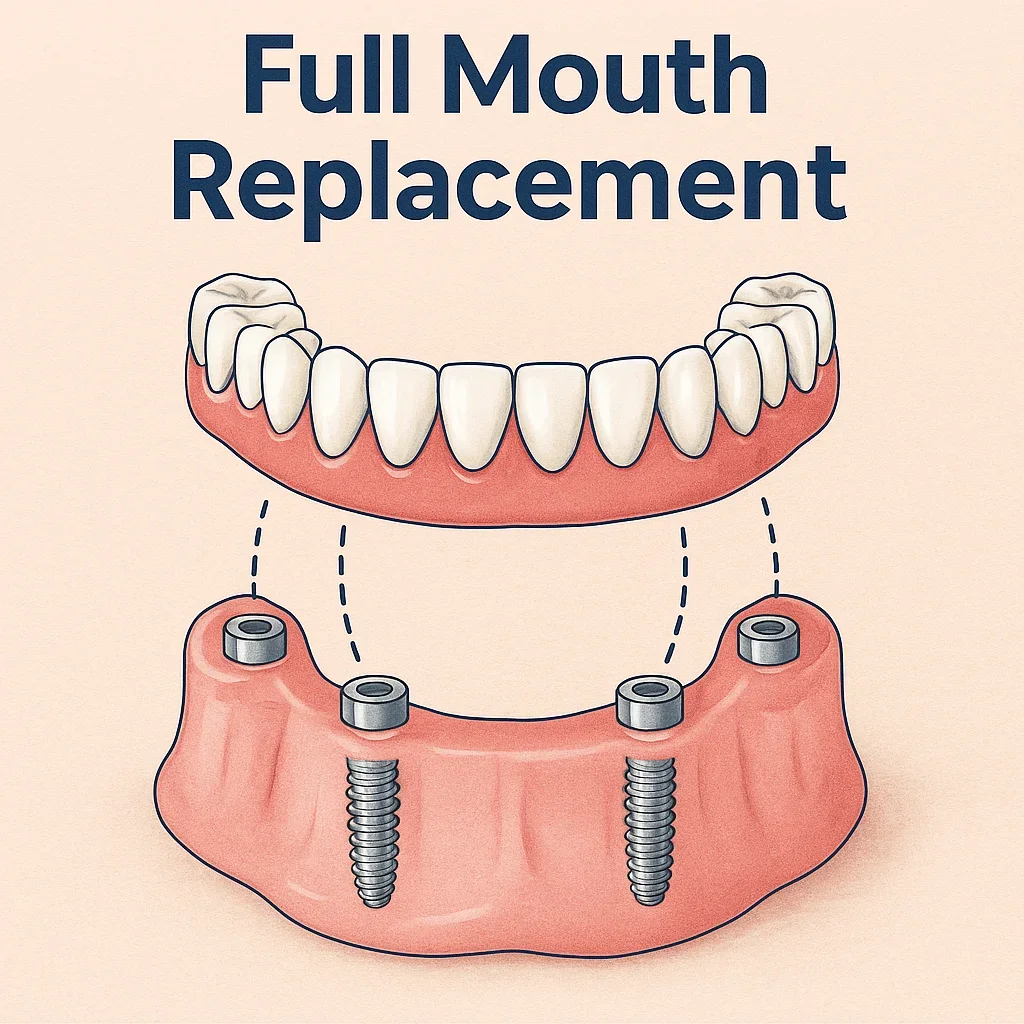
- Removable Implant Dentures: These combine the affordability of dentures with the stability of implants, offering a secure fit while remaining removable for easy cleaning.
H4: Comparing Full Mouth Replacement With Traditional Dentures
While traditional dentures rest on the gums and rely on suction or adhesives for stability, a full mouth replacement supported by implants offers a permanent and secure fit. Patients no longer have to worry about dentures slipping during meals or conversations. Moreover, because implants stimulate the jawbone, they help prevent bone loss, a problem that conventional dentures cannot address. This distinction makes full mouth replacement far superior for long-term oral health and quality of life.
Who Needs a Full Mouth Replacement?
Many patients are candidates for this procedure, but the most common scenarios include:
- Individuals with extensive tooth loss due to decay or trauma.
- Patients with advanced periodontal disease leading to loose or missing teeth.
- Those wearing dentures who seek a more permanent and stable solution.
- People experiencing significant bone loss but willing to undergo grafting for implants.
Every case is unique, which is why comprehensive consultation and diagnostic imaging are essential before proceeding with a full mouth replacement. Dentists must assess gum health, bone density, bite patterns, and overall systemic health before recommending a specific treatment plan.
Benefits Beyond Aesthetics
Although many patients pursue a full mouth replacement for the promise of a beautiful smile, the benefits extend far beyond aesthetics:
- Improved Chewing Efficiency: Patients can enjoy a wider variety of foods, improving nutrition and digestion.
- Enhanced Speech: Replacing missing teeth eliminates slurring and lisps caused by gaps.
- Stronger Jawbone Health: Implants prevent resorption by stimulating natural bone growth.
- Psychological Confidence: Patients often feel more comfortable smiling and engaging in social activities.
How Technology Has Revolutionized Full Mouth Replacement
Modern dentistry has made full mouth replacement faster, safer, and more precise. Digital imaging and 3D scanning allow dentists to plan implant placement with incredible accuracy. Computer-guided surgery minimizes risks, reduces healing time, and ensures predictable results. In some cases, patients can even receive immediate-load implants, allowing them to leave the clinic with a fixed set of teeth on the same day as surgery. This “teeth-in-a-day” concept has made the procedure more appealing to individuals with busy lifestyles.
Longevity and Durability
Another important aspect of a full mouth replacement is durability. When properly cared for, implant-supported restorations can last 20 years or longer. With a 95% success rate for dental implants, patients can trust that their investment in oral health will provide decades of comfort and function. Routine dental visits, consistent oral hygiene, and avoiding harmful habits like smoking are essential for maximizing the lifespan of the treatment.
Considerations Before Undergoing Full Mouth Replacement
Before committing to the procedure, patients should consider the following:
- Financial Commitment: A full mouth replacement is a significant investment, often ranging from $20,000 to $50,000 depending on the method and location.
- Healing Time: Bone grafting, if required, may extend the timeline for treatment.
- Medical History: Conditions such as diabetes or osteoporosis can affect healing and implant success rates.
- Maintenance: While durable, implants require daily cleaning and professional monitoring.
Final Thoughts on Full Mouth Replacement
Understanding “what is a full mouth replacement” is the first step toward reclaiming dental health and personal confidence. For patients suffering from multiple oral health problems, this procedure offers a second chance at a natural, functional, and radiant smile. With modern technology, highly skilled dental professionals, and personalized treatment planning, the journey to a healthier smile has never been more achievable. By restoring not only the teeth but also overall oral harmony, full mouth replacement is truly a comprehensive solution for lifelong oral health.
Benefits of Choosing a Full Mouth Replacement
Opting for a full mouth replacement is one of the most impactful decisions an individual can make when it comes to dental health. This comprehensive treatment is not limited to restoring appearance—it provides lasting solutions that affect nearly every aspect of life. From improving overall health and functionality to delivering aesthetic enhancements and psychological confidence, the benefits of this procedure extend far beyond the mouth itself. In this section, we’ll explore the key advantages of undergoing a full mouth replacement and why it has become the gold standard in restorative dentistry.
Functional Benefits of Full Mouth Replacement
One of the primary goals of a full mouth replacement is restoring the ability to chew and speak effectively. Missing or damaged teeth often make it difficult to enjoy a varied diet, leading to poor nutrition. With stable implant-supported restorations, patients can bite into foods like apples, steak, or nuts without hesitation. Improved chewing efficiency also enhances digestion, allowing the body to absorb nutrients more effectively. Moreover, the procedure corrects speech problems caused by tooth loss, ensuring patients can articulate words with clarity and confidence.
Enhanced Oral Health
A full mouth replacement does more than simply fill gaps; it actively promotes better oral health. By eliminating decayed or compromised teeth and replacing them with implant-supported restorations, patients reduce the risk of future infections and gum disease. Implants stimulate the jawbone, preventing bone resorption—a condition common in those who wear traditional dentures. This stimulation ensures long-term oral stability, maintaining the integrity of facial structure and jaw alignment.
Aesthetic Advantages
From a cosmetic perspective, full mouth replacement delivers transformative results. Missing teeth or poorly fitting dentures often cause embarrassment, but implant-supported prosthetics look and feel like natural teeth. Each set is custom-designed to match facial features, gum lines, and natural tooth color. The result is a radiant, natural-looking smile that enhances facial harmony. Patients who once hid their smiles behind closed lips often rediscover the joy of expressing themselves openly, which has a profound impact on social interactions and overall self-esteem.
Youthful Appearance
Another overlooked benefit of a full mouth replacement is its anti-aging effect. Tooth loss accelerates jawbone deterioration, which can lead to a “sunken” facial appearance, thinning lips, and premature wrinkles around the mouth. By stabilizing the jawbone and supporting the cheeks and lips, implants help preserve a youthful facial structure. This not only boosts confidence but also contributes to a healthier, more energetic appearance.
Psychological and Emotional Benefits
The psychological impact of a full mouth replacement cannot be overstated. Many patients with missing or severely damaged teeth suffer from social anxiety and diminished self-worth. After treatment, individuals often report increased self-confidence, improved mood, and reduced anxiety. Being able to laugh, smile, and communicate without fear of judgment is liberating, often leading to more fulfilling personal and professional relationships. In this way, the treatment is not just about teeth—it’s about restoring a person’s quality of life.
Long-Term Durability and Stability
A major benefit of undergoing a full mouth replacement is its longevity. Unlike removable dentures that may need frequent adjustments or replacements, implant-supported prosthetics can last decades with proper care. Dental implants have success rates exceeding 95%, making them one of the most reliable treatments in modern dentistry. Patients who commit to good oral hygiene, attend regular dental checkups, and maintain a healthy lifestyle often enjoy lasting results, sometimes for a lifetime.
Financial Value Over Time
While the initial cost of a full mouth replacement may seem high, it often proves more economical in the long run. Traditional dentures may appear less expensive initially, but ongoing adjustments, adhesives, and eventual replacements can add up significantly over time. In contrast, implants require minimal maintenance and rarely need replacement, making them a cost-effective solution for long-term oral health and function.
Improved Systemic Health
Oral health is closely linked to overall systemic health, and a full mouth replacement contributes to improvements beyond the mouth. Poor oral health is associated with conditions such as heart disease, diabetes, and chronic inflammation. By eliminating infection and restoring proper chewing ability, patients reduce the risk of systemic complications. Better nutrition, improved digestion, and enhanced overall wellness are among the indirect benefits patients experience after completing the procedure.
Convenience and Lifestyle Benefits
Unlike dentures, which require adhesives and daily removal for cleaning, implant-supported restorations in a full mouth replacement are maintained just like natural teeth. Patients can brush and floss normally, without worrying about slipping dentures or messy adhesives. The convenience of having permanent teeth means fewer restrictions, greater freedom, and a lifestyle that feels completely natural.
Social and Professional Advantages
Patients who undergo a full mouth replacement often experience noticeable improvements in their professional and social lives. A confident smile can influence first impressions, interviews, and public speaking engagements. In personal relationships, feeling comfortable with one’s smile fosters closer connections and greater satisfaction. These advantages underscore the life-changing potential of this procedure beyond the purely medical and cosmetic aspects.
Final Thoughts on the Benefits of Full Mouth Replacement
The advantages of a full mouth replacement are vast and multidimensional. By restoring functionality, aesthetics, health, and confidence, the procedure offers a comprehensive solution that dramatically improves quality of life. Whether patients are struggling with advanced dental disease, multiple missing teeth, or dissatisfaction with dentures, this treatment provides lasting results that extend into every area of life. Ultimately, a full mouth replacement is an investment not just in oral health, but in overall happiness, well-being, and self-assurance.
Who Is the Right Candidate for Full Mouth Replacement?
Determining candidacy for a full mouth replacement is a critical step before beginning treatment. Not every patient requires this comprehensive procedure, and not everyone is immediately eligible without preparation. This treatment is generally recommended for individuals with severe dental challenges that cannot be resolved by simple restorations or single-tooth implants. By identifying who qualifies, dentists can ensure the best outcomes, long-term oral health, and patient satisfaction. Below, we’ll explore the characteristics of an ideal candidate, health considerations, and special circumstances that might affect eligibility.
General Indicators of a Candidate
A full mouth replacement is typically advised for patients who meet specific conditions. These include:
- Extensive Tooth Loss: Individuals who have lost most or all of their teeth, whether due to decay, trauma, or aging, are prime candidates.
- Severe Dental Decay: Patients with widespread cavities or teeth that are beyond repair often require a comprehensive approach.
- Advanced Gum Disease: Periodontal disease leading to bone and tooth loss may necessitate full mouth restoration.
- Ill-Fitting Dentures: Those dissatisfied with traditional dentures may seek a more permanent, stable, and natural-looking solution.
H4: Bone Density and Jaw Health
The foundation of a successful full mouth replacement lies in the condition of the jawbone. Since dental implants are commonly used to anchor prosthetic teeth, sufficient bone density is essential. Patients with bone loss may still qualify, but they often require bone grafting or sinus lift procedures to create a strong base for implants. Advances in dental technology, including zygomatic implants, have made it possible for individuals with minimal bone density to still benefit from full mouth replacement, though treatment planning becomes more complex.
Systemic Health Considerations
A full mouth replacement is a surgical procedure, so overall health plays an important role in determining eligibility. Patients with uncontrolled diabetes, severe cardiovascular conditions, or autoimmune diseases may face higher risks during and after surgery. However, with careful medical coordination, many individuals can still safely undergo treatment. It’s crucial for patients to disclose their complete medical history, medications, and lifestyle habits to their dentist to ensure safe planning and optimal results.
Smoking and Lifestyle Factors
Smoking, heavy alcohol consumption, and poor oral hygiene can compromise the success of a full mouth replacement. Smoking in particular reduces blood flow, slows healing, and increases the risk of implant failure. While smokers can still undergo treatment, many dentists recommend quitting or significantly reducing smoking prior to surgery to improve long-term success rates. Adopting healthy habits before and after treatment greatly enhances outcomes.
Age and Full Mouth Replacement
There is no strict age limit for a full mouth replacement. Adults of all ages, from young adults suffering trauma to seniors dealing with decades of dental issues, may qualify. The key factors are bone health, gum health, and overall medical stability. In fact, older patients often experience some of the most dramatic life improvements because the procedure allows them to regain chewing ability and confidence that had been lost for years.
Psychological and Emotional Readiness
A full mouth replacement is not only a physical transformation but also a significant emotional journey. Candidates must be ready to commit to multiple dental visits, healing time, and maintenance after treatment. Patients who are motivated and realistic about the process tend to achieve the highest satisfaction. Emotional readiness ensures that individuals fully embrace the benefits of the procedure and comply with aftercare instructions that protect their long-term investment.
Financial Considerations for Candidates
Since a full mouth replacement is a major investment, financial preparedness is another aspect of candidacy. The cost varies widely depending on the technique used, the need for bone grafting, and the geographic location of the clinic. Many patients explore financing options or dental tourism to make treatment more accessible. For instance, specialized clinics abroad may offer advanced procedures at competitive prices without compromising quality. However, patients should carefully research credentials, clinic reputation, and long-term follow-up care before making decisions based on cost alone.
Consultation and Diagnostic Evaluation
The first step in determining candidacy for a full mouth replacement is a thorough consultation with a qualified dentist or oral surgeon. During this stage, patients undergo diagnostic imaging such as panoramic X-rays, 3D cone-beam scans, and digital bite analysis. These tools allow the dentist to assess bone density, gum condition, and structural alignment. Based on these results, a personalized treatment plan is created that addresses both medical needs and aesthetic goals.
Special Circumstances
Some patients may present unique circumstances that influence eligibility for a full mouth replacement:
- Patients with Osteoporosis: While bone health is a concern, many individuals can still undergo implant-based treatments with proper planning.
- Patients with Bruxism (Teeth Grinding): Grinding habits must be managed with protective night guards to prevent implant or prosthetic damage.
- Patients with Previous Failed Restorations: Individuals with failed bridges, dentures, or older implants can often benefit from updated technology and improved methods.
Final Thoughts on Candidacy
Identifying the right candidate for a full mouth replacement involves a combination of oral health evaluation, systemic health review, and personal goals. While not everyone is immediately eligible, advances in modern dentistry have expanded the possibilities for many individuals who once had limited options. By working with an experienced dental professional, patients can discover whether they qualify and begin planning for a treatment that has the potential to transform not only their smiles but also their overall quality of life.
Full Mouth Replacement vs. Traditional Dentures
When deciding on the best treatment for complete tooth loss, patients often face a choice between a full mouth replacement supported by implants and conventional removable dentures. While both options aim to restore functionality and appearance, they differ dramatically in stability, comfort, longevity, and overall health benefits. Understanding the differences between these two approaches allows patients to make informed decisions about which treatment best suits their needs, lifestyle, and long-term goals. Below, we’ll explore how a full mouth replacement compares with traditional dentures in detail.
Structural Stability and Support
The most important distinction between dentures and a full mouth replacement lies in structural support. Dentures rest on the gums, relying on suction, adhesives, or clasps for stability. This often results in slipping or movement during speaking and eating. In contrast, full mouth replacement procedures use dental implants that fuse directly with the jawbone, creating a stable and permanent foundation for artificial teeth. This not only eliminates the fear of dentures shifting but also provides a bite strength close to that of natural teeth.
Impact on Jawbone Health
Traditional dentures do nothing to preserve the jawbone, and in fact, their constant pressure can accelerate bone resorption. Over time, this leads to a sunken facial appearance and weaker oral structures. A full mouth replacement, however, stimulates the bone through implants, much like natural tooth roots do. This stimulation prevents bone deterioration, maintaining both oral health and facial aesthetics for decades.
Functionality and Chewing Efficiency
One of the most common complaints among denture wearers is difficulty eating certain foods. Sticky, chewy, or crunchy foods often become nearly impossible to manage. A full mouth replacement solves this problem by restoring chewing efficiency similar to that of natural teeth. Patients can enjoy a wide variety of foods, from crunchy vegetables to protein-rich meats, without discomfort or embarrassment. The improvement in nutrition and digestion alone makes full mouth replacement a superior choice for long-term health.
Speech and Confidence
Traditional dentures can cause slurred speech or a lisp, especially if they do not fit well. They may also slip out of place during conversations, leading to embarrassing moments. In contrast, implant-supported full mouth replacement restorations remain secure, enabling clear speech and boosting confidence in both personal and professional settings. Patients often describe the experience as “forgetting they even have prosthetic teeth” because the replacements function so naturally.
Aesthetic Comparison
Although dentures can be made to look natural, they often lose their fit over time as the jawbone shrinks. This leads to changes in facial appearance, with sagging cheeks and wrinkles around the mouth. A full mouth replacement, on the other hand, supports the lips and cheeks, preserving facial contours and maintaining a youthful appearance. Custom-designed restorations also ensure a smile that is both radiant and natural-looking, boosting overall self-esteem.
Comfort and Daily Maintenance
For many patients, daily maintenance is another deciding factor. Dentures must be removed, soaked, and cleaned separately from natural oral hygiene routines. Adhesives are often necessary to keep them in place, which can feel messy and inconvenient. In contrast, a full mouth replacement functions just like natural teeth. Patients can brush and floss normally without worrying about adhesives or daily removal. This convenience makes implants the more user-friendly solution in the long term.
Longevity and Durability
Traditional dentures typically need to be relined or replaced every 5–7 years due to jawbone changes and wear. Over time, this can add significant recurring costs. By comparison, a full mouth replacement with implants can last 20 years or more with proper care, with many patients enjoying results for a lifetime. Implant-supported prosthetics are designed to withstand daily use, making them far more durable than removable alternatives.
Financial Investment Over Time
At first glance, dentures may appear to be the more affordable option, but when factoring in the costs of relining, adhesives, replacements, and reduced quality of life, they may prove more expensive in the long run. A full mouth replacement is undoubtedly a larger initial investment, but its long-term durability and reduced maintenance often make it a more cost-effective solution over decades. Many patients find that the enhanced comfort, stability, and quality of life justify the upfront expense.
Psychological and Social Impact
Patients wearing dentures often struggle with self-consciousness, worrying about slippage or appearance. This can limit social activities, reduce confidence, and even affect professional opportunities. Conversely, a full mouth replacement eliminates these concerns, giving patients the freedom to laugh, eat, and speak without hesitation. The emotional and psychological benefits are immense, often reported as one of the most life-changing aspects of the treatment.
Suitability and Patient Choice
While dentures may still be suitable for patients seeking a temporary or budget-friendly option, those who desire a permanent, natural-feeling, and comprehensive solution are best served by a full mouth replacement. Each case is unique, and consultation with a dental professional is necessary to determine which approach aligns with the patient’s health status, lifestyle, and financial situation.
Final Thoughts on Full Mouth Replacement vs. Dentures
When comparing full mouth replacement vs. traditional dentures, the difference is clear. While dentures provide a short-term solution, implants offer a long-term investment in health, aesthetics, and confidence. For patients seeking the highest level of stability, durability, and quality of life, full mouth replacement stands as the superior option. Ultimately, the decision depends on personal goals and medical suitability, but advances in modern dentistry have made permanent implant-supported solutions more accessible than ever before.
The Step-by-Step Procedure for Full Mouth Replacement
One of the most common questions patients ask before committing to a full mouth replacement is: “What exactly happens during the procedure?” Understanding the process helps reduce anxiety, sets realistic expectations, and prepares patients for a smooth treatment journey. While each case is unique, most full mouth replacement procedures follow a carefully structured series of steps, guided by advanced technology and tailored to the patient’s oral health needs. Below, we’ll break down the entire process, from consultation to final results.
Step 1: Comprehensive Consultation and Evaluation
The journey toward a full mouth replacement begins with an in-depth consultation. During this stage, the dentist or oral surgeon reviews the patient’s medical history, current oral health, and treatment goals. Diagnostic imaging, such as panoramic X-rays and 3D cone-beam computed tomography (CBCT) scans, is performed to evaluate bone density, gum health, and jaw structure. These tests are crucial for planning implant placement and determining whether additional procedures such as bone grafting or sinus lifts will be required. A personalized treatment plan is then developed to meet the patient’s functional and aesthetic needs.
Importance of Digital Planning
Advanced software tools allow dentists to create virtual models of the patient’s mouth. These 3D simulations ensure precise implant positioning and prosthetic design, reducing the risk of complications and improving long-term outcomes. Patients are often shown a preview of their expected results, which helps them understand the benefits of a full mouth replacement before surgery begins.
Step 2: Pre-Treatment Preparations
Before the actual surgery, preparatory steps may be necessary. For patients with remaining decayed or damaged teeth, extractions are performed. If significant bone loss is present, bone grafting or sinus augmentation may be scheduled to strengthen the foundation for implants. These preparatory treatments may extend the overall timeline but are essential for ensuring the long-term success of the full mouth replacement.
Step 3: Placement of Dental Implants
The core of a full mouth replacement lies in the placement of dental implants. These small titanium posts are surgically inserted into the jawbone, where they act as artificial tooth roots. Depending on the treatment plan, patients may receive “All-on-4,” “All-on-6,” or even more implants to support the full arch of teeth. Implant surgery is typically performed under local anesthesia, sedation, or general anesthesia, depending on the patient’s needs and comfort level. The precision of implant placement is vital, as it determines the stability and success of the final restoration.
Immediate-Load vs. Traditional Implants
In some cases, patients qualify for immediate-load implants, also known as “teeth-in-a-day.” This means a temporary prosthetic can be attached to the implants on the same day as surgery, allowing the patient to leave with a functional smile. In traditional cases, a healing period of three to six months may be required to allow the implants to fully integrate with the bone before permanent teeth are placed.
Step 4: Healing and Osseointegration
Following implant placement, the body begins the process of osseointegration—the fusion of the implant with the jawbone. This stage is critical to the long-term stability of a full mouth replacement. The healing timeline varies but typically ranges from several weeks to a few months, depending on the patient’s bone health, age, and overall condition. During this period, patients may wear temporary restorations to maintain appearance and basic function while avoiding pressure on the healing implants.
Step 5: Design and Fabrication of Prosthetics
Once the implants have successfully integrated, impressions or digital scans of the mouth are taken to create the permanent prosthetics. These prosthetics—whether fixed bridges, implant-supported dentures, or hybrid solutions—are custom-designed to match the patient’s natural tooth color, shape, and alignment. The attention to detail ensures that the final result looks both natural and harmonious with the patient’s facial features.
Material Choices
Patients can choose between different materials for their full mouth replacement, including porcelain, zirconia, or acrylic. Zirconia is often preferred for its combination of durability and aesthetics, while acrylic may be more affordable. The choice depends on budget, desired aesthetics, and the dentist’s recommendations.
Step 6: Final Placement of Permanent Restorations
The final stage of a full mouth replacement is the attachment of the permanent prosthetics. Once securely fixed to the implants, these restorations provide full chewing function, natural appearance, and lasting durability. Patients leave the clinic with a complete smile that feels and functions like natural teeth. The transformation is often immediate, with patients reporting improved confidence, comfort, and overall satisfaction.
Step 7: Aftercare and Maintenance
After a full mouth replacement, proper aftercare is essential to protect the results. Patients are advised to maintain excellent oral hygiene, including regular brushing, flossing, and the use of special cleaning tools for implants. Routine dental visits every six months are critical for monitoring implant health and addressing potential issues early. Unlike dentures, implant-supported restorations do not require adhesives or soaking, making long-term maintenance much more convenient.
Final Thoughts on the Procedure
While the process of a full mouth replacement may seem complex, each step is carefully designed to ensure long-lasting results. From consultation and planning to implant placement, healing, and final restoration, modern dentistry has streamlined the procedure to be as efficient and comfortable as possible. By understanding the detailed stages of treatment, patients can feel confident about their decision and look forward to the life-changing benefits of a complete, functional, and radiant smile.
Recovery, Healing, and Aftercare Tips 🦷
Undergoing a full mouth replacement is a transformative journey, but the process does not end once the implants and prosthetics are placed. The recovery and healing phase is crucial for ensuring long-term success, comfort, and functionality. Patients must follow specific aftercare guidelines to allow their bodies to heal properly, minimize complications, and maximize the durability of their new smile. In this section, we’ll explore what to expect during recovery, the healing process, and the most effective aftercare practices.
The Initial Recovery Period
Immediately after a full mouth replacement, patients can expect mild to moderate swelling, minor bleeding, and discomfort around the implant sites. These symptoms are a normal part of the healing process and typically subside within one to two weeks. Ice packs, prescribed medications, and rest are key to reducing discomfort. Dentists often provide detailed aftercare instructions, including when and how to take medications, what foods to avoid, and how to clean the mouth during the early stages of healing.
Managing Pain and Swelling
Over-the-counter pain relievers or dentist-prescribed medications help manage discomfort during the first few days. Applying ice packs in intervals of 15 minutes on and off can significantly reduce swelling. Patients are encouraged to keep their head elevated when sleeping to minimize blood flow to the surgical sites, further controlling swelling.
Dietary Guidelines After Surgery
Nutrition plays an essential role in recovery following a full mouth replacement. During the first week, patients should stick to soft foods such as yogurt, mashed potatoes, smoothies, and soups. Avoiding hot, spicy, and crunchy foods prevents irritation or damage to the surgical areas. Gradually, as healing progresses, patients can reintroduce more solid foods, guided by their dentist’s recommendations. Hydration is equally important, but drinking through straws should be avoided to prevent dislodging blood clots and disrupting healing.
Foods to Favor and Avoid
- Safe Choices: Scrambled eggs, oatmeal, steamed vegetables, protein shakes, and soft pasta.
- Avoid: Nuts, seeds, hard candy, sticky sweets, and carbonated beverages.
The Osseointegration Phase
After the initial recovery, the body enters the osseointegration phase, where implants fuse with the jawbone. This critical stage usually takes three to six months and ensures that the full mouth replacement becomes permanently stable. During this time, patients may wear temporary restorations that allow basic function while protecting the healing implants. Regular follow-up appointments are necessary to monitor progress and confirm successful integration.
Oral Hygiene During Healing
Maintaining good oral hygiene is vital during the recovery phase. While patients must be gentle around surgical sites, they should still brush their teeth using a soft-bristled toothbrush and rinse with non-alcoholic antibacterial mouthwash. Flossing should be introduced carefully once advised by the dentist. Specialized cleaning aids, such as water flossers and interdental brushes, may be recommended to ensure thorough cleaning around implants in a full mouth replacement.
Avoiding Infections
Infections are one of the biggest risks during recovery. Patients should avoid smoking and alcohol, as these habits impair healing and increase the risk of implant failure. Promptly reporting unusual symptoms such as persistent swelling, severe pain, or pus discharge to the dentist can help prevent complications and protect the success of the full mouth replacement.
Long-Term Maintenance Tips
Once the healing process is complete and permanent prosthetics are in place, long-term care is essential for preserving results. Patients should brush at least twice daily, floss regularly, and use antimicrobial rinses. Dental check-ups every six months allow professionals to assess the condition of implants, gums, and prosthetics. With proper maintenance, full mouth replacement restorations can last decades, delivering lasting comfort and confidence.
Night Guards and Bruxism Prevention
Some patients may unknowingly grind their teeth (bruxism), which can damage prosthetics. Dentists often recommend wearing a night guard to protect the restorations. This preventive measure ensures that the investment in a full mouth replacement remains safe for the long term.
Lifestyle Adjustments for Better Healing
Recovery is not just about the mouth—it’s about the whole body. Patients are encouraged to maintain a balanced diet rich in vitamins and minerals, avoid excessive stress, and prioritize sleep to support healing. Regular exercise, once cleared by the dentist, improves circulation and promotes faster recovery. Avoiding smoking and limiting alcohol consumption are among the most critical lifestyle changes for ensuring implant success.
Follow-Up Appointments and Monitoring
Ongoing follow-up appointments are non-negotiable for patients who undergo a full mouth replacement. These visits allow dentists to check osseointegration progress, ensure the gums are healthy, and evaluate temporary or permanent prosthetics. Adjustments may be made to improve fit and comfort. Consistent monitoring helps identify potential issues early, avoiding costly or painful complications.
Final Thoughts on Recovery and Aftercare
The recovery process following a full mouth replacement is a partnership between the dentist and patient. While modern surgical techniques make healing smoother than ever, patient commitment to aftercare plays the biggest role in long-term success. By following professional guidelines, maintaining excellent oral hygiene, and making healthy lifestyle choices, patients can enjoy decades of confidence, functionality, and improved quality of life with their new smile. Ultimately, recovery is not just about healing—it’s about building habits that ensure the benefits of a full mouth replacement last a lifetime.
Cost of Full Mouth Replacement: What to Expect 💰
One of the most common concerns patients have before committing to a full mouth replacement is the cost. Because this treatment is a comprehensive solution that involves advanced technology, surgical expertise, and high-quality materials, the investment can be significant. However, it is essential to view the cost not just as an expense, but as a long-term investment in health, function, and confidence. In this section, we’ll explore the different factors that influence the cost of a full mouth replacement, compare it to other restorative options, and provide insights into how patients can plan financially for this life-changing procedure.
Average Price Range
The cost of a full mouth replacement varies widely depending on location, materials, and the complexity of the case. In the United States, the average price can range from $20,000 to $50,000 per arch, meaning a full upper and lower restoration could cost between $40,000 and $100,000. In the United Kingdom and other parts of Europe, prices may be slightly lower, averaging £15,000 to £30,000 per arch. Dental tourism in countries such as Turkey, Mexico, and Thailand often offers full mouth replacement packages for $8,000 to $20,000, attracting international patients who want affordable yet high-quality care.
Cost Breakdown Example
For better clarity, here’s a typical breakdown of costs associated with a full mouth replacement in the U.S.:
- Initial Consultation and Imaging: $250 – $500
- Extractions (if needed): $100 – $500 per tooth
- Bone Grafting or Sinus Lift: $1,000 – $5,000 (depending on complexity)
- Implant Placement: $1,500 – $3,500 per implant
- Temporary Prosthetics: $1,000 – $3,000
- Permanent Restorations (zirconia or porcelain bridges): $15,000 – $30,000 per arch
This cost structure illustrates why a full mouth replacement is considered a premium procedure. However, it also highlights that patients are paying for a permanent, stable, and transformative solution rather than a temporary fix.
Factors Affecting the Cost
Several factors influence the price of a full mouth replacement:
- Number of Implants: An All-on-4 system will typically cost less than an All-on-6 or All-on-8, since fewer implants are placed.
- Material Choice: Acrylic prosthetics are less expensive, while zirconia or porcelain restorations cost more but last longer.
- Bone Grafting Needs: Patients with significant bone loss may require additional grafting procedures, increasing costs.
- Clinic Location: Prices are generally higher in metropolitan cities and developed countries compared to international dental tourism destinations.
- Dentist Experience: Specialists with advanced expertise may charge more, but they also provide higher predictability and safety.
Insurance and Financing
Most dental insurance plans cover only a portion of full mouth replacement costs, often limited to extractions or a small percentage of implant placement. However, many clinics offer financing plans, allowing patients to pay in monthly installments. Third-party healthcare financing companies may also provide low-interest loans for dental treatments. It is always advisable to consult with both the dental clinic and insurance provider to explore financial support options.
Comparing Costs: Dentures vs. Full Mouth Replacement
At first glance, traditional dentures appear much cheaper, typically costing between $1,500 and $3,000 per arch. However, dentures require frequent relining, replacements every 5–7 years, and ongoing maintenance costs. Over a lifetime, these recurring expenses can surpass the one-time investment of a full mouth replacement. Moreover, dentures do not protect the jawbone from deterioration, which can result in additional long-term healthcare expenses. By contrast, implant-supported restorations provide stability, longevity, and overall better health outcomes, making them more cost-effective in the long run.
Hidden Costs to Consider
Patients should also consider potential hidden costs when planning for a full mouth replacement. These may include travel expenses (especially for dental tourism), temporary accommodations, time off work during recovery, and the need for specialized cleaning tools. Transparent discussions with the dental provider help ensure that all potential costs are accounted for before treatment begins.
Global Dental Tourism for Cost Savings
Many patients explore dental tourism to reduce costs without compromising quality. Countries such as Turkey have become leading destinations for full mouth replacement procedures, offering highly trained specialists, modern facilities, and prices that can be up to 70% lower than those in the U.S. Patients should ensure that the clinic is accredited, uses high-quality materials, and provides a clear aftercare plan before committing to treatment abroad.
Long-Term Financial Value
While the initial cost of a full mouth replacement may seem daunting, it is important to consider its long-term value. Unlike dentures or bridges that need replacement, implant-supported solutions are designed to last decades with proper care. Patients often find that the improved quality of life—better nutrition, restored confidence, and reduced medical complications—makes the investment worthwhile. Additionally, avoiding repeated dental treatments can save significant money over a lifetime.
Final Thoughts on Cost
The cost of a full mouth replacement varies based on numerous factors, but it consistently provides unmatched value in terms of health, aesthetics, and functionality. Patients should approach the treatment as a long-term investment rather than a short-term expense. By understanding the financial aspects, comparing treatment options, and considering both local and international providers, individuals can make an informed decision that balances affordability with the highest quality of care. Ultimately, the benefits far outweigh the costs, as a full mouth replacement restores not only a smile but also overall quality of life.
Long-Term Results and Patient Success Stories
One of the most inspiring aspects of a full mouth replacement is the long-term transformation it creates in patients’ lives. Beyond the immediate functional and aesthetic improvements, this treatment provides durable results that can last for decades when properly maintained. Patients consistently report life-changing benefits, from improved nutrition and oral health to renewed confidence and social engagement. In this section, we’ll explore the long-term results patients can expect, supported by real-world success stories and expert insights.
Durability of Full Mouth Replacement
Unlike traditional dentures, which typically require replacement every 5–7 years, a full mouth replacement with implants is designed to last 20 years or longer. With good oral hygiene and regular dental visits, many patients enjoy stable and functional results for the rest of their lives. The titanium implants fuse with the jawbone through osseointegration, creating a strong foundation for the prosthetics. Studies show that dental implants have success rates of over 95%, even 10–15 years after placement, making them one of the most reliable solutions in modern dentistry.
Maintenance for Long-Term Success
To preserve the results of a full mouth replacement, patients must commit to excellent oral hygiene and consistent follow-up care. This includes brushing twice daily with a soft-bristled toothbrush, using interdental cleaning tools, and visiting the dentist for professional cleanings at least twice a year. Additionally, wearing a protective night guard is often recommended for those who grind their teeth, as bruxism can damage prosthetics over time. These small habits ensure that the long-term benefits of the procedure are maximized.
Improved Quality of Life
The long-term results of a full mouth replacement go far beyond oral health. Patients frequently report that they can eat foods they had avoided for years, such as crunchy vegetables, nuts, and steak. Improved chewing efficiency enhances digestion and overall nutrition, contributing to better systemic health. Psychologically, having a secure and natural-looking smile encourages greater self-esteem, reduces anxiety in social situations, and often improves professional opportunities. The ability to laugh, speak, and smile freely is among the most cherished outcomes patients experience.
Anti-Aging Benefits
Another long-term advantage of a full mouth replacement is its ability to preserve facial structure. Traditional dentures often accelerate bone resorption, causing a sunken appearance and premature aging. In contrast, implants stimulate the jawbone, preventing deterioration and maintaining facial volume. Patients not only enjoy a healthy smile but also retain a youthful, vibrant appearance for years to come.
Patient Success Stories
Real-life success stories illustrate the profound impact of full mouth replacement treatments. For example:
- Case 1 – The Retired Teacher: A 68-year-old retired teacher struggled with loose dentures for over a decade. After switching to an All-on-6 full mouth replacement, she regained her ability to enjoy crunchy foods and found new confidence when speaking at community events. Her implants have remained stable for more than 10 years, and she reports feeling “twenty years younger.”
- Case 2 – The Business Executive: A 52-year-old executive lost multiple teeth due to advanced gum disease. He underwent bone grafting followed by a full mouth replacement using zirconia bridges. Today, he not only enjoys improved oral health but also feels more confident during public speaking engagements and business meetings.
- Case 3 – The Young Accident Survivor: A 32-year-old man lost most of his teeth in a car accident. His full mouth replacement gave him a natural smile and restored his ability to pursue a normal lifestyle. His transformation has been described as “life-saving,” both emotionally and socially.
Scientific Evidence Supporting Long-Term Results
Numerous clinical studies have confirmed the longevity and success of full mouth replacement treatments. Research published in peer-reviewed dental journals indicates that implant-supported full arch restorations achieve success rates above 90–95% after 15 years of follow-up. Patients who maintain good oral hygiene and avoid harmful habits such as smoking typically experience even higher success rates. This evidence underscores why full mouth replacement is widely regarded as the gold standard for treating complete tooth loss.
Comparing Long-Term Value with Dentures
Over time, traditional dentures may become loose, require adhesives, and need multiple replacements. This cycle often proves more costly and inconvenient in the long run. By contrast, the durability of a full mouth replacement ensures fewer adjustments, greater reliability, and higher overall patient satisfaction. When considering both financial investment and quality of life, the long-term value of implants far exceeds that of conventional dentures.
Psychological and Emotional Transformation
Beyond physical improvements, patients often describe their full mouth replacement journey as emotionally transformative. Many had lived for years hiding their smiles, avoiding social gatherings, or feeling embarrassed during conversations. After treatment, they rediscover the joy of smiling freely and engaging fully with others. This emotional transformation often leads to stronger personal relationships, greater confidence in professional settings, and an overall happier outlook on life.
Final Thoughts on Long-Term Results
The long-term success of a full mouth replacement demonstrates why it is considered a life-changing treatment. Patients not only regain their smiles but also their confidence, health, and quality of life. With proper care, these results can last a lifetime, making the procedure one of the most rewarding investments in dentistry. The combination of scientific reliability, real-world patient satisfaction, and emotional transformation proves that full mouth replacement is far more than a dental solution—it is a pathway to renewed living.
How to Choose the Best Clinic for Full Mouth Replacement
Selecting the right dental clinic for a full mouth replacement is one of the most important decisions a patient can make. Since this treatment is complex, expensive, and life-changing, the choice of clinic and dentist directly impacts the outcome. Not all clinics are equal in terms of expertise, technology, and patient care, so taking the time to evaluate options is essential for long-term satisfaction. Below, we’ll provide a comprehensive guide to choosing the best clinic for your treatment, highlighting critical factors, red flags, and questions to ask before committing.
Evaluating Professional Expertise
The experience and qualifications of the dental team play a pivotal role in the success of a full mouth replacement. Patients should seek clinics with dentists who specialize in implantology, prosthodontics, or oral surgery. Board certifications, memberships in international dental associations, and advanced training in implant dentistry are strong indicators of expertise. A highly qualified specialist will not only execute the procedure skillfully but also manage complex cases involving bone grafting or sinus lifts.
Questions to Ask Your Dentist
- How many full mouth replacement procedures have you performed?
- What is your implant success rate over the past 5–10 years?
- Do you have before-and-after photos or patient testimonials?
- Are you trained in advanced implant systems like All-on-4 or All-on-6?
Technology and Equipment
Modern technology significantly improves the accuracy, comfort, and outcomes of a full mouth replacement. The best clinics utilize digital imaging, 3D cone-beam CT scans, and computer-guided implant surgery. These technologies allow for precise planning and placement, minimizing risks and ensuring predictable results. Clinics that offer same-day “teeth-in-a-day” solutions often have in-house dental laboratories that can fabricate custom prosthetics quickly and efficiently.
Advanced Materials and Options
The quality of materials used is equally important. Zirconia and porcelain are considered top-tier options for long-term durability and aesthetics, while acrylic may be used for more affordable or temporary solutions. Reputable clinics will offer a variety of materials and explain the pros and cons of each, tailoring the recommendation to the patient’s goals and budget.
Reputation and Patient Reviews
Checking the reputation of a clinic provides valuable insights into the patient experience. Online reviews, testimonials, and independent ratings can help identify reliable providers. Patients should also ask for references or case studies of previous full mouth replacement treatments. Consistently positive feedback regarding comfort, professionalism, and long-term results is a strong sign of trustworthiness.
Cost Transparency and Financial Options
Since a full mouth replacement is a significant investment, cost transparency is critical. The best clinics provide detailed estimates that include every step of the process—consultations, imaging, implant placement, temporary prosthetics, and final restorations. Beware of clinics that provide vague or incomplete pricing, as this can lead to unexpected hidden costs. Flexible financing plans and insurance coordination are also important considerations that make treatment more accessible.
Dental Tourism and International Clinics
Many patients consider dental tourism to reduce costs for a full mouth replacement. Countries like Turkey and Mexico have become popular destinations, offering world-class clinics at significantly lower prices. When considering international care, patients must ensure that the clinic is accredited, uses FDA-approved materials, and provides a clear aftercare plan for follow-up care. A balance between affordability and safety should always be prioritized.
Personalized Treatment Planning
A reputable clinic will never adopt a “one-size-fits-all” approach. Instead, it will provide a personalized treatment plan based on the patient’s oral health, bone density, medical history, and lifestyle goals. During the consultation, the dentist should explain every stage of the full mouth replacement, answer questions thoroughly, and discuss alternative treatment options if necessary. Patients should feel comfortable and informed before moving forward.
Aftercare and Long-Term Support
Successful outcomes do not end after surgery. The best clinics provide comprehensive aftercare, including follow-up visits, hygiene instructions, and long-term maintenance strategies. Because implants require monitoring, patients should select a clinic that offers ongoing support for years after the procedure. This ensures that the full mouth replacement continues to function well and maintain its aesthetic quality.
Emergency Support Availability
Another factor often overlooked is access to emergency care. A clinic that offers 24/7 emergency support gives patients peace of mind, especially in the early weeks after surgery. Whether it’s managing unexpected swelling, pain, or adjustments to temporary prosthetics, reliable aftercare distinguishes top-tier clinics from the rest.
Red Flags to Avoid
When choosing a clinic for a full mouth replacement, patients should be cautious of red flags such as:
- Unrealistically low prices with no explanation of material quality.
- Lack of detailed consultation or diagnostic imaging before proposing treatment.
- High-pressure sales tactics to secure commitment quickly.
- Absence of verifiable credentials or poor transparency regarding implant brands used.
Final Thoughts on Choosing the Best Clinic
Deciding where to undergo a full mouth replacement is just as important as choosing to have the procedure itself. By prioritizing expertise, technology, transparency, and aftercare, patients can ensure they receive the highest quality of treatment. Taking time to research, ask the right questions, and evaluate options allows individuals to make confident, informed decisions. Ultimately, the right clinic will not only restore a patient’s smile but also provide a lasting partnership in maintaining their oral health for decades to come.